
Hyundai has already sold more electric vehicles in 2026 in Australia than it did over the whole of last year.
Sales of EVs have surged in Australia, amid the ongoing Middle East conflict that’s caused energy shock around the world resulting in disruptions to supply and escalating fuel prices.
In March alone, Australians bought over 15,000 new EVs to account for almost 15 per cent of all new car sales, effectively doubling market share when compared with March 2025.
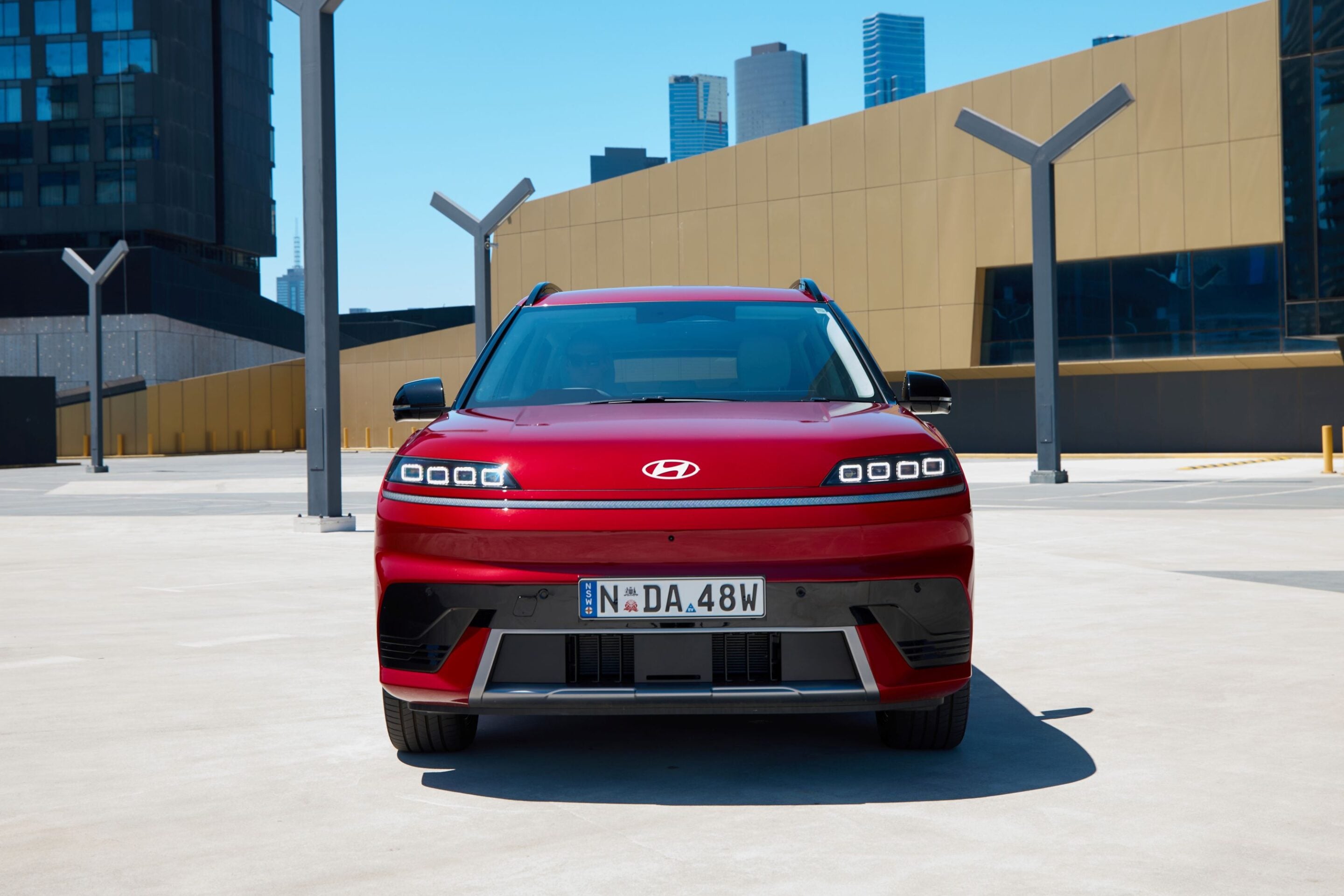
April new car sales to be released next week are expected to see continued growth in battery electric vehicle sales as more and more buyers look to minimise the impacts of price rises at the bowser.
Hyundai Australia has experienced significant sales growth across its electric vehicle portfolio, its total projected sales of 2144 EVs (according to Hyundai data seen by WhichCar by Wheels) to the end of April already eclipsing its 2025 total of 1882. That’s off the back of surging demand in March and April, Hyundai claiming an increase of 368 per cent for the period compared with January-February.
“It’s extremely healthy and kind of an unprecedented growth in the market,” a Hyundai spokesperson told WhichCar by Wheels. “When you look at a certain type of vehicle or powertrain, I don’t think we’ve seen anything like it.
“It just goes to show, there must have been a lot of people who had been considering EVs for some time, and when the need is there, and when there’s an extra benefit – or a very real benefit – they were always ready to take that step.”
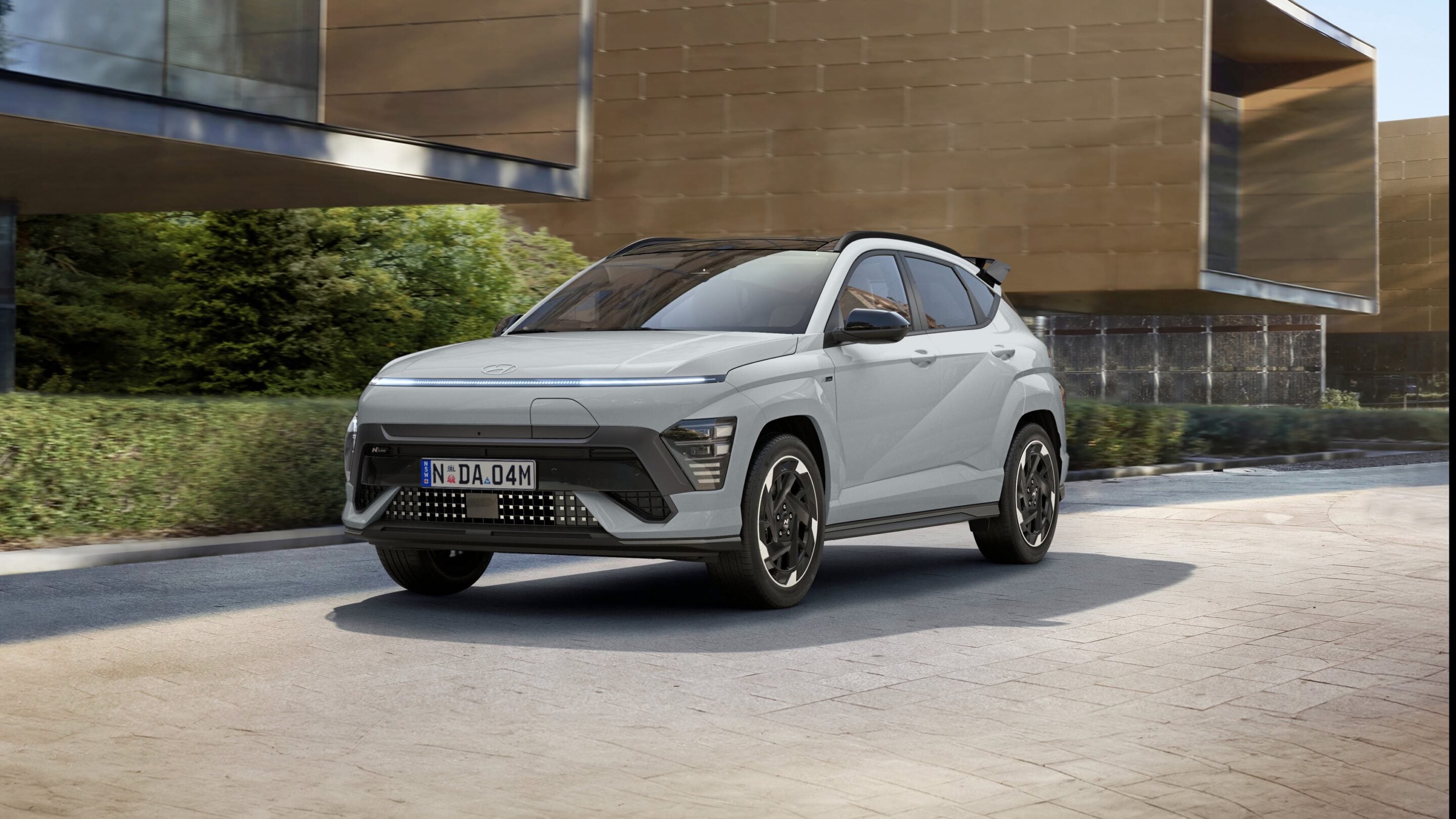
Leading the sales charge are two SUVs, the Kona small SUV (up 298 per cent) and the all-new Elexio which has racked up 525 sales over the last two months.
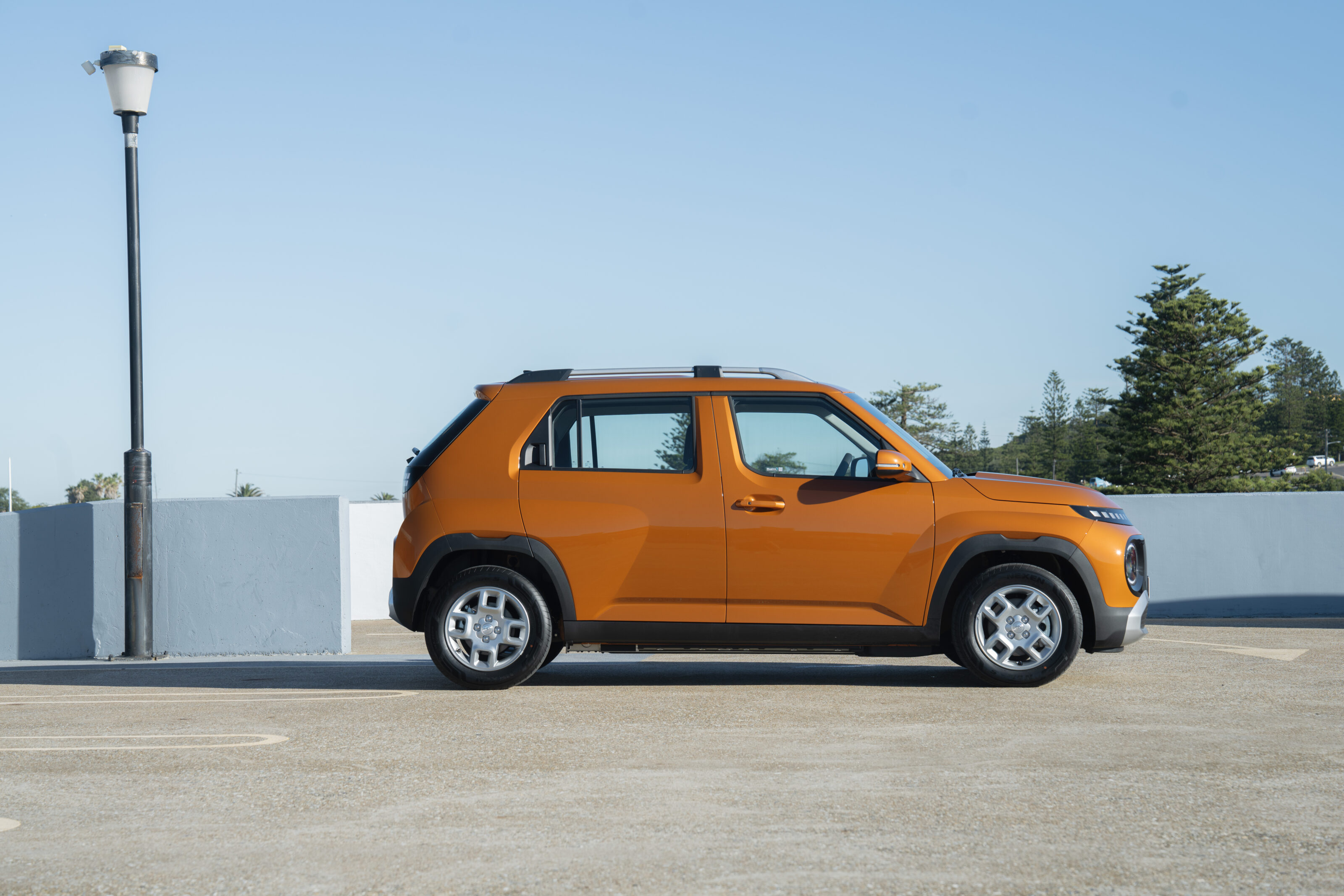
The diminutive Hyundai Inster city car has struggled to attract buyers since launching here in early 2025. But with expected sales of 445 to the end of April, is close to overhauling last year’s total of 467. That strong result prompted Hyundai’s spokesperson to respond “Yeah, absolutely,” when asked if the future of Hyundai’s smallest EV was secure in Australia, adding that he was aware of the difficulty faced by Inster in an increasingly competitive market dominated largely by challenger brands from China.
“If you look at it on paper, it doesn’t really stack up in all sorts of ways, including cost,” he said. “It’s one of those cars where, if you had the budget already, and you were looking at various choices and you thought ‘I want to go with a more established brand and I want something a little bit different that works in the city’.”
It’s a well-made point, with the majority of the top 10 selling electric vehicles in March dominated by challenger brands. Of the established brands, only Tesla (Model Y and Model 3) and Kia EV5 feature on the list of Australia’s most popular EVs. But if Hyundai’s April forecast is correct, there’s a good chance that both Kona EV and the all-new Elexio could surge up the charts into the top 10.
New car sales data from the Federal Chamber of Automotive Industries and the Electric Vehicle Council is due to be released this week.
First published in the June 1967 issue of Wheels magazine, Australia’s best car mag since 1953. Subscribe here and gain access to 12 issues for $109 plus online access to every Wheels issue since 1953.
A high performance version of Ford’s Falcon V8 has been as inevitable as plum pudding at Christmas. It’s been longer coming than most people expected but initial impressions indicate that it’s been worth the wait. We first predicted the Falcon GT in January.
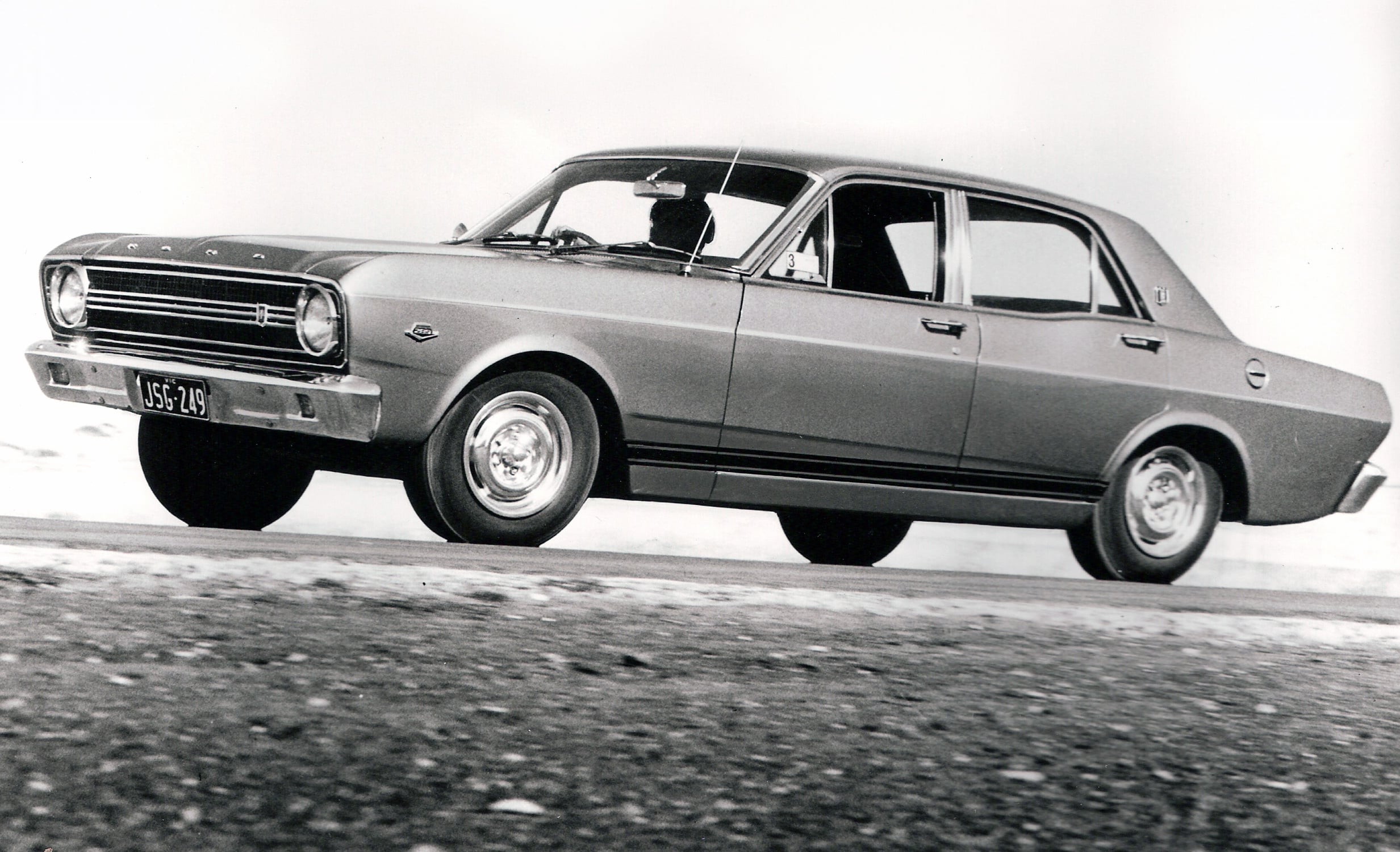
Ford started experimenting with a GT concept of the car long before the XR was introduced. It had hoped to win some police contracts with a faster, four-on-the-floor XR V8 which gave rise to stories that a Falcon GT would come out with the rest of the cars. Then the buzz was that it would blossom alongside the Fairlane. Wisely, Ford held back another month, for the GT would have certainly taken the shine off the Fairlane’s publicity.
Essentially, the Falcon GT will be a limited production model, but is being screwed together within Ford’s Melbourne plant. Initial production runs look like being in lots of 300 because Ford top brass are just a bit wary as to its sales potential. However, our guess is that Ford may be astride a tiger with this one.
A lot of non-Ford motorists are going to be drawn into the fold by the thundering performance, good roadholding, brakes and quick steering. Ford is undecided about running the GT in the Gallaher 500 at Bathurst this October. Even if a works entry doesn’t appear there is sure to be a stack of GTs battling for line honors against the Alfa Supers.
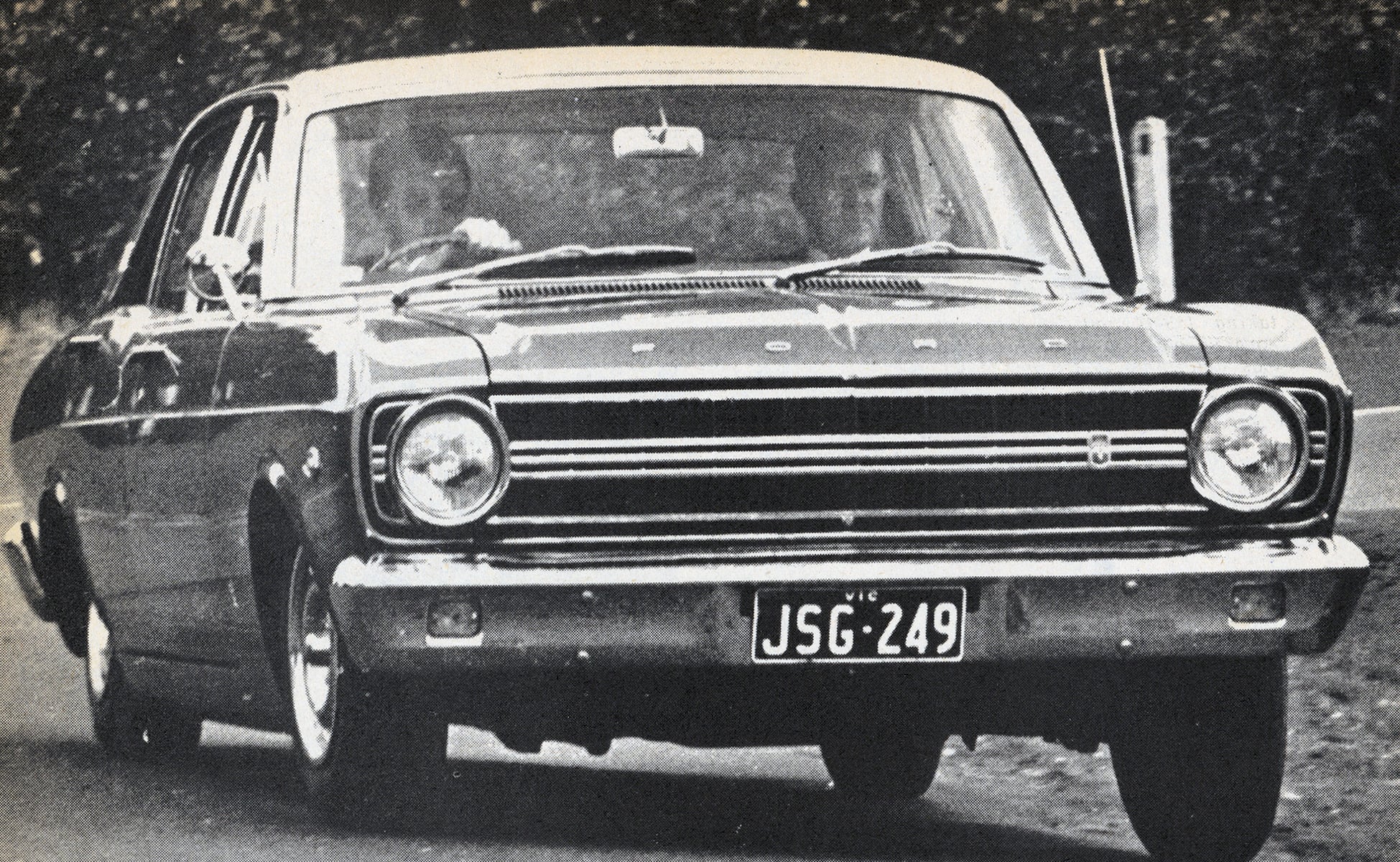
Like the T-model black, the Falcon GT comes in any colour the customer wants – as long as it is metallic gold with black trimmings.
Limited production has obviously been to blame for this uniformity, but the colour is attractive enough to please most people. In fact, the GT is more Fairmont than Falcon. With the exception of the floor shift and dashboard, the cabin is pure Fairmont in style, all in black seats, headlining, carpets, the lot. The colour, the black go-faster stripes below the doors and across the back, GT. badges and a partially blacked-out grille the main clues to the hot one’s identity.
Take it a step further. The wheels have 5½ inches to carry 185-14 radials and have chromed hubcaps that have been designed to look like no hubcaps. Suspension modifications have dropped overall height by three inches and it’s more obvious at the back than the front. Spring rates have been fiddled and 1⅜ competition dampers fitted all round to give a firmer, better controlled ride. It is still not harsh. The front anti-roll bar has gone up in diameter.
We had half expected to see some positive rear axle location arrangements, but apparently Ford’s engineers believe they have the situation in hand. Certainly the rear-end felt right, but a final opinion on this will not be available until we get a car for full road test. Front brakes are assisted 11 in. discs with hard linings which, during our short experience with the GT, seemed able to give plenty of bite low down with no noise. Rears are 11 in. drums.
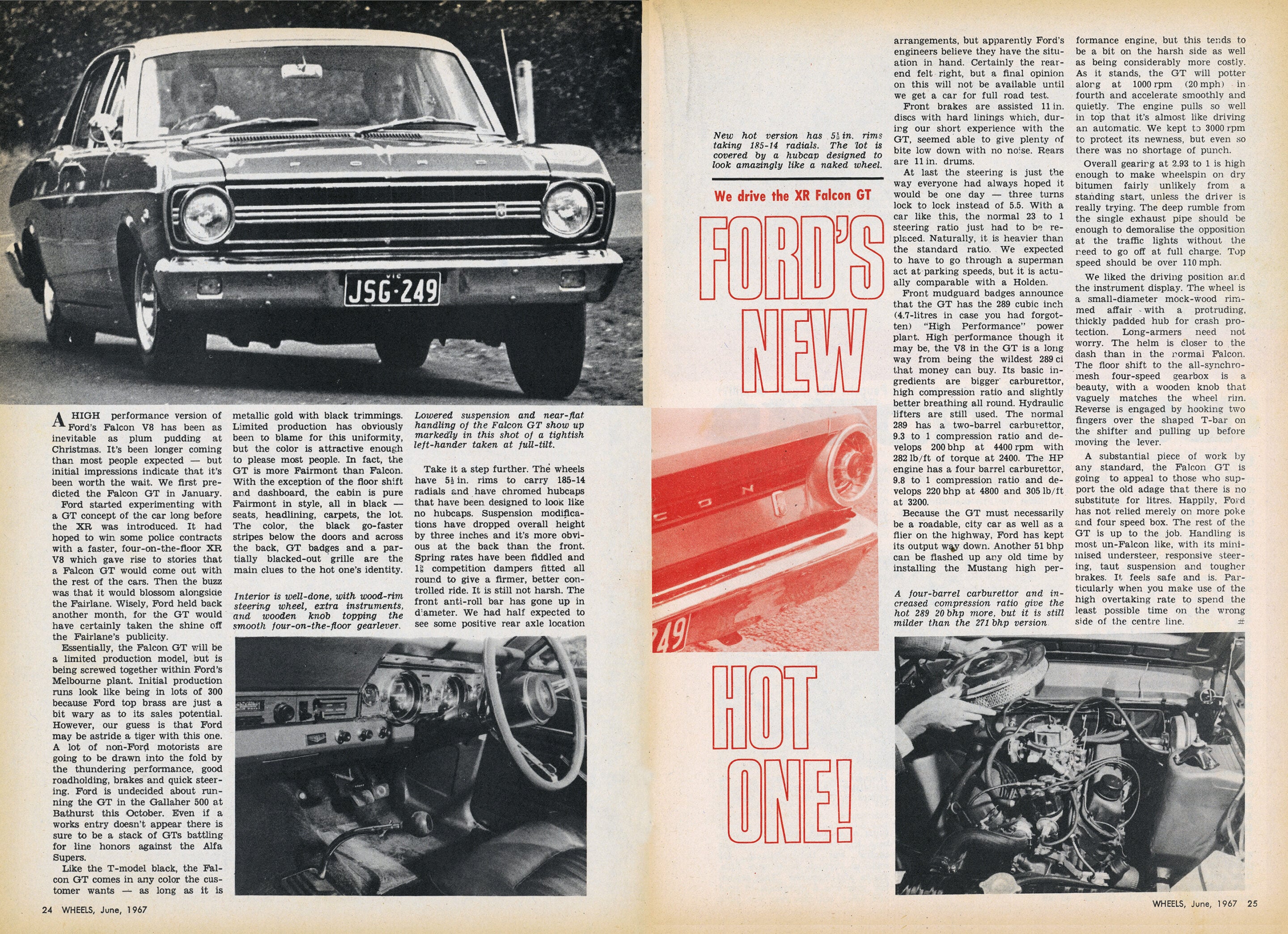
At last the steering is just the way everyone had always hoped it would be one day – three turns lock to lock instead of 5.5. With a car like this, the normal 23 to 1 steering ratio just had to be replaced. Naturally, it is heavier than the standard ratio. We expected to have to go through a superman act at parking speeds, but it is actually comparable with a Holden.
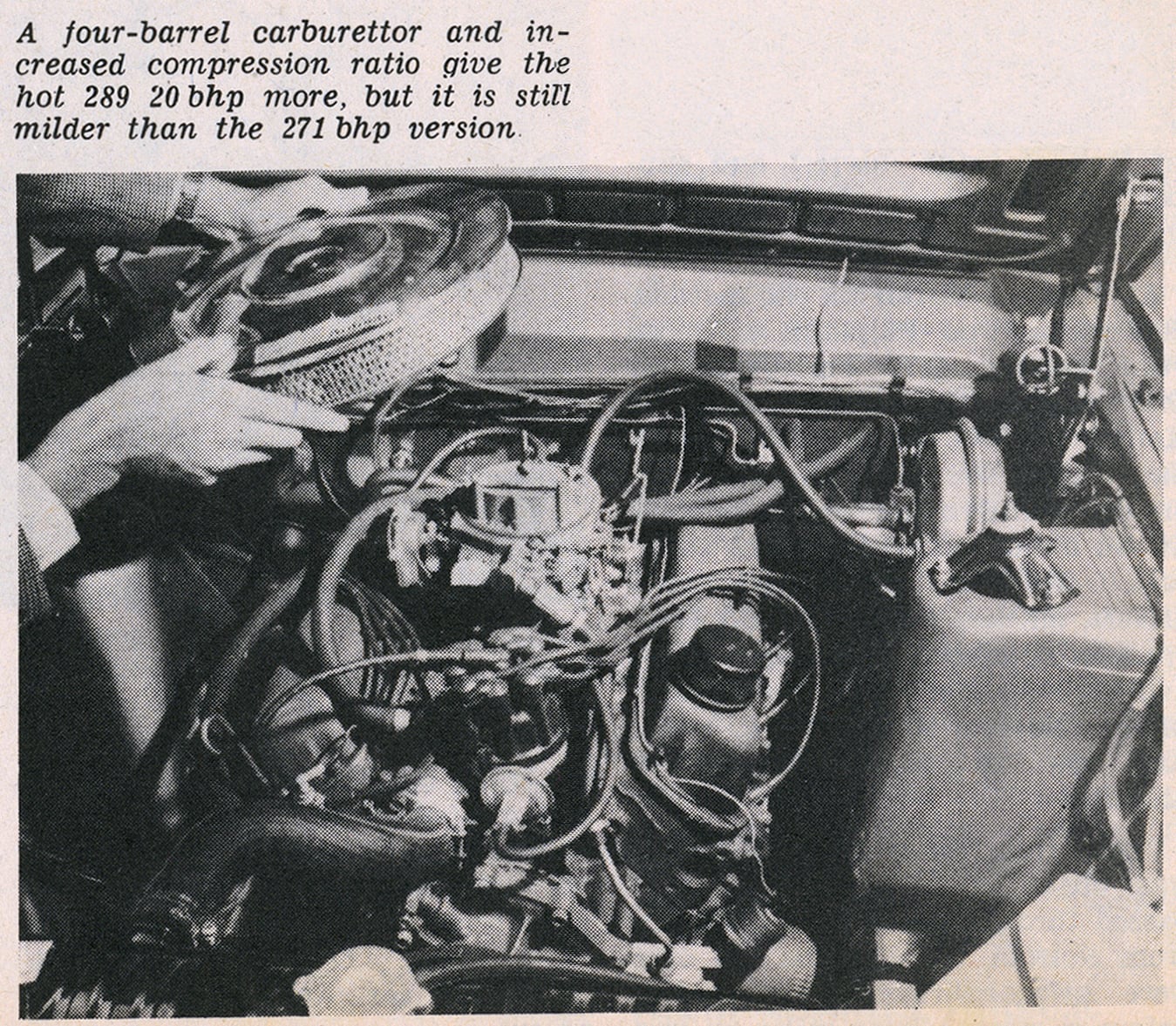
Front mudguard badges announce that the GT has the 289 cubic inch (4.7-litres in case you had forgotten) “High Performance” powerplant. High performance though it may be, the V8 in the GT is a long way from being the wildest 289ci that money can buy. Its basic ingredients are bigger carburettor, high compression ratio and slightly better breathing all round. Hydraulic lifters are still used. The normal 289 has a two-barrel carburettor, 9.3 to 1 compression ratio and develops 200bhp at 4400rpm with 282 lb/ft of torque at 2400. The HP engine has a four-barrel carburettor, 9.8 to 1 compression ratio and develops 220bhp at 4800 and 305 lb/ft at 3200.
Because the GT must necessarily be a roadable, city car as well as a flier on the highway, Ford has kept its output way down. Another 51bhp can be flashed up any old time by installing the Mustang high performance engine, but this tends to be a bit on the harsh side as well as being considerably more costly.
As it stands, the GT will potter along at 1000rpm (20mph) in fourth and accelerate smoothly and quietly. The engine pulls so well in top that it’s almost like driving an automatic. We kept to 3000rpm to protect its newness, but even so there was no shortage of punch.
Overall gearing at 2.93 to 1 is high enough to make wheelspin on dry bitumen fairly unlikely from a standing start, unless the driver is really trying. The deep rumble from the single exhaust pipe should be enough to demoralise the opposition at the traffic lights without the need to go off at full charge. Top speed should be over 110mph.
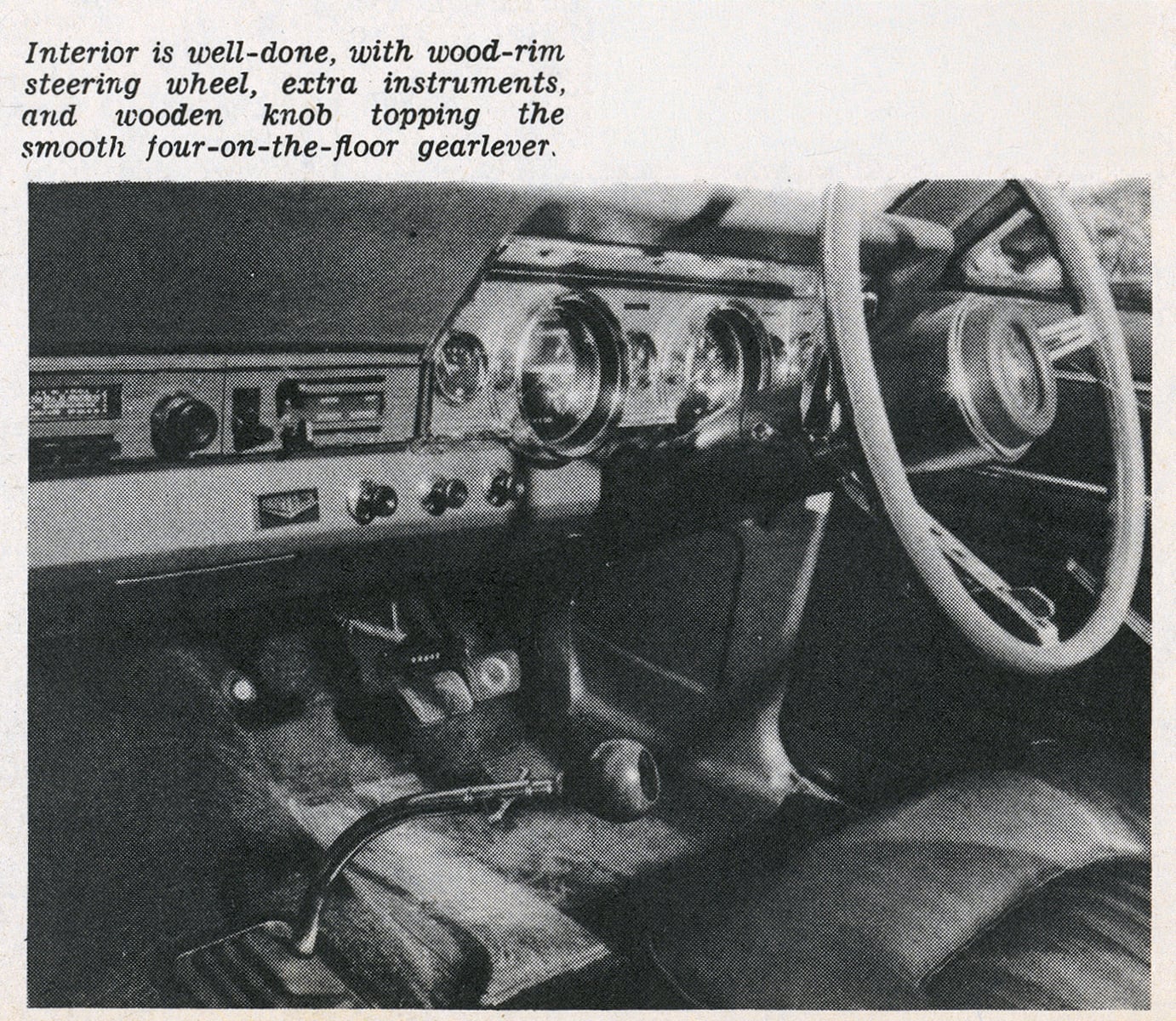
We liked the driving position and the instrument display. The wheel is a small-diameter mock-wood rimmed affair – with a protruding, thickly padded hub for crash protection. Long-armers need not worry. The helm is closer to the dash than in the normal Falcon. The floor shift to the all-synchromesh four-speed gearbox is a beauty, with a wooden knob that vaguely matches the wheel rim. Reverse is engaged by hooking two fingers over the shaped T-bar on the shifter and pulling up before moving the lever.
A substantial piece of work by any standard, the Falcon GT is going to appeal to those who support the old adage that there is no substitute for litres. Happily, Ford has not relied merely on more poke and four-speed box. The rest of the GT is up to the job. Handling is most un-Falcon like, with its minimised understeer, responsive steering, taut suspension and tougher brakes. It feels safe and is. Particularly when you make use of the high overtaking rate to spend the least possible time on the wrong side of the centre line.
As revealed at the recent Beijing Motor Show, Chinese manufacturer Great Wall Motor (GWM) is aiming to compete with the likes of Ferrari, Lamborghini and McLaren with the development of a V8-powered supercar. Employing an ex-McLaren engineer to help it do so is an indication of just how serious it is.
In Australia, most talk around Chinese manufacturing, and Chinese cars generally is aimed squarely at electrification, industry-leading battery technology and the furthering of hybrid and plug-in hybrid performance. This time though, GWM is heading in a different direction, following the announcement of a new V8 engine to power a supercar.
Set to be revealed in 2027 as part of GWM sub brand GWM GF, specific details haven’t yet been revealed, but GWM did say at the Beijing Motor Show that the supercar will be driven by a mid-mounted turbocharged, 4.0-litre V8, sitting inside a carbon-fibre monocoque chassis. GWM Chairman Jack Wei told assembled media in Beijing, “It’s a key tool for brand building”.
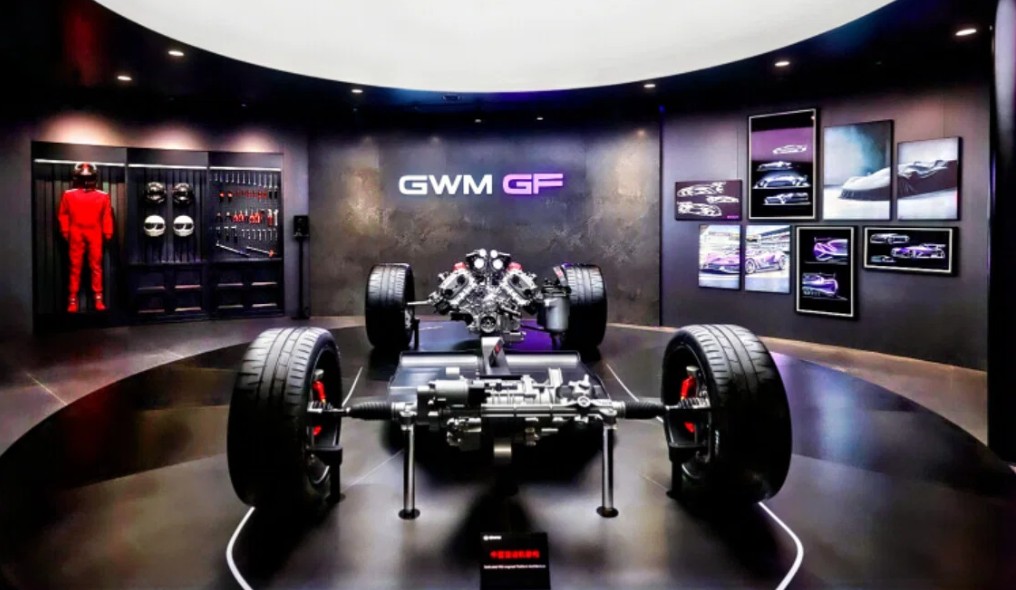
Ex-McLaren engineer Adam Thomson (below) knows a thing or two about mid-engined supercars and will be designing the GWM GF from the ground up, with the intention that the hybrid V8 powertrain would develop an SF-90-challenging 1000kW.
Thomson told media that the project was already 12 months in when he arrived, but the initial concepts were scrapped in favour of his architecture, which will be ready to break cover in road-going form in 2027.
The choice to go with a ground-up design is a bold choice, but according to Thomson, sharing componentry with another manufacturer wasn’t the best option. “A lot of the last three years of work is absolutely from a blank sheet of paper, from the ground up, everything,” he said.
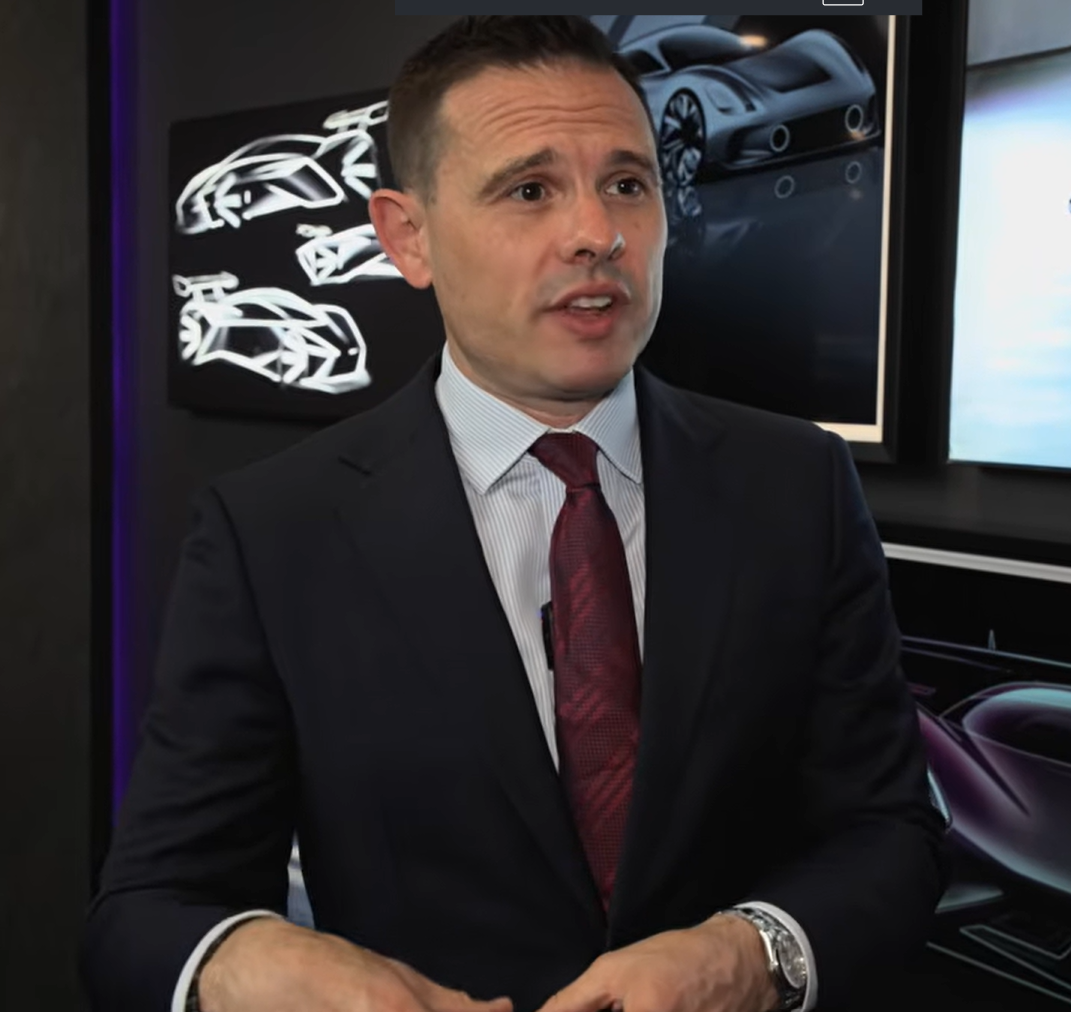
“Choosing the right tools, choosing the right partners to work with, choosing the right people we need to hire, choosing the right materials, developing a package concept, validating the com-gens we do digitally. It’s like starting a new car company again, inside a current car company.”
Recent announcements such as this one from GWM show just how serious Chinese manufacturers are about not just dominating the electric or hybrid vehicle space. Clearly manufacturers have the desire to enter segments traditionally dominated by legacy European manufacturers. Given the depth of engineering and the significance of their research and development budgets, it might prove to be foolhardy to bet against them.
Kia has offered an early look at its next-generation Seltos, with a pre-production example arriving in Australia ahead of the small SUV’s expected local launch in late 2026.
The new model represents a significant update for the nameplate, with Kia confirming the entire Australian line-up will adopt a hybrid-only powertrain. The move reflects tightening emissions standards and growing demand for electrified vehicles, with the system meeting Euro 6d requirements.
While full specifications are yet to be confirmed, Kia says the Seltos will be offered in multiple variants aimed at a broad mix of private and fleet buyers.
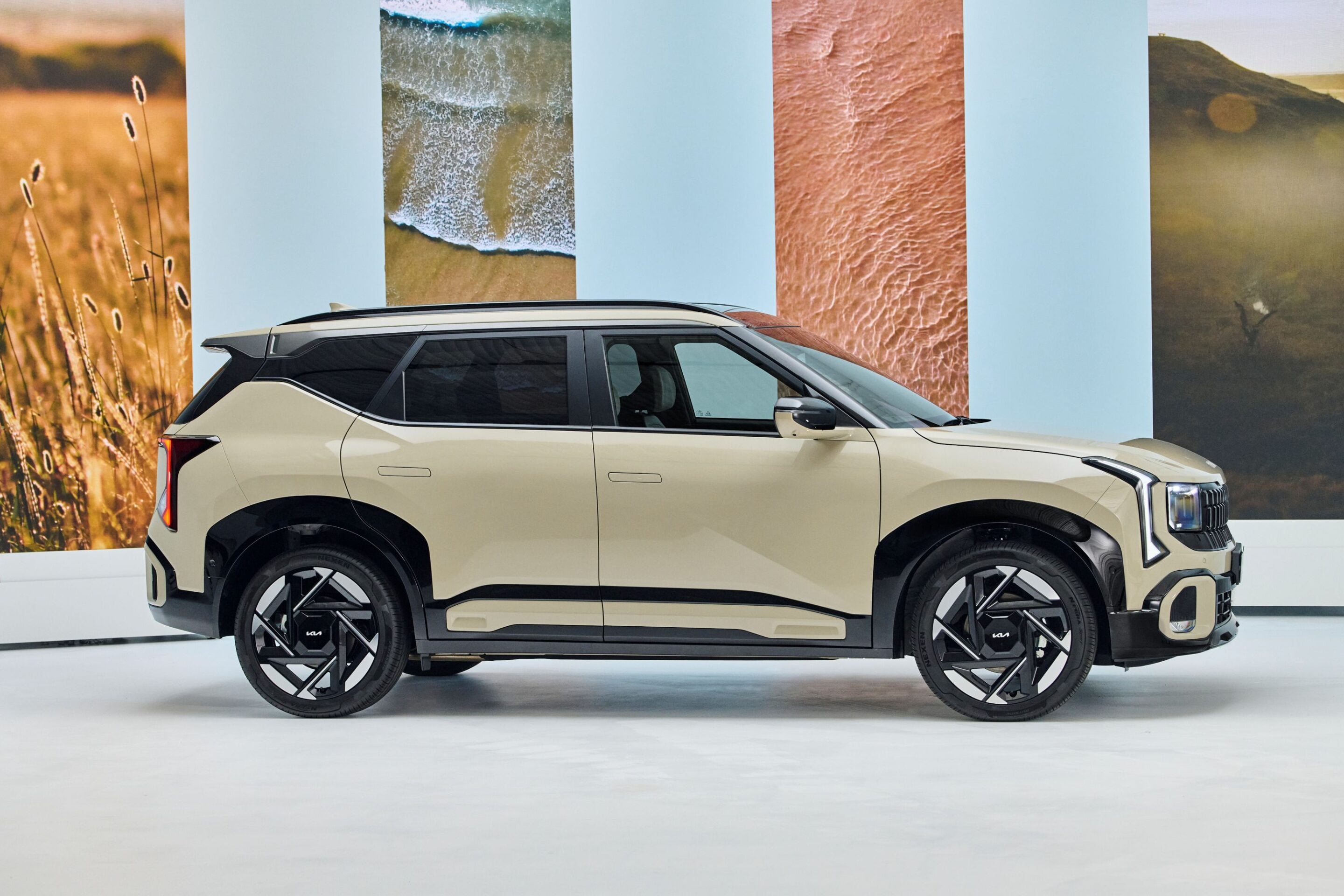
Visually, the new Seltos adopts the brand’s latest design direction, featuring a wider grille, updated lighting signatures and a more sculpted profile. Details such as flush door handles and a floating roofline contribute to a more contemporary look, while increased dimensions are expected to improve interior space.
Inside, the cabin has been redesigned to align more closely with Kia’s latest models. A dual-screen layout dominates the dashboard, combining two 12.3-inch displays for instrumentation and infotainment. The system supports over-the-air updates, while a column-mounted shift-by-wire selector replaces the traditional gear lever. Rear-seat comfort has also been addressed, with adjustable backrests offering a greater range of recline.
Under the skin, the Seltos moves to Kia’s latest K3 platform. The hybrid powertrain will be standard across the range, paired with an updated regenerative braking system designed to improve efficiency. Unlike some global versions, Australian models are not expected to offer vehicle-to-load functionality, instead retaining a space-saver spare wheel on front-wheel-drive variants.
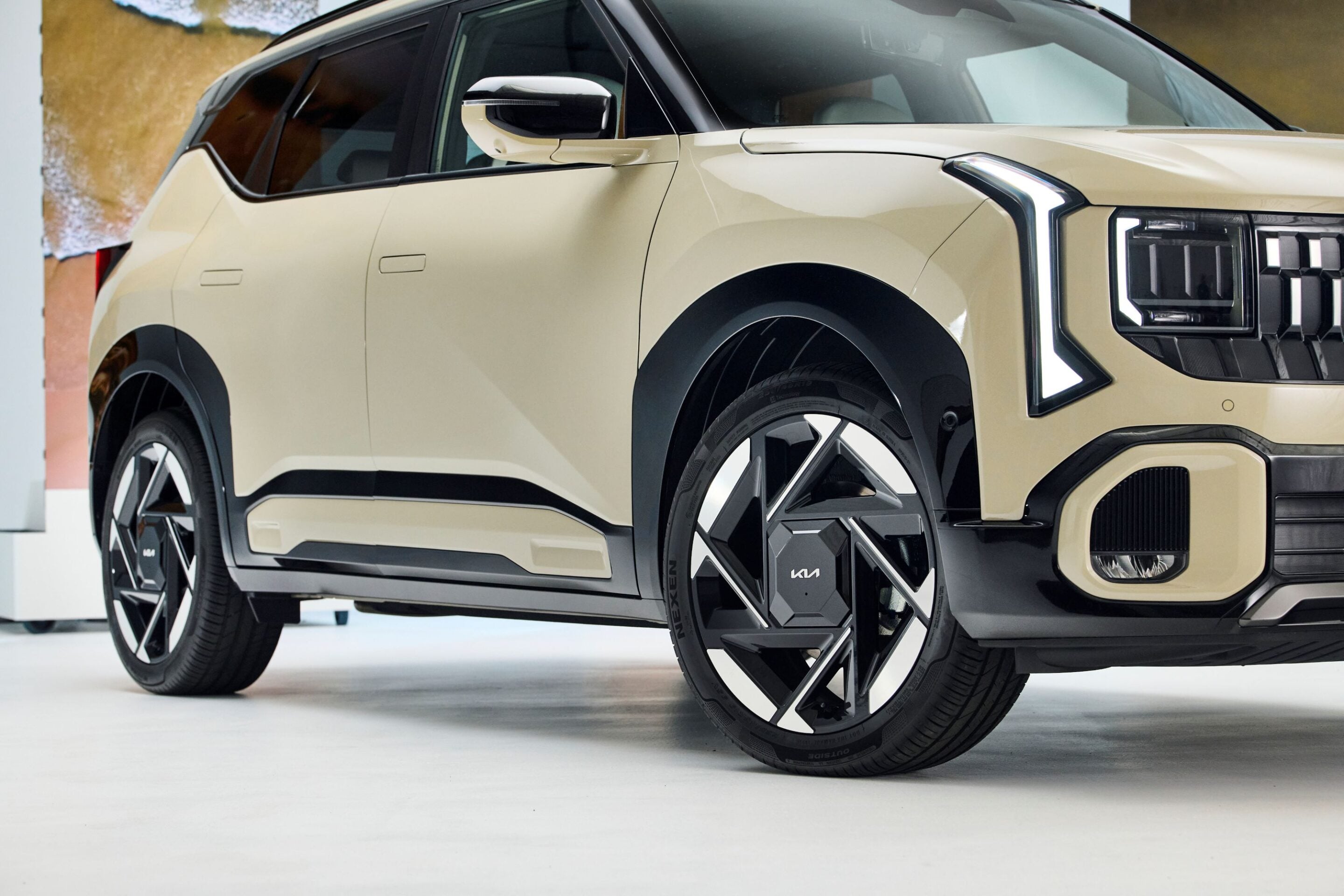
Kia says local suspension tuning has been carried out to suit Australian conditions, with a focus on balancing ride comfort and handling across a range of road surfaces.
A full suite of driver assistance systems will be included, with the model targeting a strong ANCAP safety rating in line with current expectations for the segment.
Further details, including pricing and final specifications, are expected closer to the Seltos’ Australian release window in the fourth quarter of 2026.
JAC is ramping up its push into Australia’s competitive dual-cab ute market with a limited-time offer aimed squarely at tradies and work-focused buyers, bundling a $4000 fuel incentive with purchase of its T9. The deal ends on 30 June so those buyers looking to cash in on some free diesel have time.
Key to the building of a challenger brand in a market dominated by the likes of Ranger and HiLux is after-sales support, with Australians wanting to ensure not just the reliability of their vehicles but also the security that is something does go wrong, it will be fixed and fixed quickly.
JAC has had some early hiccups in this market, but reckons its got the after sales offering to increase sales. Beyond the current fuel voucher offer, JAC has built a comprehensive ownership program
designed to reduce downtime for those drivers who do use their dual cab for work. Key features include a seven-year, unlimited kilometre warranty, which includes commercial use.
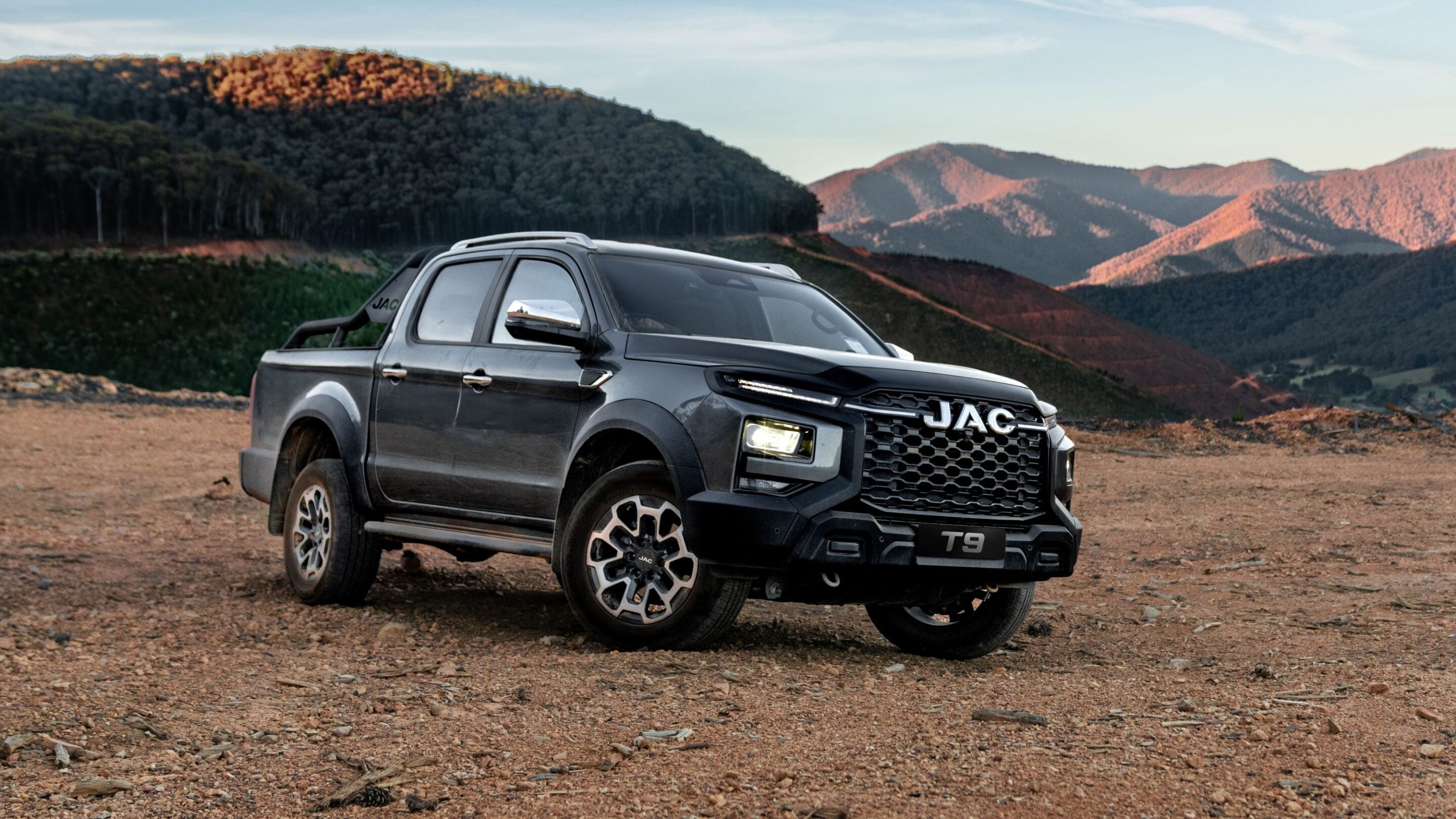
There’s also a ute-for-ute warranty loan program, where if the dual cab is off the road for warranty repairs, JAC provides another tow bar-equipped T9 at no cost. Seven-year capped price servicing is also included, which in the case of the T9 costs $3069 across 84 months or 105,000km. Services are required every 12 months or 15,000km.
JAC says it accesses parts via a local parts warehouse and an Australia-based supply chain team, and buyers also get seven years of 24/76 roadside assistance.
Managing Director Ahmed Mahmoud doubled down on the brand’s commitment to Aussie owners. “We built the T9 to give Australians what they actually need, a capable, reliable ute that shows up every day,” Mahmoud said. “And if something does go wrong, we back our drivers with support that keeps them moving.”
To access the $4000 fuel voucher offer, you’ll need to purchase and have delivered a new HAC T9 between May 1 and June 30, with JAC also allowing the customer to opt for the $4000 as a discount from the purchase price if they would prefer. Demonstrator vehicles aren’t included and neither are government or rental buyers.
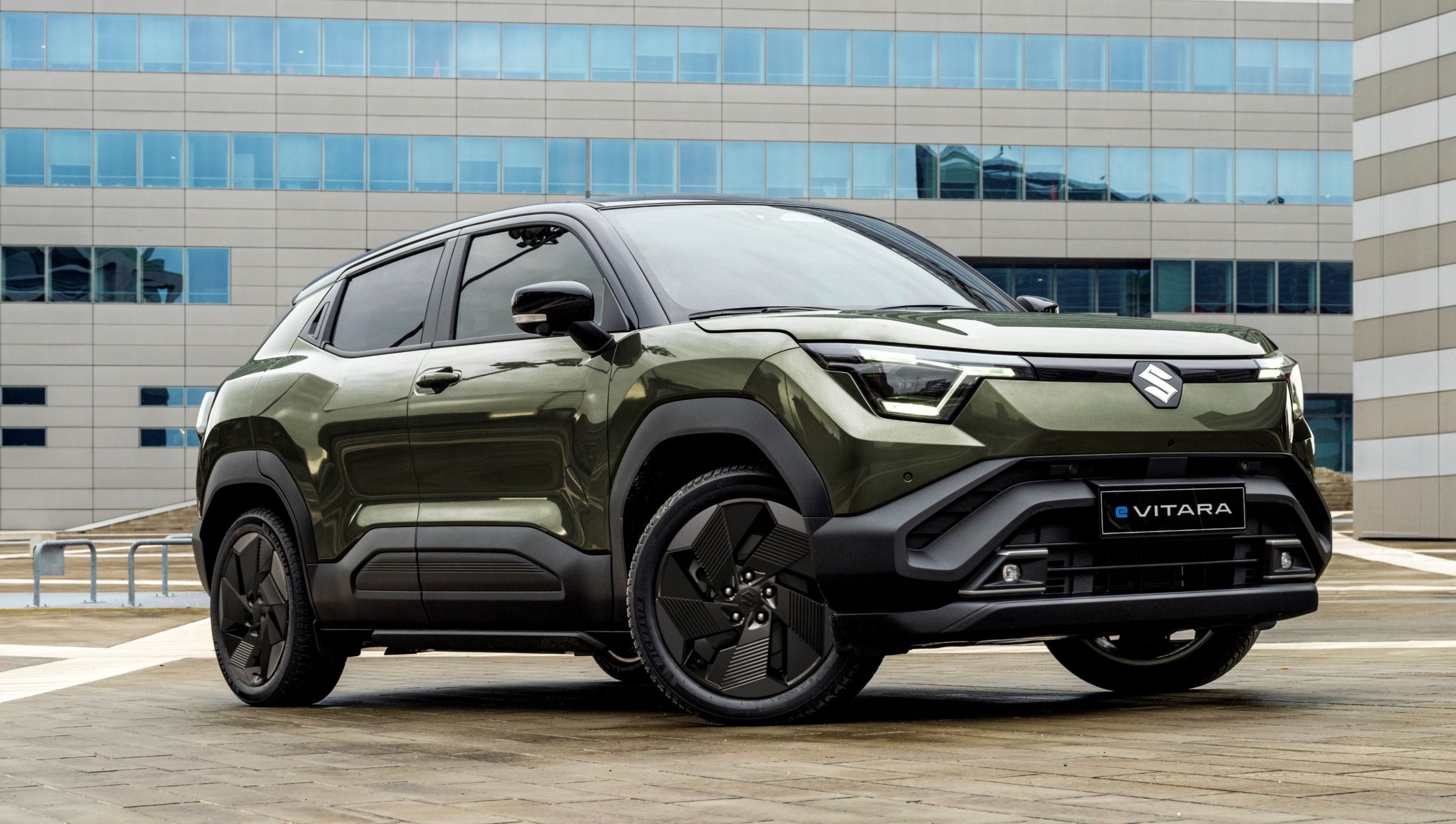
Suzuki has confirmed pricing and details for its first fully electric SUV in Australia, with the new e Vitara set to arrive from July 2026.
The electric model marks a significant shift for the long-running Vitara nameplate, which has been part of Suzuki’s local line-up since the 1980s. Now reimagined as a battery-electric vehicle, the e Vitara aims to combine the practicality and capability of earlier versions with modern EV technology.
Pre-orders are now open, with introductory pricing starting from $46,990 drive-away for the front-wheel-drive Motion variant. This will rise to $49,990 once the initial allocation of vehicles is sold or after July 1, 2026. The all-wheel-drive Ultra version is priced from $56,990 drive-away during the pre-order phase, increasing to $58,990 thereafter.
| Variant | Pre-order Pricing | Post Pre-order Pricing |
|---|---|---|
| e VITARA Motion | $46,990 Drive Away | $49,990 Drive Away |
| e VITARA Ultra | $56,990 Drive Away | $58,990 Drive Away |
Two variants will be offered at launch. The entry-level Motion uses a 49kWh battery and front-wheel drive, delivering a claimed driving range of up to 344km. The Ultra steps up to a 61kWh battery and dual-motor all-wheel-drive system, with a range of up to 395km. The AWD system is designed to improve traction across varying conditions, with selectable driving modes including Normal, Eco and Sport, alongside additional terrain-focused settings.
Underpinning the e Vitara is a new HEARTECT-e platform, developed specifically for electric vehicles. Suzuki says the architecture is designed to maximise interior space while improving structural rigidity and safety performance.
Inside, both variants feature a digital instrument display and a central touchscreen with smartphone connectivity, along with ambient lighting and a floating centre console design. The Ultra adds features such as a panoramic glass roof, upgraded audio system, heated front seats and wireless charging.
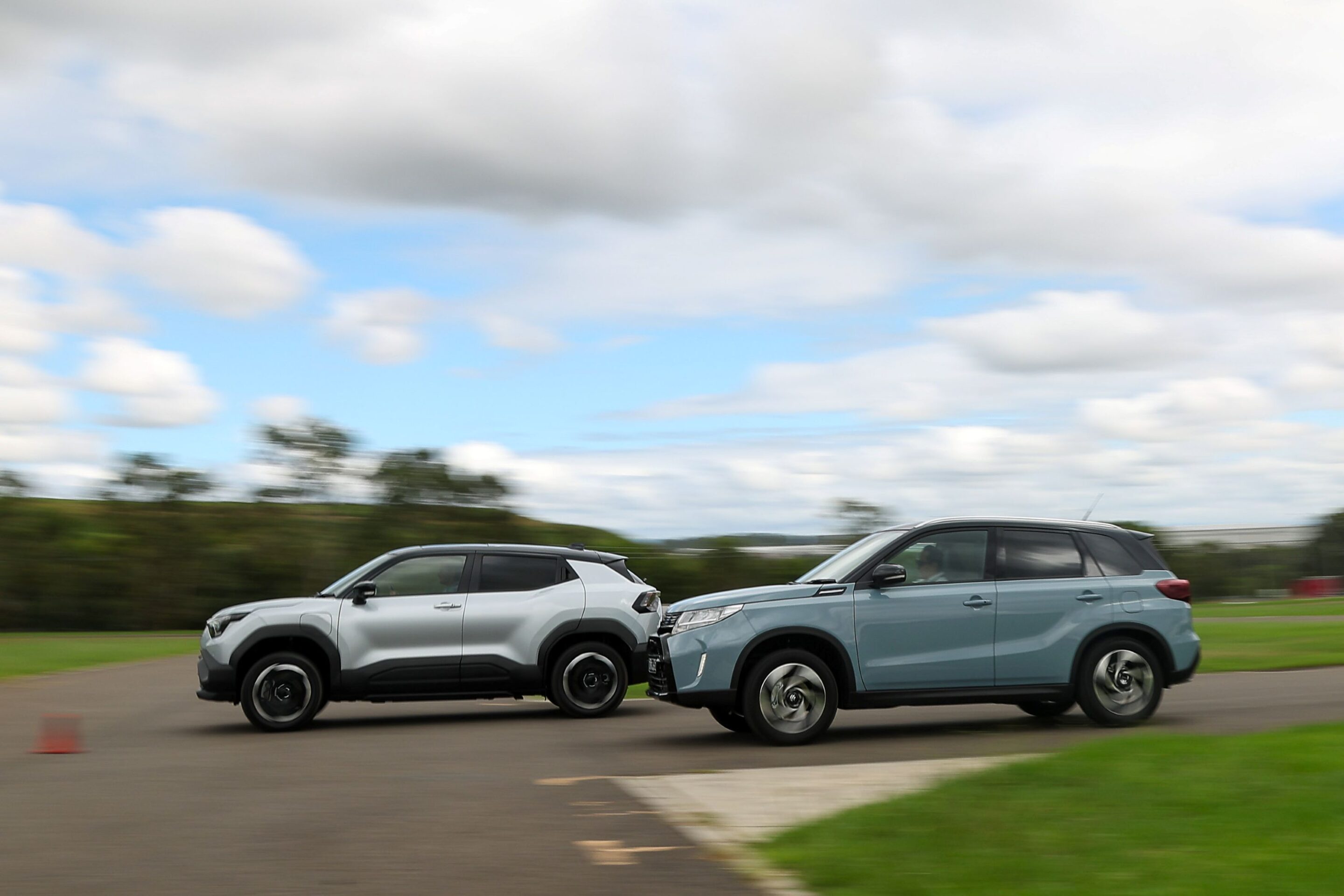
Safety equipment includes a suite of driver assistance systems such as adaptive cruise control, autonomous emergency braking and lane-keeping support, contributing to a four-star ANCAP safety rating based on European testing.
The e Vitara is backed by a five-year service program and an eight-year, 160,000km warranty for the battery.
With deliveries expected from July, the model represents Suzuki’s first step into Australia’s growing EV market while retaining the familiar Vitara badge.
e Vitara Motion features
- 49kWh
- FWD
- 344km driving range.
- 18-inch alloys
- High Beam Assist
- RCTA
- 360 view cameras
- Driving modes
- Auto headlight
- Rain-sensing wiper
- 10.25-inch digital IP
- 10.1-inch centre display with AA / CP / BT
- Synthetic leather-wrapped steering wheel
- Front & rear USB ports
- Single-zone climate control
- Interior ambient lighting (12 colours)
- Dual-tone fabric seats
- 4-speaker audio
e Vitara Ultra features, in addition to Motion
- 61 kWh
- 395km driving range
- AWD
- ALLGRIP-e
- Adaptive High Beam
- Front LED fog lamps
- Glass roof with shade
- Infinity sound system with subwoofer
- Wireless charger
- Premium fabric and synthetic leather seats
- Electrically adjustable driver seat
- Front heated seats
As reported earlier by WhichCar by Wheels, Zeekr has now confirmed its 9x large SUV will head Down Under, followed by the slightly smaller 8X large SUV.
Targeted to go on sale in late 2026 (9X) and then early 2027 (8X), Zeekr will launch the plug-in hybrid (PHEV) variants of its flagship 8X and 9X SUVs, taking its Australian showroom offering to five models. With X, 7X and 009 fully electric, the 8X and 9X will be the first toe in the water of non-electric for the Chinese manufacturer, with the 9X being the manufacturer’s first plug-in hybrid offering.
Confirming both models were headed to Australia at the Beijing Motor Show, the Geely-owned subsidiary also detailed the fact both models sit on a platform originally designed for electrification, offering the possibly that fully-electric versions of both could follow the PHEV models. Geely Auto Group CEO Gan Jiayue told International media at the Beijing Motor Show that, ‘Zeekr would begin exporting its flagship 9X SUV to overseas markets starting in June 2026.
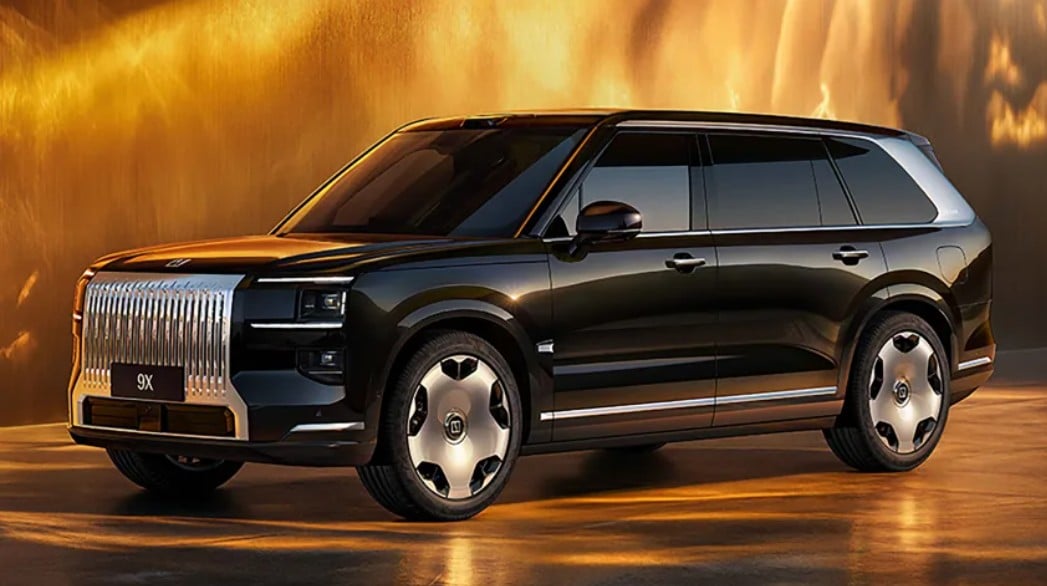
Headlining both models are the huge power and torque outputs, despite the focus being on hybrid efficiency and driving range. On the specification sheet, then, both 8X and 9X will blow the existing
competition out of the water in regard to power and performance.
Both 8X and 9X are built on a BEV-focused 900-volt ‘SEA-S’ platform, but will arrive in Australia first with PHEV technology. The drivetrain is underpinned by a 2.0-litre, turbocharged, four-cylinder petrol engine, and backed by a multi-motor electric drivetrain. The power and torque figures make for headline reading.
The 9X models with three motors produce a prodigious combined 1030kW and 1410Nm, with 0-100km/h times of just 3.1 seconds. In its domestic market, Zeekr offers both 55kWh and 70kWh battery packs, and up to 300km of electric running based on WLTP testing. Total combined range, is a claimed 1250km, with the rapid 900-volt charging capability meaning owners can access a charge from 10 to 80 percent in as little as ten minutes.
With the 9X, the technological and luxury flagship of the range, think of it as a competitor to the likes of Mercedes-Benz GLS, BMW X7, or Audi Q7. The power and torque figures are undoubtedly eye-catching, but so is the capacity of both battery packs. With 100-120km currently considered excellent electric-only range in PHEV terms, the possibility of covering three times that distance, makes the Zeekr PHEV system genuinely appealing to those wanting a taste of electric vehicle ownership, but not yet ready to make the leap to full-EV.
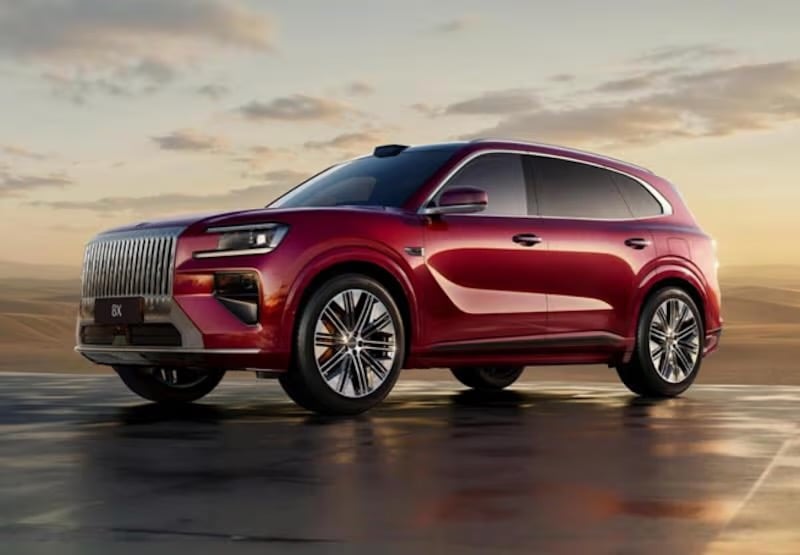
Sitting beneath the 9X on the model walk, the 8X (above) is a still luxurious offering, but slightly smaller, competing with the likes of BMW X5 or Audi Q8. Three-motor versions of the 8X generate the same 1030kW as the 9X, and run from 0-100km/h even faster, taking only 2.9 seconds. A more affordable, dual-motor variant is also available, generating 660kW and scooting from 0-100km/h in 3.7 seconds.
Geely has been on an global sales drive for some time now, increasing shipments into new markets, as part of a broader expansion strategy. In the first quarter of 2026, Zeekr delivered 22,000 9X models, and surpassed 50,000 total sales since its launch in September 2025.
According to the manufacturer, Australia is an important part of that sales expansion.
Australian pricing is yet to be confirmed, but estimations for the 8X look likely to start around the
$135,000 mark, with the 9X to sit above that. WhichCar by Wheels will detail pricing as soon as it is available.
Honda Australia has detailed pricing and specifications for its updated 2026 ZR-V range, with the mid-size SUV gaining expanded hybrid availability and additional technology across the line-up.
The refreshed ZR-V arrives as part of a mid-cycle update, with Honda extending its e:HEV hybrid system to more variants. Hybrid models now start from $43,400, while the entry-level petrol VTi X is priced from $39,900, both before on-road costs.
The range continues to offer a mix of petrol and hybrid powertrains. The standard model uses a 1.5-litre turbocharged engine driving the front wheels, while hybrid versions pair a 2.0-litre Atkinson-cycle petrol engine with a dual-motor system. The flagship e:HEV LX adds all-wheel drive capability, topping the range at $51,900.
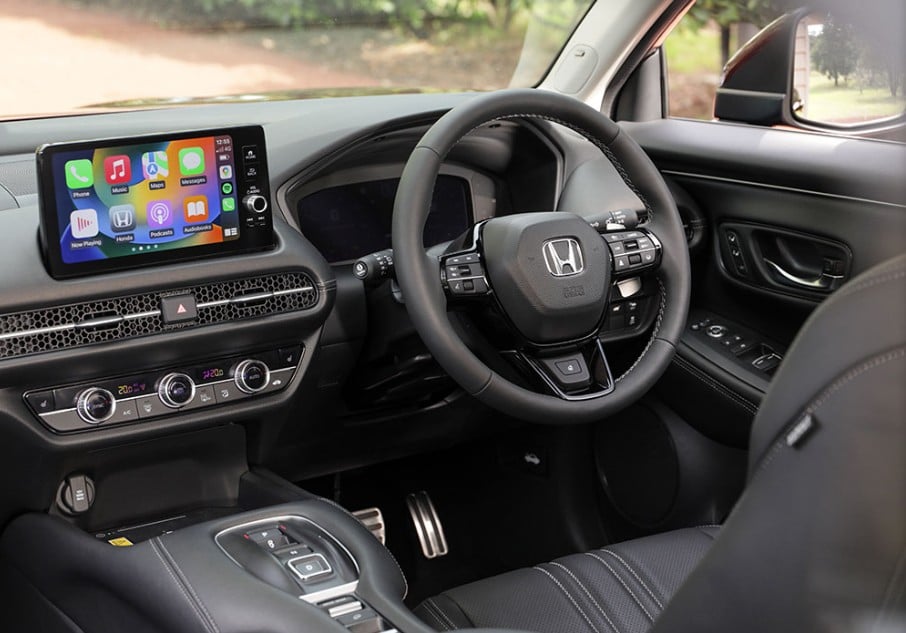
Alongside the powertrain changes, Honda has introduced a broader suite of driver assistance and connectivity features. Updates include the latest Honda Connect system (Gen 2) with Google built-in functionality, allowing access to apps, navigation and voice control directly through the infotainment system.
Safety technology has also been expanded, with post-collision braking now included, along with updates to the Honda Sensing suite of driver assistance systems. These changes are aimed at improving both active safety and ease of use.
Inside, the ZR-V continues to focus on practicality and everyday usability, with seating for five and a layout suited to urban driving. While the update does not dramatically alter the vehicle’s design, it builds on the model’s positioning as a city-friendly SUV with a balance of efficiency and performance—particularly in hybrid form.
Honda is also maintaining its ownership program, which includes a five-year, unlimited-kilometre warranty, roadside assistance for the same period, and a capped-price servicing plan.
The ZR-V update forms part of a broader push for electrification in Honda’s local line-up. The company plans to expand its hybrid offerings further, including updates to the HR-V, while also preparing to introduce its first fully electric model to Australia later in 2026.
Orders for the updated ZR-V are now open through Honda’s online platform and dealer network.
Pricing and specs
| Grade | Powertrain | Drive | Seats | Price |
|---|---|---|---|---|
| VTi X | 1.5L VTEC Turbo + 2WD | 2WD | 5-seats | $39,900 |
| e:HEV X | 2.0L Atkinson + 2-motor Hybrid system + 2WD | 2WD | 5-seats | $43,400 |
| e:HEV L | $45,900 | |||
| e:HEV LX | 2.0L Atkinson + 2-motor Hybrid system + 2WD | 2WD | 5-seats | $51,900 |
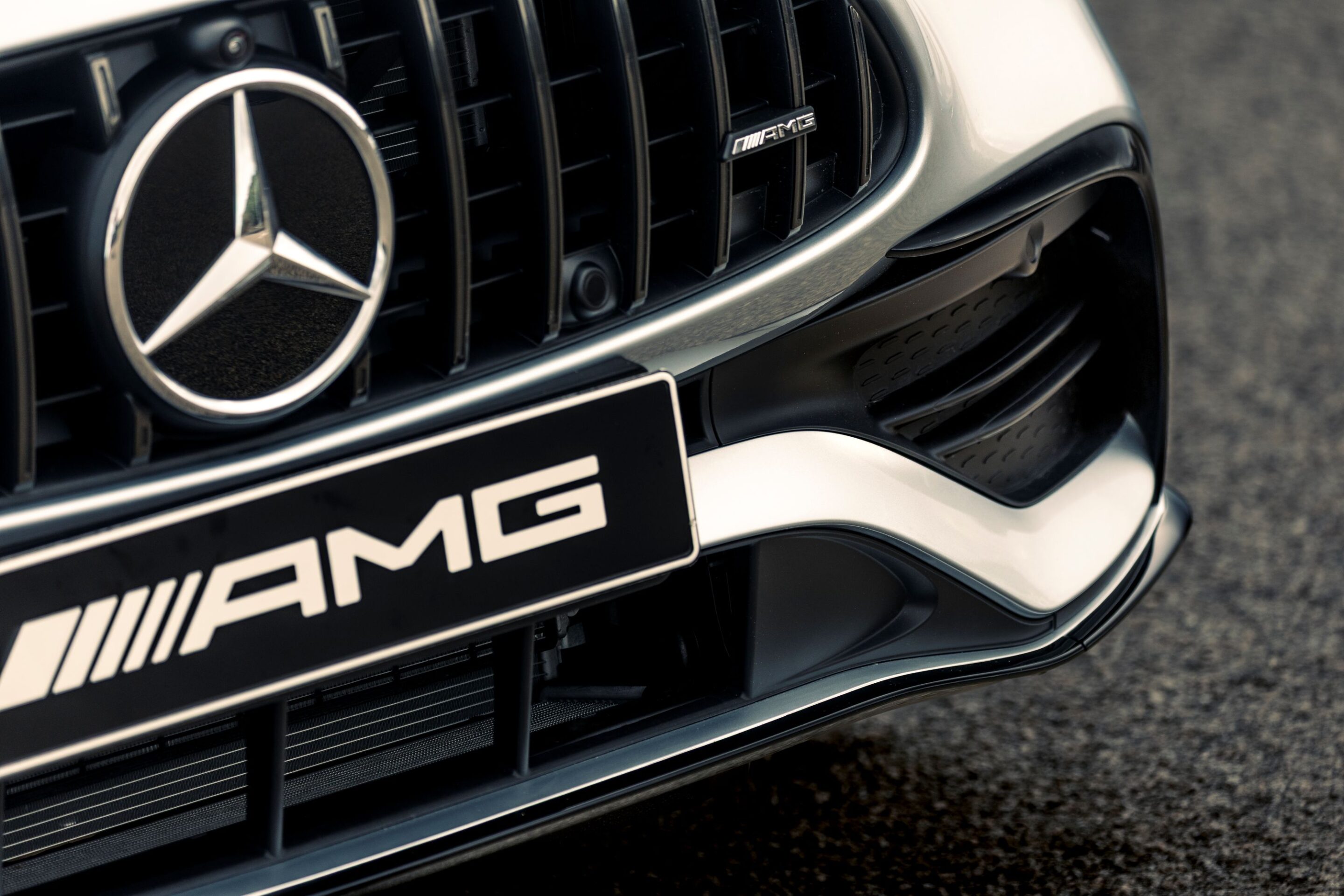
Mercedes-AMG has introduced a new Edition R+ version of the C 43, bringing a more aggressive design and added performance-focused features to the brand’s mid-range sports sedan.
While the mechanical package remains unchanged, the Edition R+ distinguishes itself through a series of visual upgrades and additional equipment aimed at drivers seeking a sharper, more track-oriented feel.
The most obvious changes come in the form of the AMG Styling Package, offered on the C 43 for the first time. This adds a range of high-gloss black aerodynamic elements, including a revised front apron with a prominent splitter and air inlet detailing, giving the car a more assertive stance. At the rear, a larger spoiler lip and diffuser design – borrowed from the more potent C 63 S E Performance – reinforce the connection to AMG’s higher-performance models.
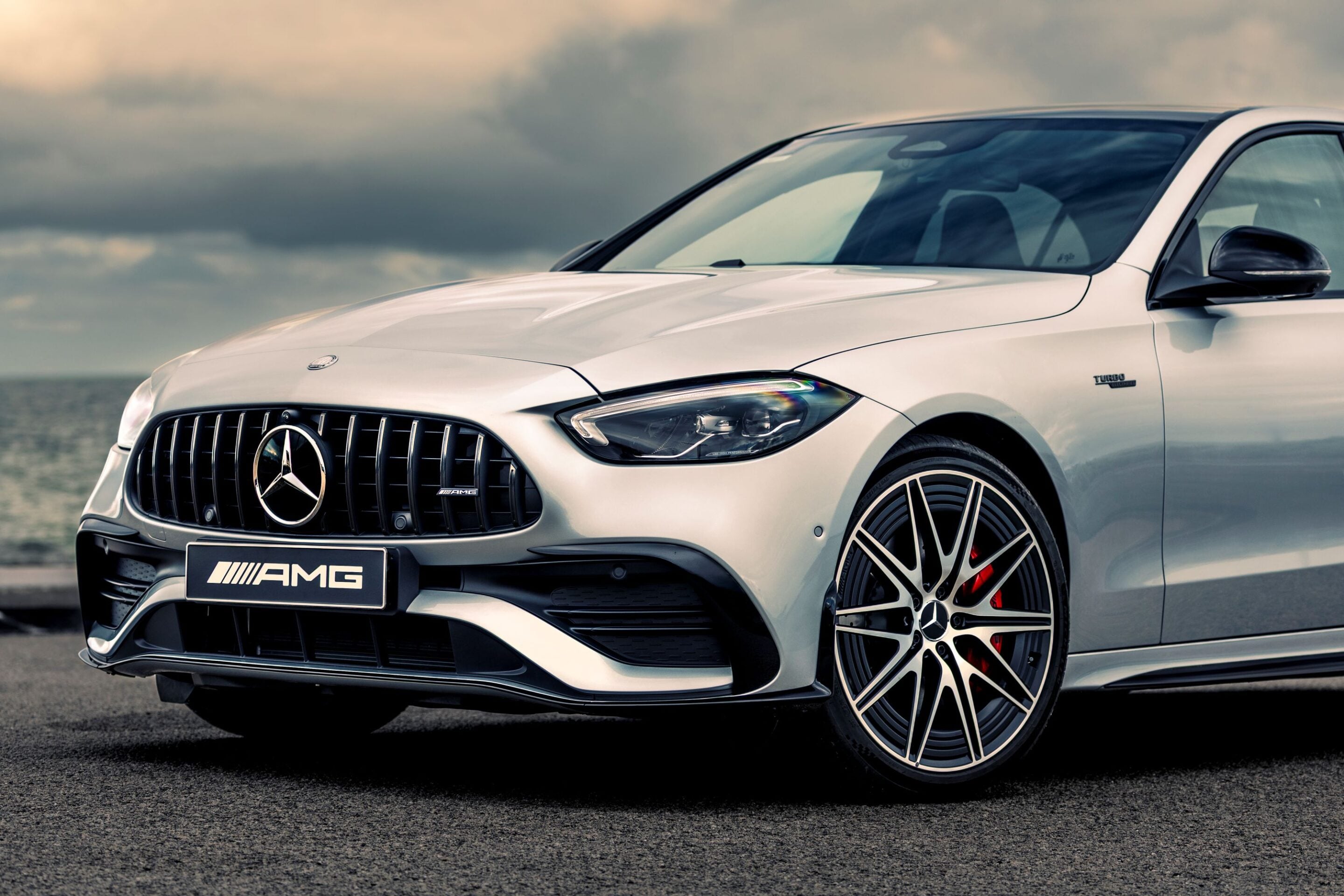
These updates are complemented by the inclusion of the Night Package and Night Package II, which extend the blacked-out theme across the exterior. Matt black 20-inch alloy wheels with red brake callipers complete the look.
Under the bonnet, the Edition R+ retains the AMG-developed 2.0-litre turbocharged four-cylinder engine with an electric exhaust gas turbocharger and 48-volt assistance. Outputs stand at 310kW and 500Nm, delivered through a nine-speed automatic transmission and all-wheel drive system.
Performance upgrades come via standard inclusion of the AMG Dynamic Plus Package, which adds features such as dynamic engine mounts and an additional ‘Race’ driving mode alongside existing Sport and Sport+ settings. The system is designed to improve responsiveness and driver engagement, particularly under more demanding conditions.
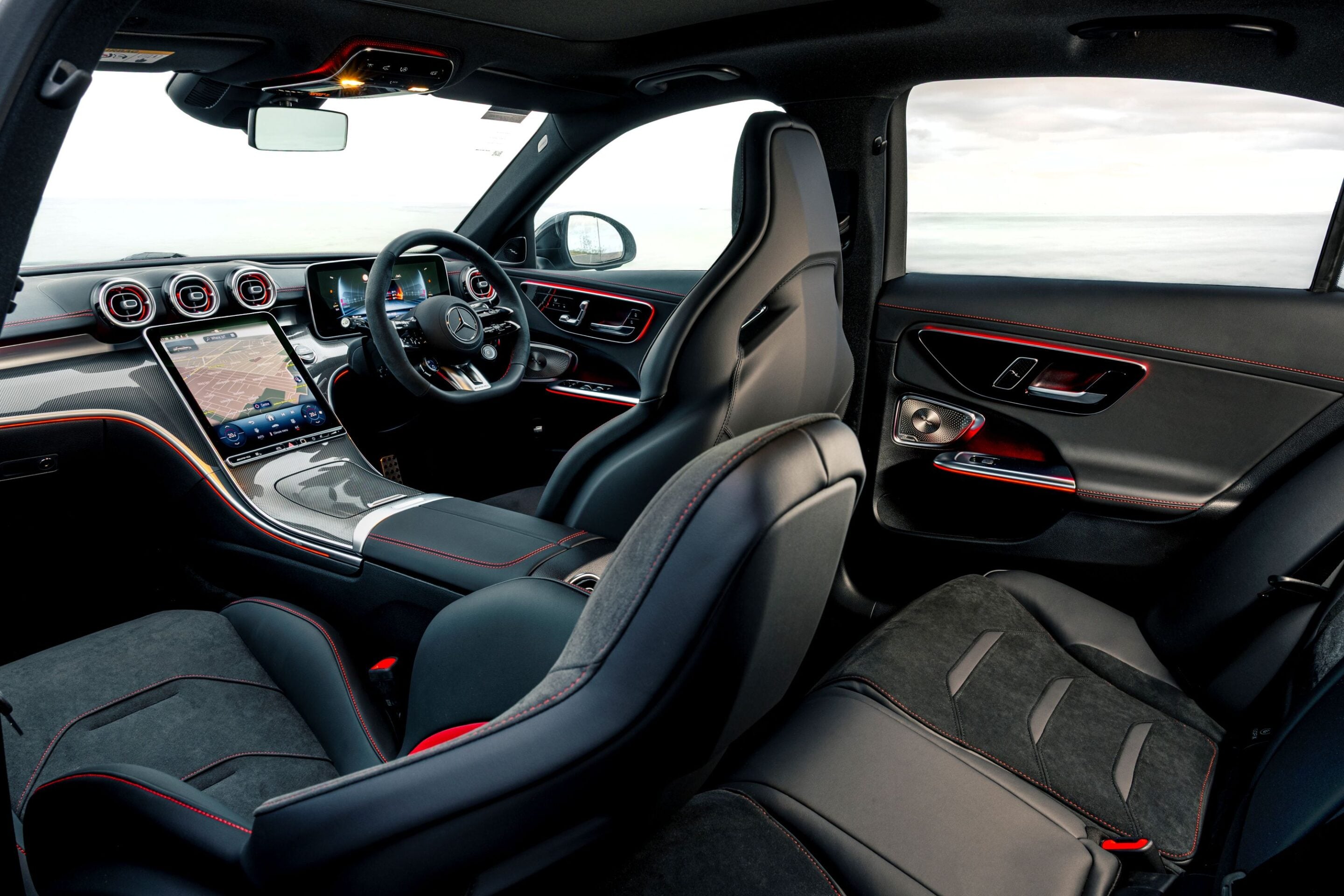
Further enhancing its track credentials is AMG Track Pace, which allows drivers to monitor and analyse detailed vehicle data during circuit driving.
Inside, the Edition R+ builds on the C 43’s existing specification with features such as the latest MBUX infotainment system, a head-up display, Burmester surround sound system and panoramic sunroof. AMG Performance seats, trimmed in a mix of synthetic leather and microfibre, provide added lateral support.
Ride and handling are supported by adaptive suspension and rear-axle steering, both standard.
The Mercedes-AMG C 43 Edition R+ is available in limited numbers in Australia, priced from $121,200 before on-road costs.
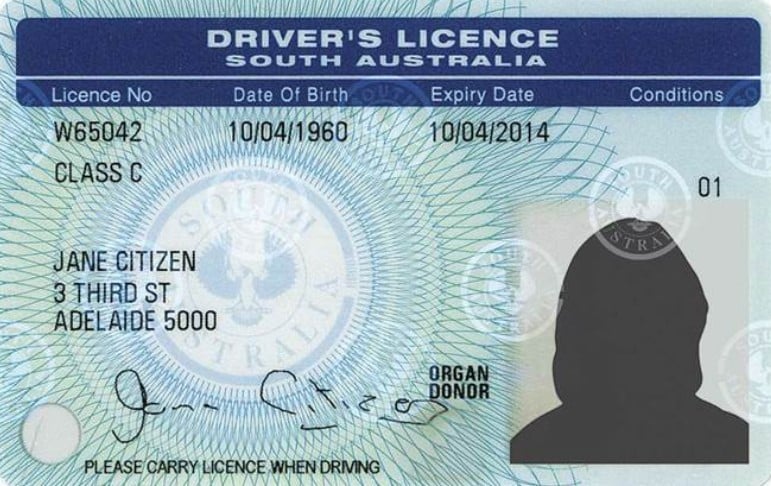
South Australia is leading a renewed push to boost organ donation rates across the country, urging other states to follow its lead by allowing Australians to register as donors through their driver’s licence.
The proposal comes as SA continues to record the highest participation rate in the nation, with around 74 per cent of eligible residents signed up. Crucially, about 90 per cent of those registrations have been made during driver’s licence applications – highlighting the effectiveness of integrating the process into a routine, everyday interaction.
Premier Peter Malinauskas and Health Minister Blair Boyer say the model removes barriers and encourages people to make a decision at a familiar point in time. With national registration numbers lagging, they argue the approach could deliver significant gains if adopted more broadly.
The push comes against a concerning backdrop. Only around two per cent of people who die in Australian hospitals meet the criteria for organ donation, while roughly 2000 Australians are currently waiting for transplants. A further 14,000 rely on dialysis due to kidney failure, underlining the ongoing demand for donors.
South Australia is now the only jurisdiction to retain donor registration within its licensing system. Other states phased out similar schemes following the introduction of the national Australian Organ Donor Register in the early 2000s, with most removing the option entirely by 2012.
However, falling registration numbers have prompted a rethink. In 2025, new sign-ups to the national register dropped by 15 per cent compared to the previous year, according to DonateLife.
Victoria and Queensland are now exploring ways to reverse the trend, including reintroducing licence-based registration and expanding public awareness efforts. In Victoria, reforms could also see organ donation education introduced in schools, targeting younger Australians before they reach driving age.
Advocates say the South Australian system offers a simple, proven solution. By prompting a decision during licence applications or renewals, it normalises the conversation and increases participation without adding complexity.
With multiple states signalling openness to change, South Australia’s model could form the blueprint for a national approach – one that aims to lift donor numbers and, ultimately, save more lives.
