23-year-old Charlie is a regular Wheels reader and the owner of a beautiful old HiLux that has been in his family since new – a few years before he was born.
We thank Charlie for joining our team at Crashlab, and you’ll see his name here again.

While an entirely new Skoda Kodiaq is expected to arrive in late 2024, the current model continues to age gracefully.
Remarkably, when compared to the recently updated competitors, the Skoda’s exterior retains its youthful and timeless appearance.
In our 2023 Best Large SUV under $60k test, the Skoda was crowned victorious, even against brand-new competitors.
But before the update of this seven-seater family SUV, let’s see what the entry-level Style variant offers.
The Style kicks off the Kodiaq range, before the Sportline and flagship RS trims– at $56,490 drive-away.
As a base grade the Style is well equipped, with a long list of standard features including 19-inch alloys, soft suede seats, wireless Apple CarPlay, LED day-time running lights, wireless phone charger and an electric tailgate.
The cabin is comfortable and a bit luxurious. There’s ample space in the 765L cargo area with cleverly places lidded storage containers on the sides. One thing that Skoda does well is the sprinkle of thoughful touches throughout the car.
Energy Blue is the standard paint colour on the Kodiaq, with all other options adding $770 to your drive-away price.
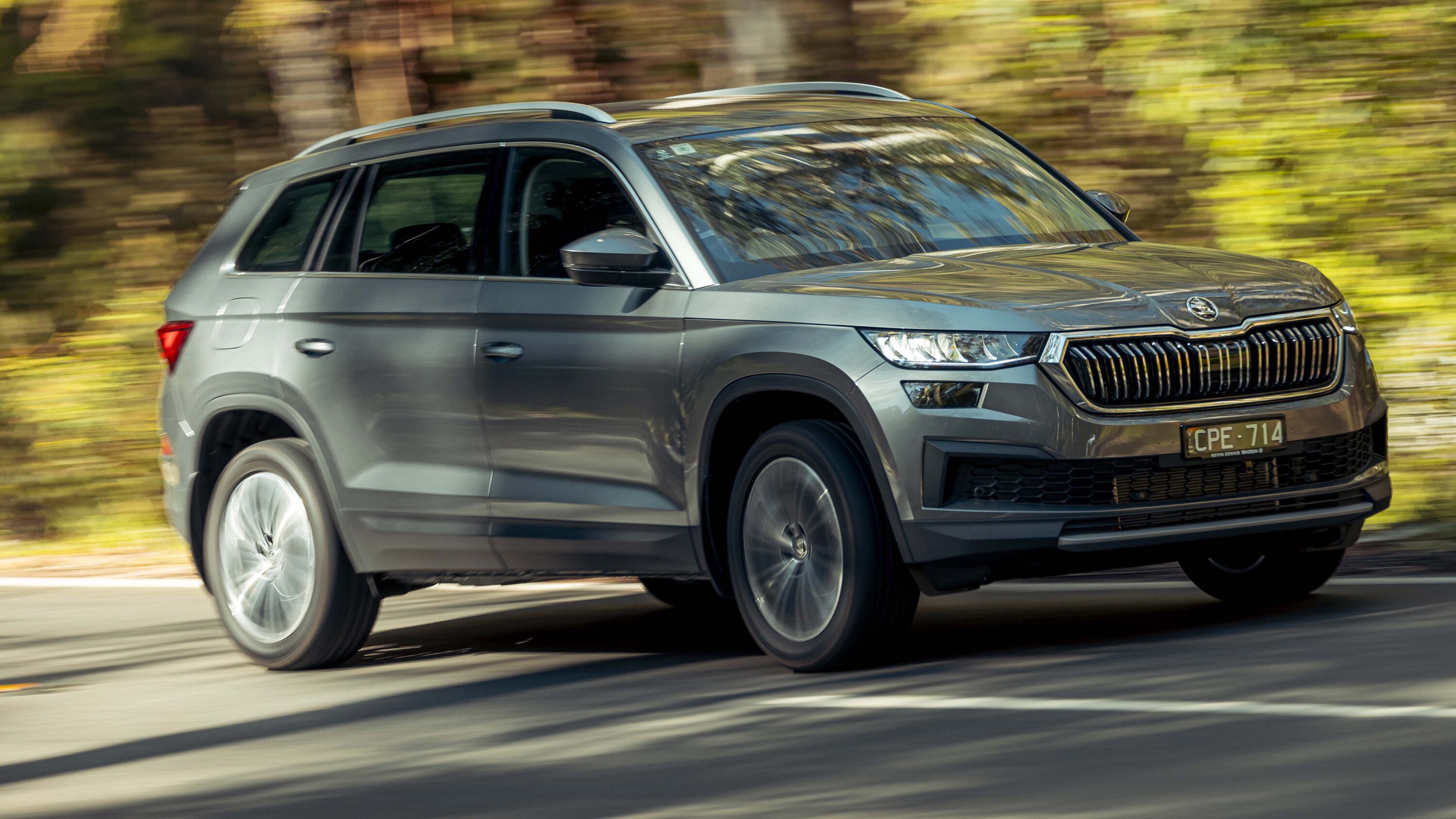
Powering the vehicle is the well-known 2.0-litre turbocharged petrol engine, producing 132kW of power and 320Nm of torque. This engine is mated to a seven-speed dual-clutch transmission and offers variable all-wheel drive.
The Tech Pack at $3000 adds adaptive suspension, hands-free tailgate and more while the Luxury Pack brings features such as tri-zone climate control, electric leather front seats and massage function seats for an additional $6900. You can even chuck on a panoramic sunroof for an extra $1900.
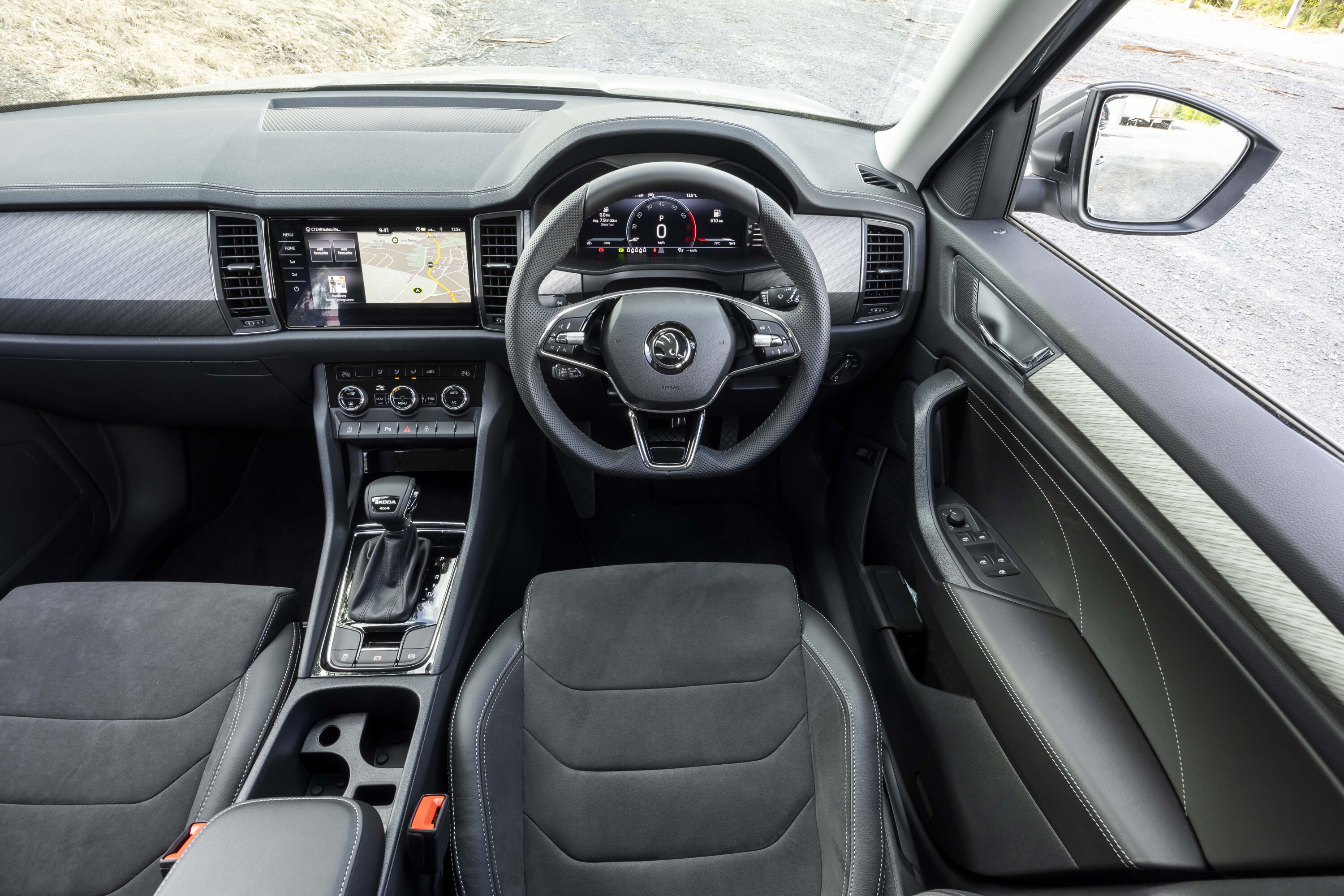
It achieved a commendable 92 percent score for adult occupant protection, 77 percent for child occupant protection, 62 percent for pedestrian protection, and 54 percent for safety assist.
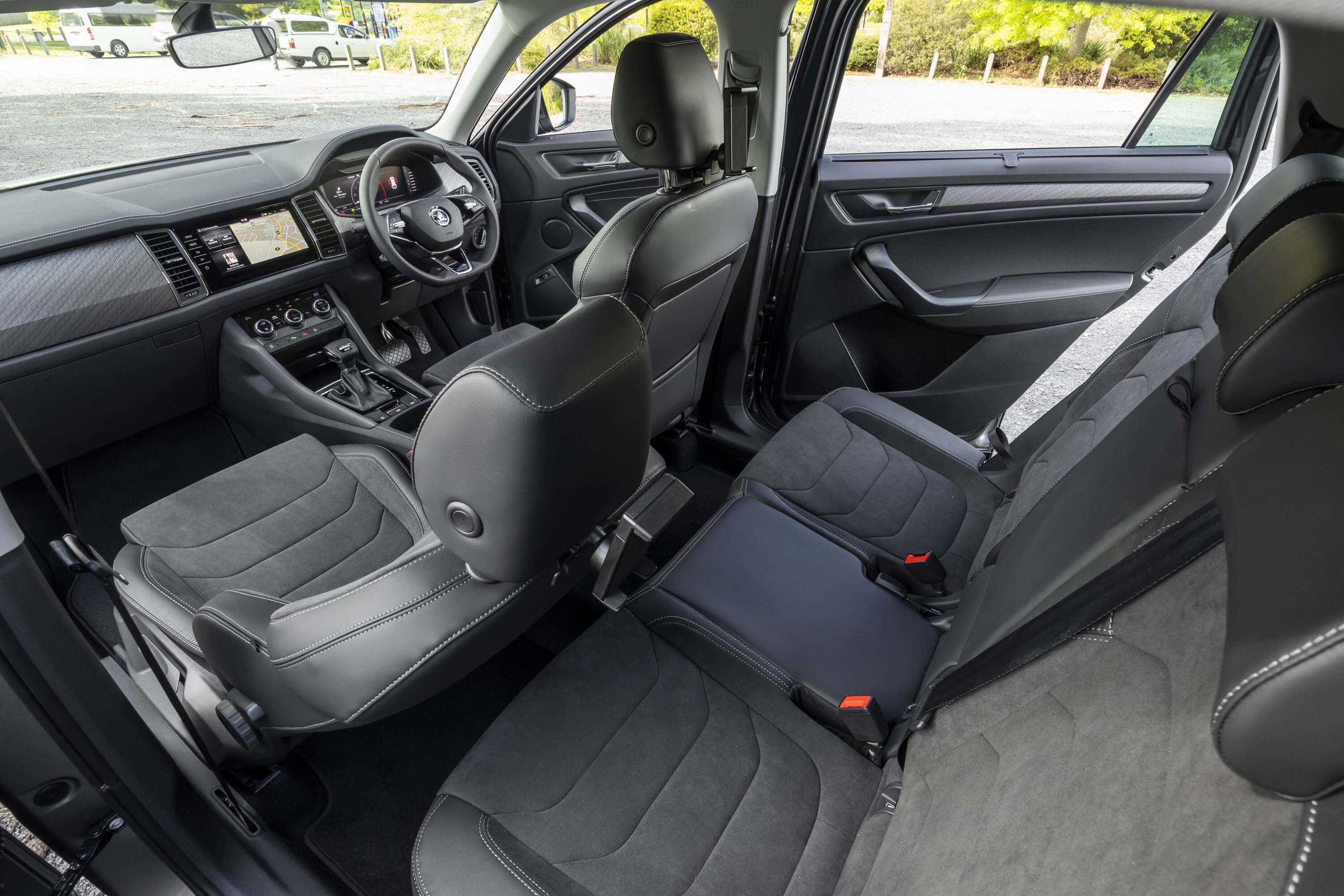
Standard safety is good with features such as adaptive cruise control, driver attention monitoring, blind spot monitoring (a new addition), nine airbags and front and rear parking sensors.
The omission of lane keep assist is noticeable in a car of this size but can be picked up if you’re willing to spend more and add the Luxury Pack.
Some examples of key competitors include other popular seven-seaters:
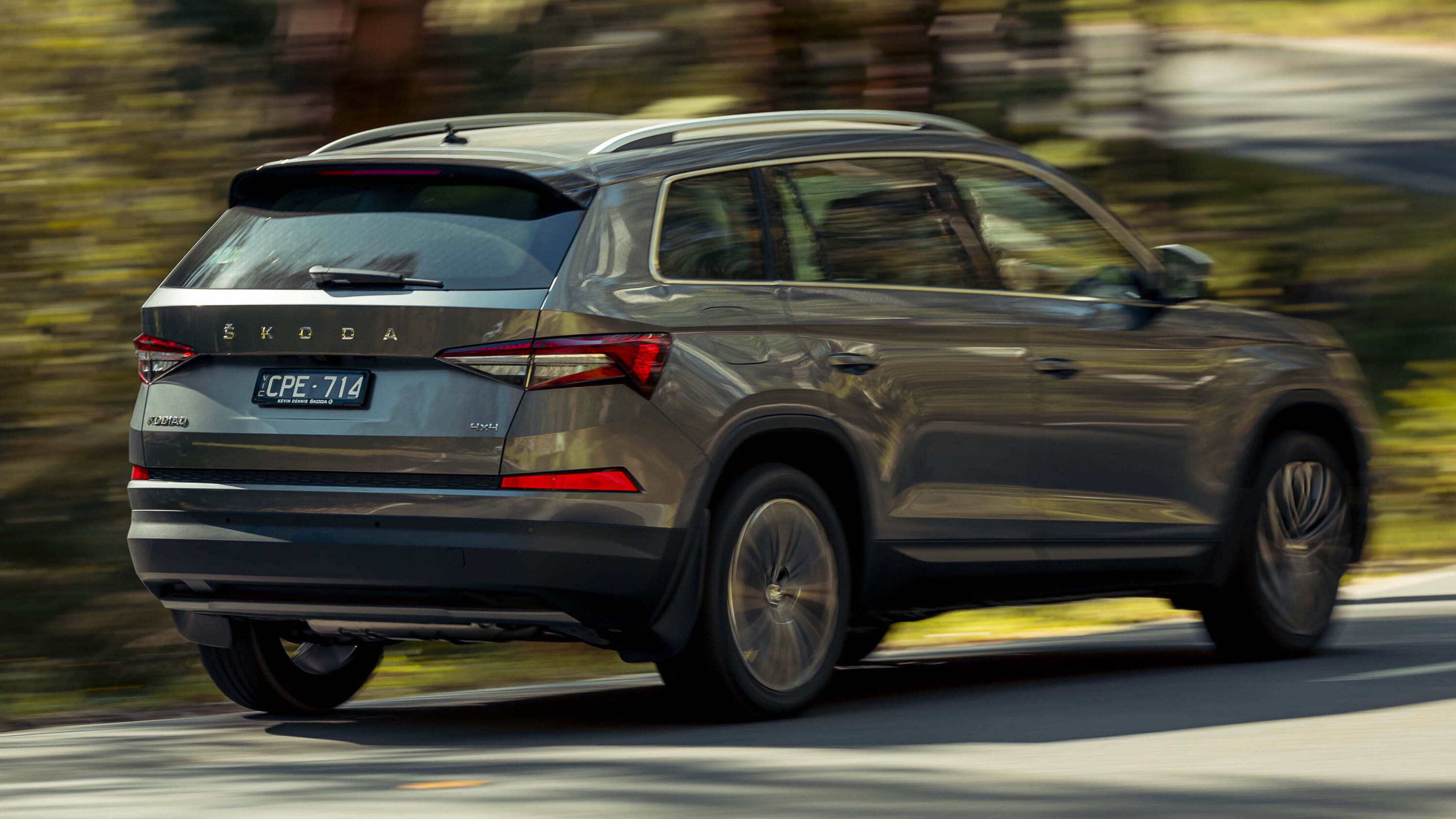
The 2024 Skoda Kodiaq Style is an excellent choice for those seeking a family SUV that combines style, space, and advanced technology.
Even at the end of its lifecycle, it continues to hold strong event against newer competitors.
Its blend of practical features and European elegance makes it a standout in its class. If you’re looking for an SUV that is as stylish as it is functional, the Kodiaq Style is certainly worth considering.
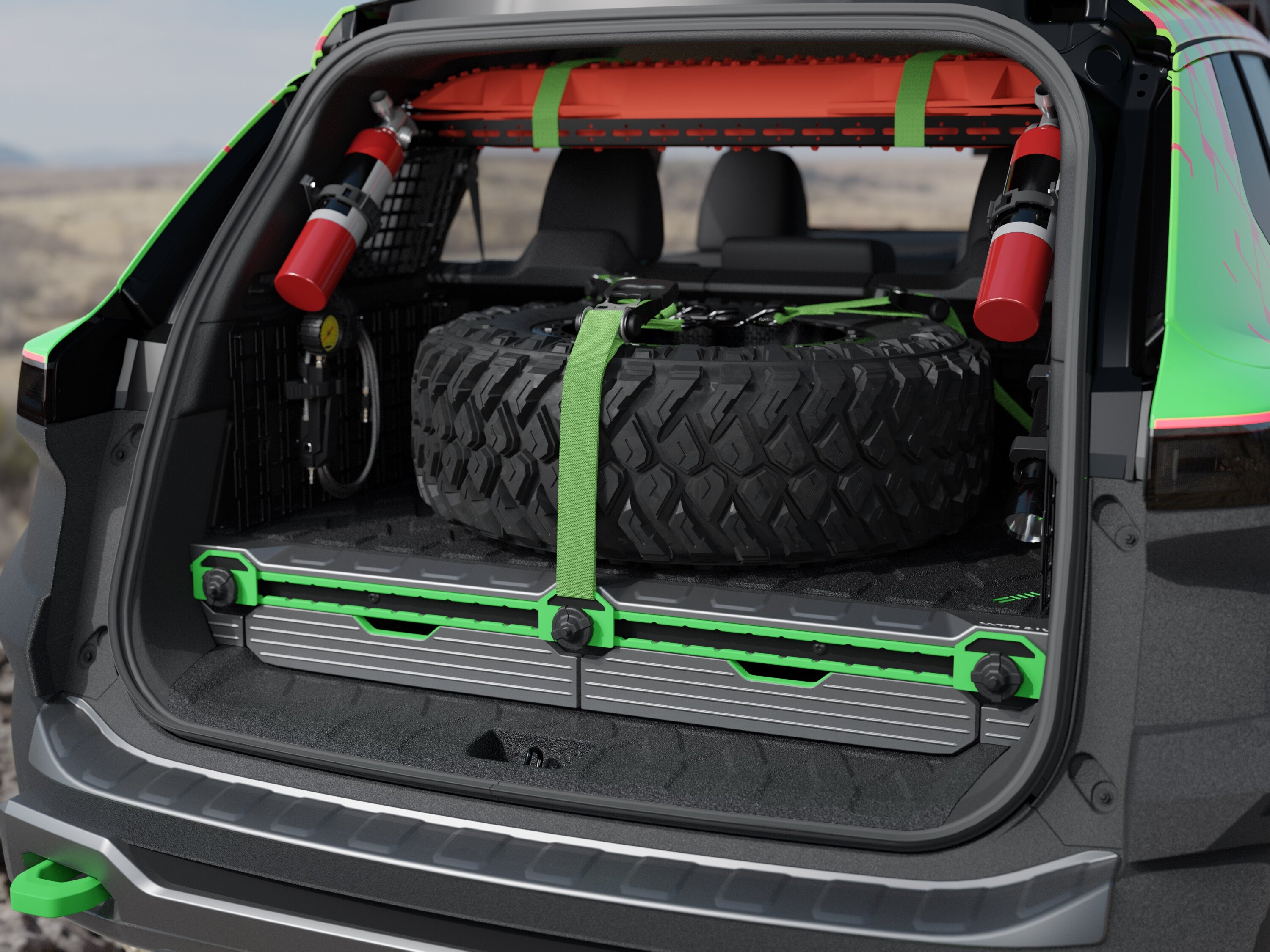
Finished in a fairly rad ’90s-looking fluoro red and green theme, the Crawler is jacked up on black 17-inch Sunraysia-style wheels wrapped in properly fat off-roading tyres.
Above those are some bench-style flares, while underbody bash guards are bolted to every side of the SUV.
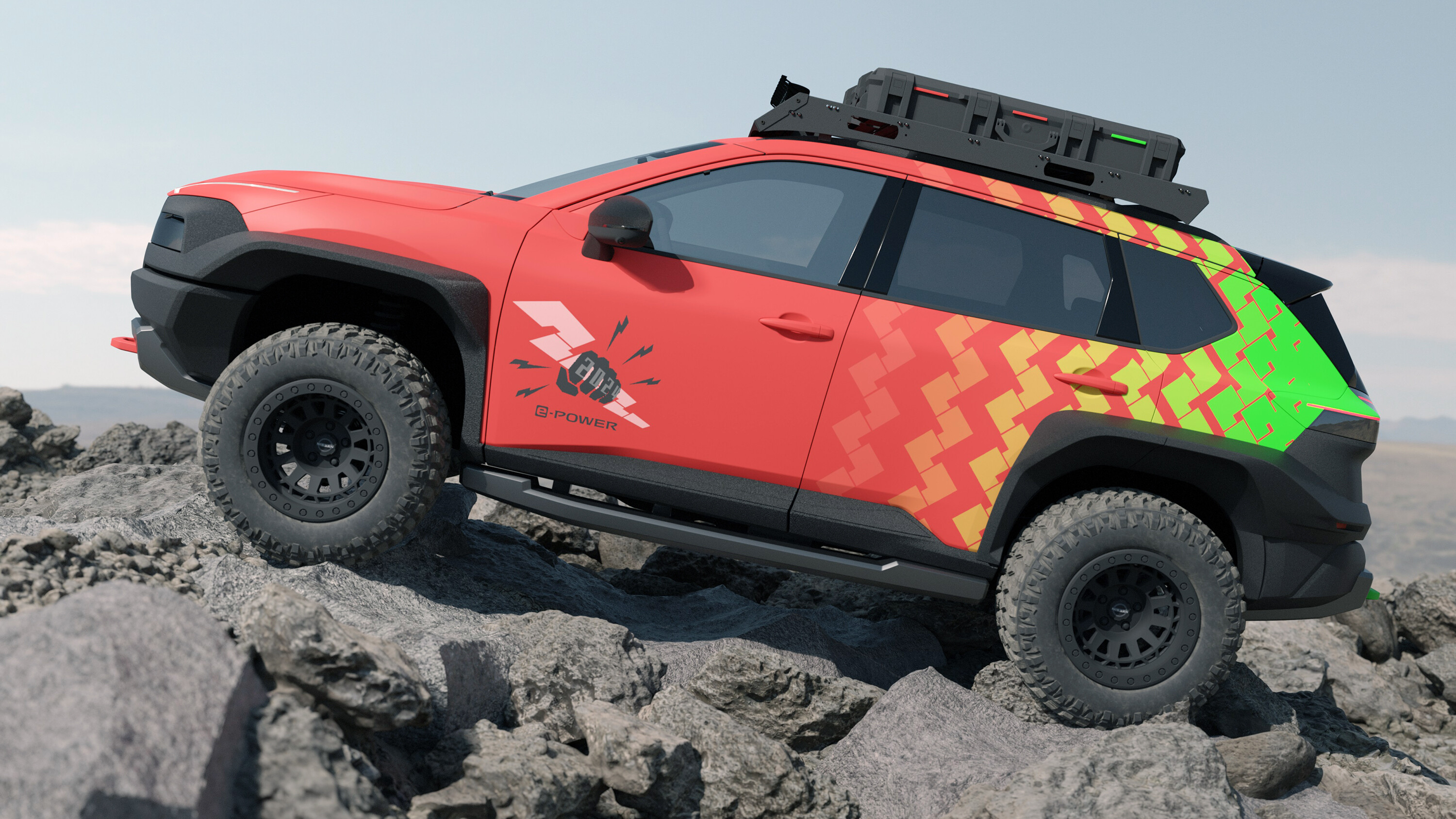
It’s been a long time since the X-Trail was anybody’s idea of a go-to off-roader, but this concept at least looks the part.
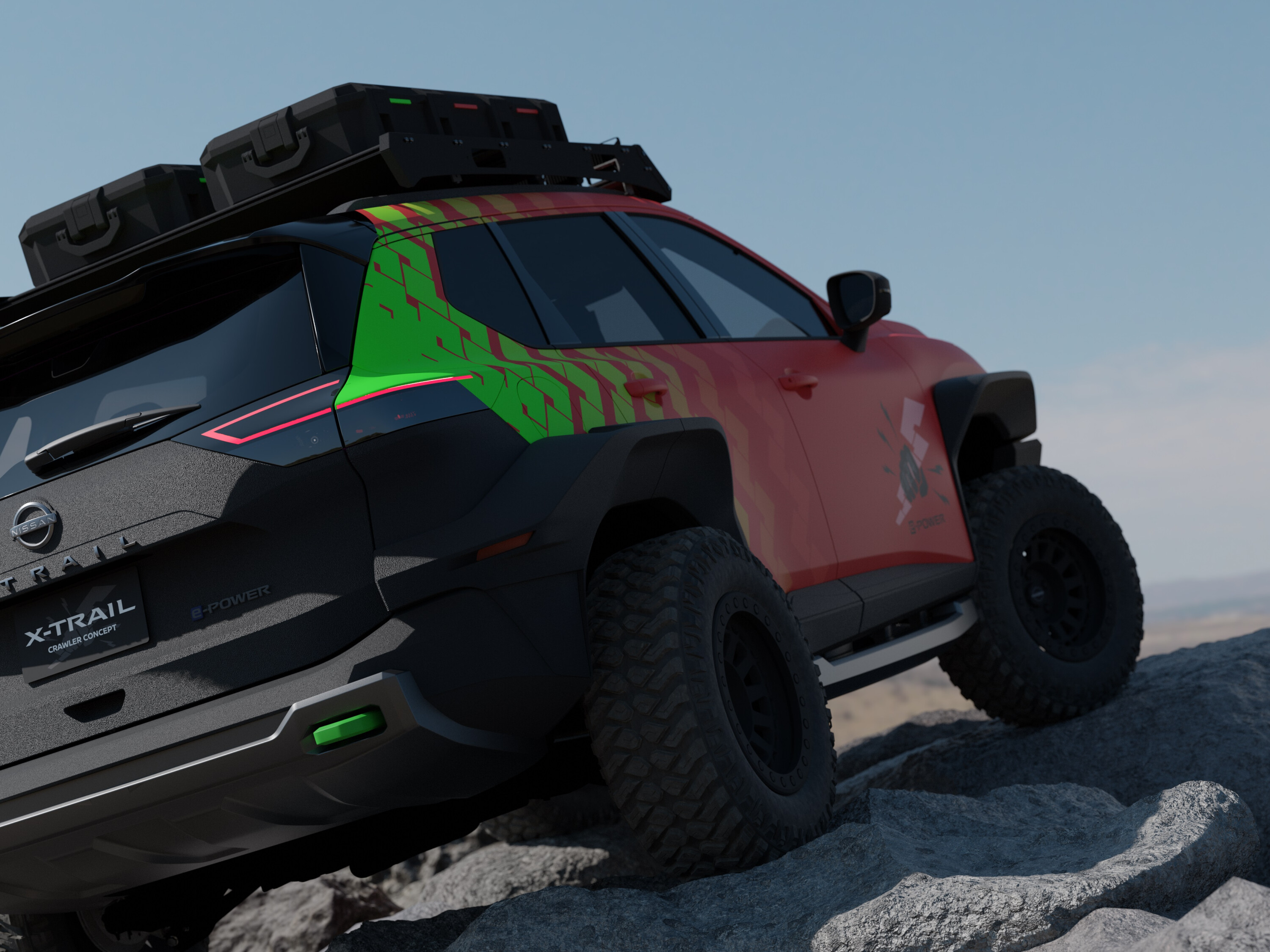
Apart from the the raised suspension and lower protection sections, this X-Trail is a standard all-wheel-drive E-Power variant – which you can read about at our X-Trail page.
A facelift for the X-Trail was revealed in October 2023, in its American-market Rogue form, but the local Nissan office has so far said that it has no imminent plans for an updated X-Trail.
Chinese-built models registered locally last year grew 58 per cent to 193,433 – moving them past Korean-sourced vehicles that increased by just two per cent to 161,614 units.
According to Country of Origin data in official VFACTS industry figures, China moved up to third – behind Thailand (264,253 vehicles) and leading import nation Japan (345,071 vehicles).
MG led the way with 58,346 new-vehicle registrations to beat its previous best of 49,582 in 2022. GWM increased sales by 45 per cent to 36,397 units, and LDV jumped 31 per cent to 21,398 sales.
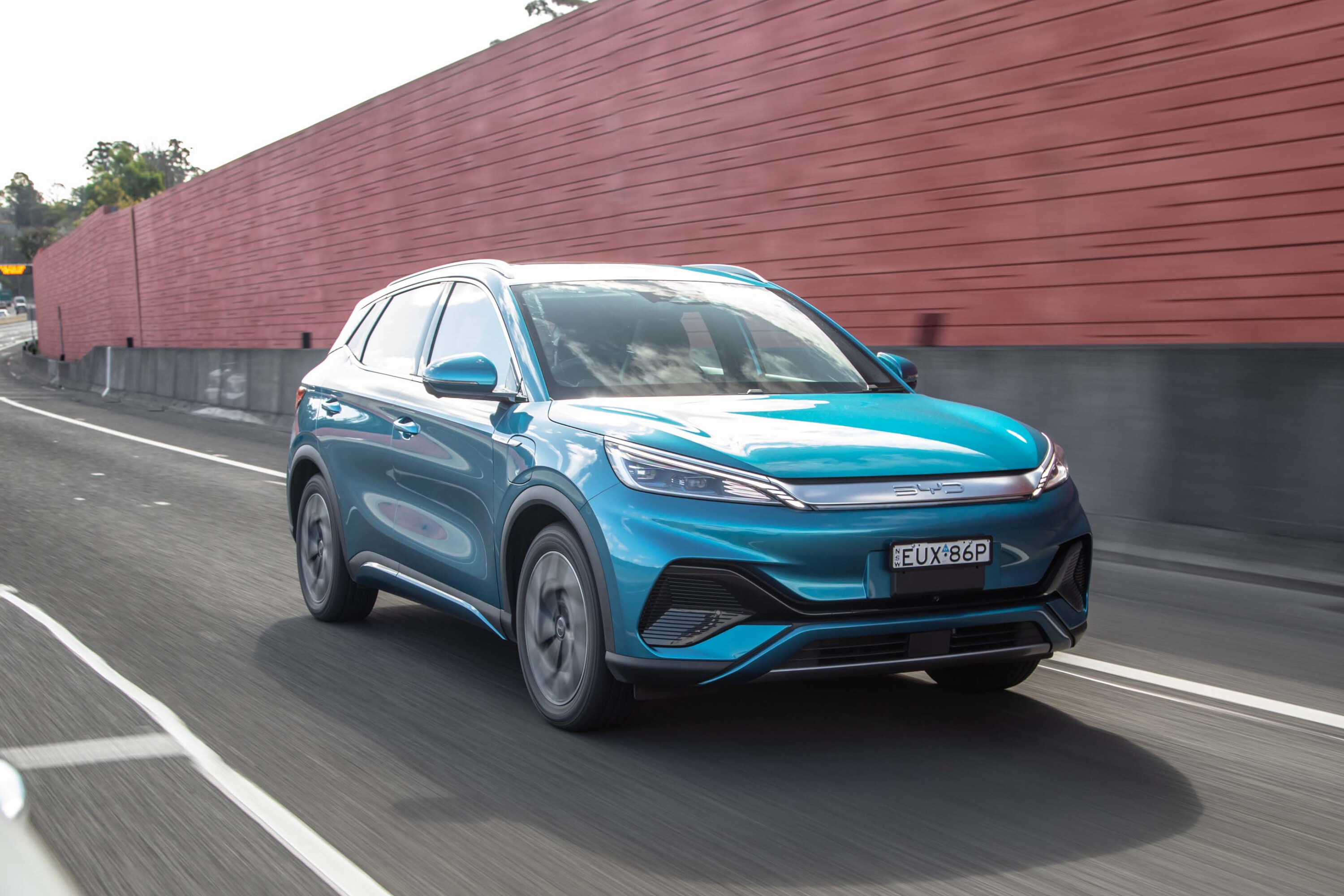
BYD also had a successful first full year in Australia, shifting 12,438 vehicles with just two models – the Atto 3 compact SUV (pictured above) and Dolphin hatchback.
| Australian annual sales for cars sourced from China | |
|---|---|
| 2023 | 193,433 |
| 2022 | 122,845 |
| 2021 | 76,262 |
| 2020 | 30,696 |
| 2019 | 17,957 |
| 2018 | 10,459 |
It’s 20 years since the first ever Chinese-built model went on sale here – the 2004 Volkswagen Polo Classic sedan.
Chinese-built models from brands headquartered outside of China also contributed to 2023’s result. Tesla sold a record 46,116 vehicles last year locally, with the Model 3 sedan and Model Y SUV.
Also sourced from China is Volvo’s electric XC40 and C40 models, as well as the Polestar 2 from its all-electric sister brand, and the BMW iX3 electric SUV.
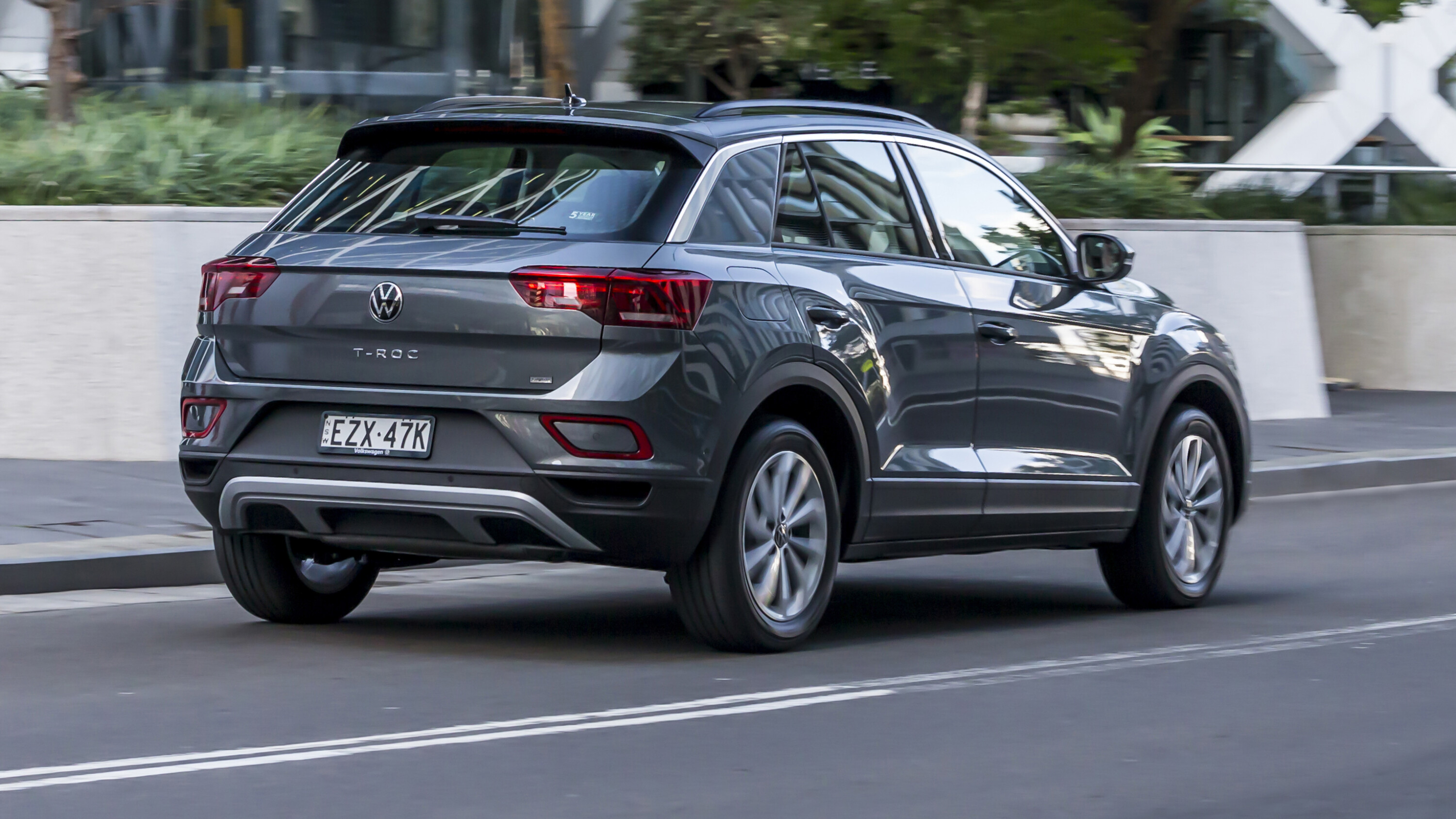
Portugal jumped by 147 per cent thanks to the Volkswagen T-Roc compact SUV (above), which increased sales from 3637 to 8943 units. The T-Roc was last year voted Wheels Best Small SUV.
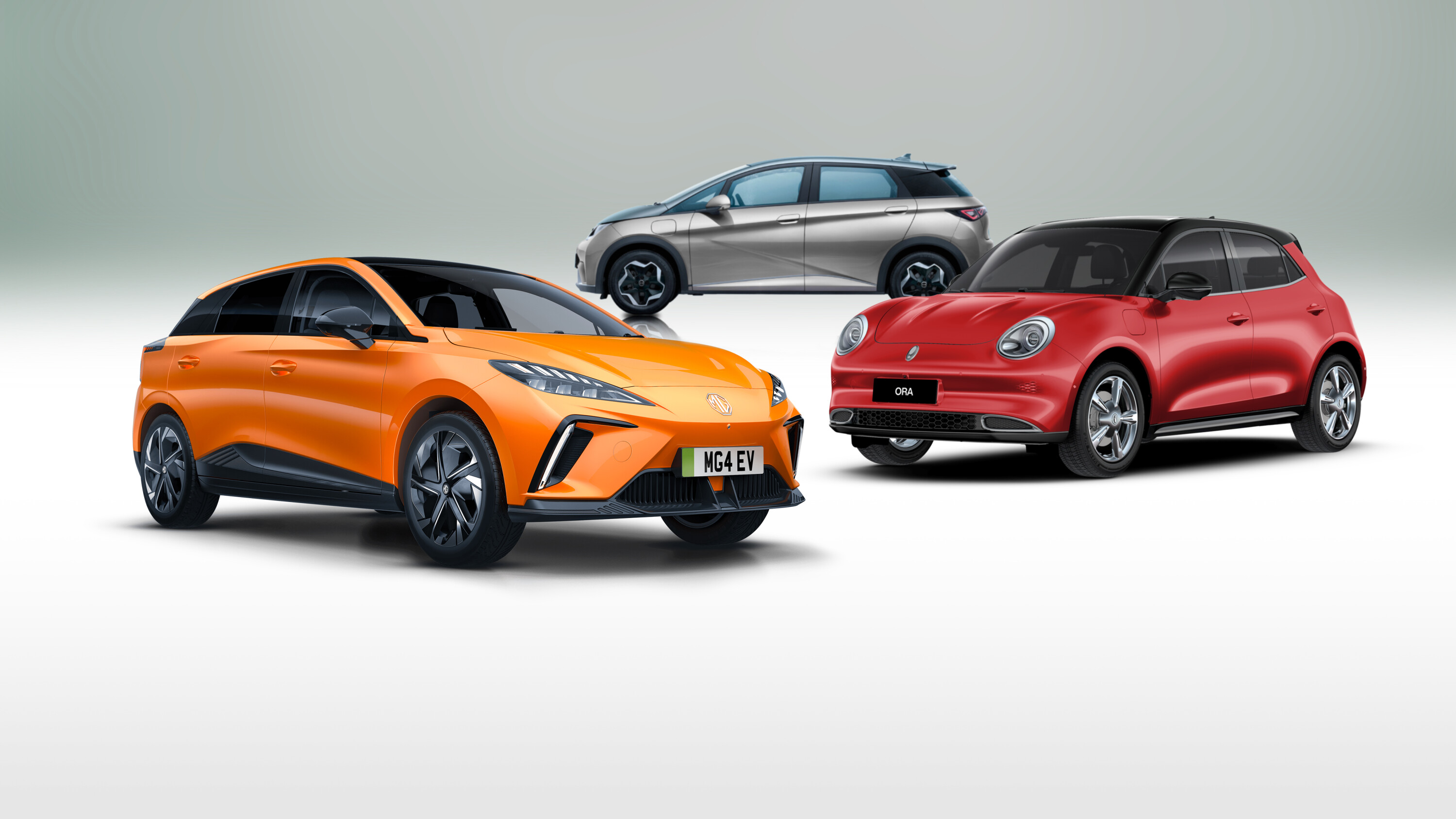
Buyers who move before then will get into an Ora from around $4000 less, drive-away – depending on their location, as drive-away prices differ by state. In NSW, that means $37,044 drive-away for the entry-level Ora Standard Range.
| Ora Standard Range | Price (drive-away) |
|---|---|
| NSW | $37,044 |
| Vic | $38,583 |
| QLD | $37,550 |
| Tas | $38,247 |
| SA | $38,230 |
| WA | $39,003 |
| NT | $36,656 |
| ACT | $36,638 |
GWM is running deals across its entire range at the moment, all with drive-away pricing that will result in thousands saved.
This latest campaign could help it spring past Isuzu (3987) and even Hyundai (4887), although those brands – like all others – will be working to improve their own figures too.
Elsewhere in the cheapest-EVs fight, the MG 4 is now $1000 more expensive, making it $39,990 before on-road costs. This again leaves the BYD Dolphin as Australia’s cheapest EV, by a hair, at $38,890 before on-road costs – but, given it’s a new year, a price rise could well be on the cards.
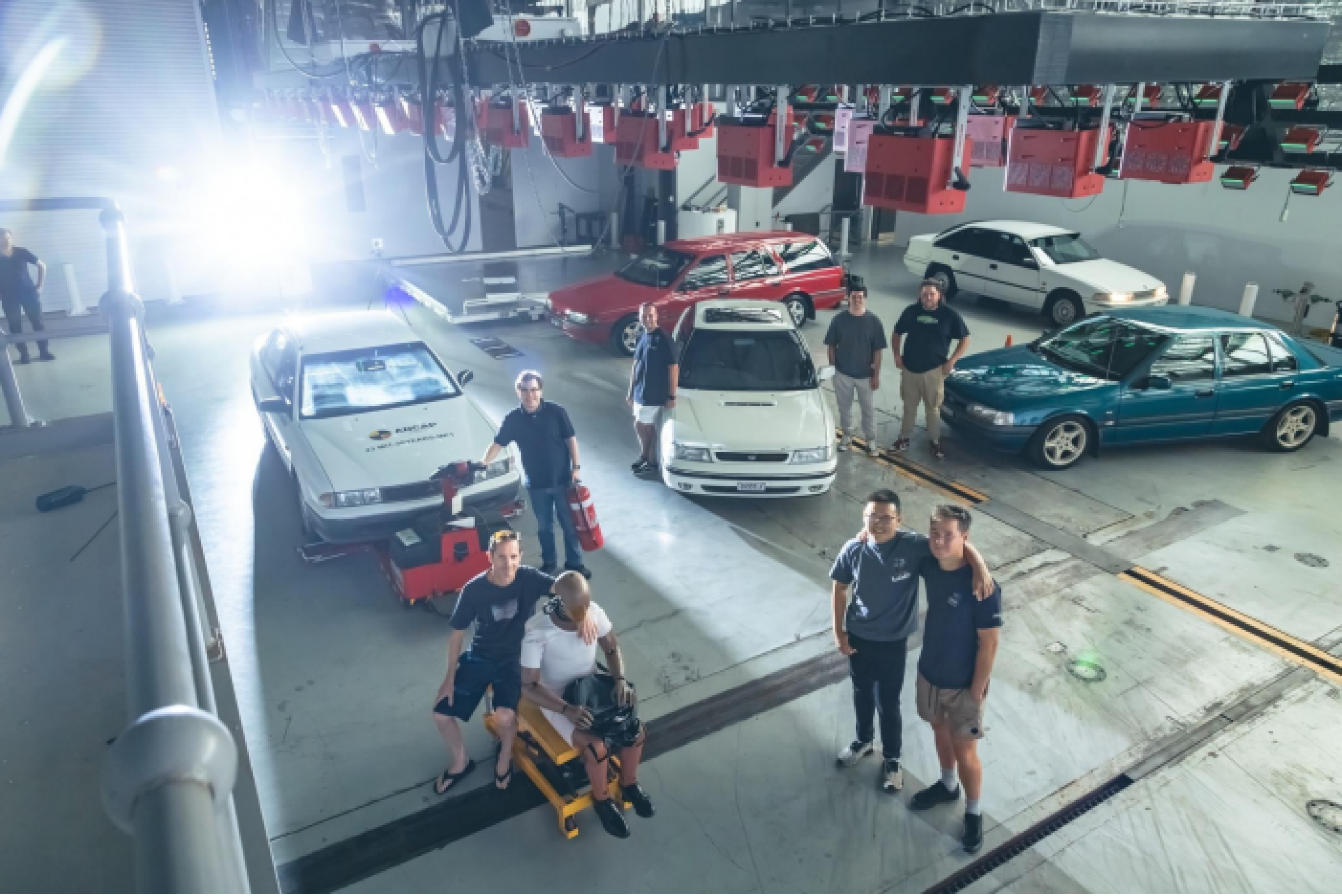
ANCAP, the crash testing aficionados of Australia and NZ, via Wheels, were seeking a handful of vehicles for an upcoming photoshoot. Amazed that my Falcon had qualified for something, I scrambled together an email offering my honest daily driver.
Before too long, a polite reply arrived from Rhianne Robson, graciously inviting the wagon and myself to attend.
The arrogant belief that old cars are stronger is nothing short of rubbish
As it turned out, it was Crashlab, the NSW Government’s $25 million crash testing playground, the largest of its type in the southern hemisphere.
Oddly enough, the building didn’t look as imposing as it sounds, softened by a carpark line-up straight out of 1993; a VP Commodore, a Subaru Liberty RS Turbo, and a fellow EB Falcon owner. My inner (unqualified) engineer was already fantasizing about the equipment and tools that lurked within.
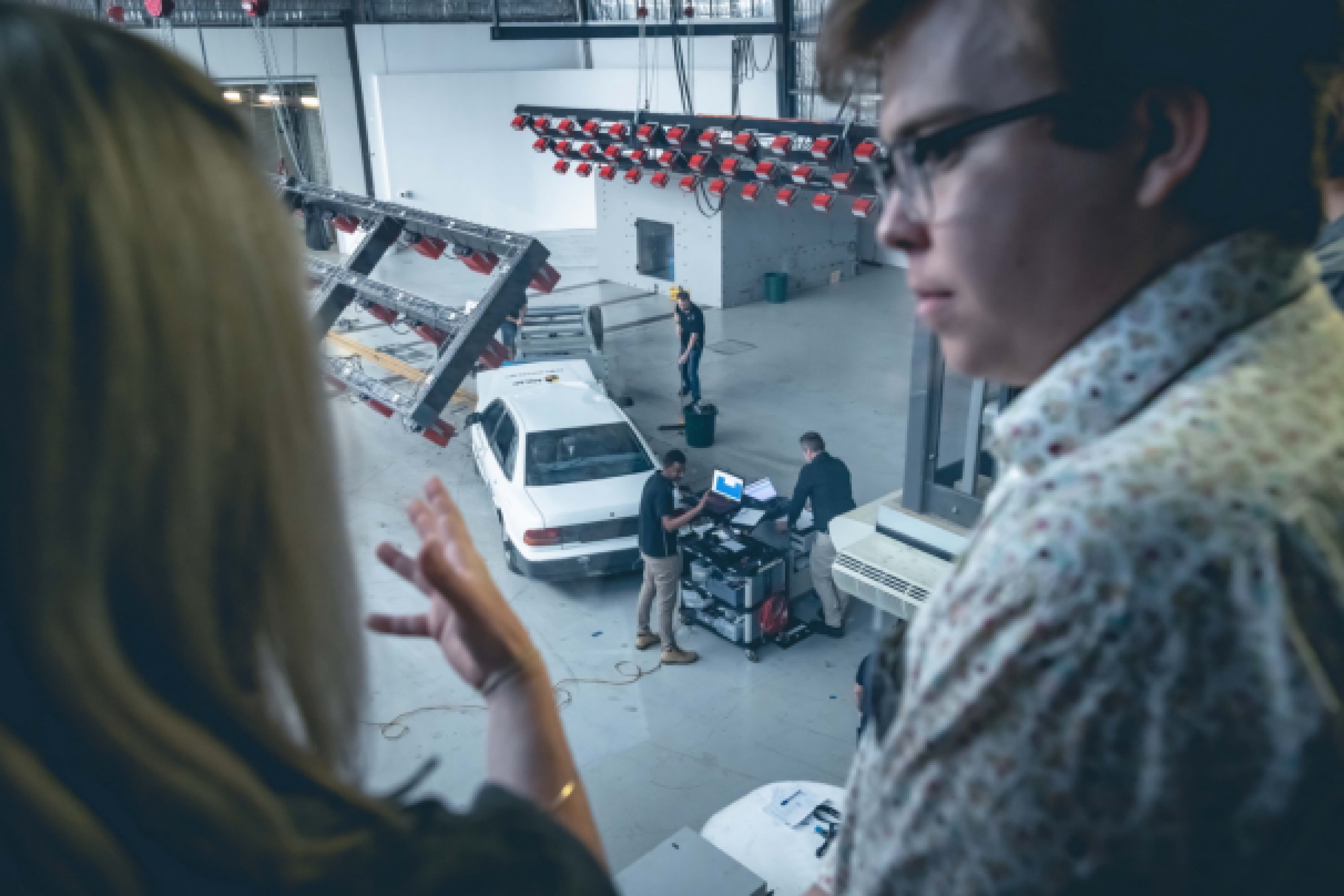
Then, the legendary John Law of Wheels, accompanied by the one and only photographic master, Thomas Wielecki (I have admired his work, such as his images of the late, great Paul Cockburn and his E-Type at Oran Park), directed us into the Crashlab “arena”, where all the action occurs, to shoot our cars in various revealing positions.
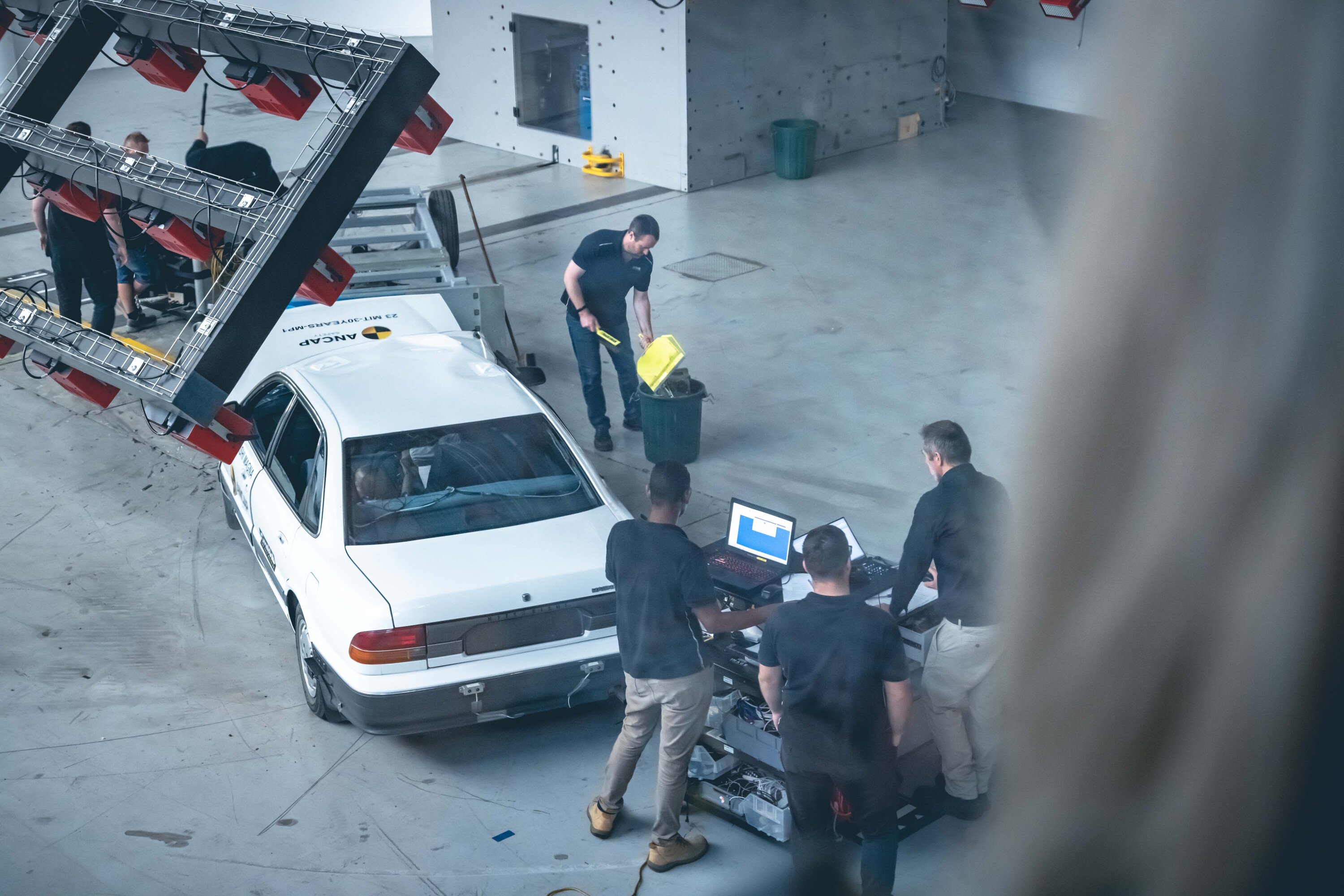
It was at this point that a 1993 TR Magna Executive – bearing immaculate blue cloth trim and a mere 58,000 kilometres on the clock – had been revealed as the crash test sacrifice for ANCAP’s 30th anniversary.
It was here that we were shown a variety of equipment and different testing facilities, including a rig for testing motorcycle and bike helmets with a sickening metal spike, dropped from a reasonable height.
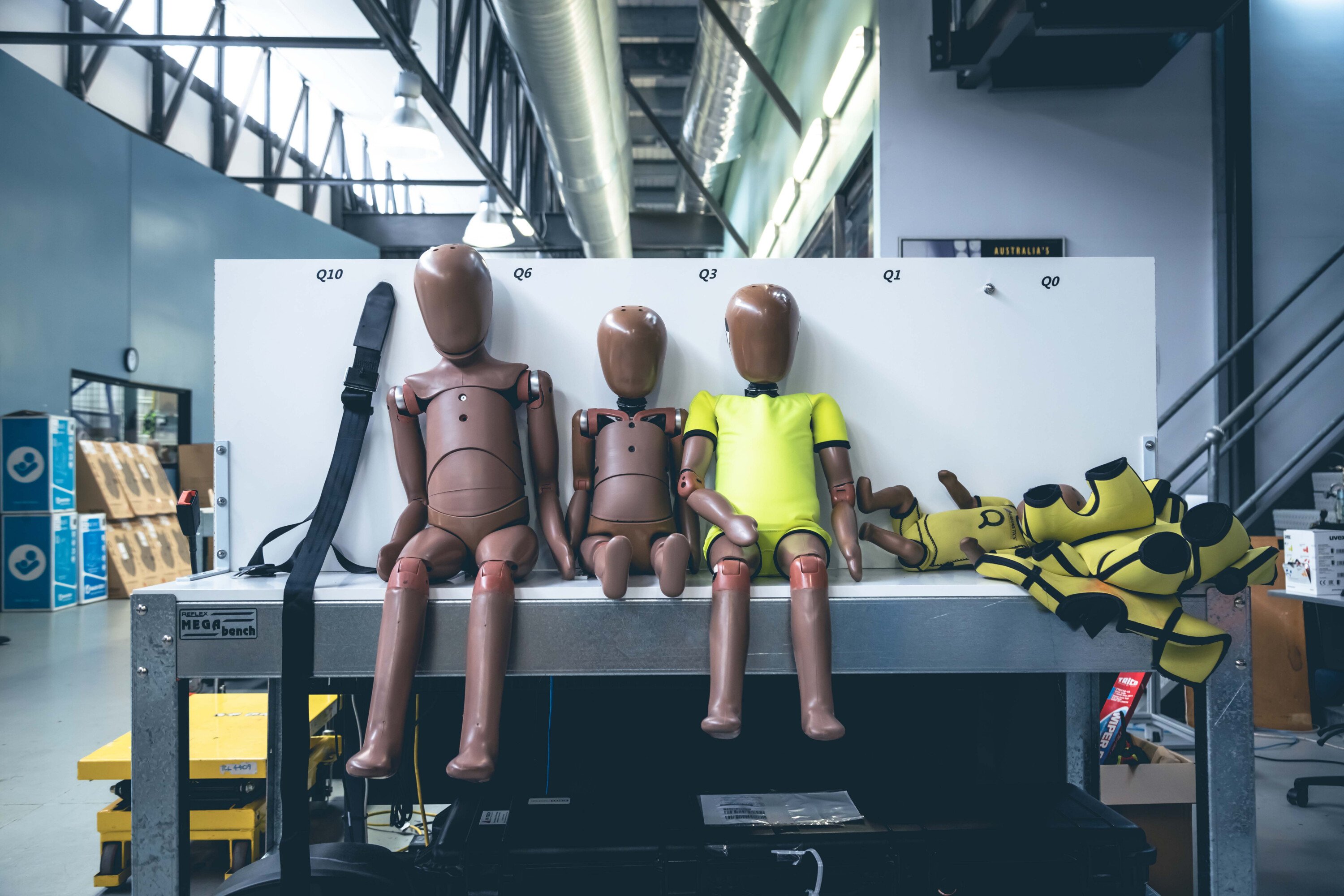
It was revealed that the modern THOR crash test dummies cost around $1.5 million per piece, depending on configuration and size. A few expletives were offered from the crowd after that bombshell, understandably. Animal dummies are also used, for testing pet restraints.
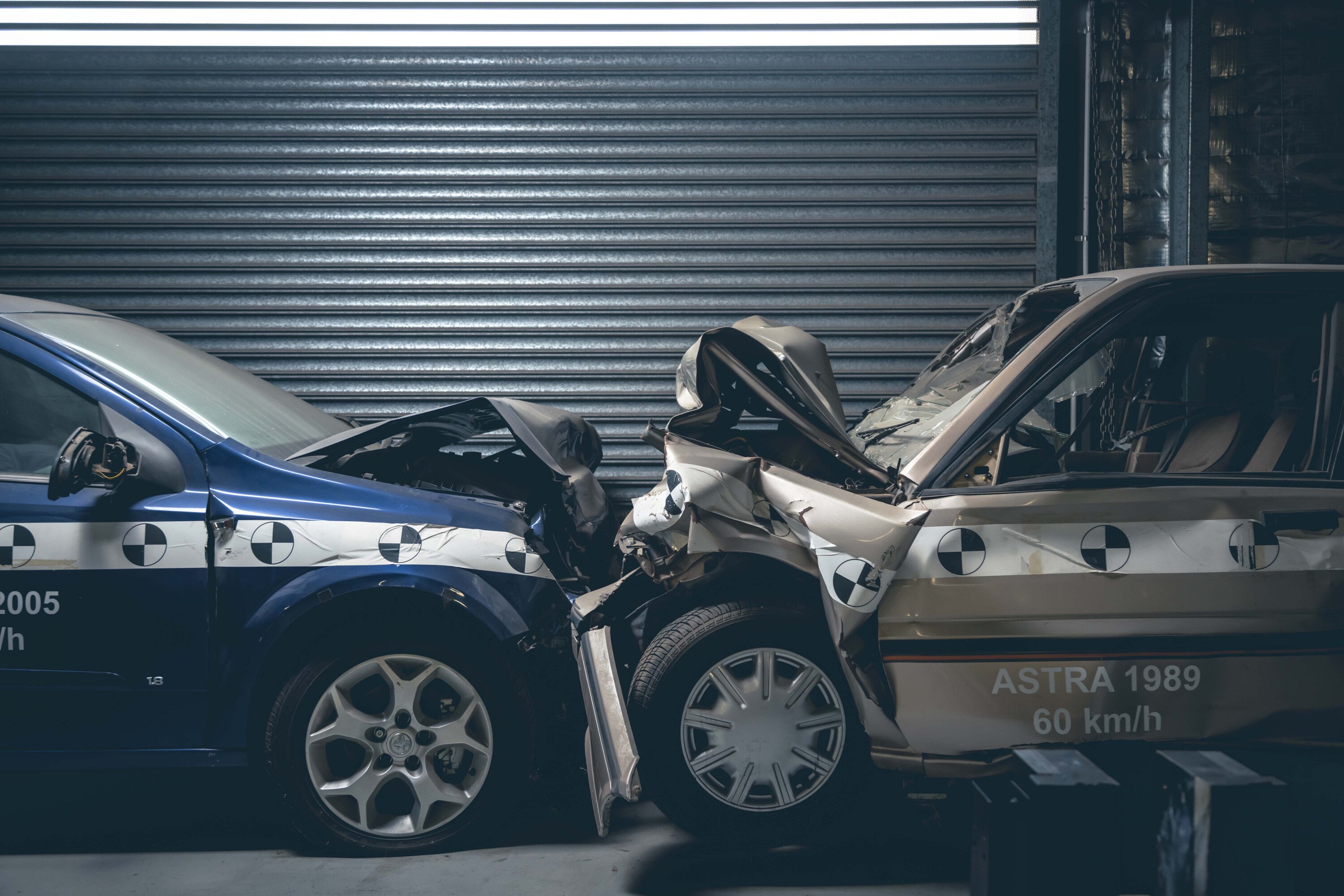
In a shed, a number of confronting examples were kept, including two Holden Astra hatchbacks, a 1989 and 2005 model, involved in a two-car head-on test, highlighting the pace of safety improvement since Crashlab’s opening.
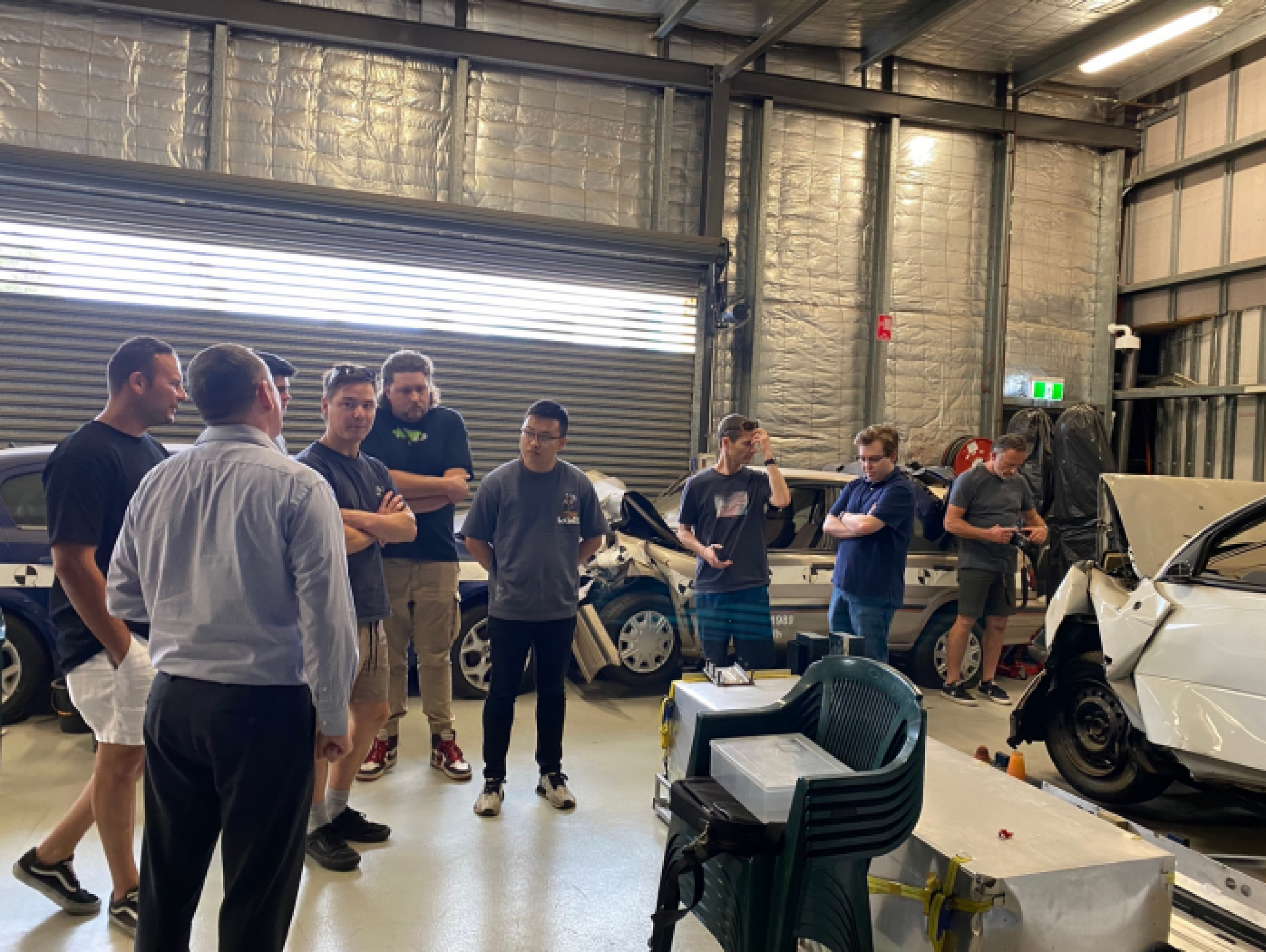
Here, I met and spoke with a range of industry professionals, such as Michiel Van Ratingen from Euro NCAP, who educated me on the bureaucratic red tape that ultimately delays the technology and implementation of dummies by roughly a decade.
Among so many knowledgeable individuals, I had expected to feel like the dunce in the room. Yet every person I met took the time to speak with me, teaching me about various aspects of their profession.
From a gantry above, the crowd huddles to watch the Magna meet its grisly end.
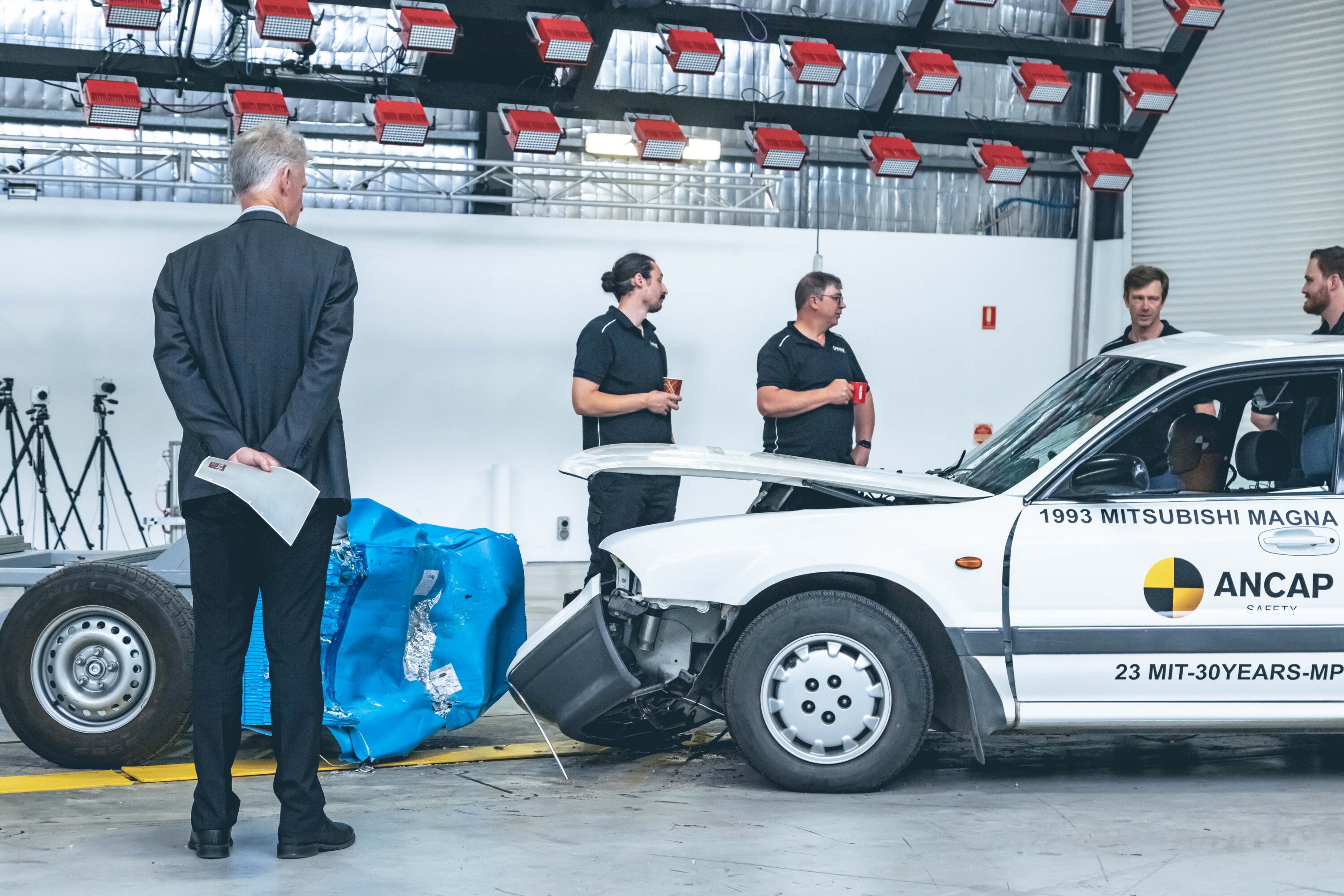
The occupants’ experience didn’t look so terrible in person, yet the slow-motion footage is shocking
Recorded by numerous high-speed cameras under a staggering array of LED lights rated at 100,000 lux (or anecdotally about as bright as the lightbar of a four-wheel drive tailgating you at 3 am) the old Magna collides with a dolly. A distinct and visceral “bang” follows; glass, plastic and stainless brightwork flying everywhere.
The occupants’ experience didn’t look so terrible in person, yet the slow-motion footage is shocking, revealing that the rear passenger’s knees had collided with the lower rear of the front seat, slipping below the seatbelt – a phenomenon known as ‘submarining’. The driver, amongst other injuries, sustained 107g of force to the head, essentially a certain demise.
This is a factor I remain aware of when driving an older car, a reason to employ defensive driving skills, to minimise as much risk as I’m able.
The arrogant belief that old cars are stronger is nothing short of rubbish. The entire point of a newer car is to deform and crumple to absorb the energy and force. In an older car, you are the conduit for that energy – and it does not end well. Dummies can be reset and rebuilt, but people cannot.
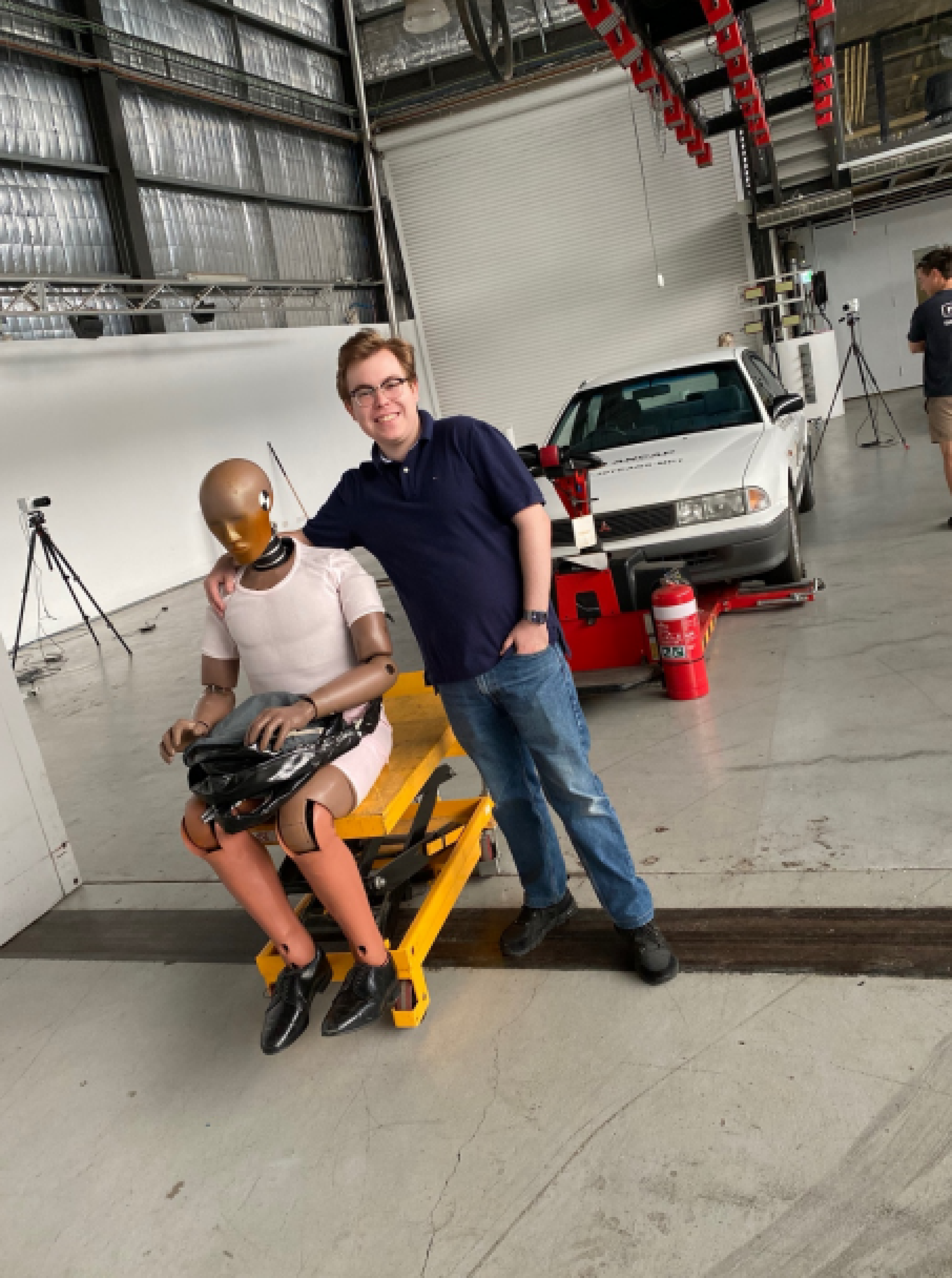
23-year-old Charlie is a regular Wheels reader and the owner of a beautiful old HiLux that has been in his family since new – a few years before he was born.
We thank Charlie for joining our team at Crashlab, and you’ll see his name here again.
In Australia, it’s highly likely that you’re just two degrees of separation away from a utility vehicle.
Utes have become an integral part of our country’s automotive landscape, representing the largest selling segment in Australia.
However, in 2023, the Hilux’s seven-year winning streak was broken when the Ranger claimed the title of the top-selling ute for the year.
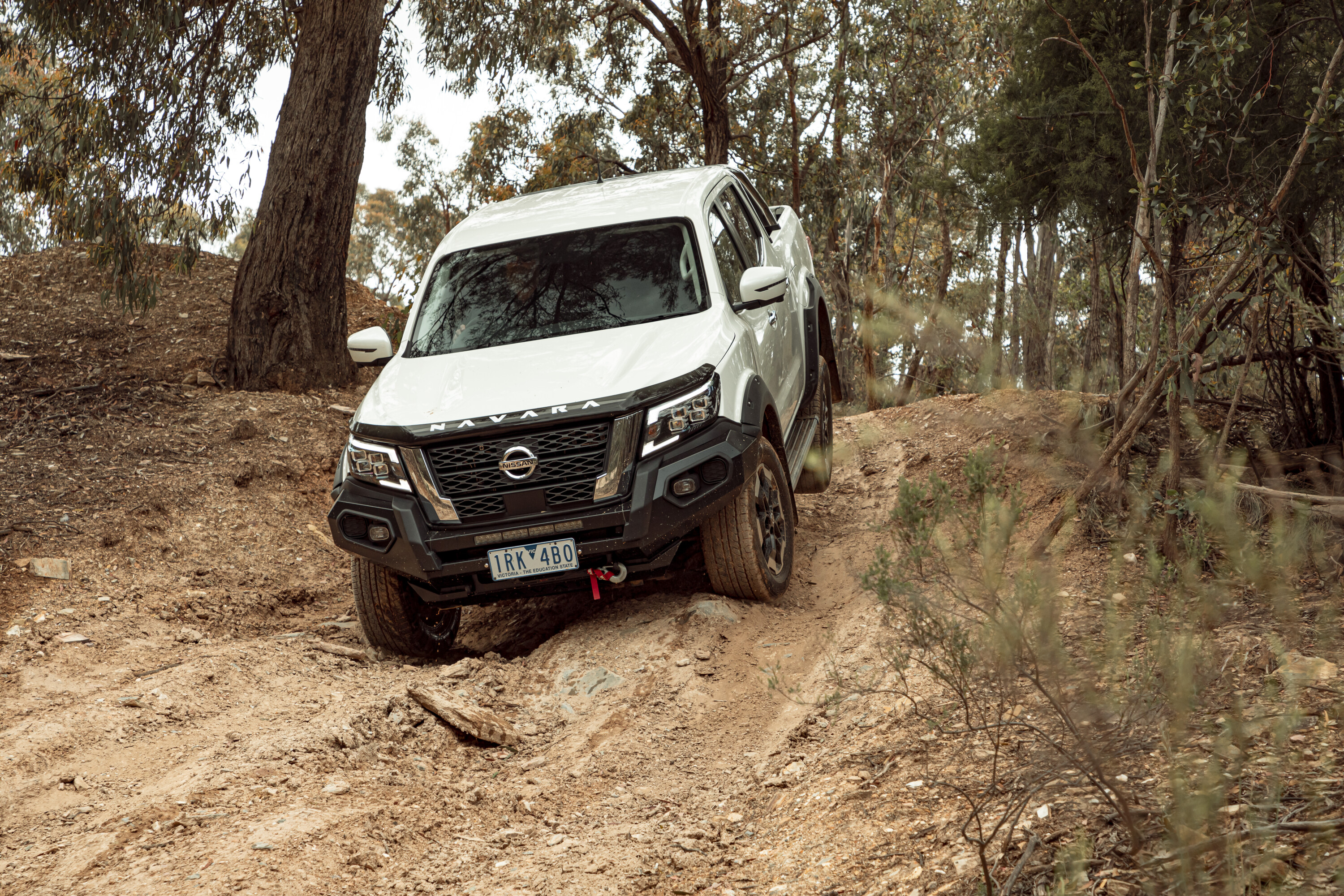
With the ute market offering abundant opportunities for brands, let’s now shift our focus to the Navara and explore what this enduring competitor still brings to the table in 2024.
The dual-cab ute is available in both 4×2 and 4×4 configurations, with the choice of manual or automatic transmission, and various tray sizes.
A 2.3L single-turbo diesel engine option creates 120kW and 403Nm in 4×2 variants. The upgrade to a twin-turbo in the 4×4 offers and increase in power a strong output at 140kW and 450Nm, using a quoted 7.2L/100km on a combined cycle.
| 18-inch alloy wheels | Front LED foglights |
| 8-inch touchscreen | Heated side mirrors |
| A tubliner to protect the paint in the tray area | Keyless entry and start |
| Android Auto and Apple CarPlay (wired only) | Lane departure warning |
| Automatic dimming rear-view mirror | Lane keeping assist |
| Automatic high beam | Leather steering wheel and gearshift |
| Automatic power-folding door mirrors | LED headlights, tail lights and daytime running lights |
| Blind-spot monitor and intervention system | Privacy glass |
| Body colour rear bumper | Rain-sensing wipers |
| Carpet floor mats | Rear cross-traffic alert |
| Chrome grille and door handles | Rear parking sensors |
| Cruise control | Reversing camera (pick-up models only). |
| Double tube sports bar | Stainless steel sports bar |
| Dual-zone climate control | Tyre pressure monitoring |
| Four USB input sockets (3x USB-A and 1x USB-C). |
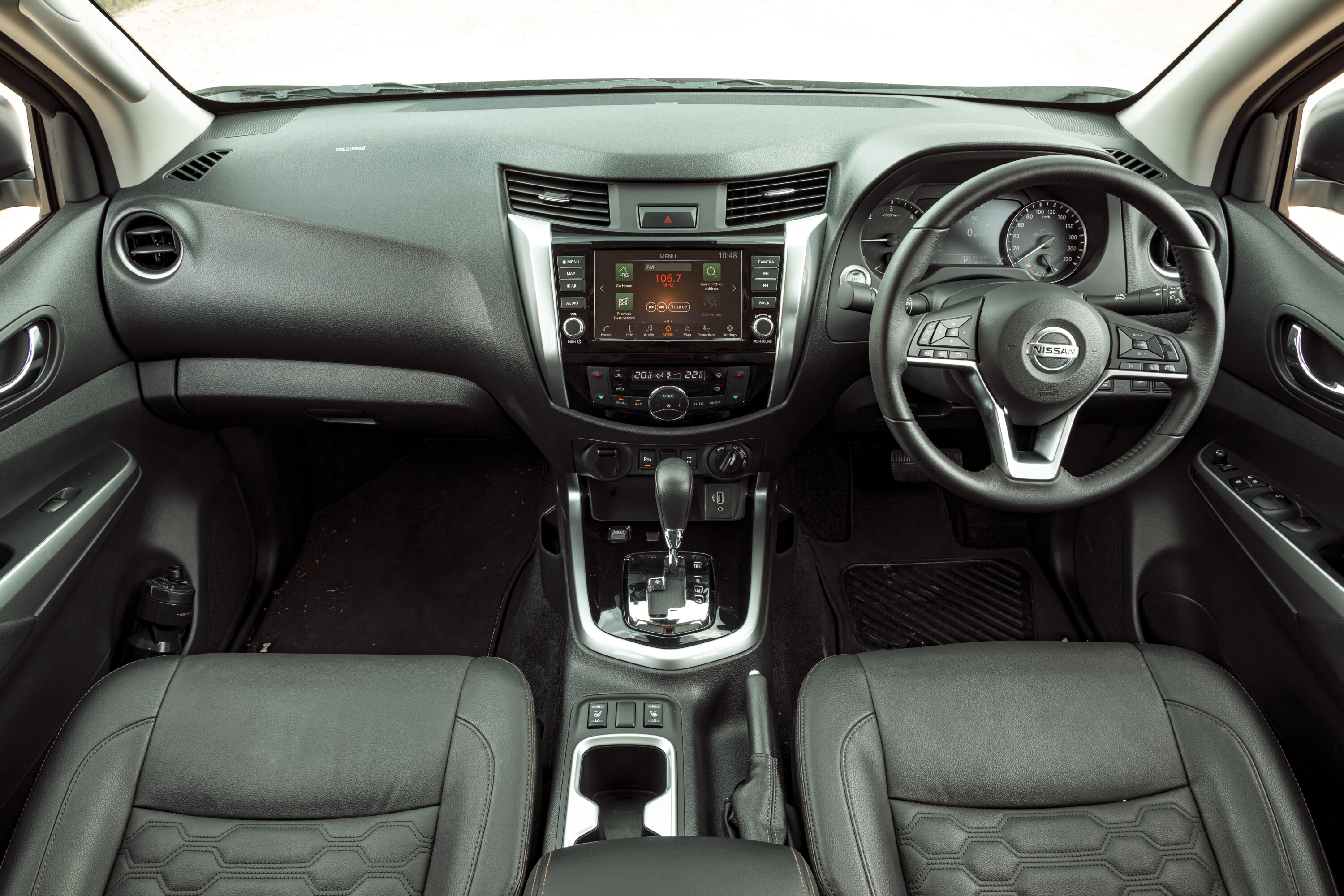
The Navara is not without expected safety features such as autonomous emergency braking (AEB), blind-spot monitoring and a lane departure assist system but does miss out on features competitors have as standard such as a centre airbag and adaptive cruise control.
Other active safety includes forward collision warning, driver fatigue warning, and brake assist.
For off-roading enthusiasts, hill-start control, trailer sway control and downhill brake control are all standard.
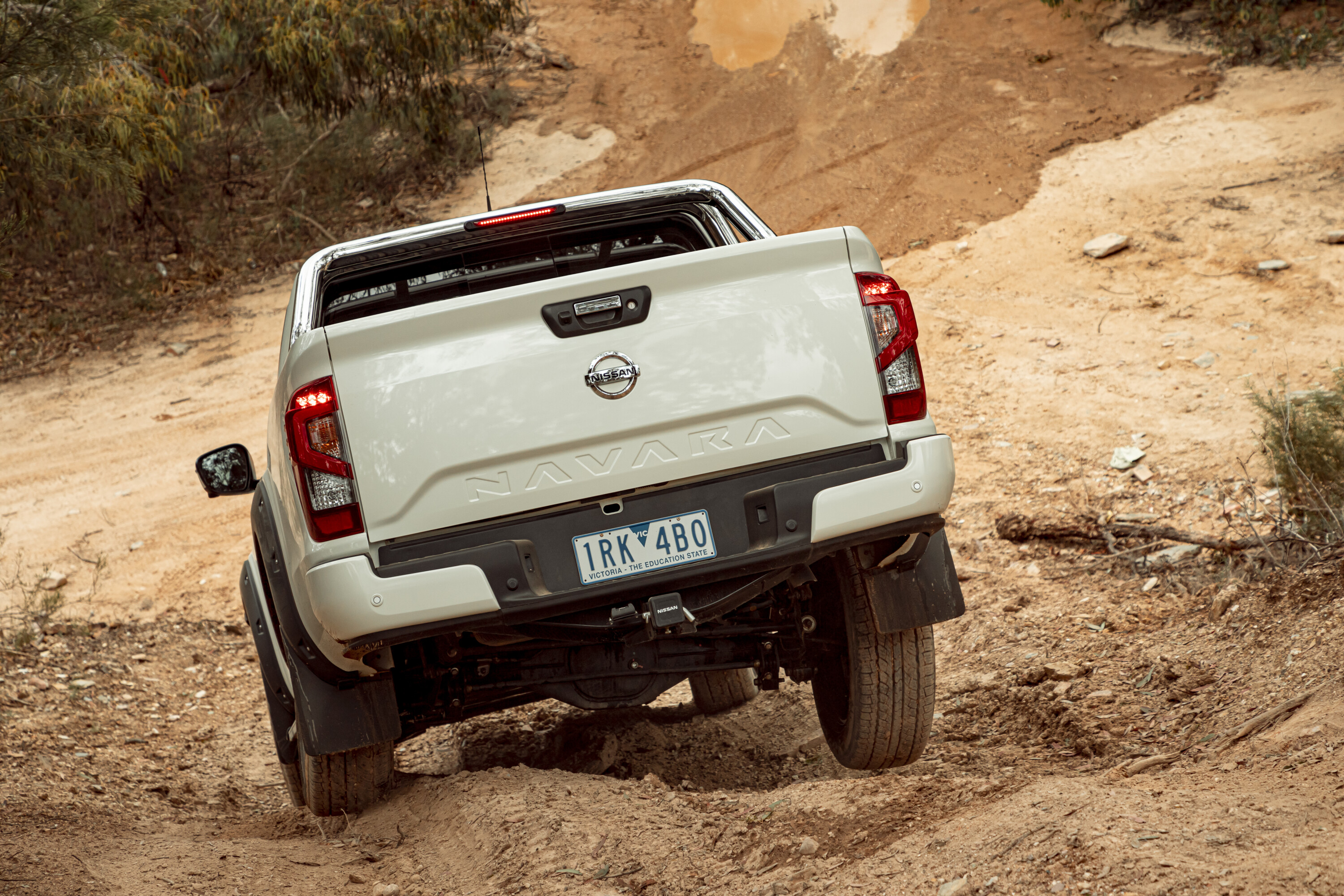
Some examples of key rivals include models include notable utes such as:
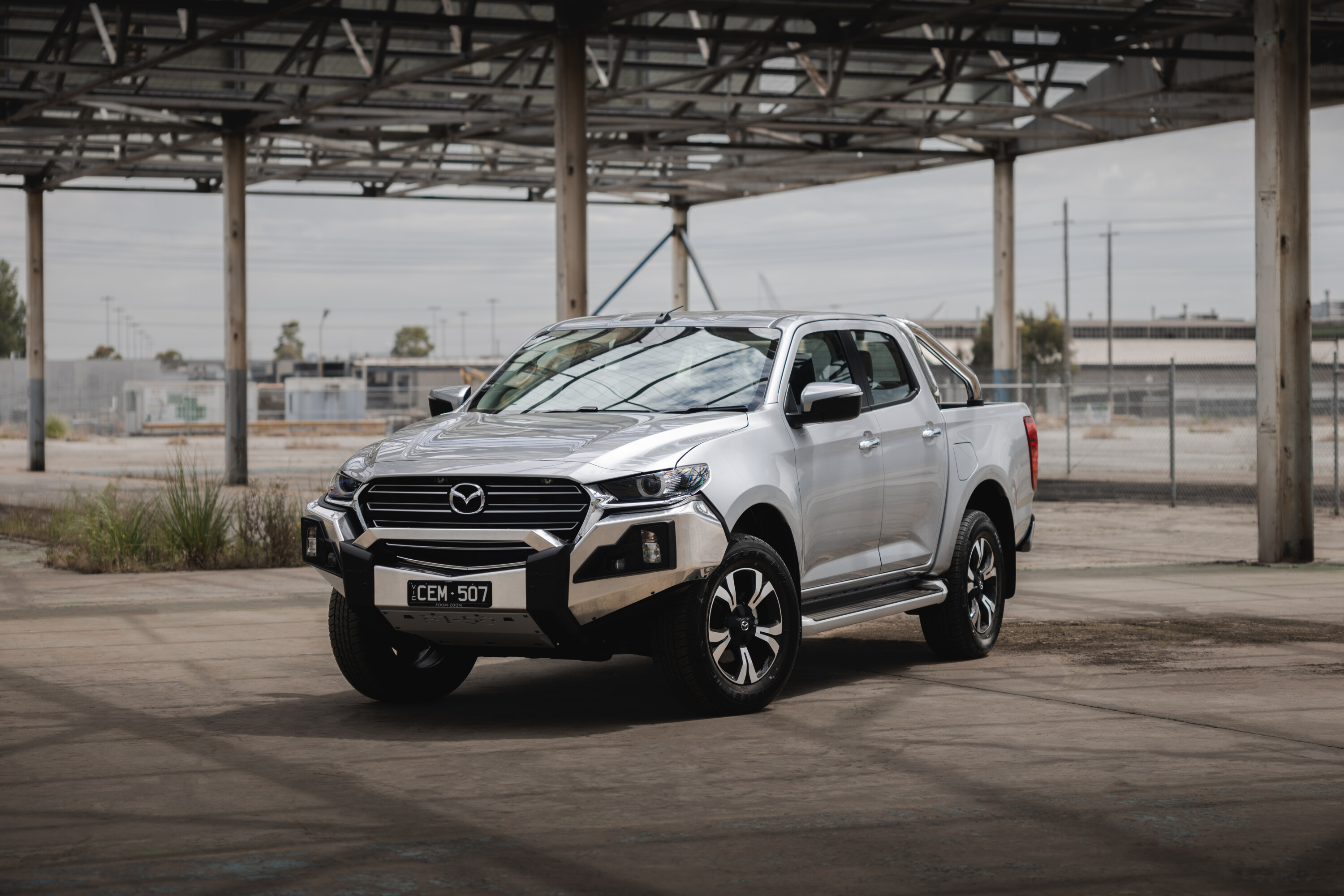
The 2024 Nissan Navara ST-X is a compelling choice for those in the market for a pickup truck that offers a perfect blend of toughness, capability and technology.
Its enhancements for 2024 make it a strong competitor in the segment, suitable for both work and leisure.
If you’re looking for a vehicle that can handle demanding tasks while providing a comfortable and connected driving experience, the Navara ST-X is definitely worth considering.
Official images of the Yangwang U7 – which sits under BYD’s premium sub-brand – were released on the company’s Chinese social media channels.
Using the same ‘e4’ battery platform as the U8 SUV and U9 supercar, BYD is said to have confirmed the U7 four-door will feature four electric motors – and produce more than 1000hp (745kW).
Chinese media are reporting the U7 will be 5.2 metres long, which would make the Yangwang sedan slightly longer than the 5m Model S and 5.1m i5.

The U7 shares design cues with the U9 – such as the dramatic, C-shaped headlights and full-width tail-lights – while it also has some resemblance to the BYD Seal that recently went on sale in Australia.
BYD is said to be claiming the U7 will have incredibly slippery aerodynamics, with a 0.195Cd figure.
The U9 supercar is yet to go on sale, though the first Yangwang showroom model, the U8 (pictured below), is under consideration for Australia, according to insiders.
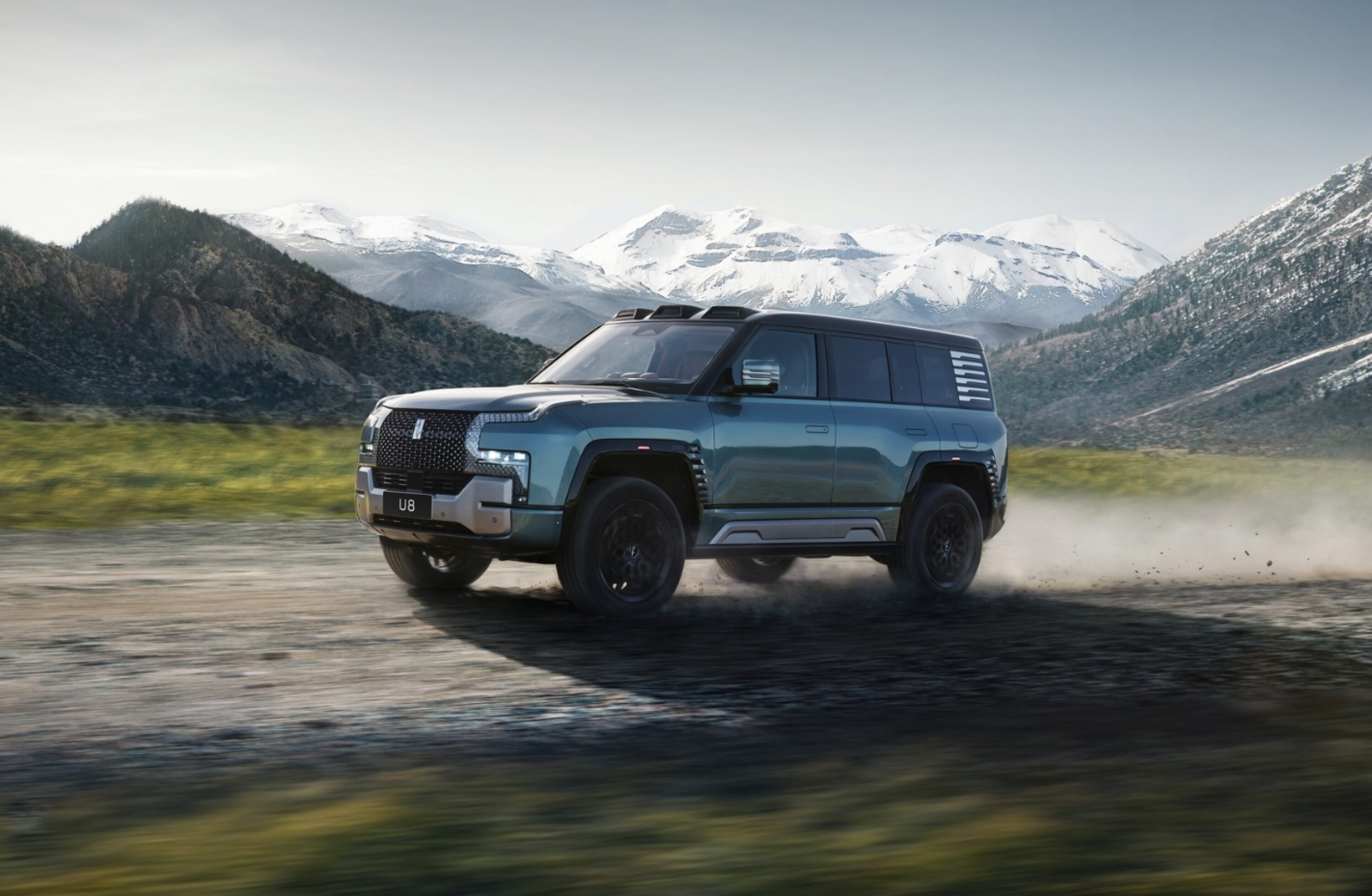
BYD has three electric models now on sale in Australia, with the Seal midsized sedan joining the Dolphin hatchback and Atto 3 compact SUV.
This year the Chinese brand will introduce a dual-cab ute along with an SUV that’s expected to be the Seal U.
BYD’s BEV (battery electric vehicle) sales overtook Tesla in the last quarter of 2023 and it could become the world’s No.1 BEV produce this year.
News of Steiner’s shock departure broke overnight with Haas confirming the Italian has left the team with immediate effect.
His replacement will be director of engineering, Ayao Komatsu, who has also featured in Drive to Survive.
Steiner has been in charge of Haas Formula 1 since 2016 and was pivotal in the team’s creation, however a recent string of poor results seems to have led to his axing.
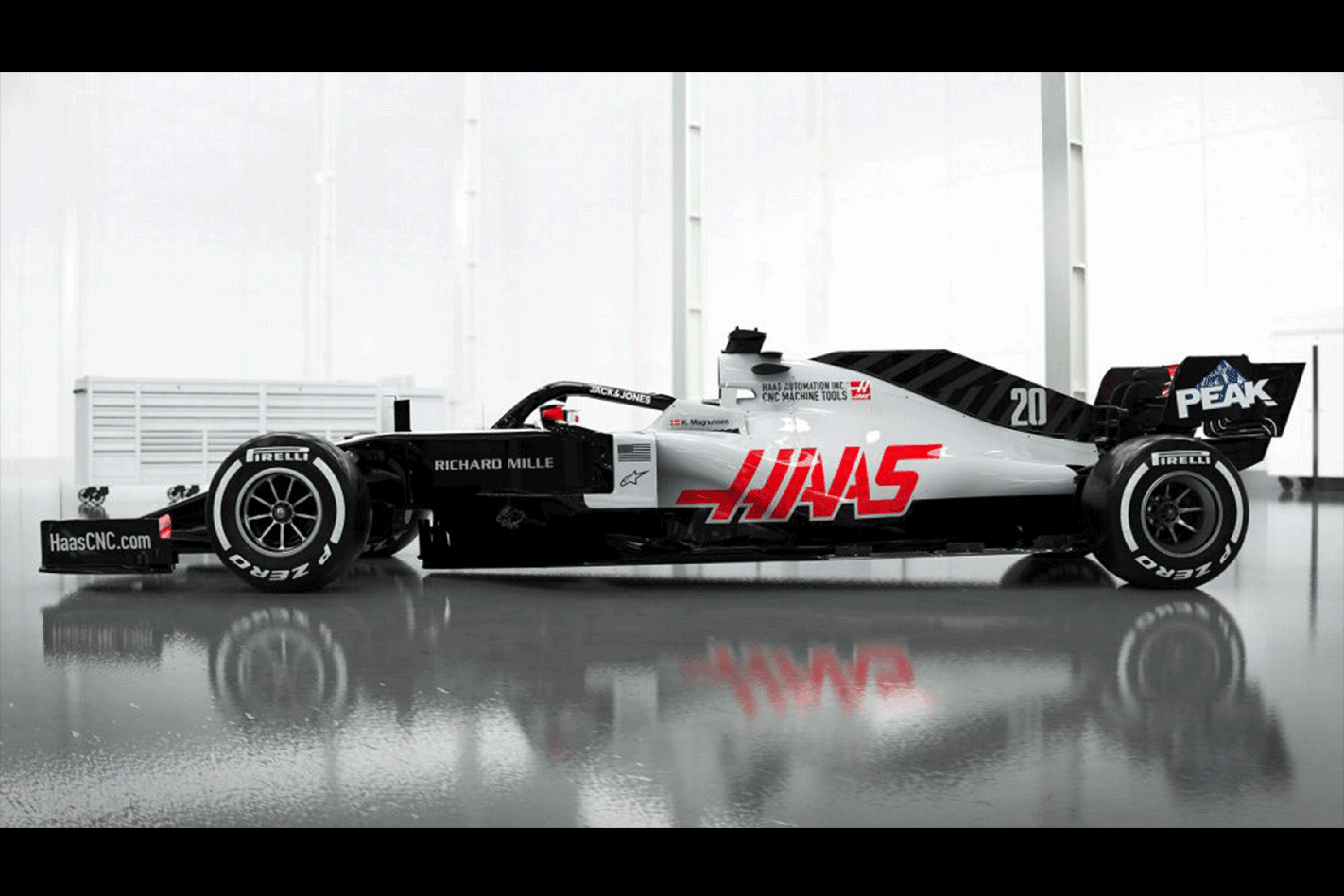
Despite some flashes of success, including a pole position in Brazil last year, Haas finished dead last in the standings in 2023 as it struggled to transform its strong qualifying pace into decent race results.
Formula 1 distributes prize money to teams based on where they finish in the constructor’s championship, so finishing last means Haas’s budget has taken a huge hit for the 2024 season.
As one of F1’s smallest teams, Haas has long faced budget restrictions and has built its business plan around buying engines and other parts/technology from other teams — mostly Ferrari — to help manage costs.
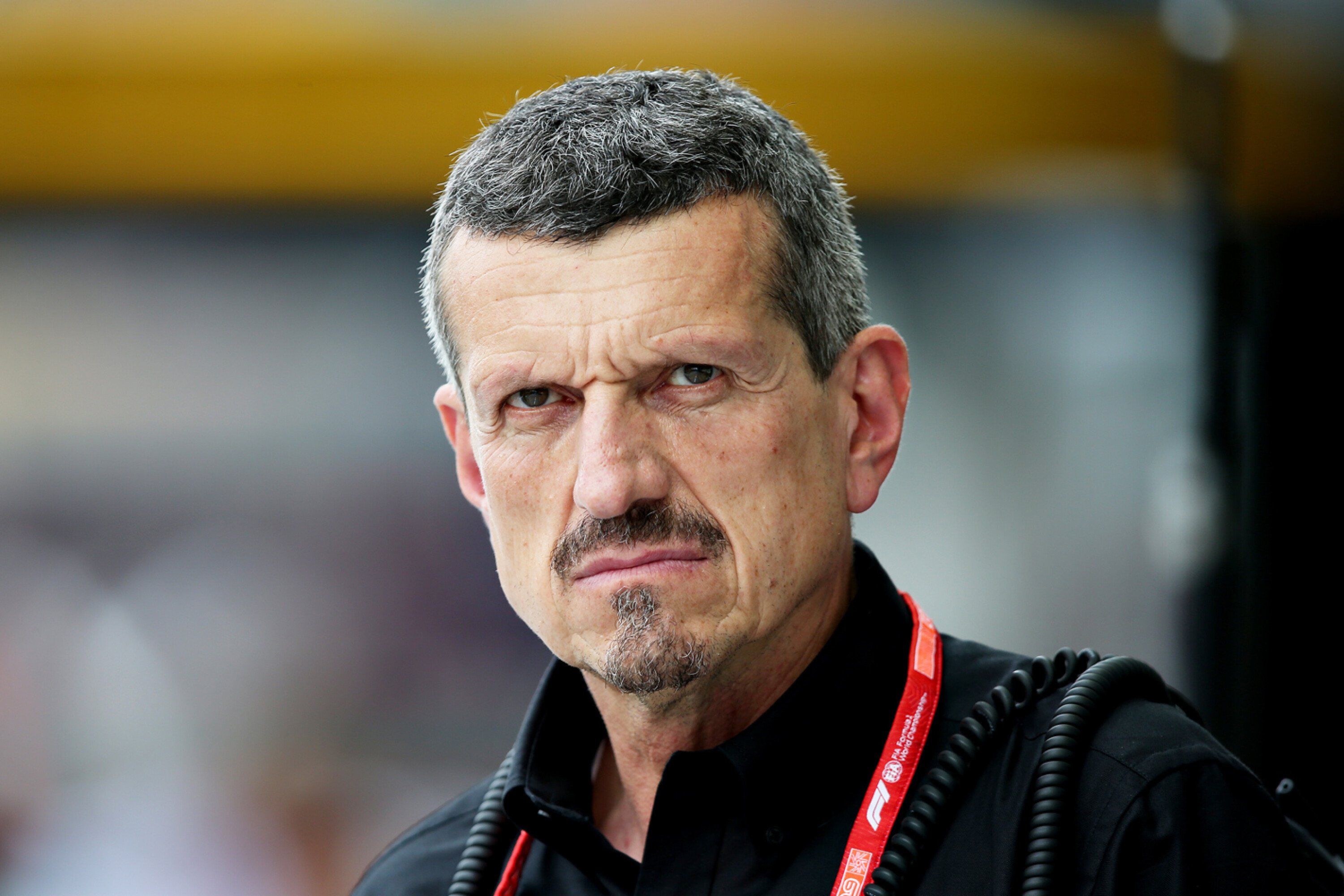
Budgetary issues have also been a point of contention between Steiner and team owner Gene Haas, according to reports, with Steiner pushing for greater investment to help improve performance and Haas keen to make better use of the team’s existing resources.
Technically Steiner wasn’t fired — his contract was up for renewal at the end of last season and Haas has simply chosen not to extend it.
Gene Haas said the following in an official statement:
“I’d like to start by extending my thanks to Guenther Steiner for all his hard work over the past decade and I wish him well for the future.
“Moving forward as an organisation, it was clear we need to improve our on-track performances. In appointing Ayao Komatsu as Team Principal we fundamentally have engineering at the heart of our management.”
Steiner wasn’t quoted in the official release from Haas.
Steiner has enjoyed a long and successful career in motorsport. Now 58, the Italian worked as an engineer and team manager in the World Rally Championship before moving to Formula 1 in 2001 with Jaguar as team principal. A stint at Red Bull Racing as technical operations director followed before Steiner made the jump to Haas as team principal for its debut season in 2016.
Today’s news is sure to cause some discomfort among the producers at Netflix. Steiner found unexpected fame in the Drive to Survive docuseries, where his big personality and fondness for swear words saw his profile grow to rival that of some drivers.
The news has also rocked the wider sport, with numerous high profile personalities sharing their thoughts on social media. F1 commentator and former driver Martin Brundle said the following:
“Always significant when the departing person is not quoted in the press release, tells you there’s friction, suspicion we’ll hear more about this. The team hasn’t progressed in recent seasons, but hard to know exactly why without being on the inside. Good luck Guenther. And Haas.”
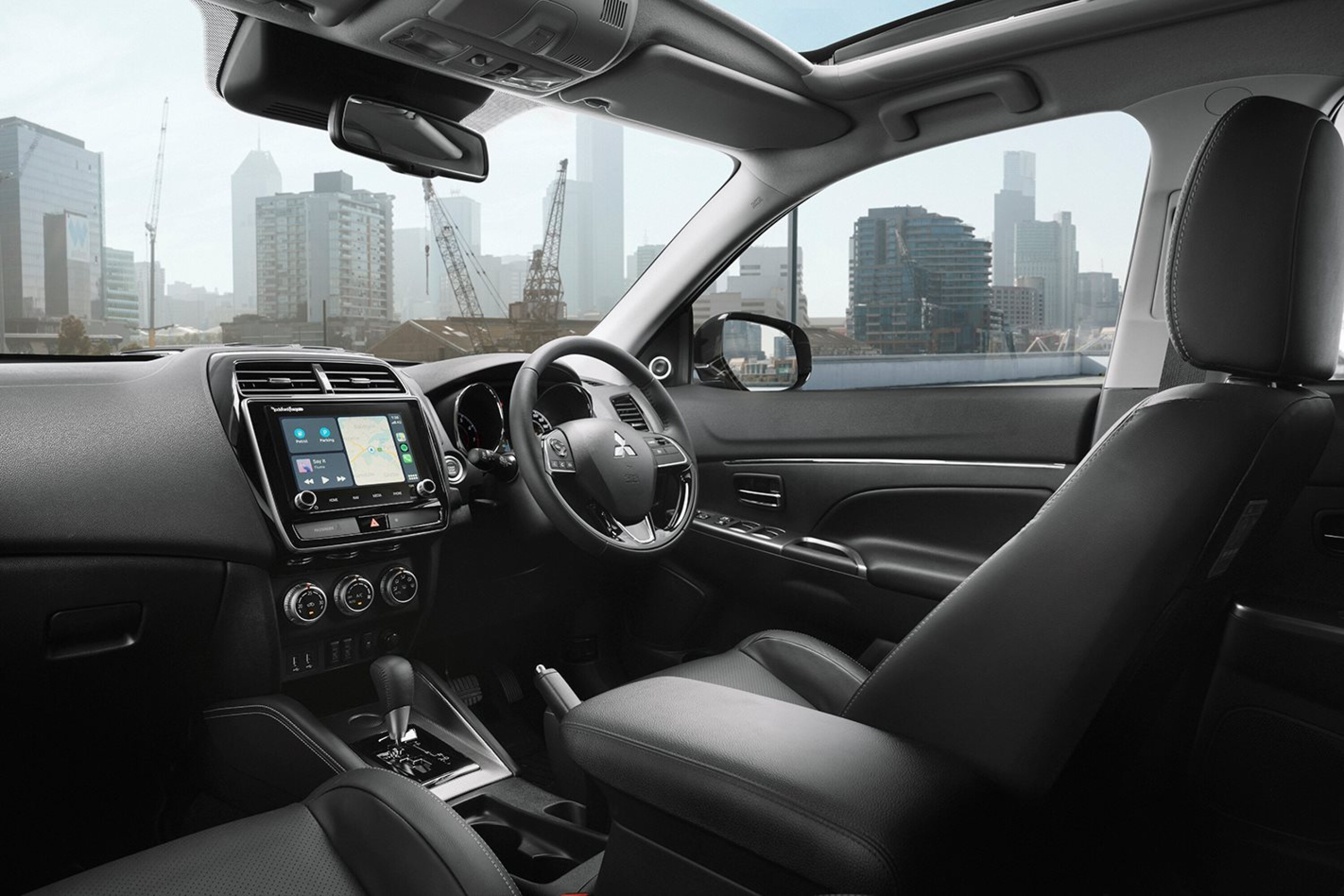
The 2024 Mitsubishi ASX is an economical choice within the small SUV category, with a starting price of $24,490 before on-road costs.
The GS trim represents the most budget-friendly option in the ASX lineup, which has maintained its presence for over a decade while consistently providing a compelling value proposition.
In an already bustling segment, let’s take a look at what the entry-level ASX variant will get you.
Standard specs include 16-inch steel wheels, an 8.0-inch touchscreen infotainment system with Bluetooth and voice control, Wired Apple CarPlay and Android Auto and two front USB ports.
Pay a bit more for an ASX ES and extra features include 18-inch alloy wheels, reverse sensors, rain-sensing wipers and climate control with rear air-vents.
All colours besides the standard white carry a $740 premium, other than White Diamond which adds $940.
It’s important to note that the current ASX does not have a safety rating from the crash-test organisation ANCAP. The most test conducted on this model dates back to 2014, which surpasses the six-year expiration period now used for vehicle assessments. The ASX had previously held a five-star safety rating.
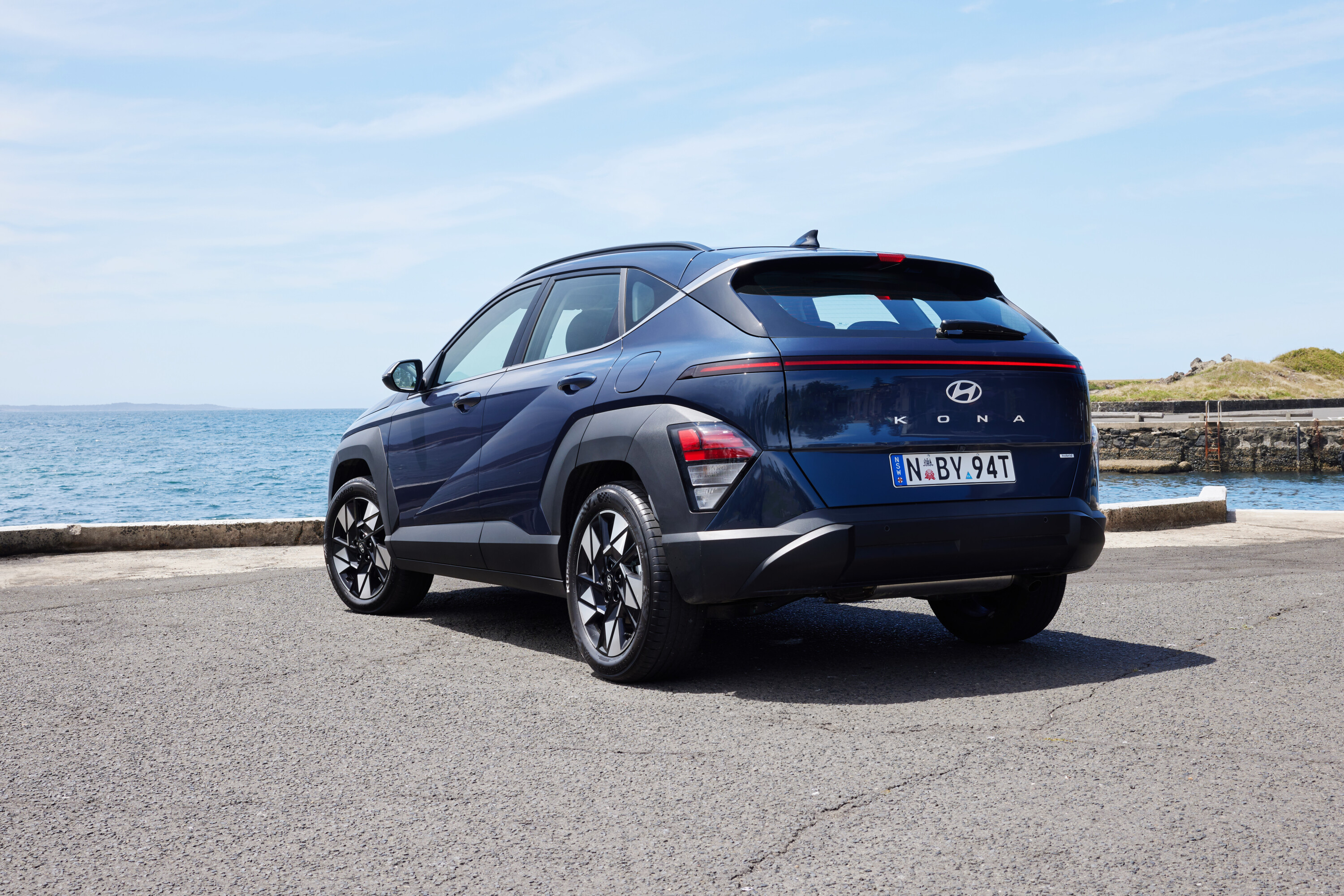
Just some examples of key competitors include models also from Japan as well as China.
Although considered a small SUV you also get alot of bang for your buck regarding space and size, as one of the larger cars in the small segment.
Considering the vehicle has been around for over 13 years it is yet to be seen if an all new model is on the horizon. Ageing is evident in the interior however the design on the outside continues to impress many buyers.
Mitsubishi’s warranty and capped price servicing over a ten year period is no small offer, and might be what you’re looking for in an affordable small SUV.
Three concepts debuted at the show – the small Concept PV1 city van, the modular Concept PV5, and larger Concept PV7 – ahead of an initial market launch in 2025 for the production version of the mid-size PV5.
While the PV1 and PV7 concepts were displayed as single panel van-like bodies, three versions of the Concept PV5 were unveiled: a people mover, a high-roof commercial van, and a cab-chassis ute. A standard-roof van is also planned.
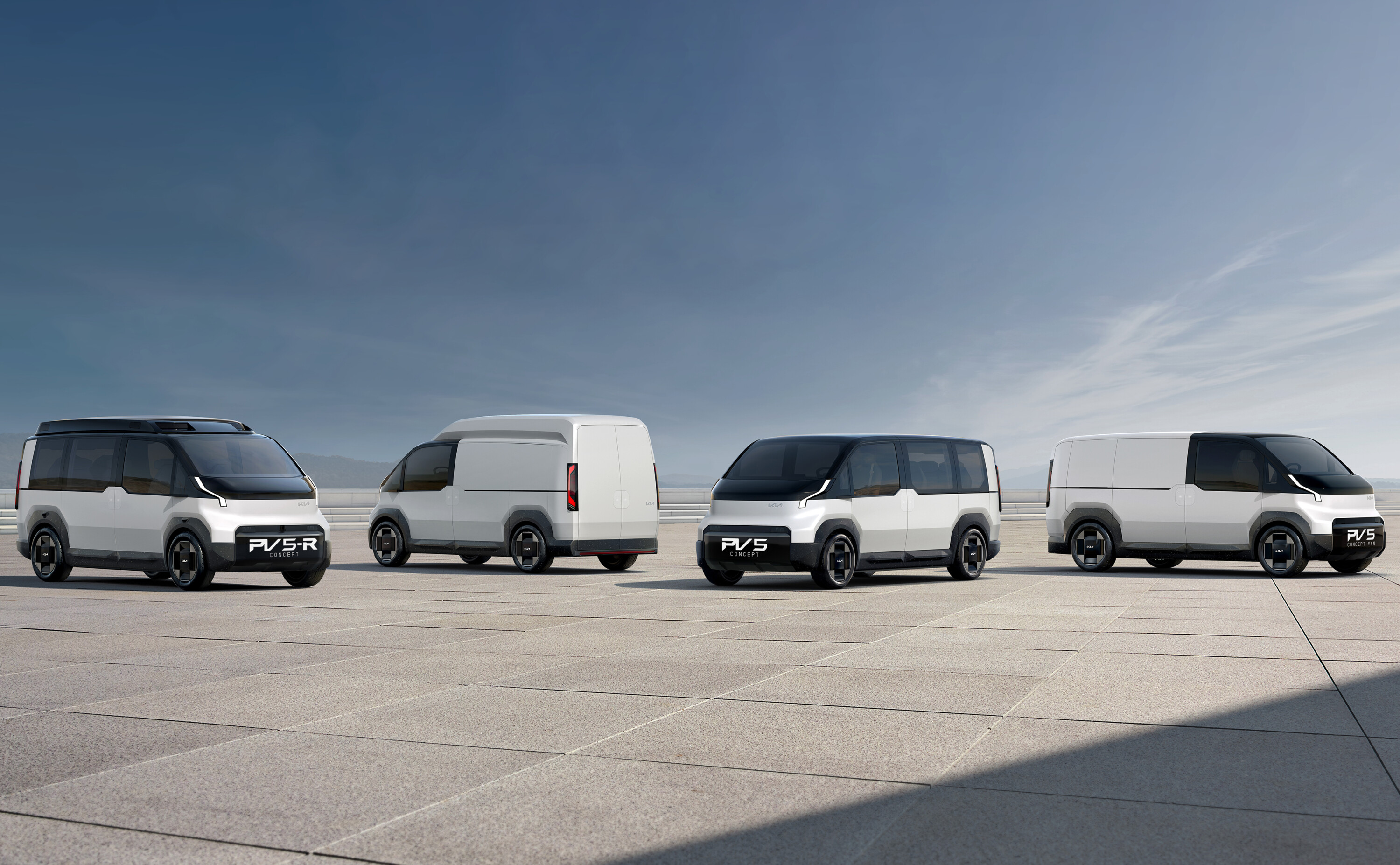
Unlike most other commercial vehicles that are built-to-order from factory with a chosen body style, the PV5’s chassis has a fixed “driver zone” that is matched to an interchangeable “life module” attached with mechanical couplings and electromagnetic fixture points.
For example, a passenger life module could be installed to use the vehicle as a taxi, but later swapped to a cargo module to carry goods.
In addition to conversion capability to meet diverse customer needs, it will feature enhanced connectivity between the car and external data, such as route or delivery information, to enable convenient operation of multiple vehicles in a “software-defined fleet”.
The medium-sized Kia PV5 is set to launch in 2025 and will ride on Hyundai-Kia’s flexible ‘eS’ flat skateboard electric vehicle platform.
The PV5 will be introduced in ‘phase one’ of the brand’s PBV roadmap, with the PV1 and PV7 to follow in ‘phase two’. ‘Phase three’ will see the models “evolve into highly customisable, bespoke mobility solutions by integrating with the future mobility ecosystem”, including full self-driving vehicles.
As the smallest product in the PBV line-up, the PV1 is said to be “optimised for agile and short-distance logistics transportation” with a minimised turning radius for narrow spaces.
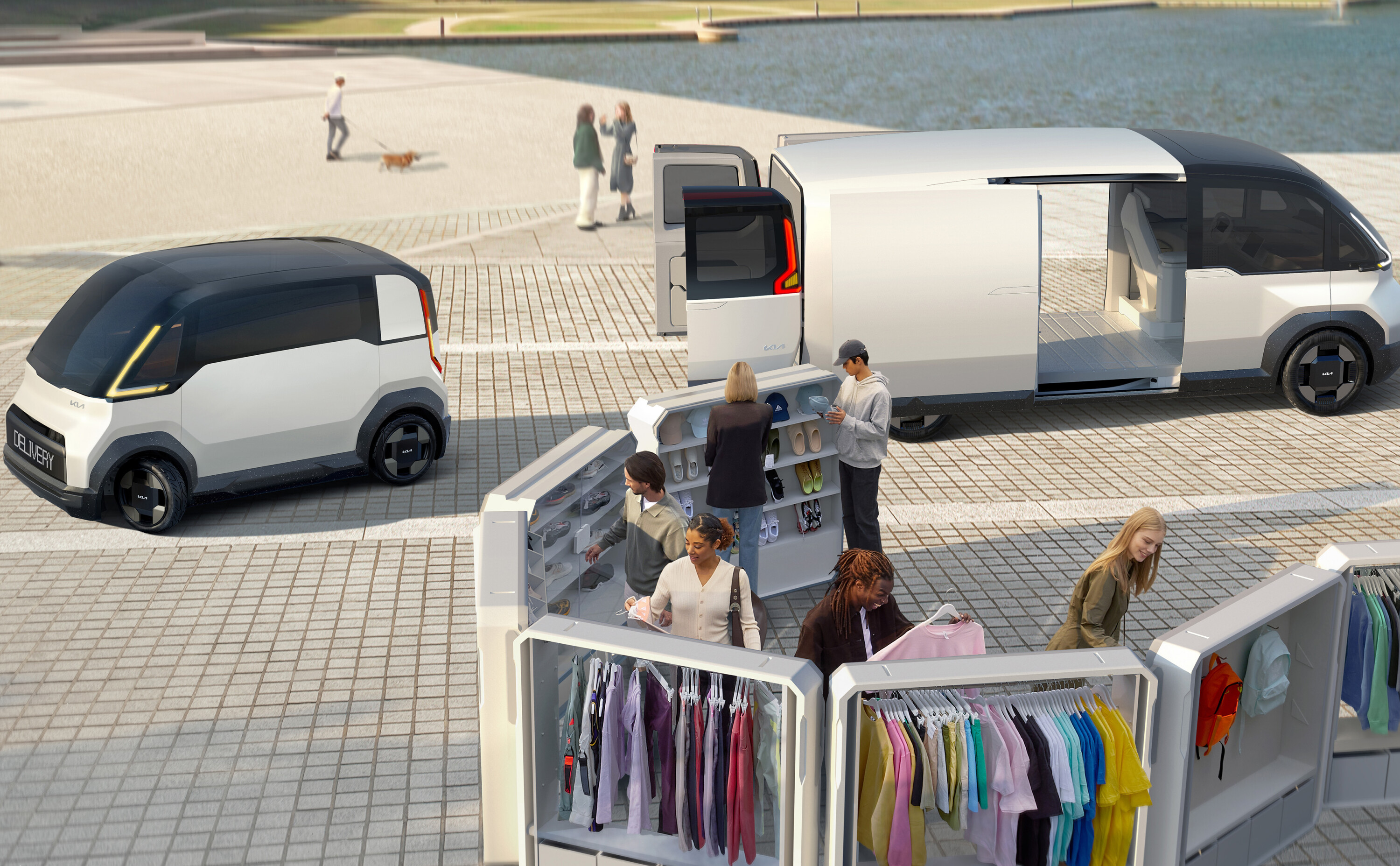
The PV7 will be the largest product in the PBV range, likely similar in size to a Mercedes-Benz E-Sprinter and Ford E-Transit, with an aim to deliver “more interior space, greater driving range, and enhanced functionalities”.
“Kia PBVs will initiate a new era of seamless everyday business and lifestyle solutions. We hope to make our customers’ lives easier and better, whether they’re stationary or on the move, offering exceptional flexibility and customisation through radical modularisation,” said Kia design boss Karim Habib.
Kia will construct a new plant for its upcoming range of electric purpose-built vehicles with an initial targeted capacity of 100,000 PBVs per year before annual production eventually grows to 150,000 units.
