
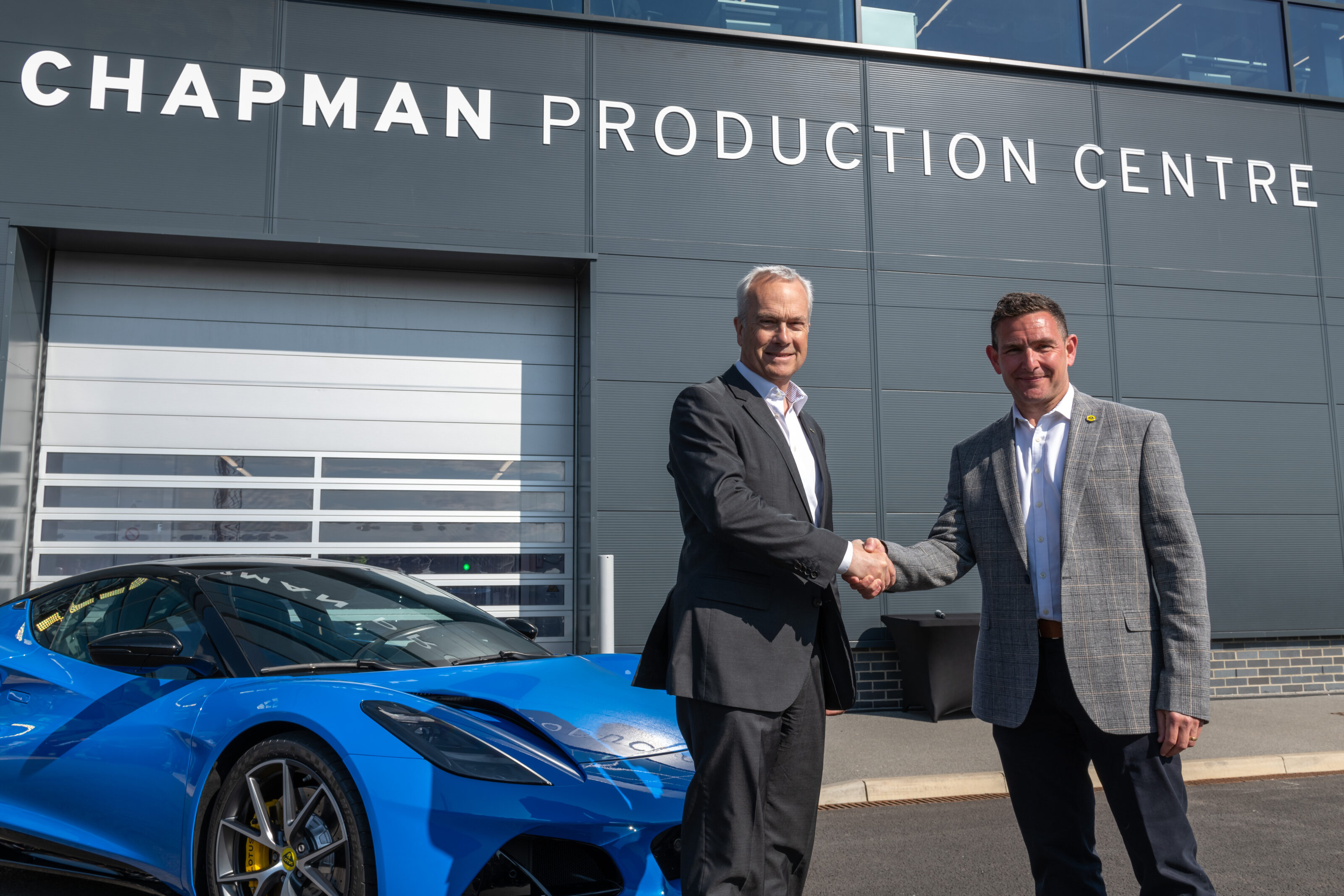
Lotus has officially commenced production at its new Chapman Production Centre in Hethel, England.
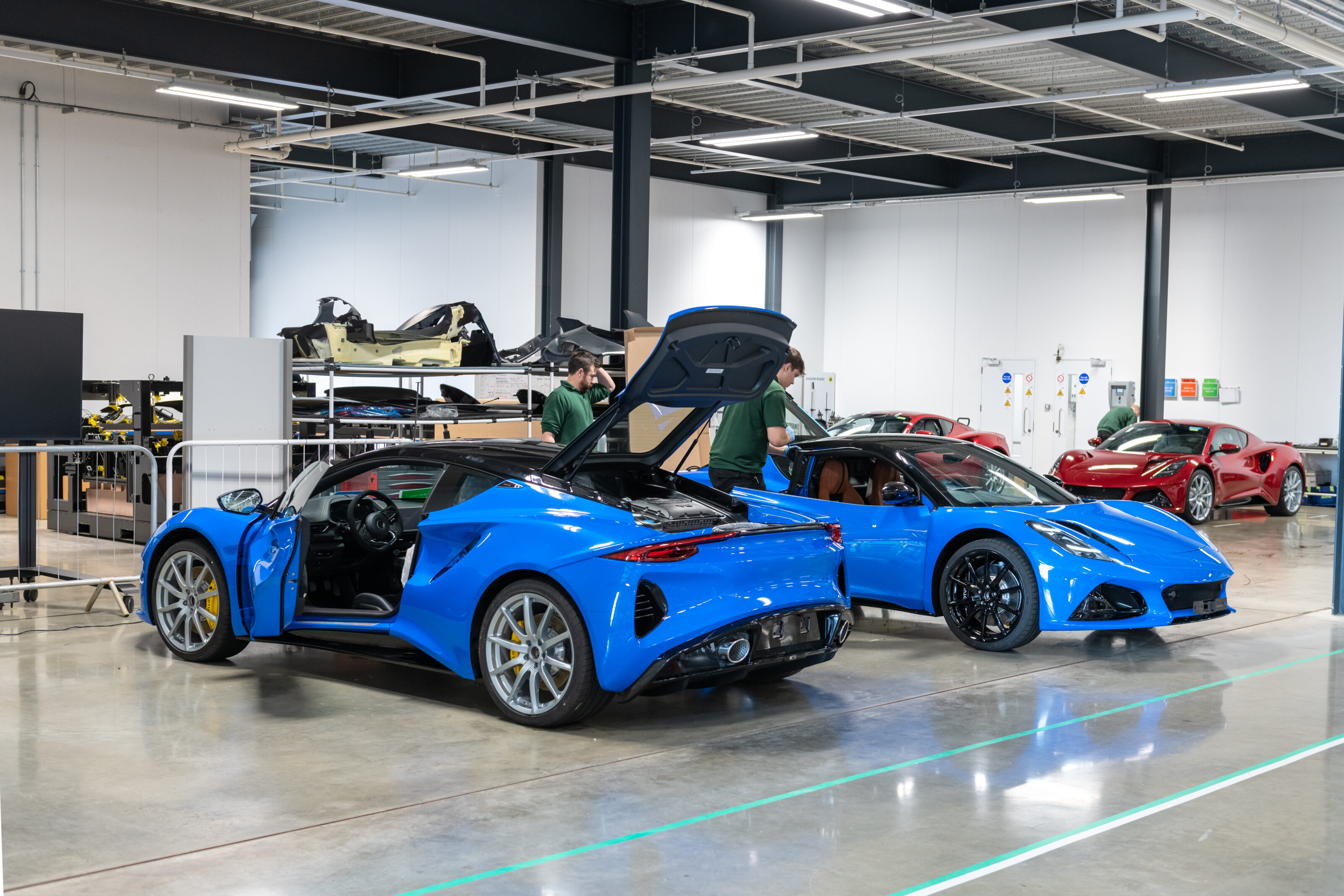
Named in honour of its founder, Colin Chapman, the manufacturing facility assembles the Emira sportscar, which rolled off the production line for the first time in March 2022.
The commencement of Emira production will be short-lived, however, with the two-door becoming the final internal-combustion Lotus vehicle before the marque shifts to an all-electric future.
Lotus will produce electric vehicles at the state-of-the-art facility, although the recently-revealed Eletre crossover will be manufactured in China at a factory managed by parent company Geely.
Hethel has been the home of Lotus since 1966, with the revitalised factory forming a major part of the brand’s £100 million (AU$172m) investment at its facilities in the United Kingdom.
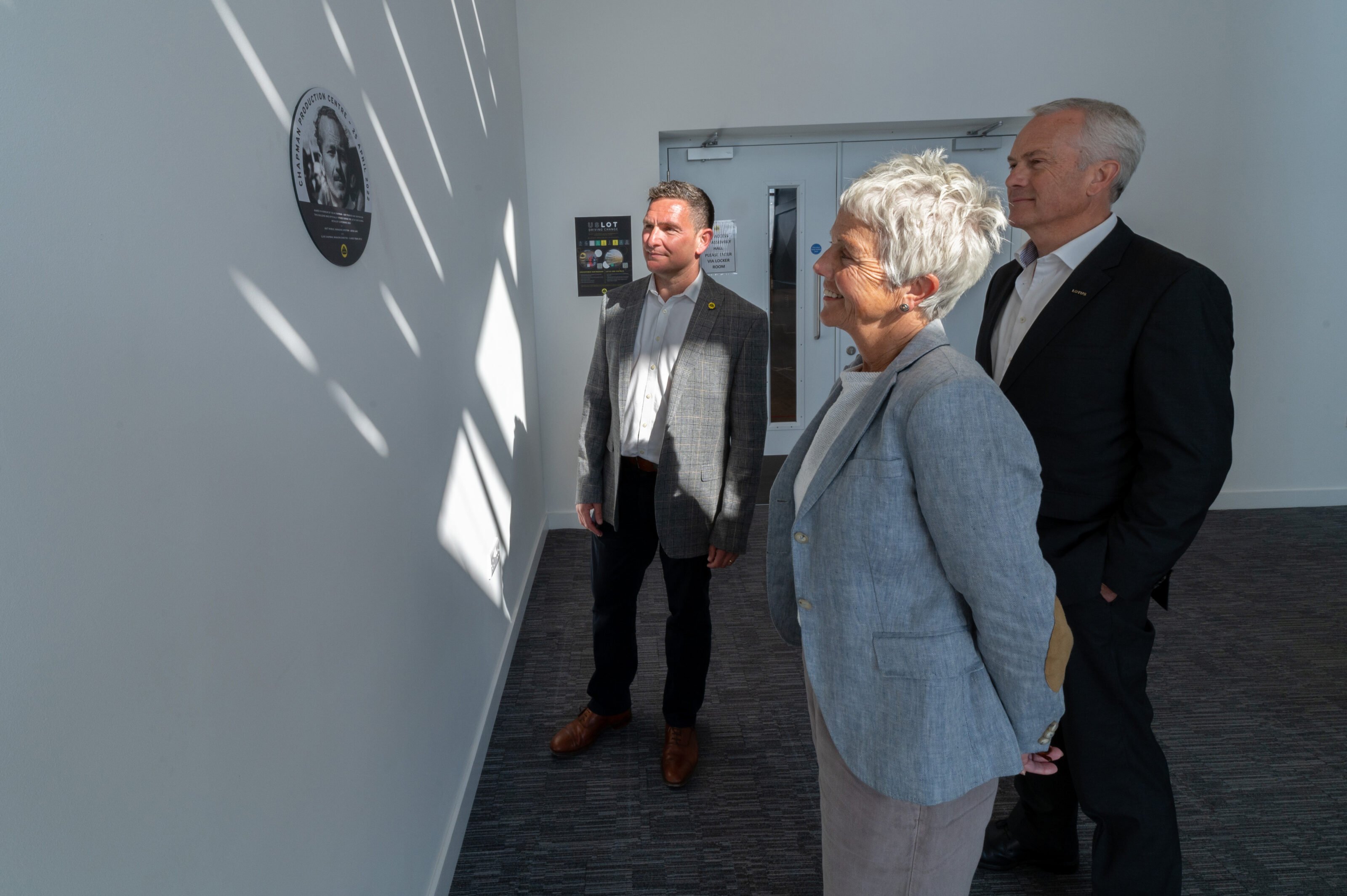
The official opening ceremony was attended by Matt Windle, managing director of Lotus Cars, and Clive Chapman, the son of co-founders Colin and Hazel Chapman.
“Lotus is transforming from a UK sports car company to a truly global performance car business and brand, and the new Chapman Production Centre is a symbol of us delivering on that ambition,” said Windle.
“We are proud of our past successes and excited about our all-electric future, which was started all those years ago by our founder Colin Chapman, and I am honoured that Clive and Jane [Clive’s sister] could join us to mark this occasion.”
Lotus plans to build around 5000 vehicles per year, with existing factories surrounding its Hethel base converted into sub-assembly plants to complement the Chapman Production Centre.
“I am honoured to have been part of this significant day in the history of Lotus,” said Chapman.
“I am delighted to have this opportunity to wish every success to all those who will be working in the Chapman Production Centre, and to thank Geely and Lotus for honouring Hazel and Colin in such a splendid manner,” he added.
July 2023: The CX-60 is now on sale in Australia, and we’ve driven it
It’s a Mazda unlike any other, but is the CX-60 worthy of the brand’s ambitious upmarket foray? See our review at the link below.
November 29: Mazda CX-60 Australian pricing
Full Australian details, including pricing and specs for the entire 2023 Mazda CX-60 line-up, has been announced today.
Get all the details in the video below, or at the link above it, and continue reading here for our first international drive. Our first Australian drive will come soon.
▶ Story continues: CX-60 first international drive
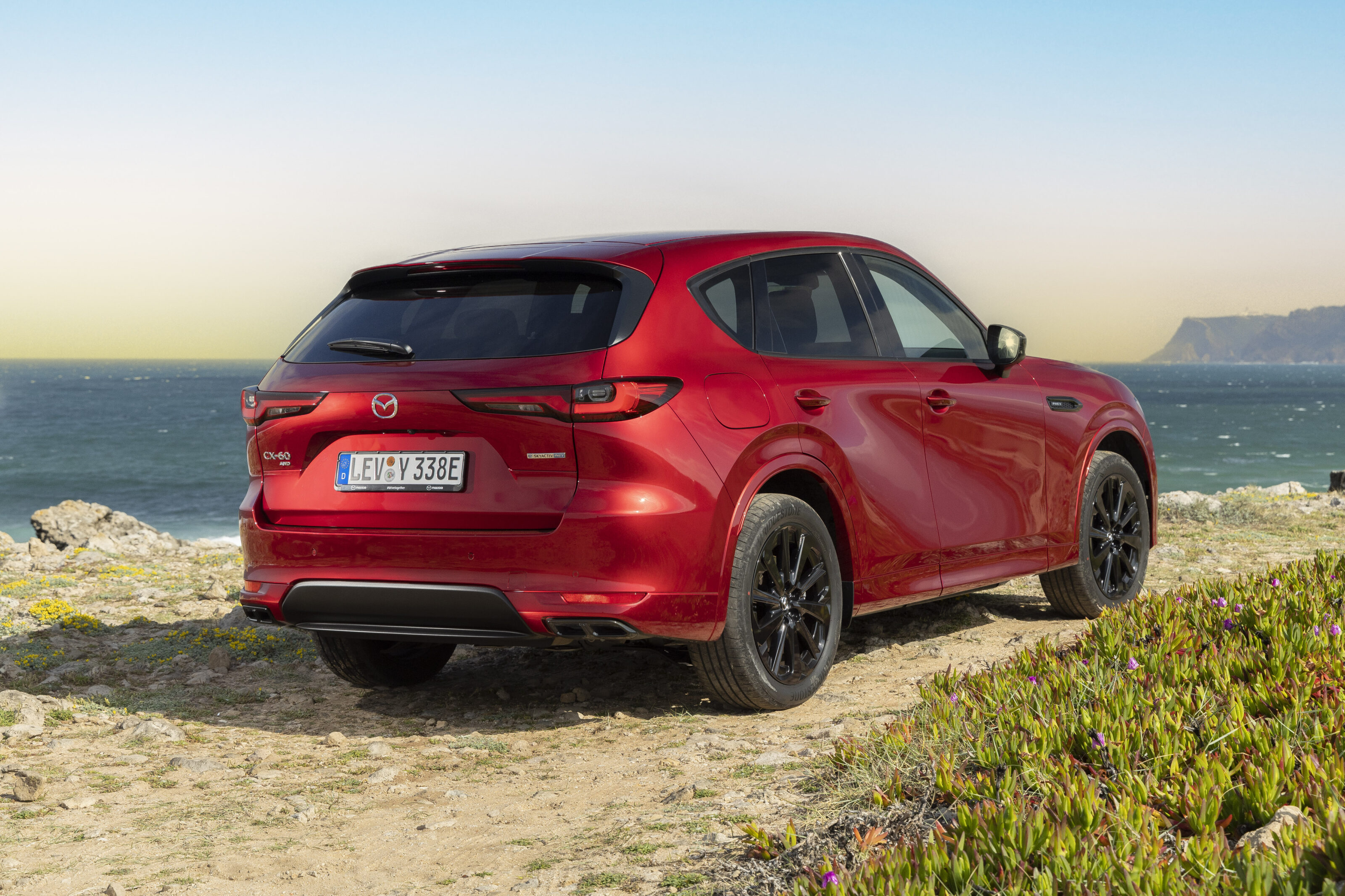
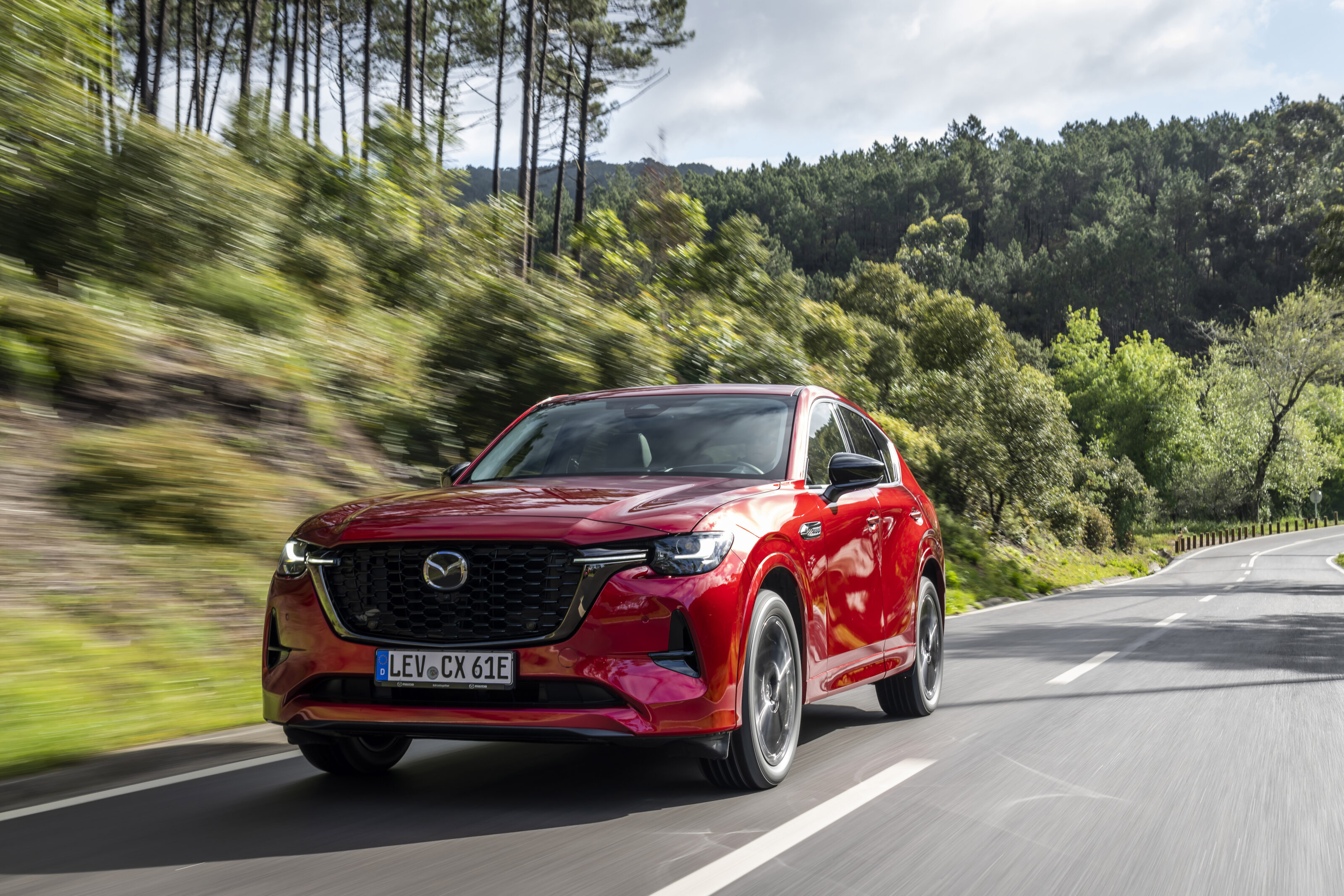
It doesn’t look exceptional. Maybe that’s the point, but if you’d never clapped eyes on a Mazda CX-60 before but tried to imagine something that slots in above a CX-5, I’d wager that you’re imagining something like this car.
Although the design language may be familiar, there’s something in the basic proportioning that’s a little different. The bonnet is longer, the cab’s pushed subtly rearwards, and the flanks are slabbier.
There’s some visual heft here, the CX-60 casting a bigger shadow than the likes of the Audi Q5, BMW X3 and Mercedes-Benz GLC.
But why is it even here? What’s the point of another SUV when Mazda Australia already offers six and has an option on another couple spun off this new platform from Mazda’s Large Product group?
The decision to offer the CX-60 comes via a subtle detail of how customers choose an SUV here in Australia. One of the very first decisions is whether they need two rows of seats or three and while those who need to seat more people are amply catered for by a CX-8 or CX-9, should you prefer two rows of seats, the most you can spend on a Mazda CX-5 is around $56,000.
Should your pockets be encumbered by any more cash than that, you need to start shopping elsewhere.
Naturally, seeing that amount of cash walking out of the door represents something of a problem for Mazda, especially when customers realise that to option a German rival to the specifications of the CX-60 can see the price tag easily tickle into six figures.
In order to plug that hole, Mazda needed something convincing in its execution, confident in its own skin and which offered any number of justifications for spending serious money on a Mazda.
Pricing and Features
How much? Right now we don’t actually know because Mazda Australia isn’t saying. “Too early in the process to be talking specifications, price or rivals,” says local CEO Vinesh Bhindi.
Given the CX-60 PHEV (plug-in hybrid) range opens at £44,000 in the UK, that could easily translate to an $85,000+ car landed Down Under. Mazda’s remaining tight-lipped about the entry-level engine, likely to be a naturally aspirated 2.5-litre, but that powerplant would almost certainly sell the CX-60’s talents short.
Don’t get too excited right now about the much-vaunted straight-six powerplants. They won’t be here until 2023 at the earliest, Mazda having to wrestle with supply chain issues. Kudos to Hiroshima for ploughing money into new internal combustion engine development when the rest of the car industry seems to be doing exactly the opposite. And the technical details do indeed sound mouthwatering.
The 3.0-litre straight-six petrol will feature the next iteration of Mazda’s SkyActiv-X compression ignition technology, while the 3.3-litre diesel that is likely to precede it features a fiendishly complex distribution-controlled partially premixed compression ignition system with dual-zone egg-shaped combustion chambers.
Both engines also feature 48V mild-hybrid tech and both longitudinally-mounted powerplants can be configured with either rear- or all-wheel drive.
As intriguing as these engines are, the CX-60 PHEV might be the most technically interesting of the lot. Mazda’s most powerful production car ever squeezes a system output of 241kW and 500Nm from a combination of a 129kW/217Nm electric motor powered by a 17.8kWh battery and a 141kW/261Nm 2.5-litre petrol engine.
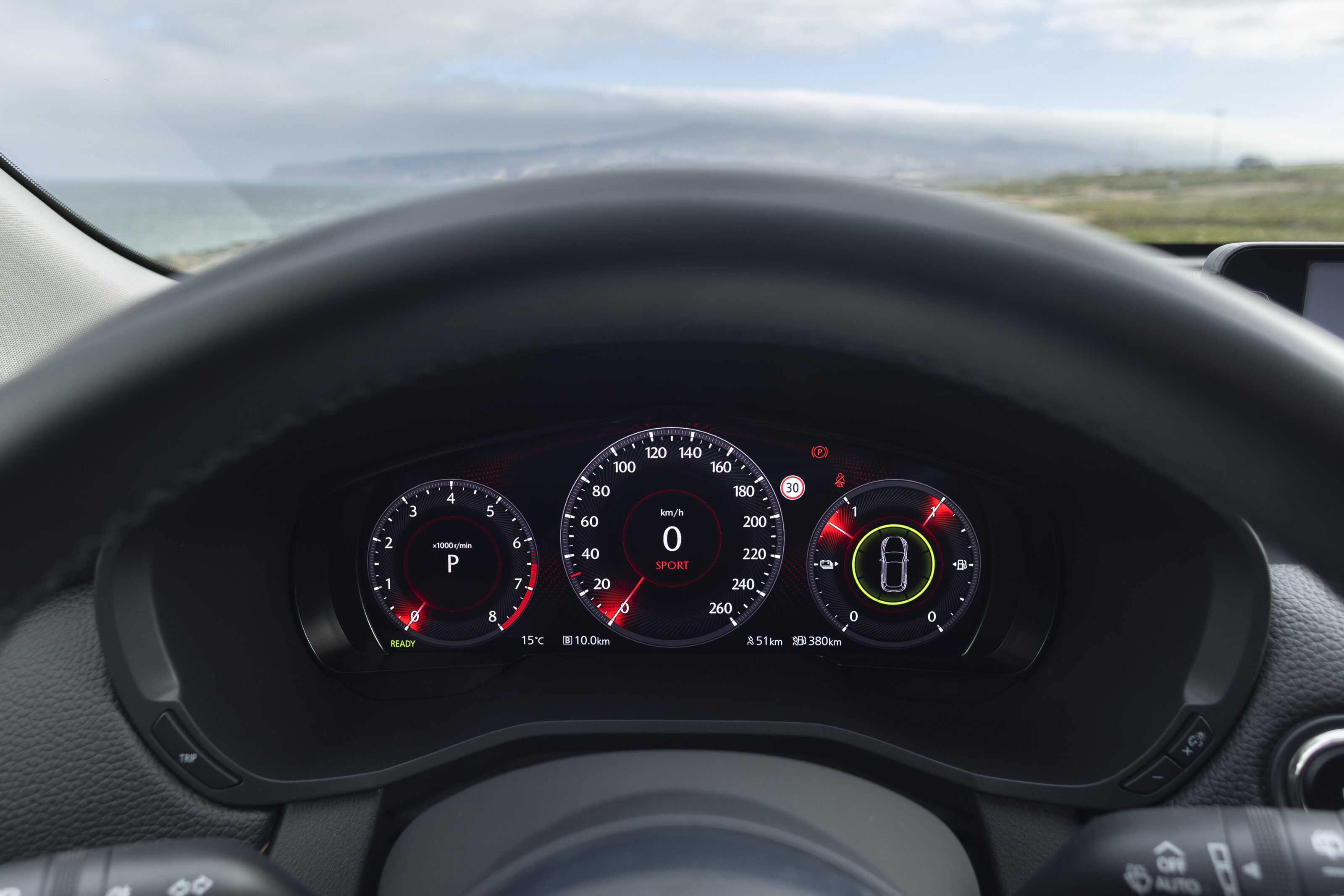
Range solely in EV mode is 63km, which ought to be enough to cover most typical Australian commutes. Driven normally on the first 20km of our semi-urban test route, we saw a figure of 1.0L/100km in hybrid mode.
On twisting country roads and switched into Sport mode, consumption rose to 4.8L/100km, so an overall figure in the 3.5L/100km range would probably be possible. Not at all bad for such a sizeable vehicle.
Were this the extent of the CX-60’s innovations, it’s fair to say our interest would be piqued but this unprepossessing SUV is a serious over-reacher. Not just a new chassis and drivetrain, but also a new double-wishbone suspension design – every other Mazda SUV runs on front struts, with the MX-5 the only other Mazda product thus equipped.
The move to a longitudinal engine layout not only frees up the required space for a pair of A-arms up front, but it also means that there’s a serious amount of under-bonnet real estate, designed to house inline sixes.
Pop the bonnet on the CX-60 PHEV, hang the plastic engine cover from its hook on the underside of the hood and you’re faced with a four-cylinder engine that’s so far back in the bay that the car is effectively front-mid-engined.
The news doesn’t stop there either. Aft of the engine is a compact integrated starter generator and then a new eight-speed automatic transmission that’s been designed to use a wet multi-plate clutch instead of a torque converter, delivering benefits in terms of packaging, response and efficiency. Mazda claims a 22 per cent emissions reduction versus the old six-speed slusher.
Comfort and Space
The cars on the launch event in Portugal were pre-production models, usually an excuse that manufacturers trot out if they feel that the quality isn’t yet up to scratch, but these are genuine early-run vehicles. While the fit and finish are excellent, Mazda could point to some software updates it was unable to run on these vehicles and some odd transmission sounds that it promises are already rectified.
The first handshake with the vehicle is fun. Mazda has introduced a facial recognition system that personalises your settings. Get in, train the camera to recognise your face and it’ll then move the seat into what it thinks is the optimum position. Mine was hopeless.
Even though I have arms like a gibbon, the system moved the driver’s seat so far back that the steering wheel was out of reach. Adjust it manually and re-save the setting and after that you’re golden. It doesn’t solve the problem of being able to physically get into a car that’s been set up for a tiny person quite as adeptly as BMW’s personal keys, but it’s a nice touch to get in and the car welcomes you by name and applies your settings.
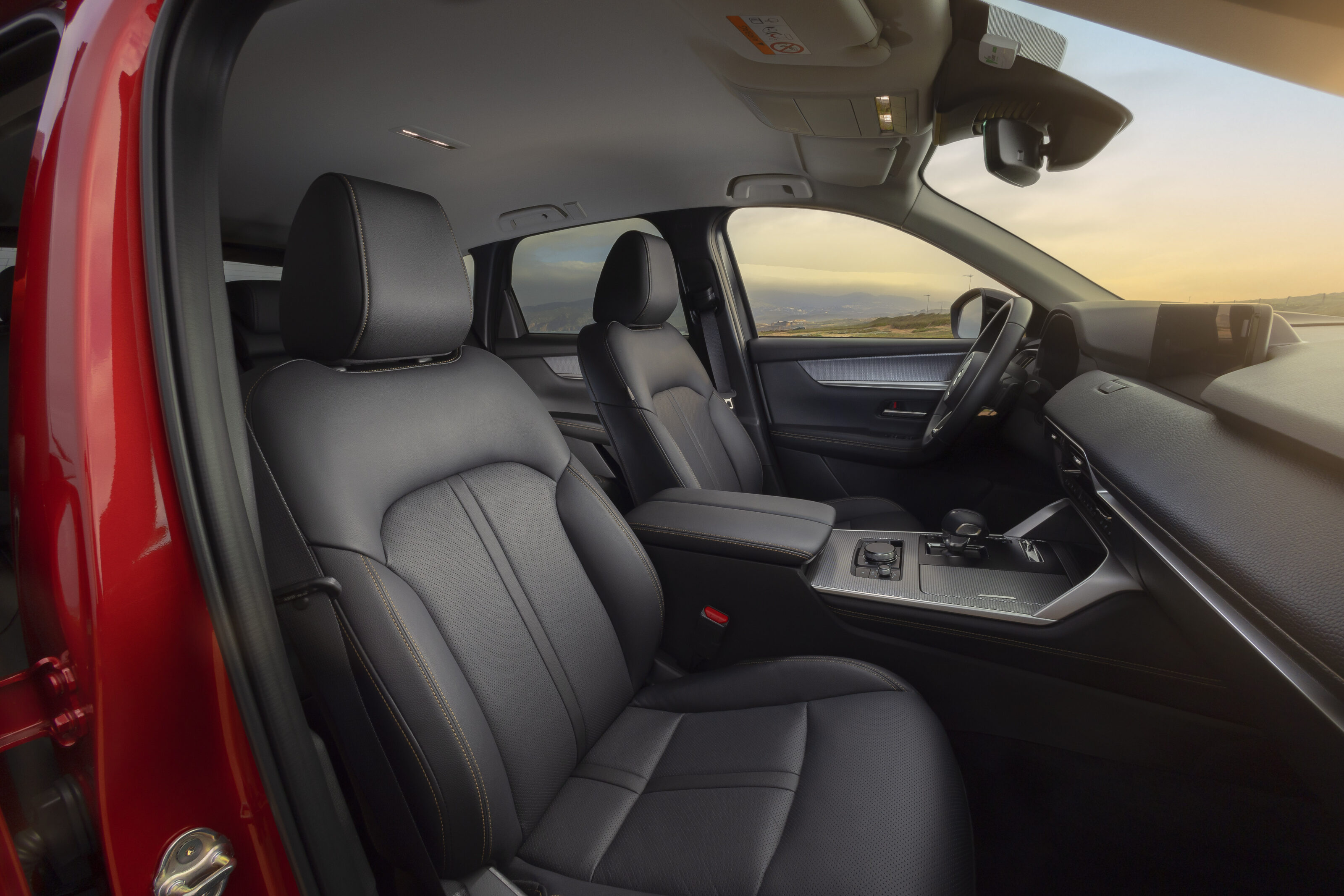
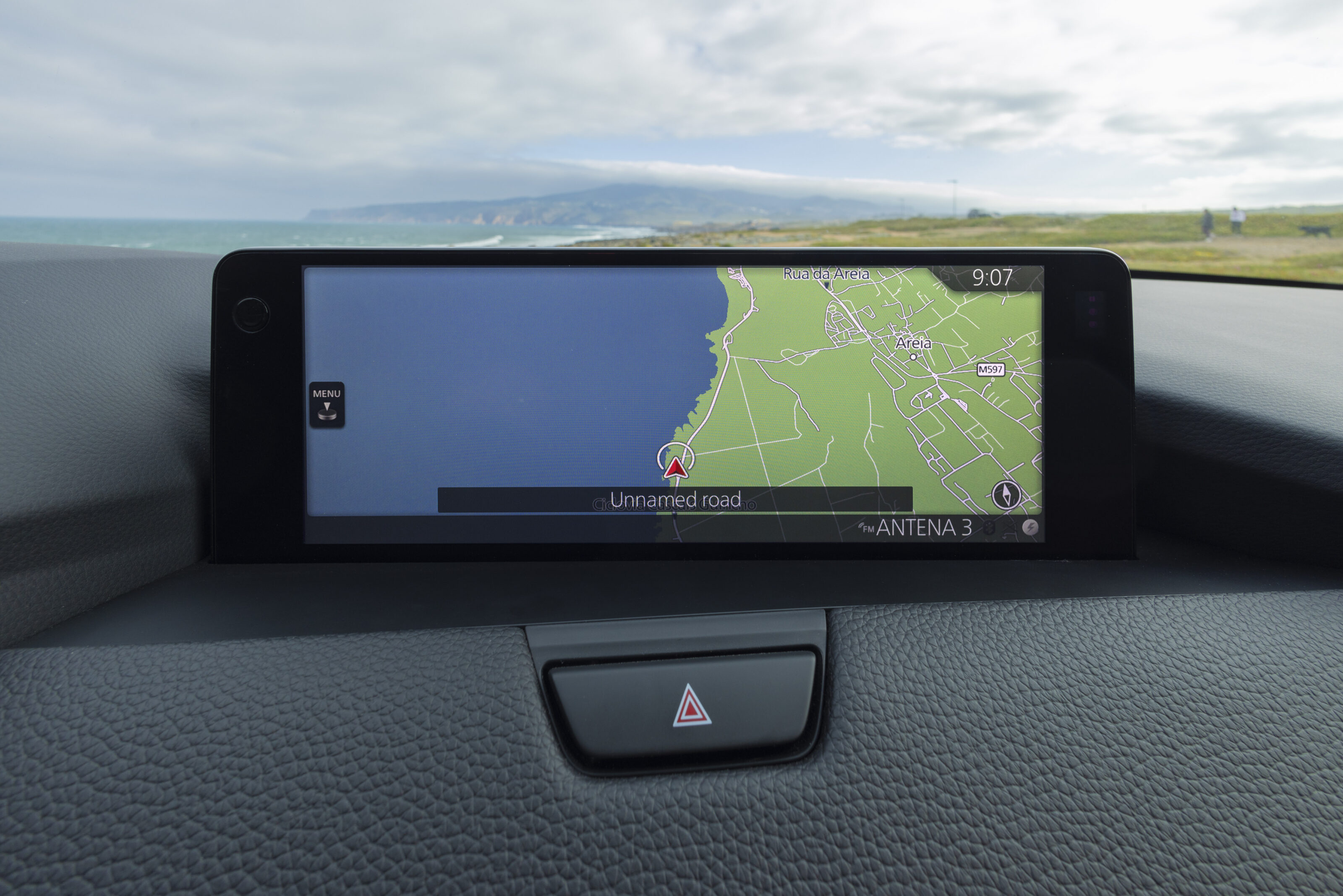
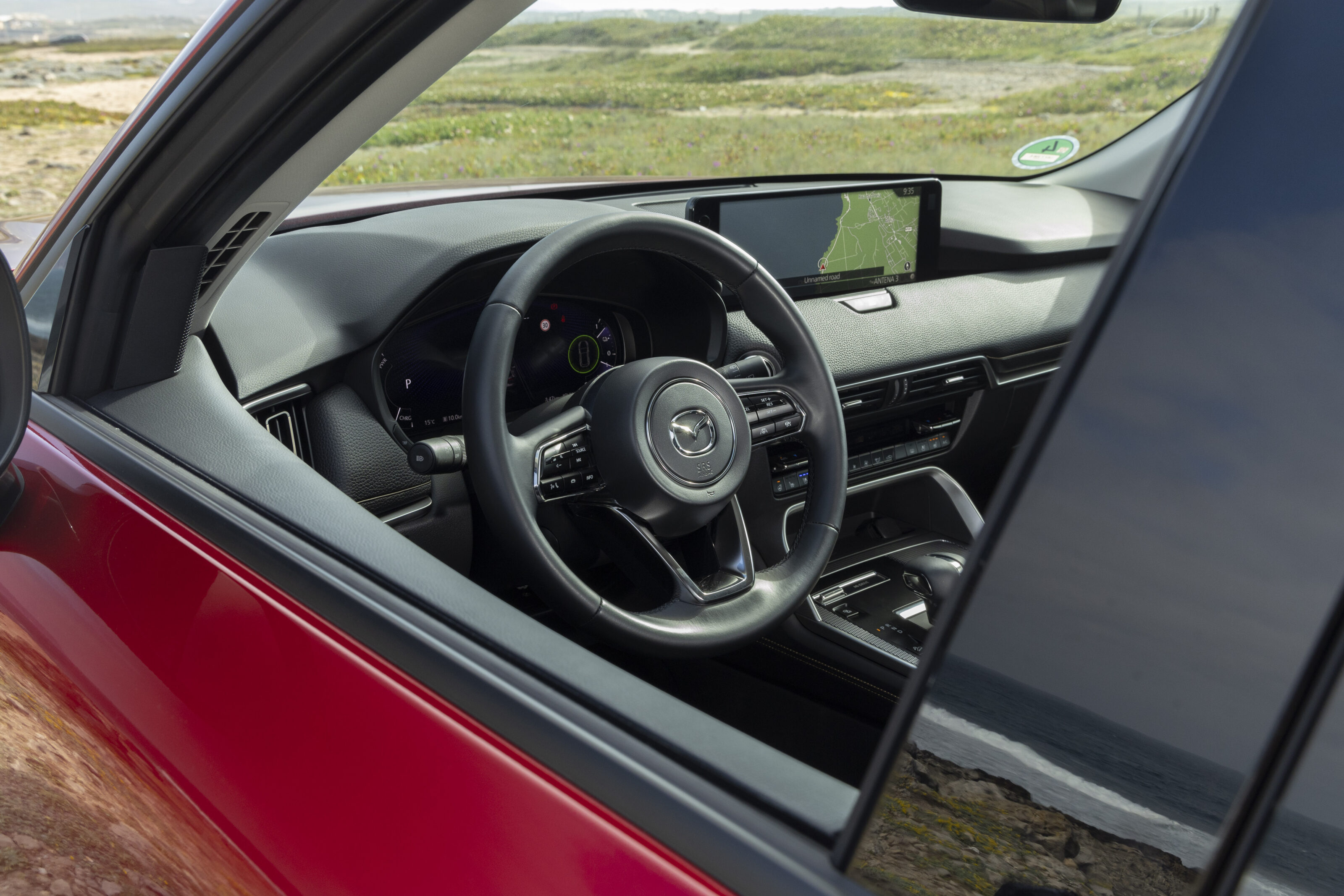
Like all modern Mazdas, the CX-60’s fascia is clean and uncluttered, with a high-mounted centre display that’s non-touch responsive, inputs instead coming from a central dial. It works well with Mazda’s proprietary menu structure, but should you use Android Auto or Apple CarPlay, the loss of features such as pinch and zoom functionality can rankle.
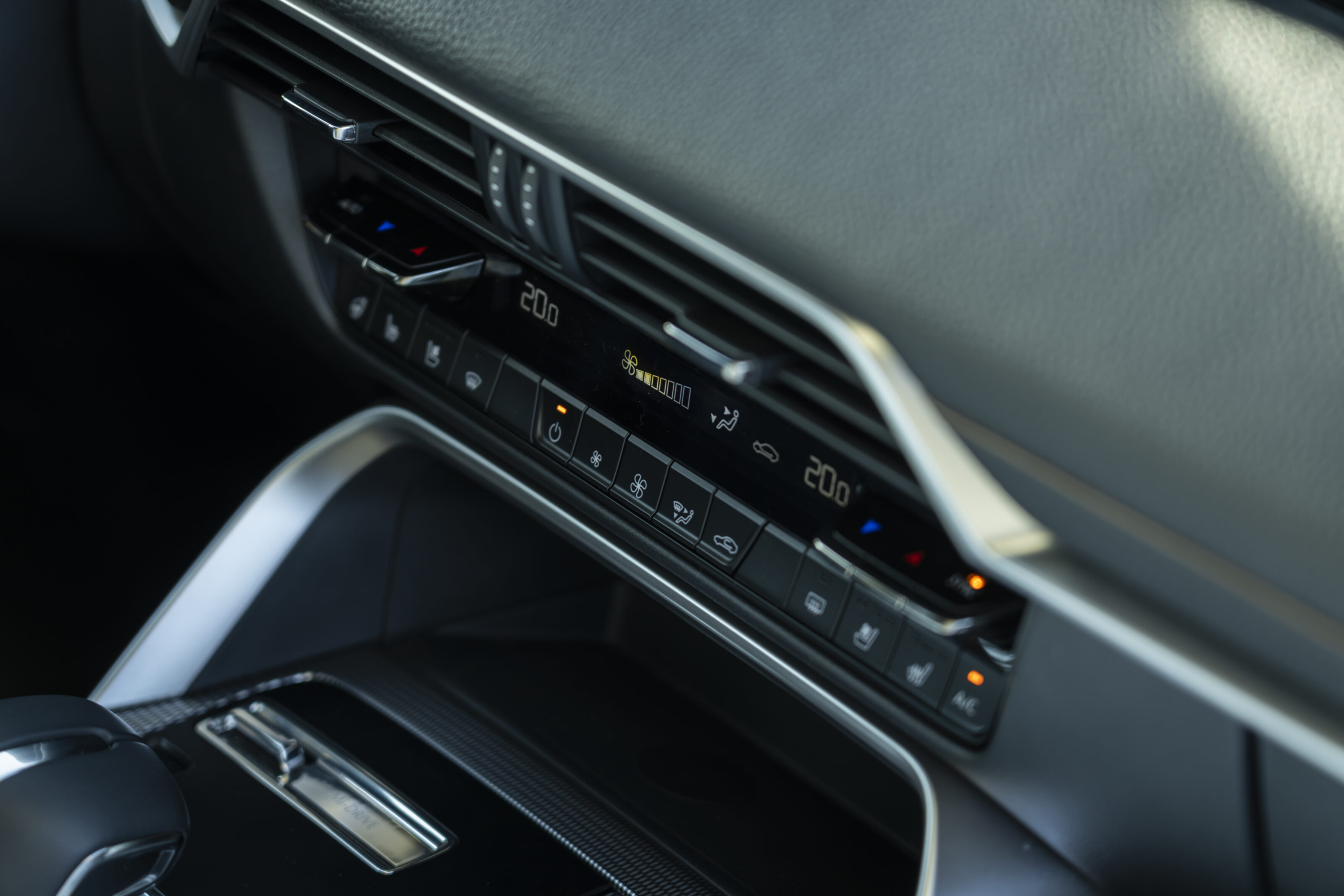
There’s a very subtle drive mode controller on the wide centre console that can switch between Normal, Sport, Wet and EV modes. A towing mode is also available, the rated limit being 2500kg for a braked trailer.
The cabin’s a very agreeable place to be. As part of Mazda’s push upmarket, it needs to be. Materials choices reflect the company’s focus on ‘crafted in Japan’, and are at least the equal of anything in the same price bracket.
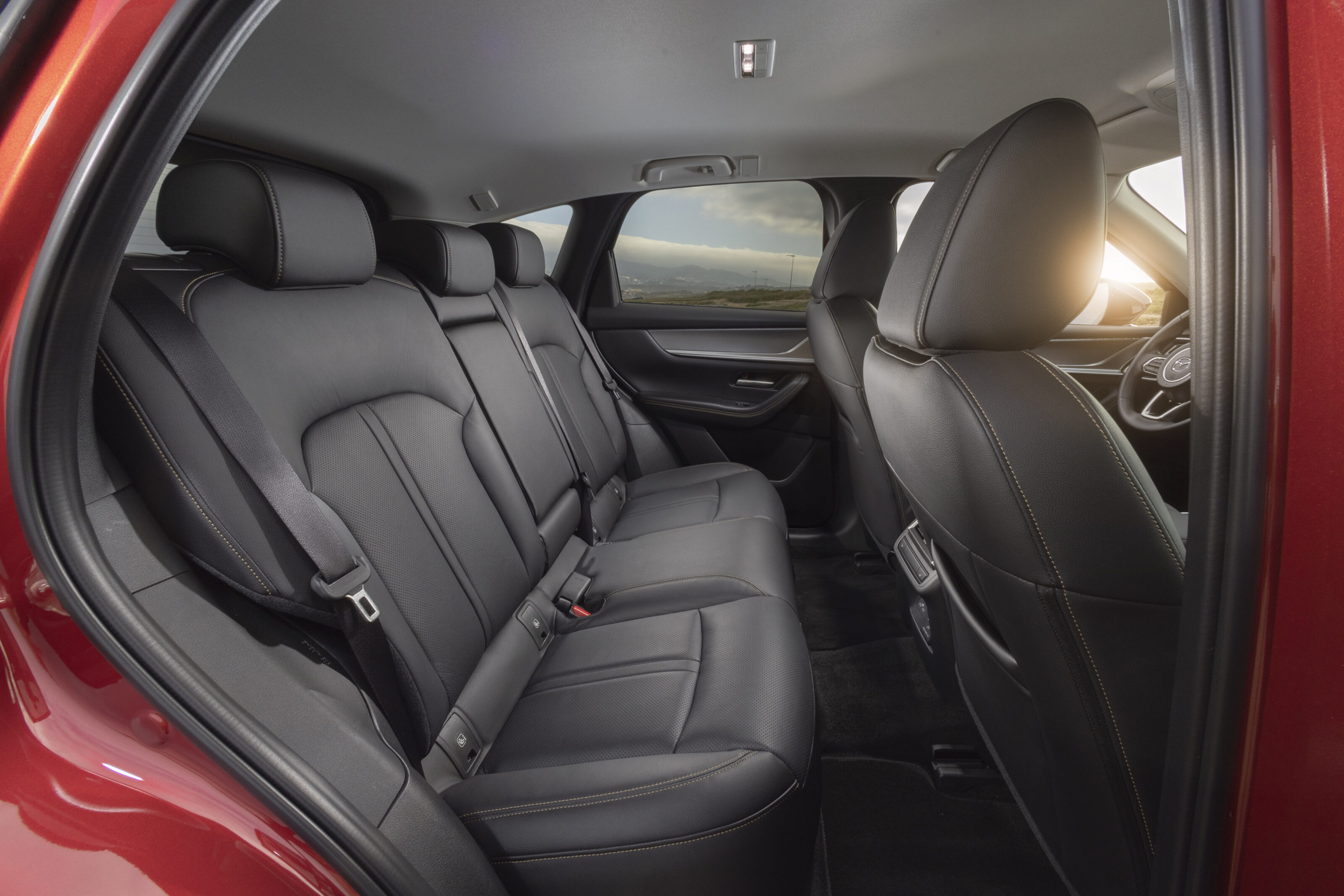
Unfortunately, the range-topping Takumi trim with its elegant maple wood trim, light Nappa leather and chrome detailing wasn’t available to sample. We’ve also been assured that, for local consumption, a darker colourway than the rather impractical white leather will be on offer.
There’s ample room for one six-footer to sit behind another, although the transmission tunnel does create a slight bump for the middle occupant of the second row. Headroom is excellent front and rear. Even with the 1060mm by 995mm glass sunroof fitted, there’s a stack of space.
I’m 193cm and pretty long in the torso, which proves a challenge in some cars fitted with glass roofs but the CX-60’s seat can be set relatively low if necessary.
The CX-60 feels airier and more comfortable than a CX-5, the centre armrest extended and widened, while the ‘Commander Control’ dial that you use to operate the infotainment has been moved forward by 132mm to sit in a more natural position.
There’s also 44mm more front shoulder width and 50mm more in the rear than its junior sibling. The steering wheel offers 45mm of rake and 70mm of reach adjustment, and even the pedal box is more spacious thanks to ditching the torque converter for a more compact clutch pack.
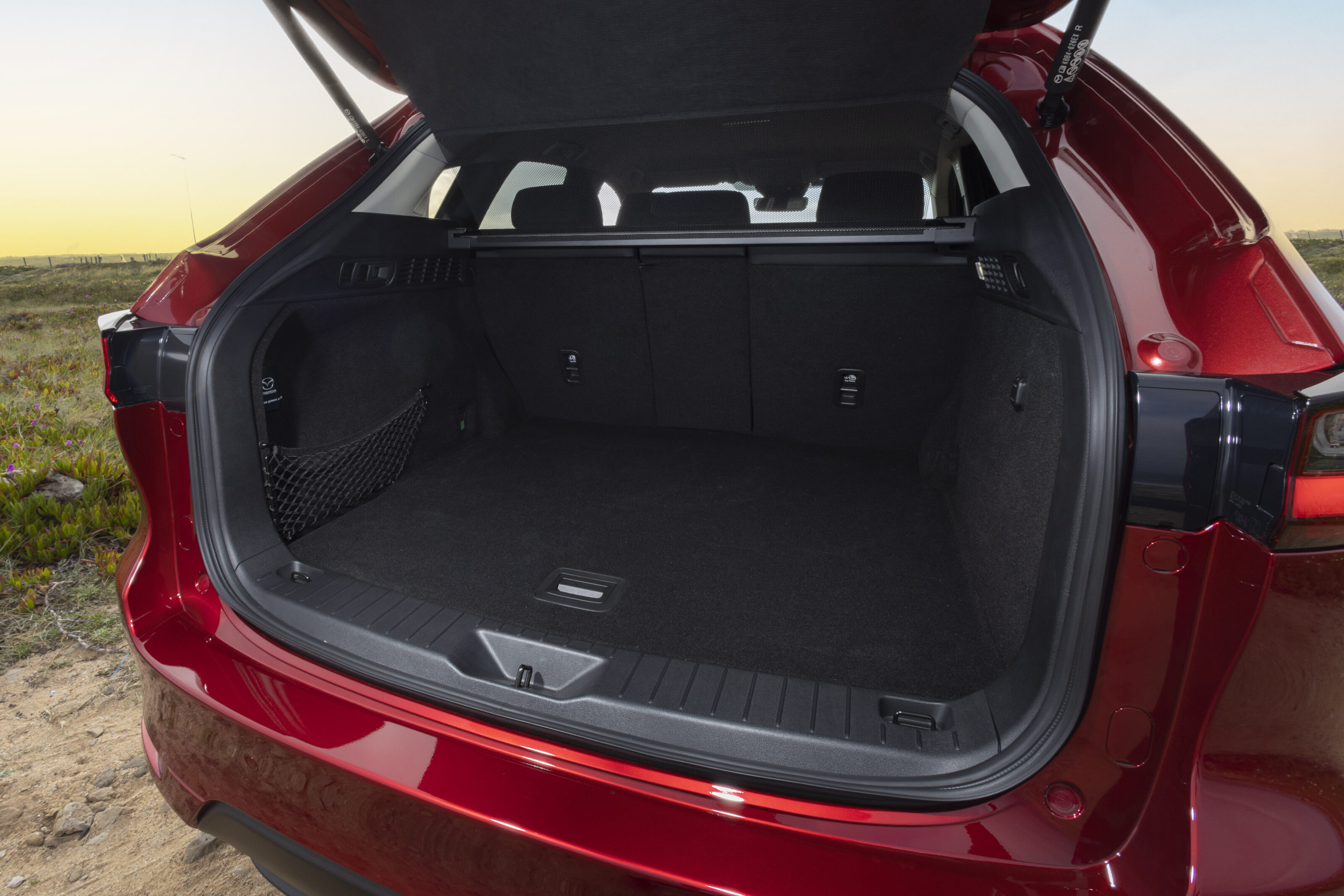
The hatch offers 470 litres of space with the seats in place and another 100 litres of underfloor storage in some models. The PHEV model we tested had a puncture repair kit and compressor in the space below the boot floor. The available space extends to a hefty 1726 litres if you drop the 40:20:40 rear seats and load the CX-60 to the ceiling.
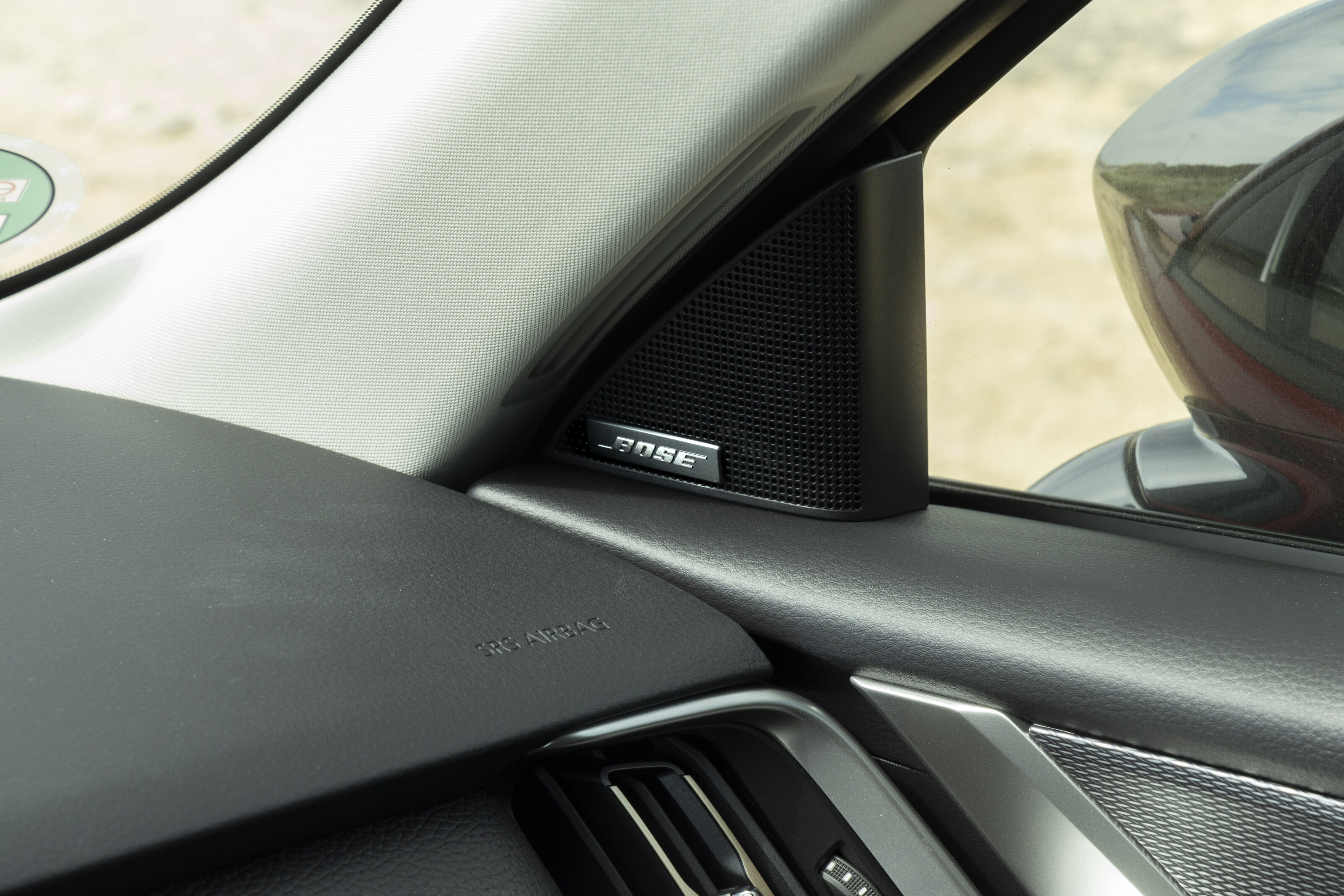
A couple of tie-downs allow you to restrain loads but there’s no cargo net or divider offered as standard. A hands-free tailgate with a sensor under the bumper has been developed and may well appear on the options list for Australian vehicles. A Bose 12-speaker stereo with SurroundStage processing was also fitted to test cars.
2022 Mazda CX-60: On the road
Mazda has deliberately avoided hugely customisable drive modes, instead claiming that most customers instead appreciate such complexity being stripped away.
Engineers cite the example of the MX-5, which has no customisable drive modes; the CX-60 rides on passive dampers and has no available adjustments to attributes such as engine sound, steering weighting and so on.
The Sport mode holds a gear a bit longer and turns the dial pack red, delivering the full 241kW serving for a 0-100km/h time of 5.8 seconds.
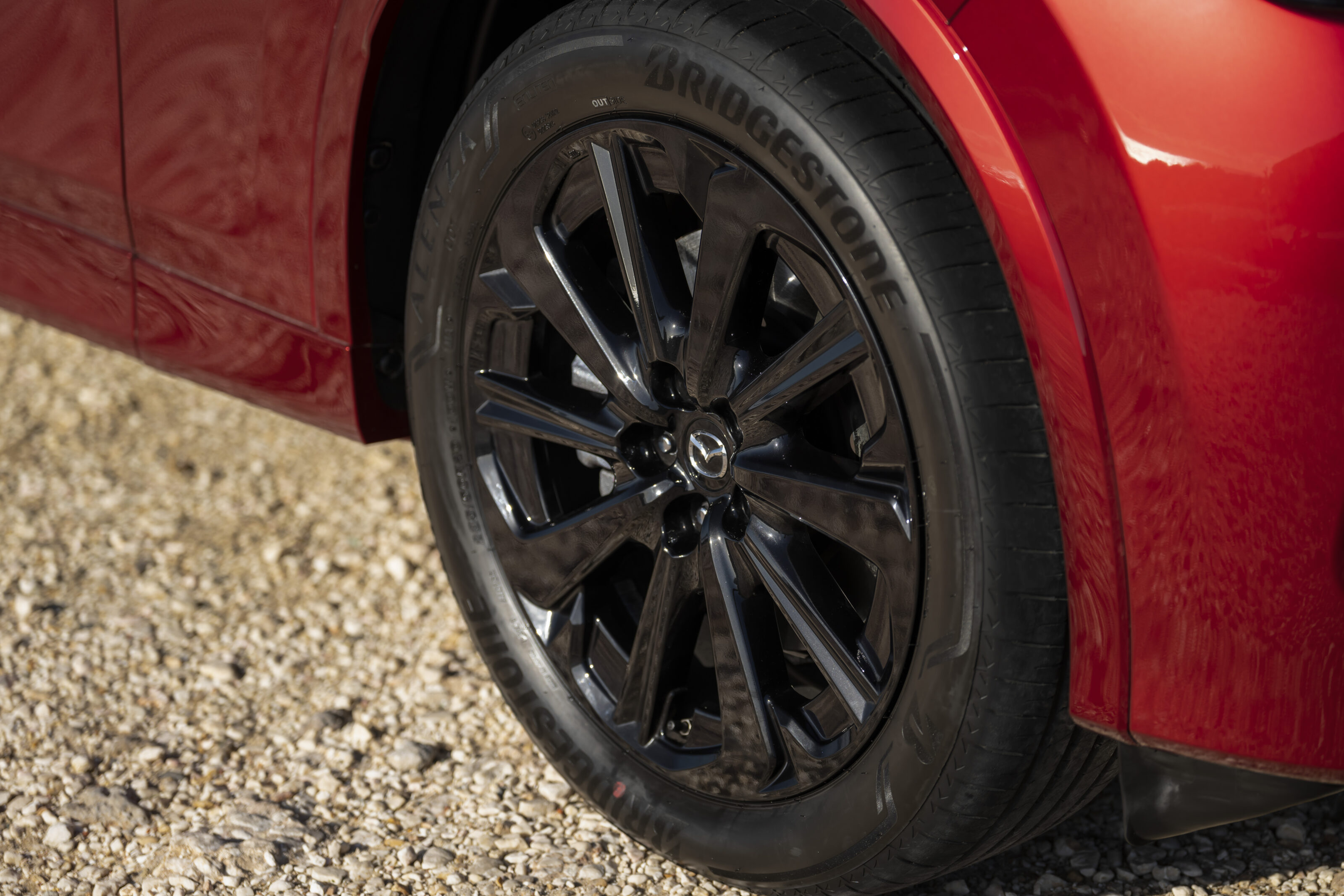
Riding on some fairly run-of-the-mill 235/50 R20 Bridgestone Alenza rubber, the first impression is of powertrain refinement at low demand, but a fair amount of bump and thump coming through the suspension.
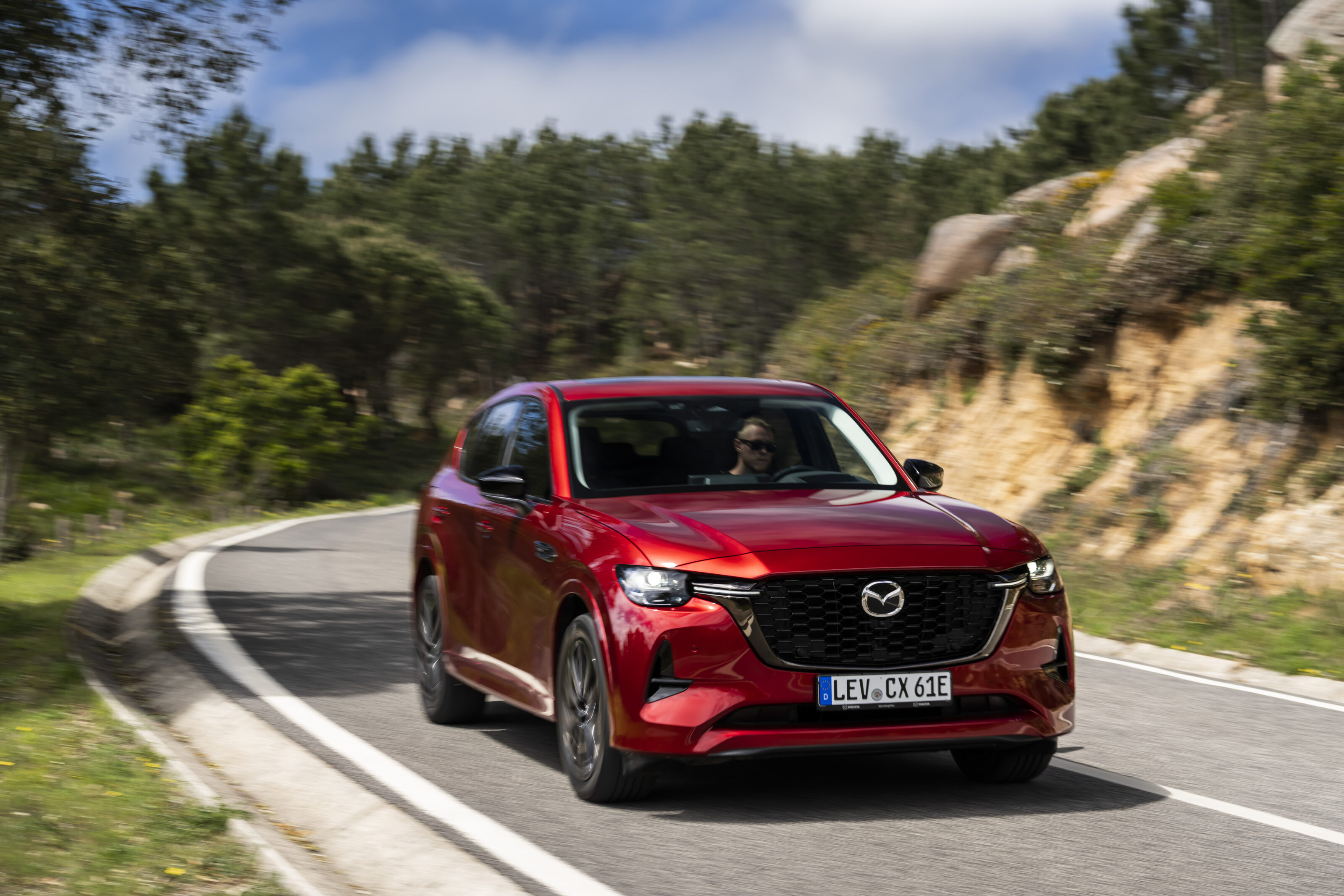
The roads in Portugal are typically well surfaced out of town but often horrible in the built-up areas, and it seems the CX-60’s rebound damping in particular could be a little better finessed as the wheels drop into ruts and potholes. The ride was slightly better on the vehicles with 19-inch alloys which wore 225/55R19 Toyo Proxes R246 rubber, though Mazda claimed it had tuned the dampers accordingly for each wheel size.
Another trick borrowed from the MX-5 is Kinematic Posture Control, which nips the brakes at a rear inside wheel during hard cornering, dragging the axle down and reducing body roll. I have some reservations about what effect this may have on pad wear, especially if you routinely drive on twisty roads, but to be fair to Mazda, this isn’t the CX-60’s typical use case.
It’s a neat handler, with quiet and accurate steering and respectable body control. The battery pack is mounted low and centrally towards the vehicle’s yaw centre and the body’s longitudinal rigidity is extremely consistent.
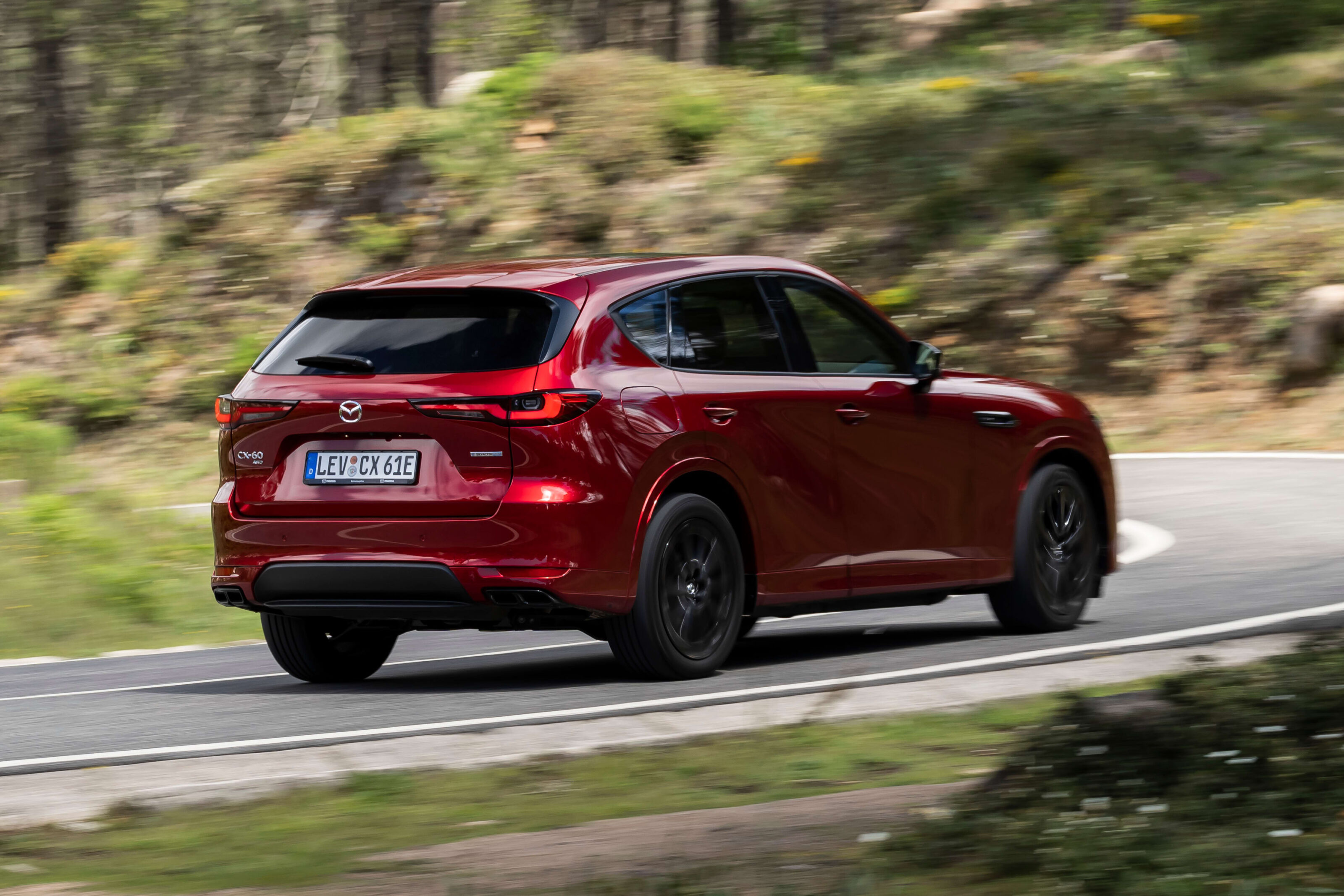
I also got to drive the CX-60 on twisty wet roads and its limits of grip are well telegraphed and the stability control subtly calibrated.
While it does its best to shrug off its 1995kg kerb weight, you’re always aware that you need to manage the CX-60’s masses. It’s happiest pointing and squirting, using the prodigious torque to jet it out of corners.
There’s no scenario when it can direct 100 per cent of torque rearwards, but the electric motor can direct torque rearwards as well as to just the front axle, and it can even drive through a subset of the eight gears. There’s no permanent manual mode available but wheel-mounted paddles will hold a gear for about 15 seconds before the system defaults to Drive once again if there’s no further intervention.
VERDICT
It’s hard not to be impressed by the CX-60 PHEV. It’s often a bad idea to try to integrate too many new ideas at once, yet Mazda has loosed off an avalanche of simultaneous novelty.
Much will hinge on the subtlety of specification and pricing, and there is a possibility that much of the CX-60’s sense of specialness could slightly unravel with the fitment of an unspectacular entry-level engine.
Taken in isolation, the PHEV is a compelling technical achievement and Mazda is confident that its quality and depth of engineering will present a compelling value proposition.
That’s yet to be established but for the time being, don’t let the evolutionary styling fool you. This one’s a very different creature.
UPDATE, May 5, 6pm: New details and a new top-down teaser
In an email direct to Wheels Media contributor Georg Kacher, Henrik Fisker has confirmed the Fisker Ronin will form one of recent history’s rarest body styles: a four-door convertible.
The company says it counts existing four-door luxury EVs as the Ronin’s main rivals, with the unique selling point of an opening roof – while retaining good rear space and headroom – to be a significant selling point.
“I think we could capture a relative large market share in this segment above (US)$150k (AU$208,000),” Fisker says.
Where are all the four-door convertibles?
Four-door convertibles are uncommon largely because of the structural challenges involved, usually requiring significant reinforcement in the doors to limit body flex. Likewise, devising a roof that can cover a four-seat area and still fold away into a practical storage area presents a challenge of its own.
Historically it was a concept more easily achieved when a ladder-style chassis was common, and this is one reason the Jeep Wrangler and new Ford Bronco are able to offered in a convertible-like style – but even those retain significant structural work above the beltline, with the added benefit of providing rollover protection.
For four-door models of a more conventional convertible design, the 1961-69 Lincoln Continental Convertible stands out as a memorable design – although some may recall this was the vehicle in which John F Kennedy was fatally shot.
We may, however, be looking at the first page in a new chapter of the convertibles story.
As Fisker tells us, “there is no other four-door production convertible in the market. It’s a big challenge to create a four-door convertible, as it needs a unique innovative strong lower rocker structure to compensate for the lack of a B-pillar, to be able to sustain side impact.”
The story to here
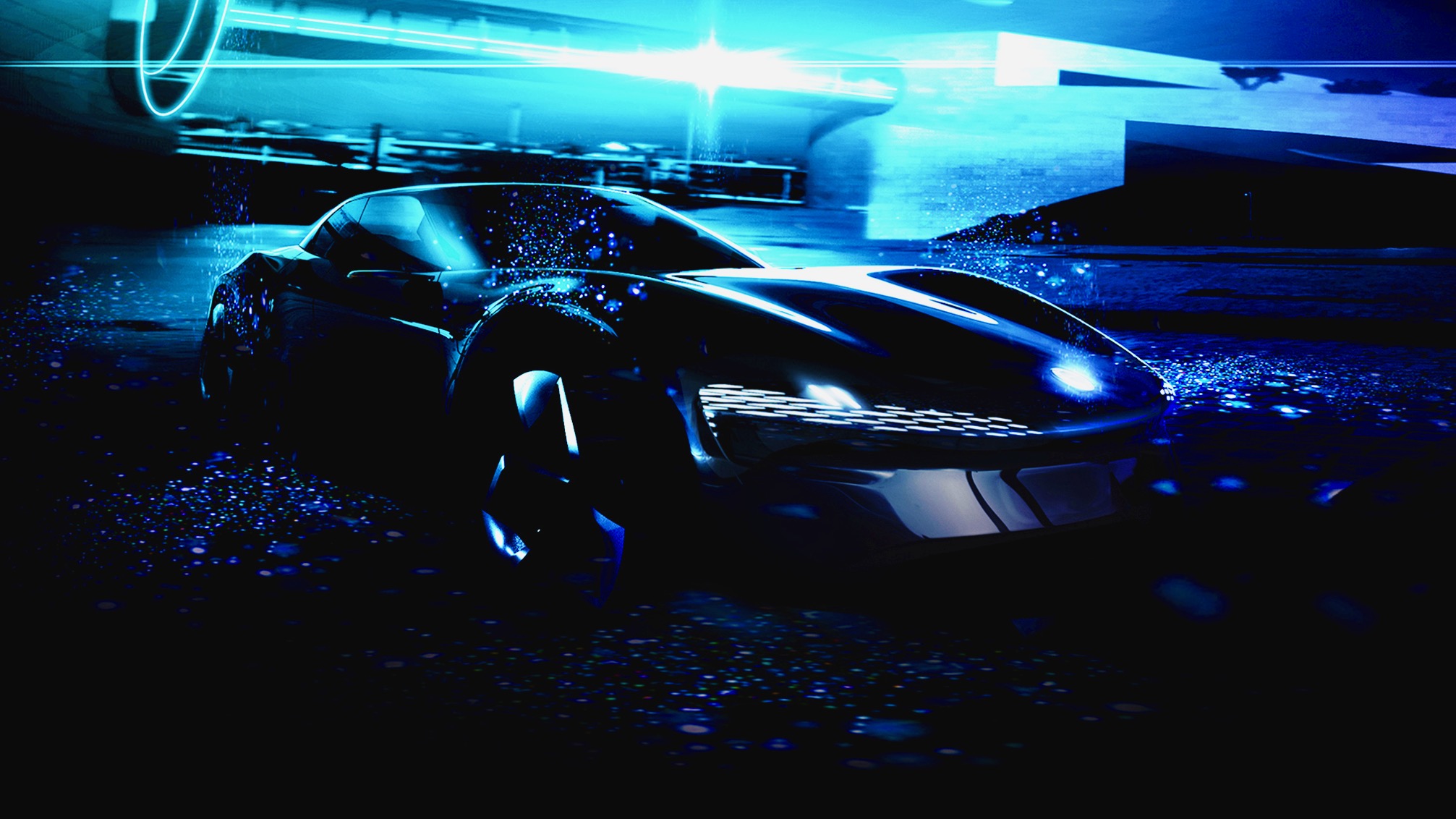
May 5, 11:30am: The 2024 Fisker Ronin has been previewed as the third model from the American electric vehicle (EV) manufacturer, and it’s already setting the bar high.
Founder and CEO Henrik Fisker says ‘Project Ronin’ – as it’s internally referred to – will be a grand tourer offering a greater driving range than any of its competitors.
“The aim is to achieve the world’s longest range for a production EV, combined with extremely high levels of performance,” Fisker said this week.
“Project Ronin will be a showcase for our internal engineering, powertrain, and software capabilities.”
The ambitious claim means the company will need to exceed 1008km of driving range from a single charge, offered with the 2022 GAC Aion LX Plus.
Another Chinese manufacturer, Nio, is also promising more than 1000km of driving range when its ET5 sedan goes on sale in the coming months.
While China’s CLTC testing standards are considered to be more generous than Europe’s WLTP standard, Mercedes-Benz demonstrated driving 1000km in everyday traffic is possible with its EQXX concept.
Fisker says Project Ronin will carry four adults and their luggage over a long distance, with the car’s long range to be helped by lightweight materials and active aerodynamics.
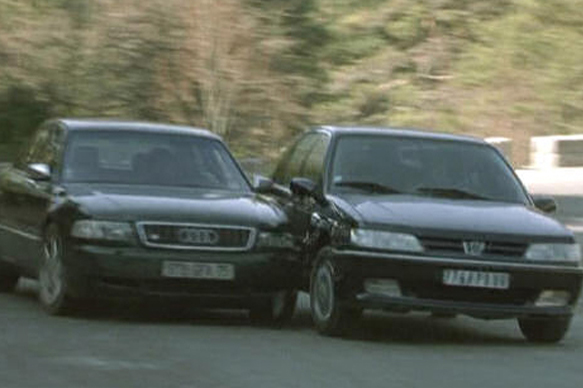
The company named the vehicle after the 1998 film Ronin starring Robert De Niro – known for its car chases featuring European sedans such as the Audi S8, Mercedes-Benz 450SEL 6.9, Peugeot 605, Citroen XM, and perhaps most famously, the BMW E34 M5.
The 2024 Fisker Ronin is expected to be revealed in August 2023, with production slated for the second half of 2024.
The Volkswagen T-Cross probably isn’t the first VW model people think of, but it started 2022 as the German carmaker’s biggest seller in Australia.
Sales figures are likely skewed by supply issues facing its popular siblings such as the Golf, Tiguan and Amarok, but there is plenty to like about the VW’s Polo-based light SUV to keep it hovering around the top of the table once imports return to normal.
Pricing and Features
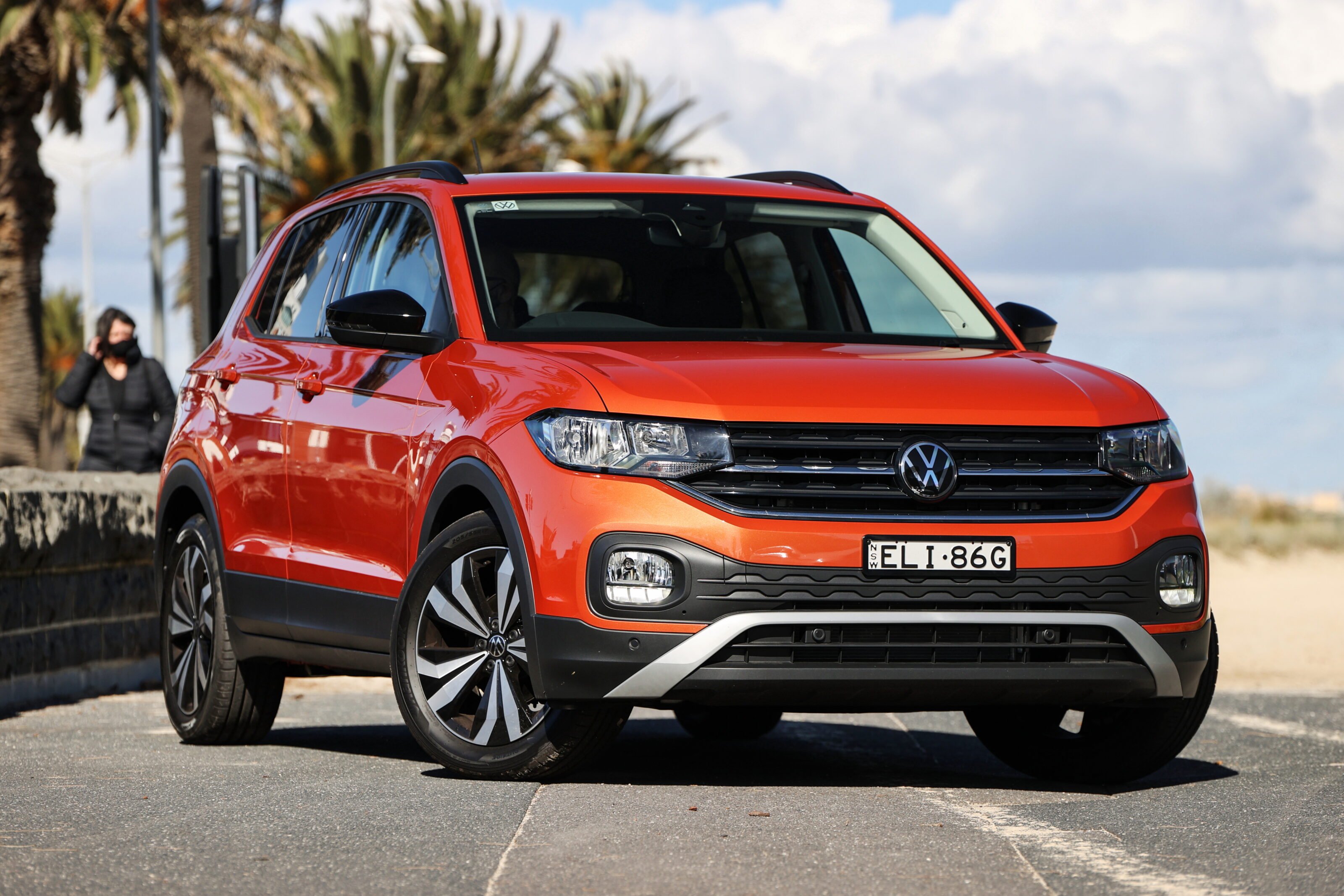
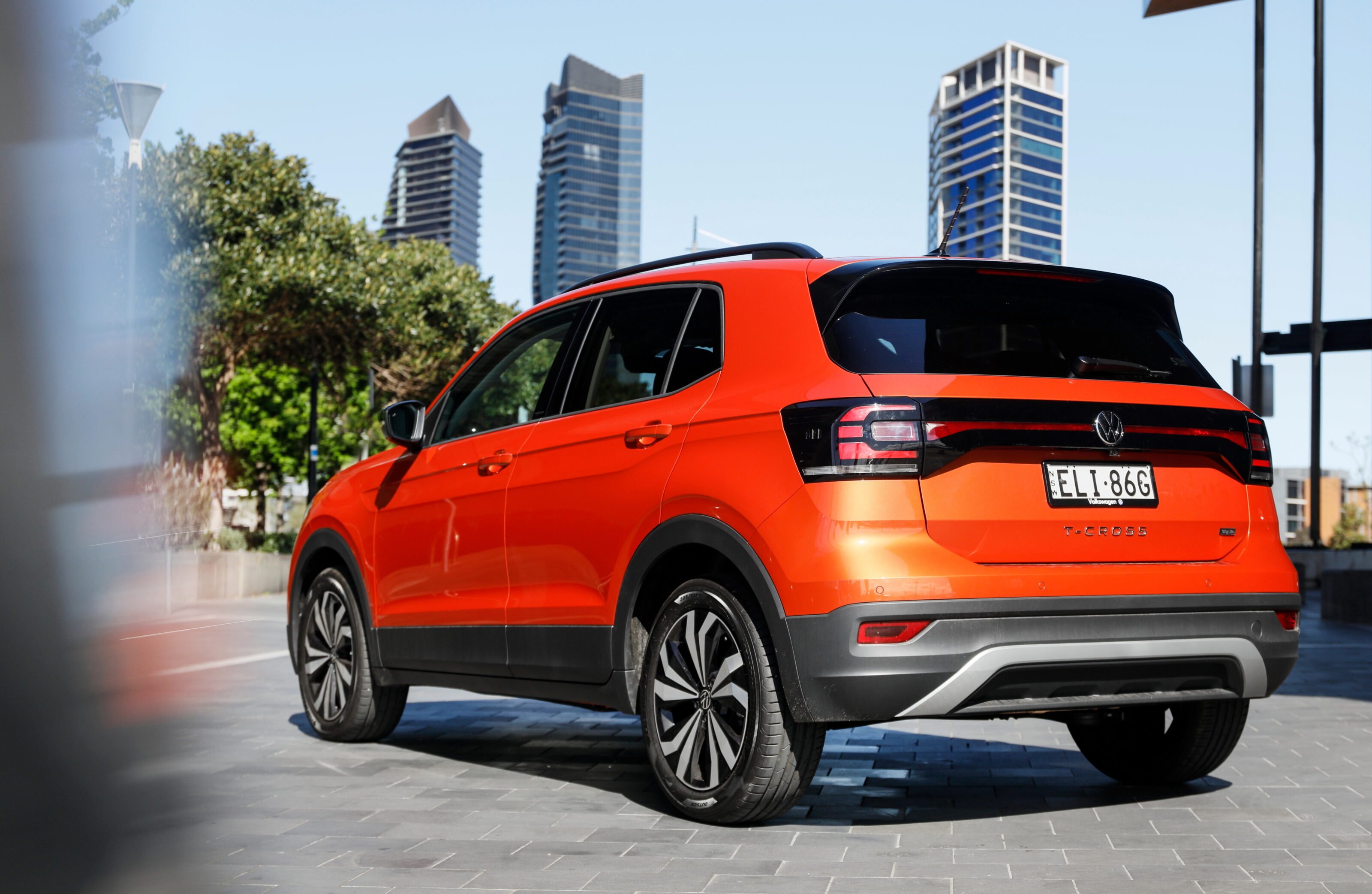
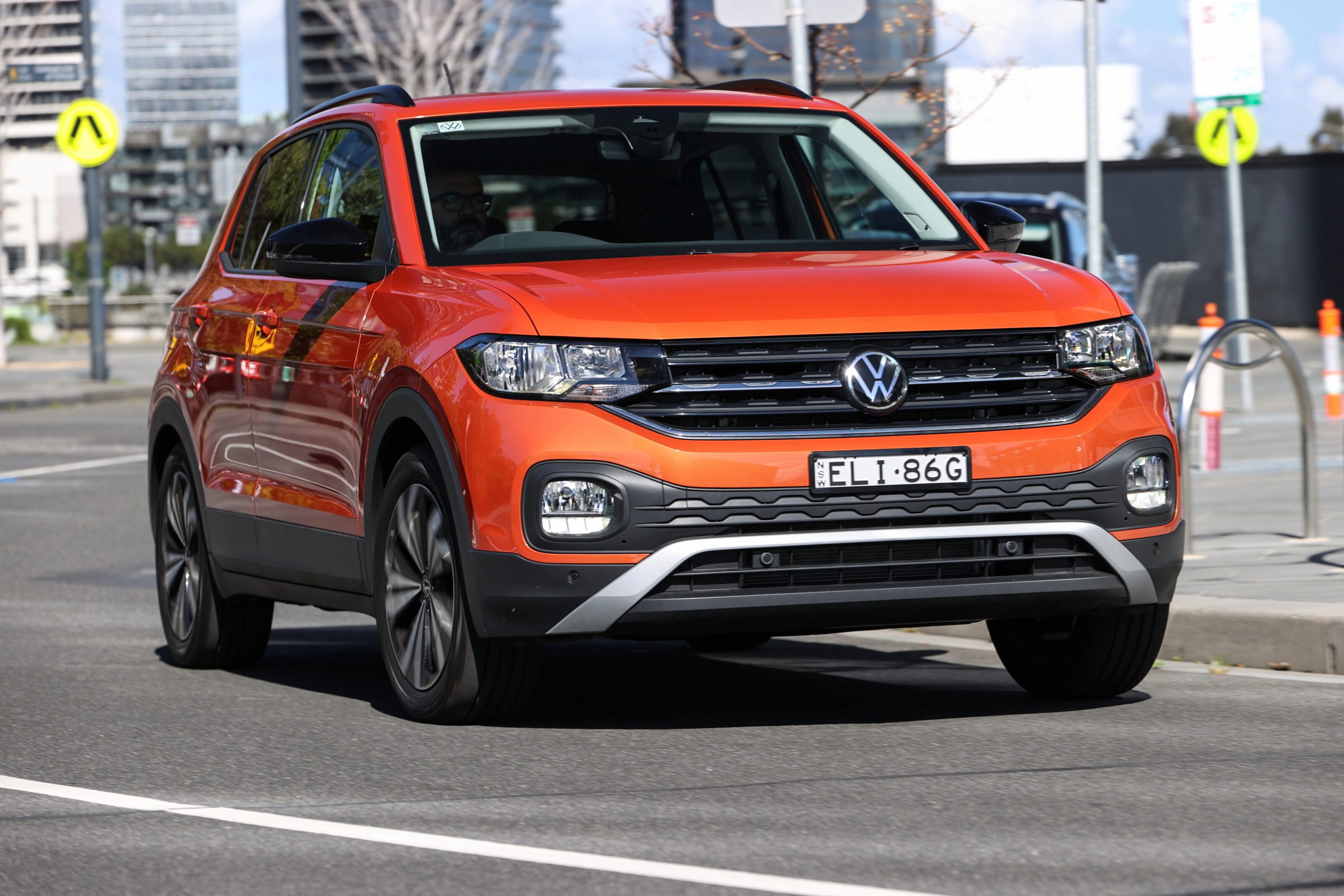
It should be noted our pictured test vehicle is actually the limited edition T-Cross CityLife of which only 1000 were available. Now sold out, it was based on the entry-level T-Cross Life but, for an extra $2000, brought a bunch of extras including keyless entry with push-button start, dual-zone automatic climate control, ‘comfort’ sports seats and power-folding door mirrors.
It also came with standard blind-spot monitoring, and rear cross-traffic alert, which on the Life are optional features as part of the $1200 Driver Assistance pack.
So, getting down to basics, T-Cross Life pricing starts at $29,850 before on-road costs or $31,990 drive-away.
It has a generous standard features list that includes manual air-conditioning, an 8.0-inch touchscreen, Apple CarPlay and Android Auto, wireless phone charging, reversing camera, front and rear parking sensors with manoeuvre braking, cruise control, auto-dimming rearview mirror, driver fatigue detection, foglights, halogen headlights, lane-keep assist, autonomous emergency braking, hill-start assist, fabric seats, leather-trimmed steering wheel, gearshift paddles, tyre pressure monitor, remote central locking, roof rails, seat belt warnings and 16-inch alloy wheels.
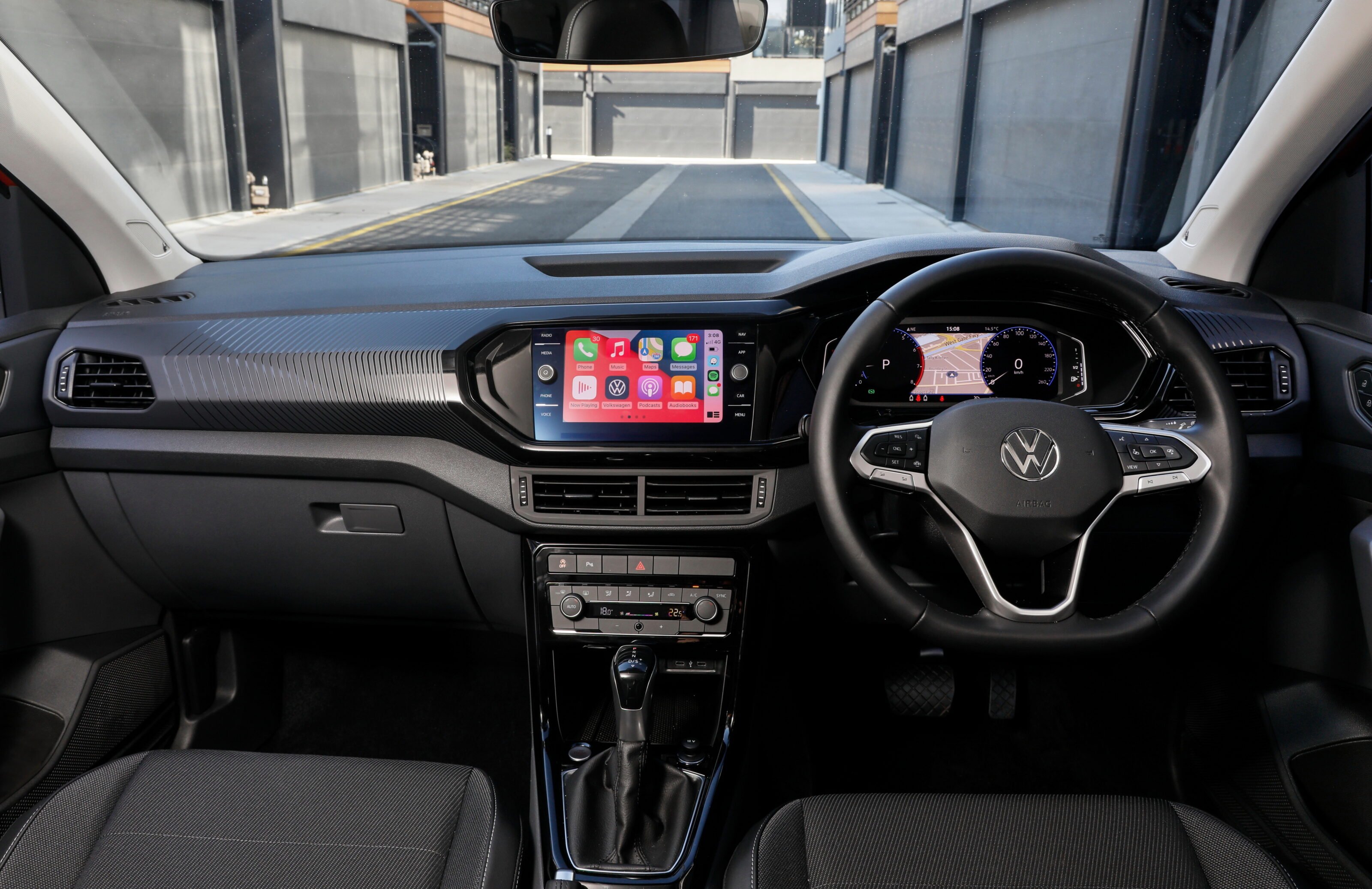
Paddleshifters, power-folding side mirrors, and DAB+ digital radio were added to the 2022 model.
Options include the aforementioned Driver Assistance Pack, which for $1200 adds adaptive cruise control, blind-spot monitoring with rear-cross traffic alert, proactive occupant protection system and park assist, which steers the T-Cross into parking spots.
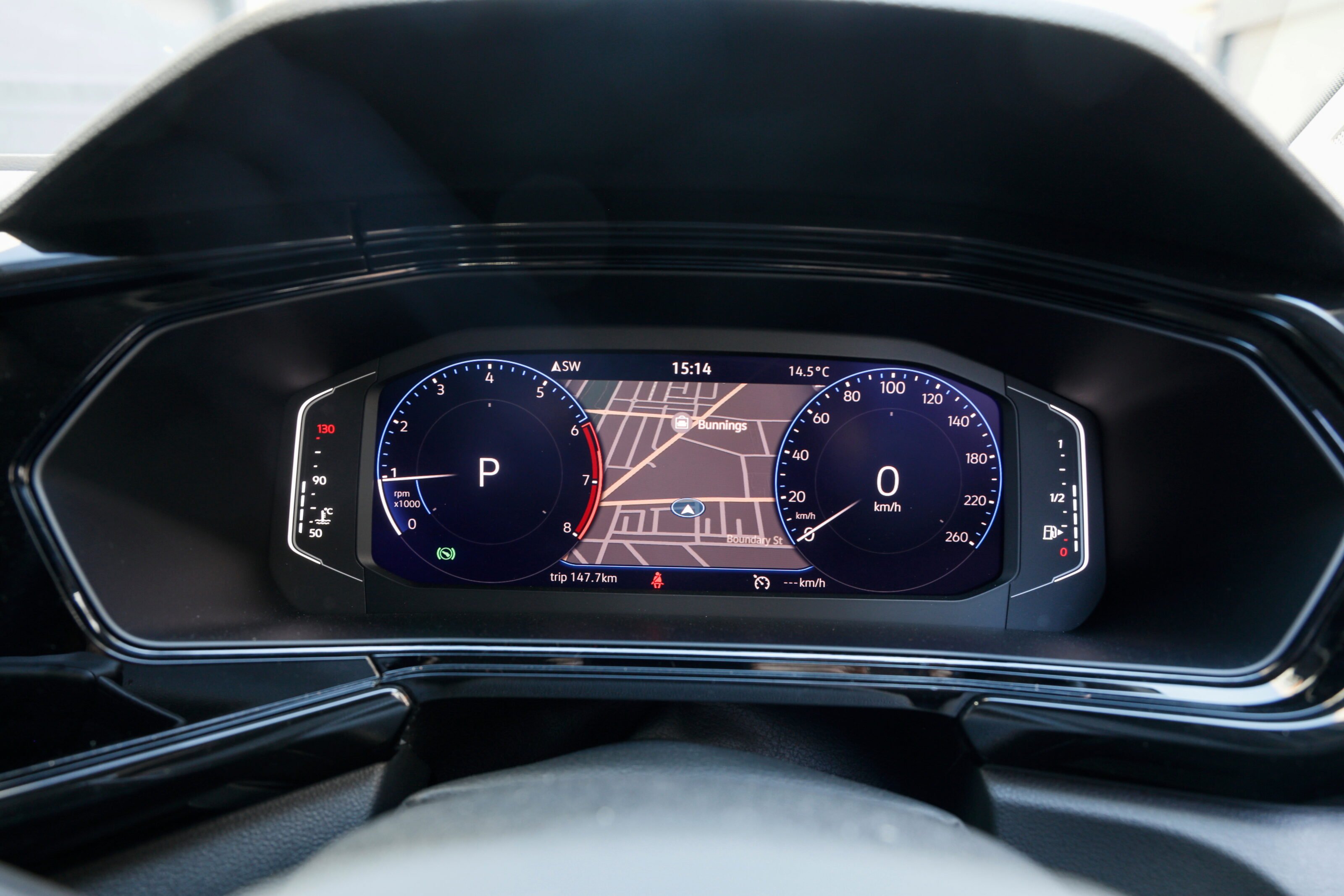
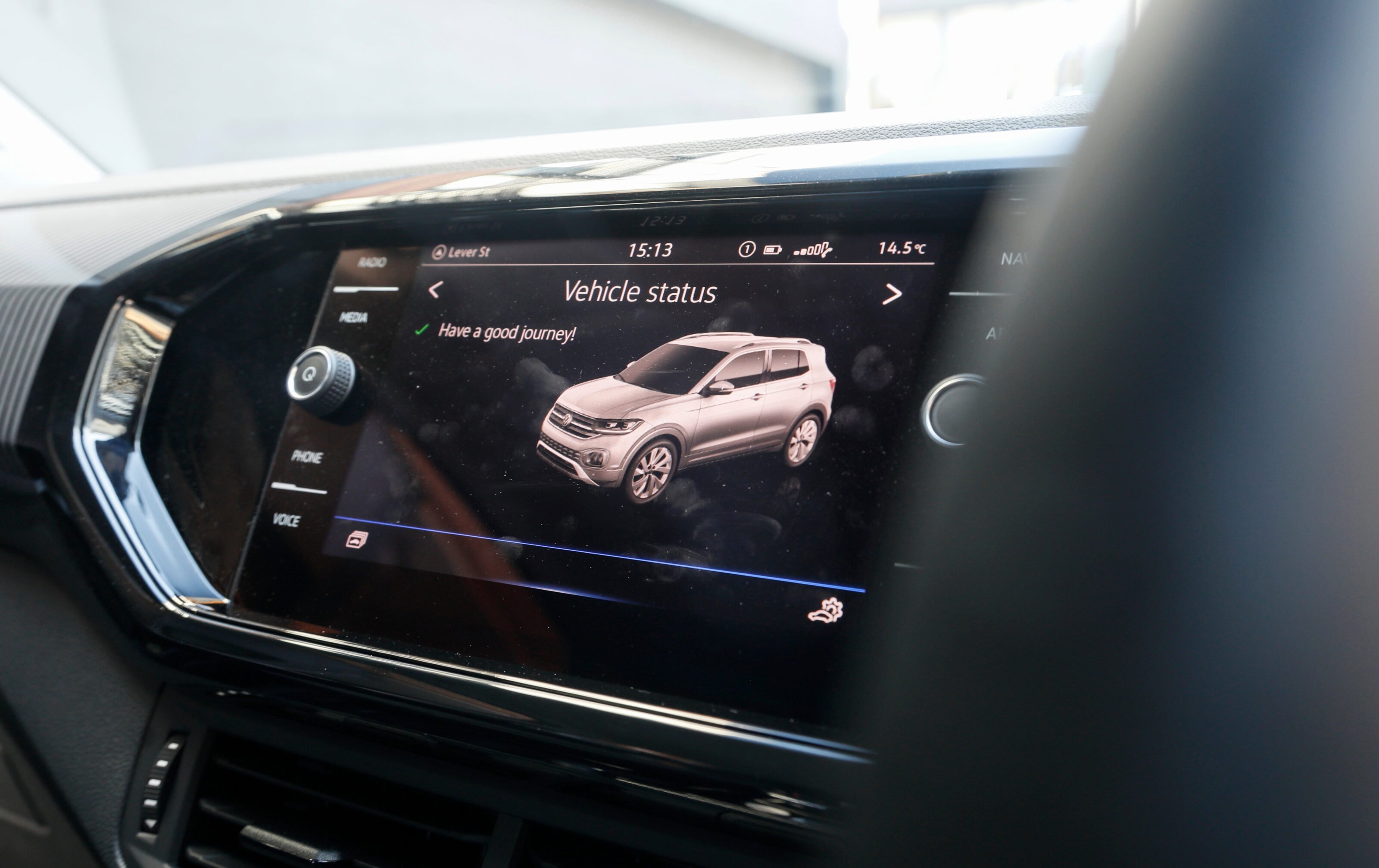
Then there’s the $2100 Sound & Vision package that brings a 300-watt Beats premium sound system, the ‘Digital Cockpit’ gauge cluster (pictured below), Discover Media 8.0-inch navigation system with gesture and voice control, and wireless Apple CarPlay/Android Auto connectivity.
The T-Cross Life comes in eight colours, including Ascot Grey and Pure White for no extra cost. The other six hues, including our test car’s Metallic Energetic Orange, attract a $600 premium.
Service intervals are 15,000km or 12 months, whichever comes first. The first service costs $392, with the rest priced at $579, $494, $927 and $494 respectively.
If you want to save some money on servicing, Volkswagen has a ‘Care Plan’ that lets you pay upfront for five or three years of servicing. The five-year plan costs $2250 and will save you $798 over the duration, while the $1300 three-year plan will save $171.
The Volkswagen T-Cross is covered by a five-year/unlimited-kilometre warranty and one year of complimentary roadside assistance.
Space and Comfort
The T-Cross is a well equipped little SUV for the price but you’ll notice a few trade-offs when you step inside, such as hard plastic surfaces on the dashboard and door skins. That said, there are soft-touch surfaces where it matters such as the armrests on the doors.
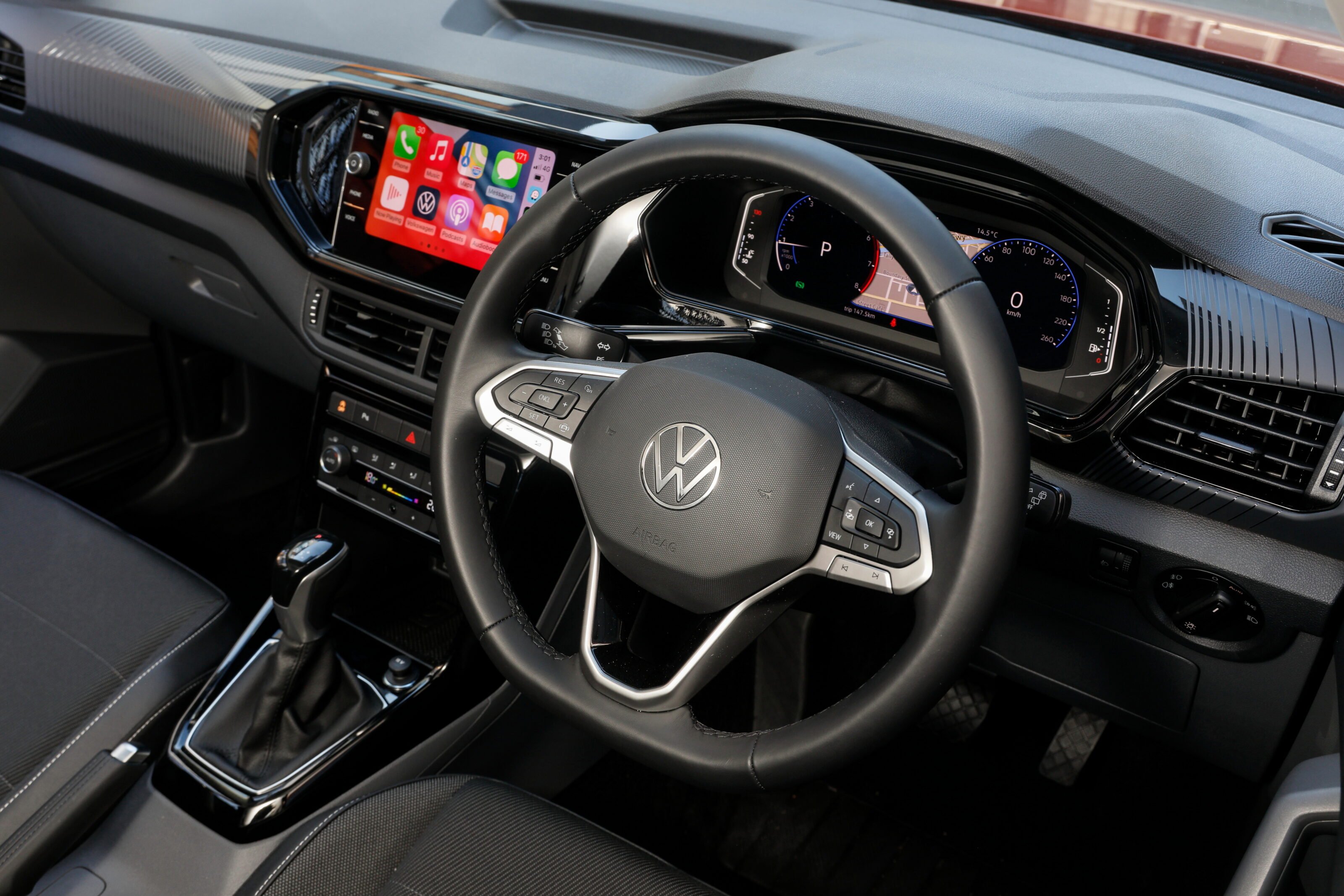
It’s a sharp-looking interior, though it could do with a little more colour to bring additional visual interest to the monochrome decor.
The compact centre console features a small tub beneath the armrest, with the midsection taken up by two cup holders, and a park-brake handle, which is something you don’t see too often in new cars these days.
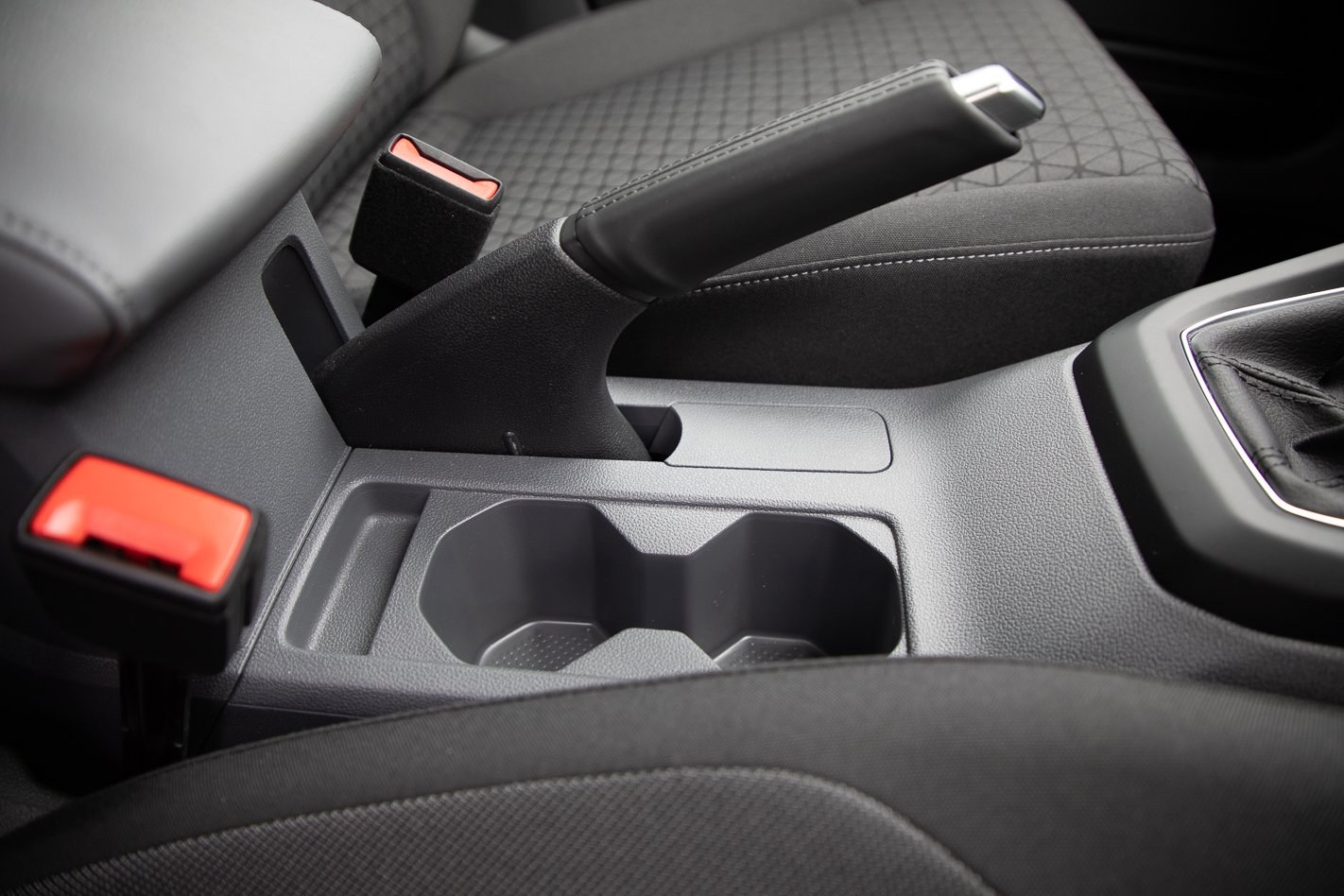
There is a bit more storage in front of the gear shifter, where you’ll find the wireless phone charger and a couple of USB sockets.
If you need more storage space, there are decent-sized door bins, a nifty little drawer below the driver’s seat and a spot under the driver’s seat to store the driver’s manual to free up room in the glovebox.
The fabric seats are a little firm but shaped well to provide good comfort for front and rear occupants.

The rear seats sit high to offer good front and side vision, which children will appreciate. Width-wise, the rear pew will seat two adults in comfort, though it does lack a centre armrest to lean on.
On the plus side, there is surprisingly ample legroom that puts some bigger SUVs to shame and there is excellent headroom throughout.
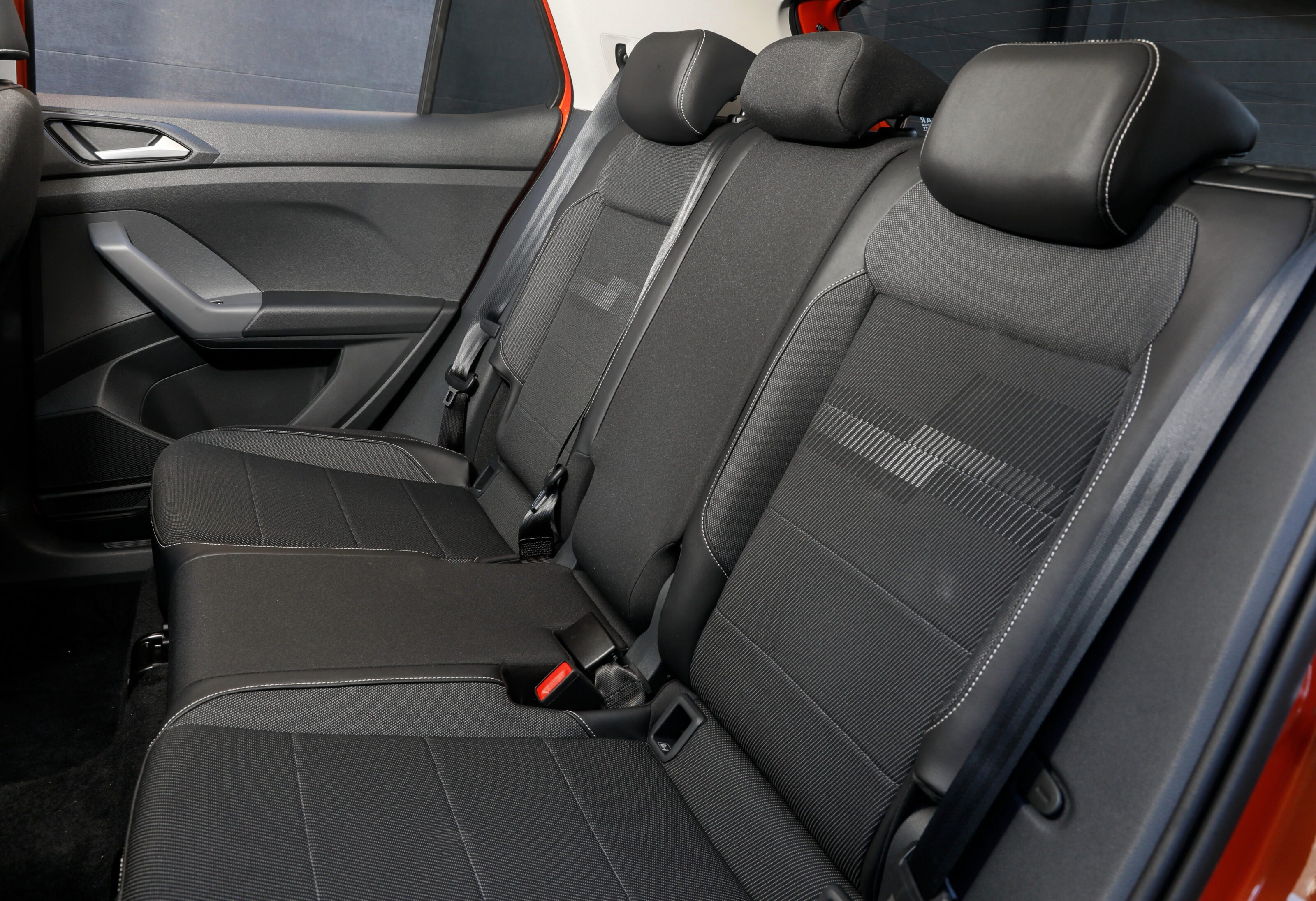
Rear-seat passengers benefit from two USB-C sockets, map pockets on the back of the front seats and door bins. The Life variant lacks air vents that come with the range-topping T-Cross Style, but Volkswagen left the housing in place, which doubles as a handy storage nook.
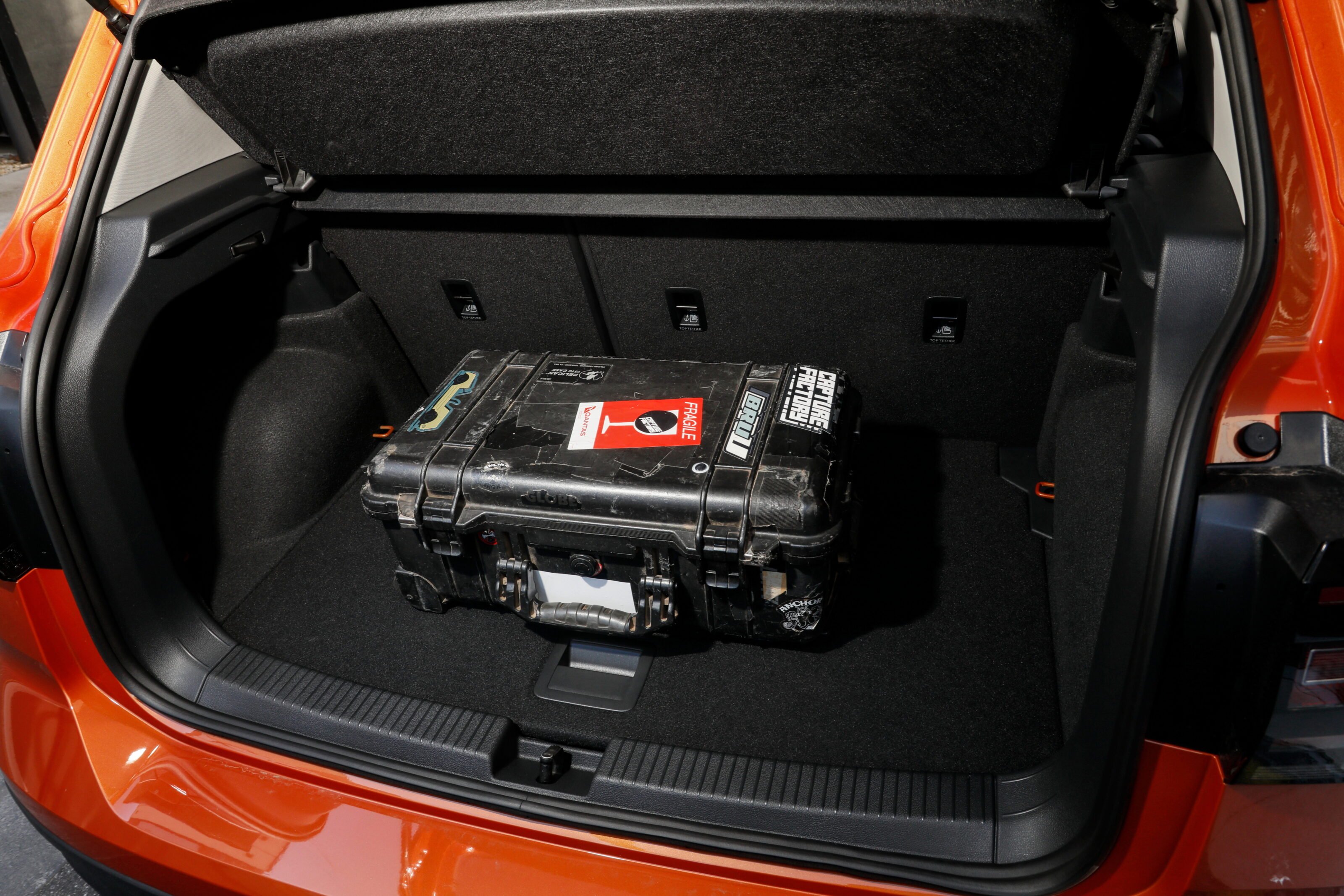
The rear bench can slide back and forth, which stretches the boot length from 630mm to 780mm and increases volume from 385 to 455 litres, making it one of the more practical light SUVs on the market.
Lift the boot floor and you’ll find a space-saver spare wheel and tools.
On the Road
As well as sharing underpinnings with the Polo, the T-Cross has also adopted the hatchback’s 1.0-litre, three-cylinder 85kW/200Nm turbocharged petrol engine.
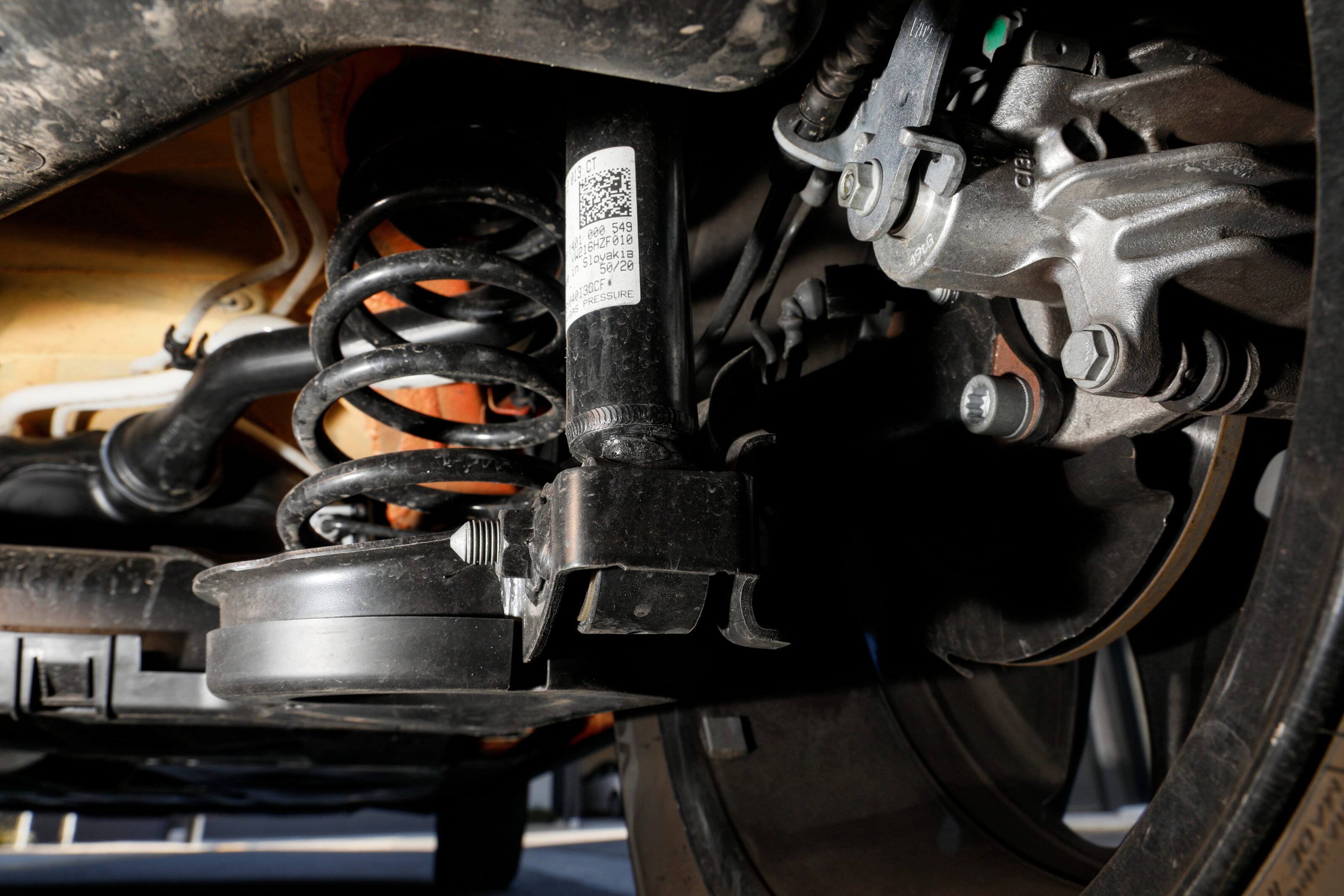
As we experienced with the Polo, it’s a good little unit, but loses some of its lustre in the slightly heavier T-Cross, though you’re rarely left wanting for oomph even at highway speeds.
Power is sent to the front wheels through a seven-speed dual-clutch automatic transmission. This can be quite laggy on take-off, the delay made worse by the fuel-saving start/stop engine function that can thankfully be turned off.
There is a Sport driving mode that changes the engine mapping so it reaches peak power quicker, but I can’t say it made too much of a difference.
Paddleshifters give the T-Cross the ability to offer some hands-on driving, but it’s not exactly sporty. Push it on a twisty road and you’ll encounter some body roll through bends.
To be fair, with 10.2-second 0-100km/h acceleration, the T-Cross isn’t trying to be a performance car; if chasing apexes is high on your mission list you’re best sticking with the Polo.
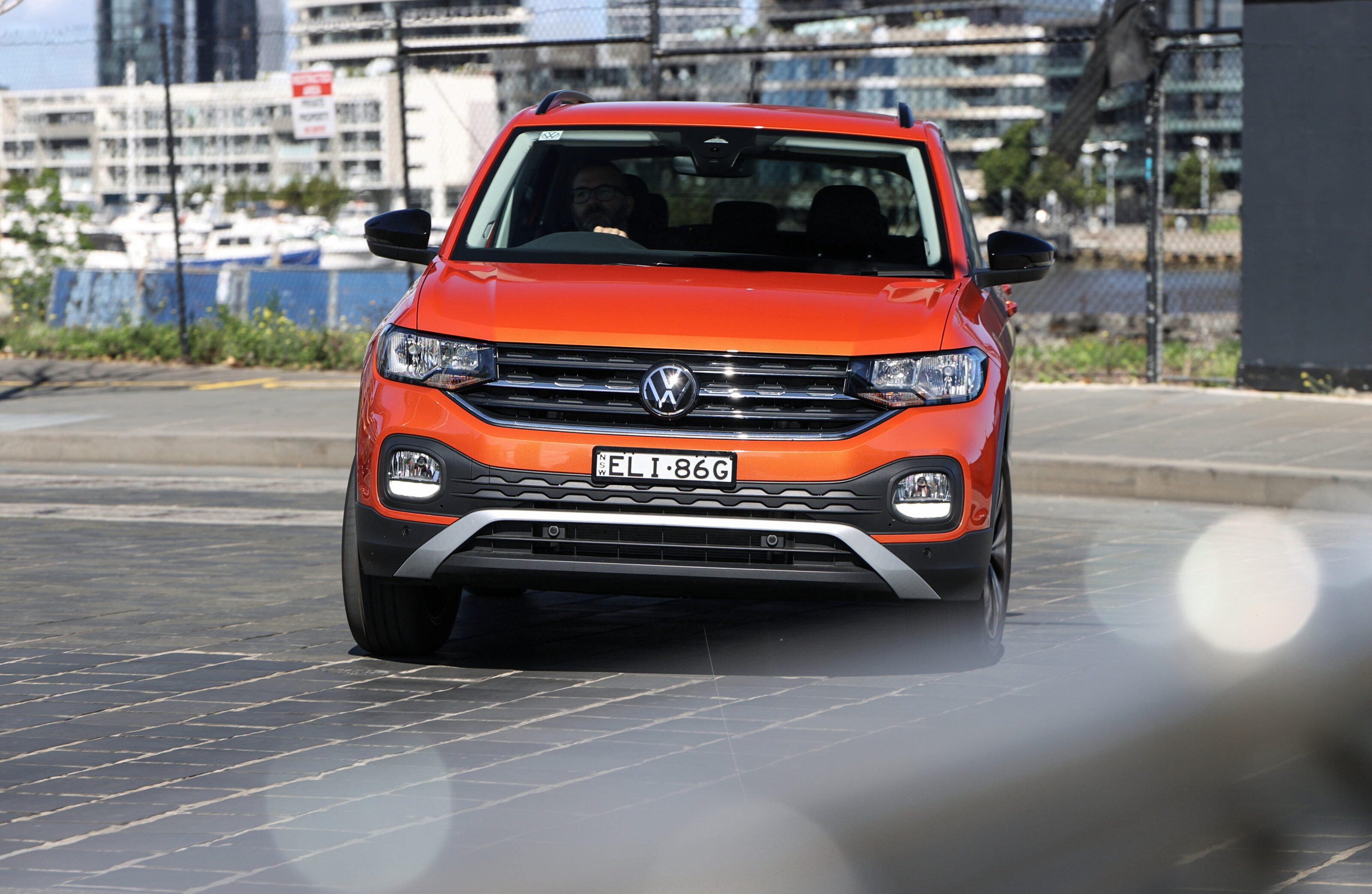
This is an SUV that is very much in its element around town, where it’s zippy enough and the light but responsive steering makes negotiating tight streets and parking spaces a doddle.
Ride comfort feels composed on most surfaces and road and engine noise are very low, which lessens fatigue in heavy traffic.
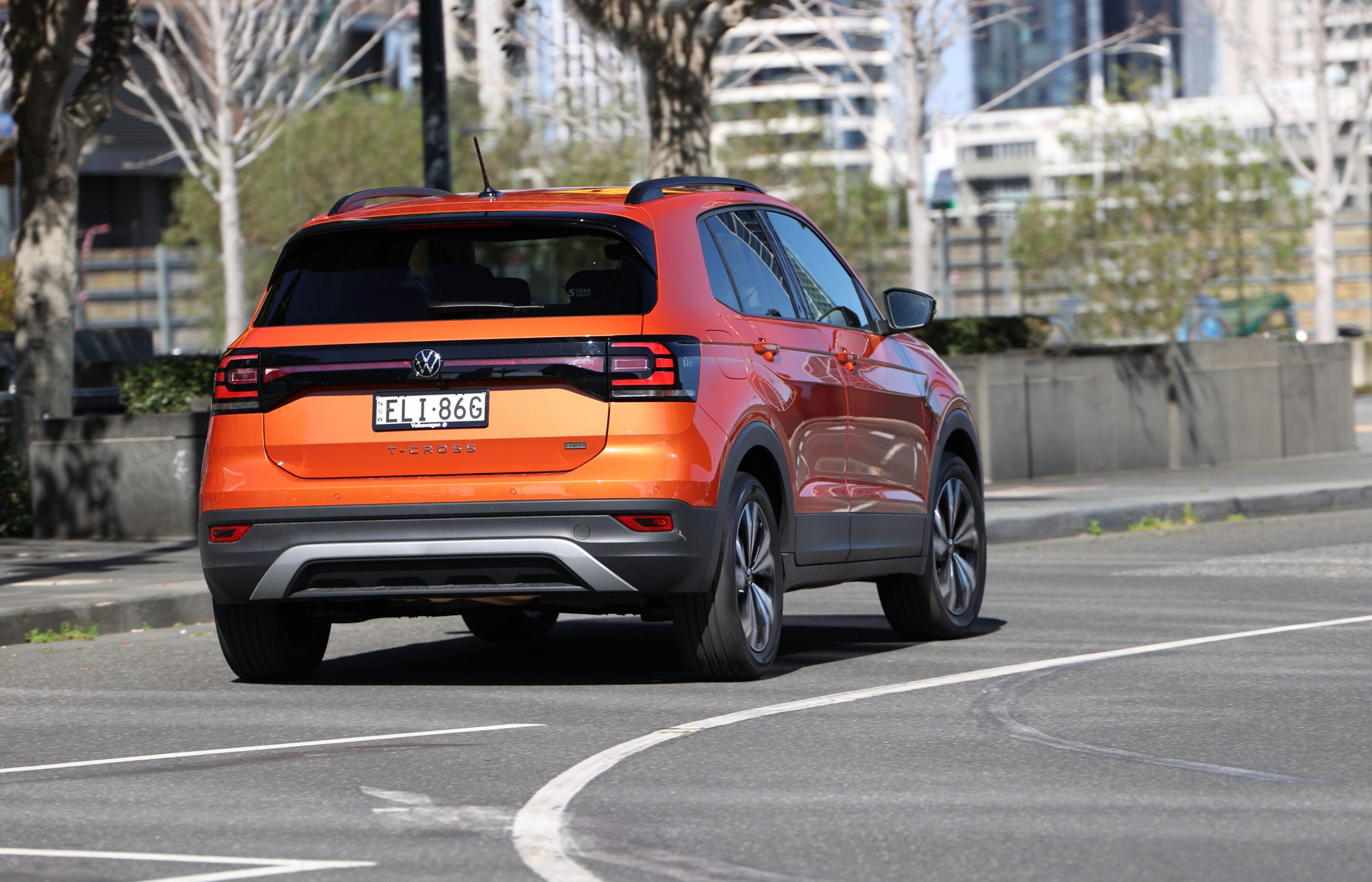
With the way petrol prices are going in 2022, owners would appreciate the three-pot engine’s frugal performance. Its official combined fuel consumption is just 5.4L/100km and just 6.0L/100km in urban situations, though it does require pricier 95 RON Premium Unleaded.
Safety
The T-Cross has a five-star ANCAP rating and comes standard with a bunch of driver assistance features including front and rear parking sensors with manoeuvre braking, which is designed to prevent you from hitting hidden objects or people.
It also comes with standard cruise control, driver fatigue detection, autonomous emergency braking with pedestrian and cyclist protection, and lane-keep assist.
Missing from the standard kit in the Life spec is adaptive cruise control, which matches the speed of the car in front, rear-cross traffic alert and blind-spot monitoring, though these are available in the $1200 Driver Assistance pack.
Passive safety includes eight airbags and ISOFix child-seat anchors in the outboard rear seats, along with three top tethers.
The Verdict
The Volkswagen Golf has long been the car of choice for new drivers with well-heeled parents, though if anecdotal evidence is any guide, the T-Cross is certainly taking a lot of that business.
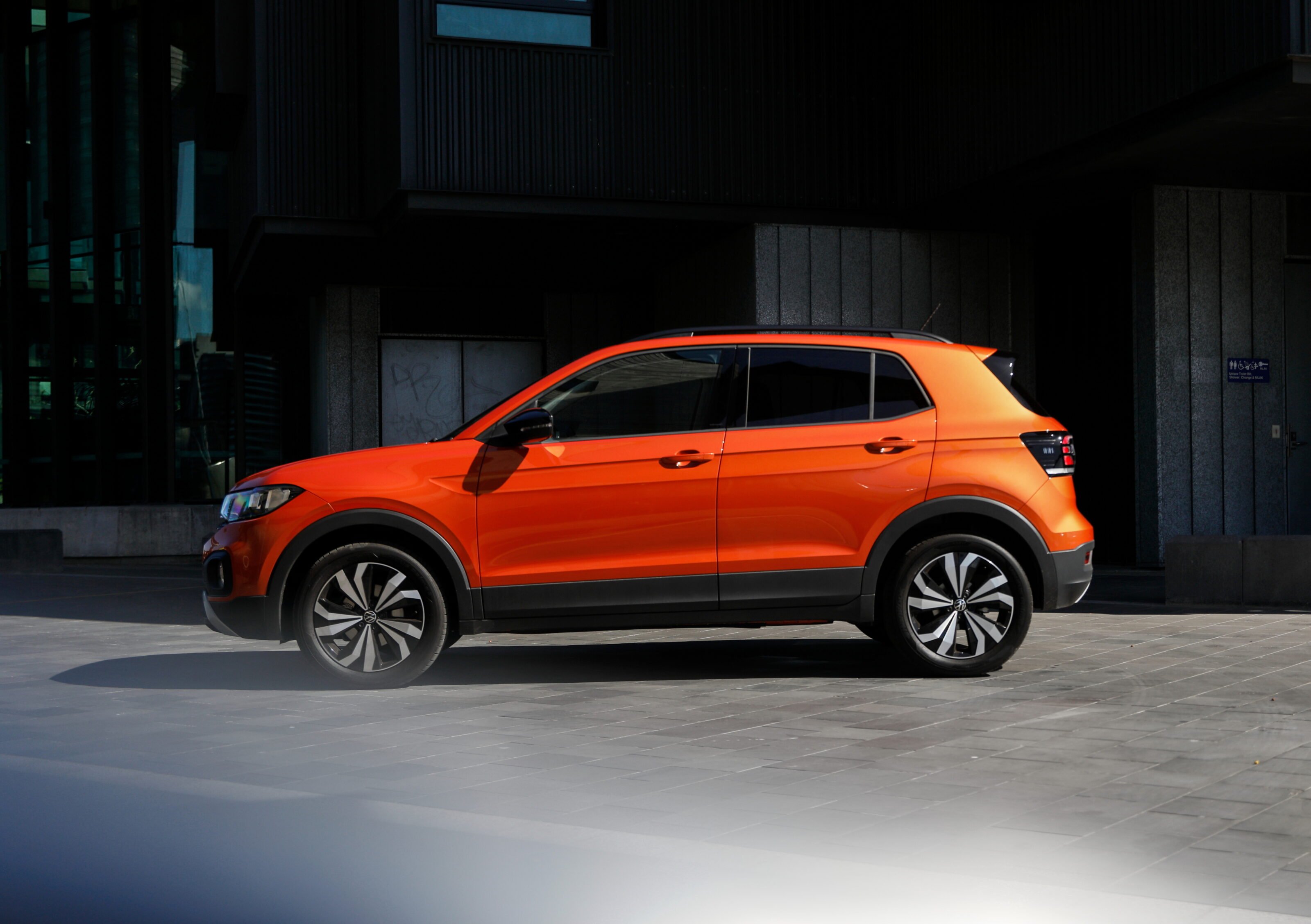
This entry-level Life spec makes for an excellent first car with its relatively affordable price tag, SUV practicality, attractive Euro styling, all the important safety features, direct handling, and enough oomph to get out of tricky situations without being the cause of them.
That said, it does have broad appeal and would suit older drivers looking to downsize.
In short, the T-Cross brings much of what we like about the Polo but in a more market-pleasing package in these SUV-obsessed times.
Volkswagen T-Cross 85TSI Life specifications
Nissan’s motorsports and performance arm, Nismo, will soon be offering high-performance electric cars.
Speaking to UK publication Top Gear, Nissan’s Europe chief Guillaume Cartier said selected models from its upcoming range of electric vehicles (EVs) are being evaluated, with some expected to offer increased power and upgrades from the famed Nismo skunkworks.
“Nismo is an asset that we have,” Cartier said, “and that’s something we want to revitalise. And will we have some, let’s say, cars with the derivative Nismo? The answer is yes.”

While the company does offer a Nissan Leaf Nismo model in its native Japan, the electric hatch doesn’t benefit from any additional power, and could be considered a visual package for the model.
Despite this, Cartier says the new generation of electric Nismo vehicles will be anything but a styling exercise, with promises of increased performance.
“The point is, it’s not a gimmick,” Cartier insisted.
“To use an English expression, it’s not lipstick on a pig. So that requires some investment to make sure that you bring performance.
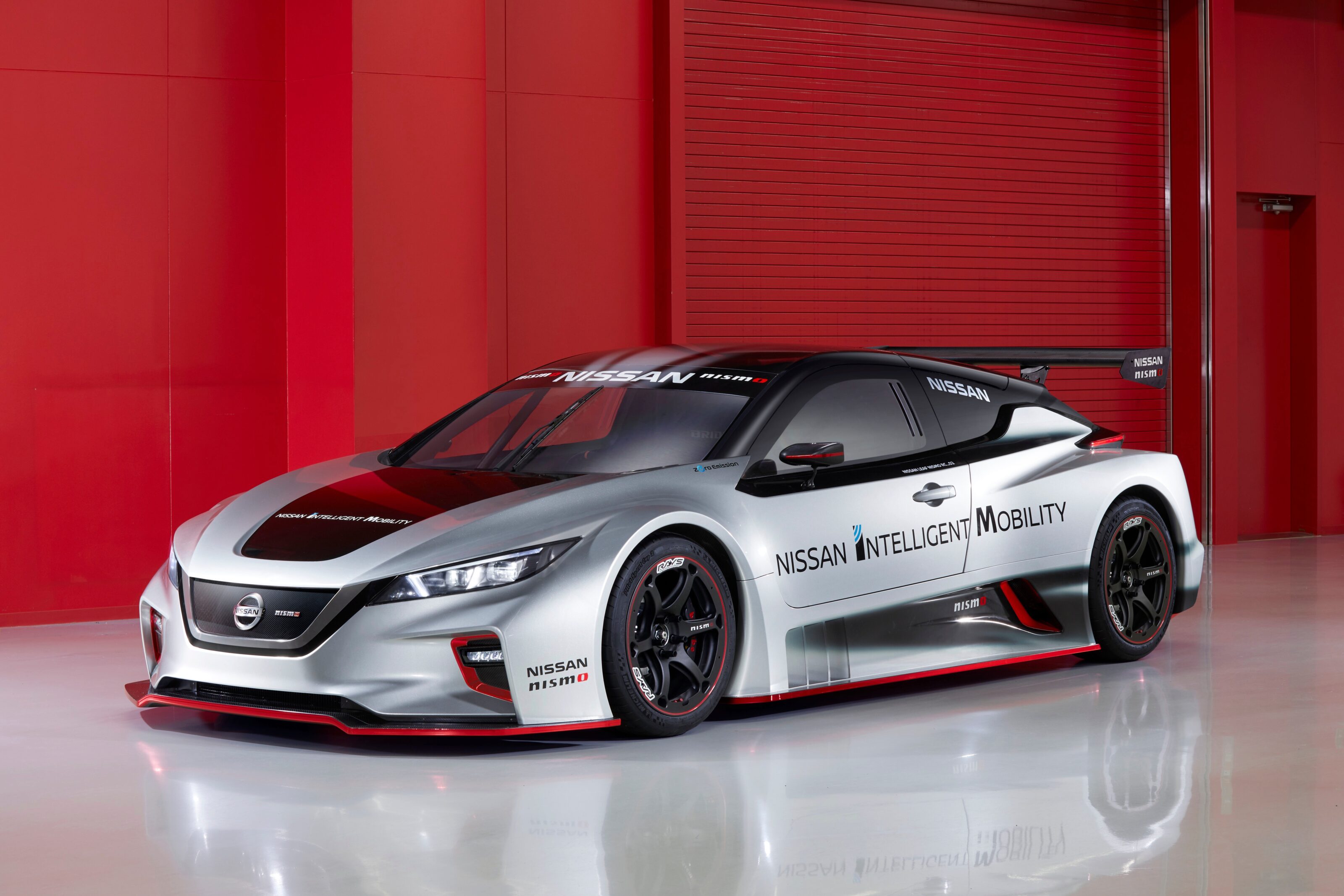
“Here it’s relatively easy to understand: specific suspension and powertrain. The point on Ariya, it’s a challenge because already we have a big battery with high performance. So we need to go higher than that.”
Nissan has promised it will bring 15 new EVs to market but 2030, with the carmaker recently previewing a battery-powered hatch as a successor to the Micra.
Snapshot
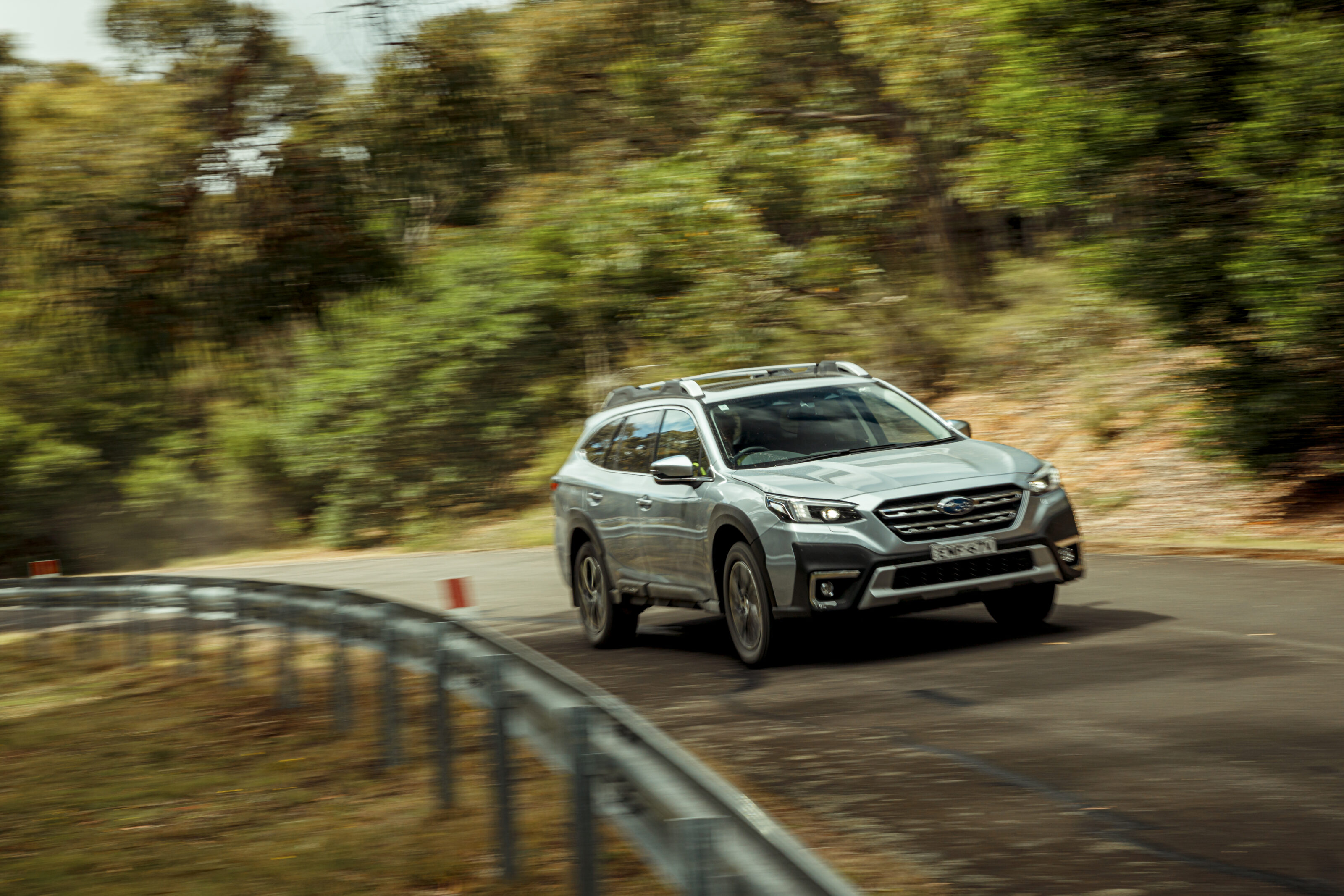
- Prices of Subaru’s Impreza, XV and Outback up by $800
- BRZ jumps up between $1300-1400 for 2023
- Increased production and logistics cost influence Subaru’s decision
Subaru’s 2022 model range has been hit with a price increase as supply chain issues force the Japanese manufacturer to readjust its list prices.
Off the back of the BRZ coupe going back on sale today for $1300 to $1400 more than last year, Subaru has hit the Impreza, XV, and Outback with higher premiums, each up by $800 before on-road costs over existing prices.
It’s the second time this year where the prices of the Impreza and XV have gone up, although the last instance came alongside the intruduction of the MY22 models while the entry-level 2.0i grade of each was dropped from the line-up.
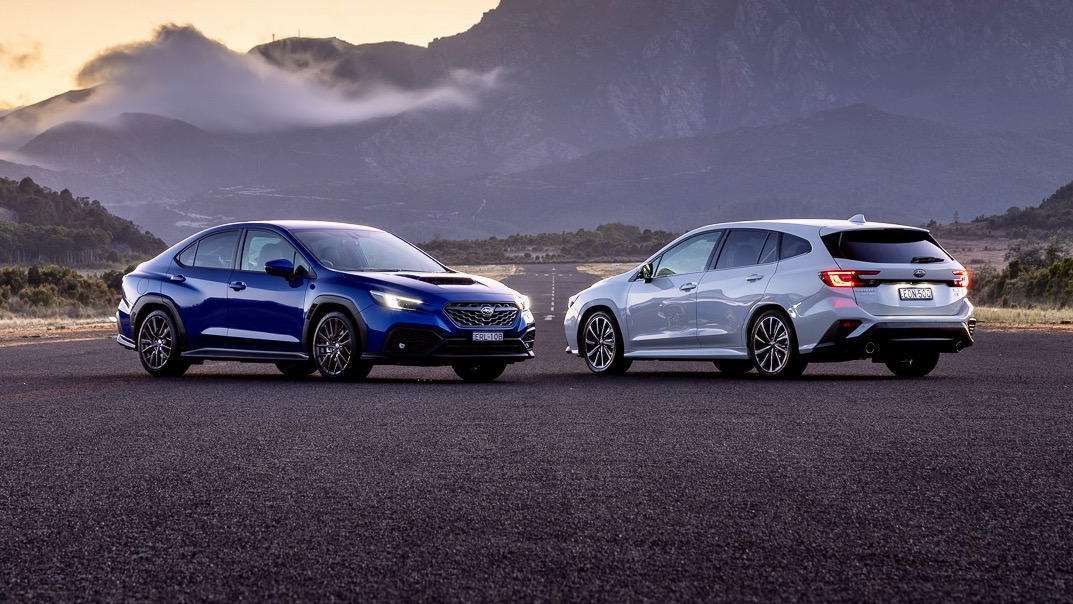
Having already announced local pricing for the upcoming fifth-generation WRX last month, Subaru says today’s adjustment won’t have further impacts on the prices of its performance sedan or two-door BRZ coupe.
“Subaru Australia is protecting all existing customer orders as increases in costs associated with production and logistics results in a price adjustment for select Subaru models,” the marque’s local arm said.
“Effective today, 5th May 2022, Subaru Outback, XV and Impreza will receive an $800 price adjustment across the model ranges.
“Having already incorporated the increase in various costs associated with production and logistics, the pricing announced in pre-order for the all-new Subaru WRX and WRX Sportswagon and MY23 Subaru BRZ announced earlier today, remain unchanged.
“At Subaru Australia, delivering an exceptional customer experience is our priority and all alternatives are explored before any carefully considered price adjustments are implemented.”
According to new car sales data released yesterday, Subaru suffered a 52 per cent year-on-year slump in April from the same point in 2021, and while its 9796 units sold year-to-date keeps it in 10th spot among the brands, it is still 28 per cent down on the same period last year.
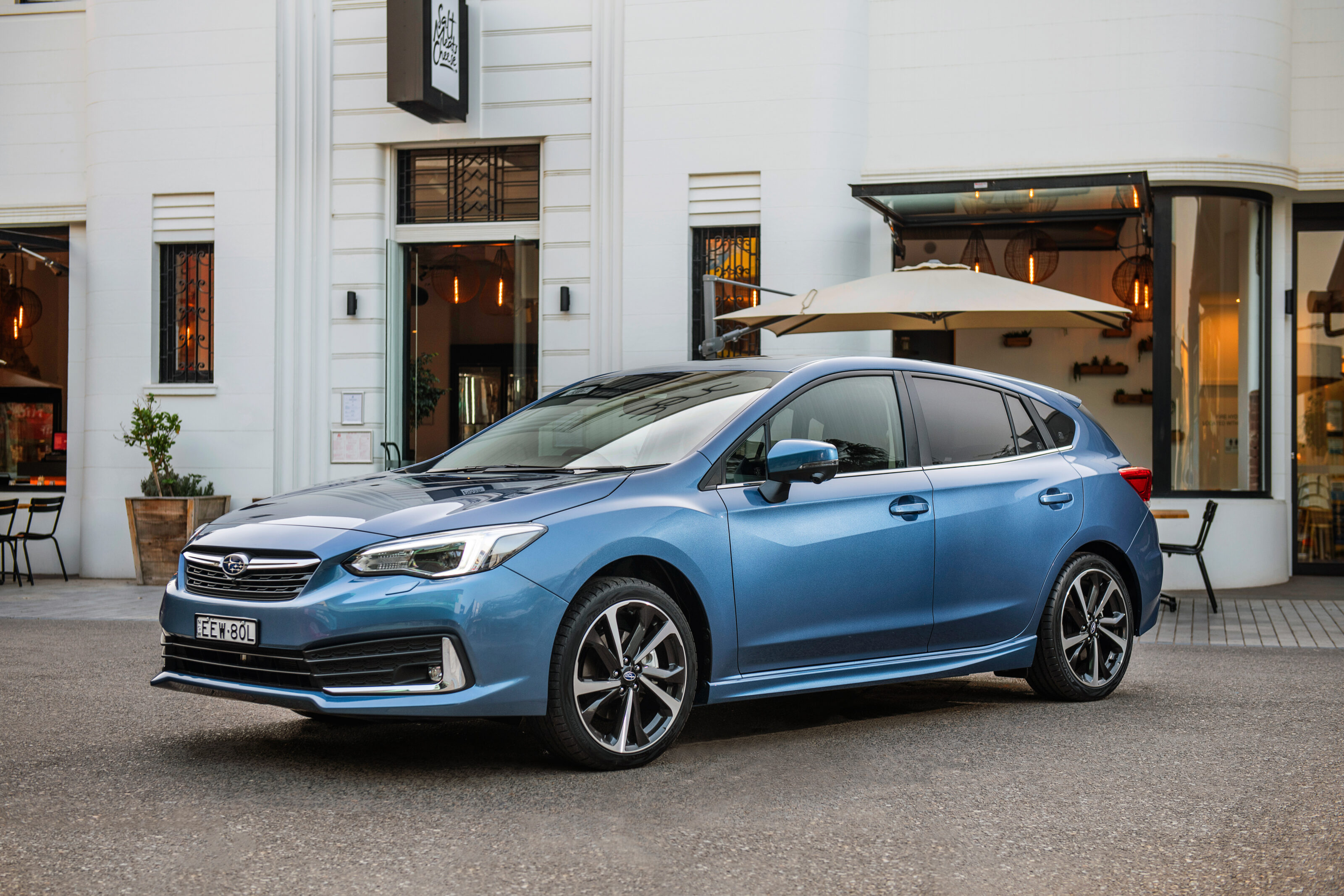
2022 Subaru Impreza Australian pricing
Prices exclude on-road costs.
| Model | Price |
|---|---|
| Impreza 2.0i-L AWD Sedan Auto | $27,290 |
| Impreza 2.0i-L AWD Hatch Auto | $27,490 |
| Impreza 2.0i Premium AWD Sedan Auto | $29,890 |
| Impreza 2.0i Premium AWD Hatch Auto | $30,090 |
| Impreza 2.0i-S AWD Sedan Auto | $32,590 |
| Impreza 2.0i-S AWD Hatch Auto | $32,790 |
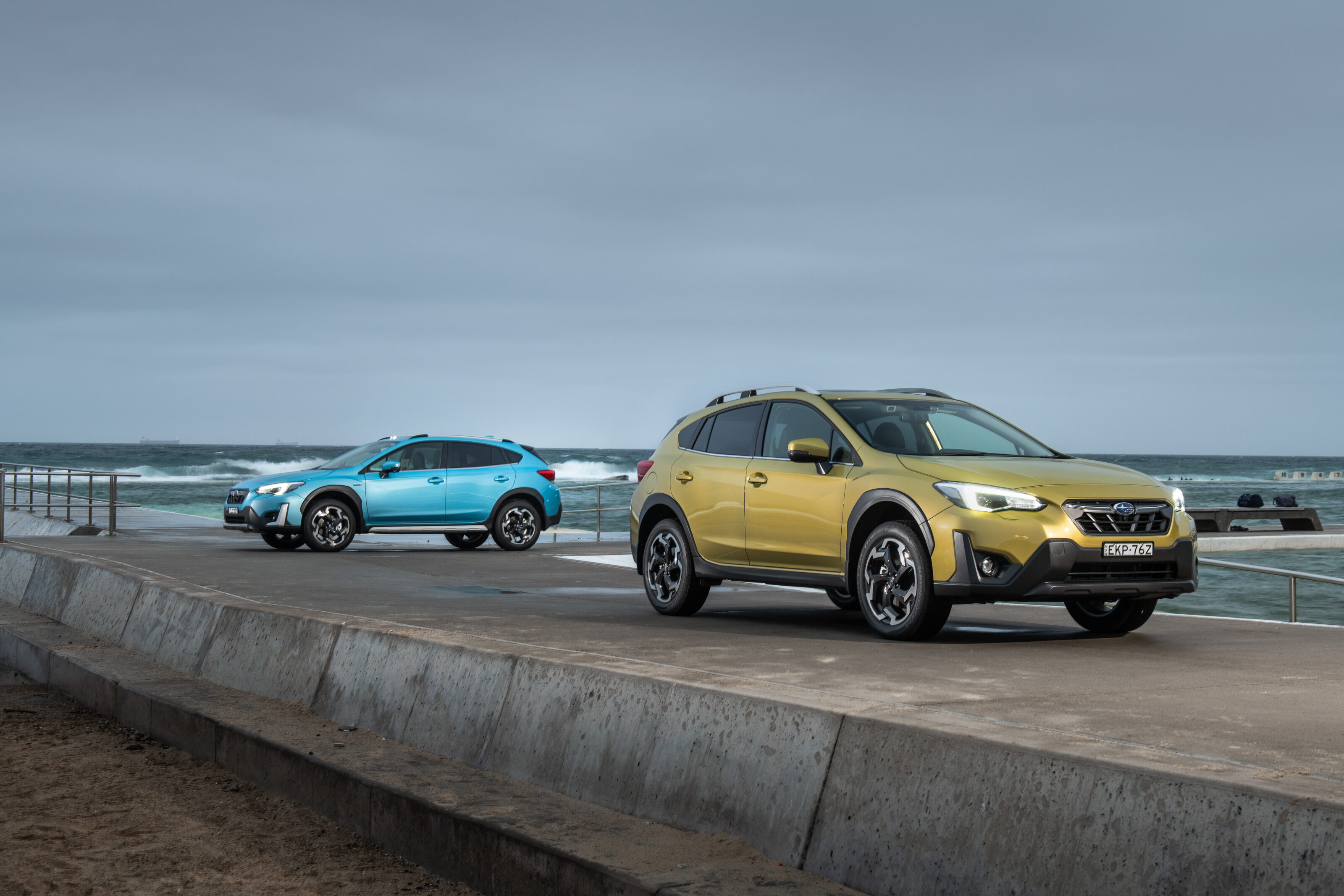
2022 Subaru XV Australian pricing
Prices exclude on-road costs.
| Model | Price |
|---|---|
| XV 2.0i-L AWD Auto | $33,190 |
| XV 2.0i Premium AWD Auto | $35,790 |
| XV 2.0i-S AWD Auto | $38,490 |
| XV Hybrid L AWD Auto | $36,790 |
| XV Hybrid S AWD Auto | $42,090 |
2022 Subaru Outback Australian pricing
Prices exclude on-road costs.
| Model | Price |
|---|---|
| Outback AWD Wagon Auto | $41,490 |
| Outback AWD Sport Wagon Auto | $45,990 |
| Outback AWD Touring Wagon Auto | $49,790 |
Snapshot
- No changes to features or specs for 2023
- Entry-level BRZ now starts at $40,290 plus on-road costs, up by $1300
- BRZ S Auto tops out at $45,390 before on-road costs
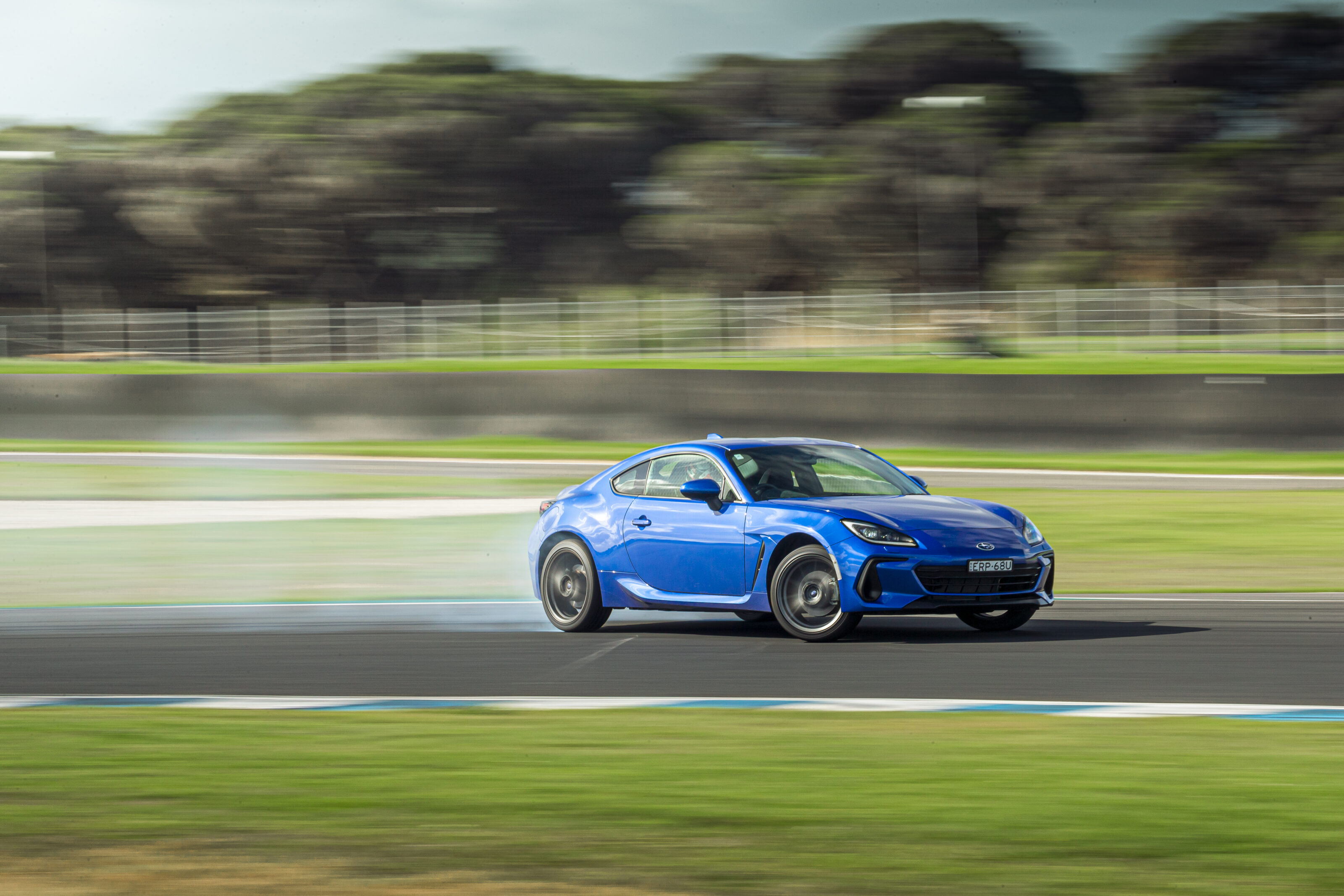
The 2023 Subaru BRZ is on sale after the initial allocation of Subaru’s second-generation coupe sold out last year.
Roughly 500 examples of the BRZ went on sale at launch last year, selling out fast with the first arrivals hitting Australian shores in the back end of 2021, starting out at $38,990 before on-road costs at the time.
For 2023, Subaru has bumped up the price of the BRZ range across the board, with a $1300 premium being applied to the entry-level variant (now starting at $40,290 before on-road costs) while the higher-spec S has gone up by $1400, bringing the six-speed manual up to $41,590 before on-road costs.
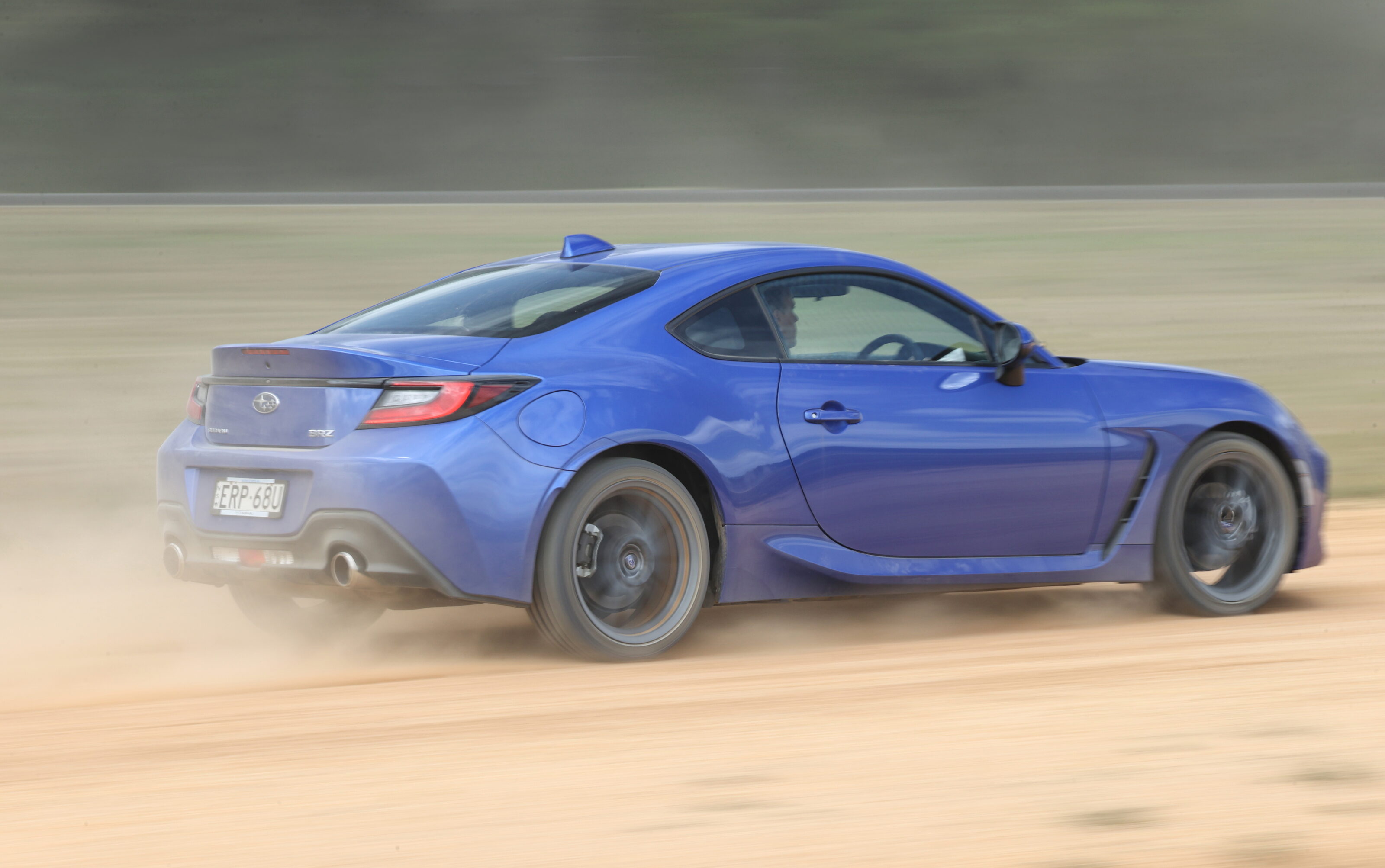
Subaru has confirmed there have been no year-on-year changes to the BRZ while pinning the higher prices on “increases in costs associated with production and logistics”.
“We’re delighted to reopen the order books for the iconic BRZ and that more new-generation BRZs will be finding their home with Australian sportscar fans,” said Subaru Australia managing director, Blair Read.
“The new generation BRZ is truly an incredibly nimble sports coupe that is designed and engineered for optimum performance and able to punch well above its weight.”
The second-gen BRZ’s 2.4-litre, flat-four naturally-aspirated engine remains, delivering 173kW of power and 250Nm of torque to the rear wheels through either a six-speed manual or six-speed torque-converter automatic gearbox – the latter of which is $3800 more than the row-your-own ‘box.
BRZ took the honours in MOTOR’s Sports Car of the Year awards for 2022, winning the inaugural and only event held for sub-$150,000 performance cars.
2023 Subaru BRZ Australian pricing
Prices exclude on-road costs.
| Model | Price |
|---|---|
| BRZ Coupe manual | $42,290 (+$1300) |
| BRZ Coupe auto | $42,790 (+$1300) |
| BRZ Coupe S manual | $40,190 (+$1400) |
| BRZ Coupe S auto | $43,990 (+$1400) |
Snapshot
- Kamiq 85TSI Style heralds the return of turbocharged 1.0-litre three-cylinder engine
- Kamiq Ambition dropped for 2022
- Drive-away prices for Monte Carlo and Signature up by $4000
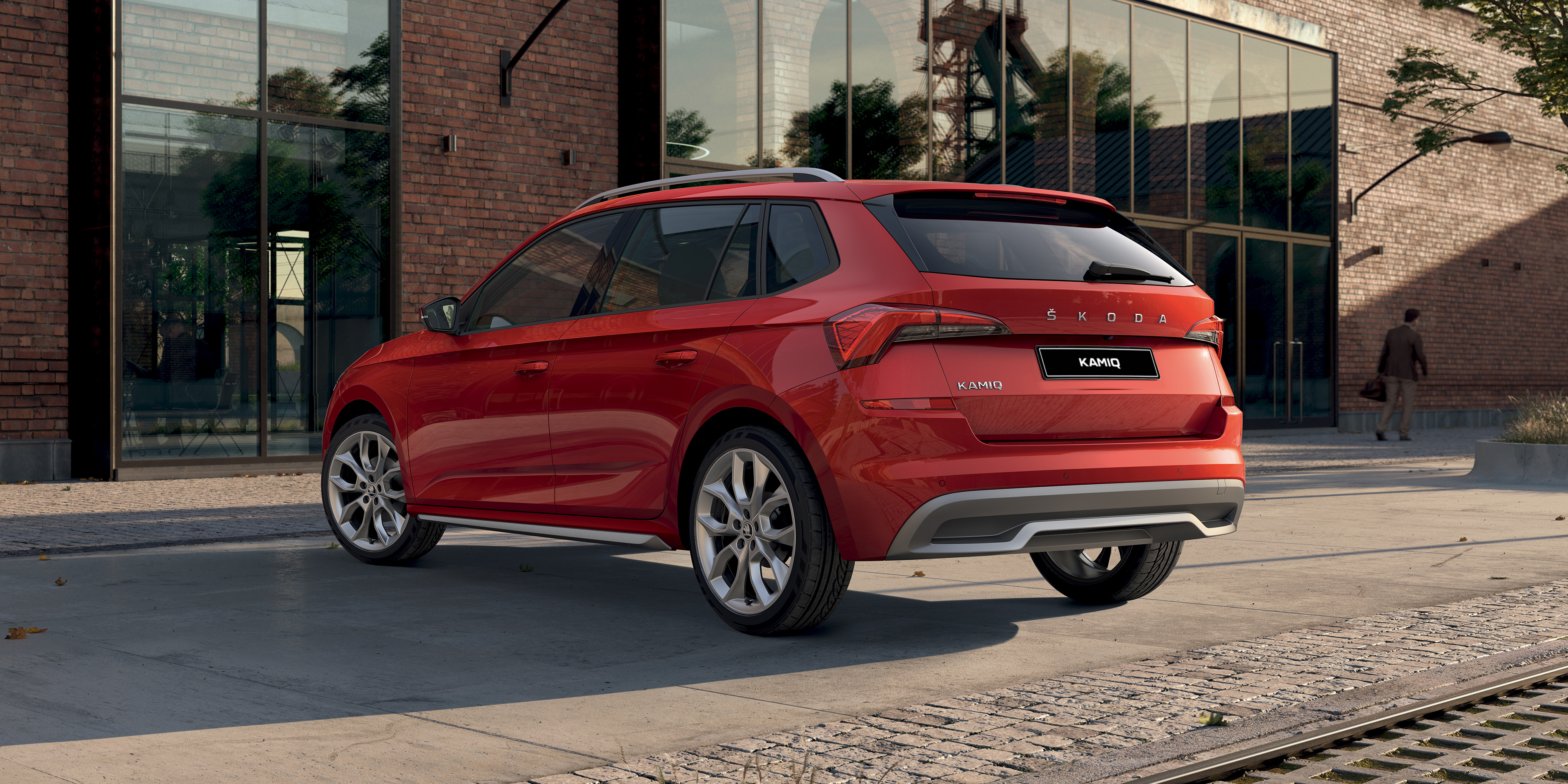
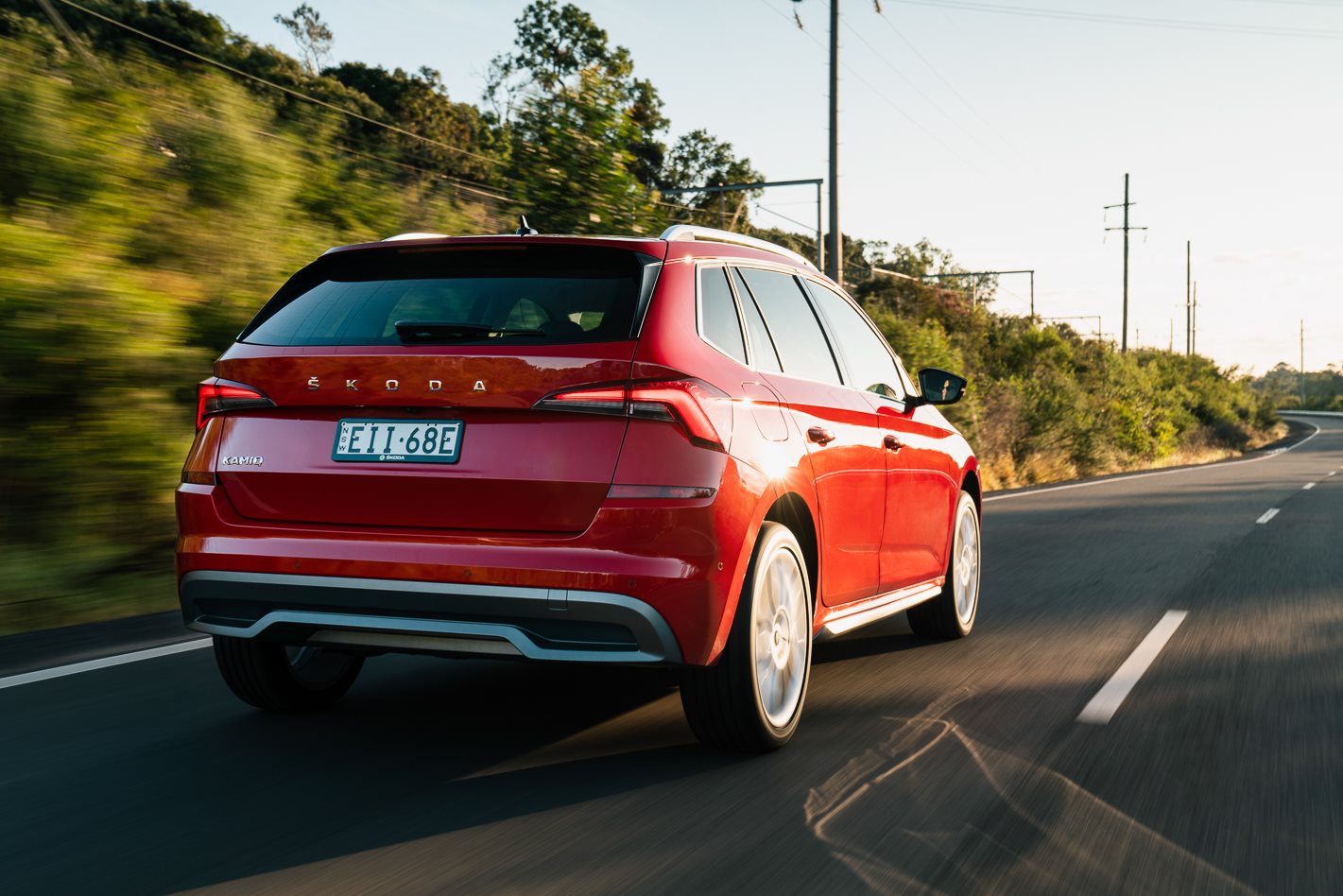
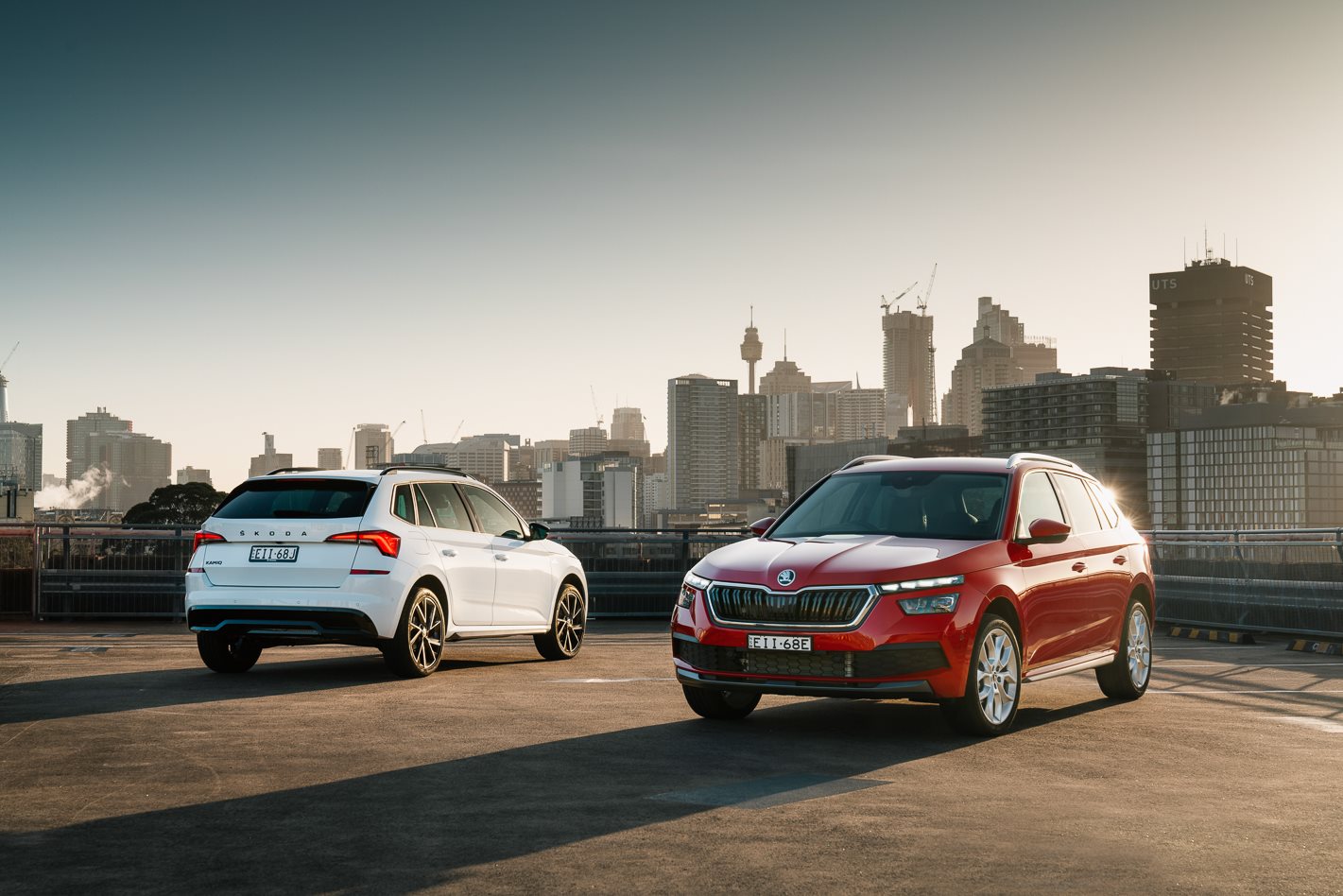
The 2022 Skoda Kamiq range now has a three-cylinder option back in the line-up as the Style grade comes in as the model’s base variant.
After the three-cylinder turbo engine was dropped last year due to short supply, Skoda has brought back the frugal three-pot Kamiq for Australian buyers.
Its decision to reinstate the smallest-capacity engine comes alongside a price increase for the higher two variants, with both the Monte Carlo and Signature’s drive-away prices going up by $4000 with no upgrades.
Pricing
Coming in at $3000 more than the Ambition variant it replaces, the Style opens Skoda’s Kamiq range at $37,990 drive-away.
Prices listed are drive-away.
| Model | Price |
|---|---|
| Kamiq 85TSI Style | $37,990 |
| Kamiq 110TSI Monte Carlo | $41,990 (up $4000) |
| Kamiq 110TSI Signature | $42,990 (up $4000) |

Features
Style
| 18-inch u2018Crateru2019 alloy wheels |
| LED headlights and tail-lights with animated turn signal |
| Privacy glass |
| Floor mats |
| Double-sided luggage mat |
| Leather steering wheel |
| Ambient lighting |
| Dual-zone u2018Climatronicu2019 air-conditioning |
| Virtual Cockpit |
| 8.0-inch infotainment screen |
| Reversing camera |
| Smartlink smartphone mirroring |
| Wireless phone charging |
| Advanced keyless entry including smart start |
| Electric tailgate |
| Door-mounted umbrella |
| Electric heated and folding door mirrors with driveru2019s auto dimming |
| Auto-dimming rear-view mirror |
| Light assist |
| Rain-sensing wipers |
Monte Carlo (above Style)
| 18-inch u2018Vegau2019 black alloy wheels |
| Monte Carlo sports seats |
| Full LED Headlights with adaptive frontlight system, fog light and cornering light |
| Panoramic roof |
| Sports pedals |
| Fabric upholstery |
| Black roof rails |
| Black door mirrors |
| Black shine radiator grill frame |
| Black lettering on tailgate |
| Black roof lining |
| Black rear diffuser |
| Animated front turn signals |
| Sports suspension |
| Drive mode select |
| Park assist |
Signature (above style)
| 18-inch u2018Crateru2019 alloy wheels |
| Leather/suedia upholstery |
| Silver roof rails |
| Electric driveru2019s seat |
| Power adjustable lumbar support for driveru2019s seat |
| Heated front and rear seats, separately controlled |
| AMUNDSEN Navigation with 9.2-inch touch display and voice control |
| Wireless Apple Carplay and Android Auto |
Options
| Panoramic roof u2013 $1300 | |||||||||
| Tow bar (factory / dealer fit) u2013 $2000 | |||||||||
| Metallic/pearl effect paint u2013 $550 | |||||||||
| Velvet red paint u2013 $1100 | |||||||||
| Travel Pack (Monte Carlo only) u2013 $43009.2-inch Amundsen infotainment with navigation (value $2700)Automatic parking assist (value $1100)Side assist blind spot detection (value $900)Heated front and rear seats (value $900)Skoda sound system (value $800)Wireless Apple Carplay and Android Auto (value $500)Rear traffic alert (value $350)Three-spoke leather, multifunction and heated steering wheel with DSG paddles (value $300)Voice control (value $200) | 9.2-inch Amundsen infotainment with navigation (value $2700) | Automatic parking assist (value $1100) | Side assist blind spot detection (value $900) | Heated front and rear seats (value $900) | Skoda sound system (value $800) | Wireless Apple Carplay and Android Auto (value $500) | Rear traffic alert (value $350) | Three-spoke leather, multifunction and heated steering wheel with DSG paddles (value $300) | Voice control (value $200) |
| 9.2-inch Amundsen infotainment with navigation (value $2700) | |||||||||
| Automatic parking assist (value $1100) | |||||||||
| Side assist blind spot detection (value $900) | |||||||||
| Heated front and rear seats (value $900) | |||||||||
| Skoda sound system (value $800) | |||||||||
| Wireless Apple Carplay and Android Auto (value $500) | |||||||||
| Rear traffic alert (value $350) | |||||||||
| Three-spoke leather, multifunction and heated steering wheel with DSG paddles (value $300) | |||||||||
| Voice control (value $200) |
Engine, drivetrain and fuel economy
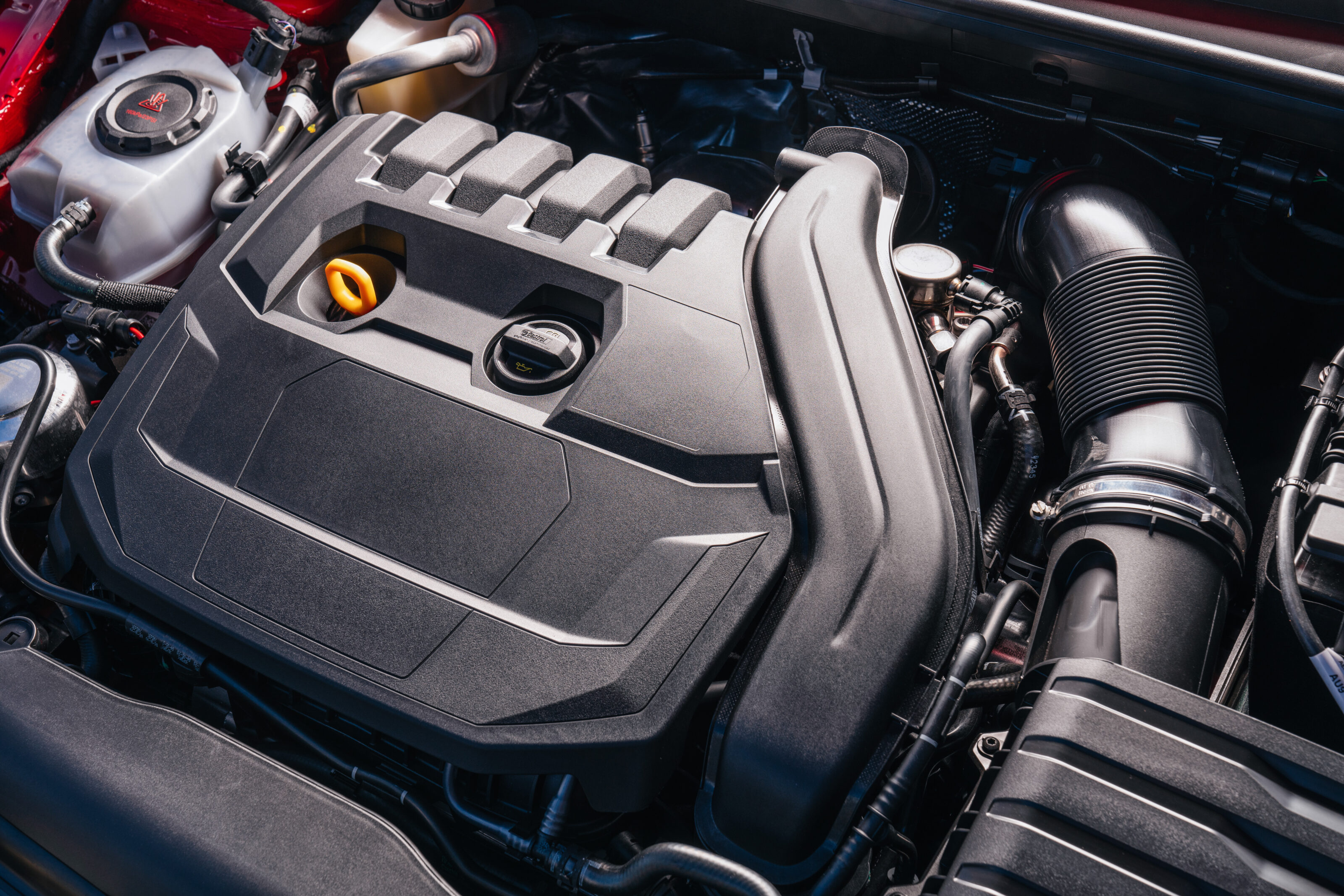
Skoda’s 1.0-litre, three-cylinder turbocharged petrol engine returns in the entry-level Style after being dropped last year, with 85kW and 200Nm being delivered to the front wheels through a seven-speed, dual-clutch automatic gearbox, returning a combined fuel consumption of 5.4L/100km.
Both the Monte Carlo and Signature variants retain the existing 1.5-litre, four-cylinder turbocharged petrol engine which continues to produce 110kW and 250Nm, also only available with front-wheel drive and the seven-speed dual-clutch, recording slighter higher fuel consumption figures of 5.6L/100km.
Safety
Tested in 2019, the Skoda Kamiq range retains its five-star ANCAP safety rating, with several key features included across the line-up.
| Seven airbags |
| Front assist with city emergency brake |
| Rear manoeuvre braking assist |
| Rear parking sensors |
| Lane assist |
| Adaptive cruise control |
| Side assist u2013 blind spot protection (Signature only) |
| Rear traffic alert (Signature only) |
Warranty and servicing
As with the rest of Skoda’s models, the Kamiq is covered by a five-year/unlimited-kilometre warranty, while two service packs are also available:
| Service pack coverage | Cost |
|---|---|
| Three-year/45,000-kilometre | $800 |
| Five-year/60,000-kilometre | $1500 |
| Seven-year/105,000-kilometre | $2100 |
Availability
The 2022 Skoda Kamiq is on sale now across the brand’s Australian dealer network.
The next chapter of Stellantis’s Dare Forward 2030 campaign has been opened, with the automotive manufacturer’s Free2move division expanding its portfolio.
Stellantis, through Free2move, announced it has acquired Share Now, a mobility service founded in 2019 as a joint venture between BMW and Mercedes-Benz, both of which have since decided to focus on their own respective software-led approaches to mobility.
The Share Now platform operates in Europe and North America, allowing customers to book and use car rentals from their smartphones, with the vehicles traditionally supplied by the backing manufacturer.
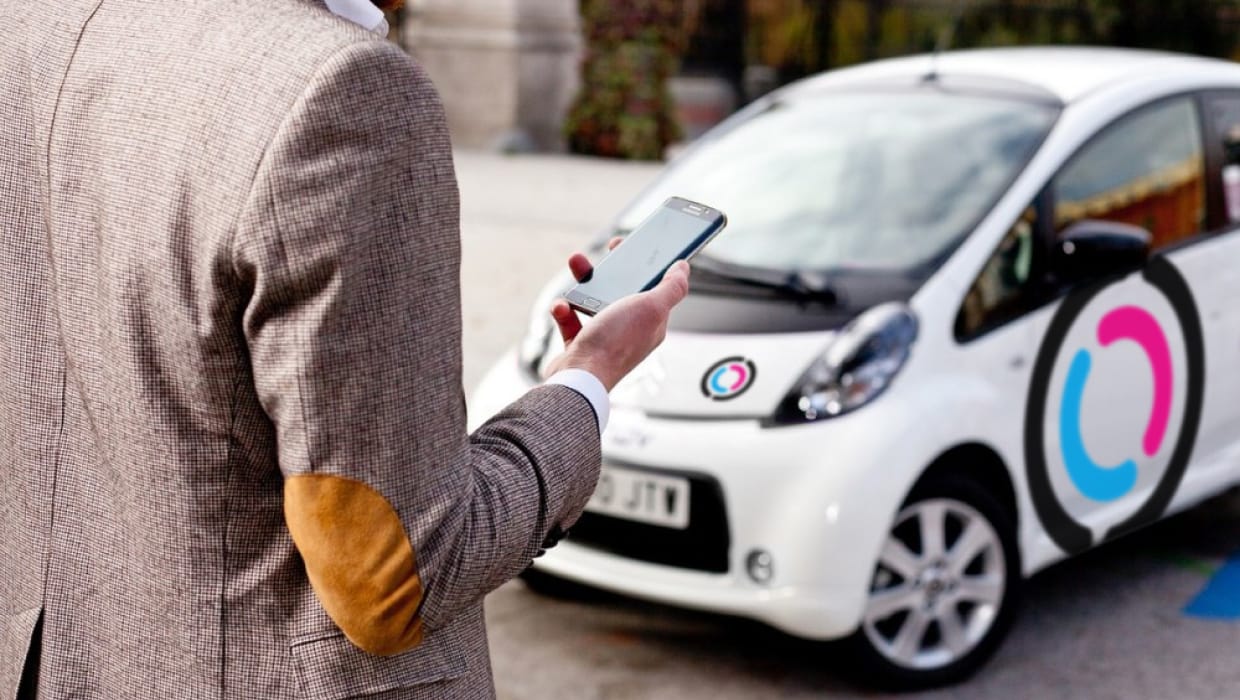
The acquisition of Share Now means Free2move’s operations will involve 450,000 cars and have more than five million users, and the company’s CEO said it expects that number to triple by the end of the decade.
“Integrating Share Now’s strong position in major European cities will allow our customers to gain greater access to a wider range of services to satisfy their varied mobility needs,” said Free2move CEO Brigitte Courtehoux.
“Equally important, this acquisition will also accelerate our profitable growth. We are now a step closer to achieving our goal of expanding Free2move’s worldwide presence to 15 million active users by 2030.”
A target of €700 million (AU$1.4 billion) in revenues has been set for Stellantis-owned mobility services to reach by 2025, with an expansion out to €2.8bn (AU$4.14bn) by the end of the decade.
Tesla will build a new factory at its site in Shanghai, with plans to nearly double its output to almost one million vehicles annually.
Tesla confirmed the new factory in a letter thanking local government authorities for their help in reopening the Shanghai factory, which was shut down for three weeks following a COVID-19 outbreak in the Chinese city.
In the letter, uncovered by Reuters, Tesla said the new plant will add 450,000 vehicles to its production capacity, making it “the world’s largest vehicle export hub”.
News of the additional production facility is promising for Australian electric vehicle buyers, with right-hand-drive Tesla models being manufactured at the site after production was moved from the US.
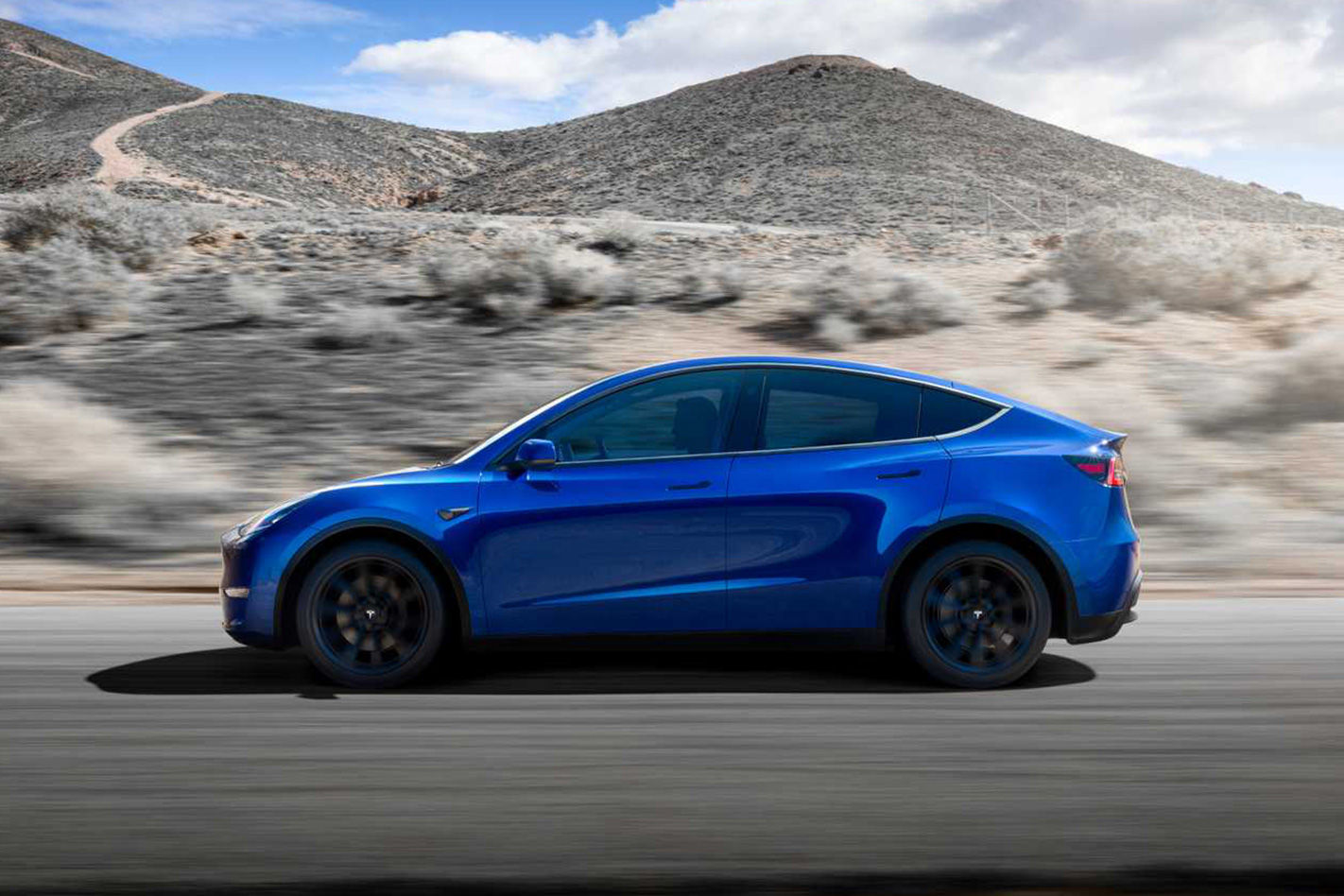
The Shanghai factory delivered 484,100 cars last year, with the new plant expected to bolster that number to more than 900,000 per annum.
The 2023 Tesla Model Y is expected to go on sale in Australia any day now – six months after some customers were originally told to expect initial deliveries – after the company briefly tested its online configurator last month.
