
X-factor hero gets golden buzzer to the finals, as the Lamborghini Huracán Evo snatches second place at Performance Car of the Year 2022
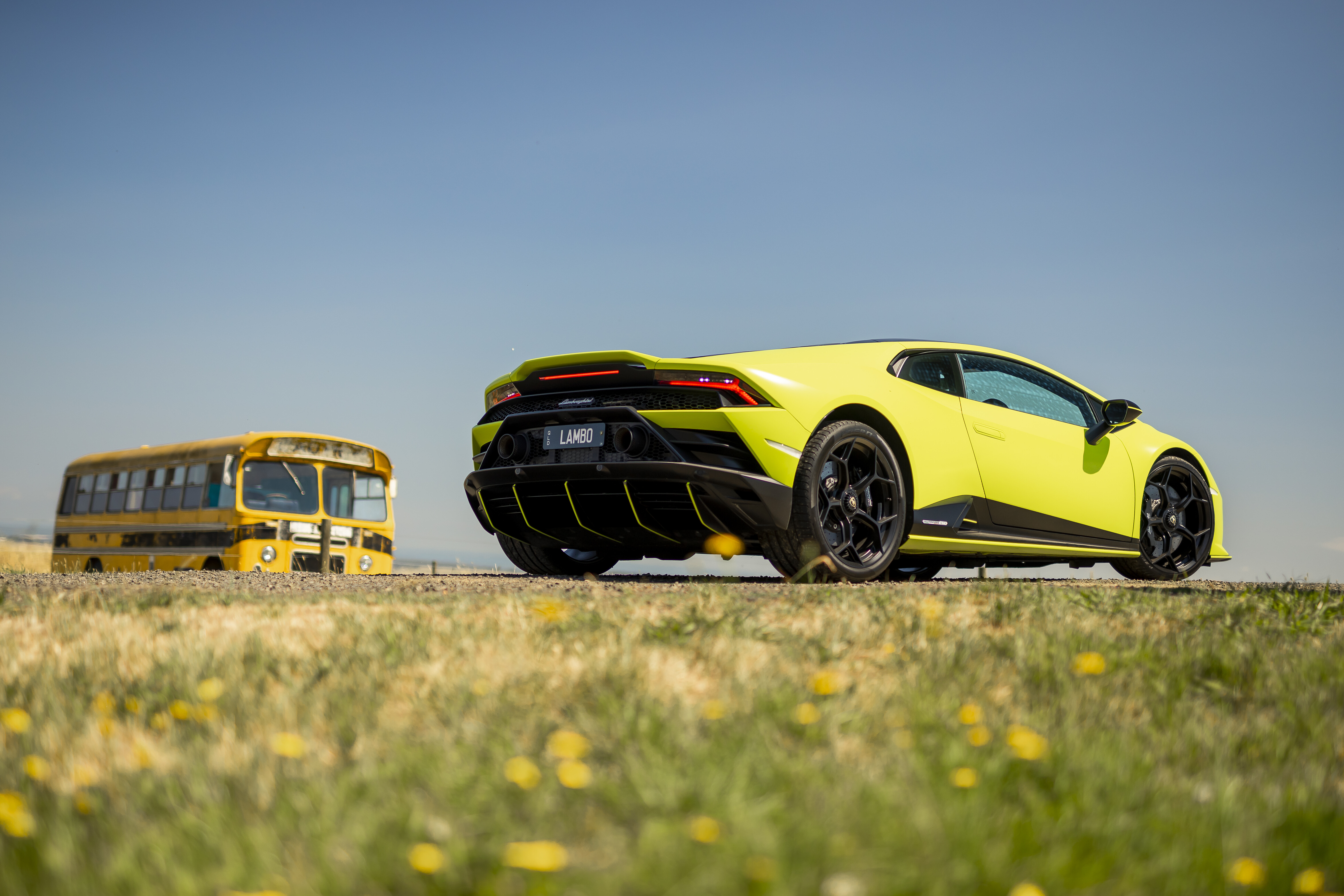
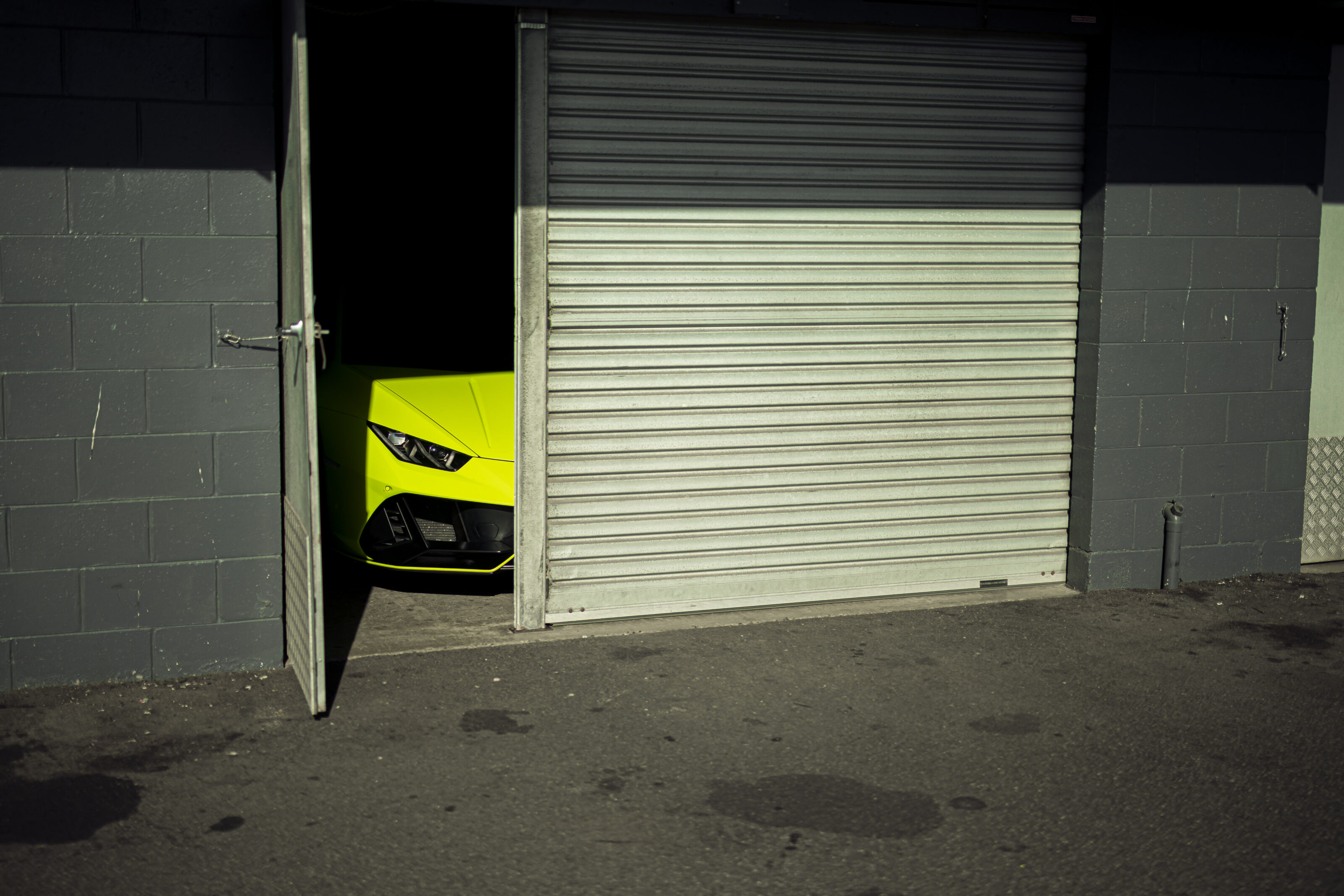
Getting to grips with the Lamborghini Huracán Evo is a journey of peaks and troughs. Its reputation precedes it, and you approach it with what seems a healthy cynicism. You expect it to be all drama, with little substance. All sizzle, but no taste.
Then you hop in and, while the rest of the road loop party begins to drive off, you’re still there trying to figure out how to work the damn thing.
Nothing subscribes to convention in this car. You engage first not with a central ‘Drive’ button, but instead by clicking the exquisitely made forged carbon paddle with your right hand. Reverse? That’s in the centre and, as I would later find out inching it on and off a transporter after the event, there is no clear Neutral mode.
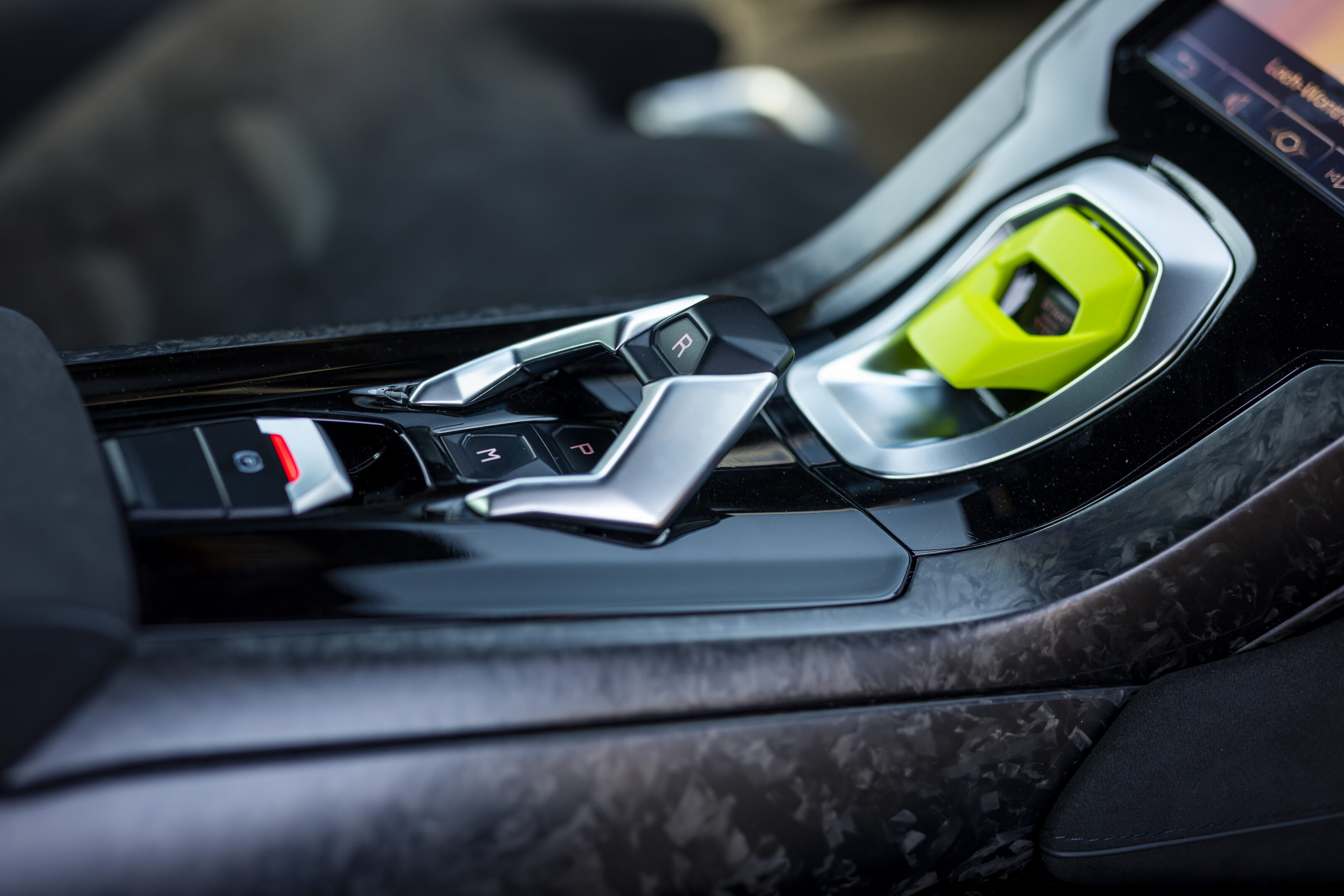
Everywhere you look from the driver’s seat, you get the sense that everything is a deeply considered decision, deliberately made to deviate from the mainstream. There are no indicator or wiper stalks, controls for those are on the steering wheel. Even the flip-up starter button cap has a hole big enough to poke a finger straight through.
When you’ve finally worked out how, you begin to drive off and you’re shocked at how civil this lairy Italian’s low-speed manners are. It’s firm, but there’s sophistication there. “It doesn’t have the harsh aggressive ride you might expect from a car like this” agreed Luffy. The big V10 is hugely tractable at road speeds and the steering, though quick, is light and precise.
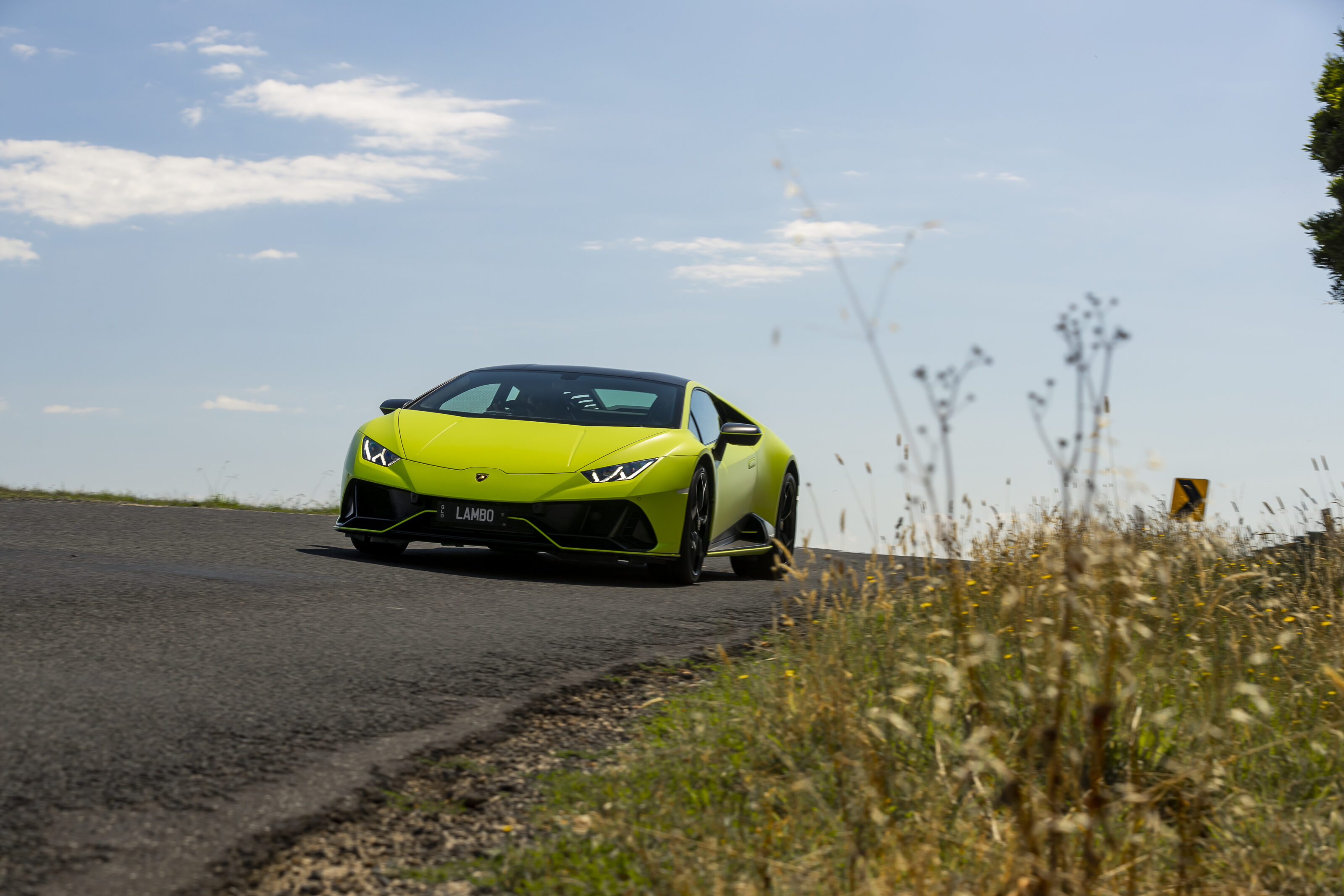
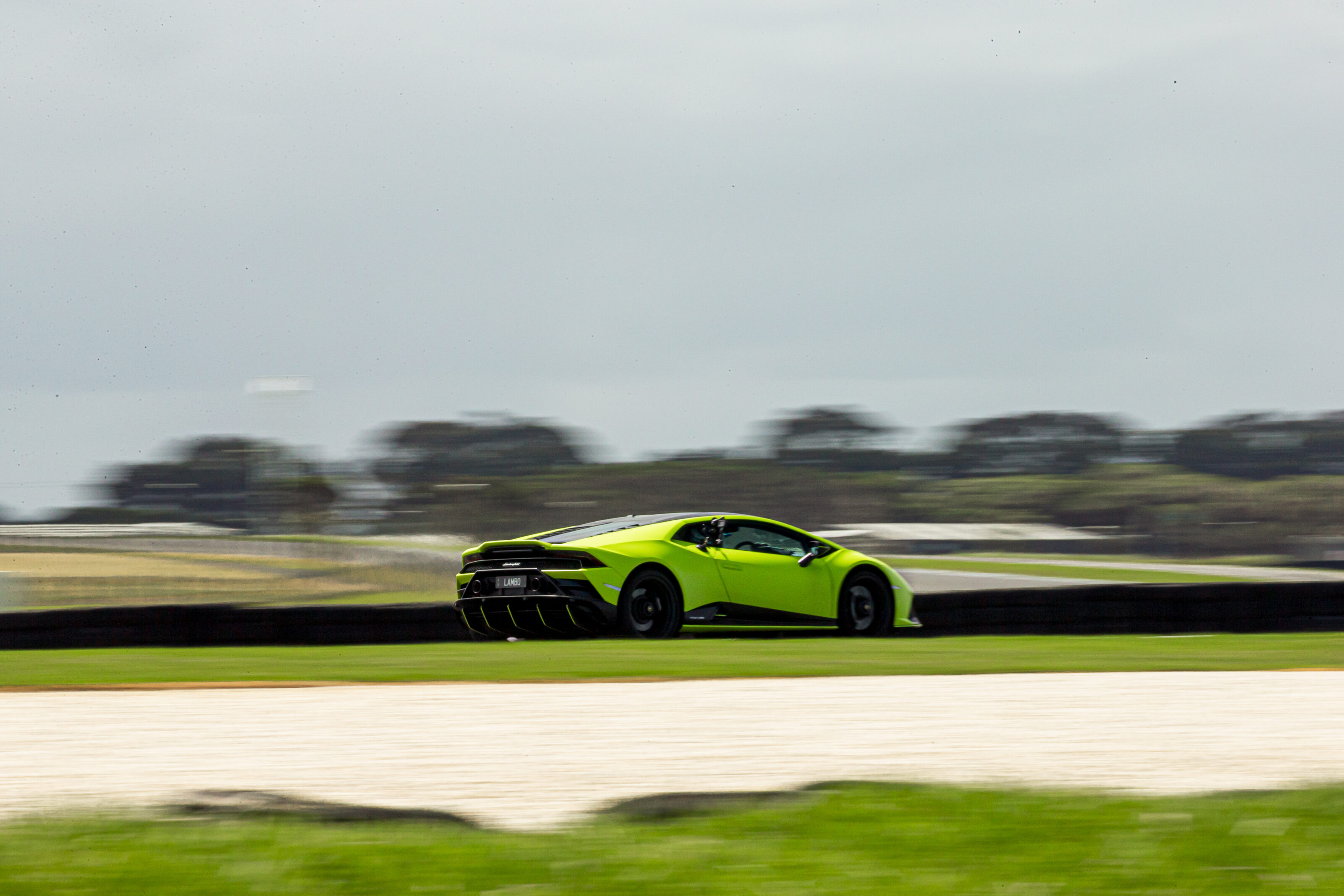
Then you get to a road (or race track) where you can unwind that Performante-matching 470kW 5.2-litre V10, and the whole package simply comes alive. Suddenly, all of those prior ergonomic idiosyncrasies become charms, and any remaining cynicism simply washes away against the backdrop of a 10-piece choir singing at 8000rpm. It all makes sense alarmingly quickly.
From there it’s complete sensory overload. It’s “quite literally spine-tingling” exclaims Kirby. Quinn agrees, calling it “an almost surreal experience”.
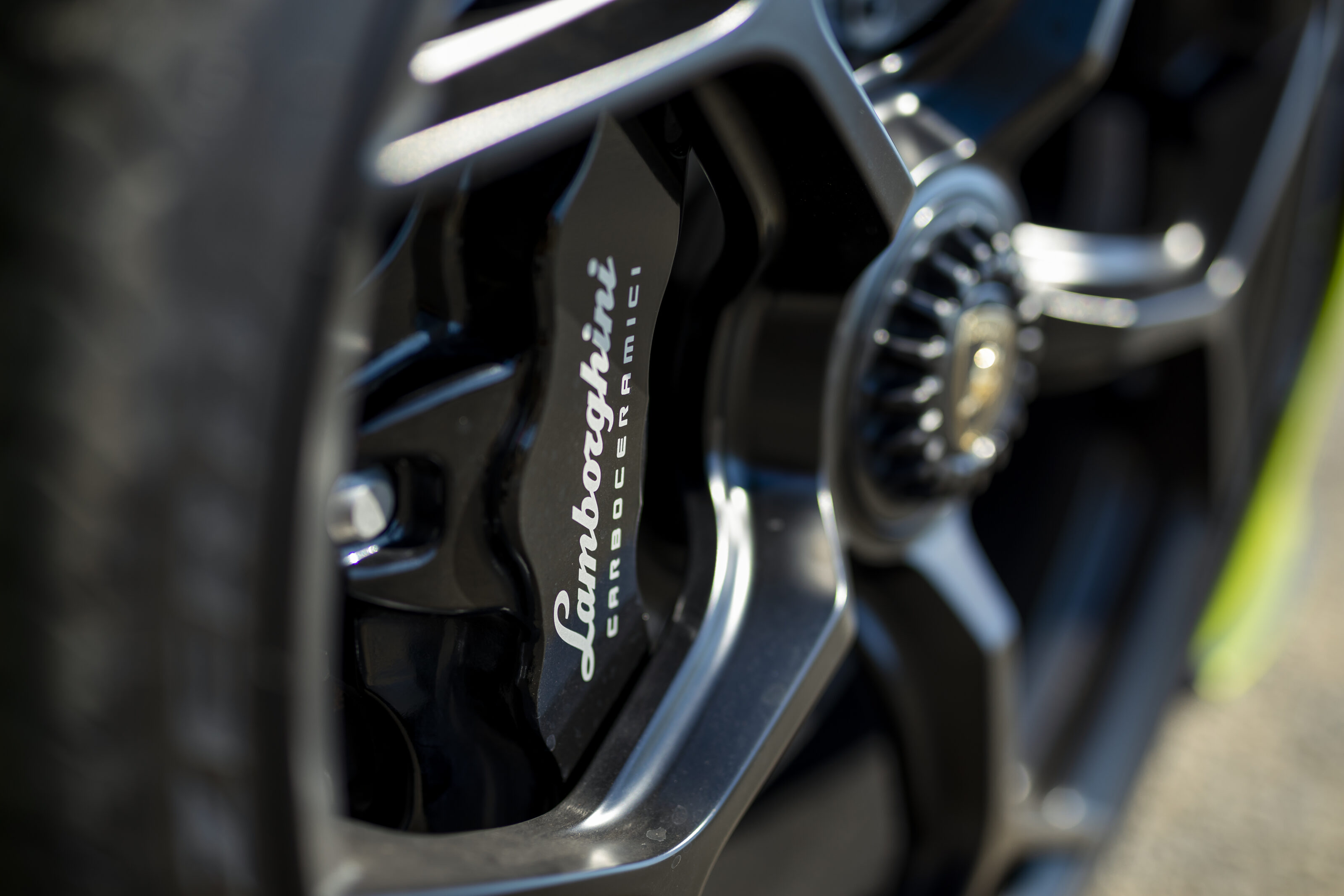
Driving the Huracán Evo fast on the road feels like everything is happening on two-times speed. A light 1422kg kerb weight combined with a best-in-field 331kW/tonne sees corners rush up to meet you. The steering, weighting up a notch in Sport Mode, loads up progressively with input and pace and the carbon ceramic brakes bite early and hard with shocking ferocity.
And yet, beneath the noise and the drama lie the underpinnings of an extravagantly capable performance car – drama doesn’t lap Phillip Island in 1:43.09, after all. But where the GT3 makes its time with its imposing aero package and Cup 2 tyres, contributing to its 3.35-second lap time advantage, the Huracán Evo does it with brute force and top-end speed.
The Lamborghini’s V-max tells part of the story, topping 266km/h down Phillip Island’s main straight – 9km/h more than the heroic GT3. The AWD Huracán Evo demolished the 0-100km/h sprint in a ballistic 2.93sec, bested only by the Taycan (2.82sec) with the GT3 following in third (3.11sec).
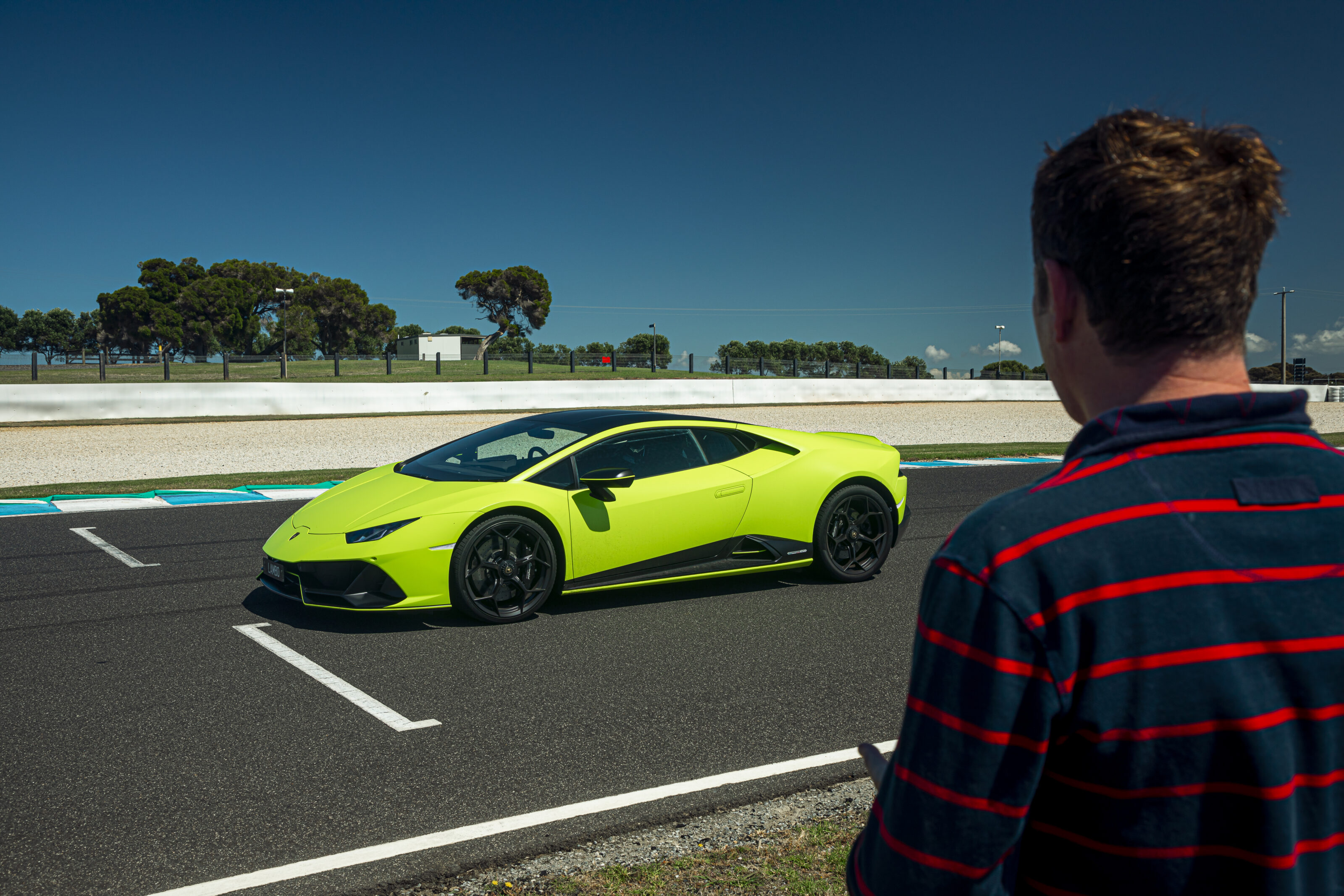
It blitzed the quarter-mile testing, too, pegging a 10.57sec pass with only the Taycan holding a candle at 10.73sec. The GT3 trailed almost a full second behind. Its 219km/h quarter-mile V-max comfortably headed the field with only the GT3 and Alpina cracking the double-ton at 203.8km/h and 202.9km/h, respectively.
The Lamborghini does have a few dynamic foibles though. It seemed under-tyred at times, rolling on standard Pirelli P Zeros, and often struggled to contain the front end with its comparatively modest 245-section tyres saddled with another 43kgs in added front driveshafts.
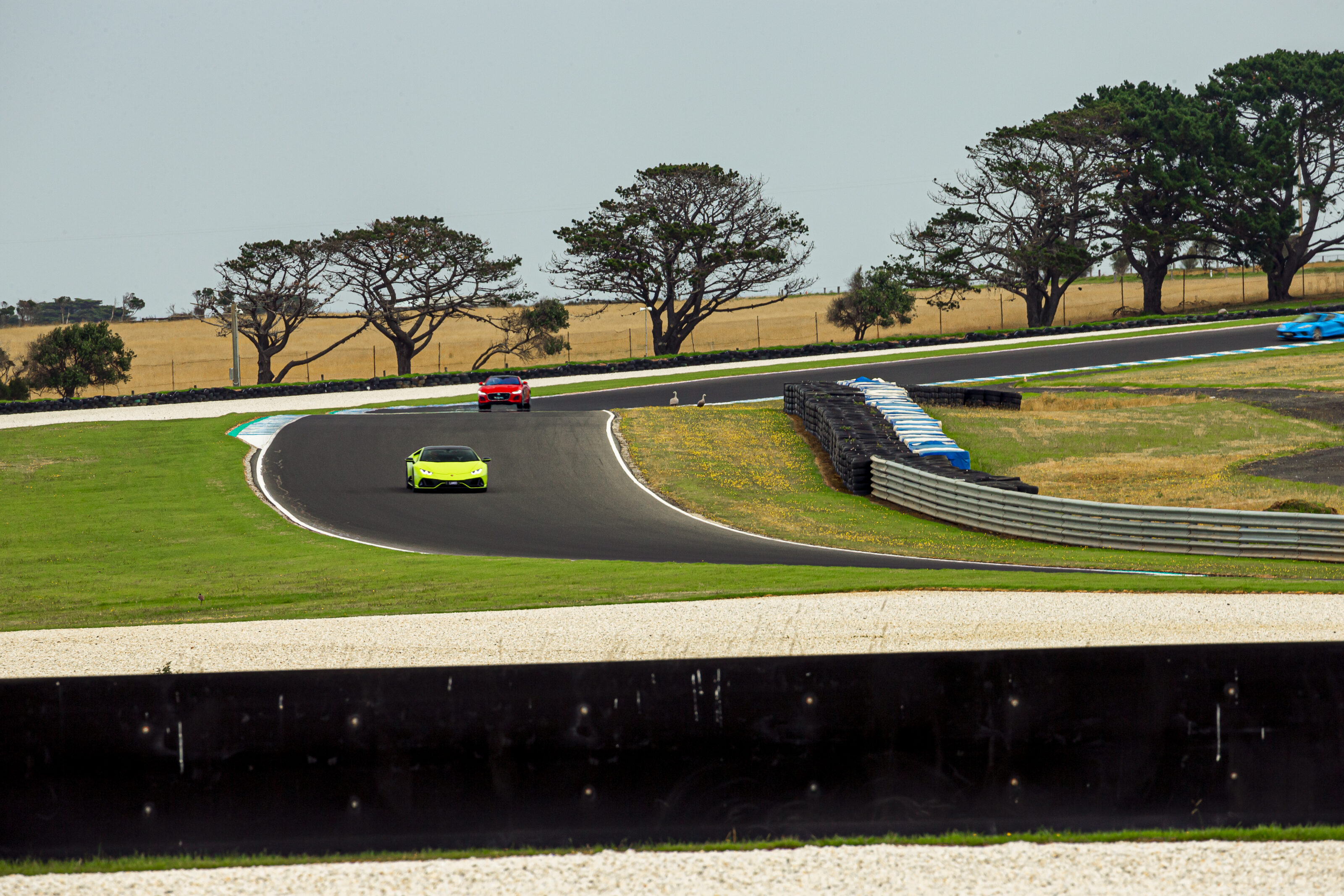
There’s a particular ‘point-pause-and-shoot’ cadence to getting the most out of the Huracán Evo, with our pro-driver stressing the need for patience upon corner entry. Tempering the nose and clearing the brakes before apex is crucial, as attempting to load the front by trail-braking to quell understeer can have the opposite effect, with the front P Zeros waving the white flag. After a while, this mid-corner regroup offers welcome moments of respite, giving you a pause for preparation as you finesse your line, wait a beat, nail the throttle and then rocket out of the corner exit like you’ve been flung out of a slingshot.
The Huracán’s brakes offer decent pedal feel when brought up to temperature but can feel abrupt when the Kelvin count’s a little lower on road. Full-bore upshifts never shock the driveline like Corsa mode does in an Aventador and, unlike its senior sibling, taller drivers can comfortably recline the seat enough in the Evo to fit while wearing a lid.
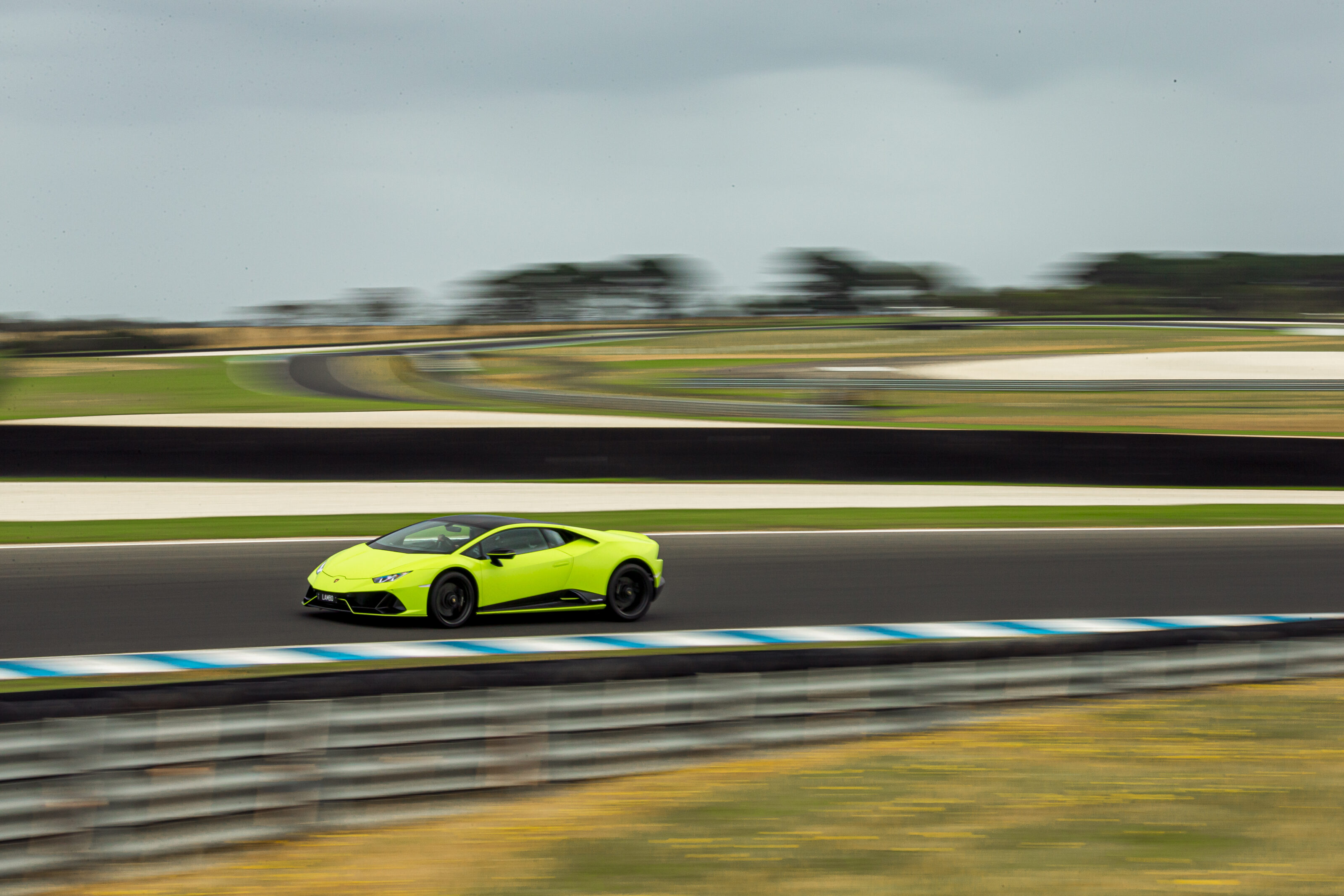
While modest mechanical grip hampers outright lap time, the willingness of the chassis to move around underneath you is an intoxicating and thrilling experience. Who knew a 470kW supercar could be so malleable?
That’s the gambit. The Huracán is all about the experience, but there’s polish and sophistication there too. This Raging Bull, ageing as it may be, is by no means a one-trick pony. Enright surmises that “it feels like a car that’s towards the end of its development cycle and is all the better for it”.
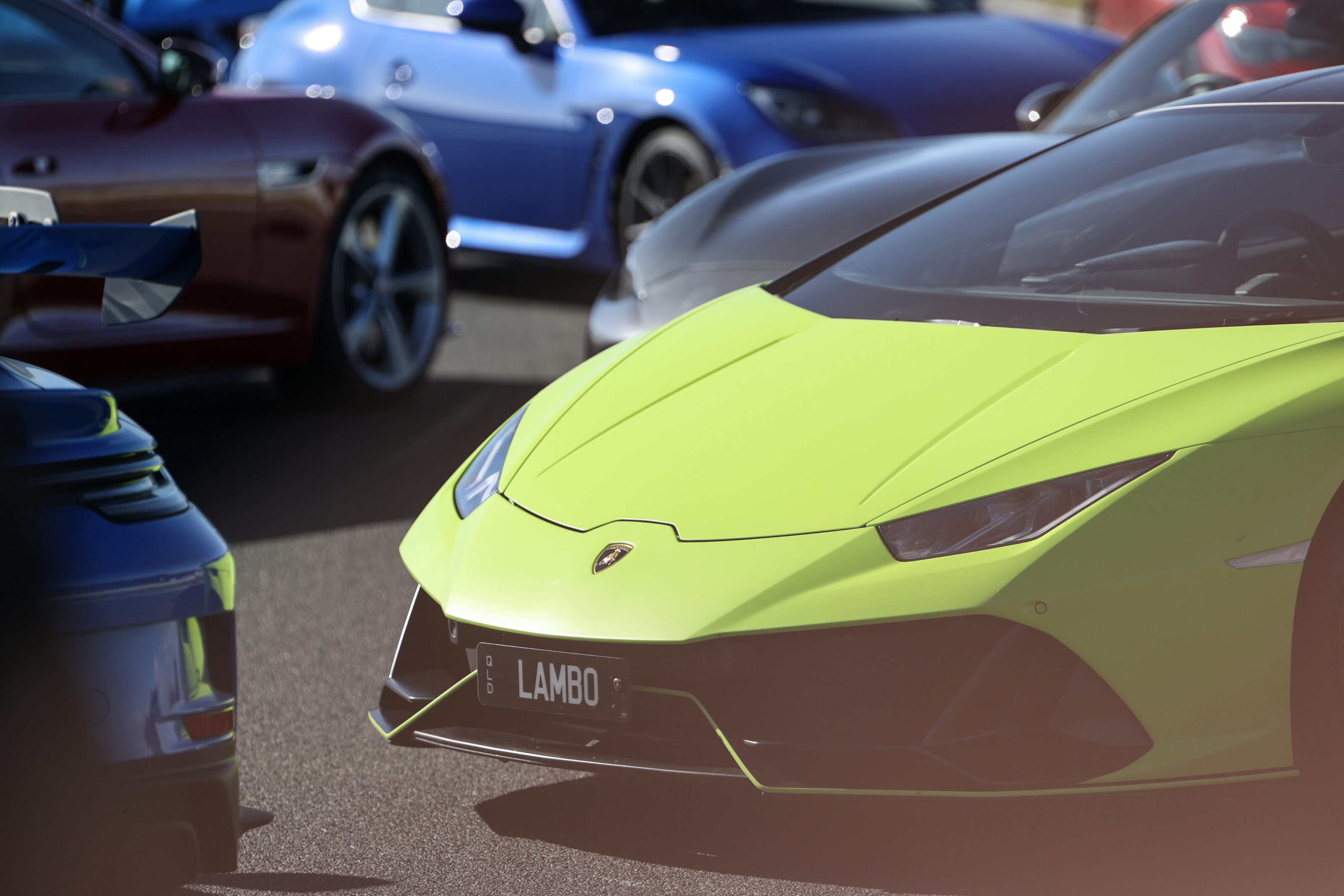
The Huracán emerges as something resolutely unique with an unmatchable charisma. It’s an unashamed extrovert, and delivers everything you think a highlighter-hued Lamborghini would – and then some.
It commands a high price of entry, however, and is the most expensive car of the field by a margin of some $129,000.
It left an indelible mark on the judges but, over a week of testing, just one car had its measure. And the winner is…
The judges’ comments
Alex Affat
“Surprising on the road loop. The steering is precise and immediate. You can brake quite astonishingly late”
Ranking: 2nd
Andy Enright:
“Brakes almost made my face fall off at MG. Rotating the Huracán into Honda is just
Ranking: 4th
Trent Giunco
“I’d have loved to have driven this on Trofeos. As an event, it’s hard to top but there’s real substance here”
Ranking: 2nd
Cameron Kirby
“It’s like having an electric cable plugged into your spine and you control the voltage with the throttle:
Ranking: 4th
Bernie Quinn
“The Lambo’s not planted like the GT3. I’m not saying that’s a bad thing, but you have to be on your toes”
Ranking: 2nd
Luffy’s view
“What a car! Complete engagement in every facet of driving. Outright lap time probably limited by tyre choice”
Key figures
Snapshot
- Poor rural roads recognised as a major contributor to the road toll
- Calls for driver training to include handling regional roads.
- Report urges federal and state governments to act
The poor state of rural roads across Australia has been significantly contributed to the national road toll, according to a parliamentary report on road safety.
The wide-ranging report tabled on March 28 by the Joint Select Committee on Road Safety – titled Driving Reform: final report for the Inquiry into Road Safety – investigated a range of factors affecting road safety ranging from vehicle safety, infrastructure, driver education and licensing, and road-safety funding.
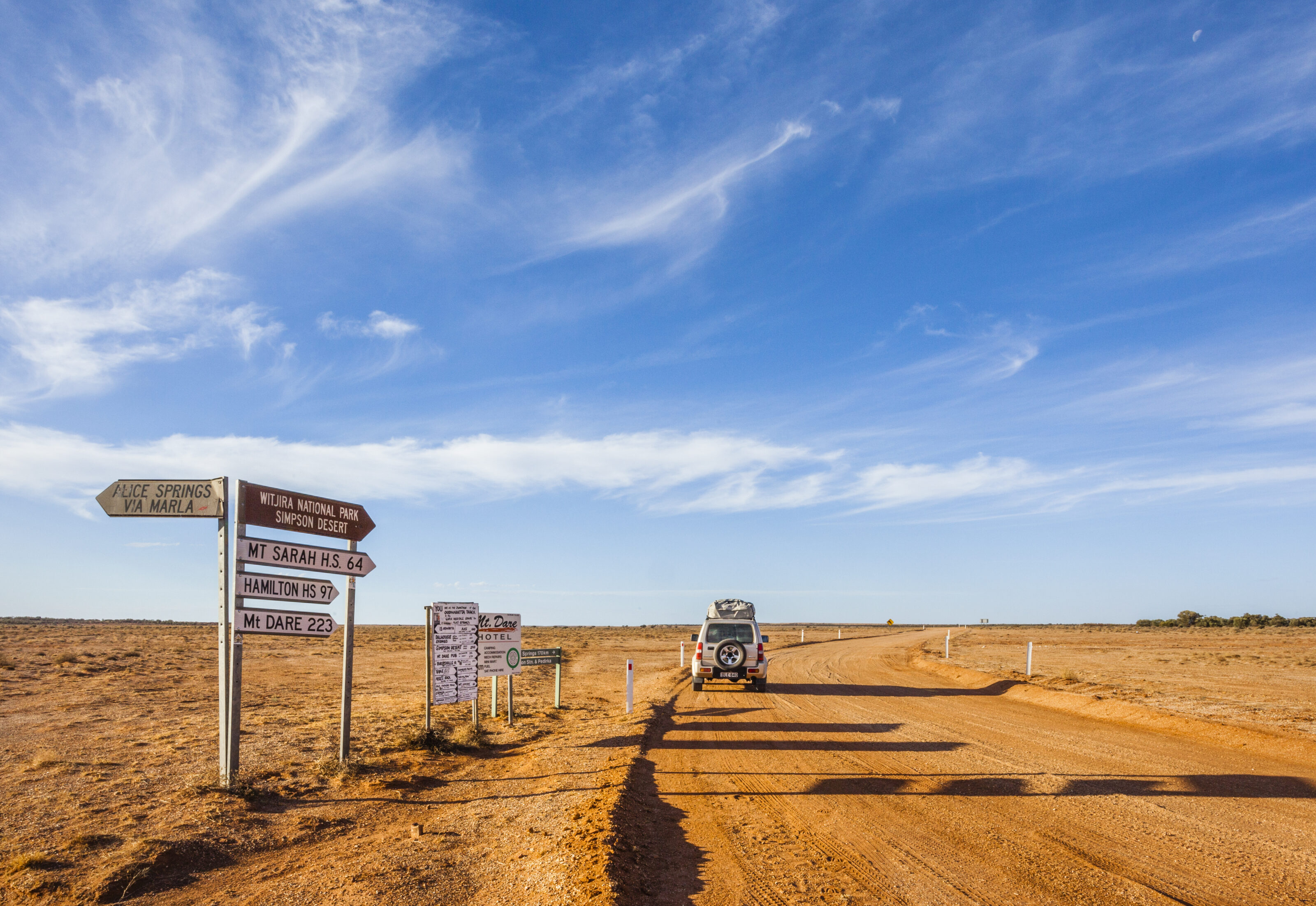
Submissions made to the parliamentary inquiry expressed concerns that drivers face significantly elevated risks on regional roads compared to roads in metropolitan areas.
Reasons included unsafe speeds and increased risk-taking due to reduced traffic and lower police presence.
But according to the National Rural Health Alliance (NRHA), a highly significant factor is the poor condition of rural roads which provide little room for error.
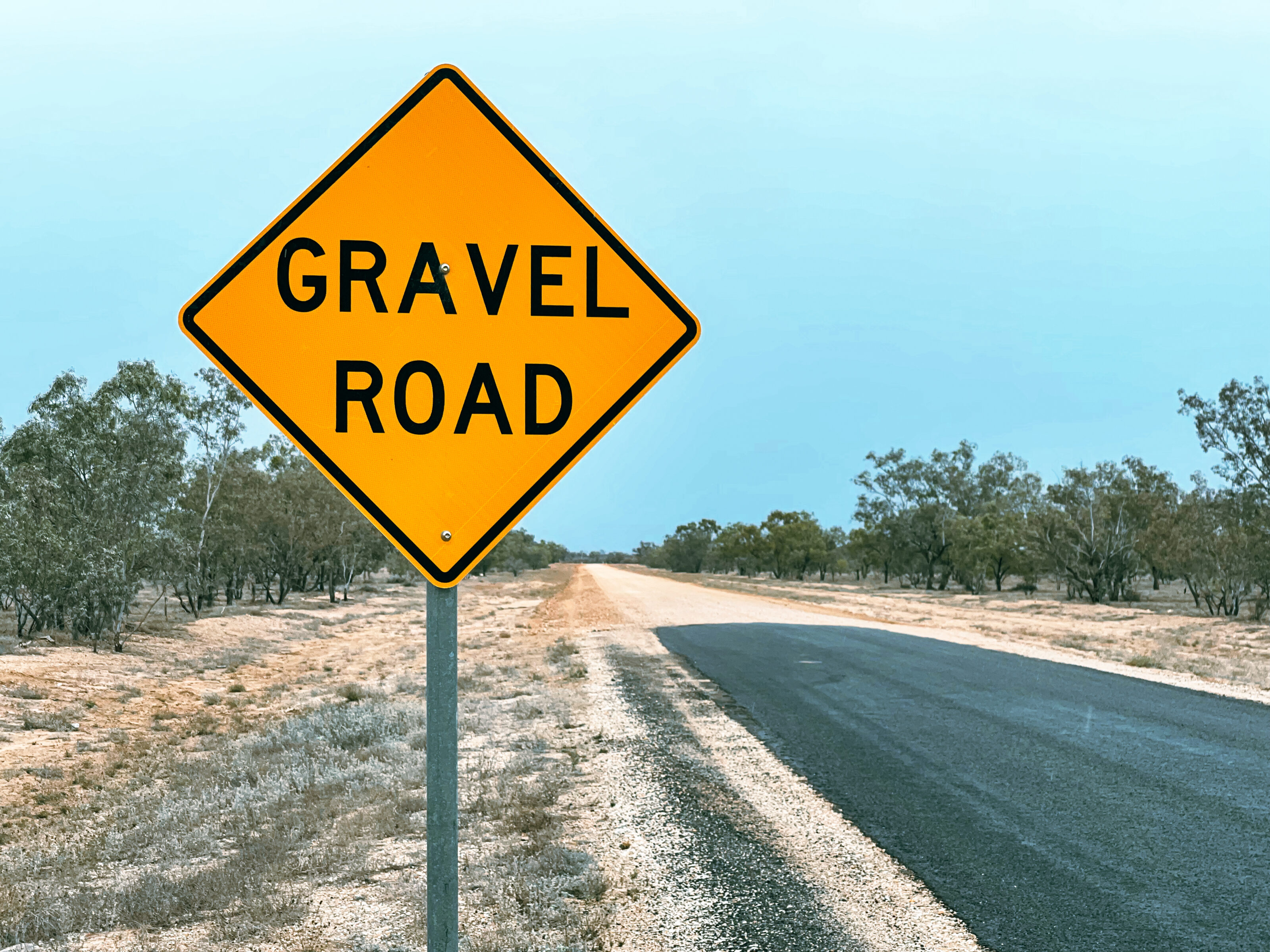
“Rural roads are often loose, unsealed, and potholed, and poorly engineered, with inadequate lighting and few safety barriers,” the NRHA said in its submission.
“These conditions combine to contribute to the unacceptable level of road safety hospitalisations and deaths of rural road users. Upgrading, sealing, and regularly maintaining the quality of roads will play a significant role in reducing people’s risk of injury.”
The Monash University Accident Research Centre expressed similar concerns, stating programs to upgrade the rural highway network and priority state arterials to Safe System standards are essential if fatalities and serious injuries are to be eliminated by 2050.
The MUARC recommended installing flexible barriers on all road edges, upgrading high-speed rural intersections to Safe System standards with measures such as roundabouts.
It also stressed the need to maintain road markings to ensure driver-assist assistive technologies such as lane-keeping assist can function effectively, and facilitate the introduction of autonomous vehicles.
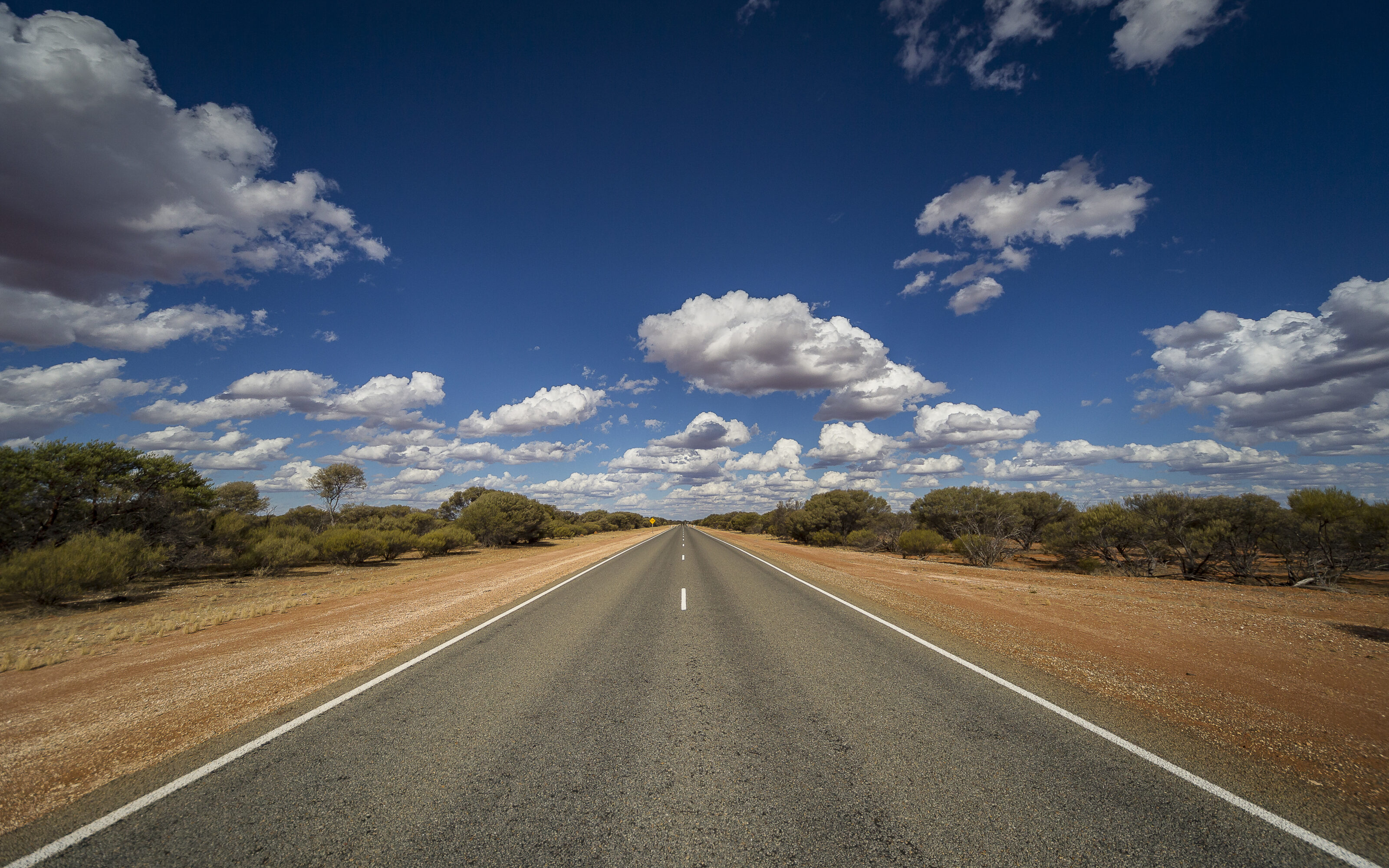
Meanwhile, the Royal Australasian College of Surgeons (RACS) recommended a safety star rating for all roads on the network (noting that at present just 200,000km of 900,000km is rated), so that funding can be targeted to areas of greatest need.
These and other submissions led to a string of recommendations in the report for improving rural roads, which compel the federal and state and territory governments to work together to:
- Review and investigate ways of improving funding arrangements with a focus on increasing the amount of funding dedicated to safety improvements on and around regional, rural, and remote roads.
- Ensure driving on roads outside of metropolitan areas, with a focus on driving on rural and remote roads is included in driver training; and
- Improving the quality and timeliness of post-crash responses in regional, rural, and remote areas.
- Support the design, construction, and maintenance of high-quality road infrastructure that minimises the likelihood and severity of road crashes;
- Encourage the uptake of modern vehicles fitted with proven safety features;
- Effectively manage speeds to safe levels and deter unsafe behaviours;
- Ensure all road users are equipped with the knowledge and skills to identify and respond appropriately to road safety risks;
- Embed road safety as part of ‘business as usual’ in public and private sector organisations;
- Promote safety for gig economy participants that use the road as a workplace;
- Enhance road safety in the heavy vehicle sector; and
- Contribute to effective post-crash response and trauma support.
“As this report coincides with the Federal Budget, the committee also calls on the Government to invest in safety for all Australians by committing sustainable funding to measures which reduce deaths and serious injuries on our roads.”
Surprised? So were we. The Ford Focus ST blitzes more hyped rivals to secure second place in Sports Car of the Year 2022.
Subtlety can be both a blessing and a curse. The ability to fly under the radar is a boon for many performance cars, earning them the fabled sleeper moniker and with it piles of praise. Others, like the Ford Focus ST, that operate without putting on a grandiose show, conversely go under-appreciated in the wider zeitgeist.
That’s before you consider the fact the ST stands slyly in a shadow cast by the previous generation Focus RS. The Orange Fury paint is as close as the Focus ST gets to being ‘shouty’ – a vast departure from the RS’s rat-a-tat acoustics, flared arches, and nanny-state aggrieving ‘drift mode’. None of that has returned with this generation, instead the ST opting to do its talking with sublime dynamic prowess above all else.
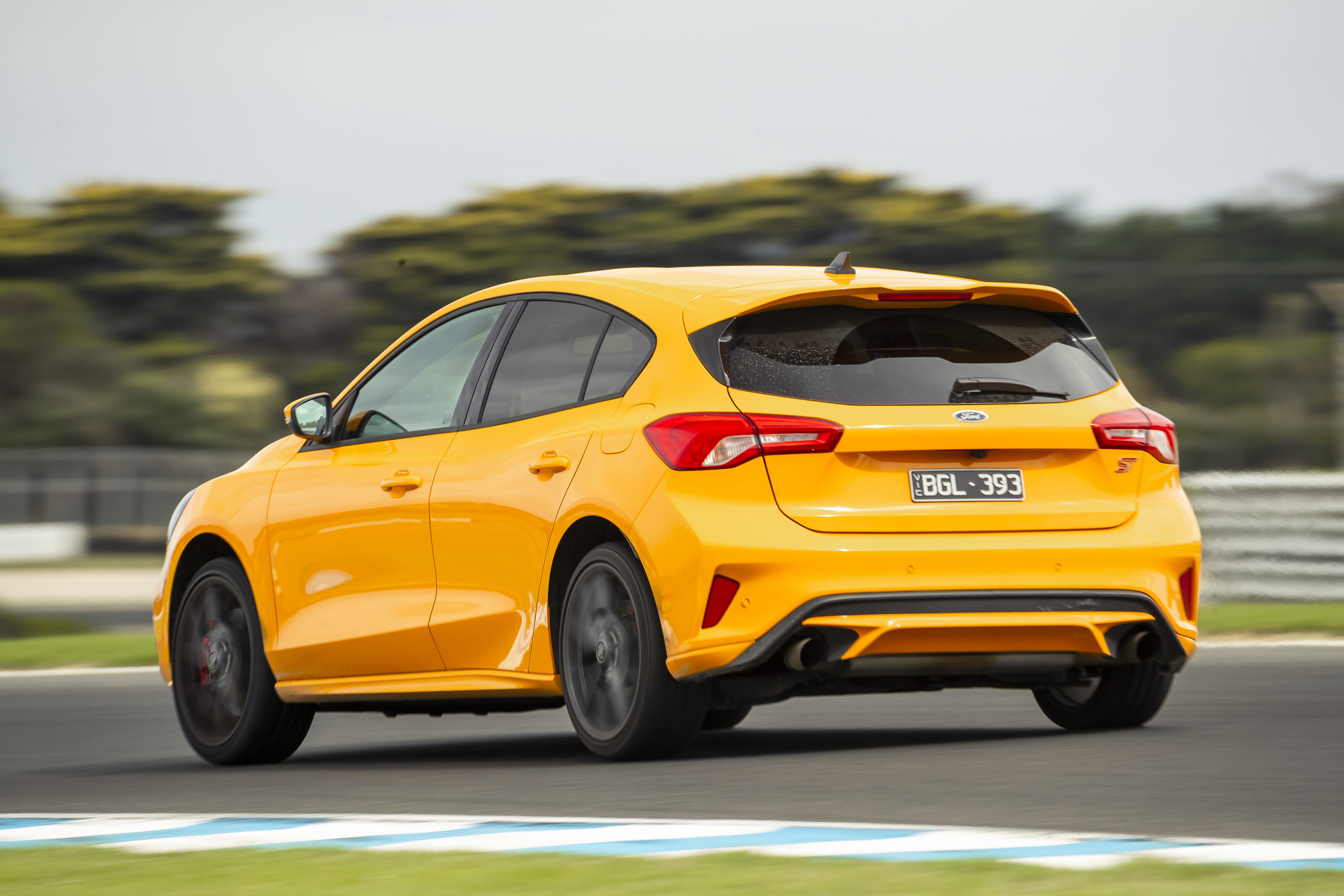
Initial interactions with the Focus are when you first realise that this is a car that has had serious thought and a measure of knowing nuance built into its engineering. From the weight and feel of the wheel at walking pace, to the progressive throw of the clutch pedal and smooth slide of the shifter.
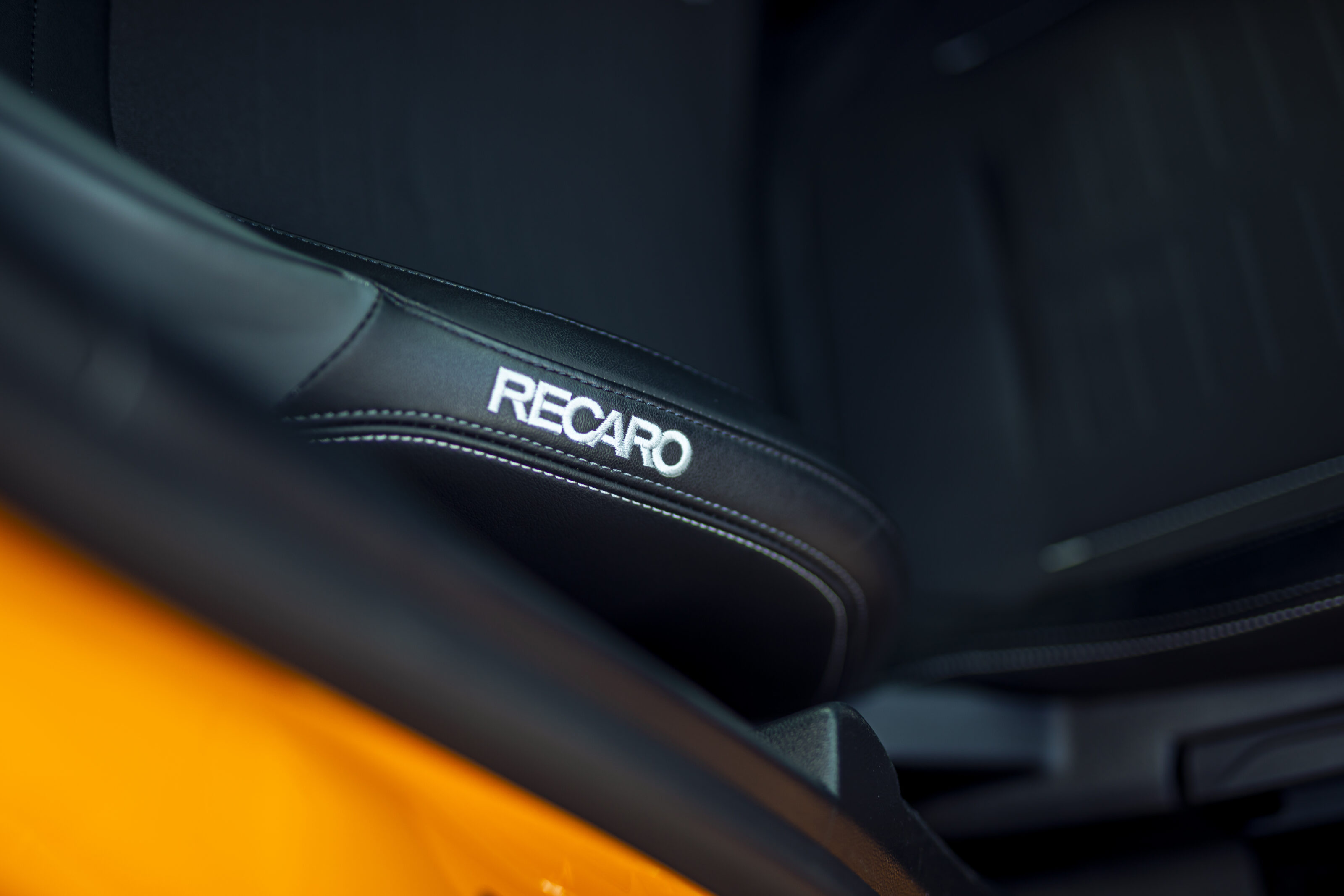
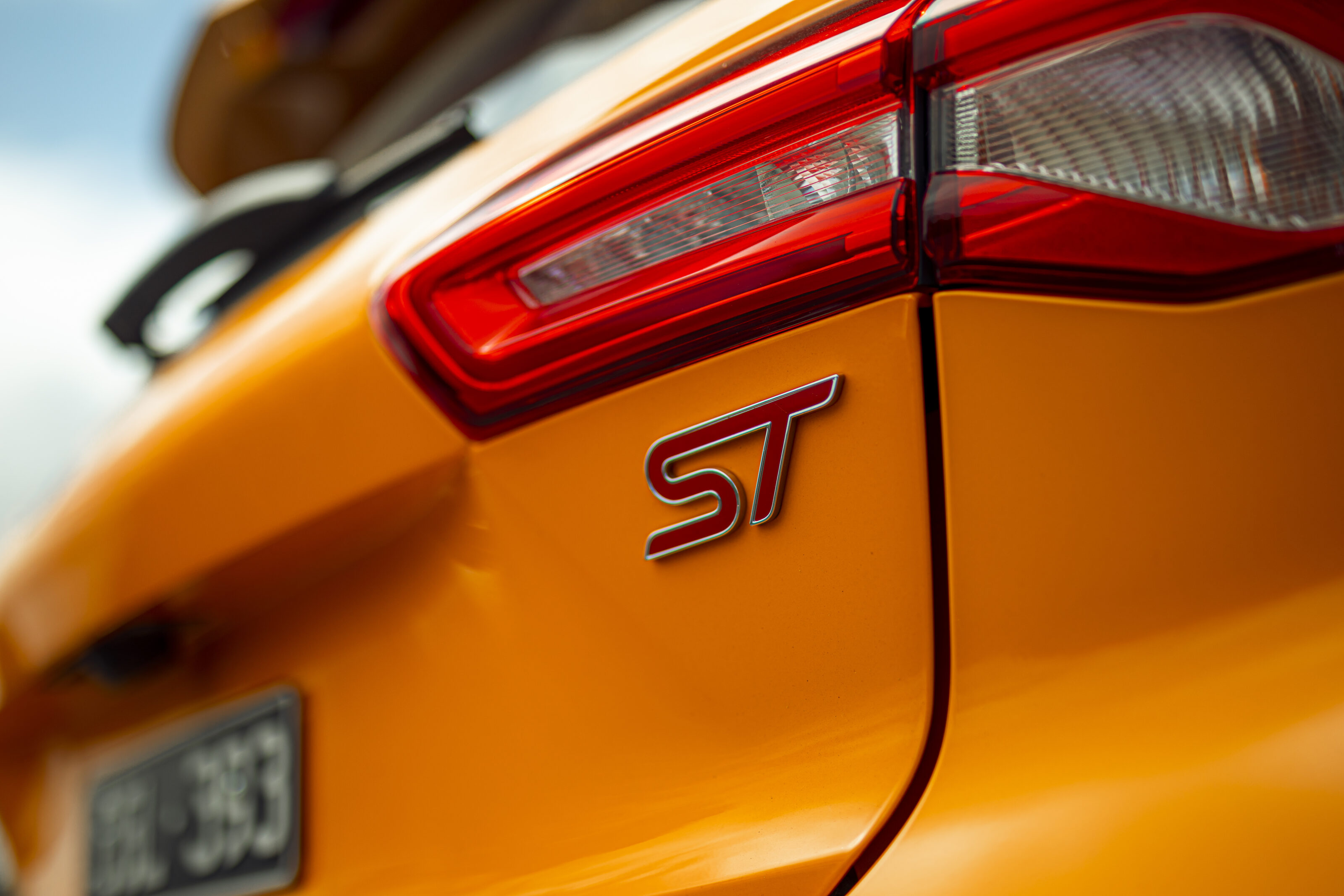
The driving position of the ST hits the ‘just right’ sweet spot, and the standard Recaro bucket seats provided fantastic support during hard driving, without being a chore to get in and out of.
With most modern hatches either capping engine capacity at a neat 2.0-litres, or downsizing in both size and cylinder count, the Focus ST’s 2.3-litre four-cylinder stands out from the crowd. It gives the Ford a muscular feel at slower speeds, with a wave of torque following you through the rev range.
The mid-range response is fantastic, with a thick band of power that is readily deployable. This tractability means you aren’t as reliant on finding the right gear through a bend. Perhaps the only downside to this is the fact that the upper echelons of the rpm range can feel underwhelming in comparison, even if it isn’t necessarily lacking in outright punch.
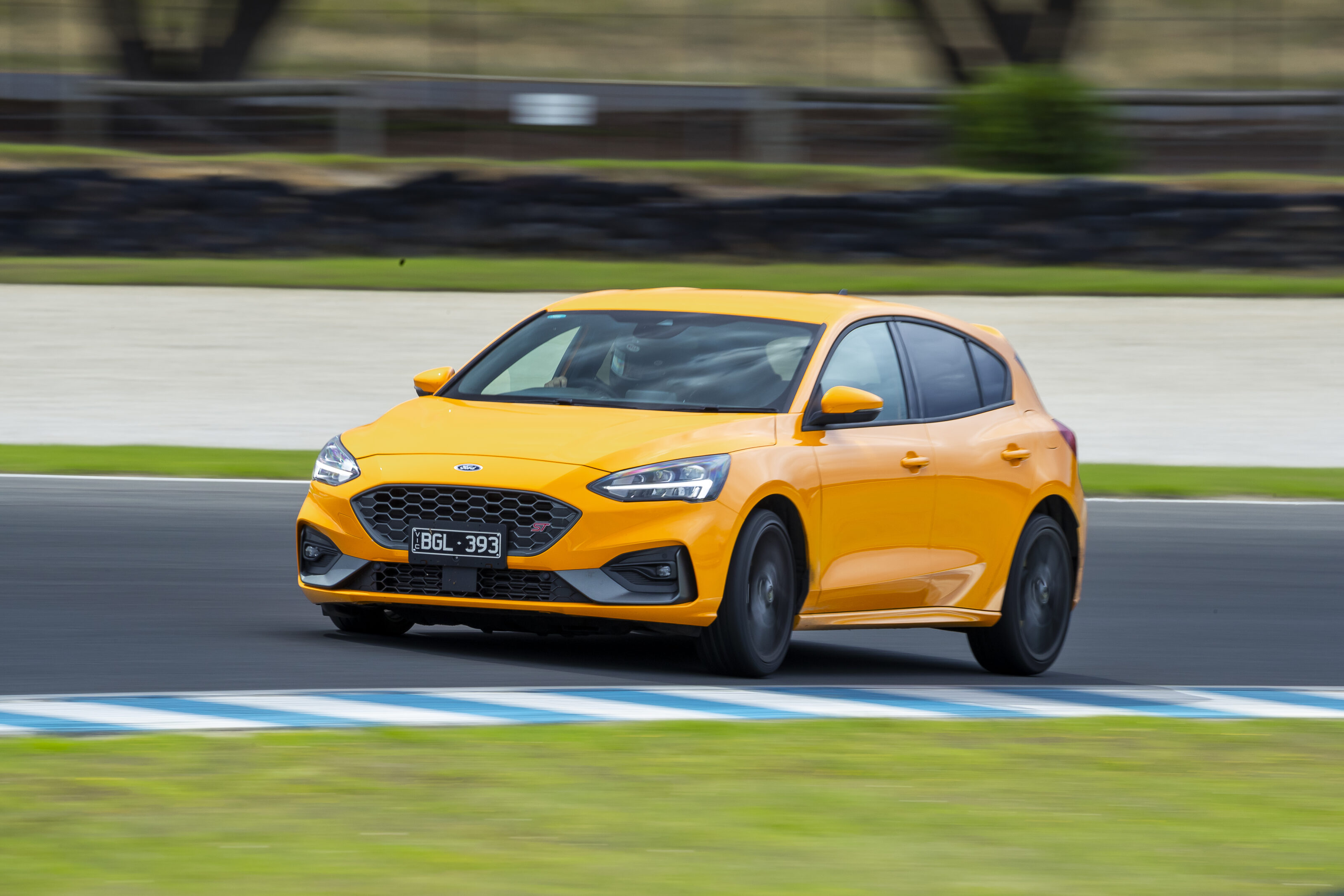
Where the Focus excelled against a stacked field of competitors was corner entry. The judges raved about the ST in a way that not even the category winner could compare with when discussing how each SCOTY contender fared in the initial phase of turn-in. Initial rotation is exemplary, giving the car a fantastically playful feel.
Despite the unburstable strength of the front-axle, which is enough to turn the ST on a dime, the rear-end is keen to play on lift-off. Keep it buttoned and there are enough reserves of grip for confidence-inspiring high-speed cornering stability. The most regular piece of feedback for the Focus was that its chassis was equal parts engaging and capable. There’s a slight rubberiness to the steering’s assistance and control weighting isn’t altogether consistent but little gets in the way of the fun.
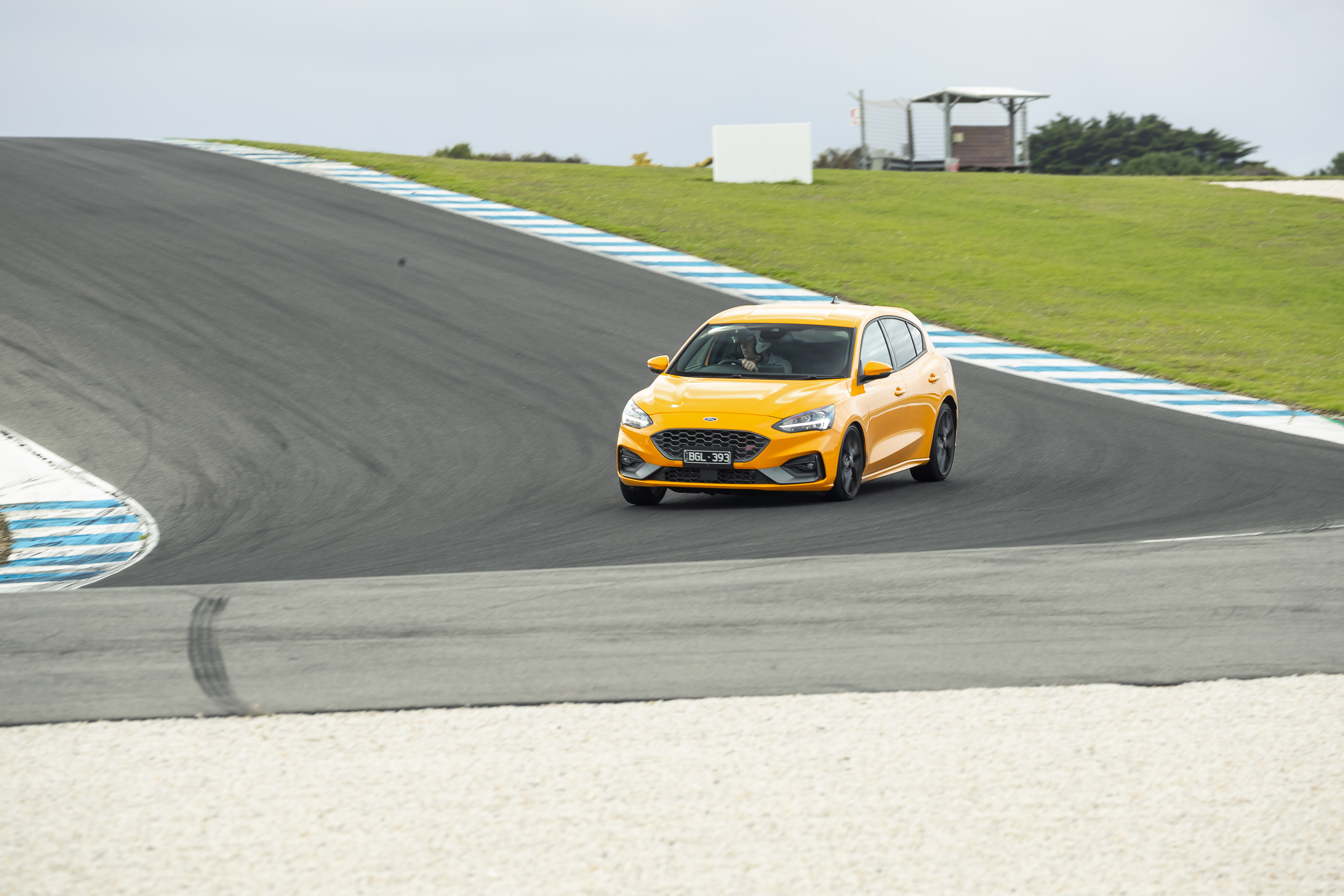
Phillip Island doesn’t work the brakes too hard, but our resident racing driver did notice a touch of fade on his second flying lap. Those wanting to regularly take their ST to the circuit would do well to invest in some high-performance track-ready pads.
Luffy heaped praise upon the ST after driving it on the road loops, and his admiration only grew on the fast flowing tarmac of Phillip Island. “The Focus changes your perception of a front-wheel drive car, because from mid-corner to exit you can just feel that when you get back on the throttle this thing just steers its way through,” he reported. “There’s virtually no mid-corner to exit understeer, provided you can get the rotation phase of the corner done well. It’s very playful in the rear end, but without being too over the top.”
Affat was particularly enamoured with the way the car interacts with, and rewards, the driver. “It encourages you to keep prodding, keep poking, and keep pushing,” he said. “It delivers a huge dynamic payoff at really accessible prices and speed.”
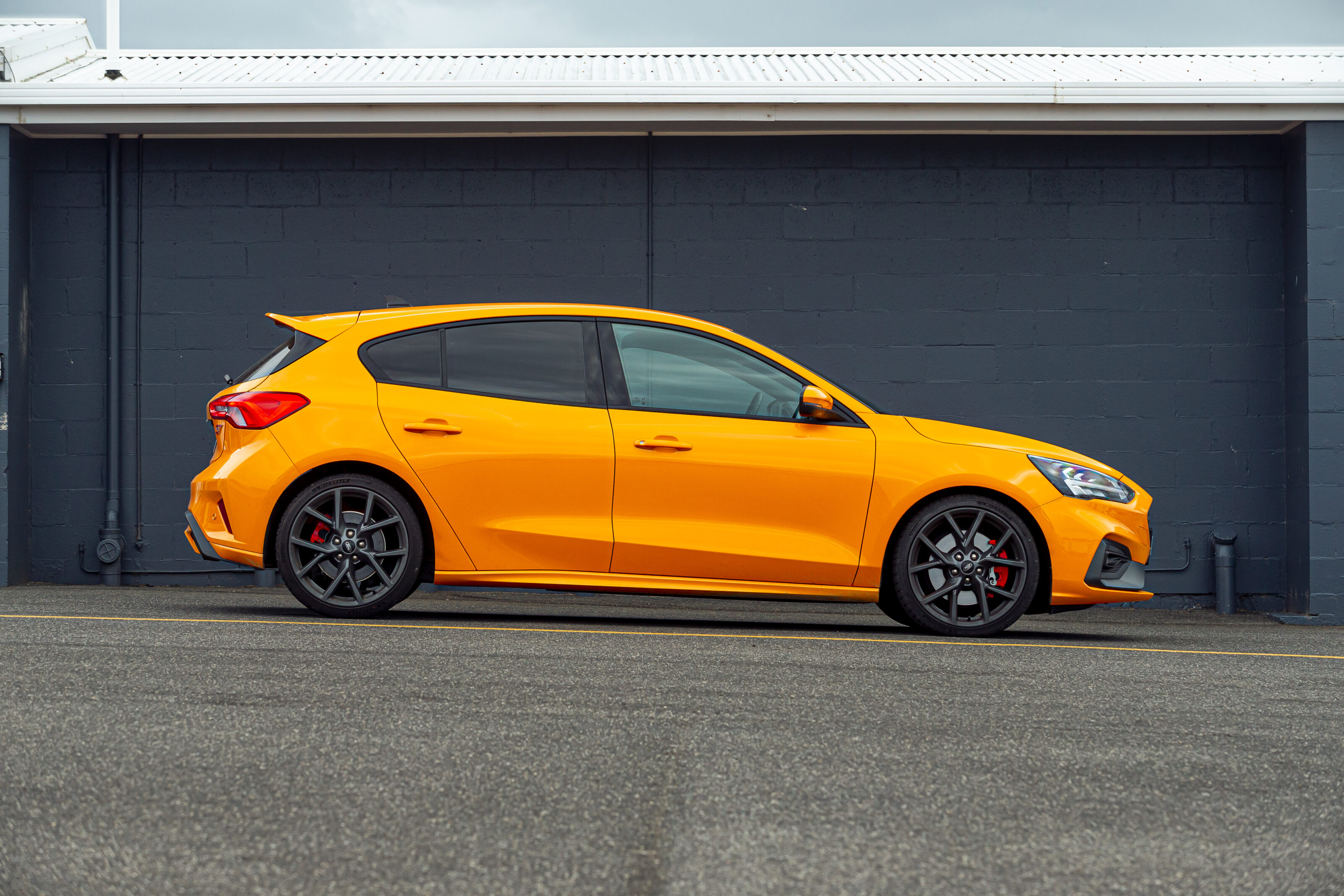
For Andy, it was the fact that the Focus was as enjoyable in transit as it was when . “The Focus is as fun to drive slowly as it is to throw down a road, and there aren’t many hot hatches you can say that about,” he explained. Trent’s assessment was as brief as it was astute, stating “this car makes you wonder if you really need an all-wheel drive RS”.
Anyone who thinks of the ST as an underdone follow-up to a cult hero is doing themselves a disservice. At its core, the Focus ST is a love letter to front-wheel drive hot hatches from Ford’s engineers.
It is crafted with love and care, and is then offered to customers at a relative bargain price filled to the brim with clever, well thought-out engineering. The hype train may have left the ST at the station, but it was the Blue Oval’s hero that left its SCOTY hatch competition reeling at the end of our testing.
The judges’ comments
Alex Affat
“There’s an immediacy and responsiveness that makes every drive in the Focus ST an event.”
Ranking: 2nd
Andy Enright
“Throttle-off antics are utterly addictive. Control weights are odd but somehow it works.”
Ranking: 2nd
Trent Giunco
“Never gets the limelight it deserves. It deploys its 206kW so cleanly via that diff and clever geometry.”
Ranking: 2nd
Cameron Kirby
“The ST is filled with so much joy. It does so many things so right at a winning price point.”
Ranking: 2nd
Bernie Quinn
“A very pleasant surprise to me – much better than expected. People should be raving about this car!”
Ranking: 1st
Luffy’s view
“Really lively at the rear but not too lively. You can do so much with the ST without it – or you – feeling nervous.”
| 0-100km/h: | 6.44 seconds |
|---|---|
| 0-400m: | 14.11 sec @ 164.55km/h |
| Lap time: | 1:53.42 |
Snapshot
- Fuel excise temporarily cut
- Tax reduced by 22 cents per litre
- Change to last six months
The Federal Government has cut the fuel excise in Australia by 22 per cents a litre for six months as part of a bid to reduce the cost of living the wake of rising prices at the bowser.
Treasurer Josh Frydenberg made the announcement tonight as part of the coalition’s fourth budget, alongside a raft of other measures aimed at easing increasing financial pressures on Australian households.
Delivering the budget, the Treasurer said the fuel tax would be cut in half as of midnight tonight, but would likely take around two weeks to be felt at the bowser.
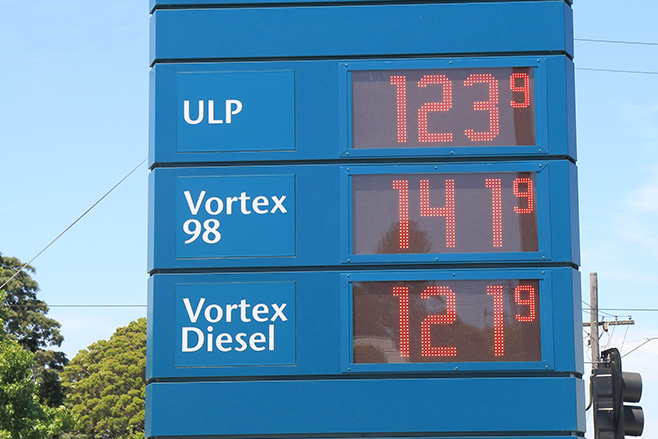
“We are cutting the fuel excise in half for the next six months so Australians can save 22 cents per litre every time they fill up,” Frydenberg said.
“A family with two cars who fill up once a week could save $30 a week or $700 over the next six months. Whether that’s dropping the kids at school, driving to and from work or visiting family and friends – it will cost less.
“This cut in fuel excise will take effect from midnight tonight and will flow through to the bowser over the next two weeks. The competition watchdog will make sure these savings are passed on in full. This temporary reduction will not come at the cost of road funding which will see more than $9.1 billion spent in the coming year.”
Currently, motorists pay 44.2 cents in tax for every litre of fuel they buy.
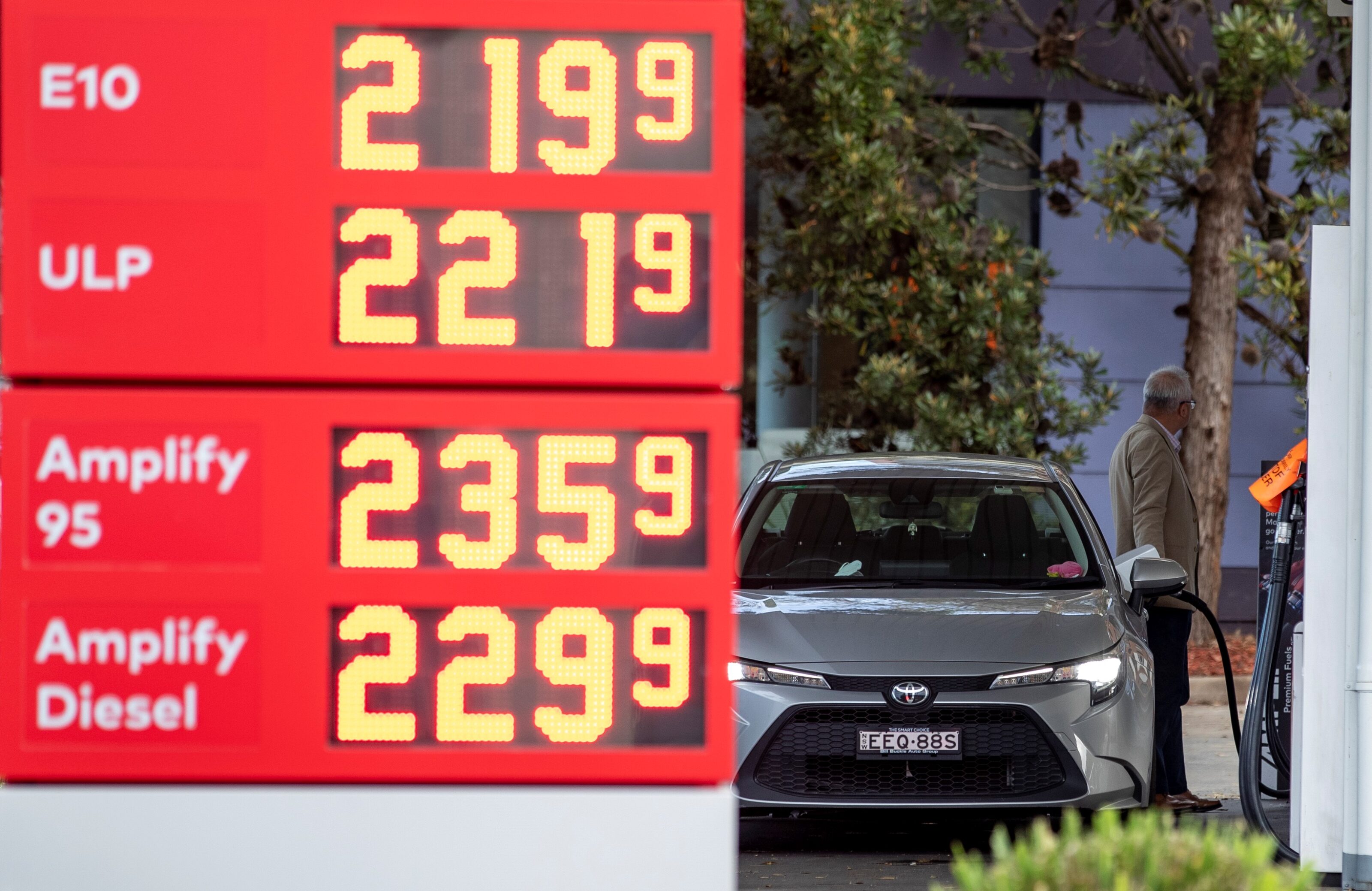
The news comes as fuel prices hit highs of more than $2 per litre across the country, though some relief has been seen in recent days dropping to just under that figure.
It is understood the tax cut will come at a cost of $3 billion to Government coffers.
In an earlier interview with the ABC, Frydenberg said high oil prices were a big contributor to the cost of living.
“Fuel prices have skyrocketed, and of course for many families this (using a car) is not a choice,” he told the broadcaster.
“They need their car to get to and from work. They get into their car to drop their kids at school.
“These are costs that families are incurring and of course it’s putting real pressure on their household budget.
“International factors are driving the higher inflation rates. That’s the higher fuel costs, obviously exacerbated by the situation in Ukraine, that’s the higher food costs — and particularly wheat — that we’re seeing as a result of developments in Europe.”
The Australian Automobile Association (AAA) said it welcomed the Government’s commitment to spend $9.1bn on roads in the coming year, but was disappointed there wasn’t more outlined in the Budget to address road safety and said the fuel excise cut “generates more problems than it solves”.
“The decision to booby-trap the Commonwealth Budget with a 22.1cpl fuel excise cut for the next six months will fix neither Australia’s transport tax problems, nor the factors driving up petrol prices. The AAA notes the change may possibly offer some short-term relief for motorists in a volatile global fuel market, but believes it generates more medium-term challenges than it solves,” the AAA said.
“The immediate problem is that there is no guarantee that this tax cut will be passed on to motorists, as the international experience shows similar measures have delivered fuel retailer profits, rather than price drops for consumers.
“Motorists deserve to know how the Government will police this tax cut and ensure it’s not simply swallowed by fuel retailers, as the experience overseas is that retailers are pocketing the profits and motorists continue to miss out.”
Last week the automotive industry’s peak body, the Federal Chamber for Automotive Industries (FCAI), however, reignited calls for the fuel excise to be scrapped entirely and replaced with a pay-per-kilometre road-user charging system in the wake of prices rocketing at the bowser.
The FCAI believes now is the perfect time for politicians in Australia to be replacing what it calls “ineffective and antiquated taxes on Australian motorists” with a broad-based road-user charge scheme.
FCAI Chief Executive Tony Weber said national tax reform is desperately needed and now is the time to do it.
“State and territory governments are beginning to adapt to the changing nature of mobility in Australia, including the rise of electric vehicles that do not pay fuel excise. Applying this more broadly and scrapping taxes like fuel excise and the luxury car tax will ensure that all motorists are paying an equitable amount to use Australia’s road network,” Weber said.
“Our view is that governments can take this further and apply a road user charge to all vehicles, regardless of their engine type.
“Australians want a future that can provide clarity, simplicity, fairness and value to their wallet. There is no better time than now to bring this future into reality.”
“Tinkering with fuel excise ignores the fact this tax is already past its used-by date. The AAA is far from the only observer to note it is no longer fair or sustainable to have Australia’s notional ‘road user charge’ based on the consumption of petrol and diesel, given we live in an era of rapid electrification and fuel efficiency gains,” added AAA Managing Director Michael Bradley.
“Rather than offering an election sweetener, the Government should be addressing the urgent need to replace excise with a national transport tax system fit for the 21st Century.”
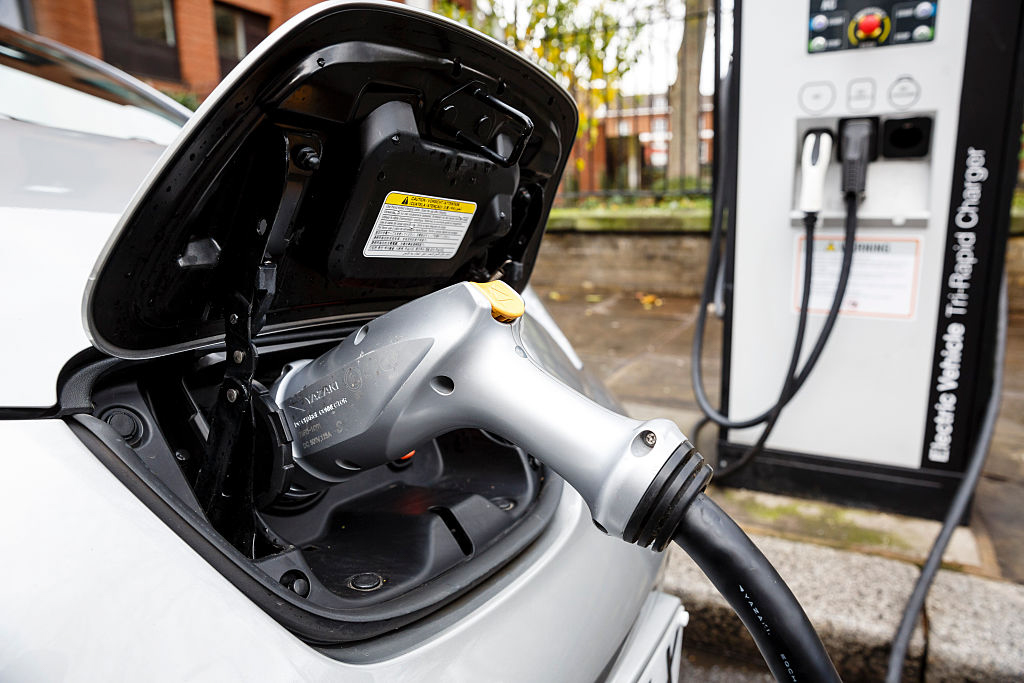
As fuel prices hit new highs in recent weeks, more people have been turning towards electric vehicles – with many organisations and carmakers reporting a surge in demand as a result.
The used car market has gone wild over the past two years, thanks to crippling supply shortages for new vehicle manufacturers which have resulted in long delivery delays.
However, this factor combined with the recent skyrocket in fuel prices to an average of $2.12 per litre for regular unleaded, has resulted in a surge of demand for electric vehicles – especially pre-owned models.
Australian auction house Lloyds has reported a significant spike in interest for used electric vehicles, with many cars going over the block selling for more than they were new due to the considerable demand.
Snapshot
- New R.S. Line variant to sit atop Captur range
- Sportier looks come courtesy of black highlights, new 18-inch alloys
- Prices start at $39,590 before on-road costs
The 2022 Renault Captur R.S. Line has arrived in Australia, joining the existing Captur range that debuted in 2021.
Sitting atop the existing offerings of Life, Zen and Intens, the Renault Captur R.S. Line starts at $39,590 before on-road costs, a $2500 premium over the previous range-topper, the Intens.

Features
Much like on its Arkana coupe-like cousin, the R.S. Line exterior upgrades include; new 18-inch diamond-cut alloy wheels, a unique front bumper design with an ‘F1-inspired aero blade’, dual chrome exhaust tips, gunmetal grey trim and front and rear skid plates.
Inside the cabin, the new variant also scores extra equipment over the Intens, such as; a 10.25-inch, fully-digital dash, a frameless auto-dimming rear-view mirror, ‘R.S. Line’ door sills, carbon-look interior trim, alloy sport pedals and red and grey contrast stitching.
Safety technology improvements are also handed out to the R.S. Line, with Renault’s easy-park assist hands-free parking system and automatic high/low beam headlights featuring on the top-spec grade.
Renault will also upgrade the Zen and Intens to include adaptive cruise control with stop and go as standard, carrying across to R.S. Line.

The Captur boasts a five-star ANCAP safety rating, with Renault’s five-year/unlimited-kilometre warranty also extending to the new variant.
As a part of its five-year ‘easy life ownership’ package, the Captur is also covered by five capped-price servicing and five years of service-activated roadside assistance.
Captur’s 1.3-litre, turbocharged four-cylinder petrol engine remains unchanged across the line-up, delivering 113kW and 270Nm to the front wheels through a seven-speed dual-clutch automatic transmission.

2022 Renault Captur Australian pricing
Prices exclude on-road costs.
| Model | Price |
|---|---|
| Captur Life | $30,090 |
| Captur Zen | $32,090 |
| Captur Intens | $37,090 |
| Captur R.S. Line | $39,590 |
Snapshot
- FCAI data shows passenger vehicle emissions dropped by 2.3 per cent last year
- Light commercial/heavy vehicle emissions decreased by 2.5 per cent
- Clearer targets could lead to a wider variety of vehicles for Australian buyers
Calls for mandated emissions targets in Australia’s automotive sector are growing, despite manufacturers responding to the changing demands of the market.
The Federal Chamber of Automotive Industries (FCAI) has released the results from its second year of collecting voluntary emissions data from manufacturers, finding overall emissions had dropped year-on-year from 2020 for MA vehicles (passenger cars and light SUVs) and MC+NA vehicles (heavy SUVs and light commercial).
While CO2 per kilometre emissions decreased from 2020 to an average of 146.5 grams from 150 grams for MA vehicles and 212.5 grams (down from 218) for the MC+NA class, the latter missed its target by 19.5 grams, coming in 10 per cent above expectations.
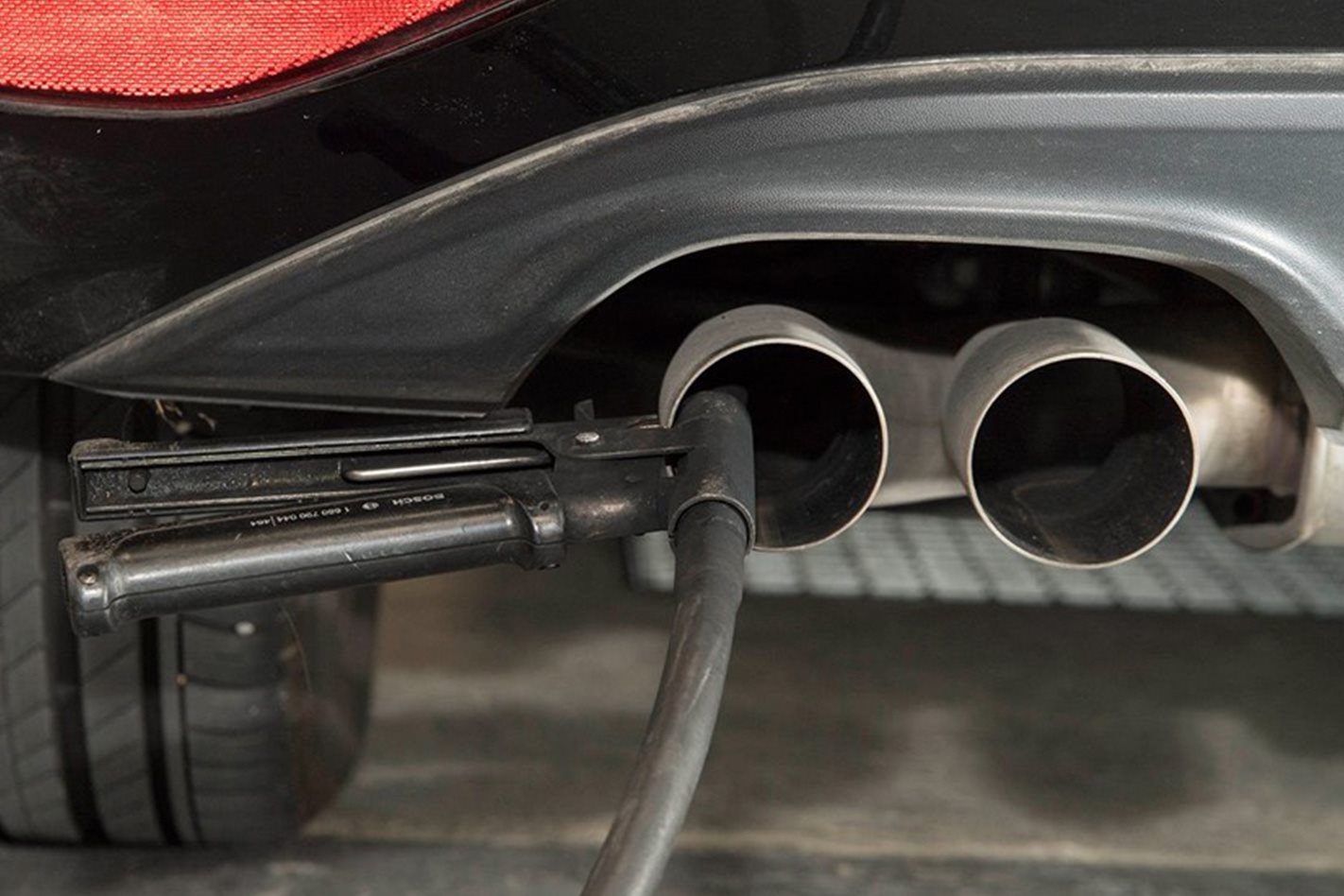
Despite the drop in overall emissions, the FCAI’s target of under 100 grams for MA vehicles and below 145 grams for MC+NA by 2030 is a long way off, prompting renewed calls for the Federal Government to implement standards for manufacturers.
FCAI CEO Tony Weber said the market is changing, but a national standard would accelerate its goals to reducing vehicle emissions.
“FCAI member companies are making significant advances in emissions reduction technology with every new model release in their efforts to lowering emissions and meeting the increasing customer demand for zero and low emission vehicles – from full electric through to hybrid and fuel-efficient internal combustion engines,” said Weber.
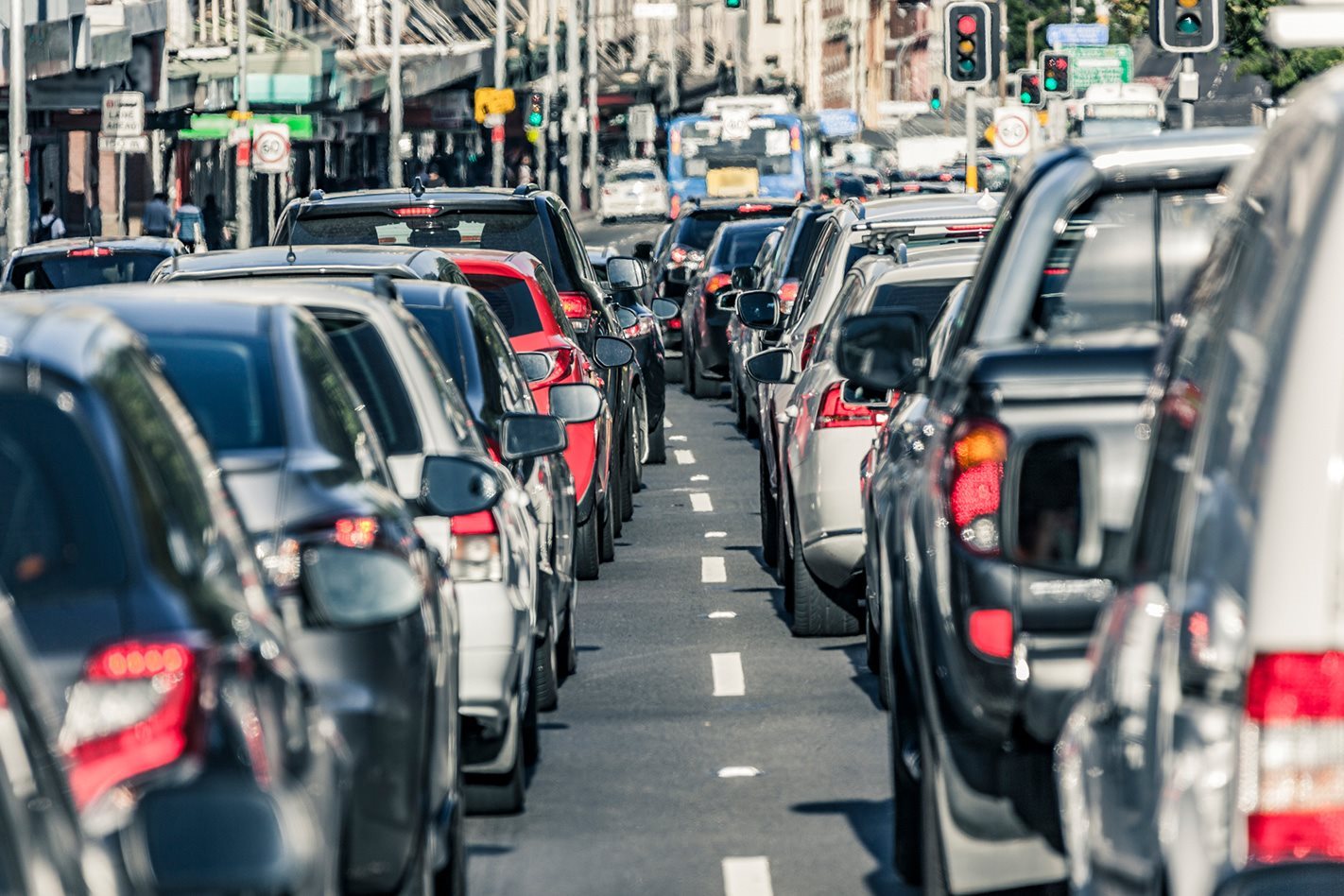
“Clear and consistent policy direction on a national scale is critical for manufacturers to prioritise new low and zero emission powertrains for the Australian marketplace.
“We are reiterating our calls for the Government’s adoption of the FCAI voluntary emissions standard as part of its ambition to reduce emissions in Australia’s transport sector.
“While our future is full electrification, our short-term pathway to achieving emissions reduction will encompass a range of technologies available. This includes hyper efficient internal combustion, plug-in hybrid, hybrid and full battery-electric options.
“Our message to Government is simple. You give us the target, we will give you the technology to get there.”
The FCAI’s comments have previously been supported by the Electric Vehicle Council, which has campaigned for greater electric vehicle support in Australia, stemming from government-led policy.
CEO Behyad Jafari has said the lack of emissions standards in Australia will leave local buyers with vehicles not on par with those available overseas.
“Global carmakers are far more interested in selling cars in Europe or the US or even New Zealand, where fuel efficiency standards are established and governments offer unambiguous support to the transition,” said Jafari.
“Carmakers look at Australia and see strong demand, which is encouraging. But they also realise that every time they sell an EV in America or Europe that will count towards meeting the fuel efficiency standards of those jurisdictions. So naturally they prefer to sell EVs there, instead of here.
“Through a toxic combination of inertia, myopia, and dogma, the Morrison Government has created a situation where thousands of Australians can’t get access to the car they want to buy.”
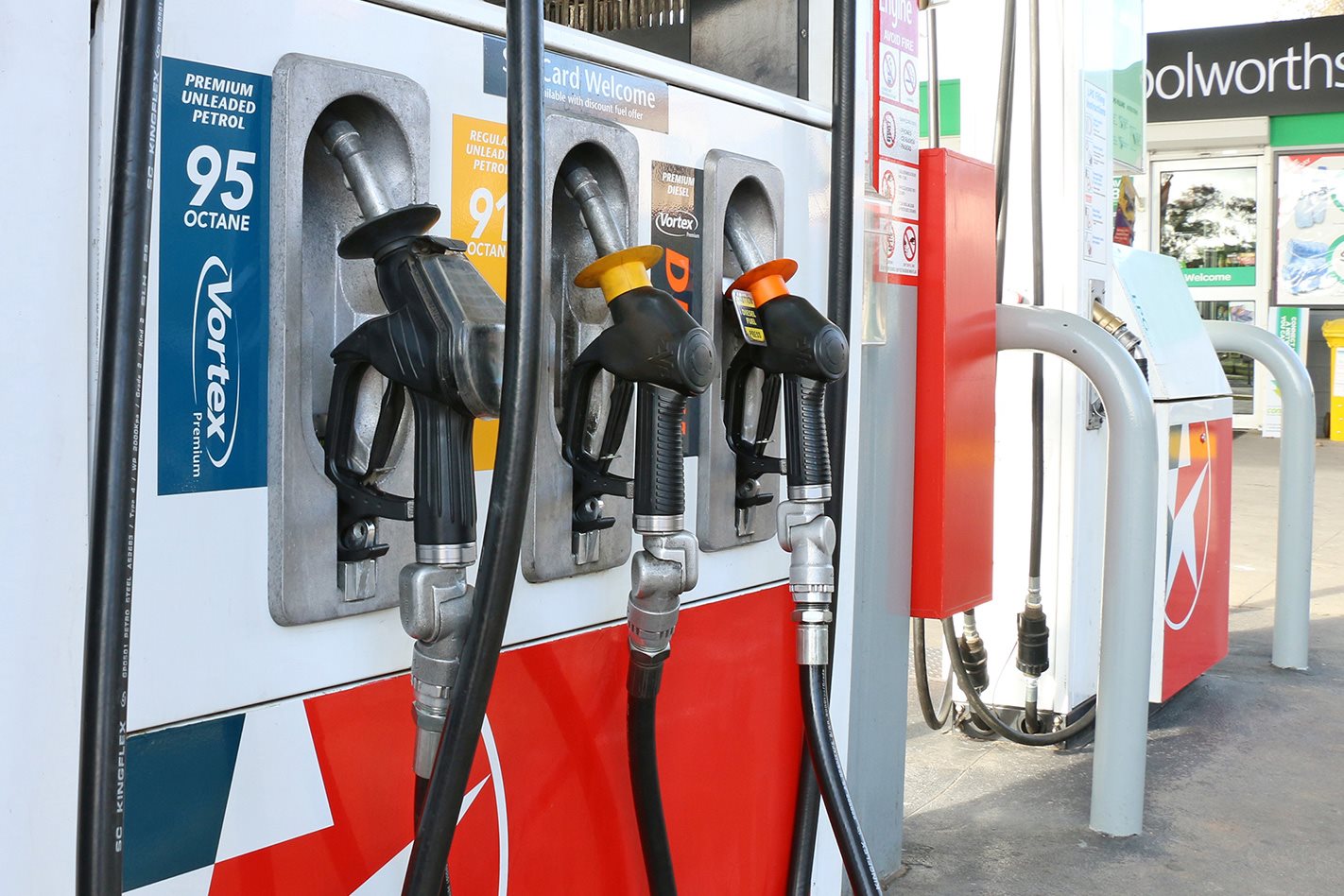
If you drive a petrol car you are traditionally faced with four options when you pull up to the bowser to refill your tank. You can top up using Premium 98 or 95 unleaded, standard 91 unleaded, or the cheapest option, E10. But what is E10, what are its benefits and downsides?
E10 is a petrol mixture that contains 10 percent ethanol. Ethanol is organic alcohol sourced from grains such as corn and sugar or food waste.
It generally burns cleaner and cooler than oil-based petrol, providing performance that is more powerful and eco-friendly. However, it is less efficient, meaning it will return worse fuel mileage. Blending petrol with Ethanol in E10 is designed to provide the best of both worlds.
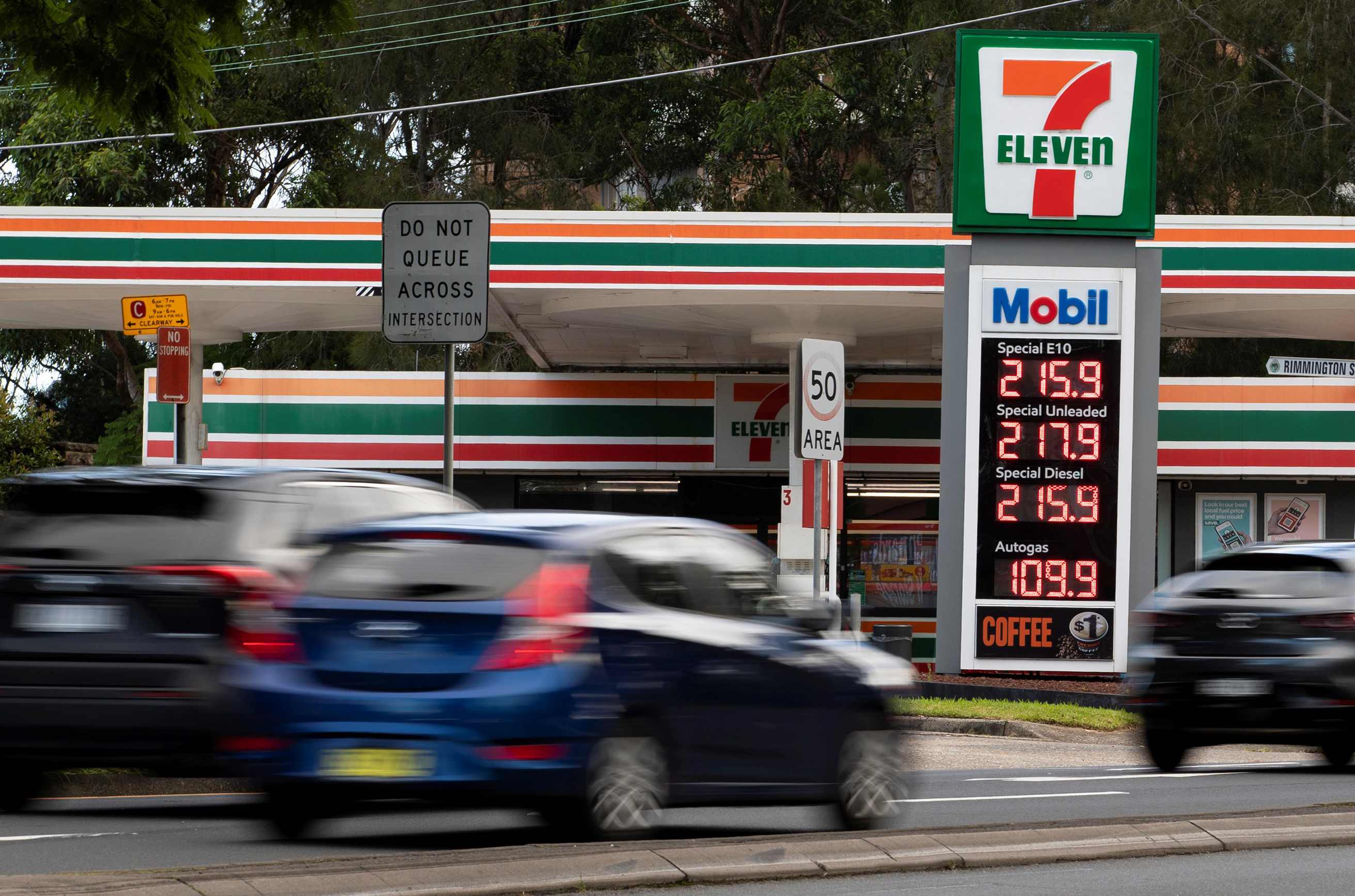
Most cars built after 1986 can safely run E10 fuel, with the exceptions being those with carburettors instead of direct injection, and high-powered vehicles. Always check your user manual, or inside the fuel-filler door, to see what fuel can be used in your car.
While E10 is a cheaper option than 91 Octane (91 RON) fuel, it typically has an octane rating of 94.5, putting it in line with the middle of the range 95 RON option.
Ethanol is a cleaner-burning fuel than 91 RON too, resulting in less pollution of the atmosphere. Yet, greenhouse gases from farming, harvesting and refining the fuel bring its overall emissions back in line with regular petrol.
While Ethanol is considered to be tougher on engines, according to the Royal Automobile Association of South Australia, several studies have shown using E10 fuel does not increase corrosion in normal, everyday operation.
It is important to differentiate E10 from E85, which is a heavier Ethanol blend. A car that is capable of running E10 usually cannot be filled up using E85.
At the end of the day, E10 provides a slightly cheaper alternative to traditional fuels. However, it is important to check if your car can use E10, and that the slight drop in efficiency doesn’t end up costing you more.
Snapshot
- Sandown Raceway could be knocked down for housing development
- New suburb could provide 7500 more homes to the region
- Circuit first opened in 1962, has hosted six Australian Grands Prix
Melbourne’s iconic Sandown Raceway is again at risk of being demolished after the City of Greater Dandenong Council progressed its redevelopment plans to a community consultation stage.
The Melbourne Racing Club – current owners of the circuit – first announced its Sandown Racecourse Urban Renewal Project in 2019, stating its intentions to rezone and redevelop the combined motor racing and horse racing facility into a new suburb.
According to Auto Action, the proposed suburb would utilise the 112 hectare area owned by the MRC for roughly 7500 new houses, with four precincts to be incorporated within the suburb.
Now in community consultation, it’s not known how much longer the venue can survive, although the MRC says it will need to undertake its own consultation with members and Racing Victoria to assess what is in its best interests.
“No decision on Sandown’s future will be made until after an extensive consultation process has been undertaken. Racing Victoria and the Melbourne Racing Club will consult with industry participants, MRC members, the local community and other relevant stakeholders,” said the MRC.
“Any future decision that may be undertaken by MRC and RV in relation to Sandown will be done in the best interests of the broader racing industry, MRC members and the local community.
“Whilst the Sandown Planning Scheme Amendment application canvasses’ full redevelopment of the entire site as part of the rezoning, ceasing horseracing requires agreement from RV and MRC Members and needs to be in the best interests of Victorian Thoroughbred Racing.
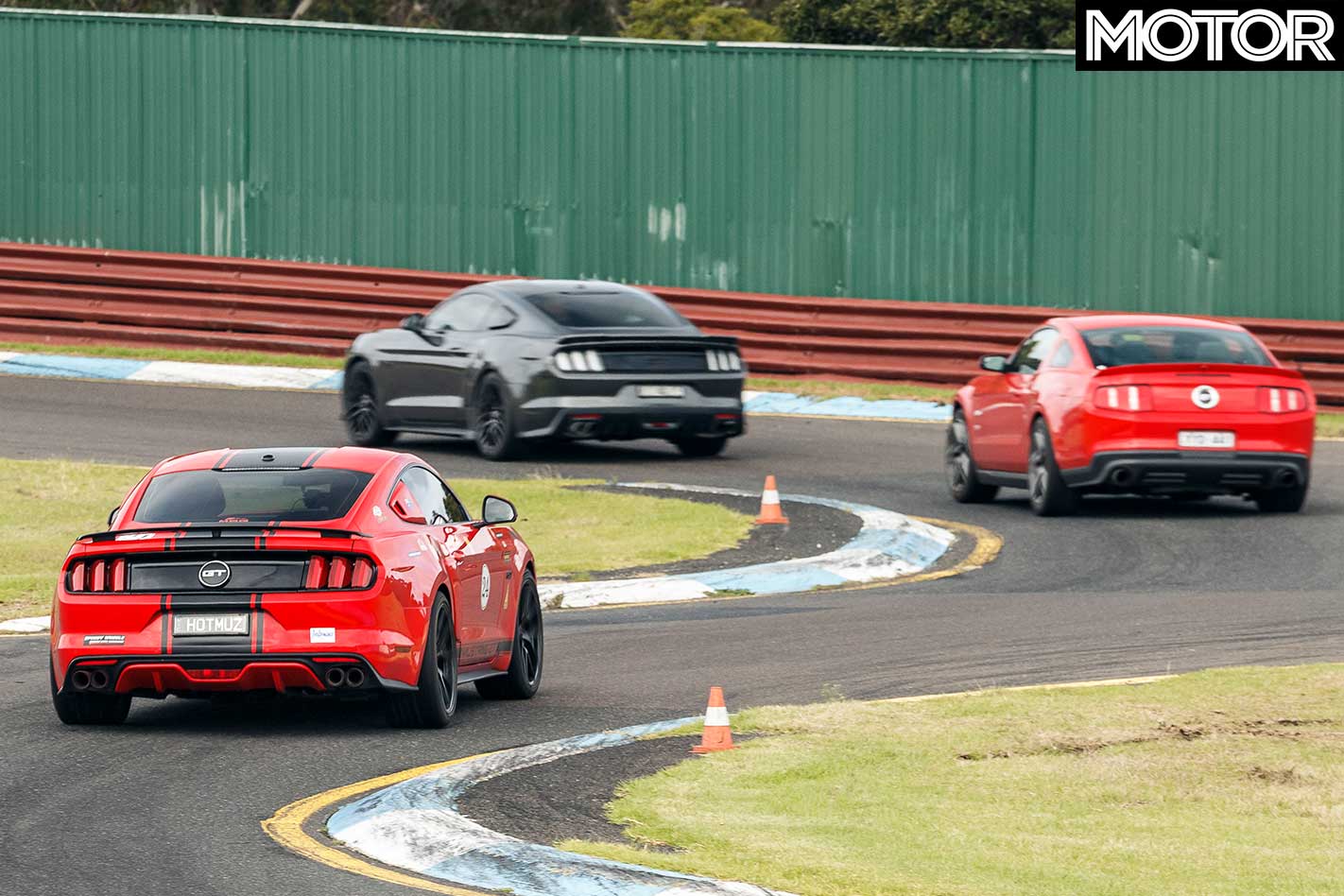
In 2019, the Sandown grandstand was heritage listed but the rest of the facility was not, meaning at least one part of the venue will have to be preserved if the rest is knocked down.
Despite being owned by the Melbourne Racing Club and used primarily as a horse racing facility in the form of the Sandown Racecourse, the venue is steeped in motorsport history.
From the first running of the Sandown 500 in 1964, the Melbourne circuit has hosted the second-largest endurance race on the Australian motor racing calendar 49 times, with the last long-form event taking place in 2019, before notching up the record for most Supercars/Australian Touring Car Championship races of any circuit last year.
Other notable events at Sandown include two World Sportscar Championship races in 1984 and 1988, as well as six Australian Grands Prix in the pre-World Championship era in 1964, 1968, 1972, 1973, 1976 and 1978.
If the council and MRC go ahead with the decision, Sandow will join tracks such as Amaroo Park and Oran Park in the annals of history for the want of more housing.
Volkswagen Group Australia (VGA) Managing Director, Paul Sansom, has been elected to the board of the Electric Vehicle Council this week, just five months after succeeding former VGA boss Michael Bartsch – an outspoken proponent for improving Australia’s fuel quality, introducing CO2 emissions regulations and incentivising EV uptake.
In joining the board of the EV Council, Sansom says he will continue the mission of campaigning for emissions reduction targets and charging infrastructure, describing electric vehicles as “the (emphasis VGA’s) form of personal mobility to meet the demands of urbanisation, sustainability and digitalisation – the three prevailing and irrevocable mega trends of life in our time”.
“Already Australia’s primary importers of European passenger vehicles, VGA will become the most significant source of electric vehicles in this country,” Sansom said.
“VGA has done much to drive public and political awareness of EVs and will work more closely than ever with the EV Council, which has been the most effective industry body in this sphere.”
Sansom’s comments could be interpreted as a swipe at local market leader Toyota, which still prioritises conventional hybrid models over full electrification – having only recently launched its Lexus UX EV and NX450h+ PHEV models. Although an important early pioneer with its hybrid technology, Toyota has otherwise stayed out of the conversation to move Australian motoring closer to an electric future.
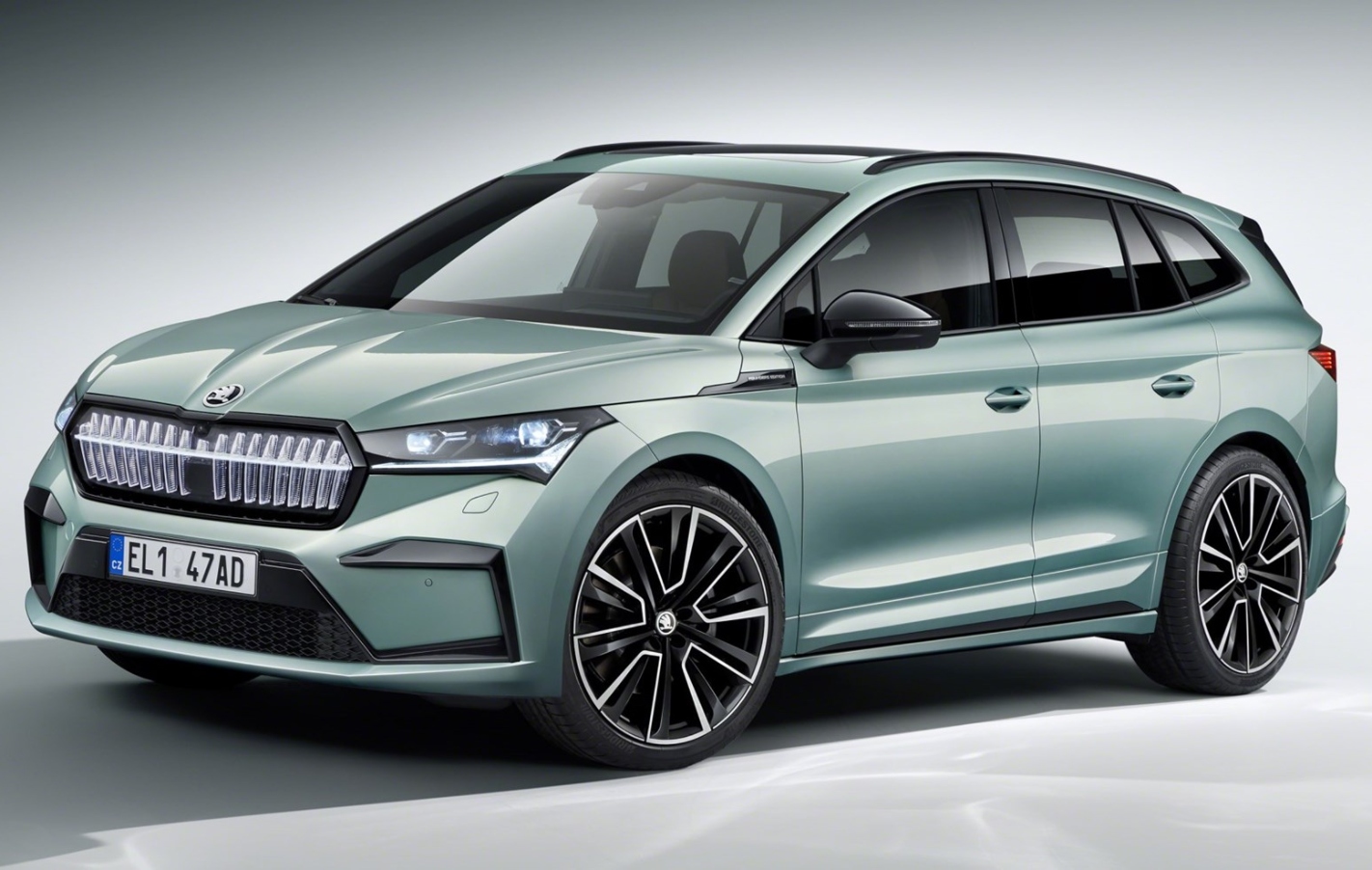
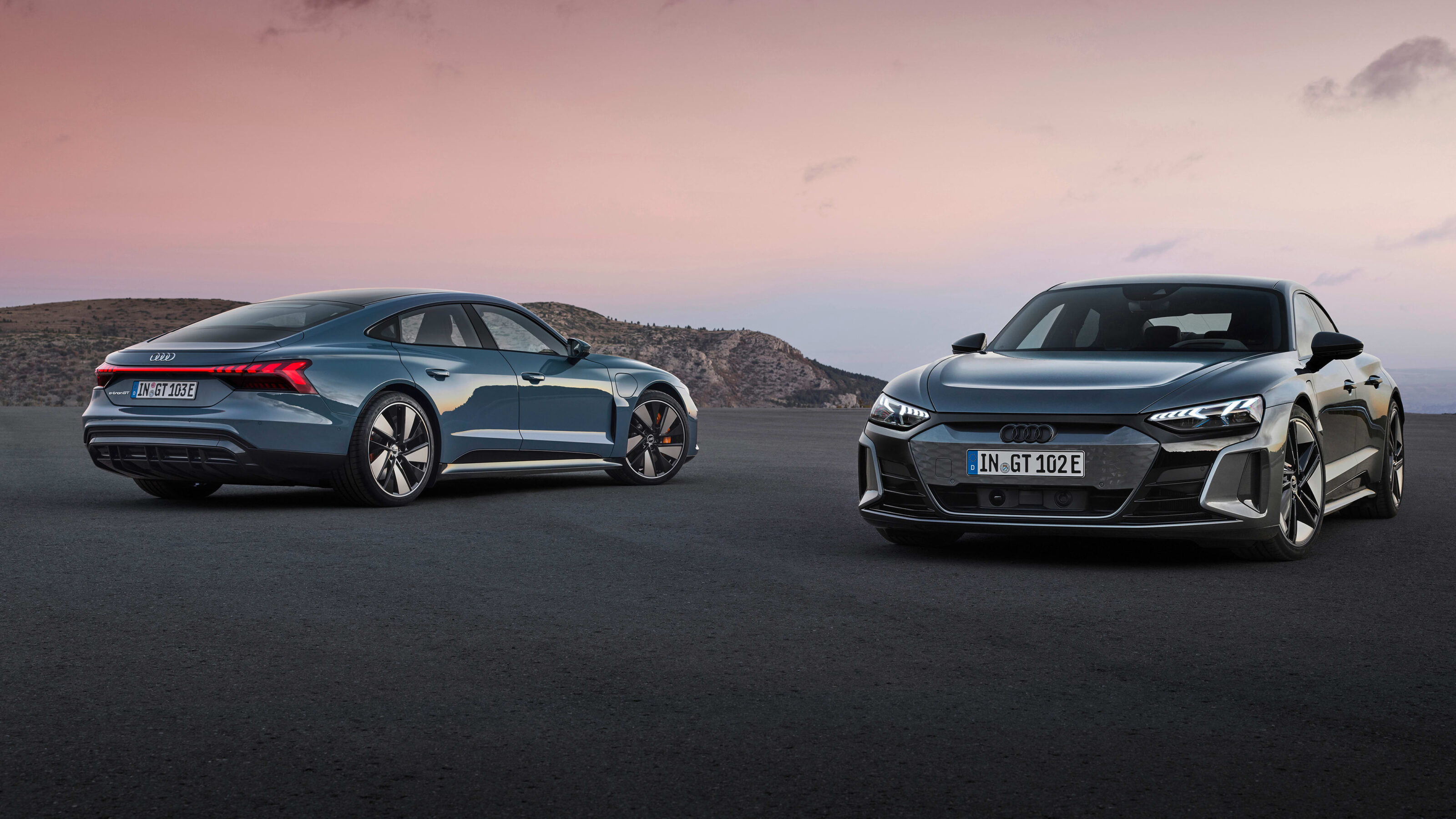
In the years since the ‘Dieselgate’ saga tore through the Volkswagen Group’s reputation (if not its sales figures), the company has pivoted to transform its electrification plans into one of the global market’s most significant offerings. The group has said it will go all-electric in Europe by 2035, and has already launched a number of electric models through the Volkswagen ID, Audi E-Tron, Skoda iV and Cupra lines.
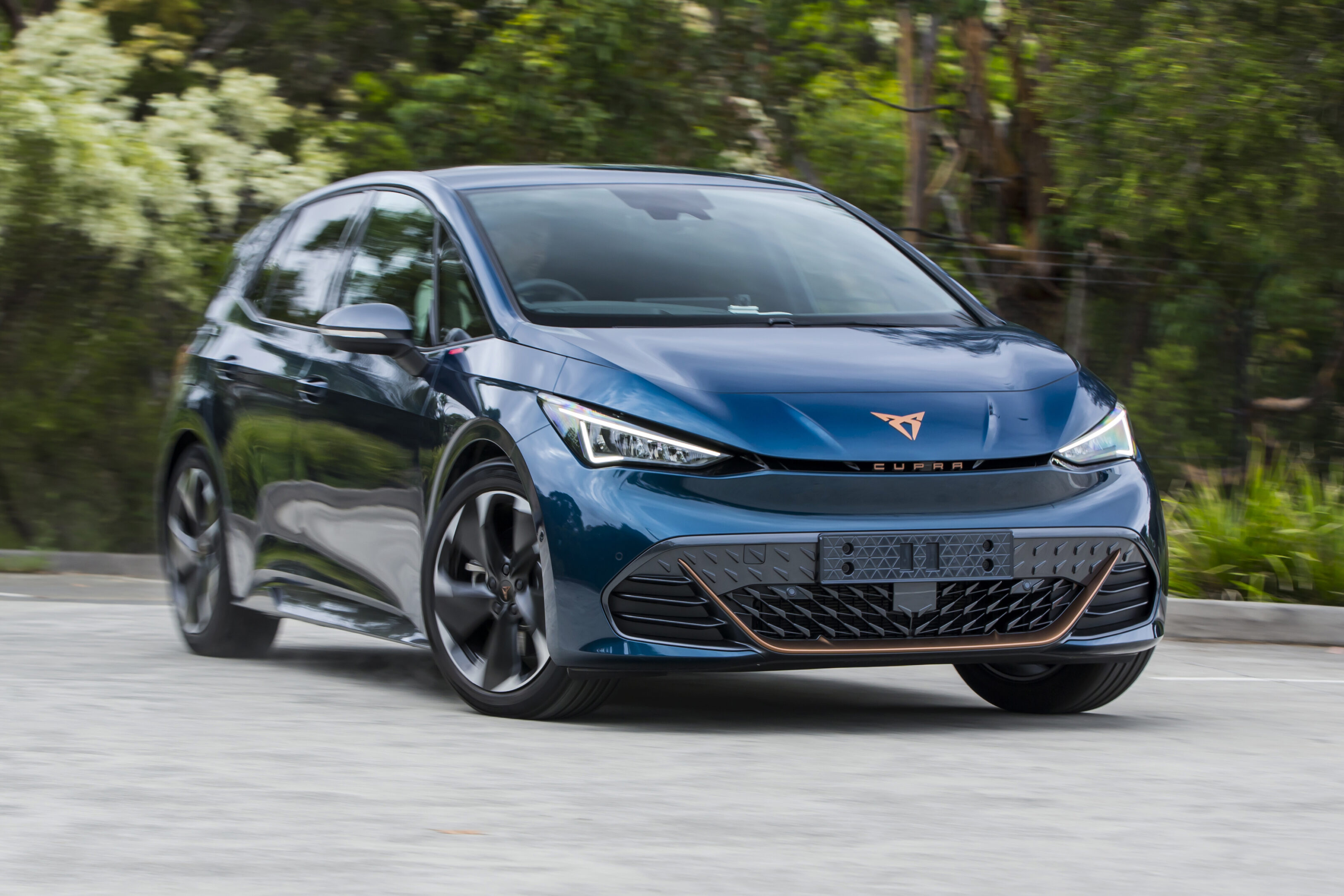
Australian buyers can already get into an Audi E-Tron SUV, and the E-Tron GT liftback sedan will arrive this year. The Cupra Born has been confirmed for Australia – although timing is still to be confirmed – and the Skoda Enyaq will become available to order in 2023.
The Volkswagen brand’s ID models remain conspicuously absent from the local line-up, having been held back first by regulations and demand in Europe (prioritised over an unincentivised Australian market), then by Covid and now with delays caused by Russia’s invasion of Ukraine.
Speaking with WhichCar.com.au today, Volkswagen Group Australia communications boss Paul Pottinger said: “the impact of global issues on production is as frustrating to the brands in our group as it is to customers – but when we (the ID brand and wider group electrification) arrive, it will be with a bang”.
As for timing, Mr Pottinger said it would be “misleading” to offer any view on when the ID brand will arrive in Australia.
Speaking at last week’s Green Building Council’s Transform 22 summit, where he gave the keynote address, Paul Sansom said a zero-emission fleet “is a non-negotiable pre-condition” for the future.
“For by far the greater part of the time EVs will charge at work or home, meaning that we are for the first time being liberated from the necessity of traditional ‘filling’ stations. The creators of our built environment will provide accessible and efficient home charging. This will be the greatest enabler of zero emission vehicle ownership,” Mr Sansom said.
“Neither new houses nor new apartment buildings will be feasible without easy access to renewable EV charging; no more so than a home without internet access. There can be no doubt that the lack of such facility will negatively affect the value of property.”
UPDATE, April 1, 2022: The 2023 Toyota GR Corolla has now been officially revealed, and confirmed for Australia. Get the full story at the link below.
The story to here
UPDATE, March 29: Toyota has announced its 2023 GR Corolla will be unveiled later this week, adding a second hot hatch to its Gazoo Racing range.
Covers are set to come off the all-wheel drive, three-cylinder turbocharged Corolla on Friday, April 1 at 12:30 AEDT, although it’s not yet known whether the model will be green-lit for the Australian market.
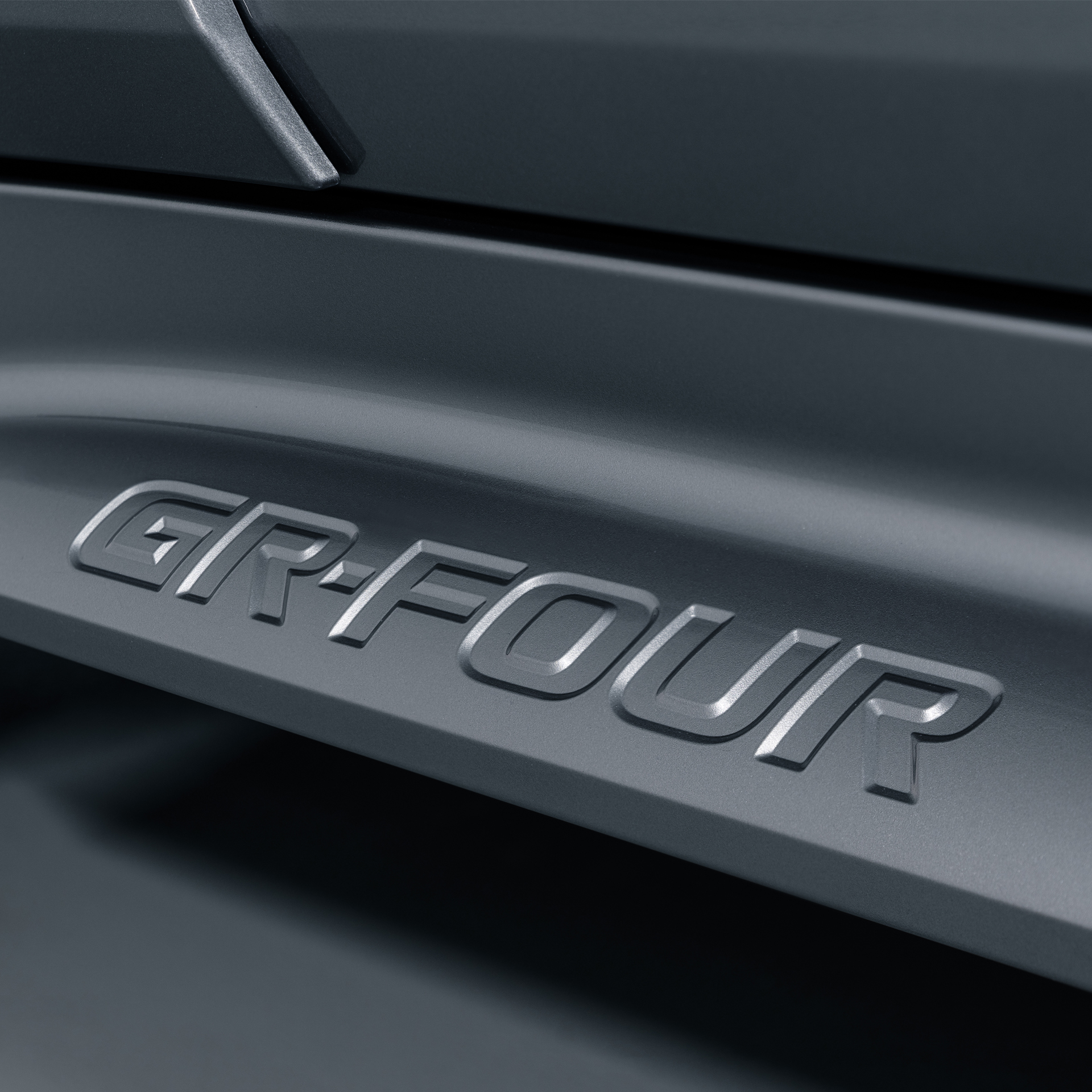
Teasers for the GR Corolla show off a pair of aggressive air vents on its front guards as well as “GR-FOUR” stamped onto its side-skirts – tying it in with the GR Yaris as well as the Celica GT-FOUR of the 1980s and 1990s.
Read on below to find out what we know so far about the high-performance ‘Rolla.
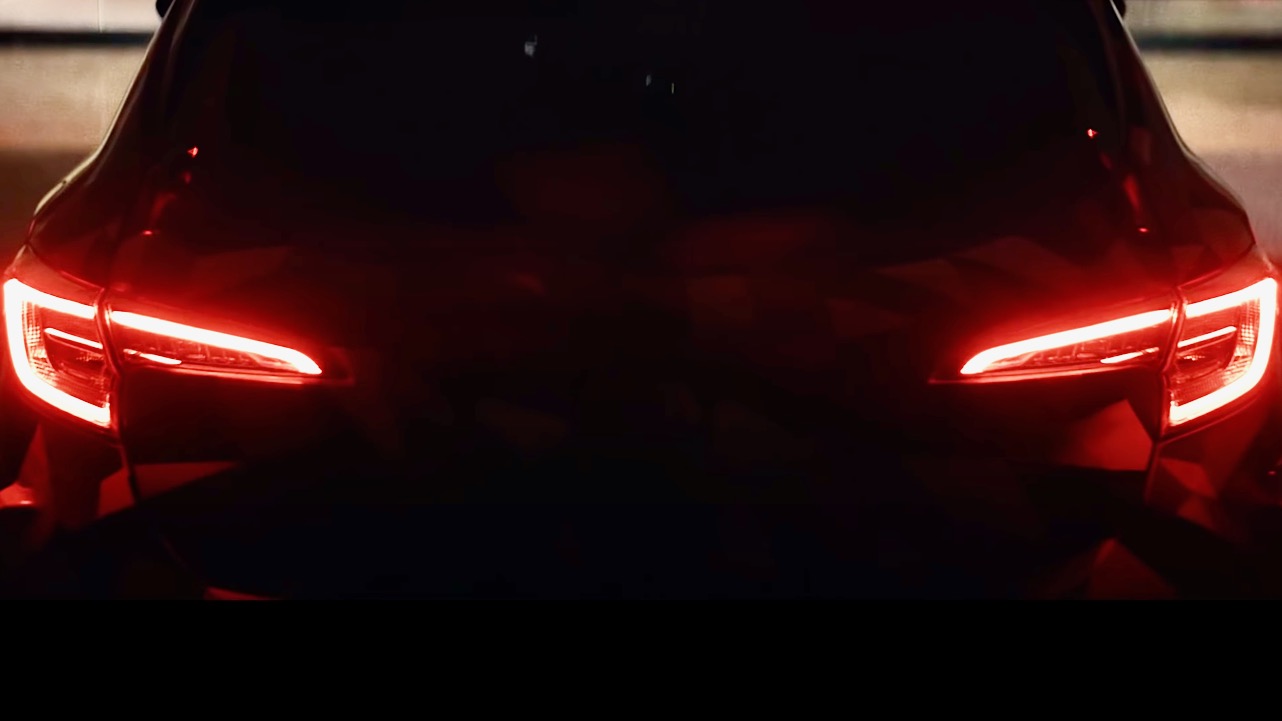
March 24: The 2023 Toyota GR Corolla has been teased again, this time showing up in a commercial for another much-anticipated GR model.
Toyota released an advertisement for the GR86 on YouTube, with the GR Corolla making a cameo appearance while wearing its camouflage wrap.
The brand has been teasing the GR Corolla for months now, but the frequency and quality of the teasers has been increasing, suggesting a reveal is just around the corner.

February 28: The 2023 Toyota GR Corolla could be in global showrooms as soon as October, according to information shown on a leaked internal document.
In a now-removed video posted to YouTube by channel Driven District, Toyota’s upcoming GR Corolla hot hatch appears to be going on sale in the US this October – suggesting its unveiling will likely happen in the coming months.
The GR Corolla will borrow its 1.6-litre three-cylinder turbocharged engine from the GR Yaris, along with its all-wheel drive and a six-speed manual transmission – but with rumours suggesting an increase to 221kW could be on the cards.
However, a teaser photo from November filled with Easter eggs hinted at details of the upcoming GR Corolla, including the climate control display –which had the number two on the left and 68 on the right, likely referencing a 268hp (200kW) power figure.

A recent report from Japanese magazine Best Car suggests an automatic transmission may eventually be offered from 2024 – though it’s not clear at this stage whether Toyota would employ a traditional torque-converter auto, a CVT (as currently found in the Corolla), or a dual-clutch automatic transmission favoured by competitors in the hot hatch segment.
While US buyers may get their hands on the 2023 Toyota GR Corolla from October, it’s not known when the much-anticipated model will be available in Australia, but expect its official unveiling within the coming months.
