
The Royal Automobile Club of Queensland (RACQ) has launched its first autonomous vehicle trial in the Sunshine State, with its Smart Shuttle rolling out on the Gold Coast.
A joint initiative between RACQ and the City of Gold Coast, the 12-month trial will see the six-seater shuttle operate around Main Beach, operating around real-world traffic at the popular tourist destination.
Initially tested on the Redlands Coast, the Gold Coast trial is the next step towards implementing autonomous vehicle services across the state, allowing RACQ to assess the viability of the transport service, while also gathering data for future infrastructure.
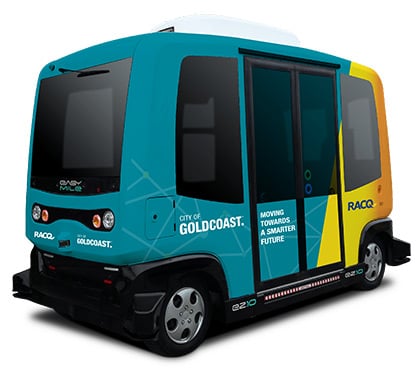
RACQ’s head of public policy, Susan Furze, said the previous trials had shown encouraging results, with the Gold Coast experiment expected to provide further information for the company.
“After two successful trials at Karragarra Island and Raby Bay, we’re eager to better understand how this autonomous vehicle technology can be safely integrated into a busier live-traffic environment and its potential to fulfil future transport needs,” said Furze.
“The RACQ Smart Shuttle will use sophisticated sensors to detect objects and navigate along the route at a maximum speed of 18km/h, stopping at seven places to drop off and pick up passengers every 30 minutes.
“We’ll be monitoring how the vehicle interacts with other road users, as well as existing transport services in the area.
“This is the only vehicle of its type operating a transport passenger service in Queensland, so we’re extremely excited to learn as much as we can from this emerging technology and we encourage locals and visitors to hop on board.”
Operating as a free service between 11am and 3pm, the Smart Shuttle will have a chaperone on-board at all times to answer questions from passengers and ensure the vehicle is operating safely.
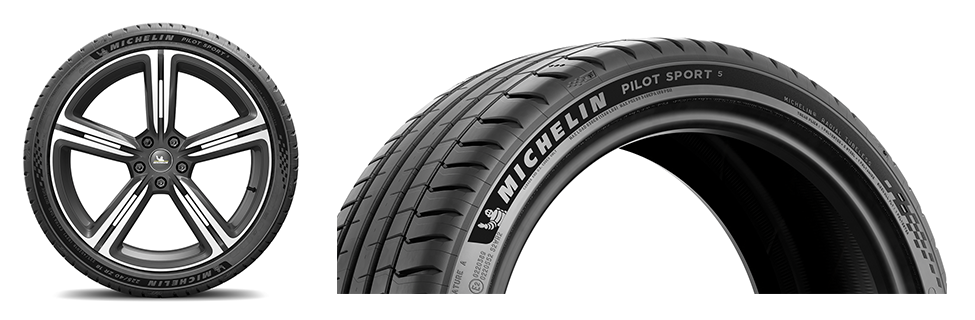
Michelin has launched its new Pilot Sport 5 tyre in Australia.
After WhichCar broke the news of the upcoming PS5 range back in January, Michelin has announced eight sizes are now available at authorised dealers across the country.
From April 4, 2022, the Michelin Pilot Sport 5 will be available across 42 dimensions, ranging from 17 to 21 inches.
For more information, visit Michelin Australia’s website by clicking here.
UPDATE, June 2022: Pilot Sport 5 tested!
Well, we’ve now driven cars fitted with Michelin’s newest flagship performance rubber. To get our view on how they go, hit the link below.
“The amount of wet grip, some of it on virtually standing water, is truly impressive.”
The story to here
February 1: Michelin has revealed the fifth generation of its highly-acclaimed Pilot Sport tyre.
The range has quickly become the industry standard for vehicle manufacturers, with the Pilot Sport 4 and 4S fitted to many performance-orientated models currently available across the globe.
A new addition is Dynamic Response Technology, which utilises a hybrid aramid and nylon ply to improve the vehicle’s connection to the road.
Designed for sports cars and high-performance sedans, the Pilot Sport 5 is said to be 1.5 per cent quicker on average around Michelin’s test track in wet conditions.
The improved performance in the wet is courtesy of the company’s Dual Sport Tread Design technology, which is said to increase drainage and provide higher rigidity.
Cornering performance has also been improved, with a revised internal structure allowing for better ground pressure distribution to bring greater controllability and grip around bends.
Michelin claims the Pilot Sport 5 will continue to be the longest-lasting tyre amongst its competitors.
For instance, testing conducted on a diesel Volkswagen Golf Mk8 showed the greatest longevity when compared against the Bridgestone Potenza Sport, Continental Premium Contact 6, Goodyear Eagle F1 Asymmetric 5 and Pirelli P Zero PZ4.
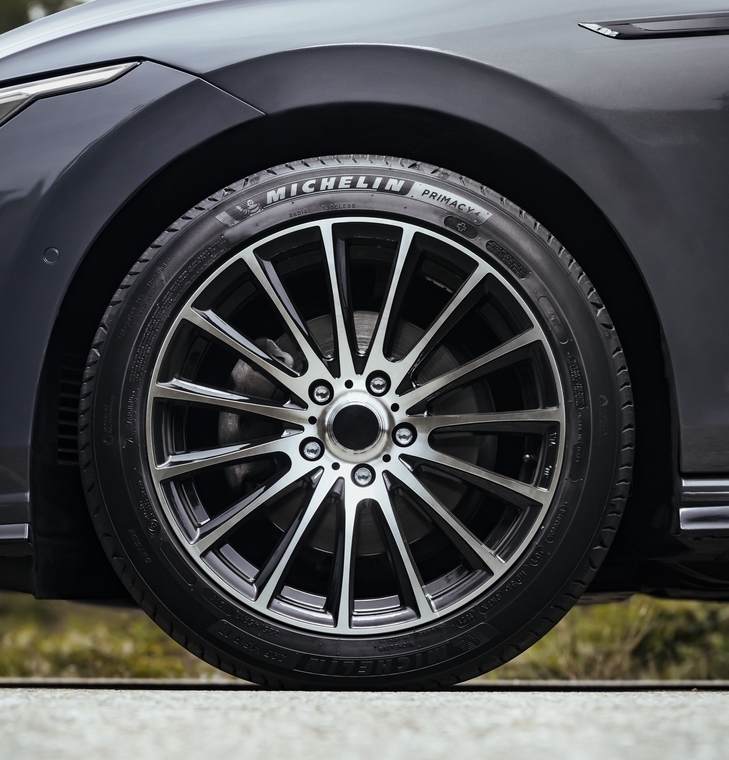
Alongside the Pilot Sport 5, the French tyre manufacturer also debuted the comfort-orientated Primacy 4+ (pictured above).
Designed for passenger cars and SUVs, the Primacy 4+ has improved braking performance in wet conditions.
The Michelin Pilot Sport 5 will be available in 50 dimensions ranging from 17 to 21-inches. It will go on sale internationally from March 1, 2022, alongside the Primacy 4+.
UPDATE, October 2022: iX1 Australian pricing revealed
Australian pricing and details for the new 2023 BMW iX1 has been revealed, and you can get all the details at the link below.
September 2022: New BMW X1 and iX1 models driven
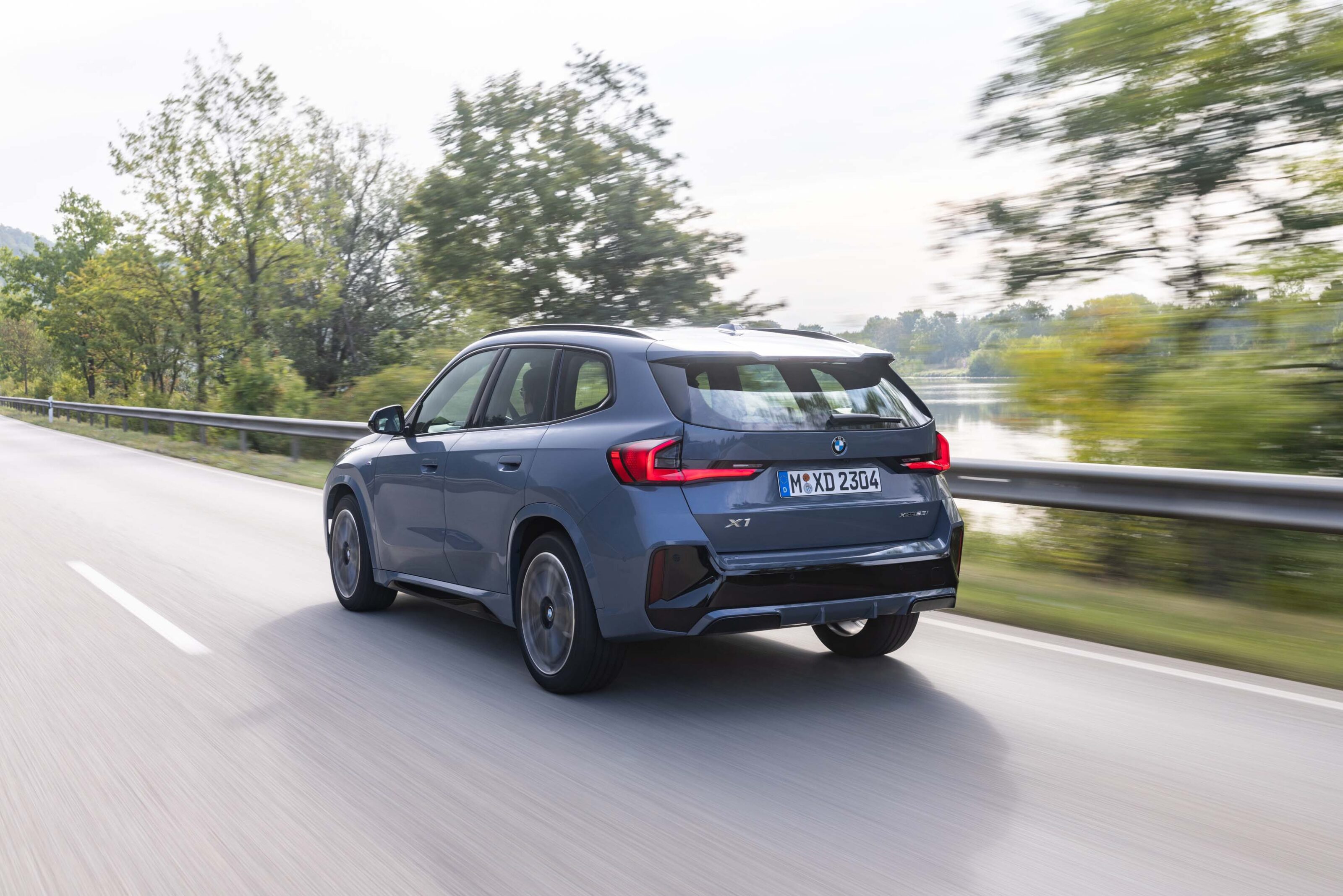
The new BMW X1 and iX1 SUVs have now made their European debut, and we’ve driven both.
Each model looks promising, delivering a higher grade of technology and quality, along with a stretched wheelbase for more practical passenger comfort.
Could the new X1 models work well as a small family car below the mid-sized X3? It certainly looks to be worth considering.
Get our reviews at the links below, and continue reading for full price and specs.
The story to here
March 2022: BMW confirms iX1 range is coming
Just a week after it was announced the battery-electric 2023 BMW iX1 would make its debut this year, more details have emerged on the company’s German website.
BMW has listed the electric driving range of the electric X1 as being between 413 and 438 kilometres – but cautioned these were “predicted values based on the vehicle’s current development status”.
The U11 iX1’s driving range, first reported by BMWBlog, is thought to have been made available due to strict new-car advertising requirements in Germany, designed to provide clarity for consumers.
The website also confirms a timeline for the rollout of the regular X1, with the pure-electric and plug-in hybrid models to follow after the unveiling of the internal-combustion engine versions.
https://www.instagram.com/p/CaPirRCpcp0/
The story to here
March 18: The 2023 BMW iX1 has been announced by the German carmaker, after more than a year of prototypes being out on the road.
BMW revealed plans for the upcoming electric X1 at the company’s annual conference earlier this week, teasing the model with a sketch of the crossover’s front-end design.
While details have yet to be revealed, BMWBlog reports the iX1 will come as an entry-level single-motor eDrive20 version with around 135kW, as well as a dual-motor xDrive30 variant with as much as 200kW.
Unlike the i7 – the company’s upcoming flagship electric sedan – BMW didn’t provide an exact date for the iX1’s debut, but promised an unveiling before the end of 2022.
“Starting at the end of the year, the new iX1 will be our fully-electric offer to customers in the high-volume premium compact segment,” BMW Chairman Oliver Zipse said at the event.
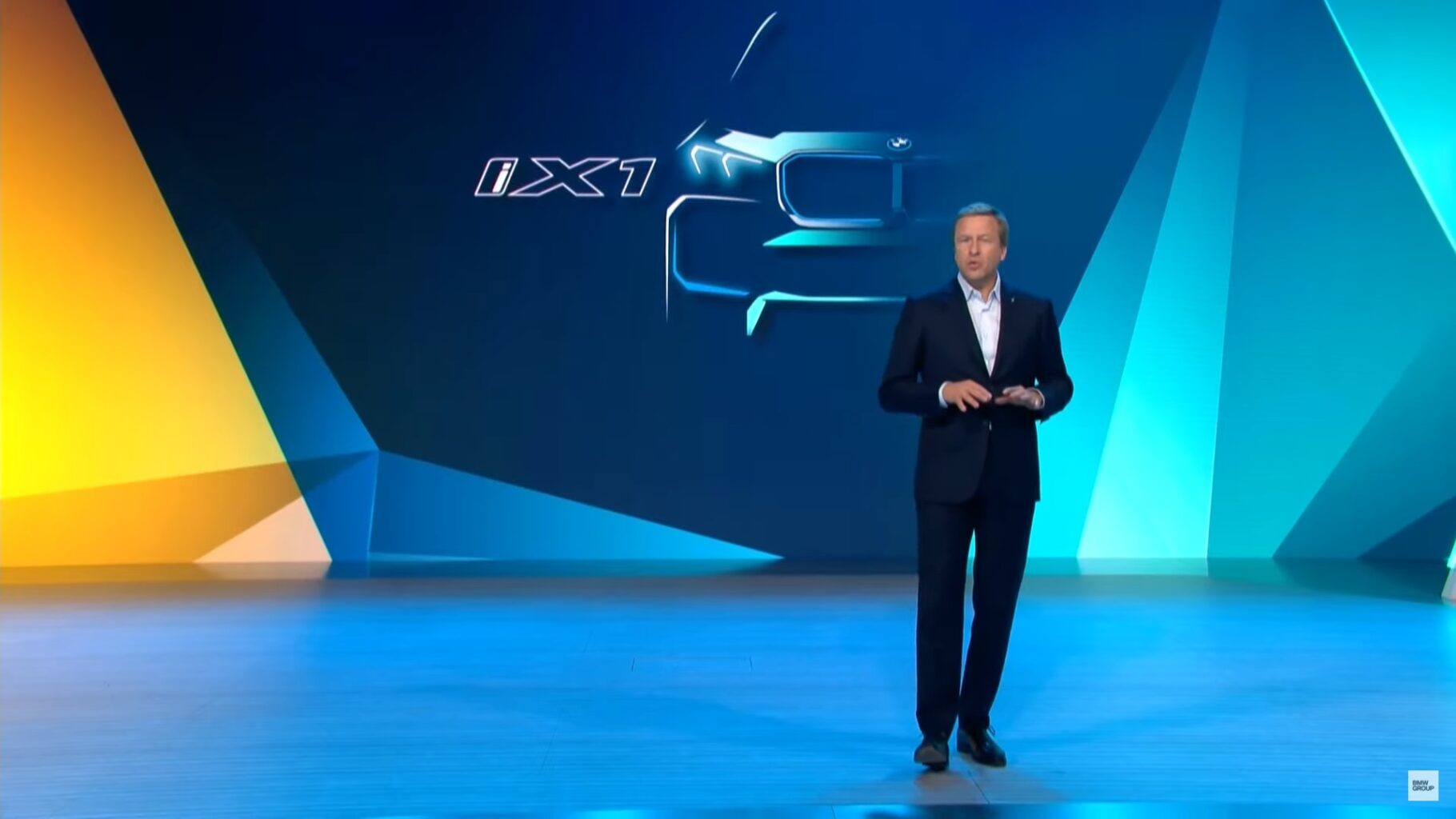
BMW says it’s aiming to sell more than 200,000 fully-electric vehicles in 2022 alone.
When the new-generation X1 range launches, it will be one of the few model line-ups in the world to offer petrol, diesel, mild-hybrid, plug-in hybrid, and fully-electric powertrains.
BMWBlog is reporting the iX1 will enter production in November 2022, with customer deliveries in Europe expected to begin in early 2023.
Snapshot
- Fuel excise should go, replace with pay-per-km says FCAI
- Prices at bowser hit eight-year high in February
- Federal Election could be catalyst for change
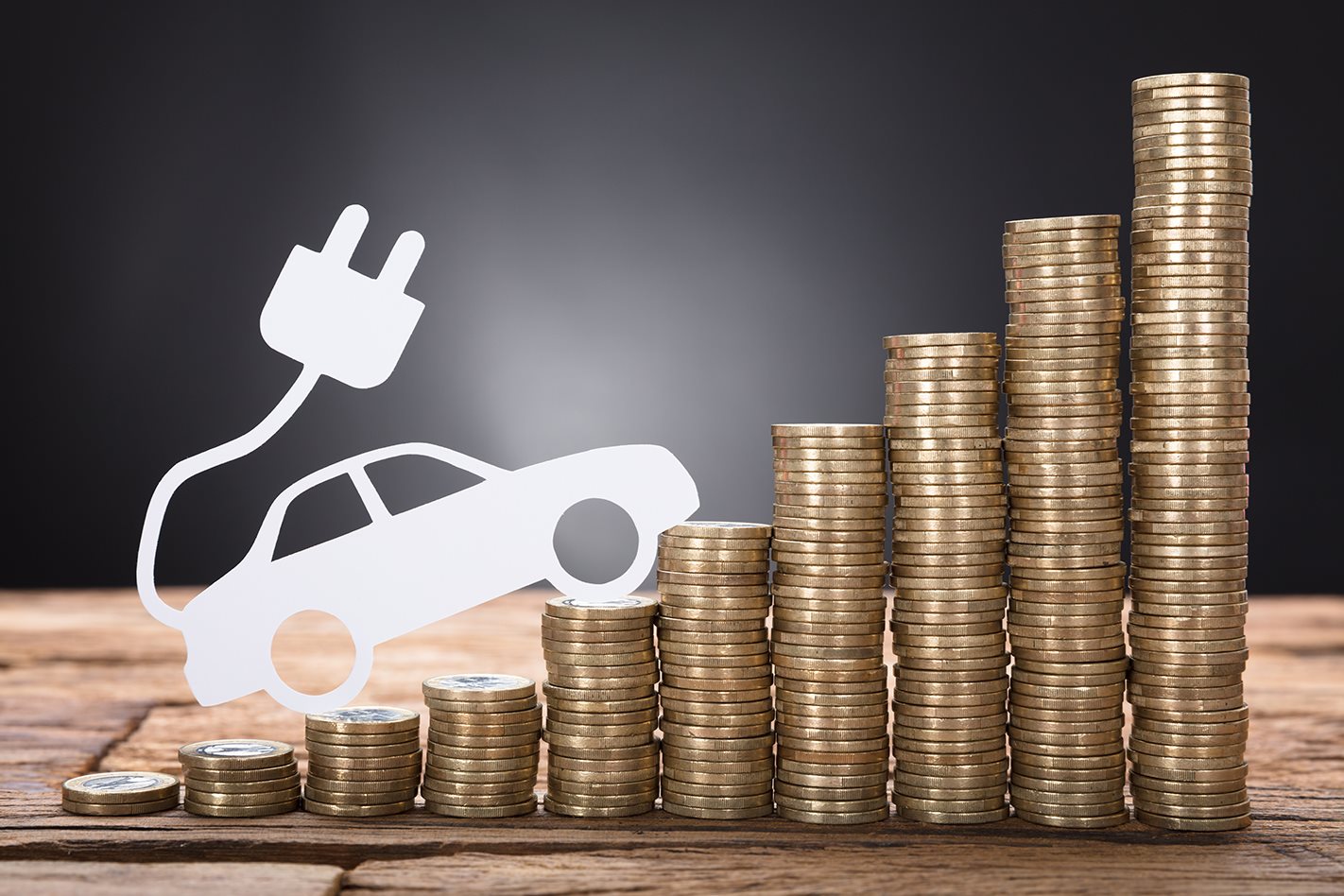
Key industry figures have reignited calls for the fuel excise to be scrapped and replaced with a pay-per-kilometre road-user charging system in the wake of prices rocketing at the bowser.
Automotive industry body the Federal Chamber for Automotive Industries (FCAI) says now is the perfect time for politicians in Australia to be replacing what it calls “ineffective and antiquated taxes on Australian motorists” with a broad-based road-user charge scheme.The FCAI released a paper on the concept in May 2021, with government advisory body Infrastructure Victoria also proposing that other charges, such as registration, be ditched in favour of a pay-what-you-drive system.
FCAI Chief Executive Tony Weber said national tax reform is desperately needed and now is the time to do it.
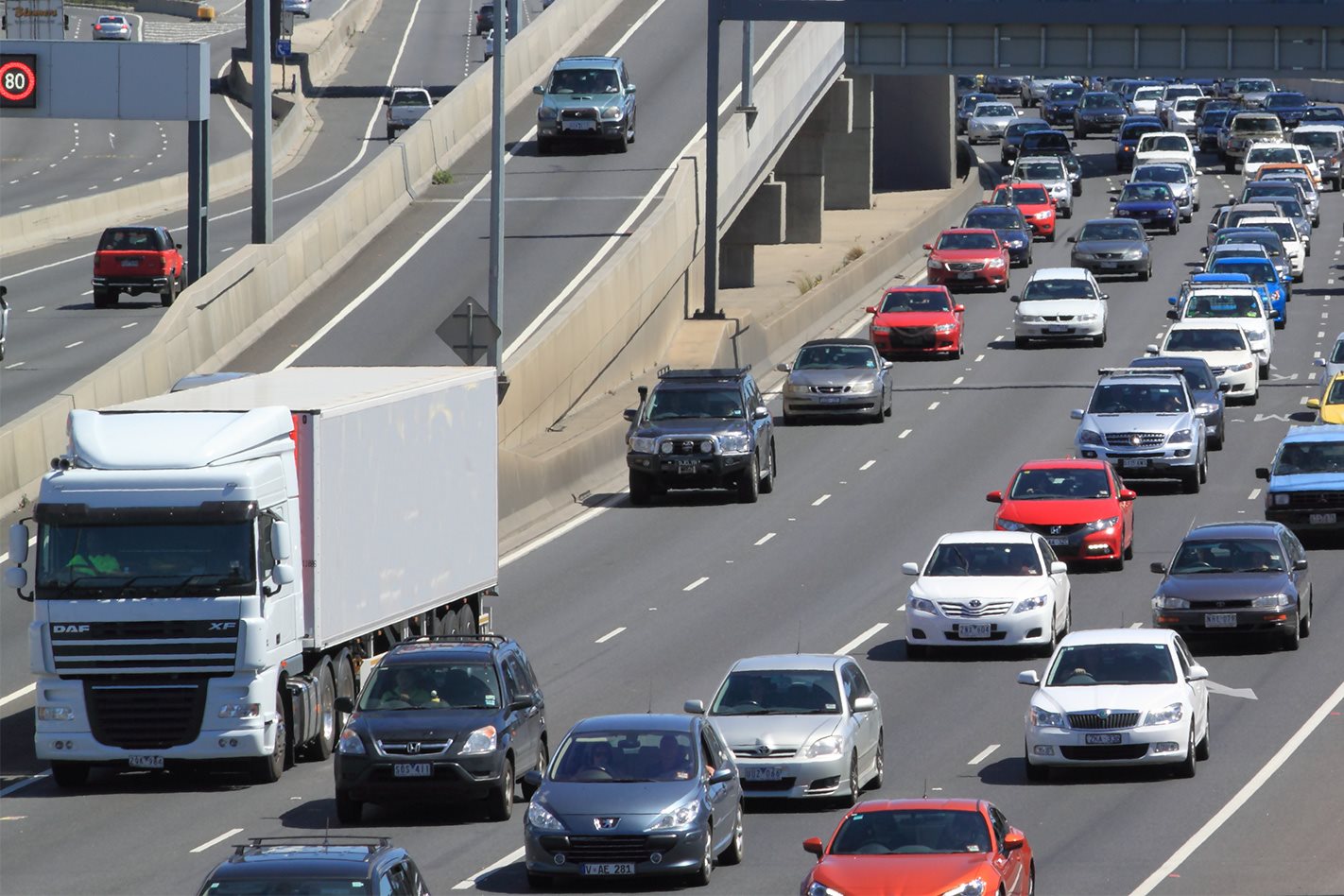
“State and territory governments are beginning to adapt to the changing nature of mobility in Australia, including the rise of electric vehicles that do not pay fuel excise. Applying this more broadly and scrapping taxes like fuel excise and the luxury car tax will ensure that all motorists are paying an equitable amount to use Australia’s road network,” Weber said.
“Our view is that governments can take this further and apply a road user charge to all vehicles, regardless of their engine type.
“Australians want a future that can provide clarity, simplicity, fairness and value to their wallet. There is no better time than now to bring this future into reality.“Importantly, a road user charge is not an additional tax on motorists. Instead, it can replace myriad charges such as registration, fuel excise licence fees, luxury car tax and sales tax. The reduction in complexity also presents an opportunity to reduce the large bureaucracies required to administer these inefficient taxes and charges, providing additional economic benefit.”
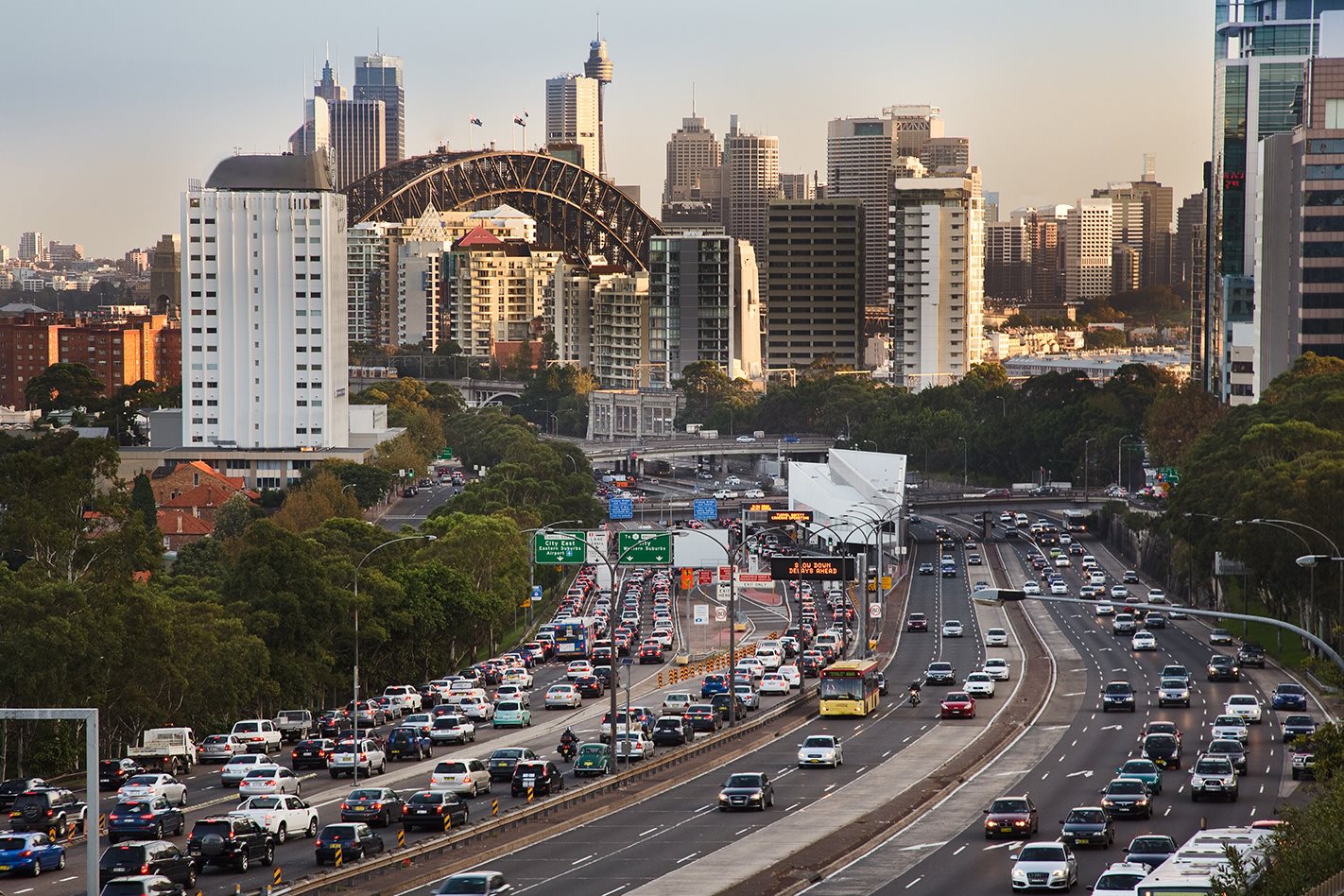
The FCAI chief added that adopting a new system, however, would need to ensure it was fair for everyone, ensuring that those in rural areas weren’t unfairly penalised.
Typically those on lower incomes live further out from capital city CBDs, commuting long distances to work, and therefore suffer either from higher fuel prices or pay-per-kilometre charges.
“The discussion paper released by the FCAI outlines the opportunities and pathways that are available to governments for this type of taxation reform. Clearly the details need to be carefully considered to ensure any scheme considers the application of equity for motorists across the country. This is particularly important when considering rural and regional travel, the Australian lifestyle and our tyranny of distance,” Weber added.
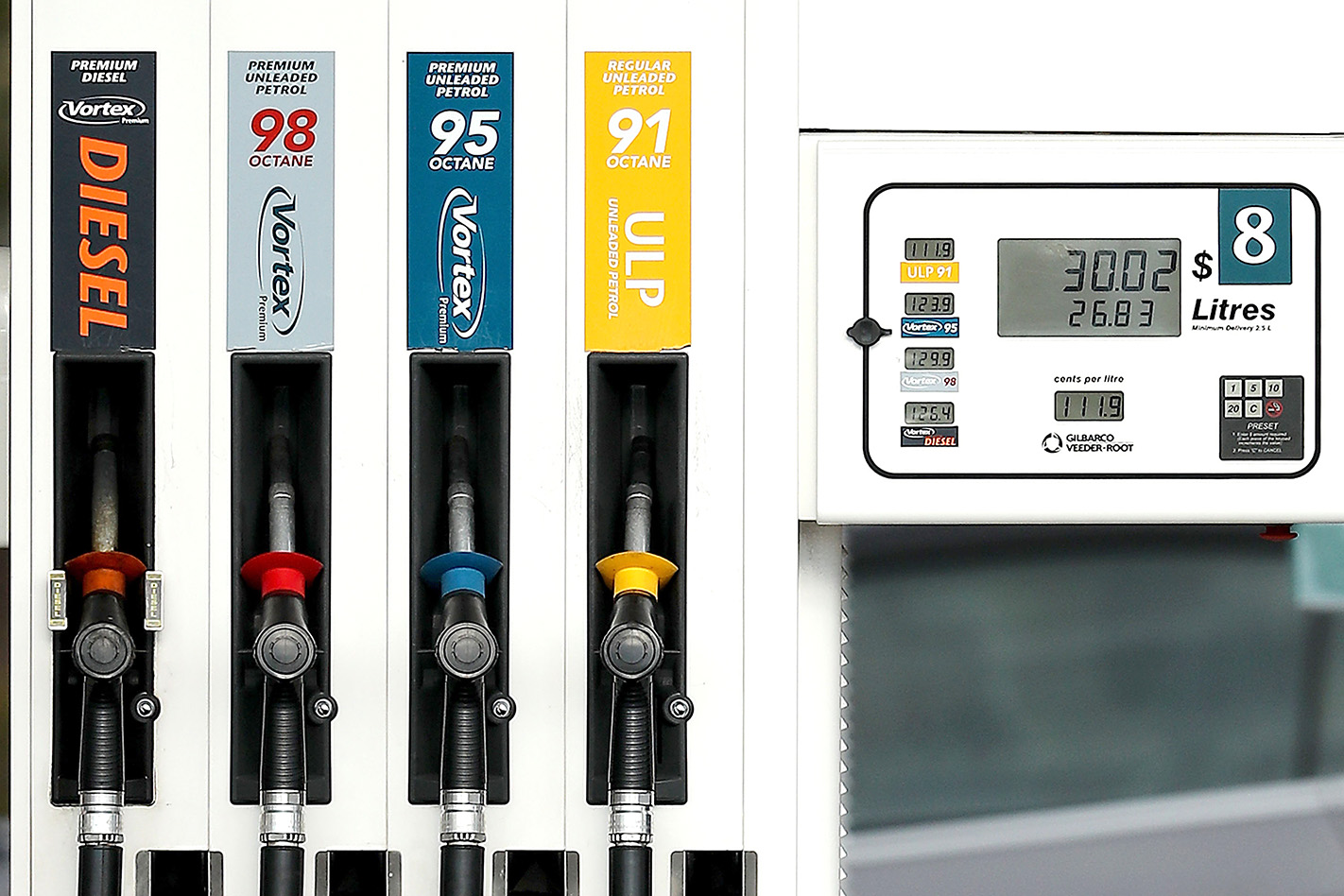
The FCAI’s call comes at the same time as the Australian Competition and Consumer Commission (ACCC) announced that the price of international refined petrol and average retail petrol in Australia’s five largest cities reached an eight-year high in February.
Russia’s invasion of Ukraine and the OPEC cartel’s refusal to boost crude oil production, combined with recovering oil demand as countries relaxed COVID-19 restrictions, pushed February prices to record levels.
The ACCC’s latest petrol monitoring report reveals that daily average retail petrol prices in Sydney, Melbourne, Brisbane, Adelaide and Perth hit 182.4 cents per litre (cpl) in late-February, which was the highest inflation-adjusted level since 2014 – and continued to rise throughout the first two weeks of March.
The report looks at the final quarter of 2021, but also provides additional data and analysis up to the end of February.
“Crude oil prices have been climbing sharply since late-2020 and prices at the bowser here have followed,” ACCC Chairman Rod Sims said.
“The world was already experiencing high crude oil prices late last year due to the continuing actions of the OPEC and Russia cartel, and the enduring Northern Hemisphere energy crisis. The shocking events in Ukraine have forced crude oil prices even higher, as Russia is a major supplier of oil.”
“Retail petrol prices in Australia are largely determined by international refined petrol prices and the Australian/US dollar exchange rate. As refined petrol is made from crude oil, movements in the global crude oil price drive the international price of refined petrol.
The last time prices in Australia were as high as they were in late-February was in January 2014, when strong international demand, conflicts in the Middle East and Ukraine, and a lower AUD/USD exchange rate pushed real daily average petrol prices to 182.7 cpl.
In June 2008, in the period before the Global Financial Crisis, daily average prices reached a record high equivalent to 212.9 cpl in today’s money.
Skoda will soon begin a new styling era, announcing its upcoming ‘Modern Solid’ design language will make its debut in the second half of 2022.
The company teased an example of the new design philosophy with a mysterious vehicle parked behind translucent glass.
While no details of the SUV have been revealed at this stage, it appears as if it could be an electric vehicle (EV), with the front-end featuring a blanked-off area where a grille would normally reside – a typical characteristic of models with battery-electric powertrains.
At its annual press conference this week, Skoda CEO Thomas Schafer said the company was already working on three additional EVs that were smaller than the Enyaq.
“You will soon see a wow moment for our competitors and our customers.”
The comments reiterated what Schafer had said at last year’s annual conference, and in January this year, in which he confirmed Skoda was working on its next EV, which will be smaller than the Enyaq.
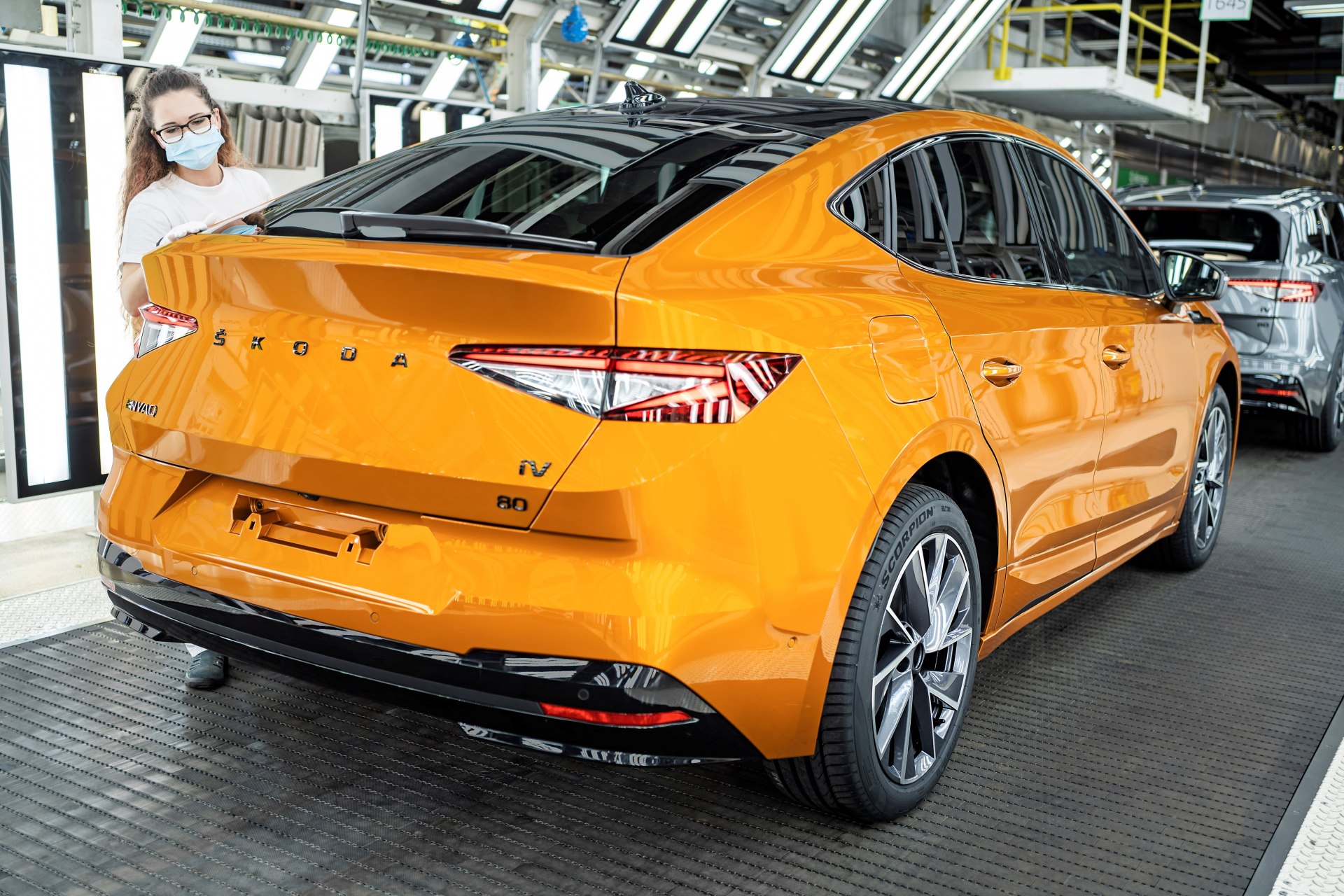
In June 2021, the UK’s Autocar reported a new Skoda EV would be based on Volkswagen Group’s MEB platform, with the brand’s design chief Oliver Stefani saying it will help differentiate its EV-only models from its range of internal-combustion engine (ICE) vehicles.
“The Enyaq is clearly related to our ICE cars, because it’s the only EV we have and we wanted to make it a member of the family,” Stefani said at the time.
“Once we have more electric cars, we will develop the idea of these electric cars much further.”
This week Skoda confirmed its electric Enyaq iV and Coupe iV would be launching in Australia in 2023.
A 26-year-old aged care worker is in a critical condition following an alleged hit and run in the Melbourne suburb of Armadale on Tuesday morning – with Tesla’s Autopilot feature being blamed.
Victoria Police charged a 23-year-old woman with dangerous driving causing serious injury, failure to stop at the scene of an accident, and failure to render assistance.
According to The Age, the driver told a court overnight Autopilot mode was engaged on her Tesla Model 3 when the victim was struck by the car while trying to board a tram.
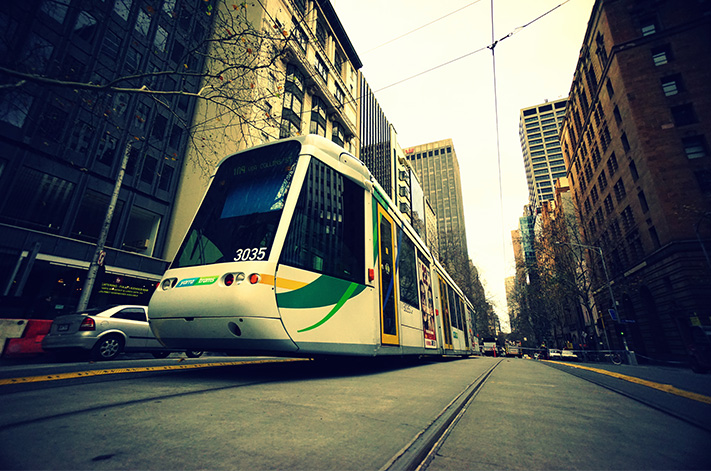
The probationary driver allegedly fled the scene, before returning with her partner two hours later, who described the incident as “just a normal accident, it happens every day”.
“She was going to come back anyway. She was a bit scared,” he told Nine News.
The driver, whose licence has reportedly been suspended in the past, is understood to be living in Australia on a bridging visa. She was granted bail despite police prosecutors raising concerns she could attempt to flee the country.
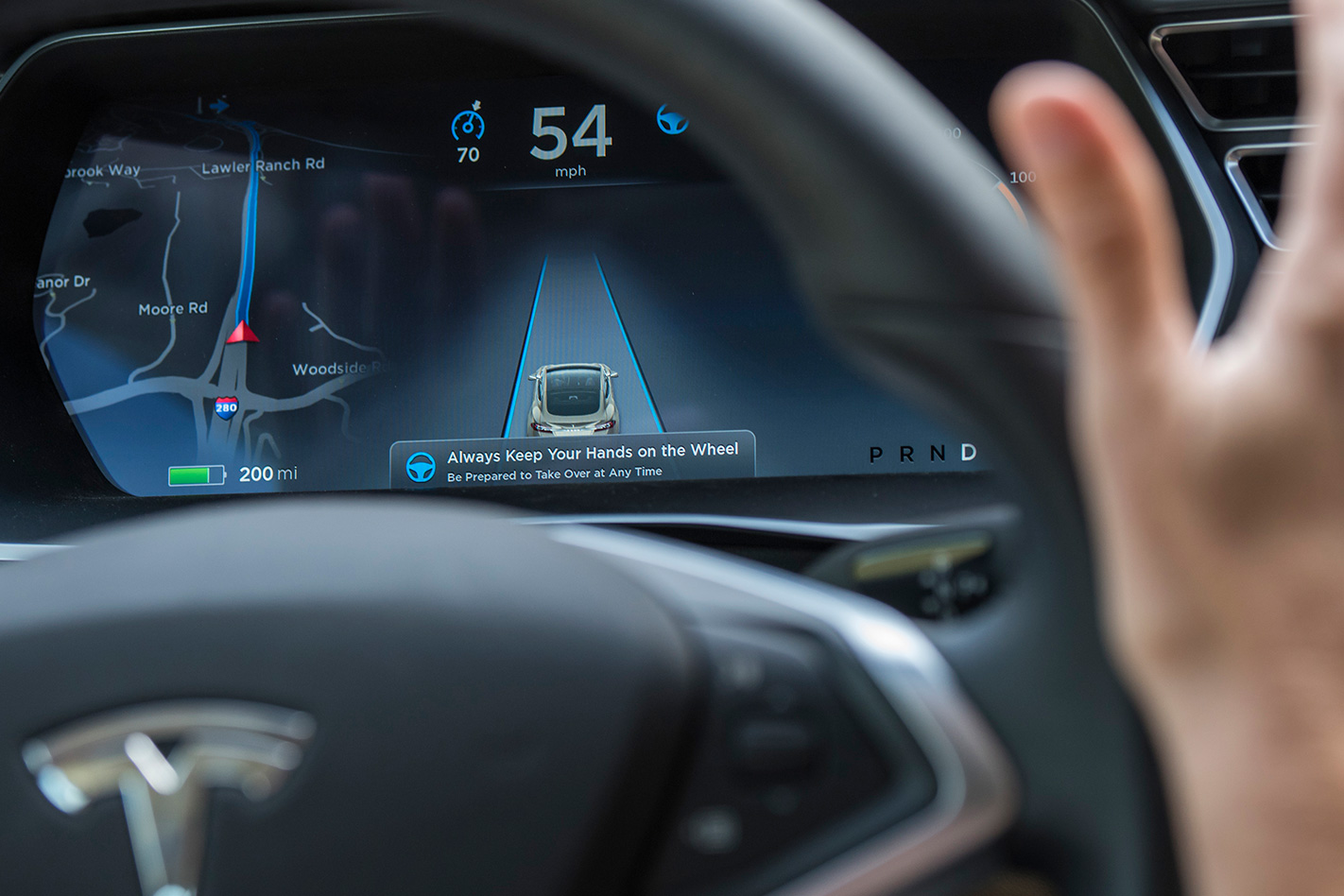
It’s reportedly the first time Victorian major collision investigators have been confronted with a case involving Tesla’s Autopilot – a semi-autonomous driving technology which allows the car to accelerate, brake, and steer without driver inputs.
Those using the feature are required to keep their hands on the wheel and monitor the road so they can take over control of the car.
Tesla’s Autopilot has been blamed for a number of fatal collisions around the world as sales have increased, but it was late 2021 when a driver in California was charged with vehicular manslaughter after their Model S struck a car at a red light and killed the two occupants while Autopilot was engaged – believed to be the first case of its kind in the world.
Experts have previously raised concerns about how semi-autonomous technology would interact with trams, kangaroos, and Melbourne’s unique hook-turns.
It’s not known whether Tesla has modified its Autopilot software to deal with the unique challenges of Australian roads.
Snapshot
- Saturday and Sunday Australian Grand Prix tickets sold out
- Aggregate attendance expected to come close to debut race levels
- 1995 Adelaide Grand Prix held the F1 attendance record until 2005
If you don’t have a ticket for this year’s Formula 1 Australian Grand Prix, you might just be out of luck as the 2022 race weekend has officially sold out.
The Australian Grand Prix Corporation (AGPC) has announced the ticket allocation for the third round of this year’s Formula 1 championship has been exhausted, the first time since the event moved to Melbourne’s Albert Park in 1996.
While tickets for Sunday’s race day sold out towards the end of February – some six weeks out from the event – the sell-out Saturday will make it the highest-attended qualifying day in the race’s Australian history, helping the Australian Grand Prix to one of its biggest aggregate crowds ever.
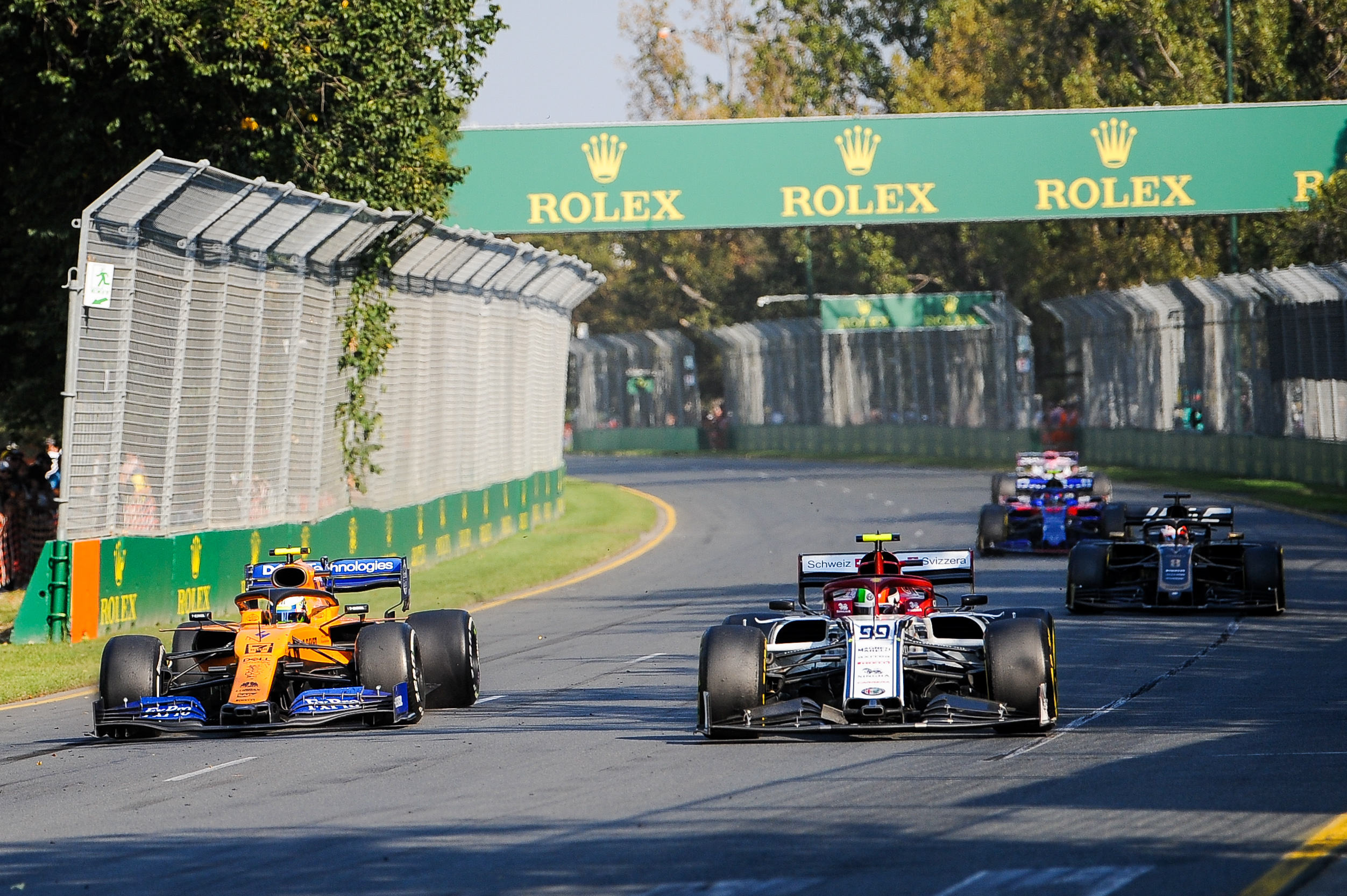
Although capped numbers due to labour shortages means the event won’t topple the numbers seen in 1996, AGPC CEO Andrew Westacott believes Saturday attendance will set a new record, while Sunday will rank in the top five of the race’s history.
“It’s not only a sell-out on Sunday but we’ve had to sadly announce Saturday has sold out as well, which will hopefully push demand to Friday,” said Westacott.
“We expect that we’re going to have the biggest or one of the biggest aggregate crowds in the history of the event.
“We won’t surpass the opening round numbers in 1996 of 154,000 on Sunday, but we expect to have about the second or third highest attendance on a Sunday, possibly the highest attendance ever on a Saturday and on a Friday, maybe that also moves into Thursday as well as we move closer to the event.”
The Australian Grand Prix was at the epicentre of the global coronavirus pandemic, with the event being called off on March 13, 2020 just hours before Formula 1 cars were meant to hit the track for the first time that season.
Despite trying to secure a date last year, quarantine and vaccination requirements meant the event had to be cancelled for a second year running, as the 2022 race weekend signifies 1100 days since Formula 1 cars were last driven around Albert Park.
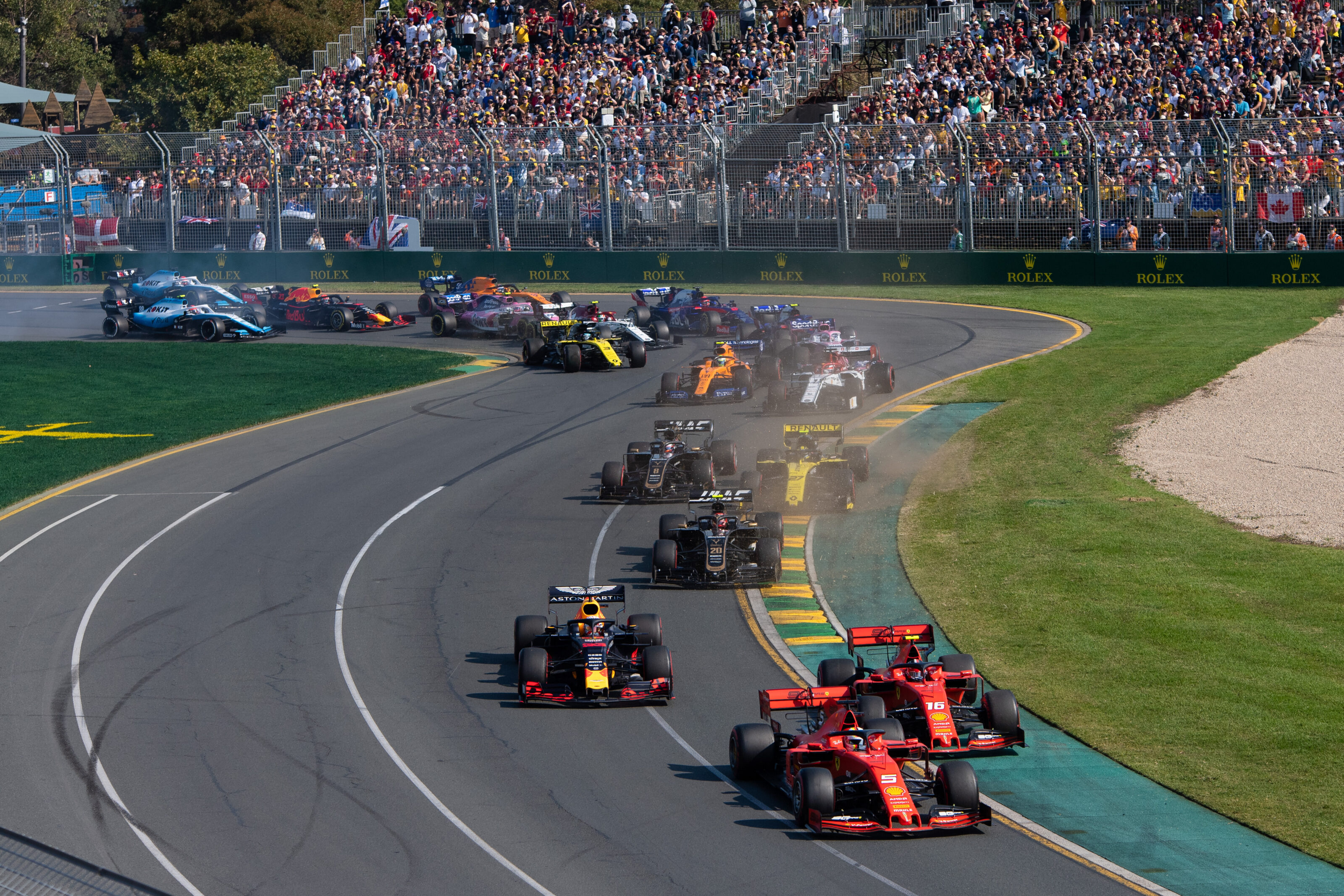
Westacott said the lengthy delays plus the intensity of the past two seasons has added to the hype of this year’s race.
“It shows there’s an insatiable appetite for the greatest racing spectacle on the planet – what we’ve missed for the last couple of years, we’re going to see live at Albert Park,” said Westacott.
“I think it’s been built up by Drive to Survive, Daniel Ricciardo’s exploits in Monza last year and the season finale in Abu Dhabi.
“People are being drawn to the sport, but they’re also being drawn to Albert Park because we do put on a show and we’ll be proud to put on a great show in 16 days when cars hit the track.”

Track changes have been made to the circuit for the first time since it joined the calendar in 1996, with more overtaking zones expected to lift Albert Park to become one of the best facilities on the 23-race calendar.
“What we always try to do is raise the bar every year because the bar keeps getting higher with new circuits like Zandvoort, as well as the show they put on in Mexico and Austin, Texas,” Westacott added.
“We always want to be the best in the world so what we have to do here in Melbourne is strive to achieve greatness every time we host the event.
“What we’ve done is provide $20 million to upgrade the circuit – we think with the new cars and the changes we’ve made, it’s going to be more exciting for the fans on TV as well as at the circuit.
“As well as the circuit changes, we’ve had to put in some 41 super-screens around the venue, we’ve got five new grandstands and about 17 corporate facilities at various locations.
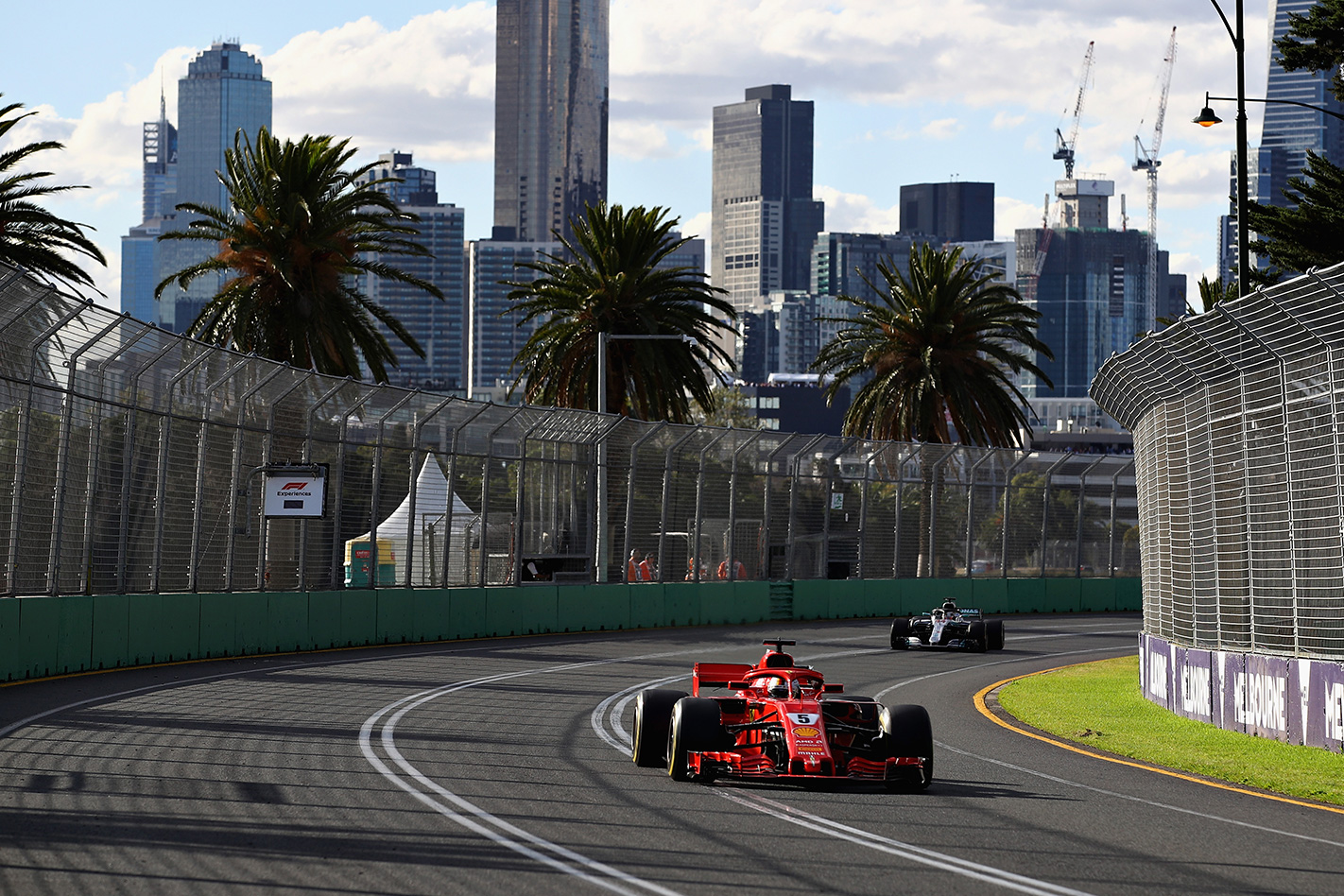
Sky Sports F1 commentator David Croft said the combination of track changes, car changes and an emergence of a younger audience for Formula 1 means this year’s Australian Grand Prix is expected to add to the festival atmosphere of the event.
“Formula 1 and the paddock isn’t the sort of place where a lot of people agree with a lot of things, but I think the one thing we all agree about is that we’ve been away from Australia for far too long,” said Croft.
“The Formula 1 fraternity wants to come back and show Australia exactly what they’ve been missing for the past few years, and they’ve been missing a sport they truly love.
“Some countries host a race, some countries embrace a race and Australia very much embraces Formula 1 – it’s a proper festival of motorsport.
“The track has changed a bit as well – it’s been resurfaced, the bumps have gone, which is good for the new cars and regulations because the suspension is a lot stiffer in 2022.
“We’ve got wider entry for some of the corners at Turn 1, Turn 3, Turn 6, got rid of the chicane at Turn 9 and 10 to add another DRS (drag reduction system) zone which means drivers will be even harder on the brakes into Turn 11, which has also been reprofiled – all of which should make for better racing.”
The Australian Grand Prix is set to take place from April 7 to 10 at Melbourne’s Albert Park Circuit.
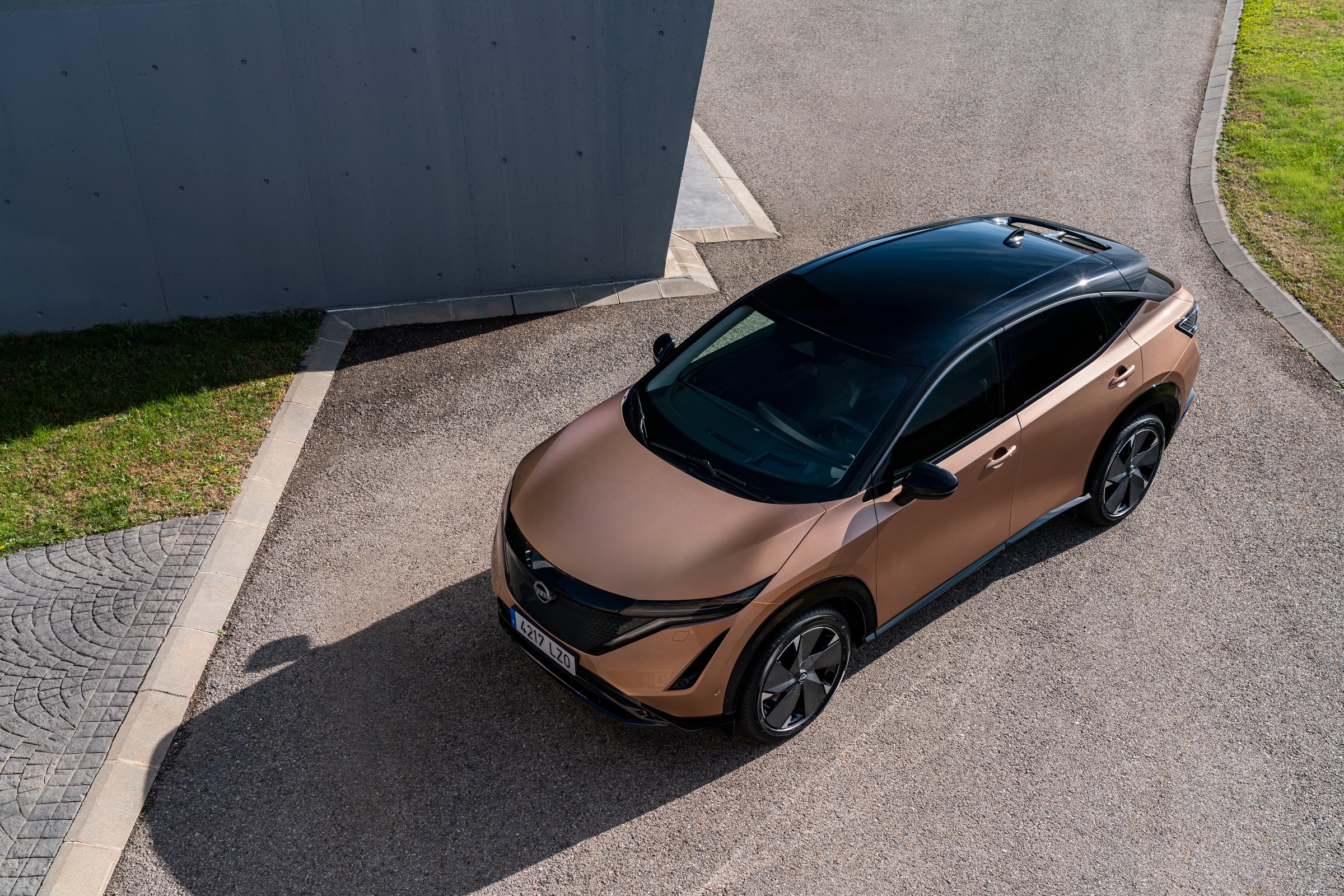
It looks good, right? I’d argue the coupe-SUV aesthetic doesn’t really work in most cases. But there’s something about the Nissan Ariya’s smoothly appointed creases – ‘Japanese futurism’, in design lingo – that’s improbably arresting in the metal. Given the rate of knots at which electric crossovers are being launched, catching the eye will undoubtedly prove to be a good thing.
As will Nissan’s legacy. With the Leaf, it launched the world’s first mass-production electric car, and more than half a million have sold globally since. That ought to be an automatic leg-up to make buyers pay the Ariya some credence, even if it does feel a touch late to the plug-in SUV party.
The numbers it launches with are impressive, though. You have a choice of front- or all-wheel drive and two different battery sizes, resulting in four different power outputs, ranging from 160kW to 290kW. The top-rung Ariya e-4ORCE Performance hits 100km/h in a mite over five seconds, while the most efficient will nudge 500km of range on a full charge.
Lots of choice, then, but our first taste of a pre-production car is the cheapest and slowest.
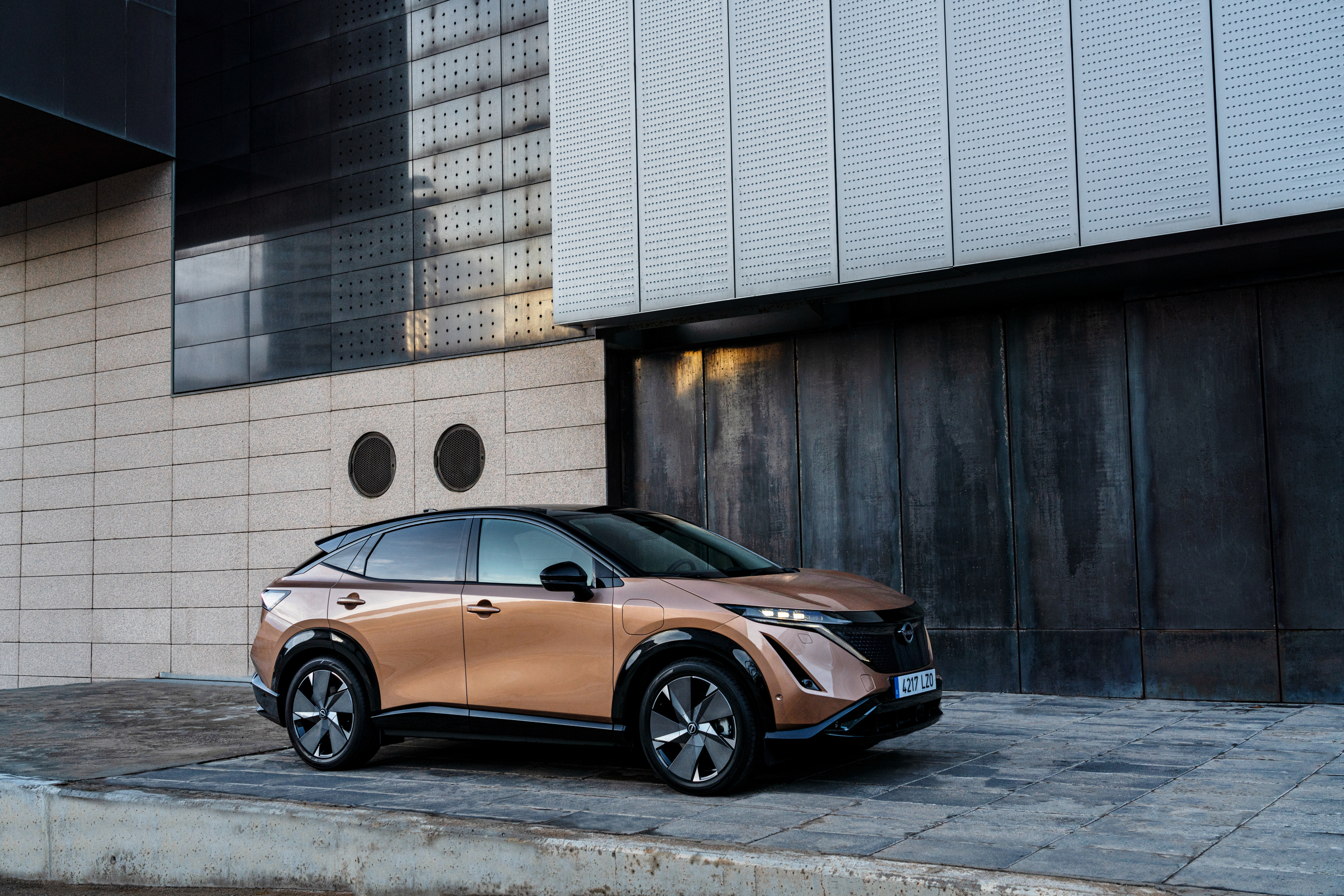
In the UK it’s priced from £41,845, the equivalent of around AU$75,000 and over 50 per cent costlier than a base Nissan Leaf. It’s moving the electric Nissan experience up, and not just in terms of size.
That’s because my first impression (beyond being oddly enamoured by the looks) is how special it manages to feel inside, even if half a dozen laps driving this prototype Ariya around a former F1 race circuit isn’t exactly the most opportune time to soak up its ambience and prod and poke every panel and material.
The CMF-EV platform it’s based upon allows for a nice flat floor and a sliding centre console that swishes fore and aft depending on how much you value the leg space of your rear passengers. It’s among a wealth of neat interior tricks; another sees the drive mode and climate control buttons melded into the dashboard trim to blend physical and digital operation. The end result looks neat and is still quite reassuring to operate.
“We did not go for fully digital controls because we wanted to make interaction in the car easy, simple and effortless,” says product manager Alexander Pasternak.
“For the same reason, we chose horizontal displays with a central screen that’s easy to reach.”
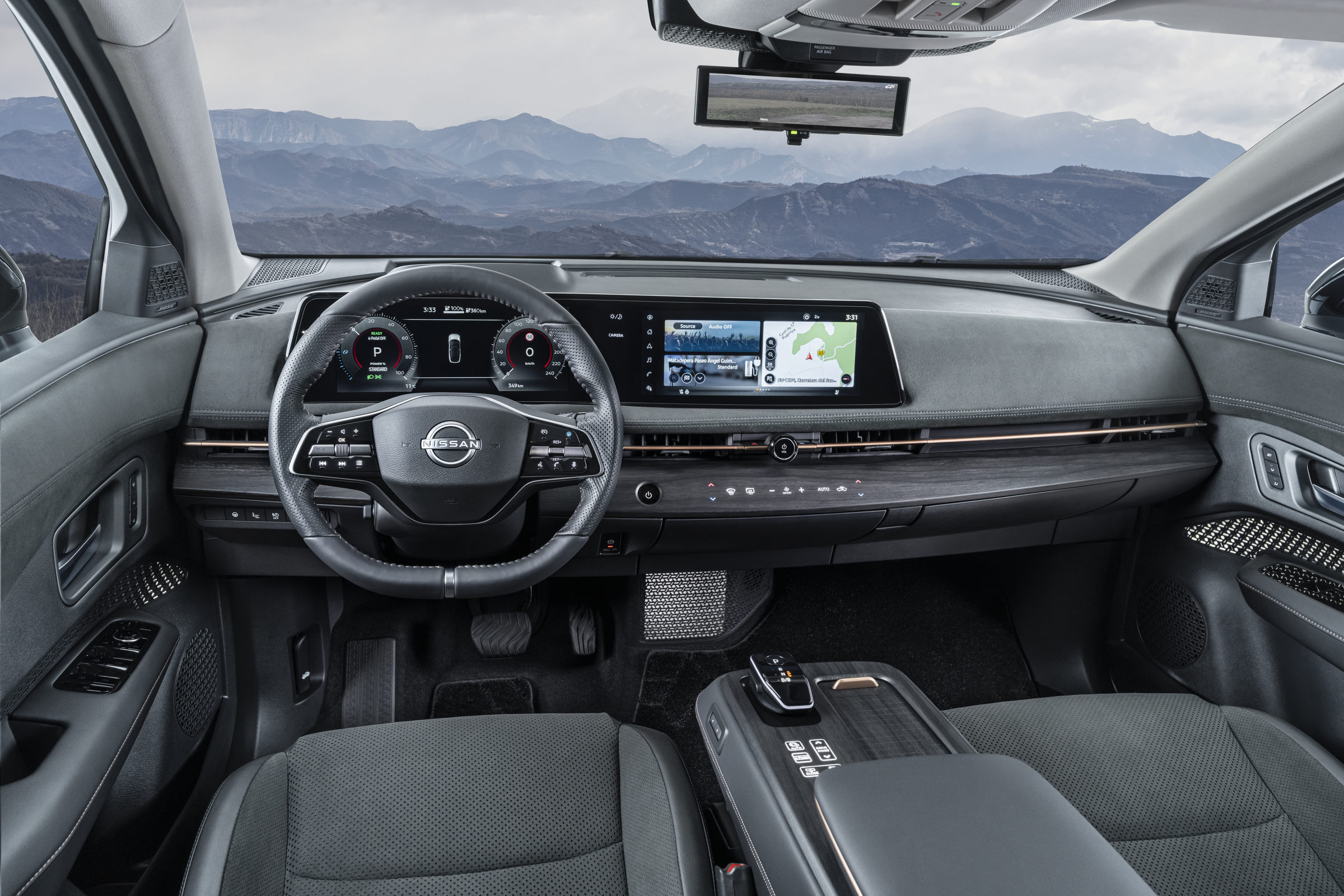
Is that an only mildly guarded dig at Tesla? Either way, those displays also contain reams of driver-assist functions, a voice assistant that’ll link up to connected devices in your home and a smart nav system that’ll check the status of charging stations on your route and update things accordingly if they’re full. Or broken. Naturally, the car is open to over-the-air refreshes, too.
The Japanese buzzwords are in full flow if you’re willing to listen to Nissan’s spiel – ‘Andon’ interior lighting is inspired by paper lanterns, while the ‘Kumiko’ door trim references ancient wood construction methods. But I’m inclined to let them get away with it all because the ambience in here is top-notch.
Is the drive as good though? Well, a layer of Saharan dust whipped in by a Spanish sandstorm lends Circuito del Jarama a slight slipperiness that is actually quite welcome in such a short stint in the car, exaggerating its dynamic behaviours like a diet version of the riotous frozen lake testing facilities around the Arctic Circle. But it ultimately doesn’t provide the final assessment an exhaustive road test will serve up.
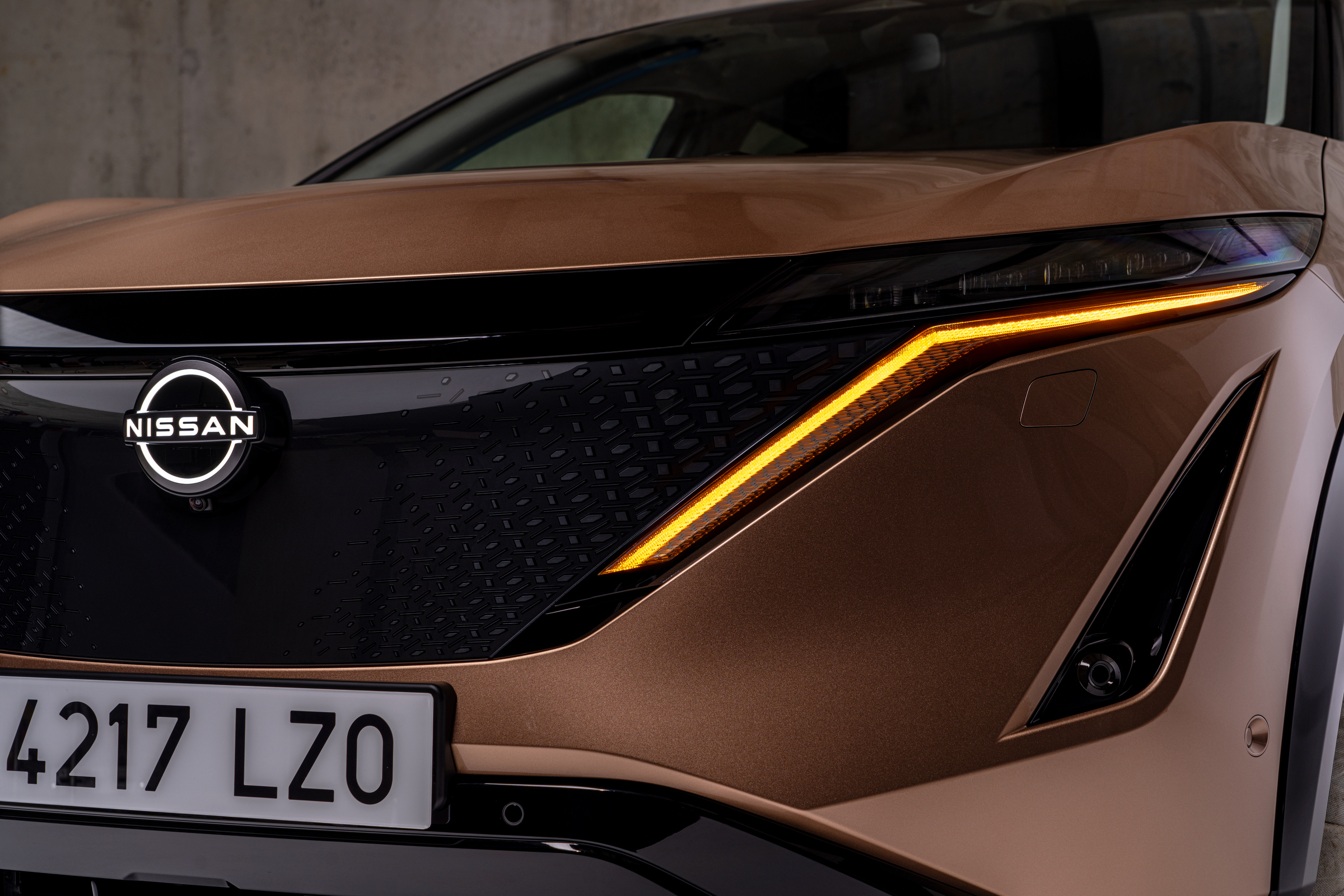
What I conclude for now is that the Ariya handles really quite pertly given its circa two-tonne weight. Which is all the more impressive given we’re dealing with the base FWD version here, not the glamorous performance halo.
You have a bunch of drive modes to choose from as well as different levels of brake regen and the option of one-pedal operation, but it’s pretty smart whichever selections you’ve haptically prodded yourself into.
Beyond the light and lifeless but sharply reacting steering is a neat handling balance and nice linear acceleration – claiming 7.5sec to hit 100km/h, this Ariya possesses no pointlessly quick off the line tricks. Its power is instead delivered in the mid-range, right where you actually want it. And the strength of the e-pedal regen proves a neat way to shift the car’s weight forwards when tucking its nose into corners.
It feels like it could be a real tyke with more performance tuning, or simply an ‘ESC off’ button. Get on the power as early as you think you can and the electronics unsubtly lunge in and curb your flow, which feels overzealous, but I suspect that away from a curiously dusty circuit, traction will be somewhat more predictable.
Thankfully Jarama’s long straight provides a fine place to check out the Ariya’s 120km/h cruising, which is quiet and exceedingly fuss-free.
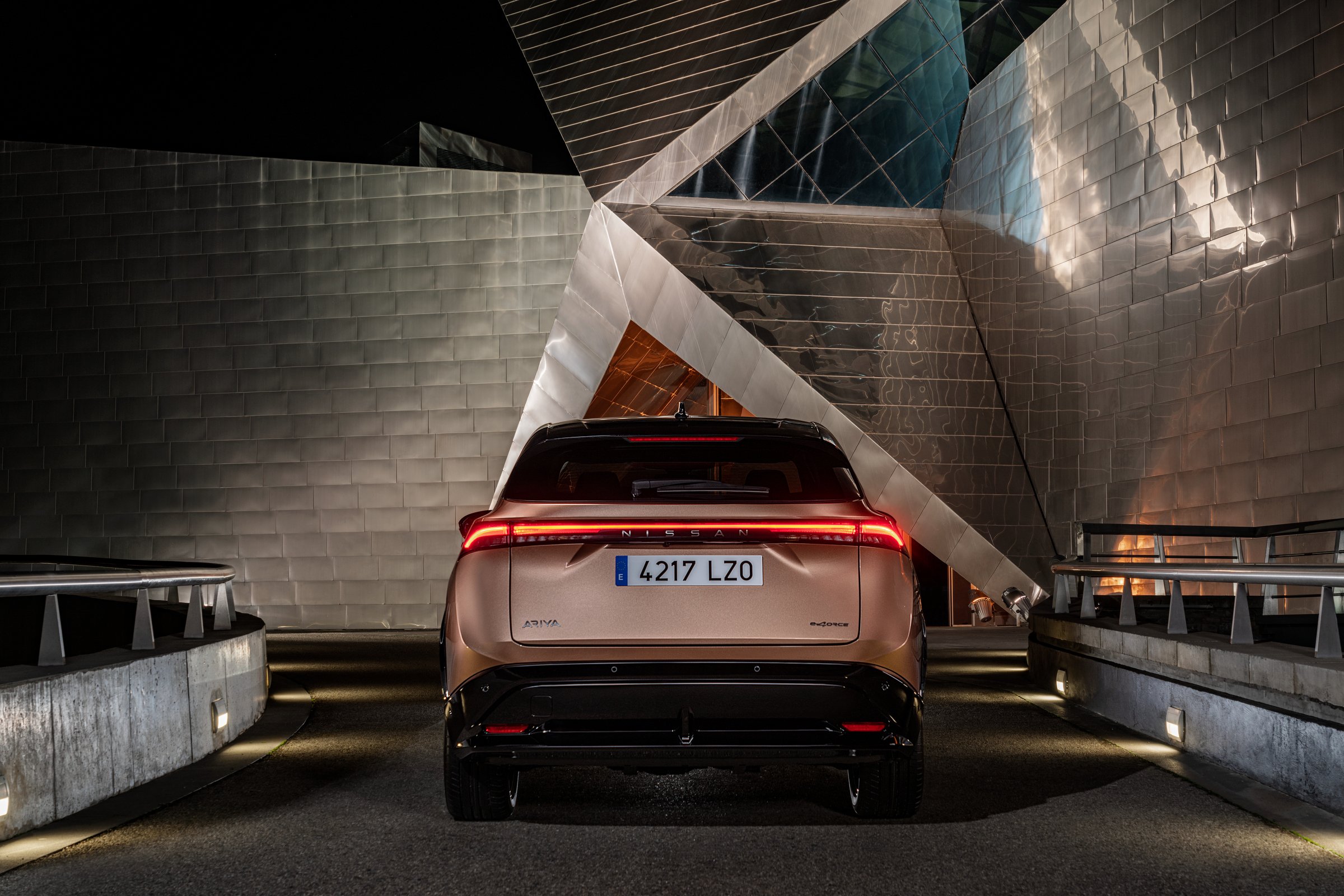
There’s a slight rustle around the wing mirrors but – as with all EVs – it’s only truly noticeable because everything else is so hushed.
Higher power outputs will get Nissan’s new torque-vectoring AWD, clunkily named e-4ORCE.
The idea is that it not only tidies up the handling, carefully metering out power at all four corners, but it calms down the pitching motion that comes from braking or lifting off the throttle, regardless of how fun that has made this FWD Ariya on the irrelevance of a racetrack.
A quick go around some cones in a Leaf e-4ORCE test mule (dubbed ‘Super Leaf’ by its engineering team) suggest it’ll lend the Ariya more inherent stability and smoother straight-line manners.
Nissan argues it brings GT-R heritage further down the range. Which might seem a bit idealistic, but who wouldn’t pick the low-hanging fruit of a supercar-slayer on the family tree? The tech should sit neatly beneath that airy and appealing cabin to make something that tries sufficiently different stuff to feel like a whole new chapter for Nissan.
Let’s hope the Ariya lives up to its impressive first impression once we try one on the road.
2022 Nissan Ariya specifications
| Body | 4-door, 5-seat medium SUV |
|---|---|
| Drive | front-wheel |
| Engine | electric motor, 63kWh battery, 22kW charger (optional) |
| Power | 160kW |
| Torque | 300Nm |
| 0-100km/h | 7.5sec |
| Top speed | 160km/h |
| L/W/H | 4595mm/1850mm/1660mm |
| Wheelbase | 2775mm |
UPDATE, January 2023: New Qashqai driven in Australia!
After pricing was announced early in 2022, the new-gen 2023 Nissan Qashqai is finally in Australia – and we’ve driven it! Get our full story at the link below.
July 2022: Australian pricing announced
Australian pricing for the new Qashqai has now been revealed. Get all the details at the link below.
The story to here: 2022 Qashqai review
“Nissan dares to do what others don’t,” we’re told in a very glossy presentation for its Qashqai e-Power. And the car you’re looking at is perhaps the most mainstream possible interpretation of the philosophy. It’s a hybrid crossover, but not as we know it.
It’s ‘a disruptor’, apparently. Given Nissan’s alliance partnership with Renault and Mitsubishi, the company could have easily lifted a plug-in hybrid powertrain off a shelf and slotted it straight into its hit compact SUV. But it’s gone for something crucially quite different, and a more potent development of a technology it has popularised in Japan over the last few years.
Dubbed e-Power, it mates a 140kW electric motor with a 116kW 1.5-litre turbo-petrol engine, but not for some big jaw-dropping peak output. It’s front-wheel drive, but only the e-motor provides propulsion. You’re essentially looking at a range-extender hybrid that you can’t hook up to a charger.
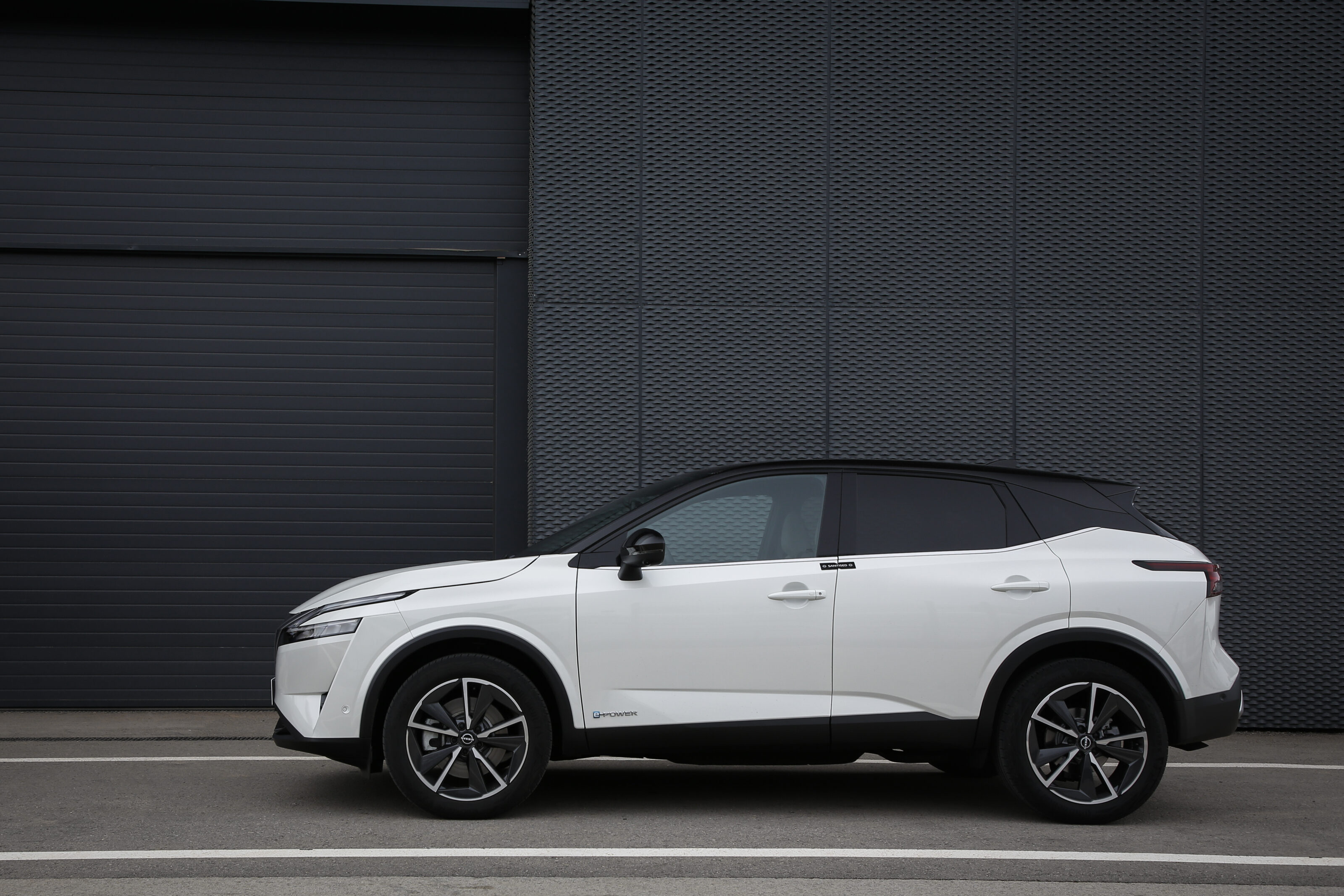
But that’s the point of it. Nissan won’t do a plug-in hybrid, having concluded that customers don’t actually plug them in; they benefit from government cost incentives to then drag around several hundred kilos of batteries for no real benefit, says its research.
Yet-to-be-homologated figures of 119g/km of CO2 and 5.3L/100km are quite modest, but unlike the eye-boggling numbers quoted by most PHEVs, they ought to actually be achievable.
“I’m not sure plug-in hybrids will last a lot longer,” Nissan Europe’s product strategy man Arnaud Charpentier tells Wheels.
“It’s really all to do with government incentives, and I would be surprised to see these being maintained until the end of the decade.
“We decided not to go that way. It was quite a courageous decision if you look around at our competitors. For us, e-Power is a better solution that can also educate the customer, ready for a full electric vehicle.”
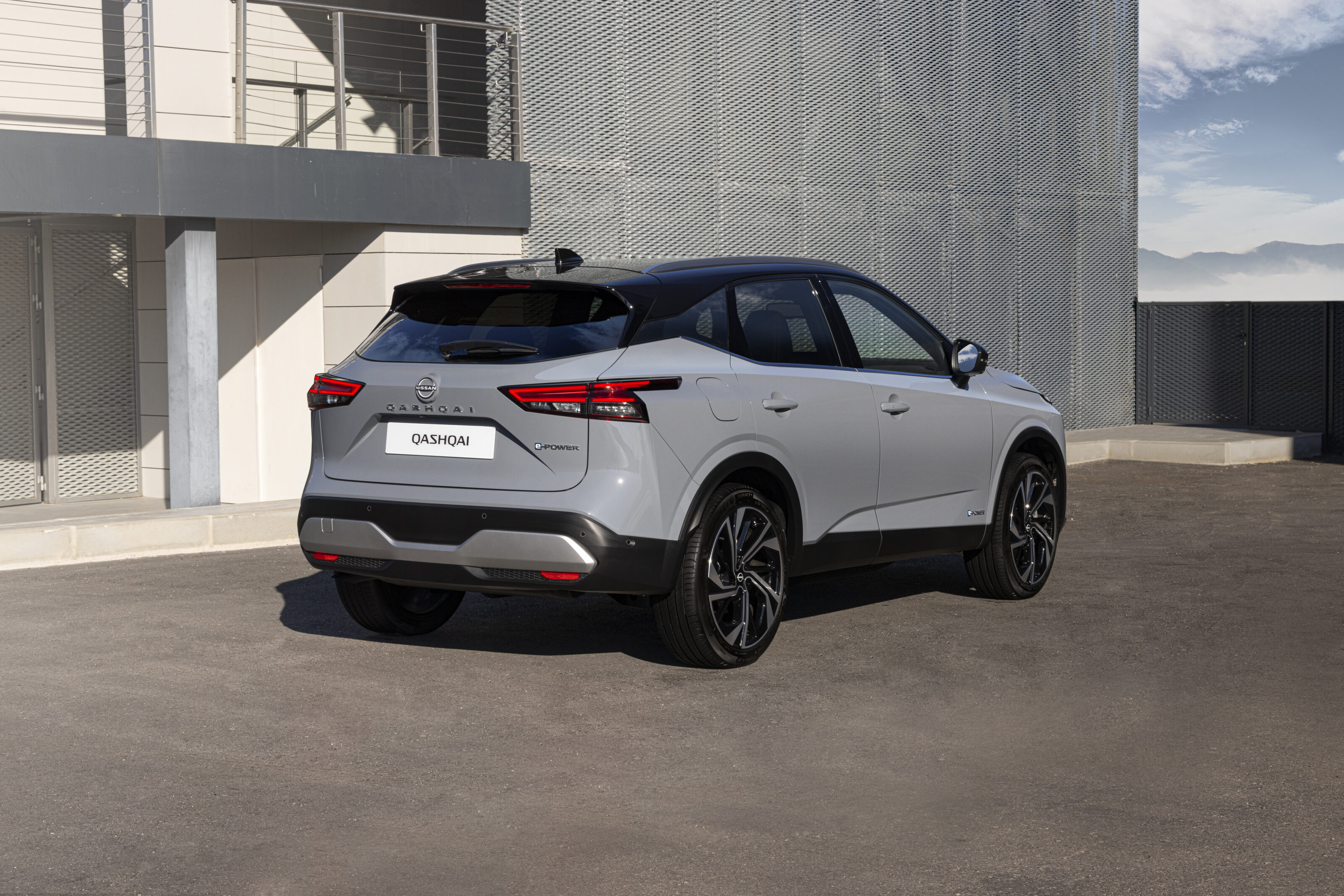
It’s basically a stepping stone for anyone not ready to enter the world of EVs and their fledgling charging infrastructure, Arnaud says, and potentially quite a short-term solution.
Nissan isn’t investing in the next round of European internal combustion engine regulations; after 2028, it says, the dawn of solid-state batteries will lower the cost and charging times of EVs enough to democratise them for almost all of us.
Very quickly, Nissan expects the majority of Qashqais it sells to be e-Power models, while an X-Trail e-Power – bringing all-wheel-drive via Nissan’s torque-vectoring e-4ORCE tech – will follow soon enough.
We’d better get acquainted with the system, then. This isn’t an exhaustive road test, rather half a dozen laps of Circuito del Jarama, the former Spanish Grand Prix track.
Naturally, Nissan has laid down speed limits and used cones to recalibrate some of its white-knuckle corners to better reflect how a Qashqai e-Power will be driven by normal humans rather than insecure journalists eager to break a lap record. Which is good news for everyone involved.
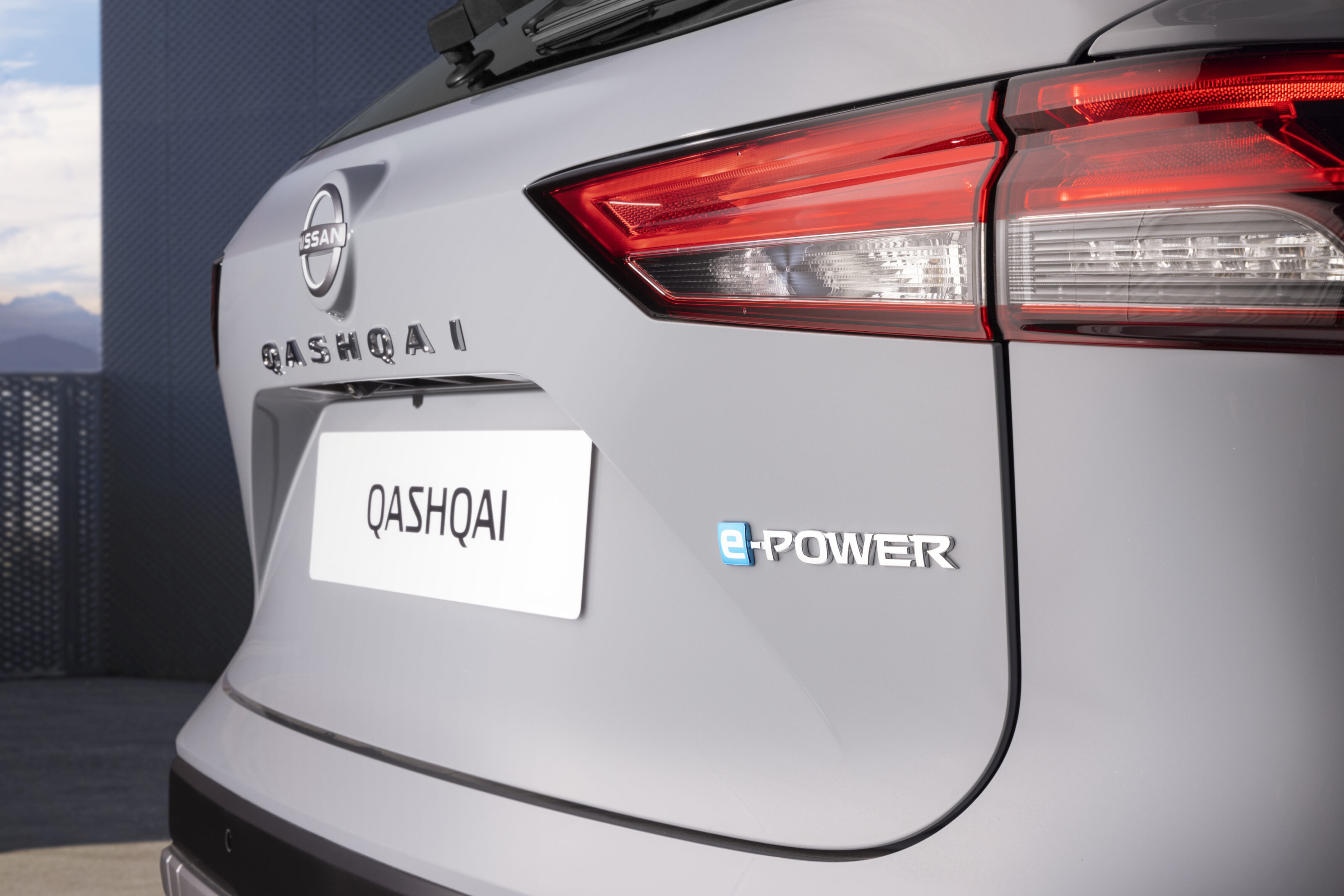
Walk up to a Qashqai e-Power and you’ll tell it apart from petrol-only models by its sliver of glossy front grille. Climb inside and there are some model year updates for the Qashqai in general, including a bigger, more advanced central touchscreen – up from nine to 12.3 inches – which comes hooked up to both Alexa and Nissan’s own voice control.
If you’ve got smart appliances at home, you can even control them on your commute back – getting the oven warmed up ready, perhaps.
You operate the e-Power like any automatic car, slotting the Qashqai’s little gear selection lozenge from P into D then pulling away. You can boost brake regeneration by popping it one more notch into B, while pressing the e-pedal button allows you to slow the car almost to a halt without ever touching the brake. But it won’t work below 10km/h, so this is never a completely one-pedal car.
Equally, you can try to make the car prioritise EV power alone – with the engine kept schtum – and the Qashqai will theoretically hit 100km/h without petrol-powered assistance. But you’ll have to be feathering the throttle with the touch of an ethereal spirit to achieve it; any slight vigour to your acceleration at any speed sparks the 1.5-litre into life.
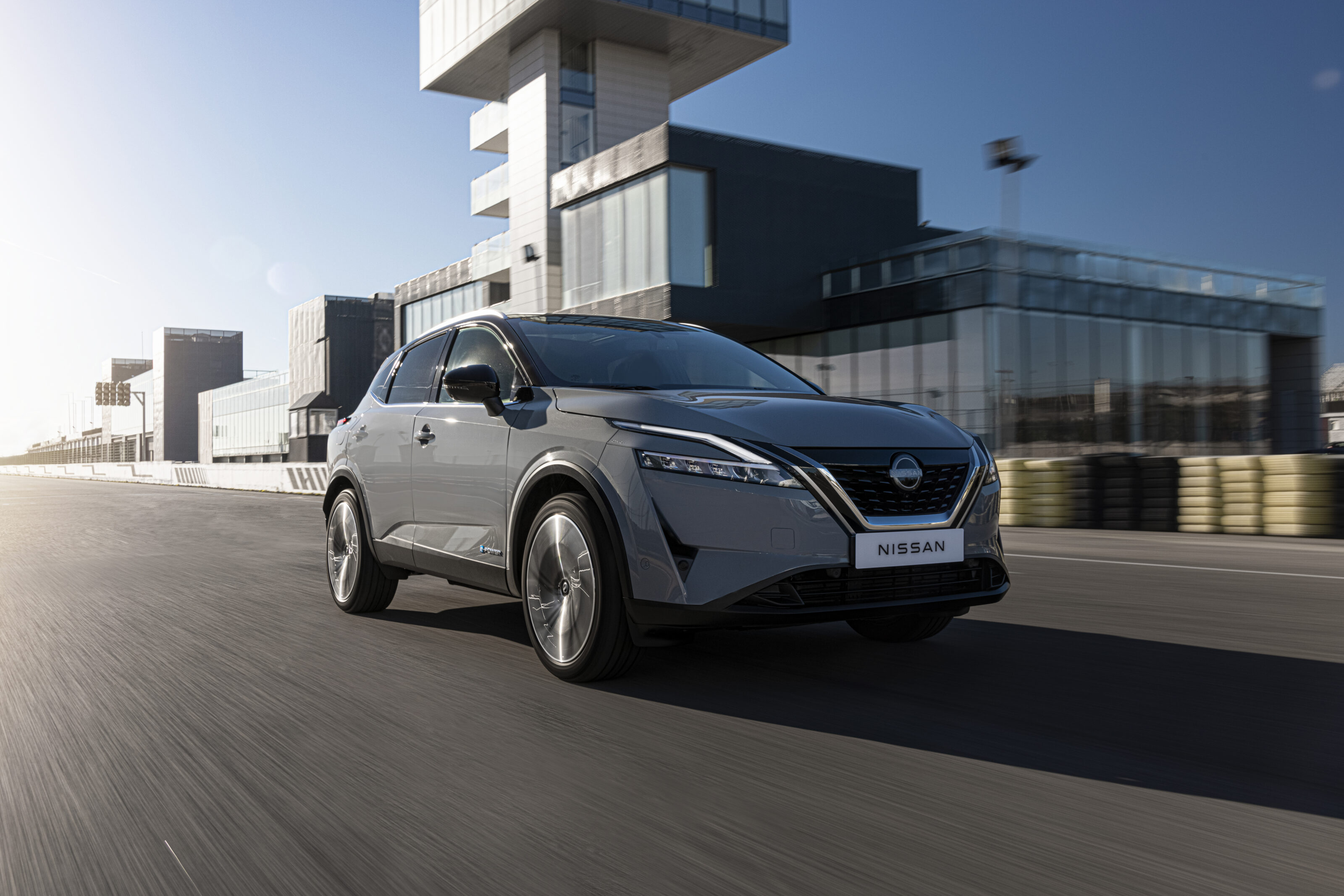
That’s far from a disaster, though, because its variable compression ratio technology is finely honed. The engine operates a low compression ratio under large throttle demands and a high compression ratio the rest of the time, to the benefit of refinement.
It means that at town speeds the engine is so quiet as to almost be inaudible, and the same goes for steady-state cruising speeds. It’s only under acceleration – of any kind, really – that it’s truly pronounced. It makes the same prolonged drone of a CVT, even though Nissan is adamant it has tried to avoid the sensation of one.
The sound it makes only ever lasts as long as your acceleration, though, and at all times the engine is tuned to deliver RPM at a constant figure that best suits efficiency and cabin calmness.
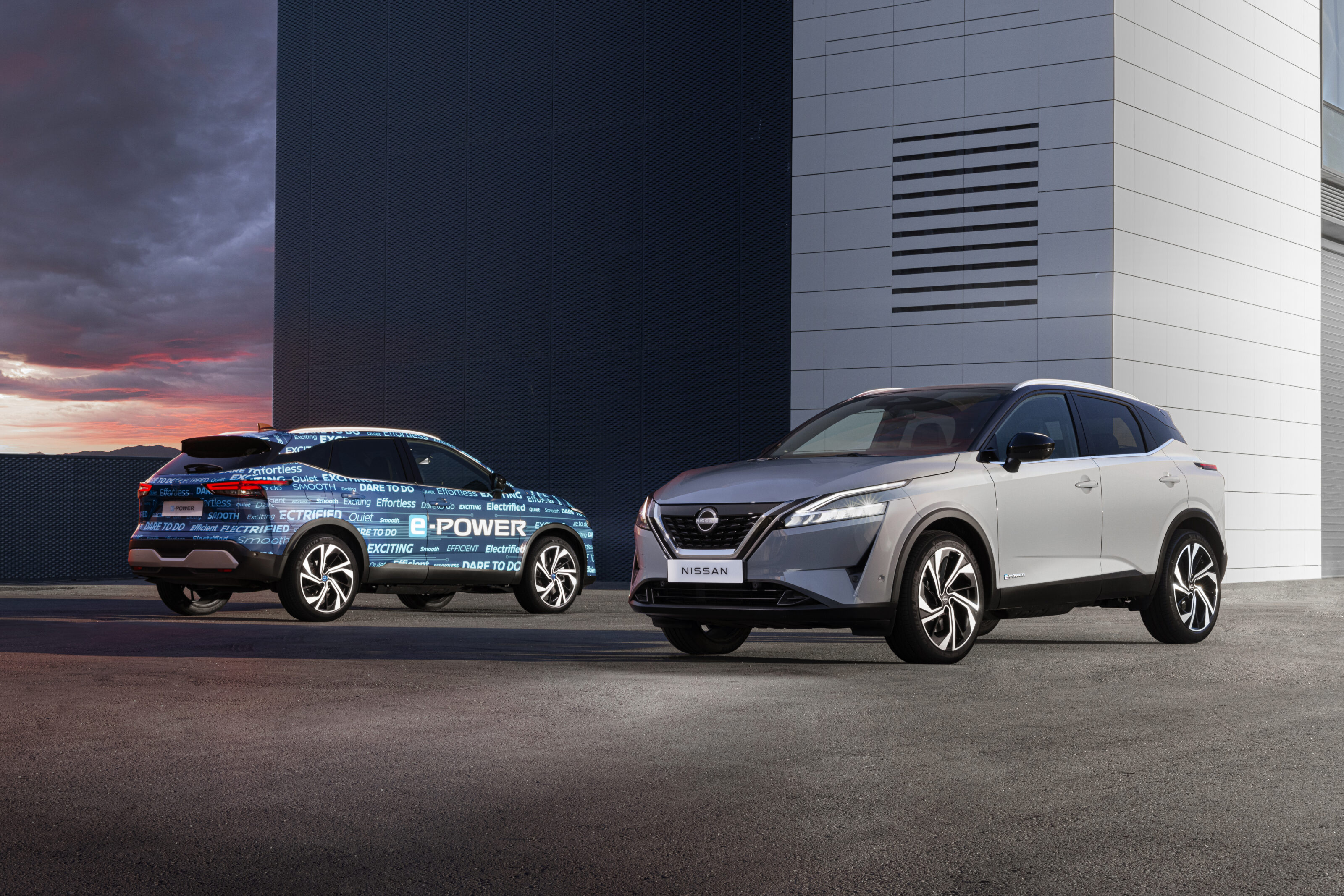
And it really does drive with the linearity and response of a full EV. As a keen driver, you know something is amiss between the soundtrack and what’s fizzing through your hands, bum and feet – the engine sound manages to match your acceleration while being tangibly detached from it – but a passenger wouldn’t question it and would likely assume this was any other hybrid car.
And as for handling? Well, I can’t say the e-Power hosted my most exhilarating laps of Jarama, but it’s as neat and tidy as you’d feasibly hope a hybrid crossover to be. It has around 200kg of extra weight over a standard Qashqai, mostly slung over the front axle, so there have been ride and handling tweaks to compensate.
This isn’t an area of the market dripping in driver appeal and the e-Power steers at least as well as the general class standard, and the strongest brake regen setting actually helps you tuck its nose into corners quite nicely.
The overwhelming feeling is of an effortless car that’ll bring stress-busting refinement to its bustling sector. Perhaps not as disruptive as Nissan claims, then, but all the more relevant for it.
Nissan Qashqai e-Power specifications
| Body | 5-door, 5 seat small SUV |
|---|---|
| Drive | front-wheel |
| Engine | e-motor with 1.5L 4-cylinder turbo-petrol range-extender |
| Power | 140kW |
| Torque | 330Nm |
| Compression ratio | Variable from 8:1 to 14:1 |
| Fuel consumption | 5.3L/100km (TBC) |
| CO2 emissions | 119g/km (TBC) |
| Weight | 1635kg (est) |
| L/W/H | 4425mm/1838mm/1635mm |
| Wheelbase | 2666mm |
Snapshot
- Formula 1 to remain on Foxtel over the coming years
- F1TV functionality to be added to iQ box, Kayo app
- Current rights deal started in 2015
Formula 1 will stay on Foxtel for the foreseeable future, with the partnership being extended as part of a multi-year deal announced today.
Having picked up the rights to broadcast Formula 1 in Australia from the 2015 season onwards, Foxtel will continue to show every practice, qualifying and race session live throughout the season – although no specifics have been given as to how long the extended deal is in place for.
In addition to the current coverage across Fox Sports and its streaming platform Kayo, the F1TV service is set to be offered for Australian fans from 2023, adding the ability for fans to bring up live timing, on-board cameras and technical information through either Foxtel’s iQ box or the Kayo app.
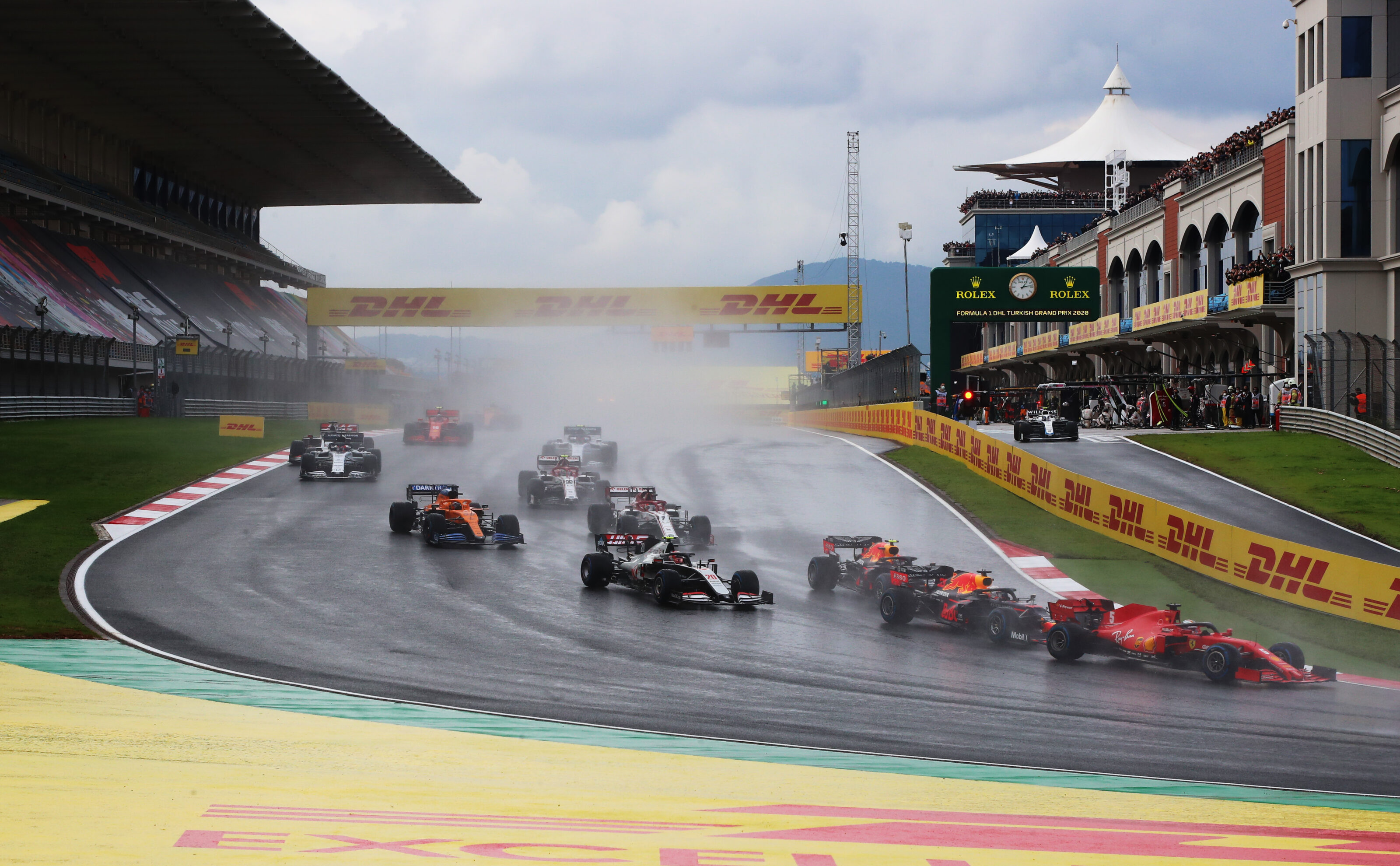
Speaking at the announcement, Foxtel CEO Patrick Delany said Formula 1 was a major factor in the 2.4 million-strong Fox Sports subscriber base growing 31 per cent year-on-year.
“I’m absolutely delighted to announce we are taking our relationship with Formula 1 to the next level as a result of a new multi-year rights extension,” said Delany.
“This will see Foxtel and Kayo Sports build on its exclusive presence as the home of Formula 1 in Australia with every broadcast, every practice, every qualifying and every race live, and all races in 4K ultra high definition on Foxtel.
“But we’re going to go deeper with the integration of even more exclusive Formula 1 content. As an Australian first we will integrate the innovative F1TV app into the Foxtel iQ in season 2023.
“The F1TV app will give a richer experience and provide access to multiple live in-race feeds, comprehensive data, timing and exclusive programming on and off the track.
Last year’s Italian Grand Prix at Monza was won by Daniel Ricciardo, rating as the highest-viewed race of the year across Fox Sports and Kayo with an average of 467,000 viewers Australia-wide watching him break his, and McLaren’s, losing streak.

Formula 1 CEO Stefano Domenicali said the contract extension with Foxtel was good news for Australian fans, bringing the best coverage to the pay-TV service.
“It is great to renew our partnership with the Foxtel group,” said Domenicali.
“Its comprehensive coverage in Australia brings the excitement of Formula 1 to our dedicated fans and new audiences.
“Foxtel is the best platform in Australia for Formula 1 and we are hugely excited for the future of our partnership.”
Foxtel’s Sports HD bundle costs subscribers $59.20 per month on a 12-month plan and $74 a month for those without a lock-in contract, while the sport-only Kayo app is available from $25 a month.
Charles Leclerc currently leads a Ferrari one-two in the 2022 championship, after winning the season-opening Bahrain Grand Prix over team-mate Carlos Sainz.
