
Bentley has announced it will double the production of 3D-printed components, following a further £3 million (AU$5.7m) investment into its Additive Manufacturing (AM) plant.
The facility – situated within the company’s headquarters in Crewe, England, where all Bentley models are produced – was opened in 2013, with production now expanding beyond the first two 3D printers.
More than 15,000 components were manufactured at the plant in 2021 alone, with the investment allowing Bentley customers to bring even greater personalisation to their cars.
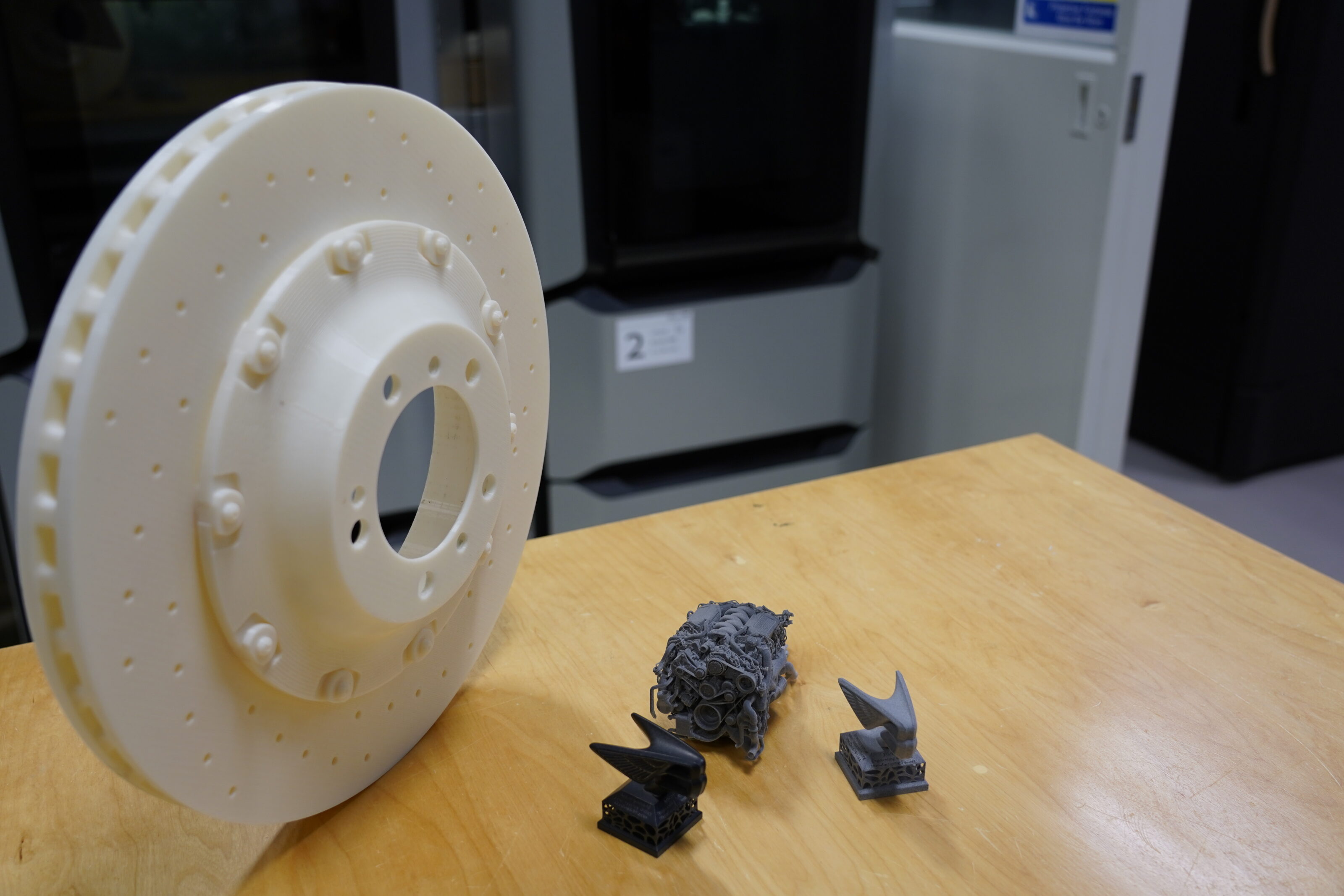
In addition, Bentley says its workers are now offered Additive Manufacturing training to understand how it could benefit the processes used in their work.
The process works through converting 3D CAD models developed by Bentley into physical components, with existing designs used across a broad number of categories, including; lightweight sanding blocks for Bentley’s wood shop, historically-accurate parts for the Bentley Blower Continuation model, and face shields provided to the healthcare sector due to the COVID-19 pandemic.
Other parts produced using 3D printing technology include physical components for powertrain and vehicle prototypes, and parts for the record-breaking Bentley models driven in the difficult Pikes Peak Challenge in the United States.
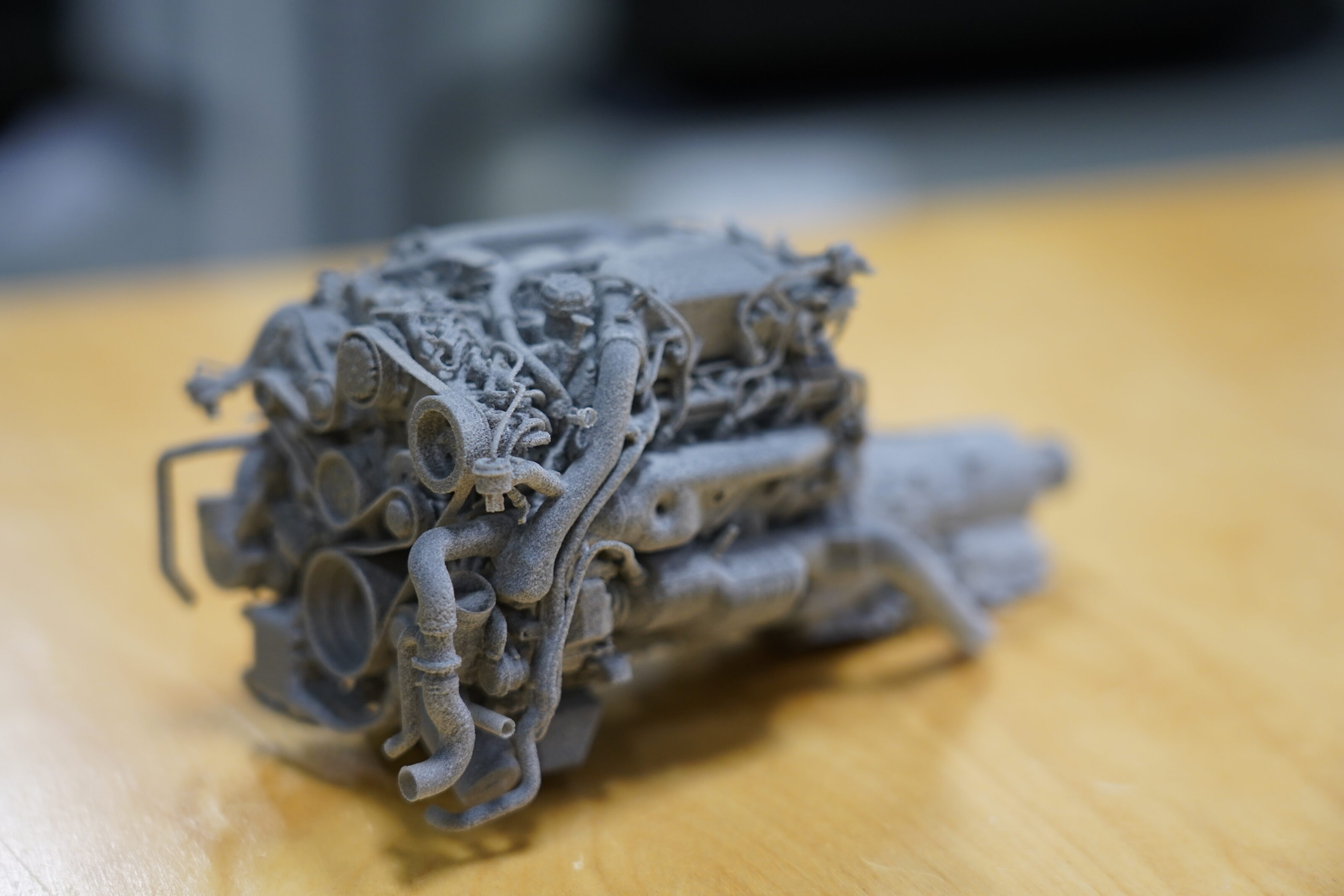
“This latest investment is also making a significant impact with our colleagues from across the company, helping to create advanced assisted tools to drive continuous improvement throughout manufacturing processes,” said Peter Bosch, member of the board for manufacturing at Bentley.
“As we look to the future, there really is huge potential to where this advanced technology can progress, including having a greater ability to personalise parts for our customers and further enhancing the individualisation programme offered on every car.”
The marque claims 3D printing halves the cost of parts and operates around the clock, allowing it to produce thousands of components using more than 25 different materials.
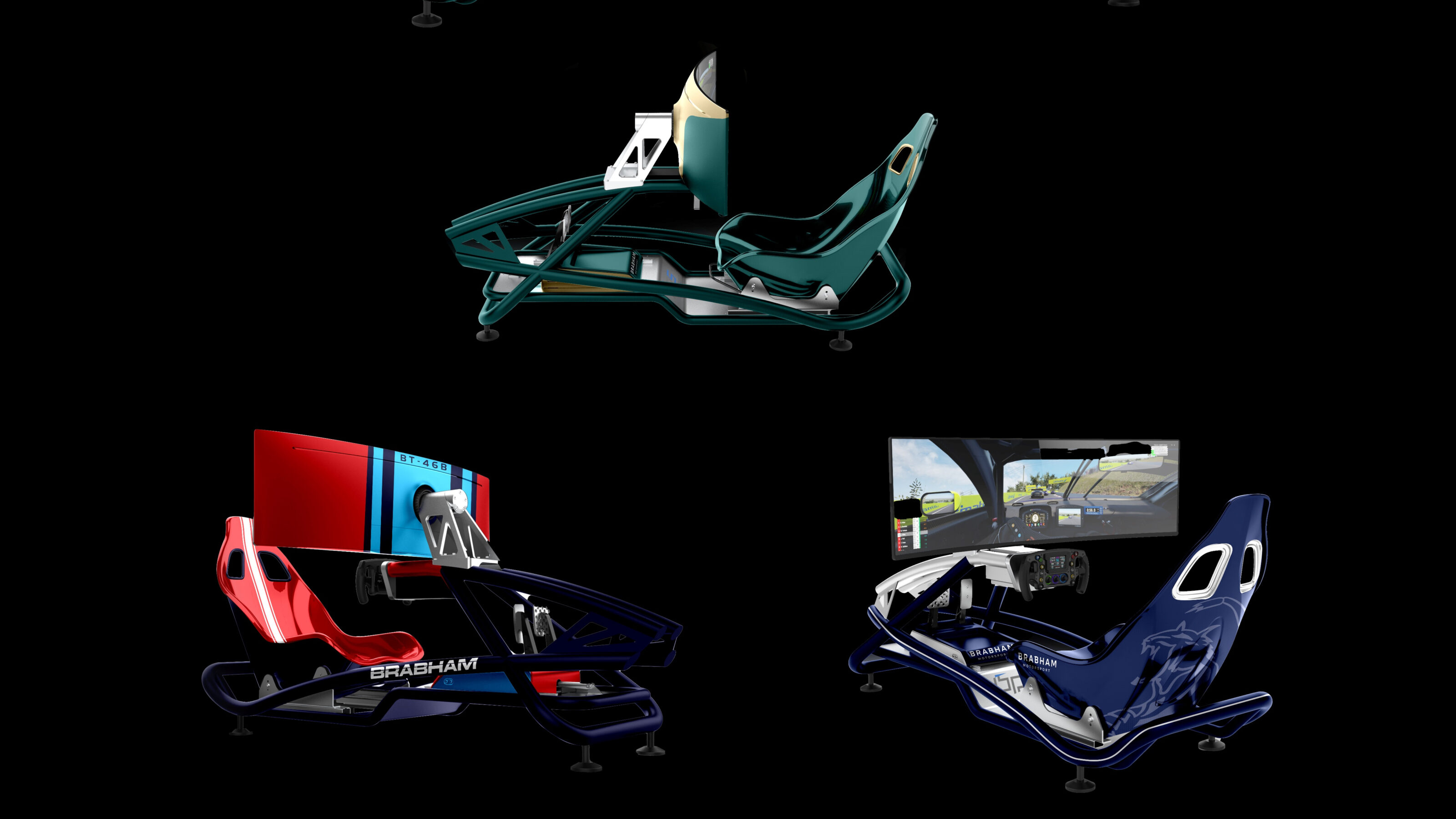
Brabham Automotive has joined forces with UK racing simulator company Base Performance (BPS) to create a trio of cockpits inspired by its history in motor racing.
The Anglo-Australian marque, founded by David Brabham in 2018, claims each simulator is a homage to famous Formula 1 racers driven by Sir Jack Brabham – including the BT19, BT46B ‘Fan Car’ and the BT52.
Bringing the historic racers into the digital age, the simulators feature state-of-the-art technology to allow drivers to emulate the vehicles at a professional level – be they a home gamer, experienced racer, or somewhere in-between.
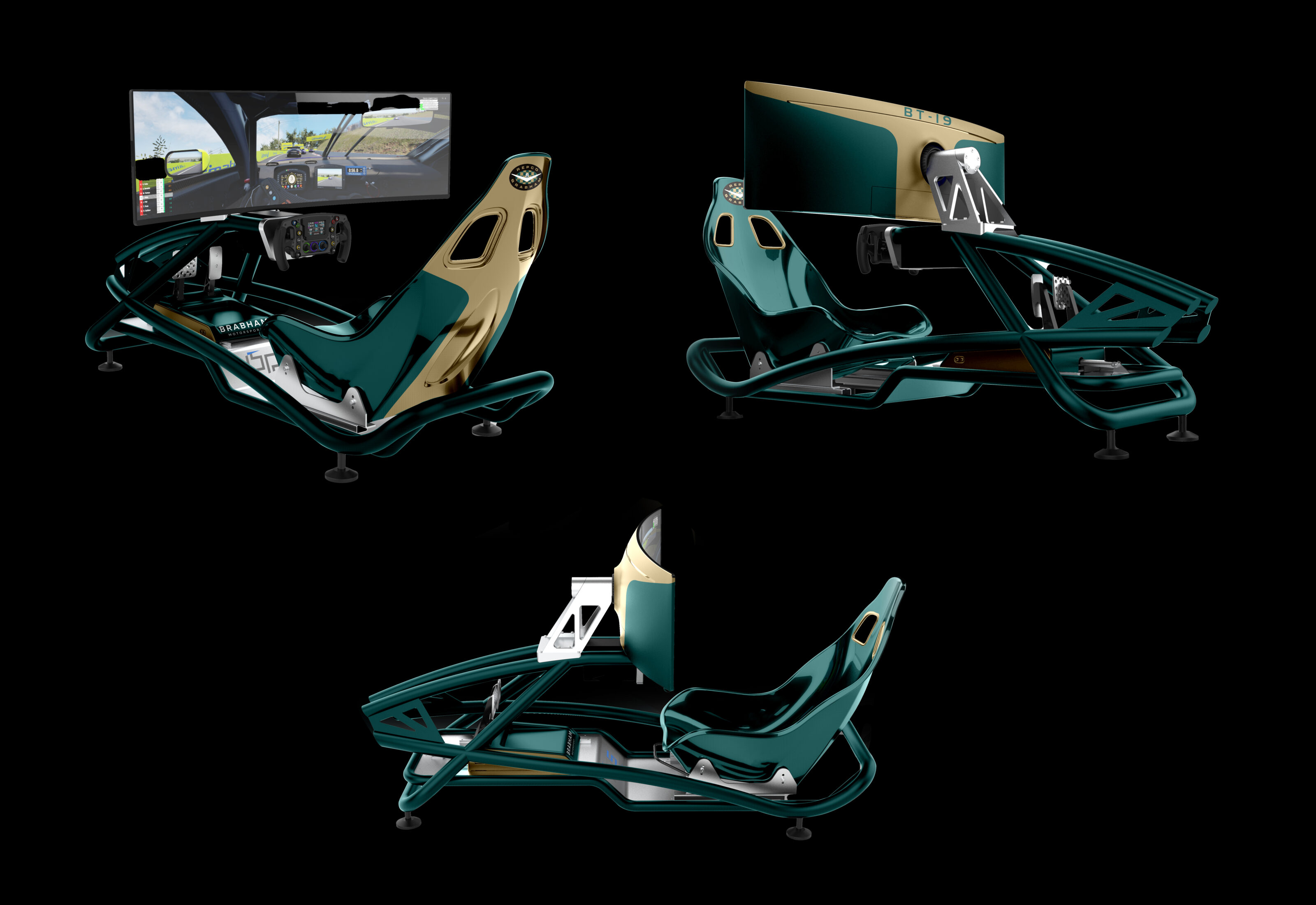
Pricing for an individual simulator is set at £24,990 (AU$47,220).
The green and gold sim, BT19, takes elements from the 1966 car of the same name, which was raced to victory by Sir Jack Brabham in the Formula 1 World Drivers’ Championship – his third at the time. It is famous for being the first and only vehicle designed by a driver to win the world championship.
Also known as the ‘Fan Car’, the BT46B serves as the basis for the red, white, and blue simulator (pictured at the top). It was introduced at the 1978 Swedish Grand Prix to act as a counter to the Lotus 79, which was the first F1 car to take advantage of ground effects aerodynamics.
The dominant design of the BT46B design caused then-Brabham F1 team owner Bernie Ecclestone to decide to withdraw the car from the competition after just one race, following consultation with FIA, the governing body for the Formula 1.
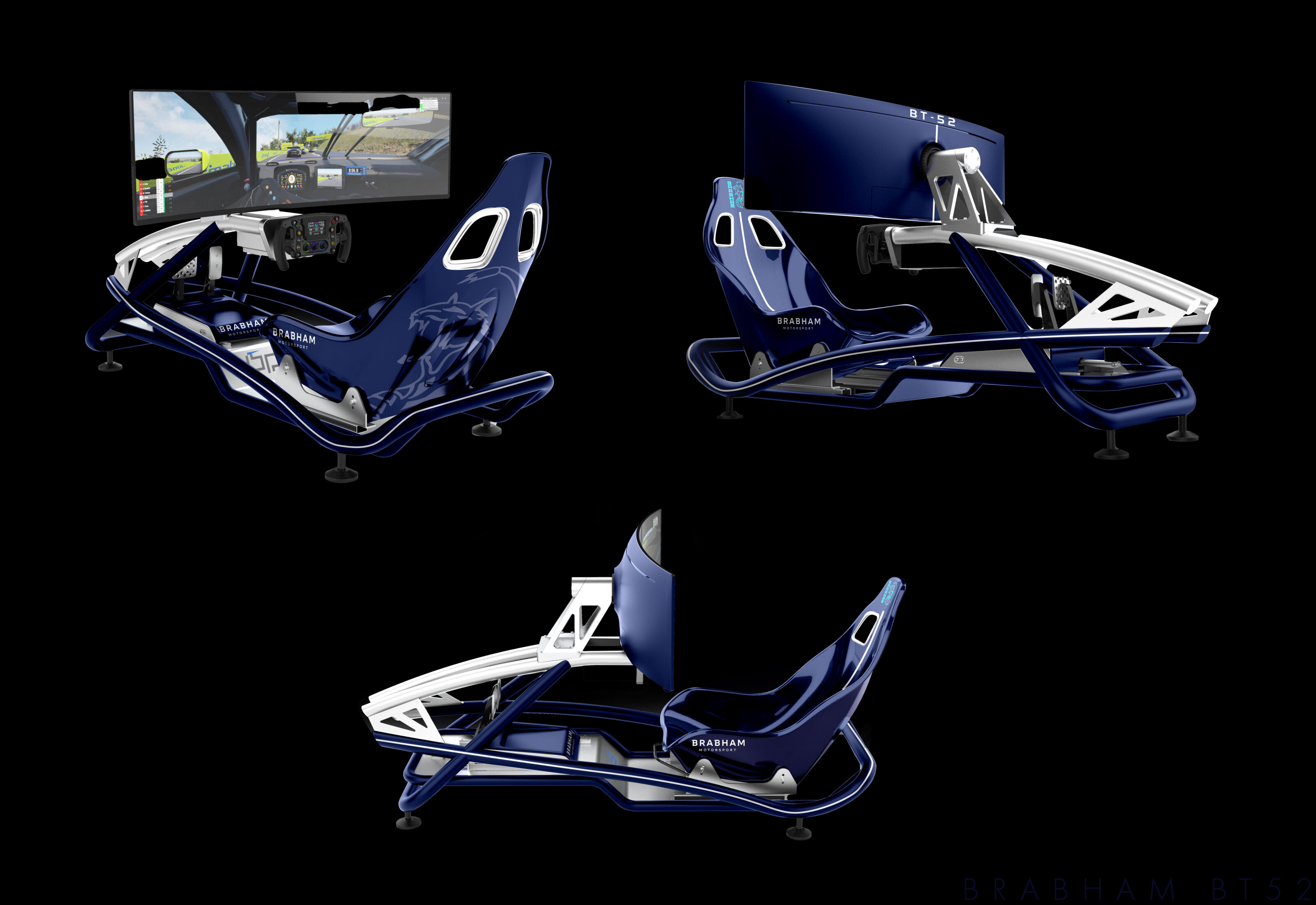
A blue and white livery on the final simulator is based upon the BMW-powered BT52, an F1 car designed for the 1983 season during the period of turbocharging for power-hungry teams and fans alike.
It took Nelson Piquet to his second world championship title, and was created by a design team led by famous F1 designer Gordon Murray in just six weeks, following the banning of ground-effect cars at the end of the previous season.
Each simulator includes a Precision Sim GPX steering wheel, steering motor from Simucube, speaker system and Sennheiser headset, as well as a Samsung 49-inch curved monitor with a 120Hz refresh rate.
The sim runs Assetto Corsa software, which allows for BPS to update various aspects – such as the vehicles and race tracks – over the air, ensuring racers are kept as up-to-date as possible.
“The Brabham Branding team is excited to not only be involved in such a great project, but also to see these incredible works of art come to life in a way that will inspire people to get behind the wheel and develop their driving skills,” said David Brabham, 2009 24 Hours of Le Mans winner and founder of Brabham Automotive.
“As we continue to grow the Brabham brand through our Brand Partnership Programme, this new collaboration with BPS is the next exciting chapter where those who enjoy driving on simulators can be part of the Brabham journey.”
The connection between Brabham and Base Performance Simulators was sparked by founders David Brabham and Darren Turner, who raced back-to-back as part of Aston Martin Racing’s GT1 programme in 2007 and 2008.
Snapshot
- 2021 C and S-Class recall affects 688 units
- Software issue may deactivate SOS calling system
- S-Class has now been affected four times
Mercedes-Benz has had to issue yet another recall relating to its SOS emergency calling function, this time affecting the C-Class and S-Class.
Impacting a total of 688 vehicles sold throughout 2021 on top of the 178 S-Classes recalled in January, 257 in October last year and 40,000 built between 2018 and 2020, the same issue persists with its eCall communication module.
The SOS system may become deactivated and unable to connect to certain networks, preventing occupants to contact emergency services in the event of a crash.
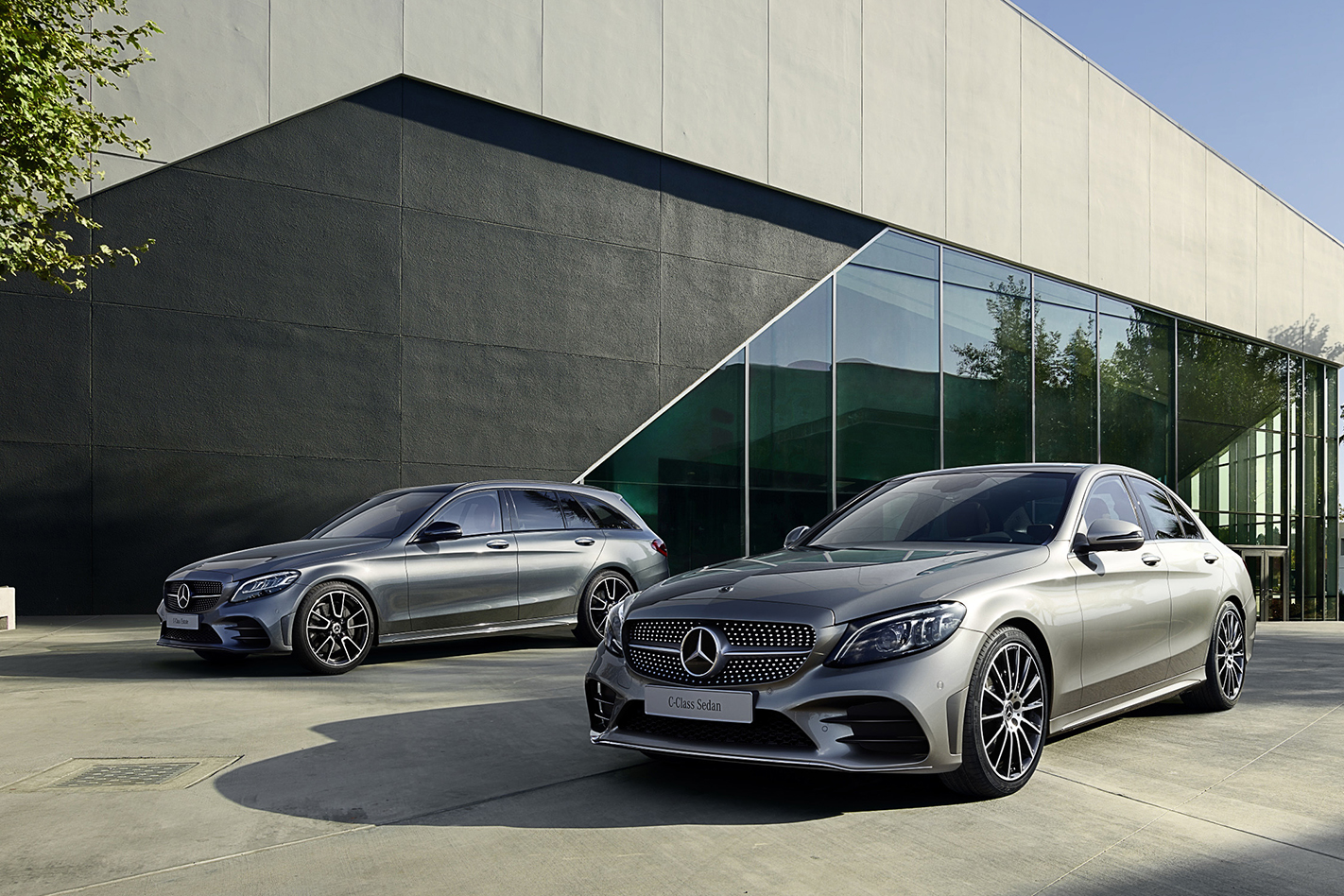
Rather than asking customers to come into its dealers to rectify the issue, Mercedes-Benz will roll out a software update over-the-air to the affected vehicles.
A list of VINs can be found here.
There’s been a lot of hype about this one. The story behind it is eerily familiar; a monstrously powerful electric sports sedan that hails from Silicon Valley and which arrives with convention-busting 0-100km/h times and screens galore. And yet you’re not looking at a car that was laser-focused on taking down Tesla, but California’s answer to a new-age Mercedes S-Class. One conceived before Stuttgart’s own EQS had seen the light of day.
The Lucid Air seems like a car of contradictions on the face of it. If the big claim is that it’s a luxe limo with one of the chunkiest range figures we’ve yet seen from an EV – up to 837km from a full charge – then why can you spec one with over 1,000bhp and a 2.5sec launch control run? But drive it and your confusion will probably evaporate quickly into the ether. It’s the car with a convincing answer to any question you dare ask.
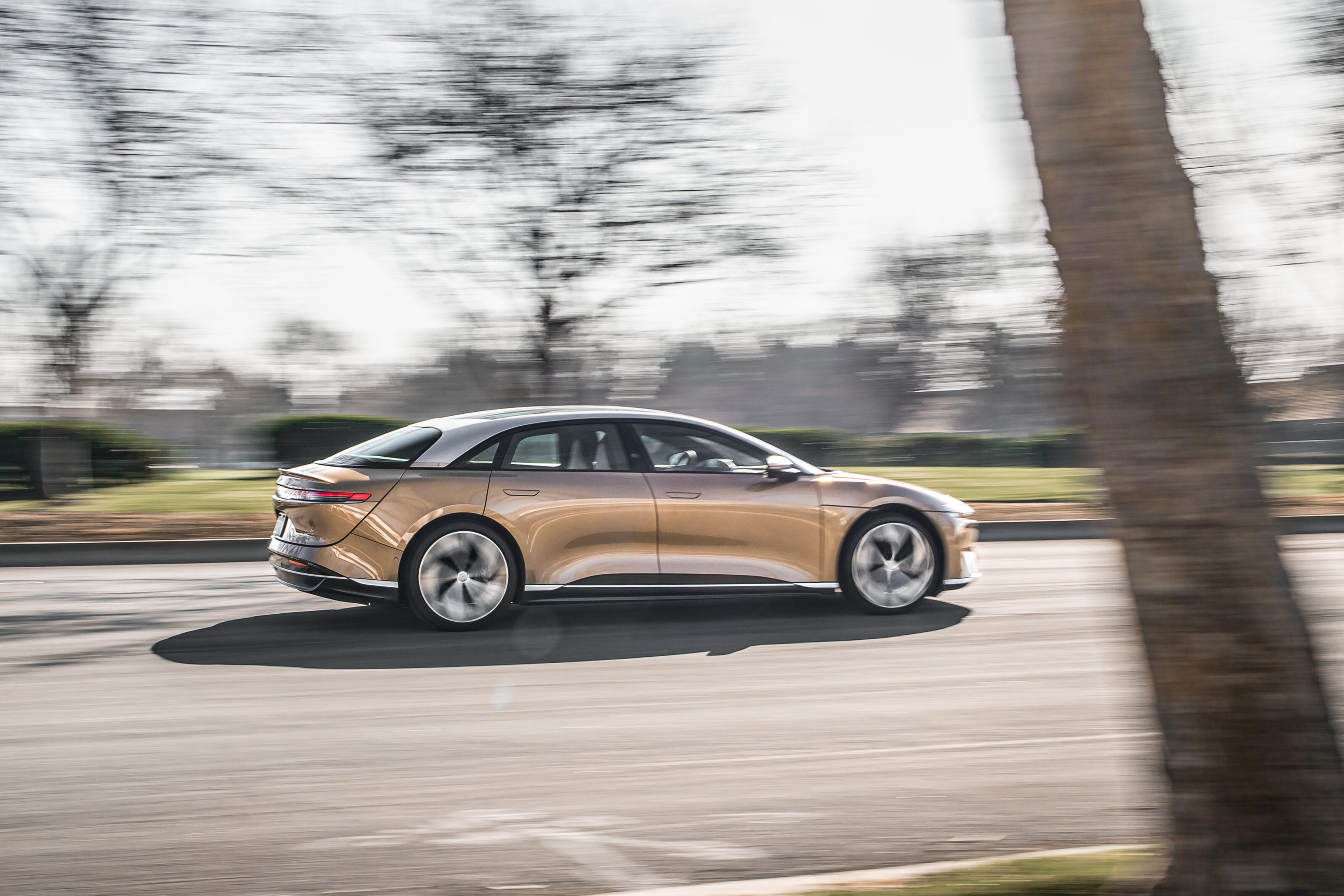
Priced at $169,000 US dollars in its launch Dream Edition trim – about $235,000 AUD – you’d hope it would have an answer for everything. A 113kWh battery powers all versions, and the range kicks off at around $70,000 USD (almost $100,000 AUD) if you factor in federal grants and can cope with a rear-driven car with under 400kW and a whisker over 400 miles of range. There’s a mildly dizzying array of power, range and spec options [https://www.whichcar.com.au/car-news/lucid-air-in-detail] before you get to the fully stacked car we see here. It’s one of two Dream Editions; the R (for Range) combines 696kW power with that headline grabbing 837km claim, while the P (for Performance) tips the see-saw in the other direction, peaking at 828kW and 758km. Both cost the same, and both hit 100km/h in under three seconds. For what that’s worth.
See, on paper it’s slower than a Model S Plaid. In reality you’ll not give two hoots. These more rapid Airs come with three driving modes – the cutely editorialised Smooth, Swift and Sprint – and in the latter, when the traction control works its witchcraft for a launch control start, you’ll not for a moment wish for an EV that can propel you into the middle distance any faster.
Rest assured that Lucid spent money tempting chassis engineers from Aston Martin and Jaguar Land Rover – as well as Red Bull Racing’s aerodynamic guru – to make this behemoth drive properly
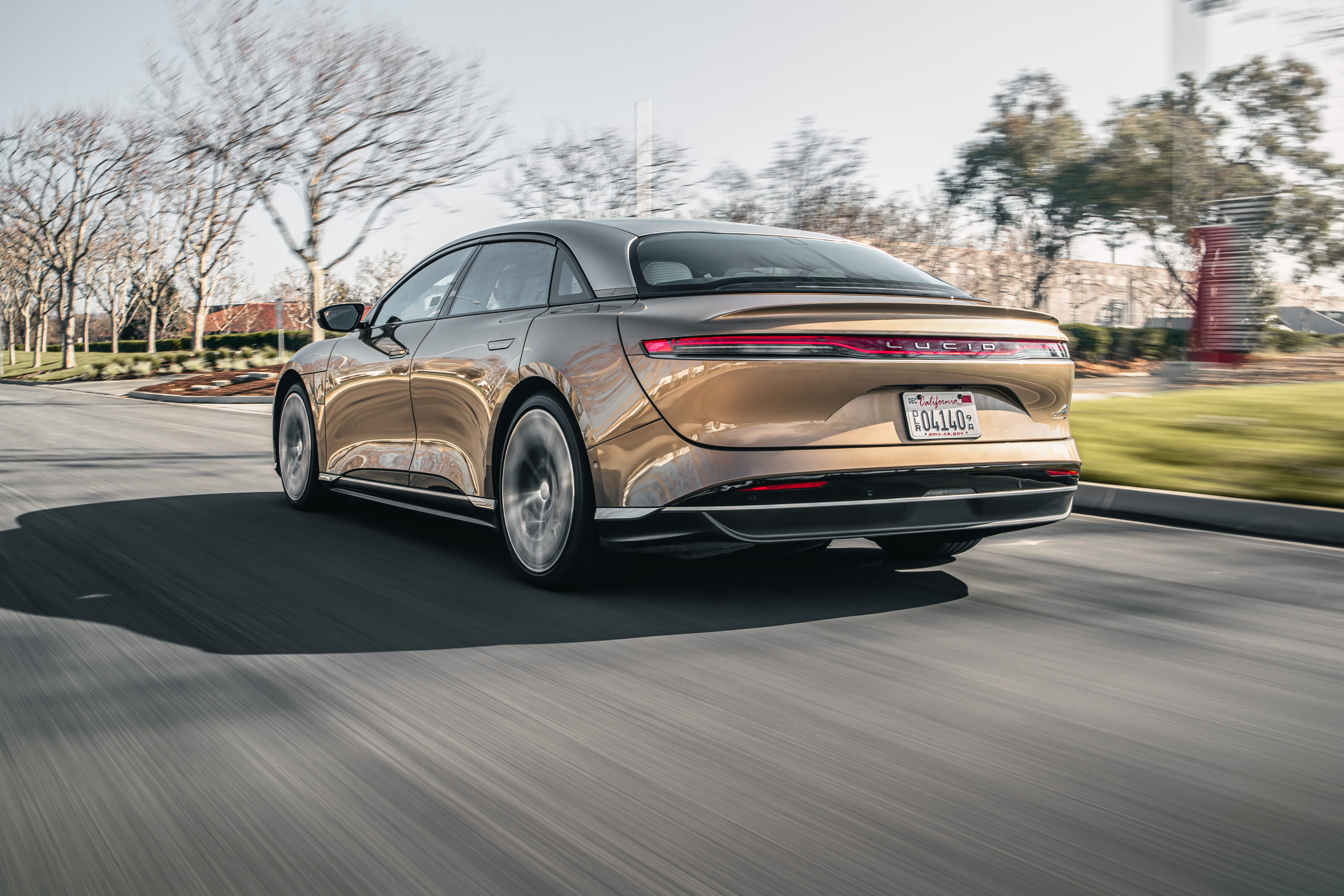
You’ll almost certainly try it once then settle into the other two modes, which each limit power to around 500kW and vary the steering weight, suspension tautness and all-wheel-drive power spread as you cycle between them. The stability control can be loosened – and turned off almost entirely – via a separate button. Lucid had aimed to be the first carmaker to introduce such frivolity to the plug-in world, but delays to the Air’s release meant the pesky Porsche Taycan nipped ahead. If that bothers you, then rest assured that Lucid spent a chunk of money tempting chassis engineers from the likes of Aston Martin and Jaguar Land Rover – as well as Red Bull Racing’s aerodynamic guru – across to California to make this 2.3-tonne behemoth drive properly.
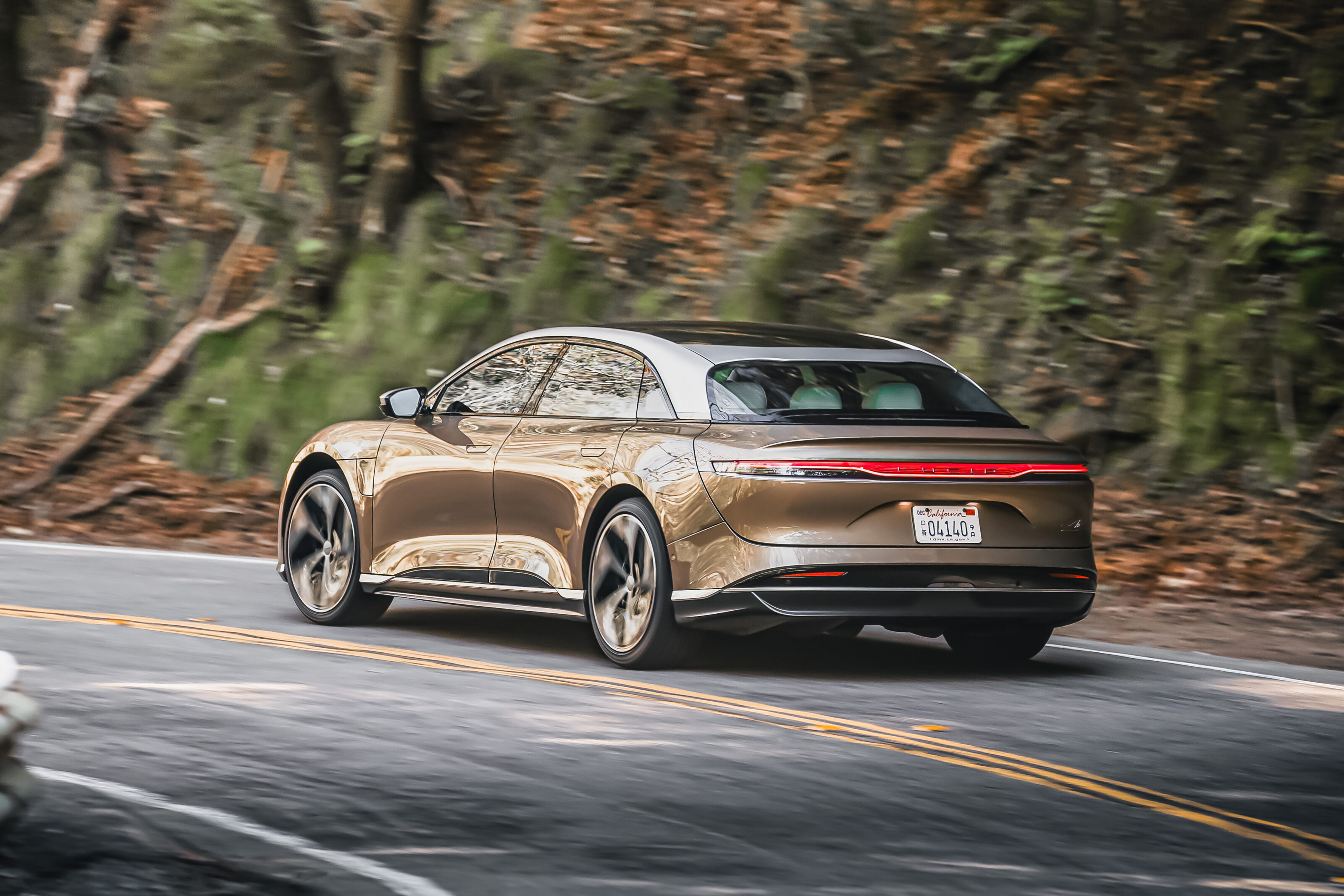
And they’ve only gone and nailed it. Our route takes us from Lucid’s HQ, in a Newark industrial estate, up into some tight, twisting canyon roads. On the first hour of freeway I can barely fathom how smooth and hushed this car is. Almost all EVs thus far have struggled with suppressing every decibel the road noise usually masked by internal combustion, but the Air is as tranquil as a library. And despite this upscale version riding on glitzy 21in wheels (which do knock a few km from the range – go for the optional 19s if you want the full figure) it seems to amble along pretty effortlessly, too. There’s a tangible shift between those three driving modes, but it’ll be rear passengers who moan about any additional stiffness before the driver; you’ll likely appreciate the extra alertness it brings.

Those canyon roads call for Swift, which can send up to 70 per cent of the torque to the rear wheels, with a supplementary loosening of the electronic nannies via a separate button if you’re in the mood. I can’t deny that it always feels chunky – physics can’t exactly be beaten – but the work those Aston and Jag folk have done to make it handle like a performance sedan should is evident. It tucks into corners neatly and will give you more than a hint of oversteer out of them, though only if you’ve asked for it.
If you really ask for it, we’re told the Air will “drift all day long” by chassis man David Lickfold, an ex-pat Brit who’s spent the last six years developing both the Air and a West Coast tan. Power always feels prodigious, enough that I suspect the lower-rung Airs will feel more than adequate as exceedingly brisk road cars and may prove the wisest choice. A very brief dalliance with Sprint on the same road both excites and terrifies – no one needs this much power, really. But it’s childishly pleasing to know it’s there.
The work done to make it handle like a performance sedan should is evident. It tucks into corners neatly and will give you a hint of oversteer out of them, though only if you’ve asked for it
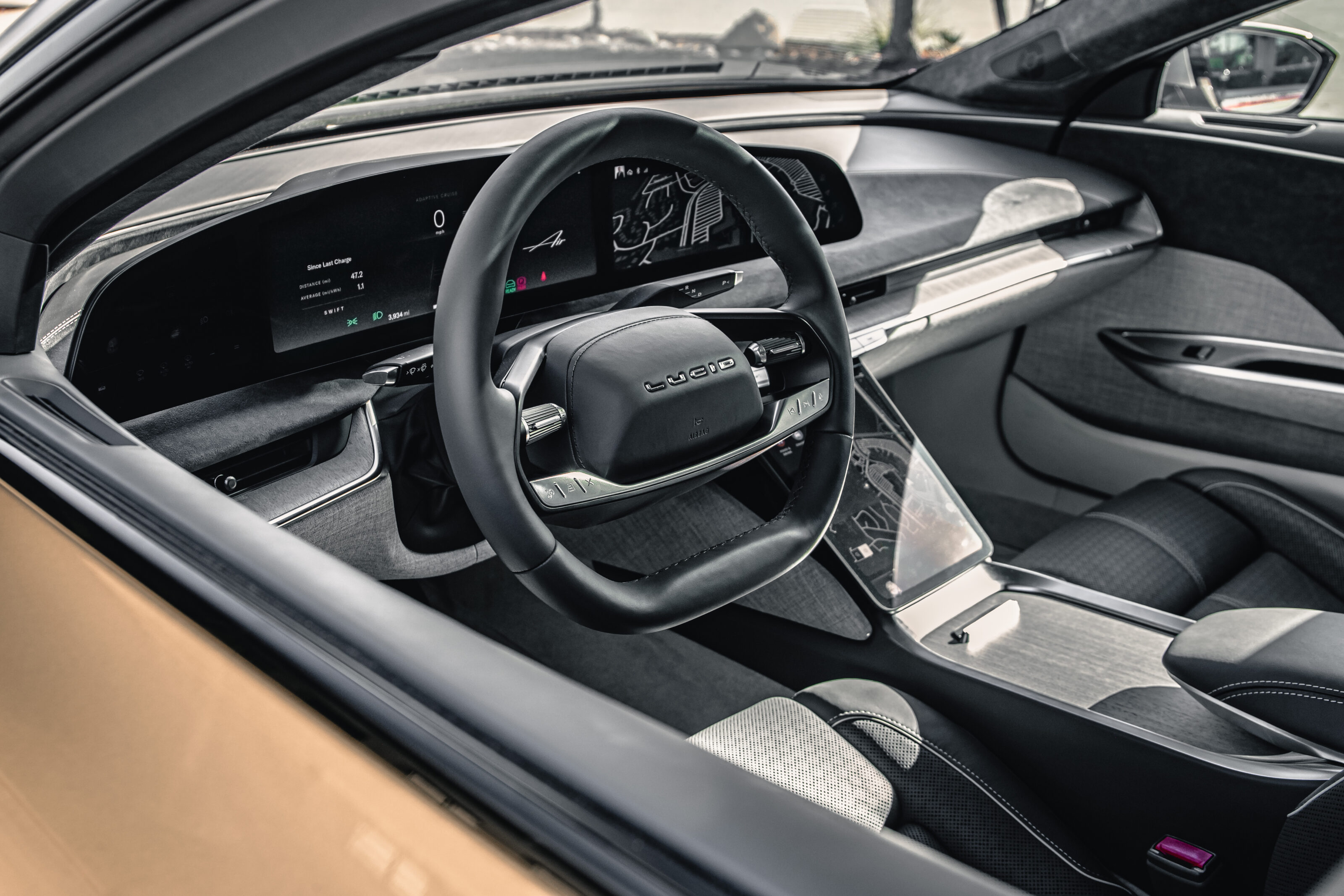
And what of more mature points? The Air looks every inch a traditional three-box design updated for the plug-in age, making it all the more impressive they’ve chiselled out a drag coefficient of 0.20 – the same as the slightly gawkier-looking Merc EQS. It also means plenty of room; the boot opens as the entire rear clam, and you’ve a decent frunk under the bonnet for a combined 738 litres of luggage space, while the interior offers numerous seating configurations, with a traditional three-seat rear bench in our car here. Legroom slots somewhere between a Model S and S-Class.
While the seats here are draped in Nappa leather, there’s an animal-free option available, while alpaca wool is draped across the dashboard and doors. Though vehemently not animal-free, it’s wholly sustainable and brings a unique ambience to the cabin beside the strait-laced German limos placed in the middle of Lucid’s dartboard. As does the ‘Glass Canopy’ roof of higher-spec Airs. Beneath it is a dashboard that melds the worlds of buttons and screens nicely, with the occasional misstep of the glove compartment opening via a sub-menu.
But having physical climate controls and a speedometer slap-bang in front of the driver – not to mention a fully formed, almost circular steering wheel – are nods to what most keen drivers really want from an electric sedan. Namely one foot lingering in the past, to make the move into plug-in performance a friendly step rather than a frightening leap. Though if you crave a bit of drama every now and then, it’s ready and waiting via Sprint mode. The Lucid Air really does have an answer to everything.
2022 Lucid Air Dream Edition R specifications
Stage Fright
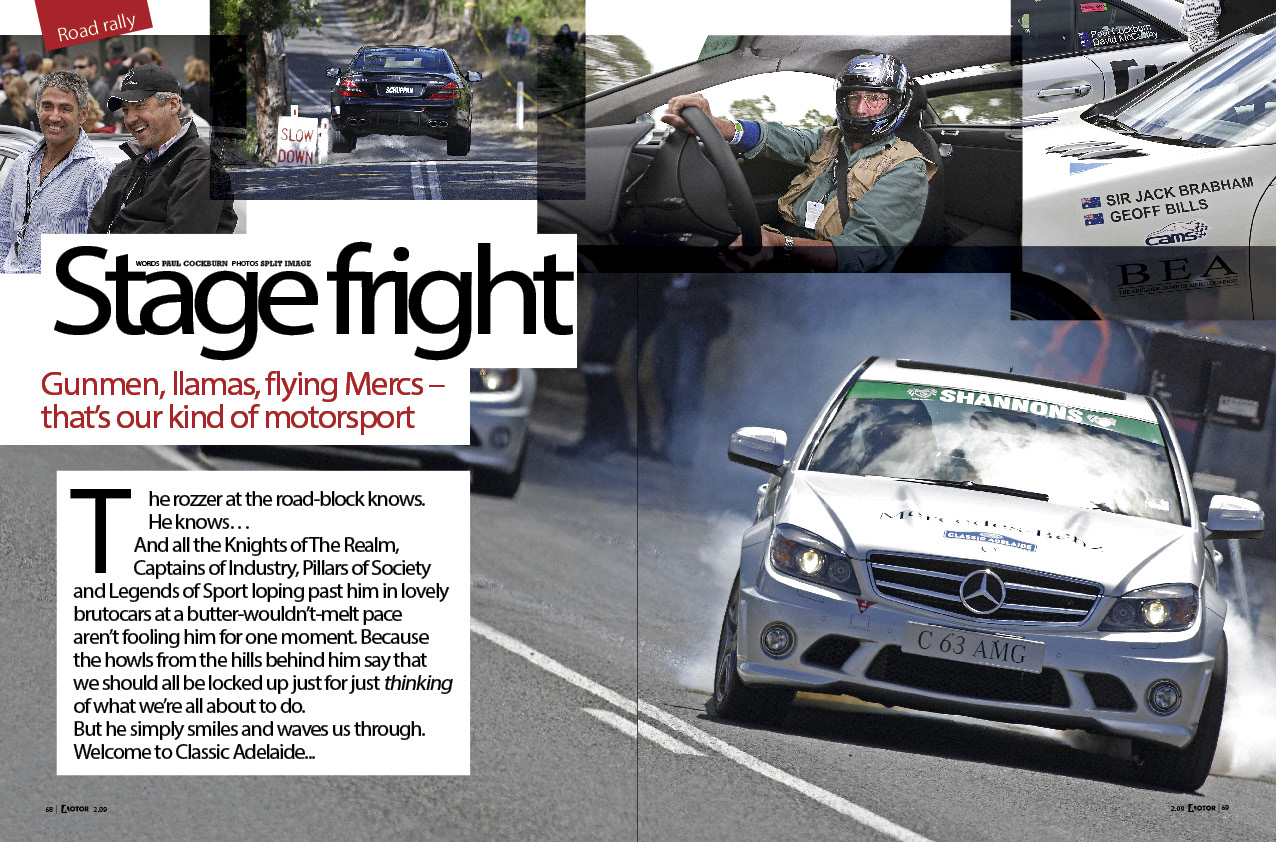
Gunmen, llamas, flying Mercs – that’s our kind of motorsport
The rozzer at the road-block knows. He knows…
And all the Knights of The Realm, Captains of Industry, Pillars of Society and Legends of Sport loping past him in lovely brutocars at a butter-wouldn’t-melt pace aren’t fooling him for one moment. Because the howls from the hills behind him say that we should all be locked up just for just thinking of what we’re all about to do.
But he simply smiles and waves us through. Welcome to Classic Adelaide…
This article was first published by the late Paul Cockburn in MOTOR Magazine’s February 2009 issue
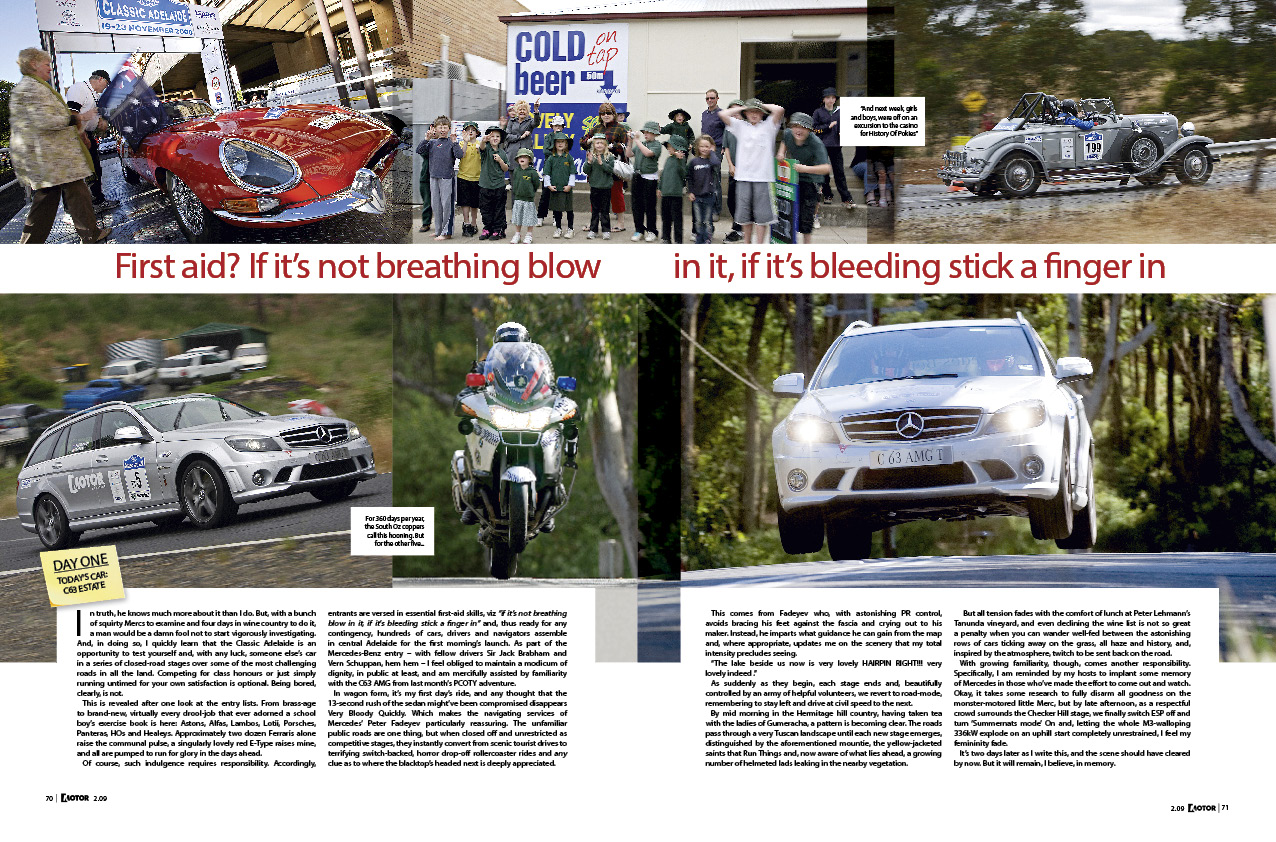
DAY ONE | Today’s car: C63 Estate
In truth, he knows much more about it than I do. But, with a bunch of squirty Mercs to examine and four days in wine country to do it, a man would be a damn fool not to start vigorously investigating. And, in doing so, I quickly learn that the Classic Adelaide is an opportunity to test yourself and, with any luck, someone else’s car in a series of closed-road stages over some of the most challenging roads in all the land. Competing for class honours or just simply running untimed for your own satisfaction is optional. Being bored, clearly, is not.
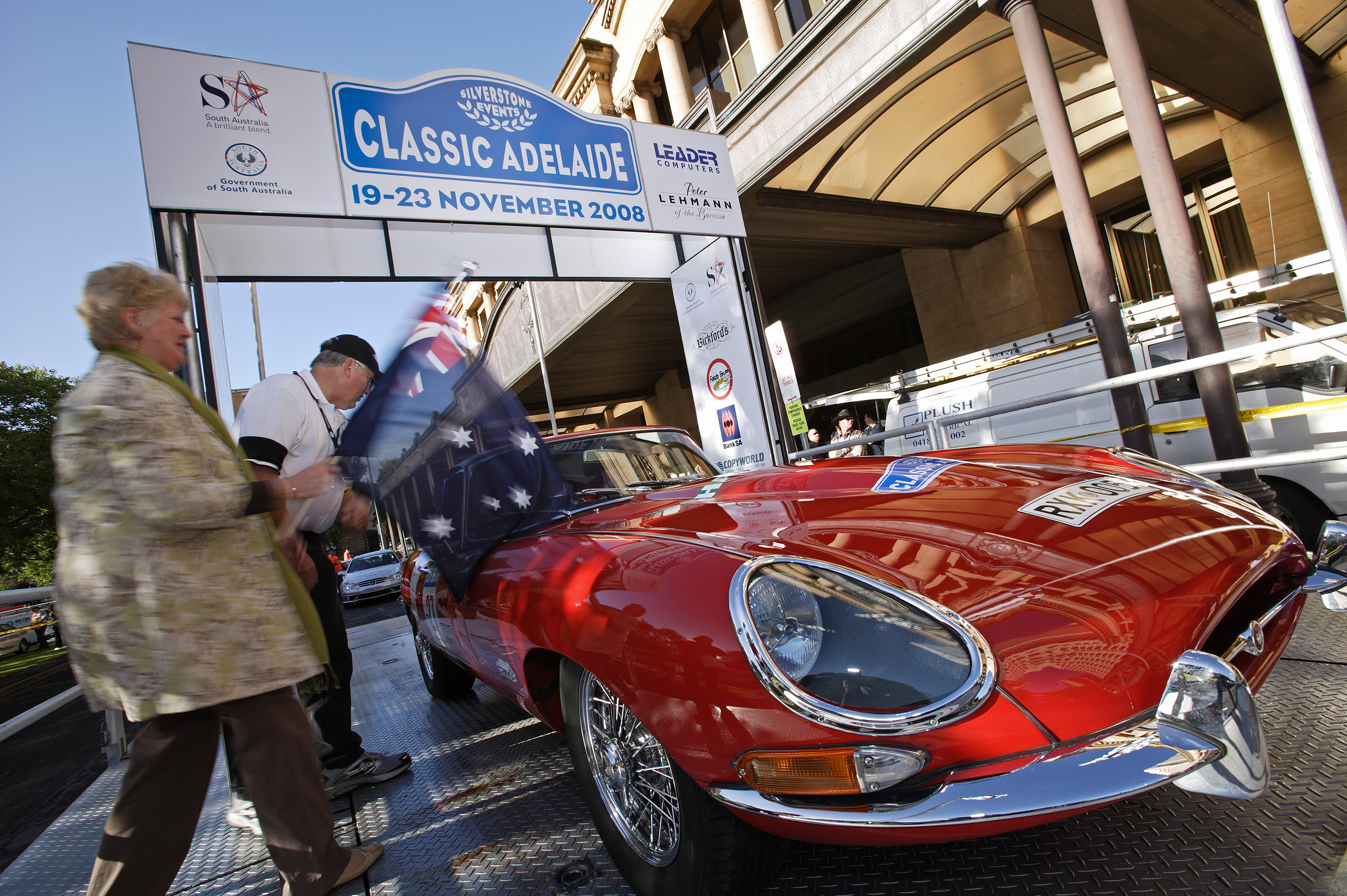
This is revealed after one look at the entry lists. From brass-age to brand-new, virtually every drool-job that ever adorned a school boy’s exercise book is here: Astons, Alfas, Lambos, Lotii, Porsches, Panteras, HOs and Healeys. Approximately two dozen Ferraris alone raise the communal pulse, a singularly lovely red E-Type raises mine, and all are pumped to run for glory in the days ahead.
Of course, such indulgence requires responsibility. Accordingly, entrants are versed in essential first-aid skills, viz “if it’s not breathing blow in it, if it’s bleeding stick a finger in” and, thus ready for any contingency, hundreds of cars, drivers and navigators assemble in central Adelaide for the first morning’s launch. As part of the Mercedes-Benz entry – with fellow drivers Sir Jack Brabham and Vern Schuppan, hem hem – I feel obliged to maintain a modicum of dignity, in public at least, and am mercifully assisted by familiarity with the C63 AMG from last month’s PCOTY adventure.
In wagon form, it’s my first day’s ride, and any thought that the 13-second rush of the sedan might’ve been compromised disappears Very Bloody Quickly. Which makes the navigating services of Mercedes’ Peter Fadeyev particularly reassuring. The unfamiliar public roads are one thing, but when closed off and unrestricted as competitive stages, they instantly convert from scenic tourist drives to terrifying switch-backed, horror drop-off rollercoaster rides and any clue as to where the blacktop’s headed next is deeply appreciated.
This comes from Fadeyev who, with astonishing PR control, avoids bracing his feet against the fascia and crying out to his maker. Instead, he imparts what guidance he can gain from the map and, where appropriate, updates me on the scenery that my total intensity precludes seeing.
“The lake beside us now is very lovely HAIRPIN RIGHT!!! very lovely indeed .”
As suddenly as they begin, each stage ends and, beautifully controlled by an army of helpful volunteers, we revert to road-mode, remembering to stay left and drive at civil speed to the next.
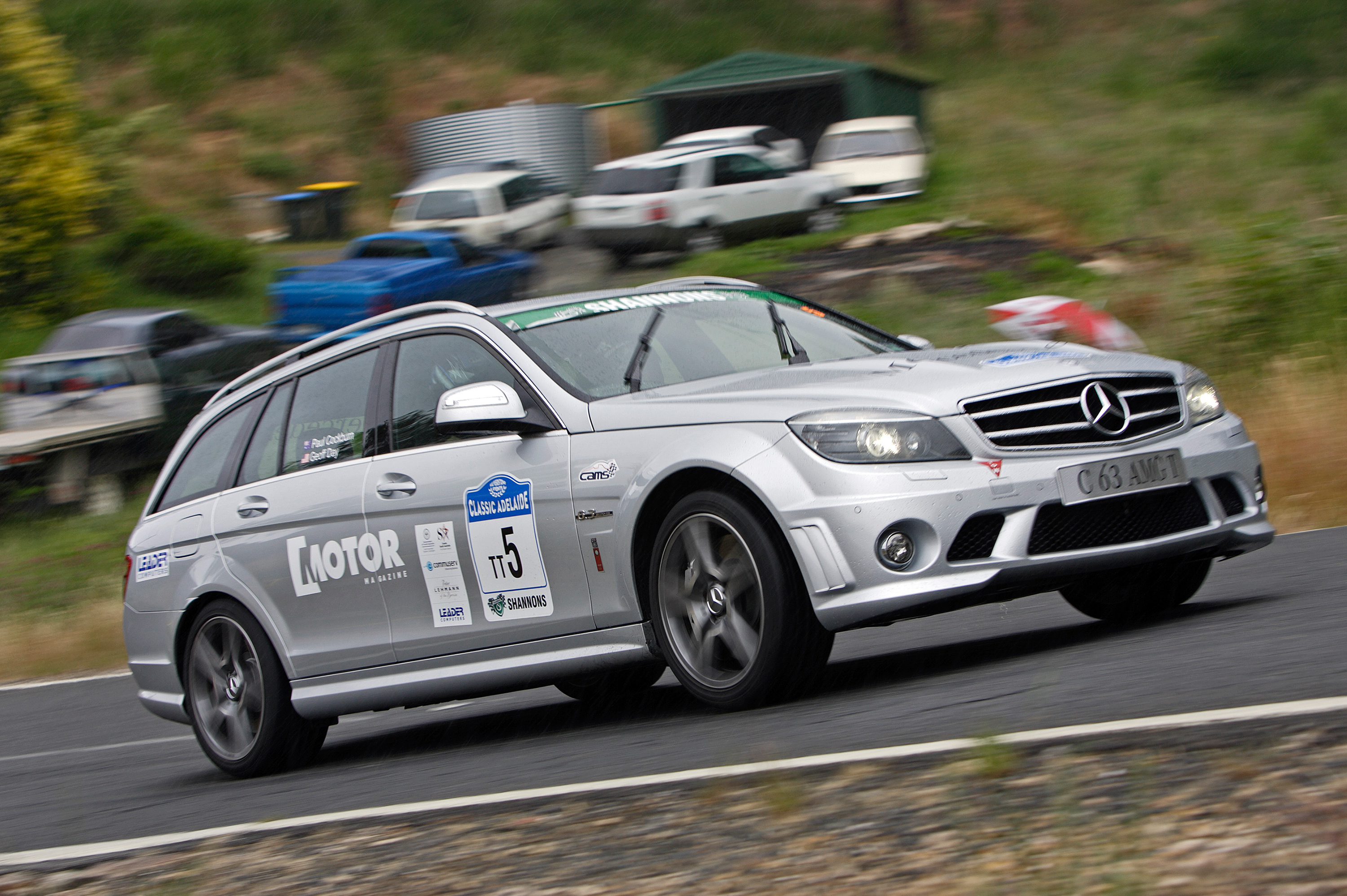
By mid morning in the Hermitage hill country, having taken tea with the ladies of Gumeracha, a pattern is becoming clear. The roads pass through a very Tuscan landscape until each new stage emerges, distinguished by the aforementioned mountie, the yellow-jacketed saints that Run Things and, now aware of what lies ahead, a growing number of helmeted lads leaking in the nearby vegetation.
But all tension fades with the comfort of lunch at Peter Lehmann’s Tanunda vineyard, and even declining the wine list is not so great a penalty when you can wander well-fed between the astonishing rows of cars ticking away on the grass, all haze and history, and, inspired by the atmosphere, twitch to be sent back on the road.
With growing familiarity, though, comes another responsibility. Specifically, I am reminded by my hosts to implant some memory of Mercedes in those who’ve made the effort to come out and watch. Okay, it takes some research to fully disarm all goodness on the monster-motored little Merc, but by late afternoon, as a respectful crowd surrounds the Checker Hill stage, we finally switch ESP off and turn ‘Summernats mode’ On and, letting the whole M3-walloping 336kW explode on an uphill start completely unrestrained, I feel my femininity fade.
It’s two days later as I write this, and the scene should have cleared by now. But it will remain, I believe, in memory.
DAY TWO | Today’s car: SL63 AMG
Imagine walking into a carpark, seeing a full-bully SL63 AMG sitting there, thinking “That thing’s got my name written all over it” and then finding that, sure enough, it has. Some days are diamonds. Sadly, though, I can’t share this good fortune with Mr Fadeyev, who’s apparently been called away by something very compelling and Photographer Watkins is accordingly ushered into the navigator’s chair, strangely drained of all colour. Never mind, this’ll fix him up.
Having been breath-tested – to everyone’s terror – and launched for communal delight in peak hour, the circus heads into the McLaren Vale region, being gaily greeted all along the route by the welcoming locals. But that’s only because we’re at the pointy end of the field.
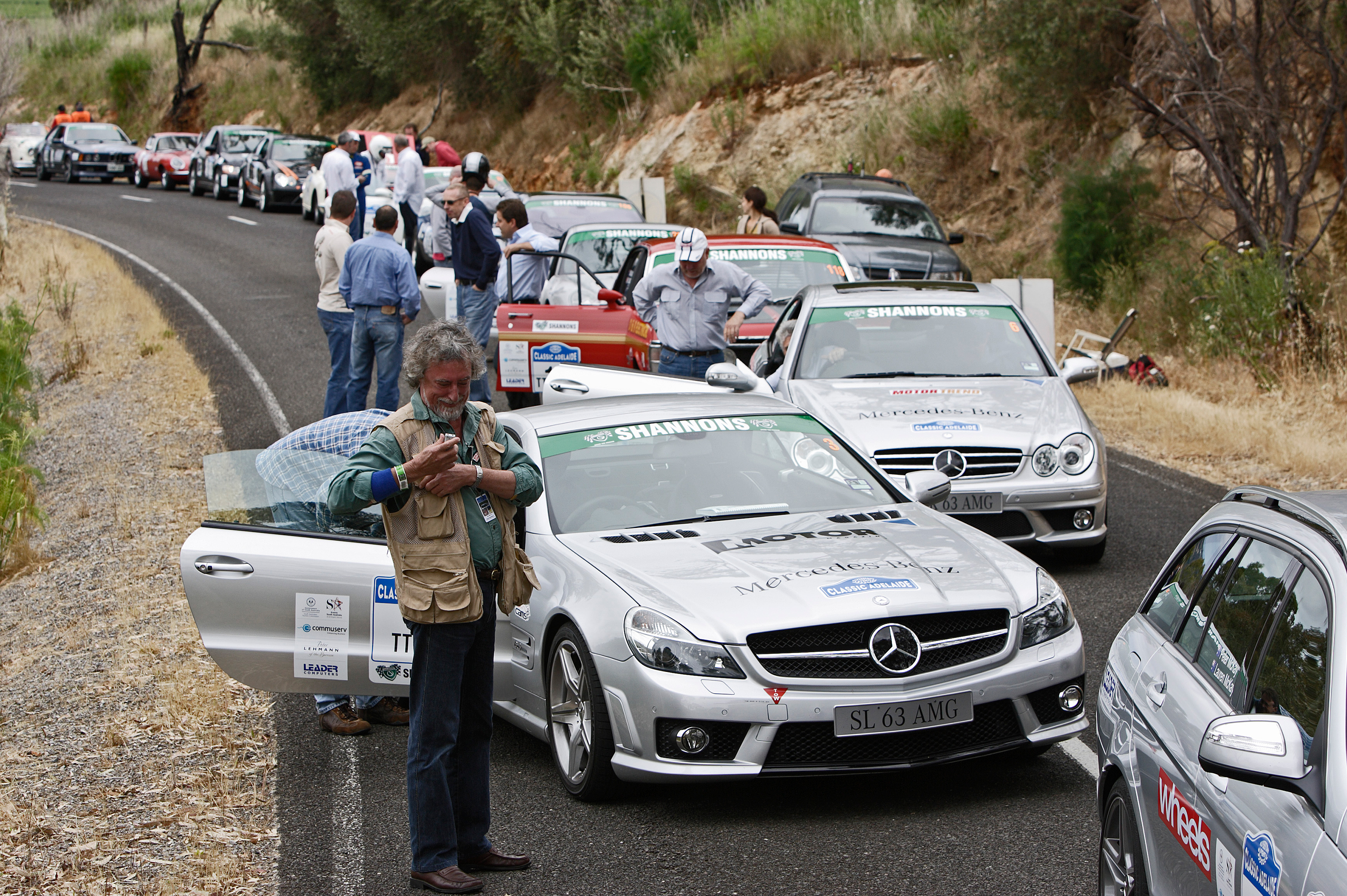
By the time the 200th car bellows through they’ll be throwing fruit at it but, hush, let’s not spoil the moment.
The competitive stages are no less scary, however, because Watkins reads a map about as well as I would at this pace, but I’m learning that 70 spectators clumped together roadside in deck chairs is a Cliff Alert and, accordingly, we survive to pass through wee villages with the wee children being brought out to wave as we strangle past at a mandated 25km/h (and try that after a good speed). On the upside, by morning recess we’re parked in a rural schoolground in which the mothers have slaughtered whatever locally abounds and offer it au bun for the benefit of the school, and life is good again.
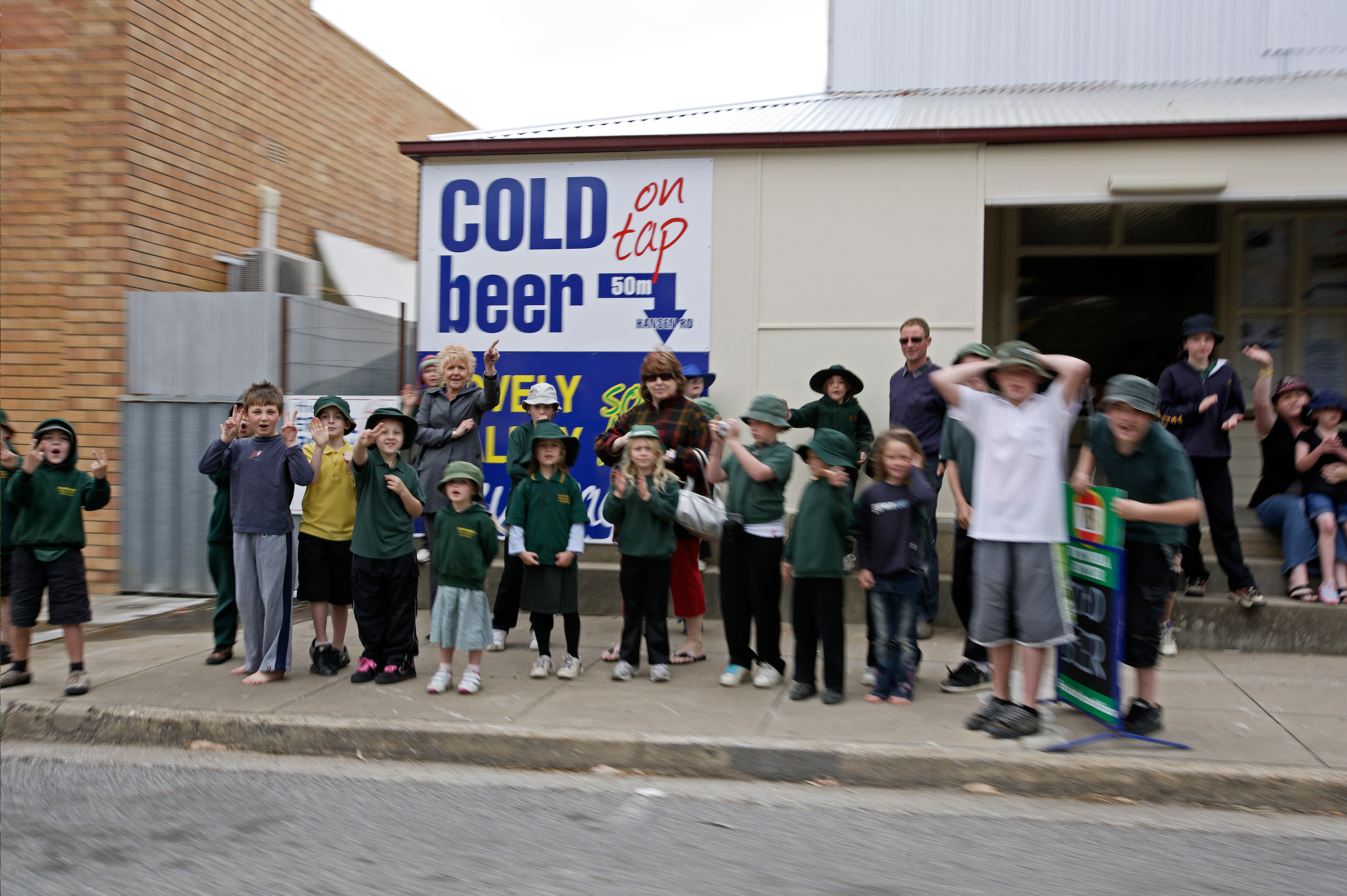
And it gets even better when night falls and the city surrenders a major thoroughfare to the enterprise, Adelaide becoming the Great-Food-God-Car capital of the universe. And who expected that?
DAY THREE | Today’s car: SL63/280SL
By now I’m feeling comfortable with the task to hand and just as well; the irrepressible Mick Doohan has joined our team and one doesn’t wish to be shamed. Sadly, news of my resolve does nothing to deter Watkins from pursuing the Distant Landscape Shots that he swears the story demands, and only after a disturbingly long wait do my hosts produce a new navigator; an overseas corporate visitor, it seems, of no immediate value to the local operation.
But Geoff Day has a sound knowledge of the product, particularly the various controls that lurk on and around the steering wheel, and with the uncommon combination of four eyes, four hands, two brains and two feet driving one car, we set a cracking pace through the hills west of the city, until…
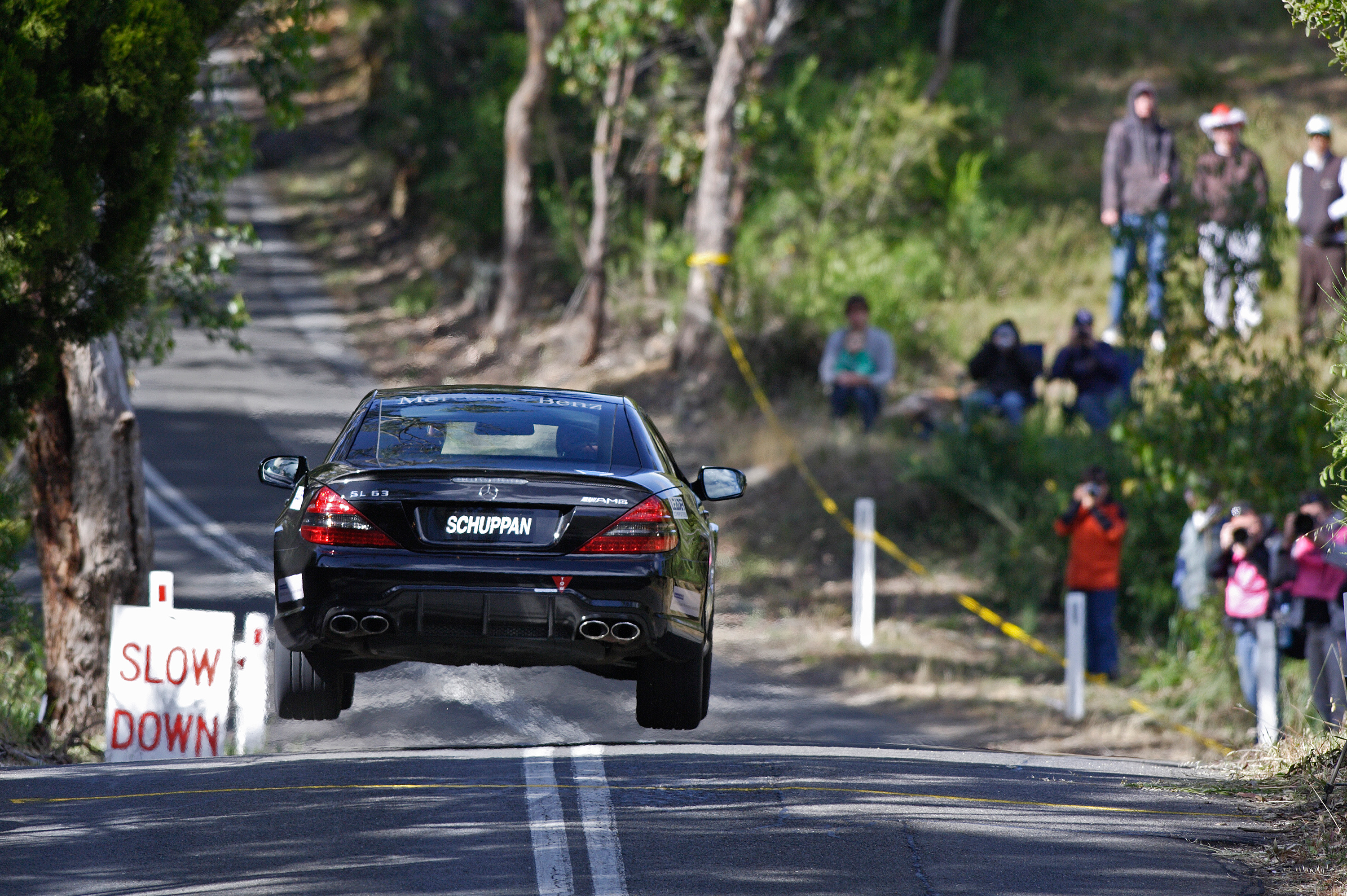
On the Norton Summit stage, frantic waving from the crowd alerts us to something beyond a corner and slowing, stopping, we are confronted with the horrible sight of the red E-Type in the middle of the road, upside-down, shattered and spread like a broken flower.
It’s not the first big hit and it won’t be the last, but it hurts me deeply to see it. Both occupants are unhurt but Mother’s words echo to the end of the stage: “It’s all very funny until someone loses an eye…”
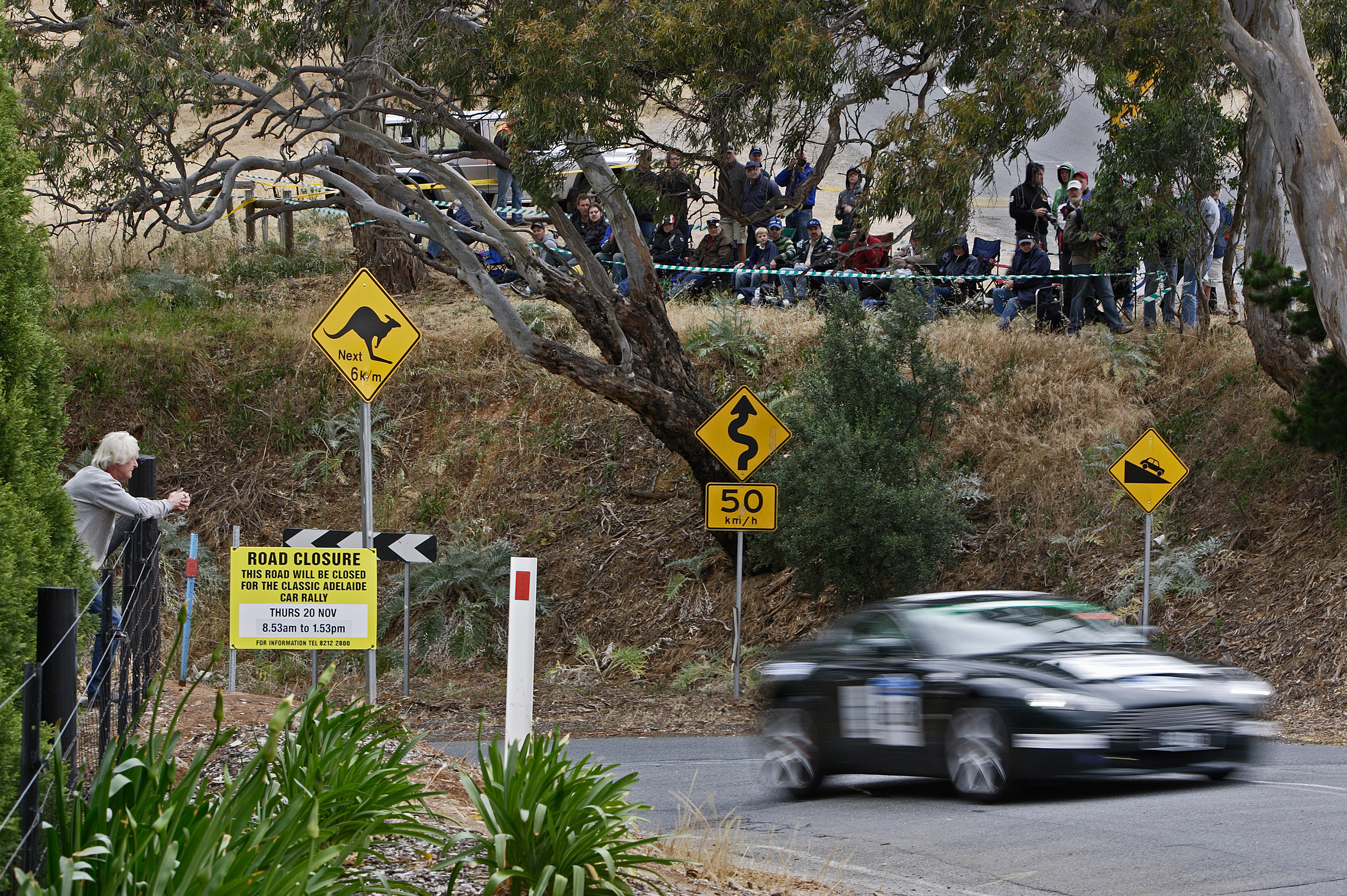
After lunch, a change of pace becomes (briefly) appealing and Day and I are rostered into the ‘Pagoda’-roofed 1968 280SL brought along by Mercedes to make the moderns look good. Which it does. Despite grabbing great armfuls of lock on the needle-thin steering wheel and training my passenger to scream “SKIIIIIIIDDD” through every corner, the fact that the Pagoda has not one chest hair on it cannot be ignored. Over dinner that night, at Penfolds Magill Estate, I promise my hosts to leave memories all over the landscape tomorrow in something 6.3-engined. A small recompense, indeed, for ordering Grange.
DAY FOUR | Today’s car: CLK63 Coupe
Seemingly in anticipation of greatness, for the final day I’m slotted into a CLK63, the oldest and least-gizmo-ladened chassis of the fleet, but with 354kW of willfulness to contend with. Tragically, our visitor has called in crippled with homesickness and the role of navigator today will be played by Merc PR’s David McCarthy, cruelly rumoured to be overdue for a migraine and consequently having nothing to live for.
Accordingly, I do my best to smoke-cure the man through the first two stages and a bountiful providence enhances stage three with a runaway llama and two splendid naked breasts being plumped enthusiastically for our approval by a spectator somewhere south of Hahndorf.
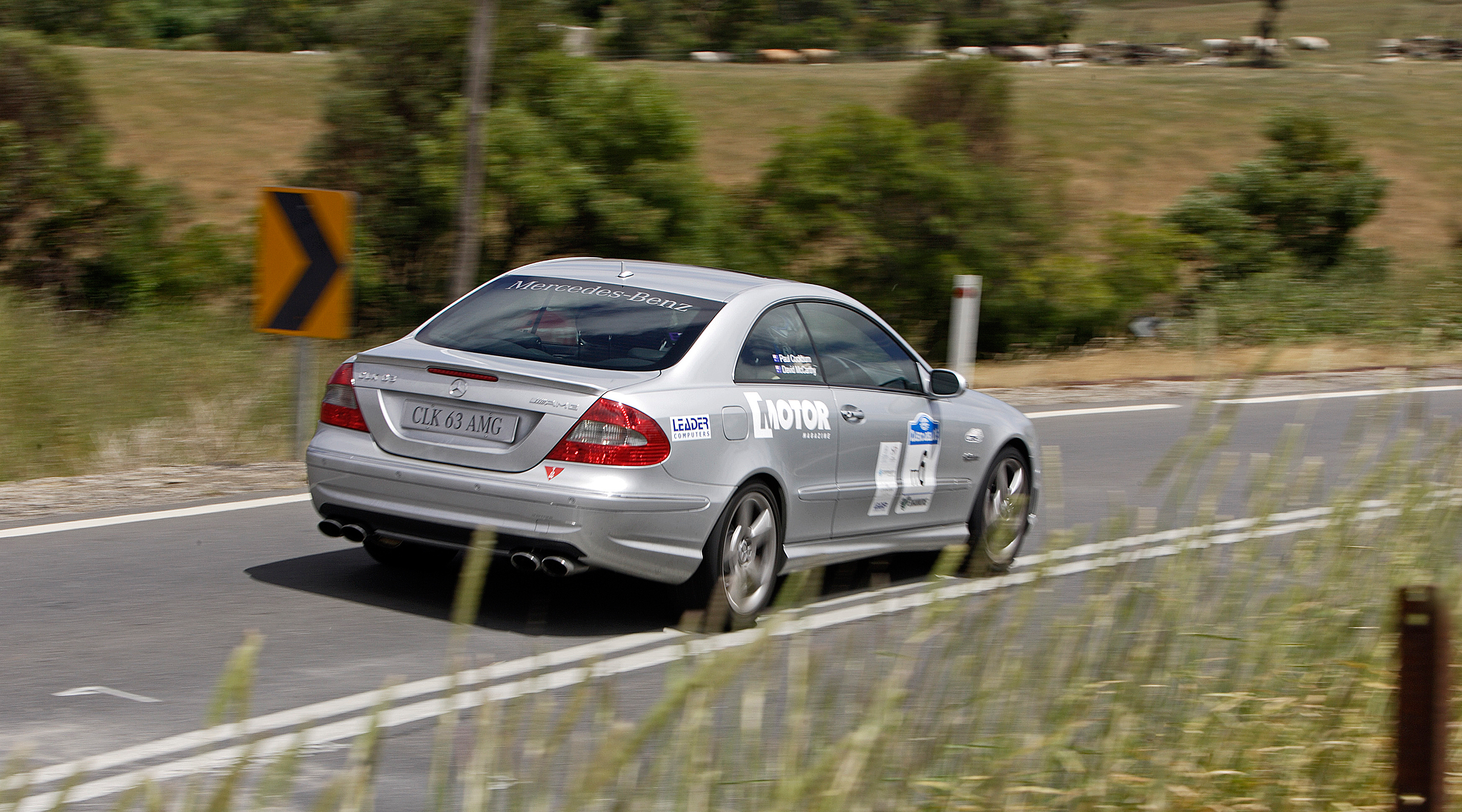
By comparison, the fourth stage promises to be almost soporific until the start is clamped shut by coppers rudely returned to their day jobs by reports of a gunman loose on the road ahead. Clearly crazed by the loss of his llama, or wife, the man must be darted before we can proceed, and even then many navigators scour the charts for Grassy Knolls as a very reasonable precaution.
But not mine. Obviously now entranced by the notion of speed and “getting it all over with, quickly”, McCarthy raises our PR efforts to entirely new heights by, initially, disconnecting the traction control at every start and cackling maniacally as the clearly impressed bystanders dive for their lives. Then, compelled to burn ‘Mercedes’ onto the memory of those gathered in large clusters at points of imminent doom, he begins disengagement as we dive into hairpins, over crests, etcetera.
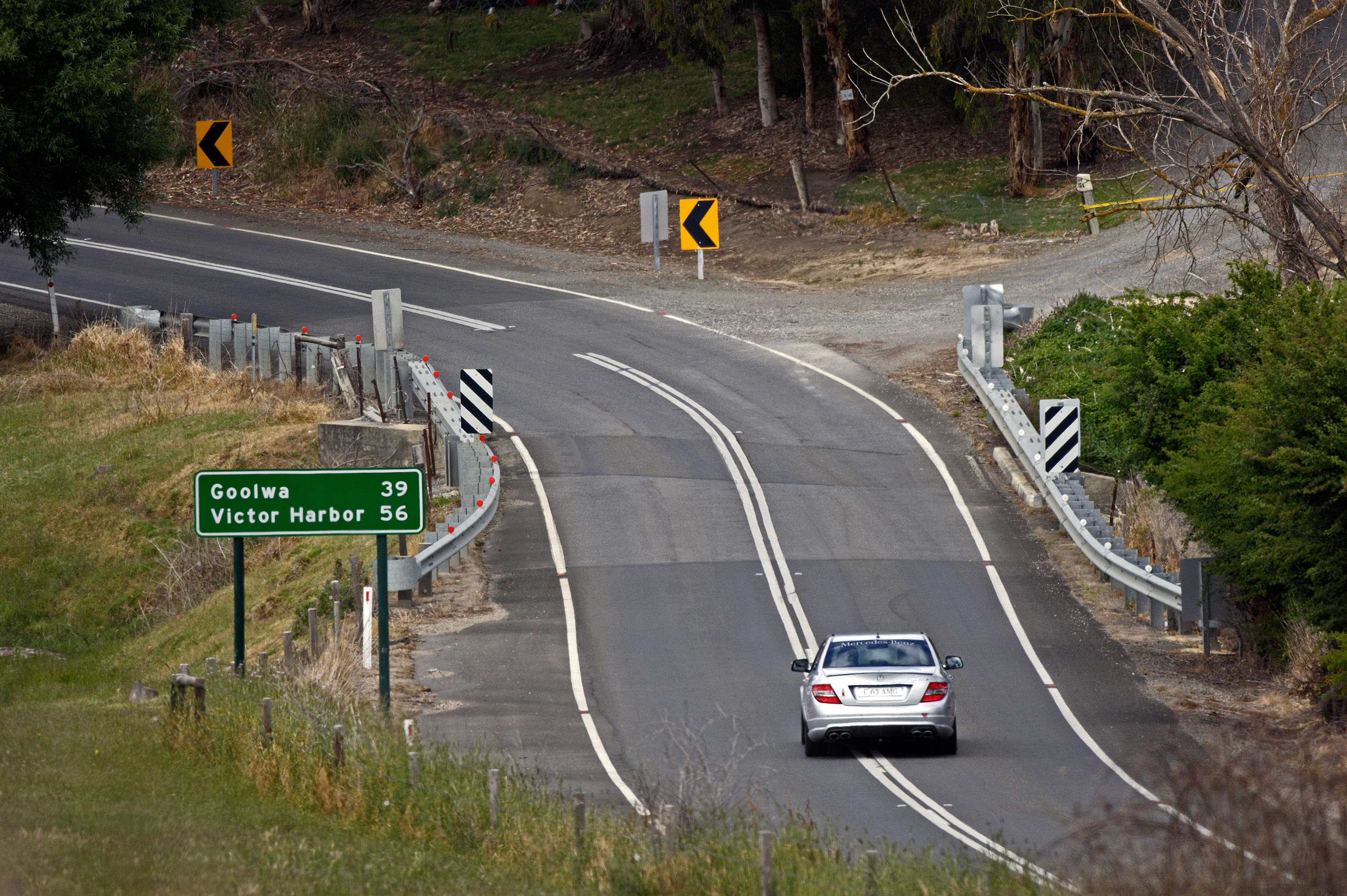
He leaves moderation switched off entirely for the final stages and limits his guidance to “and…GO FOR IT!” at every populated piece of roadside where the morbid now await us, cameras raised.
Finally we come to Windy Point, and wait for the 34th and final start. Beneath us, the city spreads all the way to the distant shoreline and even McCarthy seems briefly touched until reality returns with “Paul, see those people watching…?” and, very happily, we launch for the last time.
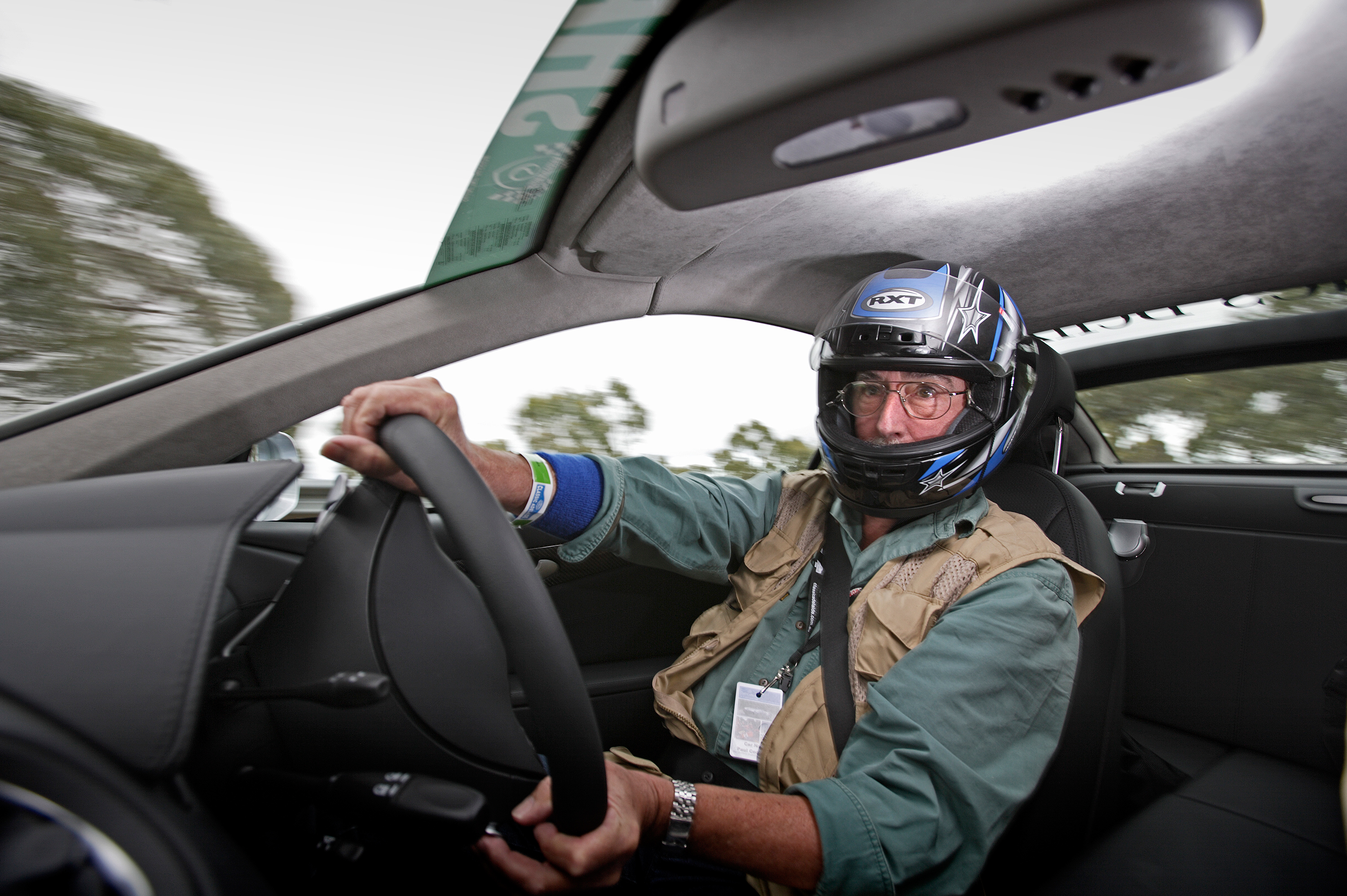
Tomorrow’s papers will name the winners of Classic Adelaide. And the details and well-deserved accolades will tell most of the story. But not all of it.
That’s because only we who ran in this wonderful, well-organised and thoroughly friendly affair really know the final detail: The named were not the only winners here.
Jumping Jack
Sir Jack Brabham was never a glamorous man. But everything that so inspired a young Australian design student, watching him win the 1966 British Grand Prix at Brands Hatch in a car of his own creation, remains undiminished.
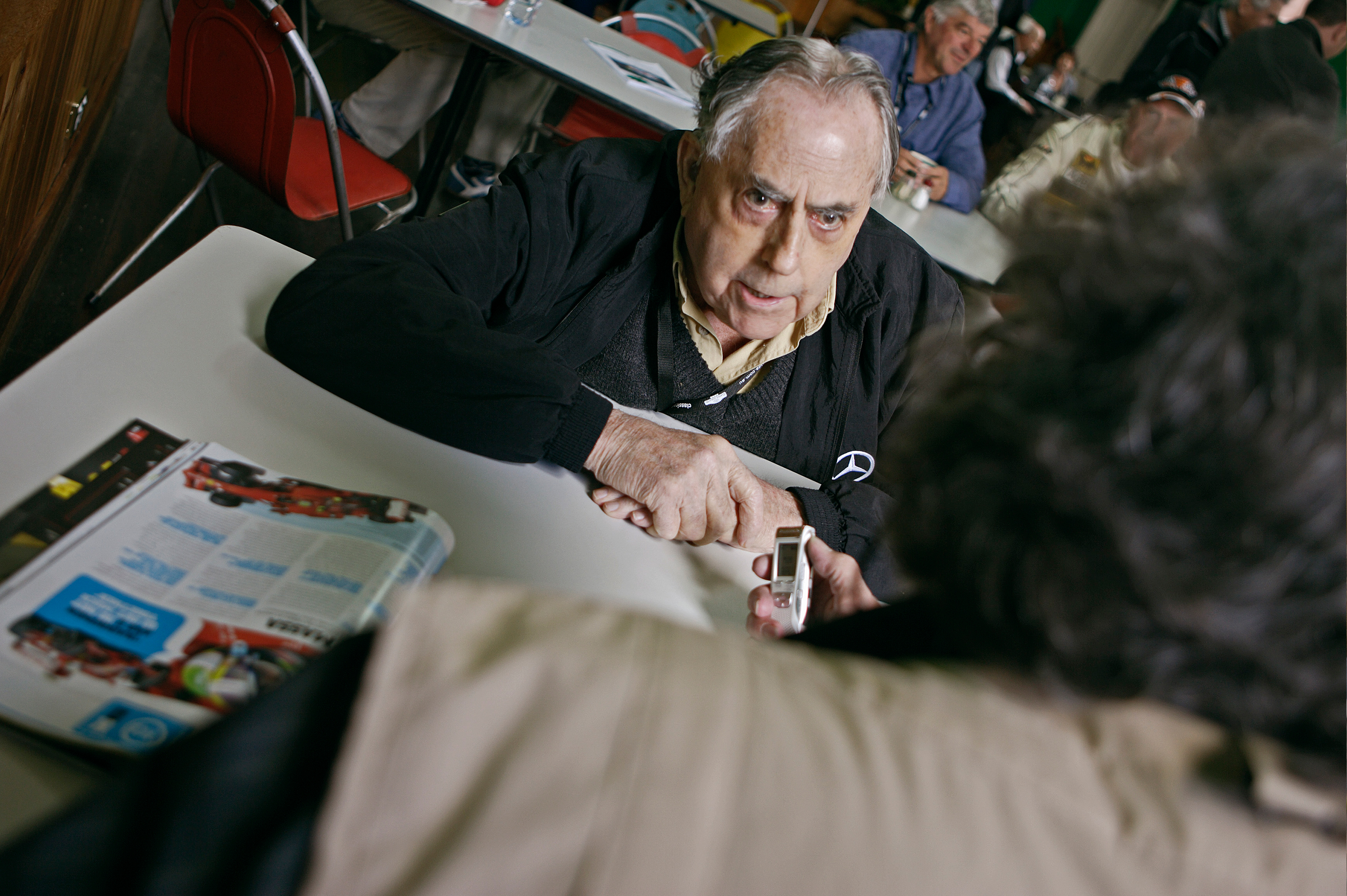
The man is a phenomenon and, were he a modern sportsman, would tell you so. But he’s not. So the record speaks for him now. That, and the images that remain with me four decades later: of him at the next GP, turned 40, tottering to his car with a fake beard and cane…and then winning it by a lap. And at the next, Nürburgring, snaring the World Championship with his then-wingless F1 car at warp speed, airborne, above the wet track.
“You had to take off straight,” he tells me now, “because they wouldn’t steer in mid-air.”
And, with that, the man who bet a life on his designs inspires me still.
Snapshot
- Molly Taylor to race for JBXE in 2022 Extreme E season
- Defending title winner will join Kevin Hansen
- First round to begin this weekend
Australian rally ace Molly Taylor will attempt to defend her Extreme E crown this year after it was announced she will be joining Jenson Button’s team for 2022.
Winner of the inaugural Extreme E championship in 2021 alongside Johan Kristoffersson for 2016 Formula One champion Nico Rosberg’s Rosberg X Racing squad, the Australian found herself without a seat for 2022 as the team elected to pull in Mikaela Ahlin-Kottulinsky as a replacement.
Just a fortnight later, Taylor is now confirmed as a team-mate to rallycross star Kevin Hansen, with the duo driving for JBXE, owned and operated by 2009 Formula One champion, Jenson Button.
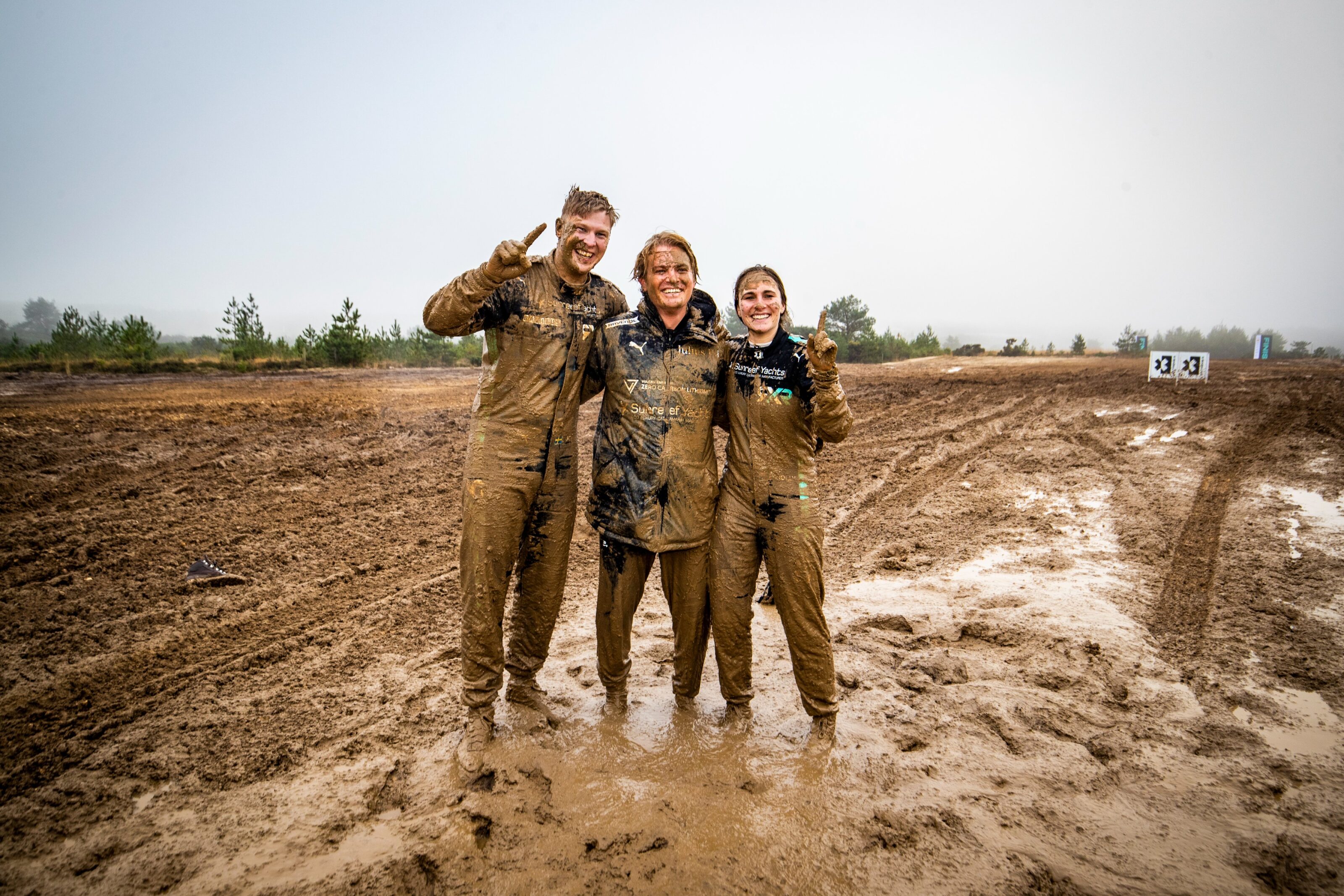
The 2016 Australian Rally Championship victor said she’ll be hungry to defend her title when the season kicks off at the Desert X Prix this weekend.
”I had an incredible year with Extreme E in 2021 and I believe wholeheartedly in what the competition represents, both with respect to its commitment to sustainability and gender equality,” said Taylor.
“Having had the benefit of a win in last year’s championship, when the call came to join the JBXE team ahead of this weekend’s race, I thought why not. I’m looking forward to getting my teeth stuck into the Desert X-Prix this weekend.”
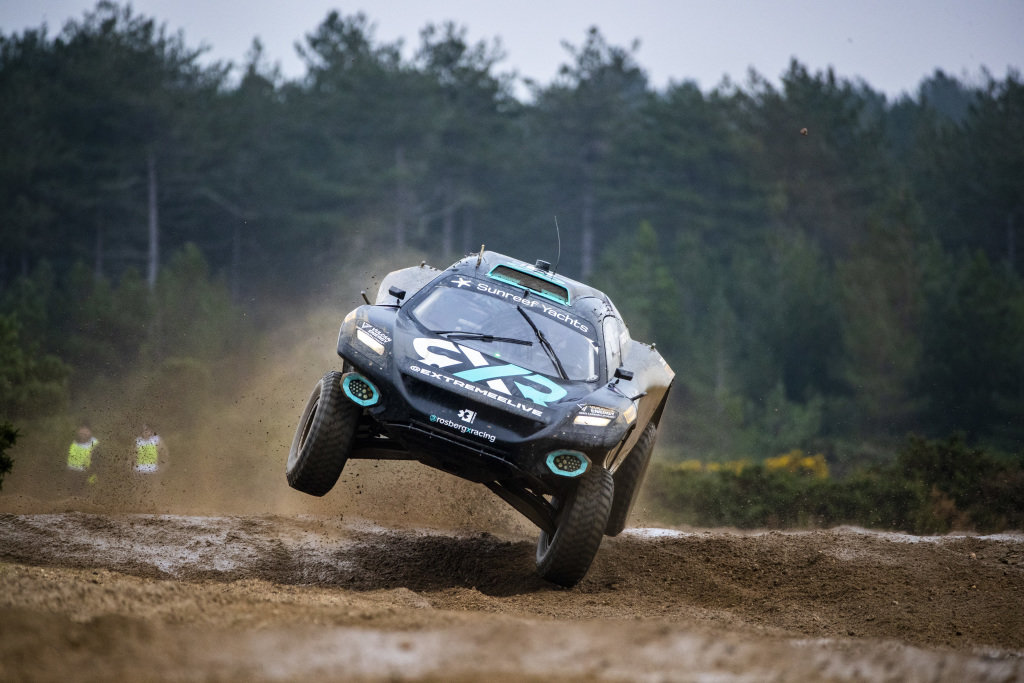
Button and Hansen believe the addition of Taylor to the driving roster will put them in good stead to start the title tilt, with the Saudi Arabian sands being fresh in her mind after competing in this year’s Dakar Rally.
“To be able to bring Molly into the team is fantastic news for JBXE. Having won the championship last year she obviously brings a huge amount to the table so I’m incredibly excited to see her and Kevin in action this weekend,” said Button.
“I’m very excited to work with Molly,” said two-time World Rallycross winner, Hansen.
“She did great last year and was one of the best out on track. You don’t become Champion for nothing!
“She has a lot of experience now in Saudi from the Dakar Rally this year, so I will take a lot of advantage from that. It was an amazing experience that she had there and now she can share that with me. It’s going to be very fun to work with her this weekend.”
Season two of the Extreme E Championship kicks off this weekend in Saudi Arabia with the Desert X Prix, running across five rounds until November.
Snapshot
- Incorrect manual information forces recall
- Recall spread across Suzuki Australia and Queensland
- Correct information to be mailed to owners
Suzuki has recalled over 30,000 units of its Vitara in Australia, owing to a misprint in the car’s owner’s manual.
Affecting a total of 31,766 vehicles sold between 2015 and 2022, the minor misprint relates to the ISOFIX child restraint system in the Vitara.
The vehicle has been recalled due to the incorrect information potentially leading to child seats which aren’t properly affixed to the vehicle, leading to a higher probability of injury in the event of an accident.
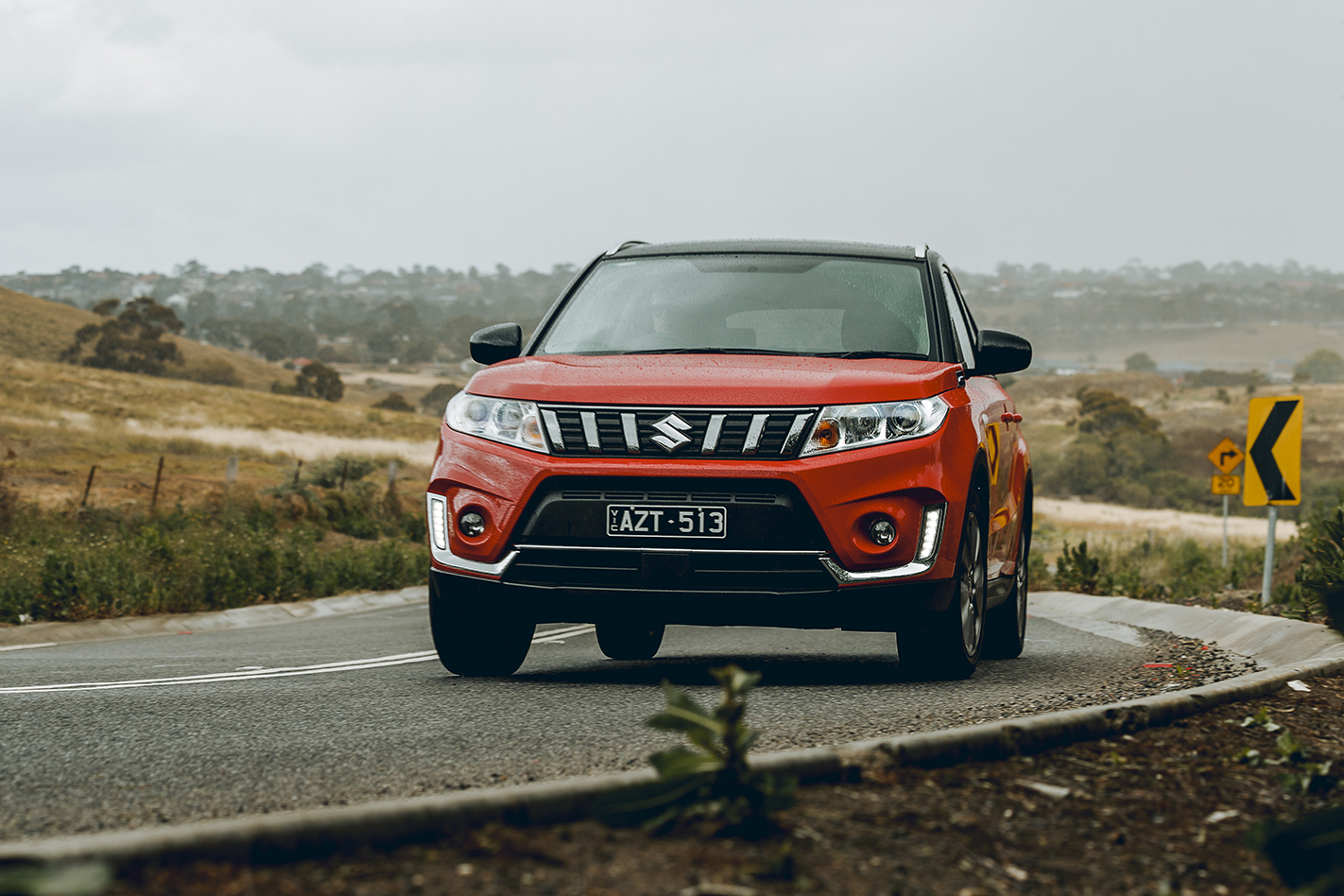
Due to the unique way Suzuki models are distributed in Australia, 26,887 of the vehicles recalled will be taken care of by Suzuki Australia while the remaining 4879 were sold through Suzuki Queensland.
Suzuki will be contacting owners in writing and sending out the relevant information to be inserted into the owner’s manual by registered mail, although anyone with further queries can contact Suzuki Customer Care on 1800 777 088.
A list of VINs for affected vehicles can be found here for those sold in Queensland and here for the rest of Australia.
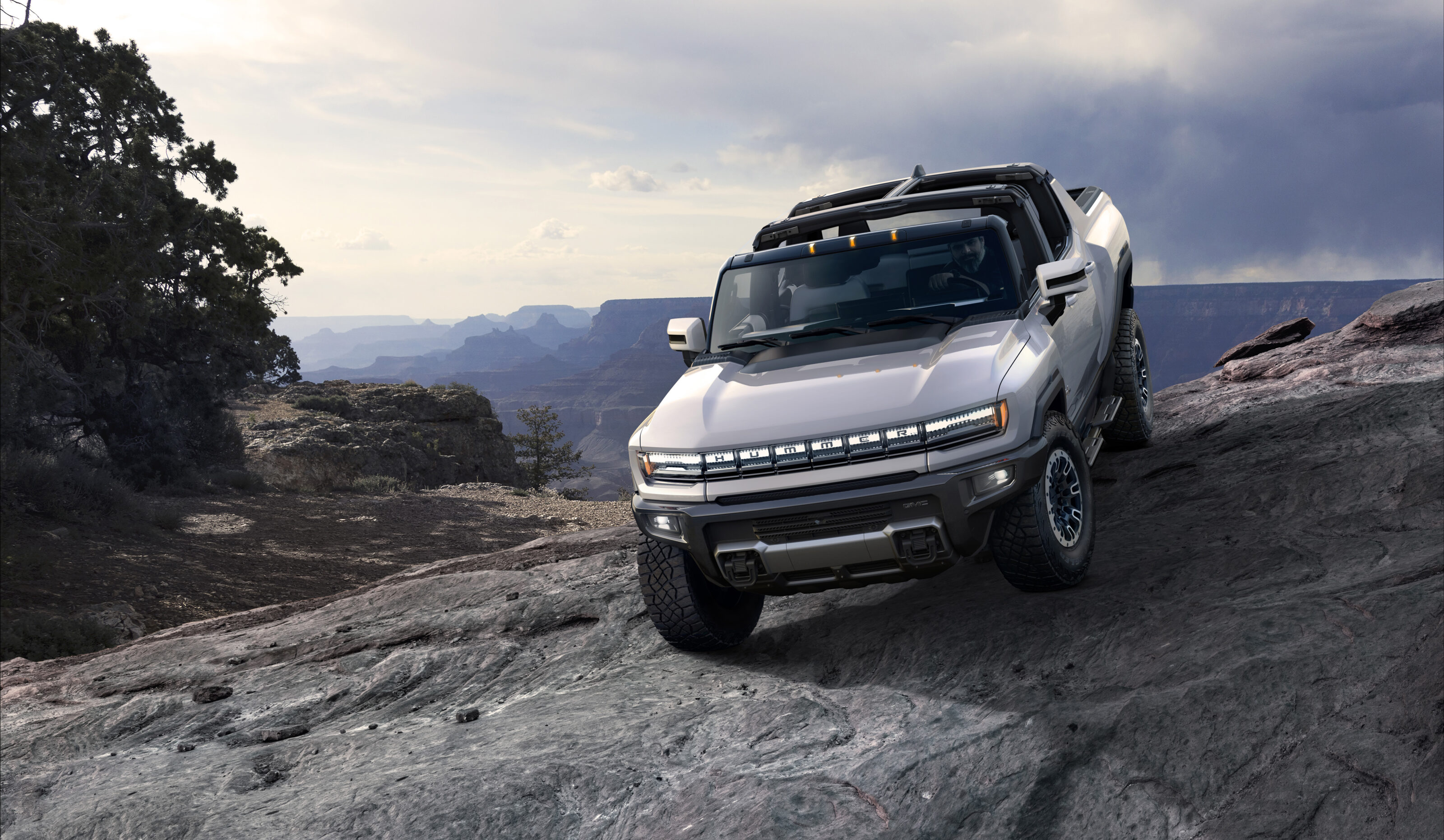
Paperwork lodged by General Motors in the US to the Environmental Protection Agency (EPA) for its new GMC Hummer pickup shows it should achieve over 500 kilometres of driving range from a full charge.
The findings suggest that GMC’s entrant to the electrified ute market in the US will out-do the Ford F-150 Lightning and standard Rivian R1T, with those rivals achieving up to 482km and 505km respectively – while the GMC Hummer is claiming 529km.
However, the claims are less accurate on the American EPA method compared to WLTP, which is applied to European and Australian vehicles.
The driving range applies to the Hummer EV in limited-run Edition 1 trim, with a huge 212.7kWh lithium-ion battery. The claim actually makes the Hummer look a little less efficient than the Rivian, which can use a 180kWh ‘Max’ battery pack to drive a claimed 644km.
But the four and a half tonne Hummer packs 725kW from its three electric motors to shoot from a standstill to 100km/h in just three seconds. Even lower-spec models have 610kW and 466kW and can still go from 0-100km/h in under five seconds.
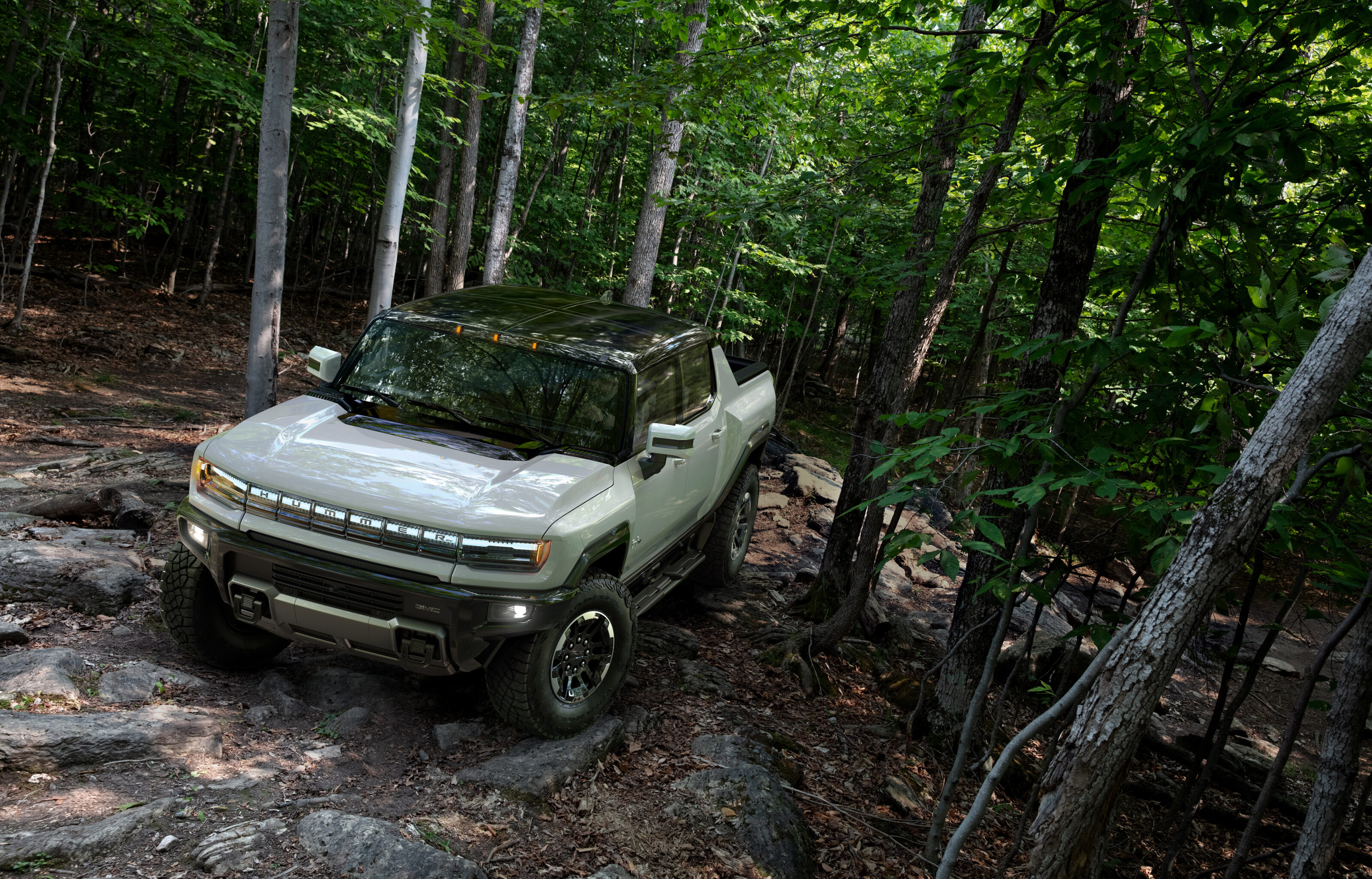
In the burgeoning market for electric trucks, the pickup version of the Hummer EV will be competing with the Chevrolet Silverado EV, Rivian R1T, Tesla Cybertruck, and Ford’s F-150 Lightning.
GMC’s Hummer will be offered with the ‘Extreme Off Road’ Package. This includes 35-inch off-road tyres, better differential locks, underbody cameras and protection from rocky terrain. It also includes a four-wheel steering system that has a ‘CrabWalk mode, which allows the car to move diagonally over difficult terrain at low speeds.
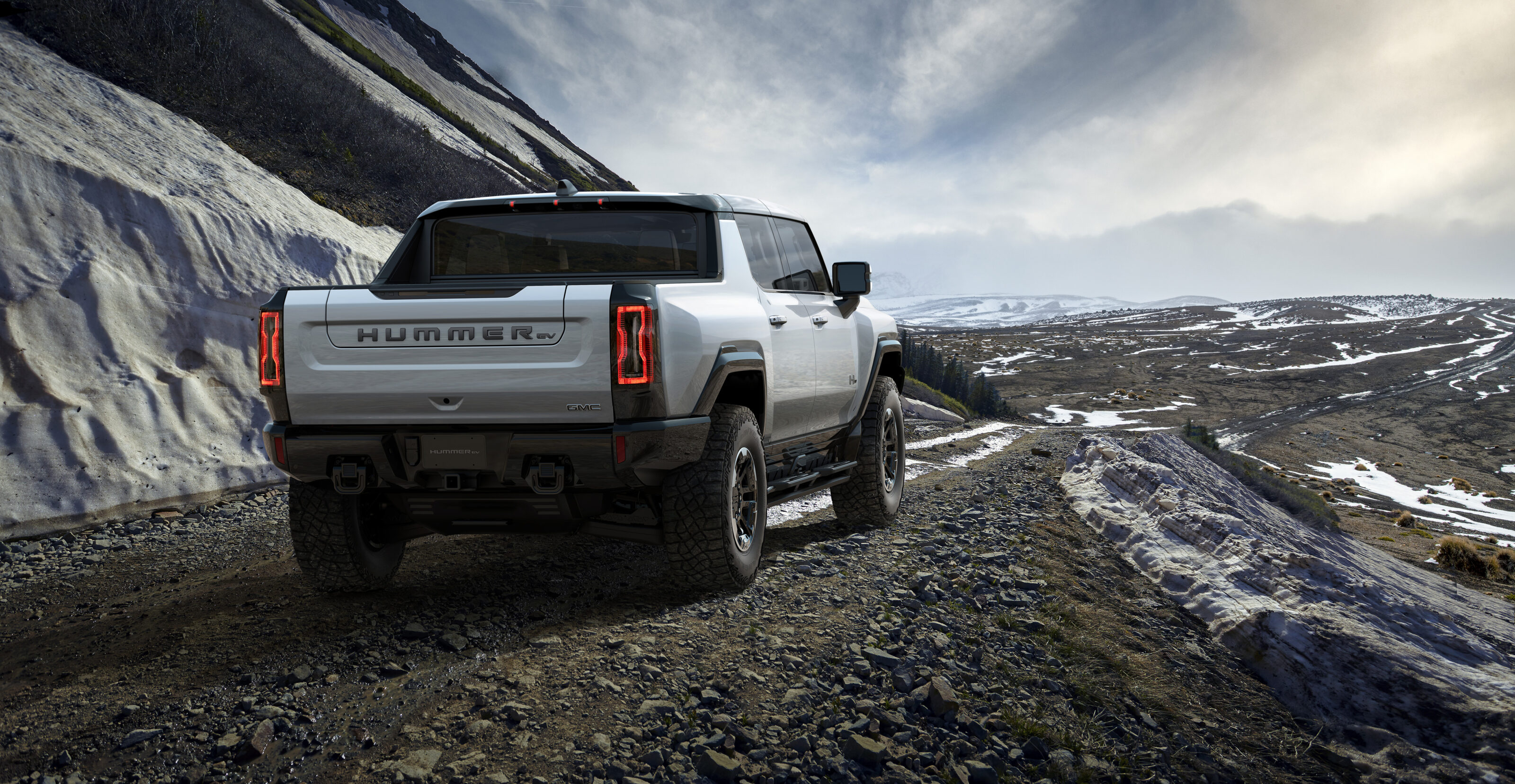
Reservations for the 725kW Hummer EV are already full, with punters prepared to pay $99,995 (AU$138,000) for the new electric machine. An even more expensive variant is coming as well – a limited Edition 1 model starts at $105,595 (around AU$145,000), and can be equipped with the Extreme Off-Road Package.
General Motors has new models available in Australia, such as the Corvette supercar and the Chevrolet Silverado ute. However, we don’t anticipate either Hummer model to be sold in Australia anytime soon.
Isuzu Ute Australia has temporarily paused sales and delivery of its D-Max ute fitted with the new 1.9-litre turbo-diesel engine.
According to the firm, the issue is down to a potential engine sensor fault, which is now under investigation and a stop notice on sales has been issued as a result. Variants housing the 3.0-litre turbo-diesel are not affected.
A spokesperson for the brand confirmed to Wheels: “Isuzu Ute Australia (IUA) has identified an irregularity relating to one of the engine sensors fitted to the 1.9-litre turbo-diesel engine in the D-MAX SX Single Cab Chassis 4×2.

“As a precaution, whilst further information is being gathered and investigated, IUA has decided to temporarily pause the sale and delivery of 1.9-litre engine variants until further notice.
“We would like to thank our customers for their patience in the matter and can appreciate that this will be inconvenient to customers who are waiting for their vehicles to be delivered.
“Please be rest assured that IUA remains committed to prioritising the delivery of vehicle orders and will continue to provide updates as we receive more information on the situation.”
It’s not yet known how long the pause will be for, however it is not thought to affect the D-Max’s twin-under-the-skin, the Mazda BT-50, which shares the same engine.
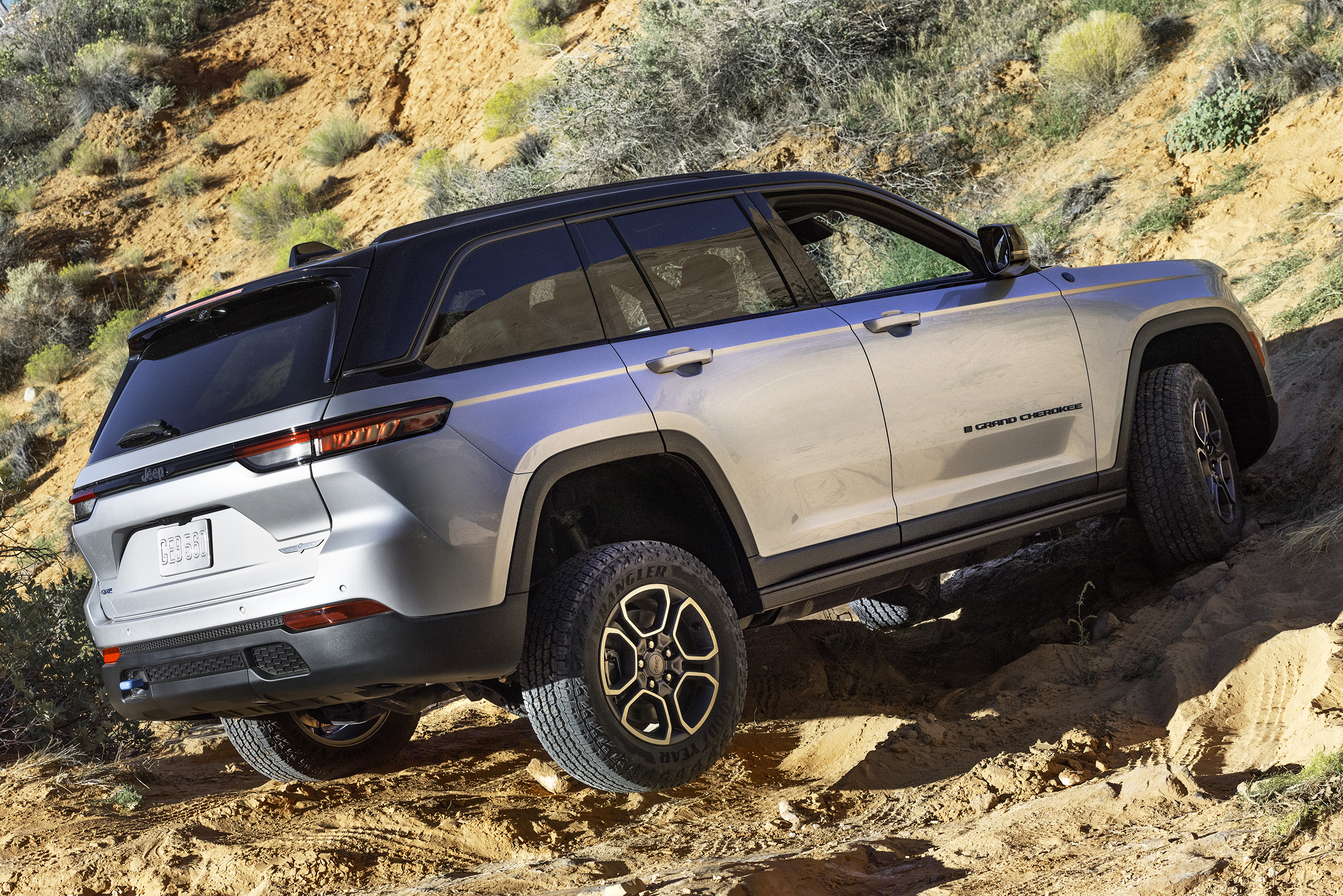
Jeep’s electrification strategy across Europe is now complete, with the Grand Cherokee plug-in hybrid giving every model an electrified option.
Announced as a part of the new Grand Cherokee range rolling out globally, the 4xe variant is the sole offering for the model across Europe, utilising a 2.0-litre turbocharged four-cylinder engine, coupled with a pair of electric motors to provide up to 280kW and 637Nm.
The launch of the 4xe variants – including the Renegade, Compass and Wrangler – are set to signal the beginning of Jeep moving away from pure-internal combustion engine-powered vehicles in Europe, as the American manufacturer is looking to drop its non-electrified models across the continent, starting this year.
According to Autocar, all European countries bar Italy will be impacted by the transition, as CEO Christian Meunier believes electrification can help enhance Jeep’s core capabilities.
“We are accelerating electrification, amplifying 4×4 capability and the spirit of freedom with electrification,” said Meunier.
“It’s not only about being more green. It’s about emphasising and improving the capabilities of our Jeeps – making them more fun, exciting, sustainable and being able to drive off road quietly.”
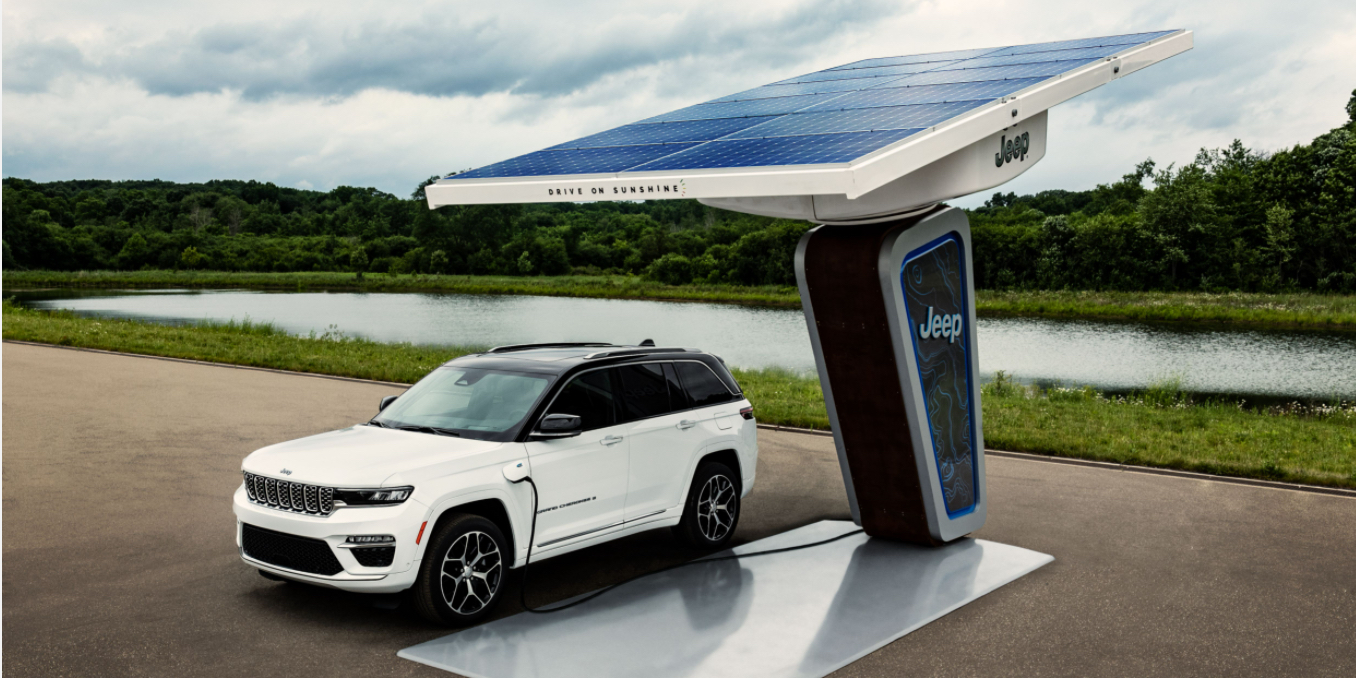
By 2025, Jeep aims to have at least one fully-electric model across each SUV segment, with electrified vehicle sales tipped to make up 70 per cent of its global deliveries in the same time period.
While European customers are able to order a hybrid Jeep across the brand’s model range, Australian buyers are currently limited to internal combustion-only options, with no hybrid powertrains currently on offer at the start of 2022.
