
Sometimes you sit in a car and think, “Hey, hardly anyone gets to ride, let alone drive a hydrogen fuel cell powered vehicle”. It’s kind of true. Bit then I remember that several years ago, I hopped into a Hyundai ix35 taxi in Paris that was one of a fleet of 65 fuel cell electric vehicles (FCEV) trundling around the French capital. You trundle in Paris, you see, the traffic is not very fast. Except, weirdly, at roundabouts.
Anyway, the real point is that despite the Hyundai Nexo being quite exclusive in Australia, thousands upon thousands of Parisians rode in Hyundai’s vision of the future – or at least one of them – in the form of hydrogen fuel cell propulsion. So this is a technology that works and works well enough that in the car’s home country of South Korea, 10,000 Nexos have been sold. They’re also on sale in California and the UK.
People are not on board with hydrogen, believing that battery electric vehicles are the only way forward. It does seem kind of weird that a car company that has demonstrated in the last couple of decades that it kinda knows what it’s doing would waste millions of dollars designing and building an FCEV, but I think I know why: While battery electric vehicles are good, they’re not as flexible as some use cases require.
Pricing and Features
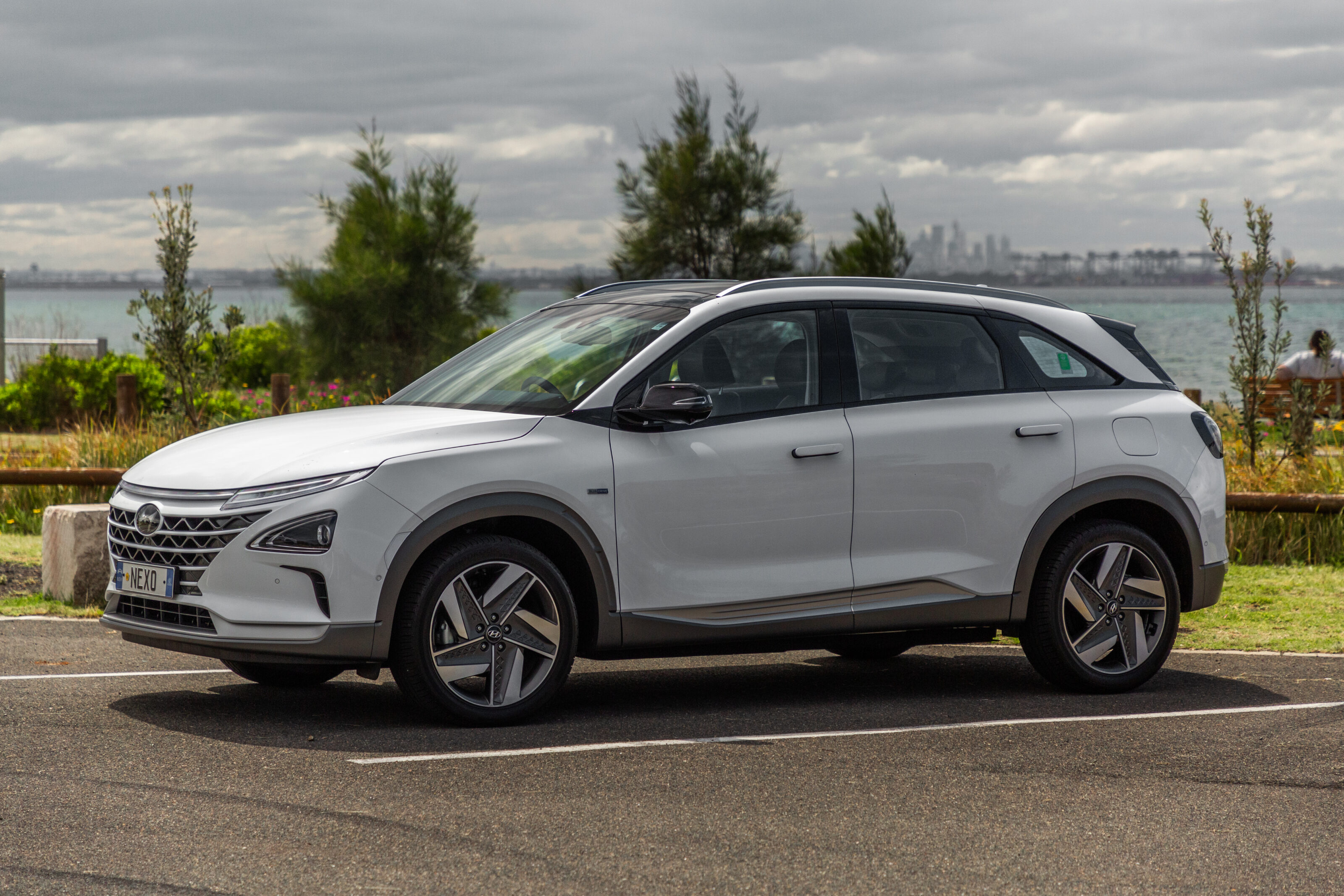
In Australia, the Nexo is not on sale through the Hyundai dealer network. Basically, unless you’re a state or territory government, you probably can’t take up the lease deal Hyundai is offering these large organisations because you need to know what you’re getting yourself into when you buy one.
There are no hydrogen filling stations outside of Hyundai’s Sydney HQ, the ACTEW AGL filling station in the ACT, BOC’s in Brisbane and Toyota’s in Altona West. So even if you could afford it, you’re out of luck for filling options. But that is – genuinely – not the point of this review.
Likely priced at something above $120,000, the Nexo ships with 19-inch alloys, LED headlights, around-view cameras, remote parking assist (you can use the key fob to slot the car in and out of tight spaces), fake leather interior, panoramic glass sunroof, eight-speaker Krell-branded stereo system, power tailgate, dual-zone climate control, heated and ventilated electrically-operated front seats and heated rear seats. There isn’t a spare tyre because there isn’t any room, so you get a tyre repair kit instead.
The huge 12.3-inch touchscreen complements the 7.0-inch digital dashboard and has Apple CarPlay and Android Auto connectivity via USB as well as wireless phone charging. The software also includes a handy diagram of where the power is flowing to and from but shows one hydrogen tank too few, which is weird. Not that it matters, of course.
Comfort and space
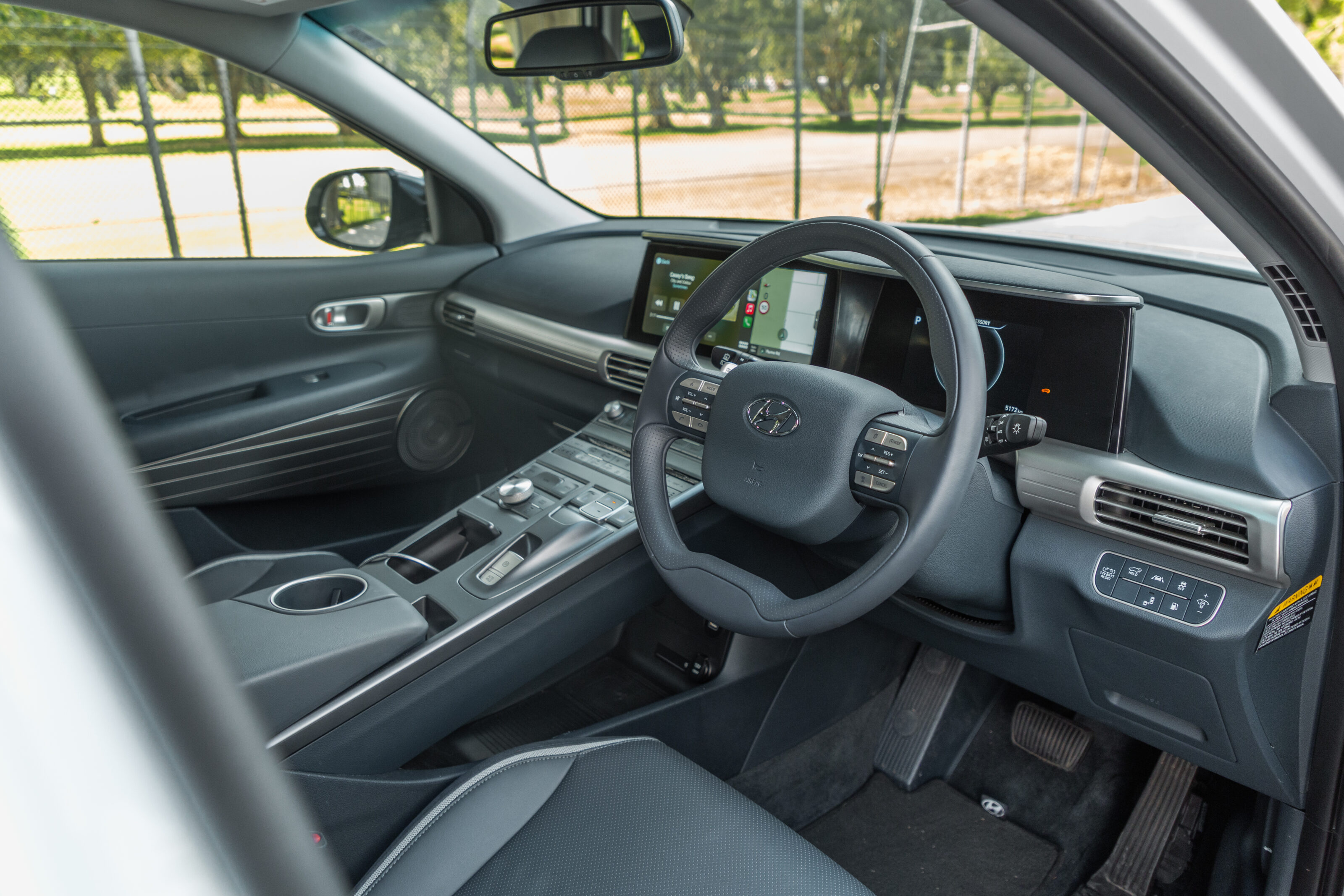
The Nexo feels like a slightly bigger Tucson, partly because it is slightly bigger than the Tucson. The interior space feels very conventional because, despite the different storage needs of the fuel itself, there’s a battery under the boot floor, hydrogen tanks safely stowed around the rear axle and a fuel cell and electric motor under the bonnet.
Even with the underfloor battery, the boot is a commendable 461 litres and has a floor flush with the high-ish loading lip. You can drop the back seats and that delivers a probably-not-VDA 1600 litres. Either way, there’s a lot of space.
Return the rear seats to their rightful position and you have plenty of leg and knee room. Even with the sunroof fitted there is ample headroom, too, so this is a proper four-adult proposition. Given its role in Australia as a government fleet car, that’s going to be handy.
Hyundai even expects interest from emergency services, such is the size and space of the Nexo. The rear doors have bottle holders and pockets while the centre armrest will hold two cups, which probably isn’t relevant to an ambulance operator, but still. Just in case.
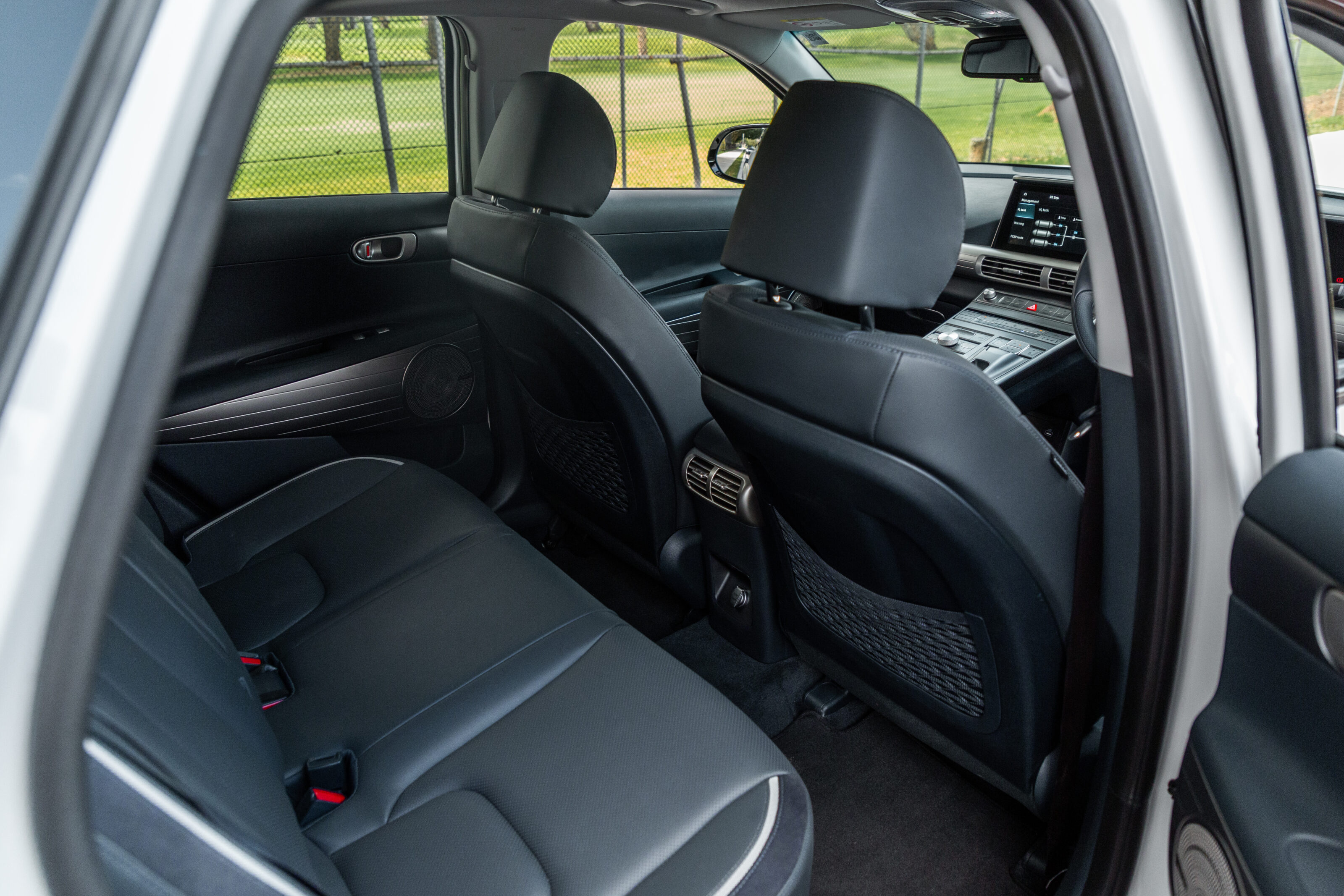
The front seats are split by Hyundai’s flying bridge console. While we first saw it here in Australia in the Palisade and then Santa Fe, the Nexo was the first Hyundai with this feature. It’s a feature I quite like because there’s space for slinging small items and keeping cables out of sight.
The front seats are very comfortable and just the right kind of firm for long trips. I wasn’t sure about the pale colour of the upholstery but it certainly made the interior feel brighter and bigger. As one interested fellow at a lunch stop said, “My kids would destroy that beautiful white interior. But it’s nice.”
Even if you could afford it, you’re out of luck for filling options. But that is – genuinely – not the point of this review.
On the road
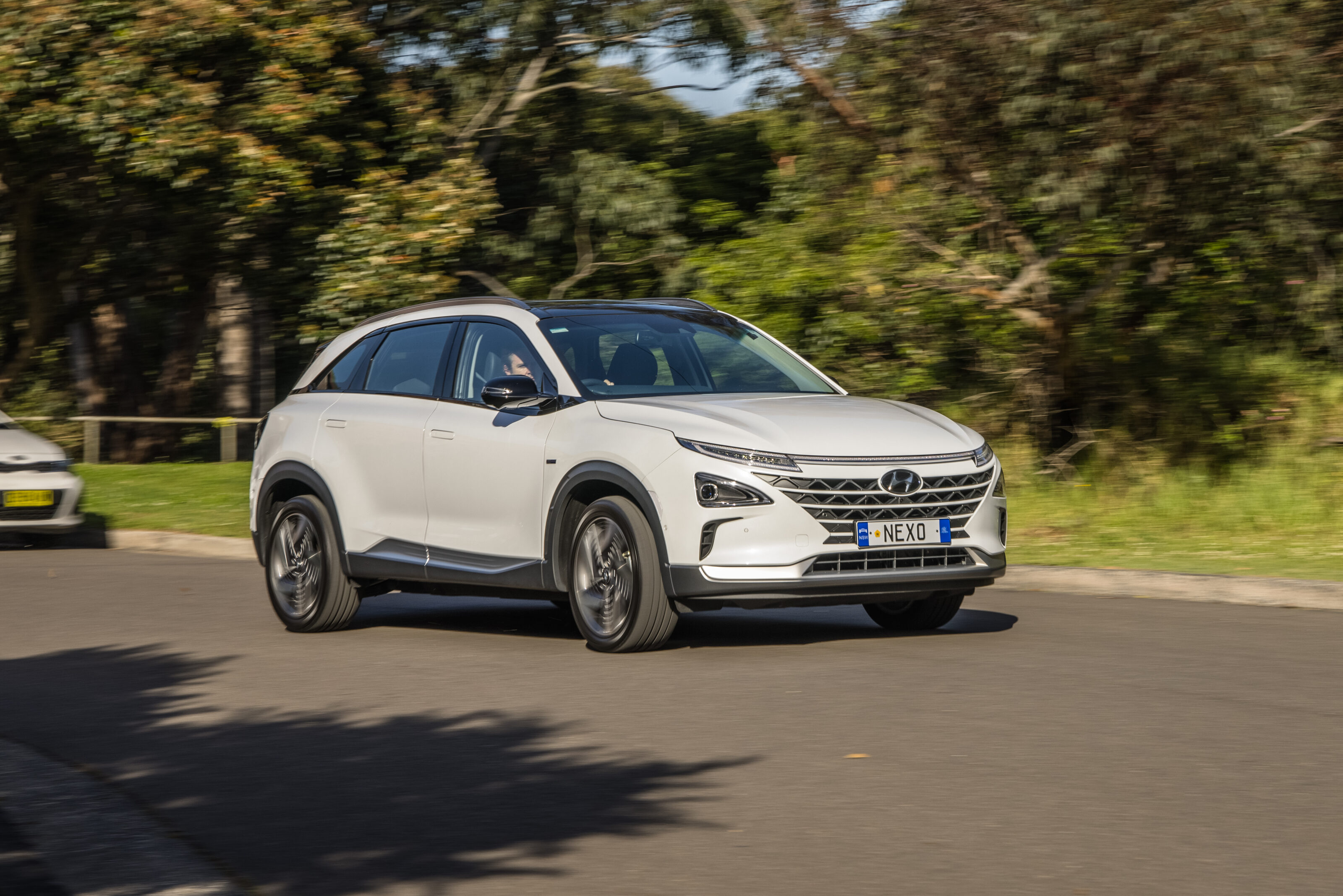
There’s a bit to get through on the engine front, so feel free to skip a few paragraphs where I get down to business. If you don’t know what a fuel cell is, it’s basically a process where hydrogen passes from its pressurised storage tank and through a membrane where it reacts with oxygen.
As the oxygen and hydrogen meet, sparks (metaphorically) fly and the result is electricity, a little residual heat and the exhaust is, er water. Drinkable, apparently, but I skipped that stunt because I know what water tastes like.
The fuel cell and electric motor are arranged in a stack under the bonnet known as the Powertrain Fuel Cell (PFC). Total system power from the battery and the fuel cell is a combined 135kW. 95kW comes from the fuel cell and a further 40kW from the 1.56kWh lithium-polymer battery. The electric motor itself spins up 120kW and 395Nm and behaves exactly as an electric motor does in an EV.

The three hydrogen tanks swallow up to 156 litres of hydrogen at 700 bar (10,000psi) of pressure. Unfortunately, Hyundai’s Sydney fueller can’t quite match that, so we only had half a tank to play with. With those three tanks arranged around the rear axle, at full capacity there is 6.3kg of hydrogen.
As you may remember, hydrogen is very light, so that’s why you need so much pressure to cram it all in. At the moment hydrogen is around $15/kg, meaning a fill price of around $90. That will get you around 666km on the WLTP cycle, which is more accurate than the ADR combined cycle and Hyundai is notable for not getting greedy with its testing.
The Federal Government wants hydrogen at $2/kg at some unspecified point in the future, so that fits in with the general malaise in energy policy we’ve come to expect. The ACTEW filling station does provide the necessary pressure and filling time is around five minutes, so not much longer than a conventional petrol or diesel fill and much shorter than an EV, 350kW charging or not.
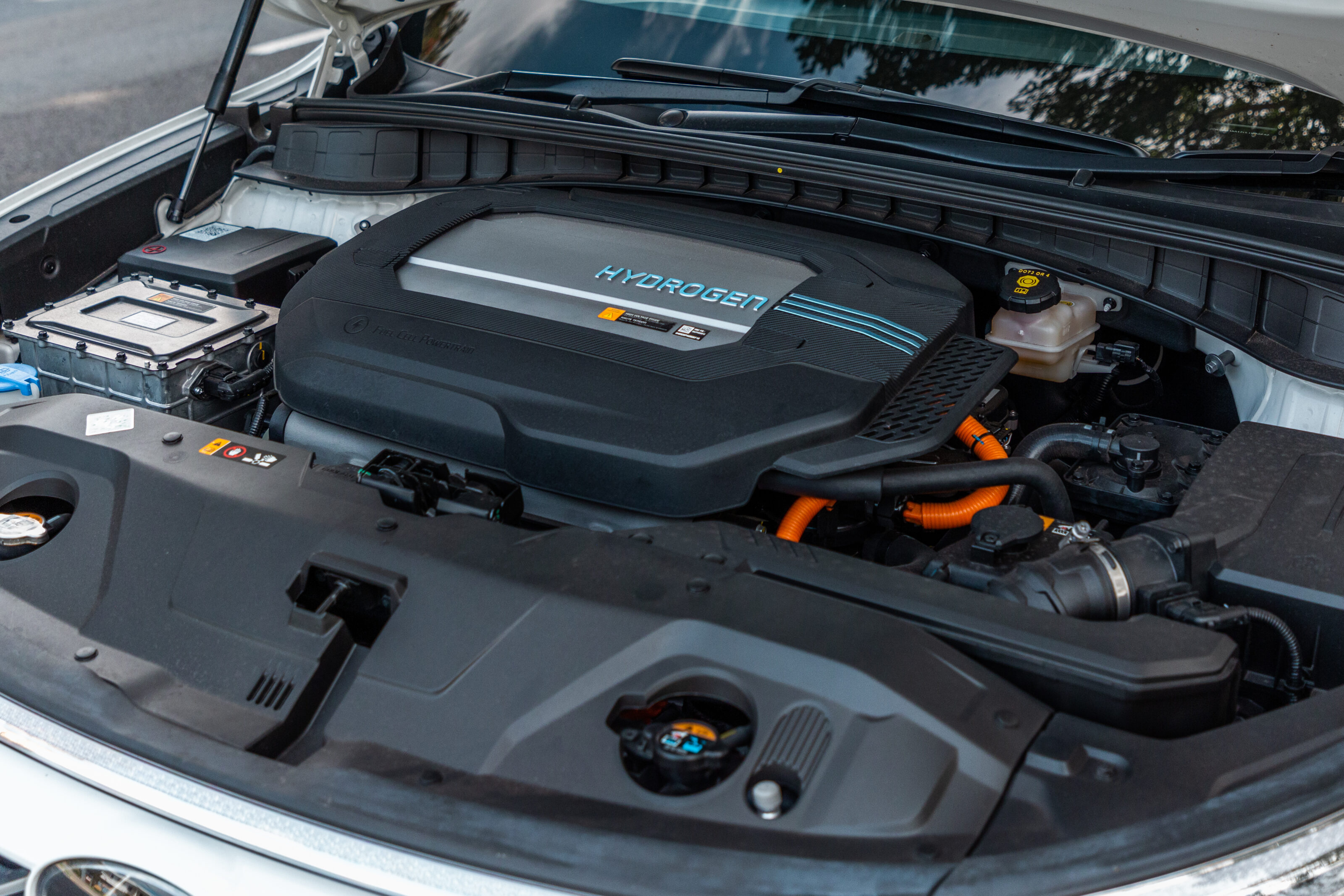
It’s important to note that while hydrogen’s tailpipe emissions are fundamentally harmless, the way hydrogen is extracted – or from what it is extracted – will decide whether it’s clean energy or not. You may have heard of some controversy around so-called blue hydrogen, which is derived from methane in natural gas which is, as you’re probably aware, a fossil fuel.
A peer-reviewed paper found that not only is the carbon footprint of blue hydrogen a fifth higher than just burning the methane itself but the production itself produces yet more carbon dioxide. Producers say they will capture and store this CO2, but that particular technology is dodgy at best.
The car’s hydrogen tanks themselves are super-chunky, with three protective layers dealing with stress, impact and shock absorption. The multi-link rear suspension allows for the third tank, where the ix35 had a torsion beam set-up.
The tanks are new, too, and can cram more in, just over half a kilo over the old car. The Nexo’s motor is a permanent magnet (ix35 was an AC induction unit) and the company says power density is up by half, to 3.1kW per litre. Motor power is up by 20kW and torque by a whopping 95Nm.
Right. That’s a lot of fascinating if nerdy detail. How does it drive?
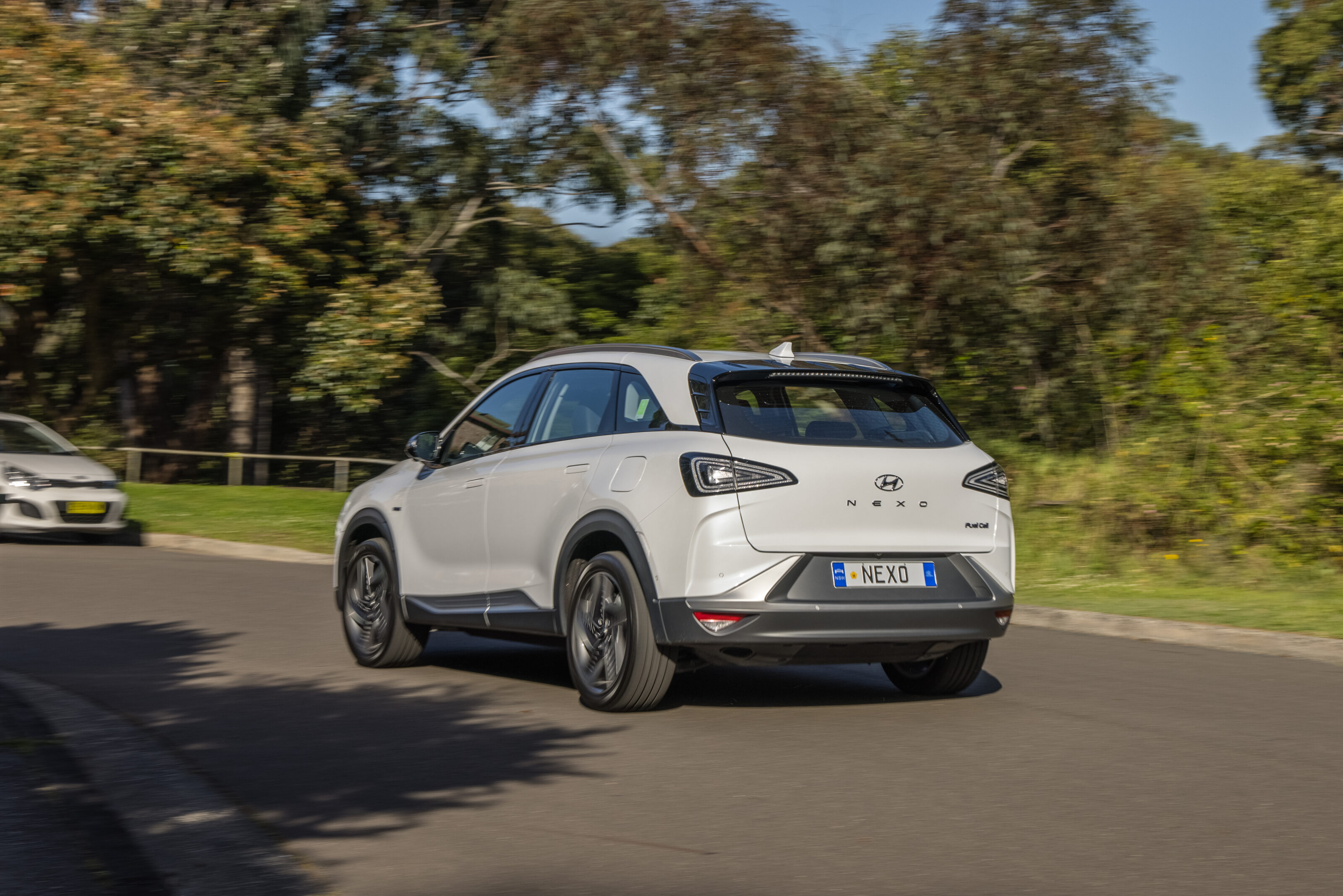
Rather well, as it happens. The electric motor is like any other EV as long as you’re not in Eco mode. Foot down, forward motion, no messing about. It’s front-wheel drive, so expect a few chirps if you’re unsympathetic in slippery conditions. The 0-100km/h time isn’t all that inspiring at 9.5 seconds, but it redeems itself with excellent rolling acceleration for fuss-free overtakes or getaways from rubber-neckers.
Most of the time you hear nothing but well-damped tyre rumble and the occasional thunk from the suspension. As speeds rise you’ll hear wind noise and you have to remind yourself that this is because it’s electric. Hyundai has fitted thicker glass in the windscreen and front doors to help and it seems to work.
You know it’s a Hyundai too with its pushy lane-keep assist system making the wheel writhe in your hands (easily fixed with a button press) and it’s fully equipped with safety gear, which is nice to see.
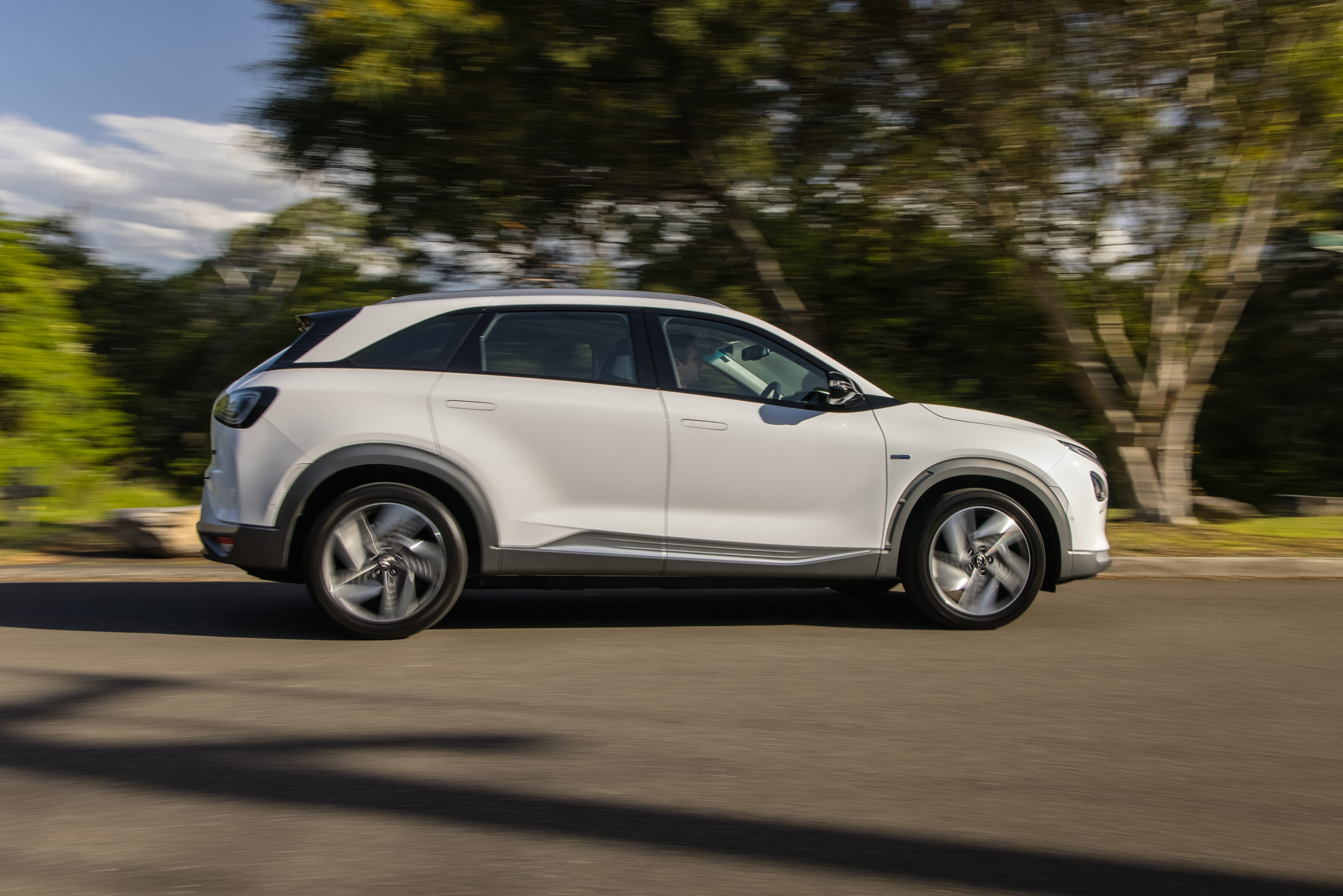
The steering is pretty numb, sadly, despite Hyundai Australia’s local team working on the chassis. Like its Tucson stablemate, the Nexo handles tidily and the 1800kg kerb weight doesn’t feel too apparent until you get a little too ambitious.
I quite liked the way it rode, too, and it improved as speeds rose. It’s a very easy car to live with and the only reason you’re reminded it’s an FCEV is a distant huffing and puffing of the fuel tanks when you ask for more power.
Apart from that, it feels like a capable mid-sized SUV. For that alone, it stands apart from other EVs because most of them feel so different to drive due to the huge weight penalty of batteries, the lower centre of gravity and the walloping performance most of them deliver.
Most of the time you hear nothing but well-damped tyre rumble. As speeds rise you’ll hear wind noise and you have to remind yourself that it’s electric.
Ownership
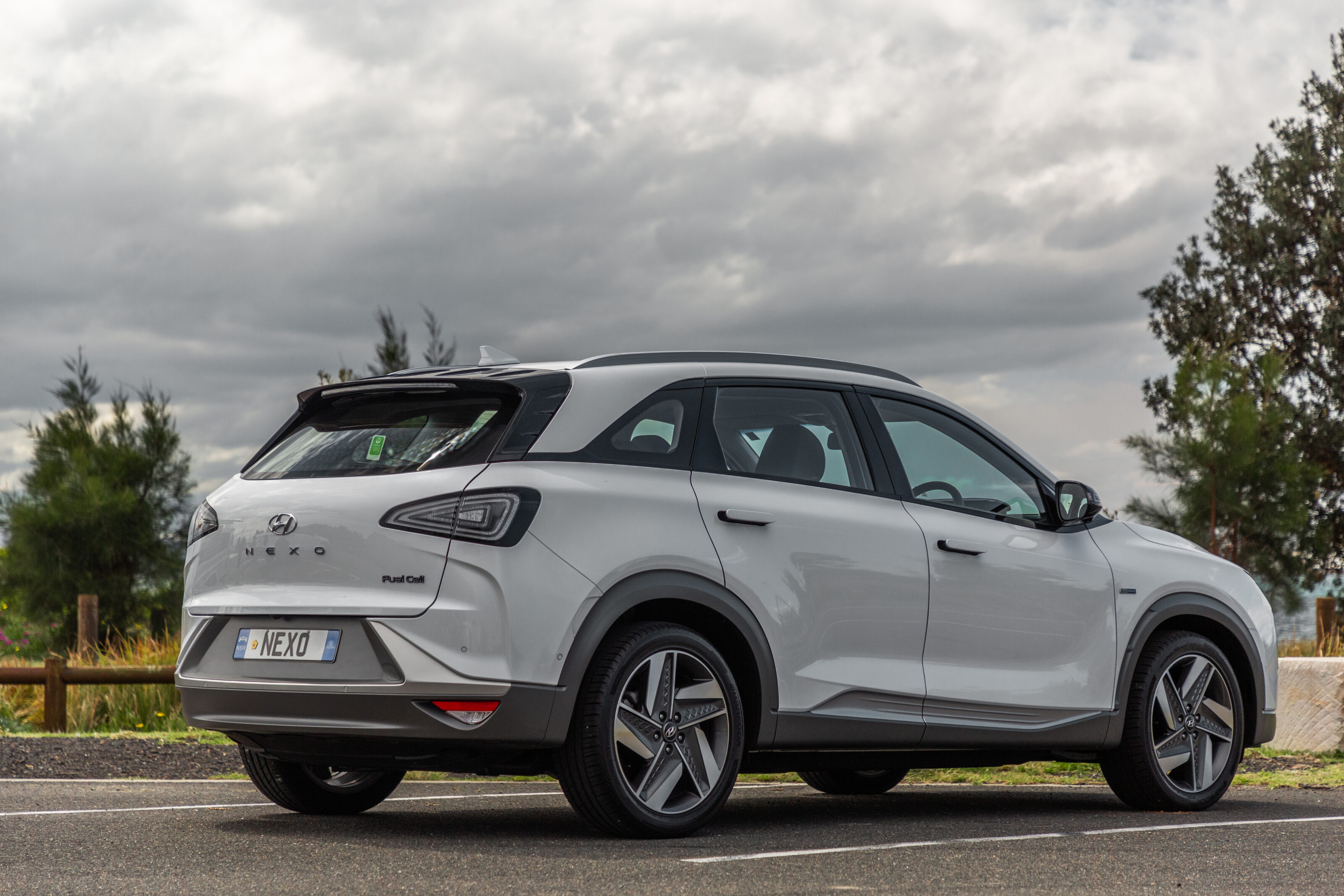
Like every other Hyundai, the Nexo is subject to a five-year/unlimited-kilometre warranty.
The rest of the costs are obscured in the lease deal Hyundai offers its (so far) government customers.
VERDICT
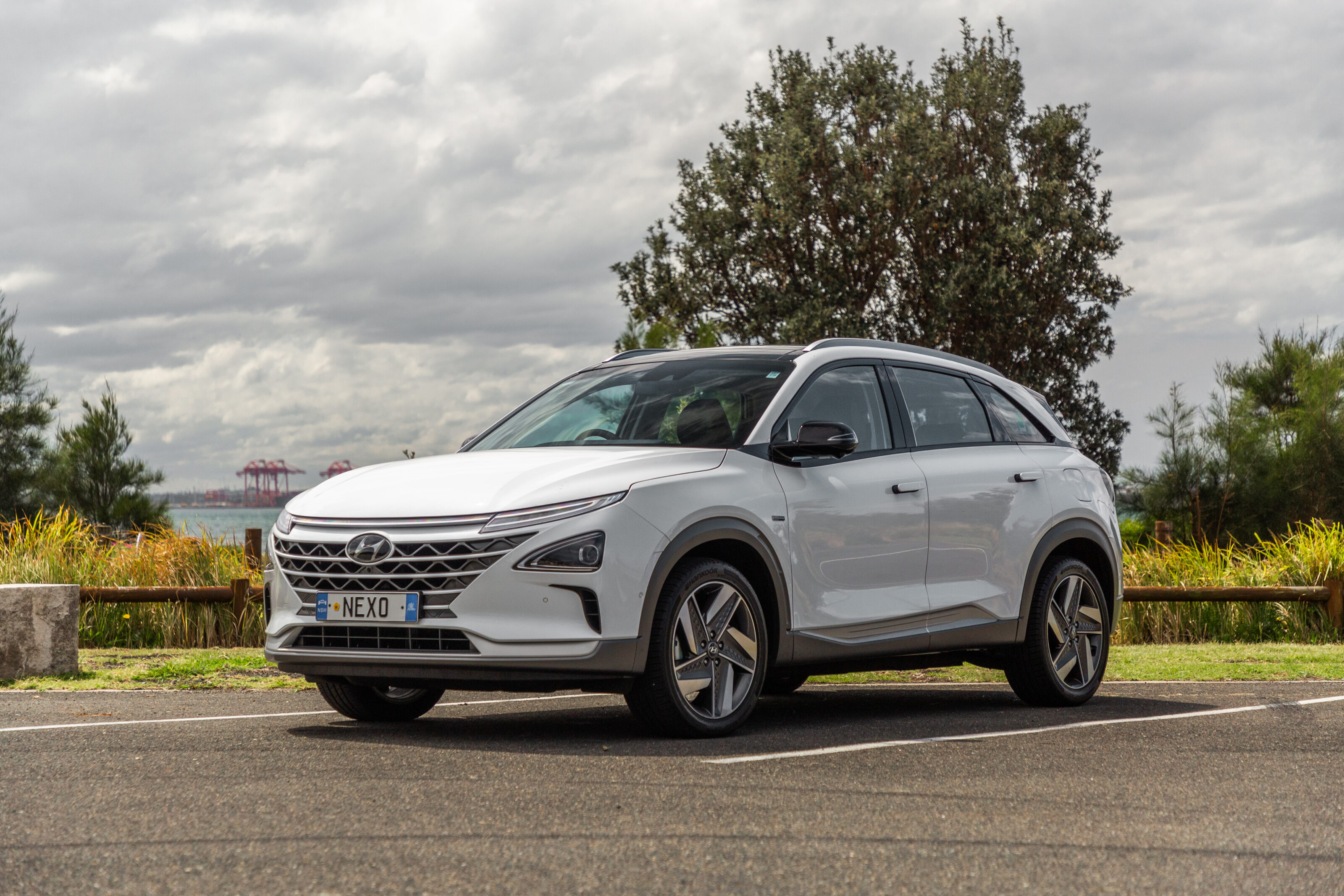
After a week driving the Nexo and having fascinating chats with passers-by, I was surprised to find that people were interested and even keen on the idea of a hydrogen-powered car. While there are quite a few obstacles in the way – not least of which is the rapid development of the competitor technology – I can tell you that a hydrogen fuel cell vehicle is a perfectly acceptable alternative to a battery-electric car.
I think people are attracted by the familiarity of filling up at the currently non-existent filling stations. That’s the real problem common to any FCEV. Infrastructure is not forthcoming, with a very small patchwork of filling stations, most of which are ideas at this point.
Hyundai seems undaunted and where hydrogen is really going to make sense was the subject of a recent announcement – heavy vehicles. As Tesla is shortly to discover, trucking companies are not going to be keen to find their payload is greatly reduced by heavy batteries.
As with the Nexo, fuel cell technology is significantly lighter than battery electric. It’s going to be a fascinating few years.
Snapshot
- Six Superchargers just outside of The Bend
- Three-phase chargers can be found inside the circuit precinct
- Dukes Highway location one of the few in the area
Tesla’s Supercharger network now includes a location outside of Australia’s latest motorsport complex.
Positioned at an On The Run (OTR) fuel station on Dukes Highway in Tailem Bend, SA, the six V3 Superchargers are right next to The Bend Motorsport Park and became operational at the start of January.
Capable of charging at up to 250kW through its CCS/SAE plugs, the location is ideal for anyone driving between Adelaide and Melbourne, being set up around 100 kilometres east of the South Australian capital and roughly 650km from the Melbourne CBD – although there are more chargers on the way to Victoria.
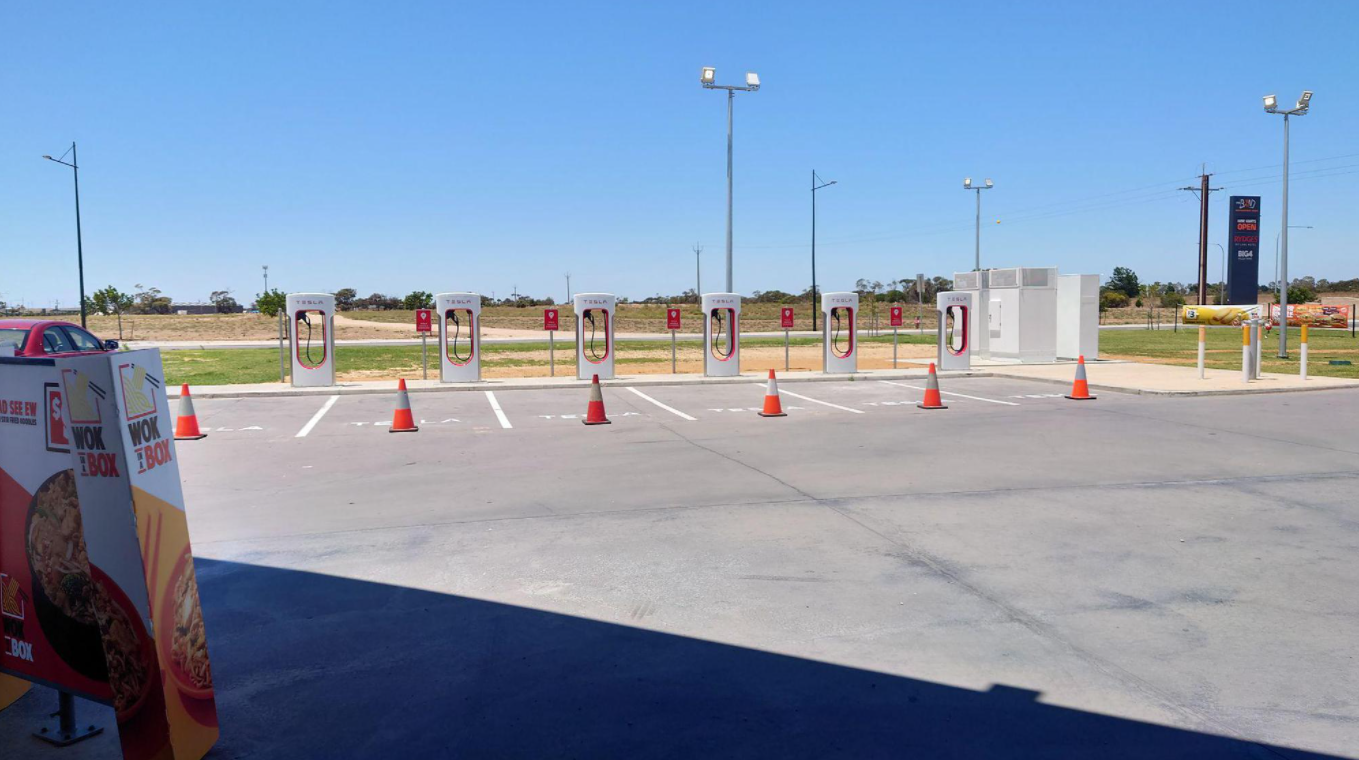
Open 24 hours a day, seven days a week, the facility services travellers along the highway as well as Tesla drivers who are taking part in events at The Bend, making it possible for them to drive just outside of the complex to recharge.
According to PlugShare, there is a three-phase outlet within The Bend’s complex, but this could also be used for purposes other than electric vehicle recharging.
The EV lap record at The Bend is currently held by Porsche, after Luke Youlden was able to set a time of 3:22.066 around the circuit in a Taycan Turbo S.
Snapshot
- Cupra Leon set to arrive in July
- Four powertrains on offer, including plug-in hybrid
- Entry-level 140kW/320Nm engine unique to Australia; delayed until 2023
Cupra is continuing to drip-feed information for its range of performance-orientated vehicles, ahead of its July market launch.
The 2022 Cupra Leon will touch down mid-year with four powertrain options and a unique grade per engine, the brand announced today.
Based on the same platform as the Audi A3 and S3, Volkswagen Golf and Skoda Octavia, the Cupra Leon is anticipated to start from around $40,000 in Australia.
Exact pricing details are expected in the second quarter (April-June inclusive).
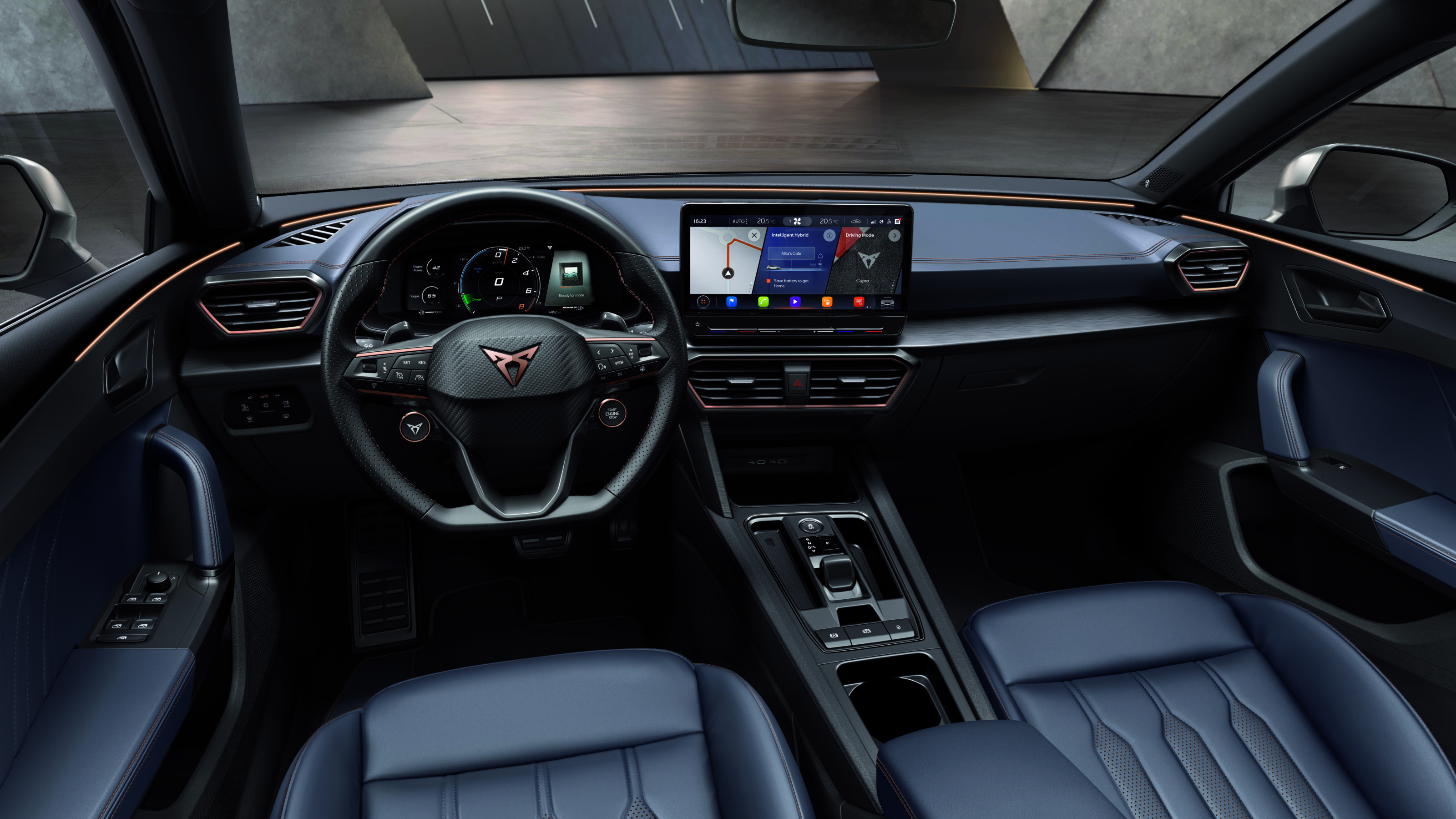
Unique to Australia is the entry-level Leon V grade, which will offer a lower-output version of the Leon’s 2.0-litre turbo engine that is unavailable overseas.
For Australia, the Leon V is a rebadged Seat featuring the same 140kW/320Nm 2.0-litre four-cylinder engine found in the Octavia 140TSI – rather than higher-output engines seen across the bulk of the range.
This base grade will arrive in early 2023, instead of the July 2022 date estimated for other variants.
“There is an ascending order in terms of output, but we’ve equipped all Leons with such a level of standard equipment that no-one will feel short changed in any version,” said Jeff Shafer, Cupra Australia’s head of product and planning.
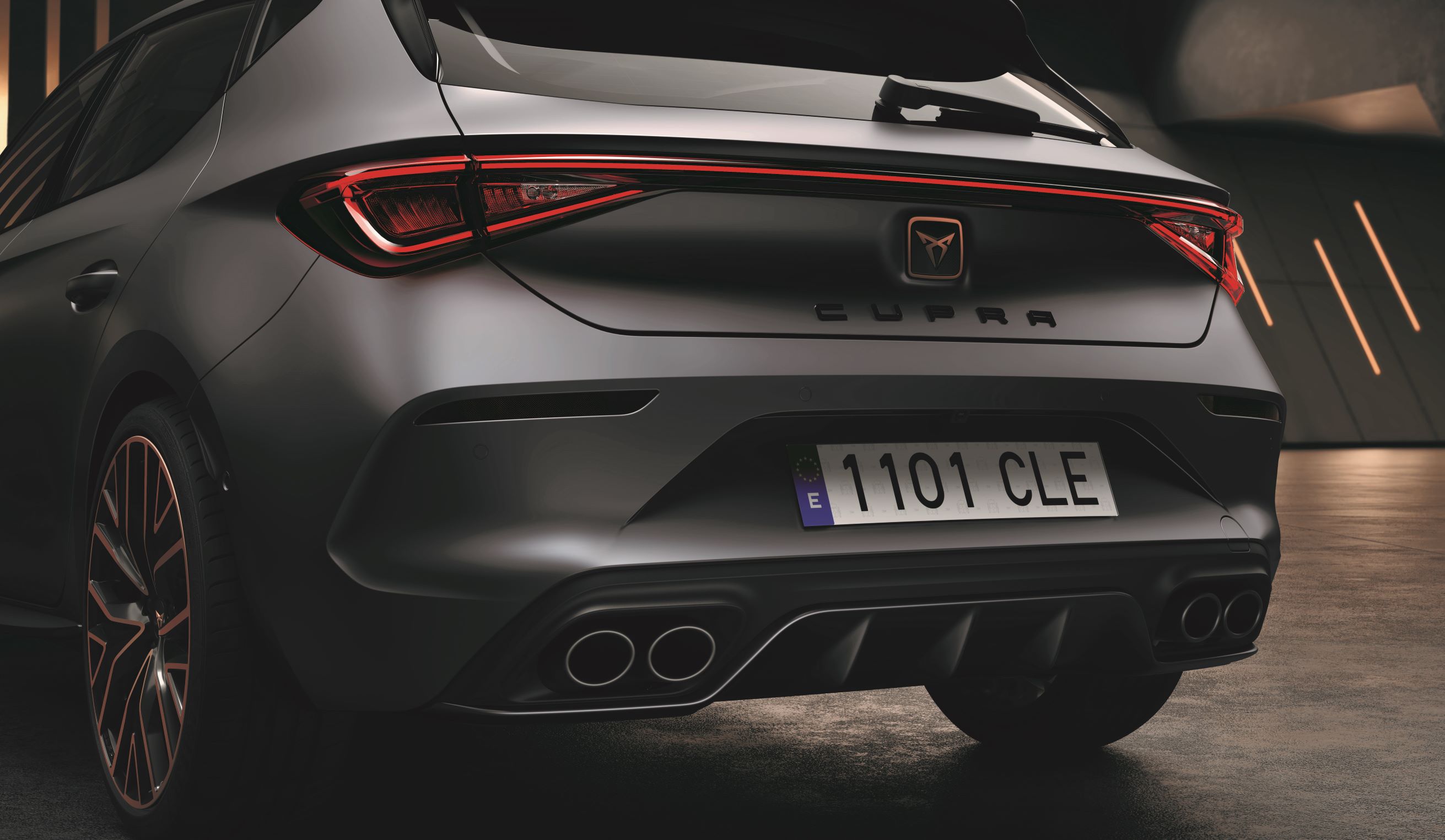
“With outputs ranging from 140kW/320Nm to 221kW/400Nm, each Leon has the power and torque to match its design.”
The Leon will join the Ateca and Formentor SUVs in the Australian model launch of Cupra in July this year. An electric hatchback, the Born, is slated to arrive towards the end of 2022.
A plug-in hybrid variant – badged VZe – will join the Formentor in becoming the first electrified VW Group product offered in Australia.
Last week, Cupra announced first details for its single-variant Ateca range, exclusively powered by the flagship 221kW/400Nm mill. More information can be found here.
Initial specification and powertrain details for the 2022 Cupra Leon are detailed below.
2022 Cupra Leon features
Leon V
Leon VZ (in addition to V)
Leon VZe (in addition to VZ)
Leon VZx (in addition to VZ)
Metallic paint is included as standard across the Cupra Leon range (nevada white, magnetic tech, urban silver, midnight black and asphalt blue), with petrol blue exclusive to the flagship VZx grade.
Options
Leather and Sound package (V, VZ):
Leather package (VZe):
Panoramic sunroof (V, VZ, VZx)
Brembo brake package (VZx)
Premium paint:
Desire red, graphene grey (all grades); petrol blue matte, magnetic tech matte (VZx only).
Engine, drivetrain and fuel economy
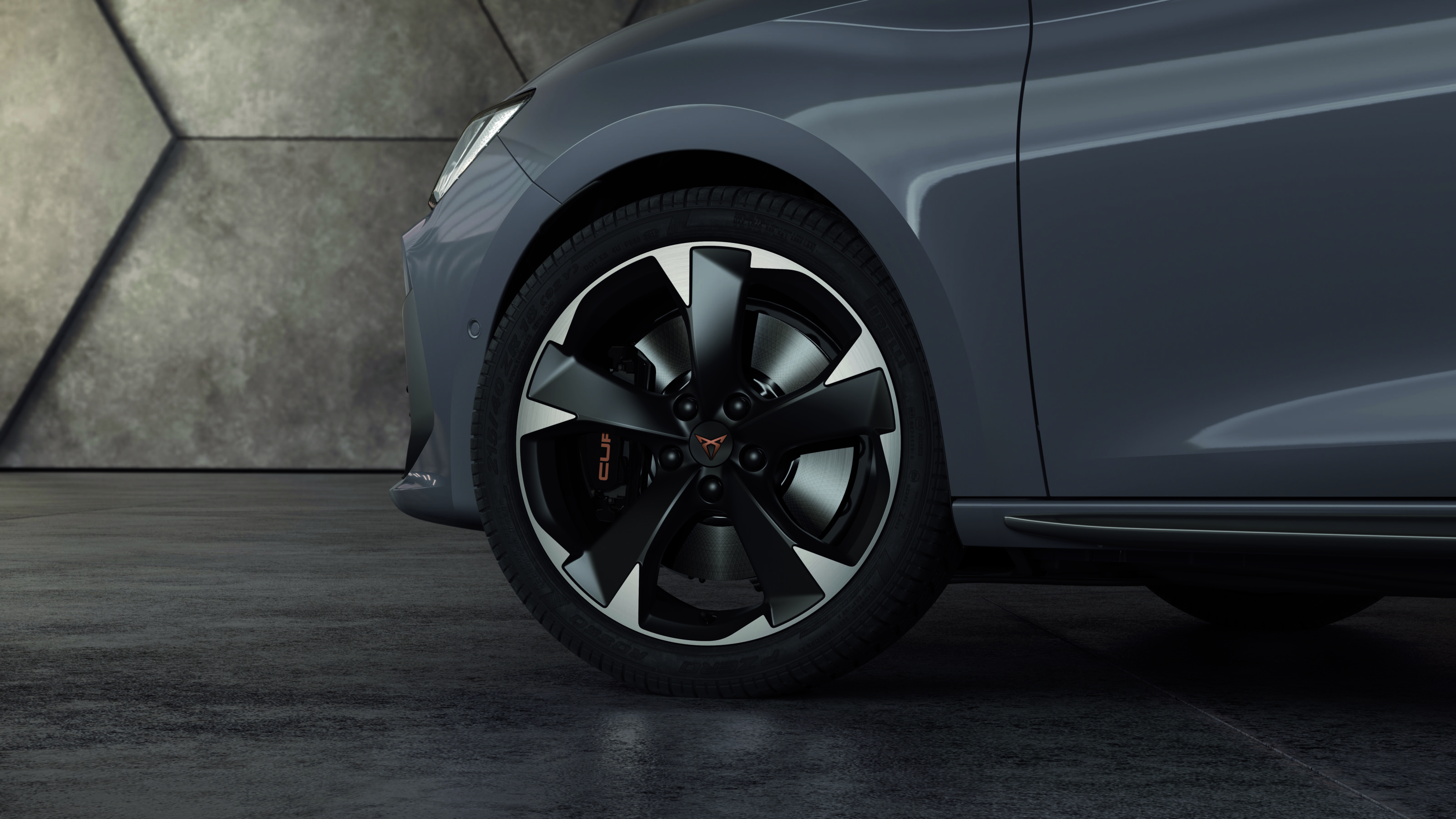
As mentioned above, the entry-level Leon V is exclusively paired with a lower-output version of the Volkswagen Group’s 2.0-litre turbocharged petrol engine, producing 140kW of power and 320Nm of torque.
It is matched with a seven-speed ‘wet’ dual-clutch automatic transmission, as with all other 2.0-litre variants.
The proper Cupra range begins with the mid-spec VZ, which shares its 180kW/370Nm engine with the Volkswagen Golf GTI – although it is expected to undercut its German cousin, priced around the high-$40k bracket.
Meanwhile, the flagship VZx carries the same 221kW/400Nm engine as the previous Golf R, but with front-wheel drive rather than all-wheel drive.
At 5.7 seconds from 0 to 100km/h, the 221kW VZx is the quickest Leon, followed by the VZ petrol and VZe plug-in hybrid, quoted at 6.4 and 6.7 seconds, respectively.
A 0-100km/h time for the Leon V is yet to be announced, but the related Seat Leon 2.0 TSI is quoted at 7.4 seconds.
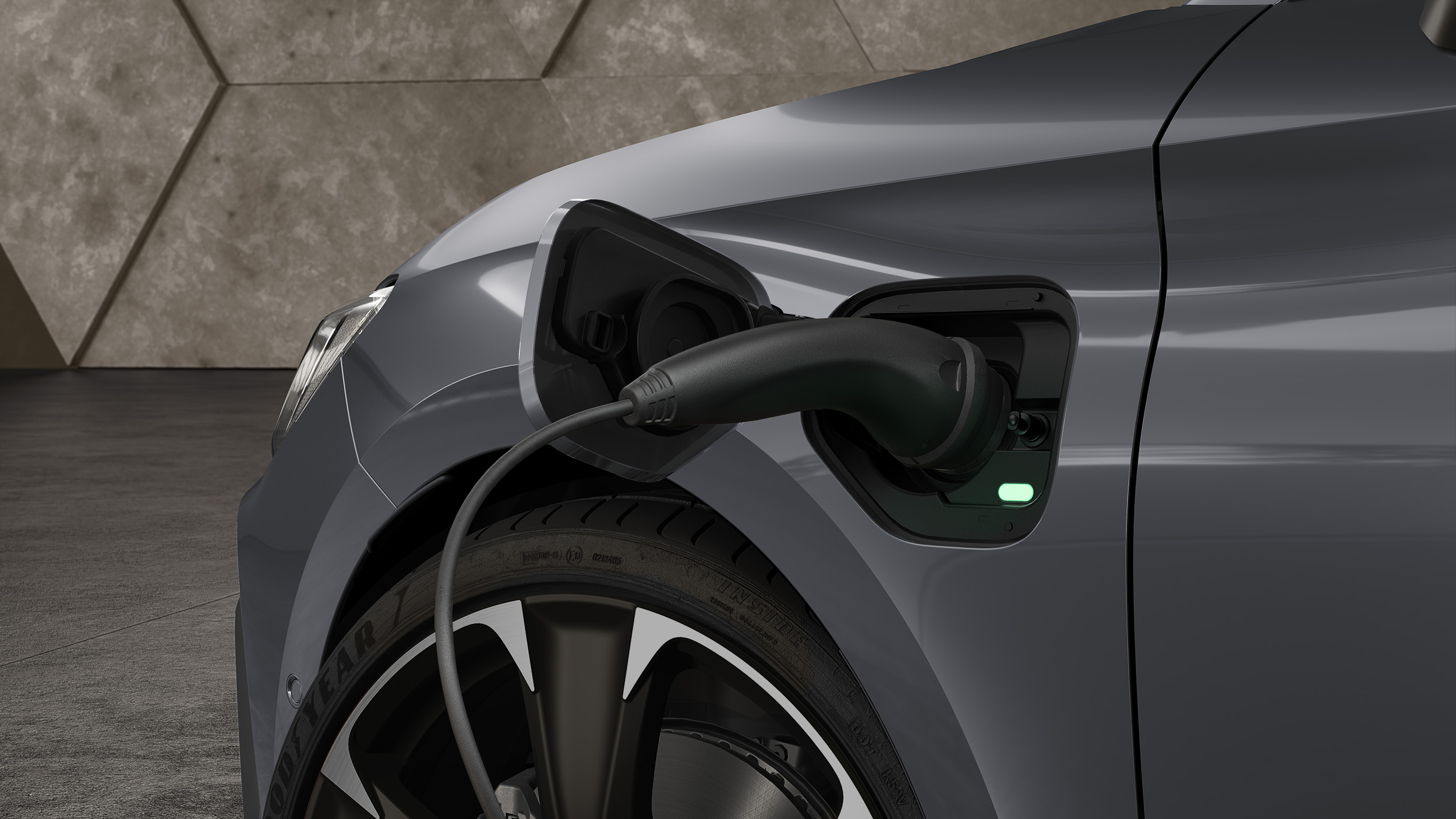
A plug-in hybrid (PHEV) drivetrain, known as the VZe, is also on offer.
This variant combines a 110kW/250Nm 1.4-litre turbo petrol engine with an 85kW electric motor, for a combined total system output of 180kW/400Nm.
It includes a 13kWh battery, with a WLTP-rated electric driving range of up to 52 kilometres.
Local fuel economy figures will be announced closer to launch.
Safety
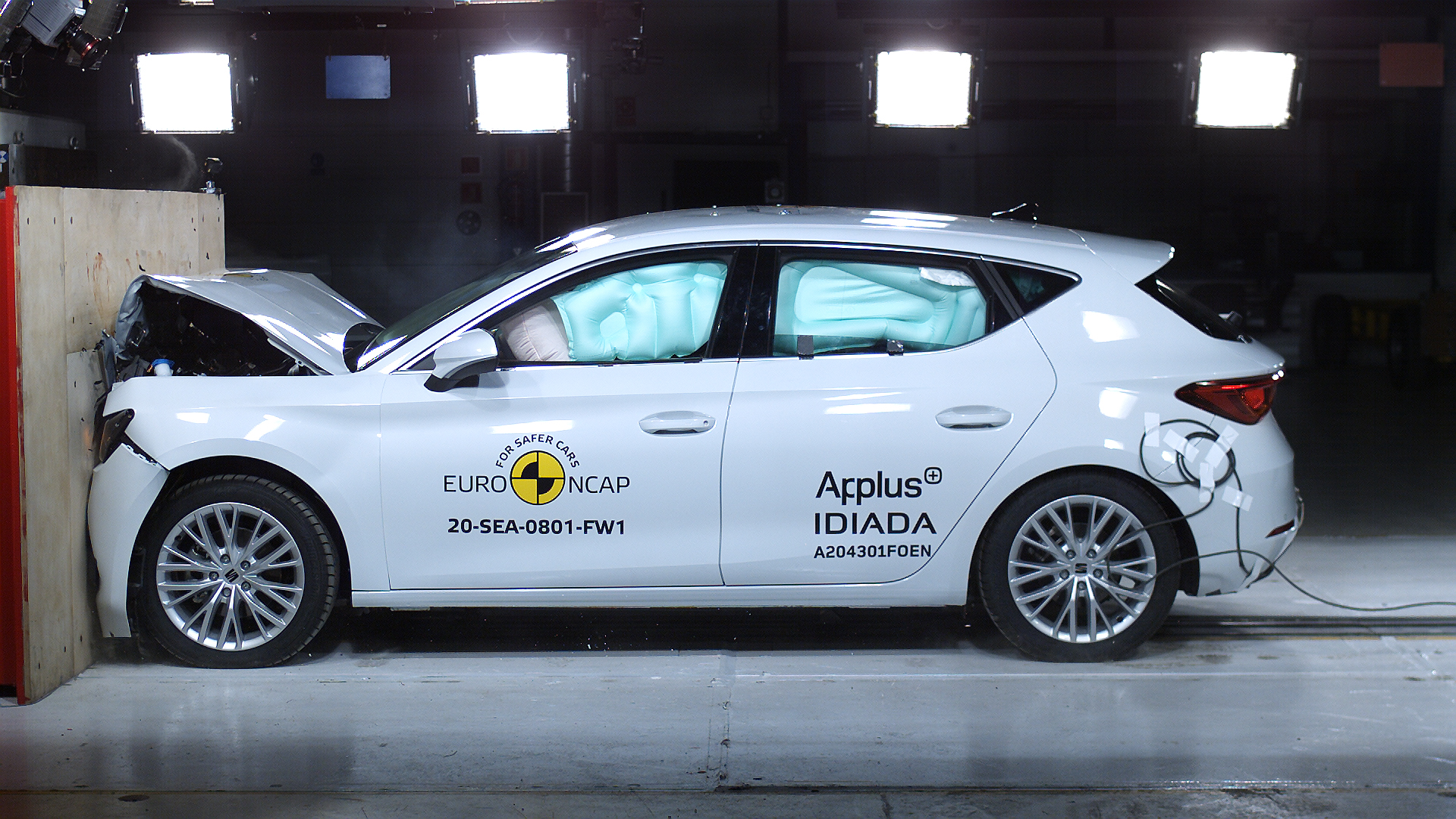
Based on testing conducted in 2020, the related Seat Leon scored a five-star ANCAP safety rating. This score was based on crash tests completed by Euro NCAP, and also applies to the Cupra Leon in Europe.
This is based on an adult protection score of 92 per cent, child occupant protection score of 88 per cent, vulnerable road user protection score of 71 per cent, and safety assist score of 80 per cent.
Ten airbags (dual front and rear side, dual front and rear head, driver’s knee and centre) are standard across the Cupra Leon range.
Each variant includes the following active safety equipment as standard:
Warranty and servicing
The 2022 Cupra Leon will come standard with a five-year/unlimited-kilometre warranty.
Servicing details will be announced closer to the local market introduction of Cupra in mid-2022, however, the marque has confirmed servicing will take place through selected VW Group dealerships.
Availability
Cupra has confirmed the 2022 Leon VZ, VZe and VZx hatch will form part of its Australian launch in July this year. Further details around pricing and full specifications will be announced closer to that time.
The entry-level Leon V will arrive in Australia in early 2023.
A wagon variant will not be offered locally, at least initially.
Bit of an odd one here. I have $60k to spend and I want something that’s characterful, practical, fast and fun on weekends, but which will never lose me a cent in depreciation. Sorry, no Fords or Holdens – not my bag. – Alan T
Shame you’re knocking out the Aussie stuff, as an HSV Clubsport R8 Tourer would be a great call.
Other than that, I’d focus in on a couple of German V8s that were much loved and will only become more so as time passes.
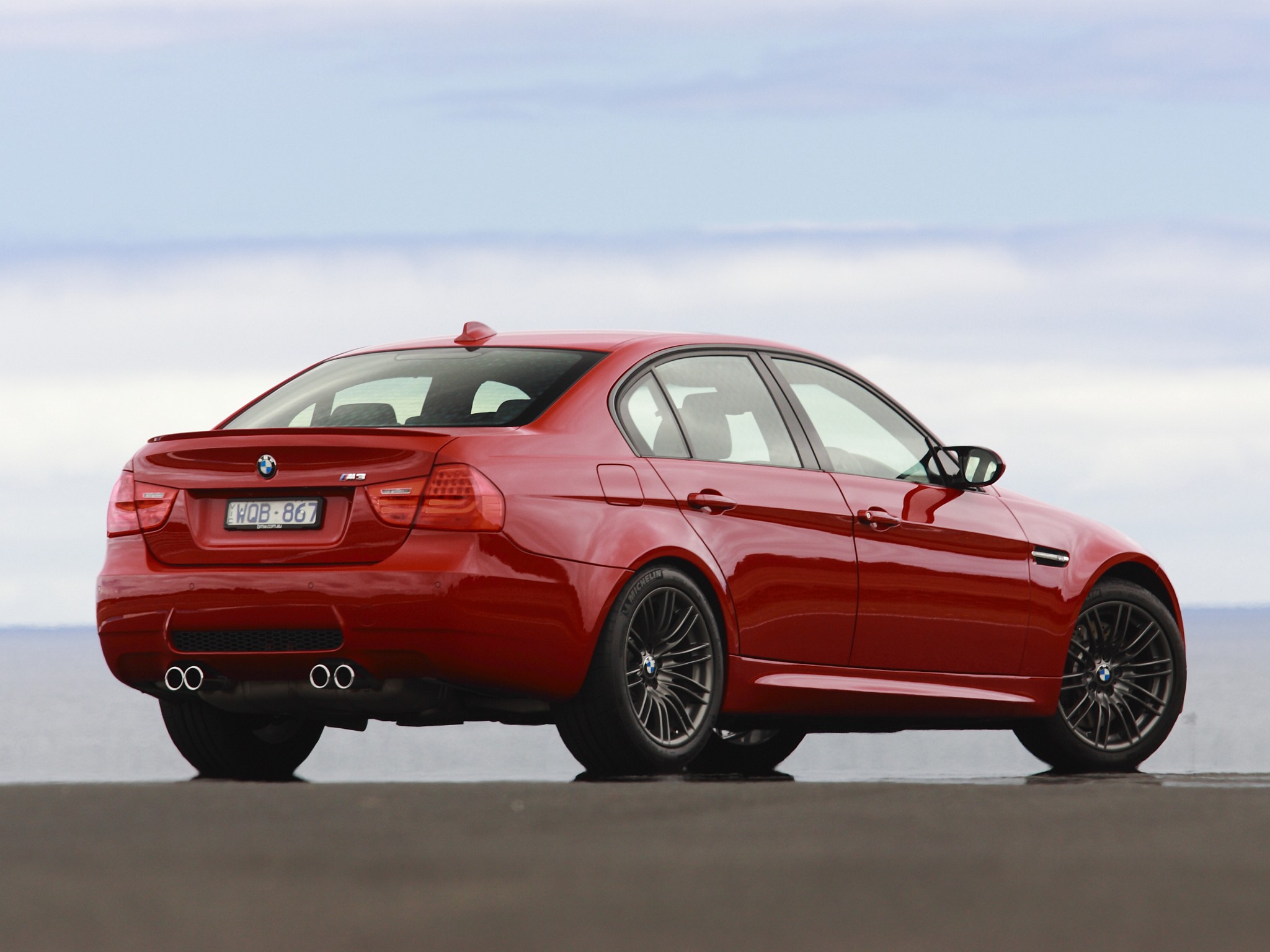
It’s hard to split the BMW E90 M3 sedan and the W204-gen Mercedes-Benz C63 AMG.
If you want something lithe and communicative, go for the BMW. Prefer something with an even more charismatic engine and which feels as if it’s going to wake the dead? Choose AMG.
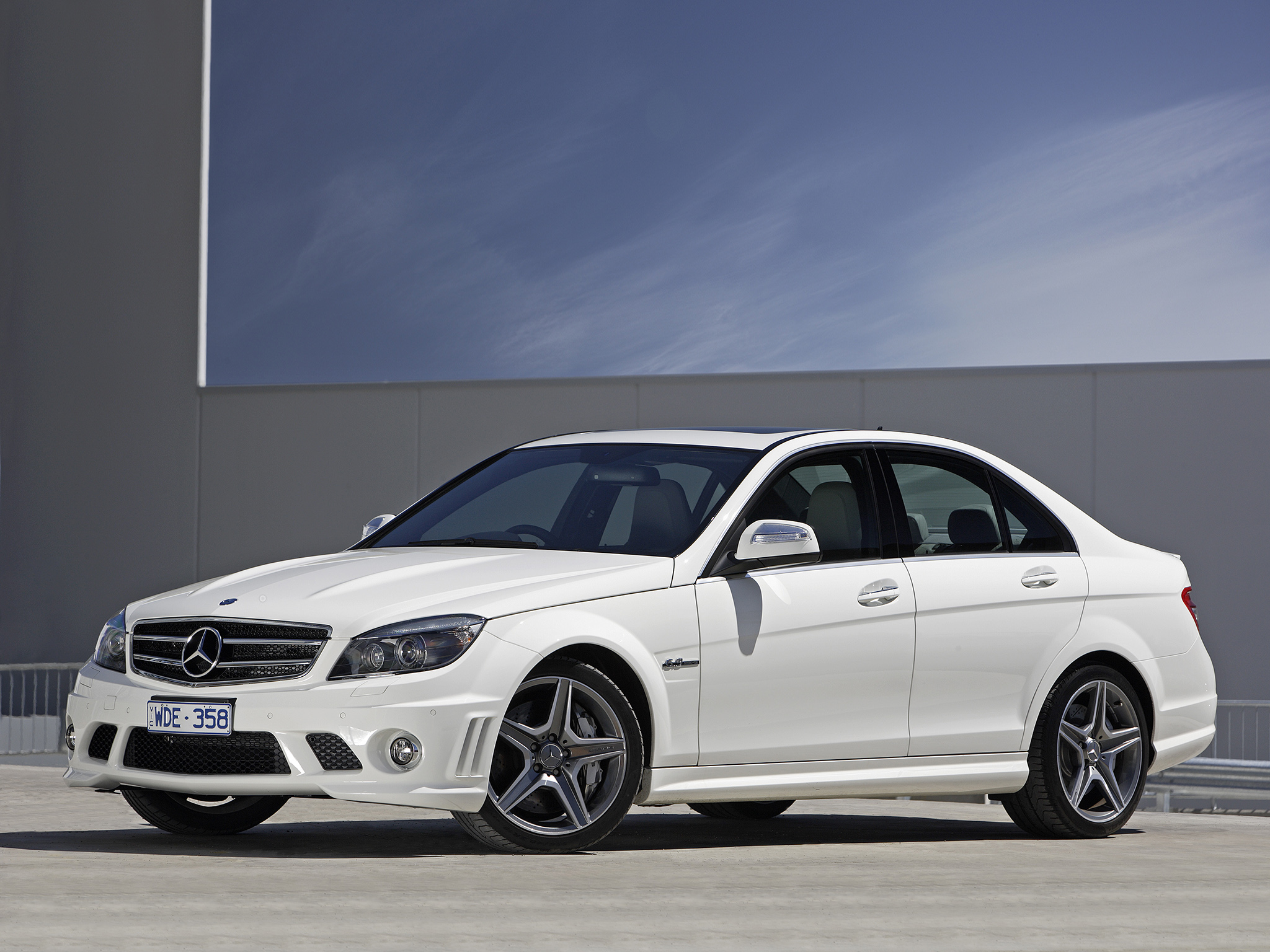
But you’ll need to be quick. Both vehicles are appreciating sharply at the moment, especially three-pedal M3s. Post-2011 AMG M156 engines are more bulletproof, but I’d find it hard to look past the manual M car. – AE
Mercedes-Benz W204 C63 AMG and BMW E90 M3 specifications
Sardinia is putting on a brave face. Behind a 2000km perimeter of perfect white sandy beaches, soaring mountain escarpments and sun-bleached seaside villages, all is not as idyllic as it might appear.
You don’t need to go far out of the quaint townships dotted about this Italian island to find the scars of an aggressive mining past with the spoils of lead and zinc prospecting still lingering long after the valuable resources departed.
Bomb ranges to the east pose a more modern hazard with secret NATO ballistics tests allegedly spiking mysterious illnesses in local communities. More recently, the unprecedented severity of wildfires that struck the island – second in size only to Sicily among the islands of the western Mediterranean − in 2021 is being blamed on climate change.
Sardinia has copped a beating at the hands of humankind but it’s a resilient isle with a prevalent natural beauty that far outweighs the environmental atrocities and has much to offer the casual adventurer.
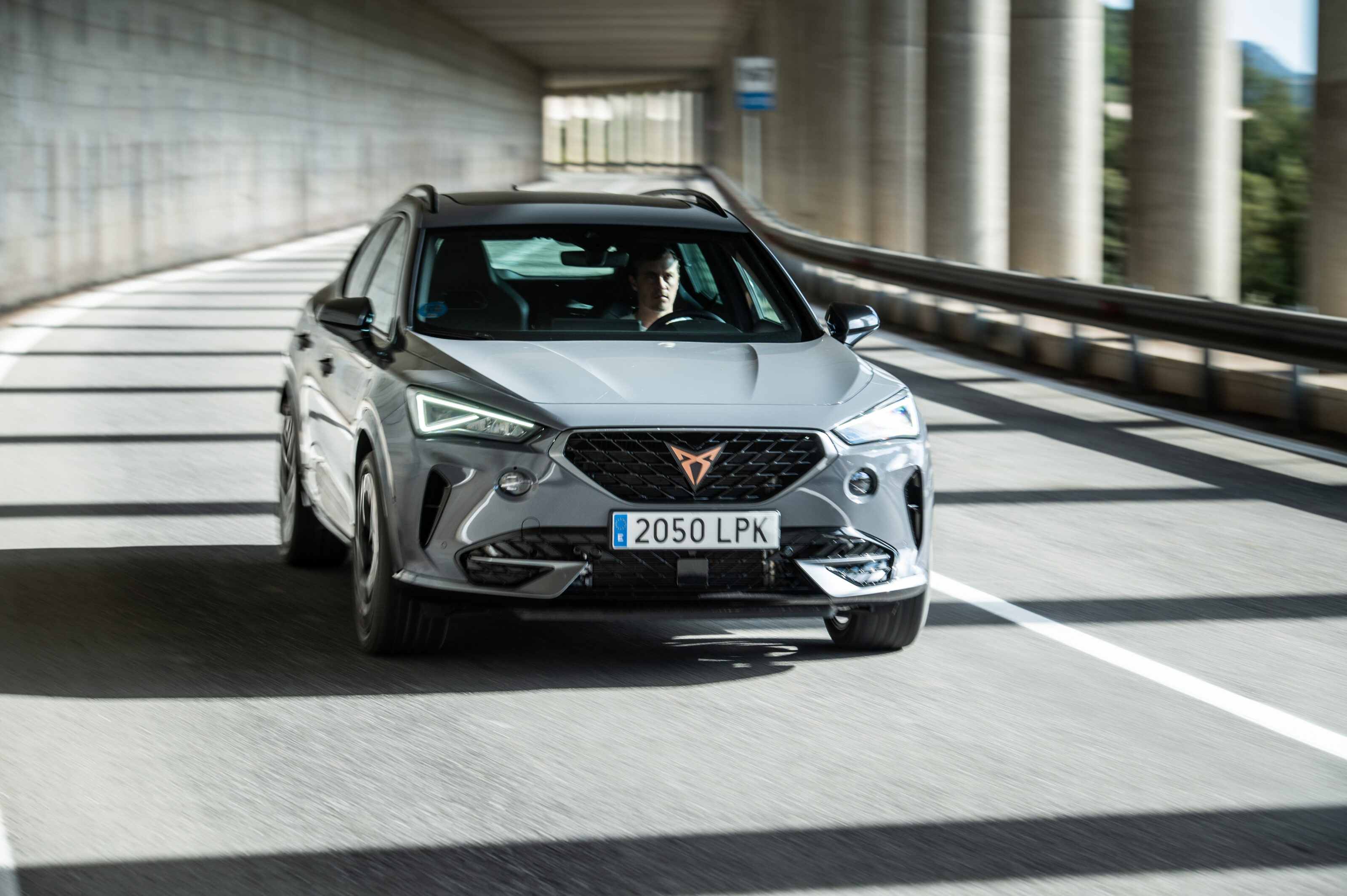
But while the economy desperately needs the cash injection of tourism, stepping onto these shores with a heavy carbon footprint would be worse than not coming at all. That’s why I’m rolling off a huge ferry in Olbia at the northern end of the island for an adventure to the south at the helm of a plug-in hybrid.
Why not an EV?
While the trip from Olbia to Cagliari in the south is technically 260km, you can add on a significant factor when photographing a car for a magazine feature. Imagine photographer Tom as a dog walker, while the car (piloted by me) is a hyperactive border collie retrieving a ball that covers three times the distance of the human.
Add in a full load of equipment and luggage, a constant curiosity to see what’s over this crest or in that valley, and suddenly any indicated journey length is multiplied more times than a poorly calculated renovation budget, while the range falls like a stone.
In these circumstances, a plug-in hybrid is the perfect fit. Even if the relatively small battery is drained, a PHEV still offers the same regenerative efficiencies of a mild hybrid and the fuel saving continues if you can’t find a charger.
Completing the list of adventure-friendly essentials would have to be an SUV, bringing the space for people and things, combined with a bit more ground clearance if the author should take a wrong turn… more than once… hypothetically speaking.
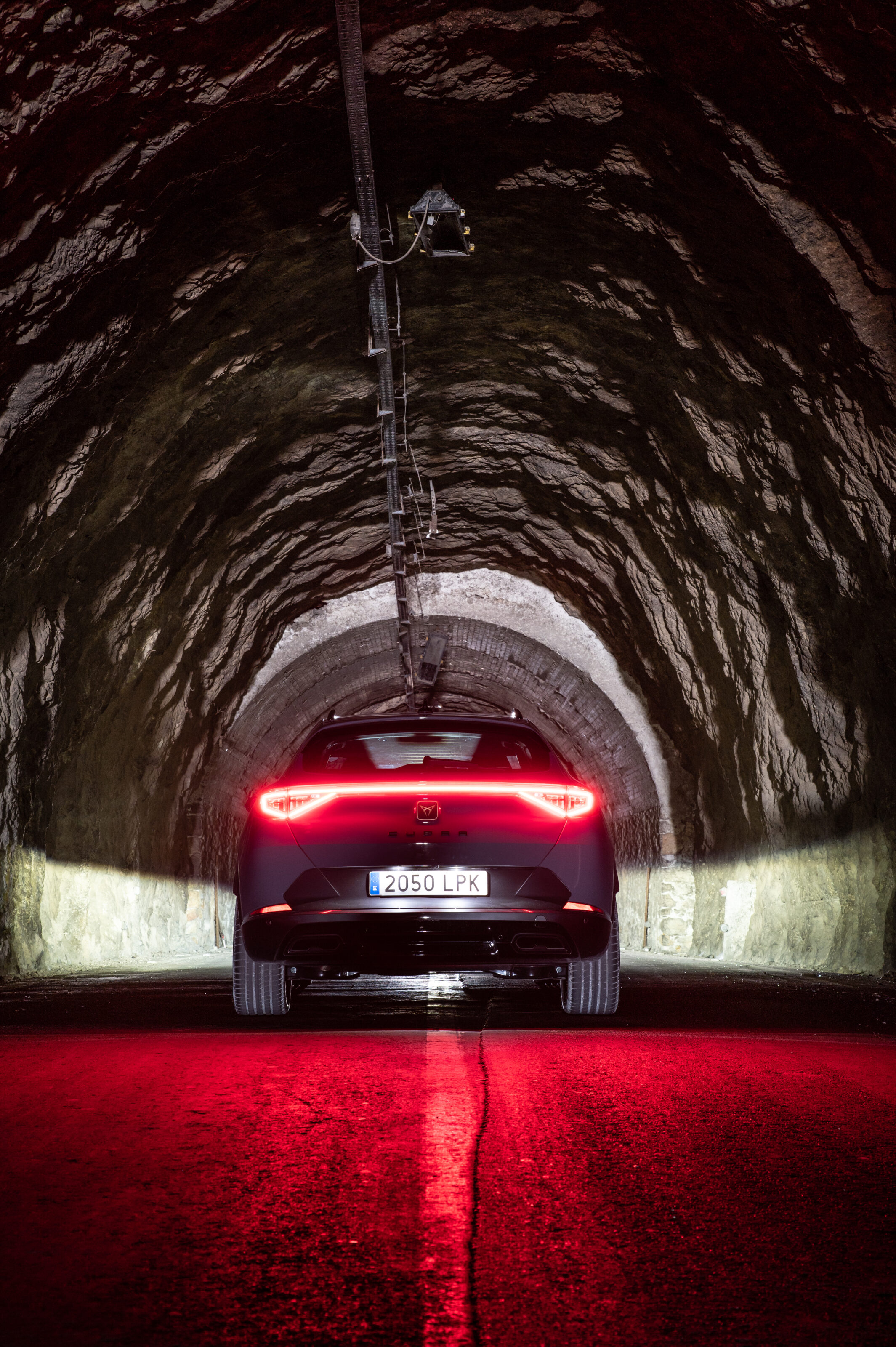
Then there are the roads themselves. Sardinia is connected by a single main freeway running the length of the island like a backbone and this road will get you from almost one end to the other in about three hours but, having spent a few days on the island, I can say with some confidence that it’s the only straight thoroughfare on the entire landmass.
Deviate away from the E25 and the way ahead immediately looks like it was cut by a woodworm. That’s why the final facet to any Sardinian adventure machine must be an ability to carve corners without feeling like the ferry you arrived on.
Punch all of these must-haves into a motoring match maker and one option it’ll spit out at you is this – the Cupra Formentor E-Hybrid, coming to Australia as part of an initial three-strong line-up (made up of nine variants) in 2022.
Other options might include pluggable versions of the Mini Countryman or Volvo XC40 if it weren’t for one other factor. At the conclusion of this particular trip there’s another Cupra waiting for us and it’s an entirely different kind of eco warrior that I can’t wait to meet…
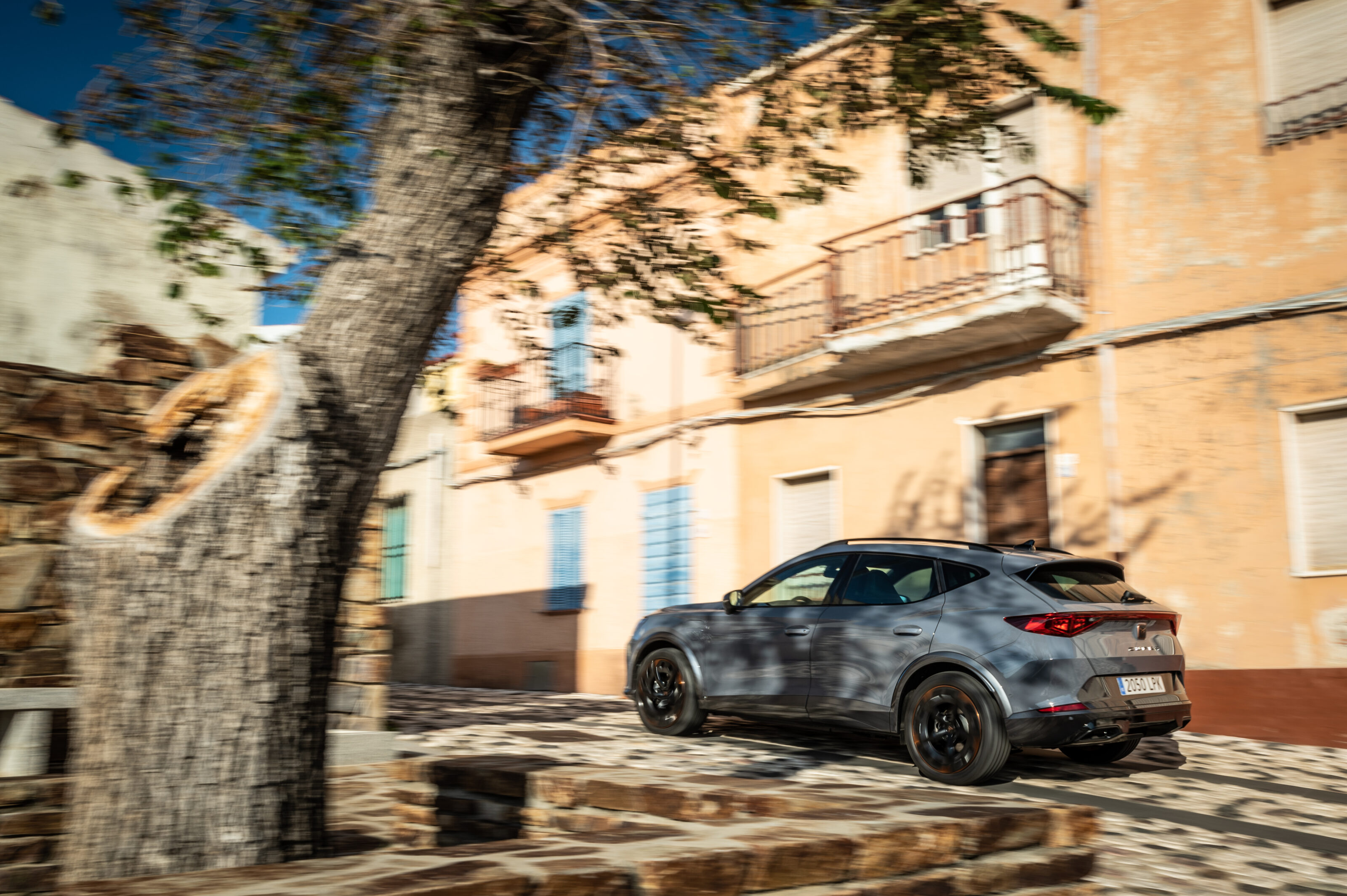
Rather than the ‘express’ way south, there’s a more interesting route from the port town of Olbia hugging the coast as it spears southeast picking up little villages along the way. But from Orosei the SS125 gets really good.
Not only is this stretch suspiciously deserted by all except a few bikers, it’s also been recently widened and resurfaced. The narrow, rickety pre-upgrade trail would have been too heart-stopping to enjoy, but the improvements have produced one of the finest driving roads I’ve encountered in years and it seems no-one else has yet realised.
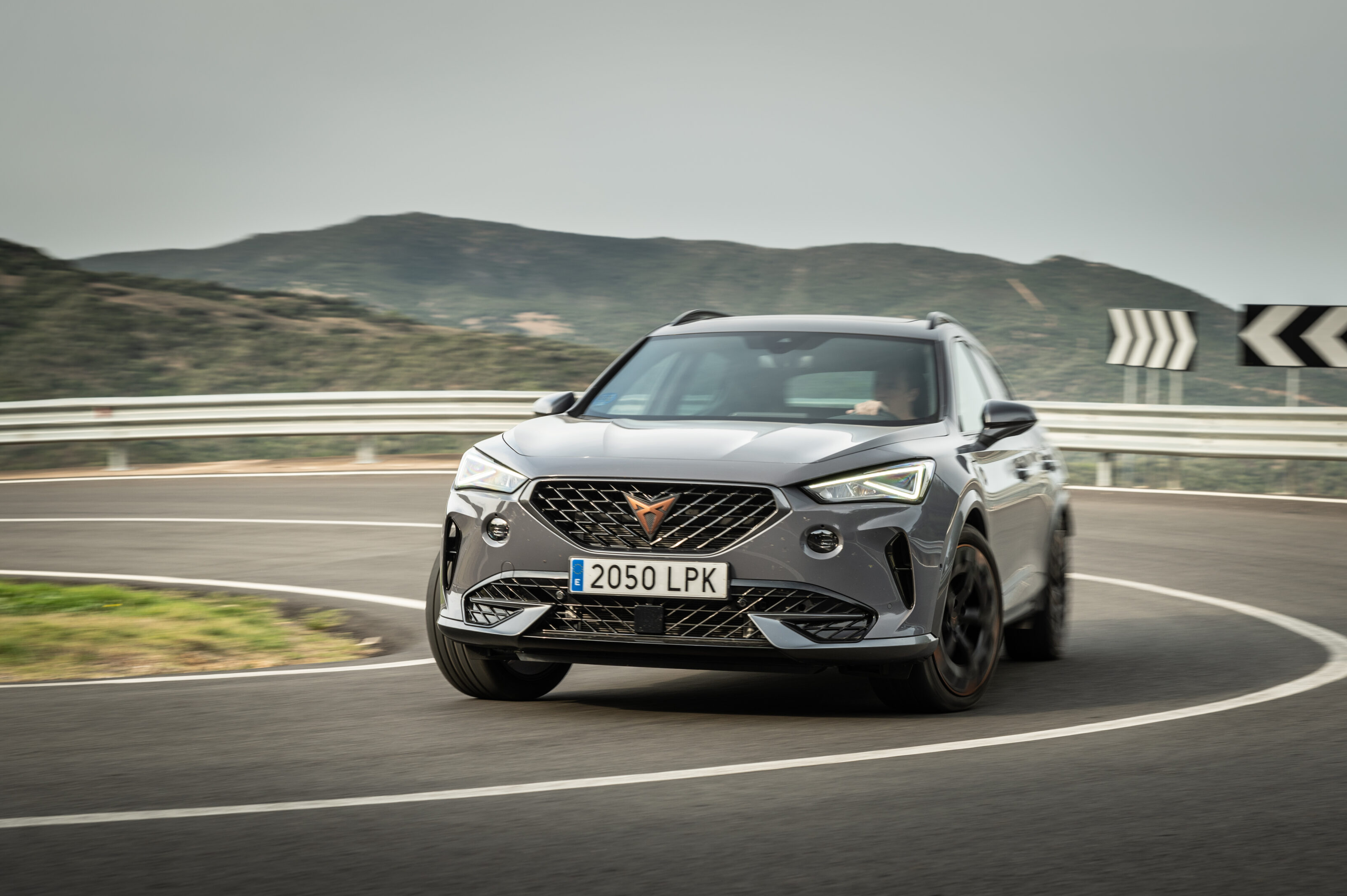
Kilometres fly past and the Formentor is coming alive as my confidence in its ability builds. Like its Leon sibling, the front end is beautifully tuned with the precision to lean into the variety of corners.
Unusually for a mountain road like this though, most bends can be driven as-seen with good exit visibility and no need to have a practice run. Wearing Goodyear Eagle F1s, there’s masses of cornering grip and the turn-in is sharp with steering feel that the Spanish brand is quickly establishing as a trademark.
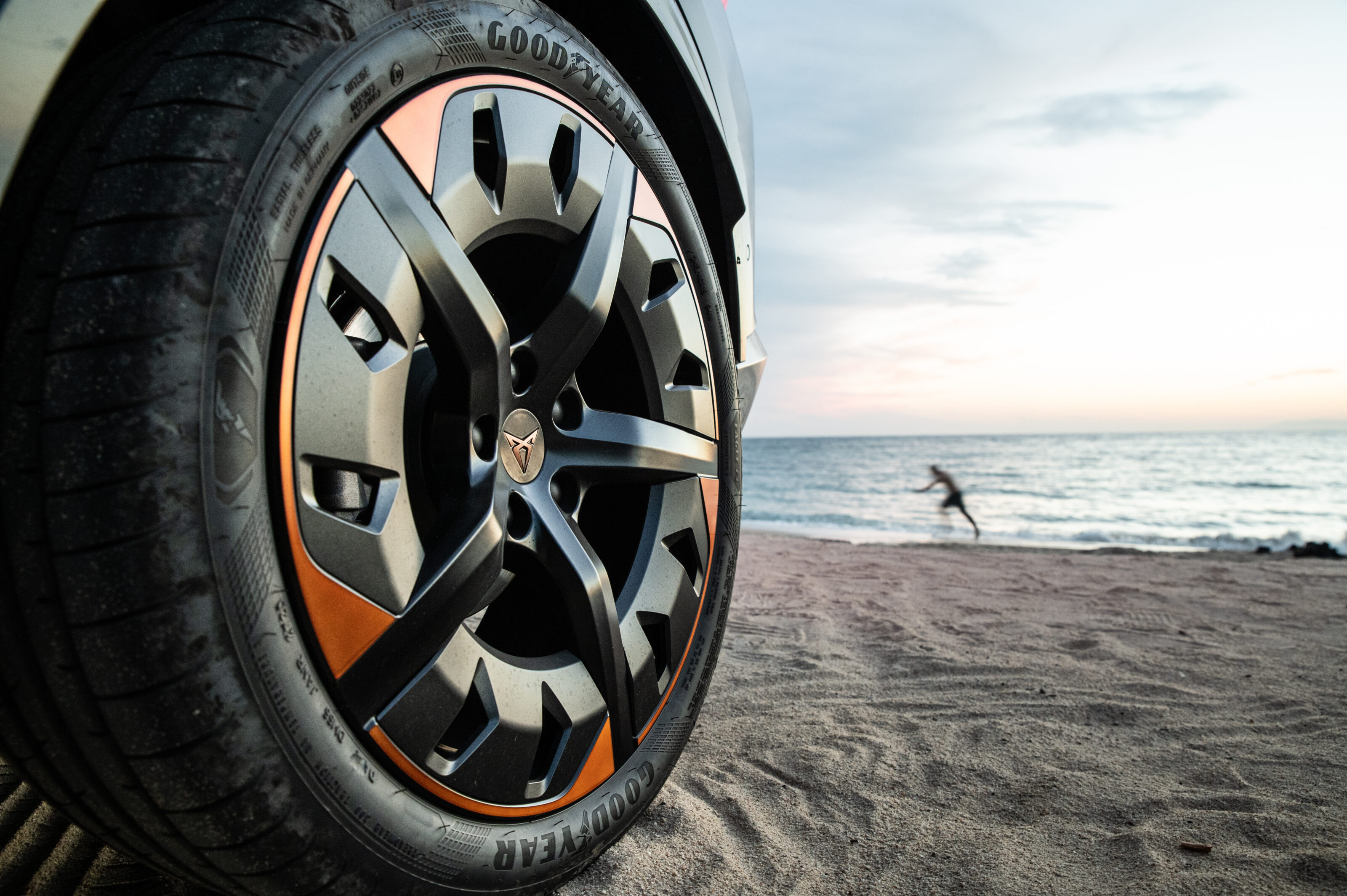
On the straights, the combination of electric torque and turbo petrol power makes for respectable pace. While 150kW is not blinding, the immediacy of 350Nm delivers excellent responsiveness and feels faster than a car that reportedly gets from zero to 100km/h in 7.8 seconds.
In isolation, the 1.4-litre four-pot is a strong performer with a satisfying power note, while the dual-clutch transmission delivers urgent shifts and pairs well to the engine and electric assistance. Only an inconsistency in the sharing of electric and petrol power mars the powertrain, with an occasional clumsiness during handover.
The combined torque is also enough to slip wheels easily on anything but perfect asphalt or yank at the steering when the grippy rubber can get its claws stuck in. There’s no AWD option available for the hybrid at this stage which would solve the problem although inviting any extra mass on top of the already hefty 1704kg weight might be a foolish move.
That said, the sports suspension does a great job of keeping the Formentor’s handsome body reined in and the ride doesn’t suffer either. That’s partly down to Sardinia’s roads which are incredibly well maintained and put Australian maintenance regimes to shame.
Tom has thrown the ball for me a lot and the band of blissful blacktop finally summits near the tiny community of Urzulei where we stop for a bite. It’s deep into off-season in October but the barista at the little stone cafe whips up a prosciutto and parmesan roll that I’ll be talking about for years.
As we saddle up for the ride down, the battery has long been depleted to one percent but the Formentor offers unusually aggressive regenerative braking for a PHEV and the descent rapidly replenishes the charge levels like our lunch. Actually, the E-Hybrid has multiple personalities depending on the drive mode.
Even when on the flat, the power management can be set to keep the battery at a predetermined level using the engine to charge on the move – particularly satisfying when another tiny village looms and the engine can be silenced in favour of pure EV power. I’m not sure if the locals were stopping to take in the Formentor’s aggressive facade or the strange, harmonic hum it emanates when gliding in EV mode.
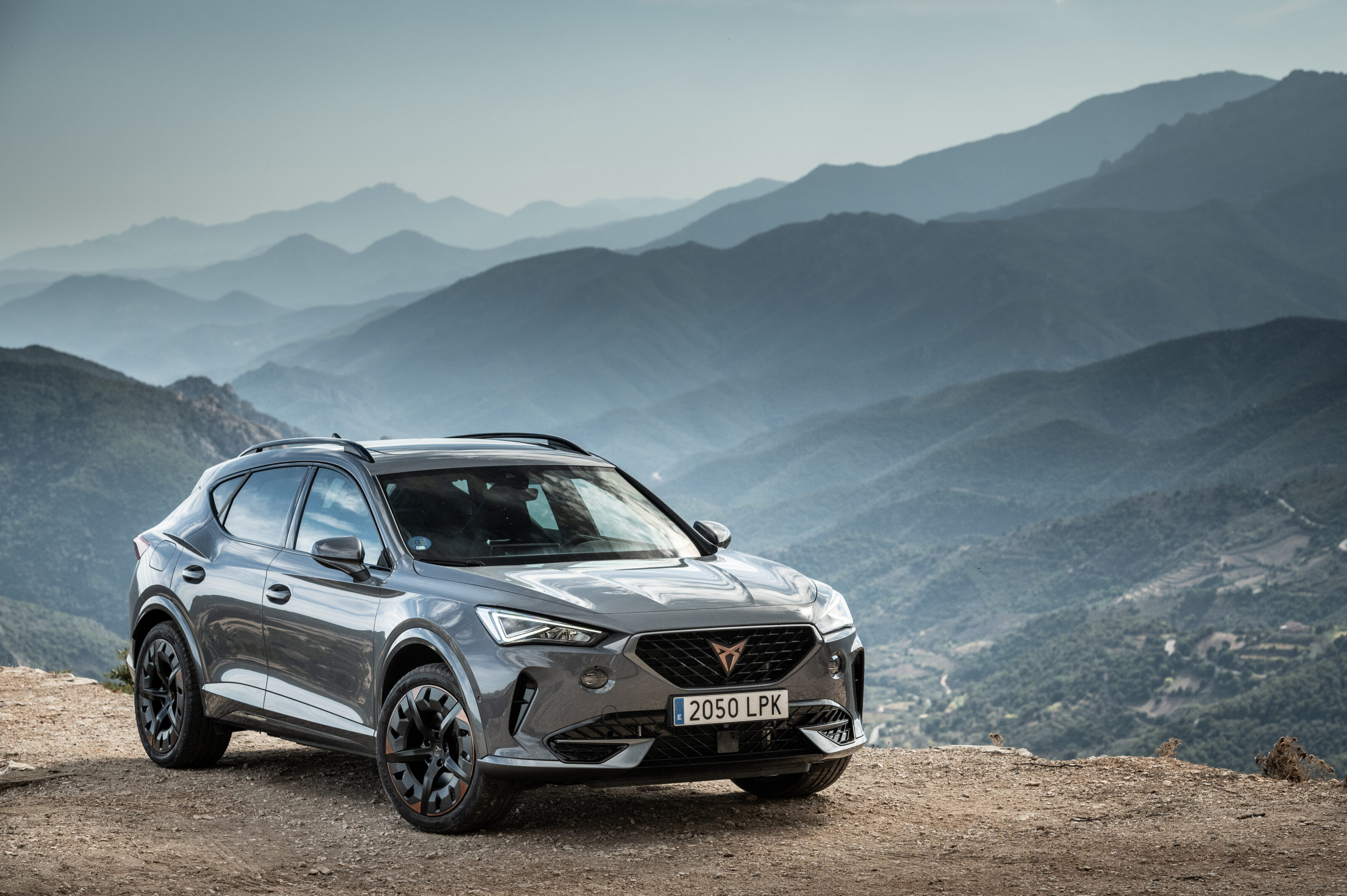
At Tortoli, the way resumes a relaxing coastal meander but there’s an even more ridiculously indirect ribbon that heads inland along the SS198 into highest ranges on the island and won’t spit you out on the west side until the next day.
I opt for the faster way over to satisfy Tom’s puerile humour and a visit to the town of Buggerru. Here, there is even more evidence of massive mining ventures. The town once had the largest hospital on the island, specifically constructed to treat the horrible respiratory illnesses common to miners.
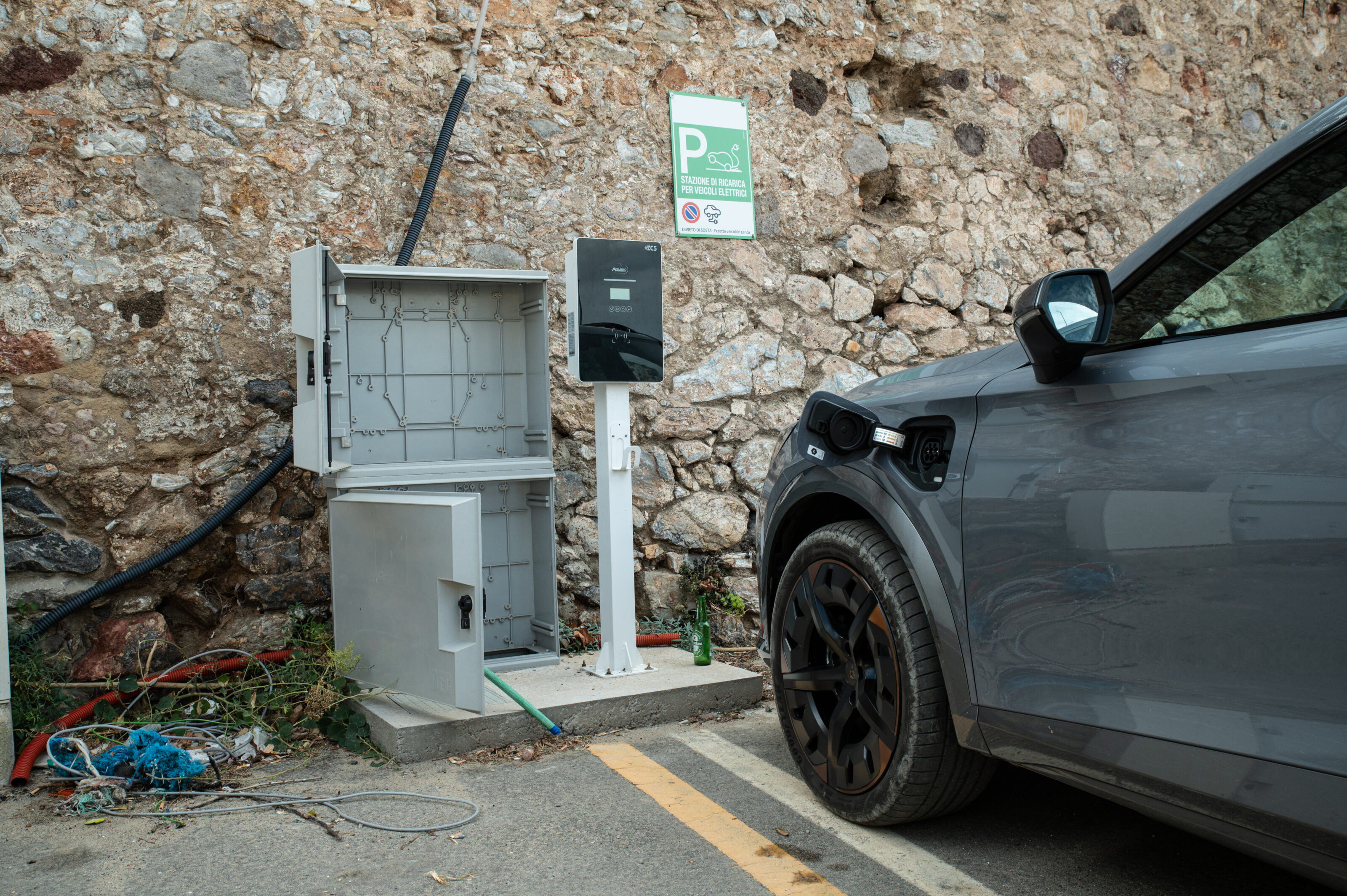
Today, we’re most interested in its EV charging infrastructure. Disappointingly, while the charger is there along with a dedicated parking spot marked out on the salt-stained car park, the mains power cable is comically hanging out of the junction box and yet to be commissioned. It’s not the first time we encounter lackluster EV facilities, nor the typical casual Italian way of life.
The balmy day gives way to night and as the copper sun bows to the rising full moon, the Formentor’s cabin flashes into life and I get my first real opportunity to appreciate its unique bits inside and out.
When it arrives in Australia in 2022, the Cupra line-up will bring mechanicals from the Volkswagen family, but the styling of the Formentor couldn’t be further from its relatives. Copper highlights abound as an obvious nod to the moniker, but the design is uniquely handsome and its proportions have something of the Infiniti QX70 on a smaller scale.
Inside, technology is front and centre with digital displays for the driver and central screen. The pinstripe of colour changing light that curves from the door trims through the dash is not just beautiful but functional, pulsing with the hazard lights and serving as the blind-spot warning.
Bucket seats finished in leather and vinyl, with electric adjustment and heating, are part of the VZ1 spec, as are the big panoramic roof and heated leather ergonomic steering wheel – although it lacks the drive mode and start button of the VZ2 in favour of drive modes that are buried in the unorthodox operating system.
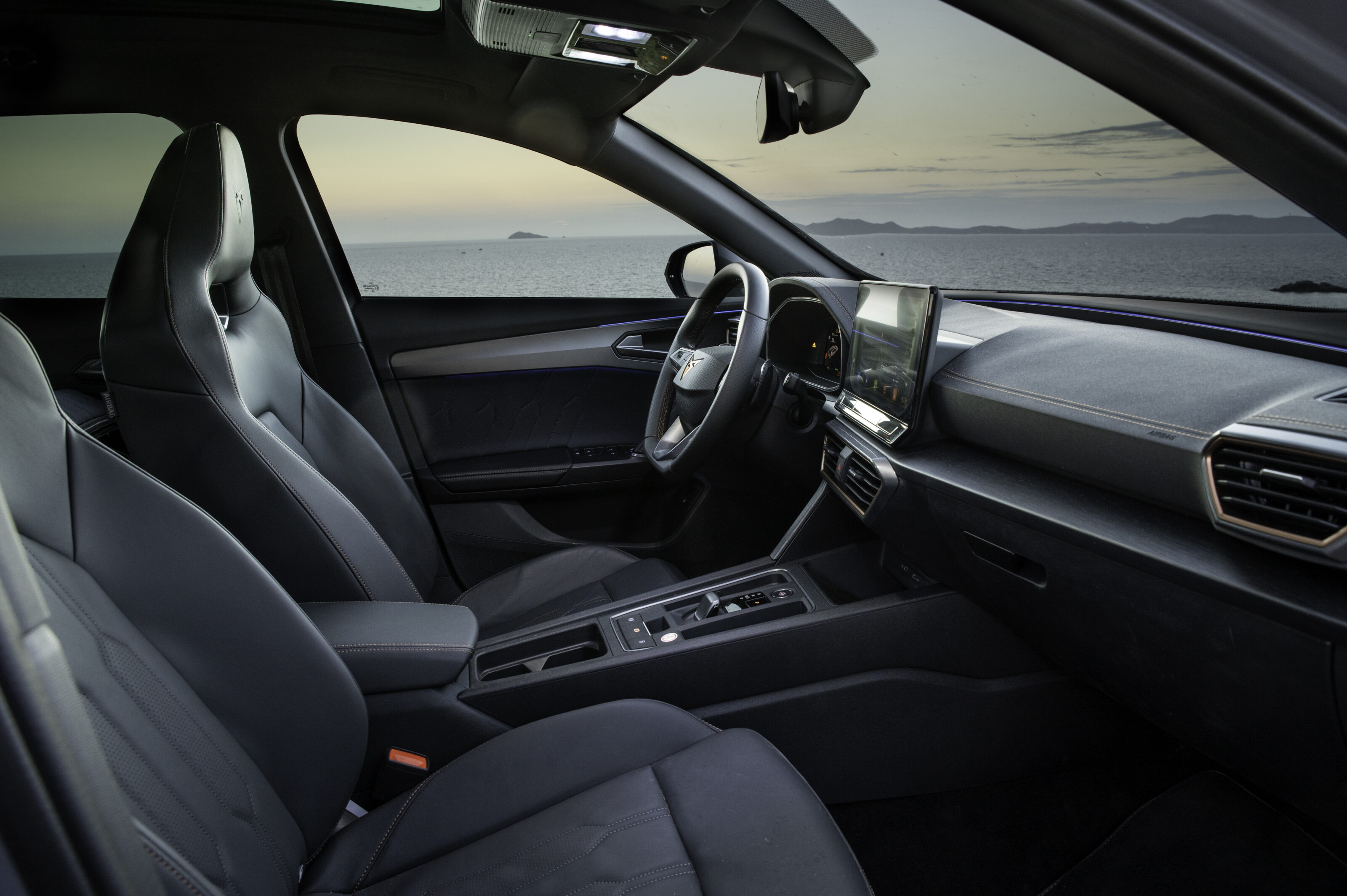
Bizarre typewriter and thumping sounds that accompany functions including even switching on a cabin light become comforting and the Formentor feels dramatically different but not simply for the sake of being different.
In terms of practicality it’s compelling, too, with a simply vast second-row seating space, and while the boot shrinks compared with the petrol-only version to 345 litres, it still has an appetite for a tonne of gear.
Essentially Cupra’s smallish model is an SUV with enough ground clearance to avoid embarrassing guts-dragging, but it’s elegant enough to forget that… until you encounter a dry lake and unintentionally find the limits of its traction.
As we roll into the Teulada Head Military base it’s time to surrender the Formentor. It’s been a perfect companion taking challenging roads in its stride, carrying all the gear we threw at it with the stoicism of a burro, and returning a fuel-economy figure of just 6.2L/100km – astonishing given the type of roads it’s had to negotiate. But our journey now continues in canvas-roofed trucks across a vast plain, dust whipping behind tanks, a Bell Huey is parked by the way and a hastily established tent city lies in the distance.

For a moment I feel like one of those ‘proper’ journalists but there are no bullets whistling over my head – this is the location of the penultimate race in the Extreme E electric off-road series and in one of the nine pit ‘garages’ is another Cupra.
Beyond its electric motors, battery and the claw motif on its bonnet, the similarity to our Formentor firmly ends, but both cars are fighting to bring electric technology to the forefront. The monstrous Cupra Odyssey 21 is proving that motorsport can be sustainable and clean, while the Formentor E-Hybrid provides the stepping stone to road-car electrification.
But the fuel cell that charges the race cars uses hydrogen produced using Sardinia’s coal-fired power stations, and it would be the same electricity pumped into the Formentor (had we found a functioning charger). It’s a stark reminder that, until the loop of renewable energy can be completed, change is superficial. But it’s a start at least and this brace of Cupras is a symbol that we will get there because we must.
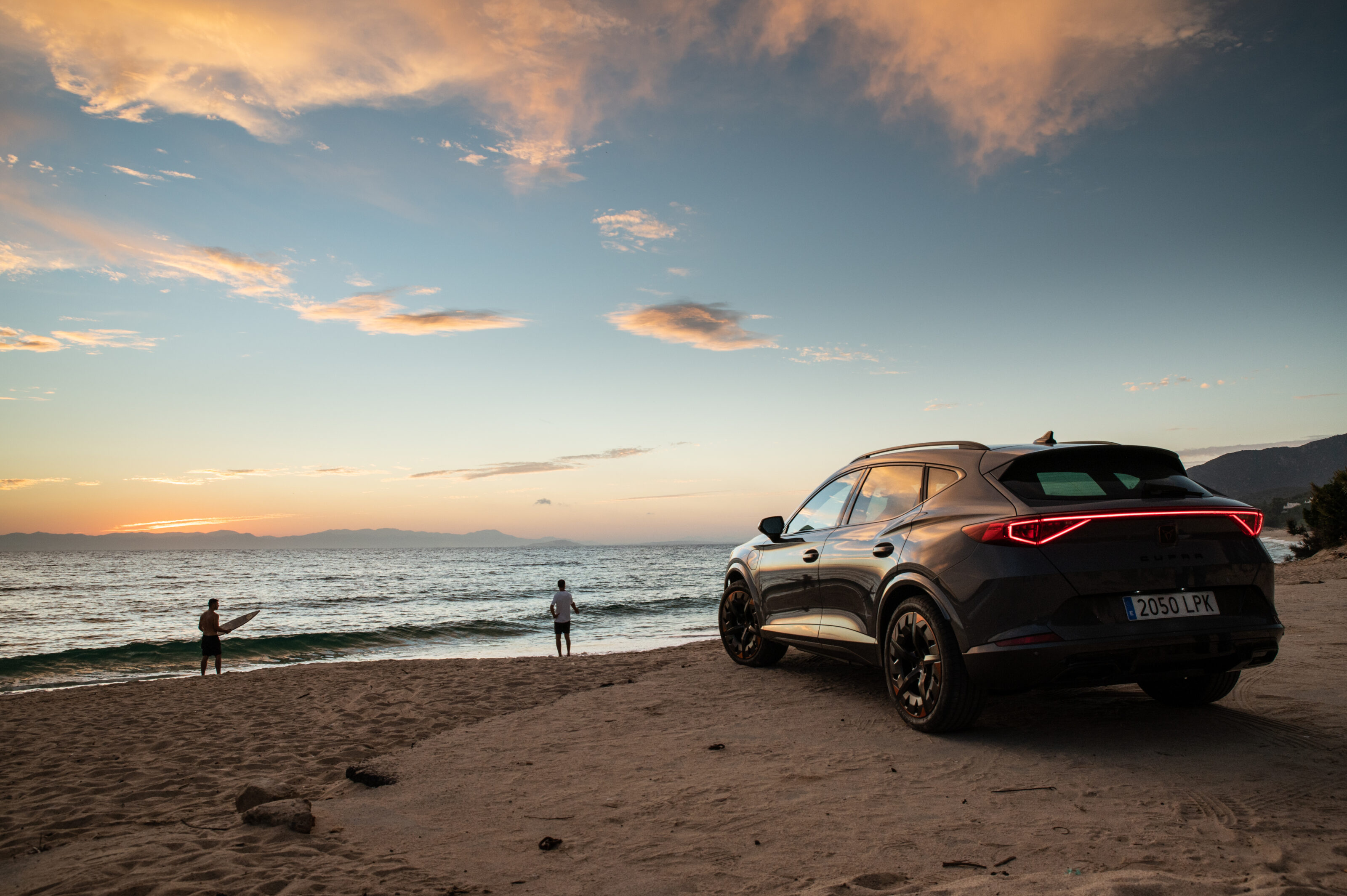
My mind casts back to the achingly beautiful Spiaggia di Cala Domestica near Buggerru where we found the most perfect of Sardinia’s white sands, impossibly blue water framed by rugged cliffs and a single white yacht hovering motionless on the flat water.
The Oasi Beach lounge bar was the only structure standing as far as the eye can see and completed this vision of remote island paradise as light reggae drifted from its deserted timber bar. But only a little way inland, a noisy generator belched black smoke into the warm air to keep the lights on and the Ichnusa beer cold.
2022 Cupra Formentor specifications
Mazda has long been an adopter of innovative engine technology, from the Wankel rotary to its latest generation of Skyactiv-X internal combustion powerplants.
However, even as the combustion engine nears the end of its life in vehicle production, Mazda looks to be continuing development for new technology which would revolutionise ICEs as we know them.
Uncovered by the New Nissan Z forums, the latest project from Hiroshima has been previewed as patent files show plans for a supercharged two-stroke engine, although just what kind of vehicle it could be used in is unclear.
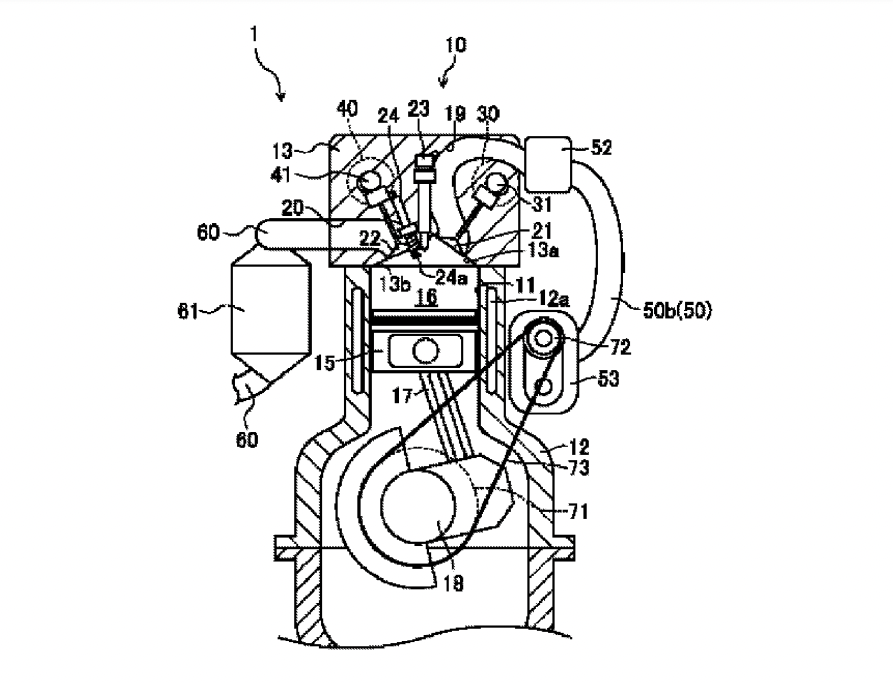
From the patent drawings, it seems the engine is based on the principles of the homogenous charge compression ignition (HCCI) tech, which is found in the Skyactiv-X generation powertrains found in the supercharged Mazda 3 – although with alterations made to be converted to two-stroke.
Development of the Skyactiv-X four-cylinder and its spontaneous combustion trickery has been an expensive exercise for Mazda, something which could only become even more costly if the Japanese manufacturer decides to throw the added strain which comes with running two-strokes into the mix.
However, given the current four-stroke engine uses a Roots positive-displacement supercharger, which forces even more air into the intake with less back pressure, it could help overcome some of the inherent drawbacks of the two-stroke design.
Mazda is one of the big players in ‘Team Japan’, which is currently campaigning for the internal combustion engine to live on, developing carbon-neutral fuels as an alternative to going fully electric – having announced just 25 per cent of its vehicles will be battery-powered by 2030.
The Spirit of Ecstasy has gone on a diet, as Rolls-Royce trims down its iconic emblem for the next generation of models.
Celebrating the 111st year since it was first used, the bonnet-adorning emblem has been tweaked ahead of the all-electric Rolls-Royce Spectre’s debut, with a more aerodynamic look bringing ‘her’ into the 21st century.
Trimmed down by roughly 17 millimetres to now stand just 83mm tall, the luxury brand has made sure the Spirit’s robes are no longer mistaken for wings, also becoming more aerodynamic – contributing to the Spectre’s drag coefficient of 0.26.
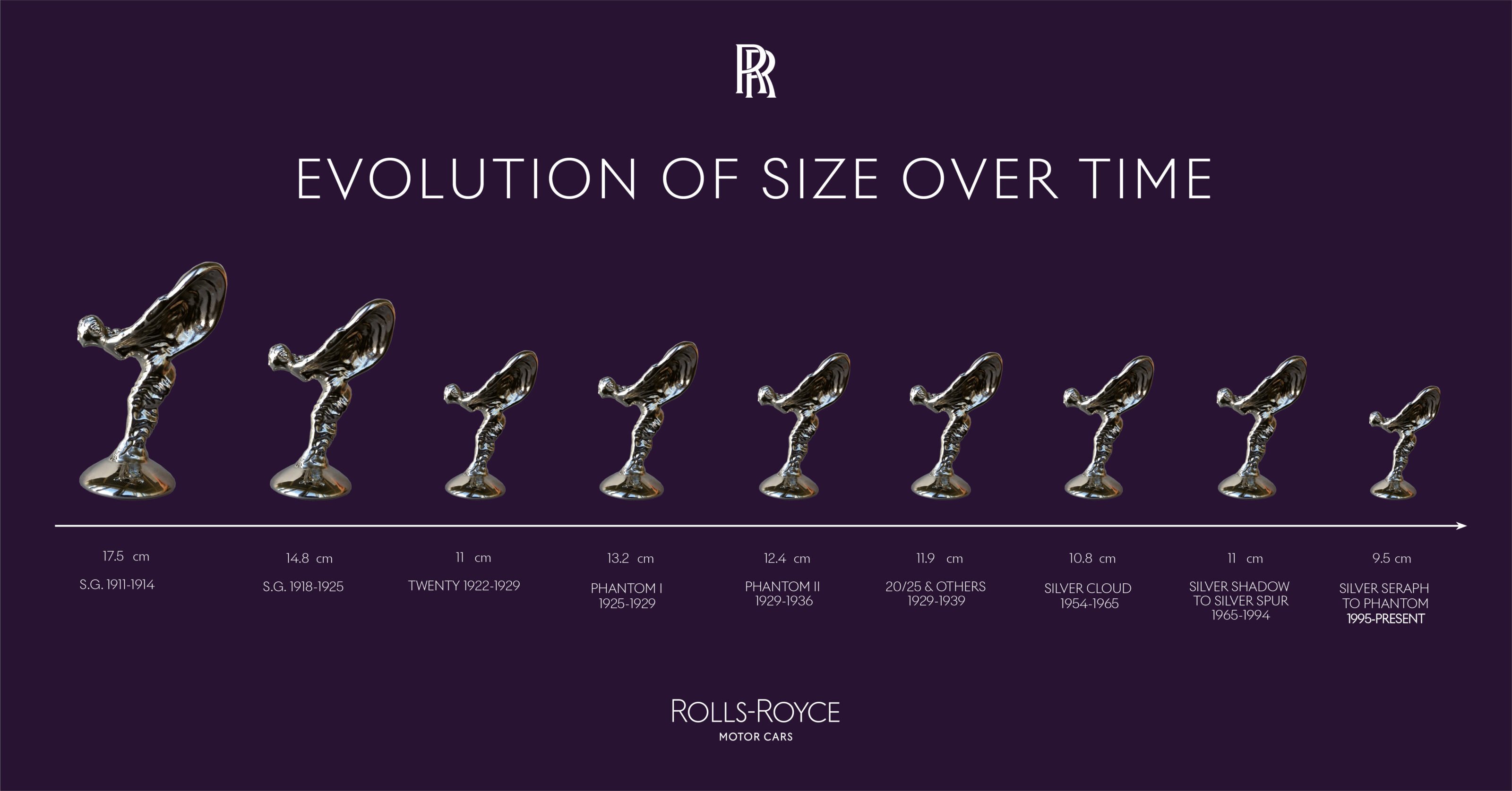
Set to be adopted by the Spectre and the rest of the Rolls-Royce range, CEO Torsten Müller-Ötvös said the revised Spirit embodies the future direction of the vintage marque.
“The Spirit of Ecstasy is the most famous and desirable automotive mascot in the world,” said Müller-Ötvös.
“More than just a symbol, she is the embodiment of [Rolls-Royce], and a constant source of inspiration and pride for the marque and its clients. Like our brand, she has always moved with the times while staying true to her nature and character.
“In her new form she is more streamlined and graceful than ever before – the perfect emblem for the most aerodynamic Rolls-Royce ever created, and for gracing the prow of our bold electric future.”
Despite the ongoing global pandemic, Rolls-Royce posted its best ever year of sales in 2021, recording a total of 5586 vehicles sold across the globe, headed up by the Ghost.
UPDATE, February 7, 2022: If you wanted to buy one of Gordon Murray’s cut-price T.33s, you’re too late as GMA confirms all 100 units have been sold.
Slated to be built from 2024, GMA announced its order books were full for the T.33, with the company selling out of the “entry-level” supercar before it launched – all for over $2.6 million each.
“The entire GMA team is thrilled that all 100 T.33s have found a home so quickly after the global launch just over a week ago, and we look forward to welcoming new owners to the GMA family,” said GMA founder, Gordon Murray.
“I am extremely proud of our team who have relentlessly applied our core principles to deliver this amazing motor car.”
Read more about the latest model from GMA below.
The story to here
January 29, 2022: It took 30 years for Gordon Murray to come up with a successor to the McLaren F1.
Revealed last year, the GMA T.50, light and compact, and powered by a naturally-aspirated V12 that screams to 12,100rpm, was nothing less than the F1 remastered for the 21st century. Now, less than 12 months later, Murray has unveiled another F1 buster. Meet the GMA T.33.
The T.33 has less power and torque than the T.50, weighs slightly more, and doesn’t get that car’s central driving position or fan-forced active aerodynamics. But, says Murray, it is nonetheless a better car than the legendary F1.
“The engine’s better, the gearbox is better. It’s lighter and has a slightly better power to weight ratio. The finish and the quality are much better.”
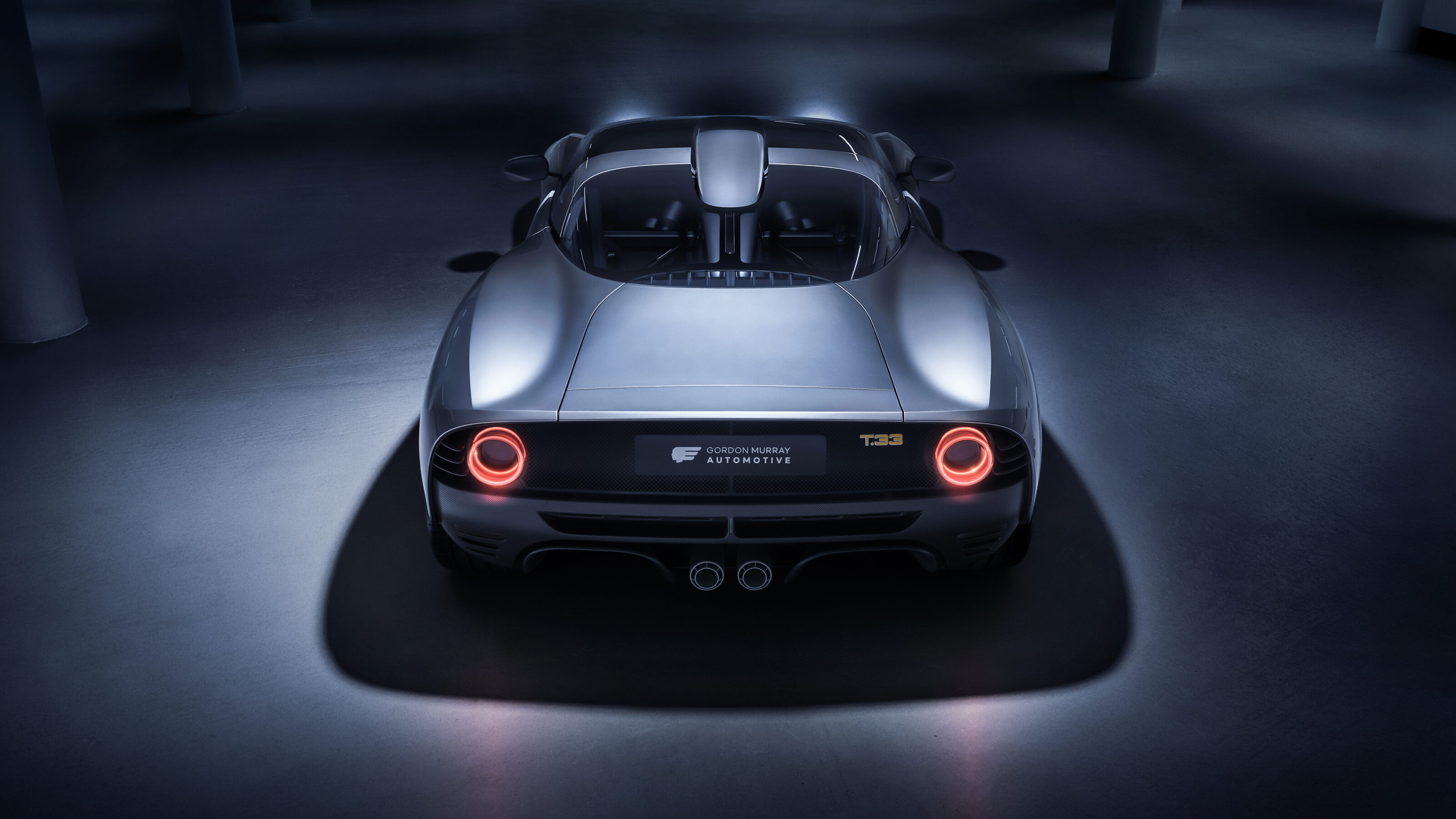
Just 100 T.33s will be built, production starting in 2024. And with a starting price of $2.6 million plus tax, it’s a bargain. Especially when you consider a McLaren F1 last year sold at auction for more than $32 million.
Murray says the T.33 is a car he’s been wanting to build for more than 25 years.
“After the F1 I thought, if I ever get the chance, I’d love to do a car influenced by all my favourite mid-engine sports cars from the 1960s. Not a retro car in any way, shape or form, but one that puts those influences into a modern shape.”
You can see the elements of cars like the Ferrari 206 SP and the Alfa Romeo 33 Stradale in the overall form and proportion of the T.33. While the central driving position of the T.50 and the McLaren F1 dictated a pronounced cab-forward layout, the T.33’s conventional driving position, which allows the pedals to be located further rearward in the chassis, means the cabin is more centrally located between the wheels.
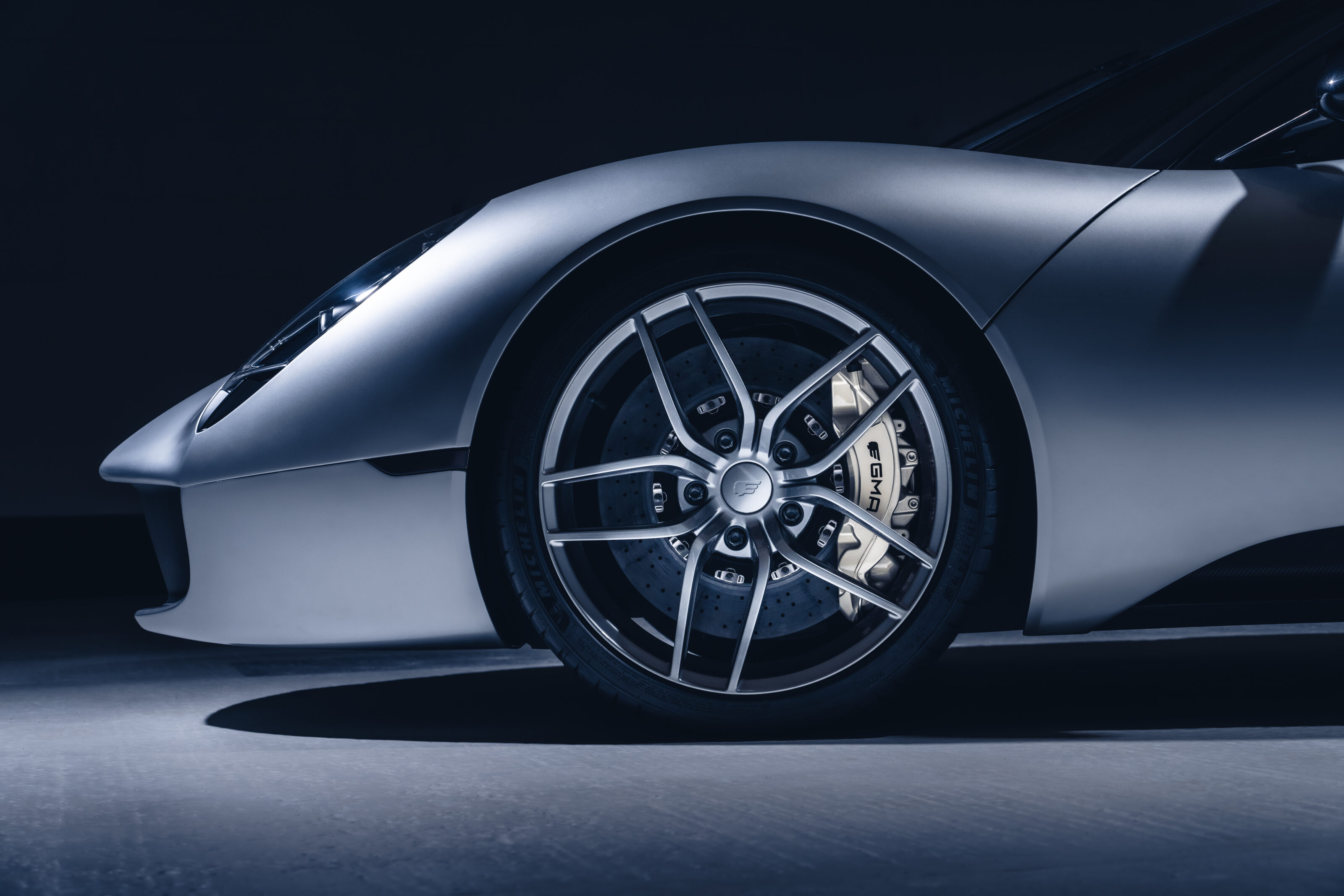
And like those 1960s’ cars, the wasp-waisted T.33 also has a broad front air intake, pronounced haunches over all four wheels, and just the merest hint of a Kamm tail at the rear. But there’s function in all the form.
“There’s nothing just for styling’s sake on the car at all,” Murray insists. “Every single element has something to do.’’
The wide front air intake, for example, houses all the cooling hardware, which means there’s no need for unsightly and un-aerodynamic ducts in the body side. Extra cooling air is ducted into the engine compartment from under the car. The small vent at the base of the vertically stacked headlights not only sends air to the front brakes, but also allows the car to pass low speed crash requirements while echoing 1960s’ headlight graphics.
The relatively clean and simple surfacing belies some lovely design details. There are no visible door handles – access to the cabin is via touch sensitive buttons in the Gordon Murray Automotive logos at the base of the B-pillar. The fuel and oil fillers are hidden behind the panels on the pillars. There’s a lot of driveway theatre in this car, even though in photos it looks a somewhat reductive design.
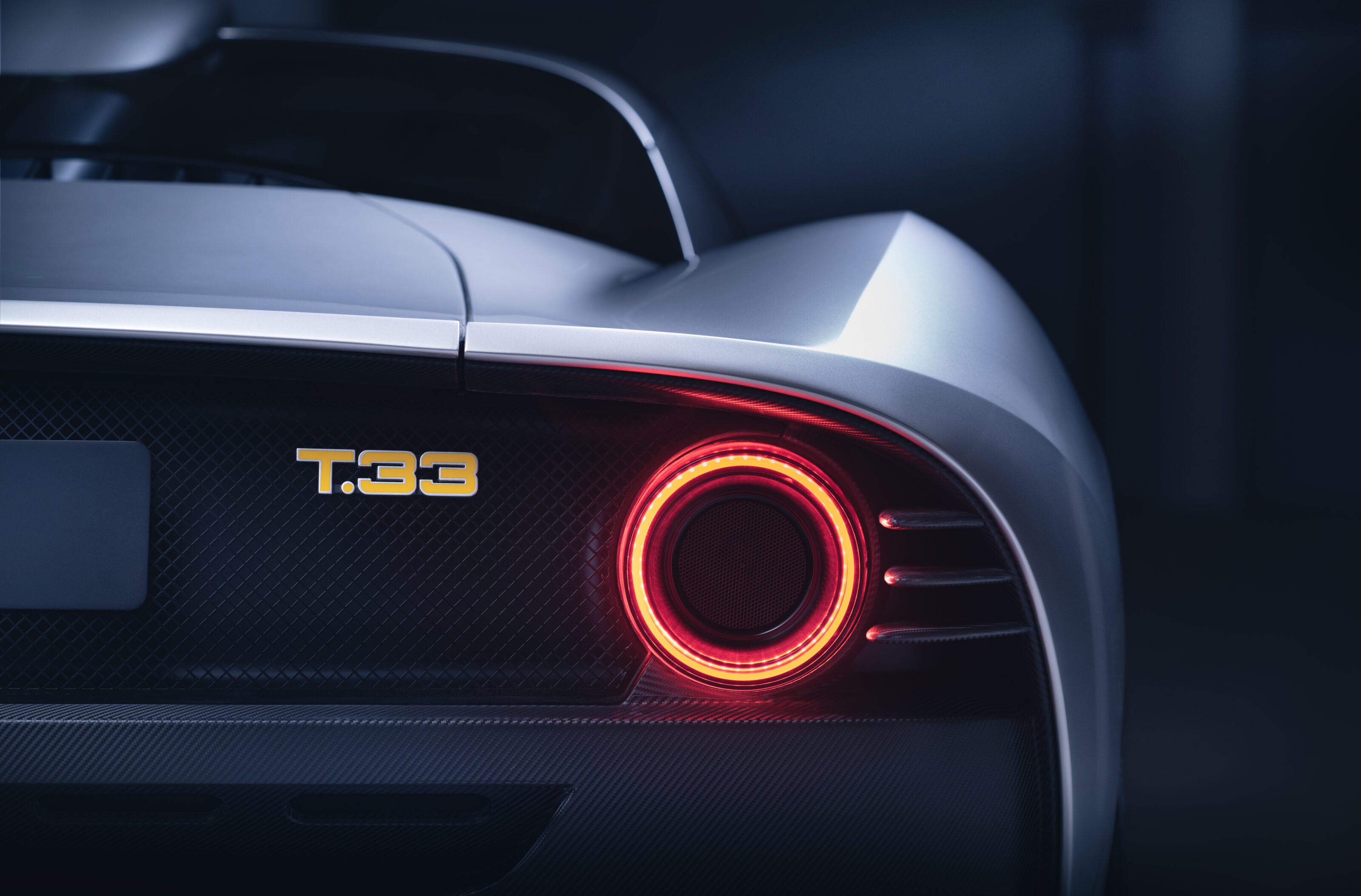
The T.33 engine shares much of its hardware with the Cosworth-developed, naturally-aspirated 4.0-litre V12 that powers the T.50. Dubbed the Cosworth GMA.2 and distinguished by its yellow cam covers (the T.50’s were orange and the more powerful T.50 Niki Lauda engine’s red) it makes 452kW at 10,500rpm and 451Nm of torque at 9000rpm, 35kW and 15Nm less than in T.50 spec, thanks to different cams, revised valve timing and engine mapping – along with new intake and exhaust systems.
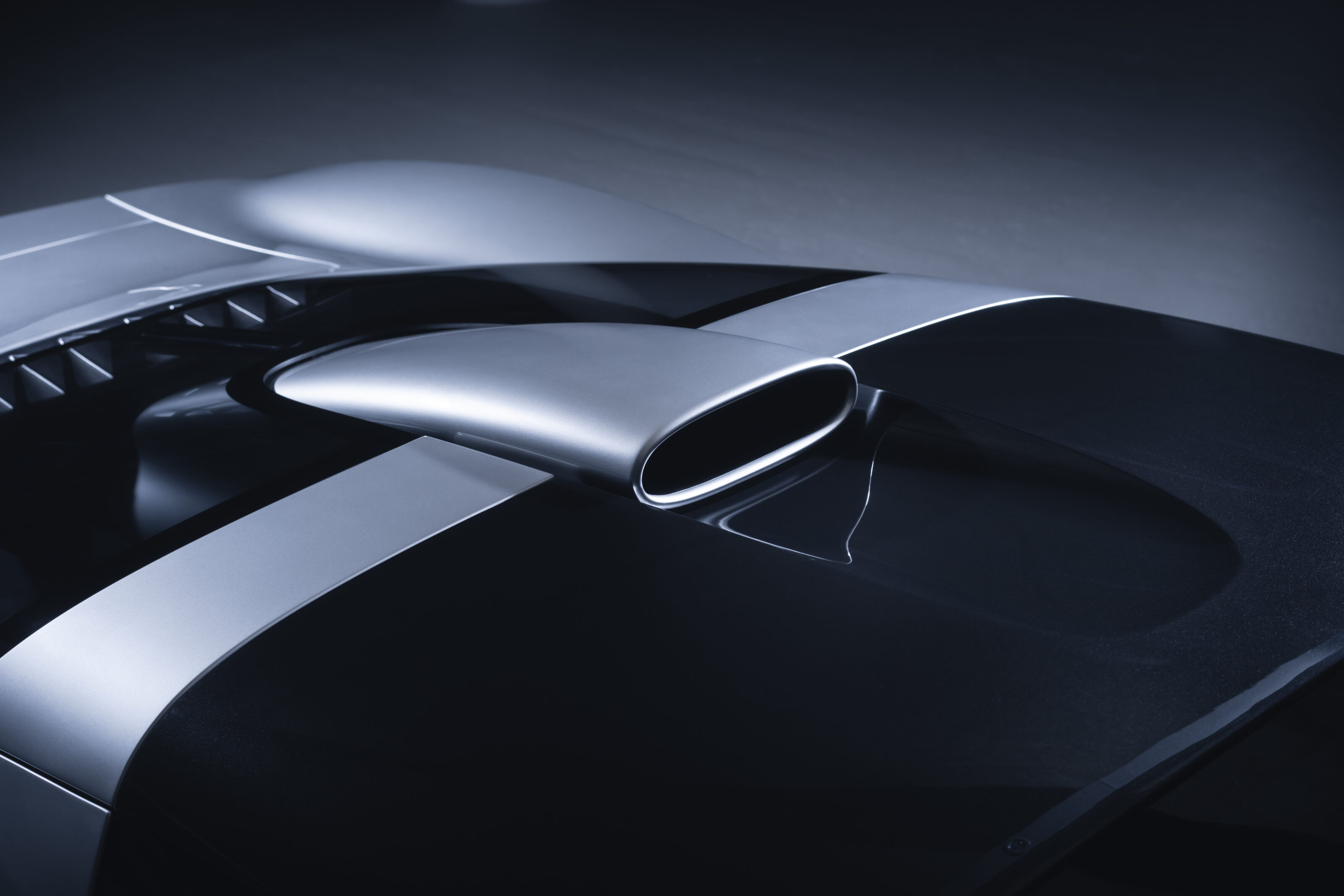
The engine breathes through a ram air intake positioned above the cabin. While in other mid-engine cars such intakes are part of the bodywork, in the T.33 it’s mounted directly to the engine and stands proud of the bodywork so it can move. That eliminates the need for a flexible coupling between the engine and the intake itself, which means the internals of the entire structure can be kept perfectly smooth.
The other benefit, Murray explains, is more subtle: “If the intake is flush to the roof, you get a boundary layer buildup [of slow-moving air], which renders the bottom slice of the intake quite useless. By having the intake separate and floating above the car, we bleed off the boundary layer into the engine bay, which is low pressure, and then we can have a smaller, more aerodynamic duct.
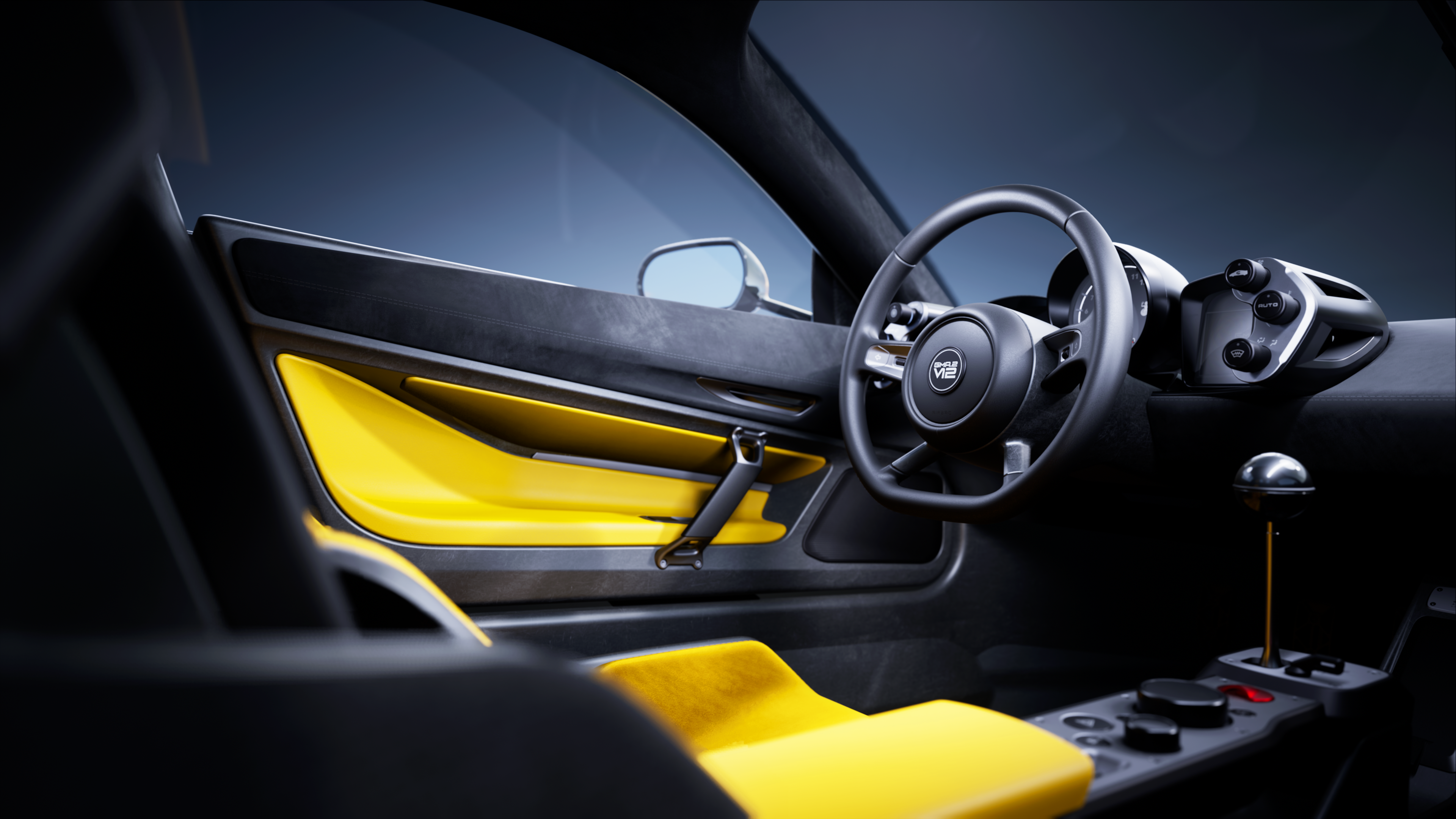
The decision to lop 1000rpm from the engine’s rev limit wasn’t just a case of ensuring differentiation between T.50 and T.33.
“To be really honest,” says Murray, “the main reason is that 12,100rpm in a 4.0-litre engine with valve springs is getting right up there on the ragged edge. Going to 11,100rpm makes much more sense.”
The other benefit is improved drivability. The T.33 version of the engine delivers 75 per cent of its peak torque at 2500rpm, and 90 per cent from 4500rpm.
The T.33’s V12 drives the rear wheels through a six-speed manual transmission that’s externally almost identical to that used in the T.50, but has a new gearset inside. Designed and developed by British motorsport specialist Xtrac, the transmission weighs just 80 kilograms.
While the T.50 was only available with a gear lever and clutch pedal, the T.33 can be ordered with Xtrac’s ingenious Instantaneous Gearchange System (IGS) paddle shift transmission. Rather than clutches, the IGS transmission has an integrated ratchet and pawl mechanism between each gear hub and the main shaft so that two consecutive gear ratios can be selected and engaged simultaneously, but with only one set of gears driving.
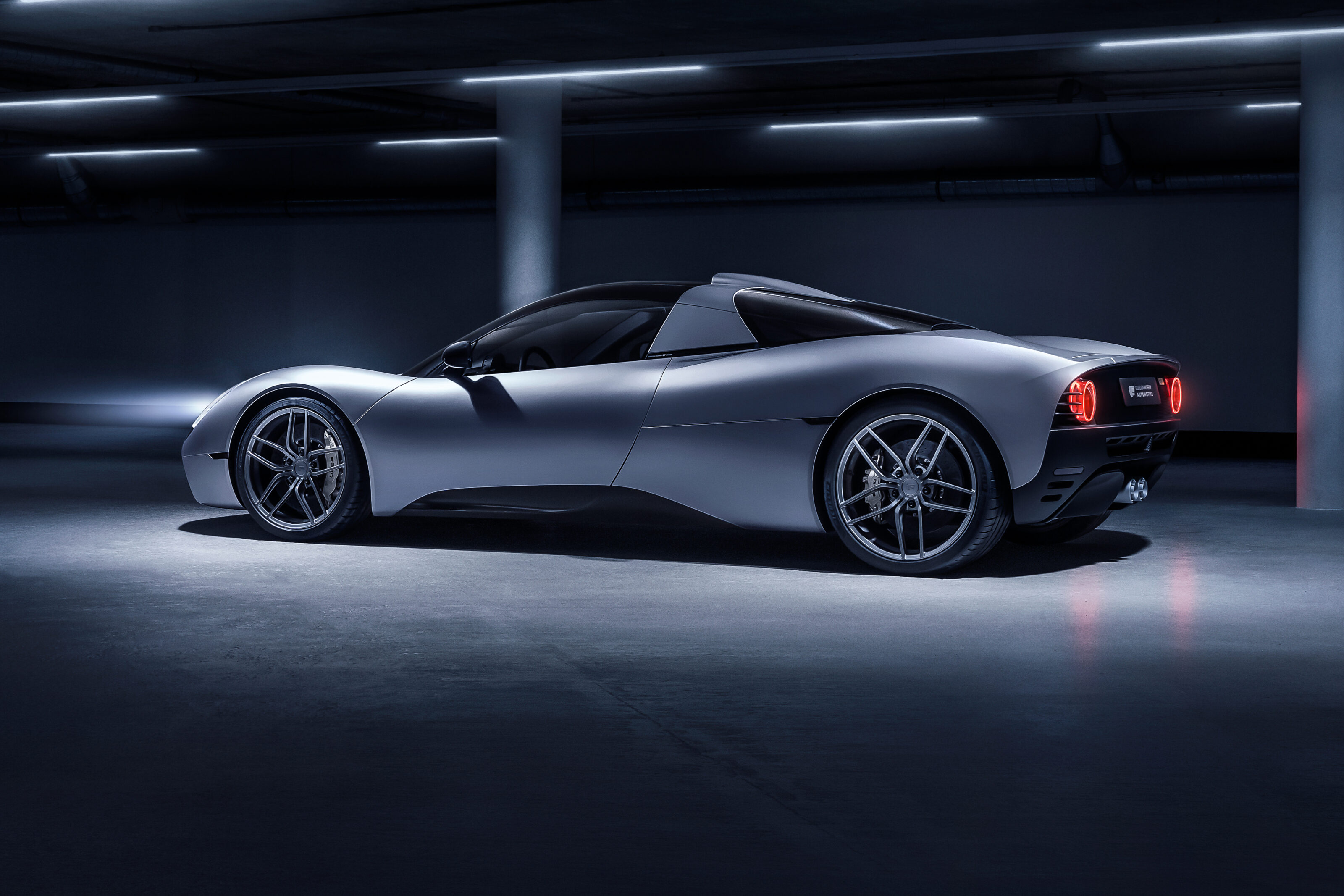
Murray says the IGS-equipped T.33 will be significantly quicker than the manual car, both in a straight line and on the track. However, of the 60 T.33s already pre-sold, only three have so far been ordered with the IGS transmission – even though 40 to 50 per cent of them are going to the US.
The chassis of the T.33 departs from the current supercar practice of bolting front and rear subframes to a central carbon fibre tub. Instead, the central structure comprises Formula 1-style aluminium-core carbon-fibre panels bonded around aluminium tubes that run from front to rear. The carbon-fibre elements provide the essential torsional and bending stiffness, as well as a strong structure for crash safety, and the design eliminates the need for bolted subframe joints front and rear.
“A bolted joint is messy and heavy and it’s flexible,” Murray insists. “No matter how well you do it, there’s always a bit of joint movement at the transition from tube to carbon.”
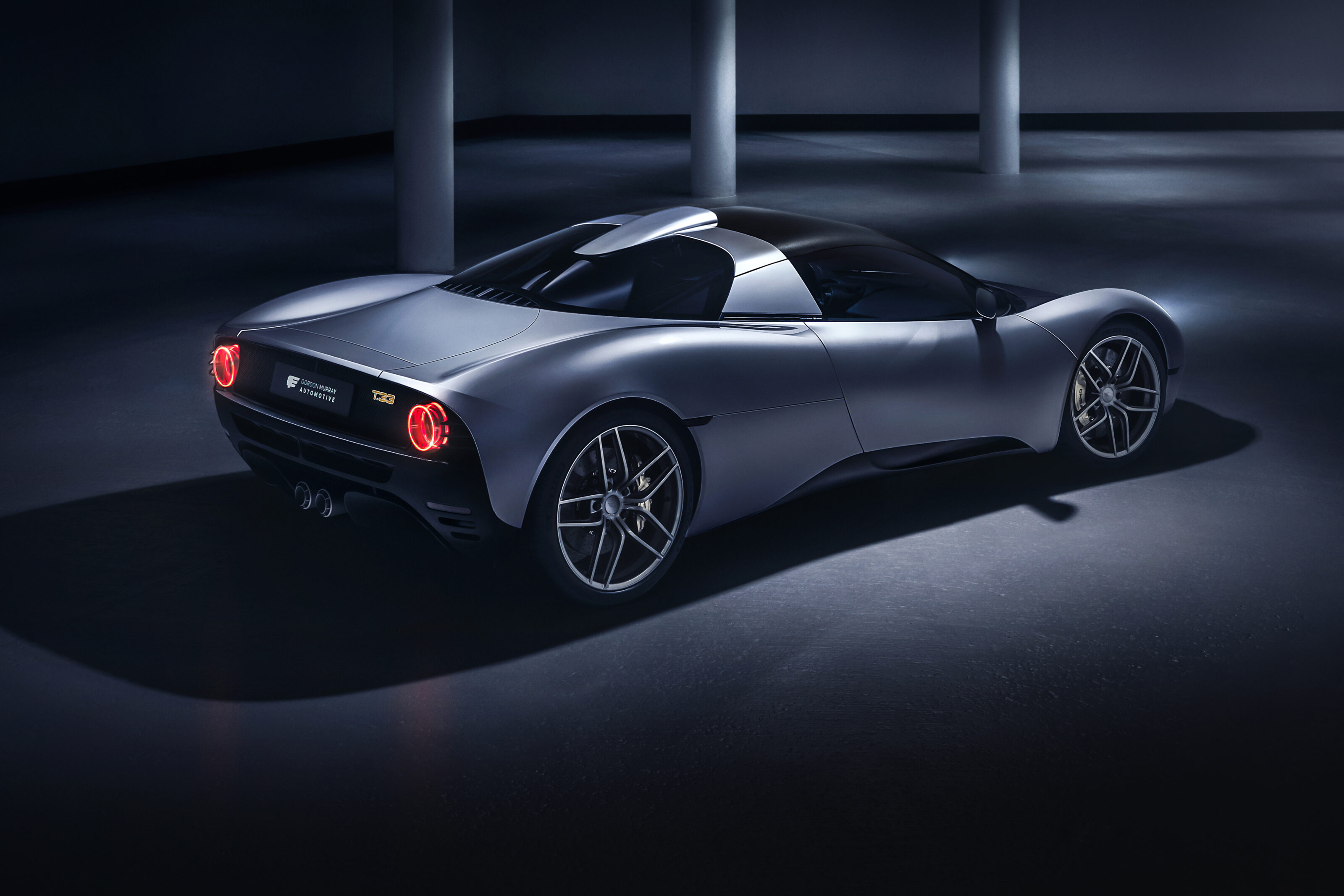
The front suspension, steering rack, and other ancillaries are located via single aluminium casting, which Murray won’t describe in detail other than to hint it’s similar in concept to the organic Bionicast structure used at the rear of the Mercedes-Benz EQXX concept. Other than its ultra-light weight, the major advantage of using a single casting is that all the mounting points can be accurately located via CNC machining.
Behind the cabin, the engine is supported by aluminium tubes. The rear suspension is bolted directly to the transmission, and although the engine is rubber mounted to reduce noise, vibration and harshness, an ingenious trapezoidal link setup is used to lock the entire powertrain into place when subjected to loads through the rear wheels.
The T.33 is light, as you’d expect of a Gordon Murray car. Target weight is just 1090kg, a mere 100kg or so more than the T.50, despite the car being engineered to be built in both left- and right-hand drive and meeting all US and European crash regulations. Among other things, that means the T.33 doesn’t need the massive brakes, wheels or tyres that are part and parcel of most modern supercars.
Brakes comprise relatively modest 370 millimetre diameter carbon-ceramic rotors and six-piston calipers up front, and 340mm units with four-piston calipers at the rear. Tyres are 235/35 Michelin Pilot Sport 4s on 19-inch forged alloy wheels up front, and 295/30 items on 20-inch rims at the back. Power steering is by way of a new hydraulically assisted system specially developed for the car.
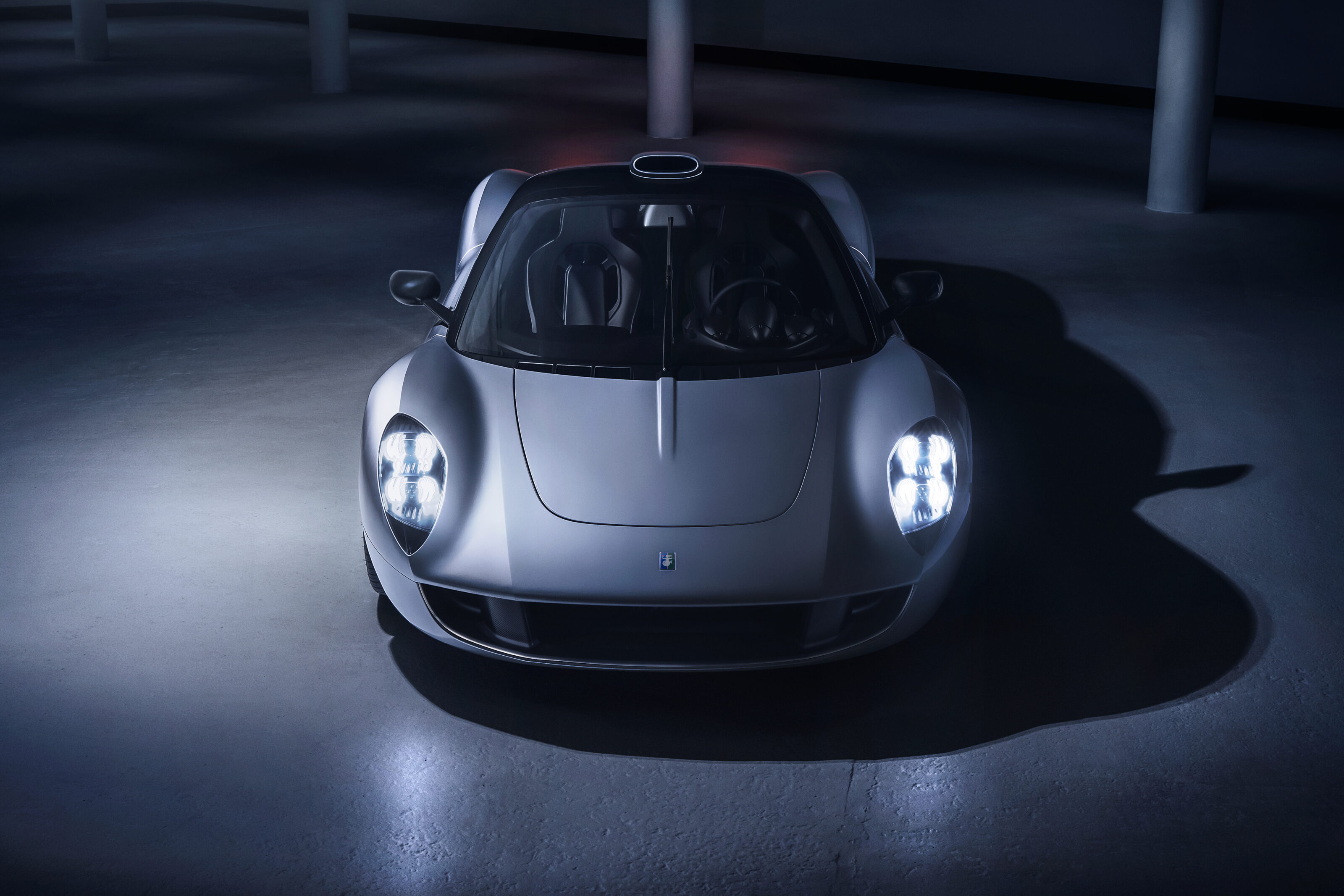
The T.33 is relatively softly sprung, another Gordon Murray trait. “I never do stiffly sprung cars,” Murray says. “I just don’t like them. So, if you are going to drive the T.33 on a track, you’re going to feel a bit of roll and pitch.”
For customers who want to spend most of their time pounding their cars at track days, GMA will offer a sportier suspension setup. “The cars are so hand-built, we can do virtually anything,” he adds.
The T.33 is about the the same length overall as a Porsche 718 Cayman, even though its roofline is 139mm lower, and its 2735mm wheelbase is a hefty 260mm longer. It’s compact, but capacious – in addition to being able to accommodate two cases in its full width frunk, the T.33 can also carry two each in either side of the car, in compartments between the door opening and the rear wheel. To access, the entire rear quarter panels are hinged at the rear.
“I didn’t want any unsightly body shut lines across the lovely rear muscle haunch,” Murray says. “So, we agonised for weeks and then I had a light bulb moment. I thought, ‘Well, you’ve got the shut lines all the way around the outside of the body panel, why don’t we just open the whole thing?’ Everybody threw their hands up in horror, of course, especially the body engineers, but they came up with some very clever solutions for the latching and the hinging.”
The T.33’s clean and simple surfaces are a by-product of the aerodynamic trickery that’s out of sight, under the car.
This includes two diffusers at the front and a revised version of the T.50’s stepped rear diffuser layout aft of the cockpit.
While testing the T.50, Murray’s team found the unique stepped rear diffuser, which had been designed to work in conjunction with the fan drawing air through it, delivered 30 per cent more downforce than expected with the fan switched off. Combined with the two-thirds total downforce developed by the front diffusers, the innovative rear diffuser means the T.33 doesn’t need a splitter protruding from underneath the front air intake.
“It was a happy accident,” Murray admits. “But it means most of the downforce is developed at the front of the rear diffuser, near the car’s centre of gravity.” The only active aero device on the car is a rear wing that tilts to maintain balance at high speed, and flicks to near vertical under braking.
Like the T.50, the GMA T.33 has been designed to celebrate lightweight and ultimate driving thrills. But it’s also been designed to have the ride quality, ground clearance and luggage capacity that allows it to be driven every day.
“I could see myself using one all the time,” says Murray, whose current daily driver is an Alpine A110. “If you had to have only one supercar, the T.33 is it.”
Yet another teaser of Alfa Romeo’s most anticipated new model this year has been given, this time by the brand’s Chief Executive Officer, Jean-Philippe Imparato.
The silhouette of the Tonale can be seen underneath a sheet as executives stroll by ‘Abbey Road’ style in a tweet from Imparato’s account. It provides a good idea of what to expect, which is nothing out of the ordinary from Alfa’s stable of cars.
An earlier tweet from Imparato teases the rear taillights, and in some way – perhaps if you squint a little – they look inspired by the brand’s old Brera.
The Tonale – a name inspired by a mountain pass in northern Italy – is a very important model for the Italian car maker as it will be an expected volume seller, sitting in size underneath the Stelvio SUV (a model named after a much more famous mountain pass).
Alfa says that the unveiling of the Tonale will be on February 9, which it calls “La Metamorfosi” (the metamorphosis).
From what we’ve seen in the teaser-image build-up, the Tonale production vehicle will closely follow the concept first shown at the 2019 Geneva Motor Show and be based on the same platform as the Jeep Renegade.
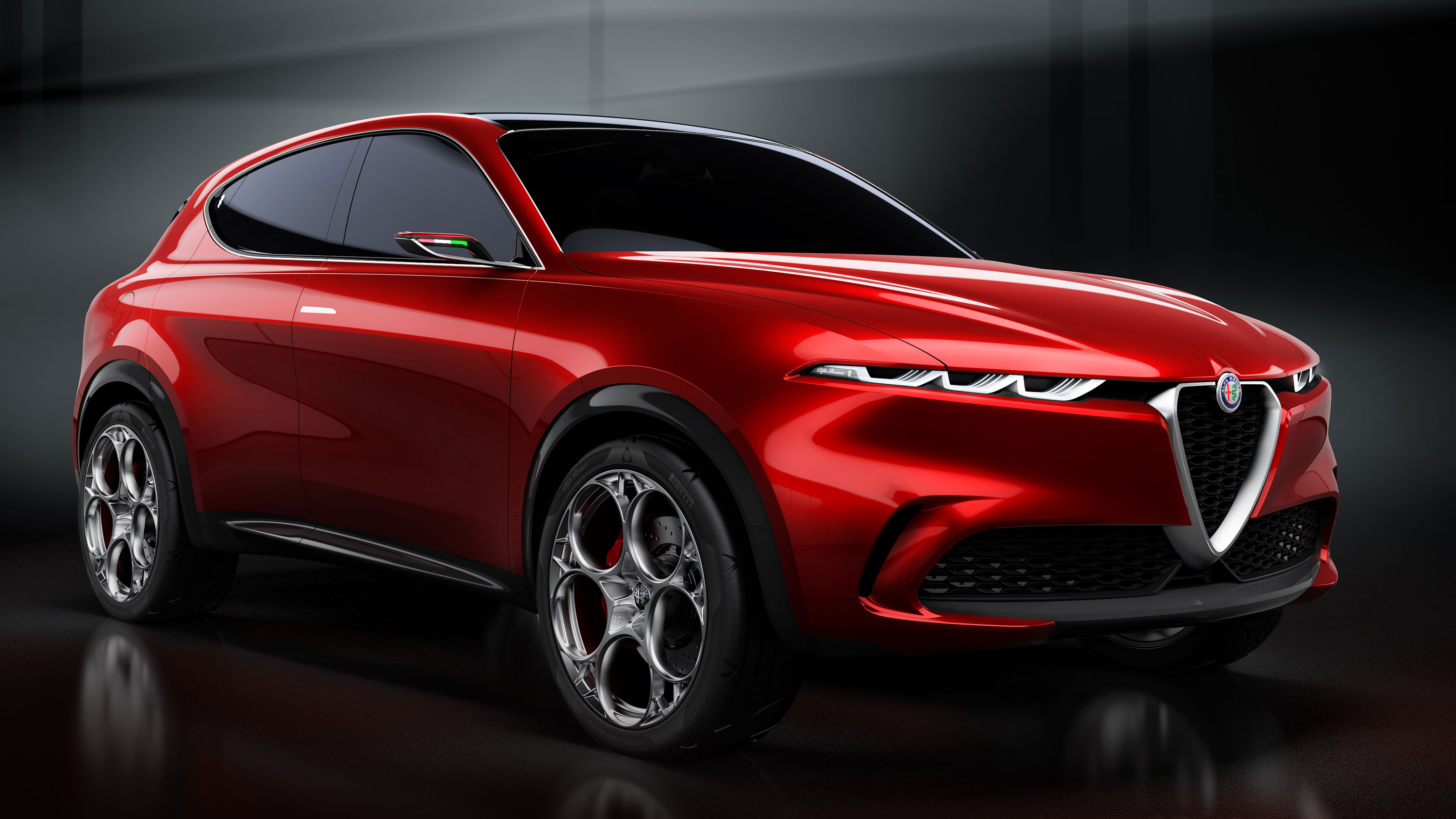
It will arrive with a variety of configurations, both diesel and petrol likely, and from entry-level to hotter variants. And like the Jeep, there will be a plug-in hybrid available – the first in Alfa Romeo’s line-up.
Inside we can expect some similar Alfa Romeo elements as used in the larger Stelvio, but with a slightly different layout and the use of a 12.3-inch digital instrument cluster and 10.25-inch central touchscreen, which Alfa Romeo has previously said will have a new software system over existing models.
Alfa Romeo is set to reveal the Tonale on February 9.
This year’s Goodwood Festival of Speed will run in June with the theme ‘The innovators – masterminds of motorsport,’ according to the esteemed event’s organisers.
As usual, some of the greatest new supercars will be on display, with some running up the hill, possibly including the all-new Gordon Murray T.50. Meanwhile, this year’s theme will celebrate “the technical landmarks that have seen the racing automobile develop from crude behemoth to space-age projectile.”
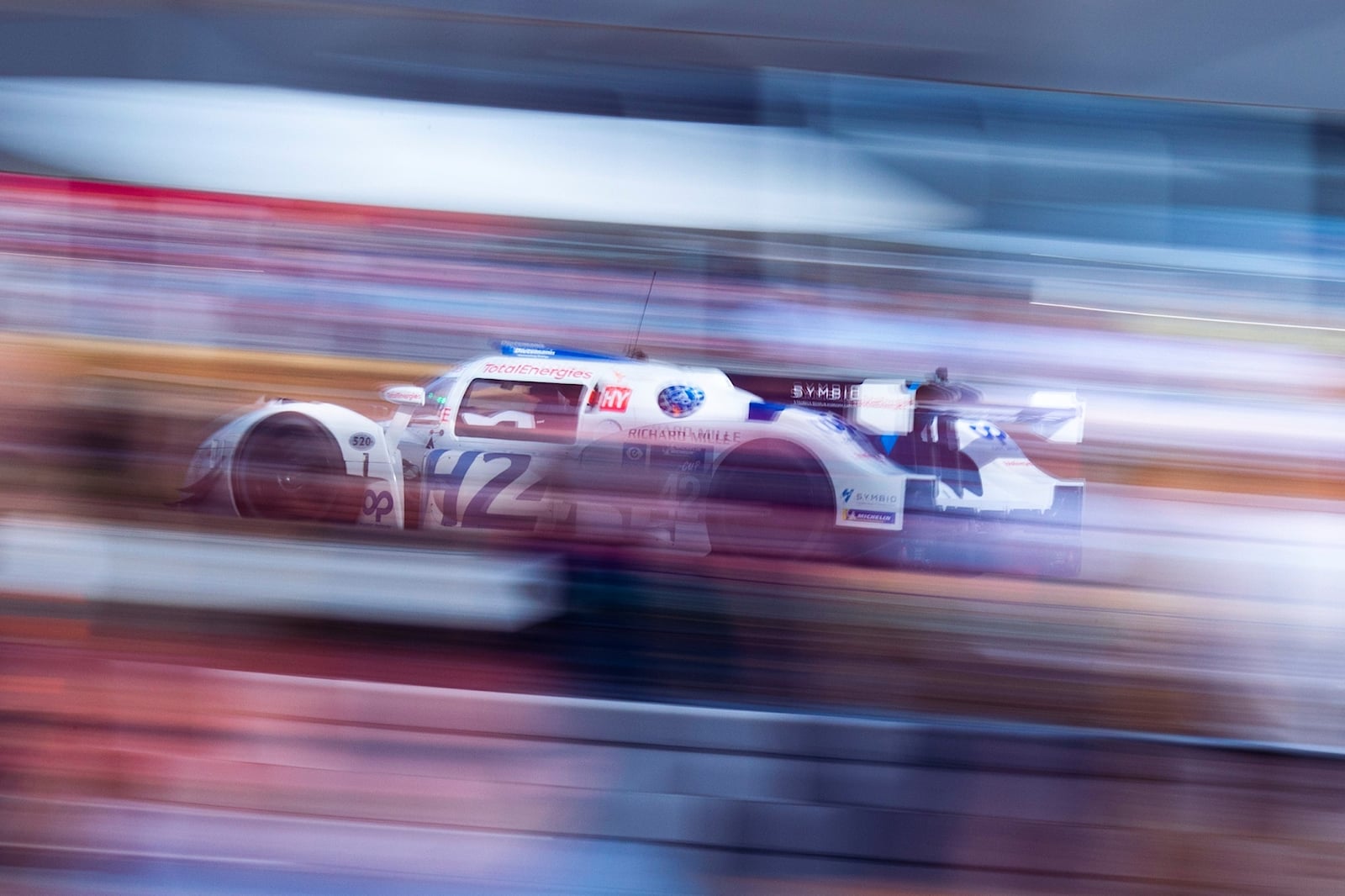
Essentially, there will be displays showing stories of engineering ingenuity and pioneering new technologies set to impact the next generation of motion and mobility.
“This year’s Festival theme – ‘The Innovators – Masterminds of Motorsport’ – allows us to celebrate some of the greatest achievements in history, while also highlighting the event’s evolving focus on future technology,” adds founder of the Festival of Speed, the Duke of Richmond.

“Just as race-inspired innovations such as four-valve engines, monocoque chassis and turbocharging have shaped the past and present of the cars we drive in the real world, so electrification, autonomy and other new technologies – the development of which is accelerated by the white heat of competition – will have a profound effect on the future of personal mobility.”
There will also be the ‘Electric Avenue’, which was first opened for 2021’s festival and is a showcase of the latest electric vehicles and concepts.
While it is not confirmed if Gordon Murray’s new hypercar will make an appearance, Goodwood has referenced electric supercar-maker Rimac alongside Ferrari and BRM, suggesting a display will make its way to the paddock with select models being driven up the hill for Sunday’s Shootout, when the event is held this year from June 23-26.
