
From today, Daimler AG will now formally go by the name Mercedes-Benz Group AG in a bid to increase its shareholder value.
“We have a real chance to raise the multiple,” CEO Ola Kaellenius told media in recent days, though she did not go as far as to set a specific target valuation for the firm – which is now worth just under €77 billion (AU$123 billion).
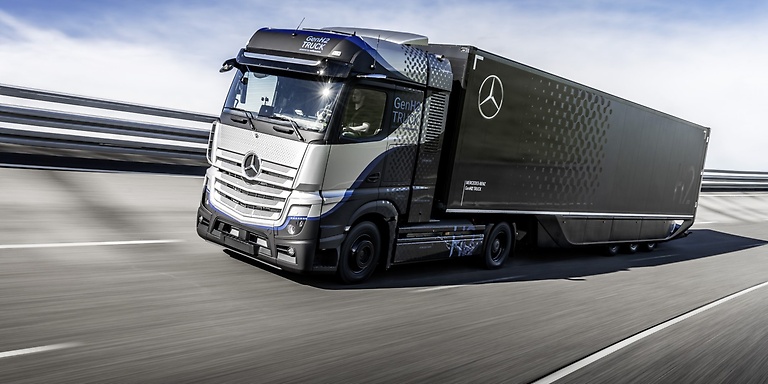
The move follows the spin-off of the company’s truck and bus division last year – now known as Daimler Truck AG – with shares rising marginally since its market debut.
As of last Friday, it was trading at €32.23 (AU$51.39) – while Mercedes-Benz shares, at their highest levels since 2015 in November 2021, reached €74.25 (AU$118.40) on the day of the split, but have lowered to €71.15 (AU$113.48).
According to Reuters, analysts say there is only so much potential for luxury carmakers like Mercedes-Benz to grow when compared with electric vehicle-only rivals such as Lucid or Tesla.

“Investors could start viewing Mercedes as a Lucid Motors or Tesla type and start to give it an EV multiple,” European auto analyst at RBC Capital Markets Tom Narayan told the news agency.
“But Lucid and Tesla get to start at 100 per cent EV. For Mercedes you have to convert your existing internal combustion engine business to EVs. That may be a limitation on how far the multiple could go near-term.”
For decades Daimler has sold its vehicles under the world-renowned Mercedes-Benz brand. The company was formed with the merging of the Daimler and Benz auto companies in 1926 before purchasing Chrysler in 1998 and being named Daimler Chrysler AG. After later selling off the US brand in 2007, it became known simply as Daimler AG.
Citroën‘s compact C1 has been removed from production as the French brand prepares to replace its city commuter with the new Ami.
Amassing over 1 million global sales since it launched in 2005, the C1 will officially exit Citroën’s line-up this year after 17-years of production, bringing an end to the brand’s involvement in the small, petrol-powered city car segment.
While never sold in Australia, Citroën says the C1 was a success in Europe, selling over 1.2 million units across the car’s two generations.
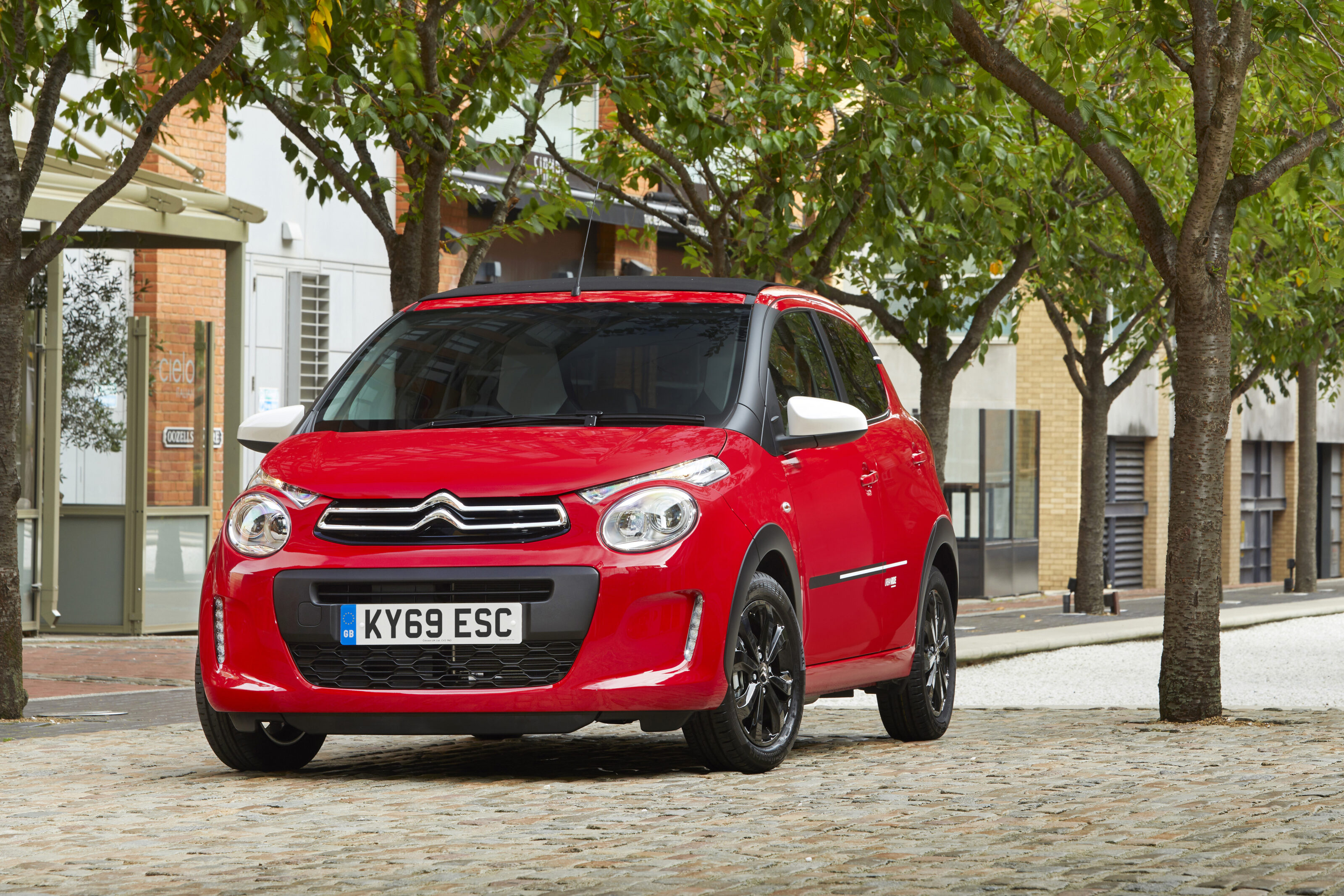
The C1 was built alongside its sibling cars the Peugeot 108 and Toyota Aygo in the Czech Republic, although Toyota has since taken over the Kolin plant where the PSA-Toyota joint venture built the city car trio.
The result is that a new generation of vehicles will be built in Kolin. Toyota is replacing the Aygo with the SUV-inspired Aygo X, and while Citroën has not confirmed plans for a new petrol-powered A-segment replacement, it is launching the Ami – an electric quadricycle that is smaller, measuring 2.41 metres long and seats just two occupants.
The electric motor is powered by a small 5.5kWh battery for a driving range of around 75 kilometres and a top speed claim of 45km/h. Peugeot is yet to announce any replacement for its 108 city car, but Europe’s looming emissions regulations are forcing a move into small electric models.
Nissan’s MID4 II might be a concept car resigned to the history books as yet another design study, but this one is important to Nissan and Nismo. And, come to that, us. We all know and love the R32 Skyline GT-R and the 300ZX (Z32), yet their existence was made possible by this mid-engined, two-door supercar. Ironically, while the models this supercar wannabe spawned rose to greatness, the MID4 II was unceremoniously shelved.
Unveiled in 1985, the Toyota MR2-looking original gained its name due to the mid-ship engine layout and all-wheel drive. Sending grunt to all four of the truly ’80s-spec wheels is a naturally aspirated VG30DE bent six (which would later go on to power Aus-delivered 300ZXs). However, by 1987 Nissan had overhauled the concept mechanically and design wise, unveiling the MID4 II at the Tokyo Motor Show that year.
What it showcased was a more eye-catching supercar silhouette cloaking serious mechanicals while the tail-lights unmistakeably give inspiration to the S14 Silvia. The gentleman’s agreement 206kW ceiling was ignored, with the 3.0-litre VG30DETT pumping out 242kW and 382Nm. It was sent to all four wheels with 235/55 ZR16 tyres up front and 255/50 ZR16 at the back. Ventilated discs were tasked with arresting the pace, and with a kerb weight of 1400kg and a power-to-weight ratio of 173kW/tonne, it was no slouch.

Underpinning the MID4 II is double wishbone front suspension and multi-links at the rear. Additionally, the back axle also provided steering via Nissan’s HICAS system, which would later feature heavily in Godzilla, otherwise known as the R32 Skyline GT-R. It would also be fitted overseas to the twin-turbo 300ZX. How dynamically effective the supercar concept was also proved open to question. Rumours persisted that the parallel-developed Z32 300ZX was even better to drive but significantly cheaper. The writing was on the wall.
It took Nissan another two years after the MID-4 II’s unveiling to complete the development and calibration processes it pioneered, at which point the Advanced Total Traction Engineering System for All-Terrain (ATTESA) all-wheel drive system was brought to market in the all-conquering R32 GT-R.
Ultimately, the true measure of the MID4 II’s legacy is its offspring. While it failed to launch, the cars to benefit from its engineering ingenuity would go on to become performance icons.

NISSAN MID4 II SPECIFICATIONS
| ENGINE: | 2960cc V6, DOHC, 24v, twin-turbo |
|---|---|
| POWER: | 242kW @ 6800rpm |
| TORQUE: | 382Nm @ 3200rpm |
| GEARBOX: | 5-speed manual |
| WEIGHT: | 1400kg |
Lucid Motors has demonstrated its flagship store in Los Angeles in a new video, as it continues to expand its footprint throughout the United States.
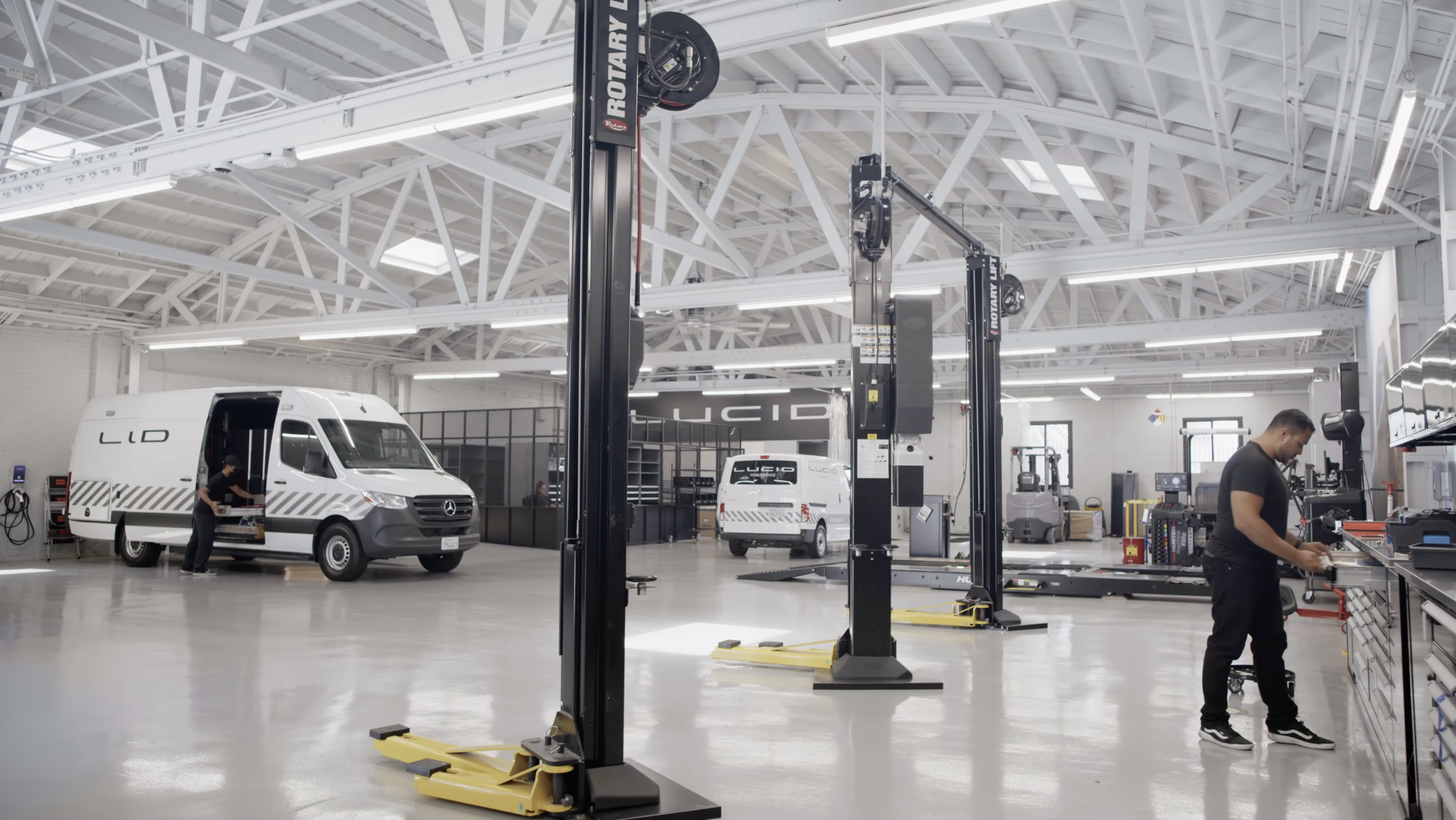
First opened in late 2020, the electric vehicle marque has published an in-depth tour of its Beverly Hills showroom – which also acts as a service centre for owners of the luxurious Air sedan.
Much like Tesla, the brand operates on a direct-to-consumer model, but it seemingly hopes to overtake the popular brand in one key area – customer service.
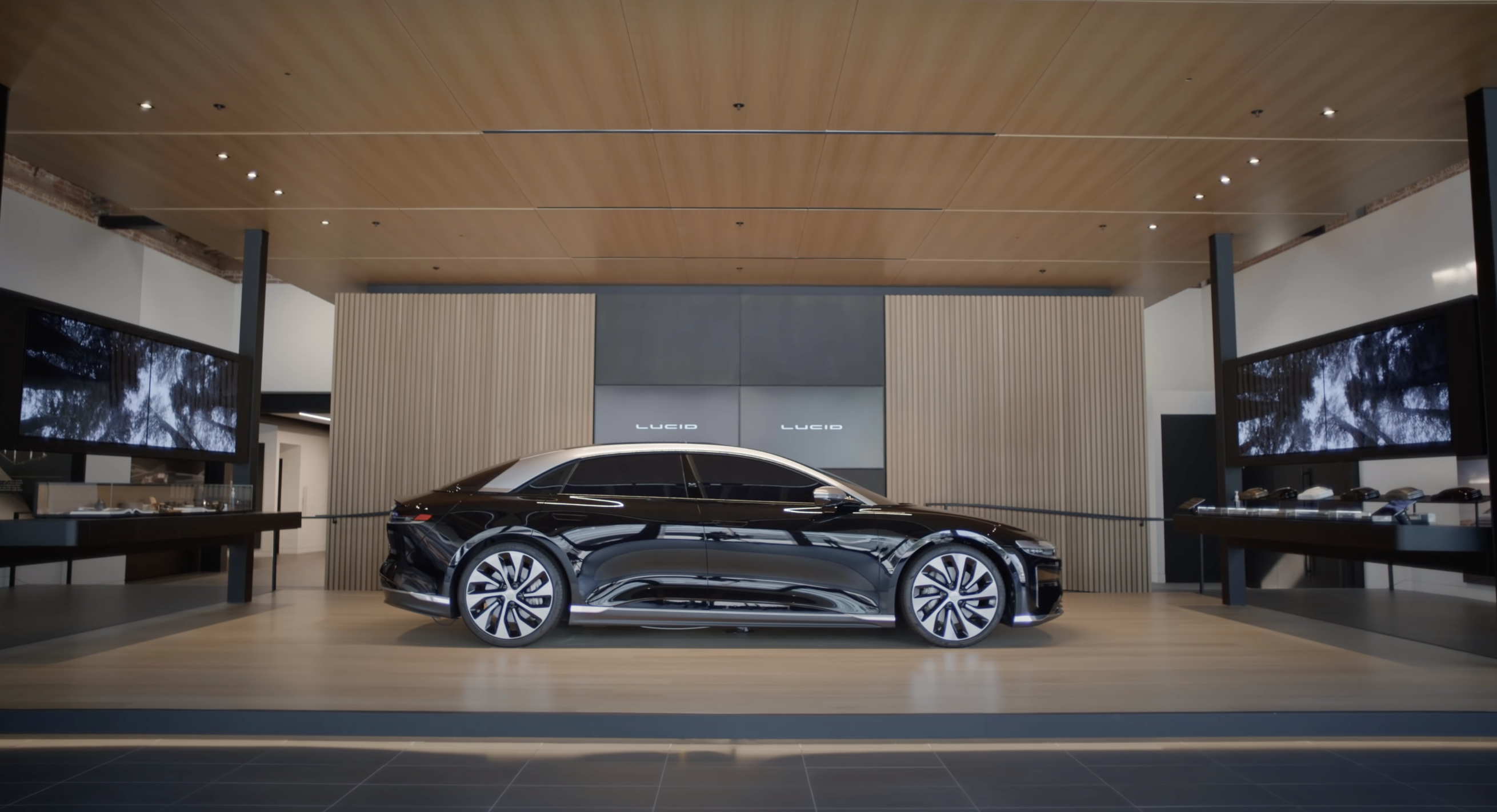
A single Lucid Air takes the main stage at each location, allowing potential buyers to check it out in person. There is also an area that showcases the range of colours, trims and finishes available on the electric sedan, with configurations based on various locations throughout California.
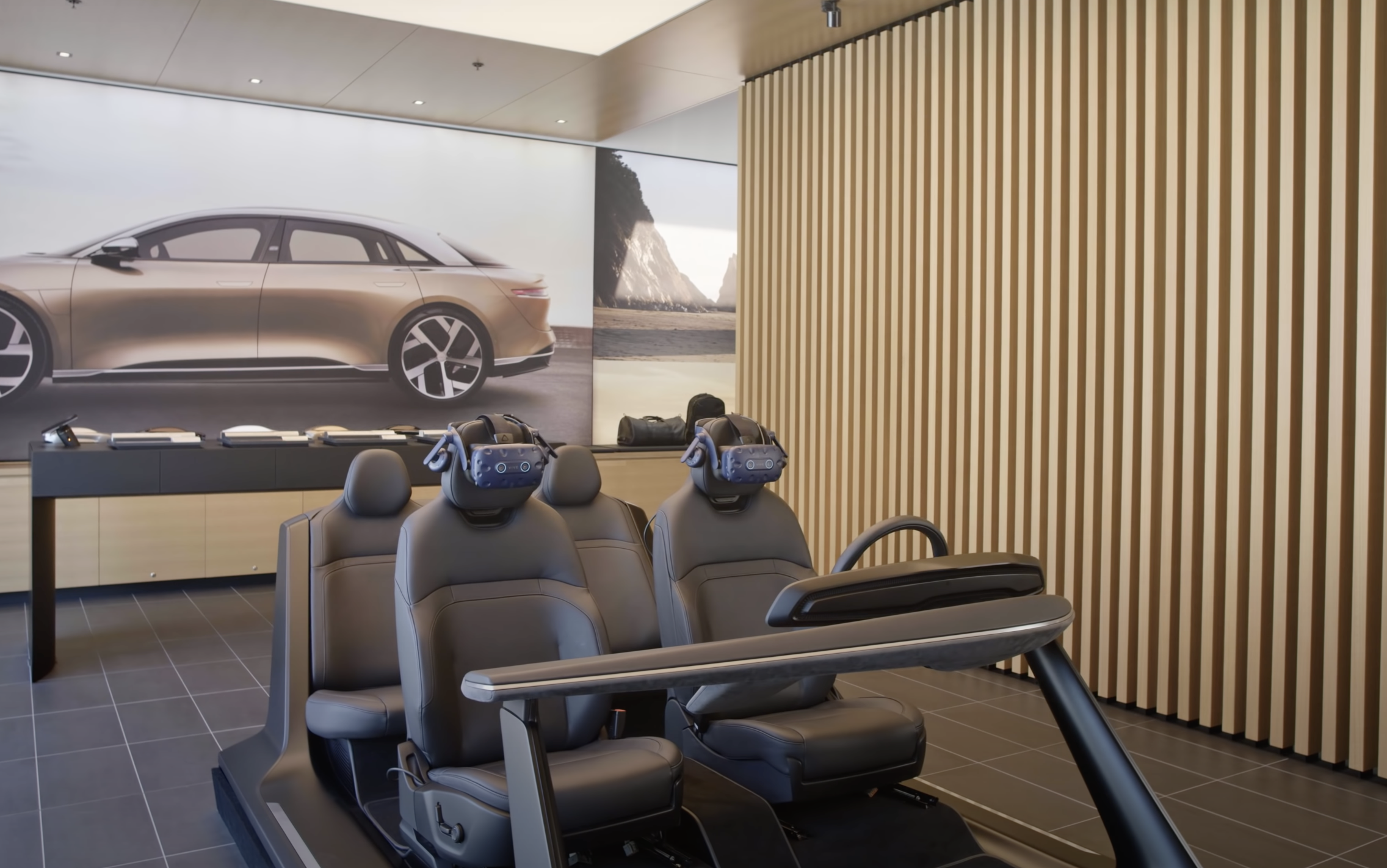
One unique area is the virtual reality experience, which combines a physical mock-up of the cabin with a pair of VR goggles to allow people to step inside the virtual Air of their dreams – all while experiencing locations such as the Golden Gate Bridge in San Francisco.
There is also a merchandise area, as well as a large workshop housing the brand’s mobile service vans.
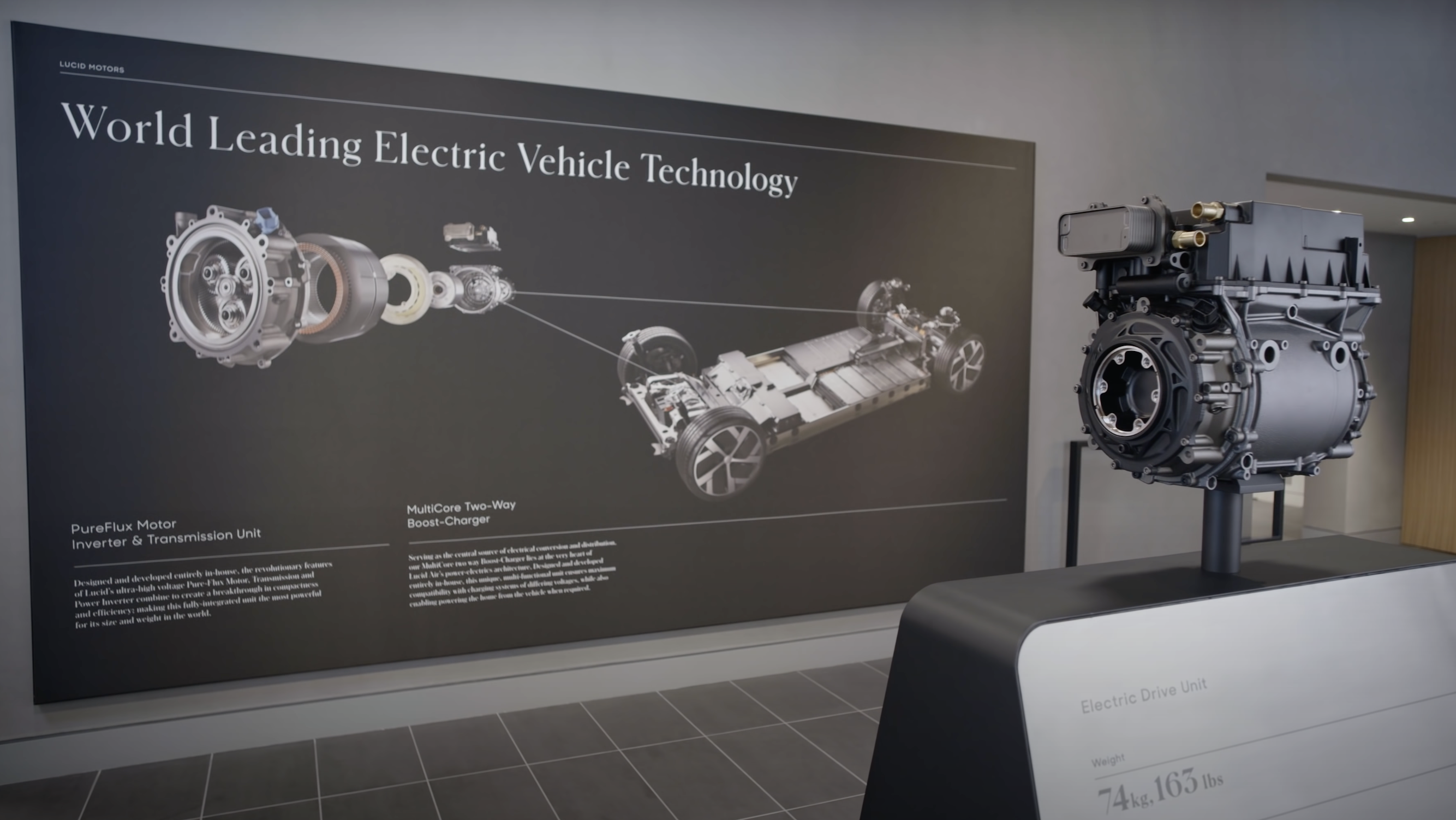
The company is additionally displaying a number of components fitted to the Air, such as the battery pack and electric motors – all of which were developed in-house.
Lucid is just one of many automotive manufacturers offering detailed experiences for customers through the direct sales approach.
Fellow electric brand Tesla opened its first retail store in 2010, with CEO Elon Musk claiming at the time the firm would combine the “feel of an Apple Store with a Starbucks and a good restaurant”.
In Australia, luxury carmaker Genesis operates under a similar model, with minimalist studios having recently opened in Sydney and Melbourne – and plans to extend into Brisbane this year.
Each company, however, is primarily focused on online sales – with physical locations instead acting as an extension to its sales network, largely for marketing purposes.
Cupra, the young Spanish performance marque from the Volkswagen Group, will also sell vehicles under an ‘agency model’ when it launches in Australia in mid-2022.
Lucid Motors currently has no plans to manufacture the Air in right-hand drive, meaning it remains off-limits for Australia, but the company has announced it will soon expand to Europe and the Middle East.
Snapshot
- Mercedes-Benz USA denies claims of halted G-Class orders
- Waiting times reportedly growing amid record sales
- Mid-life update expected in the coming year
Mercedes-Benz has denied reports of G-Class buyers being turned away, as waiting times for the off-roader reportedly blow out.
The statement follows a post to the MBPassionBlog earlier this month, which claimed G-Class sales would be frozen from January 17 to ease growing wait times for the four-wheel-drive.
A spokesperson for Mercedes-Benz USA told Motor Trend order books for the G-Class remain open, however the company declined to comment any further on production when the publication asked.
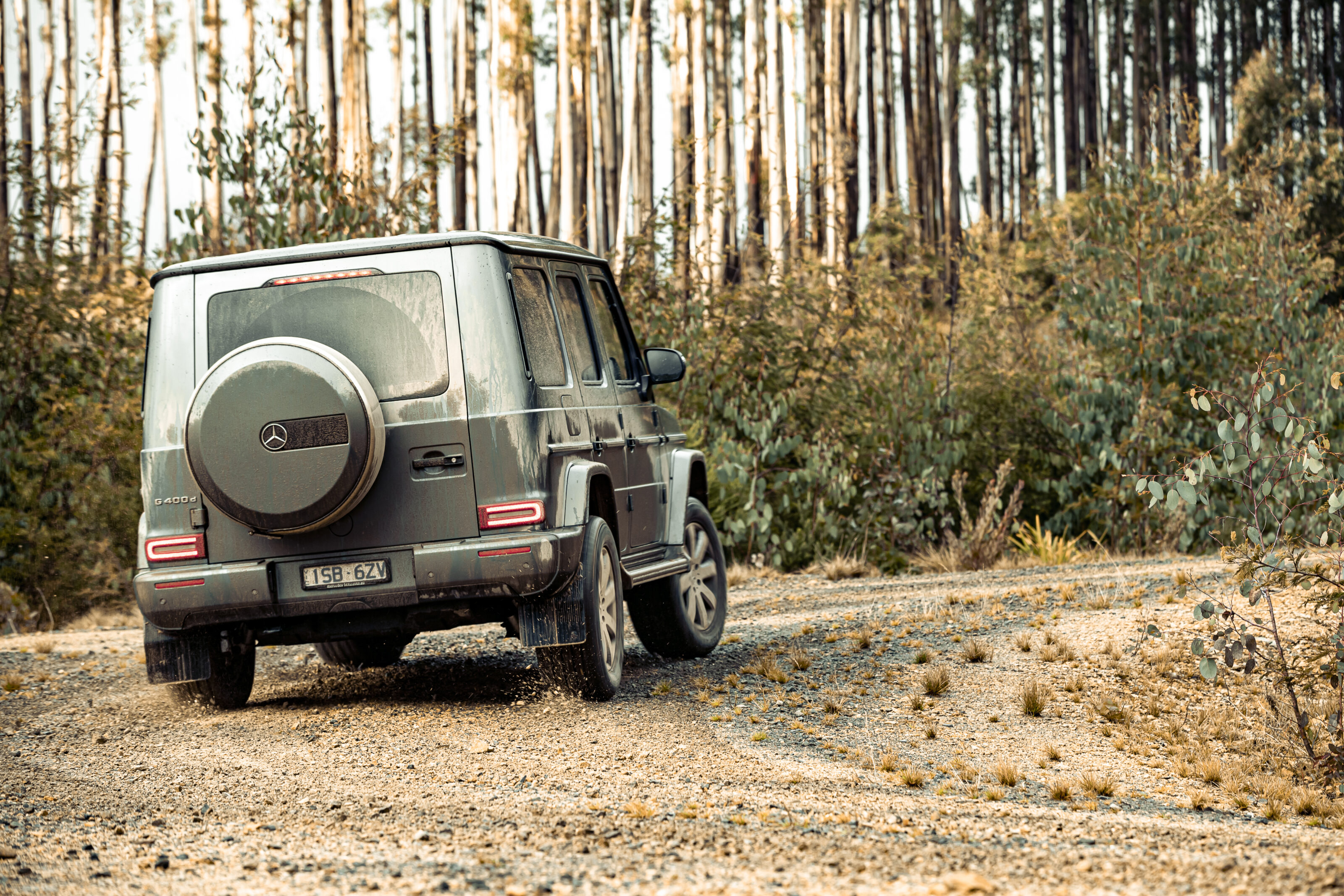
As such, the marque has not denied recent claims of customers who purchase a brand-new G-Class having to wait until the fourth quarter of 2024 to pick up their vehicle.
In its report, Motor Trend notes a more reasonable 15-month waiting time for North American customers.
Mercedes-Benz USA recently dropped most V8-powered variants – including the G63 – for 2022, citing quality concerns, meaning customers would need to wait until model-year 2023 examples arrive to jump into an eight-cylinder G-Class.
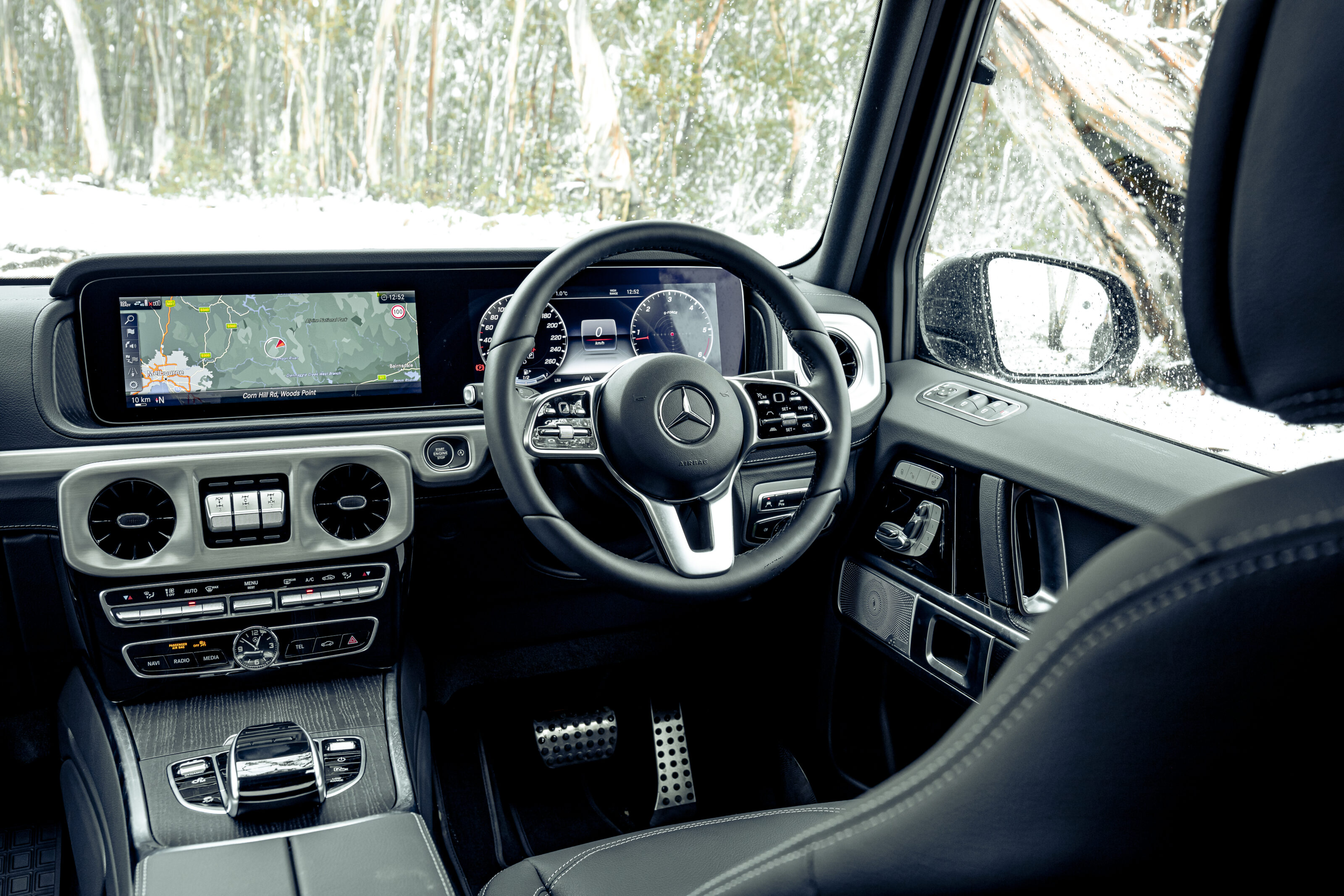
A mid-life update to the G-Class is rumoured to debut later this year or in early 2023.
It is expected to sport minor tweaks to the retro exterior styling and pick up the brand’s latest infotainment system and driver assistance technologies inside.Therefore, the forthcoming update could be another contributor towards the rumoured delays – in addition to the ongoing semiconductor chip shortage and surging interest for the lifestyle-orientated off-roader.
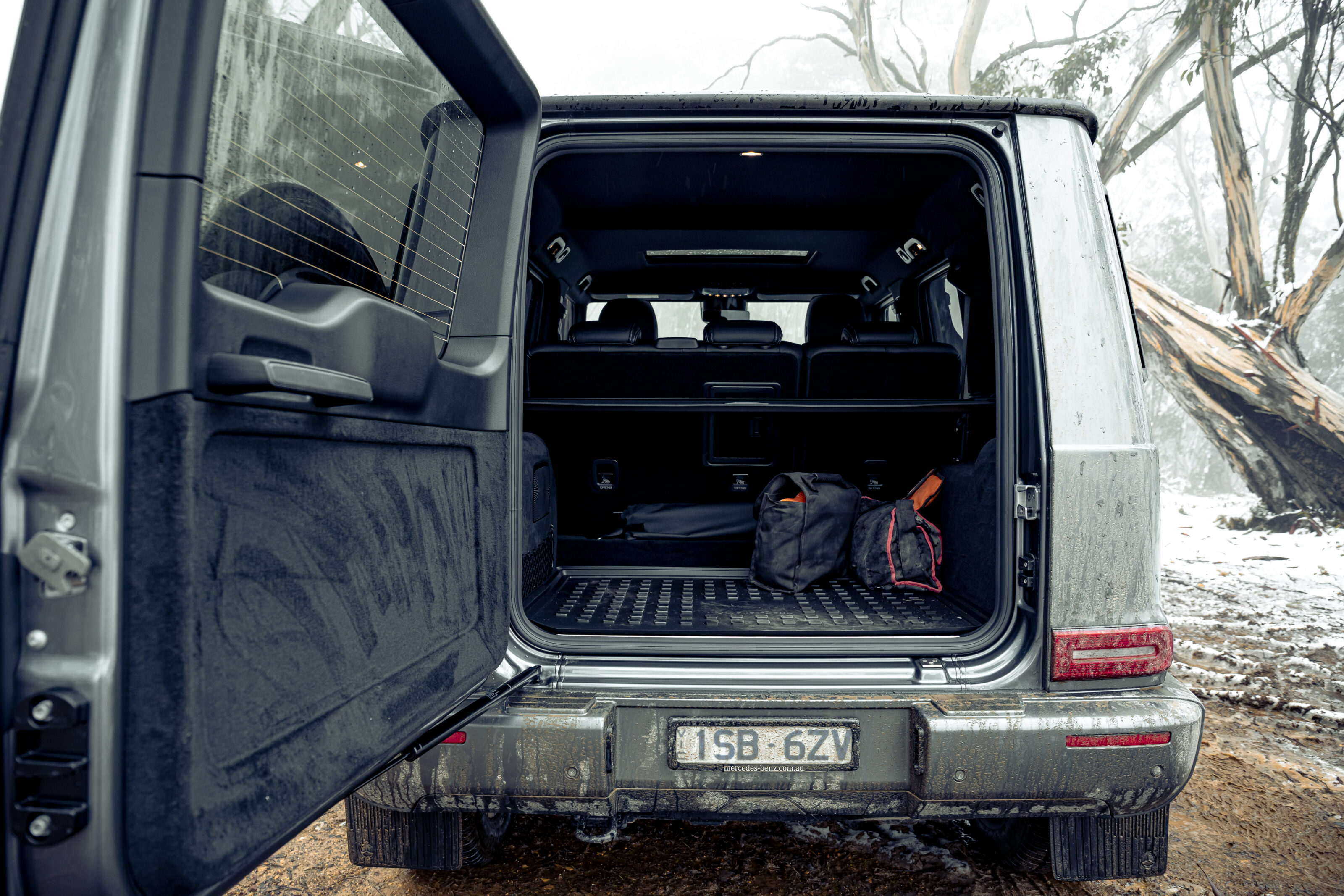
Demand for the G-Class, which debuted in its second-generation form in 2018, was as strong as ever in 2021, with Mercedes-Benz reporting 41,174 sales globally – a new record for the nameplate.
The vehicle, which was designed for off-road use but is growing in popularity in urban areas, has been produced at the Magna-Steyr factory in Graz, Austria, since 1979.
This facility also manufactures the BMW Z4, Toyota Supra, BMW 5 Series, Jaguar E-Pace and Jaguar I-Pace. Another vehicle, the Fisker Ocean, is expected to join the assorted line-up in November.
The interior of the 2023 Acura Integra has emerged online.
Previously shielded by blacked-out windows, the cabin of the Integra was left undisguised by Acura officials during the 24 Hours of Daytona race over the weekend.
This allowed Instagram user @derphound01 to capture the interior and share it online, before representatives hastily covered it back up.
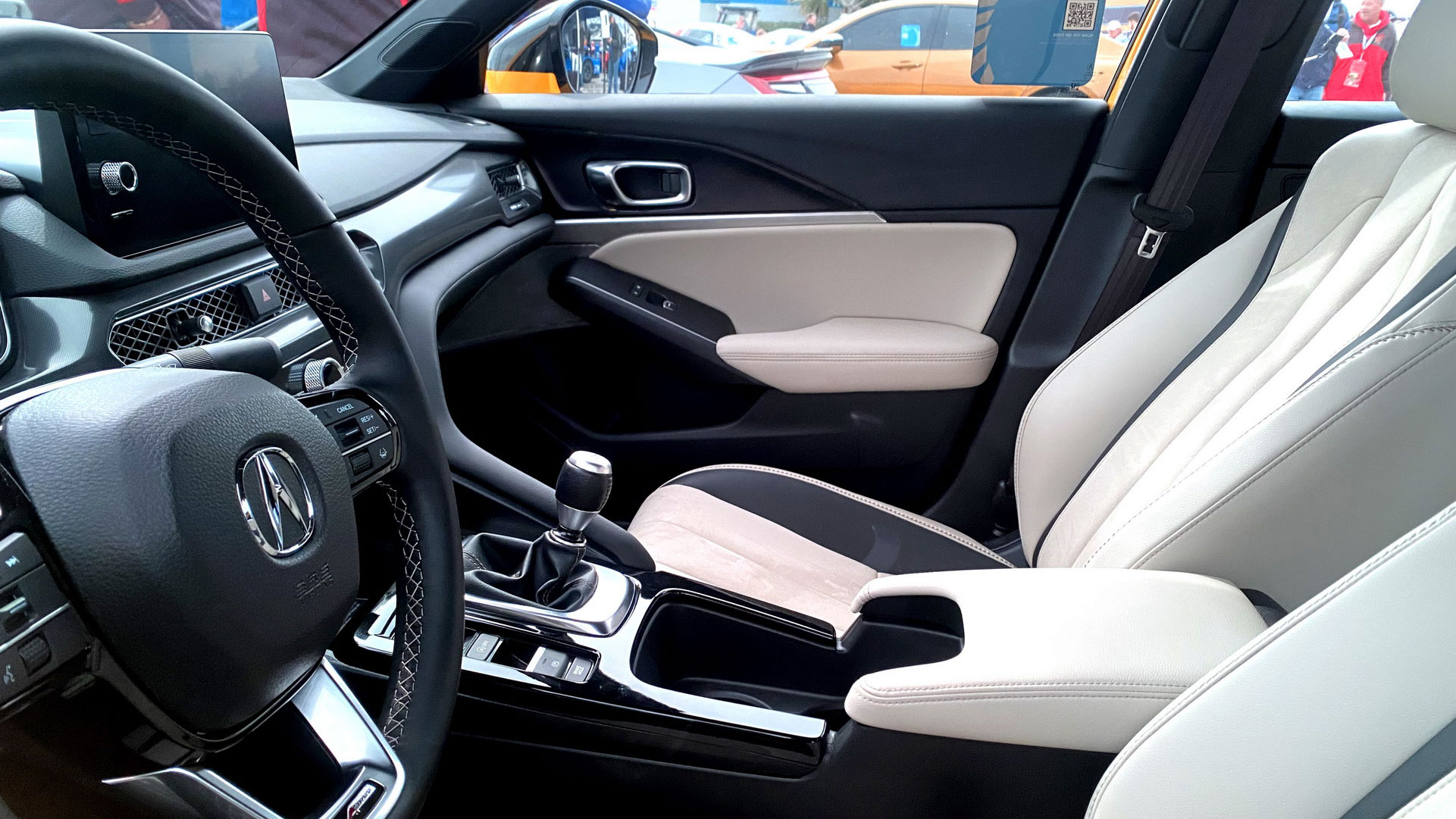
Based on the same platform as the 11th-generation Civic, the inside of the Integra will look remarkably similar to the small Honda when it goes on sale in North America later this year.
That is because it will share plenty of components with the Civic, including; the steering wheel (with Acura and ‘A-Spec’ badging instead), infotainment system housing, switchgear, door handles, and climate controls.
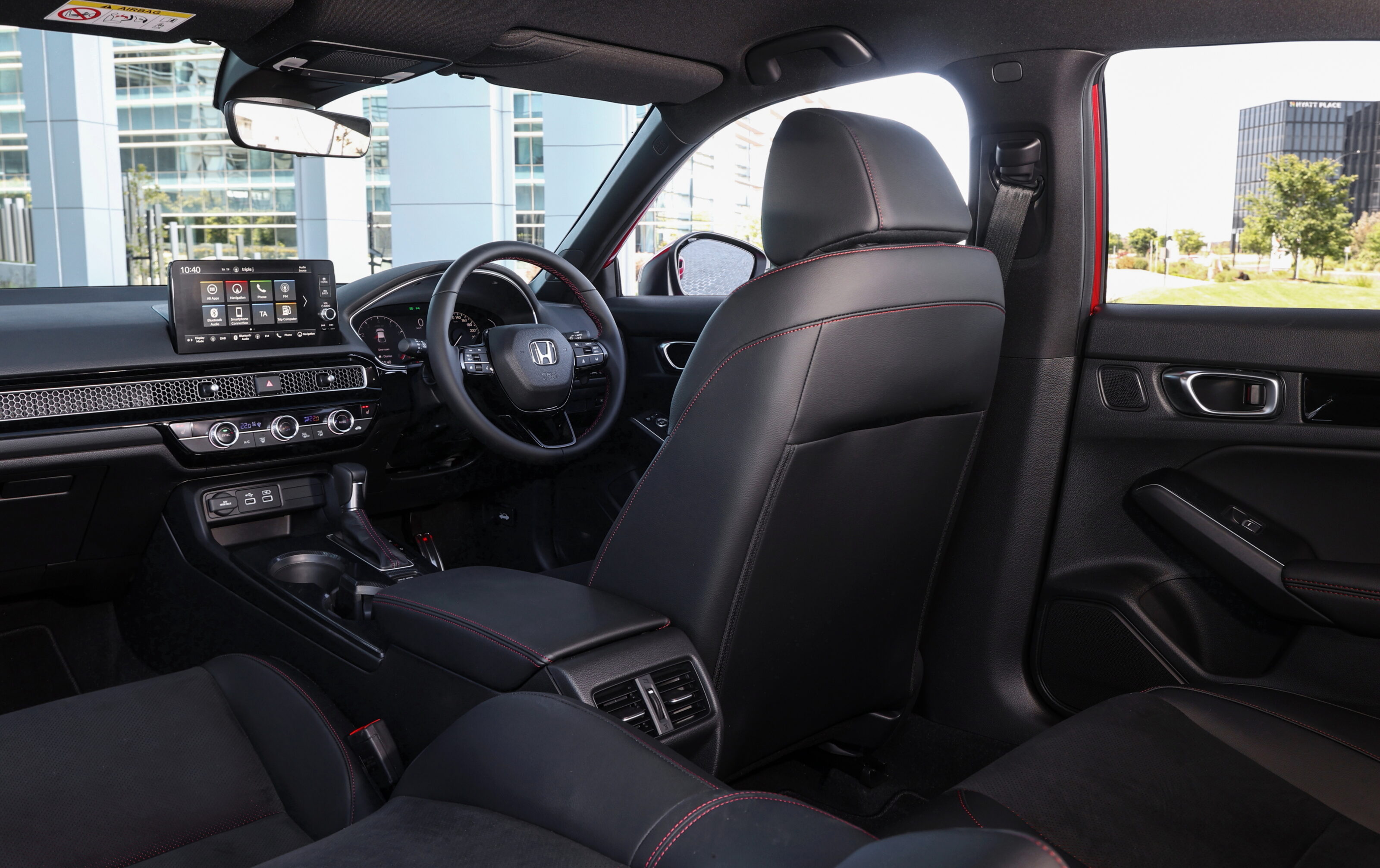
The manual gear shifter and centre console design also carry over from the three-pedal Civic.
There are some small tweaks – such as softer edges, piano black finishes and the removal of the faux air vent design that stretches across the Civic’s dashboard.
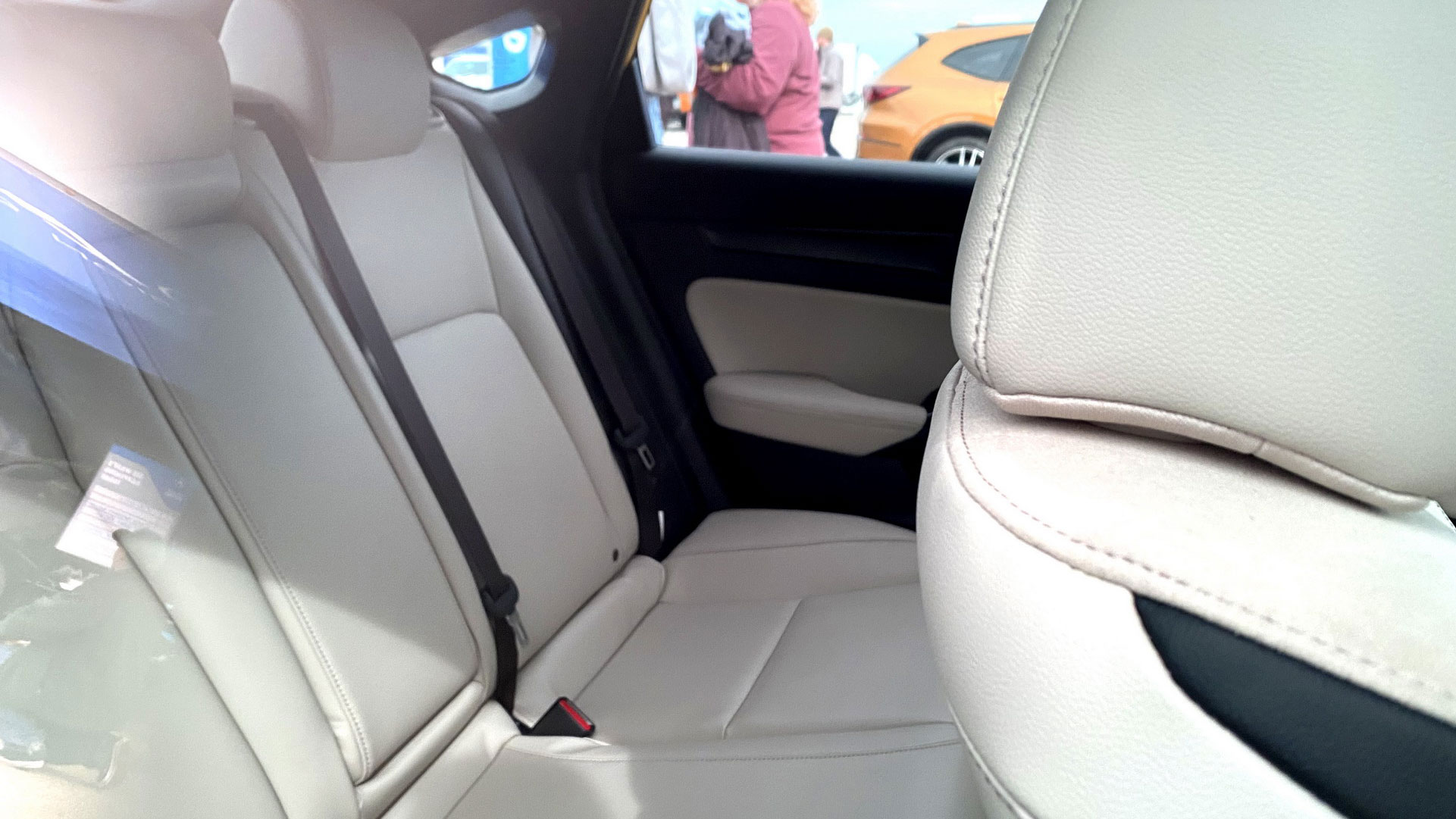
The front seats also pick up an available two-tone black/white design, with the primary colour extending onto the doors.
Under the bonnet, the 2023 Integra will be powered by a “high-output” version of the 1.5-litre turbocharged four-cylinder petrol engine from the Civic, with an available six-speed manual transmission – as seen here.
This higher-output tune will likely be the same as the US-market Civic Si, where it produces 149kW of power and 260Nm of torque.
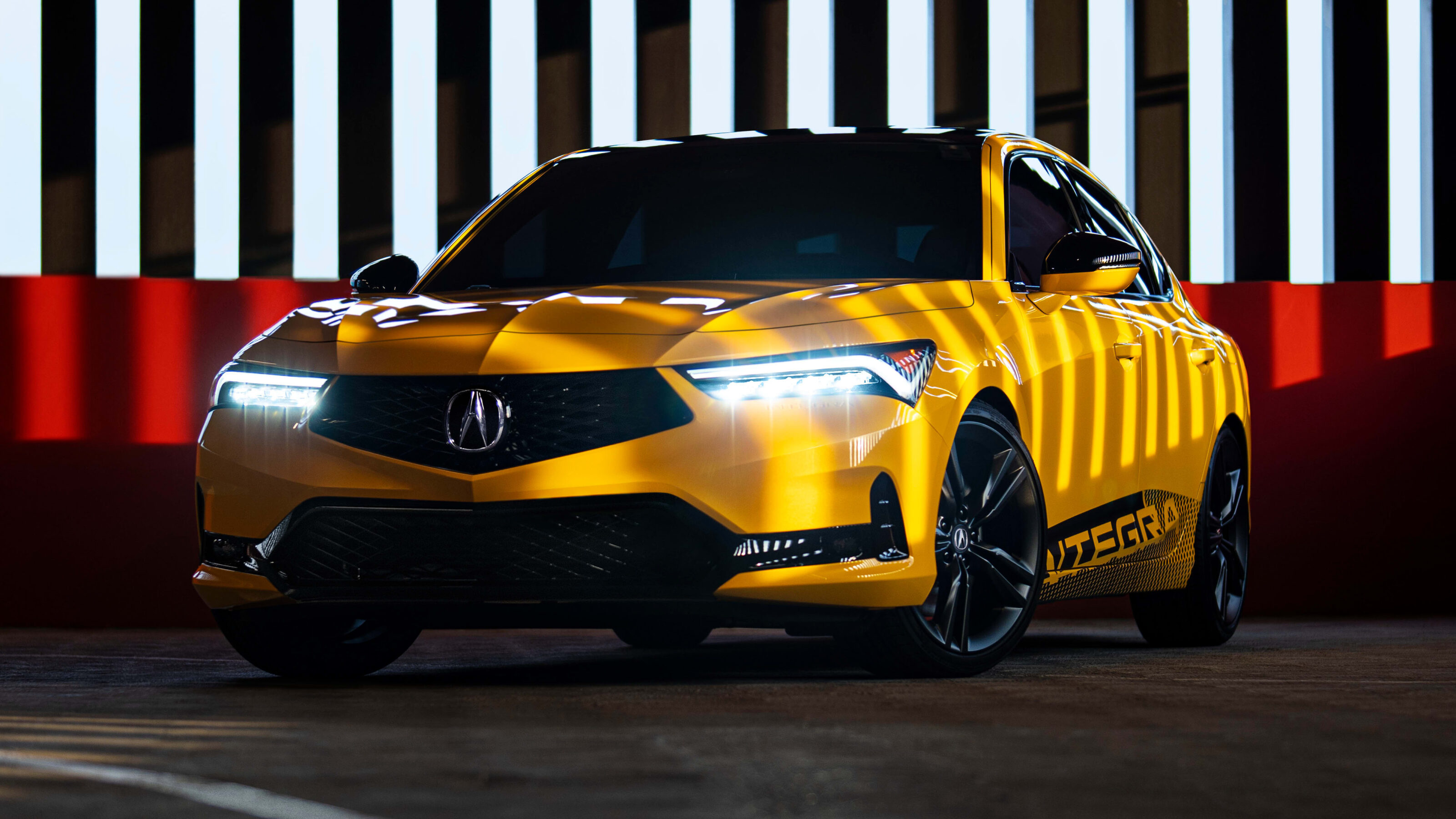
A flagship Type S could fill the performance Integra buyers are yearning for, as it is rumoured to pick up the same 2.0-litre turbo from the forthcoming 2022 Civic Type R – with power outputs in excess of 200kW.
The 2023 Acura Integra is expected to debut in full in the coming months.
As some LandCruiser 300 buyers stare down a four-year wait for the new SUV, Chinese company GBT has come to the rescue.
As reported by Carscoops, the Jiangu-based brand is now offering 200 Series dress-up kits to transform the outgoing model into a reasonable approximation of a fresh LC300.
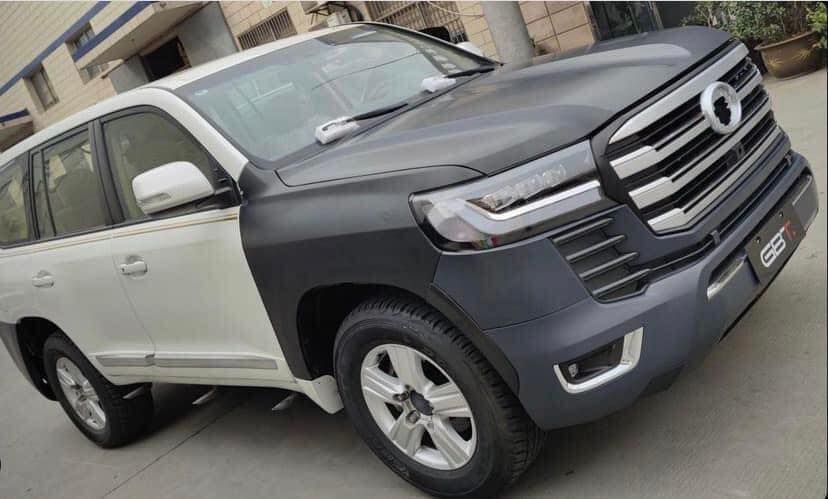
Up front is a new elongated grille and bumper arrangement, alongside replacement headlights featuring a 300-style LED running light.
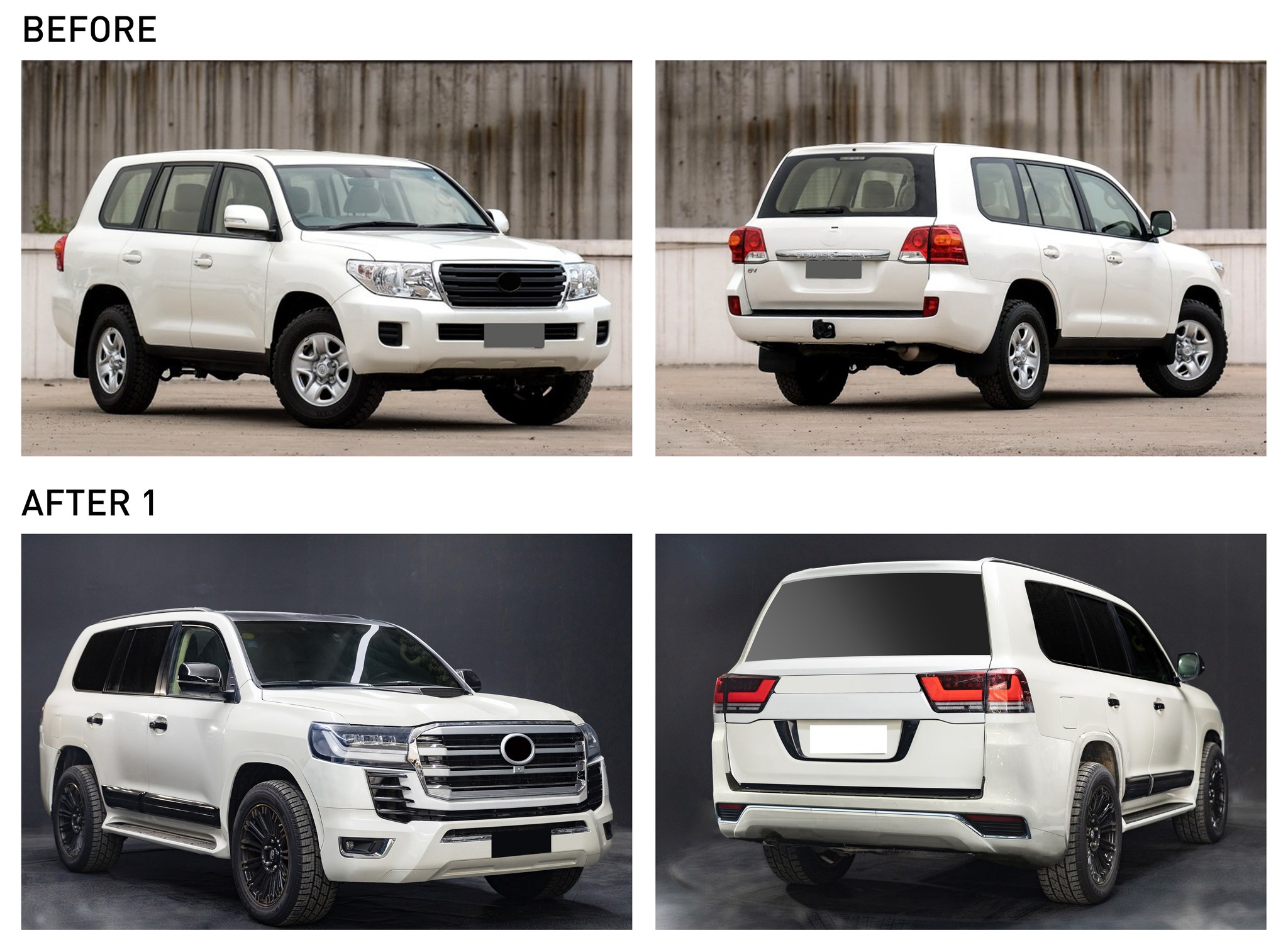
The rear end receives a similar treatment, featuring an entirely new tailgate, tail-lights, and rear bar. A set of flares are also included, helping to distract from the LC200 metalwork.
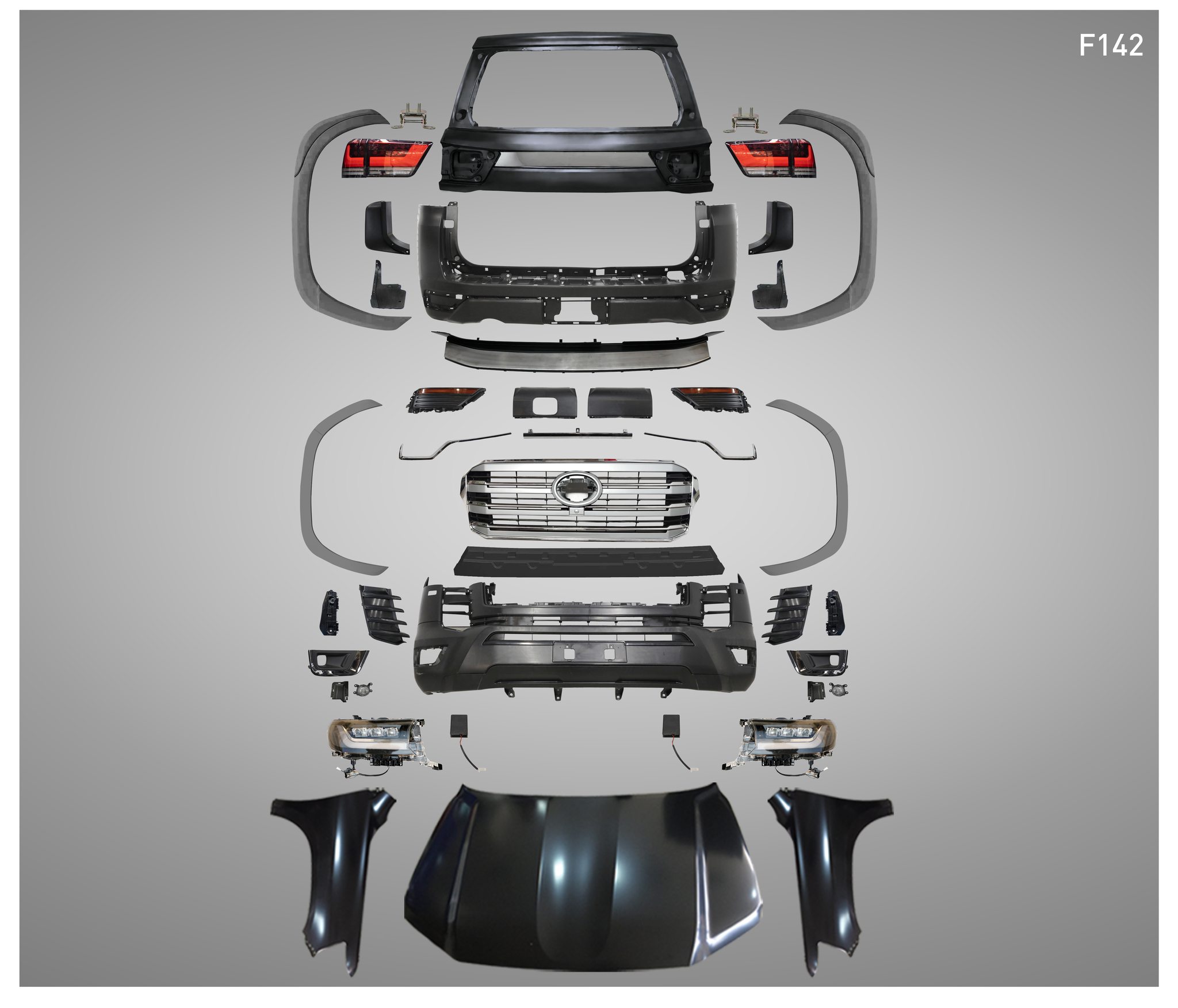
GBT doesn’t list a price for the conversion kit on its website, instead asking prospective buyers to make contact via WeChat. However, a Chinese wholesaler currently lists the kits in unpainted form for US$4550 (AU$6505), with a minimum order of two sets.
But if you’re looking to assemble a fleet of imitation LC300s, that price drops to US$3500 (AU$5001) for 50 kits or more.
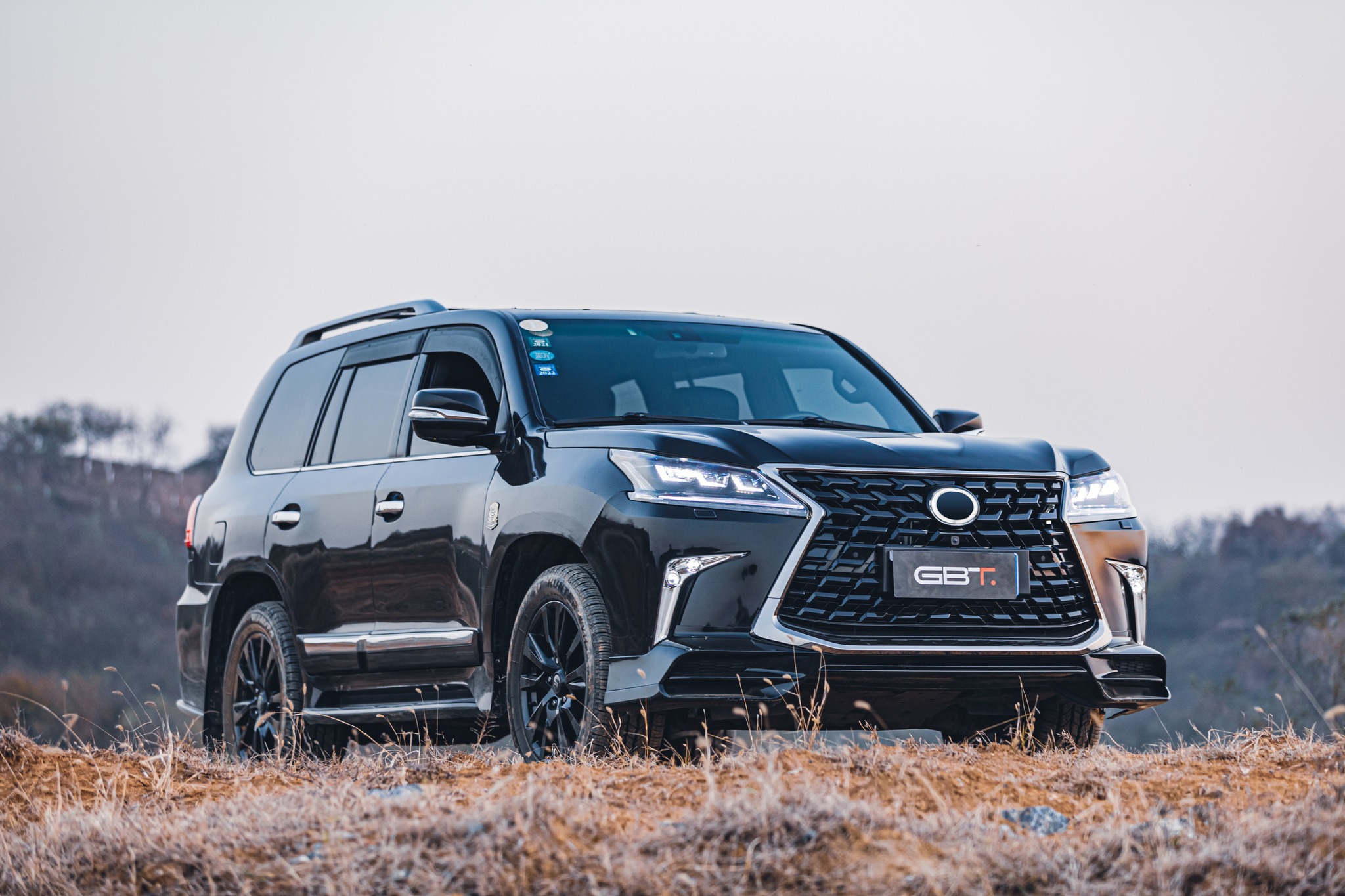
GBT sells a wide range of bodykits, focused mostly on late-model SUVs, including parts for the actual LandCruiser 300 Series.
UPDATE, March 29 2023: Australian timing confirmed for ID models
Volkswagen Australia has today confirmed local launch timing for its ID.3, ID.4, ID.5 and ID.Buzz models – get all the details at the links below.
November 2022: ID.4 driven in Australia!
We’ve now had a chance to drive an overseas ID.4 car in Australia. Get our full story at the link below.
Story continues…
Snapshot
- Leaked images reveal ID Buzz interior
- Familiar dashboard design, along with some exclusive quirks
- Electric minivan will be revealed on March 9
Interior images of the 2022 Volkswagen ID Buzz have been published online, just weeks ahead of its official unveiling.
While numerous spy photos and official teasers mean we already have a rough idea of the exterior design, this is the first time its cabin has been exposed to the public.
The images – shared to the VW ID Talk forum – showcase clear similarities to the Volkswagen ID.3 and ID.4 inside, with the steering wheel, instrument cluster and large touchscreen all carried over into the ID Buzz.
Dec 15 2022: ID Buzz comes to Australia
Volkswagen’s ID Buzz has been whisked into Australia for a quick tour, ahead of its local launch in the coming year. Join John Law for a look at its features and space.
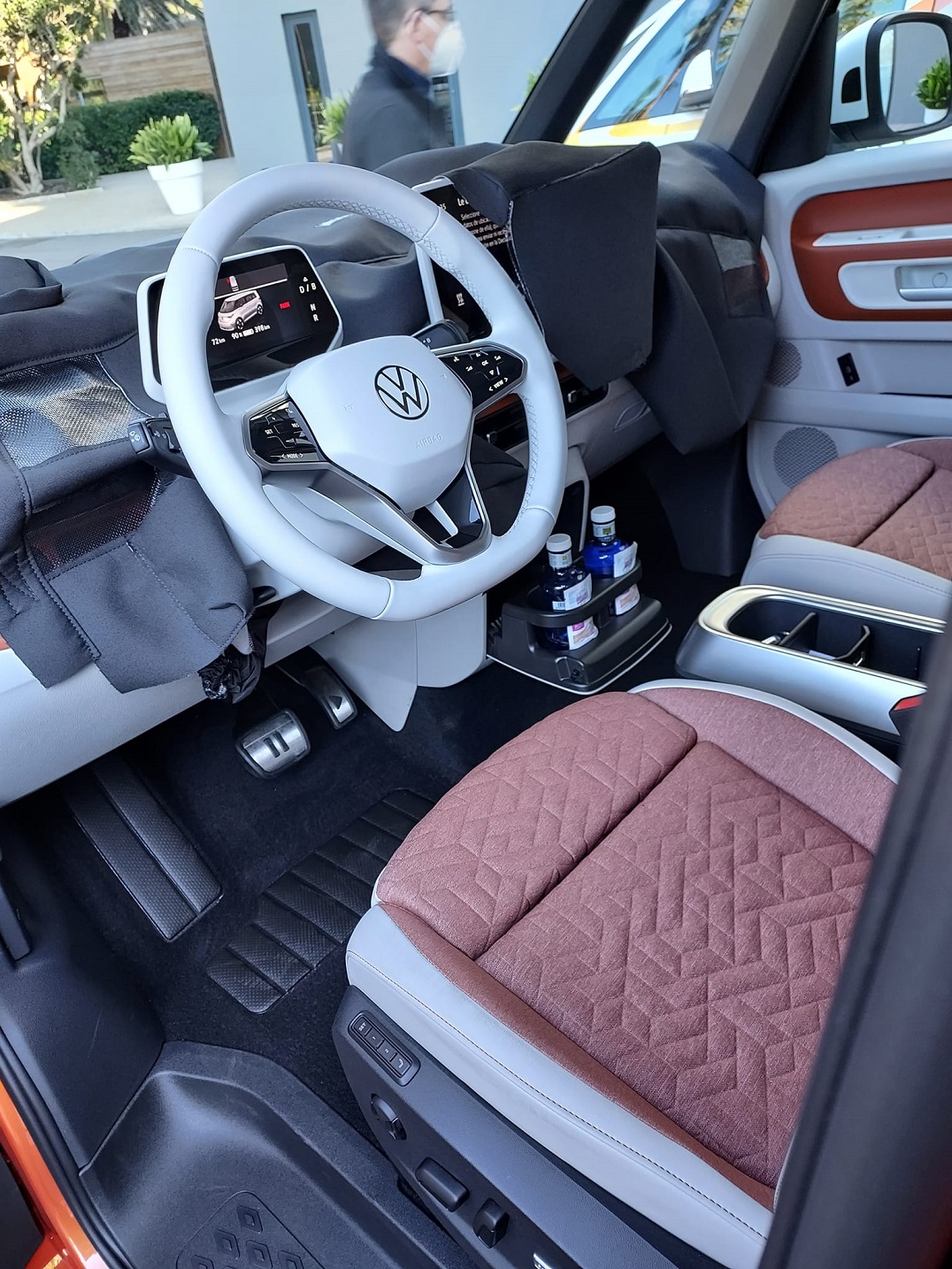
In addition, the play/pause foot pedals from the ID range are also brought across to the van.
One minor change is the drive selector, which has been moved to the steering column, rather than being found in its usual position next to the instrument cluster panel on the smaller models.
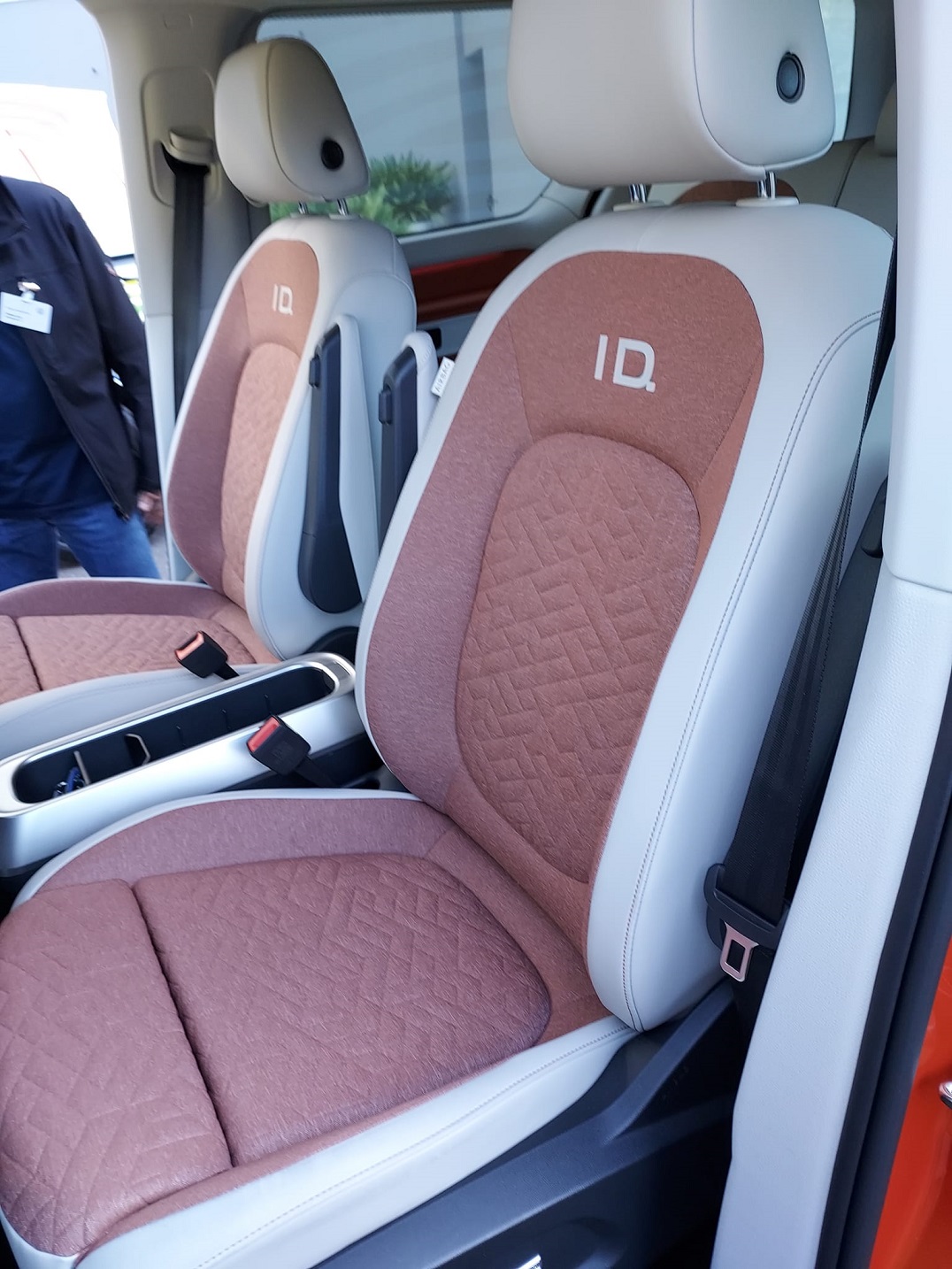
The orange Volkswagen ID theme is likewise prominent on the ID Buzz, with the tangerine exterior of this camouflaged unit (as seen in the door sill below) matched to a number of bright accents inside.
Story continues…
This includes the quilted cloth seats and door trimmings – all of which are joined by white garnishes, making for an almost-exclusive white/orange theme inside (with other colour pairings likely to also be offered).
Black elements are limited to the carpets, flip-down trays, and the seat bases – which feature a subtle silhouette of the car.
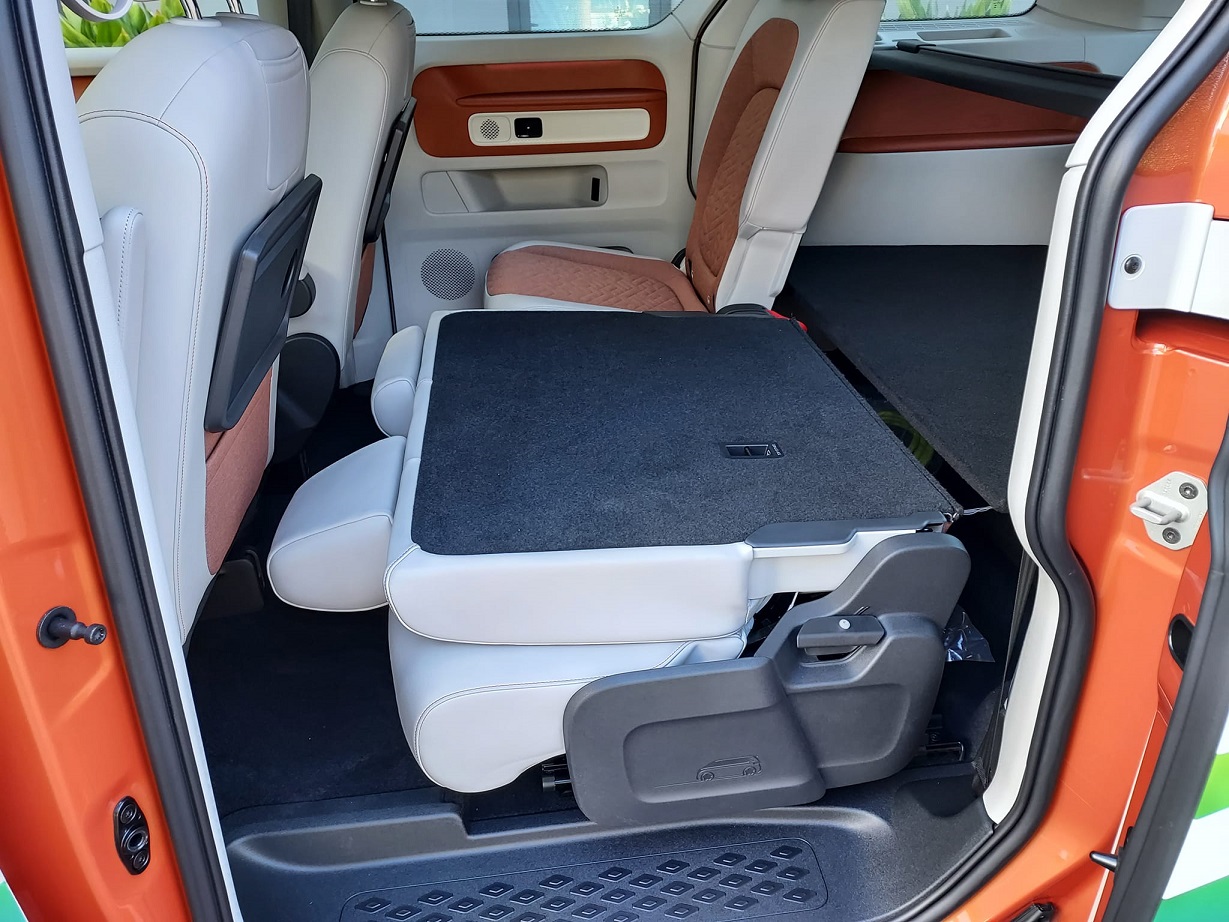
The second row can be folded in a 60/40 split, allowing for greater luggage space.
Although this example does not feature another row of seating, the orange armrests in the boot area suggest room for up to seven or eight passengers could be an optional extra.
The cargo area of the ID Buzz will feature an elevated platform to cater for a flat space when the seats are folded, as well as a retractable cover and amenities such as a 12-volt outlet.
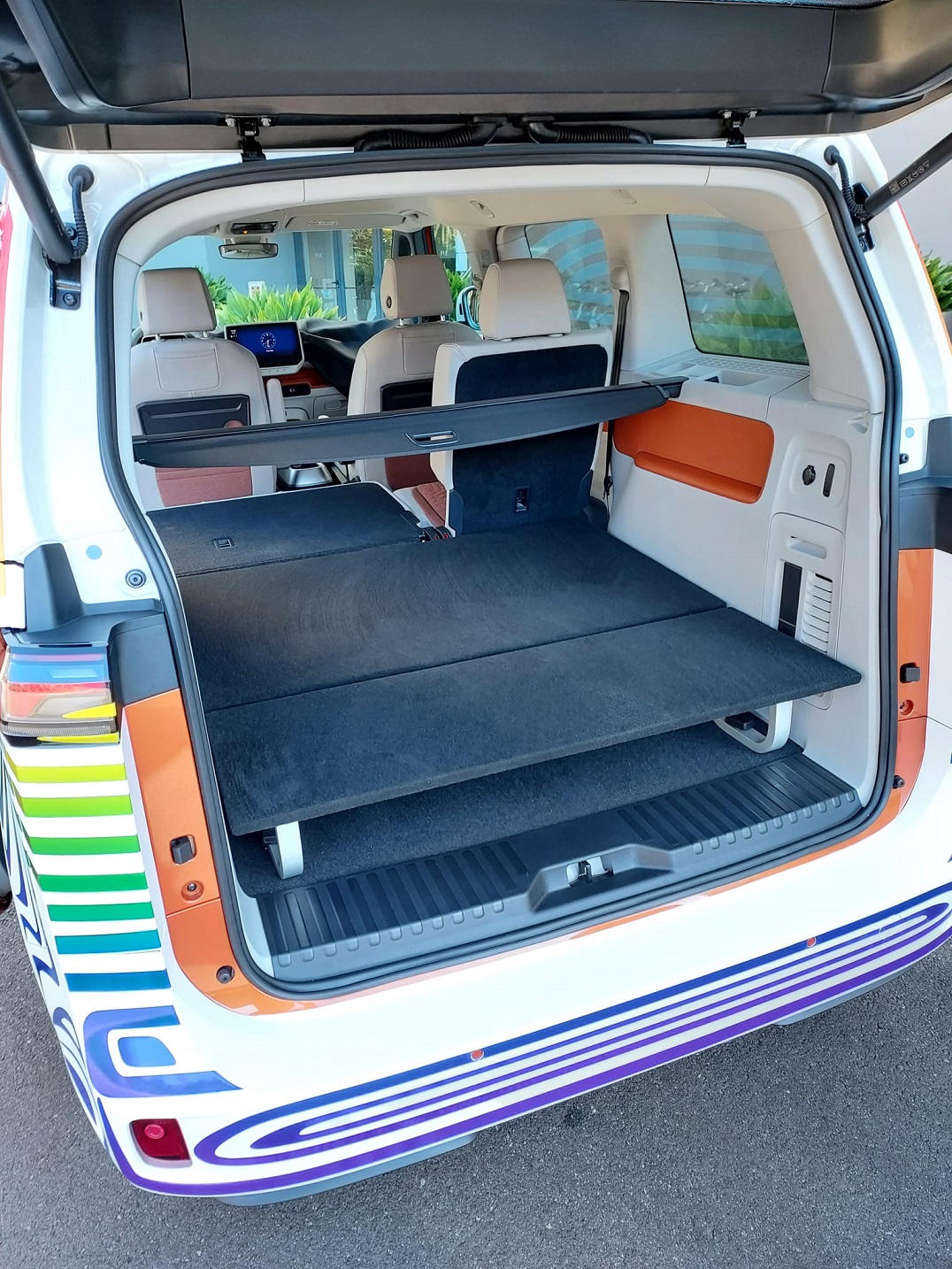
Set for debut on March 9, the 2022 Volkswagen ID Buzz is expected to go on sale in Europe later this year.
As with the ID.3 and ID.4, the ID Buzz is not expected to arrive in Australia until 2023 or 2024, due to Volkswagen prioritising markets with greater EV sales and incentives.
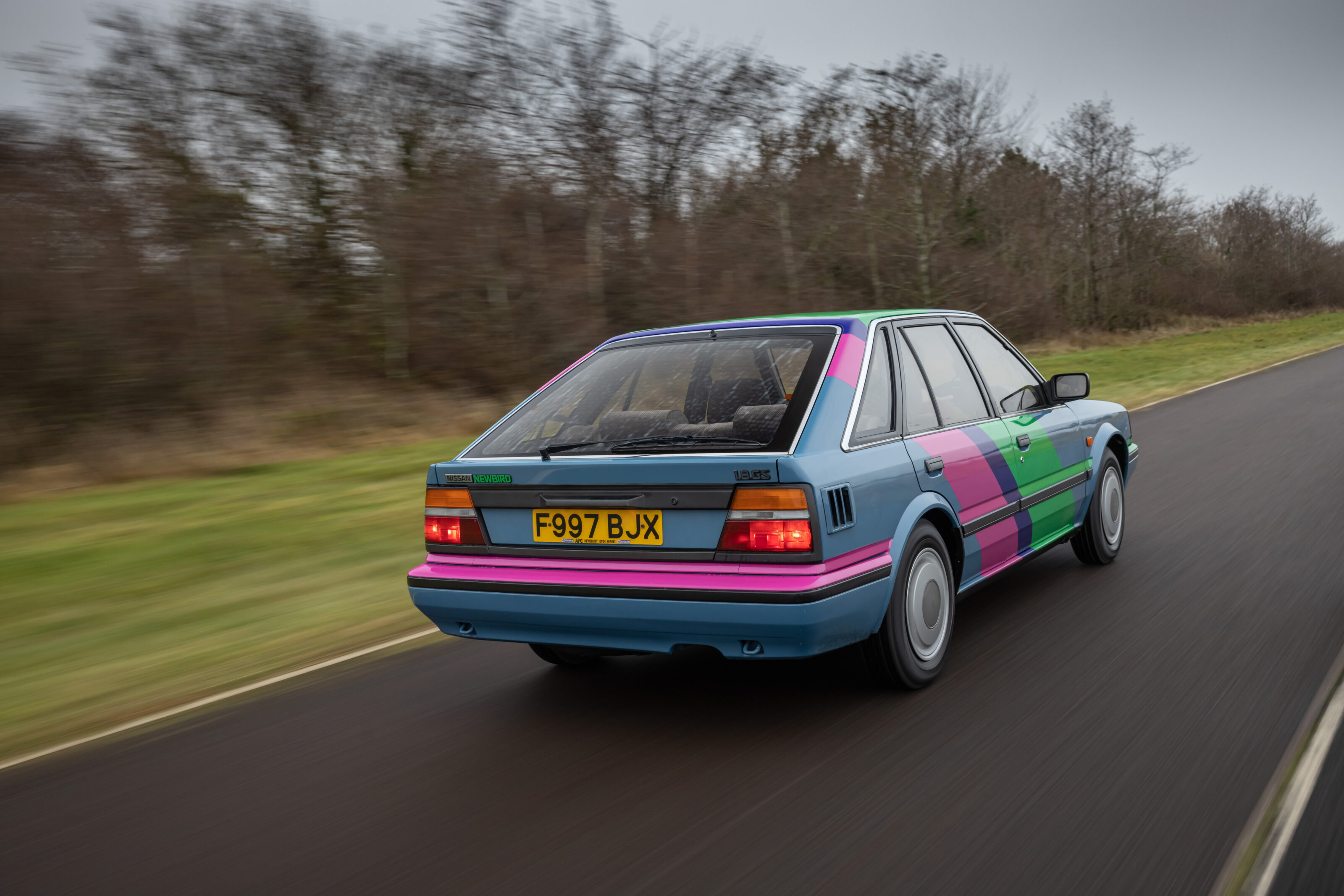
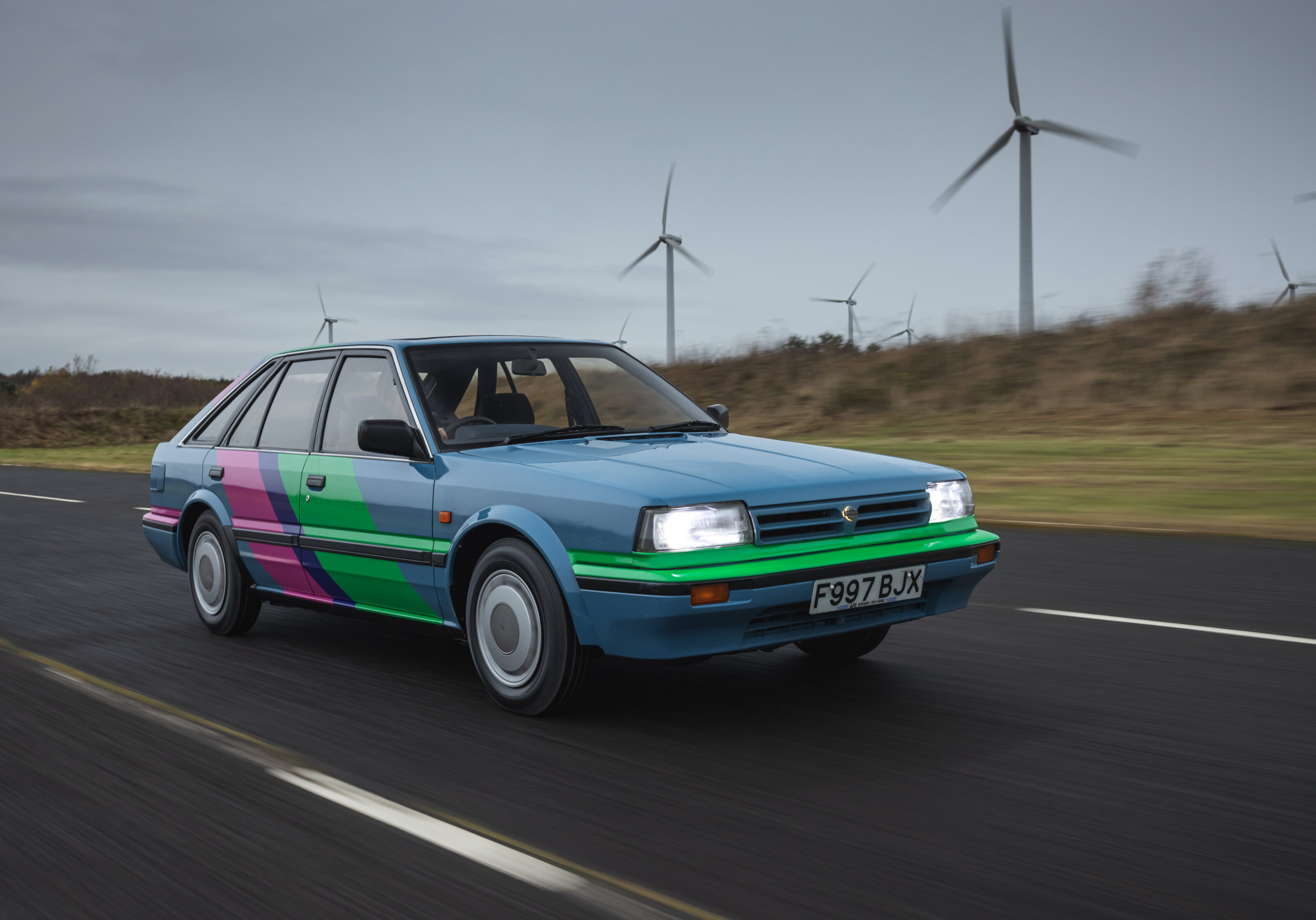
It’s a jolly good job the decals are there, really. Or else it’d be very easy to divert your eyes from one of the most wantonly boxy shapes in automotive history. As someone born at the tail end of the Eighties, it’s difficult for me to fathom exactly how a Nissan Bluebird looked on European roads when it was brand spanking new. Given it’ll have shared tarmac with the jelly-mould Ford Sierra, I can only assume its set-square lines appeared desperately plain.
But some neon graphics lift things notably, even if they’re plastered across this 1988 car’s original shade of blue. And technically this is no longer a Bluebird, at least if we’re to take the marketing at face value. This is the Nissan Newbird, and it’s that most fashionable of things right now – an electrically powered restomod.
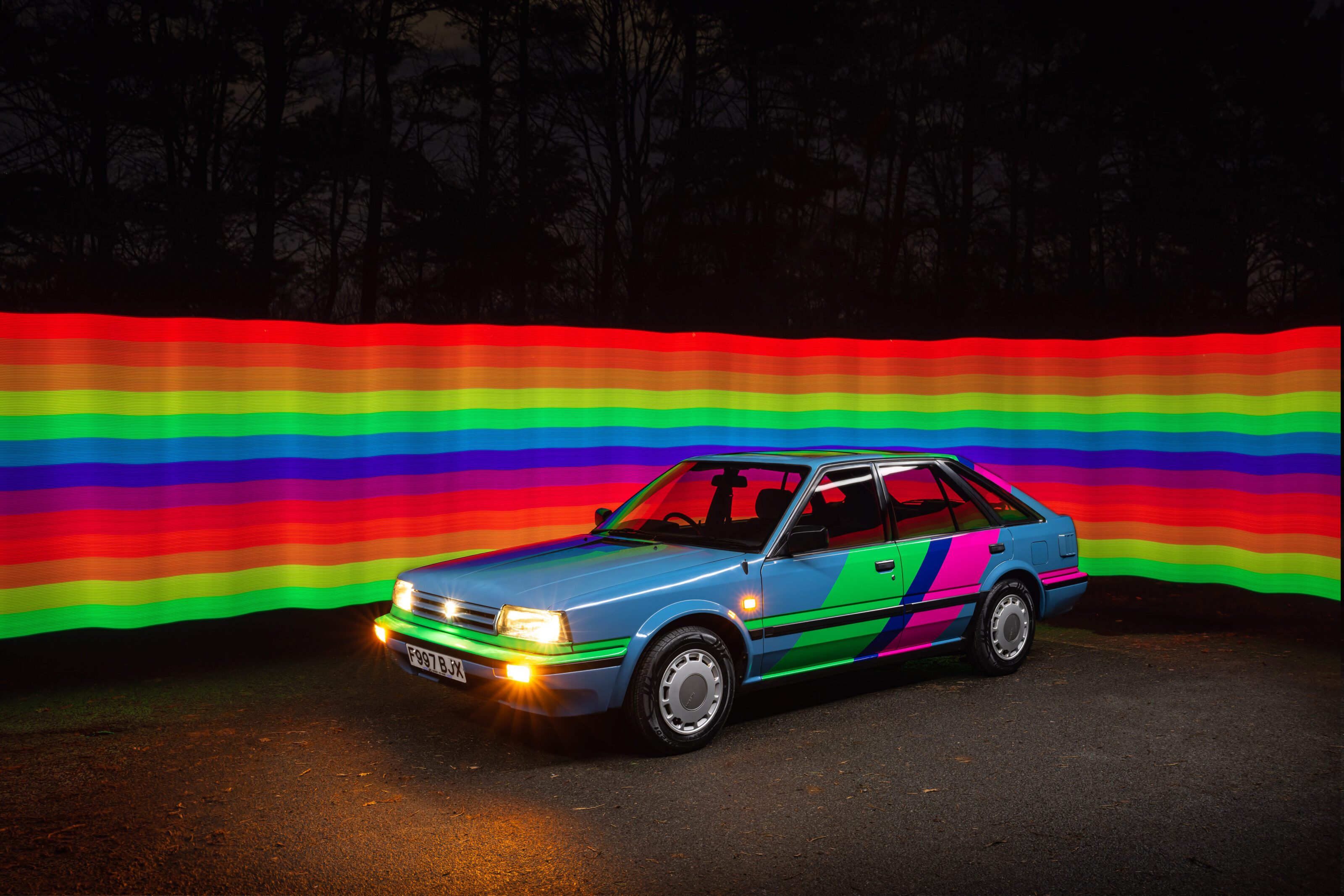
‘Why?’ is a fair and valid question to ask. And the answer is somewhat sweet. Nissan opened up its Sunderland plant on the north-east coast of England in 1986, and the Newbird was conceived to celebrate the 35th anniversary. It thus unites the T12-generation Bluebird – the first car ever cranked out by a mixture of robots and hard-worked Mackem hands more used to mining coal or building ships – and the electric-powered Leaf, one of the factory’s more recent product lines.
Those familiar with the feisty bottom half of the internet, where opinions are binary and rarely measured, will know that scooping out the internally combusted innards of an old car and replacing them with a motor and batteries is a divisive move. We’re not looking at an old E-Type Jag or Porsche 911 here, though. And as a result, I think we’re looking at the most successful EV conversion yet.
‘Why?’ is a valid question to ask. And the answer is somewhat sweet. Nissan opened its Sunderland plant in 1986, and the Newbird was conceived to celebrate its 35th anniversary
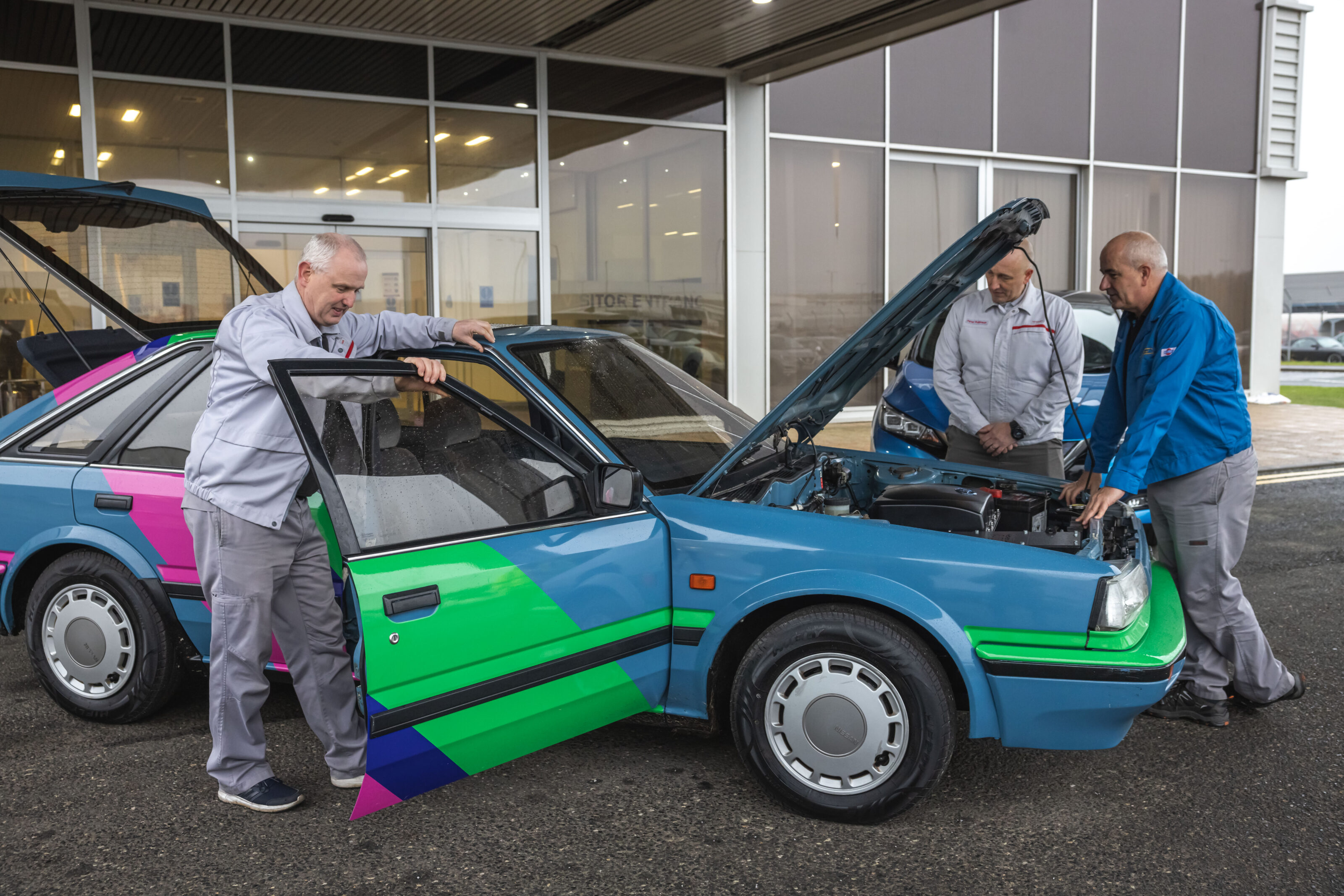
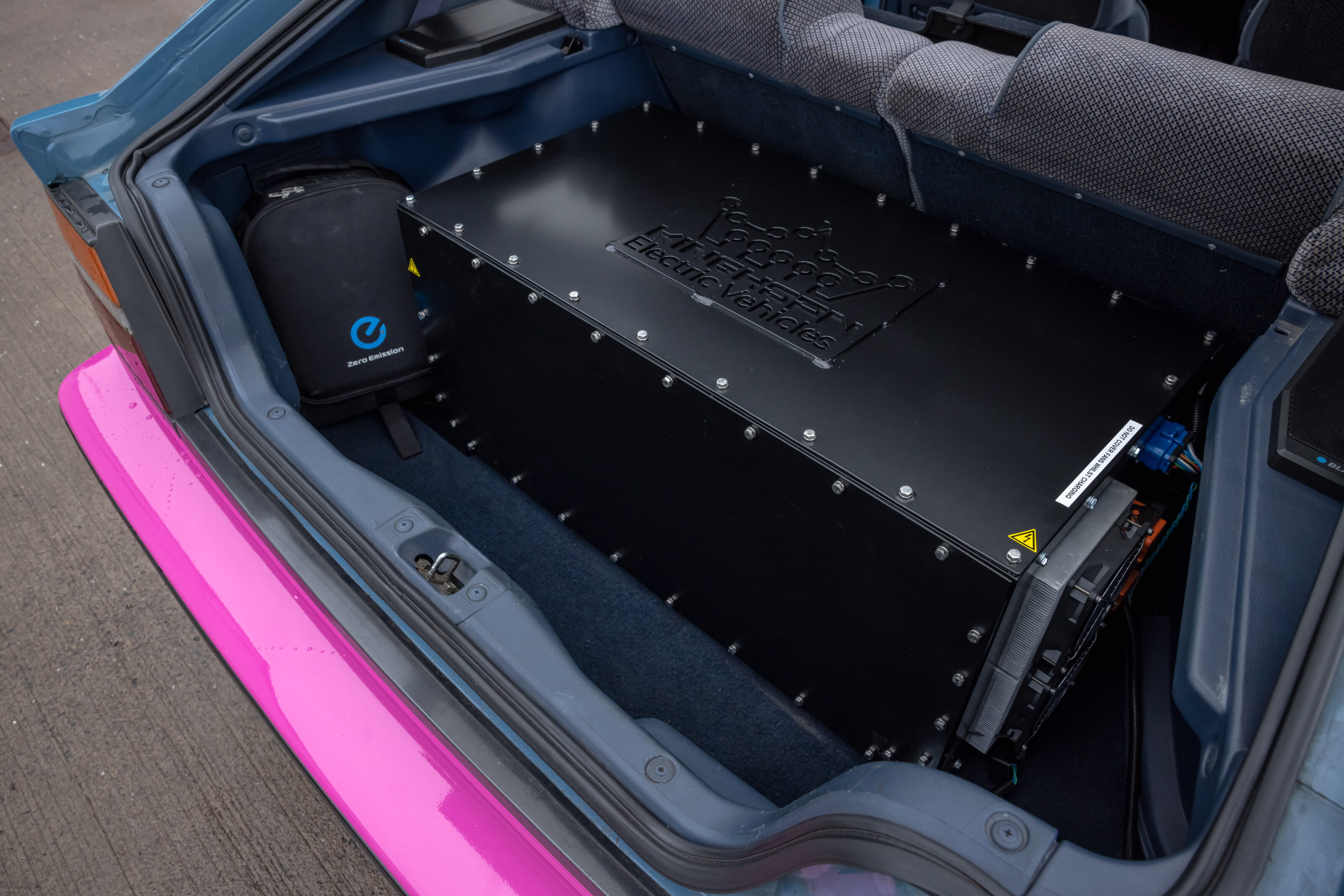
The formula really is as simple as 1980s hatchback meets 2020s power source, though to keep things as sustainable as possible, the motor and inverter come from a crash-damaged Mk1 Leaf, while the batteries are those you’ll find plonked in a brand-new Mk2, to broaden its range figure to a 200km maximum.
To ensure Britain’s most productive car plant didn’t have its profit margins sliced by a bespoke one-off, the work was trusted to a specialist in the divisive field of plug-in heart transplants. Namely Kinghorn Electric Vehicles, based a few miles down the road in the picturesque cathedral city of Durham.
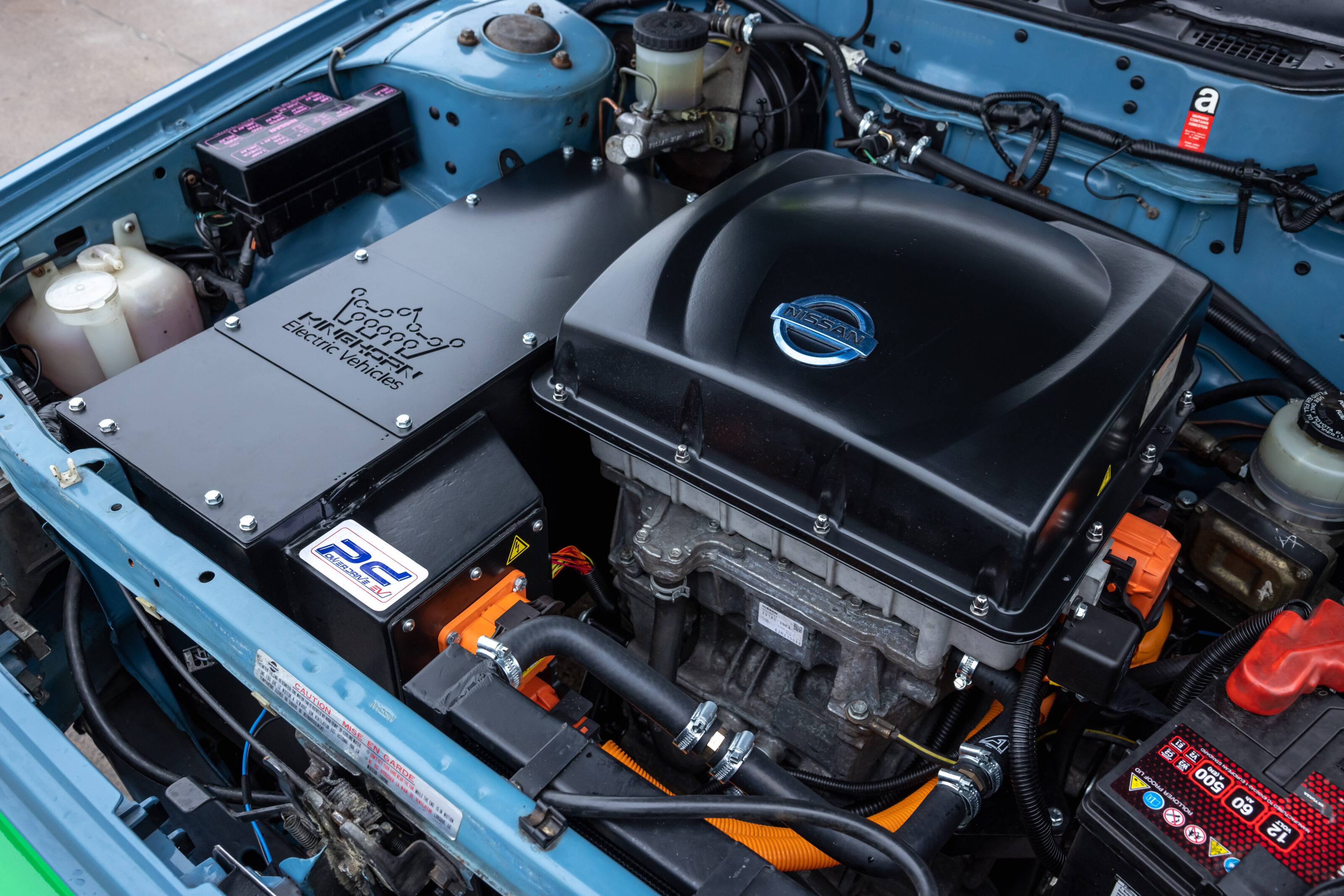
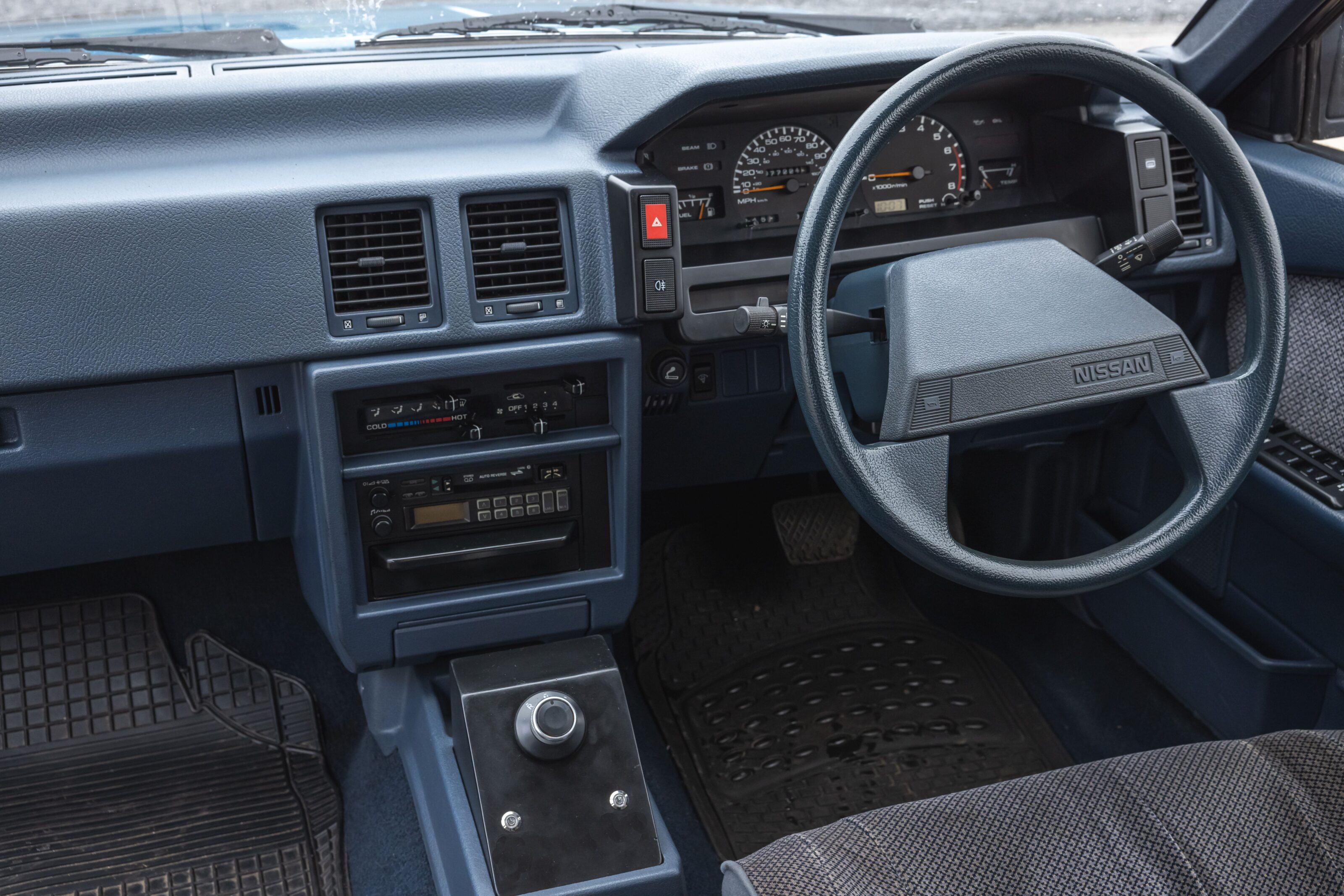
Project chief George Kinghorn is a proud perfectionist. The whole thing took around eight weeks, and a niggling job that lasted far too many of those was hooking the battery modules up to the fuel gauge, so that the old needle would display the state of its new-age power source.
Sticking something digital among the dash would have been easier, but it wouldn’t have been right, says George. He’s also keen to switch the ‘R N D’ selection dial for a period Bluebird automatic shifter at the first chance Nissan lets him. While the battery modules currently fill both the boot and engine bay, they’d slot into the floor if Kinghorn had the heart (or permission) to start slicing an old shell. Those resto-EV sceptics could do with sitting down for a cup of tea with George. He might just win them round.
As might his car. Sticking a load of heavy batteries in an already proudly undynamic repmobile is a predictably unrevolutionary move. Especially when George has dialled in an appropriate powerband.
“We wanted a smooth, relaxed urban car,” he says. “It’s all in the tuning. We can turn it up to 200bhp and double the power but we always go in softly and Nissan liked this, more wafty approach. Plug the laptop in and we can make it go bananas, though.”
The formula really is as simple as 1980s hatchback meets 2020s power source, the motor coming from a Mk1 Leaf while the batteries are those of a Mk2, broadening its range to 200km
Things are resolutely un-bananas as it stands. The Mk1 Leaf’s original 67kW output has swelled to 80kW, while torque climbs from 143 to 289Nm. With the Newbird’s weight figure impressively close to a stock 1.8-litre petrol-powered Bluebird – up just 35 kilos at 1190kg – you’d expect a reasonable boost to performance. But it’s actually slower, George and his team respecting the stern work they’d be asking of 34-year-old components by developing an oh-so-gentle torque curve that produces a beyond-modest 15-second 0-100km/h time.
As those benchmark stats rarely do, however, it simply doesn’t tell the story of how the Newbird reacts to a vigorous throttle input. From a standstill, it’s undeniably lethargic but from 50-80km/h, for instance, it zips along delightfully. And all without a sliver of the wheelspin instant torque can sometimes provoke. In fact, for all George’s claims that this is an urban car, it feels hemmed-in at residential speed limits.
Accelerate out of one and you’d swear there’s a lot more power driving the front axle than Kinghorn claims. It feels most natural settled at a multi-lane cruise, far from the slowest car on the road, much like the position it would have occupied transporting the travelling salesman of the Eighties around in its former life. Only now, on the streets of the city it celebrates, it attracts the attention of an A-lister.
It kinda handles, too. Ask for too much throttle in the middle of a corner, before you’ve fully straightened the wheel, and it’ll understeer for England and Japan. But treat it with a bit more respect and its low kerb weight lends it decent agility, while the steering is light and breezy and the brakes possess a neat amount of regen, roughly in line with the sort of engine braking a manual Bluebird might have had. With new Bilstein damping to help cushion its odd weight distribution, it’s a surprisingly natural thing to drive once you’ve got past the electric whoosh so unexpected in a car with a Blaupunkt tape deck. And it’s all so tuneable, too, with the regen level and power output at the whim of the buyer walking into Kinghorn’s charming little workshop.
Which brings us to money, something of a moot point given this is a promotional one-off. If you begged desperately and funnelled around $75,000 in Nissan’s direction, you might have a mite of a chance. But you’d be better routing the same chunk of cash at Kinghorn to create a bespoke Leaf-powered classic of your own choosing. It’s the company’s speciality and their phone’s been off the hook since the Newbird first graced the press. Now that everyone knows how fastidiously it’s been converted, I can only imagine the waiting list will grow.
2021 Nissan Newbird specifications
| Body | Five-door hatchback |
|---|---|
| Drive | Front wheel drive |
| Engine | 80kW electric motor, 40kWh battery, 6.6kW charger |
| Power | 80kW |
| Torque | 280Nm |
| 0-100km/h | 15sec (est) |
| L/W/H | 4369/1701/1397mm |
| Weight | 1190kg |
| Front suspension | Independent MacPherson strut, coil springs, adjustable Bilstein dampers |
| Rear suspension | Independent semi-trailing arm, coil springs, adjustable Bilstein dampers |
| Price | N/A, but $75,000-plus if you want your own version |
Snapshot
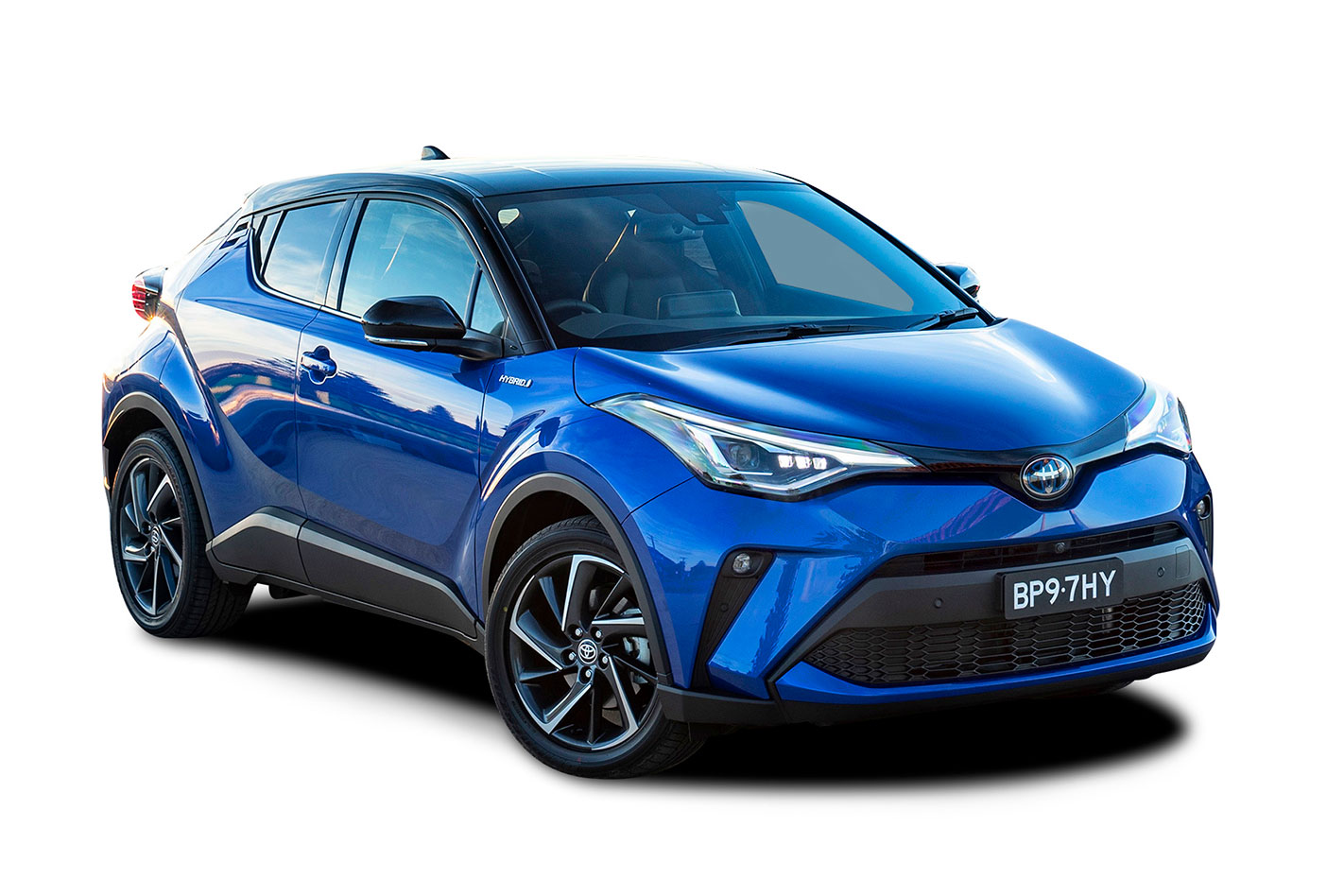
- 9287 C-HRs under recall
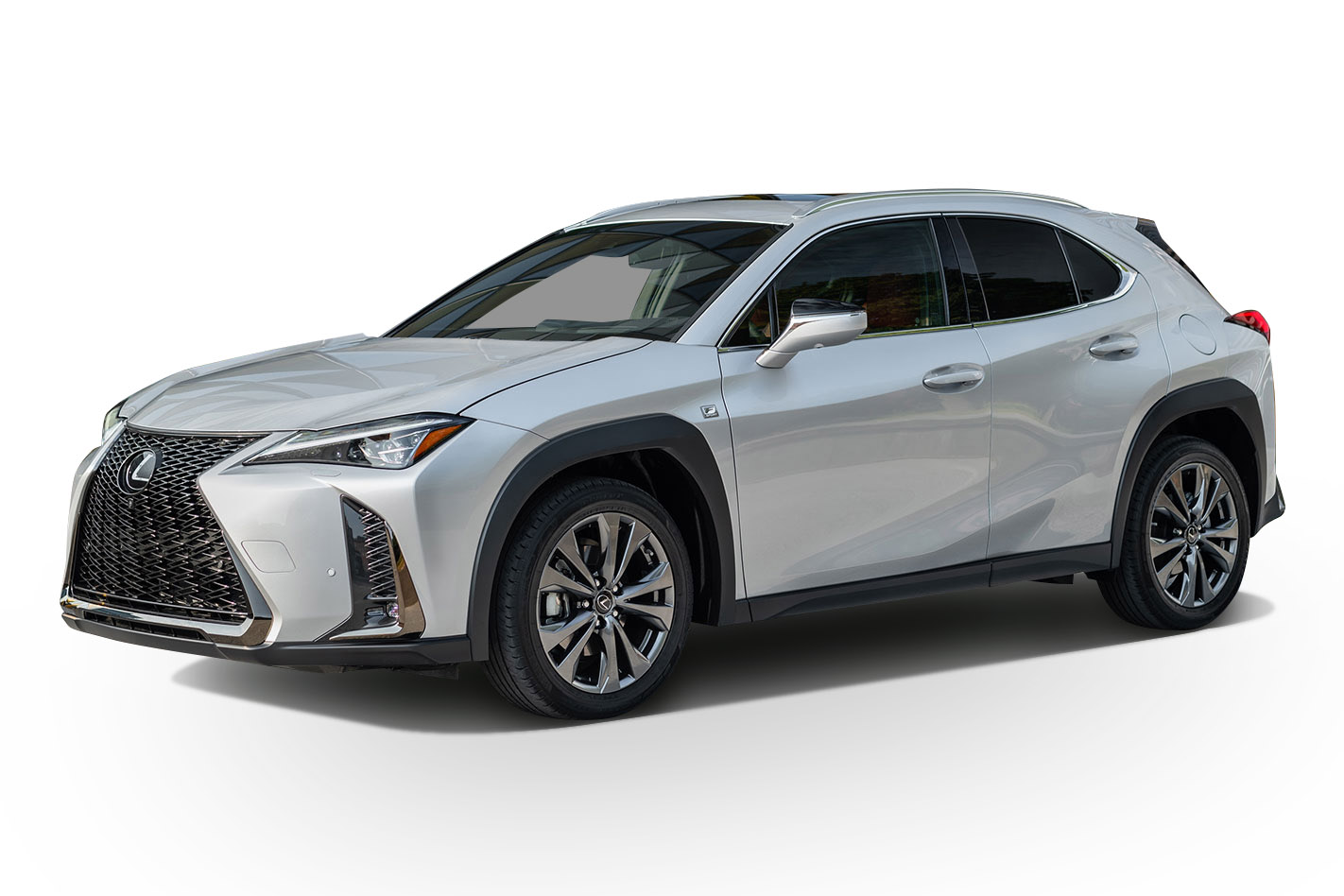
- 2287 UXs involved
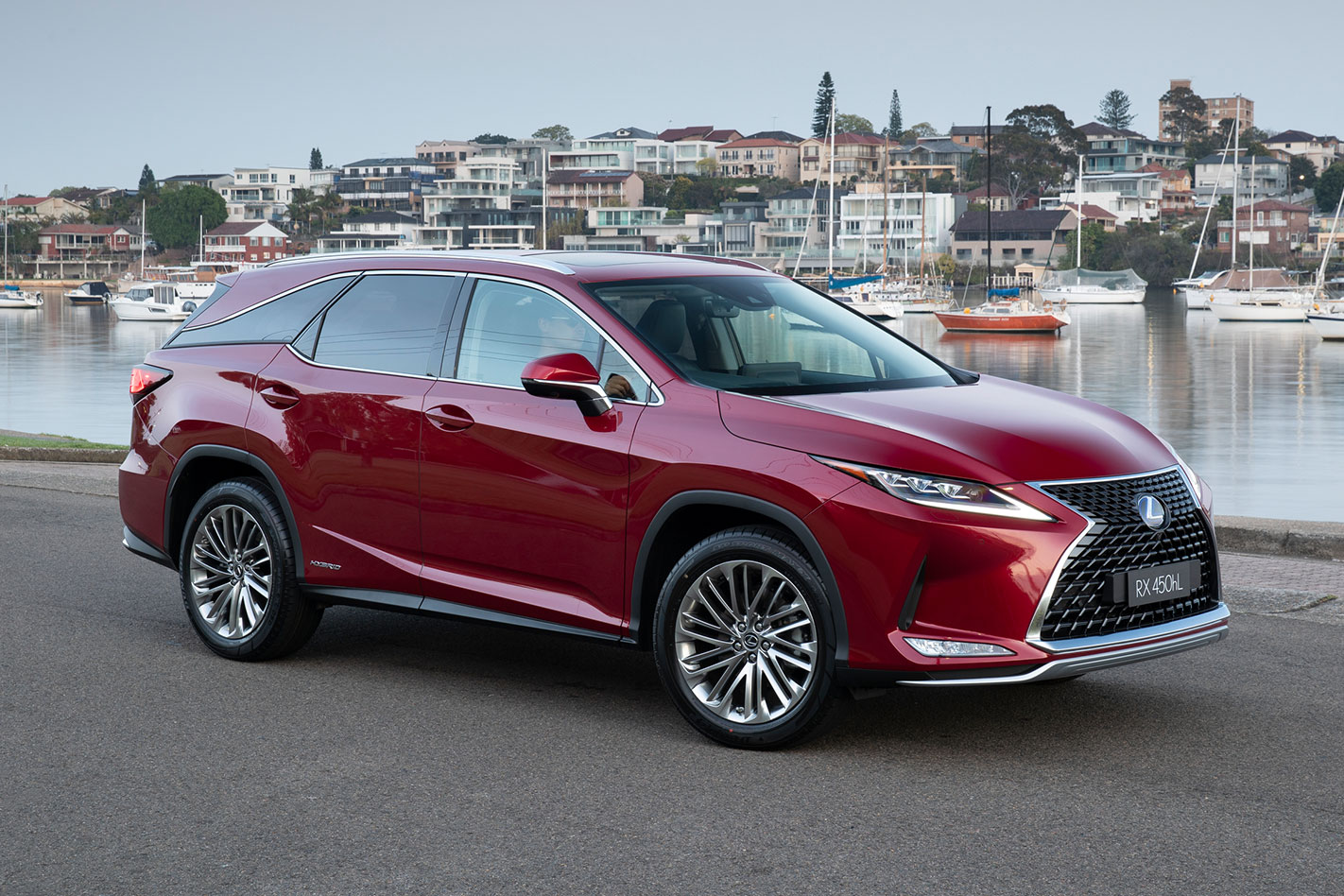
- 9287 RX cars affected
Toyota and Lexus Australia are recalling more than 40,000 vehicles after it was discovered thousands of them have towbars fitted without a compliance label.
In total the notice affects 30,341 Toyota C-HR vehicles produced between December 2016 and October 2021 – but only 826 of them in Australia are thought to have Toyota Genuine Accessory towbars actually fitted.
Also under recall are 2287 examples of the Lexus UX200 (32 with towbars) built between October 2018 and October 2020, and 9287 RX450h, RX350, RX200t and RX300 models made from September 2015 to April 2021 (835 thought to have the accessory attached).
The cars involved are understood to be missing the ECE55 Type Approval label, which is required to comply with Australian Design Rule 62/02.
As a result, owners need to visit a Toyota or Lexus dealer to rectify the mistake and have the sticker attached free of charge.
It is expected that it will take approximately 15 minutes to affix the label. However, depending upon the dealer’s work schedule, it may be necessary for the owner to make the vehicle available for a longer period of time.
Toyota and Lexus Australia will contact all owners of the affected vehicles by mail to their last known address – and Lexus will additionally get in touch by SMS and email.
Alternatively, they can be contacted via a dealership or the Toyota Recall Campaign Helpline on 1800 987 366 for Toyota, or Lexus Customer Assistance Centre on 1800 023 009 for Lexus (Mon-Fri 8am-6pm AEDT).
Those whose vehicles don’t have a towbar will still be asked to sign a form acknowledging it is not fitted with the accessory.
A list of VINs for the affected vehicles is outlined in the table below.
| Model | VIN start | VIN end |
| C-HR NGX10 | 01000110 | 01025620 |
| C-HR NGX50 | 01000104 | 01009195 |
| UX200 | 02000188 | 02031748 |
| RX450h | 02000138 | 02073069 |
| RX350 | 02000129 | 02055931 |
| RX200t | 02000113 | 02033761 |
| RX300 | 02033595 | 02110169 |
