The Hyundai i20 N promises big thrills in a small package, sticking with the age old formula of ‘big engine, small car’.
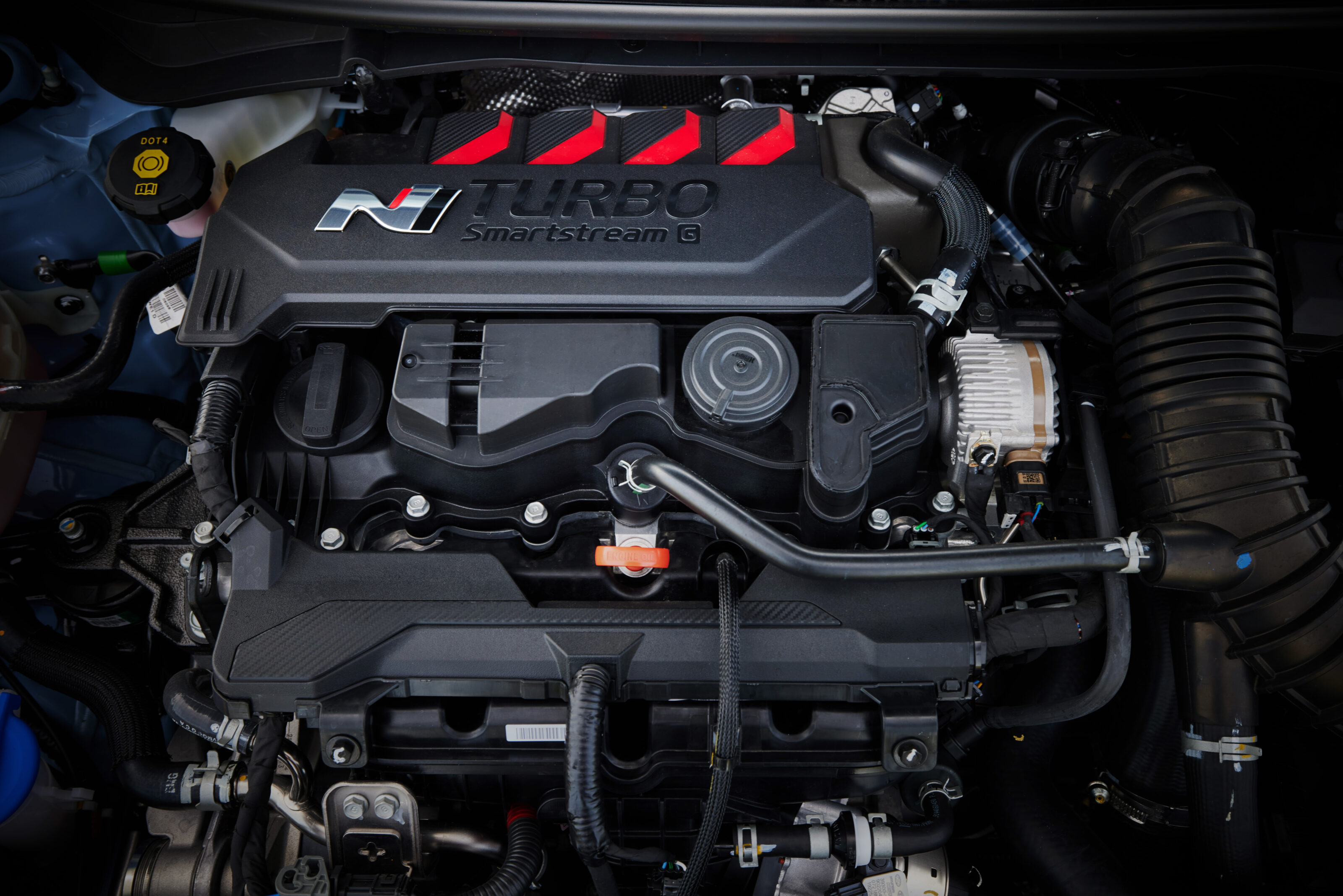
With the turbocharged 1.6-litre inline-four lifted from the larger i30 N-Line, N Division’s little blue bolt produces 150kW at 6000rpm, and 275Nm between 1750rpm and 4500rpm (304Nm with overboost). As a result, the i20 N boasts a claimed 0-100km/h time of 6.2-seconds.
That sounded a little ambitious to us, so we decided to put it to the test.
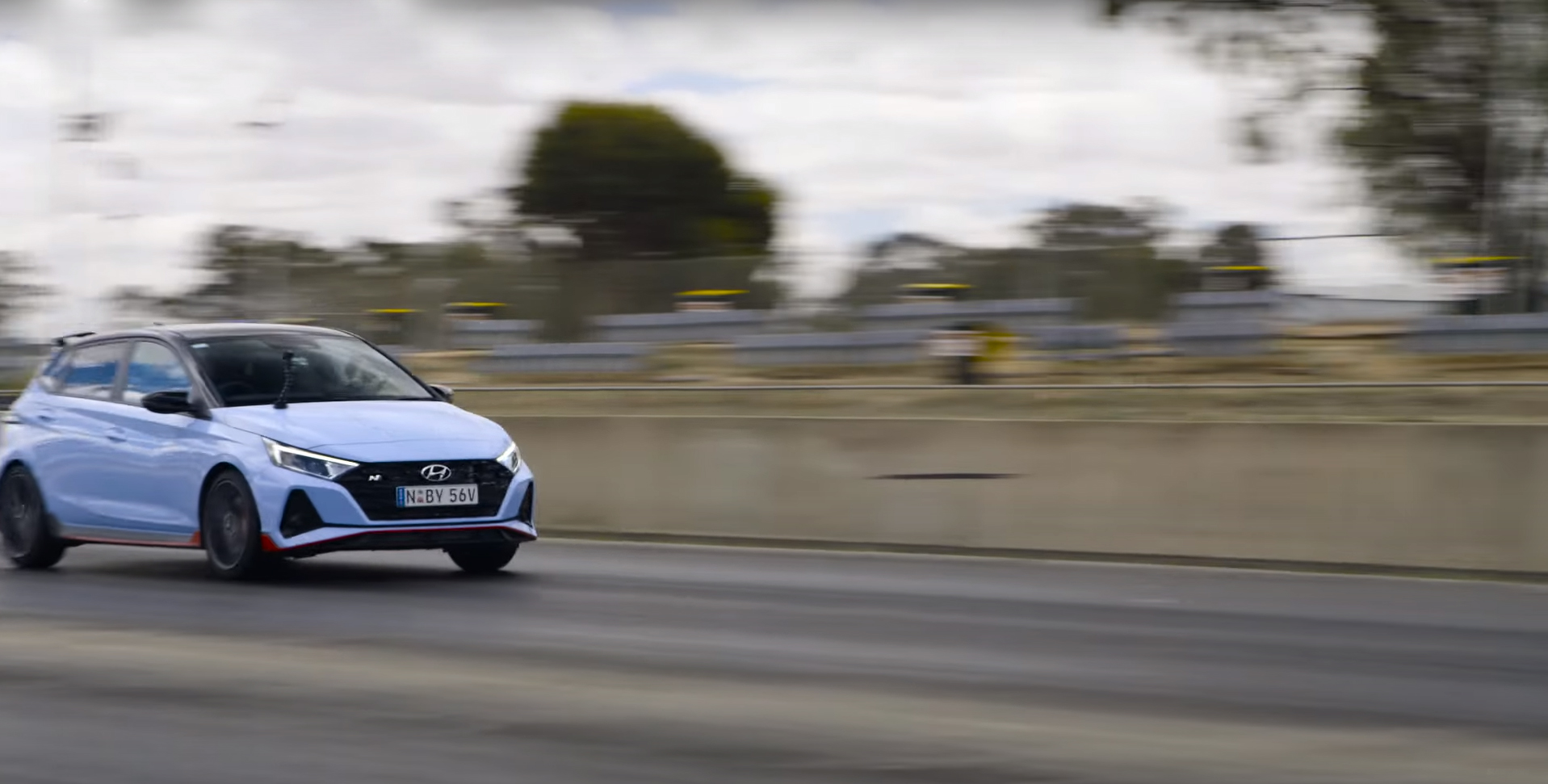
We took to the Heathcote drag strip to record 0-60mph (for any international readers), 0-100km/h, 0-400m, 80-120km/h and 100-0km/h to see, in the real world, how quickly the compact hot hatch of the moment can stop and go.
With ESC turned off, allowing launch control to be engaged, the little i20N takes its place on the line. To quell wheelspin, Scott Newman initially sets the launch rpm to 3000rpm – its lowest possible setting.
Blast off!
A poor launch sees the i20 N hit 60mph in 6.8-seconds, took 7.4-seconds from 0-100km/h and cleared the quarter-mile in 15.4-seconds at 149.5km/h.
It’s a decent baseline for our first go but there’s plenty of room for improvement, and we’re a ways off Hyundai’s manufacturer claim,so Scott Newman ditches the launch control and takes the reigns into his own hands.
Short gearing in second sees Newman needing to run the car to redline to make an efficient 0-100km/h time, but bouncing off the limiter will certainly leave time on the table over the 400m sprint. Clearly, getting the most out of the i20 N is an exercise in finesse.
Lining up for a second attempt, this time sans launch control assistance, Newman eases off the line at 3000rpm, but bounces off the limiter in search of that elusive 0-100km/h claim.
It’s still an improved 6.4-second time from 0-60mph and 7.2-seconds from 0-100km/h.
Third time’s the charm? Apparently so, as Newman nails the crucial second-to-third shift and clocks his best figures yet: 6.0-seconds from 0-60mph, 6.5-seconds from 0-100km/h, blasting past the quarter mile marker in 14.7-seconds at 152.4km/h.
On a roll in third, the i20 N pegs 80-120km/h in 3.9-seconds and pulled to a stop from 100km/h in an impressive 34.3-metres.
While we’re still three-tenths off the i20 N’s OEM 0-100km/h claim, we couldn’t imagine wringing much more out of it. No question about it, the i20 N is quick and posted respectable numbers for a baby hot hatch.
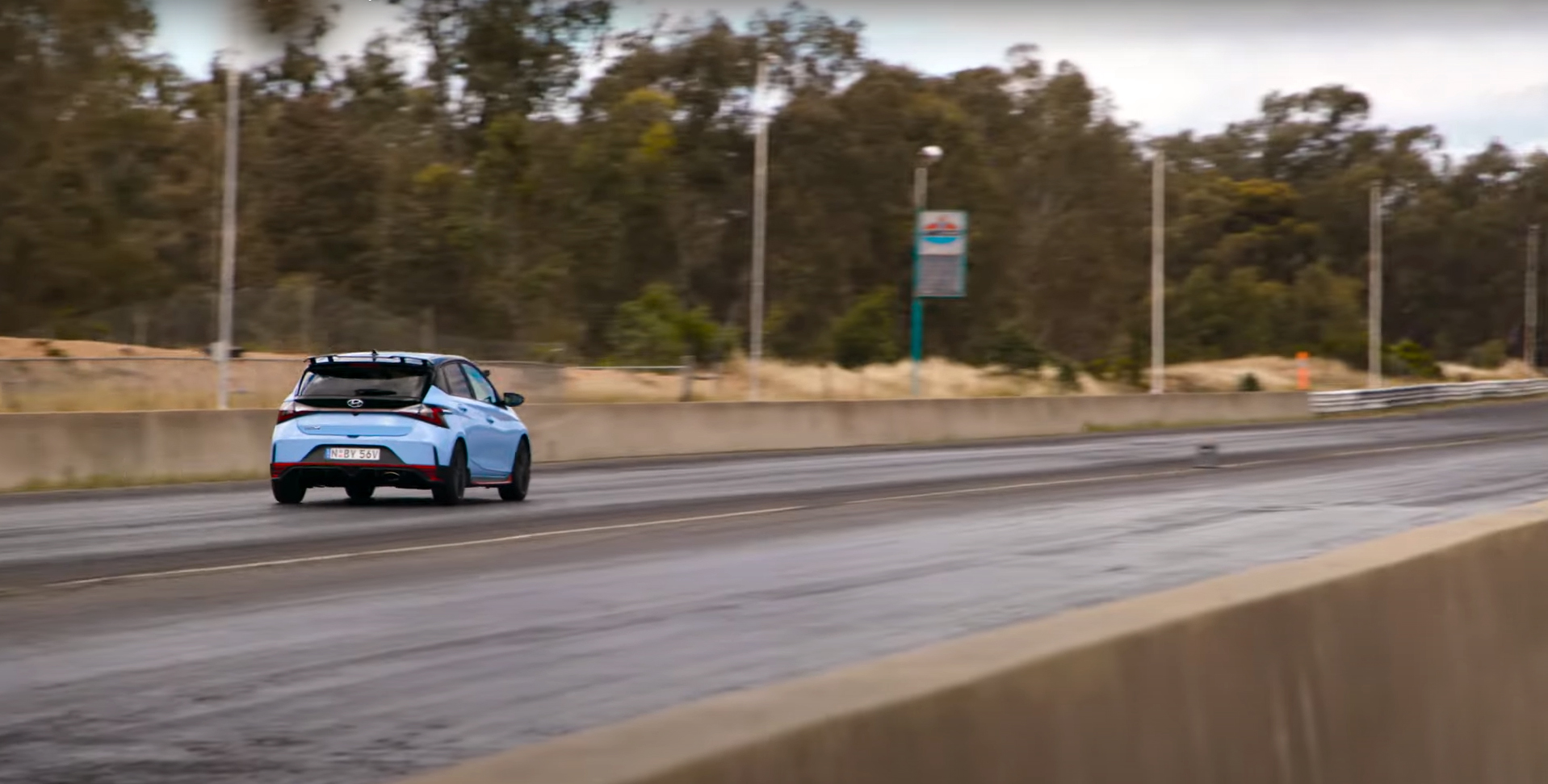
Watch the full video at the top, and leave a comment if you’d like to see a new car tested.
Snapshot
- X2 GoldPlay adds gold trim (surprise) to interior and exterior highlights
- San Remo green metallic and skyscraper grey available exclusively on GoldPlay variants
- Can only be paired to X2 sDrive20i and X2 M35i
The BMW X2 crossover has been given a unique special edition, as the GoldPlay joins the existing range.
As the name suggests, the Edition GoldPlay adds a smorgasbord of gold accents and highlights to the X2’s exterior and interior, as well as a range of exclusive colours.
Exclusive to the GoldPlay are the San Remo green metallic and skyscraper grey paint finishes, although the existing black sapphire, Alpine white and BMW individual frozen black metallic will also be available to order.
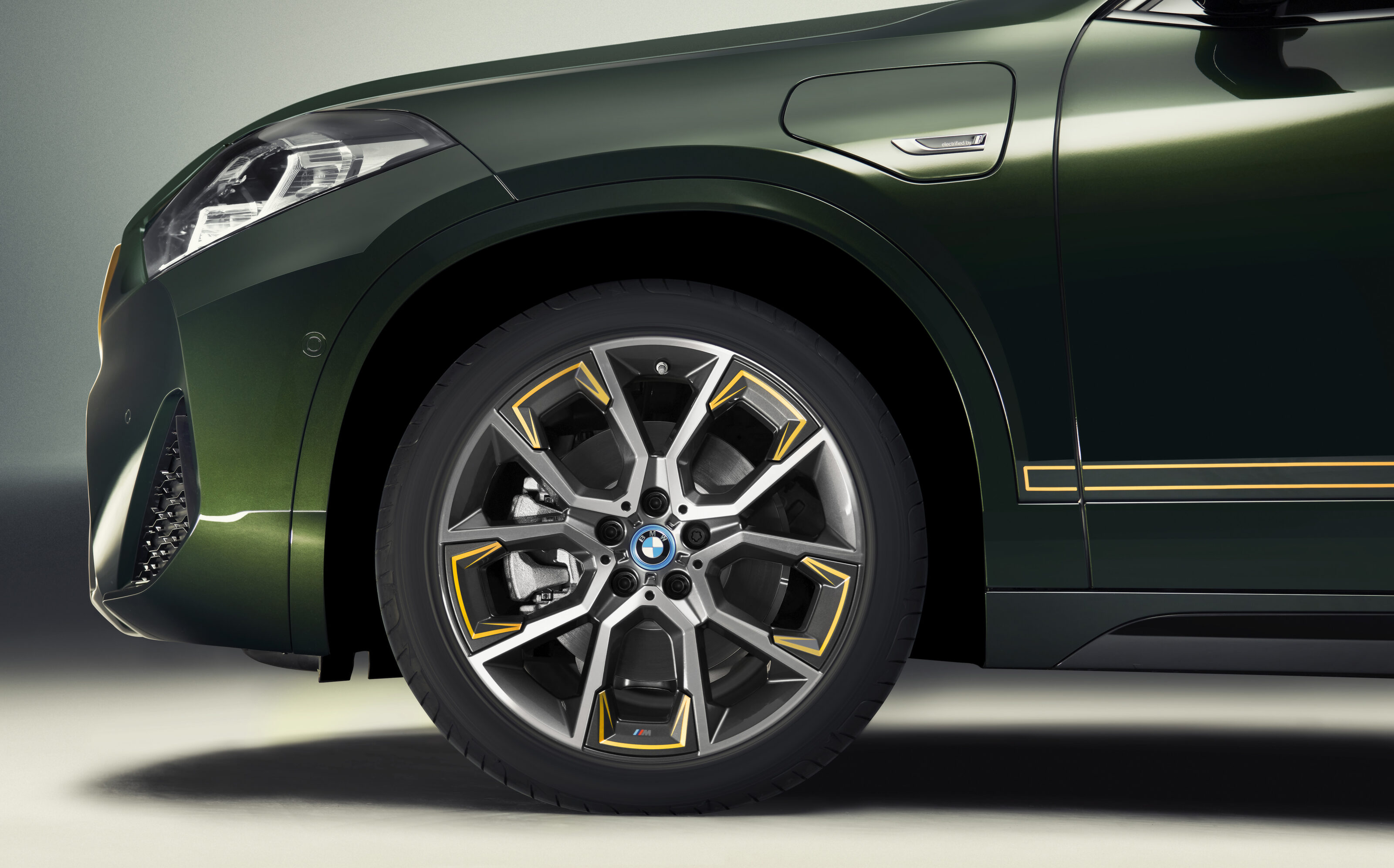
Contrasting against the aforementioned green, we can see the galvanic gold highlights are added to the car’s kidney grille surround, mirror caps and inserts within the 20-inch wheels.
Flanking the X2’s sides are a set of pinstriping decals, stretching from the doors to the rear quarter panels – although customers can order their GoldPlay without the stripes and other elements, all of which are deleted when BMW individual frozen black metallic is optioned.
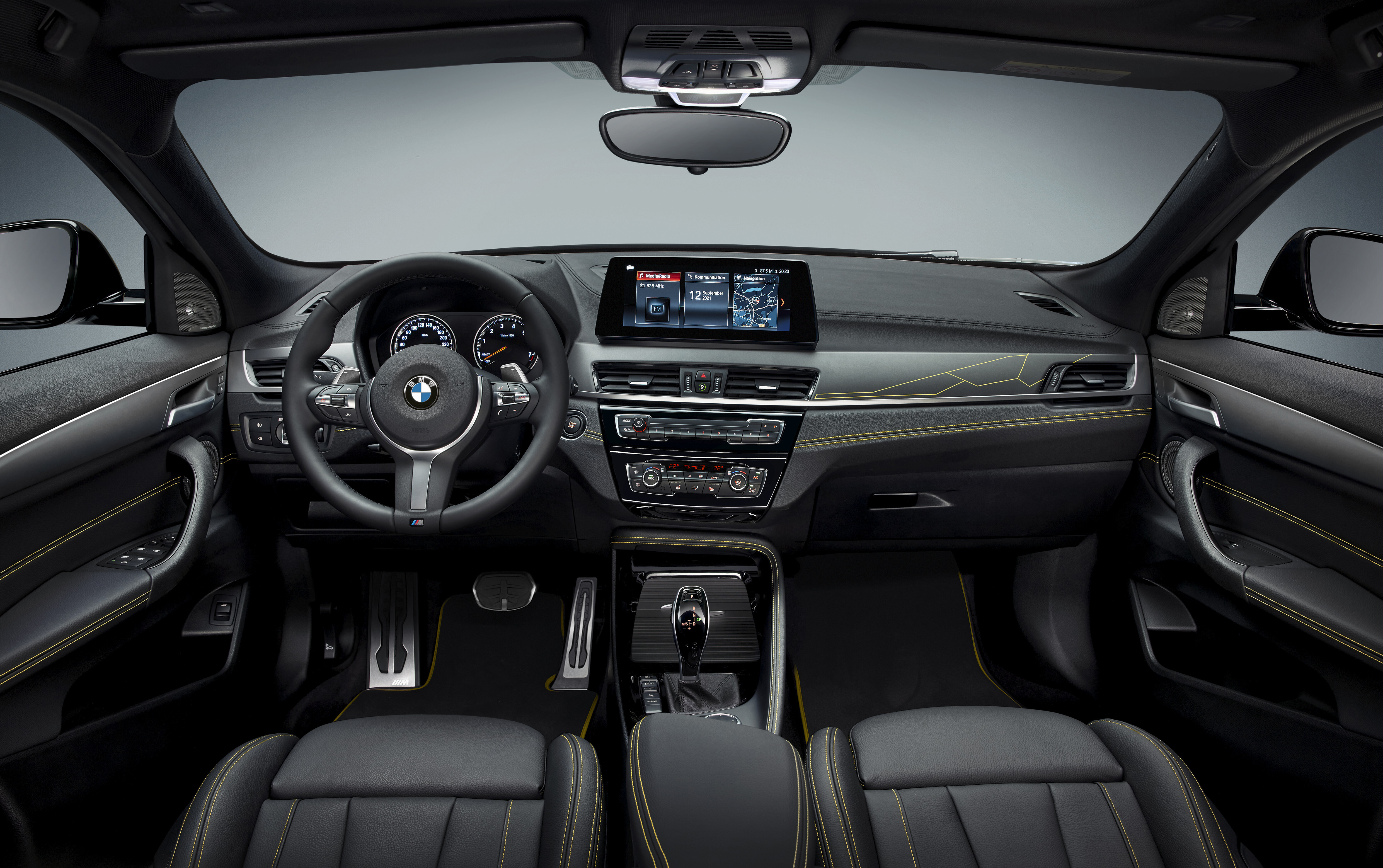
Moving inside the cabin, special “Edition” sill plates are the first thing occupants see, followed by gold stitching contrasting against the anthracite roof lining and floor mats.
The X2’s M Sport seats are finished in Dakota leather, with more contrast stitching and piping in Giallo Oro yellow – reminding those inside which version of the crossover they’re in.
Available on top of the $60,900 sDrive20i and $73,900 M35i grades (before on-roads), BMW Australia hasn’t confirmed how much of a premium it will charge for the Edition GoldPlay additions, saying it will make announcements closer to its launch and arrival in the second quarter of 2022.
Update, January 27, 2022: Kia Sportage price increase
Drive-away pricing for the new 2022 Kia Sportage has been increased, now varying from state-to-state rather than as a national program. Prices have increased by as much as $2000.

The story to here
Update, November 12, 2021: Australian first drive
The new 2022 Kia Sportage is now properly here, with pricing announced earlier in November and now, today, our first-drive review is live. You can read and watch it here.
Key Points
- Improved space, excellent comfort
- A frustrating price premium for more power
- All-round visibility is much improved

Update, November 4, 2021: Australian pricing
Australian pricing for the new 2022 Kia Sportage has now been released, and you can read more about it here.
In Australia, the 2022 Sportage line-up will begin from $30,490 before on-road costs, marking a $2410 increase over the outgoing model.
National drive-away pricing begins at $34,690 for the 2.0-litre petrol manual model, with the most affordable automatic beginning at $35,690 drive-away.
We’ve added some fresh local photos to this story, too.
UPDATE, September 3, 2021: Australian video walkaround
The new Sportage is now in Australia, and we’ve now got our hands on the first official details of what we can expect from the local range.
For this new generation, there’s more safety kit than ever, and four trim grades on offer: S, SX, SX+ and GT-Line. You can also expect 2.0-litre naturally-aspirated petrol, 1.6 turbo petrol and 2.0-litre turbo diesel options, along with front- and all-wheel drive configurations.
Read more about the new line-up here, and enjoy Jez’s walkaround video below.
August 2, 2021: New Sportage revealed
The 2022 Kia Sportage medium-sized SUV has been officially revealed by the Korean automaker.
Now in its fifth generation, the all-new Toyota RAV4 and VW Tiguan competitor had only recently been previewed by Kia in shadowy teaser images, and we’ve seen myriad spy photos of the angular SUV too.
But now we can see it in full, and the Korean firm’s latest design language – ‘Opposites United’ – is clearly on show.
UPDATE, September 2 2021: The new Sportage is now in Australia, so check out the latest news and review coverage on our Sportage landing page.
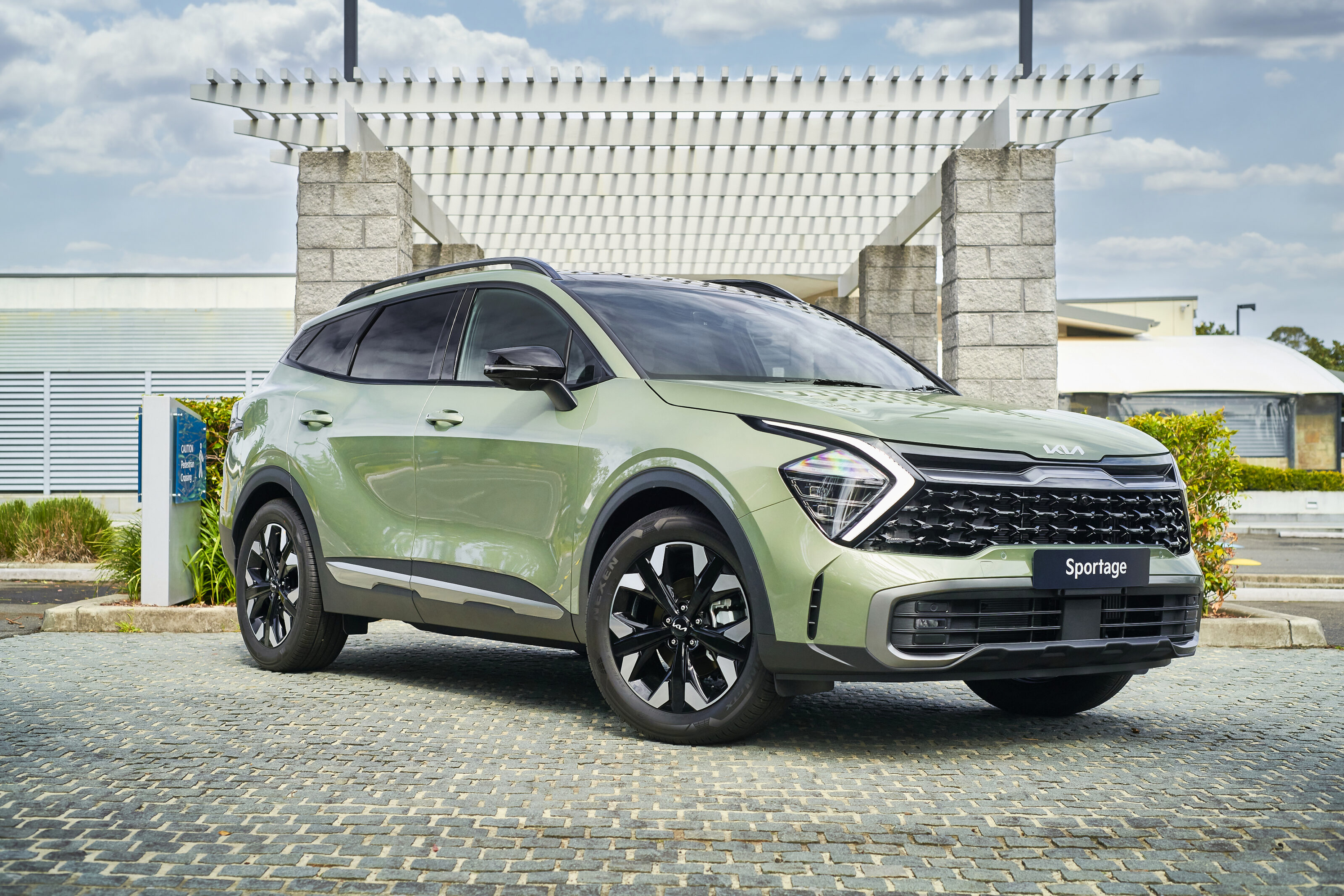
Sporting very similar looks to another of Kia’s latest creations, the all-electric EV6, the new Sportage shows off an unconventional and modern front fascia dominated by a honeycomb gloss-black grille and large, boomerang-shaped white LEDs.
Its side profile is sleek with a swooping roofline, and despite the SUV utilising the same platform as Hyundai’s new Tucson, its contouring, swept-back rear three-quarters give the Sportage a coupe crossover appearance.
At the back, the intricate LED taillights wrap around the rear three-quarter panel and onto the contoured tailgate. A complementing roof spoiler also juts out slightly, further aiding its sporty, modish look.
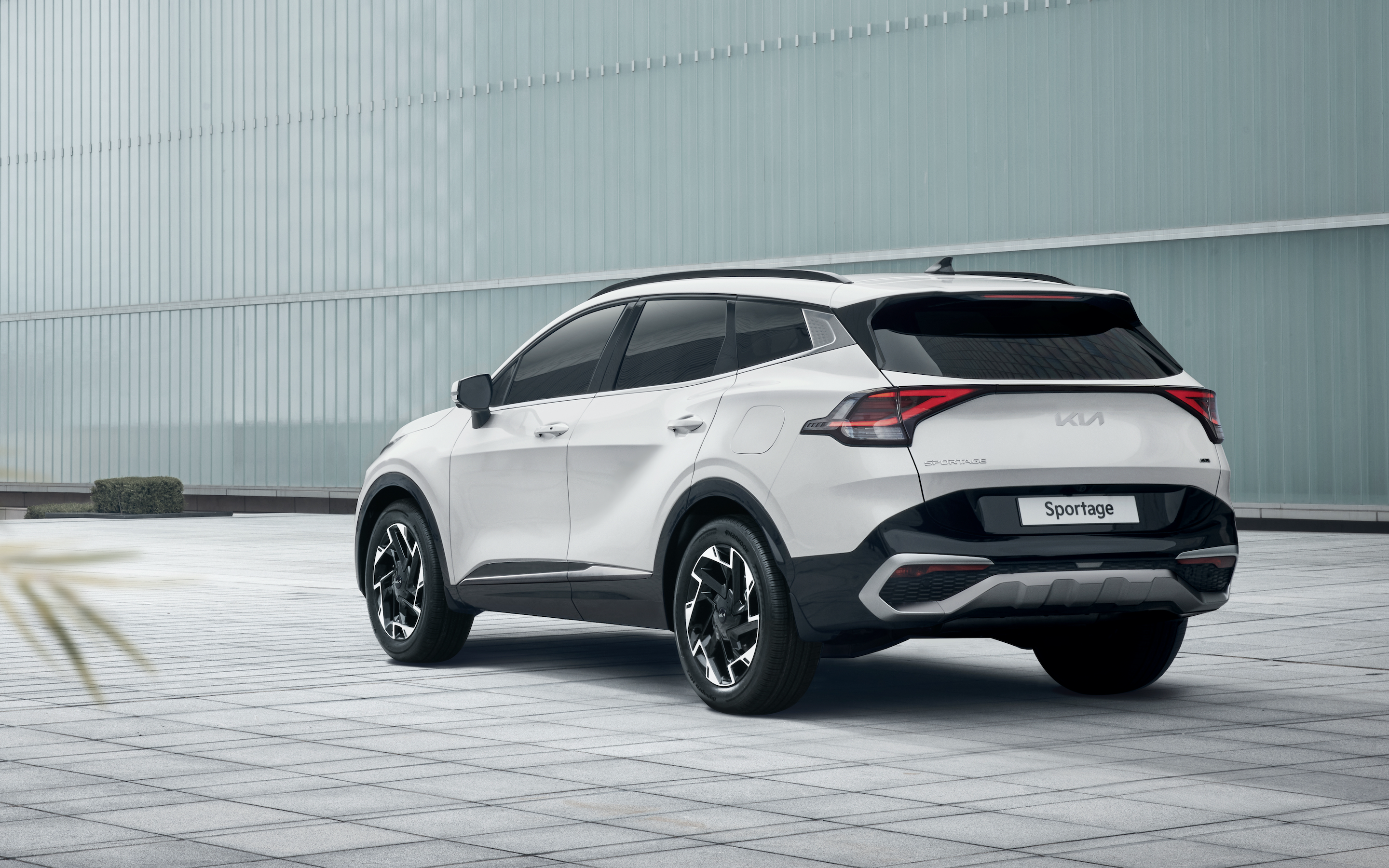
Kia has also shown off the new Sportage’s interior, which is dominated by a new infotainment display and digital driver’s dash, and seamlessly blended behind one piece of curved glass.
Below the dash, the climate control is thankfully still operated with turnstile knobs, and extending out from the centrally mounted armrest is a new cockpit interface which features a rotating shift-by-wire transmission selector, as well as a drive mode/terrain selector, push-button start/stop button, and the controls for the heated/ventilated seats and steering wheel.
Kia has also revealed, for the first time in the moniker’s history, the Sportage will be available with a more aggressive, dynamic-looking model variant.
Called the Sportage X-Line, the sportier SUV features a bespoke bumper and side sill design, as well as curved roof racks.
Inside, buyers can select a sage green or black interior trim, which can be optioned with striking quilting and black metal wood accents.
Kia is yet to officially announce powertrain options for the Sportage – but given it shares quite a lot of the mechanicals underpinning its new Tucson cousin, expect both petrol and diesel engines, and potentially even a plug-in hybrid variant at some stage.

When will the 2022 Kia Sportage come to Australia?
The 2022 Kia Sportage will be revealed in full in July 2021, with a local launch expected later in quarter four of 2021.
The Renault-Nissan-Mitsubishi Alliance has announced it will invest €23 billion (AU$36.4 billion) into developing electric vehicles (EVs) over the next five years.
At a joint media conference overnight, Alliance members Renault, Nissan, and Mitsubishi presented a united front, outlining plans to introduce 35 new EVs by 2030.
Of the 35 new models, 90 per cent will be underpinned by just five common EV platforms “covering most markets, in all major regions”.
It’s expected two of those will be the basis for most electric vehicles offered in Australia by the Alliance brands.
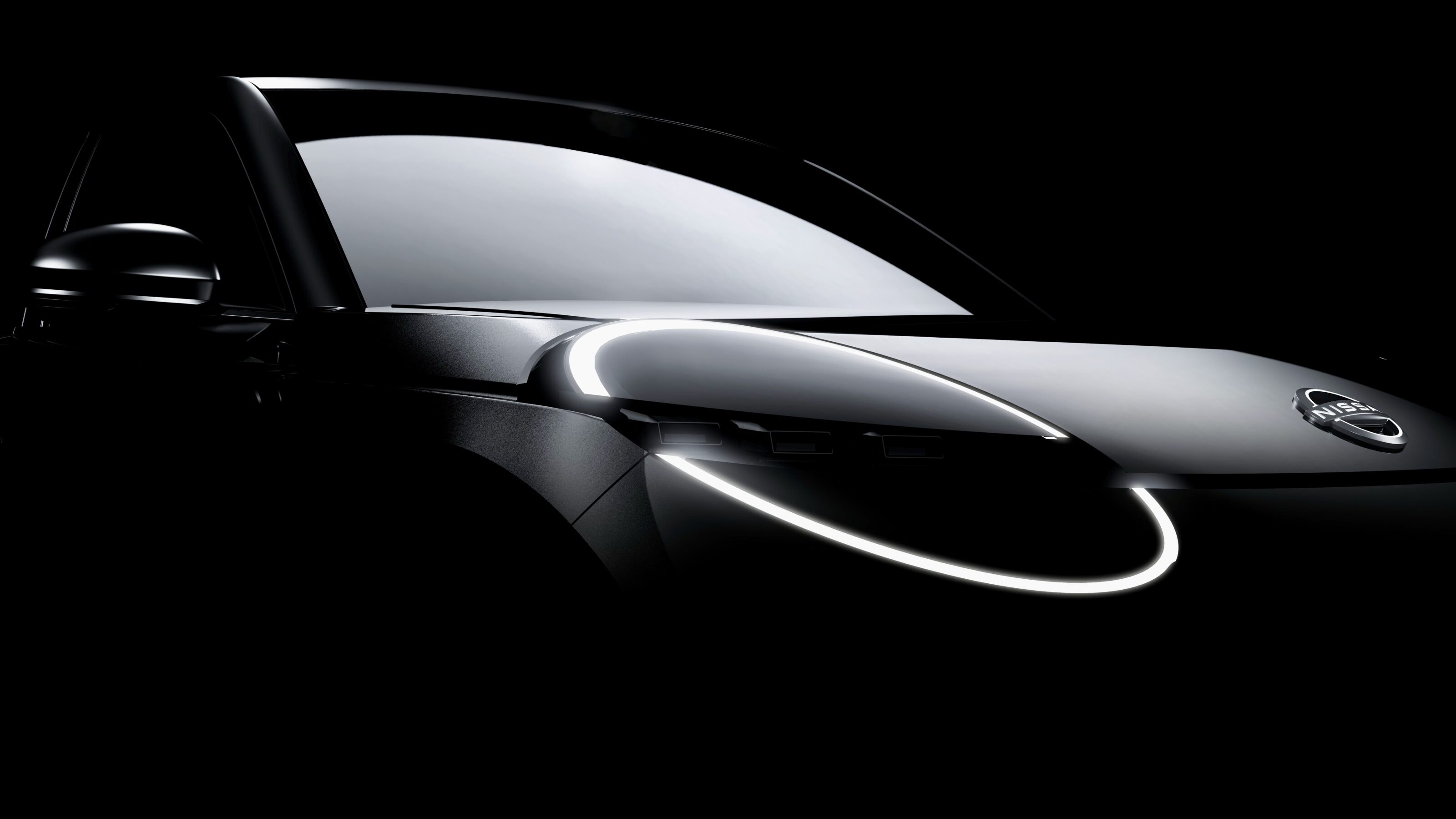
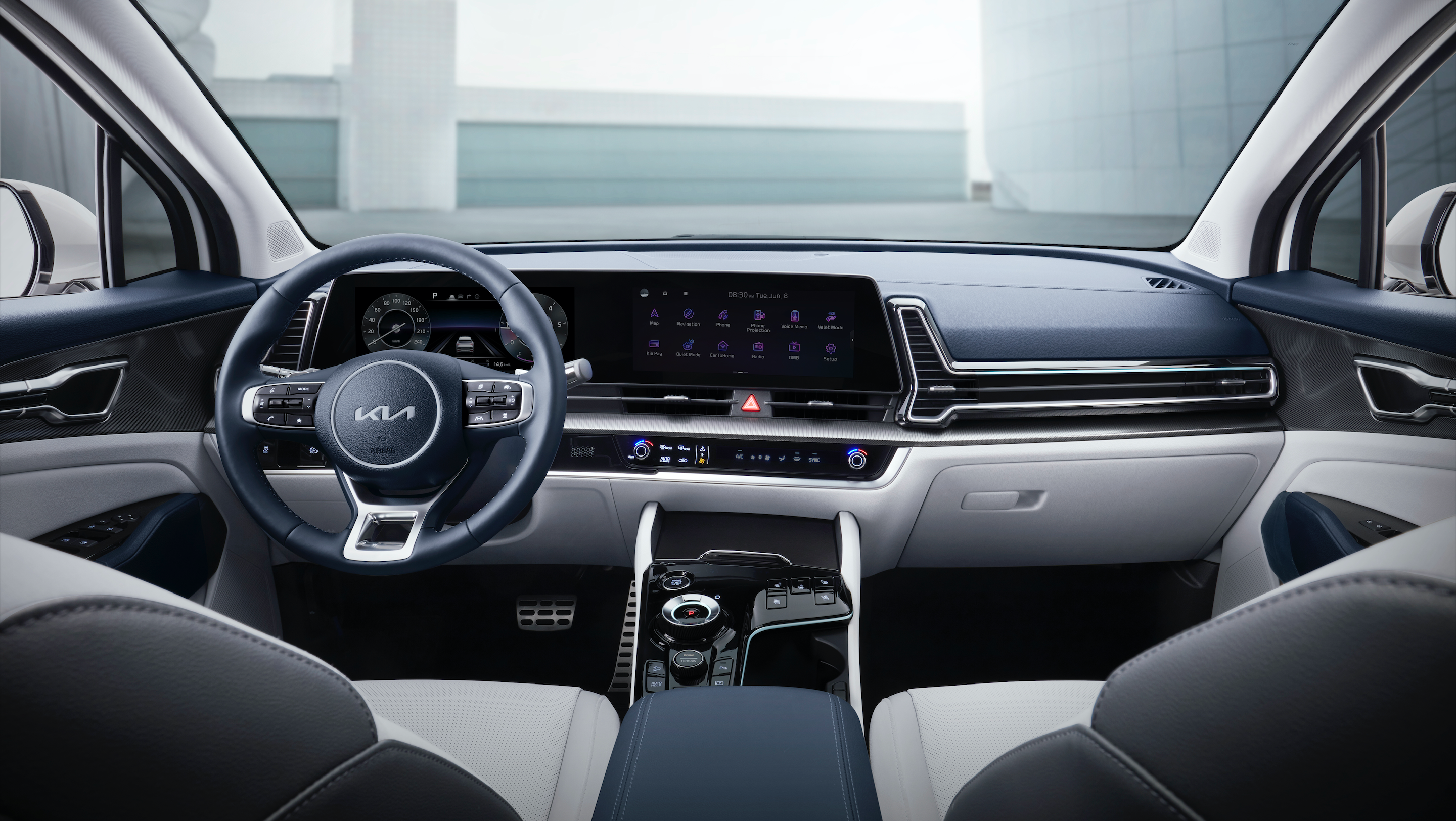
Renault, Alpine, and Nissan are planning to produce 250,000 vehicles annually with the CMF-BEV platform – including the Renault R5, and Nissan Micra successor announced last night.
Up to 60 per cent of non-electric components will carry over from the internal-combustion CMF-B chassis, currently underpinning models such as the Renault Clio, Renault Arkana, and Nissan Juke.
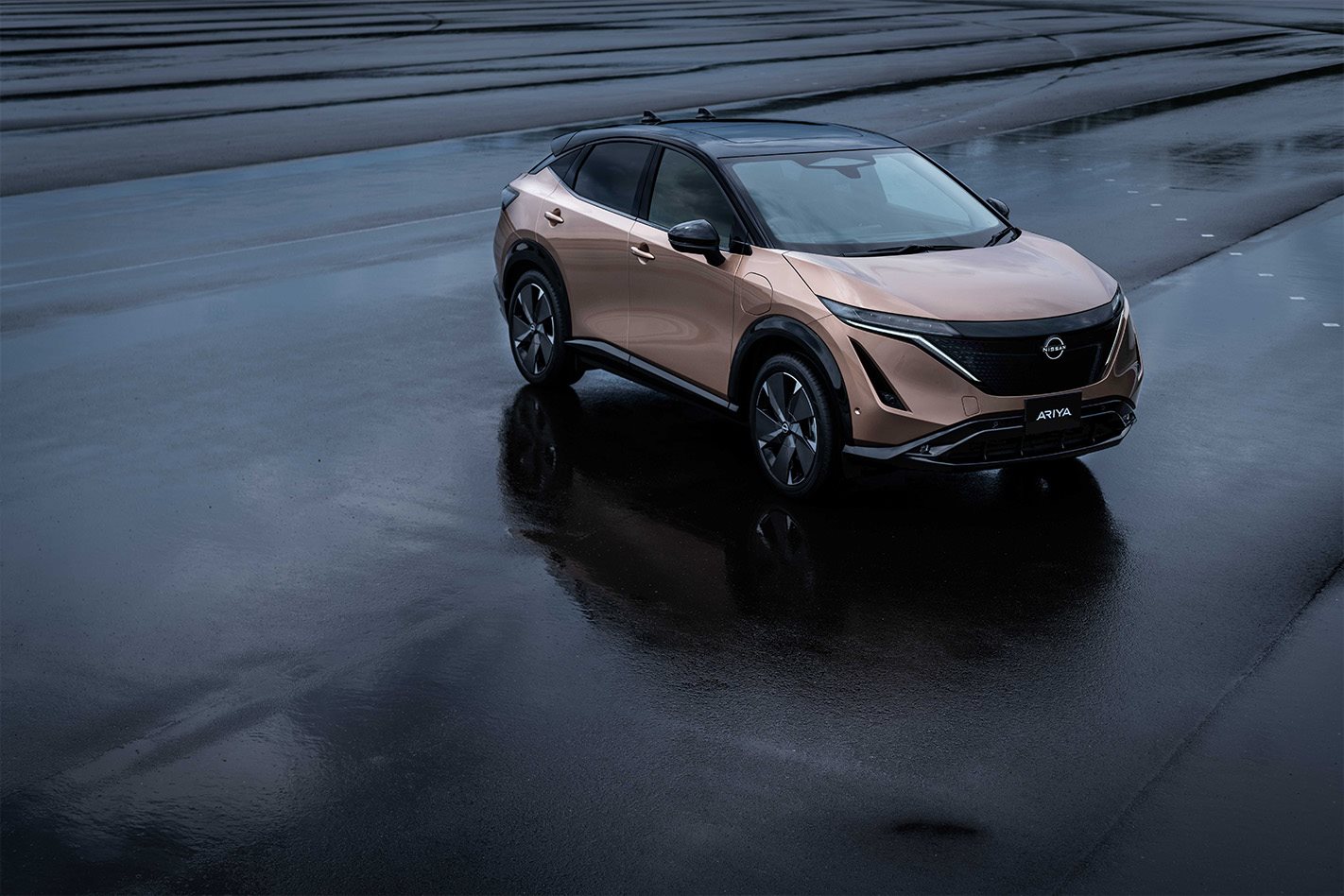
The CMF-EV architecture will see the most use, with up to 1.5 million vehicles expected to be manufactured annually using this platform by the end of the decade, beginning with the Nissan Ariya and Renault Megane E-Tech.
All three carmakers will utilise the CMF-EV platform, as well as sub-brands Alpine and Infiniti.
To help reduce overall costs, the Alliance has employed what it calls the ‘Leader-Follower Scheme’, which sees each company responsible for one area of development – but with all three partners to benefit.
Renault will be working on electrical and electronic architecture, with the first “full software-defined vehicle” due in 2025.
Nissan will lead the development of autonomous driving and solid-state battery technology – the latter of which will double energy density compared with current lithium-ion batteries, as well as greatly improving charging times.
The Alliance hopes to reduce battery costs by 50 per cent in 2026, and 65 per cent in 2028.
Meanwhile, Mitsubishi’s expertise in manufacturing plug-in hybrid and ultra-compact ‘kei’ cars is already being shared across the three brands.
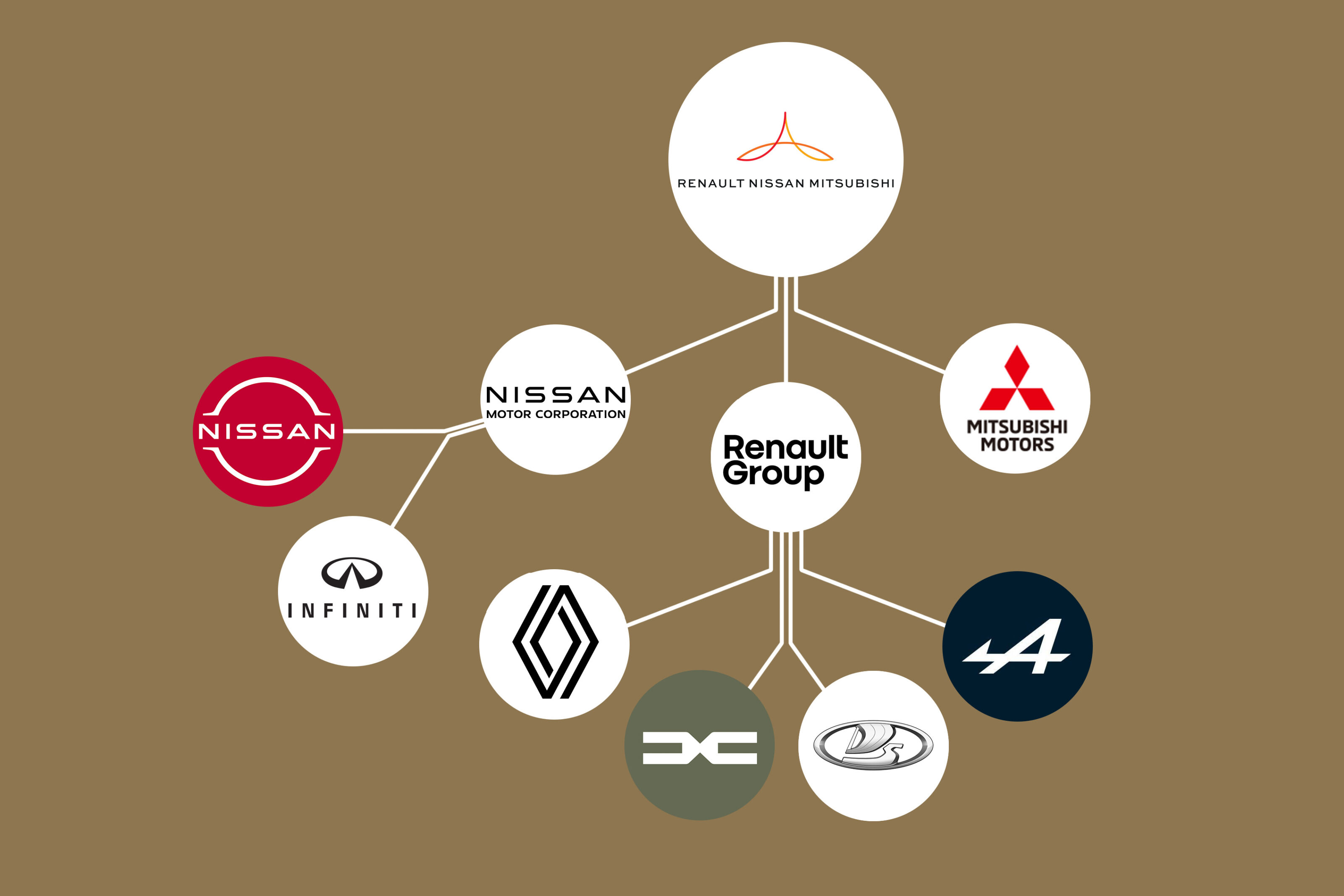
While the conference presented the future ambitions of the Renault-Nissan-Mitsubishi Alliance, company executives were keen to dispel negative rumours that have been swirling in recent times.
“Three years ago, the Alliance was experiencing a crisis unprecedented in its history, based on a lack of trust,” Alliance Chairman Jean-Dominique Senard said at the event.
“This period belongs to the past. We have since then bounced back stronger and faster than even the most optimistic could have imagined.”
Snapshot
- No more front-wheel-drive CX-8 diesel variants
- All front-wheel-drive CX-8s powered by petrol engine
- Diesel remains in all-wheel drive applications
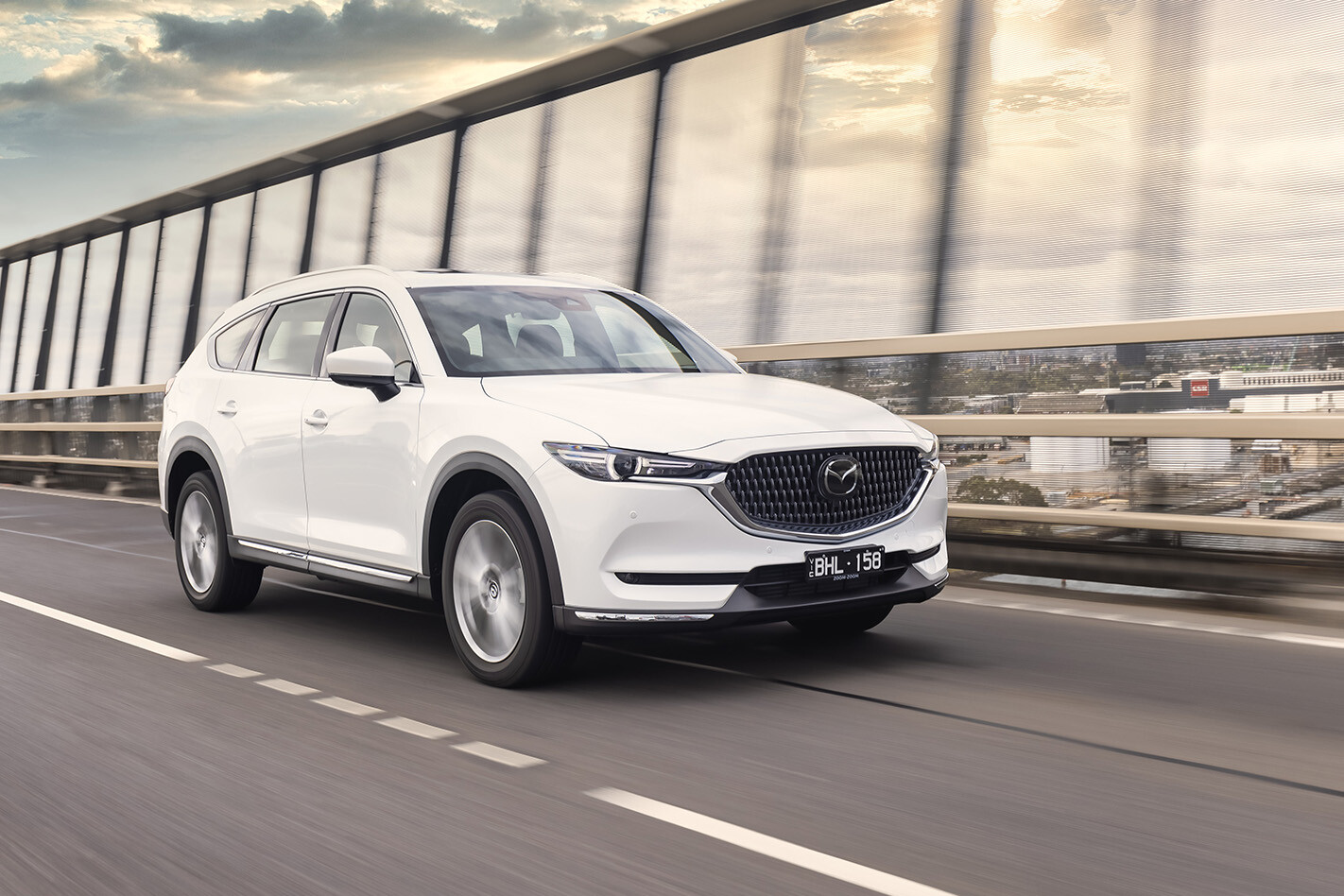
Mazda Australia has ditched certain diesel variants of its CX-8 SUV, owing to low sales of the front-wheel drive grade.
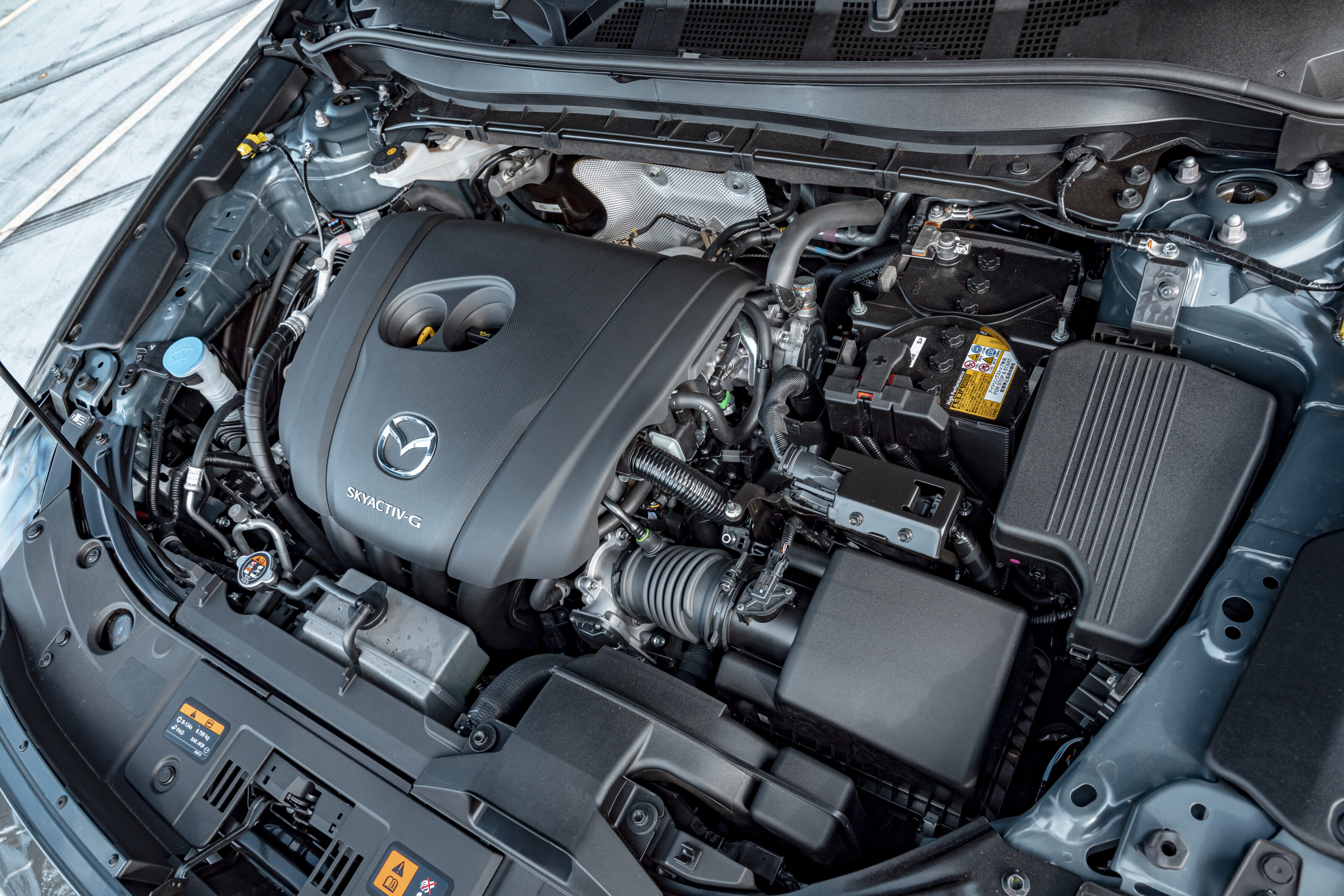
Since the introduction of its 2.5-litre Skyactiv-G petrol engine in 2020 as the cheaper front-wheel drive alternative, over 70 per cent of customers have opted for the petrol CX-8 in all grades over the front- and all-wheel-drive 2.2-litre twin-turbocharged diesel.
The change will see the base diesel CX-8 Sport, GT and Asaki variants become no longer available, as the petrol becomes its only front-wheel-drive powertrain while the diesel is exclusively sold as an all-wheel drive.
Despite dropping the GT and Asaki diesel, both grades have been directly replaced with a petrol-powered alternative, coming in at a reduction of $2900 and $3000 respectively.
Mazda Australia Managing Director, Vinesh Bhindi, said sales of its variants had triggered the move, as the petrol’s introduction saw sales of the SUV increase by nearly two-thirds last year.
“Mazda CX-8 has become a strong contender in the large family SUV category, with dimensions that offer good manoeuvrability without compromising on space or comfort for all seven occupants,” said Bhindi.
“Customer demand for the model continues to grow; from November 2020 to November 2021 we’ve seen a more than 80 per cent increase on sales, encouraging us to further diversify the range to give customers even more choice.”
The 2.5-litre petrol engine produces 140kW and 252Nm while the 2.2-litre twin-turbo diesel punches out the same power figure but with 450Nm, both of which are mated to a six-speed automatic gearbox.
2022 Mazda CX-8 Australian pricing
Prices exclude on-road costs.
| Mazda CX-8 | Price |
|---|---|
| Sport petrol FWD | $39,990 |
| Touring petrol FWD | $46,890 (+$100) |
| Touring SP petrol FWD | $47,890 (+$100) |
| GT petrol FWD | $56,390 (new)u00a0 |
| Asaki petrol FWD | $59,790 (new)u00a0 |
| Sport diesel AWD | $46,990 |
| Touring diesel AWD | $53,890 (+$100) |
| Touring SP diesel AWD | $54,890 (+$100) |
| GT diesel AWD | $63,390 (+$100) |
| Asaki diesel AWD | $66,890 (+$100) |
| Asaki LE diesel AWD | $69,390 (+$530) |
Snapshot
- ID.5 and ID.5 GTX go on sale in the UK
- u00a350,550 starting price over u00a39000 more than base ID.4
- Zwickau plant has been converted to only produce electric vehicles
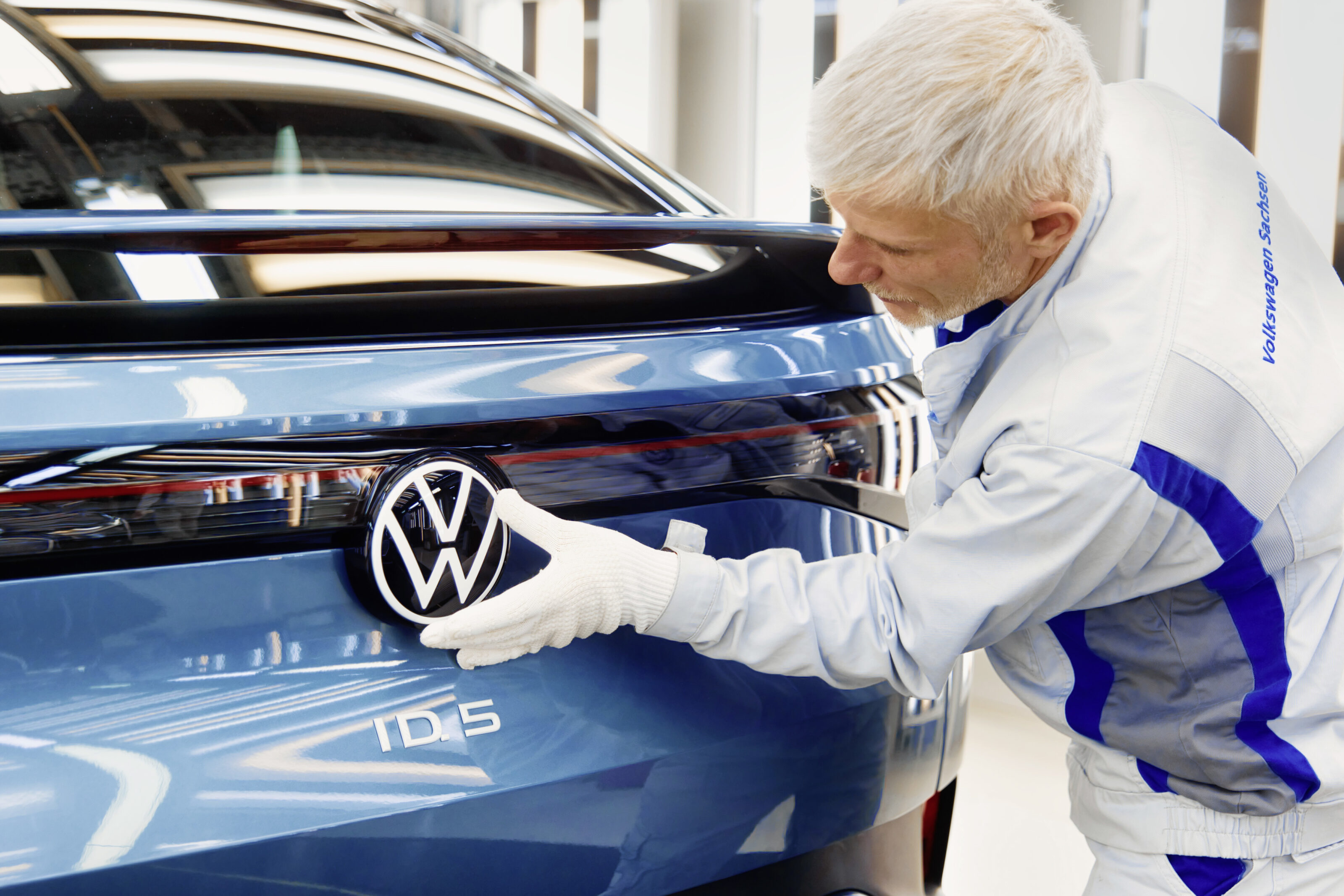
Volkswagen’s third dedicated electric vehicle has gone on sale in the United Kingdom, with order books opening for the ID.5.
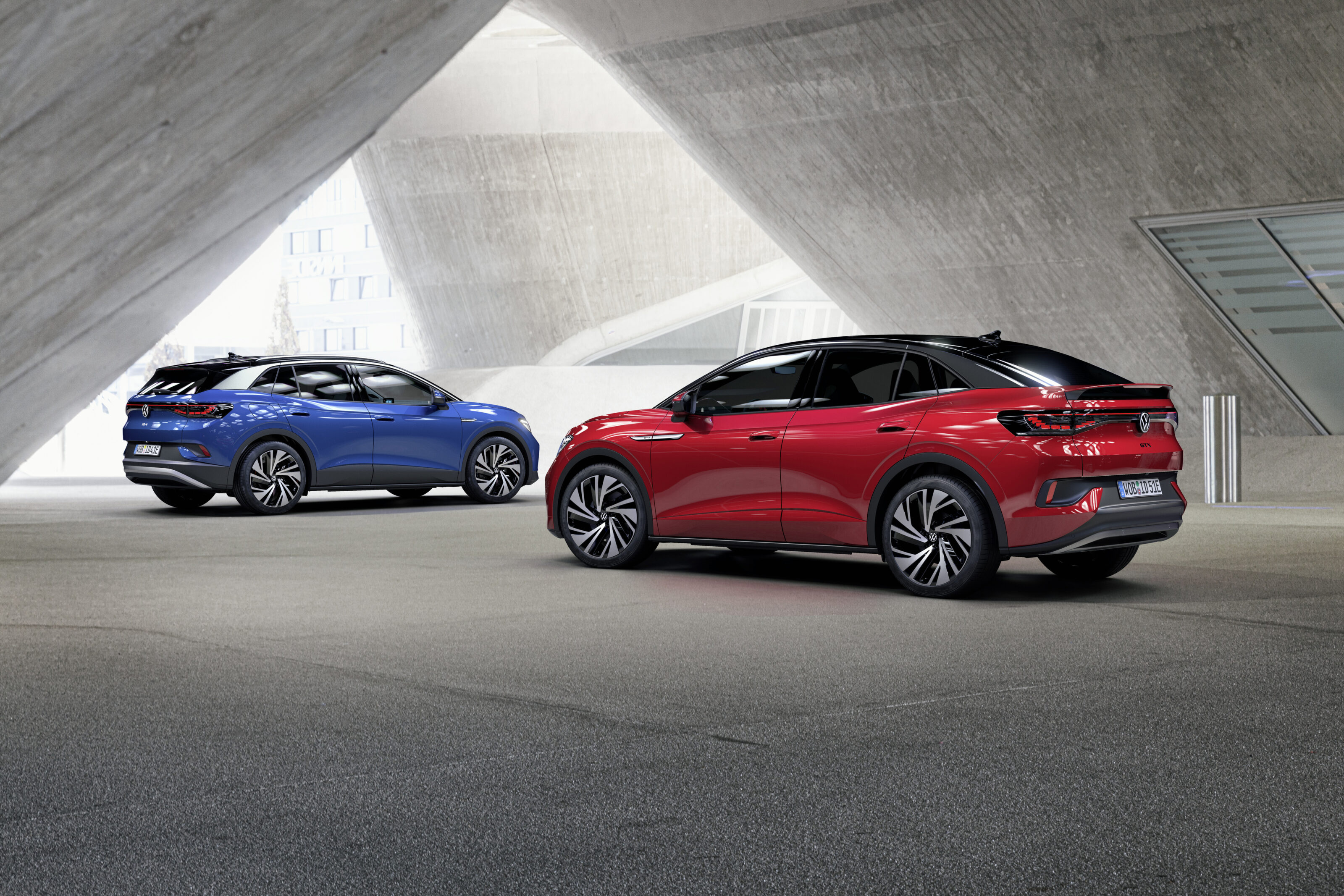
Based on the same MEB platform as the ID.3 and ID.4, the SUV carries across a majority of the components from its ID.4 sibling but with revised styling, opting for a coupe-like sweeping rear portion as opposed to the more conventional, straight back end.
The entry-level, 128kW rear-wheel drive ID.5 Tech Pro variant starts at £50,550 (AU$96,170), jumping up to £51,940 (AU$98,820) in 150kW Tech Pro Performance guise.
Higher-equipped variants such as the Max Pro go on sale from £54,050 (AU$102,830) and incur an identical premium when jumping to its Performance trim, bumping its price up to £55,440 (AU$105,480) for the same power upgrade as the Tech Pro.
Moving up to the range-topping GTX Max gives buyers an extra electric motor on the front axle for all-wheel drive, increasing its power output to 220kW for a list price of £58,640 (AU$111,565).
All ID.5 variants are fitted with a 77kWh lithium-ion battery pack, as the non-GTX grades eek out a driving range of 504km on a full charge while the flagship GTX is reduced to 476km.
As with the rest of Volkswagen’s electric vehicles, the ID.5 is produced at the manufacturer’s Zwickau plant in Germany – home to production of the ID.3, ID.4, Audi Q4 E-Tron and Cupra Born.
The Zwickau facility used to be one of Volkswagen’s biggest bases, having produced over nine and a half million internal combustion engine vehicles before its last example rolled off the production line in June 2020.
Following an investment of over €1.2 billion (AU$1.9bn) in modernising the plant since 2018, the Volkswagen Group aims for Zwickau to exceed the 180,000 vehicles produced last year, contributing to its million-plus MEB fully-electric vehicles set to go on sale in 2022.
The new 2022 Citroën C4 is a quirky little thing. Out-there styling and supreme comfort make it surprisingly loveable – and it’s also got us feeling all nostalgic.
This writer’s first proper car was a nippy 1.6-litre 1997 Citroën Saxo, which is perhaps why we’ve found a surprising degree of fondness for this new model.
But selling this unique crossover in Australia is going to need Gallic charm in spades if it is to win over the market. With Citroën having sold just 175 cars from its three-strong line-up during the first 11 months of 2021, it needs to find new ways to cut it on an increasingly competitive playing field.
On test here is the near-top-spec Shine trim with front-wheel drive and 1.2-litre three-cylinder turbo-petrol engine – the only variant currently on offer in Australia – sporting optional metallic Pulse Orange paint and a glass sunroof.
Pricing
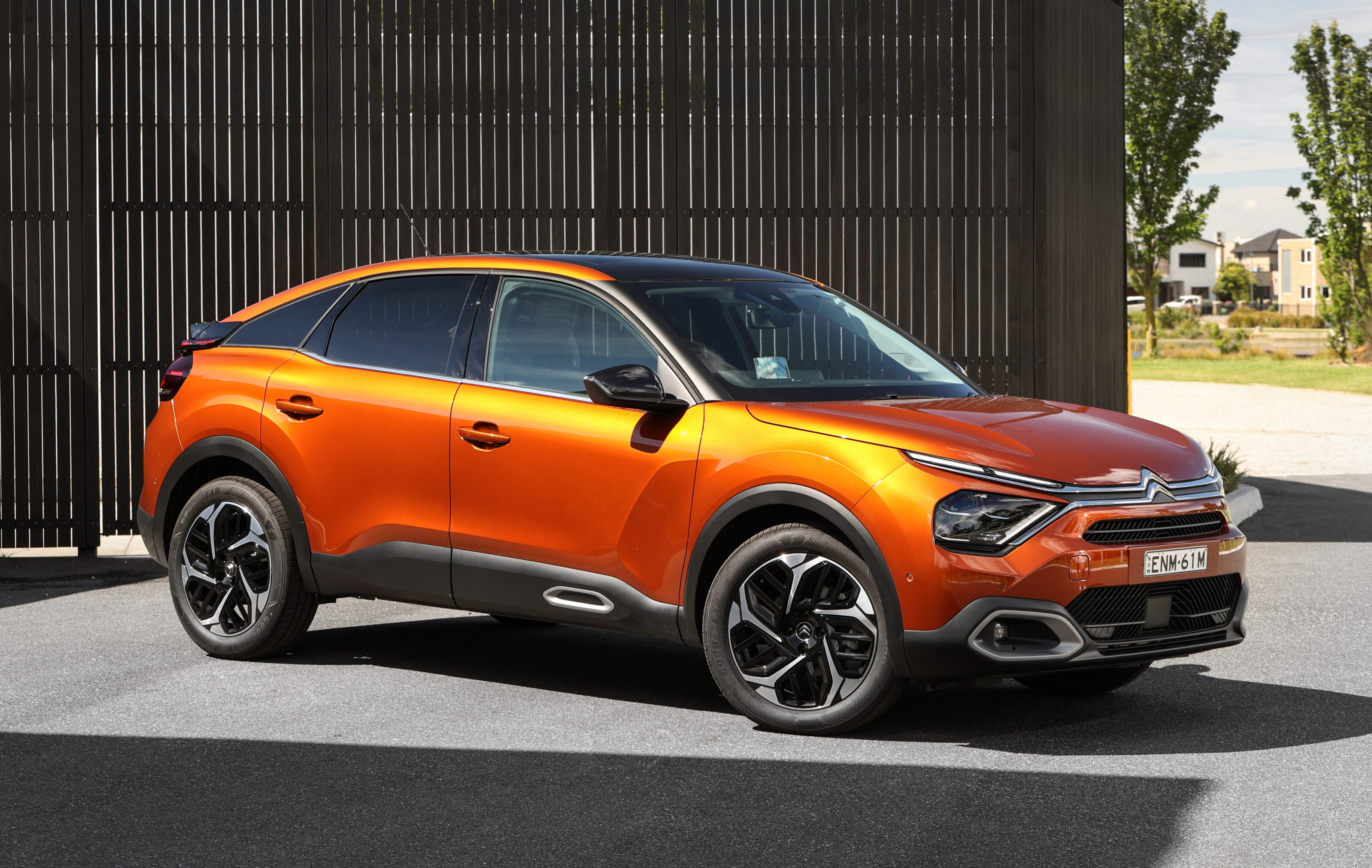
While the new C4’s looks are certainly capable of turning heads (it’s not quite as tall as a standard SUV but still more elevated than a standard hatch, so instantly stands out from the crowd), its price is likely to raise a few eyebrows, too.
While other markets get four variants, three of which are electric, Australia gets just one – the Shine variant that costs $37,990 before options and on-road costs. It’s worth noting, however, that Citroën’s local boss recently confirmed the e-C4 is currently under evaluation for Australia, so we may yet see another version land here in the future.
Throw in on-roads, another $690 for one of six optional metallic paint colours (only white is standard) and an extra $1490 on top of that for a sunroof, and the sticker price for the car we have here quickly breaks the $40K mark – coming in at $44,669 drive-away.
Whether or not it presents good value really depends on if you consider it a light SUV (typically crossovers) or a small one (which it is officially classified as by VFACTS). Even at launch, Citroën was not able to nail which category the new C4 truly falls into. It is trying to appeal to anyone and everyone, but in reality it just feels like it doesn’t quite know what it wants to be.
Top-spec light SUV rivals such as the Mazda CX-3 Akari LE Auto and Ford Puma ST-Line will set you back $38,990 and $39,944 drive-away respectively, minus any options, while the Toyota Yaris Cross Urban’s drive-away price, without any extras, is $39,169.
Small SUV competitors meanwhile, such as the Mazda CX-30 G20 Touring, Toyota C-HR Koba and Subaru XV 2.0i-S, come in at $40,772, $39,452 (or $41,953 as a hybrid) and $41,844 drive-away respectively.
Design

The French don’t believe in playing safe with their design, and the new C4 is no exception. Its fresh, modern and funky looks set it apart from the pack, combining elements of its former hatchback self with the higher ride of an SUV. The vibrant orange paint of this test car really shows its individuality too – this is no Russian doll design.
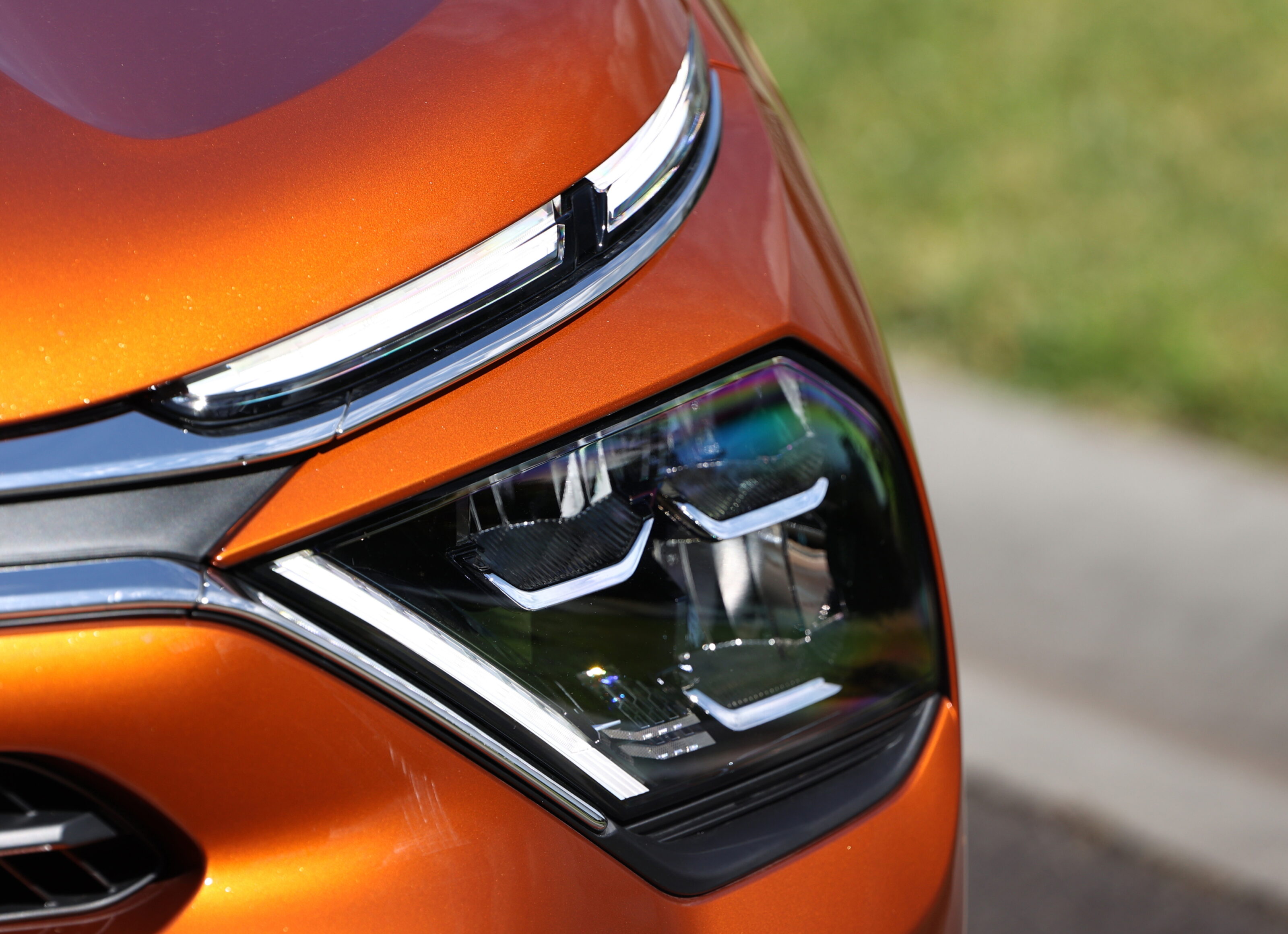
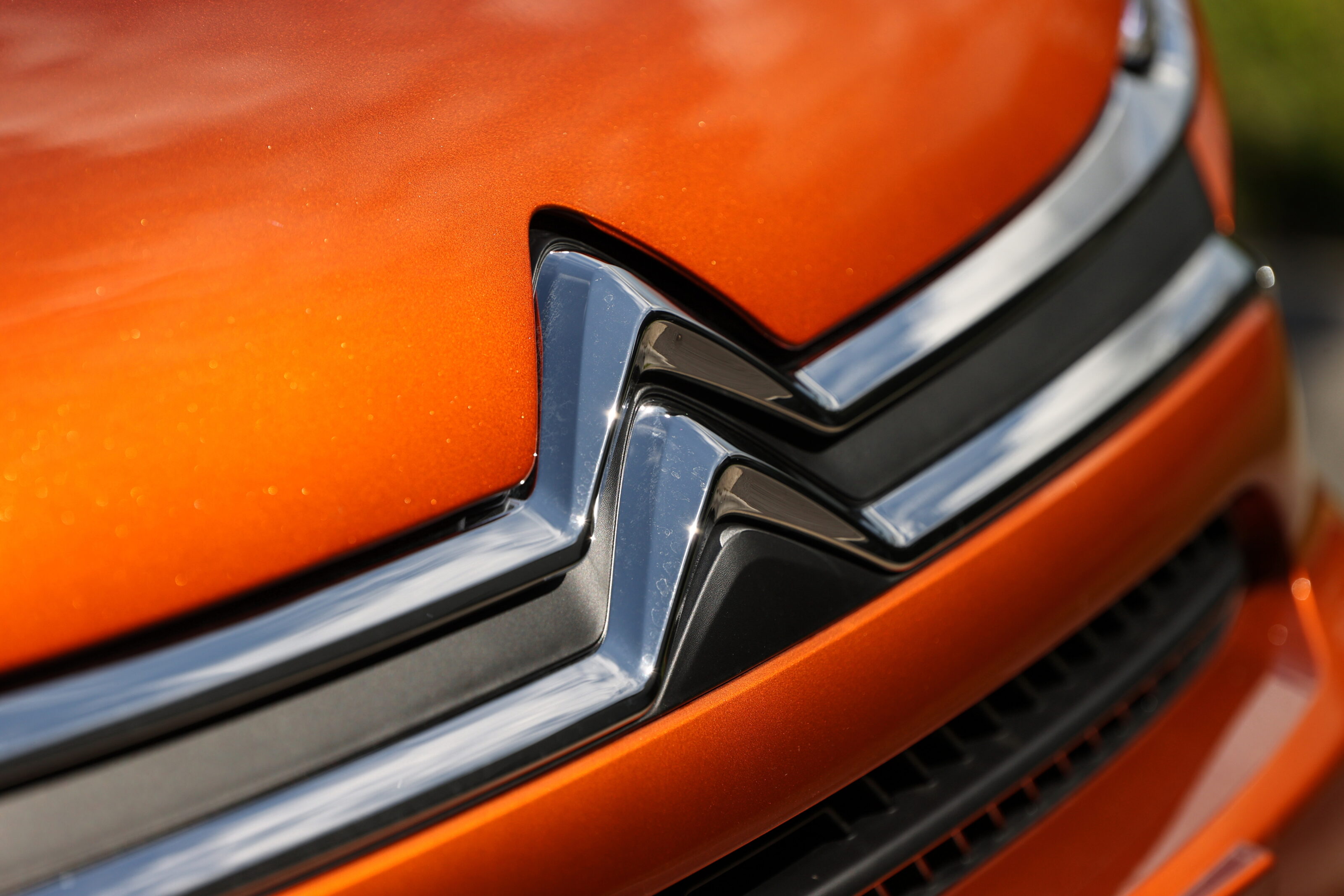
Influenced by the CXPerience, Ami One and 19_19 concept cars, the C4’s design uses Citroën’s front-end signature with double-stage headlights and chrome chevrons stretched across the front of the car, extending upwards to the daytime running lights and down to the headlights.
A high, horizontal bonnet line gives the new C4 a more robust appearance than in previous generations, and is underscored by a front bumper using a matte black lower skirt for durability and ’this is an SUV’ box-ticking, though a body-coloured one would look sleeker. The air intake grilles use the macro chevron pattern first seen on the recent concepts.

The matte black wheel arches are linked to the front and rear bumper skirts and signature ‘Airbump’ that’s said to highlight the body shape while also reportedly provide protection. It’s far more toned down here than we’ve seen previously with the C4 Cactus; in fact you’d be hard-pushed to notice it at all.
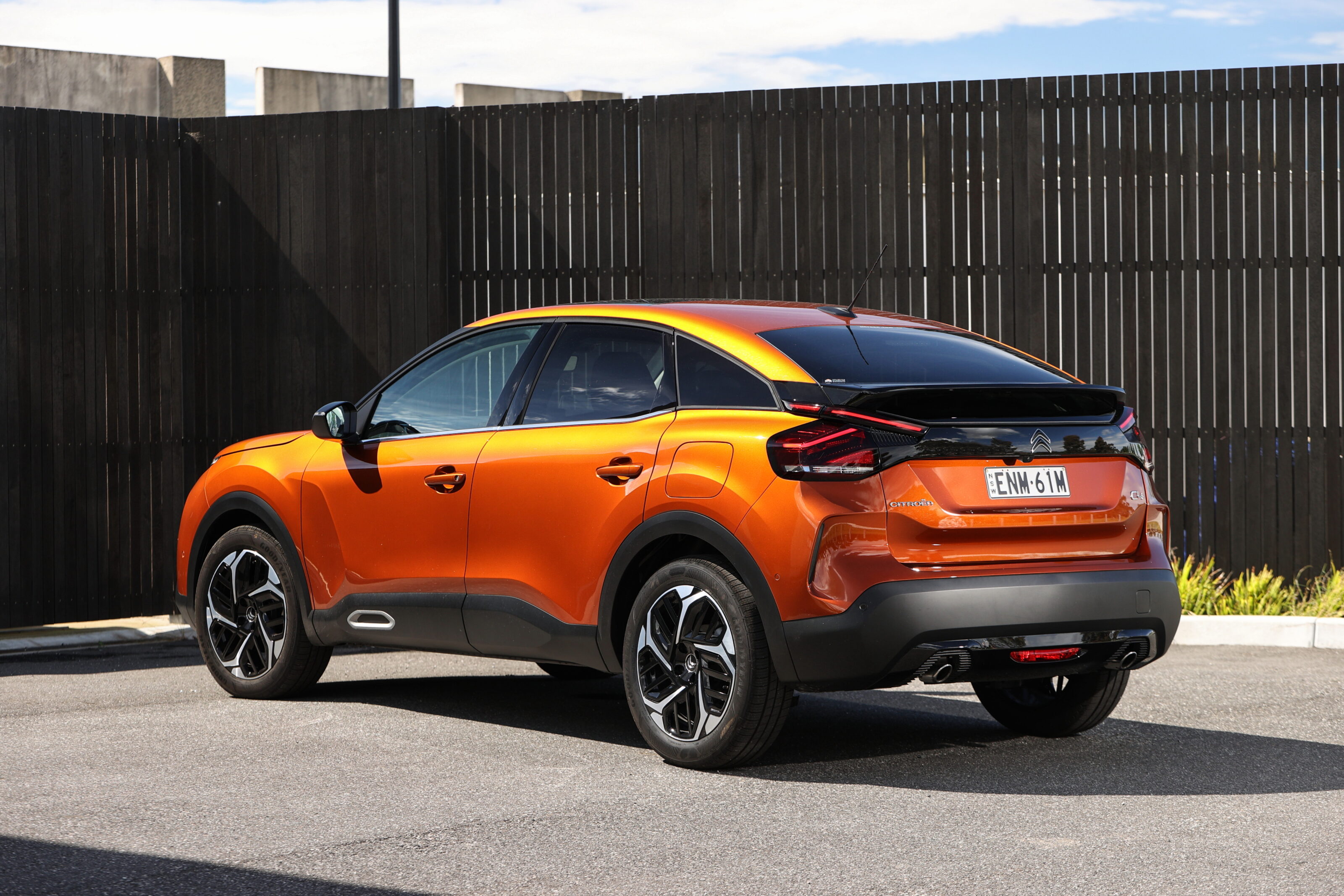
Its roofline, combined with the sloping rear window and glazed sunroof (if optioned) look the part, but what the prominent rear spoiler adds to the new C4’s aerodynamics, it takes away from visibility. The rear window is small to begin with, but add a spoiler and one (or two) of the rear headrests forced upwards to accommodate the top of a child seat and suddenly you’re squinting through a gap the size of a letterbox.
The French don’t believe in playing safe with their design, and the new C4 is no exception to that rule. Its fresh, modern and funky looks set it apart from the pack
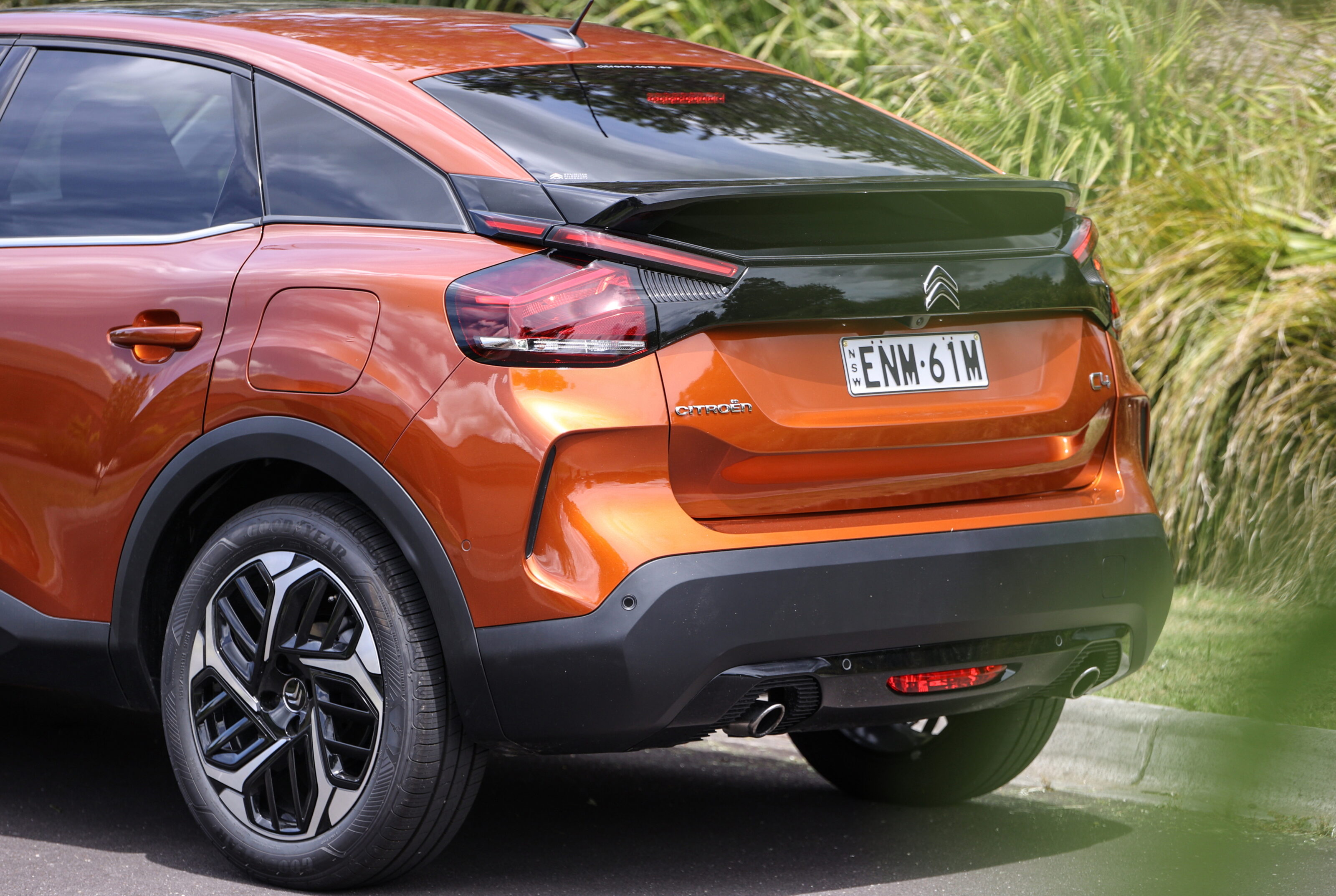
The rear-end design is said to have been inspired by the 2004 C4 Coupe, while the V-shaped LED rear lighting signature is also borrowed from the Ami One and 19_19. Mirroring the frontal design, its tail-lights are linked by a glossy black strip giving it a clean and polished appearance.
The bumper skirt – again matte black – has a gloss black trim surround for the chrome exhaust tips, while two outer air scoops are connected by a styling line on the hatch.
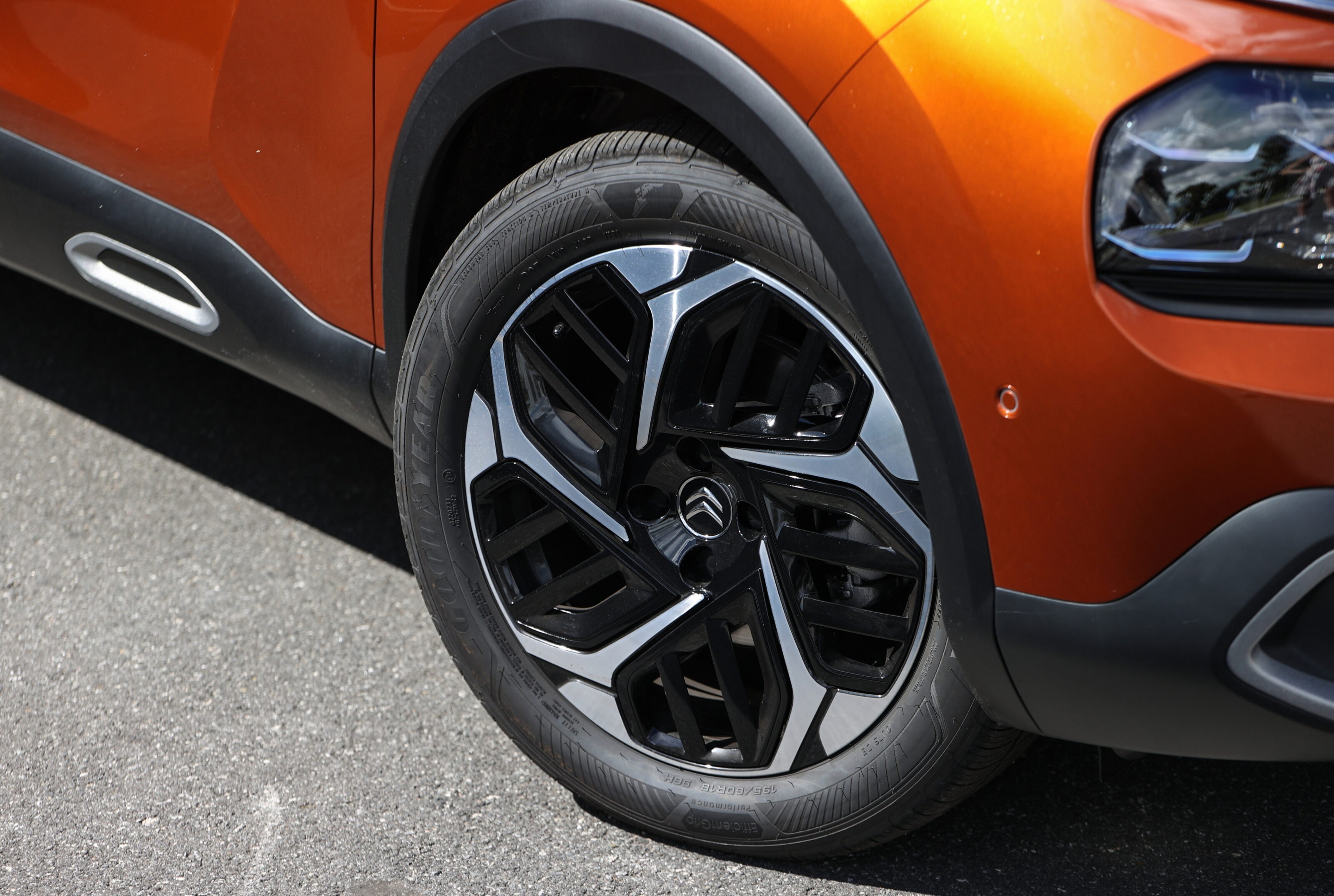
Finishing the C4’s look are 18-inch Aeroblade alloy wheels shod in 195/60 R18 rubber.
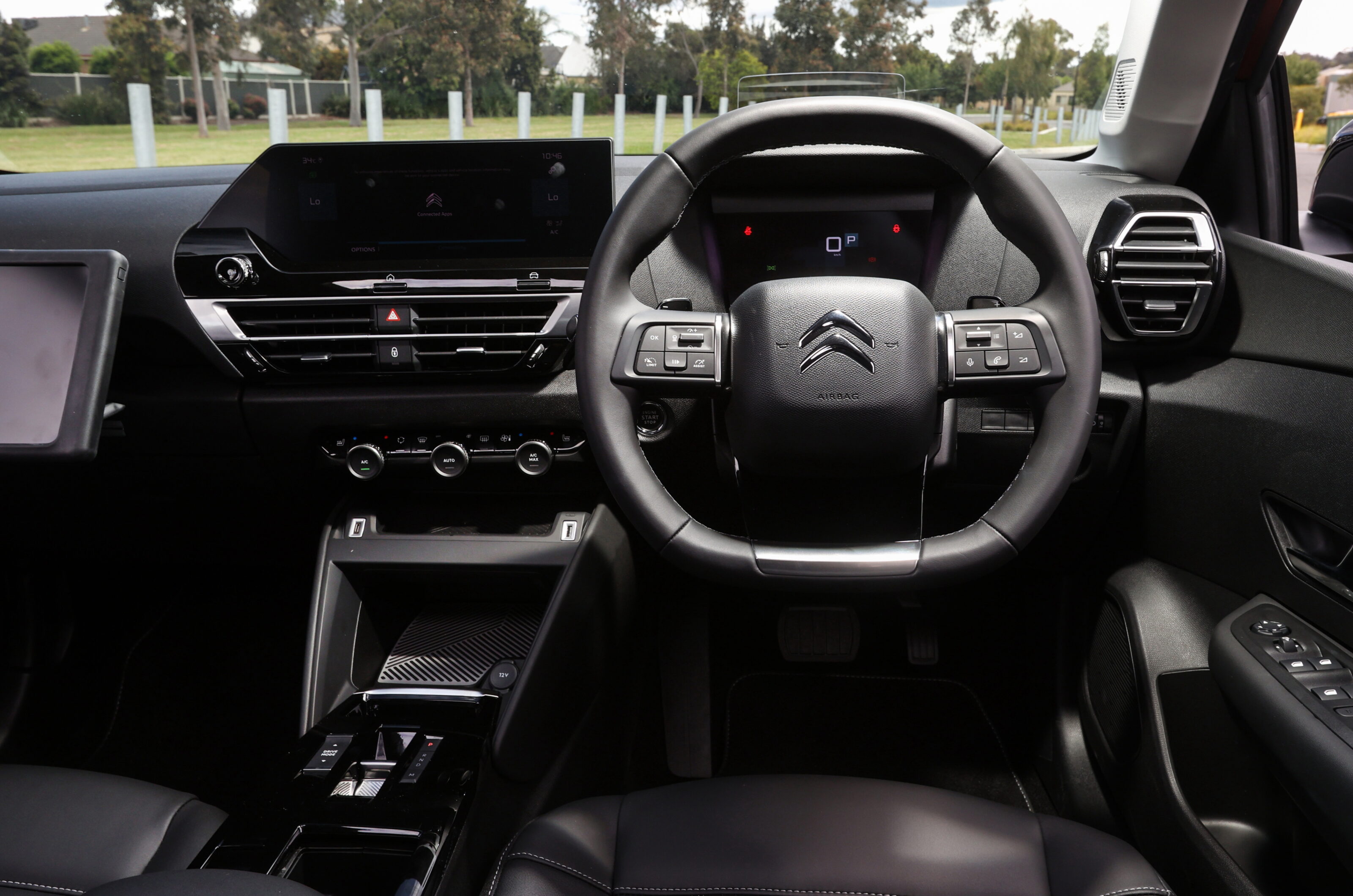
On the inside, the new C4 sports a grippy – yet soft – deluxe leather steering wheel and light grey chevron-patterned stripes across the front seats and door cards, which look attractive.
The seats are trimmed in black Siena leather with Zephyr grey stitching and complement the piano black gloss centre console – though like any car with this interior trim, it gets dirty and smudged easily through constant touching.
The armrest is clad in padded leather too, which looks and feels of good quality, though there are also an array of hard plastics on show, which remind you that while this little funky French car may be jazzy, it’s not a premium offering.
Features
The C4 has a raft of features that make it an enjoyable place to spend your time on either long or short trips, such as: Two USB-C and USB-A ports (one of each, though Apple Car Play only works using a USB-C cable, which took us longer to figure out than we care to admit), a 12V power outlet and reversing camera with top-down 360-degree view – as well as sensors to making parking easier.
One very distinctive feature we’ve not seen elsewhere before is a dedicated stand and tray embedded in the dash on the front passenger’s side, which can hold a 10.5-inch-sized device or smaller, such as an iPad Air 2 or Galaxy Tab A. A larger stand can be purchased for bigger tablets.
It’s a pretty cool piece of kit on the face of it, especially since the specially-developed cover stops it from being visible from the driver’s side, though such a tool would perhaps be better suited to the second row to keep kids entertained – as we can’t imagine it getting much use by an adult on a regular basis and it can restrict front-seat space for taller passengers.

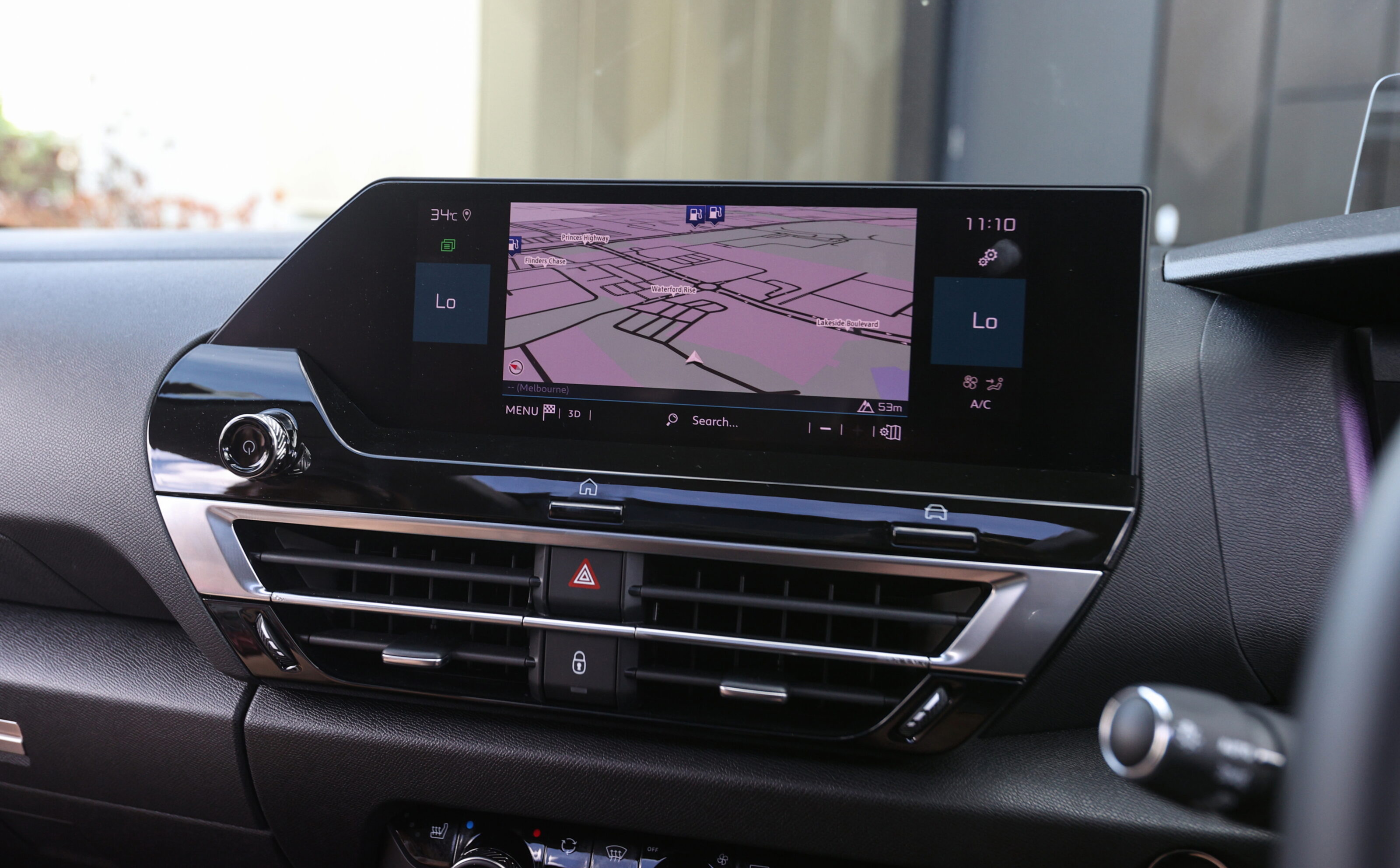
However, what lets the C4 down is the infotainment system – which can also be found throughout the Peugeot-Citroën car family.
This is one of those times where you thank your lucky stars for Apple CarPlay or Android Auto (which the C4 does have, just not wireless). This unit seems overly complicated, doesn’t look particularly nice (even at maximum brightness it is dull), and lacks functionality.
The system, operated through the 10-inch central touchscreen, doesn’t have a main menu and you can’t easily listen to the radio if your phone is plugged in (because it defaults to your music app) without using the voice command function or a lot of jiggery pokery, which is a pain.
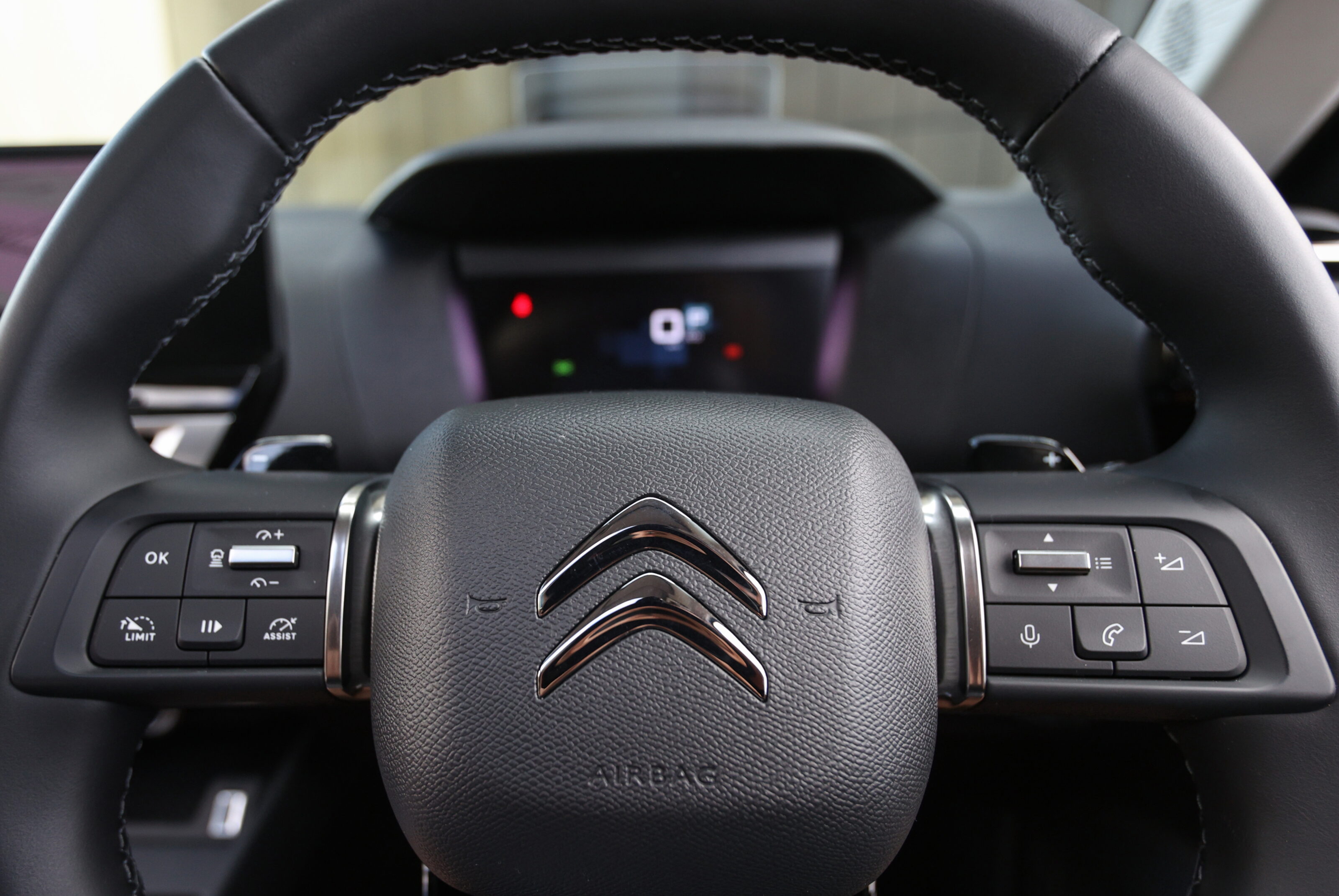
But the 5.5-inch digital instrument cluster couldn’t be more different. Unlike many cars these days, where so much information is crammed into a small space that you can get any metric you could ever want at the click of a button, Citroën has stripped all that out and kept things simple, which is actually very refreshing. It’s amazing what you don’t miss when it’s gone.
The head-up display is a nice addition too – although it’s worth noting that the speed sign recognition shown on it often struggles to know what the limit is, and can’t cope with stretches where this varies continuously.
One very distinctive feature we’ve not seen elsewhere before is a dedicated stand embedded in the dash, which can hold an iPad
Funny logic can also be found in the location of the door unlock button – it is nestled snugly under the hazard light trigger in the middle of the dash, which seems the oddest of places given almost every other car has it on the driver’s door. Go figure.
Second-row occupants get rear centre console air vents and two USB ports (one A and one C) as well as a cup holder in each door and two when the middle seat folds down into an armrest – though none are large enough to accommodate a one-litre drink bottle.
Comfort and space
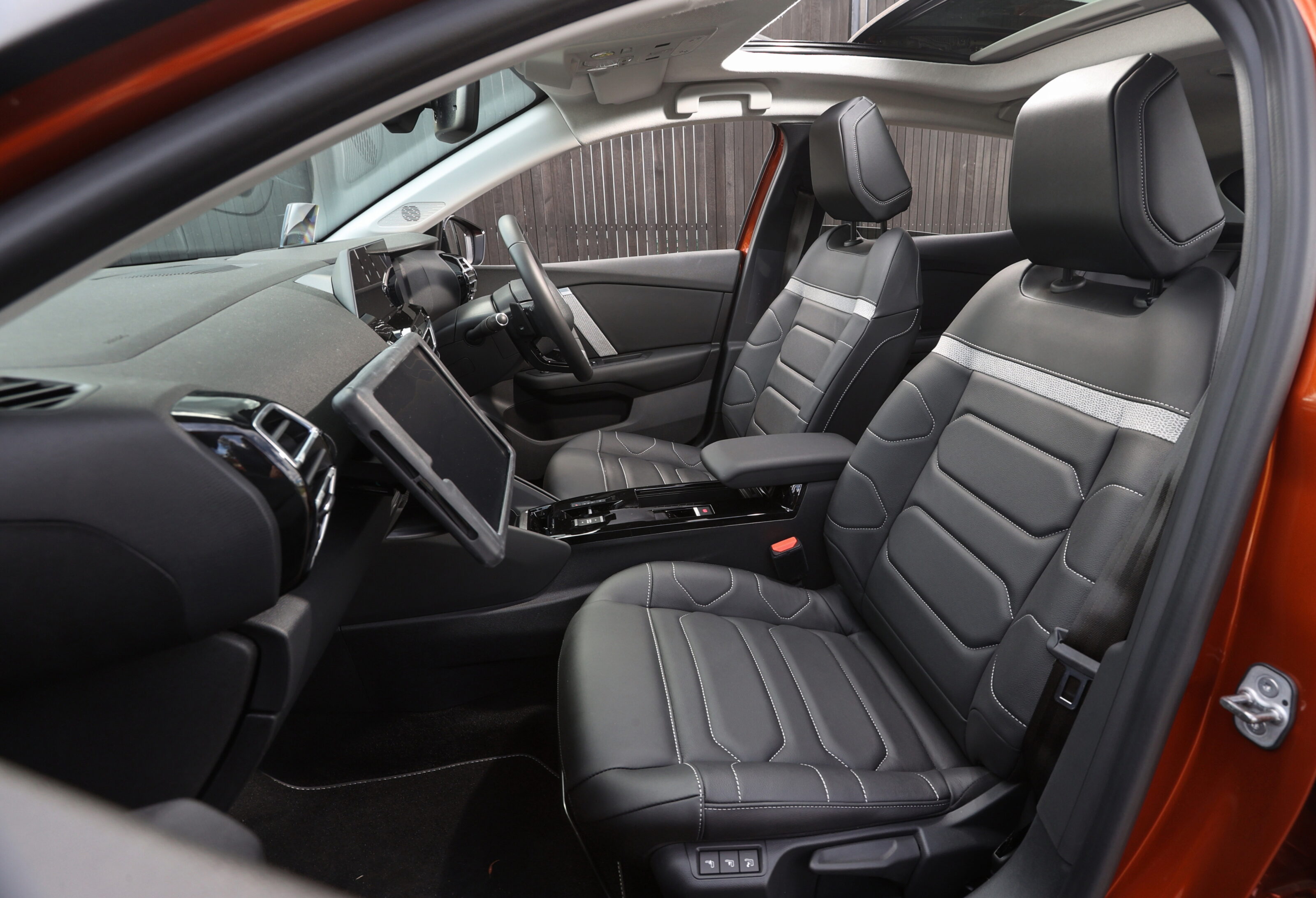
If there’s one thing the C4 does really well – it’s comfort.
Its supremely plush memory foam ‘Advanced Comfort’ seats, coupled with cushiony suspension – thanks to dual-stage hydraulic dampers – make it more like driving on air than on a road. We’ll tell you more about that later.
Being a high-spec variant, it has a wealth of creature comforts on-board too, including heated front seats that have four-way electrical adjustment (though oddly still has the old-fashioned manual bar underneath for sliding forwards or backwards), and a basic one-setting massage function for the driver’s side.

Though it pleasingly has privacy glass at the rear as standard, the tint is a little weak compared to many vehicles, and to feel truly comfortable that little ones are shielded from harsh UV rays on bright days you might want to consider a window sock – even if it would somewhat detract from the fun and edgy look the C4 is going for.
As for space, the crossover C4 is surprisingly roomy. On paper, it’s 4355mm long, 2032mm wide, 1525mm high and has a 2670mm wheelbase.
In fact it’s like a Tardis (bigger on the inside) than it appears from first impressions.
There’s plenty of space in both the first and second rows – with ‘class-leading’ legroom in the back, according to Citroën
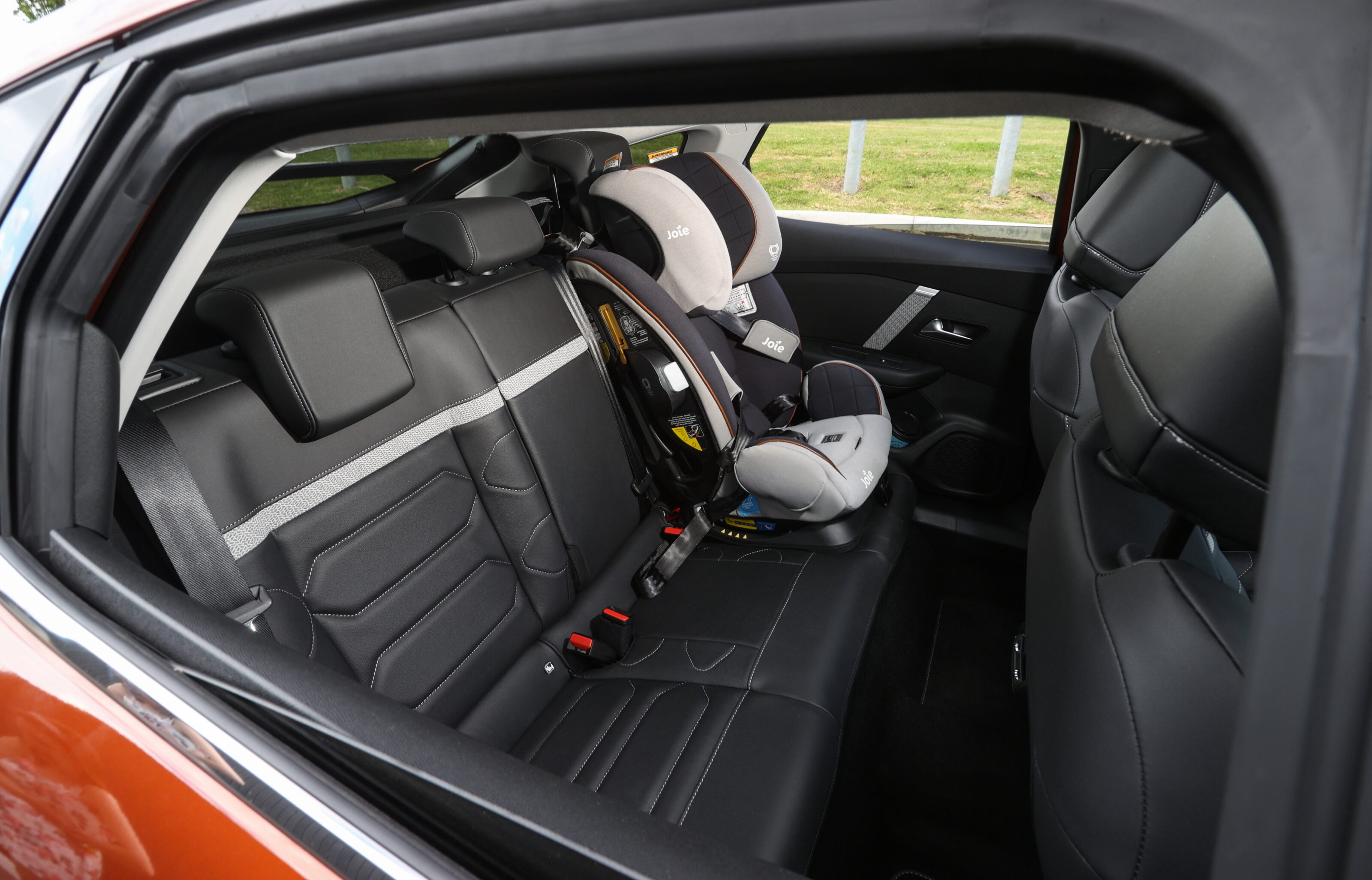
There’s plenty of space in both the first and second rows – with a ‘class-leading’ 198mm of legroom in the back, according to Citroën. It’s certainly enough for kiddos to spend a short or long journey in comfortably, and even for an average-sized adult.
The boot is sizeable for a small-ish car too. In addition to multiple pockets of space littered throughout the cabin, there’s 380L on offer with the seats up or 1250L with the second row folded down.
The one slight disappointment here is that it misses out on a powered tailgate, and in this case, that means it is heavy and hard to close with just one hand on the go. Given that the C4 gets heated and powered wing mirrors, it’s a feature we’re surprised has been missed off the equipment list.
On the road

The C4 has a punchy 1.2-litre three-cylinder turbo-petrol mated to an eight-speed automatic transmission, the same combination found in sister brand Peugeot’s 2008 GT Sport, sending 114kW and 240Nm to the front wheels.
Overall wind and tyre noise are minimal, but it can increase on the freeway at higher speeds. The only other sound worth noting is the distinct thrum of the three-cylinder whenever you put even a touch of pressure on the accelerator. While some don’t mind the noise, personally we find it a little grating under harder acceleration.
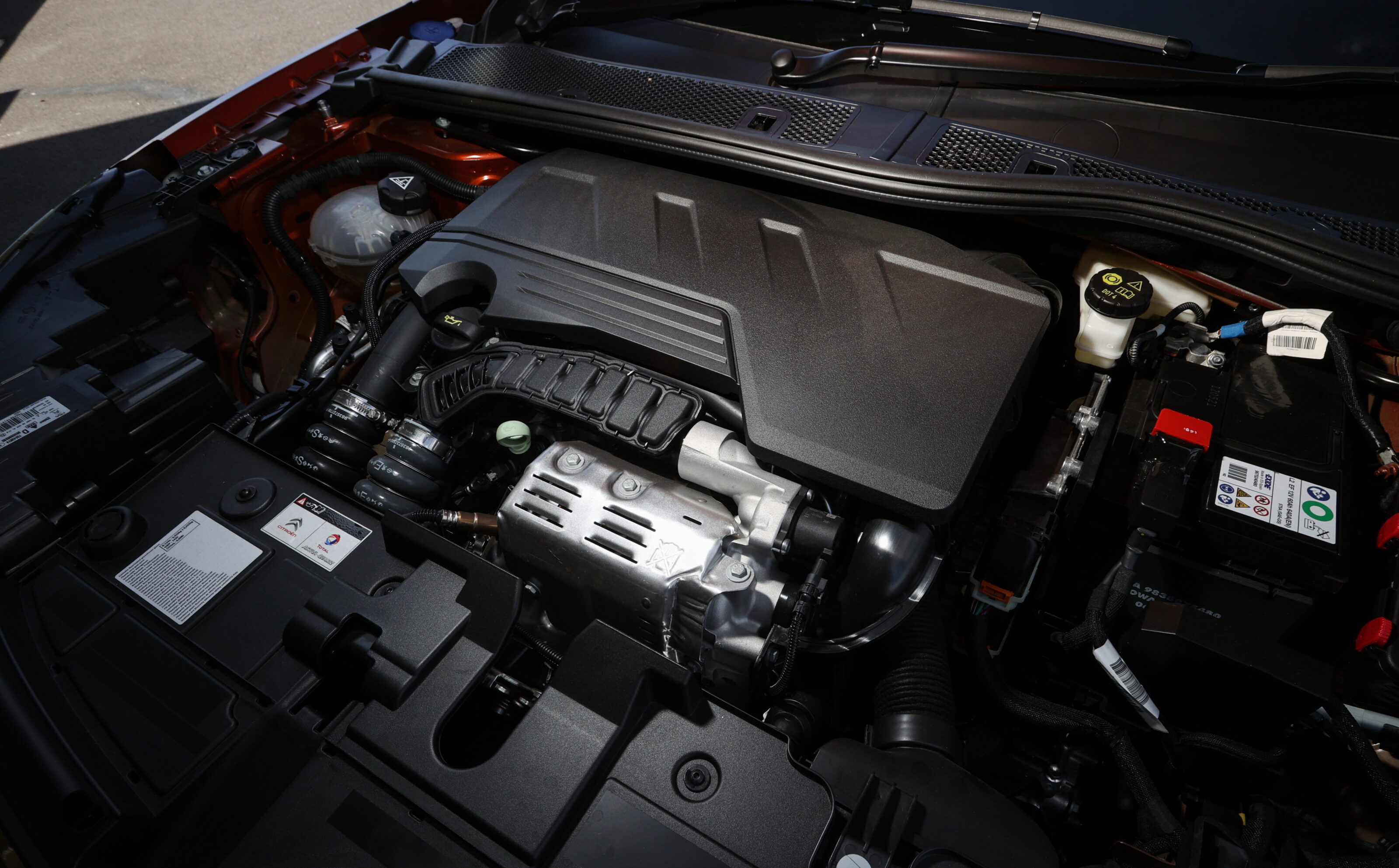
Pulling away from the lights, throttle response is decent, with more thrust than you’d expect from the small capacity engine thanks to the turbo, and outside of Eco mode, there is no real lag moving up through the rev range. As with most Eco modes, its get-up-and-go is strained and progressing from 60 to 110km/h takes a good while. Normal mode, which is the default setting, is unremarkable, though Comfort does exactly what is says on the tin and encapsulates that smooth magic carpet ride feeling Citroen is so proud of.
The C4’s steering is also pretty leisurely, offering a fluid range that allows cornering and directional changes to be undertaken with ease. Though the steering wheel is surprisingly large for a smaller vehicle, it has good grip and isn’t hampered by having lots of buttons and toggles as Citroën has decided to keep all such controls, as well as on-screen data, in the digital cluster to an absolute minimum for simplicity and driver comfort.

There are no interchangeable driving graphics on the display, with just the driving mode in small font underneath the current gear, and the steering wheel can only adjust volume, radio channel, cruise control or operate a phone/voice command.
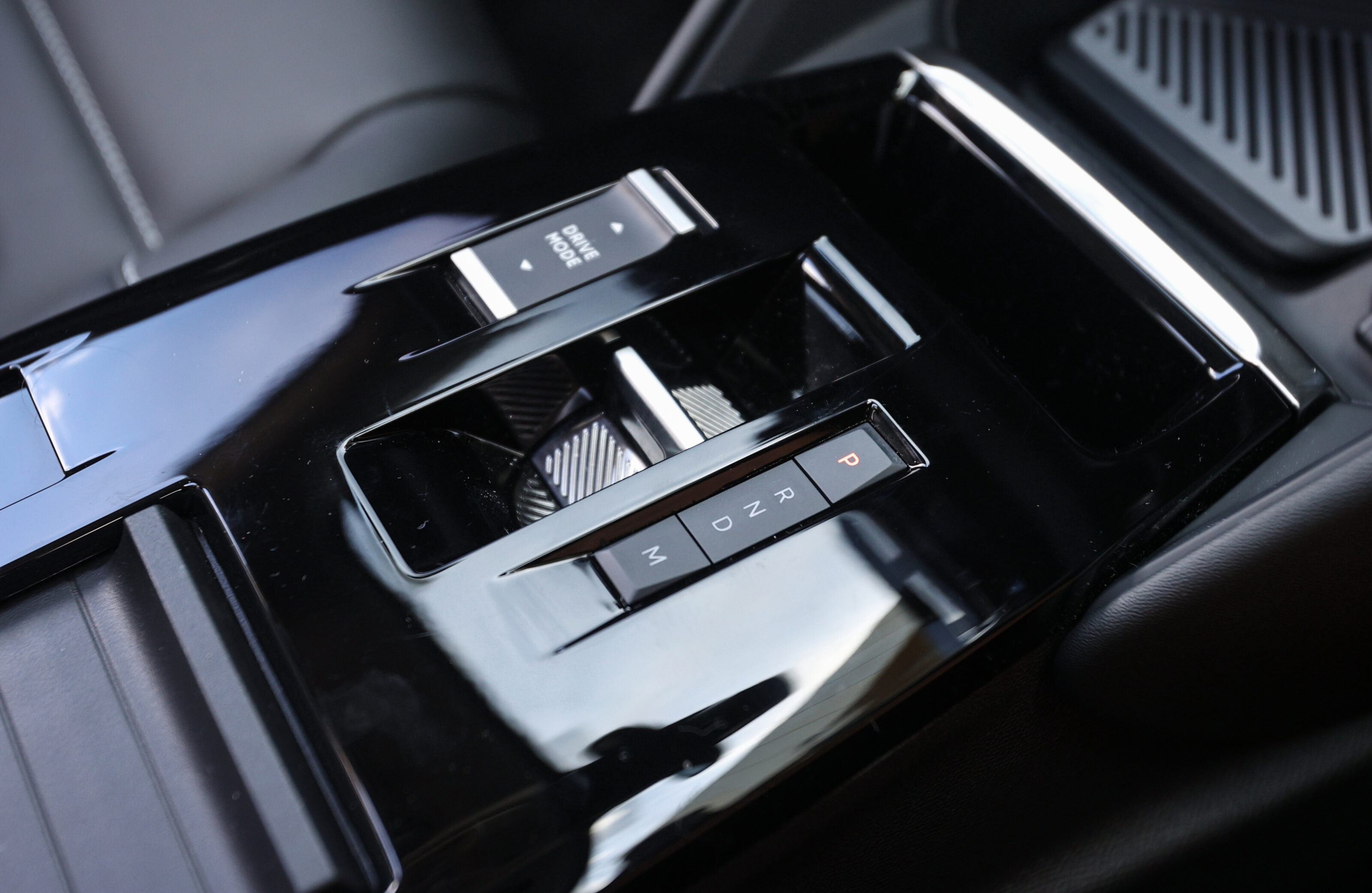
Rather than a traditional gear stick, the C4 opts for a new e-Toggle gear shifter, acquired from within the Stellantis family. Offering three positions for selection of reverse, neutral or drive, it also has two backlit push-buttons to a ‘P’ that activates parking mode and ‘M’ to select manual driving mode. It’s actually very easy to use and you adjust your style quickly with no notable issues, and it even looks quite classy.
The C4’s steering is also pretty leisurely, offering a fluid range that allows cornering and directional changes to be undertaken with ease
At this car’s launch, Citroën made a point of highlighting the C4’s ‘Progressive Hydraulic Cushions’ suspension system, which it claims adds extra comfort. While we approached this brag with some wariness, it has to be said that the ride is exceptionally smooth, and it handles itself with the composure you’d normally expect of a much more luxurious vehicle as it absorbs almost all bumps with ease. It’s mighty impressive.
The brakes too were respectably capable, with good pedal feel and sharp responses.
The new little Citroën has a combined rated fuel consumption figure of 6.1L/100km and during our time with it, this wasn’t too far off – hanging just a touch above at around 6.3L/100km.
Safety
The C4 comes with a host of improved safety features compared to its predecessor, including:
- Active safety brake
- Collision risk alert and post-collision safety brake
- Blind-spot monitoring system
- Active lane departure warning system
- Adaptive cruise control
- Coffee break alert
- Driver attention alert
- Extended traffic sign recognition and recommendation
- Anti-lock braking (ABS)
- Electronic stability program (ESP)
- Front seatbelt pre-tensioners
- Six airbags
- Forward collision warning
- Speed limiter function

The new Citroen C4 has been given a four-star safety rating, becoming just the second vehicle to not receive five stars from ANCAP since the testing authority updated its rules in 2020 – the other being the Kia Cerato S/Sport.
Just one of its four tested categories passed over the threshold for five stars, with the C4’s lower score largely attributed to its 57 per cent result for vulnerable road user protection as well as its 62 per cent rating for safety assist systems, both unable to clear the five-star targets of 60 and 70 per cent respectively.
ANCAP believes the biggest factor however was that the crossover lacks far-side impact protection because it has no centre airbag, which led it to get just 0.12 points out of four points in this test. The authority slammed Citroën, saying getting five stars was “not a focus” for the carmaker.
Ownership
This is not the first time we’ve seen a Citroen C4 on our shores of course, though it has been a while. The model was axed from the local line-up in 2017 and replaced with the funky C4 Cactus. That too disappeared in 2021 after just two were sold in 2020, leaving the C3 and C5 Aircross in Citroen showrooms.
Since its launch in quarter four of 2021, just 18 C4s have been sold (11 in November) – showing it is truly a niche option. By comparison, during the 11th month of the year 1027 CX-30s, 687 XVs and 257 C-HRs were delivered respectively.
All Citroëns come with an industry-standard five-year/unlimited-kilometre warranty, five-year roadside assistance and five-year Service Price Promise program.
Servicing for the new C4 starts at $429 for the first check at 12 months/15,000km, with the highest cost coming in at $598 for the fourth year/60,000km. The total price for the first five intervals is $2485.
Verdict

Citroën says the new C4 combines the “elegance of a hatchback and the versatility of an SUV” – and we’d say that holds true enough.
As either a city car for a young commuter or a hauler for a small family it will certainly do the job, with the cushiony suspension making it one of the more comfortable vehicles in its class and the optional sunroof also ensuring it’s a bright and airy experience from A to B.
The sticking point for us is the price and lack of choice in the model range. We’d like to see a more affordable version offered in Australia for those who might want something a bit more eye-catching but without a higher budget. Getting our hands on the electrified e-C4 before too long would be a good option too, to diversify the range of EVs on sale Down Under.
There just aren’t enough bells and whistles on this car to warrant the higher price in our book, compared to its rivals mentioned above, which is perhaps why a relatively low number of buyers are getting behind the wheel of Citroën vehicles.
2022 Citroën C4 specification
| Body | Five-door light SUV |
|---|---|
| Drive | Front wheel drive |
| Engine | 1.2-litre three-cylinder turbo-petrol |
| Power | 114kW @ 5500rpm |
| Torque | 240Nm @ 1750rpm |
| Transmission | Eight-speed automatic |
| 0-100km/h | 8.5 seconds |
| Bore/stroke | 75.0 x 84.8mm |
| Compression ratio | N/A |
| Fuel consumption | 6.1L/100km |
| Weight | 1765kg (kerb) |
| Front suspension | Progressive Hydraulic Cushions suspension system, Pseudo MacPherson |
| Rear suspension | De-formable Crossmember |
| L/W/H | 4355/2032/1525mm |
| Wheelbase | 2670mm |
| Brakes | Ventilated discs at the front and solid discs at the rear |
| Wheels | 18-inch alloys |
| Tyres | 2195/60 R18s |
| Price | $39,990 plus on-road costs and paint options |
It was P.T. Barnum who maintained that the key to a great attraction was to “always leave ’em wanting more.”
In that regard at least, Kia Australia has inadvertently taken a leaf from the great showman’s playbook with its much-anticipated EV6 electric flagship. In short, demand has massively outstripped supply.
“We’ve had three times the pre-interest that we had on the Stinger,” admits Kia Australia’s General Manager, Product Planning Roland Rivero on the pre-launch buzz for the EV6. “We’re currently seeing around 25,000 with regards to expressions of interest.”
The more cynical of you will note that expressions of interest and actual orders can be a long way apart, but Kia reckons on 1800 firm dealer orders for the EV6 against an initial 2022 allocation of just 500 cars.
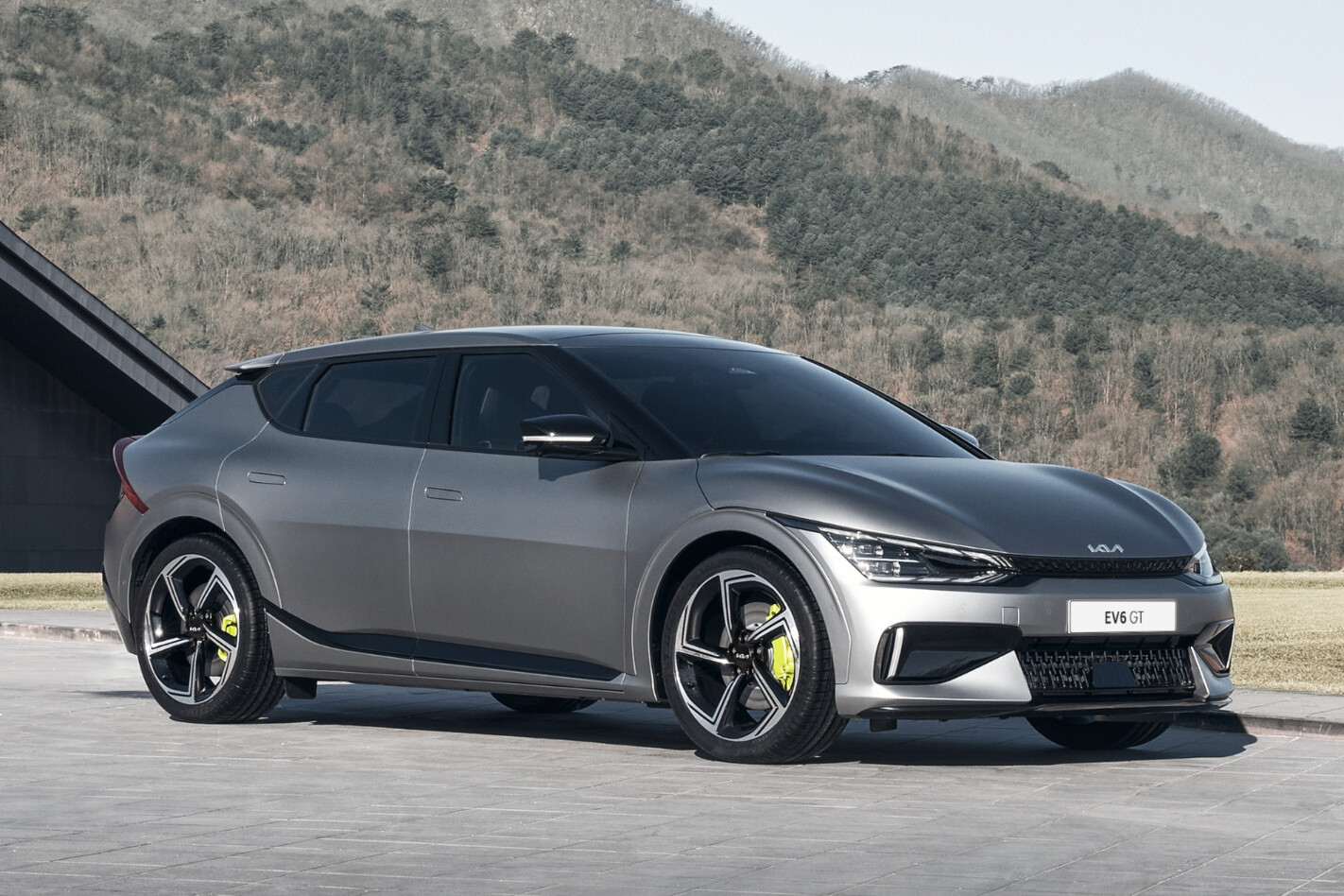
“We’re seeing a 50/50 split between existing Kia customers and 50 per cent new customers, hence why it’s so important as a halo model,” noted Rivero. The model split is expected to comprise around 20 per cent Air, 40 per cent GT-Line single-motor and 40 per cent GT-Line dual-motor.
With that sort of demand it’s not immediately obvious how the cars are allocated to customers. Damien Meredith, Kia Australia’s Chief Operating Officer is happy to throw some light onto that process.
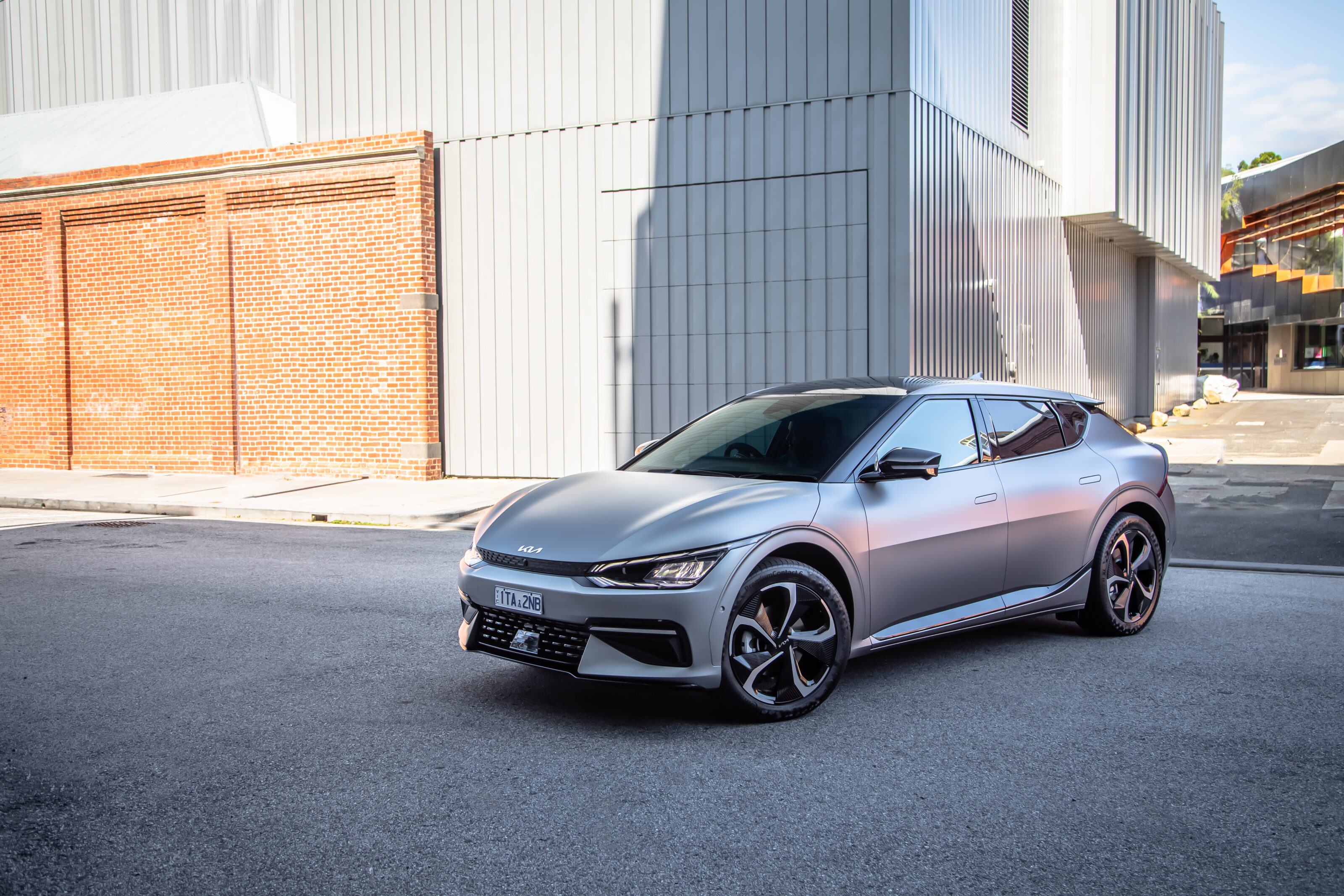
“We’ve really come up with an innovative way of doing that,” he says, tongue firmly in cheek. “We’re going to let the dealers sell the cars.”“We’ve allocated stock to the dealers and we’ll let it play out that way. A dealer in Dubbo may not have an order and so they can do a swap with a metro dealer to get a Sorento back. We’re allocating them to every dealer. Every dealer in Australia will get at least one EV6. We thought that was the best way to go about it.”
Given unlimited supply, Meredith believes Kia could easily shift 3000 cars per annum domestically, but notes that this aspiration is “la-la land” in terms of actual likelihood. A negotiation with Korea is ongoing for the release of additional allocation, but the numbers are modest. “If we can get another 100 cars, we’ll be doing exceptionally well,” admits Meredith.
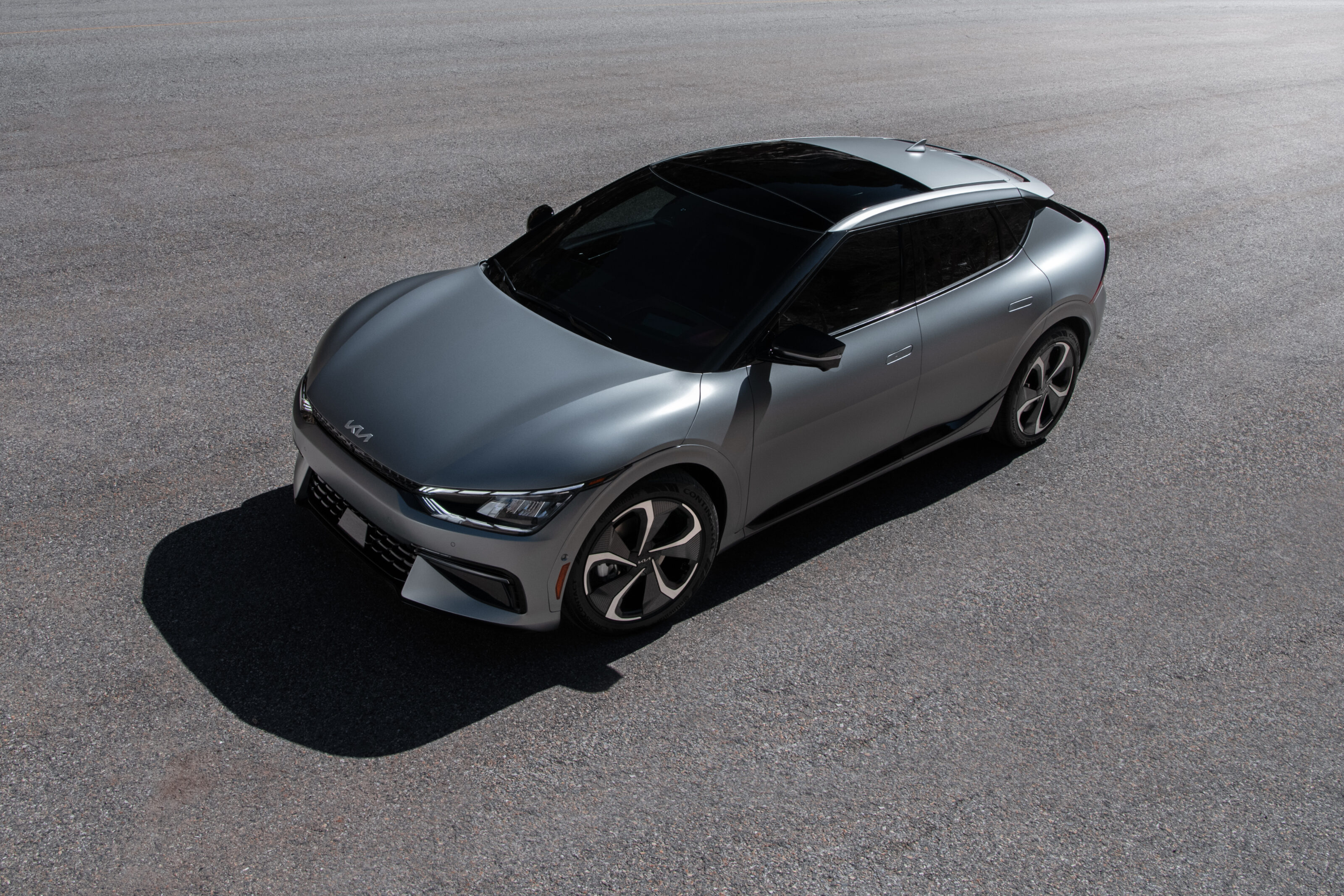
Given that this is Kia’s first full EV for sale in Australia, the EV6 requires a step change in servicing techniques within the dealer network. Meredith is adamant that Kia is ahead of that particular curve. “We started quite early with the [dealer] training and setup, and around 85 per cent of the dealer network is fully equipped and trained.”
Kia finished last year as the fifth biggest selling manufacturer in Australia. “I really believe the result of last year is a result of supply,” says Meredith, hinting that it could have been even better. The supply issue is something that affects not just Kia, but the industry at large, and those supply-constrained conditions will be a challenge that will continue through 2022.
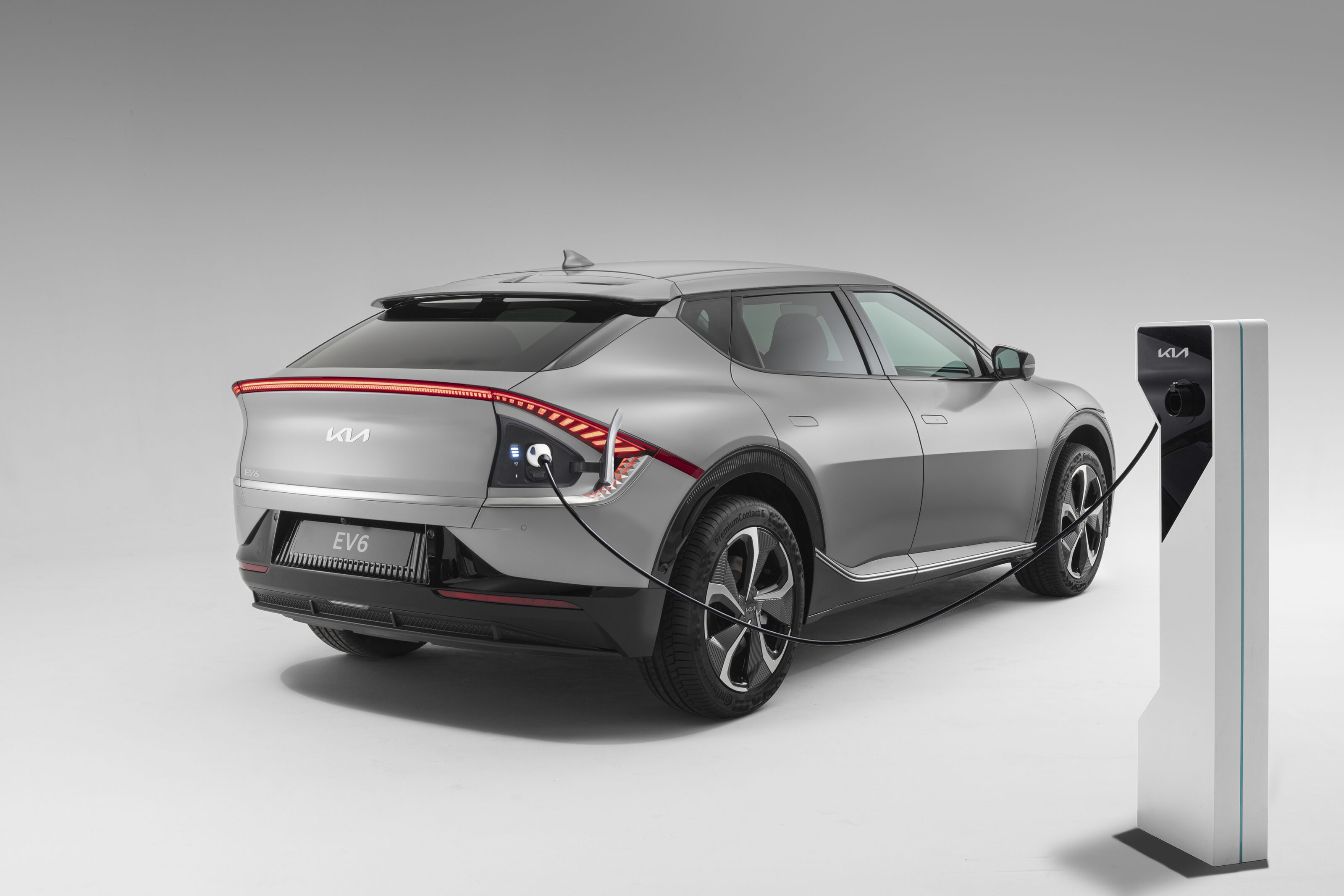
“It’ll still be tough. We want to sell 70,000 cars this year and I think we’ll get the supply to do that, but there’s not going to be a dramatic change. That 70,000 gets us to fourth position.”
As it stands, it looks as if just one in every 140 Kias rolling out of Australian dealerships in 2022 will be an EV6. As a halo product, it’ll have to punch pretty hard.
UPDATE, January 28, 2022: The 2022 Rolls-Royce Black Badge Ghost has arrived in Australia, priced at $745,000 plus on-road costs.
The super-luxury vehicle, of which there are only two currently in the country – with others to arrive on a strictly by-commission basis, was launched in Melbourne today sporting arctic white paint rather than the more popular signature black.
Our original story below has been updated to include more information now available.
The story to here
October 30, 2021: Rolls-Royce has pulled the covers off its Black Badge Ghost, the latest in a range of shadowy ultra-luxury vehicles.

Black Badge was launched in 2016, using darker materials and finishes in comparison to regular Rolls-Royce vehicles.
According to CEO Torsten Müller-Ötvös, the treatment came as an “officially sanctioned response to a new kind of client”, and now makes up 27 per cent of all commissions. In the past decade, the average age of a Rolls-Royce buyer has dropped from 60 to around 40.
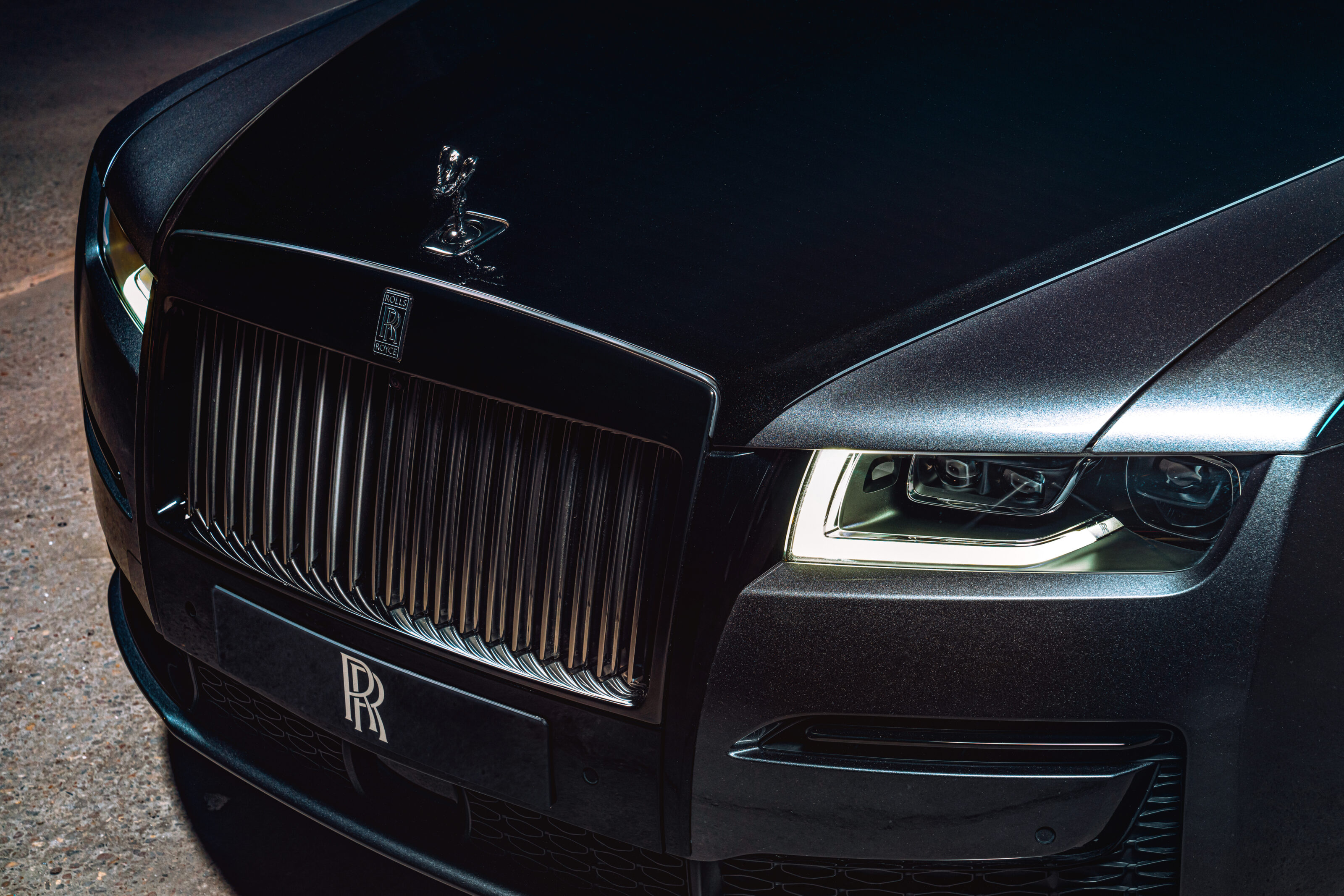
While any of Rolls-Royce’s 44,000 colours are offered on the Black Badge Ghost (alongside any other custom hue), most have so far opted for piano black.
Touted as the car industry’s darkest, it uses 45 kilograms of atomised black paint. After being oven-dried, it’s covered with two coats of clear and then hand-polished by four craftsmen for a deep-gloss finish. Both the grille and badging are plated in black chrome.
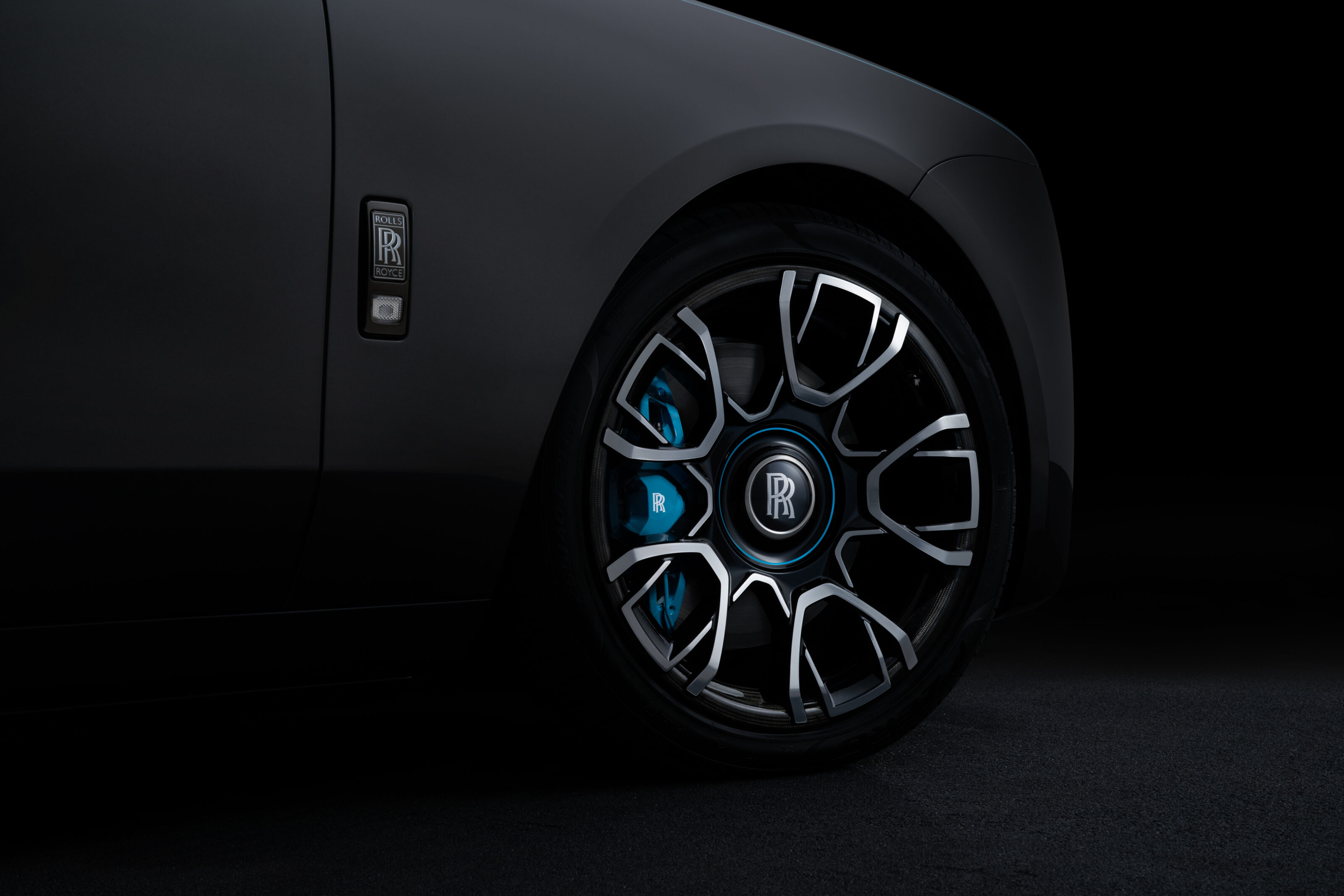
A new set of composite 21-inch wheels use 44 layers of carbon fibre on an aluminium hub. Like the regular Ghost, they feature a ‘floating’ centre hub to ensure the Rolls-Royce monogram is always facing upward.
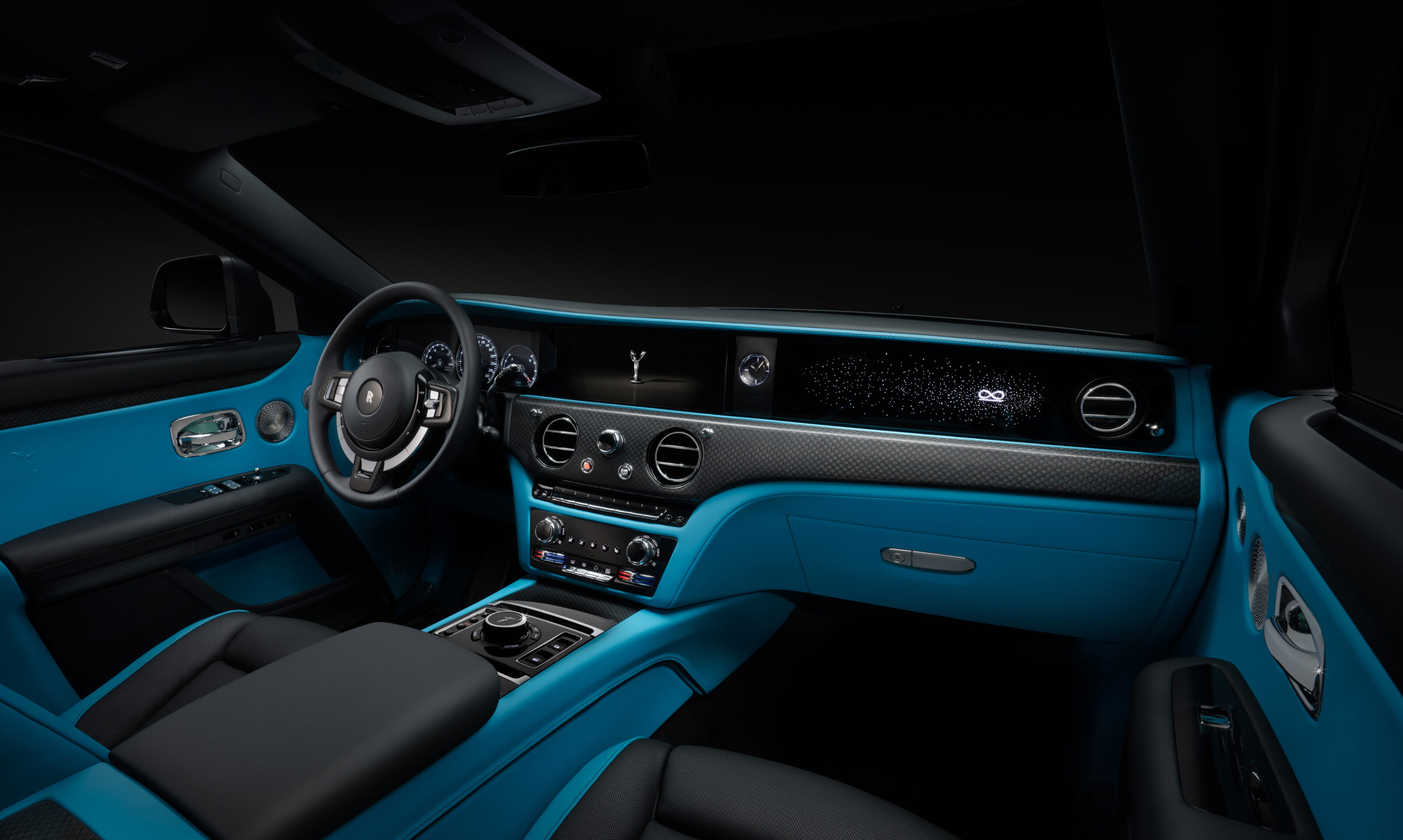
The ‘Post Opulent’ design philosophy carries inside the car, with a black heavy finish applied to fittings like the air vents and clock. Black Bolivar wood veneer features heavily, topped with carbon fibre-like ‘technical fibre.’ Rolls-Royce says most customers are opting for a black interior with coloured accents.
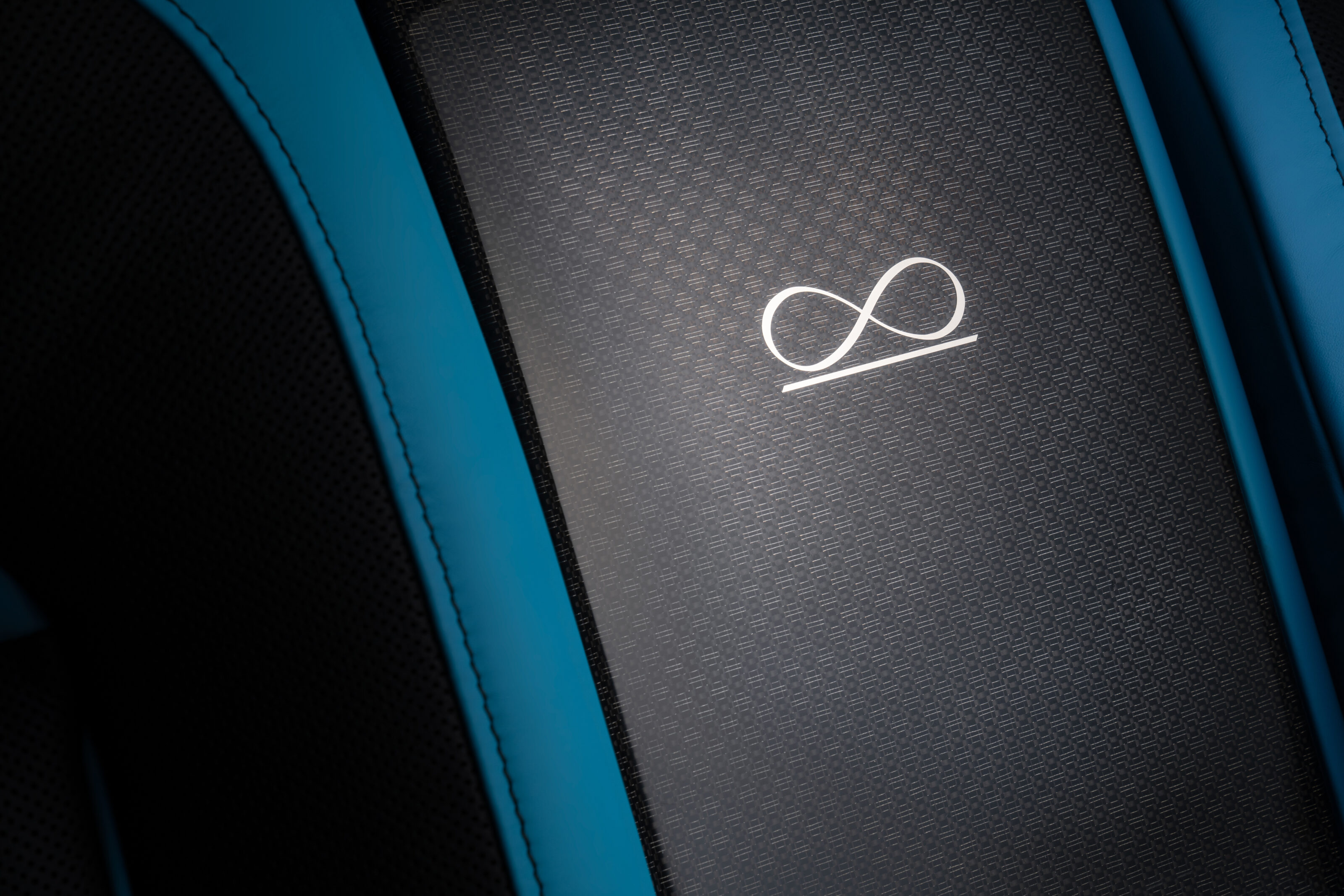
The champagne cooler lid features six layers of lacquer, encasing a lemniscate symbol within. The mathematical representation for potential infinity is repeated throughout the cabin, including on the seats and star-illuminated dash fascia (optional) and headliner.
The spacious boot, accessible through a powered tailgate, has a 50-litre capacity.
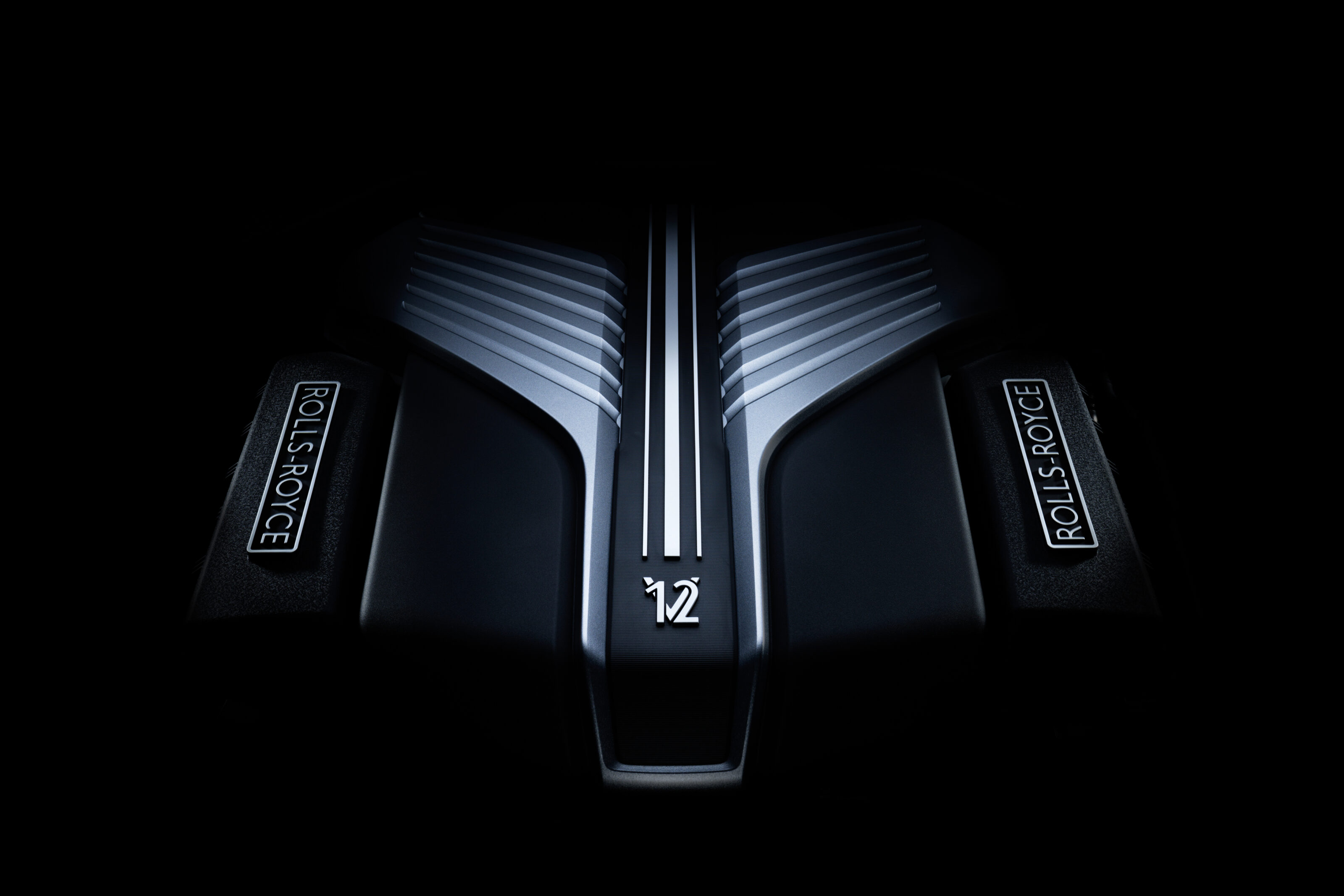
Rolls-Royce has tweaked the twin-turbo 6.75-litre V12 to produce an extra 21kW, boosting total output to 441kW. Torque has also been upped by 50Nm for a total 900Nm, which is available from a sedate 1700rpm. The V12 is mated to a bespoke eight-speed ZF automatic transmission.
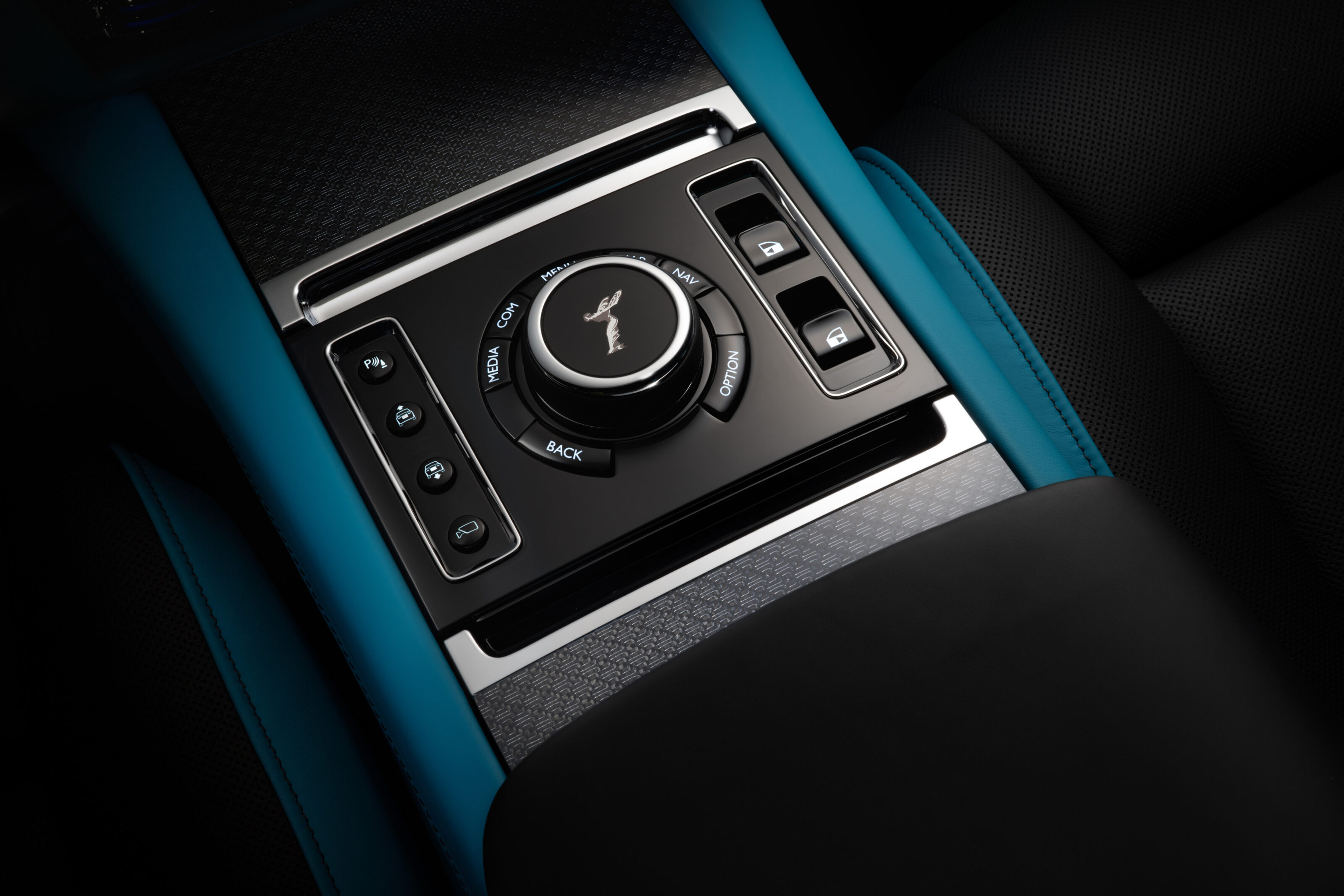
Like all Black Badges, the selector features a ‘low’ button. This changes the eight-speed auto’s shift points for a more responsive driving experience.
Measurement-wise, it stacks up at 5546 millimetres long, 2148mm wide, 1571mm high and has a wheelbase of 3295mm.
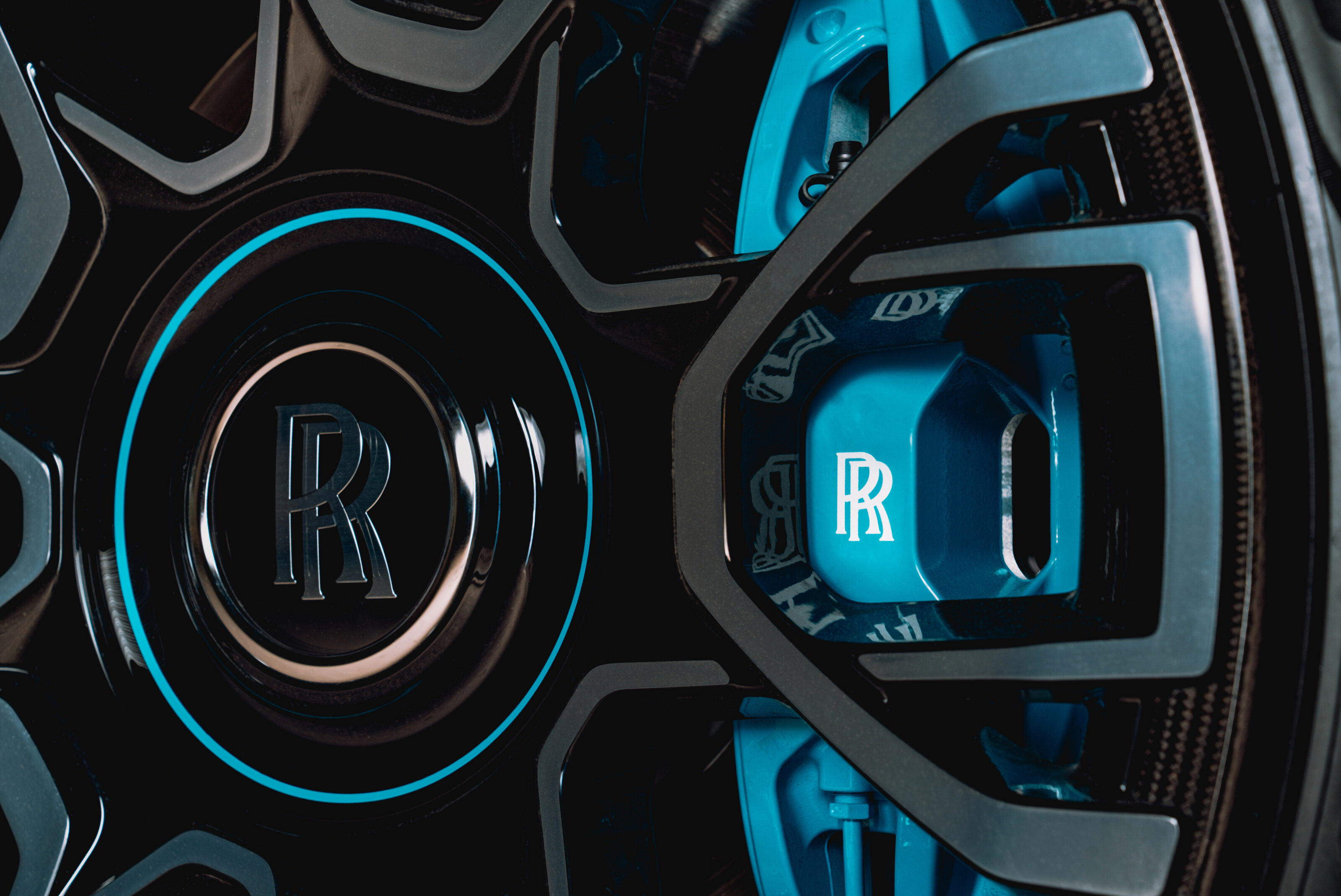
Brakes remain the same as the regular Ghost – albeit with the pedal’s bite point and travel reduced for stronger feel. The air springs have been enlarged to reduce body roll during spirited cornering.
The new Ghost has a claimed top speed of 250km/h and can do the 0-100km/h sprint in 4.7 seconds.
Combined fuel consumption is rated at 15.8L/100km.
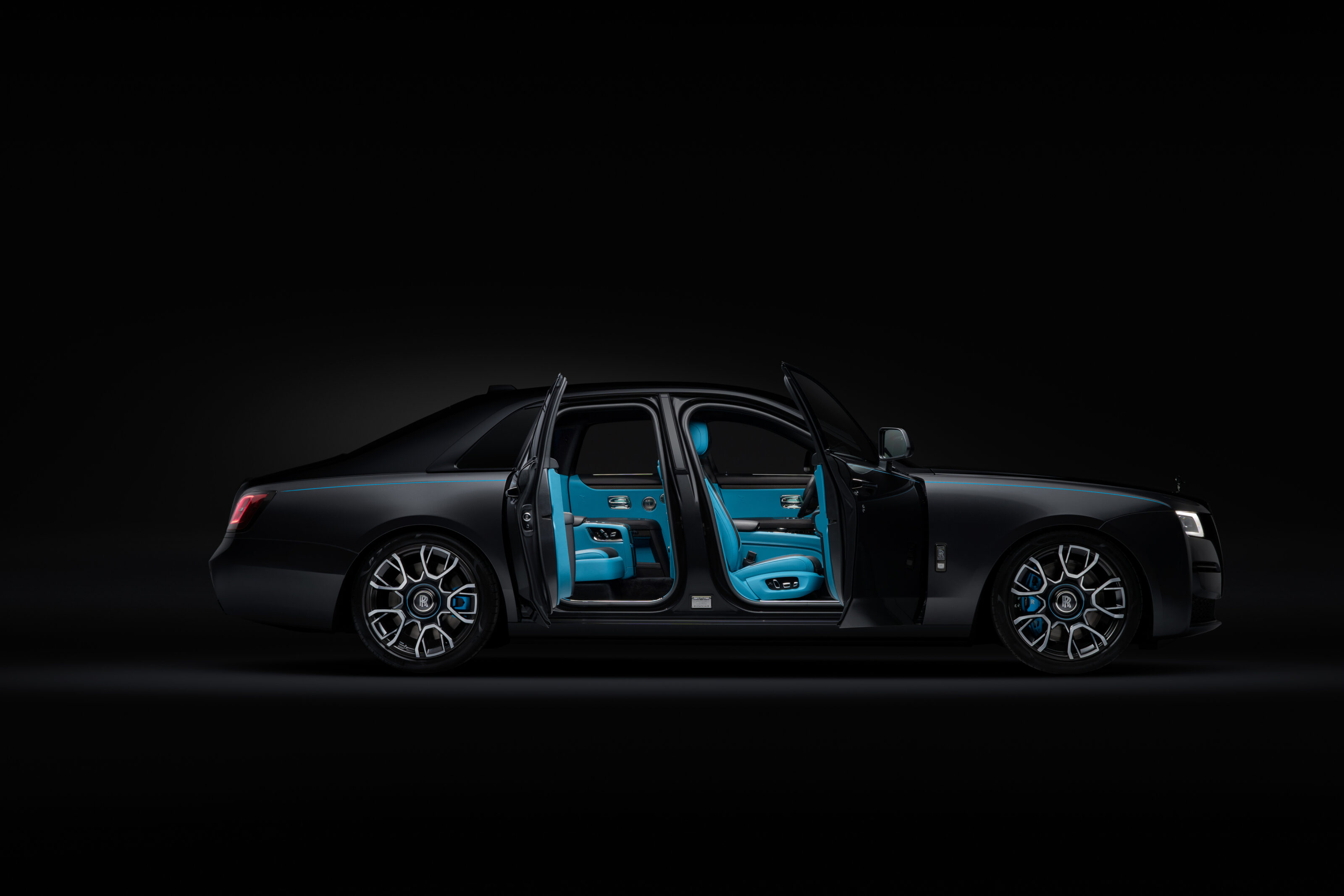
The second-generation Ghost was launched globally in October 2020, and joins the Cullinan, Dawn, and Wraith in receiving the Black Badge treatment. It is one of the marque’s fastest-selling models ever, with more than 3500 units shifted in the first 12 months.
Snapshot
- Spectre will be the first ever Rolls-Royce EV
- Testing will simulate 400 years of driving
- All vehicles to go electric by 2030
UPDATE, January 28: Rolls-Royce has confirmed its first electrified vehicle – the Spectre – will be bound for Australia when it launches quarter four 2023.
Speaking at a press conference for the launch of the new Black Badge Ghost this week, Ian Grant, regional sales manager for the Asia Pacific region, said there was a lot of interest in the brand’s upcoming EV and the company had already started taking deposits.
“Customers are putting money down, people who have not owned a Rolls Royce before (and those who have had a couple in the past).
“There is no better brand in the world to become electrified. The silent waft-ability you get from a Rolls-Royce suits it perfectly. Our customers have told us they want the driving dynamics of an EV – the instant power, the very fast 0-100 times.”
On why the luxury carmaker has decided to go fully-electric with the Spectre, rather than initially introduce a hybrid vehicle, Grant added it would have been a “half step” and “isn’t very Rolls-Royce”.
Australia is expected to be a key market for the Spectre, although interest is also understood to be strong in other parts of the region, such as Thailand.
The story to here
September 30: Rolls-Royce has revealed its plans to build an electric vehicle in the coming years, announcing the Spectre will be its first.
Set to launch in 2024, 120 years after Charles Rolls and Henry Royce formed the company, Spectre will be the first of many Rolls-Royce electric vehicles – with the manufacturer also announcing it will move away from internal combustion engines completely by 2030.
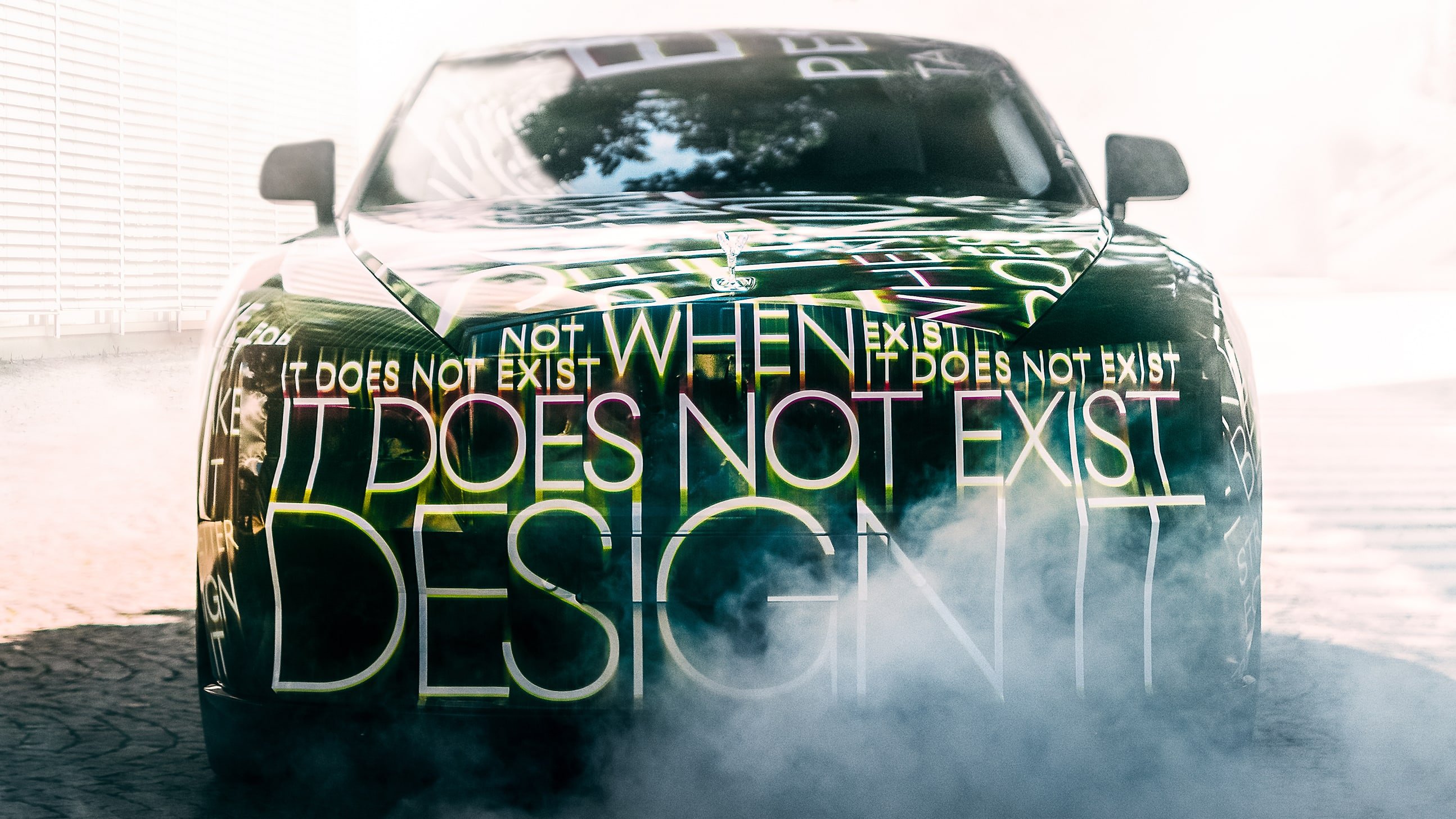
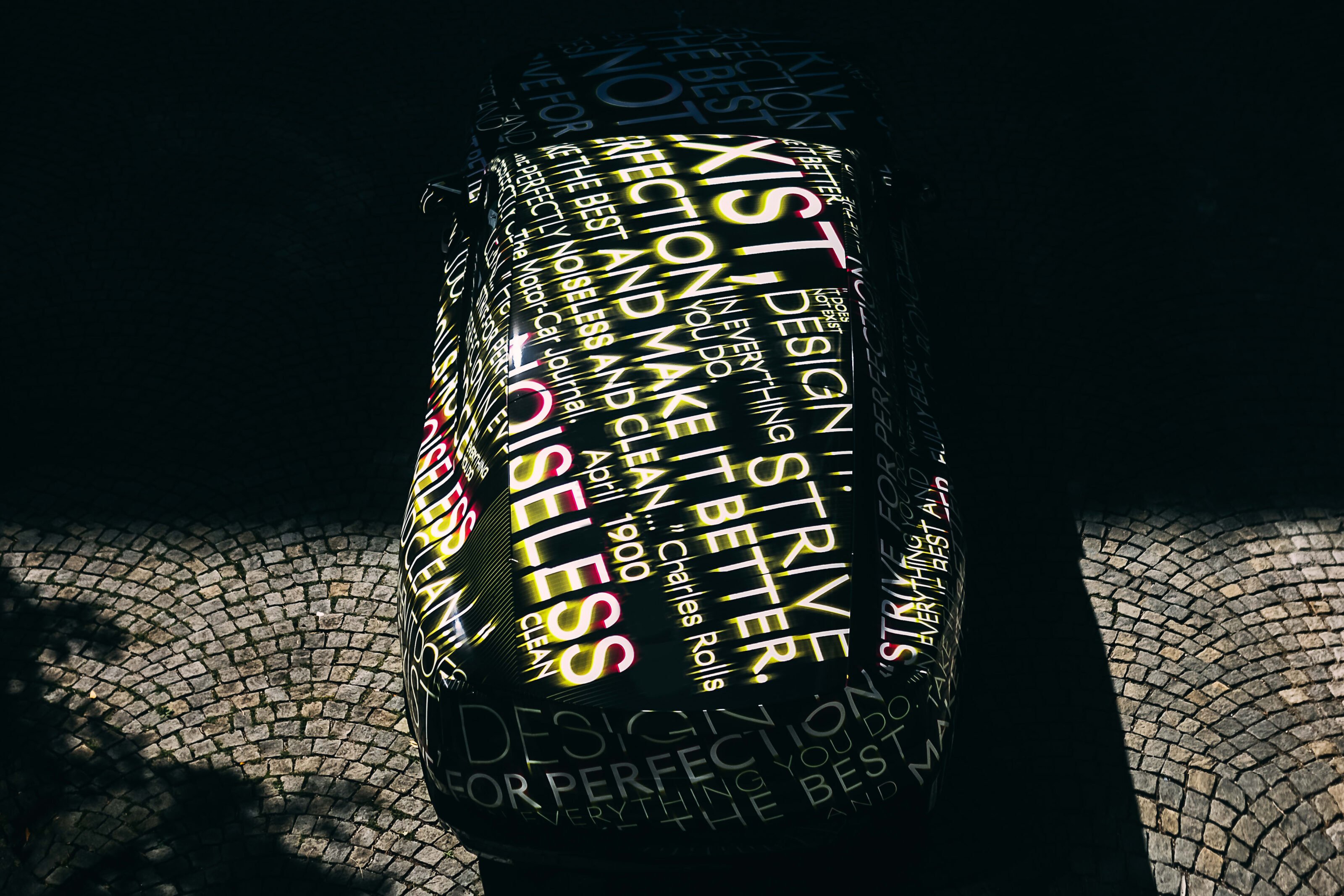
Shown off in uniquely camouflaged production body panels, it seems the Spectre will retain the rear-hinge doors and general design language from the current Rolls-Royce fleet, such as the Wraith and Dawn.
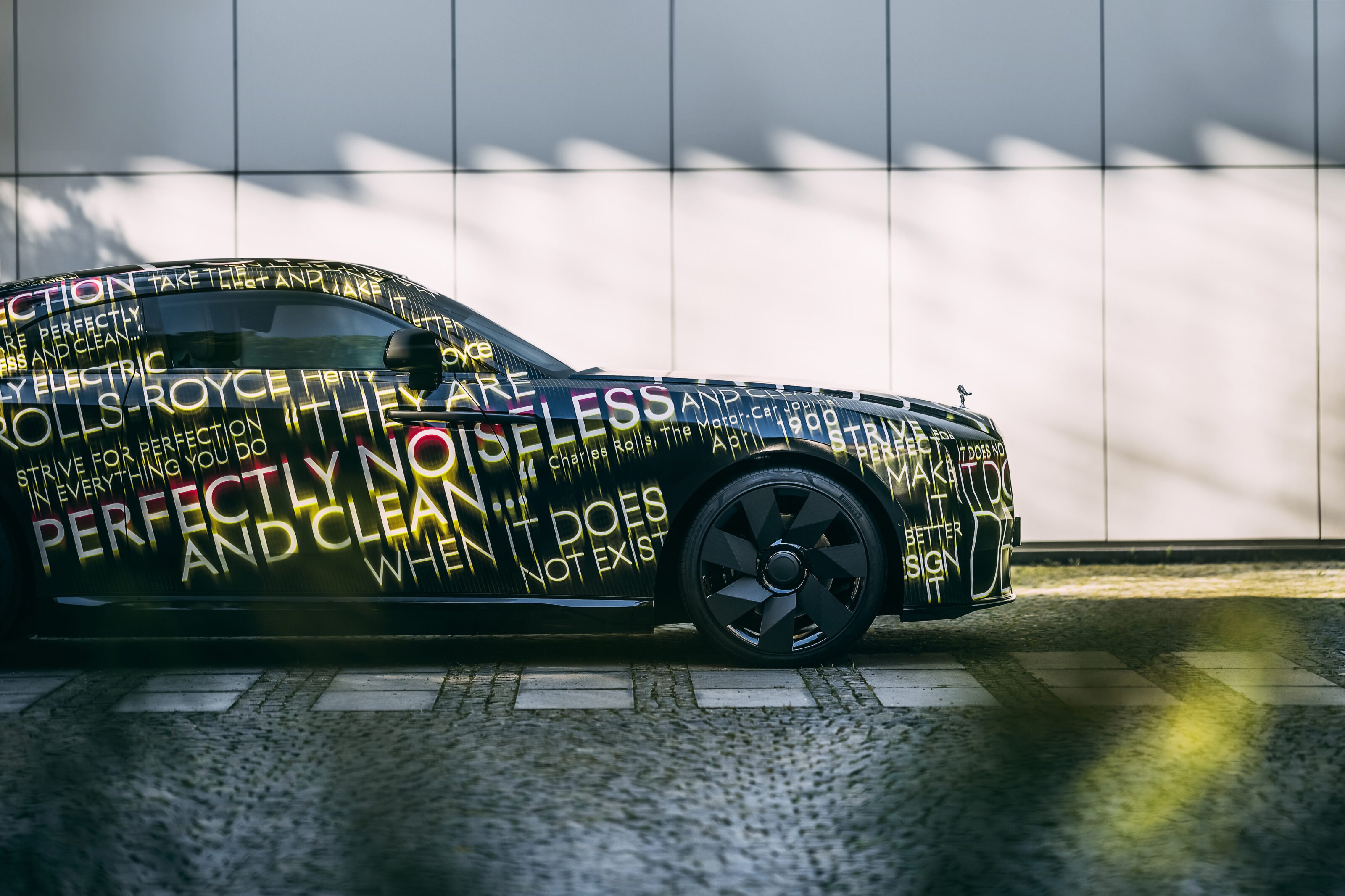
CEO Torsten Müller-Ötvös said the Spectre will continue to deliver the level of luxury Rolls-Royce owners expect from their vehicles,
“I am proud to announce Rolls-Royce is to begin the on-road testing programme for an extraordinary new product that will elevate the global all-electric car revolution and create the first – and finest – super-luxury product of its type,” said Müller-Ötvös.
“This is not a prototype. It’s the real thing, it will be tested in plain sight and our clients will take first deliveries of the car in the fourth quarter of 2023.
“We embark on this bold new future with a huge advantage. Electric drive is uniquely and perfectly suited to Rolls-Royce Motor Cars, more so than any other automotive brand. It is silent, refined and creates torque almost instantly, going on to generate tremendous power. This is what we at Rolls-Royce call ‘waftability’.
“Over the past decade, I have been repeatedly asked, ‘When will Rolls-Royce go electric?’ and ‘When will you produce your first electric car?’
“I answered with an unambiguous promise: ‘Rolls-Royce will go electric, starting this decade.’ Today, I’m keeping my word.”
Set to be based on Rolls-Royce’s scalable aluminium architecture, the manufacturer claims it will undertake more than 2.5 million kilometres of real-world testing to shake down the Spectre, utilising its own platform rather than adopting one from parent company BMW Group.
The first deliveries of the Spectre are expected to arrive in the fourth quarter of 2023.