
Snapshot
- Only non-Australian built R32 GT-R raced by Skaife
- Was used at a guest appearance at the 1991 Macau Grand Prix
- Sold for AU$434k before premiums
UPDATE, January 24: The R32 GT-R has sold on Yahoo! Japan for JPY¥35,471,000, the equivalent of AU$434,000.
The sales figure is just the winning bid, without factoring in any taxes and premiums.
The auction concluded at 8.30pm AEDT on Sunday, January 23.
The story to here
January 21: The Group A-spec R32 GT-R used by Australian motor racing legend Mark Skaife for an international driving appearance is currently up for auction at the 2022 Tokyo Auto Salon.
According to V8 Sleuth, this Taisan-built R32 GT-R is the same car Skaife used at the 1991 Macau Grand Prix, competing in the Guia classic support race.
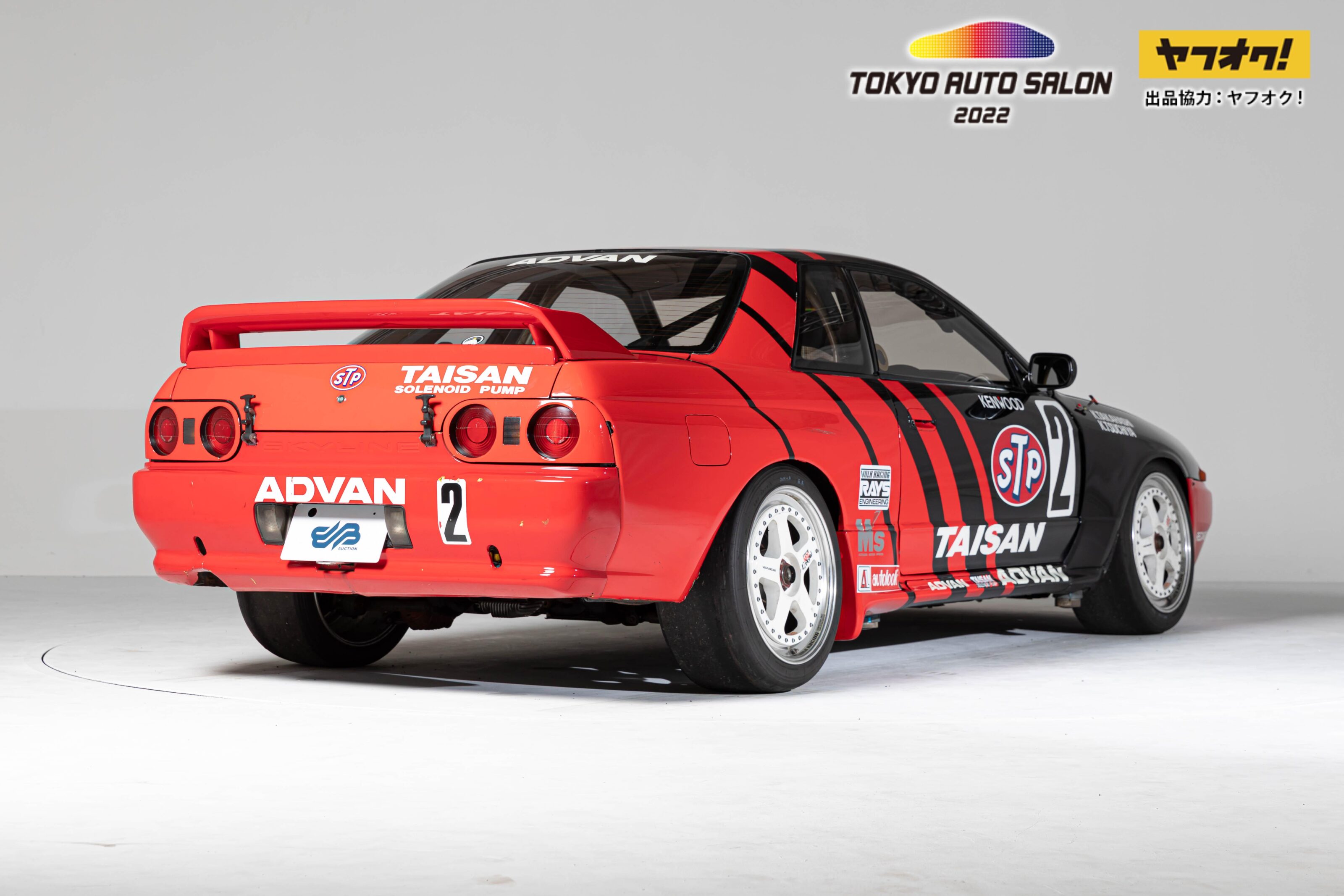
It was the only non-Australian R32 GT-R Skaife piloted, the racing legend known for his dominant efforts in the Australian Gibson Motorsport-built R32 GT-Rs that included the 1992 ATCC title and two Bathurst 1000 wins alongside Jim Richards.
While the car now wears the same livery it did during its 1991 JTCC campaign, it had a very different white, green and yellow to Watson’s sponsored get up for Skaife’s drive at Macau.
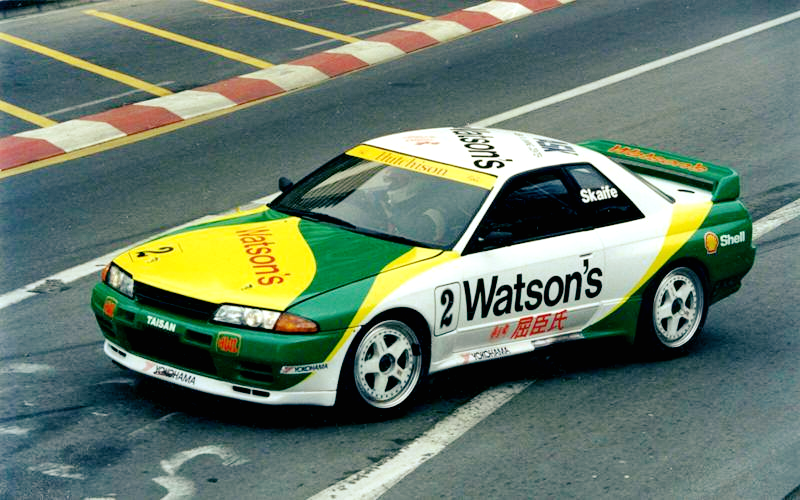
It’s been widely documented the differences between the Group A Australian-built Gibson R32 GT-Rs and their Japanese counterparts, mainly because the Gibson cars were suspected to be faster and far more durable.
Skaife recounted his experience racing the Taisan R32 to MOTOR in our celebratory Nissan GT-R edition of the magazine in 2019.
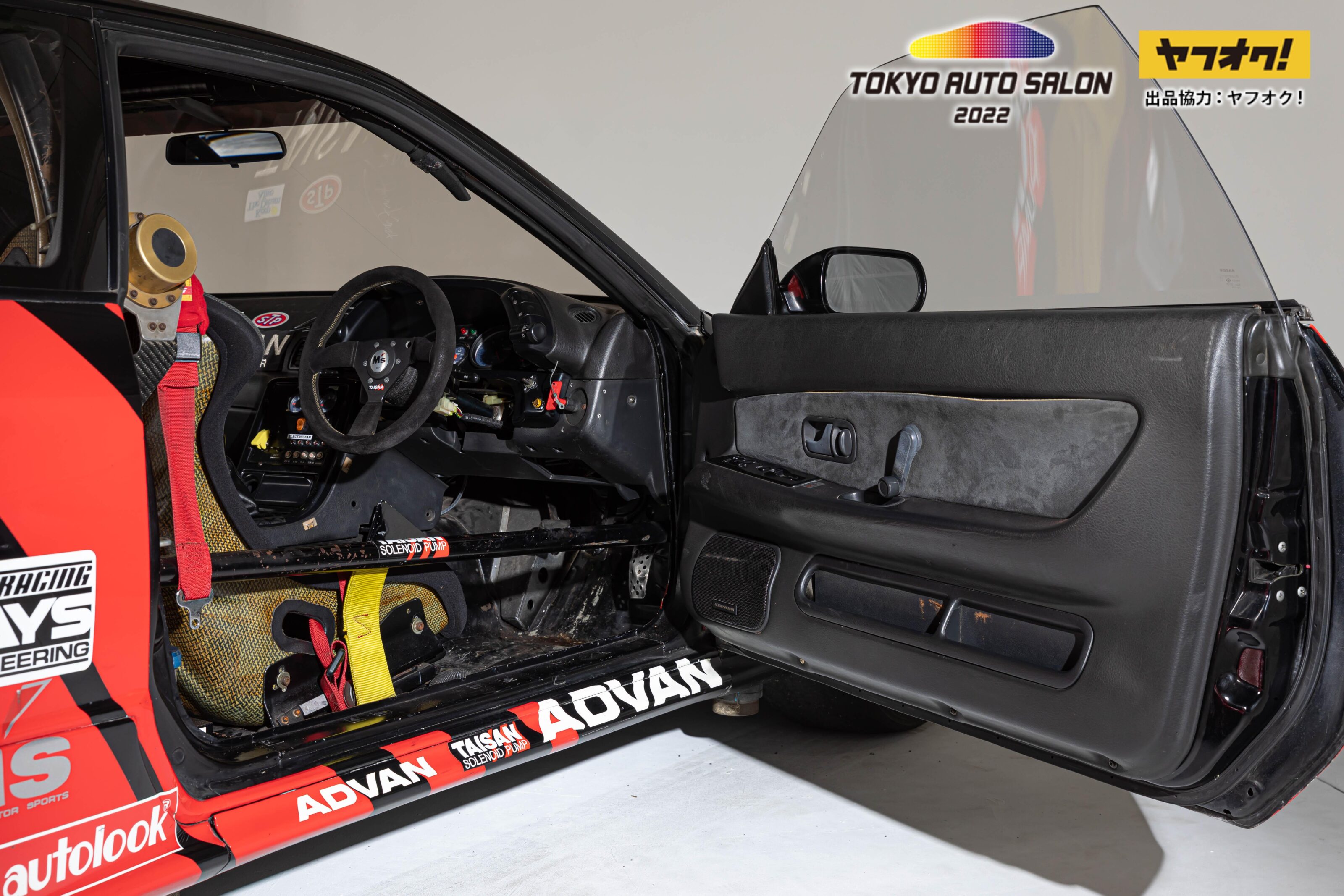
“It was good for us to go and drive because we actually ended up putting our (Australian Holinger) gearbox in it and a few other things,” he told MOTOR at the time.
“It highlighted just how good our car was in comparison. The difference was massive – (the Japanese car) was just not in the same league.”

Skaife failed to finish the support race in Macau when the GT-R developed a mechanical issue on lap 10 of 30.
The GT-R is still in Japan, and is said to be just one of two surviving Taisan Group A R32 race cars left, with the other one currently in the Nissan Heritage Collection in Yokohama.
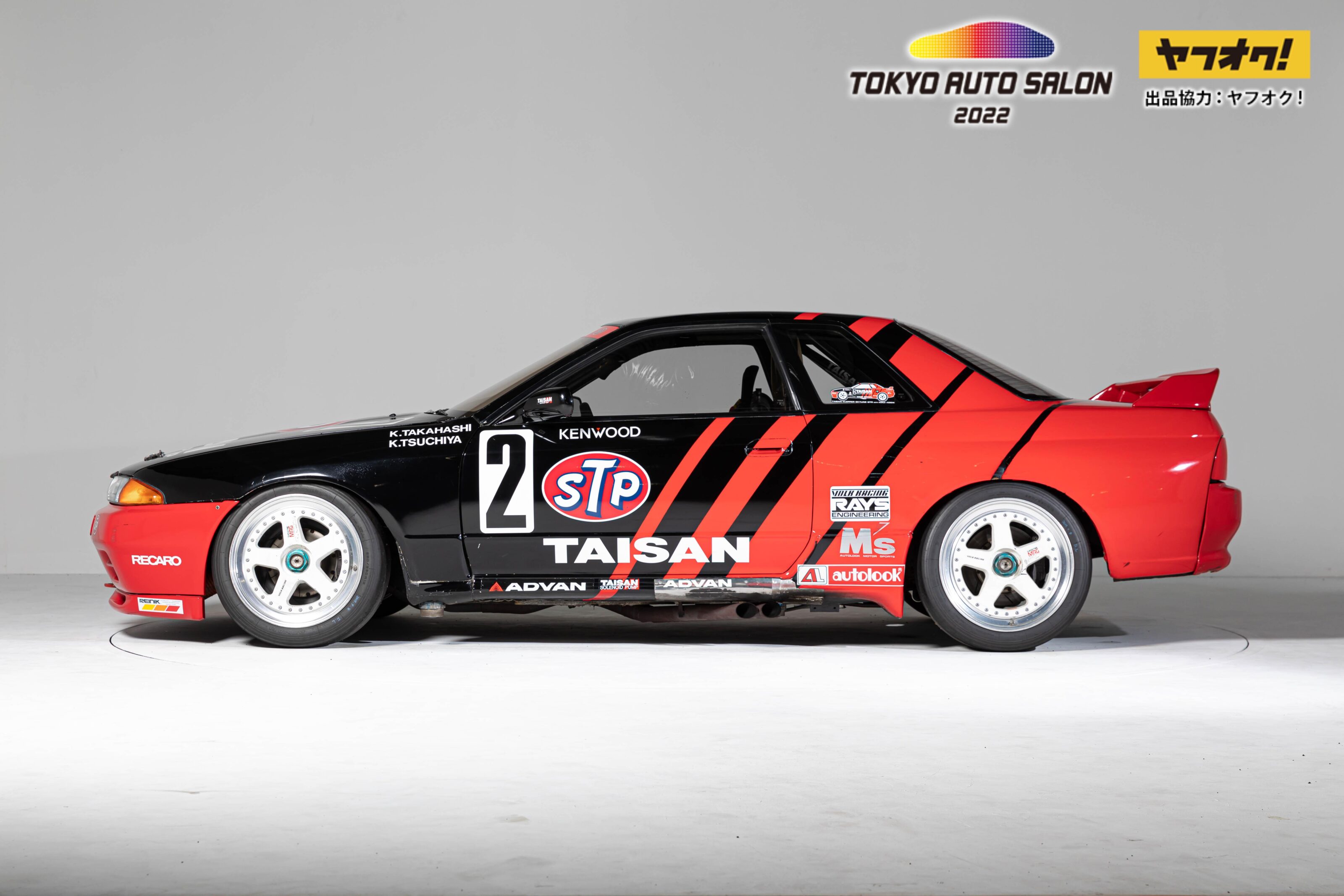
The Skyline is currently up for auction by Japanese company BINGO in association with Yahoo! Japan and Tokyo Auto Salon, where the car is currently being displayed.
The is said to be mostly in original Group A specification from when it raced in 1991, but now has a newer N1-spec RB26DETT instead of the original race engine.
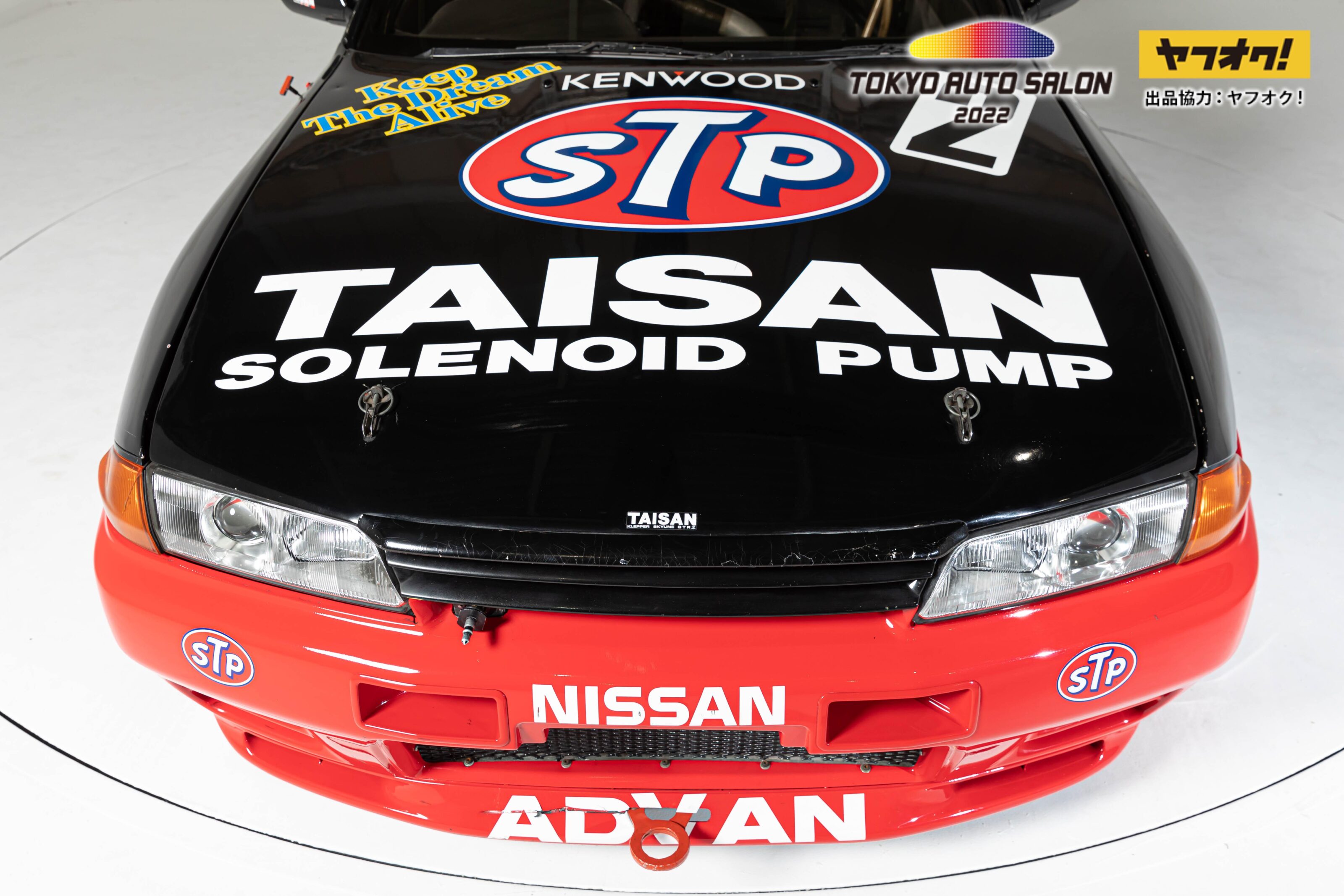
At the time of writing the highest bid on the GT-R was JPY¥22,728,273, or AU$277,473, with the auction wrapping up on Sunday, January 23 at 8.30pm AEDT.
You can view the full auction listing on Yahoo! Japan here.
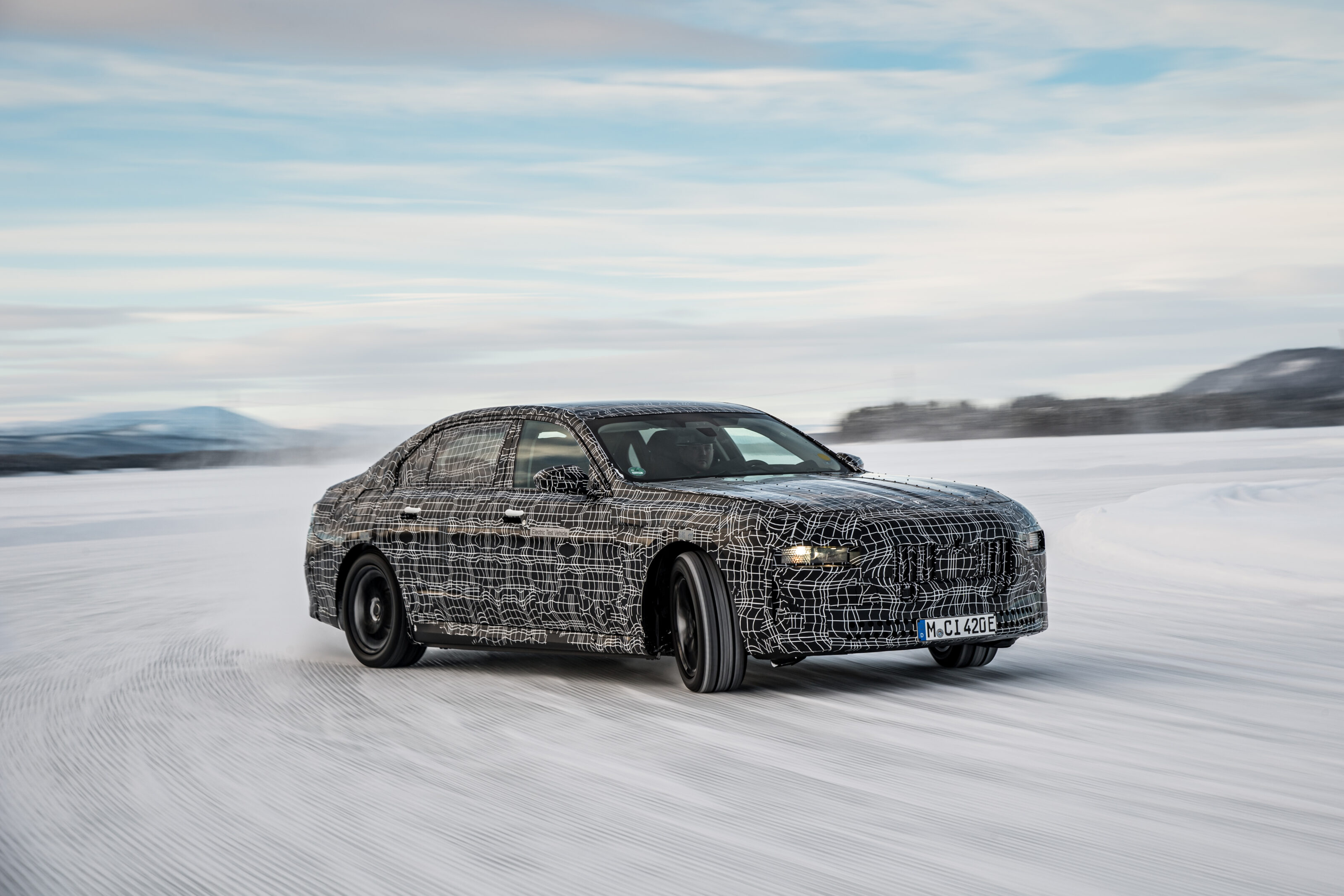
There is one more generation of combustion engines under way, but BMW’s clear emphasis is on highly efficient and fully-digitalised electric vehicles (EVs), according to a company exec.
Asked to name a sell-by date for combustion engines, Frank Weber, BMW board member in charge of engineering, answers like a shot: “Wrong question! Before we can discuss an exit scenario, the alternative energy chain must be fully functioning.
“By that I mean the charging infrastructure, green electricity and globally-sustainable raw materials. Right now, we’re still in the midst of the transition phase. That’s why BMW will this year launch a new engine generation in the 7 Series replacement.
“After all, it is our goal to offer a wide choice of modern, clean and efficient drivetrain technologies. But the prime focus of the R&D team is of course on state-of-the-art EV applications, which will one day replace the petrol and diesel engines.”
Boasting plenty of innovations such as pre-heated catalysts and a pre-chamber ignition system, these internal-combustion engines (ICE) meet the stringent Euro 7 emission norm due to be implemented in 2025. What Weber did not mention was the strategic need to keep a bunch of different irons in the fire to meet the world market’s increasingly in-homogenous requirements.
One moment the CTO is talking about the next 7 Series and the i7, which he describes as the only true emission-free luxury saloon, while a mere blink of an eye later Frank Weber is ready to take a deep dive into the future – where he must face challenges like edge computing, disruption screening, Deeptech, circular economy, on-demand assembly, you name it.
After all, the character of the motor car is rapidly changing from a personal transportation appliance to a multi-functional tool in the user’s progressively more digital, fully-connected world.
In this time-warp process, classic values like performance and driving pleasure are complemented (or even sidelined) by an emphasis on social acceptance and breakthrough IT-based features – the catchphrase ‘mobility as a service’ comes to mind.
At the Consumer Electronics Show in Las Vegas, BMW enhanced the ongoing development of its personalised 24/7 mobility concept with an on-demand change of body colour at the push of a button, a second-row theatre screen which unfolds from the ceiling, and an exclusive lounge ambience as a foretaste to autonomous driving.
“The digital revolution calls for extended know-how and the ability to synchronise the fast pace of the IT sector with the processes of the car industry,” says Weber.
BMW intends to rethink the car, but not to reinvent it – evolution instead of revolution is the name of the game. The key common denominator for present and future is the highly-flexible production network which will undergo major adjustments to qualify for the electric era.
The first factory designed to cater exclusively for the new needs will take up operation in Debrecen, Hungary, in 2024. Home of the New Class, this high-output facility is to assemble the next X3 codenamed NA0 and the 3 Series replacement, dubbed NA5.
Since EVs have, as a rule, a lower parts count – and need fewer work cycles which require less floor space, BMW believes they will eventually be cheaper to build than the notably more complex current breed.
But how can one single DNA – new New Class – cover the entire model range from the humble 1 Series to the heavyweight X7? “Clever packaging is key,” knows the man in charge.
“From the start, it is essential to ensure maximum space for the batteries. We developed a scalable set of modules housing different types of cells from range-oriented to performance-focused. Done right, this gene pool fits the entire line-up including the sporty M models.”

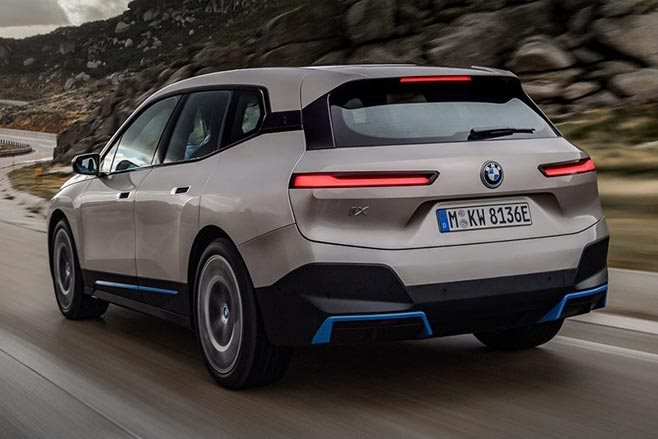
The New Class takes an even more radical route than the derivative i4 and the commendably advanced iX, which shows what can be done when the engineers start with a clean sheet of paper.
But it’s not just the architecture which defines the performance of a new EV. Other important innovation drivers, allegedly unique to BMW, are; a pioneering solid state battery, a patented fully integrated inverter, bespoke performance electronics and a bunch of SSM e-motors designed and built in-house.
Frank Weber knows the details: “Advantages of our current-excited synchronous machines include; high performance density, a very strong and stable peak performance, high repeatability, low noise emission and an excellent efficiency quotient of 97 per cent.”
So why does the competition still favour the supposedly inferior ASM and PSM principles? “Because right now, only BMW has come to grips with the challenging manufacturing technology.”
The winding road to electrification, digitalisation and autonomous driving never seems to stop draining resources, which in turn forces the industry to economise wherever possible.
BMW, too, must reduce proliferation and complexity, cut or bundle options, scale back the drivetrain variety, discontinue niche models, alter the mix by boosting higher-margin products and open up new digital business areas.
While the demand for coupés and convertibles continues to slacken, SUVs and crossovers remain a licence to print money – which is why all X models from iX1 to iX7, including coupés and M derivatives, will be electrified in relatively rapid succession.
At the same time, the Munich grapevine tells us that the 4 Series and 8 Series are going to merge as reimagined 6 Series in 2026. The only likely survivor is the 8 Series Gran Coupé, which becomes part of the future 7 Series family, sources say.
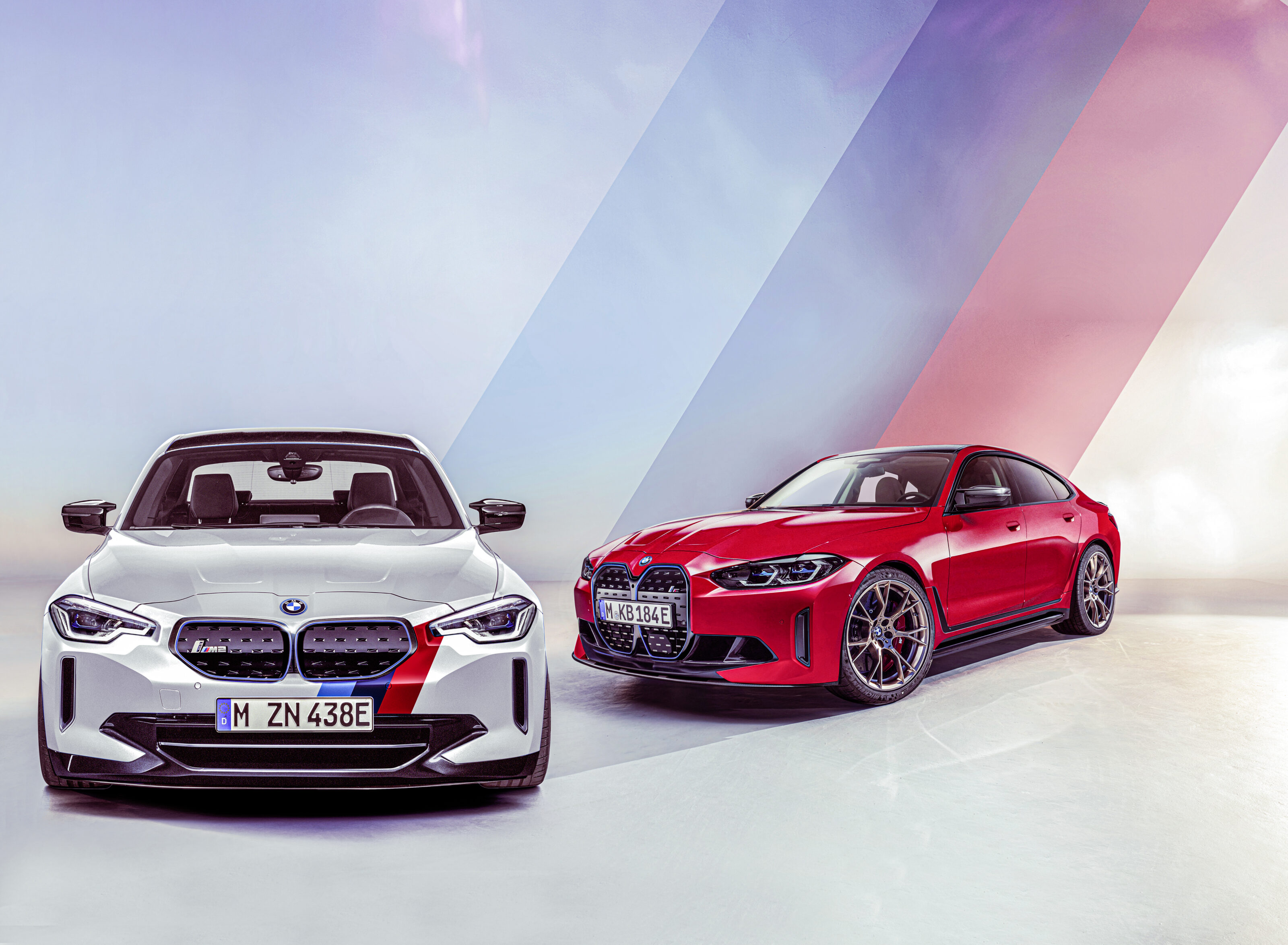
What’s still missing is a fresh halo car along the lines of icons like M1, Z1, Z8 or i8.
“Wrong,” quips Frank Weber. “We have no trouble at all picturing a highly-emotional model based on the New Class matrix.” The rumour mill has indeed pedalled for some time a new 1MW (that’s 1000kW or 1360bhp in old money) supercar, which may emerge as the ultimate M4 successor.
At the International Motor Show in Germany, BMW displayed the i Vision Circular concept, a fully-recyclable Mini-size hatchback heralded by some as the future i3.
Not true – a new megacity vehicle is currently nowhere in sight. But this should not stop us from pointing out the show car’s three main messages: the full-circle CO2-neutral material cycle from cradle to grave, the pending demise of the controversial upright rodent fangs grille in favour of a butterfly kidney, and the new brand strategy, which is set to shape future products more from the inside out.
Tomorrow’s cockpit should, in other words, become a reduced-to-the-max quiet zone, the days of the ceaseless digital distraction attacks are hopefully numbered, and the car’s new mission as personalised cocoon is paving the way for relaxed hands-off motoring.
As far as the BMW radiator theme goes, we expect wider trapezoid shapes, a broader range of proportions, as well as more adventurous surfaces and colour-coding. After the X2, the XM is only the second purveyor of the new family face, but its extreme front-end graphics will thankfully not be repeated by the mainstream 5 Series replacement.

Although the automobile is getting more complex by the day, the product as such has no longer the undivided attention of the CTO, who can in his sleep bend metal, tune a chassis and make drivetrains deliver.
What keeps Frank Weber on his toes instead is the bigger picture, the multiple grey zones which need exploring, the ever-changing legislation hurdles, the diverging customer preferences, the mushrooming digital must-haves and the need to be fully competitive in areas which did not even exist last time we looked.
For one brief moment, the CTO lets us catch a glimpse of his to-do list: “In terms of infotainment, we must bring the advanced IT content Chinese customers are taking for granted to Europe ASAP. In terms of connectivity, BMW must lose no time catching up with the very best.
“We must also respond quickly to new players even outside this industry, speed up the integration of apps, and swiftly create new digital business models. At the same time, it is imperative to boost the computing power, warrant maximum IT security and offer extended functions at cost through over-the-air updates.”
According to Herr Weber, a BMW typically has four lives. When the warranty expires after three years, all essential functionalities should still be intact. The next three-year period is much more critical, not necessarily due to extended wear and tear, but because the technology advances with rapid strides.
BMW intends to close this ability gap by offering attractive bespoke over-the-air (OTA) improvements. Cars that are six years old or older tend to suffer from increasingly obvious hardware deficits like the missed step from LED to matrix headlights, the arrival of new assistance systems which cannot be retrofitted, or enhanced in-car entertainment items like full-width cinema displays.
When the battery, which typically carries an eight-year warranty, needs replacing, two out of three EVs have reached the end of the road. Since a new power bank is a major investment, most gutless high-mileage specimens with an obvious TLC deficit head straight for the recycling yard.
The New Class arrives too early to answer the crucial cell-to-package or cell-to-chassis question. Whereas Nio-style battery swapping is not an option, the type of integration remains a controversial hot topic.
Mid-term, BMW is allegedly favouring a closed-circuit concept, which packs the cells, the cooling system and the related crash protection elements into one strong central underfloor module.
Short-term, however, the focus is on evolutions of the scalable multi-level skateboard platform, which can accommodate special features like; a rear foot garage (a cutout in the floorpan designed to keep the H-point low), a beefier double-decker battery tray for SUVs and crossovers, and a dynamic master control unit, which selectively distributes the torque to all four-wheels.
According to those in the know, the most extreme New Class BMW has a motor at each corner and can be fully charged in under five minutes. Looks like the comeback of the ‘ultimate driving machine’ is almost a done deal.
Snapshot
- 2020-2021 Alfa Romeo Giulia recalled due to potential fuel leak
- Stelvio also affected by the manufacturing issue
- 256 units covered in the recall
FCA Australia has issued a recall for 256 examples of the Alfa Romeo Giulia and Stelvio manufactured between 2020 and 2021.
According to the recall notice issued by the Department of Infrastructure, a manufacturing issue could cause the fuel sensor housing to crack.
This could lead to a fuel leak, which may result in power loss while driving and/or a vehicle fire.
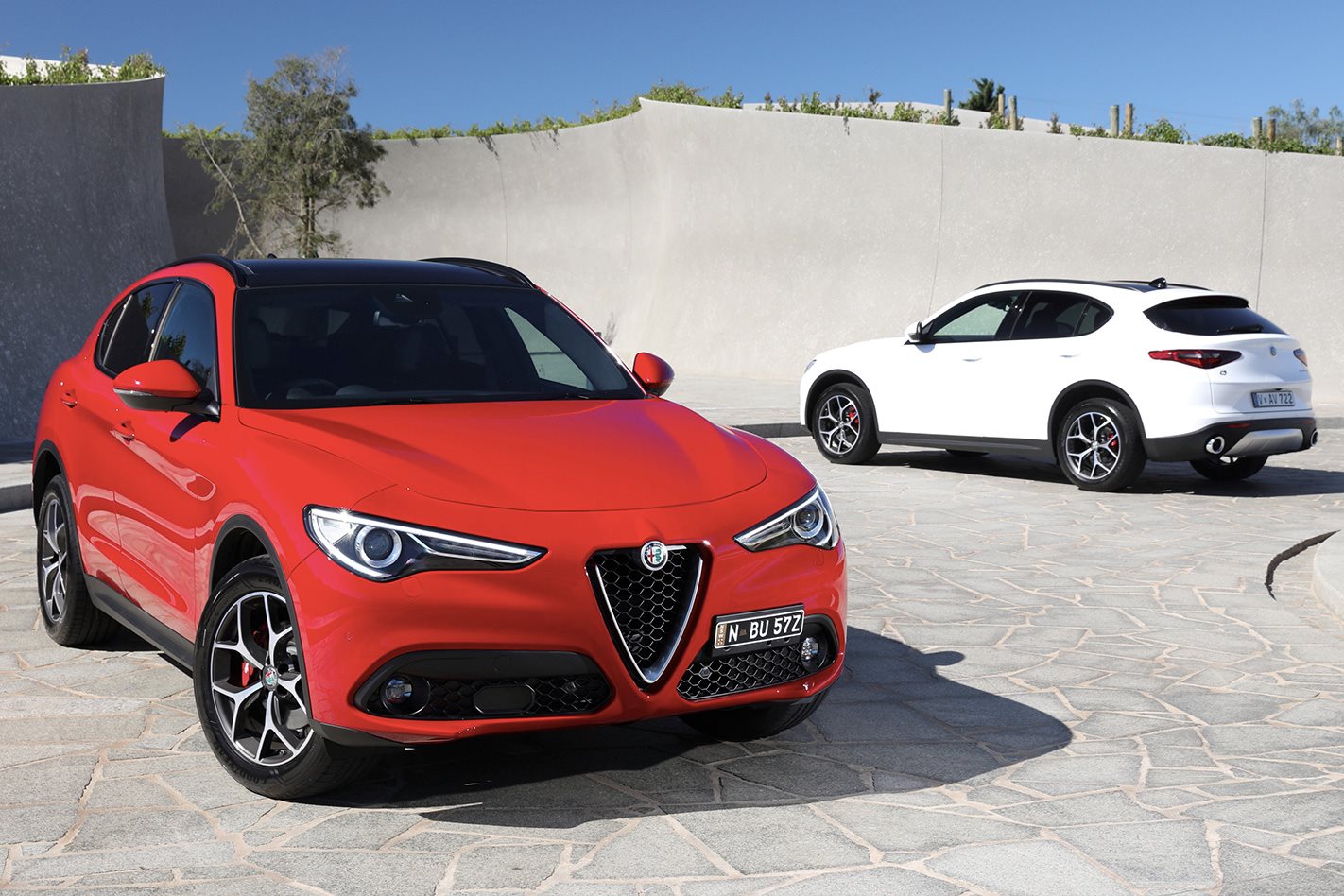
Affected owners can contact Alfa Romeo directly by calling 1800 870 724 or by visiting a dealership, found here.
A VIN list for the affected vehicles can be found here.
An ultra-rare 1998 Nissan R33 Skyline GT-R Nismo 400R has come up for sale in the UK for £1.6 million – more than AU$3.02 million.
The 400R was a limited-edition model produced by Nissan’s performance arm Nismo, based on the R33 Skyline GT-R V-Spec.
The original 2.6-litre twin-turbo inline-six was increased to 2.8-litres, with outputs claimed at 298kW (or 400hp, hence the name) and 470Nm, sent to all four wheels through a five-speed manual with revised gear ratios, allowing for a 0-100km/h time in under four seconds.
While production estimates vary from 44 to 50, the seller claims this particular vehicle is build #40 of just 40 ever made – though only 19 (plus a prototype) have been verified to still exist by website GTR-Registry.
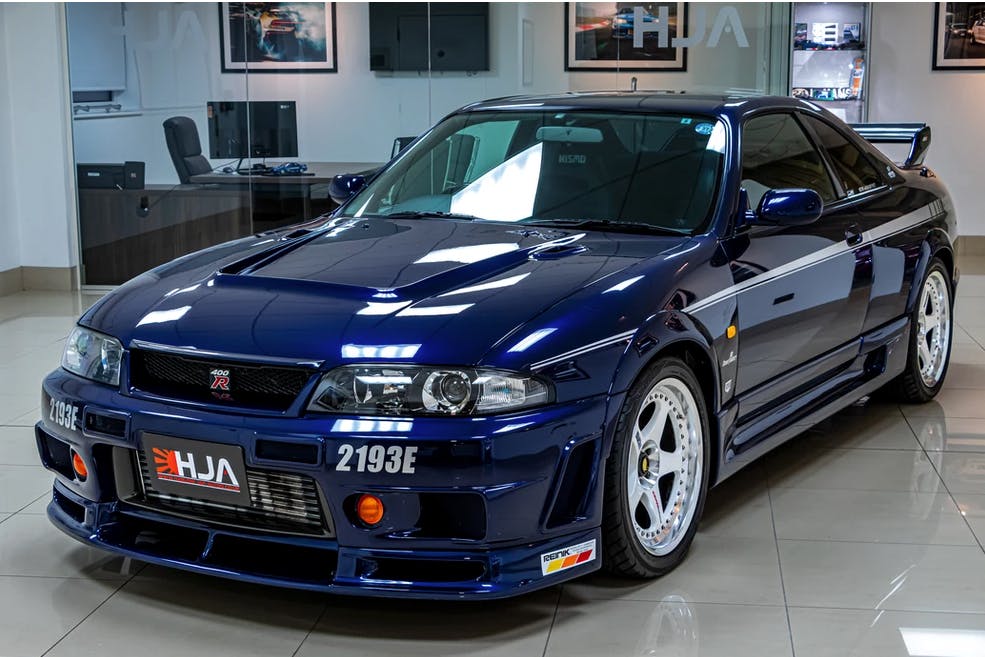
Fans of the racing simulator Gran Turismo may recognise the 400R, with the model appearing in all games up to GT Sport.
With an asking price of £1.6 million, the Skyline is more expensive than supercars such as the Lexus LFA Nürburgring Edition and Porsche Carrera GT – and if it fetches its asking price, would make it one of very few Japanese cars to sell for more than US$2 million.
The 1998 Nissan R33 Skyline GT-R Nismo 400R is on sale through HJA Group, and can be viewed by clicking here.
Napoleon complex, small-dog syndrome, whatever you want to call it, it all means the same thing. Let’s just go with the dictionary definition: “A domineering or aggressive attitude perceived as a form of overcompensation for being physically small or short.”
Examples? How about the Ford Fiesta ST and Hyundai i20 N? No matter what you’re driving or how much power you have, on a tight, twisty road you can guarantee these little terriers will be sniffing your rear end inappropriately with headlights ablaze. But which is best?
The Fiesta ST has had a stranglehold on this segment for almost a decade. The previous generation WZ defined cheap and cheerful, effortlessly batting away challenges from the likes of the VW Polo GTI, Renault Sport Clio RS and Peugeot 208 GTi, but the current WG is even better. Quicker, more comfortable, better equipped, yet without sacrificing any of the on-limit playfulness that made its predecessor so entertaining. As a result it’s basically had the segment to itself. Until now.
Hyundai’s N Division has quickly established itself as a purveyor of fine performance cars. The original i30 N was Wheels’ favourite hot hatch and, like the Fiesta ST, its facelifted successor is an improvement in virtually every respect. Its smaller sibling, the i20, has been missing from Aussie shores for a while now, but the basic econobox we were once offered is a million miles away from this latest N version, which has its sights set firmly on stealing the Fiesta’s thunder.
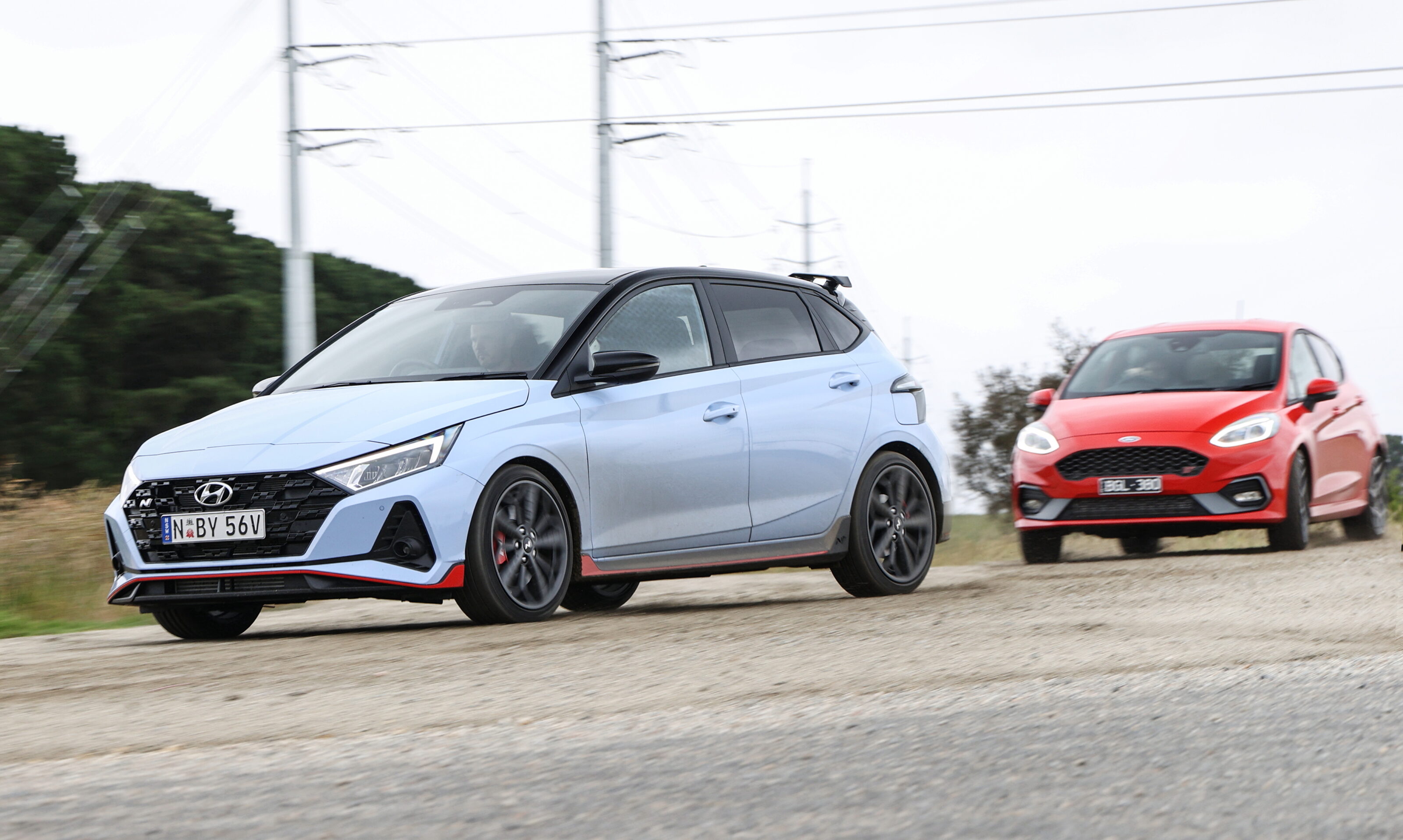
It’s virtually impossible to split the two on pricing and features. Just $200 separates the RRPs of the $32,290 Fiesta and $32,490 i20 and options are few. The Hyundai wears $1000 of two-tone roof with the only other addition being $495 for premium paint (the hero Performance Blue is standard with red or black being the fancy options).
Ford also charges an extra $650 for premium paint, though white and our test car’s red are standard, while you can also have a sunroof for $2500 if you really must. Each comes with a five-year warranty and capped-price servicing, the total cost coming in at $1520 for the i20 and $1556 for the Fiesta, though the Ford’s intervals are 12 months/15,000km versus the Hyundai’s 12 months/10,000km.
Dissecting the two cars’ specification lists is an exercise in splitting hairs. Both have keyless entry and start, touchscreen infotainment screens with smartphone mirroring, voice control, DAB+ and wireless charging, upmarket stereos (B&O in the Fiesta, Bose in the i20) and auto lights and wipers, though the Ford scores a slight win with heated seats and steering wheel.
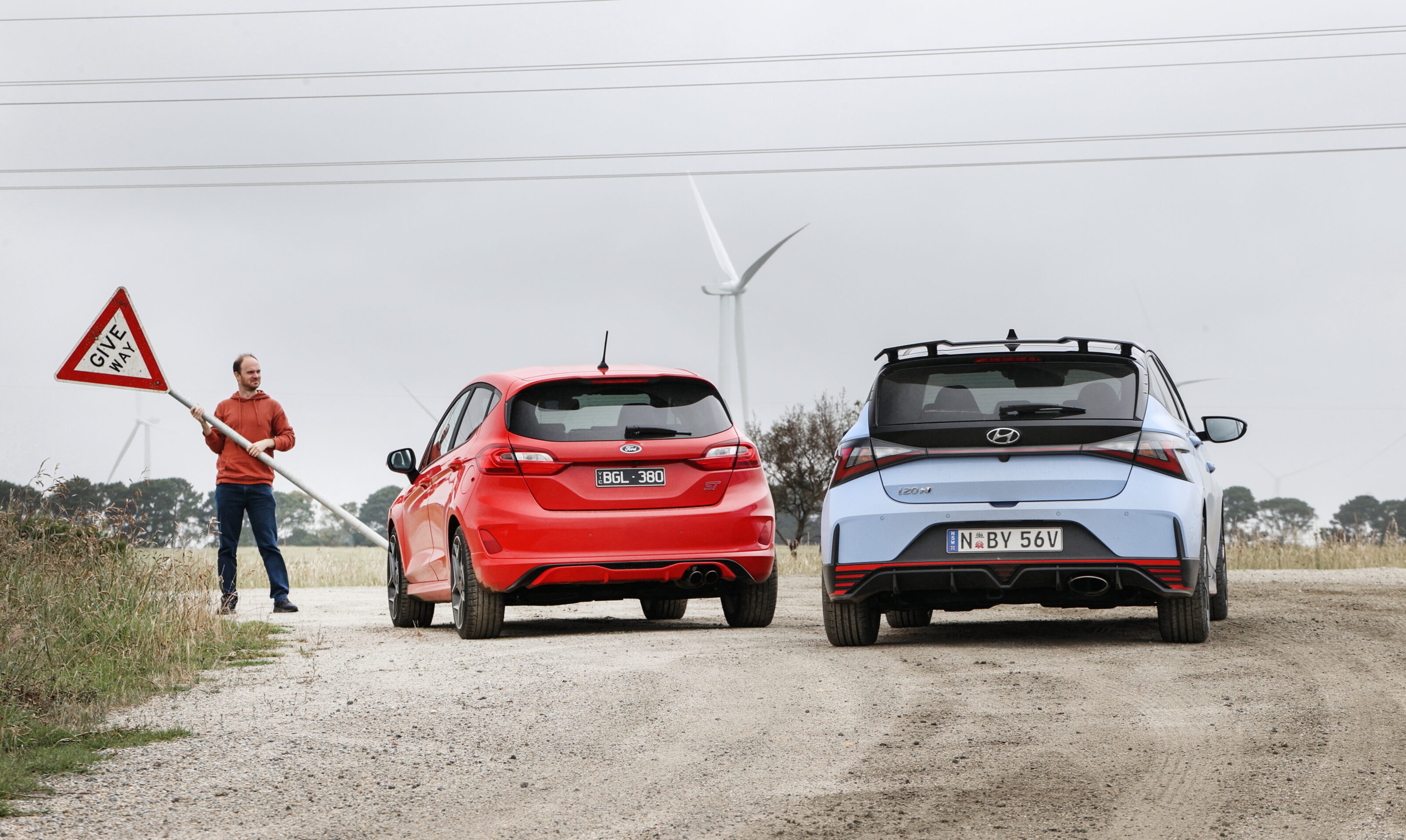
It’s equally close on a safety front, with each including AEB, blind spot warning, lane departure warning, lane keep assist, rear cross traffic alert, tyre pressure monitoring, road sign recognition, rear cameras and parking sensors. It’s tit-for-tat: the Fiesta’s AEB has cyclist as well as pedestrian detection, the i20 scores front parking sensors as well as rear.
Styling inside and out is far more likely to be the differentiator in buyers’ minds. This will come down to personal preference but it’s the Fiesta for me. The i20 is lower and squatter but extremely busy. Like the Civic Type R there’s a sense that Hyundai just couldn’t stop designing it, with slashes and layers and angles – I’ll have mine in black, please.
The Ford is taller and perhaps a little more ‘gawky’, but I prefer its curves to the Hyundai’s creases and the star rims are fantastic. You, of course, may think the complete opposite.
Inside it’s a similar story. In purely objective terms there isn’t much between them. Both have super supportive front seats and surprisingly spacious rears – two adults in the back should be no problem.
The i20 has a touch more space and its driving position is set lower, which is preferable in a performance car, but again neither one nor the other really stands out in any meaningful way beyond “I prefer the Ford’s analogue instruments’’ or “No, the Hyundai’s digital dash is way cooler”. Even their respective boot spaces are just one litre apart, the Fiesta offering 311L to the i20’s 310L.

This is all good news, as it means that this comparison verdict will have to be settled on the road. It’s a tie for the sensible stuff, so the winner will simply be the car that puts the biggest smile on the driver’s face. Not that we’re any closer to separating the two after recording straight-line acceleration figures at Heathcote Raceway, the resultant numbers leading to the befuddling conclusion that the Fiesta is faster but the i20 N is quicker. Let me explain.
Launching the traction-limited Ford is like walking a tightrope, balancing just the right amount of wheelspin, a process made more challenging by the Fiesta’s bountiful torque and very short gearing. Whereas it needs to be gently coaxed off the line at 2200rpm, the i20N takes almost double that, its front tyres spinning briefly before hooking up beautifully. Consequently, the Hyundai opens a near half-second lead by 50km/h.
The gap shrinks to just 0.2sec at 100km/h, the i20N’s 6.49sec (slower than its improbable 6.2sec claim) besting the Fiesta’s 6.7sec (again slower than Ford’s more realistic 6.5sec claim). The Hyundai’s advantage halves again at the quarter mile mark, the i20N crossing the line at 14.66sec at 152.36km/h, a fraction ahead of the Ford’s 14.76sec at 157.15km/h. Those trap speeds tell their own story, though; from 100-150km/h the Fiesta turns its 0.21sec deficit into a 0.66sec advantage.
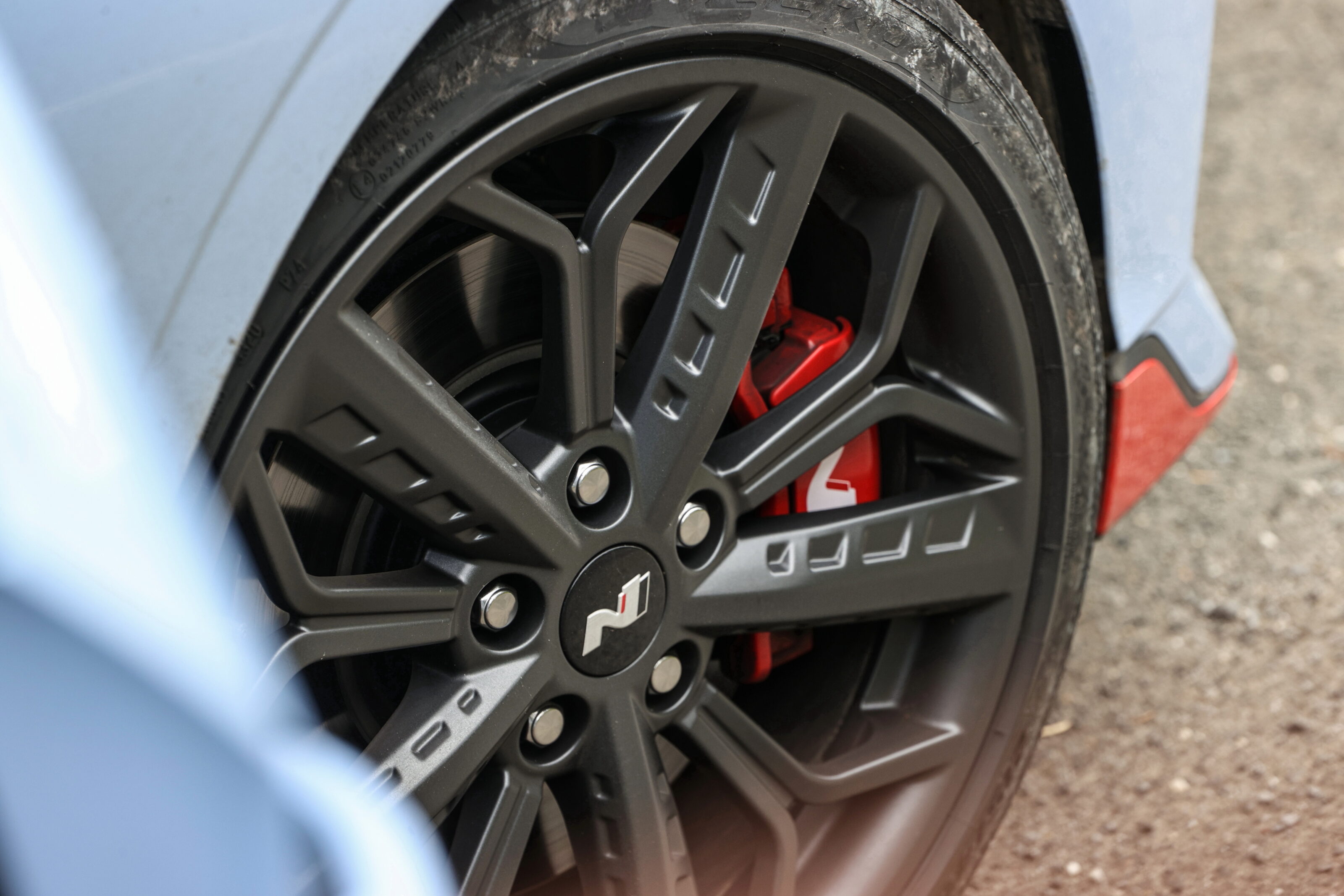
The gap shrinks to just 0.2sec at 100km/h, the i20N’s 6.49sec (slower than its improbable 6.2sec claim) besting the Fiesta’s 6.7sec (again slower than Ford’s more realistic 6.5sec claim).
Hence, while the i20N records the quicker times, once rolling there’s no question the Fiesta is the faster car. Braking turns the tables, the Hyundai pulling up in an impressive 34.32m compared to the Ford’s decidedly poor 40.49m, but we’ll return to their respective brake packages later.
On the drag strip the first stage of a pattern begins forming. These two cars are extraordinarily close in terms of outright ability, but they go about their business in an almost polar opposite fashion.
The i20 is serious, focused. Initially this makes it feel a little…dull is too strong, but reserved. Selecting Sport sharpens up the otherwise doughy throttle response but the engine is still fairly tuneless, the steering is quite weighty in the now-familiar N fashion and the suspension certainly offers plenty of control but the chassis doesn’t immediately feel like it’s keen to entertain.
Then you drive it harder. And harder. And harder still, searching for the limit of its abilities, only to discover that they are extraordinarily high. One reason the Hyundai feels slightly disinterested at slower speeds is that it’s not even close to breaking a sweat. It is phenomenally capable, the front tyres resolutely refusing to relinquish their grip on the road on corner entry and the mechanical limited-slip diff only enhancing their purchase on corner exit.
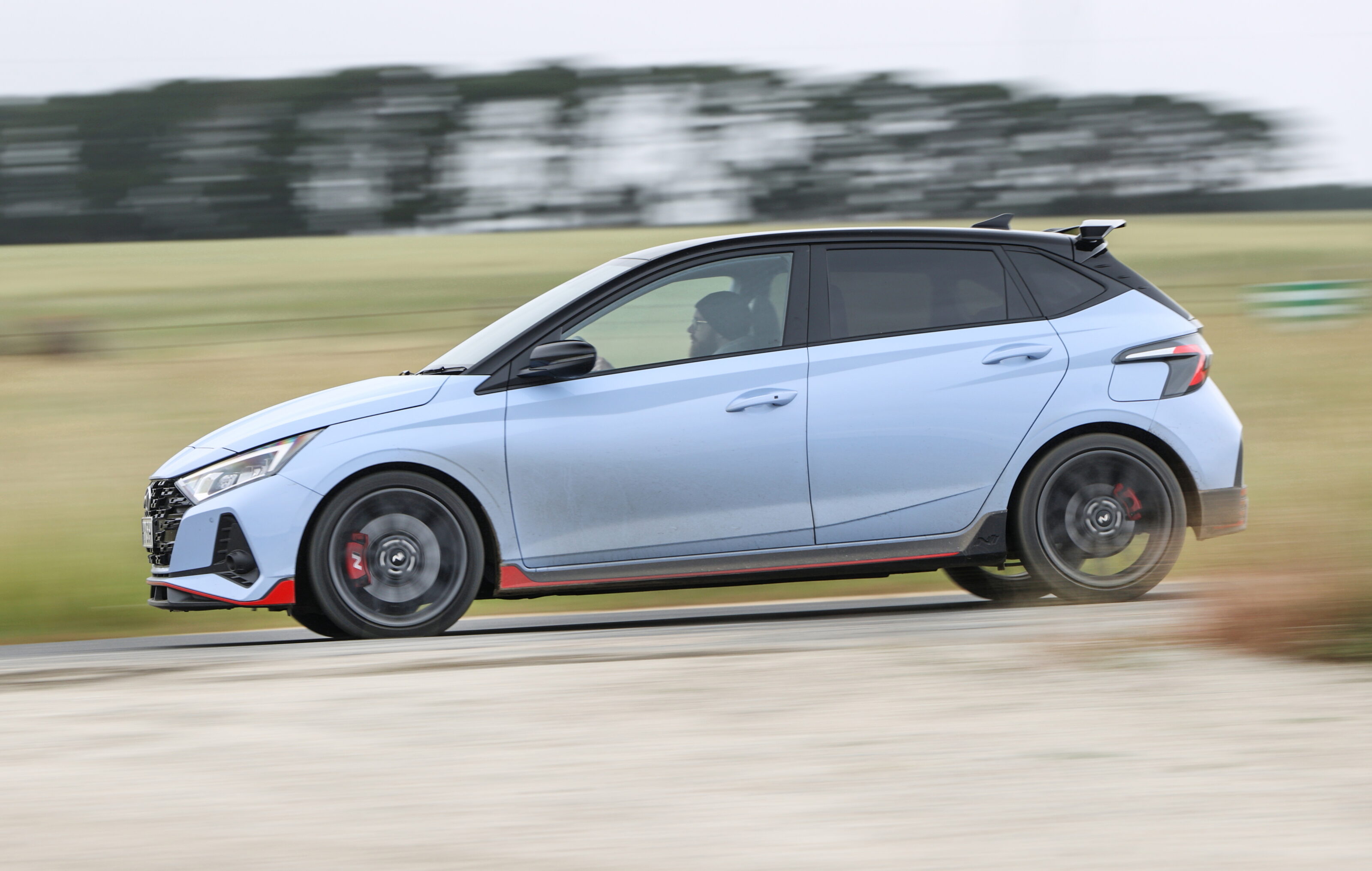
Combine this tenacity with super-strong stoppers, dampers that refuse to be beaten by bumps, a rear end that faithfully follows the front and a light, snick-snick gearshift that facilitates changes as quickly as you can move your arm and the driver is instilled with tremendous confidence.
The engine doesn’t let the side down, but nor is it operating at the same level. Boost takes a moment to build and the strong mid-range torque fades beyond 5500rpm, the shift buzzer sounding just shy of 6000rpm as a reminder that the power is running out.
Nevertheless, on a wet, narrow road pockmarked with pothole acne the i20N is fast and fun, virtually ignoring the slippery surface. The same section of road ties the Fiesta in knots.
Wheelspin, torque steer, bump steer, on-throttle understeer transitions to off-throttle oversteer; it’s a handful that requires a delicate touch, primarily due to its almost hyper-responsive chassis.
Undoubtedly, the Ford requires greater effort but there is the potential for greater reward. It moves around slightly in reaction to bumps but its clever frequency-dependent dampers beautifully soak up the road surface, though both cars rarely feel flustered no matter how big the compression. Where the Fiesta ST differs most from the i20 is the reaction to a turn of the steering wheel.
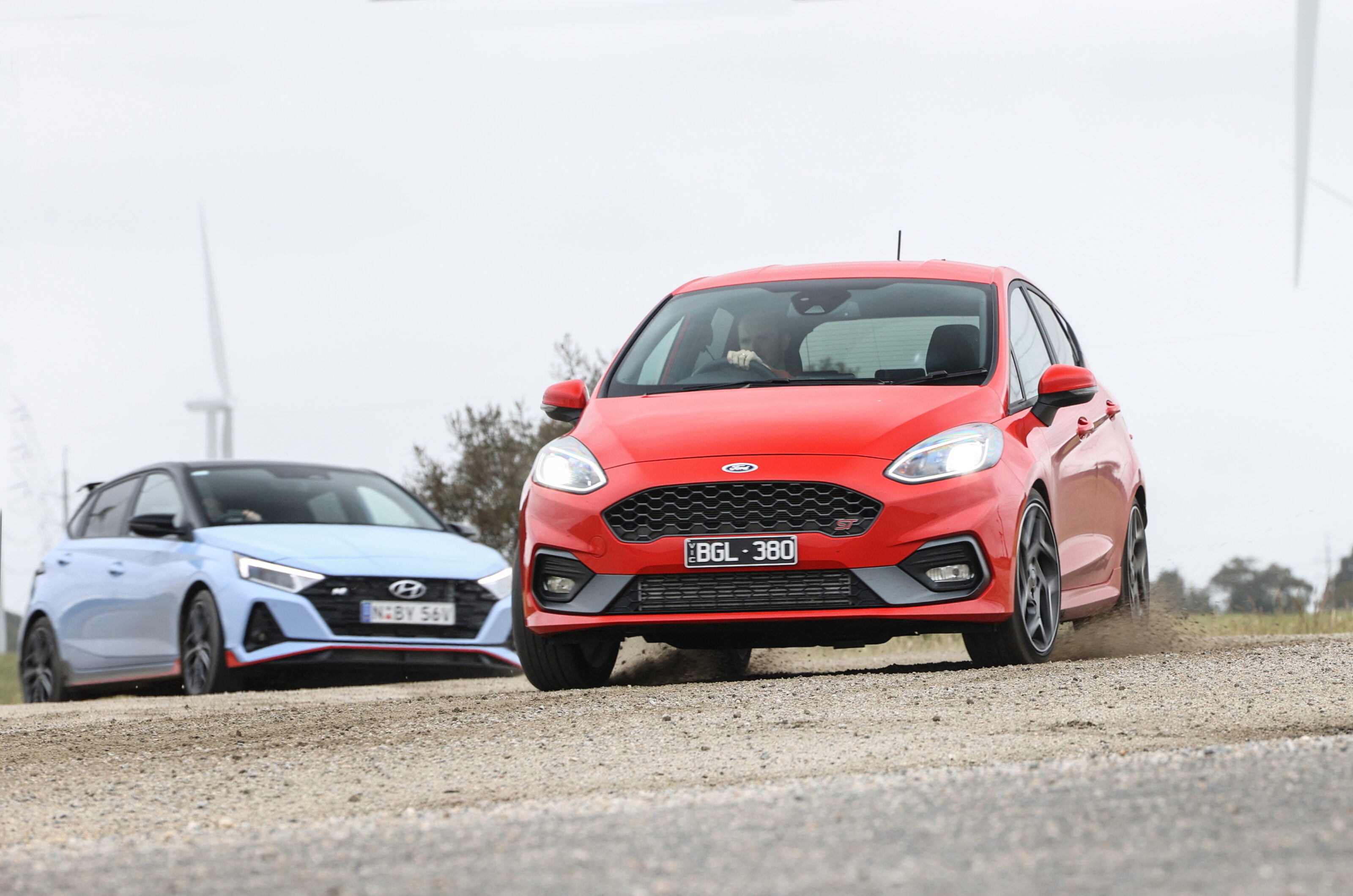
In slow corners the latter smoothly glides into the apex until the front tyres begin to gently slide wide, whereas in the former the nose is nailed to the ground and it’s the rear end that’s likely to be the one misbehaving, something the ESC Sport setting is happy to allow to a certain degree. There are shared traits, such as a predilection for waving inside rear tyres in the air and relatively weighty steering, but the details and development ethos of each is very different.
It’s most apparent in faster corners; the i20 scoots through as though it’s got ground effect aerodynamics, whereas the Fiesta always feels a bit flighty. In outright pace – in the dry at least – there is really nothing in it, but at the limit the Hyundai is certainly a calmer, more confidence inspiring place to be.
Conversely, you don’t have to be driving the ST like a maniac to be having a whale of a time, with each jink of the steering wheel or lift of the throttle eliciting a response. It needs better brakes, though, the carryover hardware from the previous generation model inadequate for the new car’s extra weight and speed.

The Ford’s attitude also makes it more engaging at slower speeds. The 1.5-litre Ecoboost triple is a thing of wonder, with instant response and a keen desire to rev right out to 6500rpm. Its bassy thrum is also much more characterful than the i20’s buzz. Ride quality is superior, though it’s a relevant assessment as either car will quickly grow wearing for anyone other than the driver. That said, the i20’s ride really is quite tough in an urban environment with an unwavering focus on body control.
So which wins? Really, we all do. Here are two cars that you can stick in your driveway for a shade over $35K and both are utterly fantastic, a pair of top-tier hot hatches that are well worth your money. Which is ultimately best depends quite a lot on what your priorities and personality are, but because no one likes a cop-out verdict the i20 comes in second by the smallest of margins. And with a caveat.
If you’re the hard-driving type, someone who loves to hit the track and is addicted to the sound and smell of smoking, ticking brakes, buy the Hyundai. It’s the superior machine for driving like your hair’s on fire. However, you have to do so for it to really come alive and to make sense of the uncompromising ride.
The Ford certainly isn’t perfect. It needs better brakes and more traction on slippery surfaces wouldn’t go astray, where it can also be a bit of a handful. But these traits are also what make it feel alive and engaging every single time you drive it. Add a fantastic engine into the mix and every journey is a joy. It might be small with an aggressive attitude, but the Fiesta ST isn’t overcompensating for anything.
The Ford’s attitude also makes it more engaging at slower speeds. The 1.5-litre Ecoboost triple is a thing of wonder, with instant response and a keen desire to rev right out to 6500rpm.
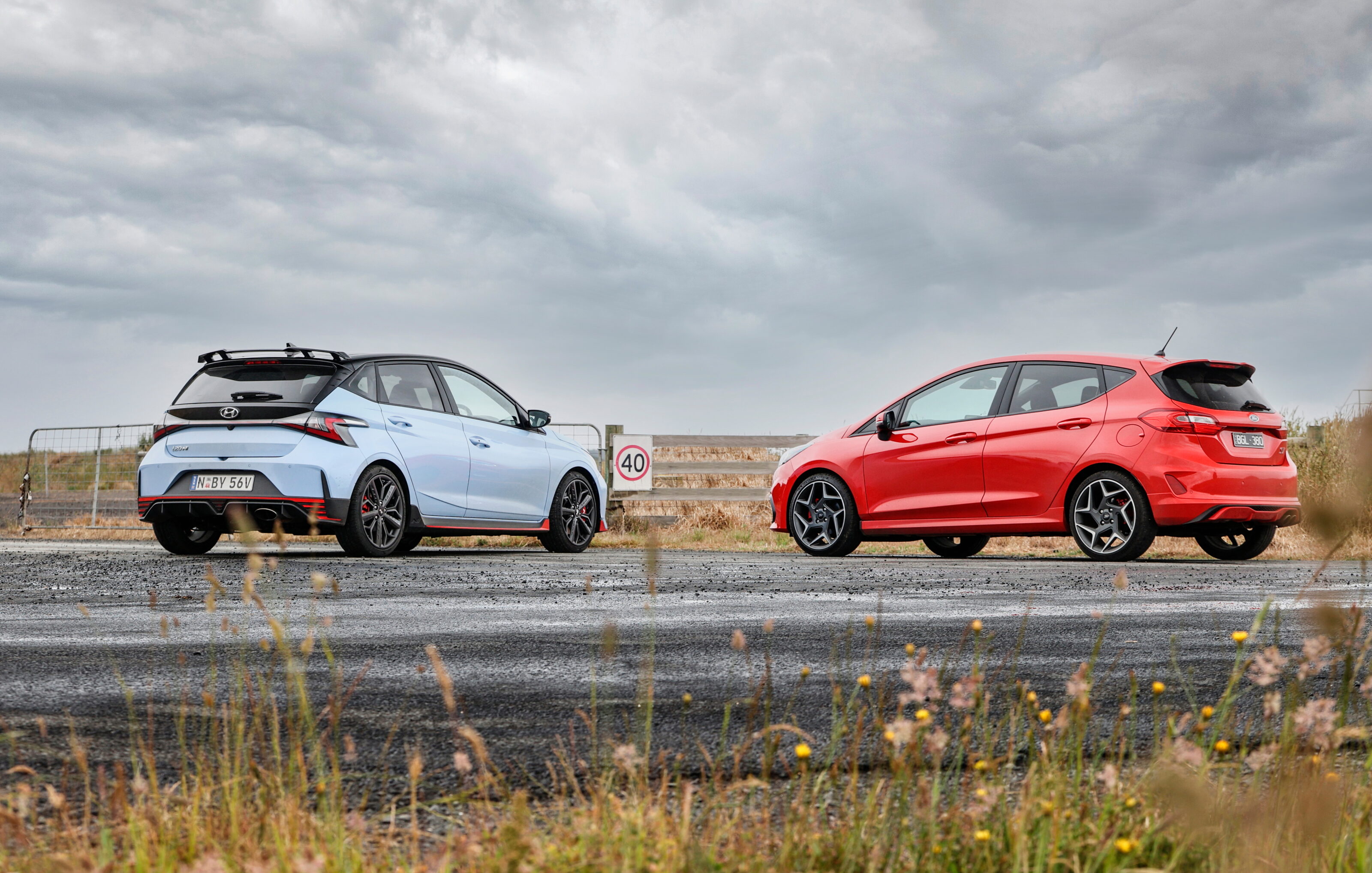
Interiors in detail
Ford Fiesta ST
Based on a car that was released in 2017, the Fiesta ST’s cabin sometimes can look half-a-generation older than the i20 N. The analogue dials are the main culprit, as well as the smaller eight-inch touchscreen.
This will change, however, when Ford updates the Fiesta ST for 2022 with a relatively huge 12.3-inch screen for the driving cluster. Its graphics will respond to the Fiesta’s relatively limited range of drive modes – spanning Normal, Sport and Race Track.
At the same time Ford will replace the pictured Recaro seats with Sensico (read: false suede) trimmed items that sport a similar chunky bucketed design.

Hyundai i20 N
The i20 N’s instruments treat you to a more technological experience. Being the newer car helps, as the i20 introduced its third generation in 2020 with a digital driving cluster to match the relatively wide 10.25-inch centre infotainment screen.
Both are capable of displaying a wealth of vehicle information, including brake pressure or throttle position. You can also change the cluster screen to a range of different designs.
Meanwhile, the steering wheel features three drive-mode buttons under its horizontal spokes. The red button activates the rev-match system, while the blue buttons are for turning on either the N1 or N2 custom-modes that store your personally selected matrix of ESC, steering and exhaust sound modes.

Second Opinion: Dylan Campbell’s take
What a hard decision. On the one hand, I love how ‘easy’ it is to go balls-to-the-wall in the i20 N, and it’s got the rare quality of getting better the harder you drive it. The Fiesta is basically opposite: the harder you drive, the more it challenges you as a driver. It’s almost a bit scary the way it’s set-up, too: lots of front grip and a nervous rear end.
But it’s exciting, and I do enjoy the riddle of how best to drive it. And I think as an ownership proposition it’d take me longer to get bored of it. Also, that three-cylinder engine is special where the i20’s four-pot is more a thing of function.
So it’s the Fiesta for me, by a whisker, but if it was a lucky dip and I got the i20 N, I wouldn’t be the slightest bit disappointed. – DC
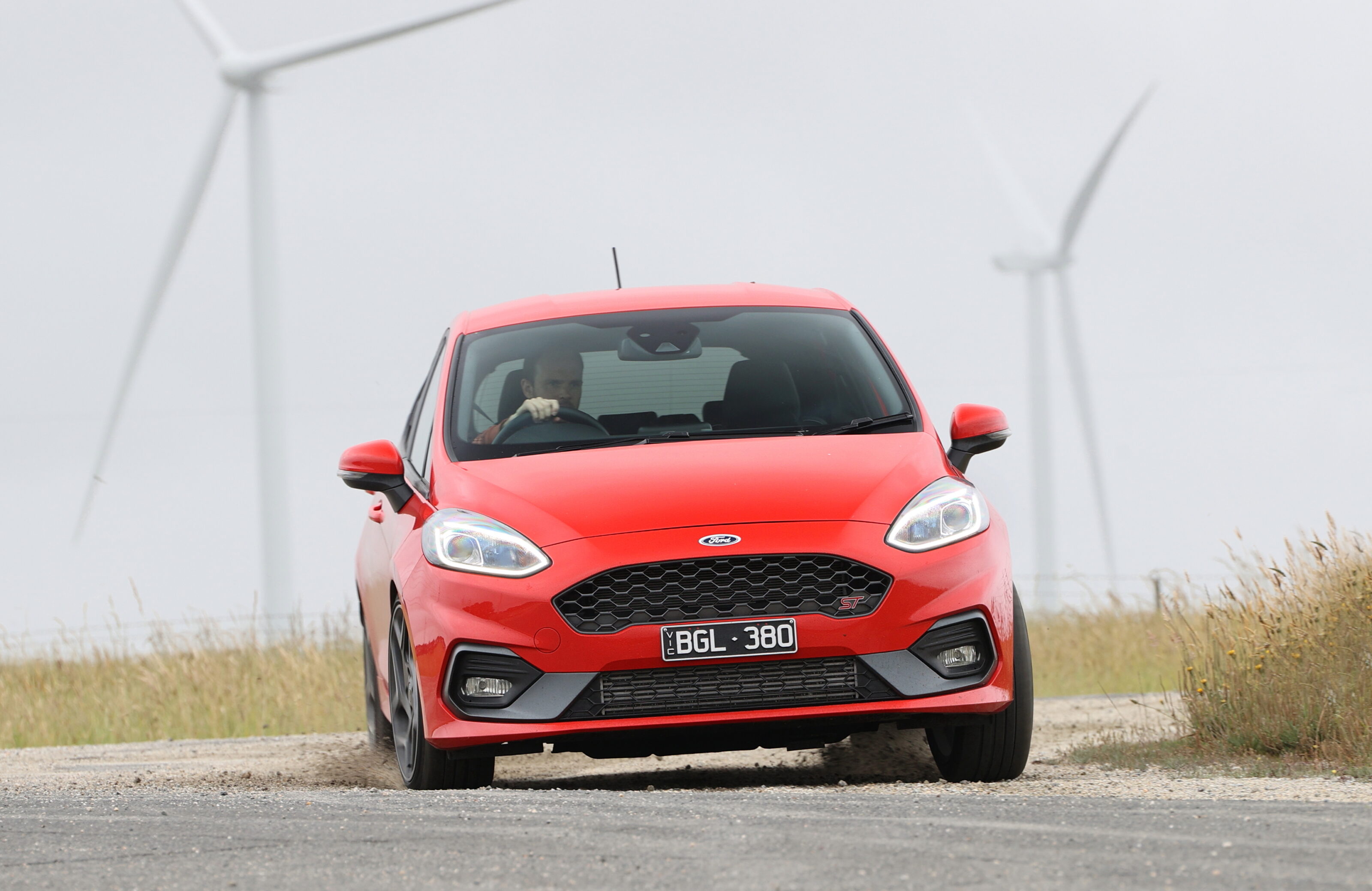
2022 Fiesta ST on the way
If you’re shopping between these two, keep in mind that a facelifted Fiesta ST is just around the corner.
While it certainly falls under the category of a ‘mild update’, there’s a styling refresh, the option of Mean Green paint (Ford’s name, not ours), new 14-way adjustable performance seats and a 30Nm torque increase to 320Nm, which should further improve its already impressive rolling acceleration.
We’ll give you the full verdict once we have seat time in the car, scheduled for Q1 2022.
Scoring
Fiesta ST: 9/10
i20 N: 9/10
2022 Ford Fiesta ST and Hyundai i20 N specifications
| u00a0 | Ford Fiesta ST | Hyundai i20N |
|---|---|---|
| u00a0 | $32,290RRP | $32,490RRP/$33,490* tested |
| u00a0 | Drivetrain | u00a0 |
| Engine | inline-3cyl, dohc, 12v, turbo | inline-4cyl, dohc, 16v, turbo |
| Layout | front-wheel | front-wheel |
| Capacity | 1497cc | 1598cc |
| u00a0Power | 147kW @ 6000rpm | 150kW @ 5500-6000rpm |
| Torque | 290Nm @ 1600-4000rpm | 275Nm @ 1750-4500rpm |
| Gearbox | 6-speed manual | 6-speed manual |
| u00a0 | Chassis | u00a0 |
| Body u00a0 | 5-door, 5-seat hatch | 5-door, 5-seat hatch |
| L/W/H/Wu2013B | 4068/1735/1469/2493mm | 4075/1775/1440/2580mm |
| Track (F/R) | 1506/1476mm (f/r) | 1544/1542mm (f/r) |
| Weight | 1218kg | 1235kg |
| Boot | 311L | 310L |
| Fuel/tank | petrol/45 litres | petrol/40 litres |
| Economy | 6.3L/100km (ADR combined cycle) | 6.9L/100km (ADR combined cycle) |
| Suspension u00a0 u00a0 u00a0 | Struts, coil springs, anti-roll bar (f); torsion beam, coil springs (r) | Struts, coil springs, anti-roll bar (f); torsion beam, coil springs (r) |
| Steering u00a0 | electric rack-and-pinion | electric rack-and-pinion |
| Front brakes u00a0 | 278mm ventilated discs, single-piston calipers | 320mm ventilated discs, single-piston calipers |
| Rear brakes | 253mm solid discs, single-piston calipers (r) u00a0 | 262mm solid discs, single-piston calipers (r) |
| Tyres u00a0 | Michelin Pilot Sport 4 | Pirelli P Zero HN |
| Tyre size | 205/40 ZR18 (f/r) | 215/40 R18 (f/r) |
| u00a0 | Safety | u00a0 |
| ANCAP rating | 5 stars 5 stars | 5 stars |
| Verdict | 9.0/10 | 9.0/10 |
| u00a0 | Warranty: 5ys/unlimited km Service interval: 12 months/15,000km Glassu2019s 3-year resale: NA AAMI insurance: $856 | Warranty: 5ys/unlimited km Service interval: 12 months/10,000km Glassu2019s 3-year resale: NA AAMI insurance: $857 *Prestige paint u2013 two-tone roof $1000 |
Lamborghini has turned pieces of 3D-printed carbon fibre from space into keys that grant access to an exclusive, and yet to be revealed, NFT.
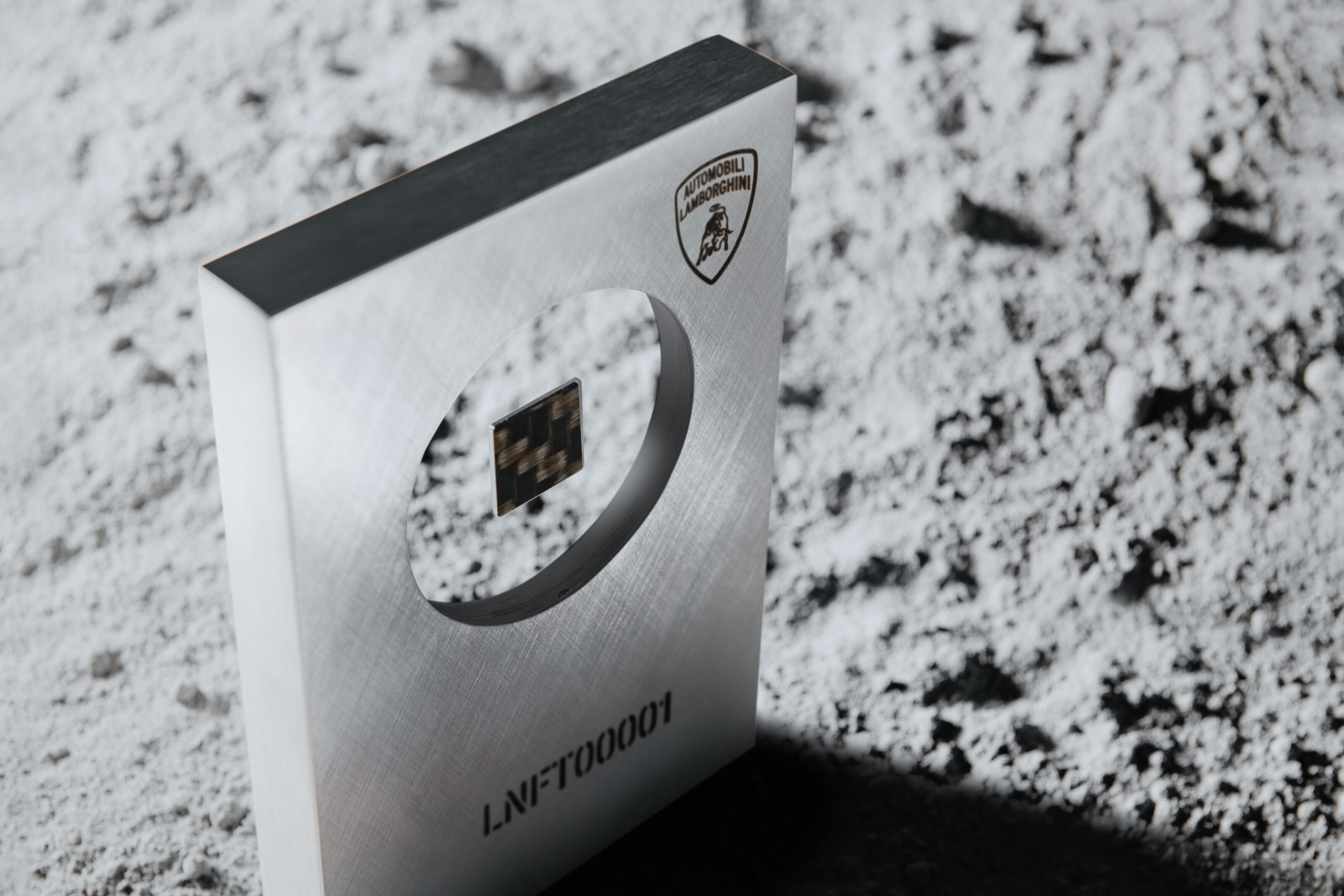
Named the Space Key, it’s a metal tablet containing a 3.2-gram square of composite carbon fibre that bears a QR code for a Non-Fungible Token from a currently undisclosed artist.
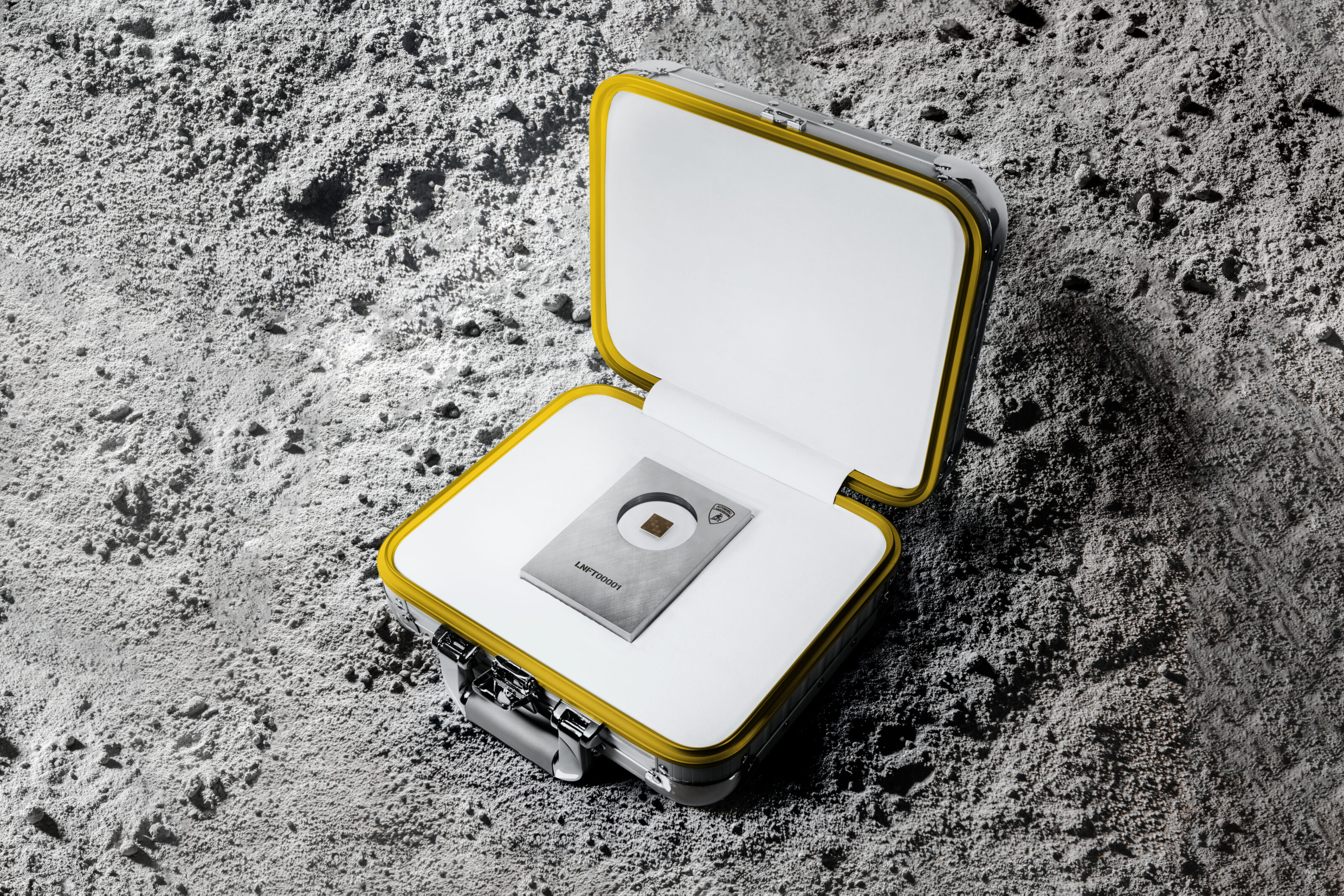
Both the artist’s identity – and NFT’s contents – will be revealed in the coming weeks before a run of five Space Keys go to auction.
As for the ‘Space’ part? Lamborghini says the European Space Agency took these carbon fibre pieces to the International Space Station that sits in low orbit from the Earth for a joint research project.
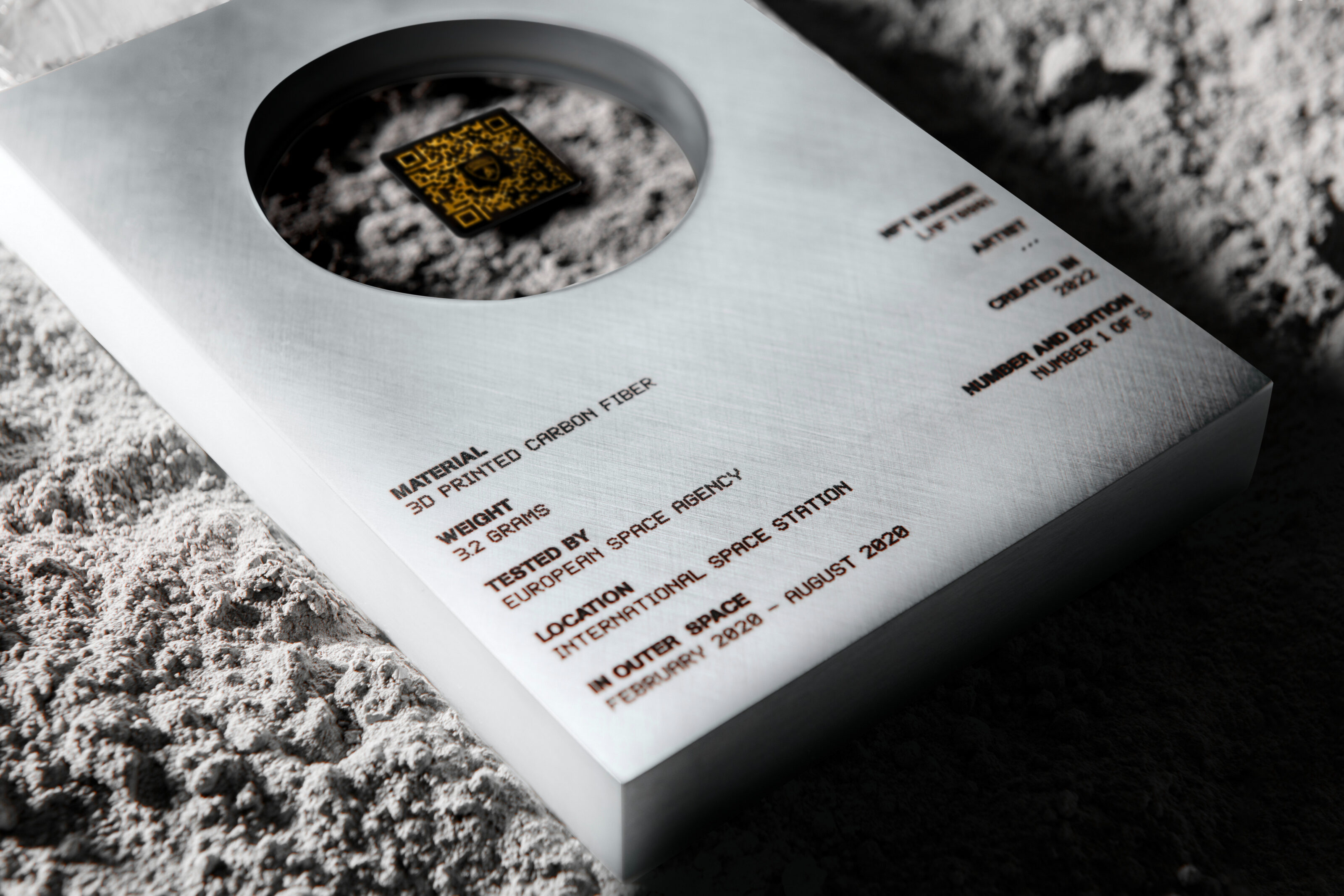
Each key is marked with information also detailing how long the carbon fibre spent in space, when it was created and the specific number of the NFT the key unlocks.
Since the Space Key’s unveiling, Lamborghini has been teasing its Twitter followers with the reveal of its first NFT, using the hashtag “#ToTheMoon” as a clue.
Lamborghini has teamed up with a company called NFTPRO to facilitate the auction of the five space keys, marking an another watershed moment for the industry.
Car manufacturers have trying to capture a slice of the ludicrous NFT market that has seen these block-chain verified digital artworks sell for as much as US$69m.
Meanwhile, Ferrari recently entered a contract with Swiss blockchain developer Velas Network to develop its own NFTs.
Snapshot
- 2017-2020 Tesla Model 3 recalled due to rear-view camera wiring fault
- The issue affects 5143 electric sedans
- Tesla will notify affected owners via its mobile app, once parts become available
Tesla has issued a recall for 5143 examples of its 2017-2020 Model 3 electric sedan over concerns surrounding the rear-view camera.
According to the recall notice issued by the Department of Infrastructure, the routing of the cable for the reverse camera system surrounding the boot lid could become damaged with routine opening of the luggage area.
Tesla says this will cause the rear-view camera image to not appear on the infotainment system.
This could result in an accident whilst reversing, with the brand warning affected drivers of the need for additional checks of their surroundings until the rectification work is completed.
Once parts become available, the marque will ask owners to book a service appointment via the Tesla mobile app.
The company can be contacted directly by visiting a service centre, found here.
A VIN list for the affected vehicles can be found here.
Automotive siblings Peugeot and Citroën have announced a new Financial Services division for Australia aimed at slimming down and simplifying options for customers.
Launched under the Peugeot Citroën Australia banner, the new division will give customers better in-house access to financing, with the ability to take advantage of the new Guaranteed Future Value (GFV) offering.
Available for personal and commercial customers, GFV allows buyers to lock in a minimum buy-back value for their vehicle after the lease term ends, taking factors like wear and tear as well as mileage into account.

Peugeot Citroen Australia’s Managing Director, Kate Gillis, said the in-house finance solutions and offers will give customers greater buying confidence in the future.
“It comes with great excitement that we can now offer customers extended avenues for financing Peugeot and Citroën vehicles,” said Gillis.
“We are hopeful that the launch of Peugeot Financial Services and Citroën Financial Services will generate a strong growth opportunity for both brands in Australia and support the highly anticipated local new product arrivals confirmed for 2022.
“Not only will the launch of Financial Services provide new customers with greater convenience and improved finance options when purchasing both Peugeot and Citroën vehicles, but the introduction of Guaranteed Future Value offers real assurance and peace of mind in knowing the vehicle is protected.”
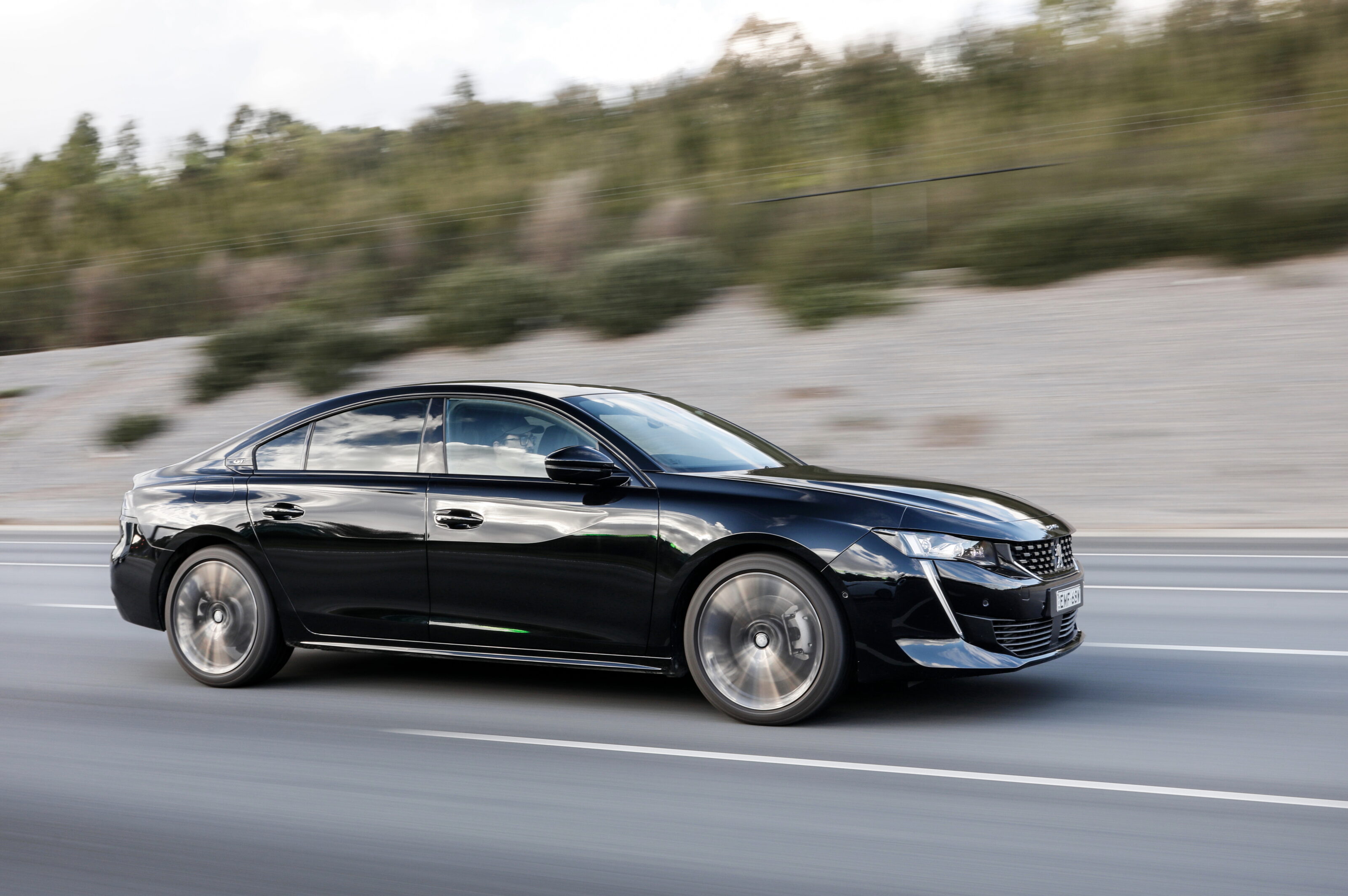
Strong growth is exactly what Citroën needs right now, as the manufacturer recorded just 175 units sold throughout 2021 – a decrease of 28 vehicles compared to the year prior – while it hadn’t hit triple figures before October.
Things are going better over at Peugeot with its 2805 vehicles sold last year representing an increase of 676 over 2020, although just this week it announced price increases throughout its range, compensating for increased production costs.
Today we’re going to learn how to read a car review. I’m aware that this has the potential to sound incredibly condescending. After all, if you’re reading this – in print or online – there’s every chance you’re well versed in motoring journalism. However, this is an opportunity to explain how reviews are constructed from our end and perhaps clear up some misconceptions that exist.
In its purest form the motoring media shouldn’t deliver a ‘verdict’ on any car. Our job should be to observe and report, free from judgement and untainted by bias, and leave it up to you, the reader, to formulate a verdict based on your own personal preferences. An early lesson from my mentor Nathan Ponchard, formerly Deputy Editor at the MOTOR parish, clearly explained this: “It’s not about what you like or don’t like.”
If a motoring journalist is doing his or her job properly, they should have no problem with giving a car they hate 10/10 and, conversely, panning a car they love. For example: if I have a philosophical objection to electric vehicles (I don’t, but for the sake of argument) it shouldn’t stop me recognising the brilliance of the Porsche Taycan. Likewise, I might personally feel like front-wheel drive is stupid and never want to own one (also not the case), but that shouldn’t prevent the Ford Fiesta ST or Honda Civic Type R from getting top marks.
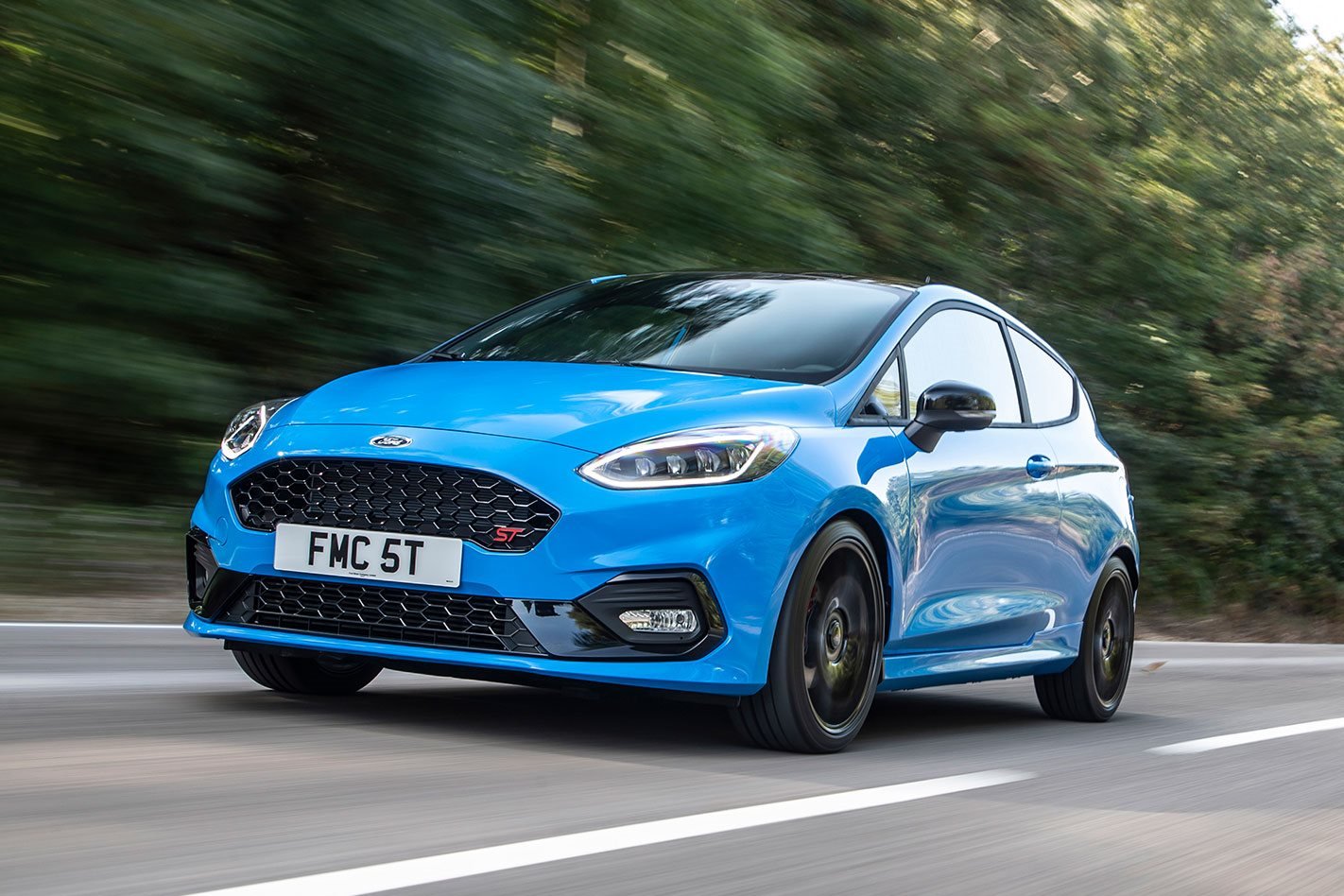
The problem with this is y’all want verdicts. A score is an oversimplification, distilling all that’s good and bad about a car into a single number, but it’s also easy to understand at a glance, preventing the need for further time-consuming investigation (i.e. actually reading the review). It also makes for great pub argument fodder: Car X scored 7 and Car Y scored 8, ergo Car Y is better.
If only it were that simple. The trouble is people’s buying criteria are as diverse as the car offerings themselves, so attempting to put a one-size-fits-all score on that car is effectively a hiding to nothing. As a silly example, the Porsche 992 911 GT3 is one of the most amazing driving machines ever built, but if your buying priorities are seating for five, fuel economy and a long warranty then it gets 0/10.
The best we can do is evaluate cars on “performance of intended function”. This is the central tenet to how we approach reviews: how successfully does this car do what it’s intended to? And if people bought on rational, objective grounds, it would probably suffice. This is rarely the case.
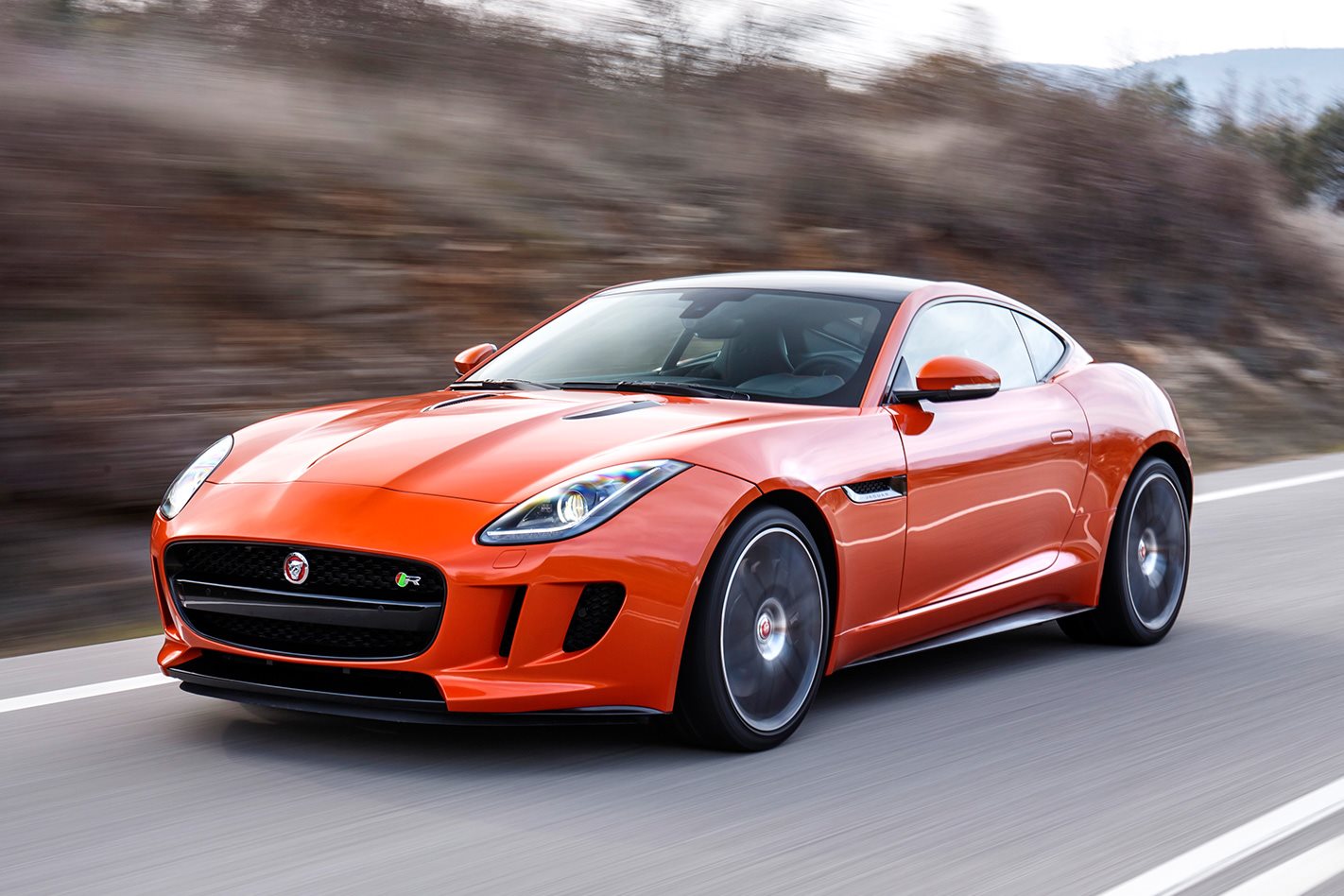
I’ll provide a personal example. Let’s wind back a few years and consider the Jaguar F-Type R (the RWD V8) and the Porsche 911 Carrera S (991-series). Professionally, it’s a slam dunk victory for the 911. It’s as quick in a straight line as the Jag, superior in corners with better braking, steering, handling and traction, rides better, is more economical, has more boot space and the option of rear seats for small kids. Personally? I’d buy the F-Type. I love the way it looks, the way it sounds and the way it’s hilariously traction-limited, oversteering at the drop of a hat. So which is the better car?
Remember this when reading a review, whether it be a single-car or a comparison. Firstly, actually read it, rather than just looking at the score. Yes, there will be a verdict, but it doesn’t need to be YOUR verdict. If the piece is written well it should provide you with all the information you need about the car – what it does well, what it does poorly, its price, its performance, its features – but you need to view that information through your own lens.
Don’t mind a firm ride? Discount the criticism about ride quality. Got an unlimited fuel budget? Ignore the section on fuel economy. Apply your own verdict. Then leave a comment telling us we’re wrong anyway.
You might look at the Skoda Octavia, as many do with the brand’s range, and consider it just the Volkswagen equivalent (Golf, in this case) with a different badge.
But the Skoda Octavia Limited Edition in particular is more than just a rebadged Golf Wagon. For a start, it’s physically bigger by just a smidge. It’s 56mm longer, 40mm wider, and 33mm taller. I did say a smidge.
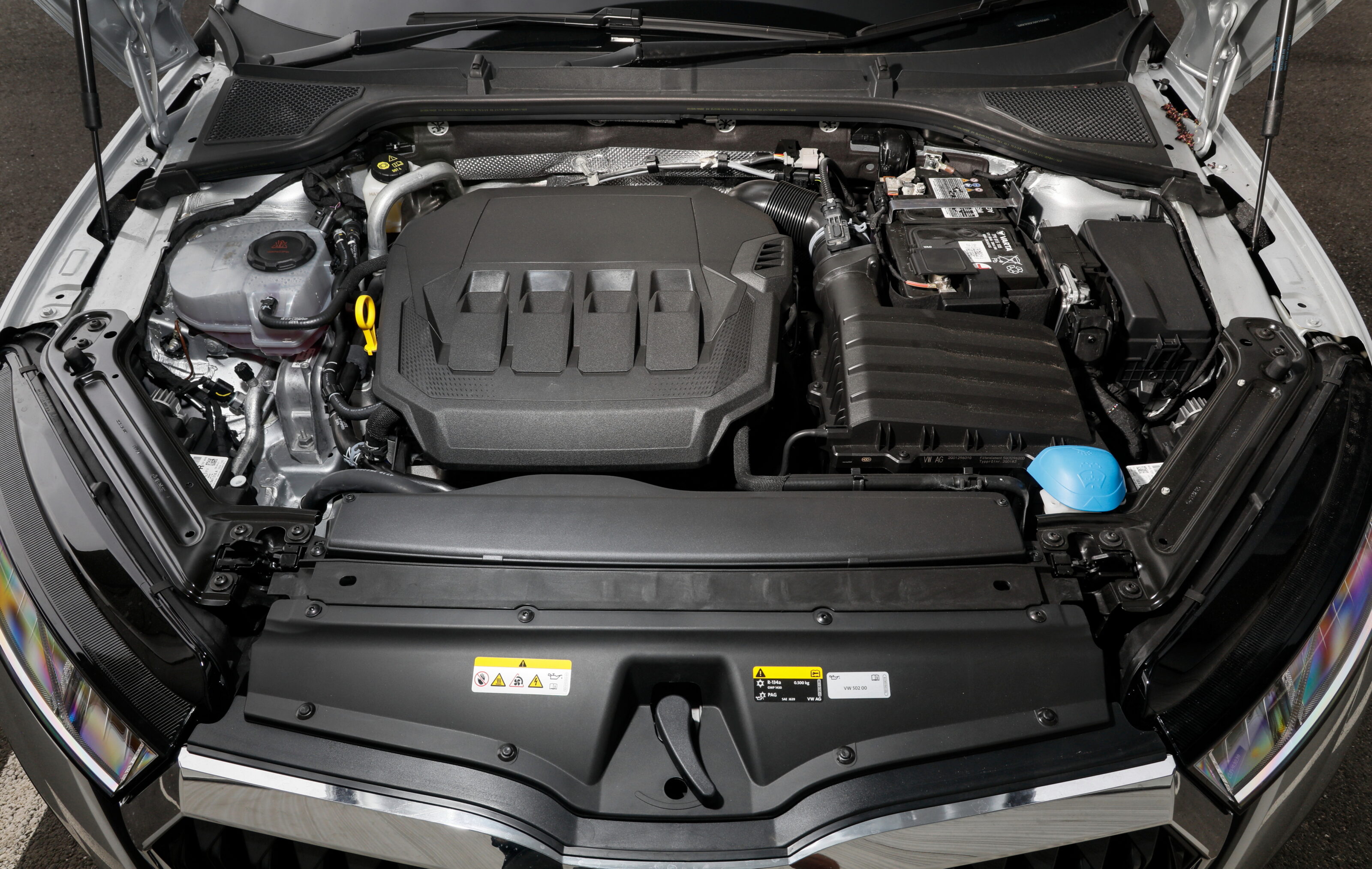
Under the bonnet, too, there’s a smidge more. An EA888 2.0-litre turbo four sits in place of the 1.4 found in most of the Golf and Octavia Range. The EA888 is the same engine found in the Golf GTI and Octavia RS, though with the wick turned up in those cases.
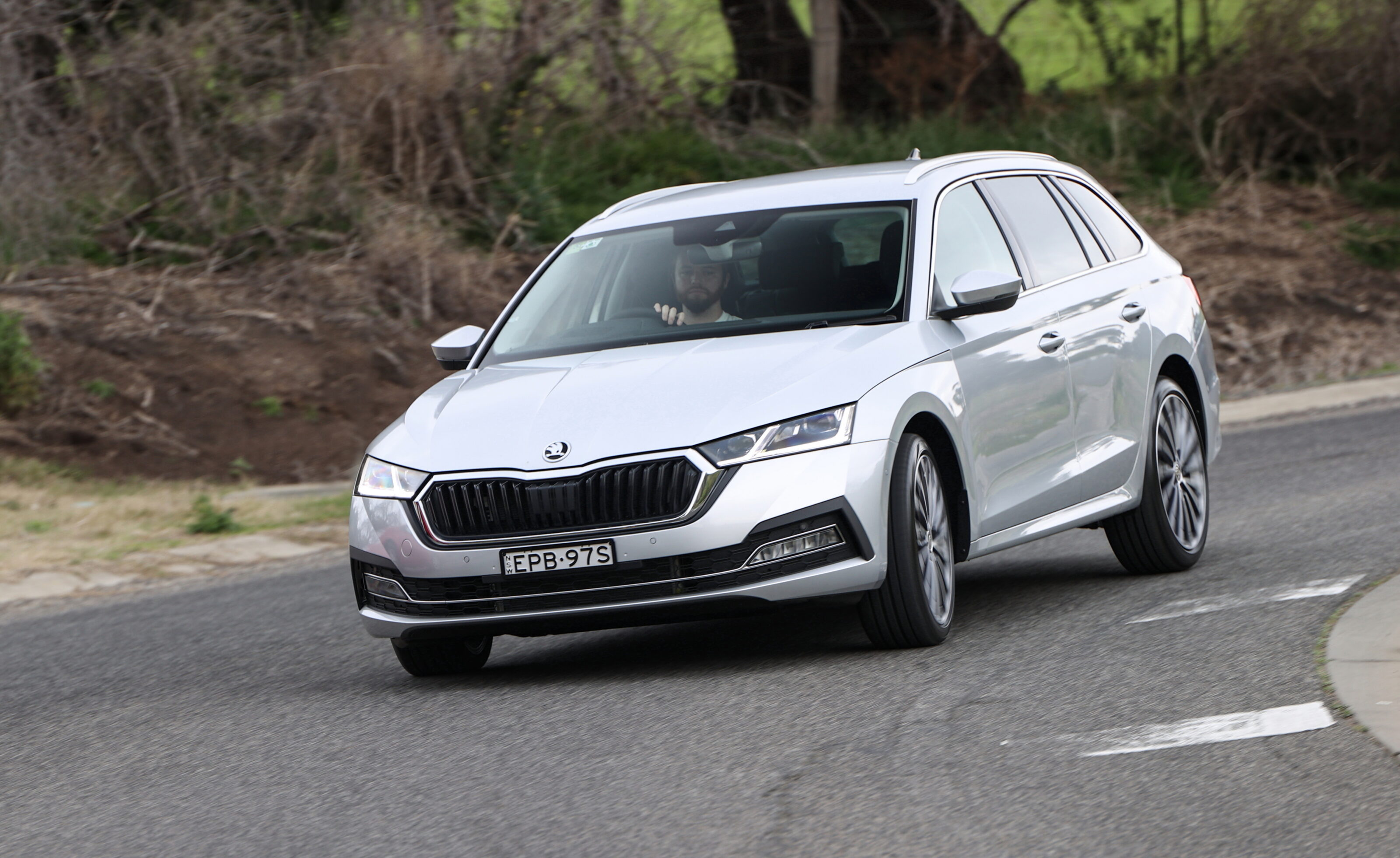
But the Octavia Limited Edition also costs a ‘smidge’ more than a Golf Wagon. At $51,990 drive-away, the Limited Edition is more than $10,000 north of the Golf Life Wagon ($36,250 plus on-roads).
But with more in the cabin and more under the bonnet, is it worth it?
The list of standard goodies in this Octavia is extensive, even visible from the outside the car in the form of its 19-inch silver alloys, as well as less obvious features like the fully automatic matrix LED headlights.
Inside though, is where you really start to notice how much the Limited Edition has going for it, and why its drive-away price tag is up past $50K.
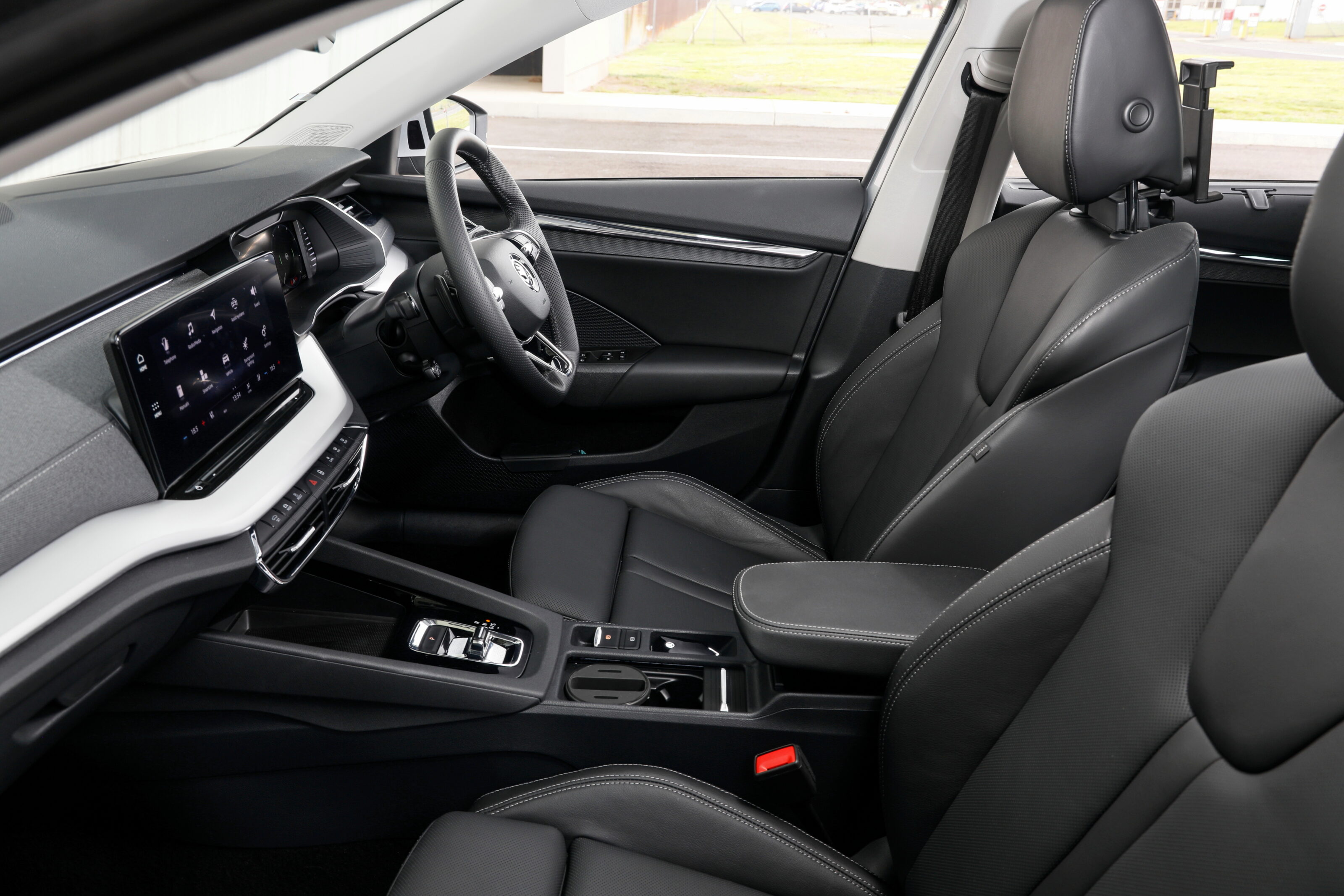
Upholstery made from a mix of real and manufactured leather, for a start, is welcome on the electrically adjustable front seats that are also heated, ventilated, and feature massage functions.
It’s also worth noting that the Octavia is one of what must be a very short list of cars in which the seat heating and cooling can be turned on simultaneously. Honestly, it’s more useful than it sounds.
There’s a little bit of simple elegance about the layout of the interior too, with some denim-like cloth and leather adorning the dash in a style that could easily have come from Peugeot. Although the minimised gear selector seems at first a little small for anyone used to a traditional shifter.
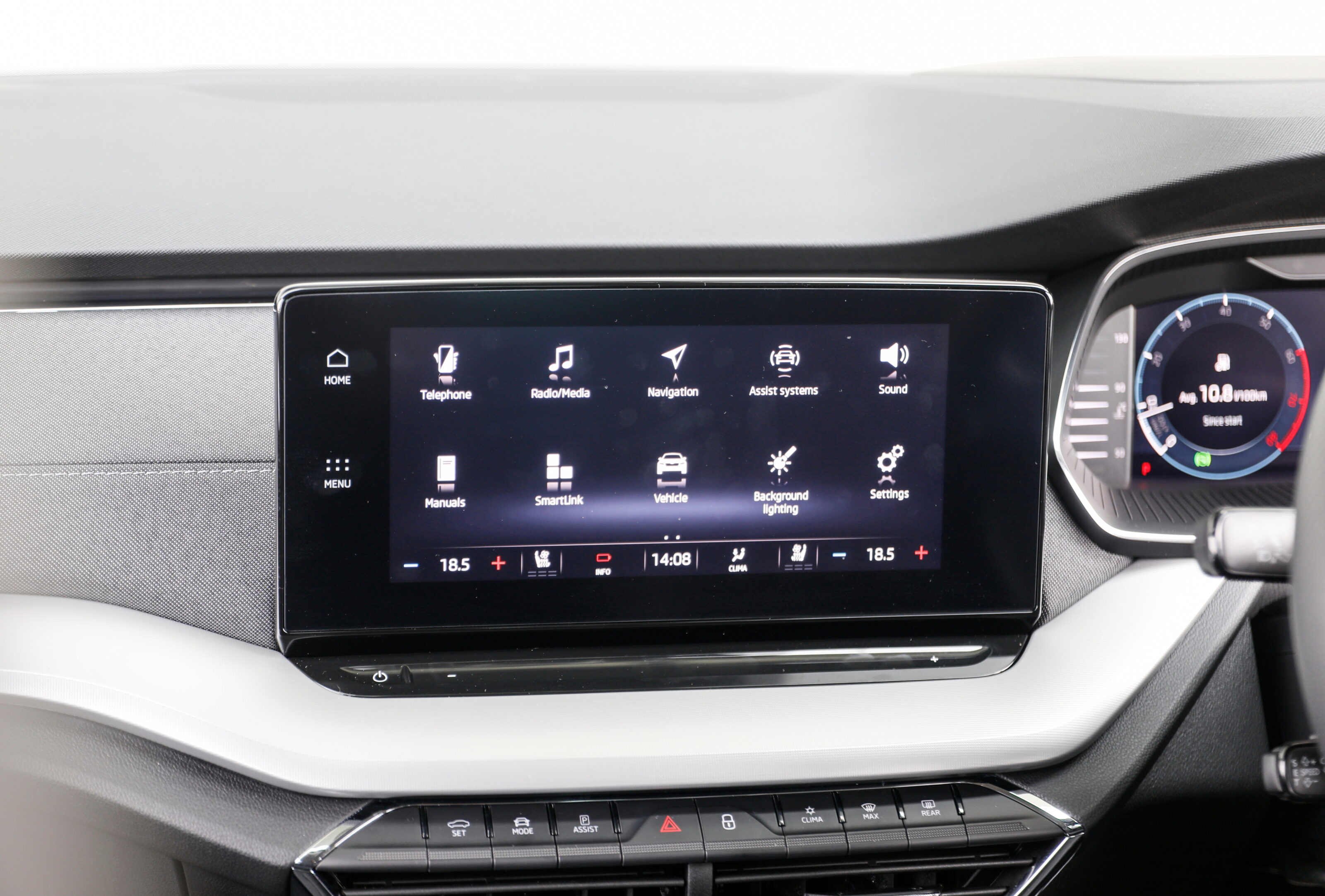
Its lack of HVAC button controls can be a little annoying, though the Octavia (like its Golf twin) makes up for it with a climate button that opens the appropriate menu on the main screen, which also features ‘Smart Climate’ controls comprising options like ‘Defog Windows’ or ‘Warm Hands’ to set the airflows and temperature behaviour accordingly.
The rest of the infotainment tech is solid. Shared with Volkswagen and relatively simple to operate, it’s a step up from previous systems but occasionally prone to very minor lag when doing things like scrolling to navigate a map display and moreso with the wireless Android Auto or Apple CarPlay, though this seems to be an issue with the software rather than the car.
Other models have also shown to lag slightly with audio and menus on wireless mirroring. The Canton sound system itself is great though, and another value point to the Limited Edition.
Plugging a phone in for mirroring does slightly reduce the usefulness of the wireless charging pad, though passengers can still make use of it. There’s also a cup holder insert for sitting a phone upright, useful for keeping a phone in place and out of the way. Chalk up a ‘simply clever’ point for Skoda there. Another Skoda point of difference from the Golf is the umbrella stowed inside the door.
Behind the driver, another. Rear passengers are treated to not only the same level of seating comfort as those up front but also a convenient mount for a tablet (a phone also fits) that can be attached to either front seat.
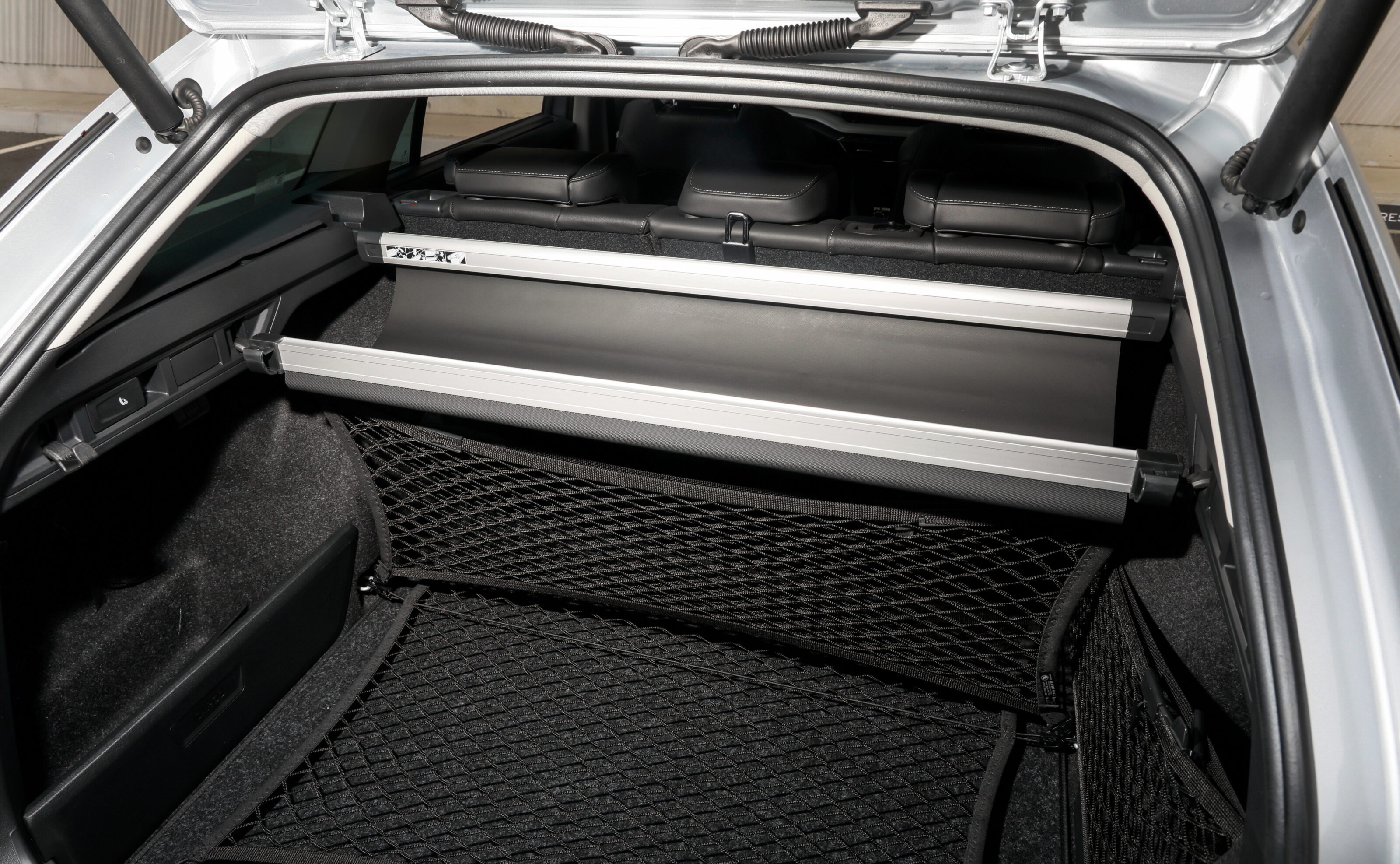
Fold the rear seats down and the 640 litres of boot space becomes a cavernous 1700L storage compartment, fitted with netting to hold cargo in place and hooks for hanging bags. There’s even a blanket that can be used for wrapping objects to protect them or the boot itself. Also a win over its Golf sibling, the Octavia boot has 29 litres more with the seats up, and 58 more with them down.
Fortunately, the difference between the two doesn’t become too distant when it comes to their road manners. With the same essential underpinnings as the Mk8 Golf, the Octavia Limited Edition Wagon is a talented and comfortable cruiser.
Well-judged suspension tuning and a multi-link rear set-up make the wagon feel stable without being too firm, resulting in easy control over its road placement at any speed. Steering too is comfortable, the flat-bottom wheel being a nice diameter and shape to use, with the rack quick, turning accurate and the level of assistance relatively light.
Steering and suspension feedback from the road isn’t incredibly detailed, though the trade-off for comfort feels appropriate, and any adjustments you’d need to make while cornering are still clear.
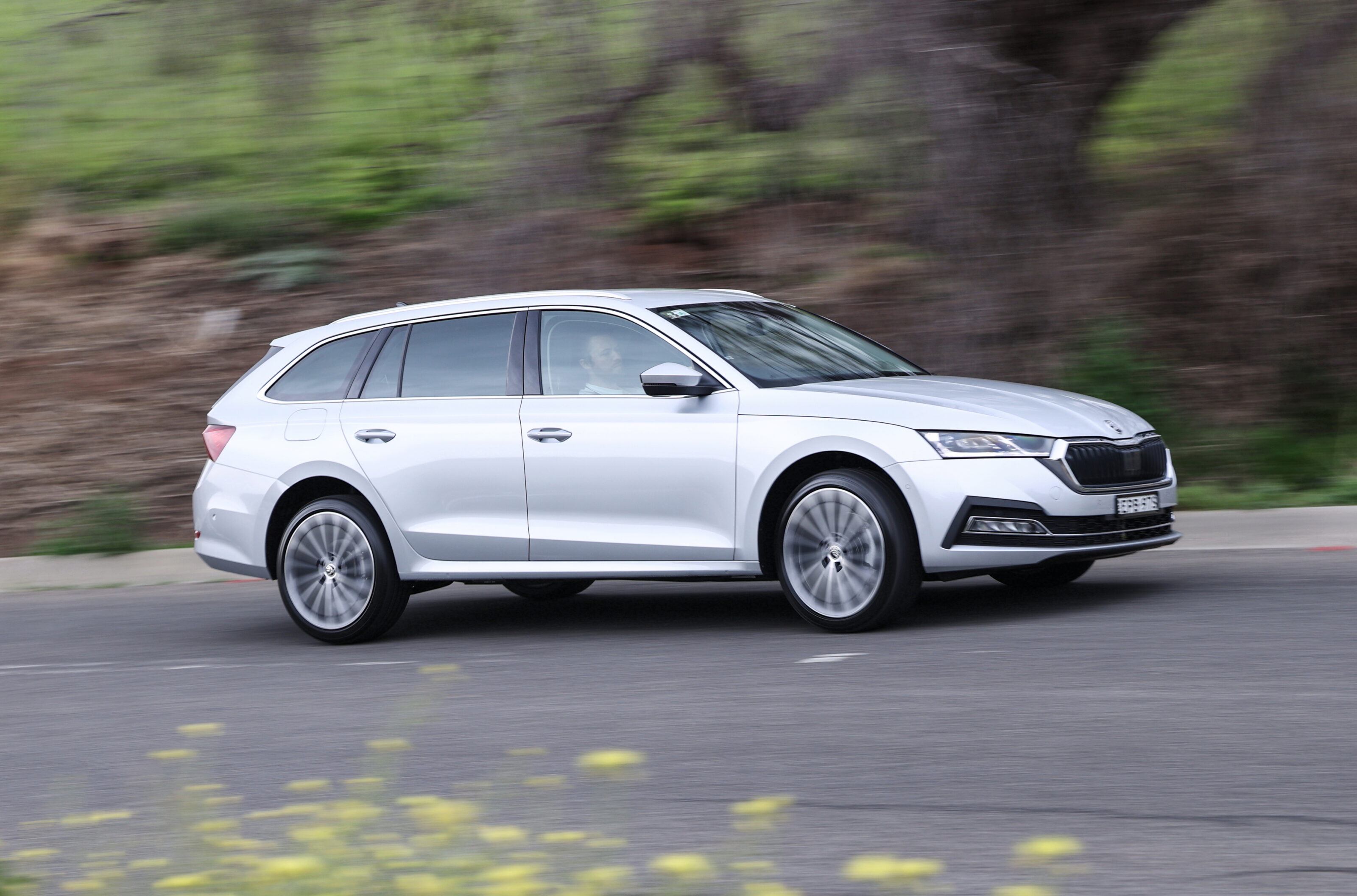
The 225/40 Pirelli Cinturato P7 tyres, as well as the electronic traction control, ward off any damp-road slips effectively, and the aforementioned multi-link suspension holds the wagon’s posterior in place nicely.
But it’s what’s up the front that might make this Limited Edition truly worth considering for some. It has 2.0-litres of Volkswagen’s turbocharged EA888 goodness under the bonnet, the veteran four-cylinder producing 140kW and 320Nm instead of the 110 and 250 made by the smaller 1.4 found in other Octavias, or the Golf.
On the spec sheet, a claimed 7.4 seconds to 100km/h already trounces the 9.1sec of the lesser wagons, even with a fair chunk of extra heft. The Limited Edition has a 1435kg tare weight (slightly less than a kerb weight), versus the 1355kg of an Octavia Ambition or Style Wagon. Even the Golf wagon weighs 1371kg.
This all does, however, mean the Limited Edition likes a little more to drink than the rest of the range, though its claimed 6.2L/100km isn’t astronomical compared to the others’ 5.9L/100km.
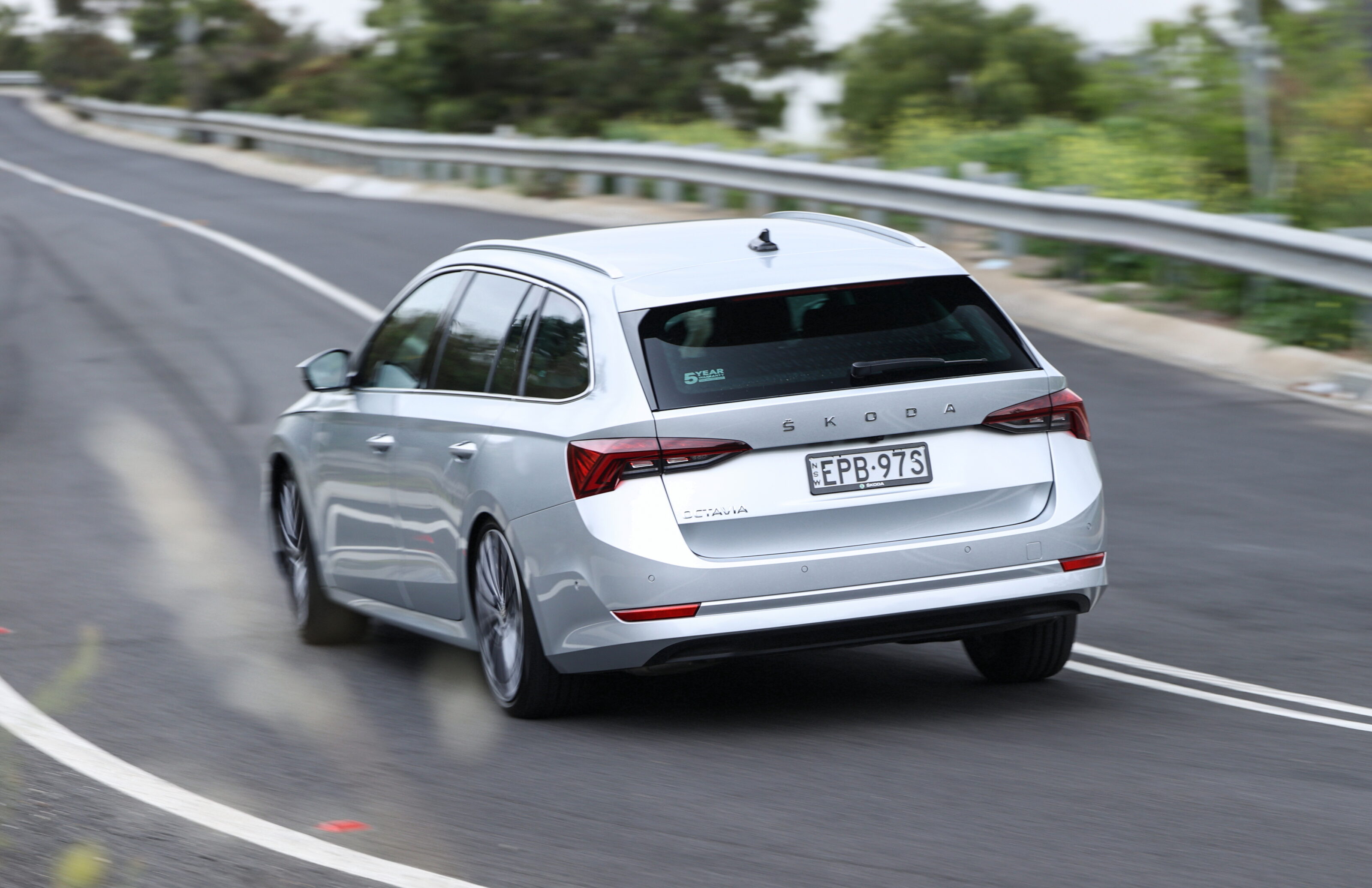
Lively and playful aren’t quite it, and it’s not like the front wheels are overwhelmed with force, but the Limited Edition’s extra bit of pull is certainly noticeable and welcome even in the most mundane of driving situations. The seven-speed DSG dual-clutch auto also has a little more torque to work with, but isn’t quite as smooth as the traditional eight-speed auto in the Golf.
Like the Golf, however, the Octavia has a five-star ANCAP rating, scoring in the average range for adult occupant protection but quite well for child safety. Its rating for driver assist systems was better than most in the medium car category, which feels appropriate. Its active systems aren’t overbearing, but keep drivers on their toes where necessary.
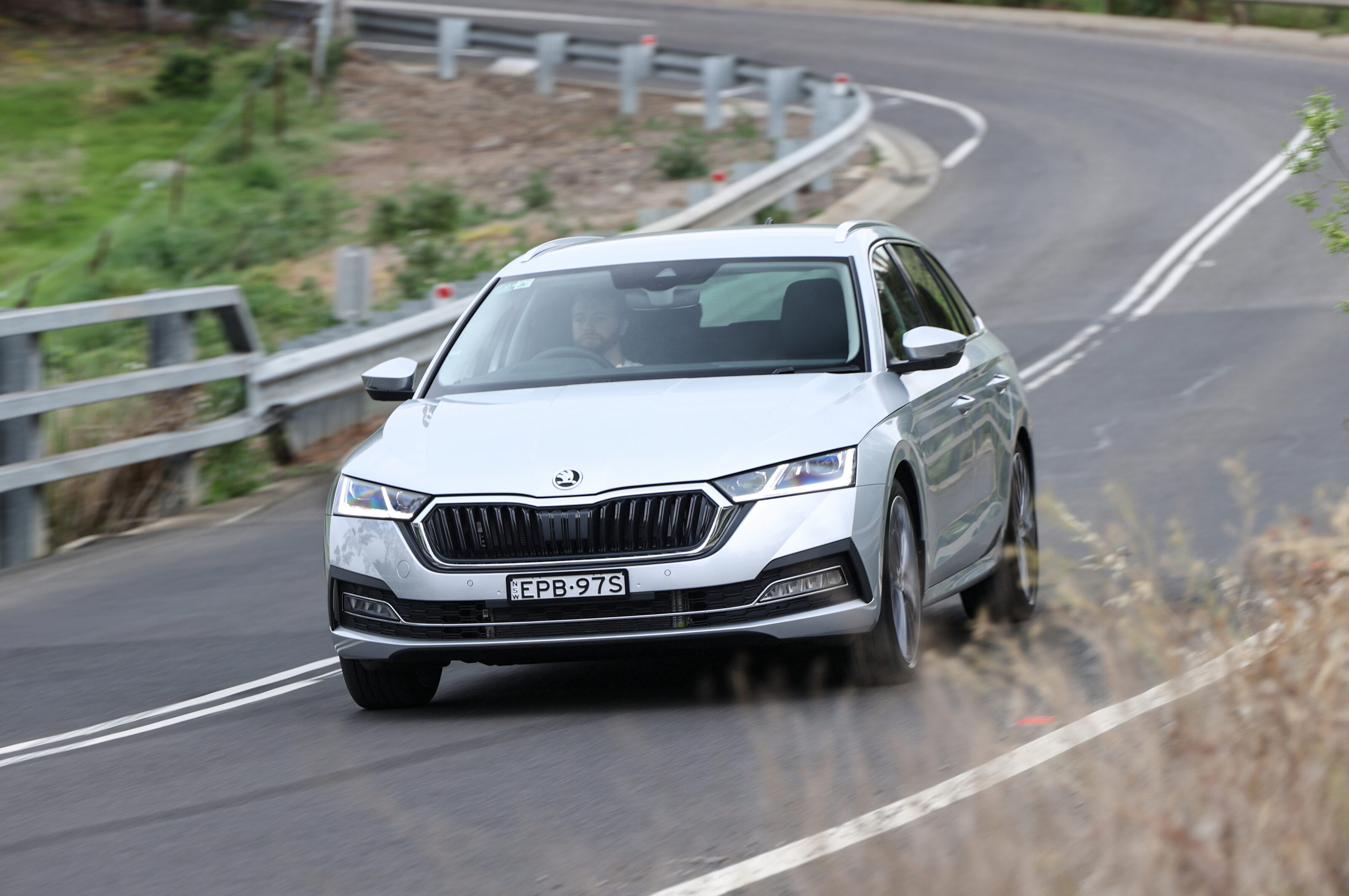
Over lesser Octavias, the Limited Edition also gets Traffic Jam Assist, Emergency Assist and Side Assist as standard, plus the tech you get on all variants such as Park Assist, adaptive cruise control, lane-keep assist and front AEB. Its reversing camera and good outward vision from all angles also contribute to an easy avoidance of obstacles.
The timing of the Limited Edition is quite fortuitous for quick buyers, too. Until December 31 this year, Skoda is offering a seven-year warranty over its usual five. Skoda also now has a seven-year service pack, which costs $2400 for the Octavia and includes the first three services for free.
Without the service pack, maintenance prices are based on monthly subscriptions, with four levels based on how far you drive, across three ‘tiers’ of plan: Complete, Essential, or Value. Pricing ranges broadly between $50 per month and $145 per month, so it’s best to see which one suits.
Fortunately, working out Skoda’s servicing is the biggest inconvenience of Octavia ownership, and it’s something you should only need to do once.
If you can stump up the $52K to own one, the Octavia Limited Edition oozes practicality and its extra features over the other models are welcome. It’s the pick for those who want to head to the top of the range but don’t love the idea of the more sporting RS.
Skoda Australia expects the Limited Edition to hang around for a few months from the time of writing, so if something like a Mazda 6 Atenza or the likes of the more exxy Peugeot 508 is on your list, give the Octavia a glance too. For the right person, it might even be just enough to convince you not to drop $80,000 on that BMW 3 Series Touring. The chances are no, but $30,000 is a fair saving.
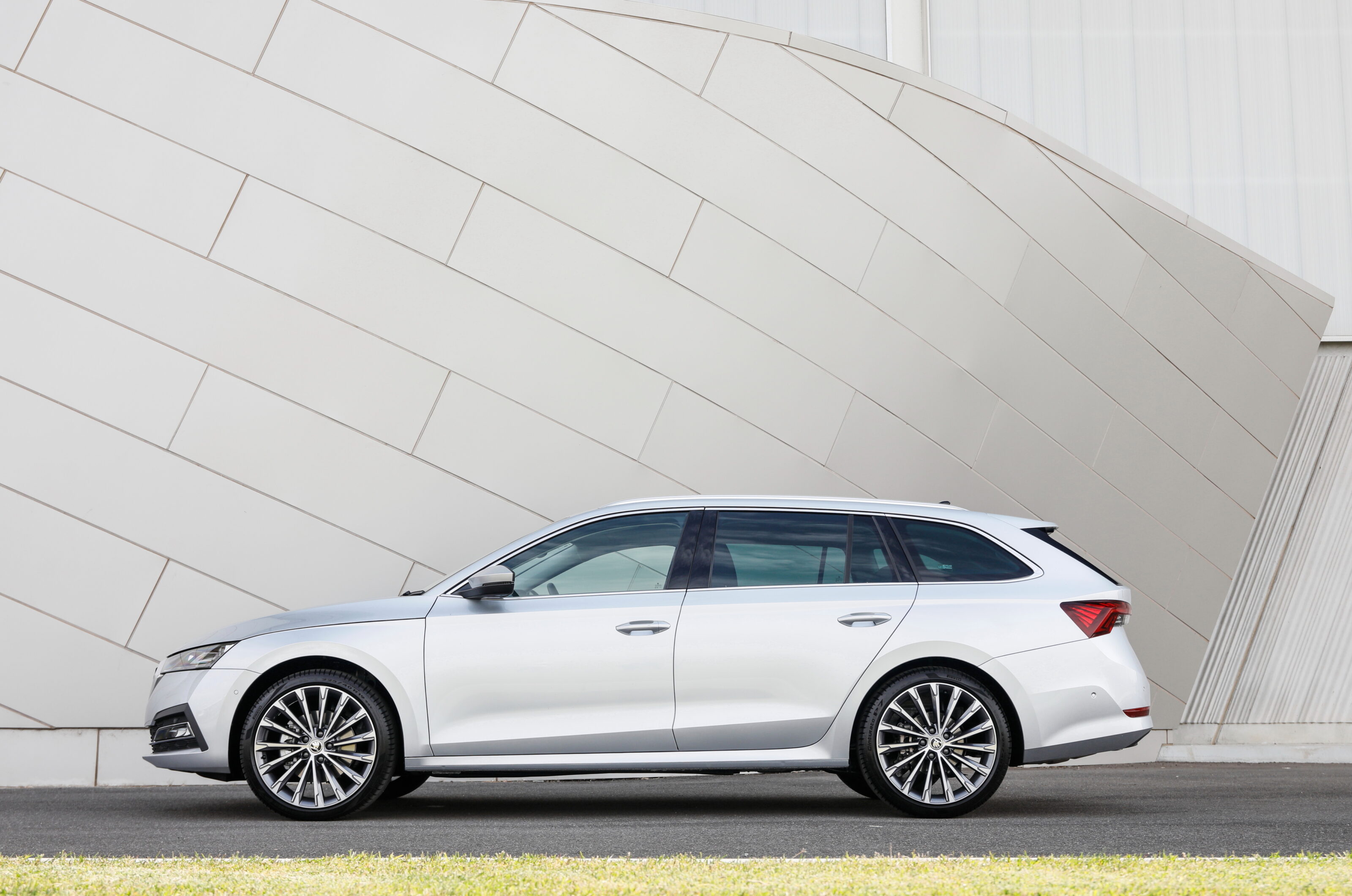
Skoda Octavia Limited Edition Wagon specifications
| Body: | Five-door wagon |
|---|---|
| Drive: | FWD |
| Engine: | 2.0-litre I4, turbocharged |
| Transmission: | 7-speed DSG |
| Power: | 140kW @ 6500rpm |
| Torque: | 320Nm @ 1500-4180rpm |
| 0-100km/h: | 7.4sec (claimed) |
| Fuel consumption: | 6.2L/100km (combined) |
| Weight: | 1435kg (tare) |
| Suspension: | MacPherson struts front/multi-link rear |
| L/W/H: | 4689mm/1829mm/1488mm |
| Wheelbase: | 2686mm |
| Brakes: | Ventilated discs (f); Solid discs (r) |
| Tyres: | 255/40 R19 |
| Wheels: | 19-inch alloy wheels (space-saver spare) |
| Price: | $51,990 drive-away |
