
Allow me to start this comparison with an admission. Despite having driven many compact SUVs, I’ve never really warmed to any, regardless of the make or model. Clearly, nationwide sales suggest I’m a minority, as the small SUV segments accounted for 17.5 percent of all new vehicles sold in Australia to the end of May this year. But I feel that’s like arguing not eating fast food at least once a day is wrong simply because a lot of Australians do exactly that.
I’m not suggesting that the now-departed Holden Trax will fur your arteries like a triple cheeseburger, but it was one of the most fundamentally frustrating cars I’ve ever driven. Nor am I implying that the Haval H2 isn’t perfectly capable as a means of transport; it just lacks the zest and depth of engineering that most car lovers look for.
However, the cars you see here are box-fresh, kit-packed and carrying the colours of two of Australia’s favourite brands. And, most surprisingly, one has started thawing my cold heart. Which one? Read on.
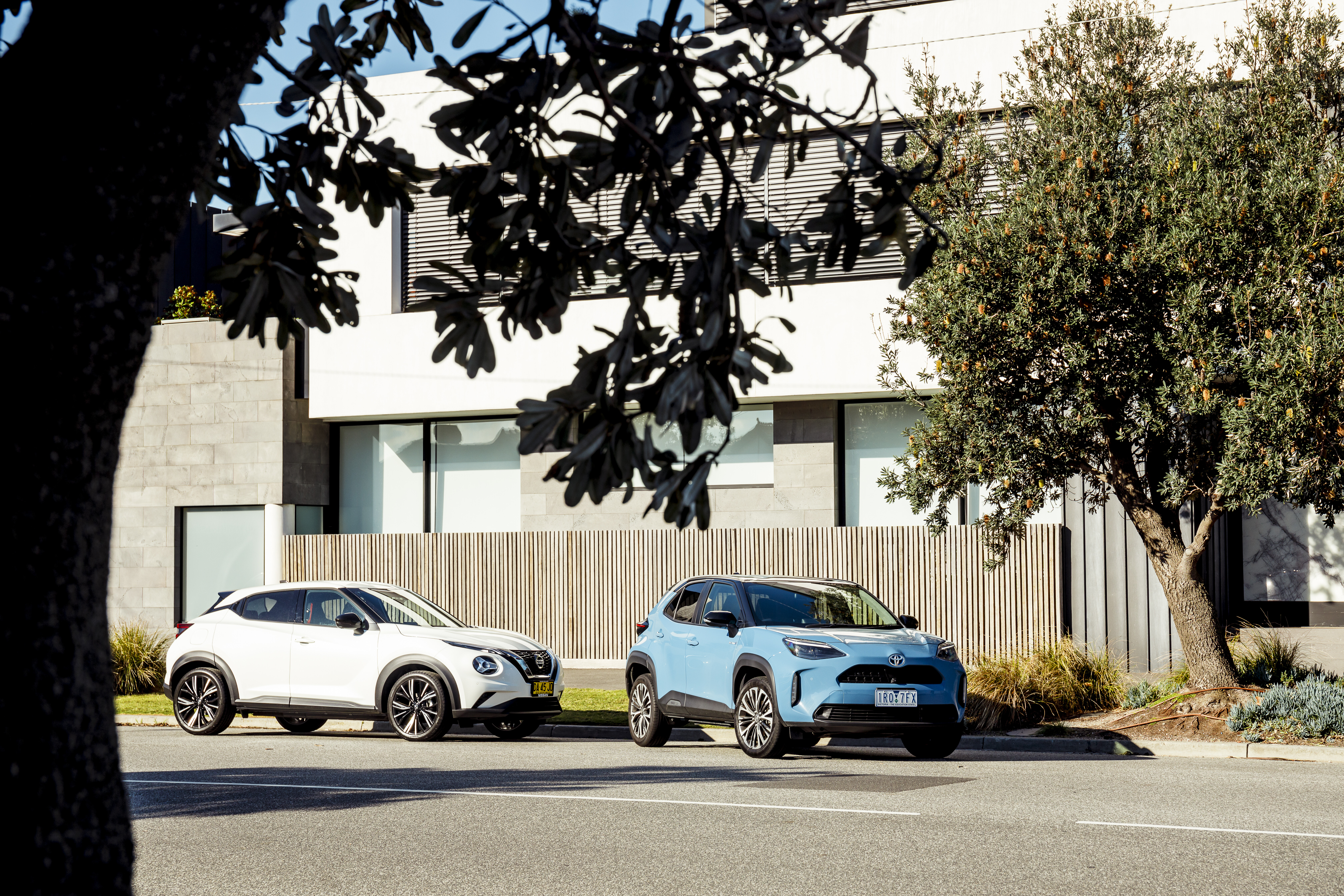
In the blue corner is the tiniest SUV from Toyota positioned in the Japanese family below the also-quite-small C-HR, taking the platform of the Yaris compact hatchback. The Yaris Cross arrived to the already busy local market late last year and received a warm reception – it’s currently the nation’s second-favourite light SUV.
The same cannot be said for its opponent here. When the Nissan Juke first landed locally in 2013, it failed to muster the attention its maker had forecast and, even though it wears a more long-standing model name, this new model is outsold by the Yaris Cross about three times over.
The version we have here is the second-generation Juke which rolled into showrooms just over a year ago and the all-new model has grown up – literally. Measuring 4210mm long, the 2020 Juke is a full 75mm longer than its predecessor, while the width and height have swollen about 30mm each and that addresses one of the original Juke’s most frequent criticisms – space.
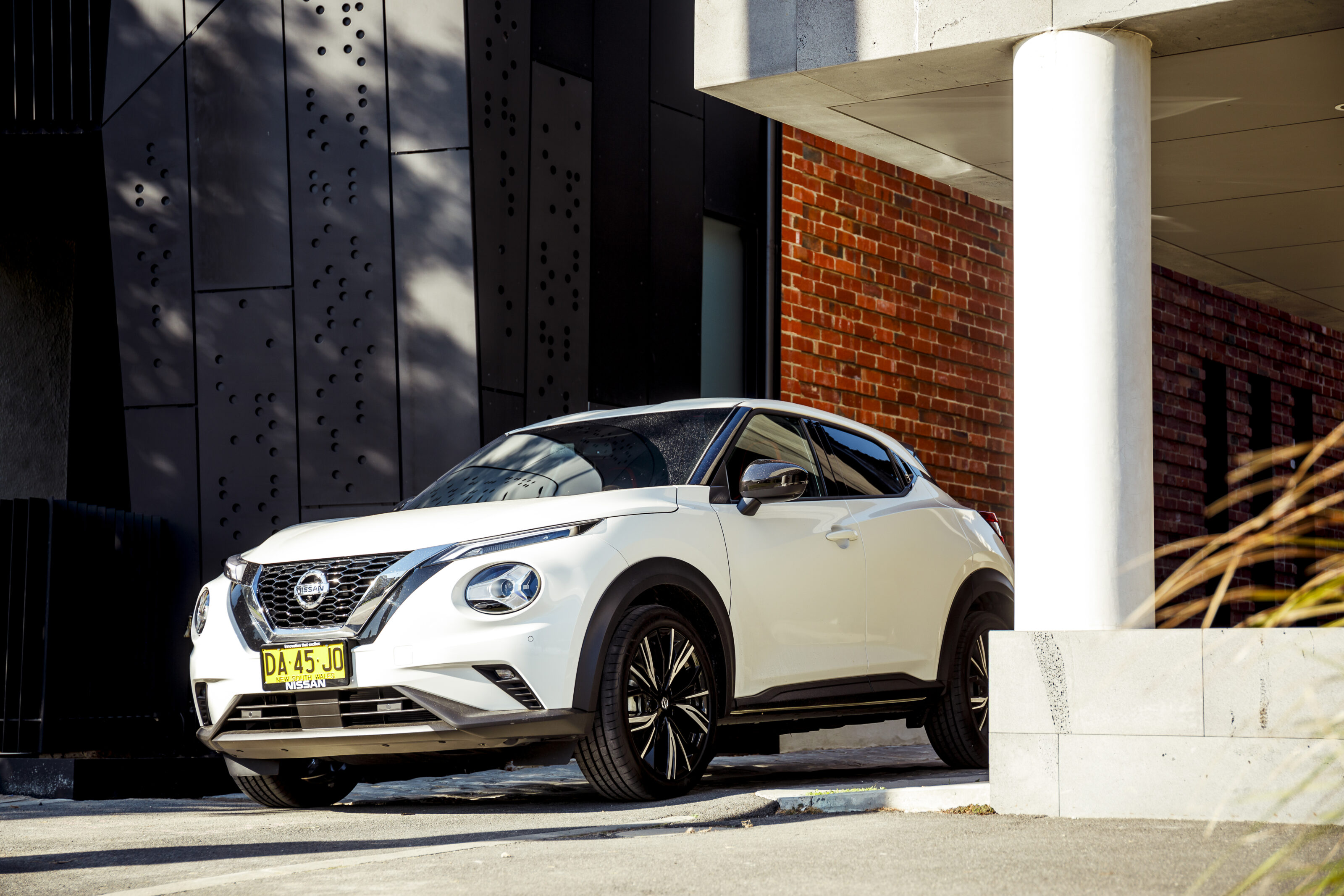
Hop aboard the Nissan and there’s demonstrably more room in the second row with air between the knees of a 188cm human and the driver’s seat-back, along with a similar amount of clearance above the head. There’s another noteworthy increase to boot volume, too, with a respectable 422 litres (up from 345 litres) and options to split the rear seats 60/40 for a maximum of 1305 litres with the second row fully folded.
The Toyota can’t offer quite as generous accommodation with a more claustrophobic second row and a boot that will only swallow 390 litres of stuff. Provision of a space-saver spare wheel can only liberate a certain amount of space for a very good reason that we’ll come to shortly. In the front row, both cars score very well, however, with polar-opposite interpretations of what a compact cabin should look like.
In this top-spec Juke Ti, Nissan has gone all-out high-impact with a radical orange and black design that initially shocks but starts to grow on you once your pupils have adjusted. Ostentatious sports seats are supportive and comfortable and match tastefully with the black roof lining for a sporty and enticing ambience. The equally sporty steering wheel is ergonomically sound even if it doesn’t quite establish a connection to the company’s GT-R and 370Z performance heroes.

Like the Juke, the Yaris Cross offers a big-car-like driving position with long-leg accommodation and excellent seat adjustment. However, the weird unintuitive electric switches bare little correlation to the part of the seat they actually control, which is frustrating.
Its interior is far less flamboyant than the citrus assault in the Nissan but it still manages to be different to varying degrees of success. There’s a strange but softly tactile material for the door trims, but the dark brown faux leather and the seats’ fabric sections that look like the static of an un-tuned TV won’t be to everyone’s taste.
Beyond the questionable but subjective décor choices, the Yaris Cross’s interior is functional, well laid out and generously equipped. Aside from a slightly cheap-looking central touchscreen, there’s classy kit everywhere including a vibrant full-colour head-up display, heated seats and a fully digital instrument cluster. The latter is simple and easy to read but it lacks a proper tachometer and the layout might be just a little too unorthodox for some pilot’s tastes.

The Juke opts for a less divisive blend of traditional and new with a large central digital information display, flanked by a pair of mechanical dials, while its central touchscreen feels newer and is bigger at 8.0 inches.
If you’re after a high degree of safety both cars will serve you well with excellent driver assistance and manoeuvring features, although the Toyota’s 360-degree camera is an impressive point of difference. But all this kit comes at a cost and, while both cars compete in a segment often regarded as attractive for pricing, neither is cheap. Little SUVs like these two may entice you into showrooms with ranges that start between $27,000 and $28,000, but this pair of line-up heroes cost almost 10 grand more.
With that kind of cash to splash, there are a lot of larger options on offer. In the Toyota catalogue you could choose from a mid-range C-HR or the entry RAV4, while Nissan will sell you a high-end Qashqai or mid-range X-Trail. One would assume therefore that the size of this diminutive pair is what appeals along with the generous level of equipment.

And if that assumption is correct then it’s also fair to assume these cars will be mostly used where there is less space, the speeds are lower and fuel economy is of greater concern – metropolis.
Until this point, the Yaris Cross and Juke have been on a fairly level pegging but a stark tangent in their personalities becomes apparent when it comes to the on-road driving experience.
Peer under their bonnets and you’ll find three-cylinder petrol engines, but that’s definitely where the similarity ends. Powering the Juke is a 1.0-litre with a turbo, while the Yaris Cross has 1.5 litres at its disposal and a hybrid system for a boost in place of a turbo. For those still wondering, it’s the battery that robs some of the boot space.
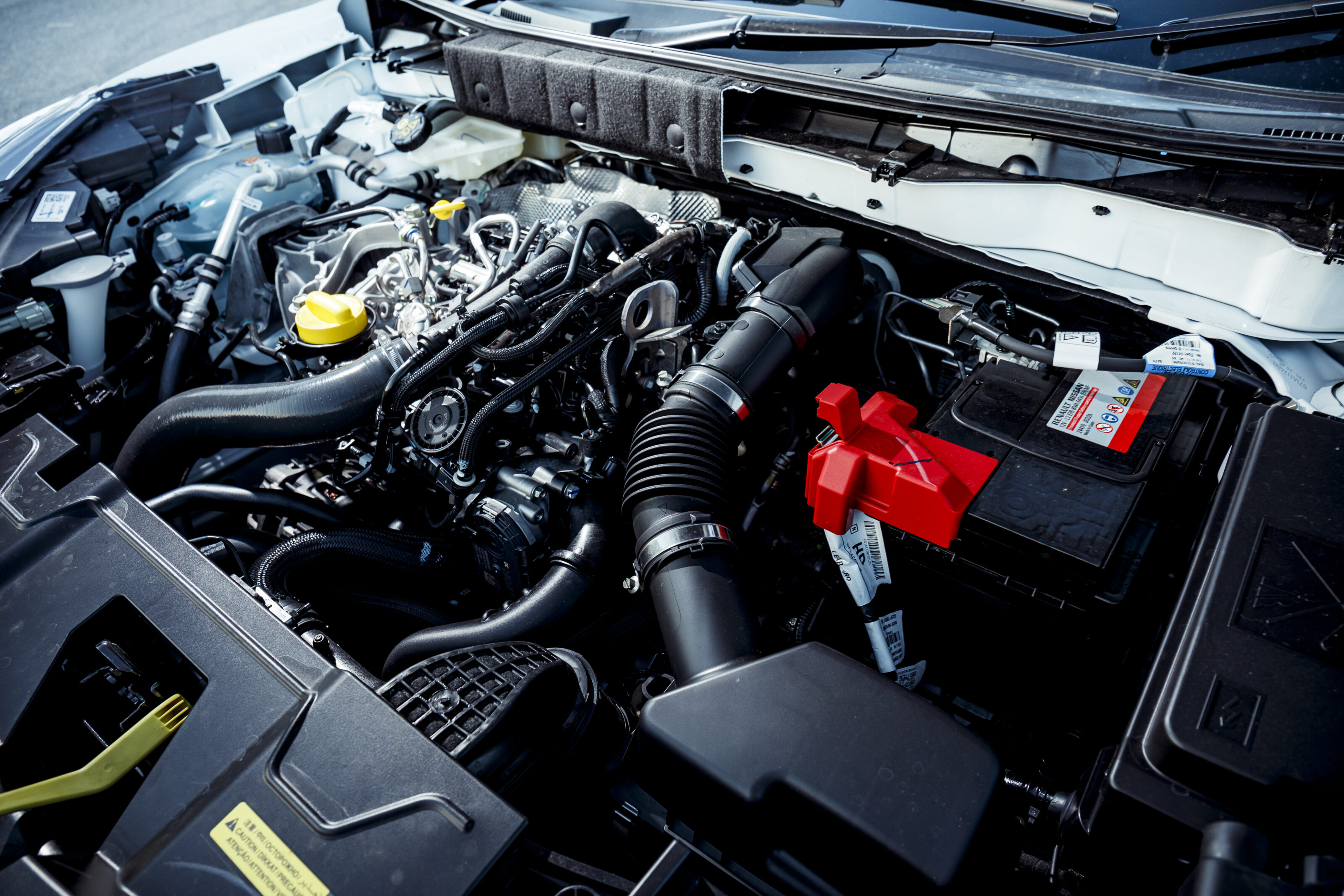
Power production is almost identical with 85kW for the Toyota and 84kW for the Nissan, however, it’s a different story when it comes to torque, at least on paper. The Juke makes 180Nm which thumps the Yaris Cross’s official 120Nm output, although that figure only refers to the petrol engine. Toyota doesn’t publish combined torque ratings for some hybrid models. So in practise the upshot is there isn’t a noticeable gulf between these two on the road.
While the turbo unit in the Nissan will indeed eventually produce the full figure, it takes time. There’s an initial lag – the compound effect of the turbo and seven-speed dual-clutch automatic transmission getting their act together – and the full performance isn’t immediately available.
When trying to negotiate city traffic with urgency, the delayed response can be frustrating and sometimes even feels like an example of the (thankfully now rare) automated manual gearbox. No one wants a return to those days.

It’s no better when trying to switch between forward and reverse as you might when negotiating a tight three-point turn, for example. The transmission will even allow the car to roll while it’s working out which gear to engage.
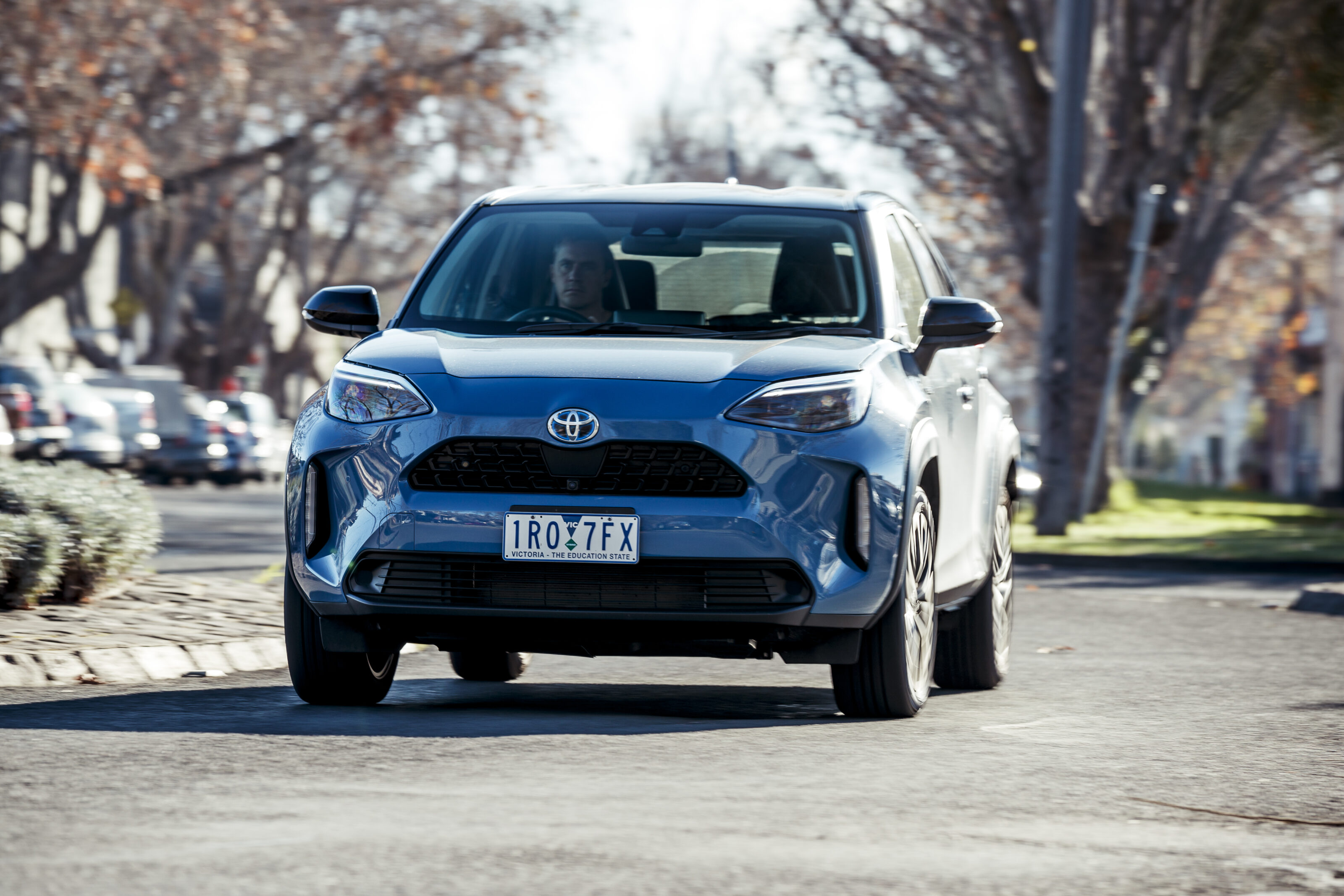
Conversely, it couldn’t be more different in the Toyota. Its hybrid electric effect is not subtle and constitutes a large part of the useful performance at low speeds and perfectly paired to an eager CVT. It’s surprising just how long the car can be propelled on electric-only before the engine cuts in, even without having to flick the EV Mode switch.
More impressive, though, is the speed at which the transmission responds to the selector. Making tight manoeuvres or parking in a hurry actually puts a smile on my face such is the eagerness of the Toyota to oblige instructions. It’s a simple pleasure.
Out of town, the Juke’s heartier torque makes more sense and, while not exactly fast, it feels as though it’s trying. Overtaking – once the gearbox has chosen a gear – is marginally more gutsy and its chassis tune is similarly sporty. It changes direction obediently and there’s bags of grip from the Goodyear Eagle F1 rubber that’s fitted to whopping 19-inch alloy wheels for an impressive look – even if they do dwarf the tiny disc brakes inside.
There’s a confidence and stability to the Juke’s ride that is unusual in small SUVs that ride high and on a small footprint. And its occasionally confused DCT makes more sense away from the traffic with decisive cog-swaps.
During faster driving, the Yaris Cross takes on a slightly unsettled nature more typical to the segment. Its softer and more comfortable ride takes less kindly to enthusiastic driving with an occasional shudder transmitted through the body but its steering strikes a good balance of light weight and feel. It’s still confident and the drivetrain more aloof, but its hybrid advantages are less prevalent when cruising.
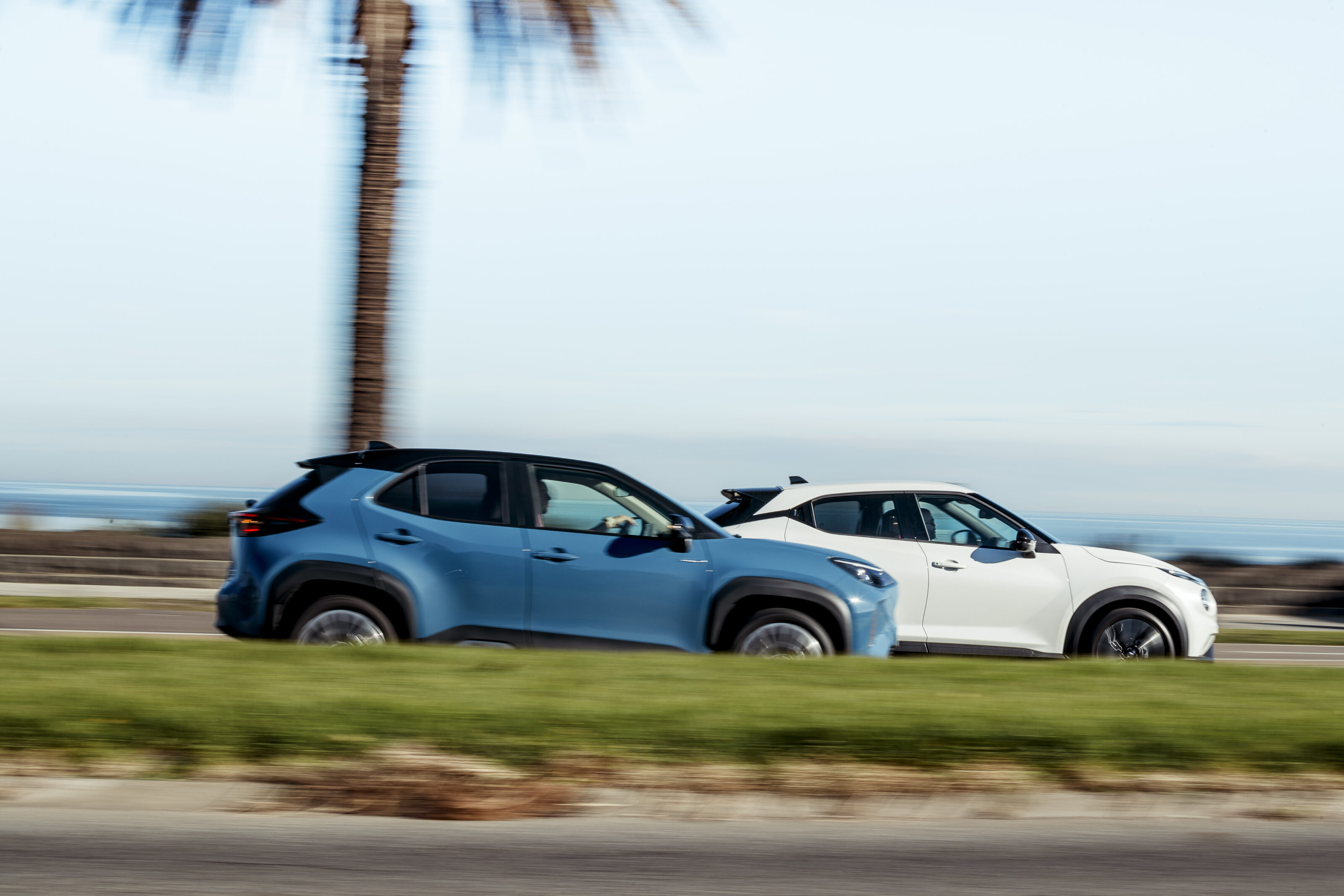
Sitting patiently in the showroom, this pair may appear to be similar offerings but it doesn’t take a long town-and-country blast to establish their differing personalities.
There was a time when I firmly believed the only little SUV that could win my heart was the one that delivered performance to match a Porsche 911 paired with looks to rival Meghan Markle, but I’m happy it’s something infinitely more humble that turned the tide.
The range-topping Juke is bursting with kit, looks sharper than ever, and it’s doubtless the happiest out of town of this duo, but compact SUVs are not typically mile-munching GTs that regularly cross state borders or carve B-roads.
Instead, it’s the Toyota that prevails in the more natural habitat of metropolitan labyrinths. Its excellent low-speed nature, expressionless but likeable looks and extensive useful features all combine to deliver a convincing package capable of winning over even the most dubious critic.
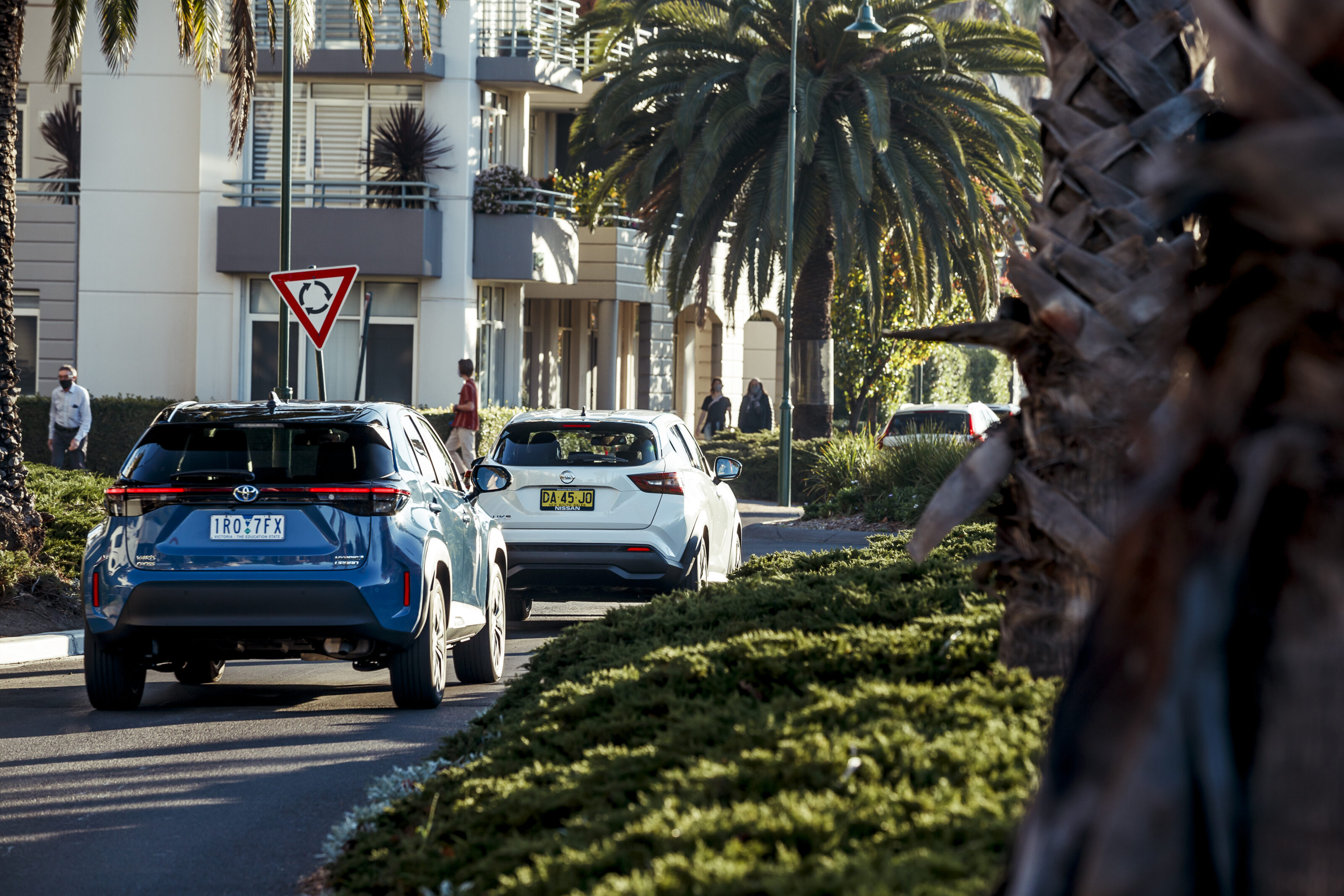
Toyota Yaris Cross Hybrid and Nissan Juke Ti specifications
Automotive conglomerate Stellantis and tech giant Amazon have announced a partnership which will see information shared between the two brands in years to come.
The Dutch-owned Stellantis – a result of PSA and FCA merging in 2021 – will aim to include Amazon software in its vehicles’ dashboards when its electric vehicle range moves to its new STLA architecture from 2024, wanting to close the gap to industry leaders such as Tesla.
Amazon’s influence and information won’t be limited to in-car experiences, with Stellantis saying the software company’s expertise can stretch out to aid its vehicle development and training for the next generation of engineers within the company.
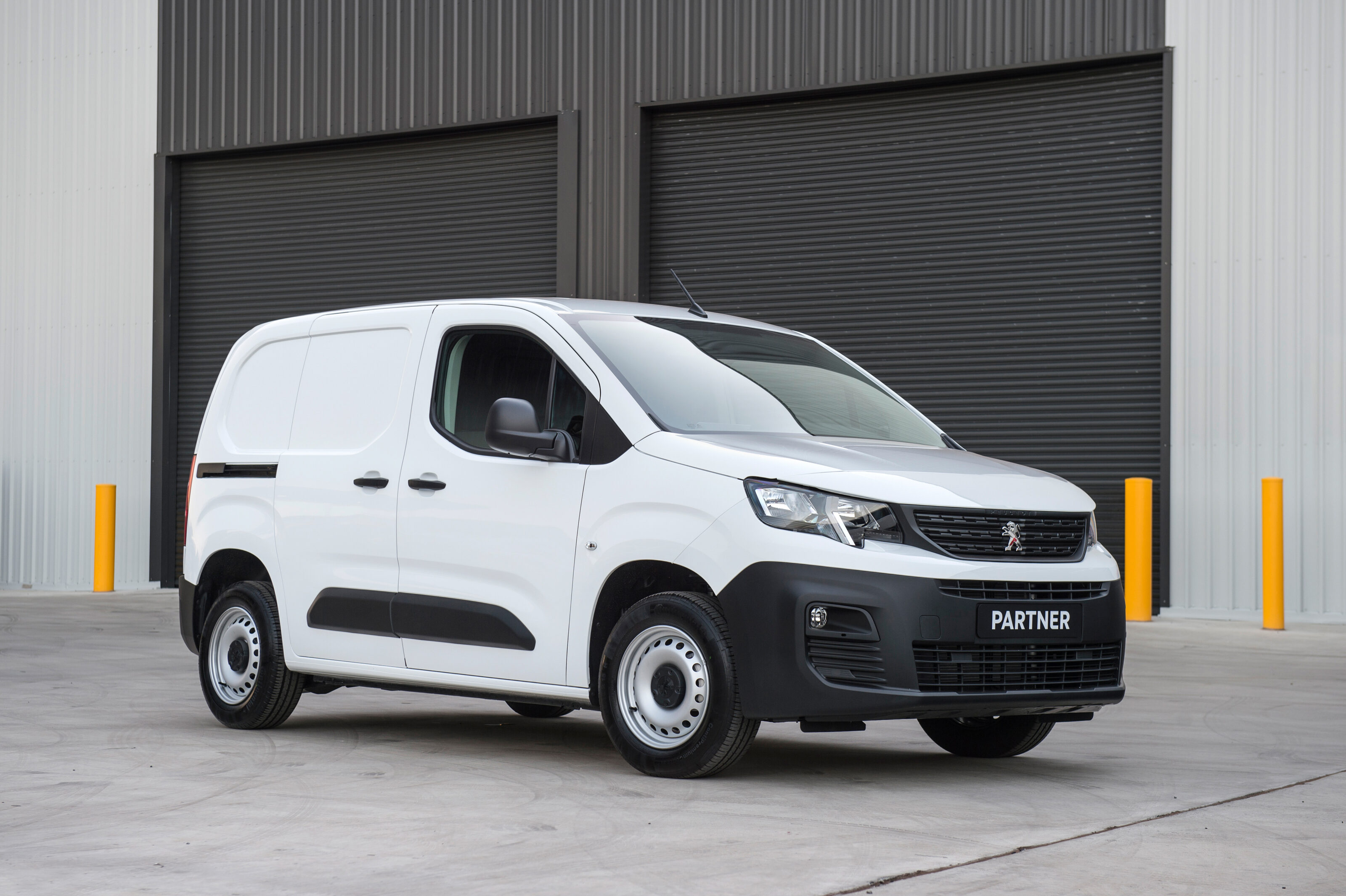
The collaboration will not just be a one-way street though, as Amazon aims to continue to use Stellantis vehicles in its global network, with its fleet currently including “tens of thousands” of models from the group’s brands such as Peugeot, Citroen and RAM.
“Working together with Amazon is an integral part of our capability building roadmap, based on both developing internal competencies and decisive collaborations with tech leaders, and it will bring significant expertise to one of our key technology platforms – STLA SmartCockpit,” said Stellantis CEO, Carlos Tavares.
“By leveraging artificial intelligence and cloud solutions, we will transform our vehicles into personalised living spaces and enhance the overall customer experience, making [them] the most wanted, most captivating place to be, even when not driving.”
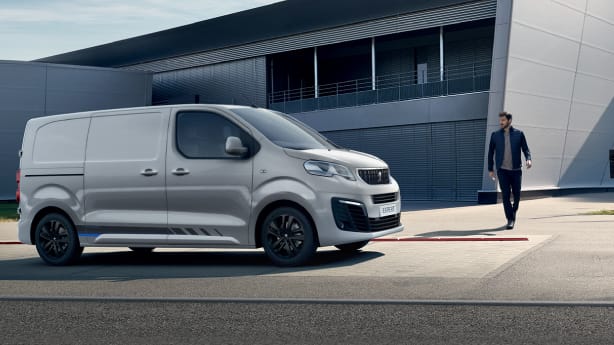
Amazon CEO Andy Jassy said the partnership would be mutually beneficial, helping his company to continue delivering its renowned service through imparting its knowledge on Stellantis.
“We’re excited to collaborate with Stellantis to transform the automotive industry and re-invent the in-vehicle experience,” said Jassy.
“We are inventing solutions that will help enable Stellantis to accelerate connected and personalized [sic] in-vehicle experiences, so that every moment in motion can be smart, safe, and tailored to each occupant.
“Together, we will create the foundation for Stellantis to transform from a traditional automaker into a global leader in software-driven development and engineering.”

Stellantis has previously announced its brands will go all-electric by 2030, with a big shift coming from 2025 to move all models to some form of electrification.
It is also making large investments in battery tech and production, having declared its intentions to source lithium hydroxide from Australian company Vulcan, as well as building a battery plant with LG in the United States, targeting an annual capacity of 40GWh.
Snapshot
- 2021 Skoda Fabia recalled
- The issue may affect the rear centre seat belt
- A total of 16 vehicles are included in the recall
Skoda Australia has recalled a total of 16 examples of the 2021 Skoda Fabia due to a potential issue with the car’s rear centre seat belt.
According to a recall notice published by the Department of Infrastructure, a potential welding defect could reduce the effectiveness of the seat belt, increasing the chance of injury or death to occupants.
Skoda will contact affected owners, but the company can be contacted directly by calling 1800 607 540 or visiting a dealership, found here.
You can check a list of all 16 VINs related to the recall by clicking here.
A rare, custom-made Pagani Zonda owned by Lewis Hamilton has reportedly been sold, and for a tidy profit.
The seven-time Formula 1 World Champion is said to have parted with his Zonda 760LH – a rare example sporting a six-speed manual gearbox (rather than the dual-clutch of the 760RS), a purple interior and exterior, although it retains the iconic, Mercedes-AMG built 7.3-litre V12 engine.
According to Quattroruote, the most successful Grand Prix driver of all-time commissioned the build in 2014 prior to his second world title and first at current team, Mercedes, reportedly paying €1.4 million (AU$2.21m) for it at the time.
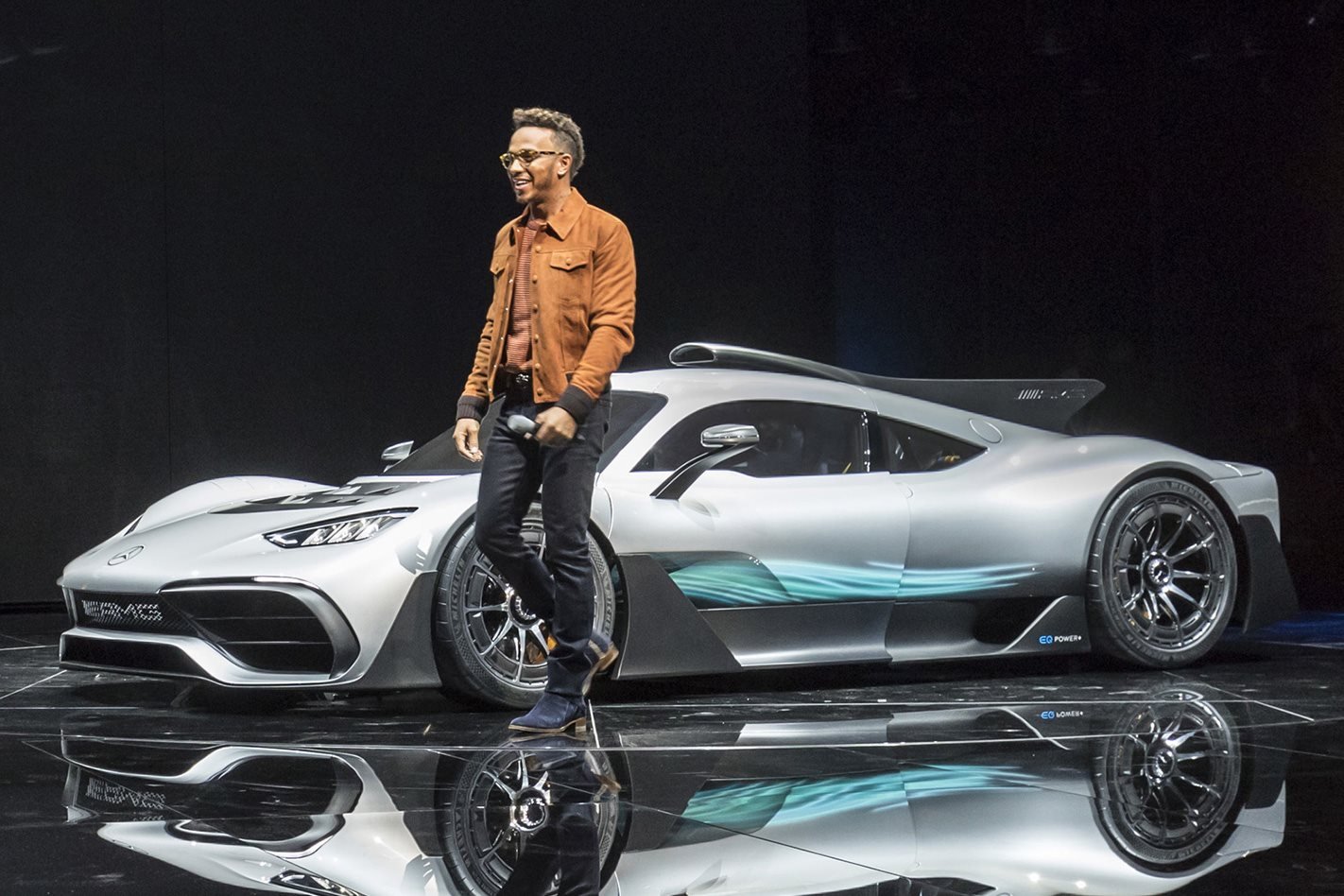
The Italian publication reports the car’s new owner forked out €10m (AU$15.7m) for the privilege of owning the one-off Zonda, as Hamilton now looks to scale back his sizeable collection of vehicles to hybrid and fully-electric cars only.
Back in 2018, the Briton said the Zonda was one of the worst cars to drive with its standard transmission, hence his request for a manual ‘box.
“The Zonda is terrible to drive! It’s the best-sounding car I own, but handling-wise it’s the worst,” he said. “I got it in manual because I didn’t like the tiptronic version.
“The tiptronic Pagani offered was worse than the Smart Roadster I had. I’m used to quick gearshifts, so I’m more critical than most customers. If you asked me to design my own supercar I’d have it manual.”
Gordon Murray Automotive has announced it will reveal its next model later this month.
While few details are known about the GMA T.33, the company is referring to the vehicle as a Supercar GT, suggesting it will be a more comfortable vehicle compared to the brand’s upcoming T.50 flagship.
Founder of GMA and designer of the McLaren F1, Gordon Murray, has revealed the new model will be a more accessible supercar.
“The [T.33] will have a different version of the V12, with different materials, and a different version of the gearbox,” Murray told Top Gear magazine.
“We will keep the manual of course, but also offer it with an automatic gearbox – some sort of paddle-shift.”
Rather than using a carbonfibre tub, Murray says the T.33 will use “a completely different architecture,” but has confirmed it will be offered as a two-seater, instead of the three-seat layout used in the McLaren F1 and GMA T.50.
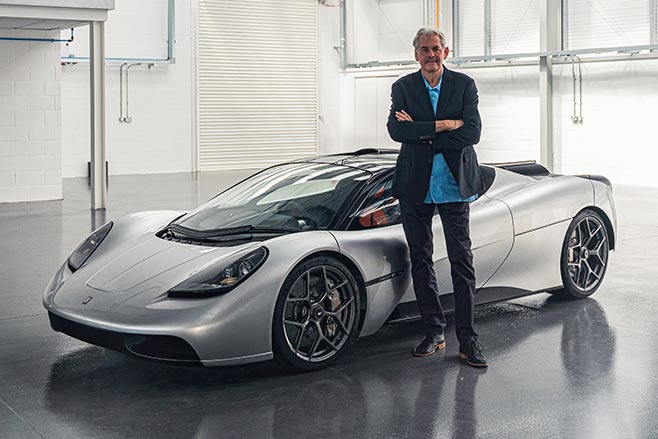
“So although it’s not another T.50, it still sticks to all our principles of light weight and engineering art and exclusivity.”
All of this strongly suggests the GMA T.33 will be offered at a more accessible price point – though how far under the T.50’s price tag of £2.36 million (AU$4.46m) has yet to be revealed.
The GMA T.33 will be unveiled in the early hours of January 28.
A young female automotive apprentice is showing the blokes how its done – excelling during her first year on the job at a Melbourne dealership.
Chloe McLennan, 23, is an apprentice technician at Dandenong Mitsubishi, an opportunity she gained thanks to Women in Automotive (WinA) and the Victorian Automotive Chamber of Commerce’s (VACC) new Accelerating Women in Automotive Apprenticeship grant program.
The scheme, funded by the State Government, aims to get 615 women into the industry as currently just over six per cent of apprentices are female.
Chloe, who works at the dealership full-time alongside completing her Certificate III in Light Vehicles at TAFE, said she’d always been interested in cars but hadn’t thought of making a career of it until now.
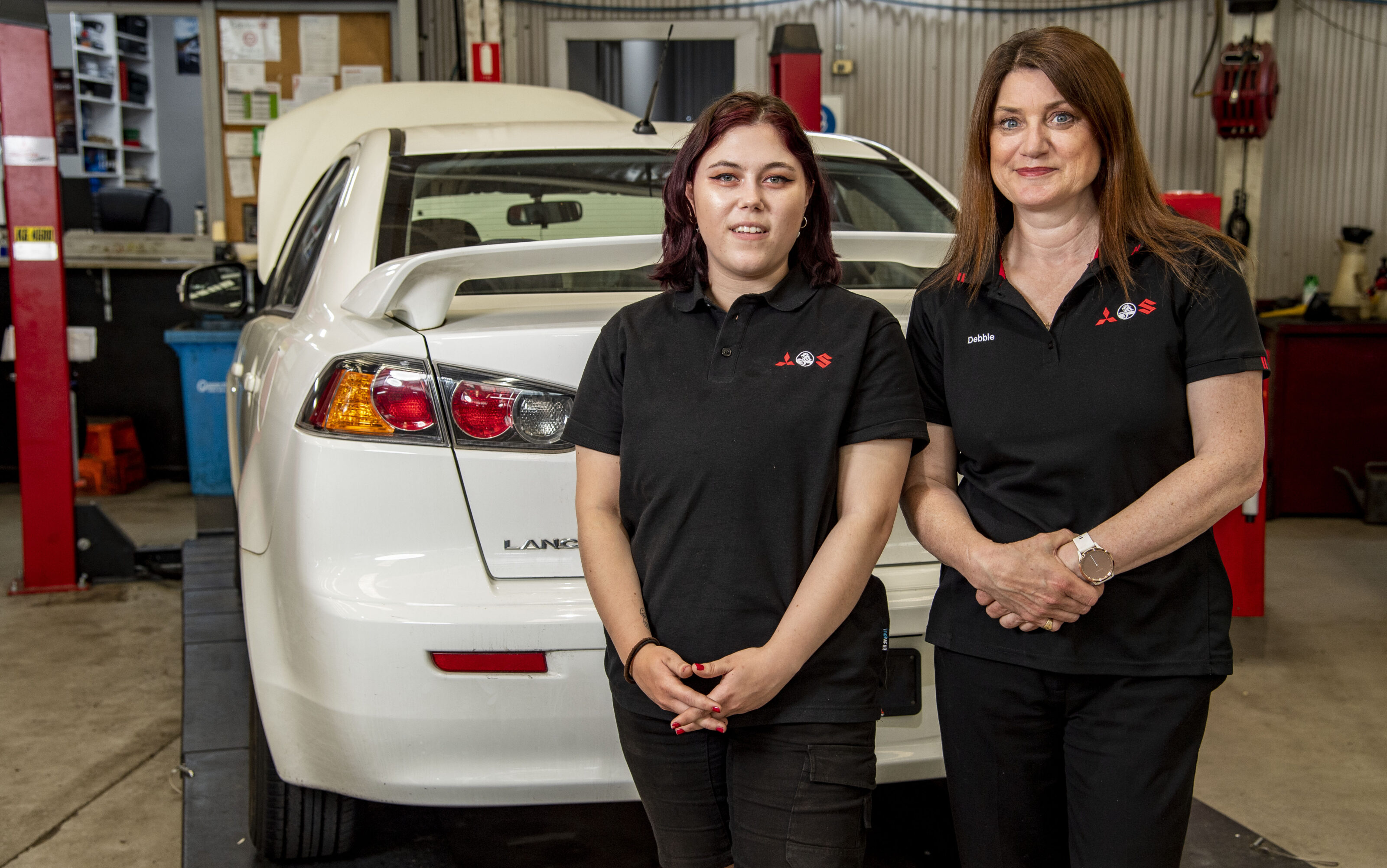
“I’ve always wanted to do something with cars and have been interested in the way they work, so I thought I’d give it a go,” said Chloe.
“After doing my Certificate II in Automotive, I talked to my adviser about it and they put me in touch with the people at Mitsubishi who were really excited to have a woman come on board, which was great.
“So far I have been working on the roadworthy process and getting to know the different kinds of cars, but I will be doing servicing full-time soon. I come in every day and learn something new, everyone is really friendly and it is a great challenge.”
Five months in to the four-year apprenticeship (although she could complete it sooner), things are going well for Chloe who has impressed everyone she’s worked with while learning a variety of skills from machining brake discs to carrying out repairs or diagnostic work.
Mentor Debbie Denes, who is the Service Manager at Dandenong Mitsubishi (which includes GMSV and Suzuki), said she has always wanted to have women in the workshop and servicing department for the 33 years she has been working in the industry.
“I still believe that women have a lot to give to this industry. I would love to get my hands on more female qualified technicians,” said Debbie.
“We’re really excited to have Chloe here. We’ve got another two first-year apprentices and also some youngsters on work experience, but Chloe was the only female – that is until her younger sister joined us recently, as she wanted to get involved too.
“Everyone is really impressed with Chloe. Our Dealer Principal, Shane Leonard, is big on having women in the workshop and service department. We don’t tolerate any bad behaviour here, a woman can do what a man can do.”
Audi RS4 Avant versus Alfa Romeo Stelvio Q. Estate versus SUV. Apple versus orange.
Clearly, the competitors in this segment-jumping twin test don’t face off as neatly and naturally as, say, Giulia Q against RS5 Sportback. Or do they? Giulia versus RS5 Sportback does present disparity in body style, in door count and in driven-wheel format.
Ignore categorisation, and the RS4 versus Stelvio make an odd if naturally fit couple. Both are mid-sized wagons boasting their maker’s high-performance gumption and credo, with very similar all-wheel drive powertrains. And each promises all-rounder duality, fit for both school run utility and sunny Sunday morning thrills once uncorked.
And at $146,900 against $147,900 in favour of the slightly more affordable Italian, they want for very similar wedges in what are both recently fettled guises for MY21, too.
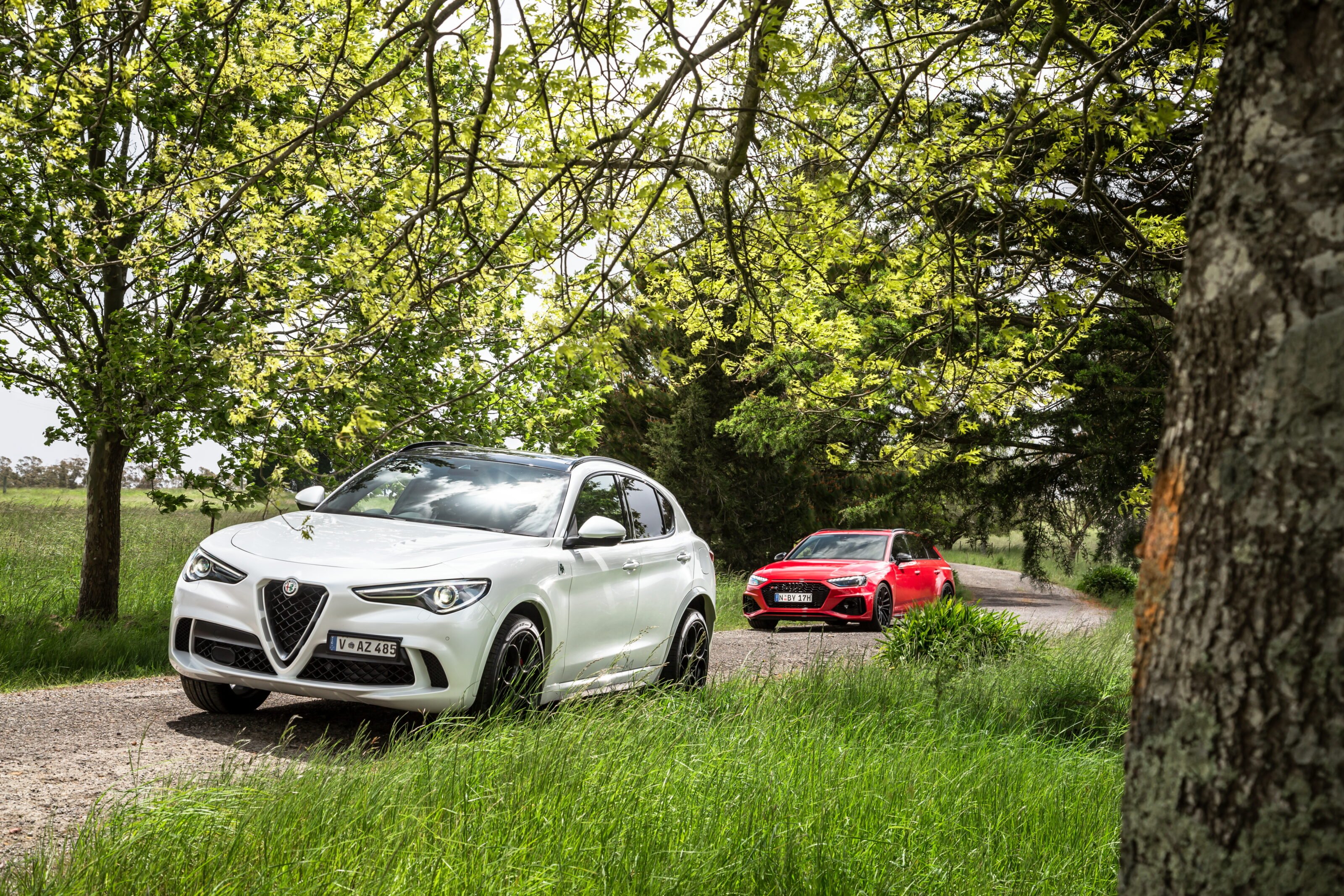
The pair occupy a similar groove, even if, by nature of different segmentation, the visually plumper Italian appears to be a tighter squeeze. In the absence of a Giulia Q estate or full-monty RS Q5, this rivalry on the pages before you is a logical world cup match-up.
Interestingly, the Stelvio Q marks territory as arguably the friskiest and most agile high-performer for a pigeonhole that doesn’t favour such folly: mid-sized SUVs.
In fair contrast, the RS4 Avant is pegged as a pragmatic all-rounder, less visceral than key nemesis Mercedes-AMG C63 S Estate, less heroic than alpha siblings RS6 Avant and big daddy RS Q8: a sweet spot, rather than being renowned as a hot one.
As getaway cars for a bank heist go, it’s a two-minute job with a tape measure to deduce the Alfa Romeo is the smarter place to park more loot though, at 525 litres of boot space against the Audi’s 495L, the practicality advantage is trimmer than you might expect.
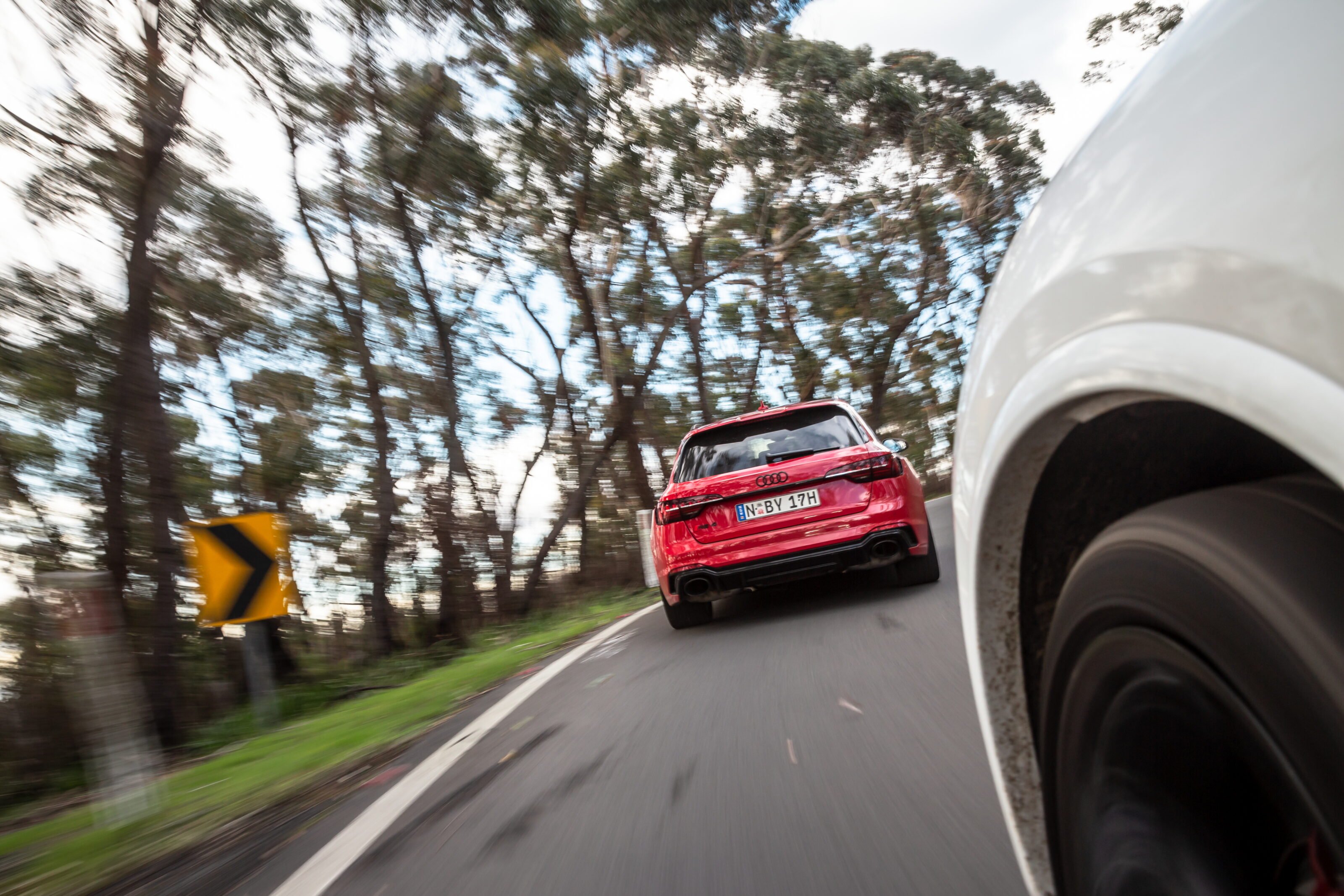
The form guide, too, favours the Italian on pace if, again, modestly so.
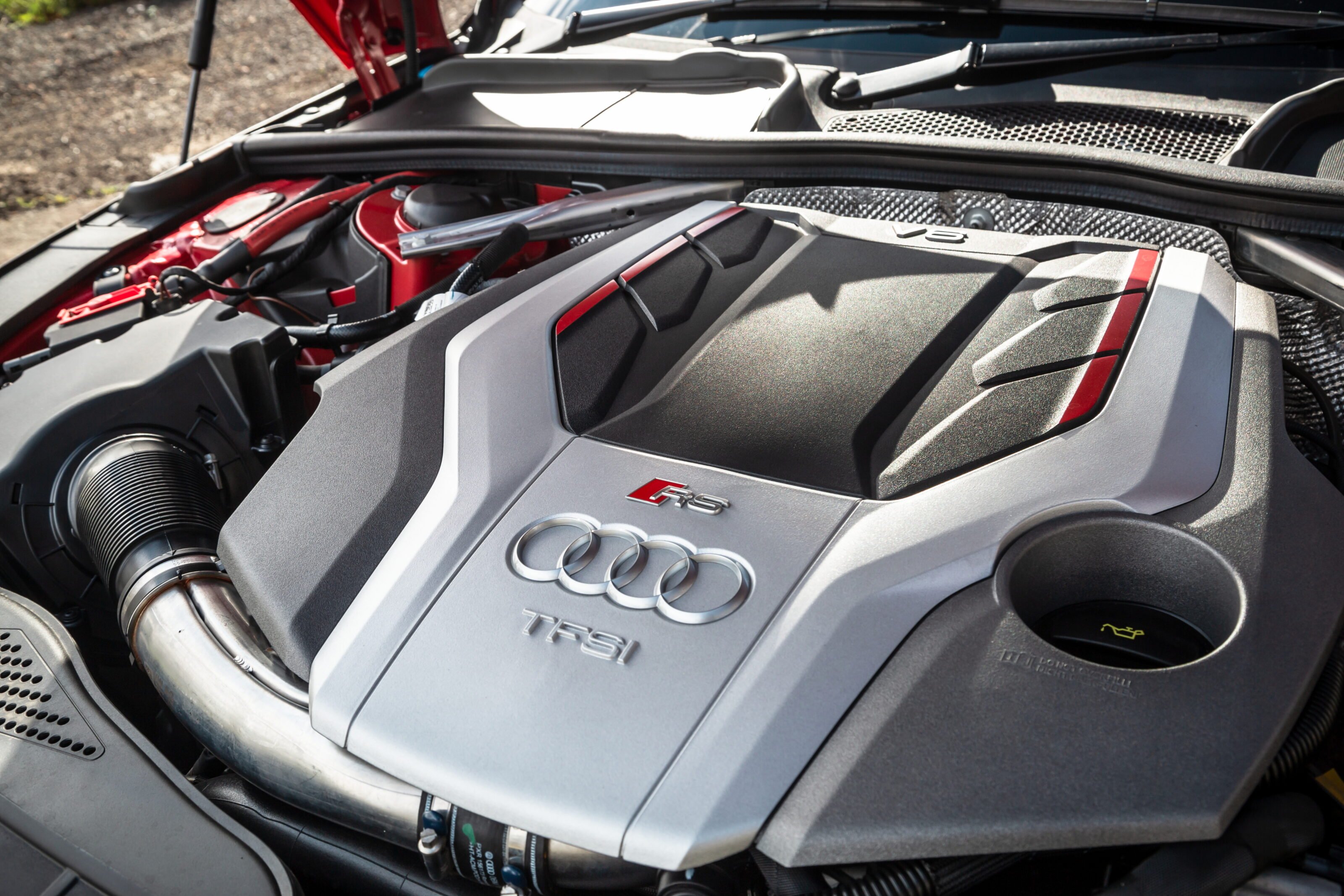
Both fit 2.9-litre bi-turbo sixes, the SUV’s 375kW at 6500rpm exceeds the estate’s 331kW at 6700rpm, while torque is lineball at 600Nm, the Audi’s peak arriving lower in the rev range (1900rpm plays 2500rpm). Eight-speed torque-converter autos and all-wheel traction are levellers, though there’s a disparity in footprint, the Audi’s all-four 275mm spread differing from the Alfa Romeo’s staggered 255mm front, 285mm rear methodology.
The Stelvio’s 3.8sec 0-100km/h claim, a three-tenths advantage, will surely raise an eyebrow given the difference in physical stature, but perhaps the real shocker is that the Italian’s kerb weight is, at 1830kg, only 85kg heftier than the RS4 Avant’s surprisingly portly 1745kg kerb weight. Further, the Italian’s 283km/h V-max offers 33km/h more ‘getaway’ headroom than that of the German.
Differences, then, are clearly more in shades than strides. Deciding which of the pair is the fitter pulse-raising punt is a more complex and involved proposition. That’s because by the seat of the pants, the two full-fat family haulers are very different animals indeed.
The RS4 Avant is low. Its squat stance and plump proportions are exacerbated by the trim roofline. You fall into its sunken, naturally formed bucket seat squabs. Its centre of gravity seems to skim the Tarmac. There’s a certain lightness to its cabin ambience – techy, lavishly appointed and unapologetically Teutonic – that makes the Audi seem trimmer and leaner than its weighbridge ticket otherwise suggests.
At the helm, the RS4 Avant feels like a thoroughbred sportscar refashioned with a big boot.
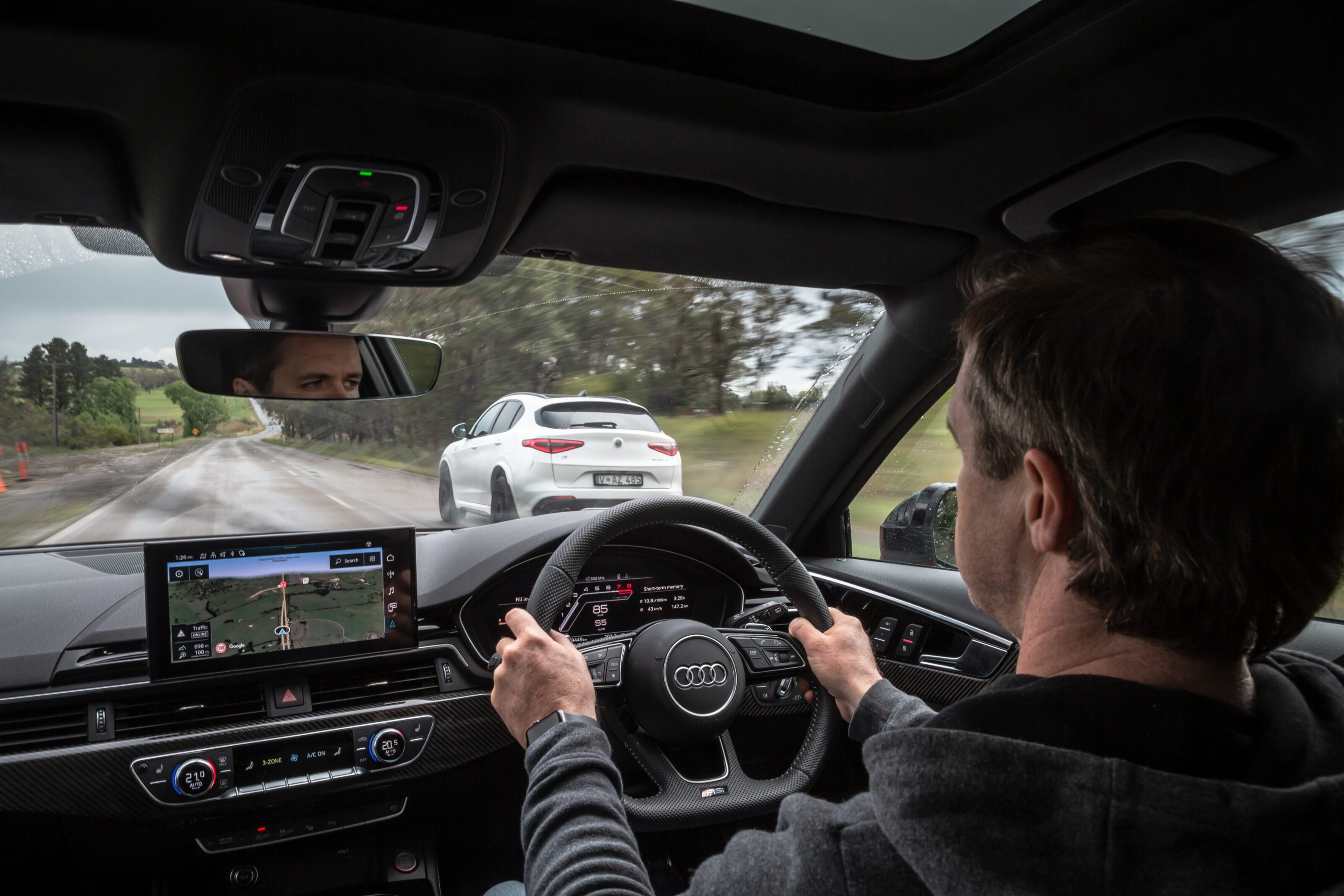
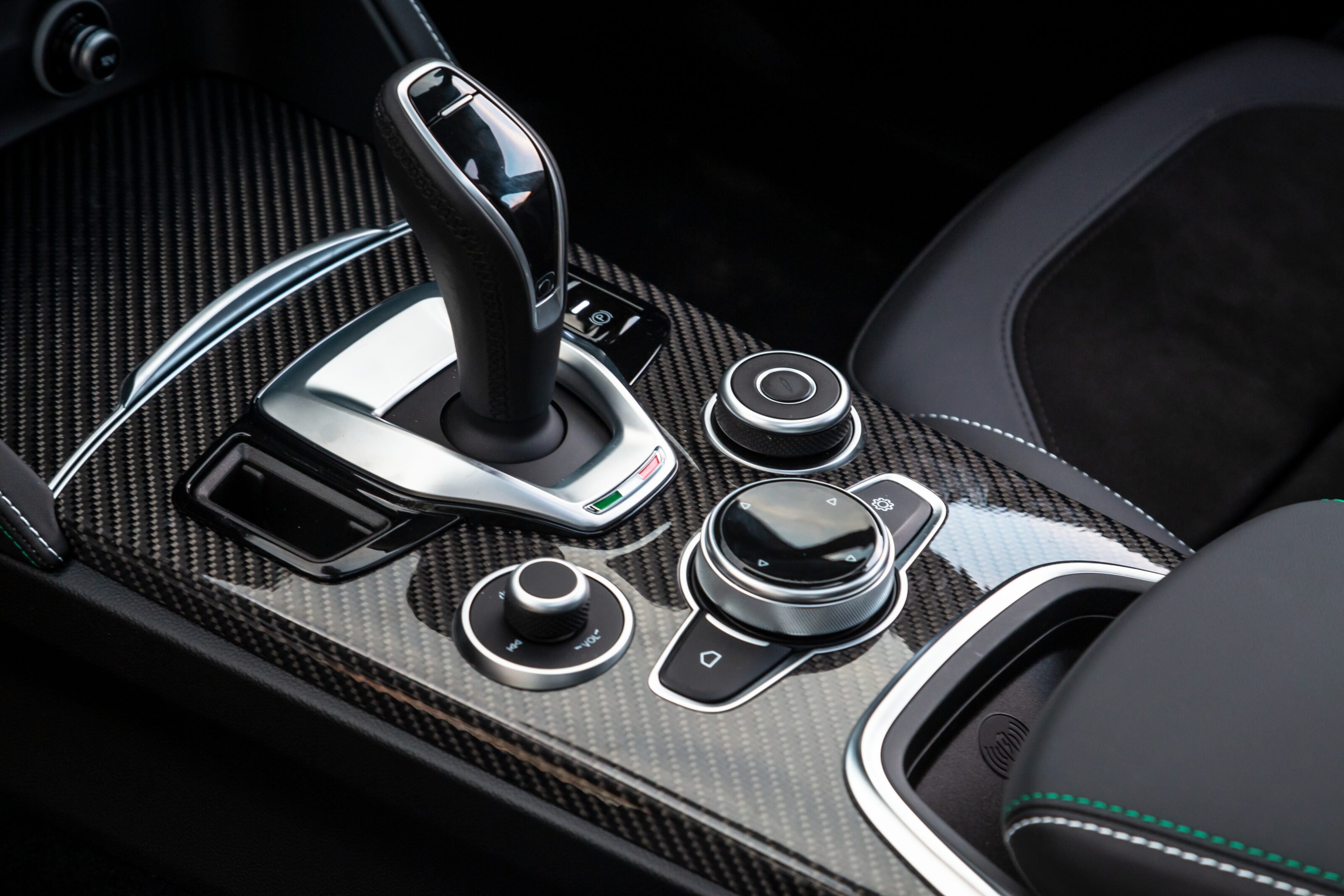
By stark contrast, in core vibe, the Stelvio Q feels like a juiced-up plus-sized family hauler. It doesn’t hunker down on its optional 21s (20s are standard) so assertively. You climb into it, propping yourself up in its torso-welding, excessively bolstered seats, hemmed in by a seemingly thicker layer of metal, glass, plastic and carbon-fibre than that of the Audi. Its cabin design is more austere, more classical and certifiably more Italian, right down to the elephant ear column shifters and analogue instrumentation.
For the driver, the Stelvio Q fits more like a boxing glove as opposed to a racing one.
The instant it gets rolling, the Alfa Romeo seems to shed its sense of flab, clearer and with more intimacy than you initially expect, shrinking in the manner of its alert response, albeit not necessarily in its impression of size. The Audi, too, feels lean and taut, to a degree you reasonably expect without knowledge of its hefty weight.
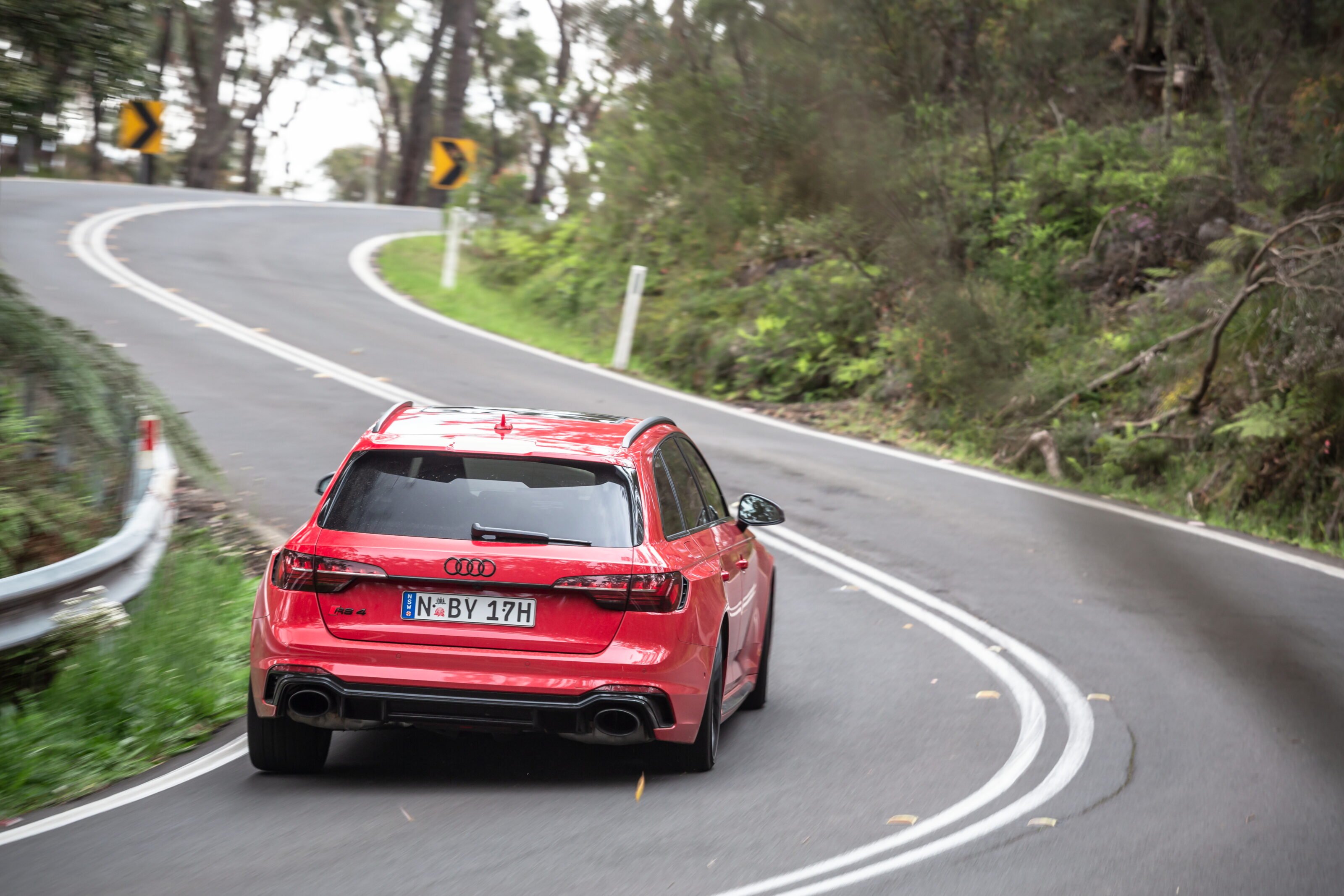
Each protagonist’s bi-turbo 2.9 six brings intriguingly hazy providence: Audi and Porsche each claiming the larger stake in what is clearly the most bespoke turbo six of the Volkswagen-Audi family. Alfa Romeo is somewhat cagey, officially at least, about exactly how much Ferrari DNA carouses through the Stelvio six’s oil galleries.
Whatever the cases, they’re both great engines. The RS4 Avant’s bringing more raspy pop, fizzle and instant torque dividend in the low-end of the rev range, where its rival is almost too polite. But dig in, even moderately, and the Stelvio Q’s six builds to a richer, more intoxicating character, with a conspicuous turbo whoosh and a soul-squeezing metallic timbre in the top-end that’s indicative of exotic Italian engineering.
Strung out, each delivers dynamite thrust and feel equally as manic on song. But they are different. The German mounts peak torque quicker and earlier and seems to flatten at the top of the rpm curve, whereas the Italian swells into its mid-range then rages louder as the needle races north to the cut-out.
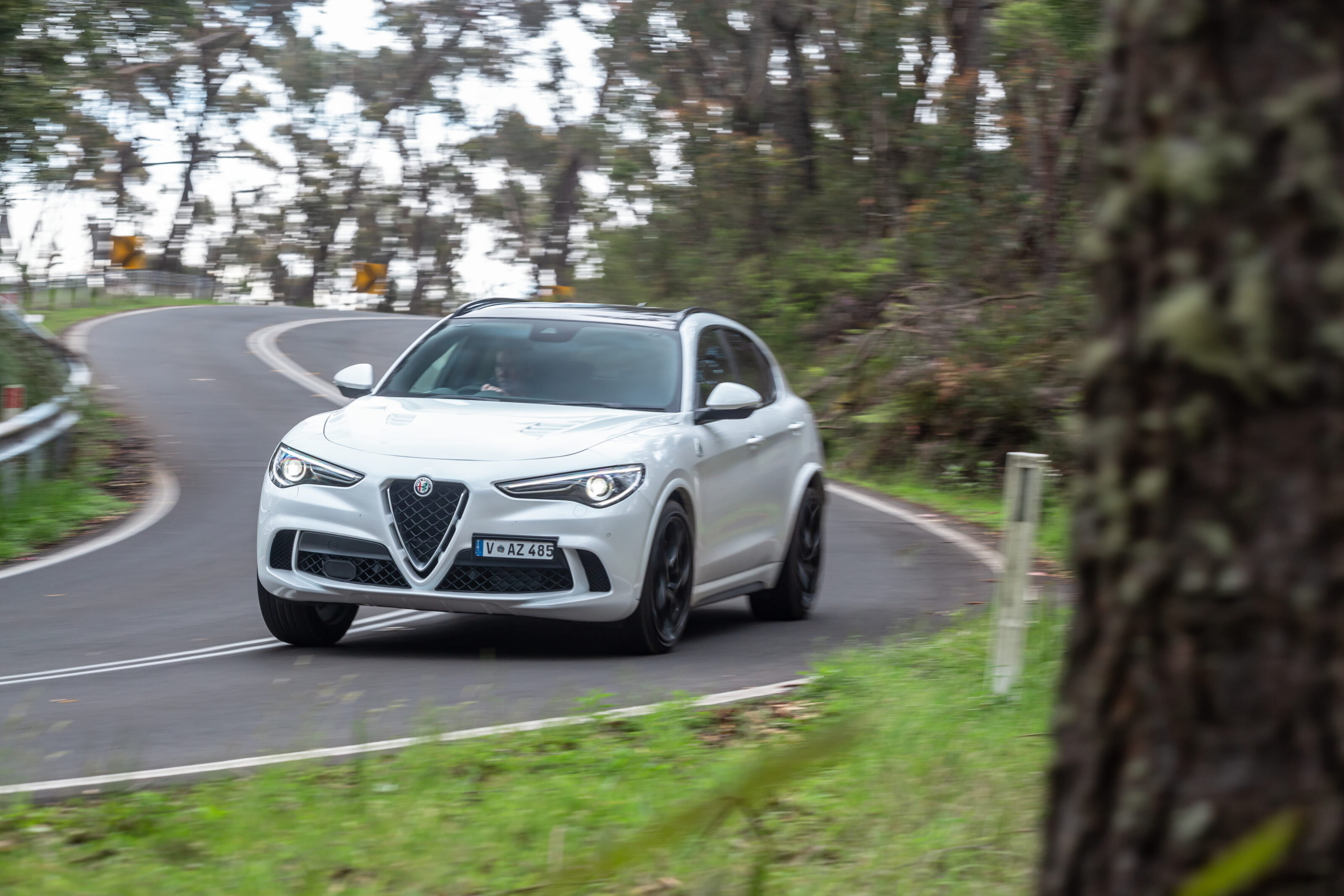
But throw in a mix of curves and straights and, A to B, both are as effective as they are likeable. It’s just that when the hot-mix straightens, the Alfa Romeo is relentless in its march – you really need to wring the Audi dry to maintain step with the Italian.
Both eight-speed autos are alert and crisp, with spark-cutting ‘brap’ theatrics and generally seamless upshifting though, drive mode dependent, the RS4 Avant will nudge the rev-limiter. But it’s the Audi, with its wheel shifters, that solely offers the handier flexibility of half-a-lock up- and down-changes in the mid-corner. And from the very first apex, the pair prove themselves as very different dynamic animals.
The Stelvio Q grabs you with surprise, its steering hyper alert just off centre and its front end so hyperactive and darty. Initially, it demands two or three apex entries to acclimatise to the sharp rack and gain trust in its assertive nature. You learn quickly that the point of its nose is the cause of numerous effects in the handling character you’d better be on the ball enough to catch.
In stark contrast, the RS4 Avant’s steering is so benign around its centre that, by comparison, it seems dulled and numb, asking for an extra quarter turn of input to open up the feedback tap through the tiller. Put some lateral load through the front axle, though, and it becomes wonderfully tactile, well weighted and respectably communicative.
The Audi’s more evenly measured front end mightn’t set your synapses tingling so instantly, but it’s trustworthy and offers unfailing encouragement to push on and dive deep on corner entry, its meaty front Hankooks drilling tenaciously into the hot-mix.
On a red-hot go, the RS4 Avant plants itself in the mid-corner, working its fronts a little harder than the rear, which remains ironclad stable without a hint of budging off its line while carrying a constant throttle. It welds itself to the chosen line, safe as houses, while injecting enough response and balance for organic adjustment, if without demanding laser focus in wheel and loud pedal adjustment.
By contrast, the friskier Stelvio Q is livelier in the mid corner and keener to rotate in response to more moderate driver inputs and milder weight transitions. Its complex torque shuffling smarts are quite rear-biased and the SUV leans into its whopping 285mm rear Pirellis hard, patently the more playful of the pair at a toasty eight-tenths punt, where it doesn’t take much encouragement to sway its tail.
The accessibility of the Alfa Romeo’s grin-inducing nature is, however, intrinsically tied with arriving at its limits sooner, and at a lower road speed, than with the Audi. It becomes untidy easily, falling into understeer without a whole lot of provocation, its tail slewing about under robust braking or in protest to ham-footed throttle input. Constantly staying on top of the Stelvio Q demands reining in and keeping fairly close tabs on not overstepping the lateral inertia.
With a similar mid-corner, the comparatively staid Audi obediently corresponds corner exit thrust beyond how deeply you’ve buried your right foot into the carpet. It’s tidier, more ‘on rails’ and gets back on maximum boil quicker than what the Italian can muster.
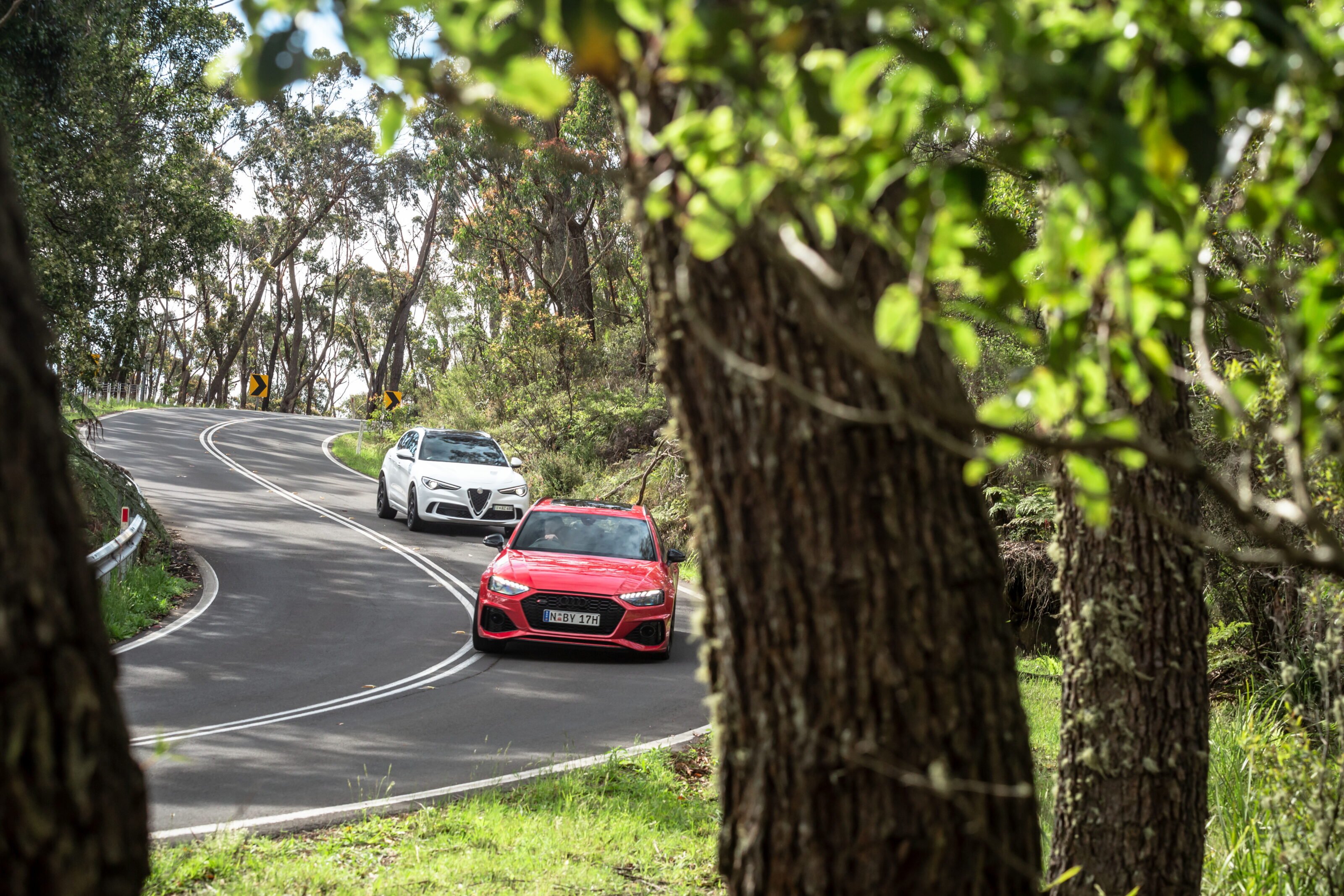
A slighter longer wheelbase and more even spread of rubber might bring shades of extra stability to the Audi, but it feels as if the German’s flatter stance and lower centre of gravity pay the highest dynamic dividends by the seat of the pants.
Push on, at a clip perhaps most prudently reserved for race circuits, and the Audi’s inherent playfulness emerges. There’s just more headroom available before it arrives with its rewards than what the Alfa Romeo offers, and with that comes superior ultimate pace. And it’s more evenly mannered with the rise and fall of the heat and pace it’s presented with.
Right here is where judging which of the two fast-wagon protagonists is dynamically better demands perspective.
At a spirited on-road clip, the Stelvio Q’s playfulness rewards more quickly and easily. That its fun factor is more easily accessible, and perhaps more potentially gratifying during fair-weather Sunday morning punts, will certainly be the more desirable drawcard for some petrolhead tastes.
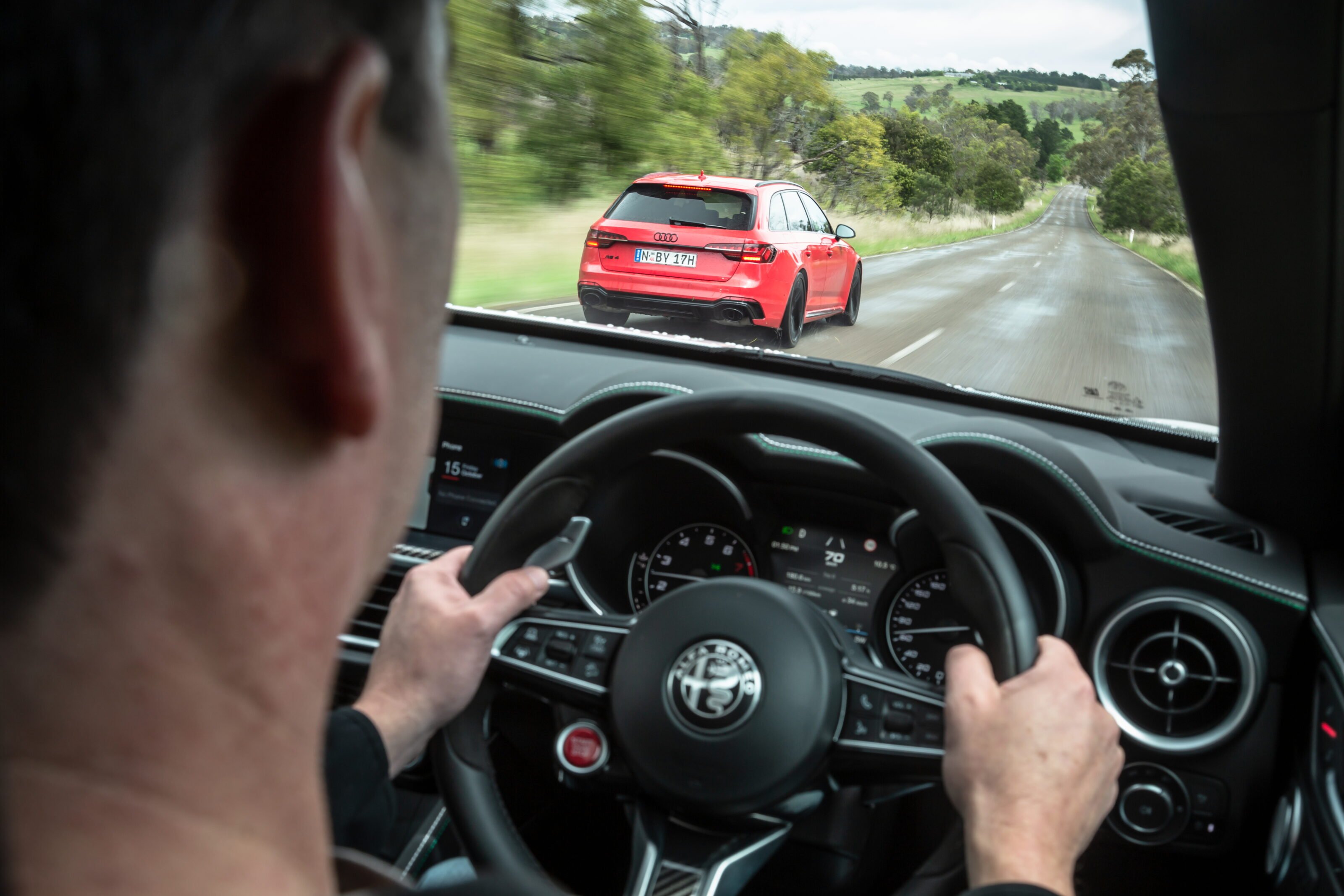
In a context that’s less about ultimate performance and more about a nicely balanced duality between driving enjoyment and fulfilling fully formed SUV practicalities, the Stelvio Q makes a compelling case.
That the RS4 Avant demands to be let off a longer chain at higher velocities to return maximum engagement is more of a double-edge sword as a family friendly wagon than it is, say, in a less apologetic and more driver-focused format. More is more, perhaps, but as a multi-talent road-going prospect, it only just sits on the right side of balancing real-world fun factor and utility and stops short of being potent to the point of inaccessibility.
Unsurprisingly, each assumes a palatable sheen of civility even if hints of their focus creep into the experience as a sort of ever-present reminder of core intent. Both powertrains, things of polish in attack mode, get a little ruffled and grumpy at the low-speed and stop-start stuff.
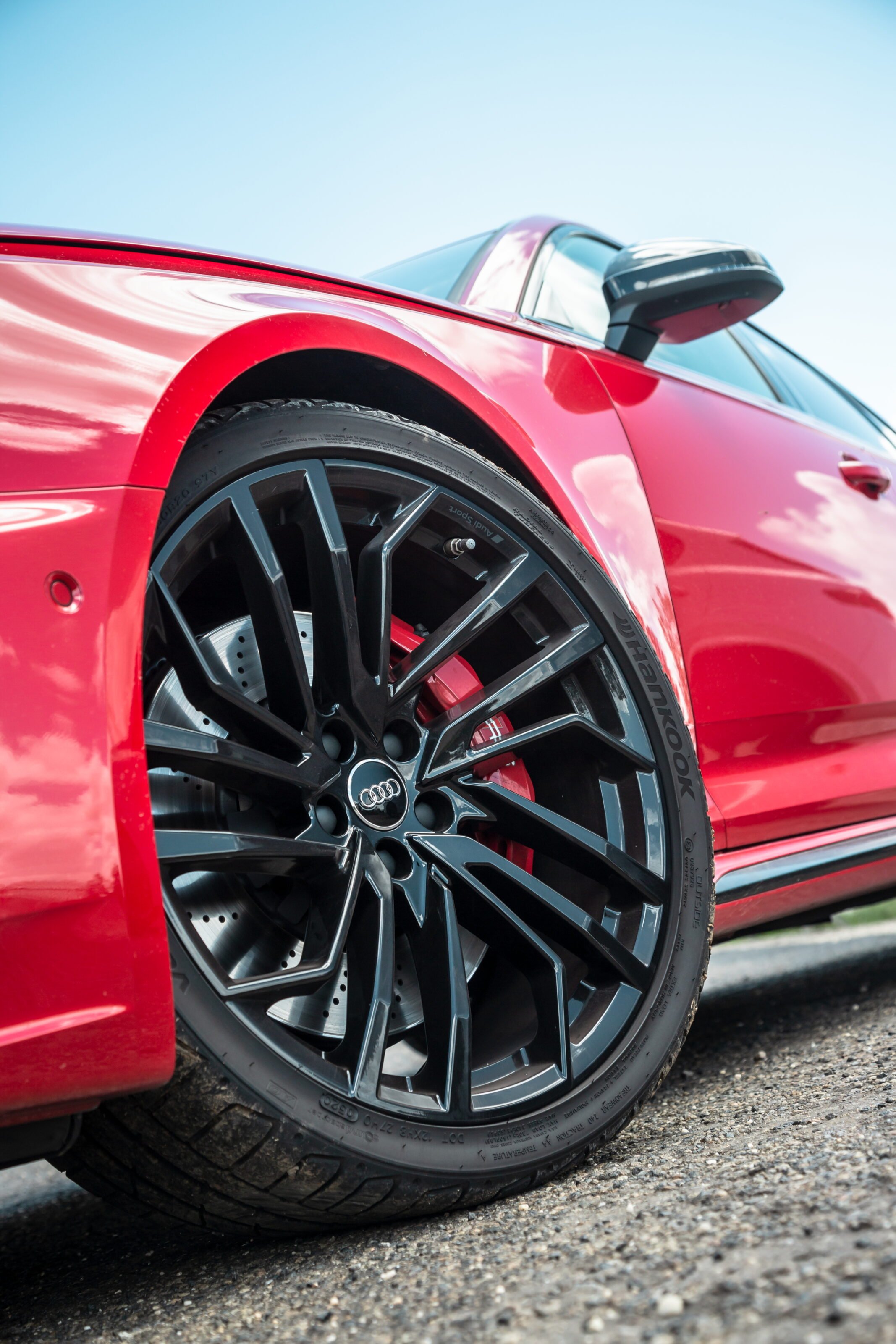
Ditto the brakes: the Alfa Romeo’s polarising by-wire engineering wooden and under-assisted at a leisurely clip; the Audi’s bitey, abrupt and squealy in light application. That said, each wagon’s stoppers really come into their own as powerful and precise allies in the heat of battle.
While it would be easy to sit on a fence underneath a banner thst read ‘pick your favoured fruit’, the Audi takes a narrow win here because, yes, it presents loftier dynamic capability if, somewhat crucially, in a wagon package that doesn’t really concede much at all to Alfa Romeo in terms of space, practicality and functional family friendliness.
The Stelvio Q is full of charisma. But it clearly aims to more literally embody the dynamic character of the Giulia Q and, as a facsimile at best, doesn’t quite convincingly get there.
On the contrary, the RS4 Avant delivers on expectations. It’s the German that returns the most genuine purpose, the bona fide athlete for those moments when the kids and luggage are absent from the rear-view mirror.
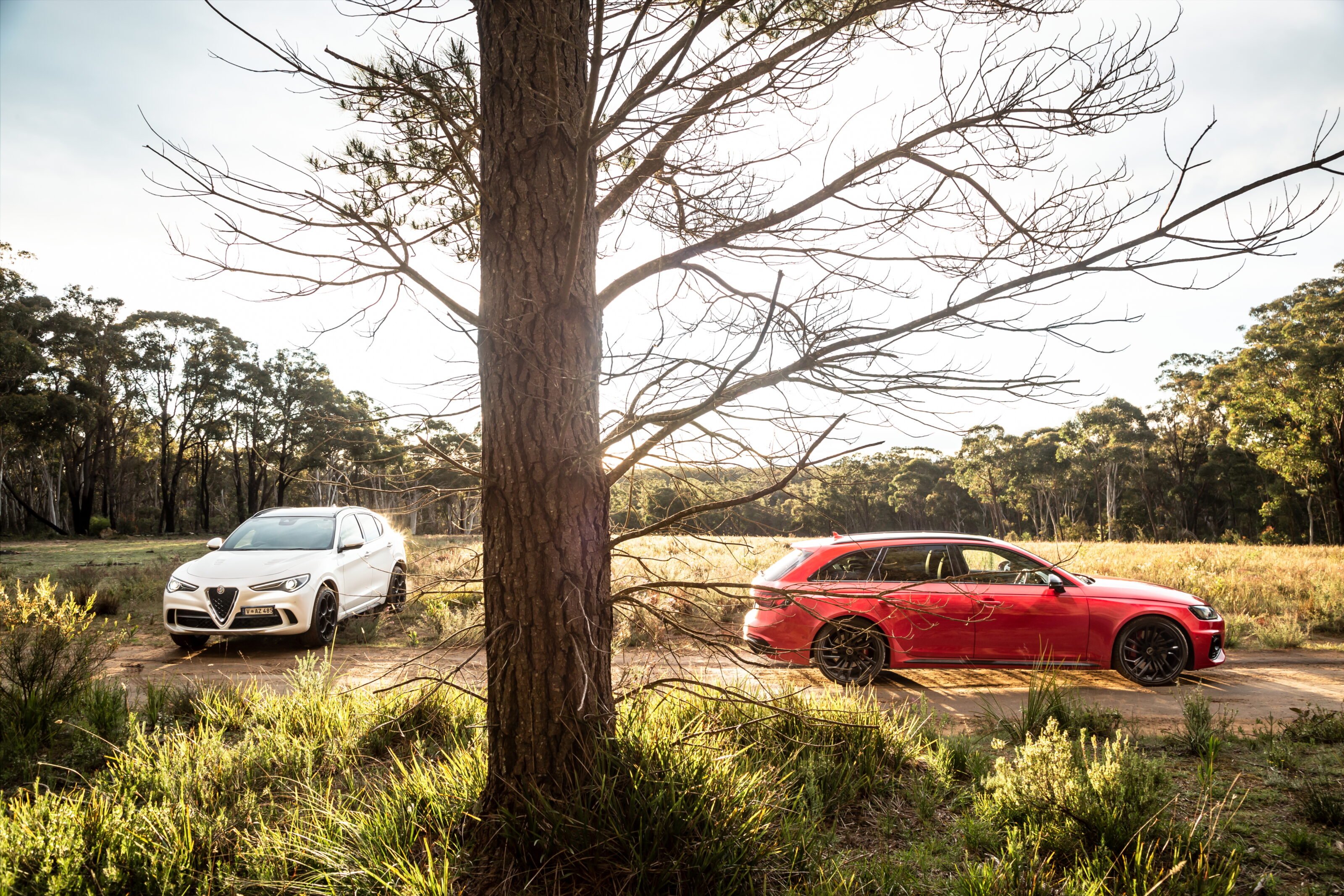
Audi RS4 Avant and Alfa Romeo Stelvio Q specifications
Drag Star
Forget the car, feel the motor. Has the SL55 AMG forever changed the way we look at Benz?
This feature was first published in MOTOR magazine’s January 2003 issue
It would be wrong to suggest that Mercedes-Benz hasn’t built anything quite like this before, because it has. Plenty of times. Its racing cars have long boasted outrageous traditions; some of ’em howled, some screamed and the view from some just went blue-green-blue-green at very high speeds indeed.
It’s just that it’s never before had the audacity to publicly sell them.
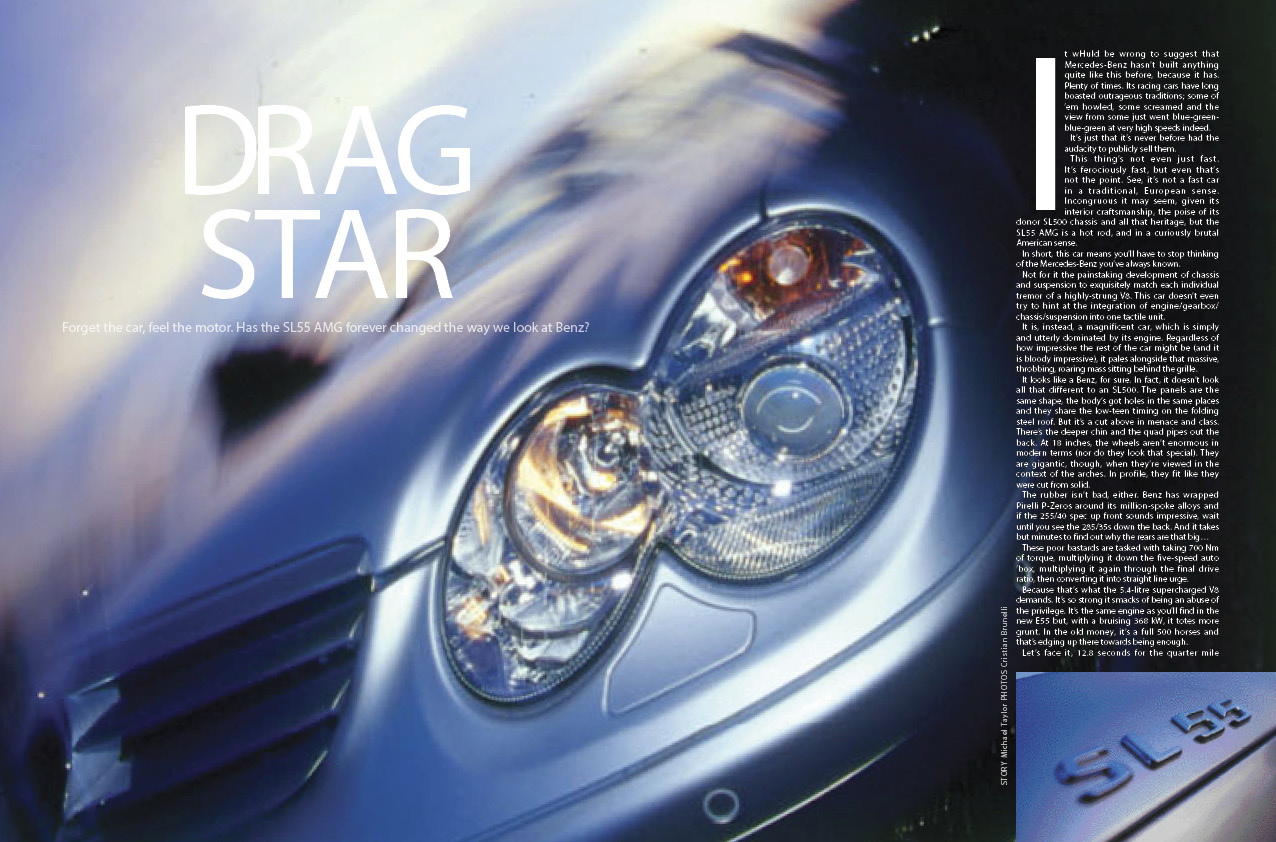
This thing’s not even just fast. It’s ferociously fast, but even that’s not the point. See, it’s not a fast car in a traditional, European sense. Incongruous it may seem, given its interior craftsmanship, the poise of its donor SL500 chassis and all that heritage, but the SL55 AMG is a hot rod, and in a curiously brutal American sense.
In short, this car means you’ll have to stop thinking of the Mercedes-Benz you’ve always known.
Not for it the painstaking development of chassis and suspension to exquisitely match each individual tremor of a highly-strung V8. This car doesn’t even try to hint at the integration of engine/gearbox/chassis/suspension into one tactile unit.
It is, instead, a magnificent car, which is simply and utterly dominated by its engine. Regardless of how impressive the rest of the car might be (and it is bloody impressive), it pales alongside that massive, throbbing, roaring mass sitting behind the grille.
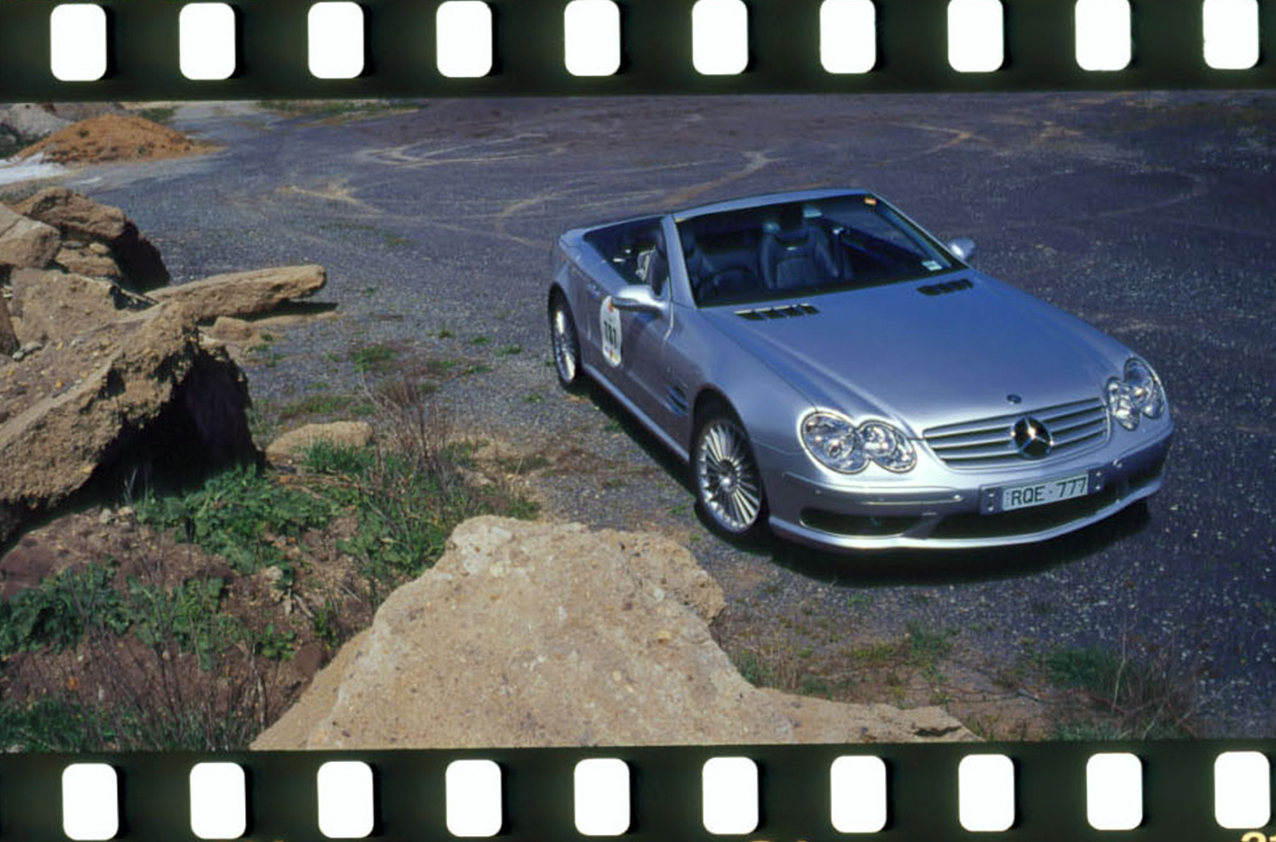
It looks like a Benz, for sure. In fact, it doesn’t look all that different to an SL500. The panels are the same shape, the body’s got holes in the same places and they share the low-teen timing on the folding steel roof. But it’s a cut above in menace and class. There’s the deeper chin and the quad pipes out the back. At 18 inches, the wheels aren’t enormous in modern terms (nor do they look that special). They are gigantic, though, when they’re viewed in the context of the arches. In profile, they fit like they were cut from solid.
The rubber isn’t bad, either. Benz has wrapped Pirelli P-Zeros around its million-spoke alloys and if the 255/40 spec up front sounds impressive, wait until you see the 285/35s down the back. And it takes but minutes to find out why the rears are that big…
These poor bastards are tasked with taking 700 Nm of torque, multiplying it down the five-speed auto ’box, multiplying it again through the final drive ratio, then converting it into straight line urge.
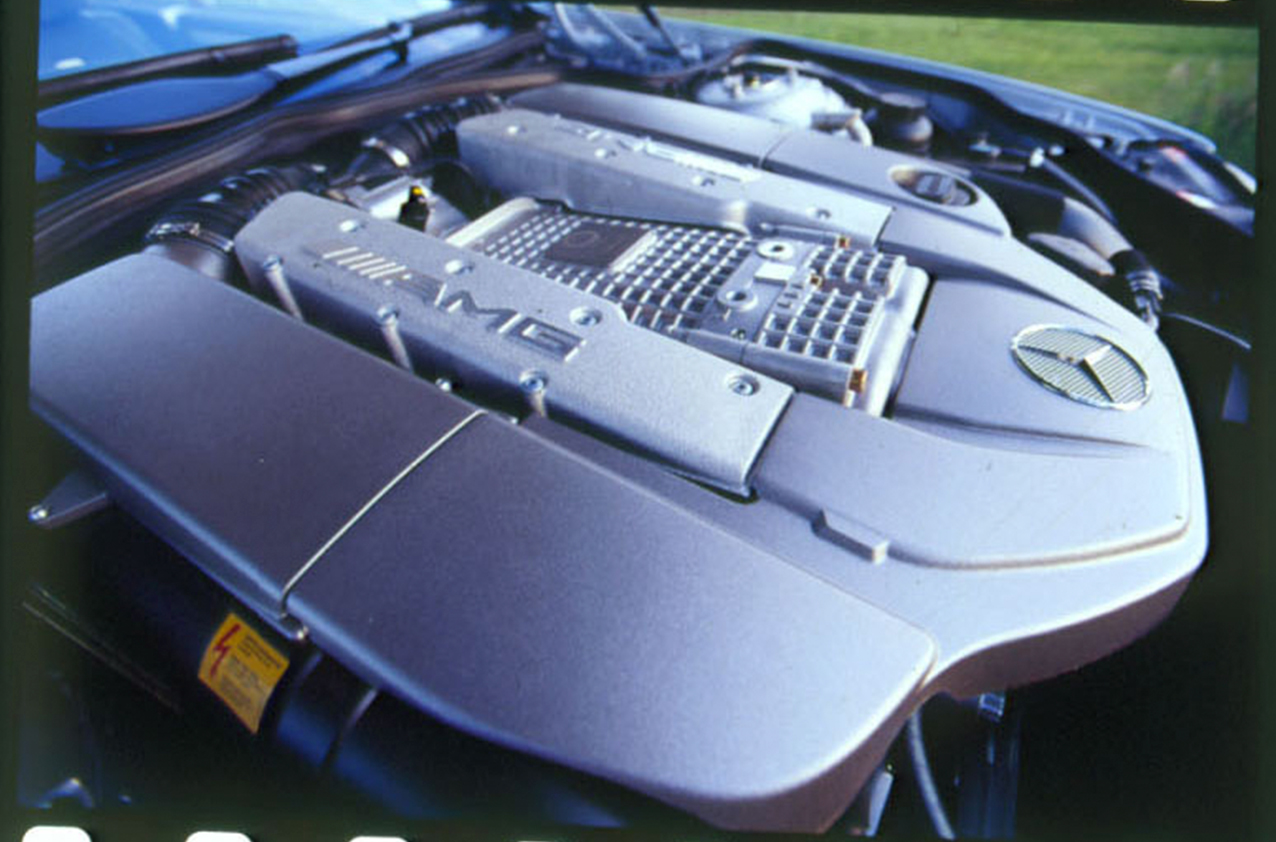
Because that’s what the 5.4-litre supercharged V8 demands. It’s so strong it smacks of being an abuse of the privilege. It’s the same engine as you’ll find in the new E55 but, with a bruising 368 kW, it totes more grunt. In the old money, it’s a full 500 horses and that’s edging up there towards being enough.
Let’s face it, 12.8 seconds for the quarter mile – smashing through the traps at 190 km/h – is a very, very fast car. And it’s an auto! Those overstressed Pirellis struggle with the torque loads off the line, it’s very heavy (try 1965 kg!) and there’s always a bit of wheelspin to deal with.
Yet if you leave the traction control on it’ll still get there in 12.9, consistently, every time. No delicate balancing of throttle, no need to sneak in a touch of wheelspin to stop the engine bogging down. Step off the brake and onto the throttle and there’s a 12.9. And it thumps to 100 km/h in 4.76 seconds. This is an engine so impressive that it takes but eight seconds to accelerate from 100 km/h to 190 km/h.
But that’s not the end of it. The needle whips past 200 with the alacrity of an STi at its third gear torque peak. The next 50 km/h disappears in an uncompromising, unadulterated burst of fury that no other production car can match. Overtake from 100 km/h and any length of straight is enough temptation to give the raucous, throbbing monster its head. It crunches into the 250 km/h speed limiter with PLENTY to spare. So much so that, de-limited (as most of the German-delivered models are), this is the world’s fastest production car from 0-300 km/h (in 32.5 seconds!).
It doesn’t so much sing its way to the redline, it bellows in an uneven, throbbing baritone, turned up to Eleven. It’s an incessant monster.
With this much urge, you’d expect throttle response, but not necessarily from a torque converter-carrying auto. This, flicked into its manual mode with the driver fiddling the steering wheel’s up-down paddles, is easily the most impressive gearbox in Benz’s arsenal. It will happily let you grab the rev limiter and, while its upshifts take probably three times as long as a flicked Maserati paddle, they’re still not bad. And they’re a lot smoother than the Italian’s, even if it lacks the sense of occasion.
The shame of having so dominant an engine is that nothing else burns its way into your memory of the car, even when it should. Front of mind is always the sledgehammer full body press, not the phenomenal brakes, the remarkable chassis poise, the neck-straining mid-corner grip. Front of mind is always the brutality of the supercharged V8.
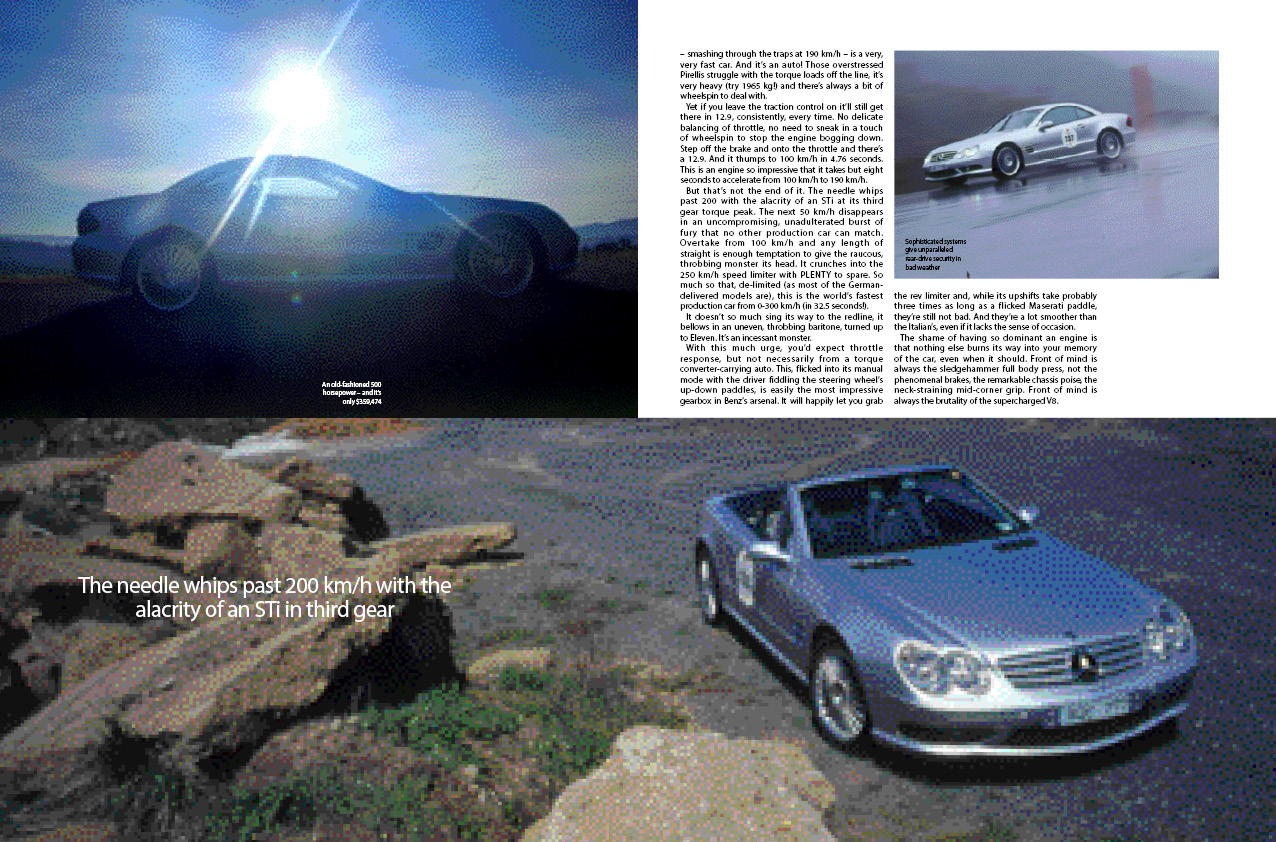
While the steering offers greater feel and involvement than any other Benz, it’s still no match for an M3’s cultured chit chat or a 911’s almost intuitive response, but it’s better than a C32. At this pace, it has to be.
This thing can pull more Gs than Halle Berry in a bikini, and it has such outstanding manners that it’s actually not difficult to drive. Where the Italians are constantly challenging you to lift your game, the SL55 makes it easy, gifting you speed and giving ordinary drivers the whiff of genius.
Point-to-point, there are few cars safer and easier to drive at ferocious speeds and a large degree of the credit goes to the same Sensotronic braking system as the SL500 runs. The system allows for each wheel to be braked individually, which means the computers can feed in precisely the maximum braking, regardless of how much steering lock the driver has on. What it also means is that if you cock your corner entry up, you can just stand on the brakes and the car will slow down with a complete absence of histrionics. For the quicker punters, it means you can adjust your driving style to brake all the way into the apex (a la Prost) before tapping that mighty V8 on the shoulder again.
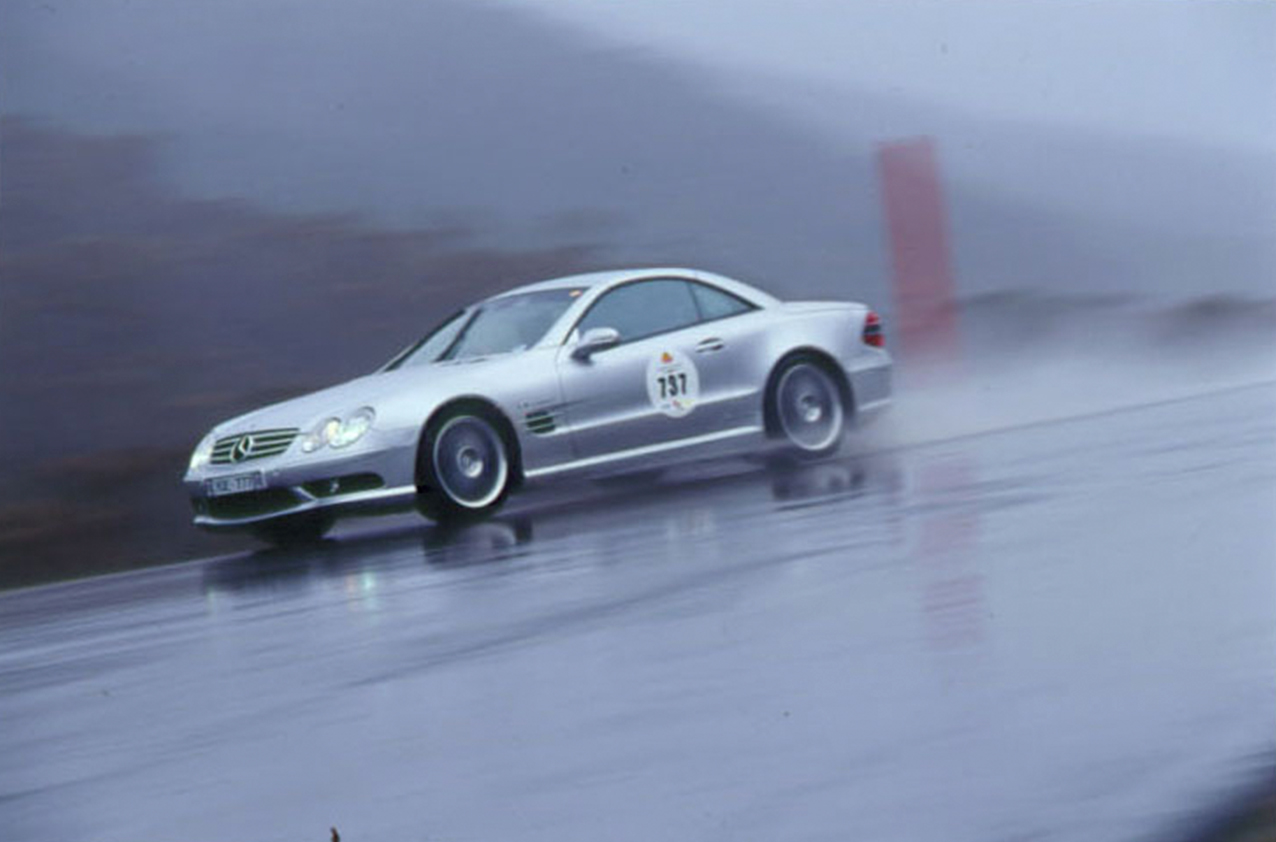
Either way, with active body control, it corners flatter than Shakira’s chest. That doesn’t mean you can do anything with the chassis (you can’t), but it’s not bad at all. To get the best out of it, it likes to be turned in gently rather than manhandled. Two tonnes of high-speed momentum will, regardless of the rubber beneath it, prefer the artful to the gruff.
It will ultimately understeer on the way into a corner and the braking system, body control and anti-skid systems mean it will never, ever oversteer without serious throttle inputs. But the chassis is so good you can turn the traction contol off and it still behaves itself with the manners of European royalty.
Of course, it steps out without electronic assistance, but it’s using bloody near all of its engine to do it, even out of tight corners. And the rigidity seems little different with the roof up or down.
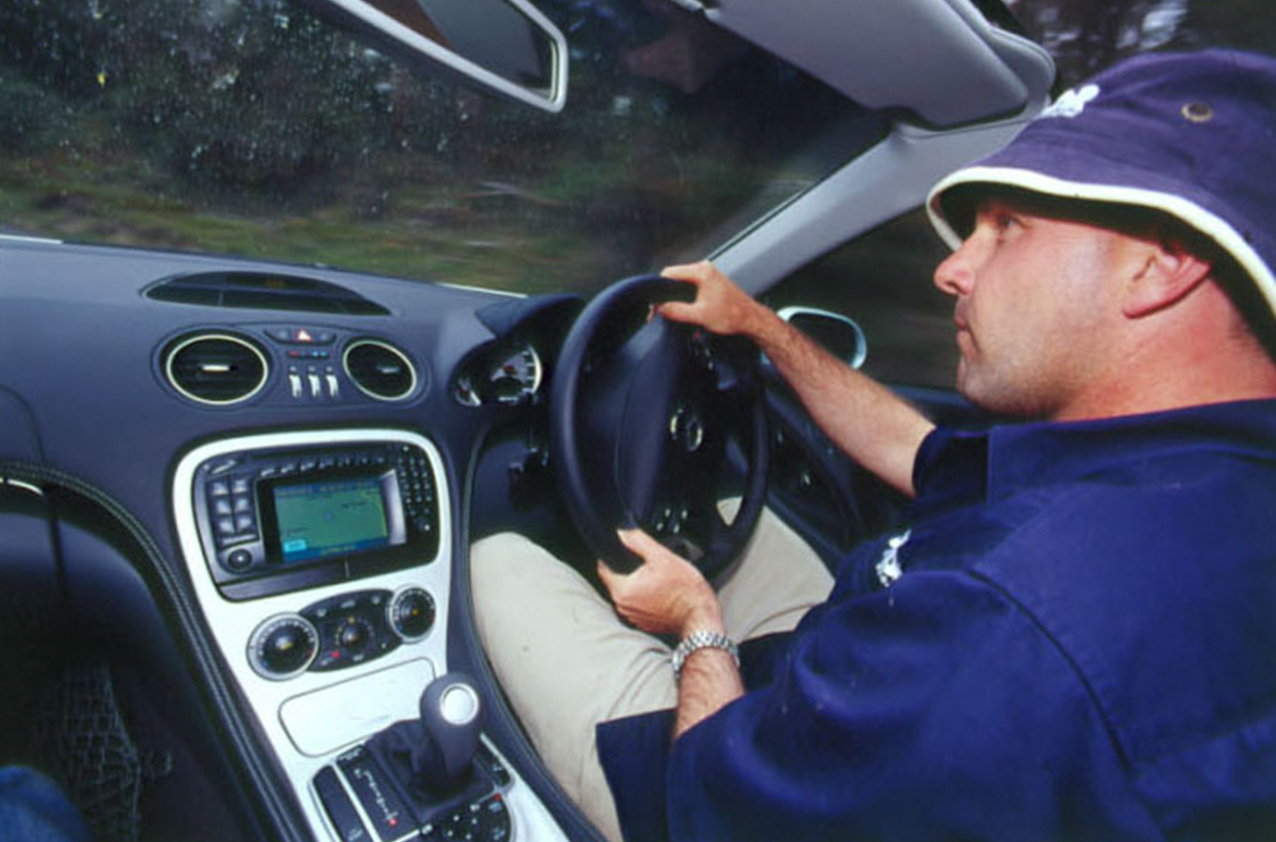
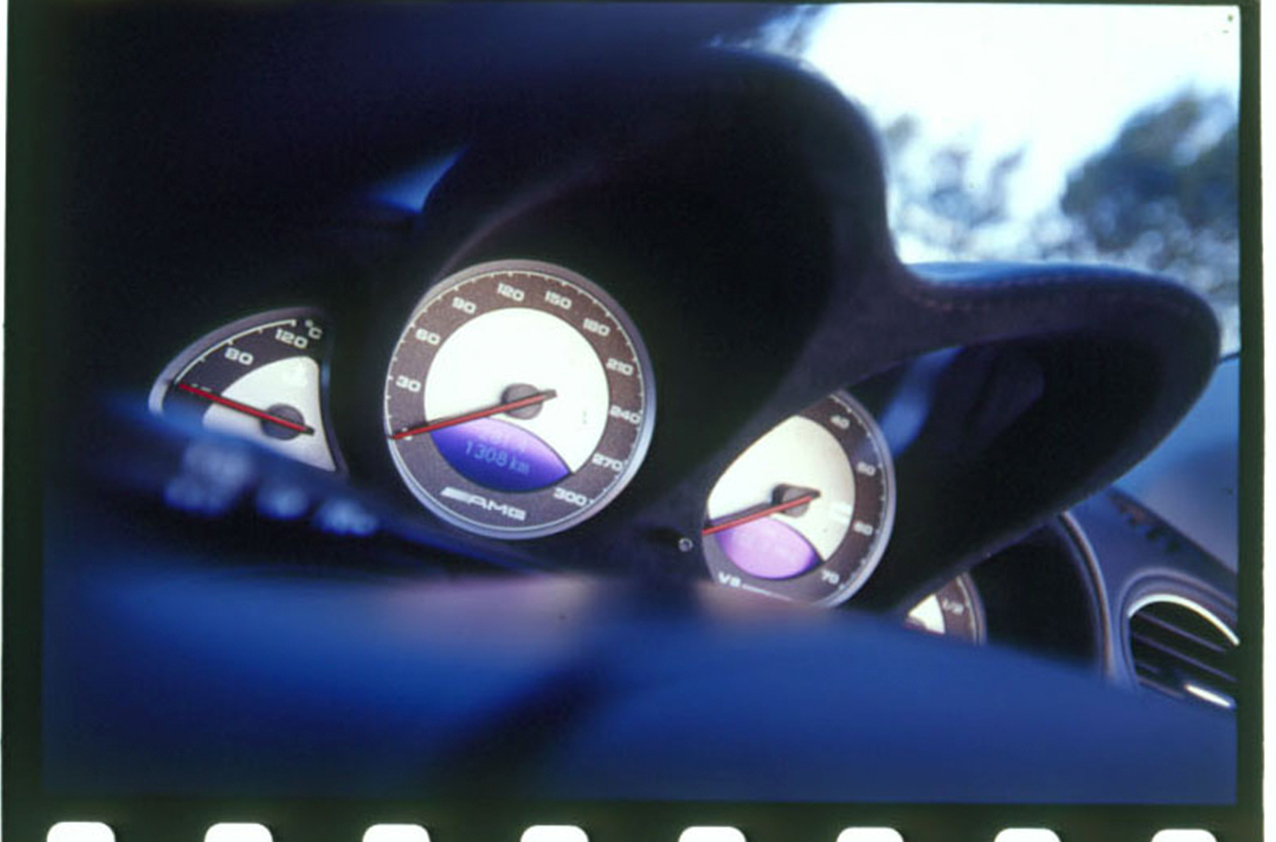
The cabin’s not that different to the SL500, which is to say it’s clean, simple, intuitive to use and a beautiful mix of the luxurious with the practical.
It isn’t a car for the faint of heart or the limp of wrist. If you wanna chill in a perfectly integrated convertible between your hits of macchiatto, take the SL500. If you want to do the same thing, safe in the knowledge that only a handful of production cars can outsprint you, this’ll be more your thing.
Brutal or not.
A 2005 Porsche Carrera GT has sold for US$1.9 million (AU$2.65 million) on the American online auction site Bring a Trailer (BAT).
In doing so, the rare V10-powered Porsche has set two records: the most amount ever paid for a Carrera GT at public auction, and the most money to have ever exchanged hands for a car on the popular auction site.
This red example has just 780 miles (1255km) on the odometer, making it one of the lowest-mileage Carrera GTs around.
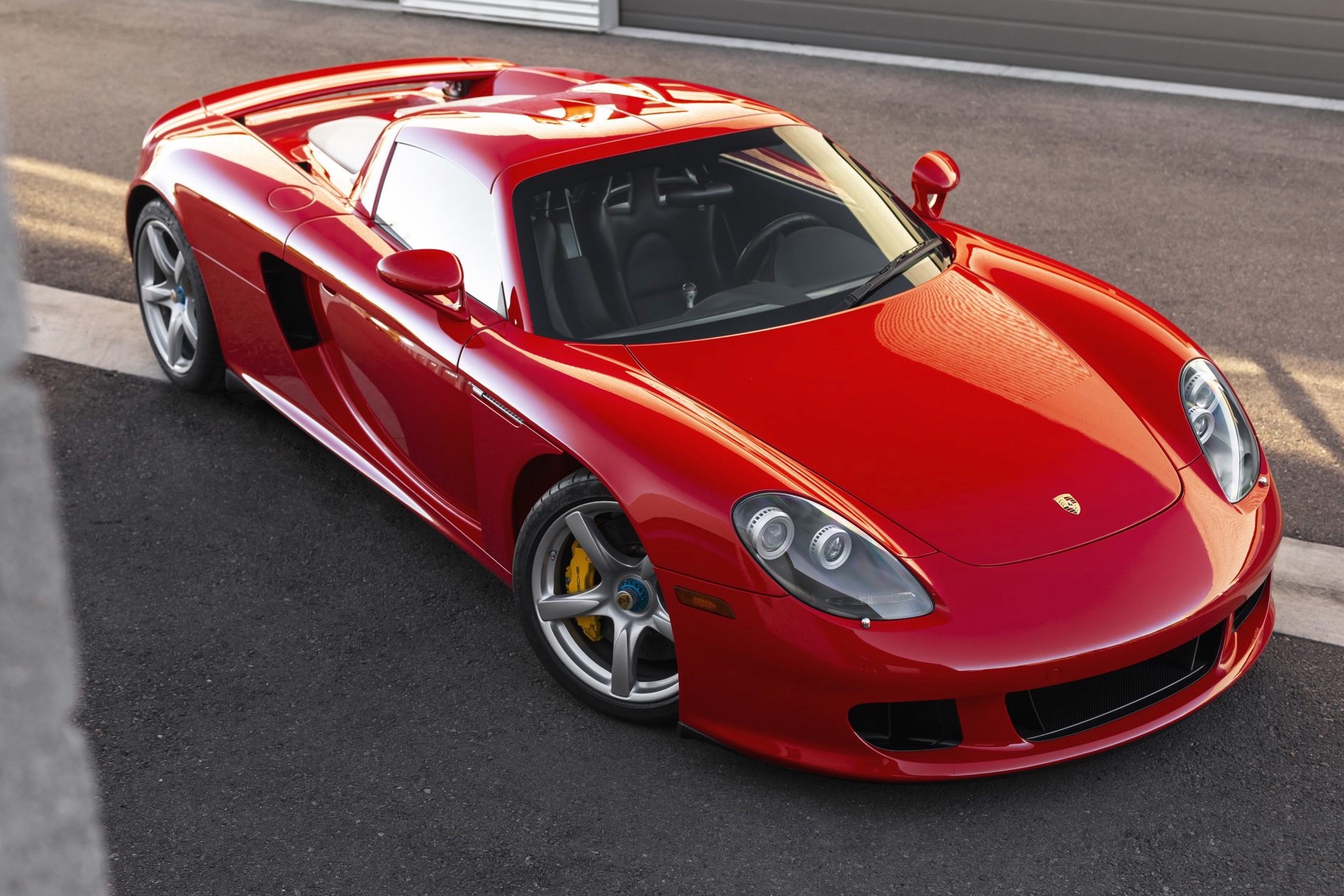
“We knew that this was a special car,” co-founder and president of BAT Randy Nonnenberg told Bloomberg.
“A lot of people think it is one of the best ones out there, and there is a lot of heat around that model right now. A lot of appreciation for it has built in the last year or two, so it was just right in the cross hairs of the right vehicle at the right time in front of the right audience.”
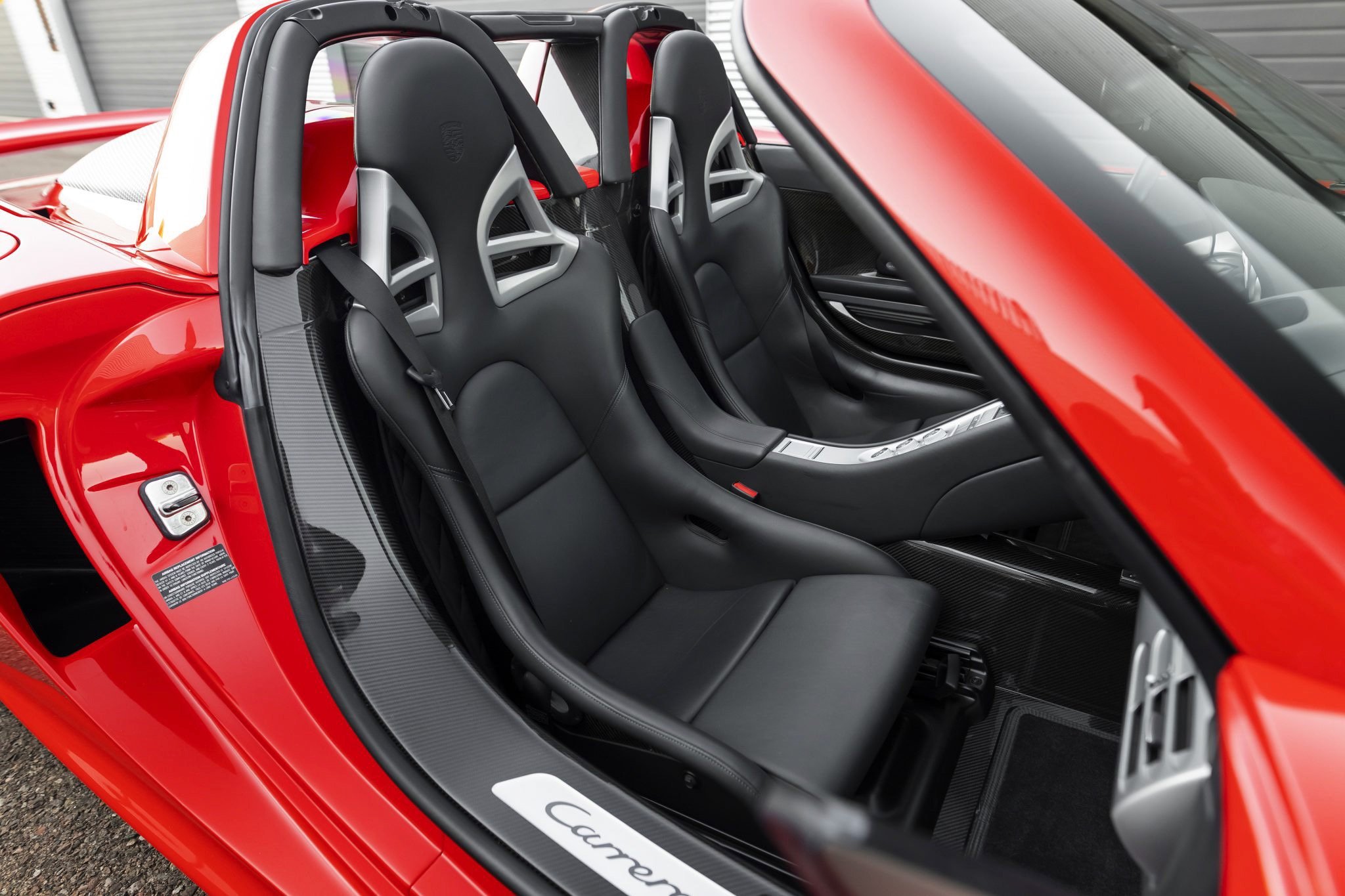
The previous record amount paid for a Carrera GT was US$1.3 million (AU$1.8m), set in September 2021 – breaking the best from the month prior, which was set at US$1.21 million (AU$1.69m).
However, this month’s record may be short-lived, with a silver 2005 Porsche Carrera GT up for sale on BAT with just 250 miles (402km) on the clock.
Gazoo Racing has announced it will debut two new cars at the Tokyo Auto Salon next week.
As the motorsports and performance arm of Toyota, Gazoo Racing says it will unveil the GR GT3 Concept, along with a “fully-tuned model of the GR Yaris”.
Japanese publication Mag-X is reporting the much-rumoured GRMN Yaris will be making its debut, with a reduced kerb weight, increased performance, and a more aggressive bodykit.
The hot hatch’s 1.6-litre turbocharged three-cylinder will see power remain at 200kW, but 20Nm of torque will be added for a total output of 390Nm.
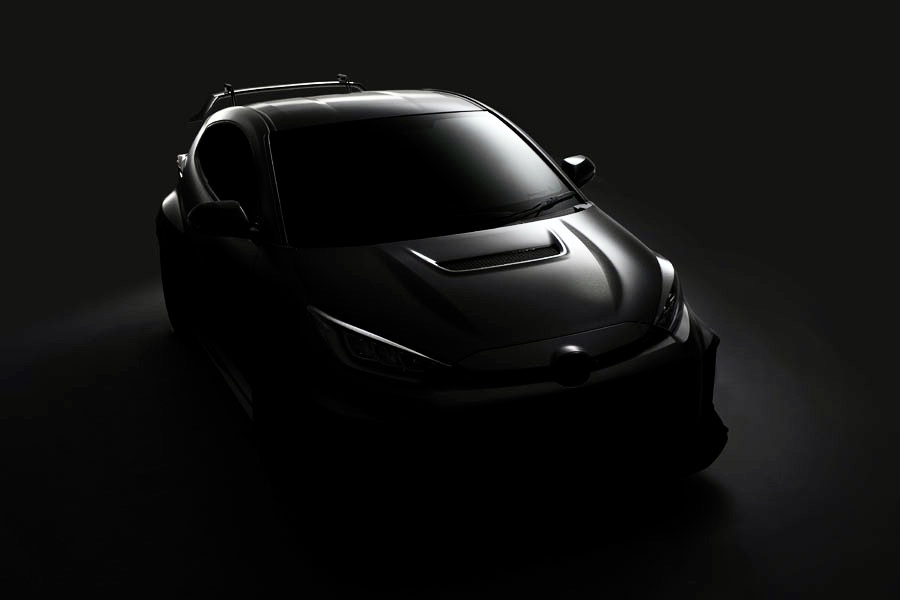
The rear seats have been removed to reduce weight, helped with the addition of carbon-fibre-reinforced plastic components, while the suspension has been lowered by 10 millimetres and the track widened by 10mm.
Limited to just 500 vehicles, the report claims buyers will get to choose from either a Circuit Package at 1260 kilograms, or a Rally Package at 1250kg – the latter featuring softer suspension and smaller brakes to accommodate typical 15-inch rally wheels and tyres.
The teaser image also confirms the Yaris will feature a larger front spoiler and rear wing, and a bonnet vent to help extract heat from the engine bay.
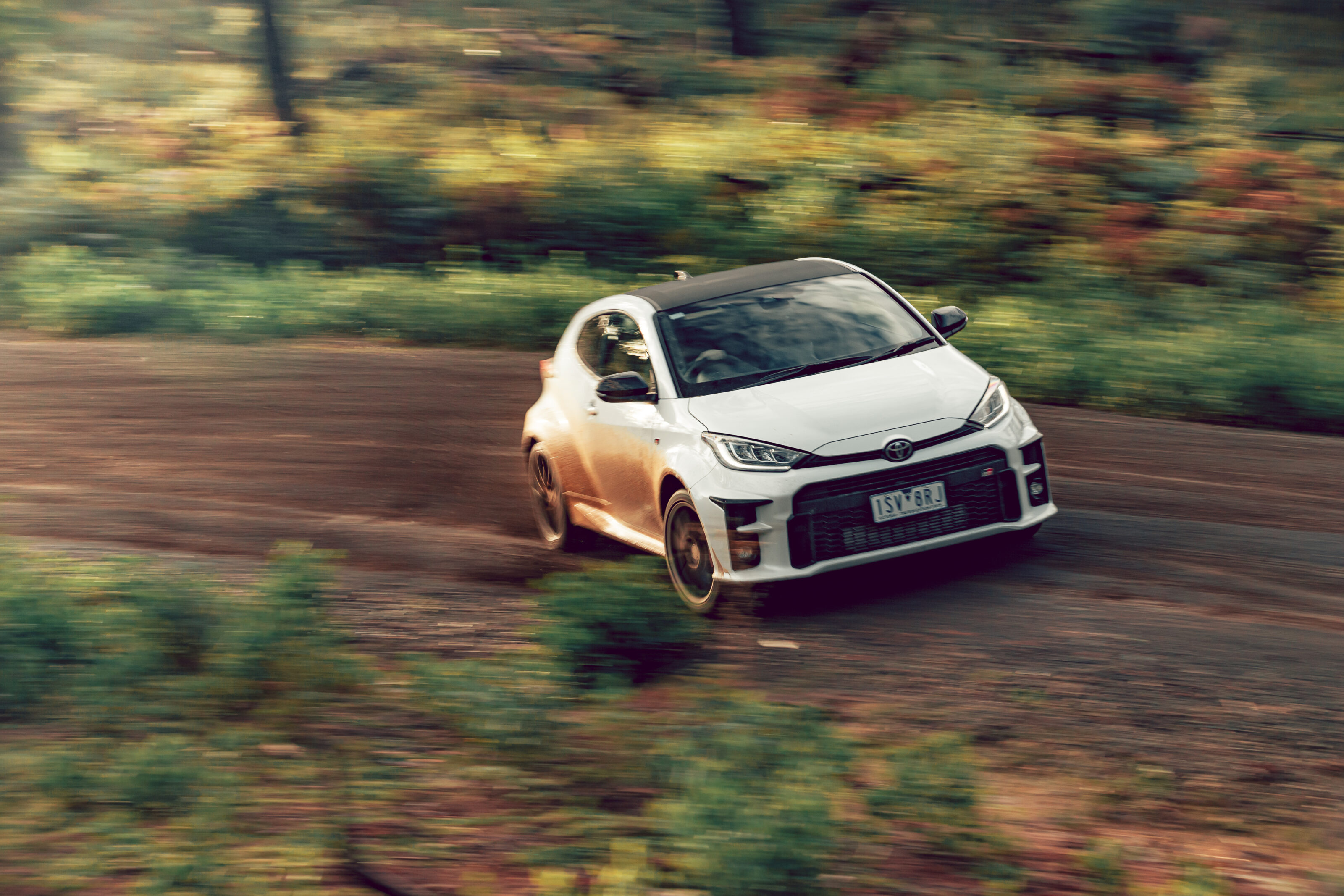
Further improvements have also said to have been made under the body, with an upgraded close-ratio six-speed manual transmission with heavy-duty clutch, a mechanical limited-slip differential replacing the Torsen diff fitted to the ‘standard’ GR Yaris, and more than 500 additional spot welds throughout the body to increase chassis rigidity.
Less is known about the GR GT3 Concept which will make its world premiere, with the company claiming it is a “racing-dedicated concept car that incorporates the knowledge and refined technologies [Toyota Gazoo Racing] has gained in the field of motorsports”.
Stay tuned to MOTOR as we cover the highlights from the 2022 Toyota Auto Salon, starting from January 14.
