
It’s December 1988. You’re about to buy a Ferrari 328. You’ve had a 911 before, you’ve considered a Chevrolet Corvette for its macho looks and grunt, and a Porsche 944 Turbo, which handles better.
But what about this new mid-engined Ford, said to best every other sportscar, at any price?
It’s grippier than even a Testarossa or Countach and out-handles everything through a slalom – F1 champion Jackie Stewart helped develop it. And its Yamaha-Ford V6 sounds like a ripper. Not to mention everyday useability thanks to good vision, convenient access, a proper boot… and Ford-size bills. The Ghia-designed targa body looks the business, too; right up there with the Testarossa for a third of the price.
Too good to be true? Well, it came close to reality. Through the ’80s, a skunkworks team of Ford Special Vehicle Operations engineers conceived and developed a supercar called GN34. It would be the world’s best – styled in Italy, British-designed chassis, SVO engineering, quad-cam Japanese V6 power, state-of-the-art assembly in Europe, and all aimed at beating Porsche and Ferrari.

Down the years, rumours and snippets about the car have sprinkled the web but the facts have been secret until now. Now, freshly uncovered information, specifications and photographs show how serious Ford was and what an impact GN34 could have had.
Its existence was unearthed by author Steve Saxty while he was researching his new book Secret Fords Volume Two, published this week. Bit by bit, as former Ford designer Steve traced and talked to GN34’s creators, the car’s story emerged. Engineers handed over photographs kept private for decades; a Ford archivist discovered a cache of GN34 material in Detroit; and Steve ferreted out more in the archive of Ghia, the Ford-owned Italian studio where the car was designed.
In the early ’80s, Ford analysts predicted that sales in the so-called G-class – dedicated sportscars – would jump from 88,000 to 120,000 a year by 1990 in the USA alone. Sector entrants ran from the US$15,000 Toyota MR2 to the US$70,000 Ferrari Testarossa but the biggest volume and profit was around the US$30,000 mark (US$70,000 in today’s money) dominated by the Chevrolet Corvette and Porsche 944. Time for Ford to play, too.

In October ’83 Ford Special Vehicle Operations, led by ace motorsport manager Mike Kranefuss, started thinking what a G-class Ford could be, and set its sights high. Ronald Muccioli, SVO’s Planning/Program Manager, told Saxty: “It was a once in a lifetime opportunity – build something to tackle Ferrari and sell it at a Corvette/Porsche 944 price.”
SVO posited that a US$170m investment could be returned four times over. Bigwigs listened and by early ’84 the project had an initial budget, a codename – GN34 – and a target to have prototypes running in ’86 for production in late ’88 as an ’89 model.
The SVO engineers insisted that the car should be mid-engined. The 944 and Corvette were front-engined but rivals with the more premium cachet and sleeker profile that SVO wanted were mid-engined. It seemed a no-brainer but Muccioli’s team had to repel two front-engined coupe counter-proposals based on the Sierra that would have cost less before GN34 development got the green light.

Body design kicked off early in 1984 when Ron and three colleagues flew to Turin to see Giorgetto Giugiaro at Italdesign. Guess what: the Italian design and engineering outfit was already building a concept called Maya that matched Ford’s desires. Contracts were swiftly signed, SVO sent over a Taurus 3.0-litre V6 powertrain and when Maya appeared at the Turin show in November ’84 it was a Ford-powered runner.
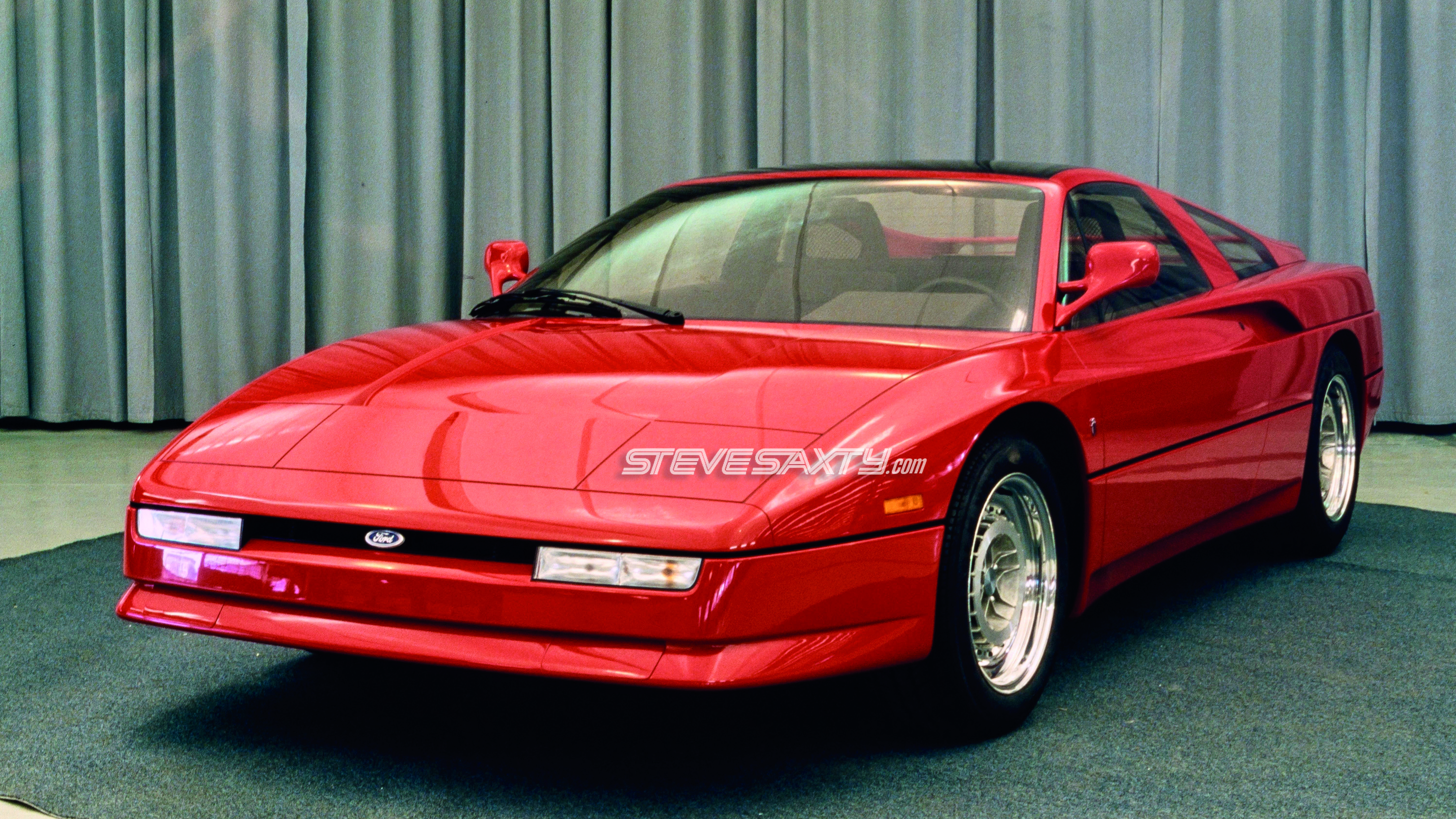
But Maya looked too much like the Lotus Etna that Italdesign had offered Lotus as an Esprit replacement. Ford asked Giugiaro to (a) make it look different and (b) viable for production. Italdesign responded with two cars: styling model Maya II ES and Maya II EM, a mechanical prototype for evaluation and development.
Ford’s own designers were hardly going to be trumped by an outside supplier. The Ford International Studio in Detroit and Ghia in Turin raced to pitch in their designs. In August 1985 the three rival models, all painted red, were arrayed for a beauty parade in Detroit.
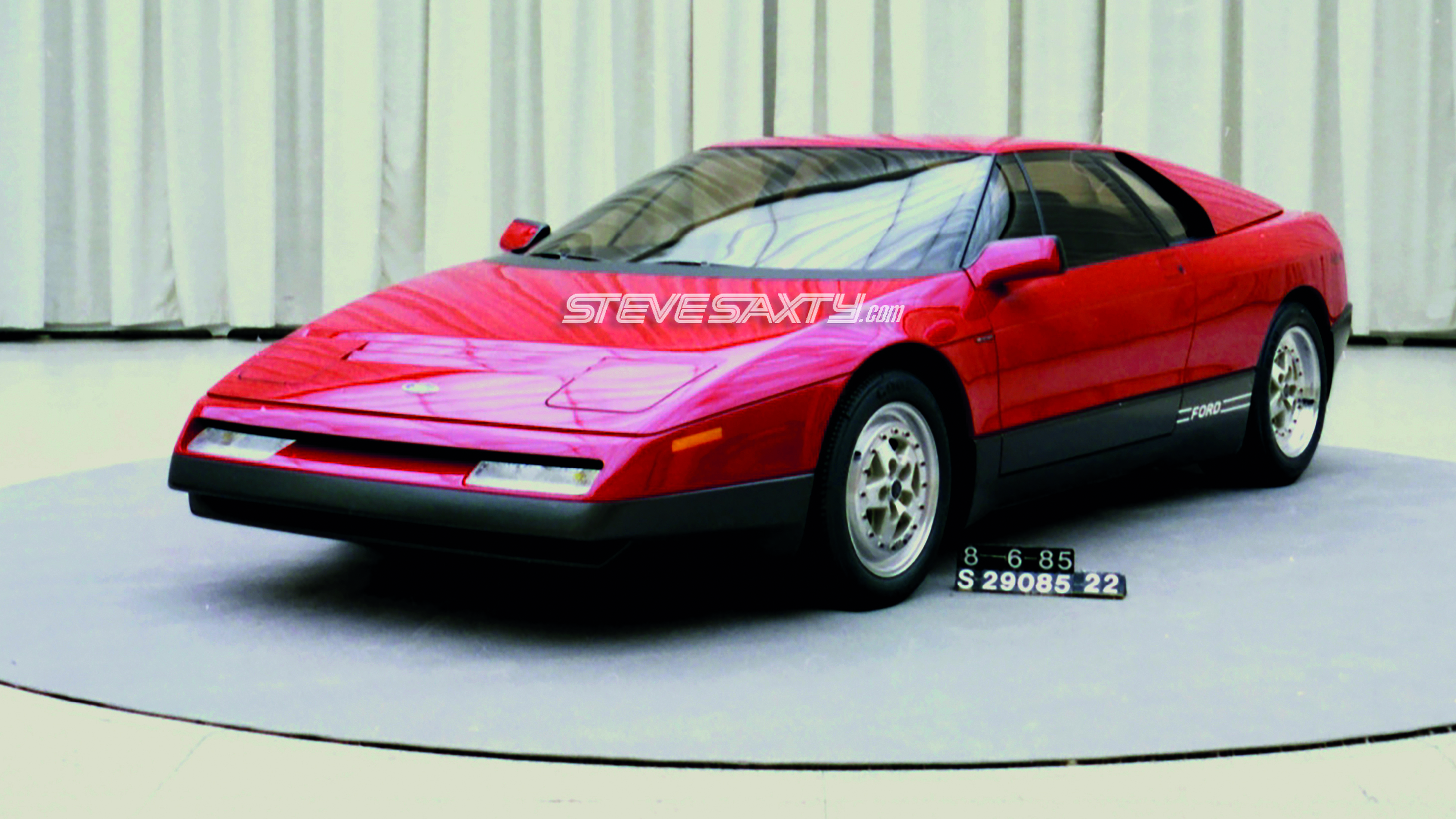
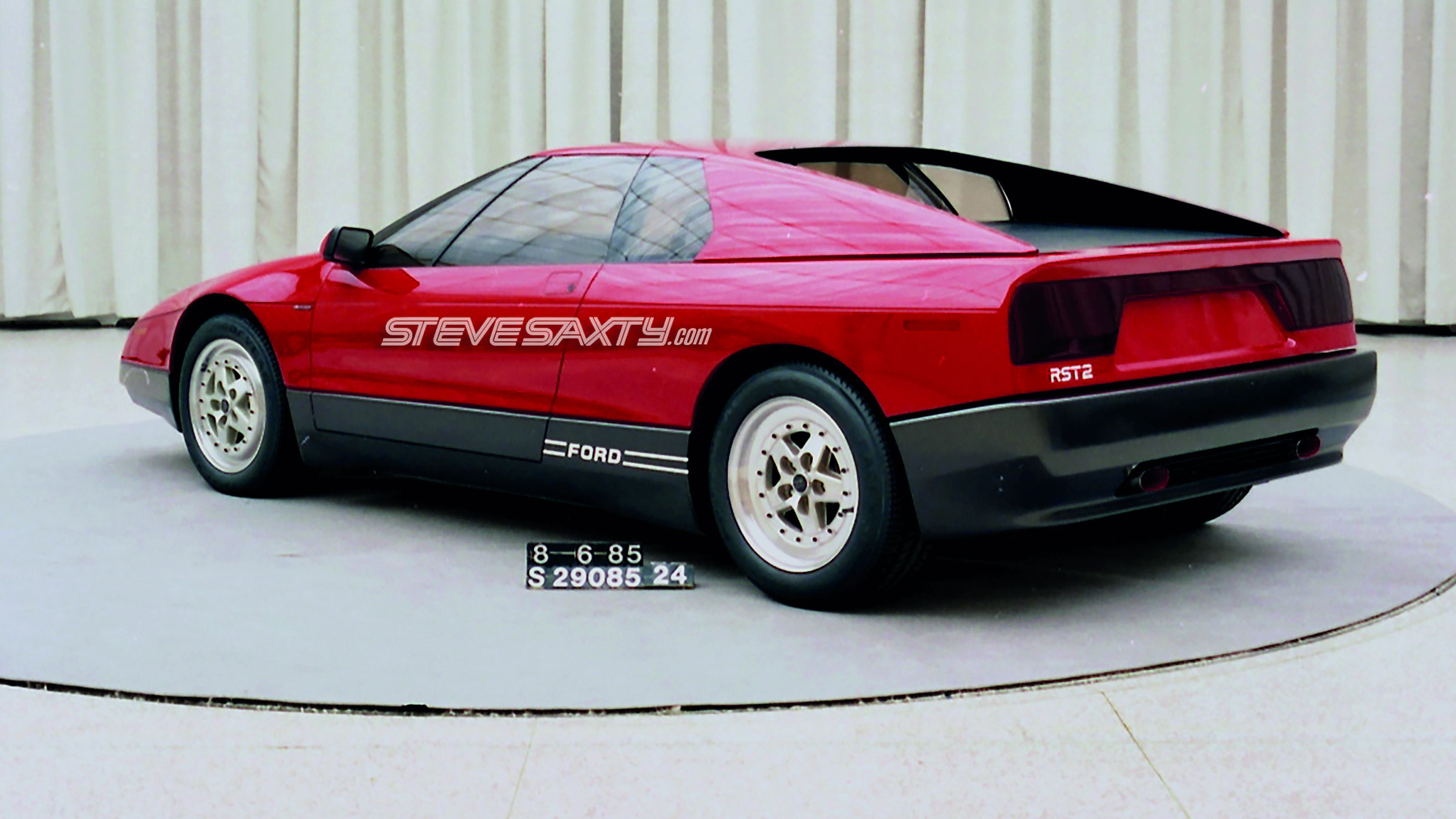
Maya II bit the dust and the Ford International and Ghia models – one tougher-looking than the Ital car, the other with leaner surfaces and better vision – went to California to be scrutinised by potential buyers. Lined up against a Nissan 300ZX, Porsche 944 and 928, Corvette and Ferrari 308, the Ghia GN34 won. Even when told it was a Ford, clinic guests still preferred it to the Ferrari. They valued it at $38,000 against Ford’s intended price of $26,500.
Ford Design in Detroit refined the Ghia GN34’s surfaces, making it leaner, longer and more practical. Now its larger targa roof could stow above the engine and briefcases would fit behind the seats. The shape – “clean and functional, rather than trendy, to embody the timelessness of the Porsche 911 and Ferrari” according to an internal description – was ready for sign-off.
The same project summary for the board from the GN34 Program Office in July 1986 said the interior packaging and ergonomics would be best-in-class for a mid-engined car, with exceptional functionality and refinement. Build quality would be ensured by a state-of-the-art assembly system being installed at French contractor Chausson.
Meanwhile, Maya II hadn’t disappeared. In September ’85 Italdesign shipped over the Maya II EM mule, built to approximate how GN34 would drive. The Yamaha V6 that Ford had commissioned for the 1989 Taurus SHO wasn’t ready so the mule used a twin-turbo Ford V6 and ZF five-speed gearbox.
The extra weight from the design changes forced Yamaha to enlarge the high-revving V6 from 3.0 litres to 3.6L and lift its power from 170kW to 209kW. It would mate with a close-ratio five-speed transaxle. Later, SVO planned to add Ford’s new 4.6-litre modular DOHC V8 engine and all-wheel drive. The engineers didn’t want to launch with a Ford V8 because it was “too Corvette” for buyers used to Porsche and Ferrari engines.
SVO’s GN34 team – now swelled from 30 to 100 – worked to an eight-point plan covering the reasons buyers bought sportscars. ‘Fun-to-drive’ topped the list. When SVO measured rivals’ lateral acceleration they found the Corvette, with 0.89g, was grippiest, followed by the Countach with .87, Testarossa .86 and the 944 Turbo and RX7 Turbo equal with .85, while the Ferrari 328 pulled .84.

So SVO set GN34’s target at .95 to 1.0g. Through Ford’s slalom, the RX7 was fastest, followed by the 944 Turbo, Countach, Turbo Esprit, 911, ’Vette and Supra, with the Testarossa and newly arrived 328 eighth. Again, they decreed that GN34 had to outhandle the lot.
To do that, the chassis design engineers Ford chose – Canewdon Consultants in Essex, England – gave GN34 an unrivalled spec for the time: forged aluminium unequal-length upper and lower wishbones at the front plus a Quadralink rear with twin lower arms and a tension strut from SVO’s race cars. Cockpit-adjustable hydraulics varied the ride from “very low-frequency plush to a firmer highly damped Corvette-like setting” according to a document Saxty found.
The power-assisted variable-ratio rack and pinion steering’s feel adjusted with the changes in cabin-dialled damper settings. Disc brakes with ABS and four-piston aluminium calipers sat inside 17-inch wheels with 40-aspect tyres. Noise, vibration and harshness targets would be class-best.
Formula 1 champion Jackie Stewart first drove the Maya II mule in autumn 1985 and confirmed the car’s potential. Ron Muccioli told Saxty that even at that stage “the mule had a flat and measured ride and took the handling track’s corners as well as any competitor. We all felt we could meet or exceed all the best-in-class targets.”
Ford built another mule and high-performance contractor Roush Engineering (where Muccioli would later work) made two more, one with a V6 and one with a Windsor V8, using a GN34 chassis beneath modified De Tomaso Pantera bodies – both survive in Roush’s museum. All told, there were four running mules and four fibreglass or clay body models.
So, with all its potential, why wasn’t GN34 launched? Ironically, it was killed by ‘Maximum Bob’ Lutz, one of Ford’s biggest car enthusiasts. After heading Ford of Europe in the early ’80s, Lutz ran Ford’s truck division in Detroit. And during an investment meeting on 16 July 1986, Lutz pitched a new thing called a Sports Utility Vehicle against GN34.

The board had to choose: did it invest in a new type of 4×4 that might appeal to hundreds of thousands of buyers? Or a halo supercar for just 20,000? The SUV got the nod and on 27 August 1986, the GN34 program was cancelled.
All work stopped immediately and the files were locked away until unearthed by Steve Saxty this year. Saxty concludes: “When Honda launched the NSX in 1990 it shocked Ferrari to its core. Here was a mid-engine car from a mass manufacturer that bested the new Ferrari 348 dynamically while being as easy to use as a Porsche. The equally advanced and striking Ford GN34 could have been up there with the greats.” The data and photos in his book tell a fascinating story of a car that many at Ford still wish had been built.
Secret Fords Volume Two by Steve Saxty is available in standard and collectors editions directly from stevesaxty.com.
As far as expectations go, Hyundai’s are up there for the all-new Tucson. Chief designer SangYup Lee reckons by dominating in one of the world’s largest segments ¬– medium-size SUVs – the sharp-styled Tucson can grow into an icon for the brand. Like the Golf has been for VW. Or the S-Class for Mercedes-Benz.
To prove this sentiment is more than just headline-baiting bravado, Hyundai scaled down the Santa Fe’s new N3 platform into two wheelbase options under the Tucson while devising new plug-in and full hybrid powertrains.
This has boosted the model’s eco-credentials around the world, except here. Australia’s relaxed emissions laws have dropped us down the priority list for hybrid allocation – even though we’re told the Kia Sorento lands with the hybrid powertrains soon.
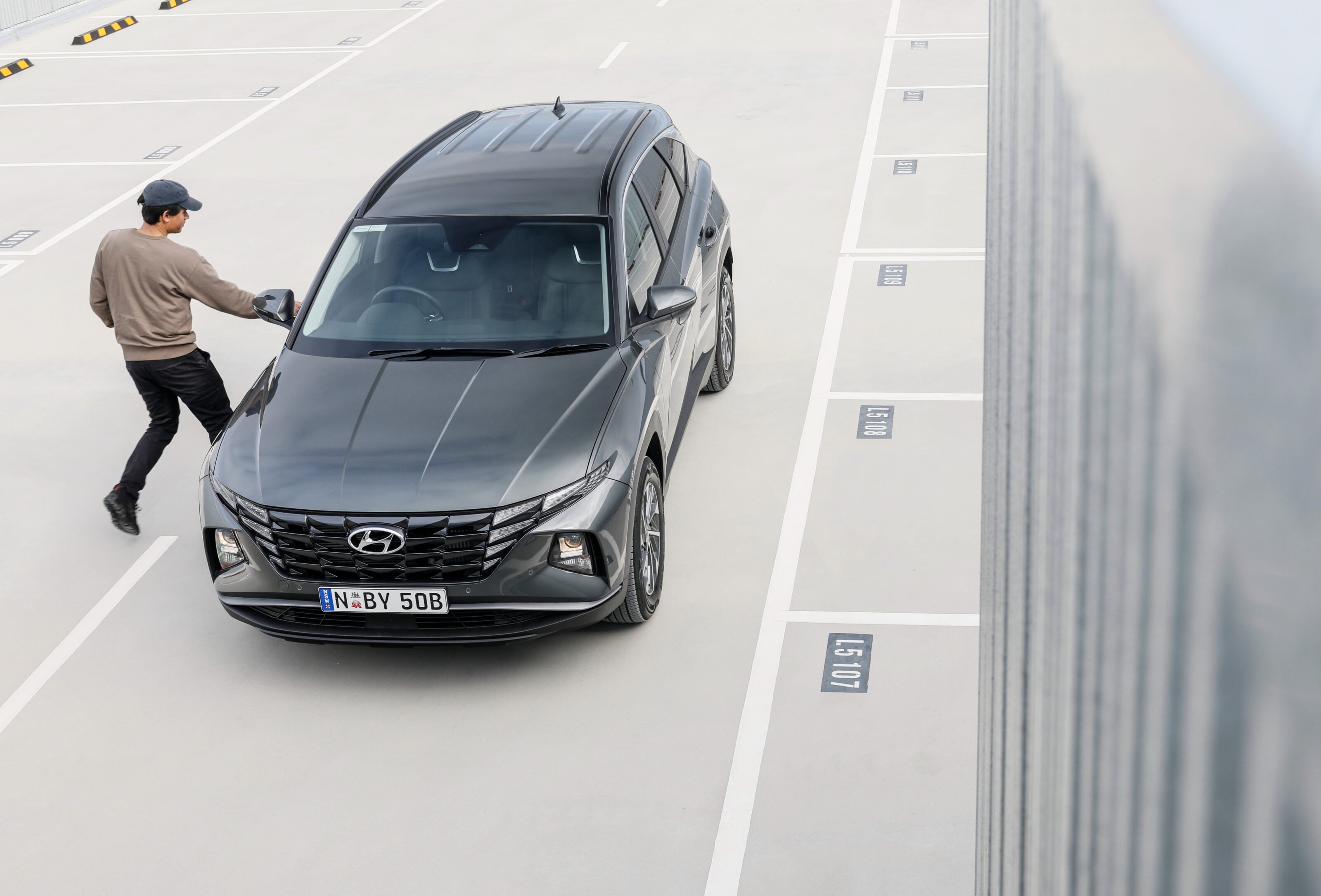
At least this Tucson 1.6 T-GDi variant offers some consolation, given that its new turbocharged 1.6-litre inline-four-cylinder engine is the beating heart of hybrid Tucson powertrains elsewhere.
And while the Tucson’s 2.0-litre atmo petrol (which we’re running as a long-termer in the Wheels Garage) Smartstream engine re-heats its predecessor with efficiency-enhancing tweaks, the new petrol Smartstream G1.6 has enjoyed a more comprehensive shake-up.
The big news is CVVD. Or Continuously Variable Valve Duration technology. It mechanically slows or quickens the intake cam’s lobe relative to shaft speed to keep valves open for as long as needed. The benefit is a smidge more power and curbed thirst.
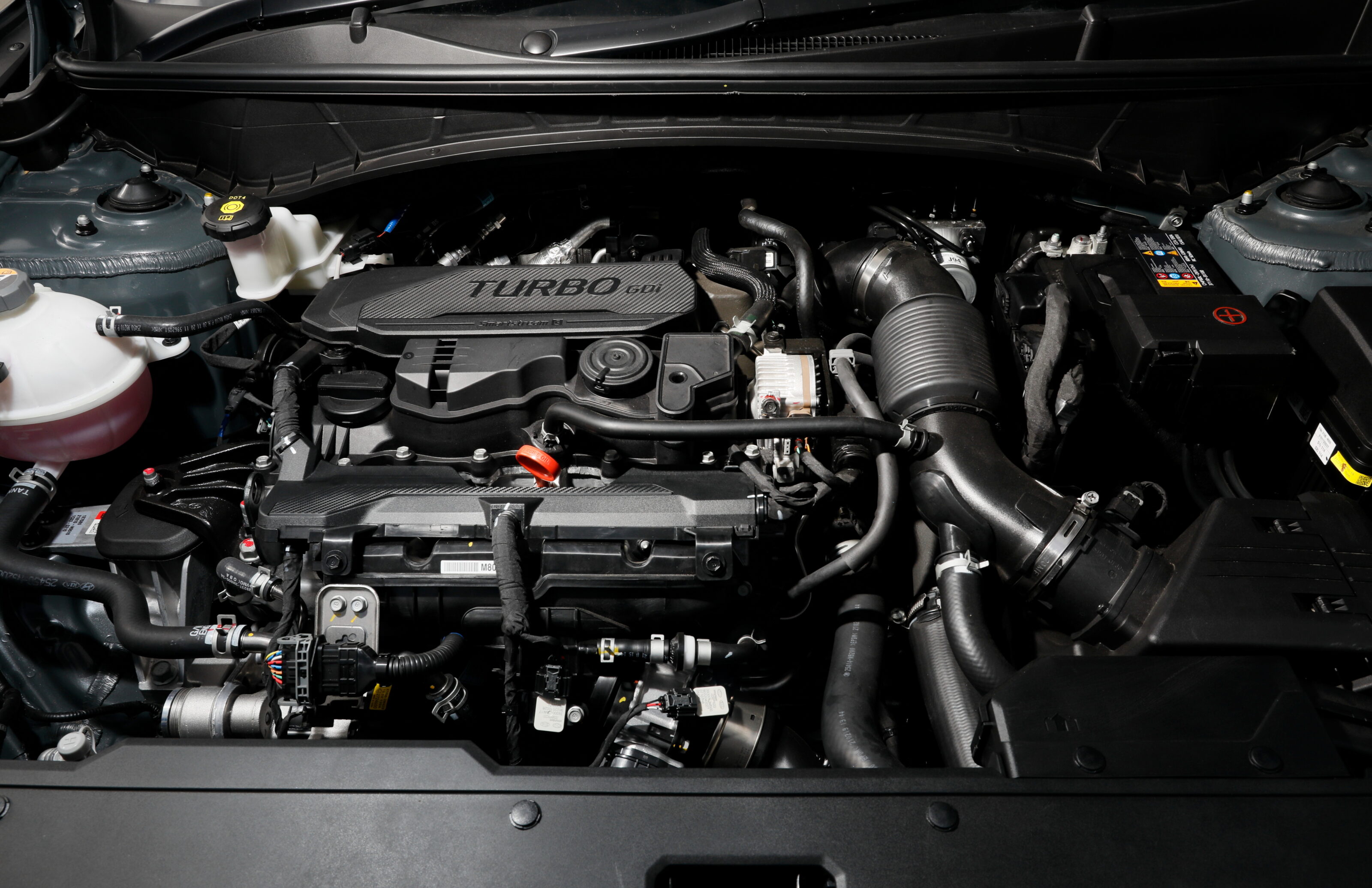
In numbers, power is up 2kW, from 130kW to 132kW, while torque remains pegged at 265Nm. Claimed fuel consumption on a combined driving cycle drops 0.5L/100km to 7.2L/100km, which is helped by a lighter kerb weight, now 33kg lighter at 1560kg.
Our test returned a 9.2L/100km real-world consumption figure, which is still lower than the 10.4L/100km average achieved by the atmo 2.0 Elite in the Wheels garage.
At $43,000 before on-roads, the Tucson 1.6 adds $4000 to the 2.0-litre petrol offered in mid-level Elite trim, which the petrol turbo enjoys as standard. Larger alloys, all-wheel drive and a seven-speed dual-clutch transmission, comprise the bulk of that price jump.
Meanwhile, the Elite trim includes a slew of mod-cons and safety features. These include front parking sensors with screen guidance, a smart key, digital radio, leather seats, a 10-way power-adjustable driver’s seat, heated front seats, dual-zone climate control and a 10.25-inch infotainment screen (up from 8.0-inches).
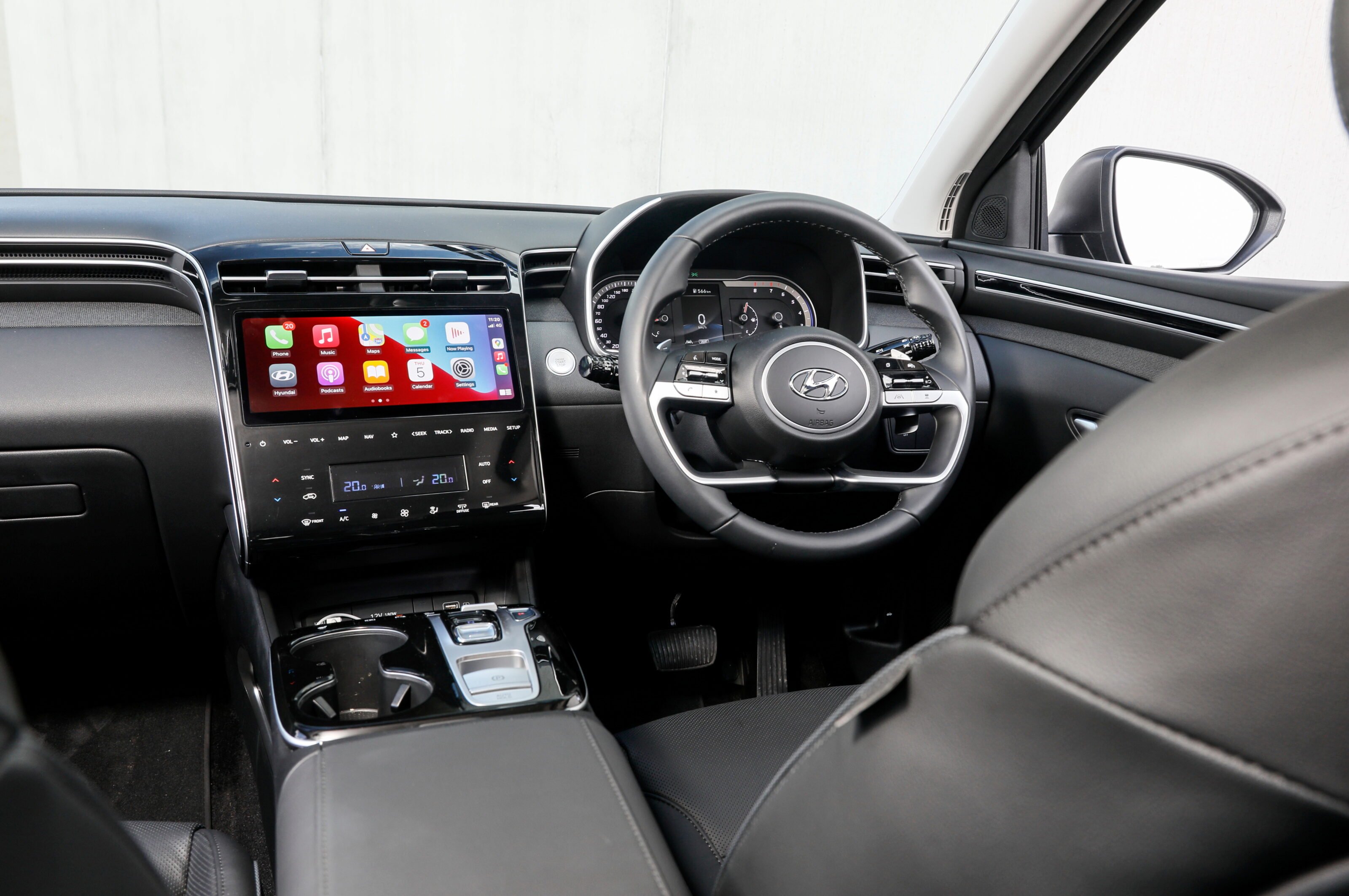
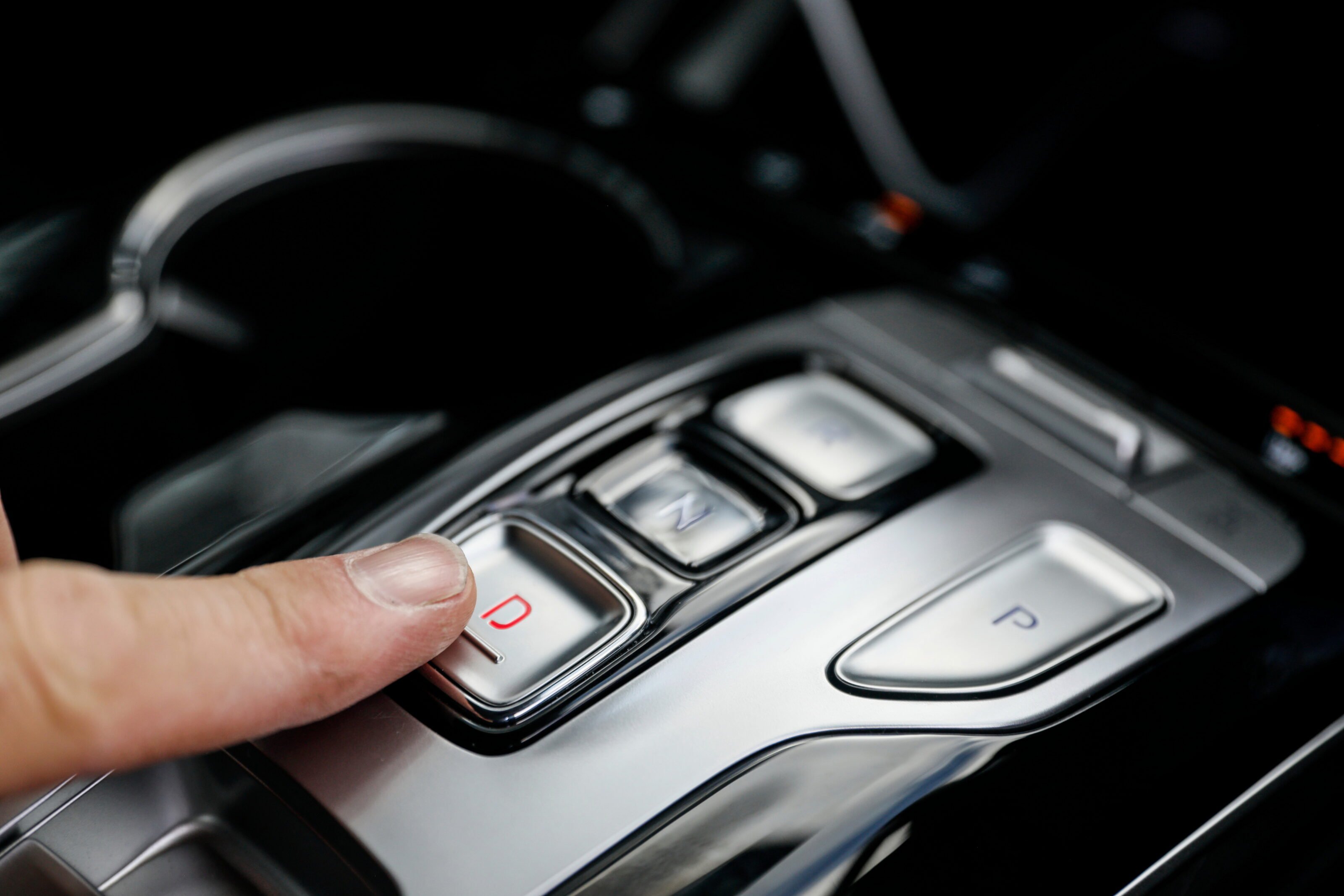
The upgrade to the 1.6 T-GDi also introduces a gear-selector pad in place of a regular shift lever. Shift paddles hide behind a new generation steering wheel.
The T-GDi also gets a Smart drive mode, which joins Normal, Eco and Sport. Annoyingly, none allow you to hold a gear long enough to overcome gear mapping woes.
Even though the Elite 1.6 upgrades to a wet-clutch DCT, it can suffer from indecisiveness between light tip-in to mid-throttle. Here, it sometimes upshifts early to conserve fuel but then quickly downshifts after realising you want to keep with traffic.
Driveability-wise, three-point turns are also tricky, given the larger-than-average 11.8m turning circle and stress of finding the right button on the gear pad.
On the move, the direct-injected 1.6-litre engine spins smoothly and is flexible with its delivery. It builds torque convincingly from down low, where Hyundai claims peak thrust arrives as early as 1500rpm. Really, though, it feels potent from 2500rpm.
All-wheel drive keeps wheelspin in check off the line. But the traction comes at a price, with extra weight penalising the Tucson over the 80km/h to 120km/h sprint, which takes 6.41sec and a moment longer than some of its turbocharged front-drive rivals – like the Honda CR-V.
Dynamically, Hyundai’s decision to endure with a global suspension tune underscores its confidence in the nameplate, even if COVID-19 had some part in preventing local work.
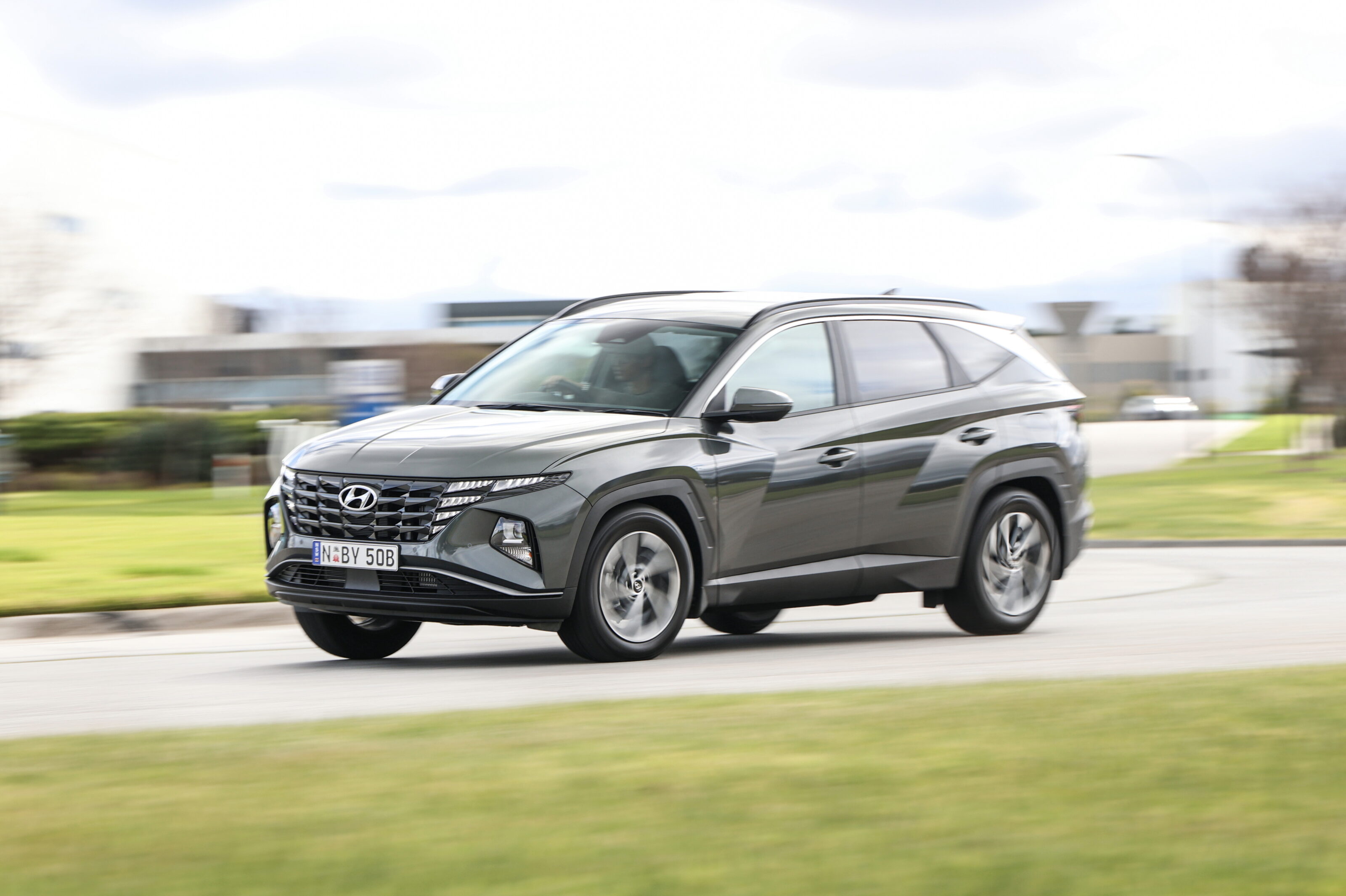
Despite the 235/60 R18 tyres rolling too far over their sidewall in the mid-corner, the front-end remains responsive, guided by steering that, while rubbery just off centre, weighs up nicely in Sport mode and increases in accuracy with more lock.
Upgrades to the standard-fit Nexen Rodian GTX rubber and disc brakes would be the first point of call for a tuned variant to maximise fun. But the strut front and multi-link rear suspension has other priorities.
The damping is expertly judged, maintaining resolute body control while allowing enough travel to glide over undulations. The Elite’s big tyres can slap over sharp edges, but overall, the ride is comfortable.
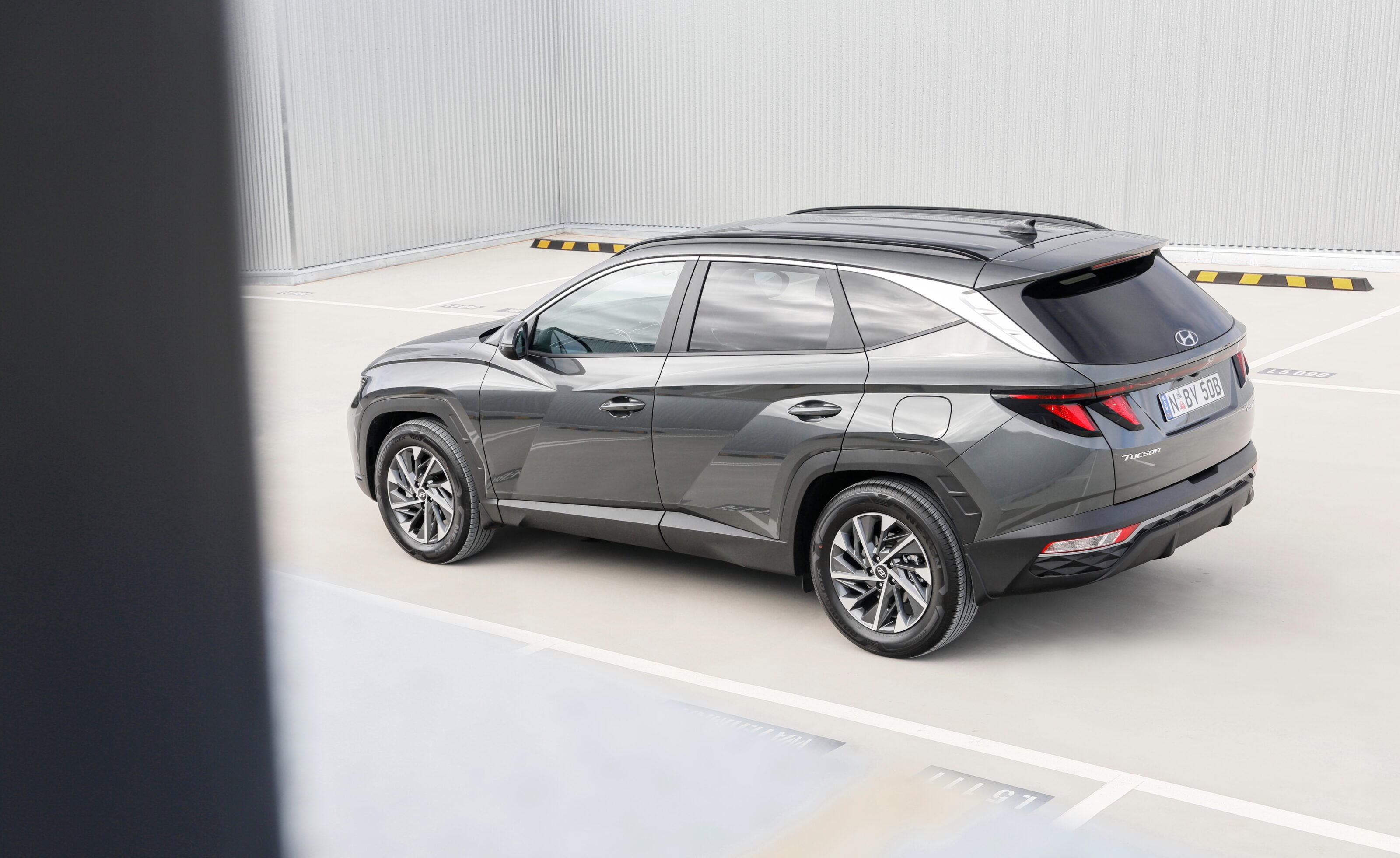
Day-to-day, the Tucson’s packaging is excellent, with a spare tyre hidden under the flat-load boot floor and 60/40 split-fold rear seating that can be dropped with rear pull handles make loading a cinch.
Seat comfort and outward vision are good, too. While a full suite of active safety systems works with precision, even if lane-keep assist annoyingly switches on after every start-up.
Although the Tucson 1.6 T-GDi needs to improve transmission response, it is a strikingly styled medium-SUV packing an impressive amount into a comfortable, refined package. However, is it a future icon? Only time will tell.
Hyundai Tucson Elite 1.6 T-GDi Specifications
| Model: | u00a0Hyundai Tucson 1.6 T-GDi Elite |
|---|---|
| Engine: | u00a01598cc |
| Power: | u00a0132kW @ 5500rpm |
| Torque: | u00a0265Nm @ 1500-4500rpm |
| Transmission: | u00a07 speed dual-clutch |
| Weight: | u00a01563kg |
| Economy: | u00a09.2L/100km (tested) |
| Price: | u00a0$43,000 (before on-roads) |
| Weight: | 1563kg |
| Economy: | 9.2L/100km (tested) |
| Price: | $43,000 (before on-roads) |
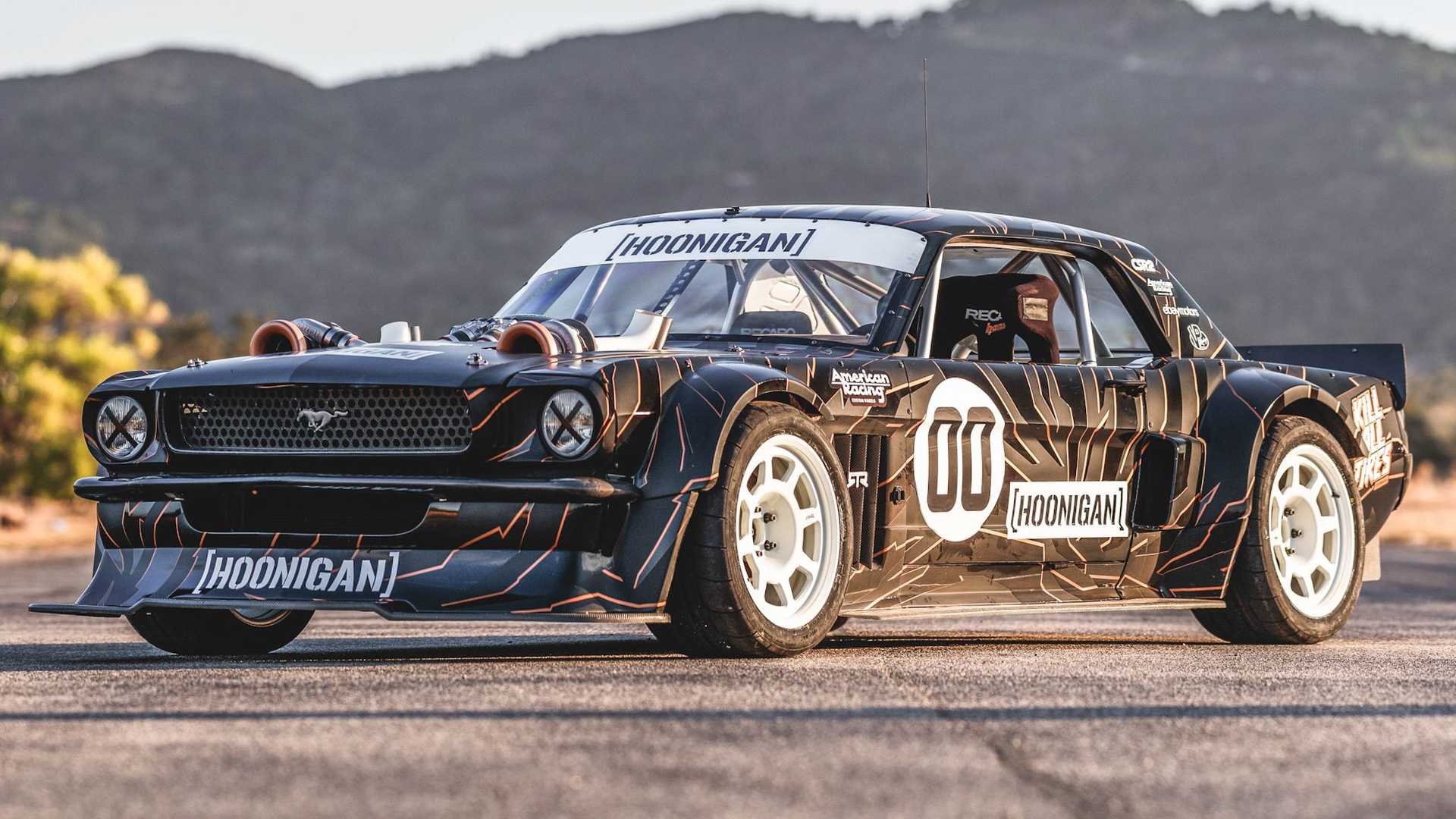
The partnership between Ford and Ken Block might have ended last year, but the gymkhana creator and mayhem mechanic has kept his wild Hoonicorn Mustang.
Featured on the Hoonicorn vs. The World series, the Hoonicorn is back for season two with a twist. Rather than being piloted by Ken Block – who is unable to drive a Ford vehicle in an official capacity – the heavily-modified 1965 Mustang is driven by his 14-year-old daughter, Lia.
“I hadn’t planned to race the Hoonicorn again since my contract with Ford expired at the end of 2020, but at the same time my daughter Lia was taking a very serious interest in racing,” Ken Block said on Instagram.
https://www.instagram.com/p/CW6Ft3al4K0/
“So, we got to keep a Block in the Hoonicorn, just a different Block!”
Despite her young age, Lia has plenty of experience behind the wheel.
In an interview with Jalopnik, Ken said his daughter has been driving since the age of five – albeit in a customised electric Mustang designed for children.
“It had this handbrake that she would use, and she was just a natural, figuring out steering through opposite lock,” he said.
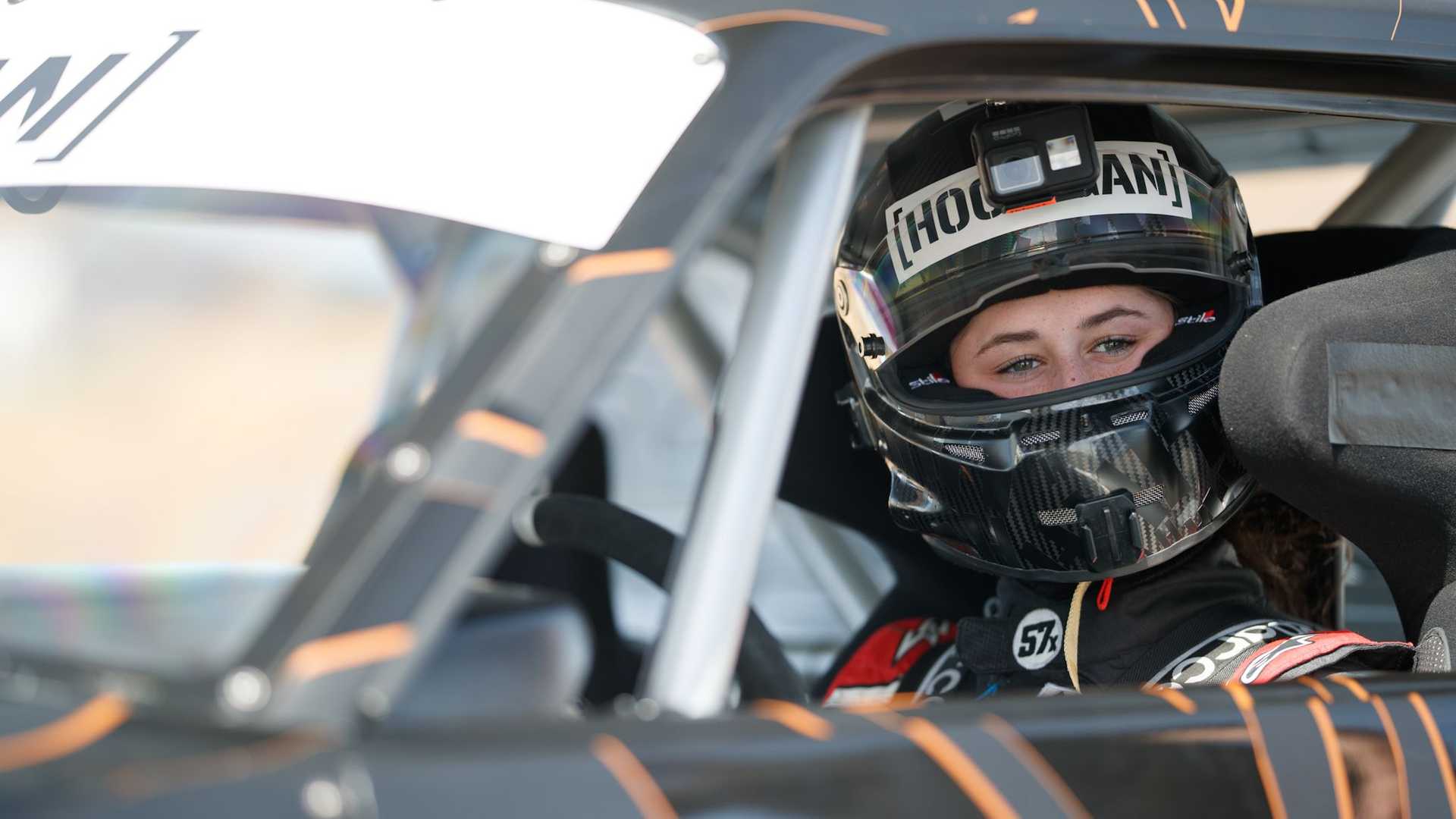
At 11, Lia joined the Lucas Off-Road Racing Series, often taking the podium, before moving to go-kart racing and gaining experience in road-going racers prior to getting in the driver’s seat of the Hoonicorn.
Some changes to the Hoonicorn have been made for the new season, including; additional bars for the roll cage, a halo bucket seat for driver protection, a paddle-shifting transmission, prototype VF503 wheels from American Racing and a redesigned livery from Death Spray Custom.
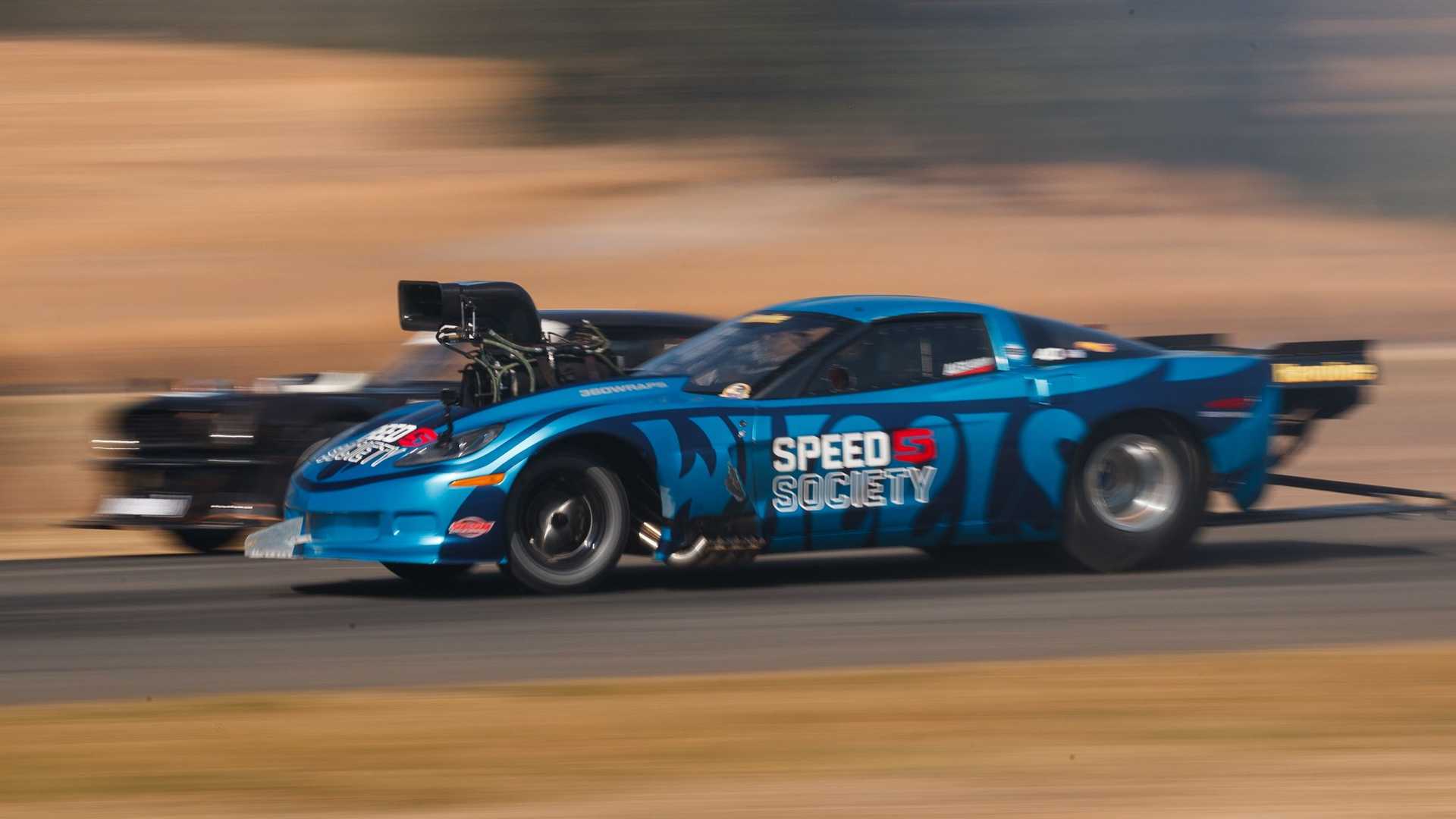
The first part of the new series was published earlier this week (see gallery above), featuring a drag race between the Hoonicorn and a Pro Mod Chevrolet Corvette C6 with almost 3000kW of power and a parachute, steered by American National Hot Rod Association driver, Alex Laughlin.
Down on power, the all-wheel-drive Mustang features a twin-turbocharged Ford-sourced V8 with 1043kW of power and is coupled to a six-speed paddle-shift automatic transmission, compared to the 2982kW Hemi V8 in the rear-wheel drive Corvette with a three-speed Lenco transmission.
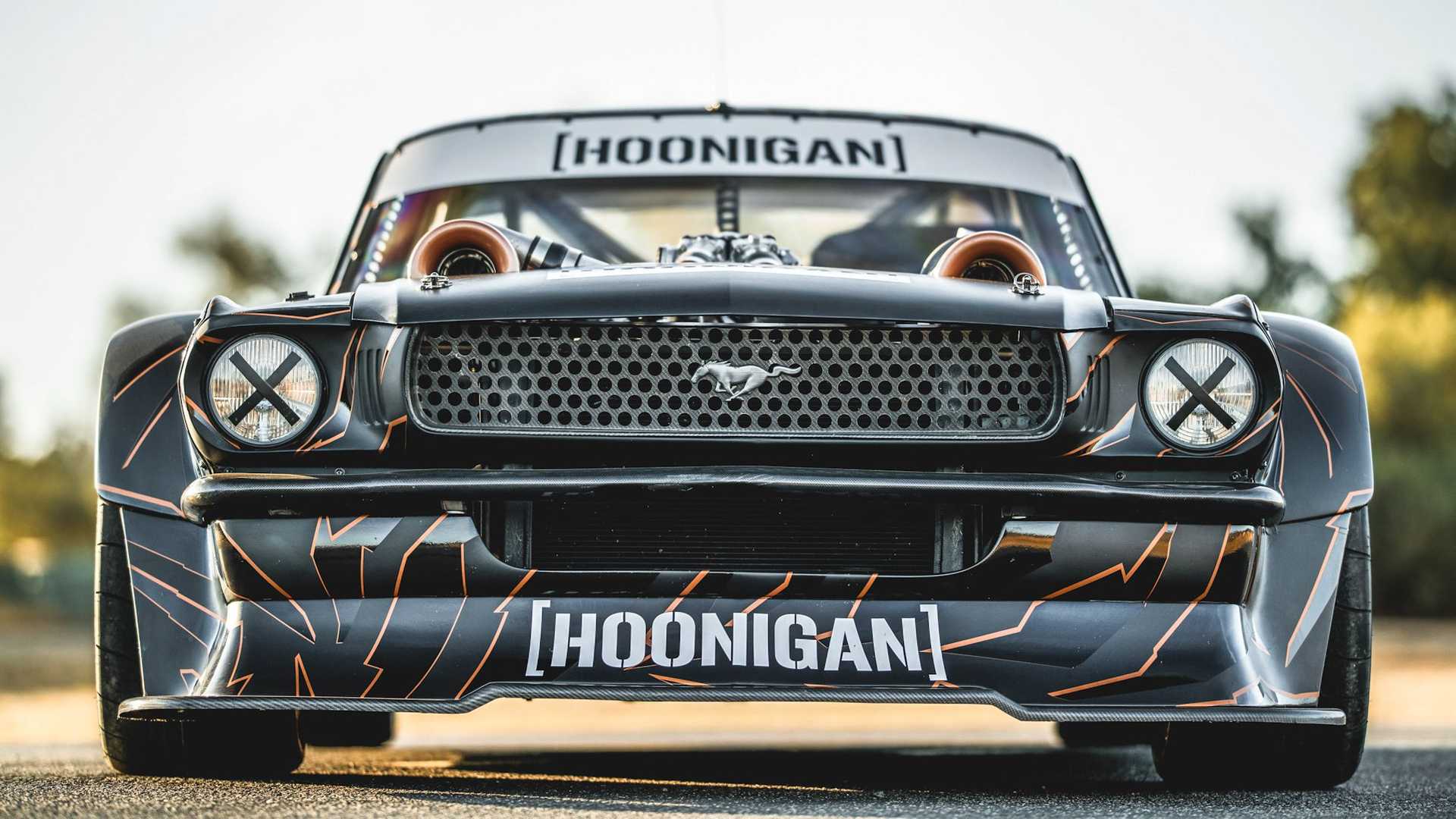
Eight episodes of Hoonicorn vs. The World series two will be published on the Hoonigan YouTube channel before the end of the year, with Lia Block set to burn some rubber in drag races against performance cars such as the rapid Tesla Model S Plaid.
The most recent episode features the Hoonicorn going up against one of the world’s fastest Nissan GT-Rs, and can be viewed by clicking here.
In a world of bewinged Honda Civic Type Rs and ballistic AMG-badged hyper hatches, performance so large has never before come in packages so small. Hot hatches weren’t always this wild though, and if there was a catalyst for this modern small arms race, it just might be the MkII Ford Focus RS.
Arriving locally in 2010, by then backed by 40 years of racing pedigree, a new RS-badged Ford was big news for enthusiasts. However, no one expected the furore that the fast Focus would cause.
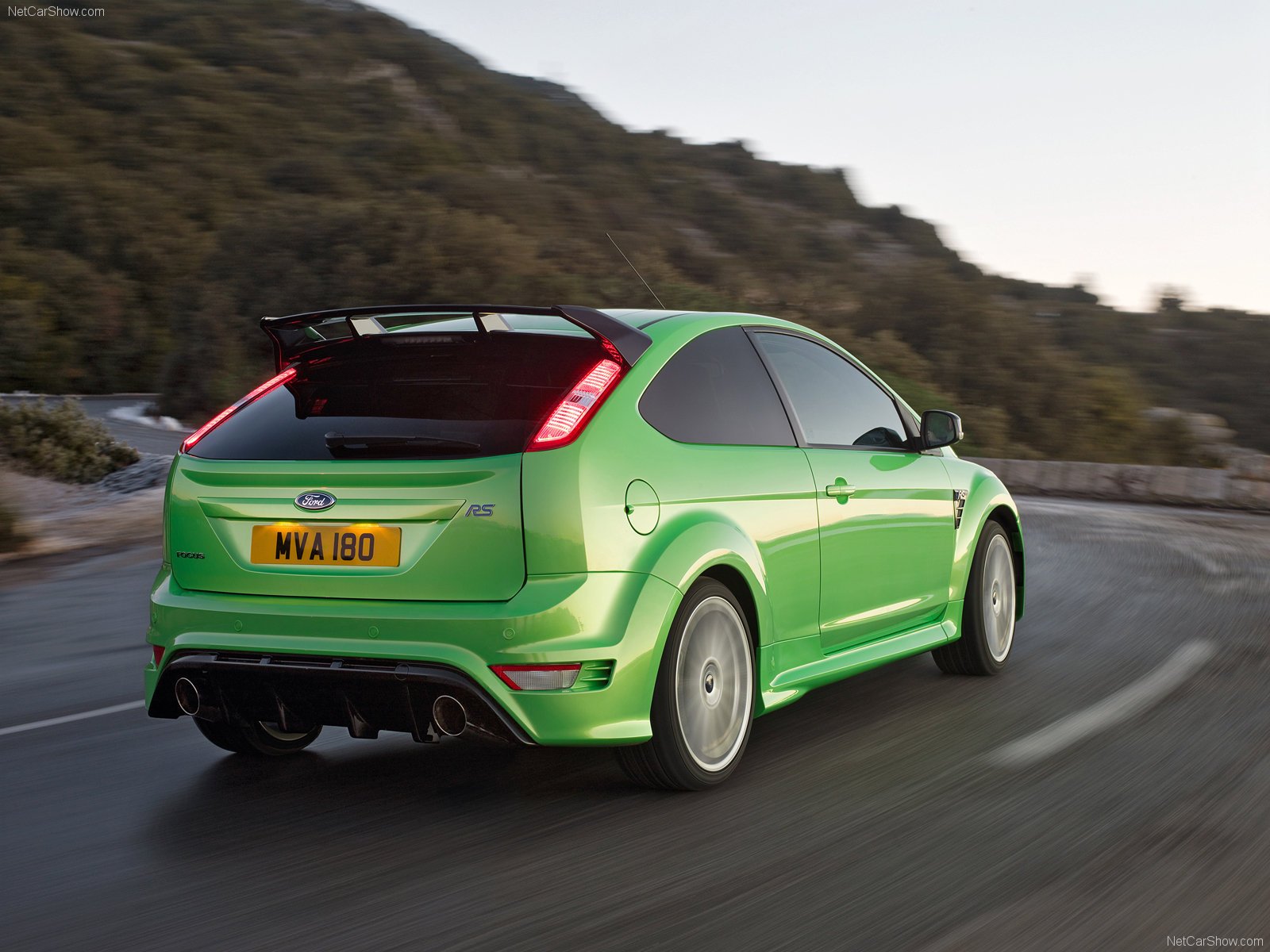
It wasn’t just the 224kW (an international headline-defining 300hp) and 440Nm outputs that stunned. With its flared haunches and vents aplenty, it had the kerbside clout to match junior supercars, as well as the performance credentials to boot.
Initial fears of a lack of all-wheel drive and a carry-over engine from the ST were quickly laid to rest.
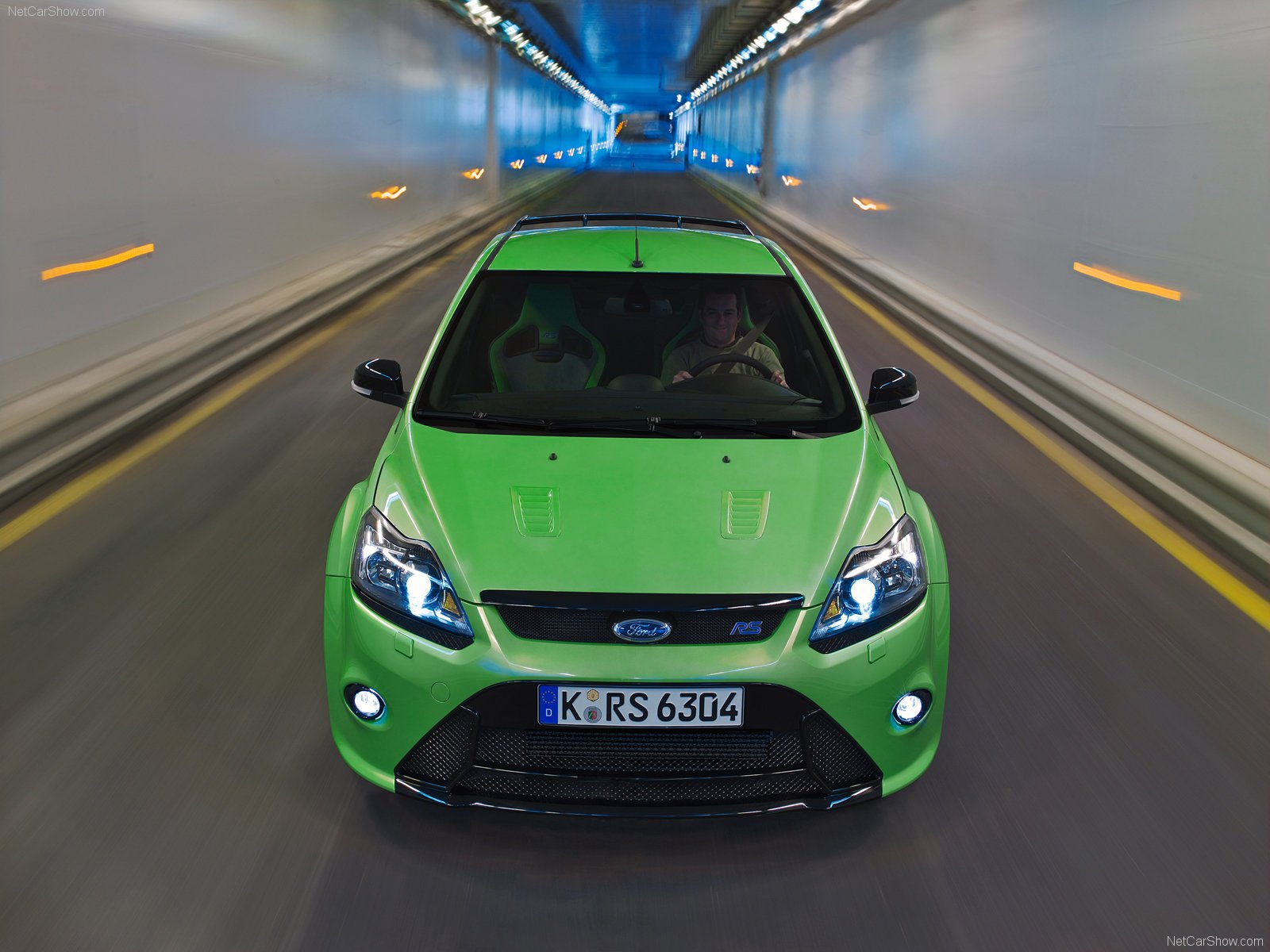
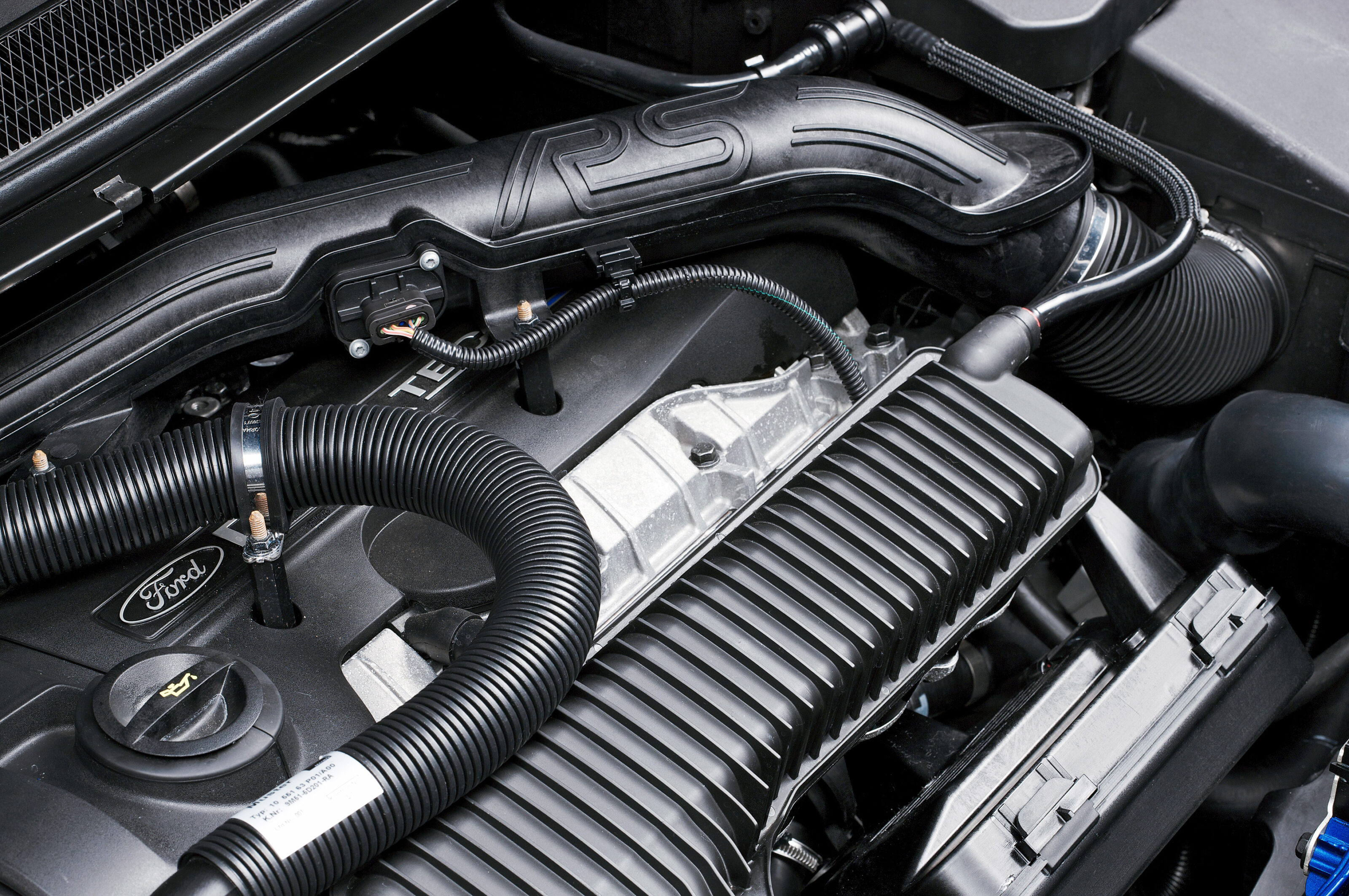
The Volvo-sourced 2.5-litre five-cylinder Duratec engine, indeed, was shared with the ST but gained a forged camshaft, pistons and conrods, a larger water-to-air intercooler, free-flowing intake and exhaust, a larger BorgWarner turbo and a doubling of boost pressure. Peak power was delivered at a heady 6500rpm while the headline torque figure was on hand from as low as 2300rpm.
Initial impressions for many were filled with relief, as the original Mk1 Focus RS of 2002 (which didn’t come to Oz) had a wildly unruly front end that some loved and many hated. The boffins at Rallye Sport had clearly watched and learned in the interim, bestowing the Mk2 RS with a more progressive Quaife torque-sensing differential and Ford’s patented ‘Revoknuckle’ front end with lower scrub radius and kingpin offset to quell torque steer.
The combined effect was a riotous machine that was as poised as it was theatrical, and a vehicle that redefined many peoples’ perceptions of what a front-drive performance car could do.
The prospect of a $60k hot hatch was harder to reconcile a decade ago, and its lack of refinement made it too focused for some. Perhaps it was ahead of its time; it emerged as an anomaly, but feels charmingly analogue in the context of the modern hot hatch.
Ford Focus RS essential checks
With just 315 examples delivered new to Australia in 2010, limited numbers have prevented residual values from depreciating to the point of true performance bargain status. A shame for buyers.
Today, the market begins at about $40k for the most-used example with about 150,000kms showing. One vehicle advertised at almost $70k tops the market, in near-new condition with just 2500kms covered, and is finished in the desirable Ultimate Green hero colour.
Median asking price and mileage for listed examples at the time of writing is $51k with 75000kms travelled.
They should also prove a reasonably safe place to park your money, as RS-fettled Fords boast a collectible cachet stretching back to the MkI Escorts of 1970. Upper end MkII values have already exceeded those of the lower end of the latest, and far more plentiful, MkIII Focus RS market.
Body & Chassis
Usual things like inspecting for prior accident damage and corrosion are paramount for performance cars such as this.
Superficial corrosion can occur, most often afflicting the top of the rear wheel arches due to scrubbing wheels, or the front end due to stone chips.
The Ultimate Green hero colour was notoriously difficult for Ford to paint match, with inconsistent finishes reported from the factory. In that case, slight variations between panels may not necessarily mean prior accident damage.
Engine & Transmission
The Duratec five-cylinder is a durable unit, although factory service intervals are rather long, calling for an oil change every 20,000kms. Specialists encourage owners to perform a service annually – so check for documentation, records and receipts of prior works.
In rare early cases, the addictive pops and bangs of the RS’ exhaust caused the factory plastic plenum to explode. Ford carried out a remap under recall, and many owners retrofit cast alloy replacements.
Many cars will be soon due for their timing belt replacement (200,000kms or 10 years), so factor that in to cost of purchase. Excessive blue or grey smoke, burning of oil, or late/lack of boost pressure may indicate a worn or failing turbocharger. Lack of maintenance leading to oil starvation, or engine modifications, can accelerate turbo wear.
Suspension & Brakes
Any audible knocking from the suspension is most likely the front lower control arm bushings. Also check life left in the tyres and brakes, factoring in any necessary replacements into your pricing negotiations. The RS’s ESP system often saw the rear brakes wearing faster than the fronts.
Interior & Electrics
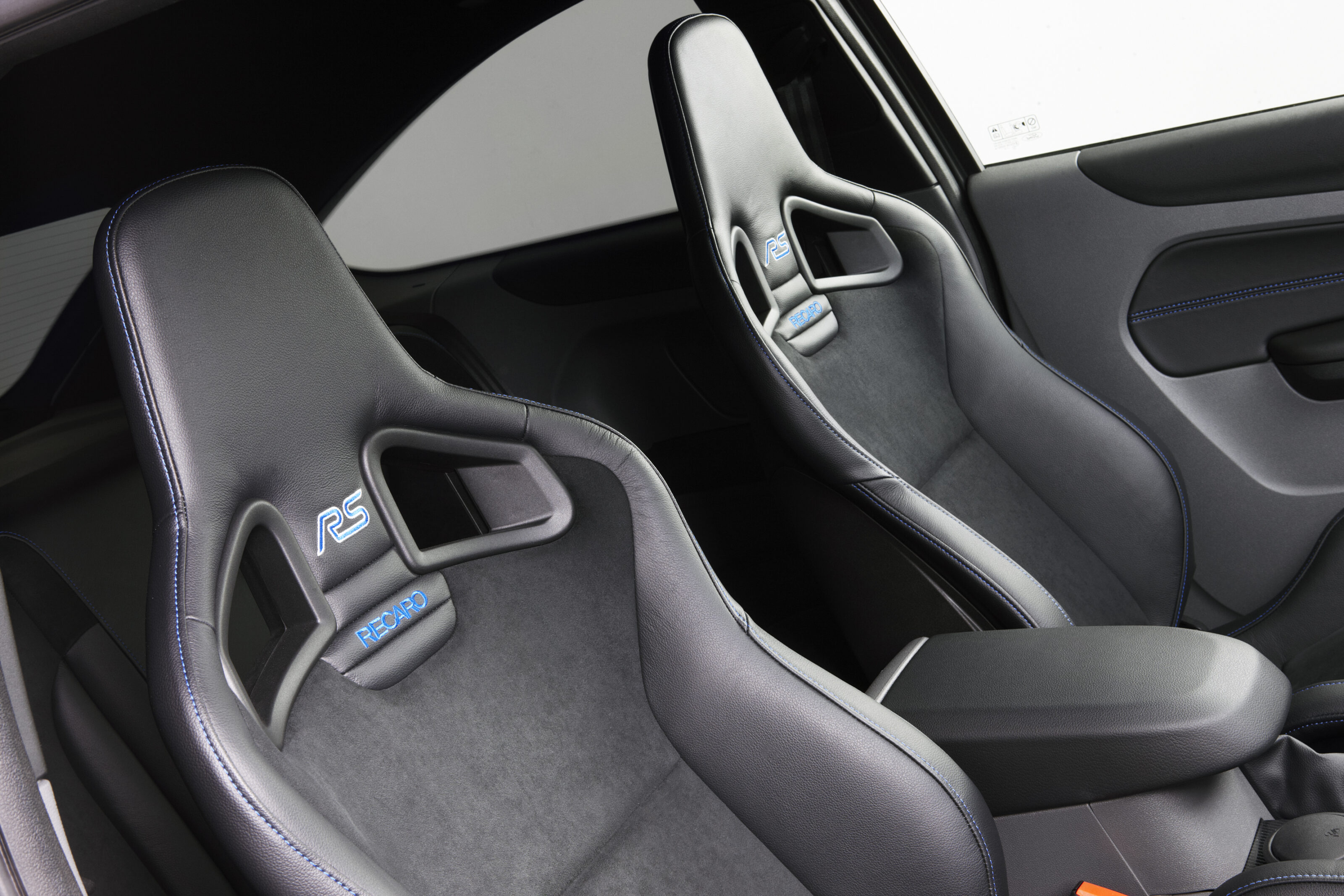
One of the criticisms of the RS when new was its interior which, aside from the slick Recaro sports seats and splashes of carbon fibre, did little to disguise its pedestrian Focus origins. The upside to that is that most materials around the cabin are rather hard-wearing. Seat bolsters within high-mileage cars may be displaying creasing and wear, however. Look for warning lights and test all functions.
Elsewhere, rattles can develop frequently within the doorcards or from column-mounted stalks.
There isn’t a heap of tech within the old Focus, offering aspects of both modern and analogue motoring, but you should still test every button and function. Look for dash warning lights on startup and when running.
Three other options you may consider:
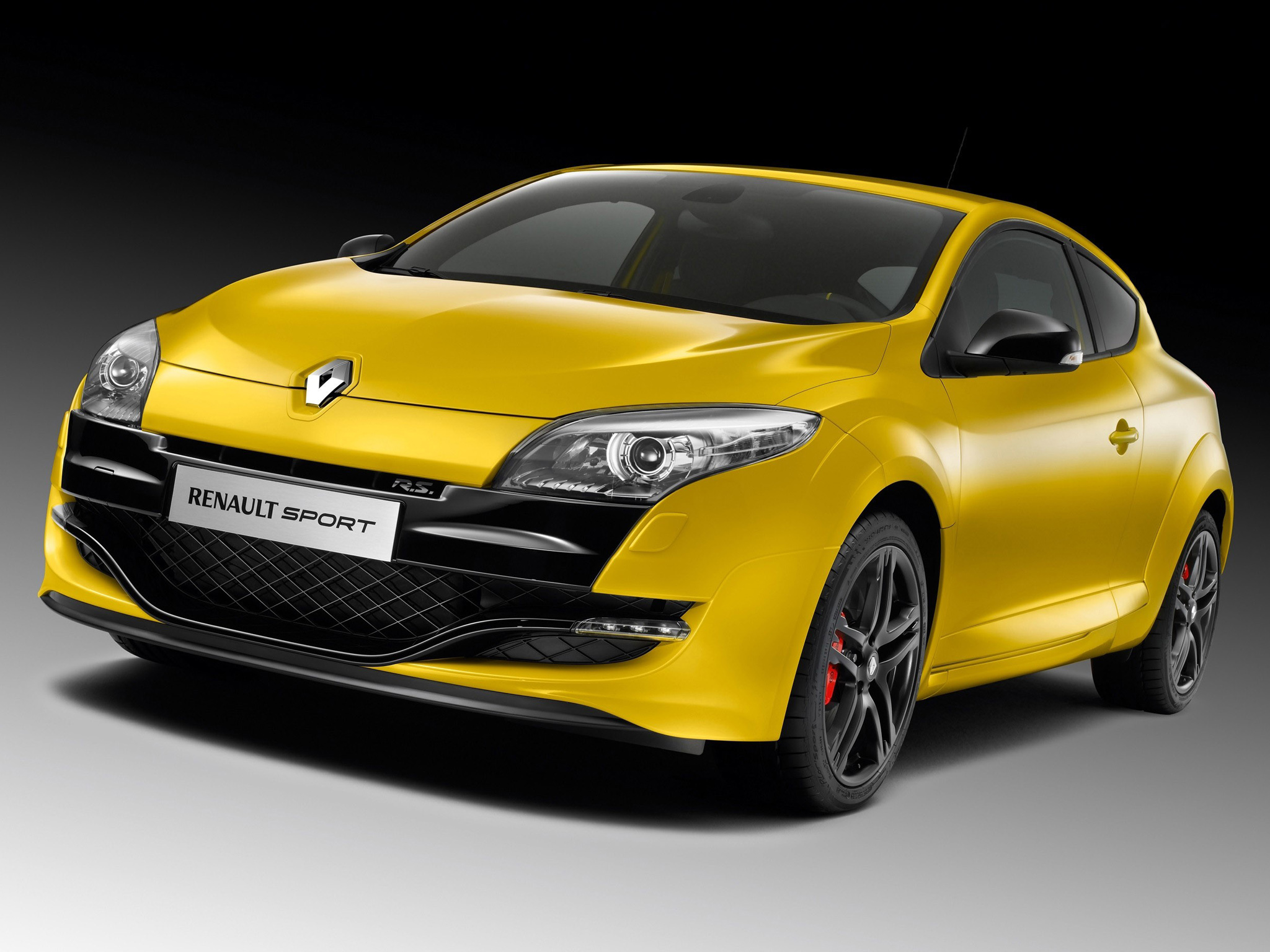
1. The obvious: Renault Megane R.S. 250 Cup
This was the car that upset the Focus RS’ hopes at Wheels Magazine’s 2010 COTY. The fast Ford was rawer with higher heights, but the Frenchie was more polished and versatile. They’re also half the price right now. Yikes.
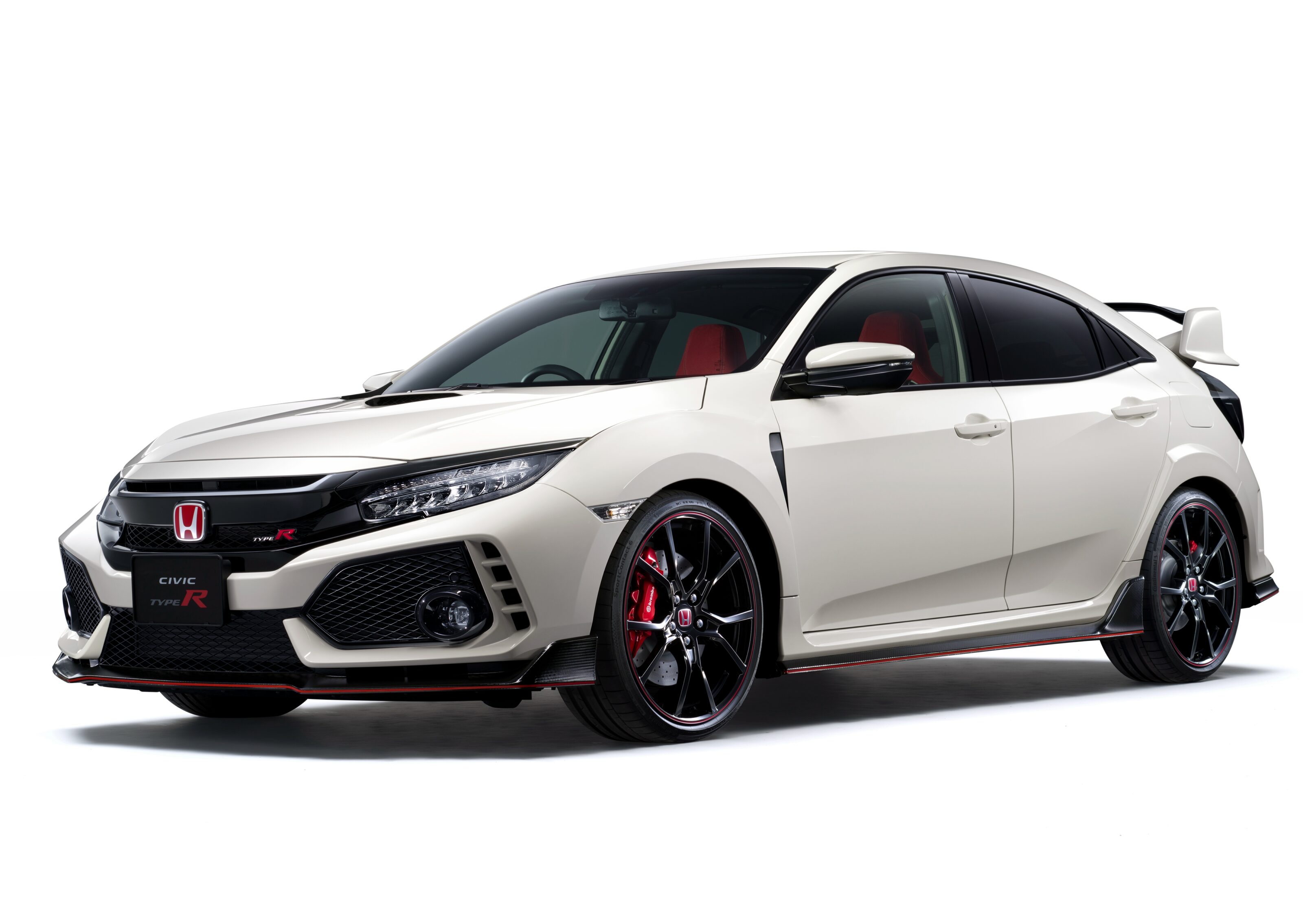
2. The unexpected: Honda Civic FK8 Type R
Say you’ve got about $50k and want the least-used used-car, take a look at the recently departed FK8 Honda Civic Type R. It’s modern hot hatch royalty, and one of the best front-drivers you’ll ever experience.
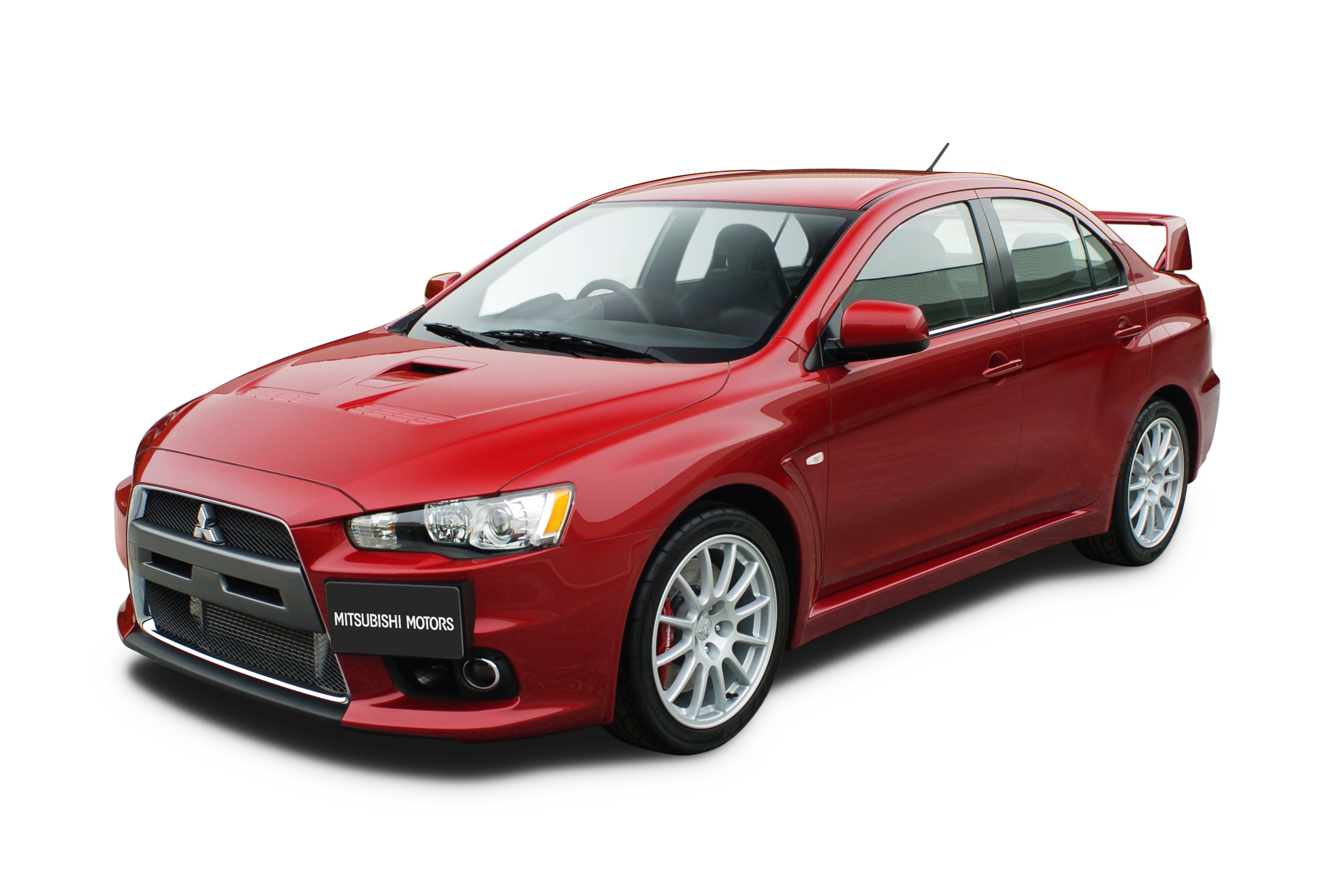
3. The oddball: Mitsubishi Lancer Evo X
The last of the rally-bred Evolutions. The ‘10’ hasn’t been as celebrated as its predecessors, but that is beginning to change. It’s a brutally capable point-and-shoot performance car. Values are already on the move.
MkII Ford Focus RS specifications
| Body | 5-door, 5-seat hatchback |
| Engine | 2522cc inline-5, DOHC, 20v, turbo |
| Power | 224kW @ 6500rpm |
| Torque | 440Nm @ 2500rpm |
| Transmission | 6-speed manual |
| Weight | 1468kg |
| Price | $40,000-$70,000 |
Nissan has uncovered the lunar rover prototype, an all-wheel drive project jointly developed with the Japanese Aerospace Exploration Agency (JAXA).
In progress since January 2020, the lunar rover prototype has been designed to “traverse the Moon’s powdery, rocky and undulating terrain”. It features motor control technology taken from the Leaf, plus the brand’s new E-Force all-wheel drive system – as seen in the Ariya crossover – that can individually control the torque of each electric motor to assist with traction.
Using joint research between itself and JAXA, Nissan has adapted its E-Force technology to improve performance in sandy terrain and other harsh conditions, ensuring the rover does not get stuck on the Moon’s surface.
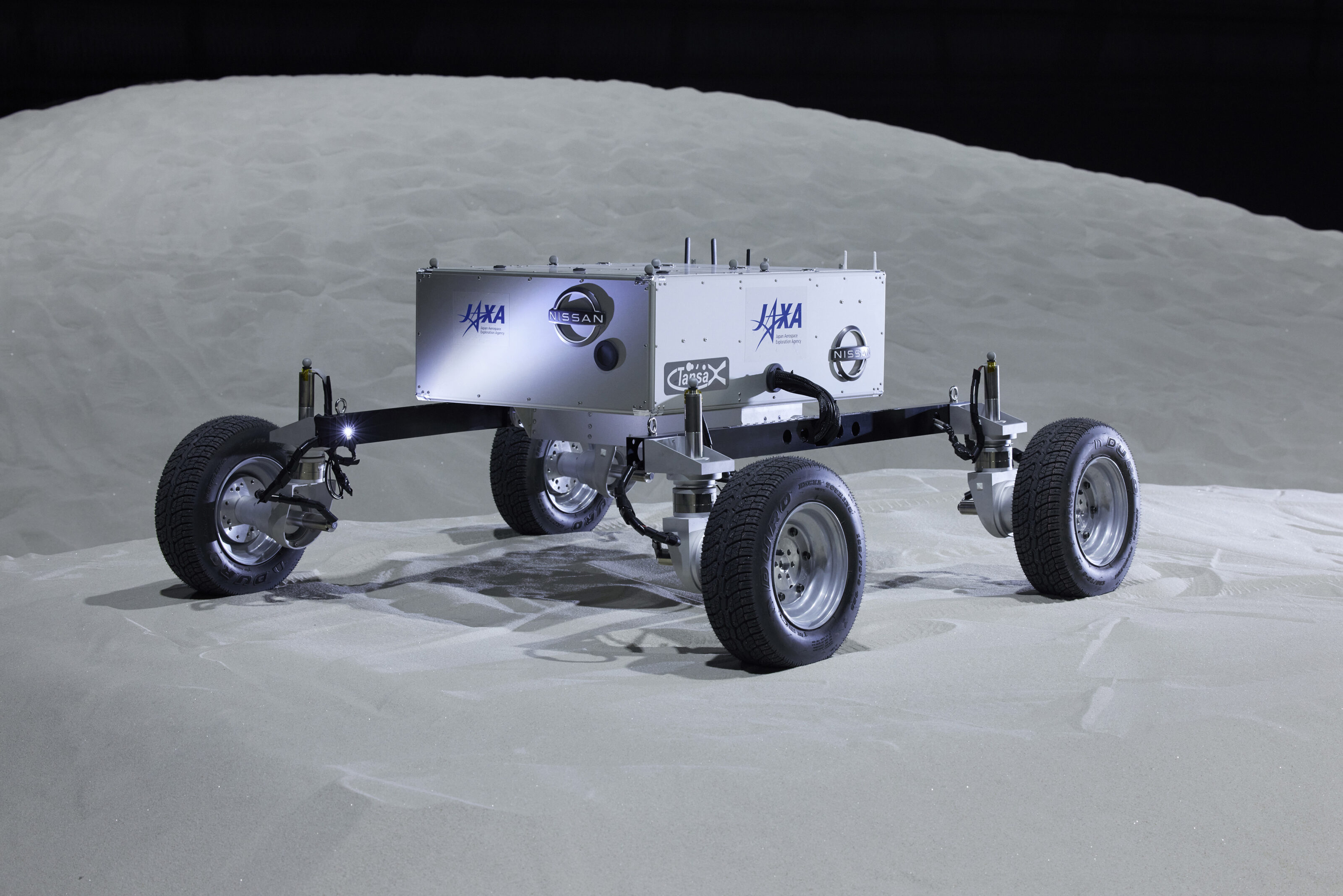
In addition, Nissan says it has developed the powertrain to ensure it is as efficient as possible, since energy sources are limited in space, with the marque also stating its research and development for the lunar rover will assist in the evolution of terrestrial vehicles.
“By conducting research with Nissan, which has expertise in electrified technologies, we hope to apply our findings to the development of higher-performance lunar rovers,” said Ikkoh Funaki, director of the Space Exploration Innovation Hub Centre at JAXA.
“The uses of automobiles and driving situations are wide-ranging,” added Toshiyuki Nakajima, general manager of Nissan’s advanced vehicle engineering department.
“We aim for the ultimate driving performance through our research and development, and believe the knowhow gained from this joint research with JAXA will lead to innovations in our vehicles that will bring benefits to customers.”
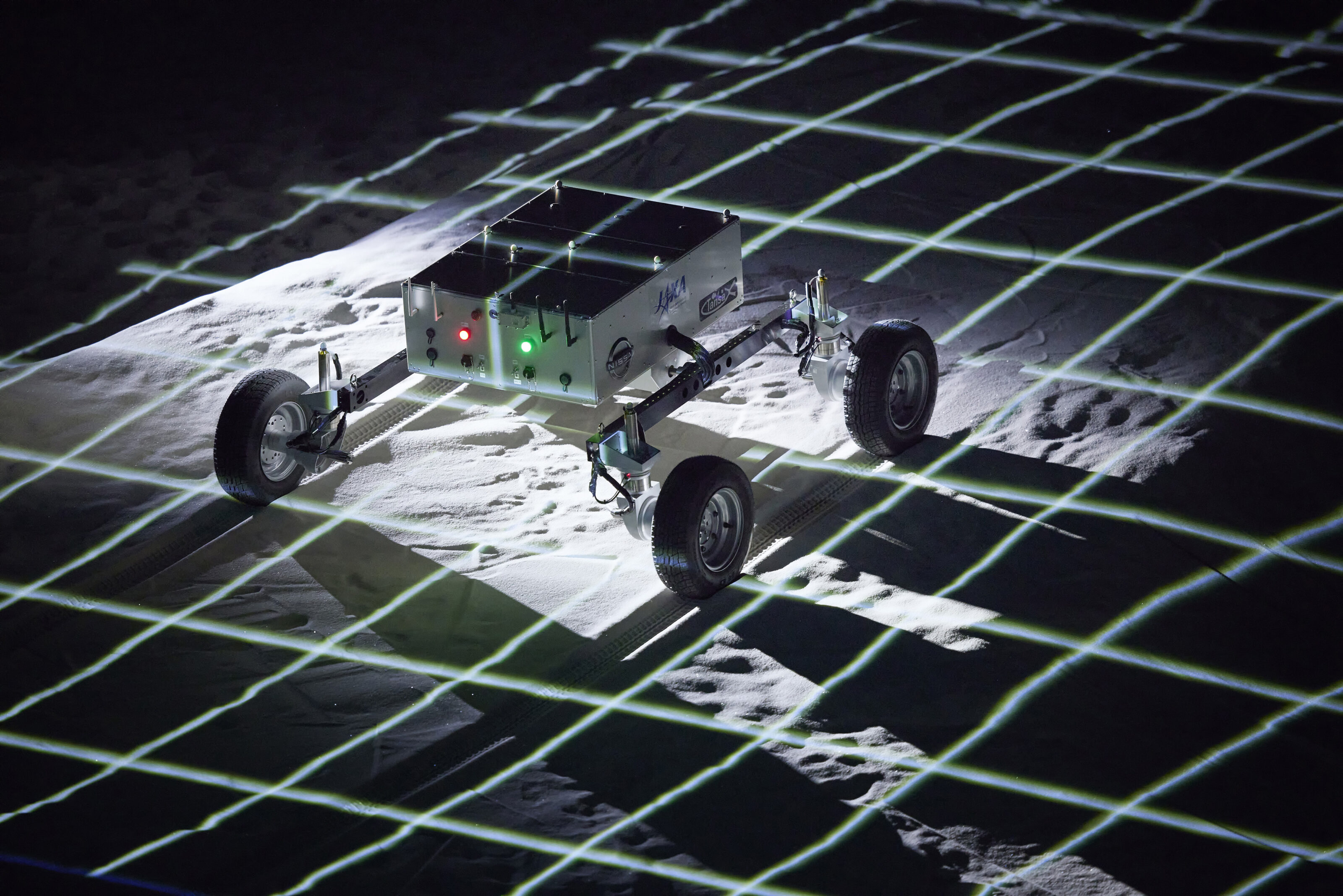
The news follows a joint announcement by Toyota and JAXA in March 2019, with the two planning to develop a hydrogen fuel-cell vehicle to transverse the moon from 2029.
Other automakers assisting with extraterrestrial missions include General Motors, which worked on the rover used in NASA’s Apollo missions more than 50 years ago, and Audi’s 2015 ‘Lunar Quattro’ moon vehicle.
Revealed at the recent Nissan Futures event, the lunar rover prototype joins the Ariya Single Seater Concept, in addition to four electric concepts unveiled earlier this week designed to preview 15 fully-electric Nissan models set to launch by 2030.
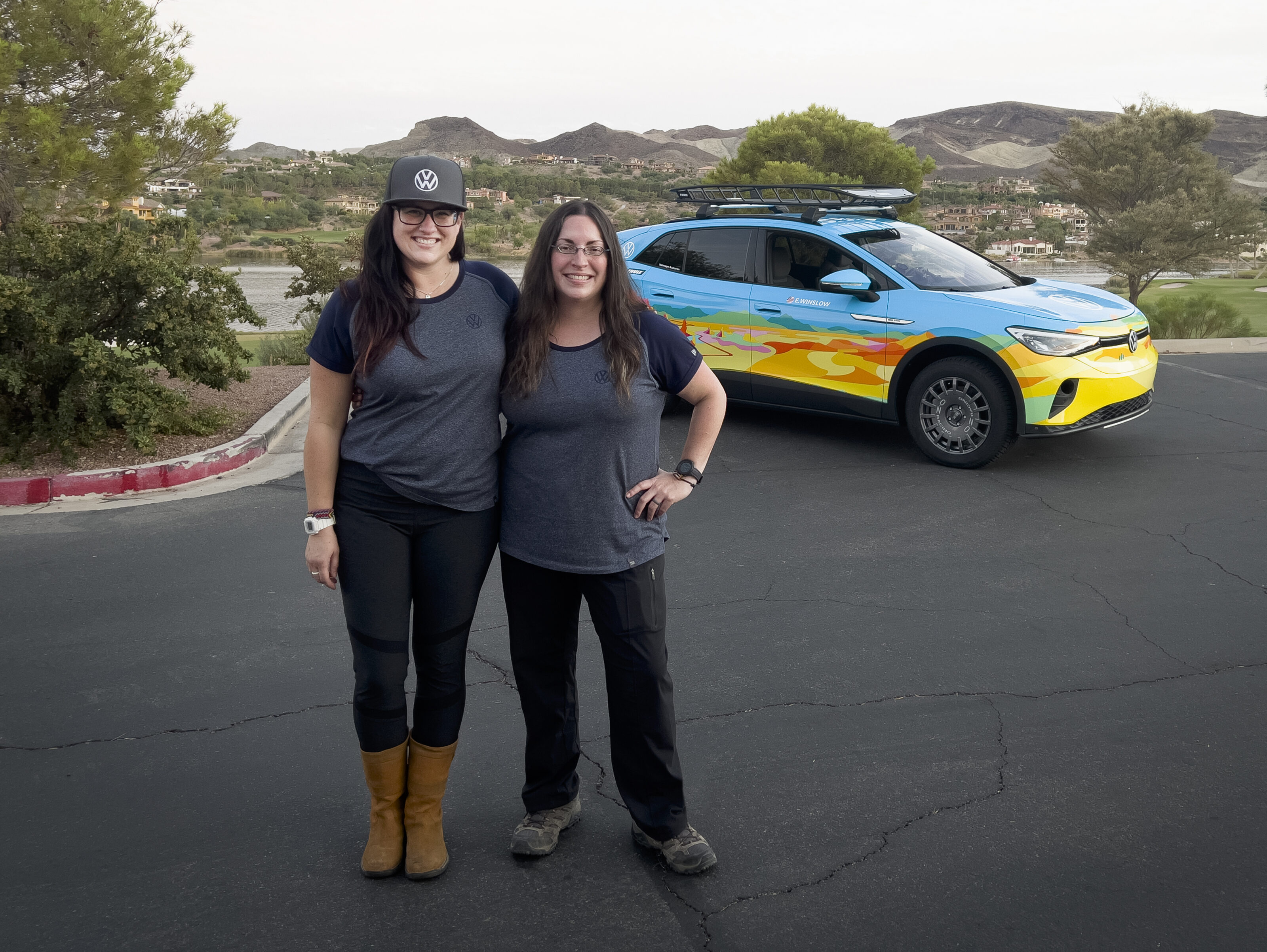
Waking up to a single cowbell clanging nearby, winds whipped dagger-like sand granules against our vehicle as the dark sky wrapped around us. I wearily grabbed my headlamp and stared at Emily Winslow, my teammate and navigator.
We began laughing as we realised our predicament: We slept in our electric rally car due to our tent being destroyed in a massive sand storm. Now, we had to get it ready and charged before another day of competition. Day four of the eight-day, 2275-kilometre 2021 Rebelle Rally was about to begin.
Long hours and challenging terrain were met with excitement and nervousness. We were nearly halfway through the Rebelle Rally, the first women’s off-road navigation rally and longest competition of its kind in the United States.
How would our all-electric entity, a newly released 2021 Volkswagen ID.4 AWD SUV, tackle the rally? Would it easily glide atop the legendary Glamis sand dunes, where old Star Wars movies were filmed? Would battery or mechanical issues set us back as we attempt to make history?
Only time would tell: We partnered with Volkswagen of America to test this progressive off-roader.
2021 Rebelle Rally
The Rebelle Rally is billed as the longest competitive off-road competition in the US – only for women. The rally showcases stunning scenery and extreme terrain as it winds across 2275km kilometres of desolate desert.
The rally started at Arizona’s massive Hoover Dam and then progressed through the Nevada and California desert before finishing near the Mexican border in the Imperial Sand Dunes of southeast California.
“The American West is like nothing I’ve ever experienced,” said Winslow, a 2018 and 2019 Rebelle. “It’s huge and roaming and wild and intimidating.”

To her, one assumes the colours of the southwestern American desert are khaki, brown and dead. However, there are many variations of reds, blacks and yellows. “You could enjoy the details forever and never let your eyes be bored.”
The sixth Rebelle Rally drew 52 teams from 92 cities, 24 states and provinces, and five countries. Staff members and competitors received rapid Covid tests and upon rendering a negative result, ralliers prepared vehicles for tech inspection and the rally’s start.
The Rebelle Rally (not “rebel” as some mispronounce it), combines off-road driving and precise navigation using old-school tools like a compass, topographic map and roadbook. Whereas many competitions permit modern-day wayfinding devices, GPS, and other navigational technology, it’s not allowed here.

How is the Rally Run?
Only held in the United States, the rally pits driver, navigator, and vehicle against extreme terrain, time and hidden checkpoints dotted in the desert.
Geographical coordinates (using latitude and longitude) are supplied no more than two hours before a team’s start times each morning – which are plotted on topographic maps. Drivers break camp, putting away tent-based wares and checking their rally rigs as navigators magically bring the course to life.
In addition to the route (which can differ from team to team), daily on-time or on-route time-speed-distance rallies are also included.
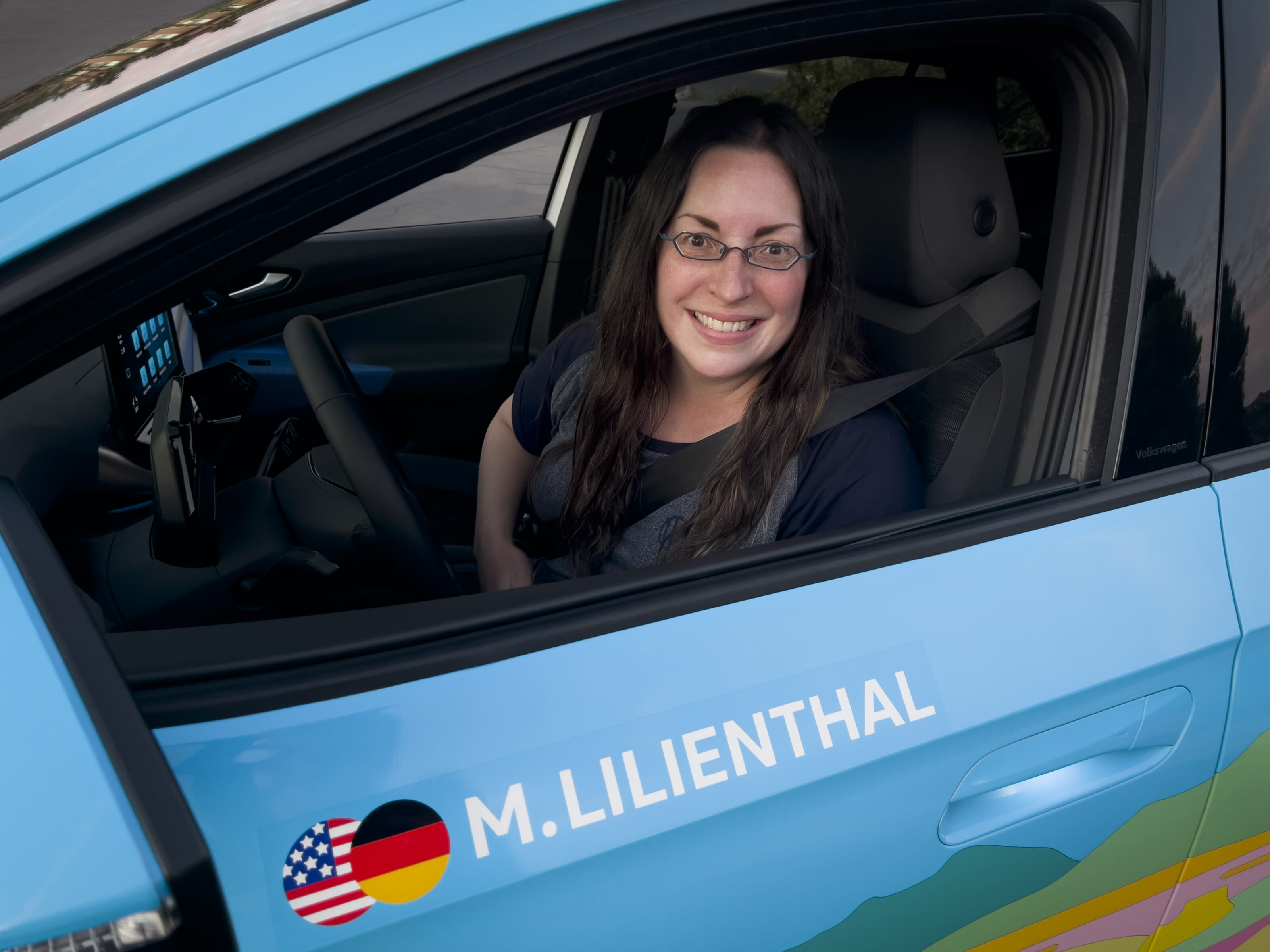
Teams compete in two main categories: the X-Cross class for all-wheel-drive crossovers and SUVs (like our VW ID.4 AWD Pro) and the 4×4 class for those with two-speed transfer cases and locking differentials.
In addition, rally designations delineate certain vehicle types and teams. Bone Stock, 4030 Class, and Electrified vehicle descriptors highlight varied motorised and all-electric contenders. The Rebelle Rookie Team and International Cup celebrate new Rebelles, as well as out-of-country ones.
Teams with the most points win their specific class designation.

The Electrified Designation
Team Volkswagen (Emily Winslow as navigator and me as rally driver) stepped into the forefront of EV off-roading: We embarked on a mission few have completed before.
The Electrification designation brings fully and partially electrified vehicles together to prove off-road prowess.
The ID.4, in all-wheel-drive form, is an all-new vehicle that Volkswagen launched in the US in September of this year and it’s only one of two pure electrics on the 2021 Rebelle Rally.
The other, a Rivian R1T pickup, rallied last year as a prototype but this year as a full-production entity.
Additionally, two prototype Kia Sorento and three U.S.-available Jeep 4xe 4×4 PHEVs rounded out the designation.
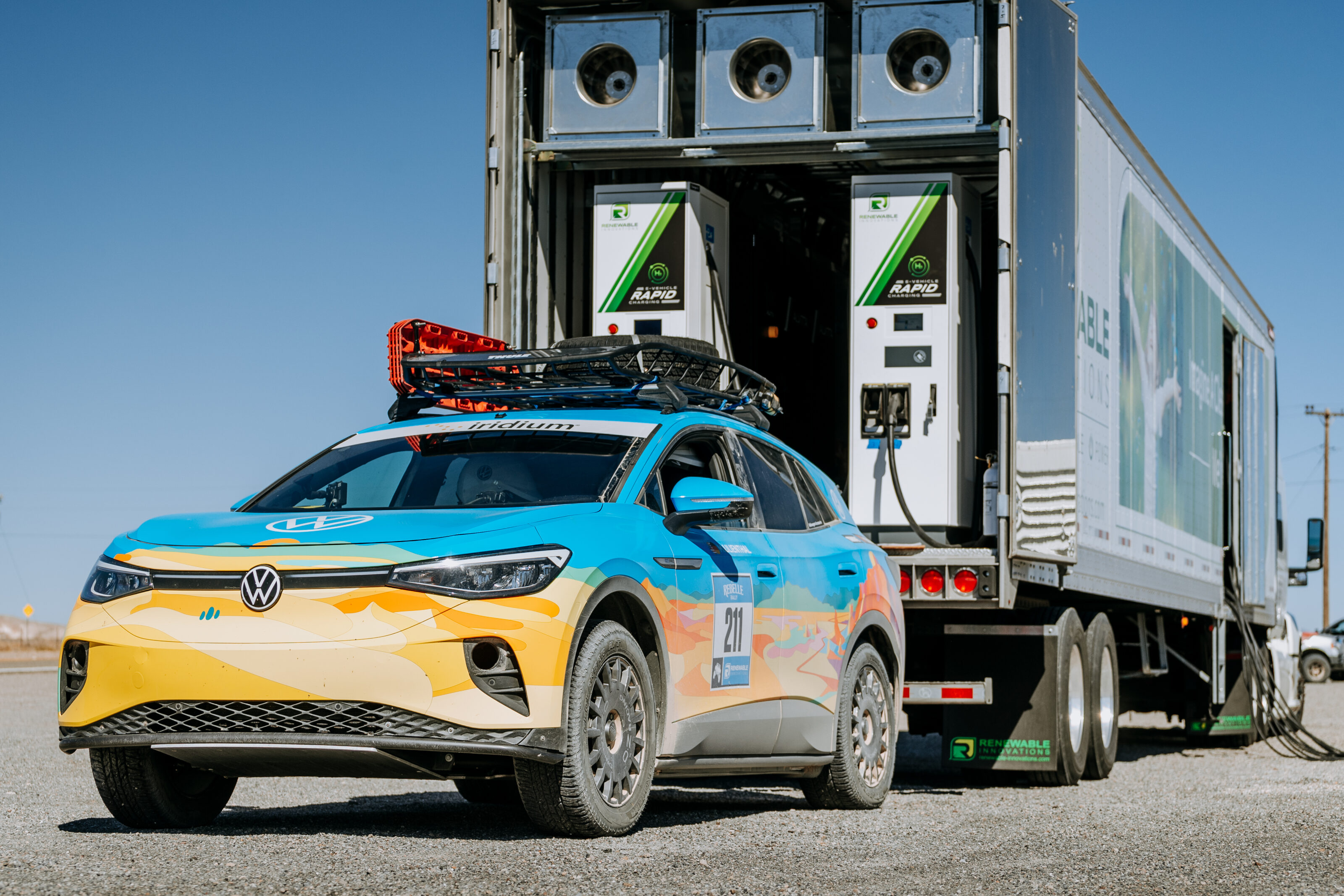
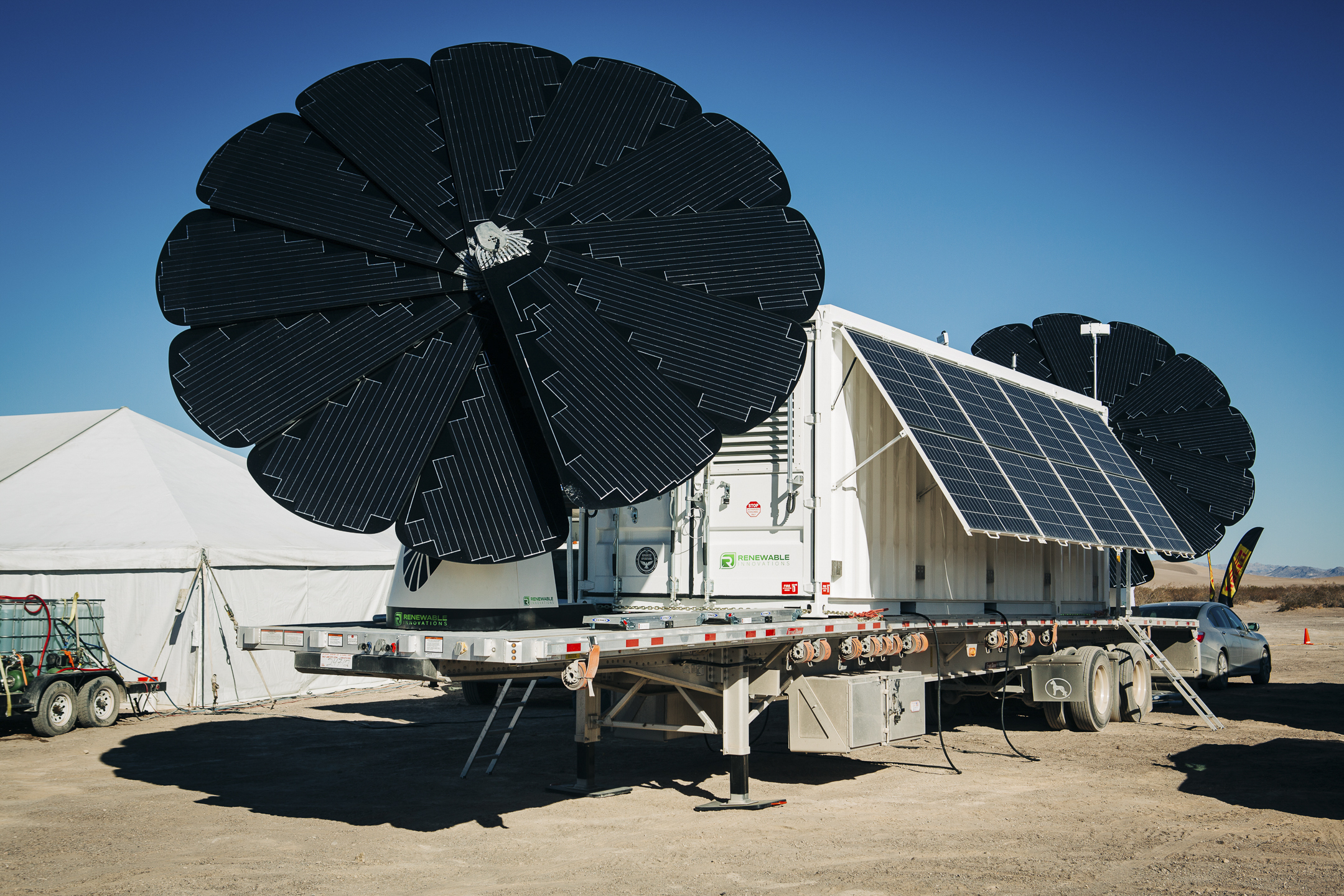
Remote charging was supplied by Utah-based Renewable Innovations. One charging station followed competitors for midday and evening charges, whereas a more robust unit resided at basecamp—providing up to 50 KW of peak power.
2022 Volkswagen ID.4 AWD EV Basics
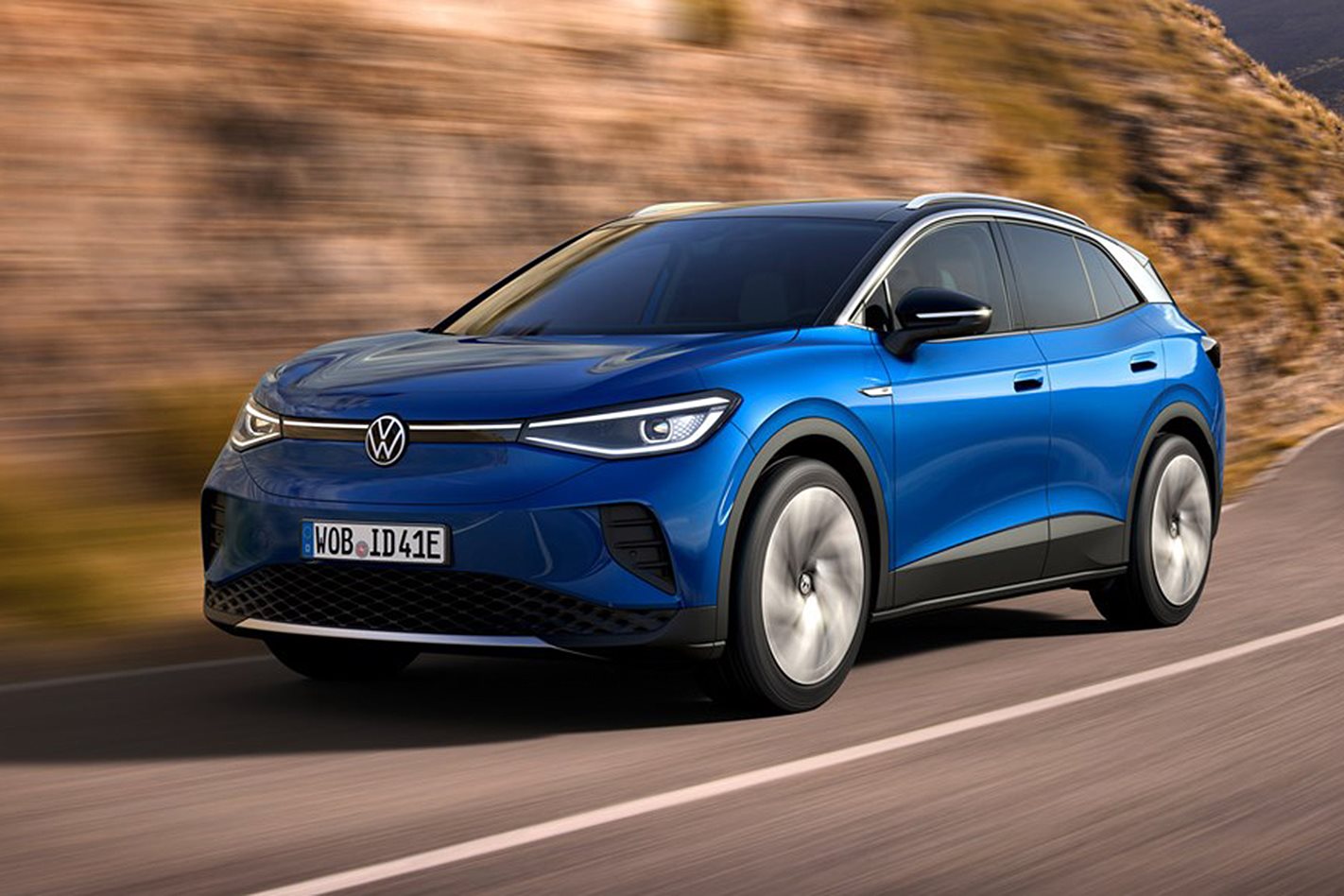
Not yet available in Australia, the electrified Volkswagen ID.4 AWD Pro SUV packs 401 kilometres of range on a full charge, along with 217kW of power and 460Nm of torque. Its dual motors provide all-wheel-drive traction to deliver a spirited zero to 100km/h time of 6.2 seconds.
An 80kW asynchronous front motor and a 148kW permanent magnet synchronous rear motor draw current from an 82kWh (gross) battery and together generate more than the ID.4’s single-motor, rear-drive option.
The entry-level 2021 ID.4 AWD Pro is billed as the least expensive AWD EV available in the US with a starting price of US$44,370 (AU$62,276). The AWD Pro S, a higher trim level, begins at US$49,370 (AU$69,294).
Team Volkswagen: Rebelle Rally Ready
Although the Volkswagen ID.4 has been out a short time, its off-road capability has already been proven as a rear-drive derivative finished the 2021 NORRA Mexican 1000 earlier this year.
A production ID.4 1st Edition was modified by California-based Rhys Millen Racing, with expert American rally driver Tanner Foust at the wheel.
Rhys Millen Racing and Tanner Foust, along with Volkswagen of America, were instrumental in setting up the all-wheel-drive ID.4 for success.
Competing in the crossover category with a stock ground clearance of 17 centimetres, the AWD ID.4 was modified with upgraded suspension components, tube control arms, Kevlar and aluminium skid plates, a small tubular steel front bumper and other items to equip it for the desolate desert.
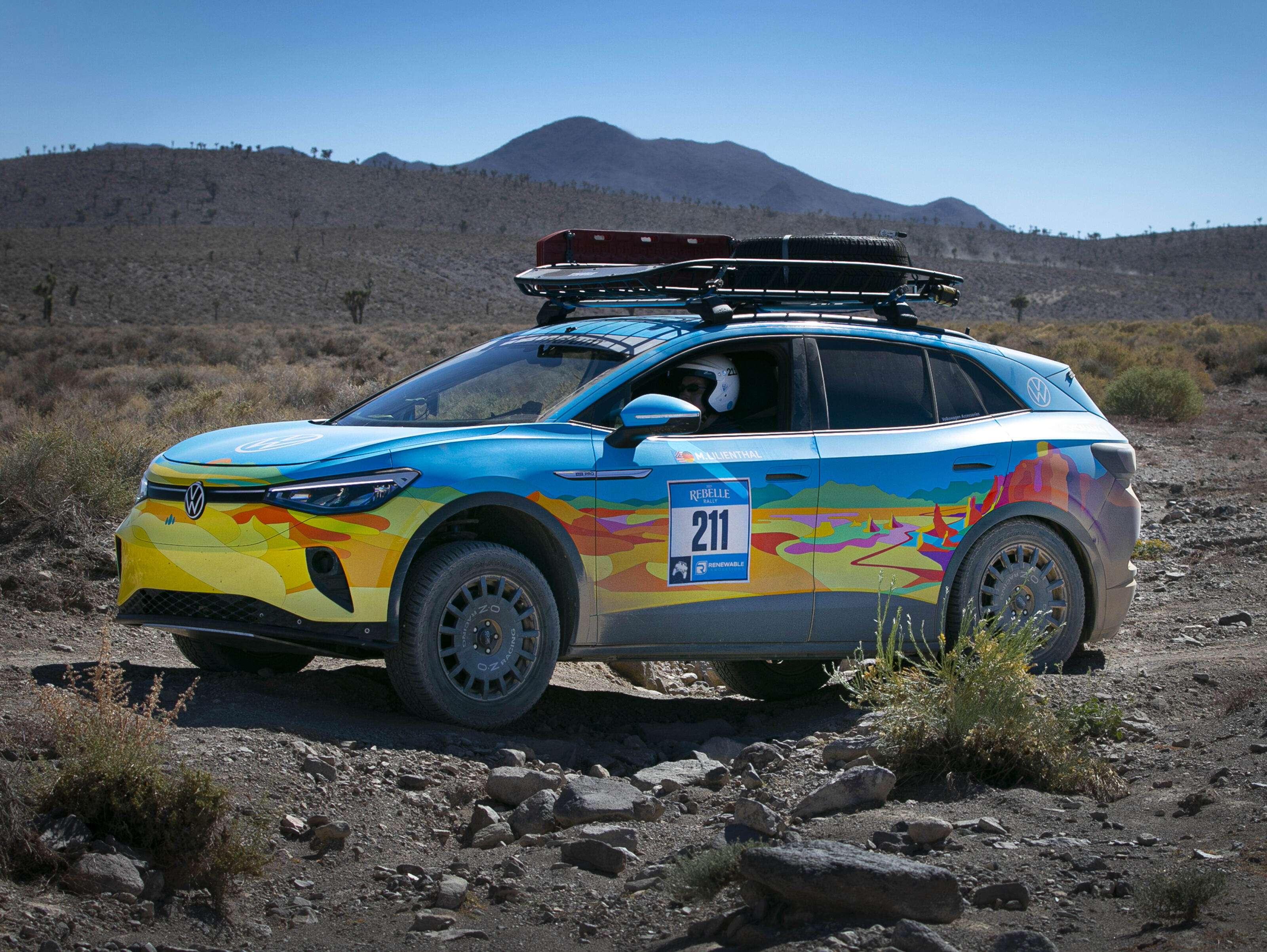
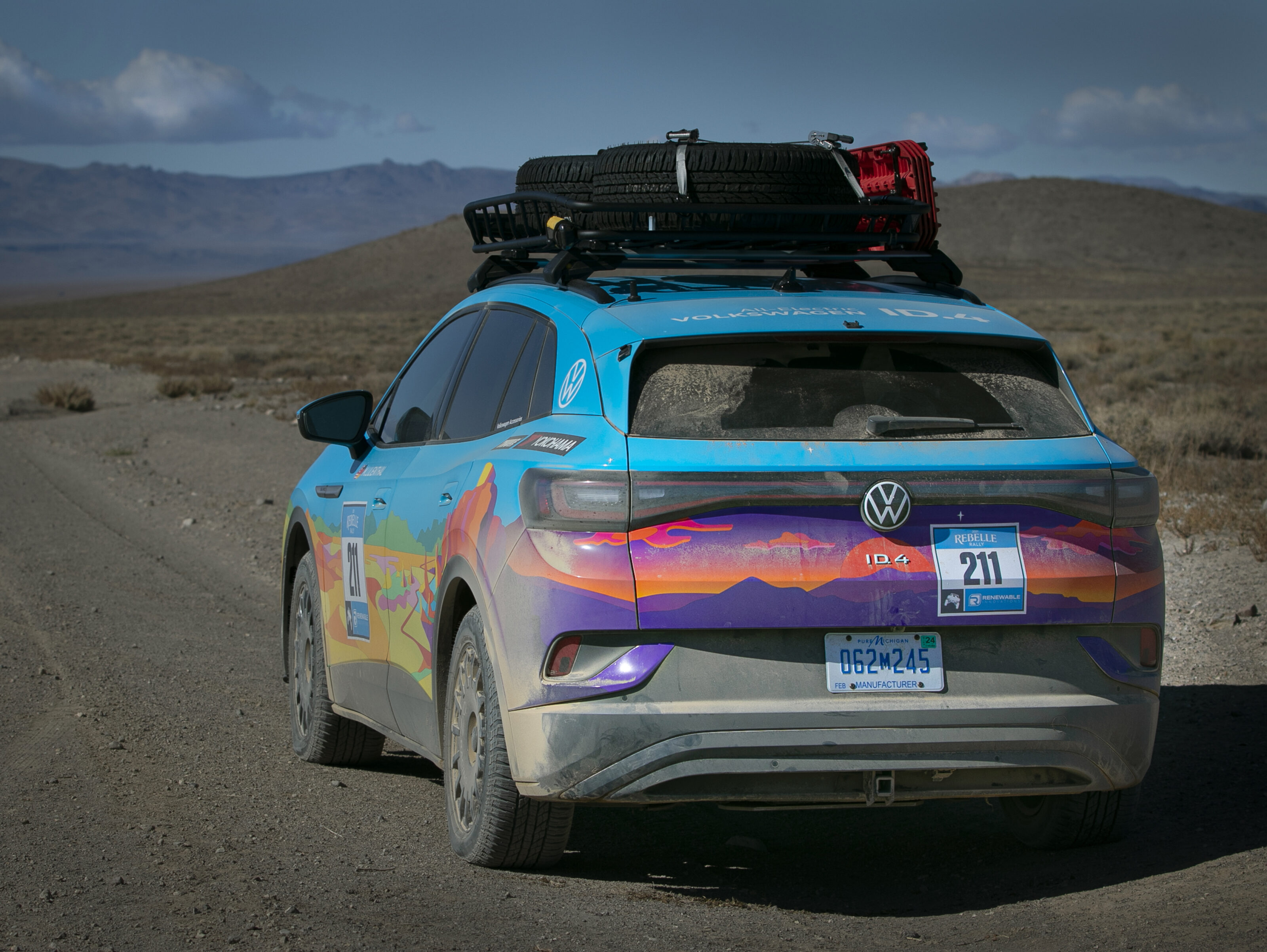
Additionally, the electrified ID.4 donned a Thule Canyon XT roof rack and basket extension, Maxtrax MKII recovery boards mounted to Axia Alloy tube mounts and two full-size spare tyres that matched our rolling stock of O.Z. Racing wheels shod in Yokohama Geolander 235/60R18 all-terrains.
Two shovels and a hard-mounted 22.7-litre water canister, a full-size floor jack on a skid base, recovery kit, fire extinguishers and an air compressor rounded out interior necessities.
Camping gear, extra food and other critical components filled the rear but allowed for clear visibility once strapped down.
To Regen or Not Regen?
The colourfully wrapped AWD ID.4 exceeded expectations – especially during challenging desert conditions. Even though I participated in the 2018 Rebelle Rally with a Toyota Tacoma, the constraints of adding a newly released all-electric vehicle to an already gruelling rally were intense and rewarding. Volkswagen was pushing the EV envelope, with us at the helm.
Internal combustion engines have readily available fuel sources and can be serviced in the bush. EVs are still new to off-roading, though, with ranges changing as often as the terrain does.
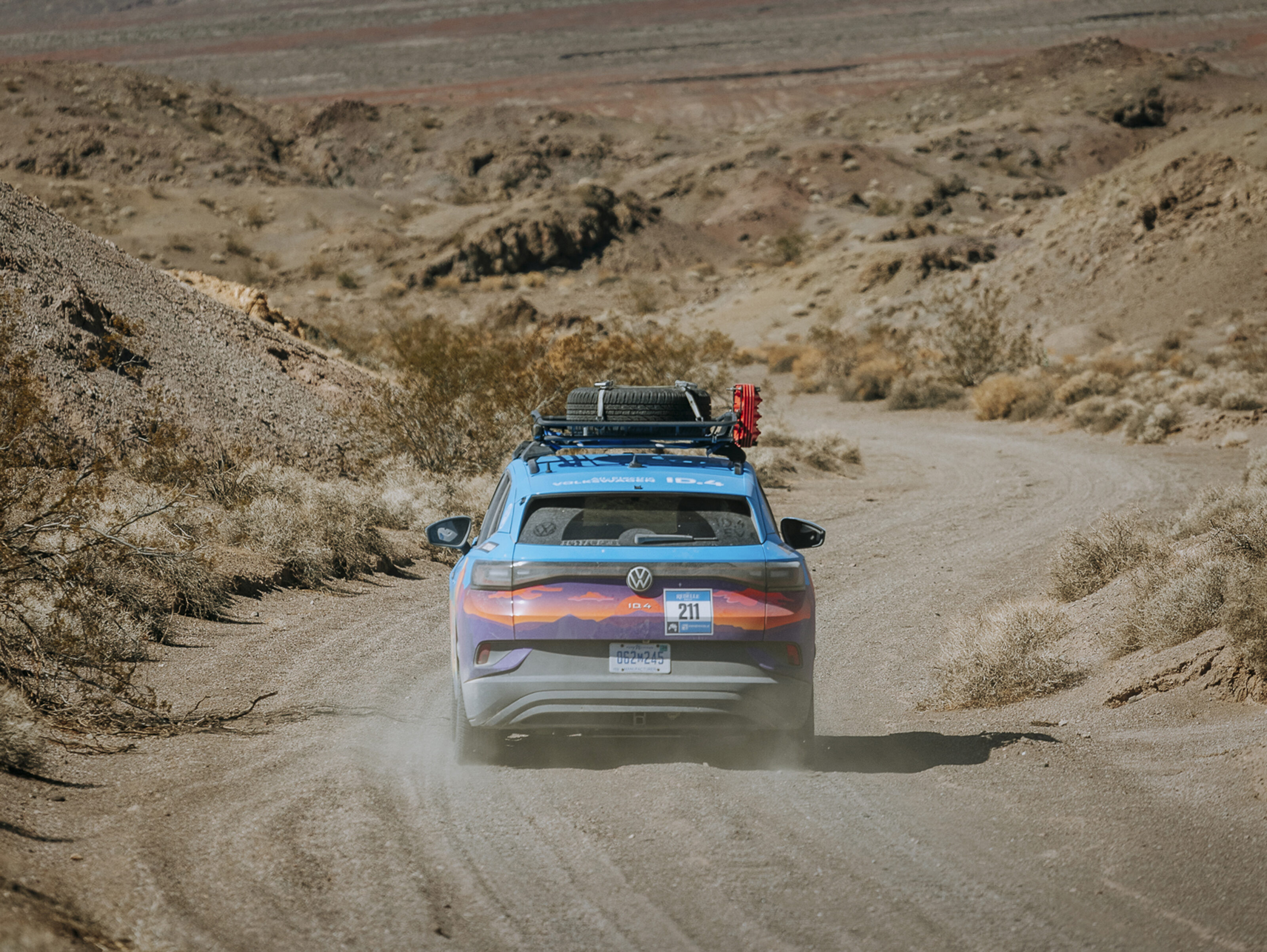
However, armed with quick-thinking wits and a steady throttle, Winslow and I successfully navigated through steep and rocky inclines, off-camber areas, washboard trails and sand dunes.
The Volkswagen ID.4 is equipped with various driving modes (Eco, Sport, Comfort and so on) as well as primary D or B transmission settings. D (for drive) is predominantly used, however B (braking), Volkswagen’s regenerating mode, actively slows the ID.4 down as energy is sent back to its battery pack.

Driving through sagebrush and soft sand, I realised which mode works best in specific terrain types. D is fit for higher-speed driving or non-challenging terrain. B slows the vehicle if the throttle isn’t depressed – perfect for technical trails or traversing methodically through dried washes and oversized whoops.
Although Volkswagen designed the ID.4 to “coast” and not regenerate energy in D mode, stepping on the brake or flipping it to B engages regenerative braking. Winslow continually calculated range usage against actual kilometres driven – discovering we used anywhere from one kilometre of range to one actual travelled to up to four kilometres or more of range per one driven in the tough stuff.
However, with cautious driving and smart navigating, we gained several kilometres at a time. This rang true with long, steep, paved descents like the one in Death Valley, California, reaching the Amargosa River area.
We played the range game to our advantage, regenerating while testing the ID.4’s limits.
ID.4’s Driving Dynamics
We drove into history as the first all-electric crossover to finish the Rebelle Rally; I was impressed by the AWD ID.4’s tight steering, steadfast nature and nimble dynamics. The ID.4’s demeanour was poised and refined – something not often felt when off-roading other vehicles in full-EV mode.
Winslow appreciated its off-road capability and turning radius. She was surprised how well it climbed gnarly situations and how comfortable the ride was.
While other rally teams dealt with mechanical setbacks or software stumbles, the electrified 2021 Volkswagen ID.4 AWD Pro SUV experienced zero mechanical or battery issues, solidifying a strong finish as the driver and navigator of record for Volkswagen of America.
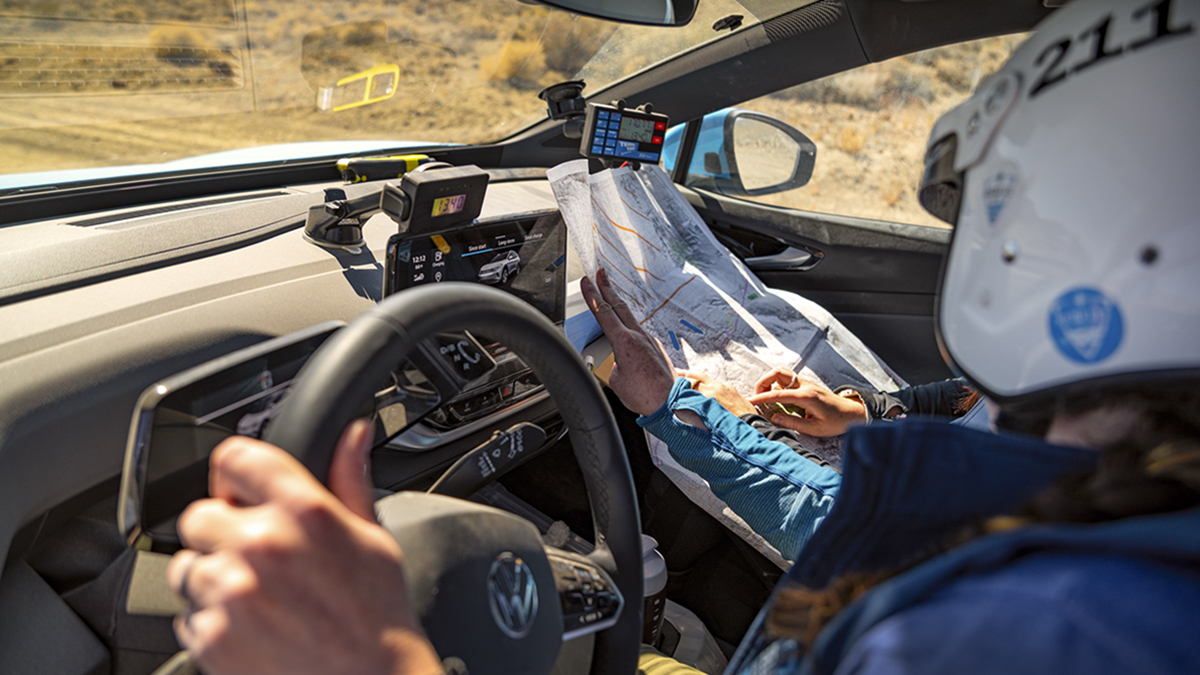
Porsche Australia has dipped a toe into the rapidly-developing non-fungible token (NFT) market, taking a series of Taycan-based examples to auction for charity.
An NFT uses blockchain technology (as used in cryptocurrencies like Bitcoin and Ethereum) to certify a unique digital asset. You’ll find a more detailed explanation of NFTs here.
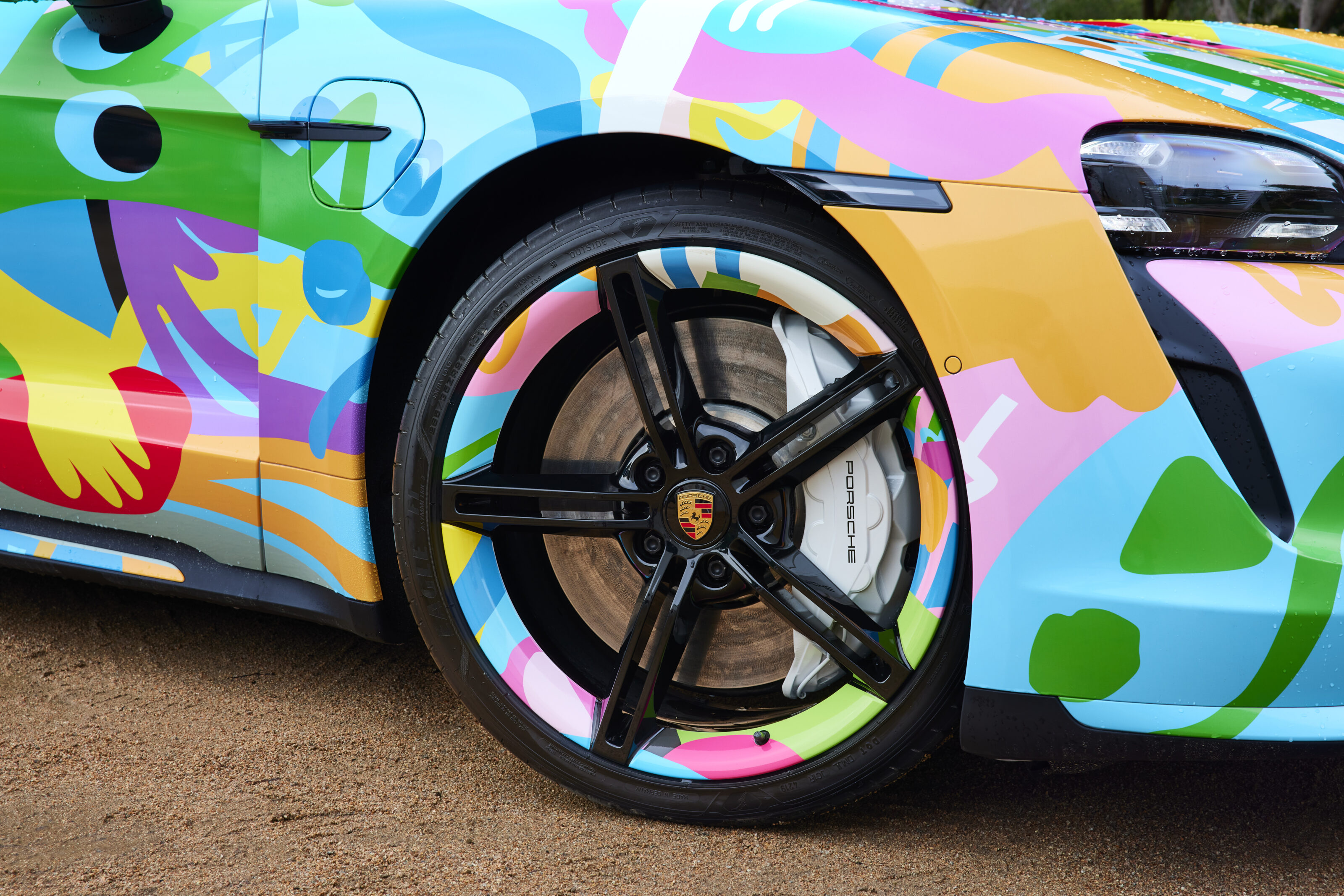
Australian neo-expressionist Nigel Sense was commissioned to create a unique artwork, which was transferred onto a Taycan sedan. It was then shot by Melbourne-based architectural photographer, Derek Swalwell.
The images are accompanied by an original musical work composed by Gene Shill, a DJ and instrumentalist who has previously created tracks by sampling Porsche engine sounds. For these NFTs, Shill’s music is built around the sounds generated by a Taycan’s electric power unit.
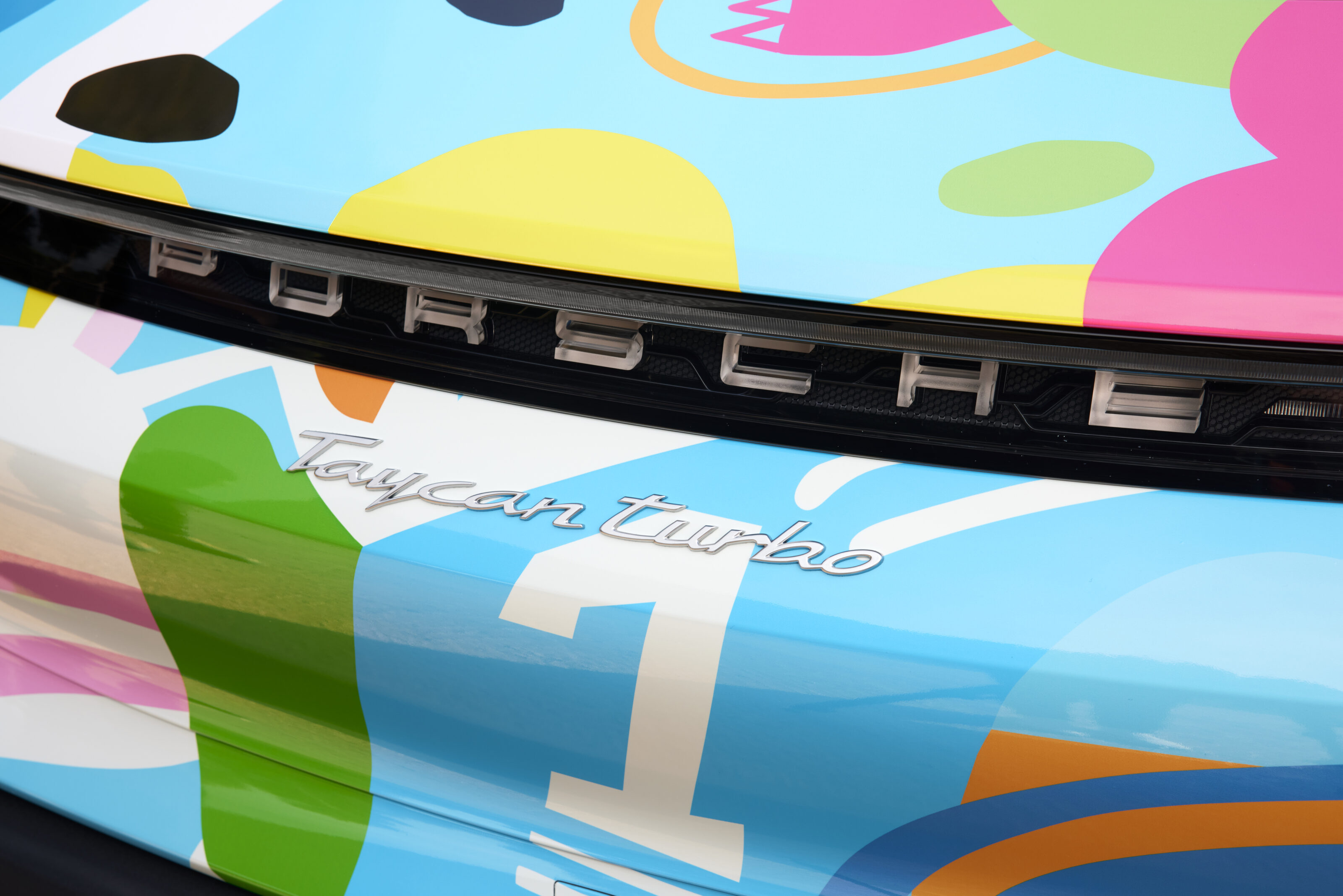
Three multimedia pieces will be auctioned on NFT marketplace SuperRare from December 7, with all proceeds going to the Australian Centre for Contemporary Art.
Porsche points out the NFTs have been minted as carbon neutral, thanks to the Porsche Impact carbon offset program. Controversy surrounds the environmental impact of the NFT market, mostly due to the power consumed by blockchain systems.
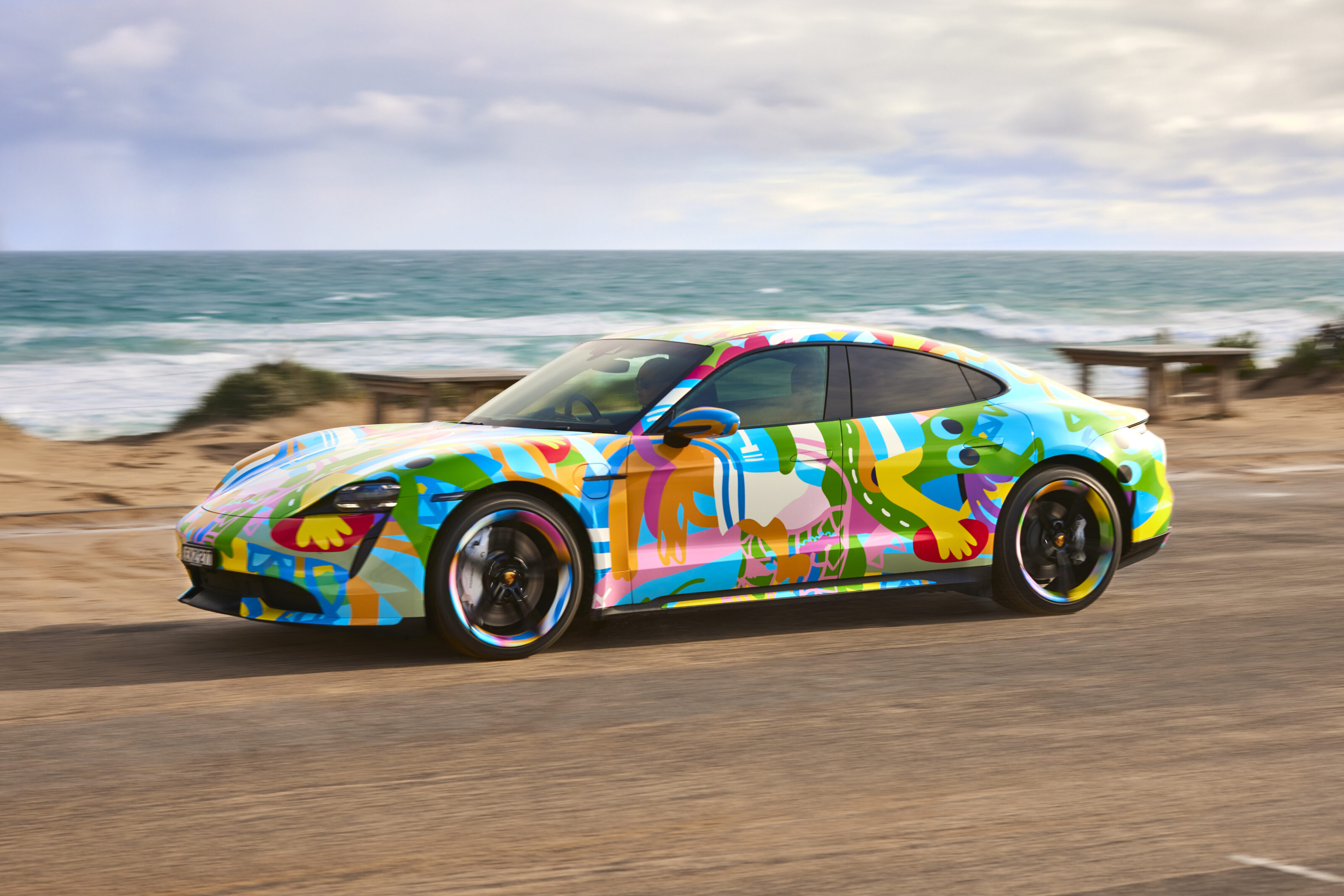
CEO and managing director of Porsche Cars Australia Daniel Schmollinger said the Taycan is well-suited to NFT ventures like this one.
“It is the most digitally advanced car Porsche has ever created and we wanted to celebrate this by pushing the boundaries of traditional artwork on cars, turning inspired artwork into a digital asset,” he said.
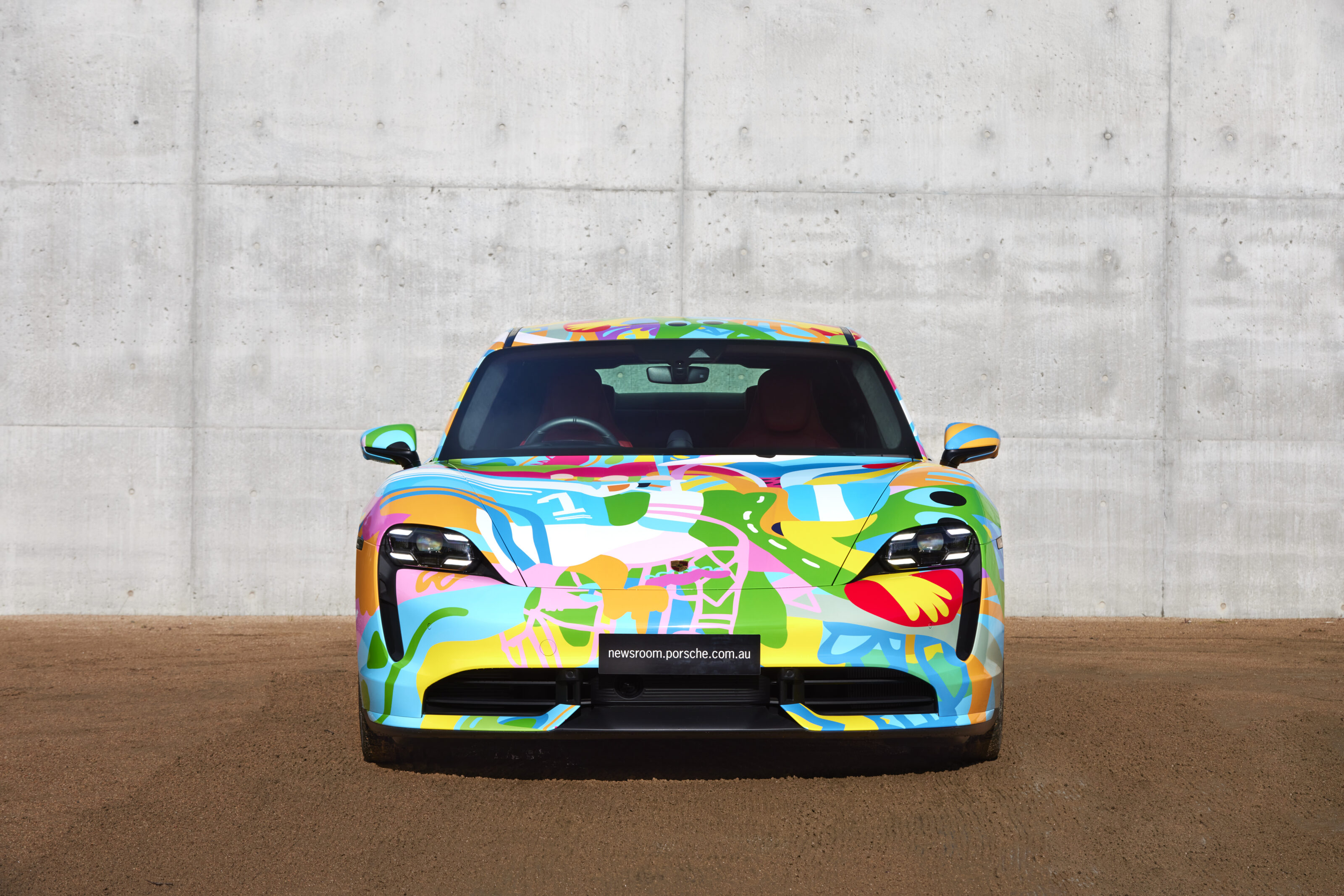
The art car will be exhibited in various locations over the next month, but Porsche has yet to release specific dates or locations.
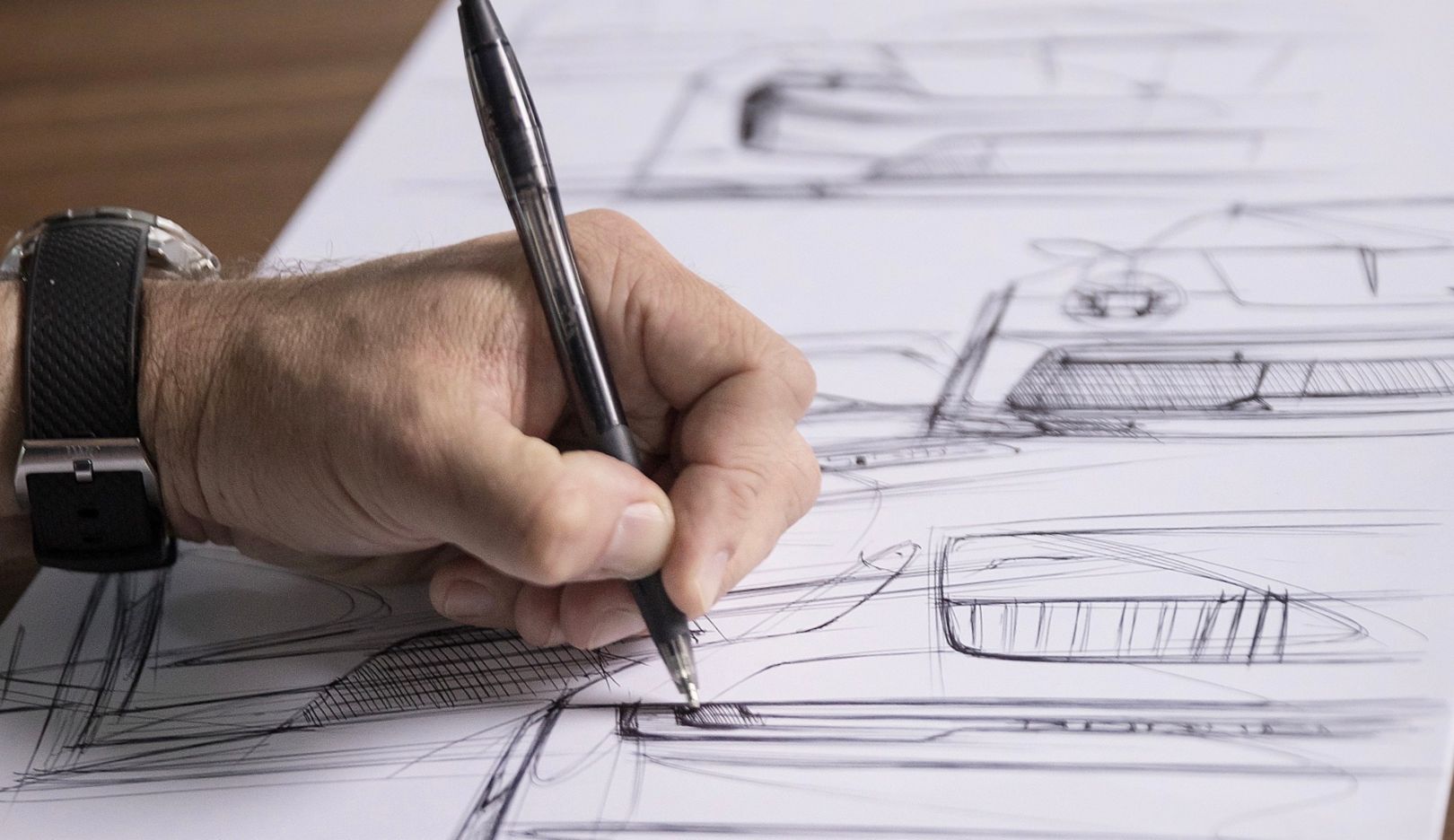
While this is Porsche Australia’s first NFT effort, the company as a whole has dabbled in similar charity sales before. In August, an exclusive design sketch from chief designer Peter Varga was auctioned as an NFT, fetching 30.25ETH (equal to around AU$126,000 at the time) for German charity Viva con Agua.
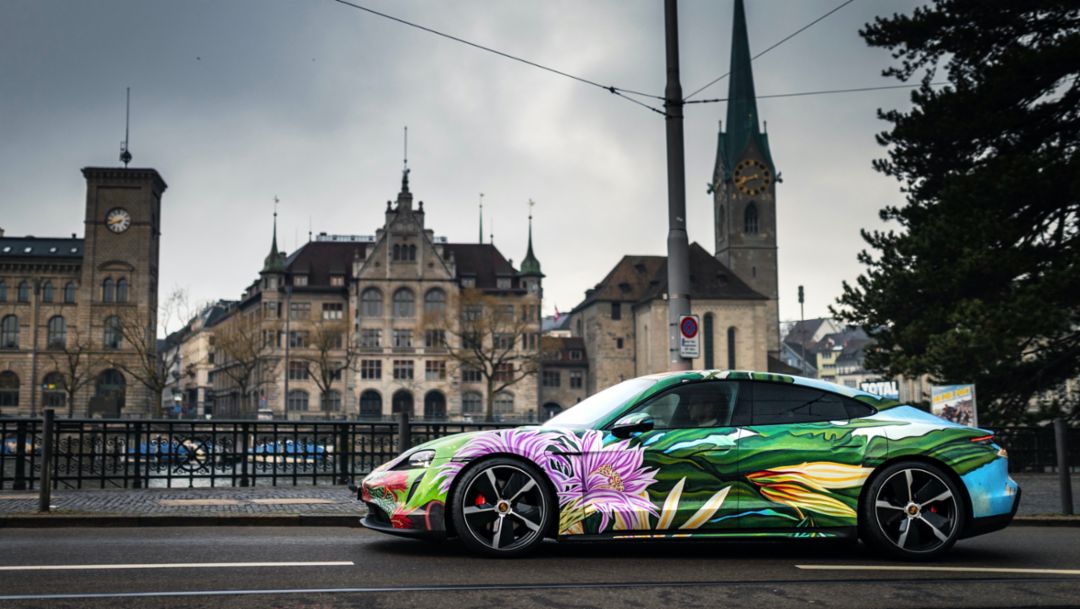
April saw an actual Taycan art car auctioned in Switzerland, raising over AU$280,000 for a non-profit artist support organisation.
The Lexus LC 500 is one of the finest grand tourers you can buy from a showroom in 2021. But, wrapped up in its superb design, exquisite fit and finish, and endearing 5.0-litre naturally aspirated V8 engine is a level of performance and dynamics that remains at arms length.
Not to say it’s a poor driving machine – quite the opposite – but there’s certainly scope for some additional focus, and certainly remains in the lengthy shadow of its legendary predecessor the LFA.
Enter the Lexus LC F: a hardcore performance focused flagship to reiterate that there’s more to the Lexus brand than growing old gracefully.
The idea of a performance LC isn’t new, with an F variant being reported as both dead and alive simultaneously. What is known is that Lexus got as far as building a race-ready prototype 4.0-litre twin-turbo V8 that was set to compete at the Nürburgring 24 Hours.
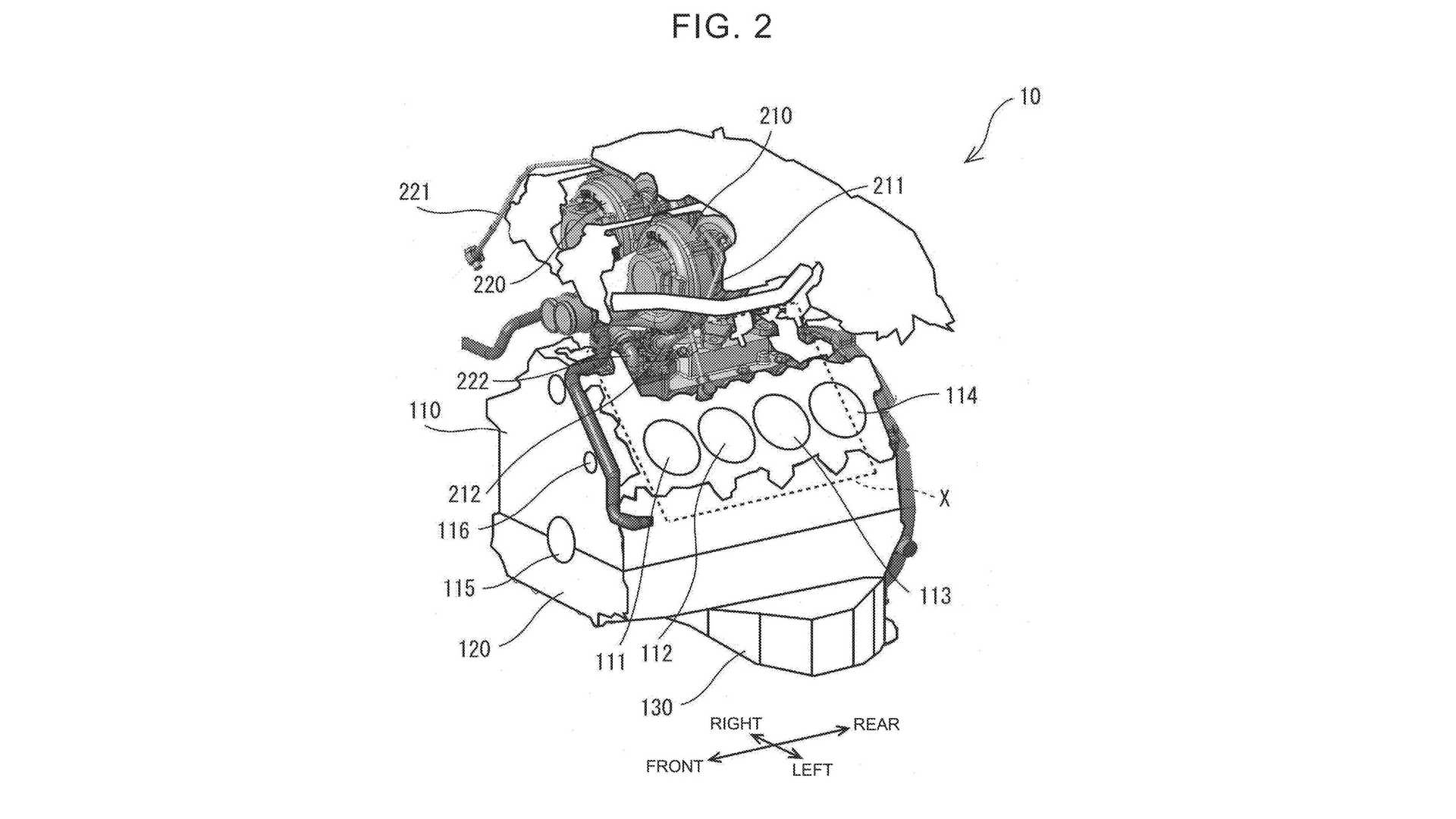
It would be a production version of this engine that would power the LC F to the tune of 490kW and 650Nm. Gear selection will be taken care of by a heavily updated 10-speed automatic. A new torque converter would be installed, along with tweaked ratios, and additional cooling to ensure the LC F is up to the task of regular serious track use.
Restyled bumpers with new aggressive openings help feed air into the necessary intercoolers to stop the LC F getting too hot under the collar. Front and rear bumper redesigns help improve aerodynamics, while a fixed rear spoiler boosts downforce in high-speed settings. Lashings of carbon fibre play their part in making a dint in the LC’s not-inconsiderable kerb weight.
Sending the power to the rear wheels exclusively would differentiate the LC F from rivals like the BMW M8 and Jaguar F-Type R – neither of which can match the Japanese coupe on grunt either. The rear-drive layout would make the LC F a fierce driver’s car, honed and fine tuned at parent company Toyota’s ‘mini-Nürburgring’ Shimoyama proving ground.
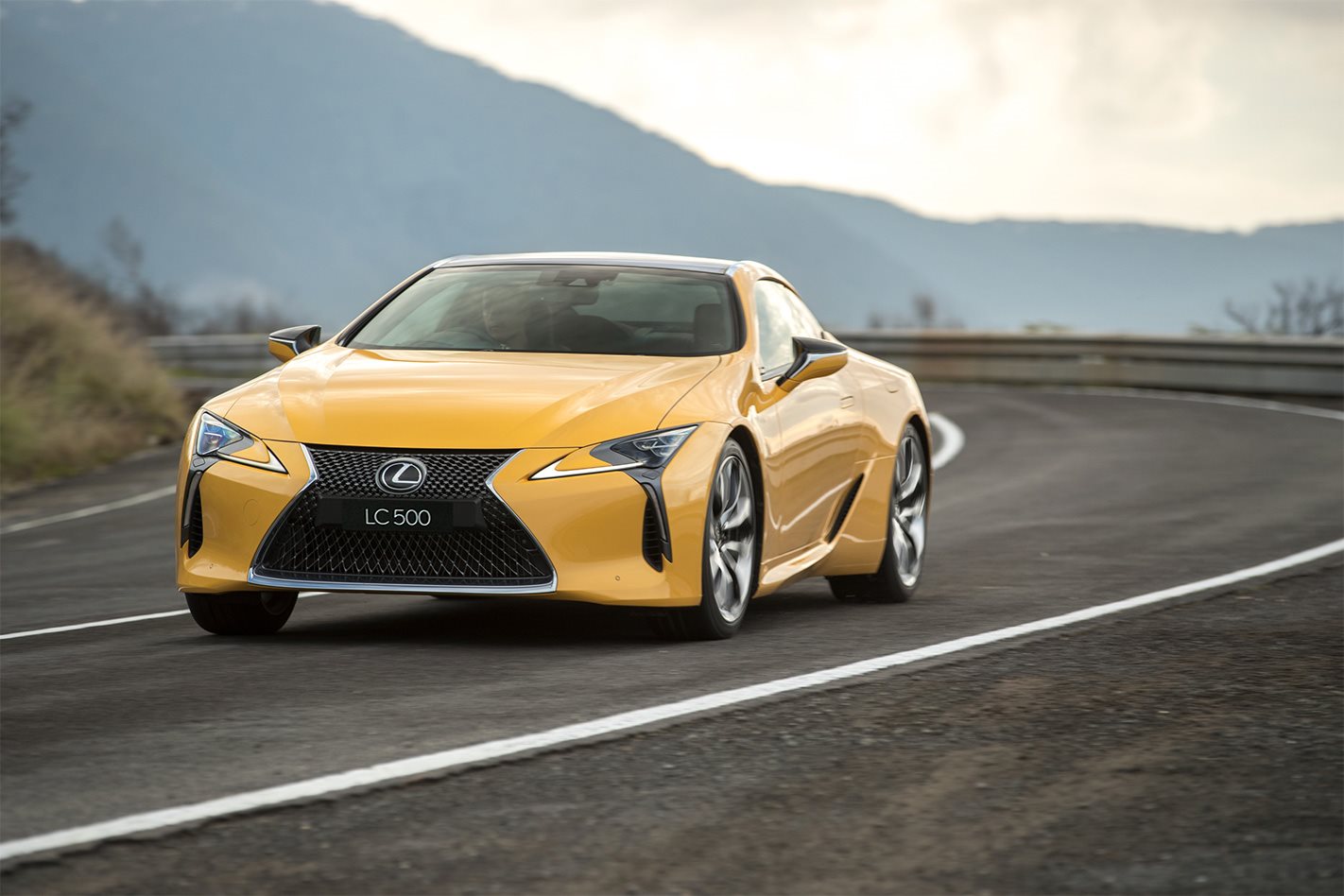
Helping bring the underlying talent of the LC’s TNGA-L platform to the fore are a raft of mechanical changes under the skin. Double-wishbone suspension complement damper settings retuned to better suit performance driving, with a cast aluminium subframe to lower overall mass.
An updated torque-vectoring differential would be installed on the rear axle, paired with a new version of Lexus’ Vehicle Dynamics Integrated Management system. Features such as drift assist, race ESC, and multi-stage traction control would all be standard, along with traditional performance additions such as lap times and g-meters.
Want to play fantasy product planner with us? Send your best ideas to [email protected]
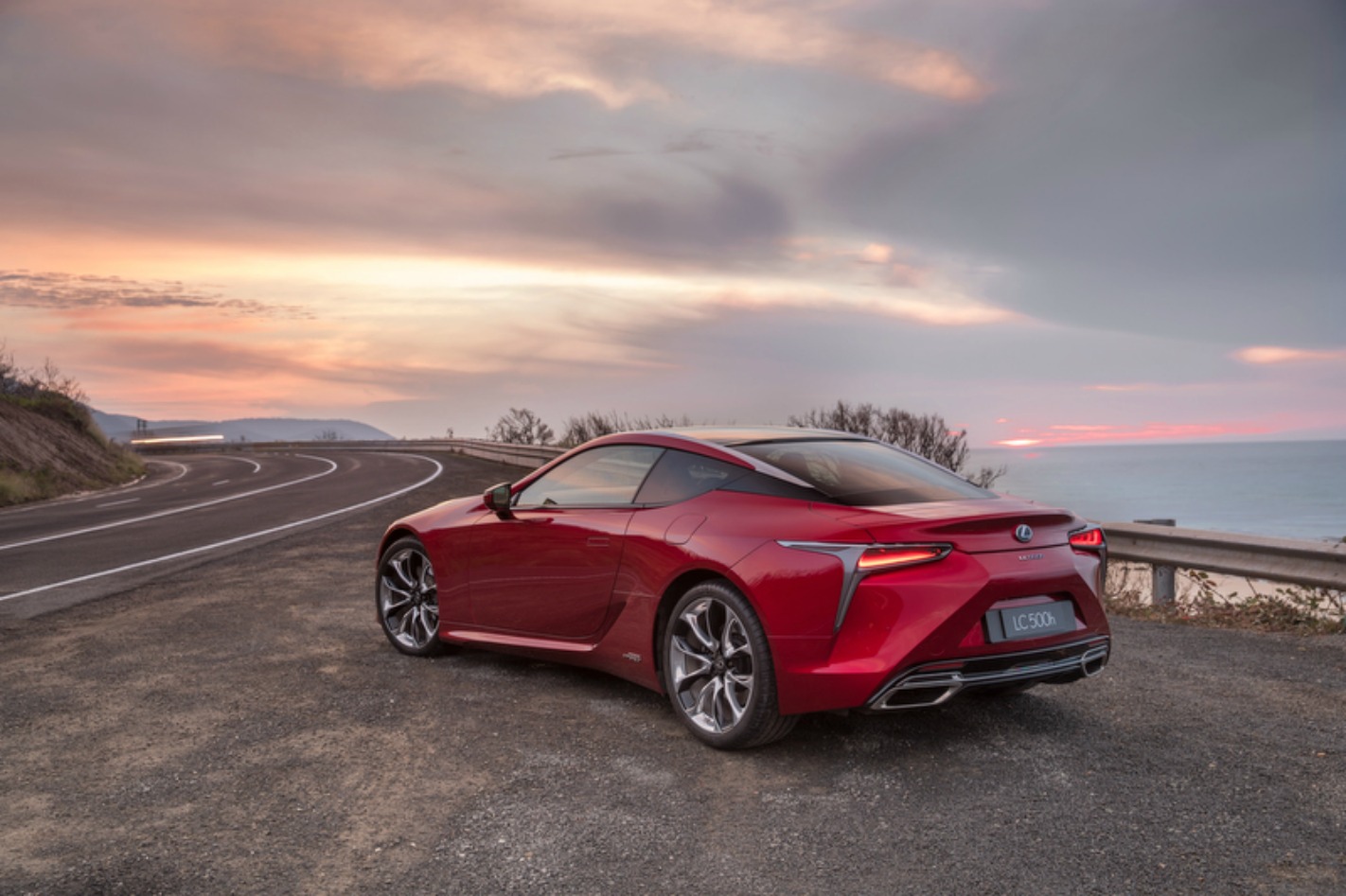
How We’d Build It
01. Who you Gonna Call?
Lexus and Yamaha are a match made in heaven. The new twin-snail V8 will be no different, with the team at Yamaha brought in to fettle everything downstream of the combustion chambers, ensuring the engine sounds as good as the LC looks.
02. Put it in the Bank
Lexus’ new twin-turbo 4.0-litre V8 would feature a hot-vee turbocharger set up, which will help with packaging what is already a fairly wide engine. Lexus’ engineers would need to ease the bent-eight further back and lower in the engine bay, giving the LC F a front-mid engined design. To justify development costs, the engine would be repurposed in several other high-performance applications across the Toyota family.
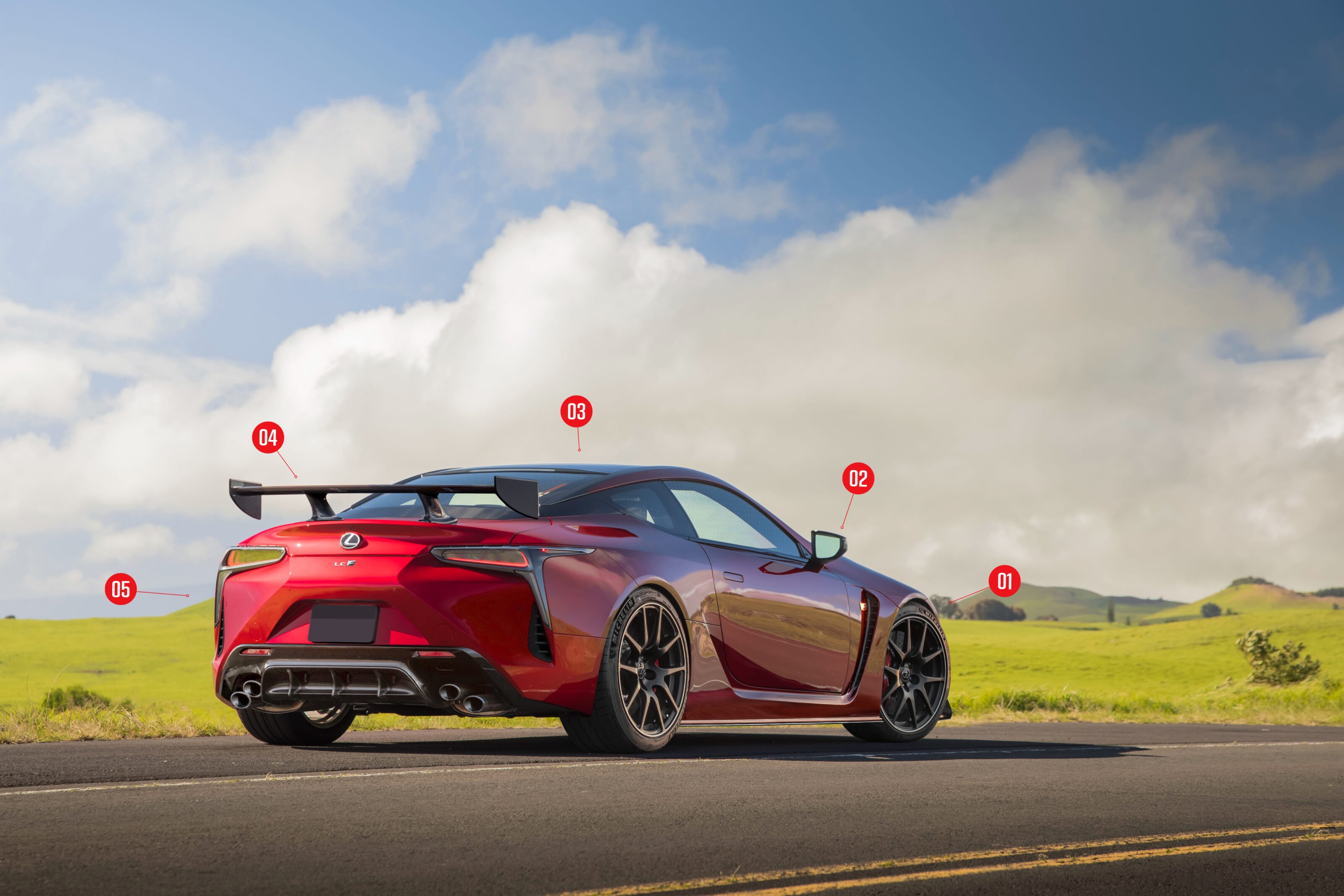
03. Natural Weave
Everyone knows carbon fibre makes things faster, with the black weave deployed with great effect through the LC F. However, to supplement Lexus’ traditionally excellent interior material choices, natural fibre weaves will be deployed, highlighted by AmpliTex seat backs.
04. The Green Pack
Paying homage to the LFA before it, and the LC F’s developmental link with the track, a Nürburgring Package would be offered to customers. This would add semi-slick tyres, carbon-ceramic brakes, a larger rear wing, Bilstein dampers, fixed bucket seats, six-point harness, and half cage. Porsche GT3 eat your heart out.
05. No Friends in the Back
Even without the Nürburgring Package, the LC F would be a true two-seater coupe – no 2+2 shenanigans here. Without the grand touring pretence the extra weight of rear seats is unnecessary. Extra kilos will be shed with a reduction in sound deadening. This is a proper sports car, not a grand tourer, remember?
Key Points
- Nissan unveils Ariya Single Seater Concept
- Showcases the potential of the Ariya powertrain when placed into a sportscar
- Said to be inspired by Nissan’s participation in the Formula E championship
Nissan has showcased the Ariya Single Seater Concept, expressing its vision for an electric future.
Revealed just days after the Japanese manufacturer debuted four electric concept vehicles, the Ariya Single Seater Concept was presented at the Nissan Futures event this week. The brand says it has been designed to demonstrate the potential of the powertrain underneath the all-electric Ariya crossover when placed into a bespoke race-focused chassis.
The concept borrows design cues from second-generation Formula E cars, a sport which Nissan has been involved in since 2018, and – perhaps unsurprisingly – features a single-seat body with elements intended to emulate the production Ariya.
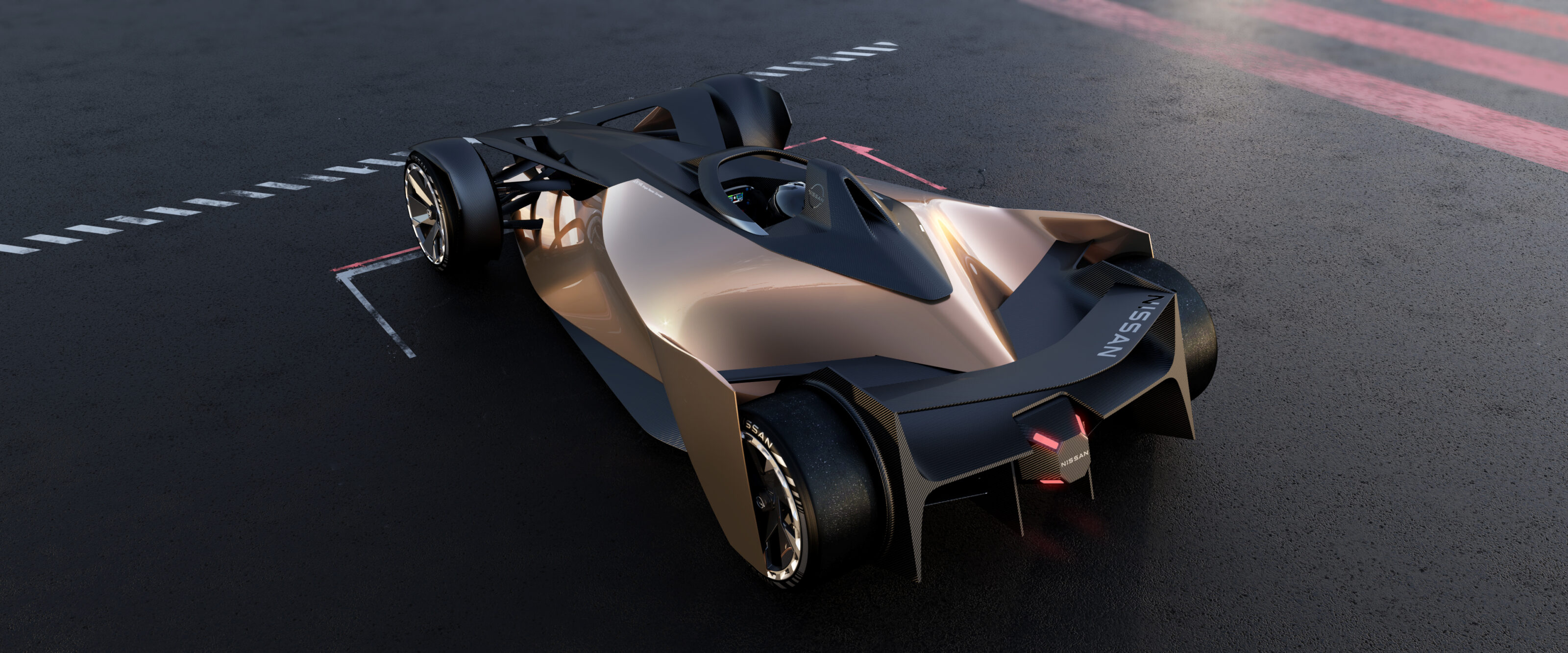
This includes an illuminated V-shaped panel running down the front splitter, as well as the same black-and-bronze finish shown on images of the family SUV when it was launched.
The rear wheels have been covered – likely to improve aerodynamics – while elements of the suspension are visible. A protruding ‘halo’ safety device, first introduced by the FIA for Formula 1 and Formula E racers to protect drivers’ heads, is also included to replicate the racing series.
No specifications for the Ariya Single Seater have been released, however it is most likely powered by the regular model’s flagship all-wheel drive configuration, which pairs two electric motors with a 90kWh battery pack to produce 290kW of power and 560Nm of torque.
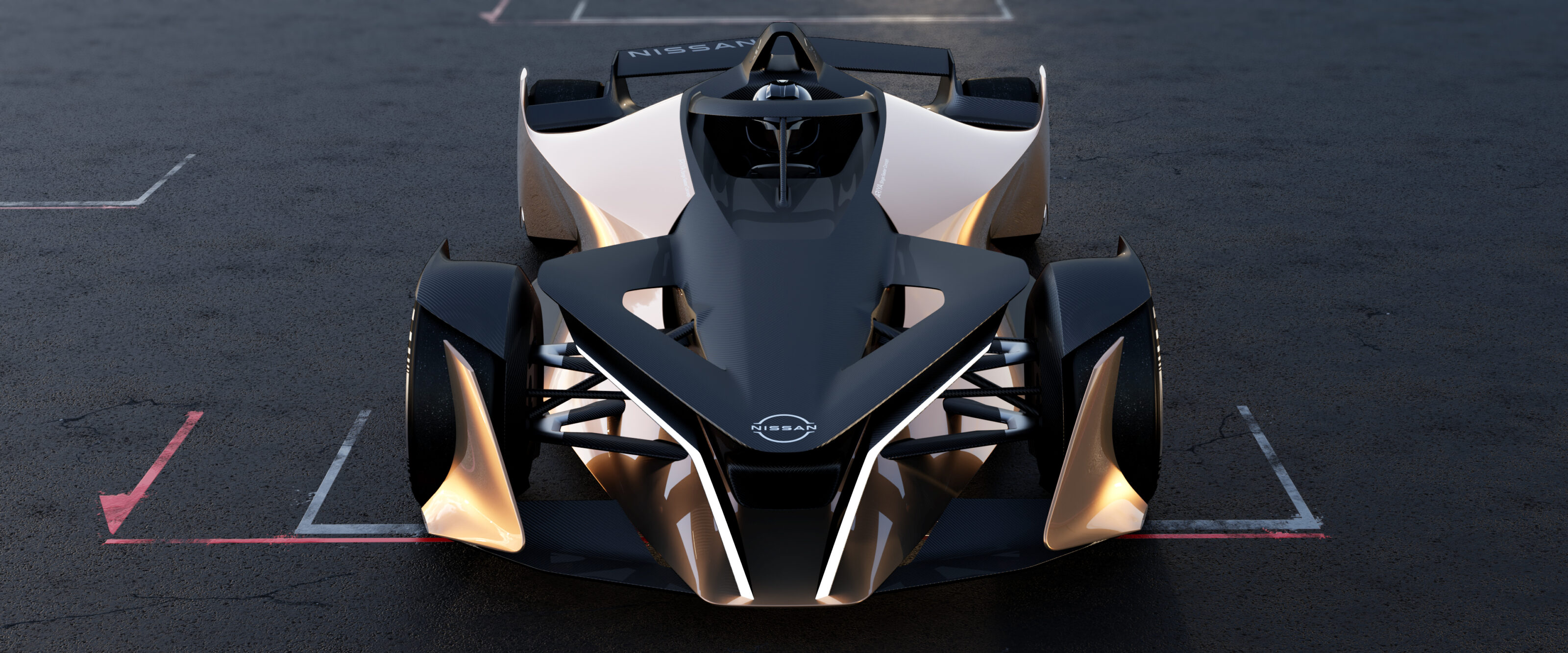
In the electric SUV, 0-100km/h is claimed to take 5.1 seconds, with the sprint likely to be noticeably quicker in the Single Seater Concept thanks to its slimmer, low-slung body.
The Ariya Single Seater Concept joins the sporty Nissan Max-Out unveiled earlier this week, a two-seater convertible with retro 1970s’ styling, as the brand looks towards developing sportscars in an electric future.
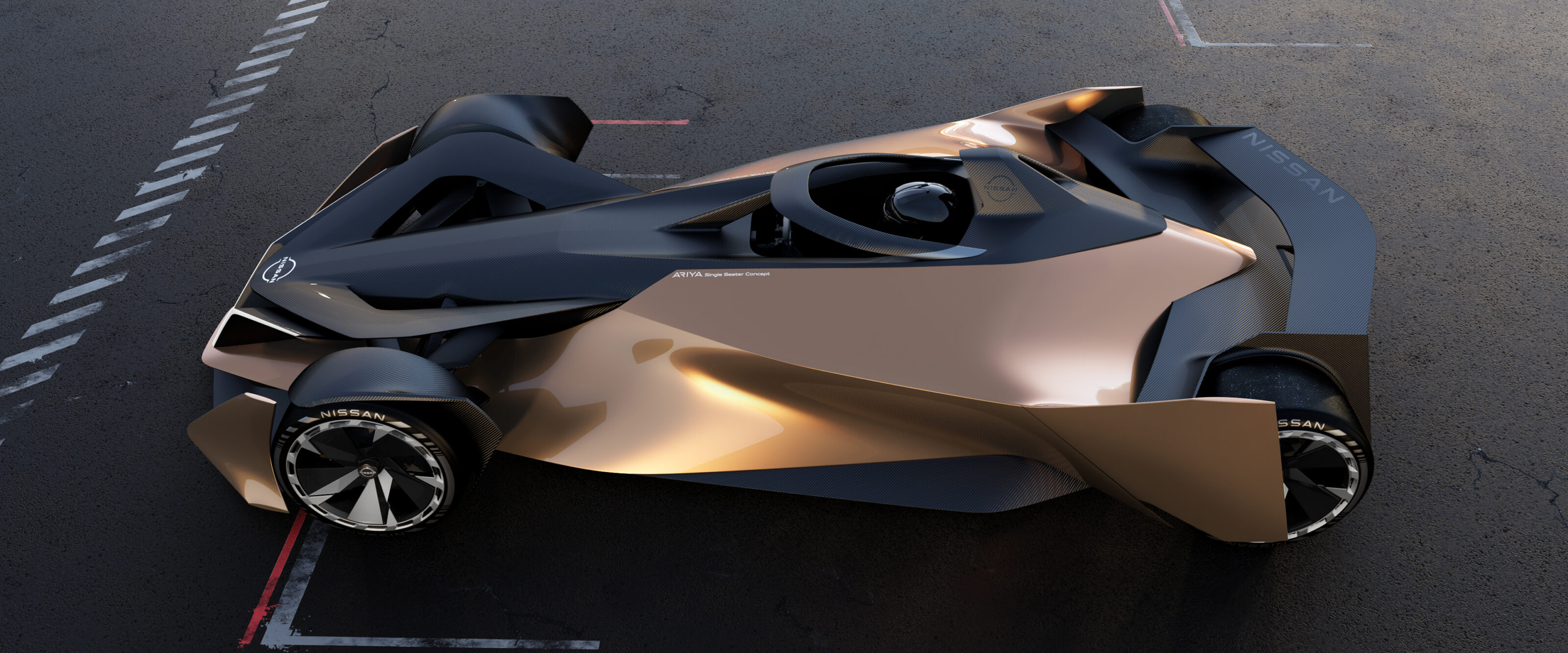
With Nissan planning to launch 23 electrified products before 2030 – 15 of which will be all-electric – the company will invest approximately $24.6 billion in EV development over the next five years.
Also previewed was the Nissan Chill-Out, based on the same CMF-EV platform as the Ariya, the Surf-Out dual-cab ute and spacious Hang-Out concepts.
Key Points
- Emira GT4 priced from $299,990 ex-factory in Australia
- Two build slots already fulfilled by Australian customers
- Set to commence production in the first quarter of next year
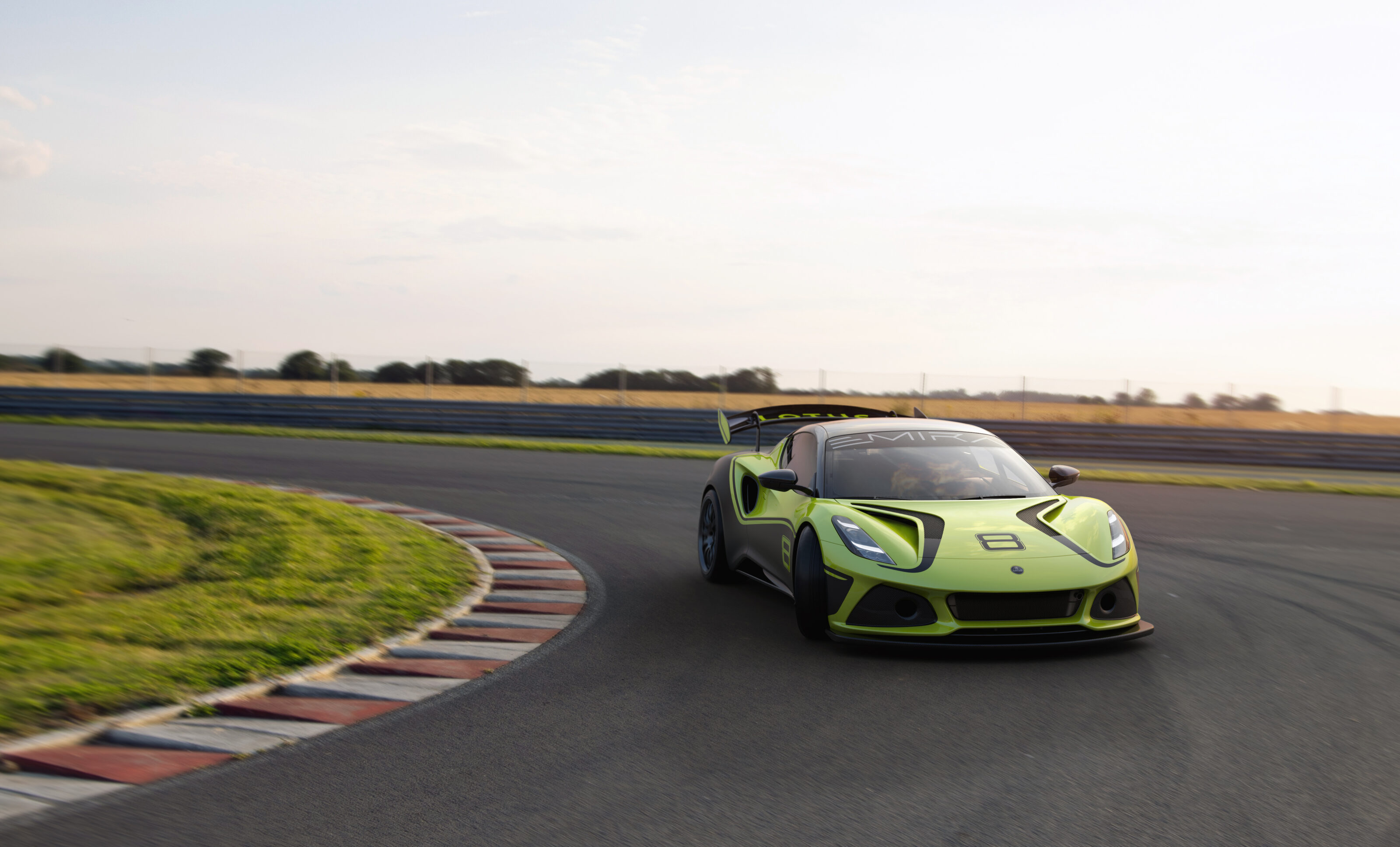
Lotus has announced local reservations for the 2022 Emira GT4 racecar are now open, ahead of its Australian arrival next year.Priced from $299,990 ex-factory, the British brand has confirmed the amount excludes additional options, freight, import duty, GST or other charges.
This means the racecar is likely to hit around $400,000 once it reaches the hands of a customer – a fair stretch above the $184,990 plus costs for the Emira V6 First Edition.
Those interested in securing an Emira GT4 are required to reserve a build slot from the global production pool through a $70,000 deposit, with Lotus’s local division confirming two have already been fulfilled by Australian customers.
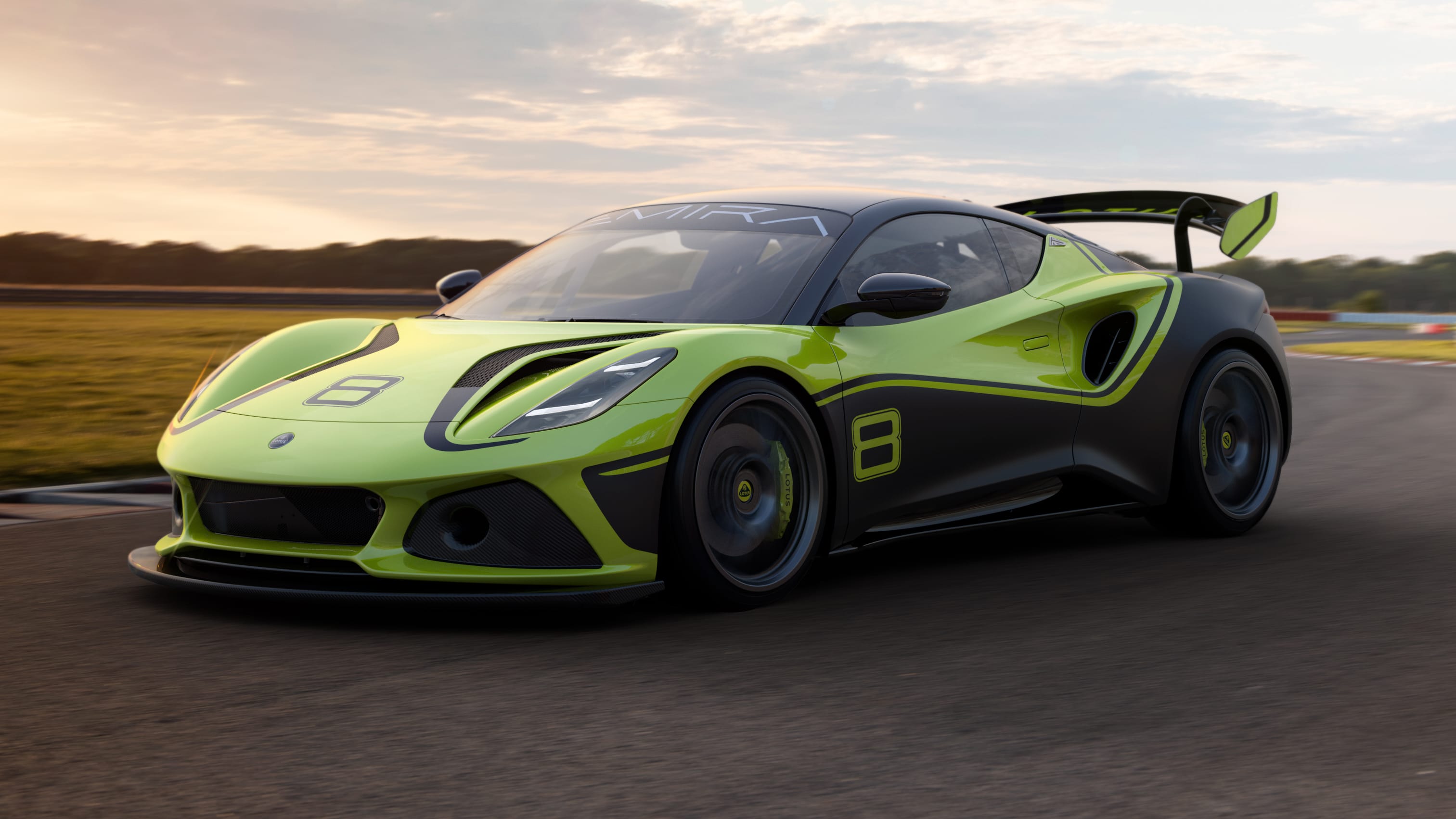
Developed in collaboration with engineering company RML Group, the performance-orientated variant is powered by the same Toyota-sourced 3.5-litre V6 engine as the regular Emira, matched with a Harrop TVS 1900 supercharger to produce 265kW of power.
Rather than utilising the same traditional six-speed manual or automatic transmissions as the road-going Emira, the rear-wheel drive GT4 features a paddle-operated xTrac sequential gearbox and a limited-slip differential.
A set of 18-inch alloy wheels are wrapped in race-ready Pirelli GT4 rubber, with 265 section tyres on the front and 305s on the rear, in addition to double-wishbone suspension coupled with Öhlins dampers.
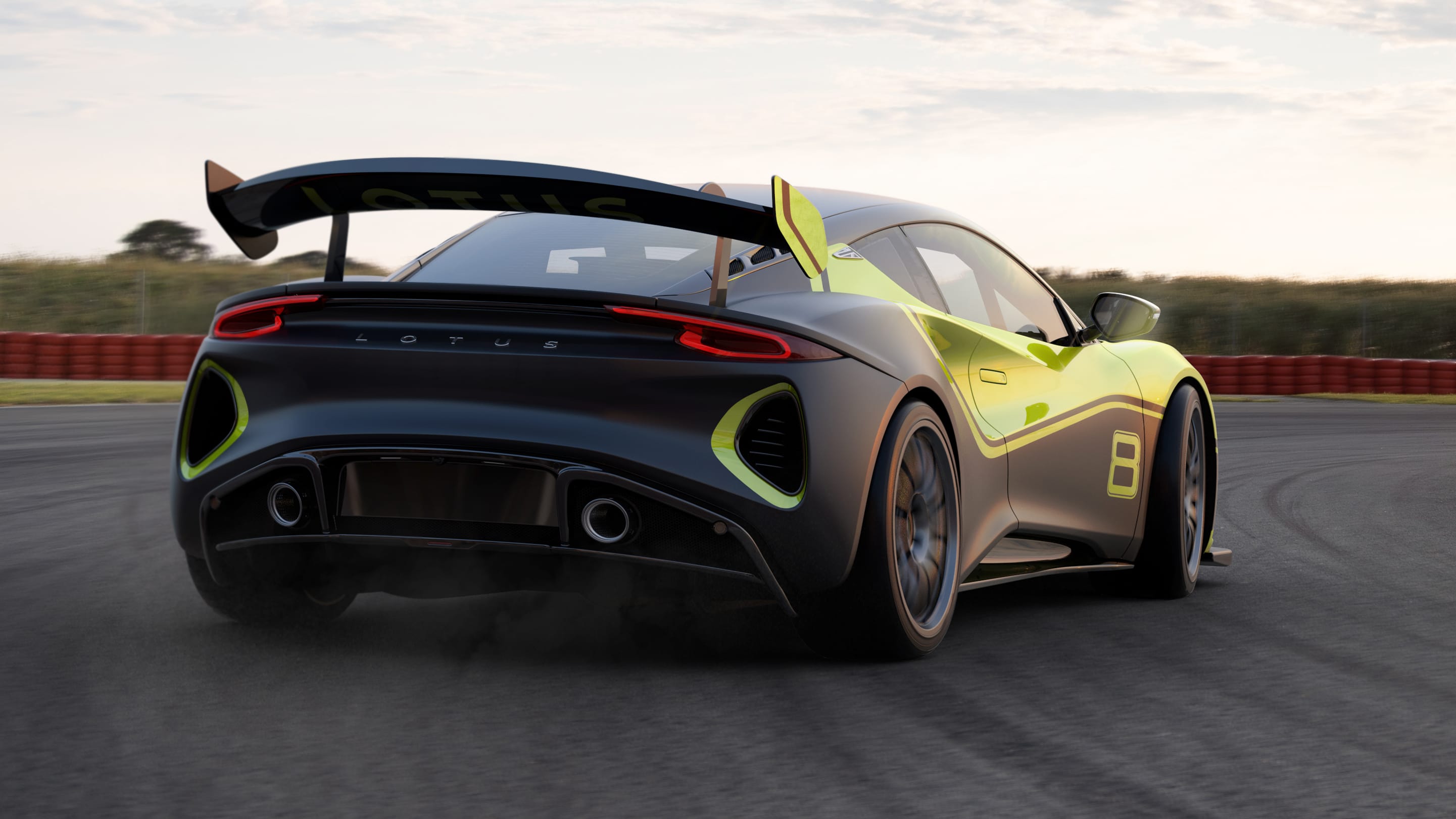
Weighing in at just 1260 kilograms, the GT4 is more than 100kg lighter than the standard Emira – despite the addition of a bulky roll cage and other necessary safety upgrades.“[Lotus is] very active in the Australian motorsport arena, providing comprehensive technical support and operational services to our customers, many of whom have gone on to win Targa and track championships,” said Lee Knappett, CEO of Lotus Cars Australia.
“Every element of this spec is purposely designed to provide a no compromise platform that is accessible to everyone,” he added.Global production of the hand-built Emira GT4 is set to commence in the first quarter of 2022.
