A team of students have been given the opportunity to design a rally car for Skoda, with the potential for it to one day hit the desert dunes.
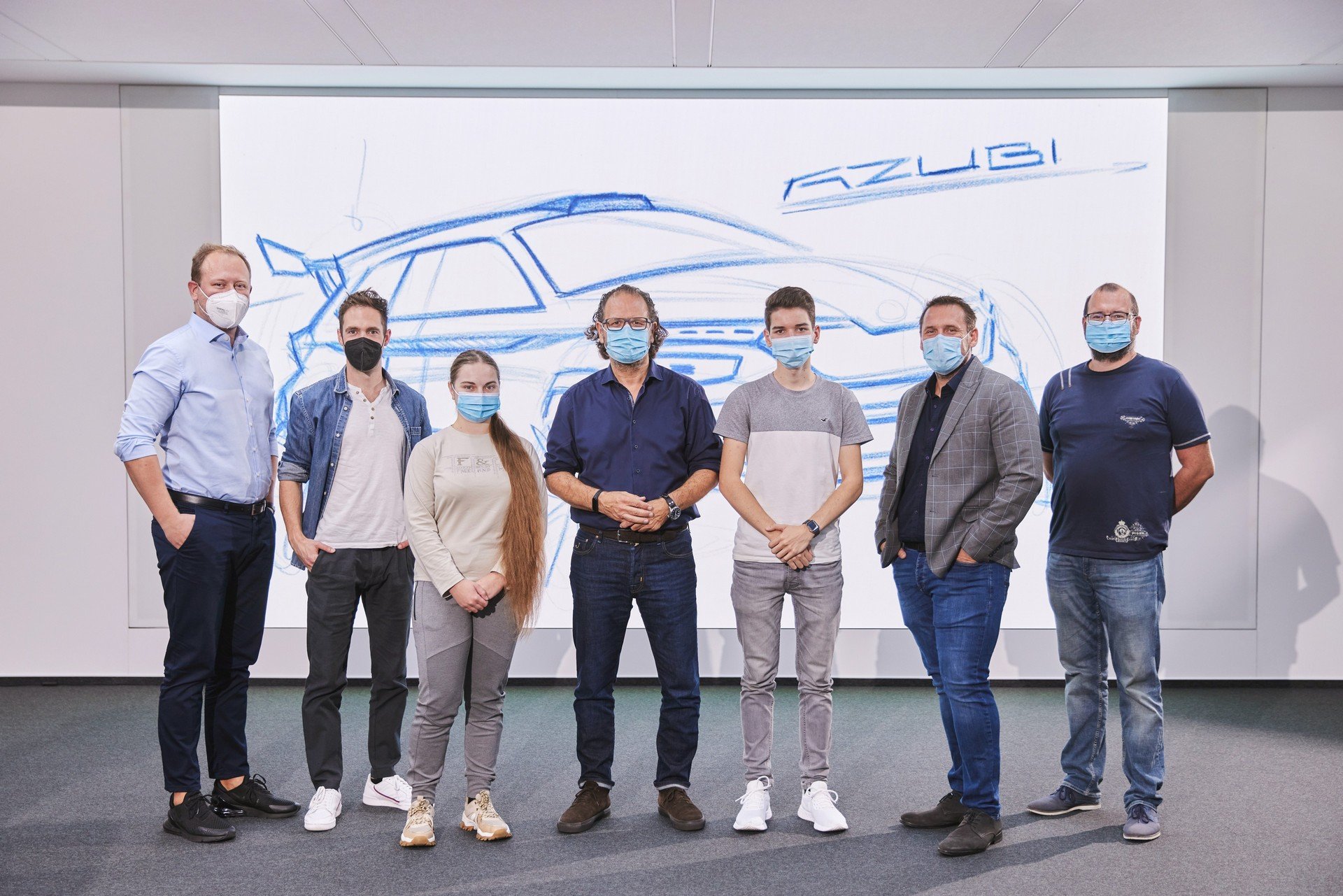
As a part of their work with the Skoda Academy, 25 students were given the chance to work with Skoda’s more experienced designers and its motorsport team to create a rally raid-inspired vehicle, based on the Kamiq crossover.
Dubbed the Azubi project, it’s the first collaboration between the Skoda Academy and Skoda Motorsport, although this Kamiq isn’t designed to replace the WRC2-spec Fabia, rather act as a concept if the Mladá Boleslav-based team decided to take on the Dakar Rally.
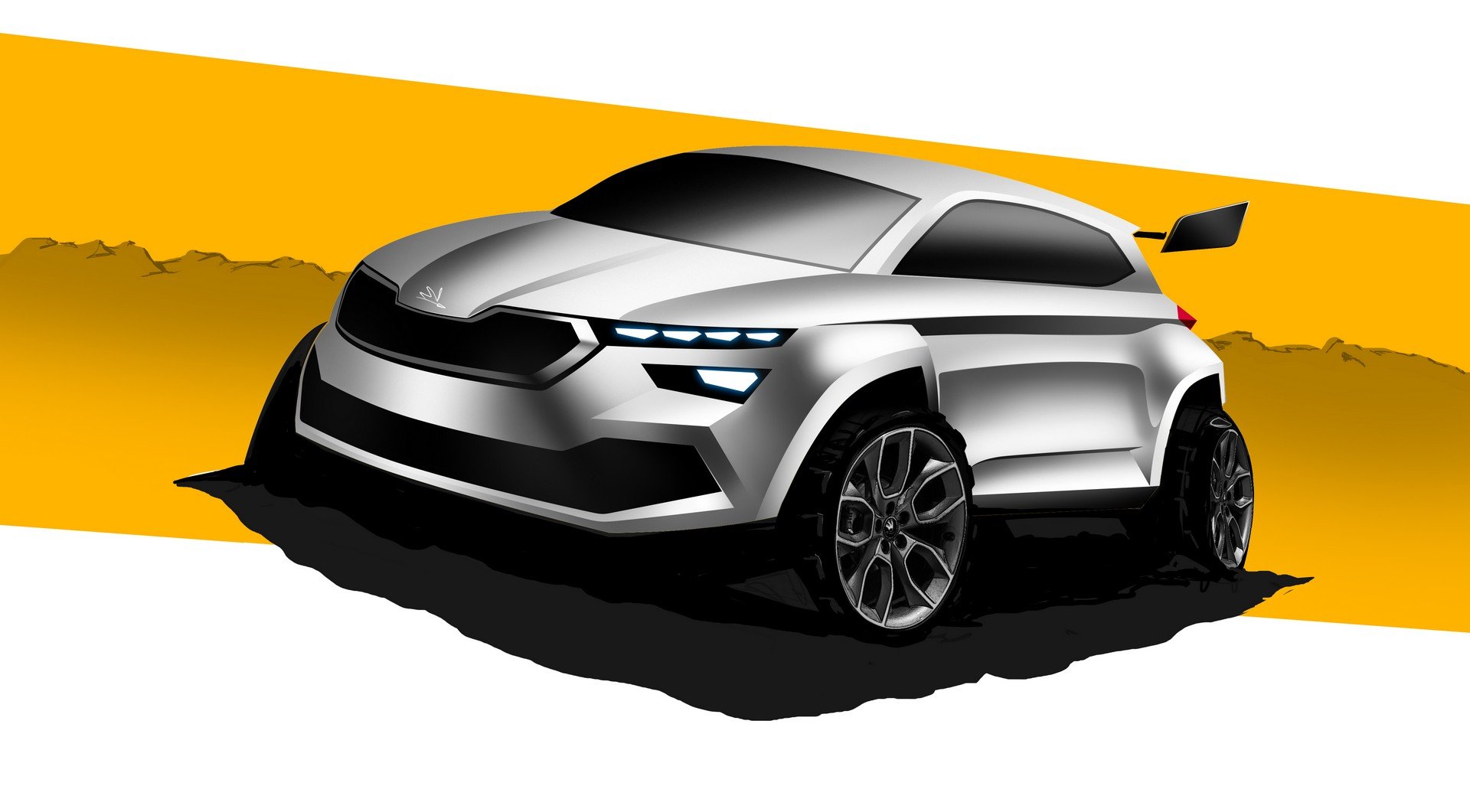
With larger wheels, added ground clearance and a rear spoiler, the design is in its early stages before it can be seen as a real impression of a Dakar contender, although it’s unlikely the finished result will make it into production regardless.
However, as it has done in previous years with concepts such as the Montiaq ute, Skoda will produce a one-off vehicle to be presented next year, likely at the Volkswagen Group-based Wörthersee festival in Austria.
Skoda Motorsport is currently celebrating its 120th anniversary, having entered its first race in 1901 as an integral part of the Czech company, before evolving into the current operations which focus on the WRC2 rally category.
Snapshot
- Total Chiron production limited to 500 units
- Just under 40 build slots remain
- Final production will be exclusively for Pur Sport and Super Sport
One of the world’s fastest cars is nearing the end of production, as Bugatti confirmed it will only build a handful more Chirons before the model is phased out.
Limited to a production run of 500 units from its debut in 2016, Bugatti said it has less than 40 build slots available before the Molsheim factory rolls its final Chiron off the line.
First unveiled at the Geneva International Motor Show, more than 300 of the 500 available Chirons were sold within the first 18 months of production, while recent event cancellations have seen sales fall off only to increase again as the world opens back up.
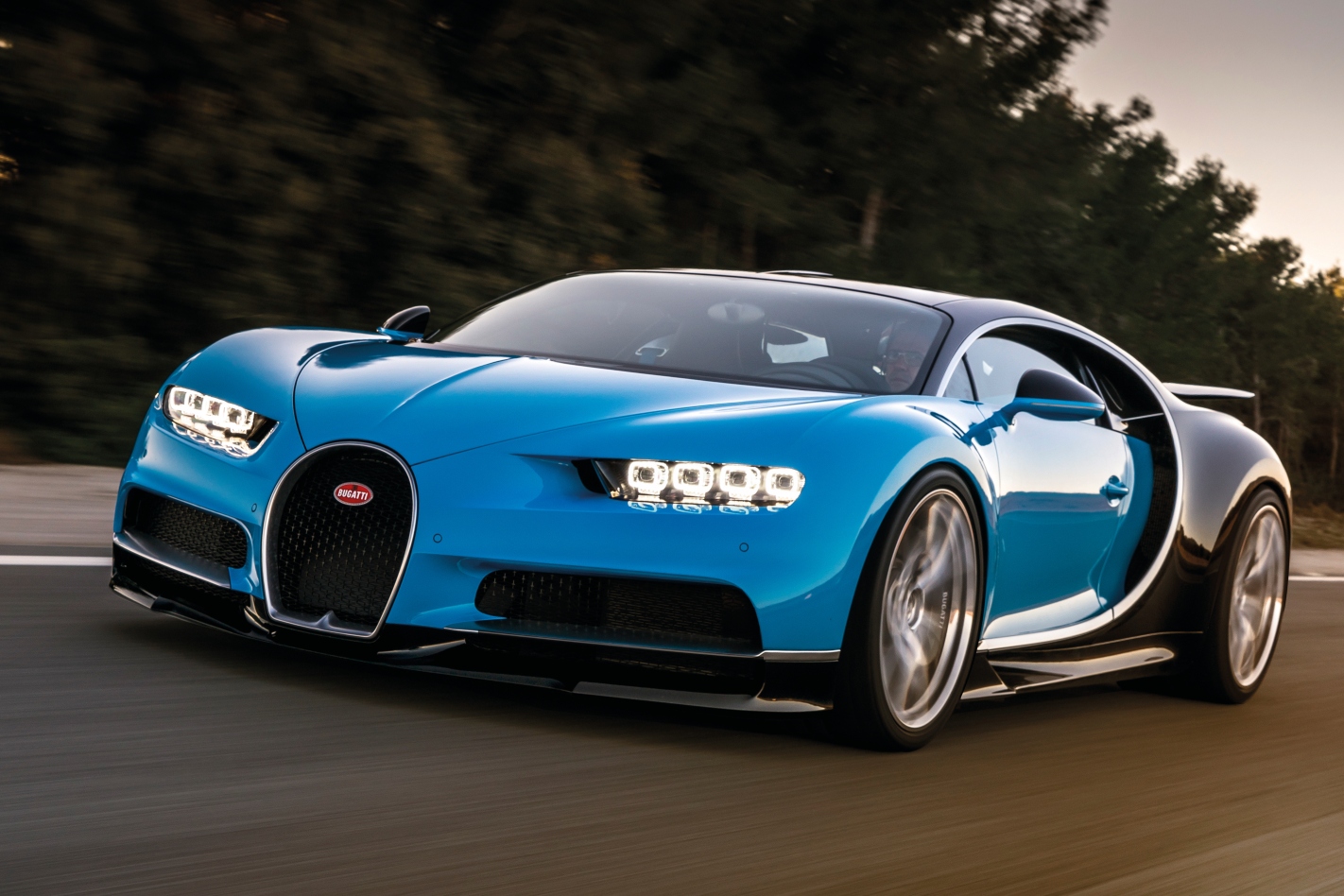
Planning to wind up the Chiron’s lifecycle with the Pur Sport and Super Sport variants, Bugatti director of sales and operations, Hendrik Malinowski, said the remaining vehicles epitomise the model’s longstanding appeal.
“With the Chiron Pur Sport and Super Sport, we are offering customers the culmination of years of continual development of the Chiron platform,” said Malinowski.
“This spectrum of performance, whether it be hitting the apex on-track, or cruising on autobahns in total luxury, takes the Chiron to an entirely new level. Now with so few build slots remaining, the purity of the W16 recipe is being honoured in style.”
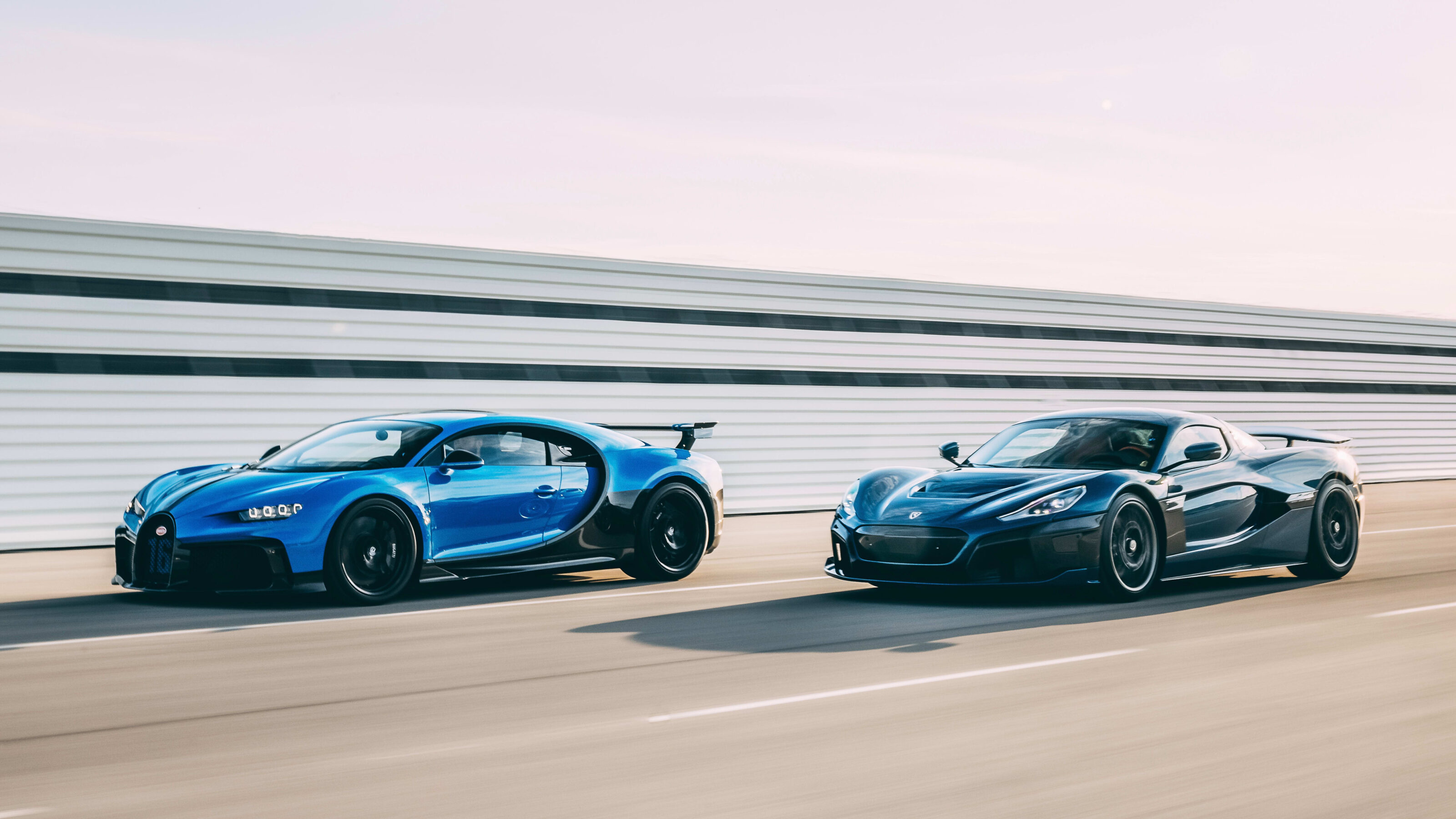
The successor to the Veyron – once the fastest car in the world – everything about the Chiron was designed to offer more than its predecessor – starting with its 8.0-litre, quad-turbocharged W16 engine, which developed 1103kW and 1600Nm, pushing the two-tonne car to a limited top speed of 420km/h.
Earlier this year, Bugatti was taken over by electric vehicle manufacturer Rimac in a joint venture with Porsche, aiming to turn the French brand into an EV-only supercar producer, utilising Rimac’s knowledge of electric powertrains which underpin Nevara hypercar.
Snapshot
- Job listing suggests Ford is seeking hybrid engineers for new Mustang
- Ford has previously stated it plans to make the next generation a hybrid
- S650 will use hybrid versions of the current four-cylinder and V8
Fresh reports out of the US claim the next generation S650 Mustang line-up could feature hybrid engines, with a job advert suggesting the company is seeking engineers for the project.
According to Carscoops, a post on LinkedIn is seeking engineers to help develop hybrid versions of both a turbocharged 2.3-litre four cylinder and 5.0-litre V8.
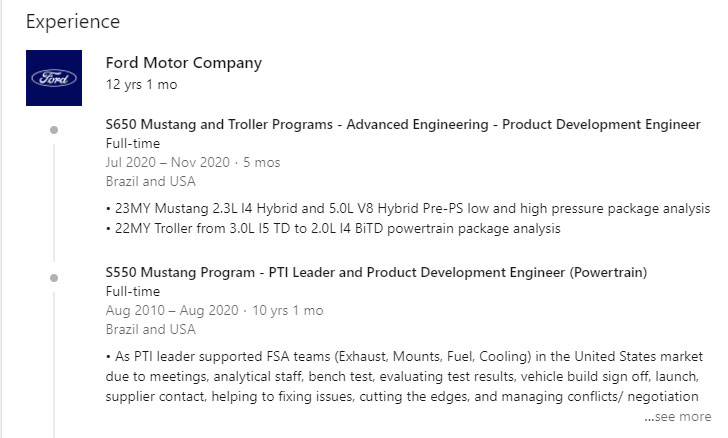
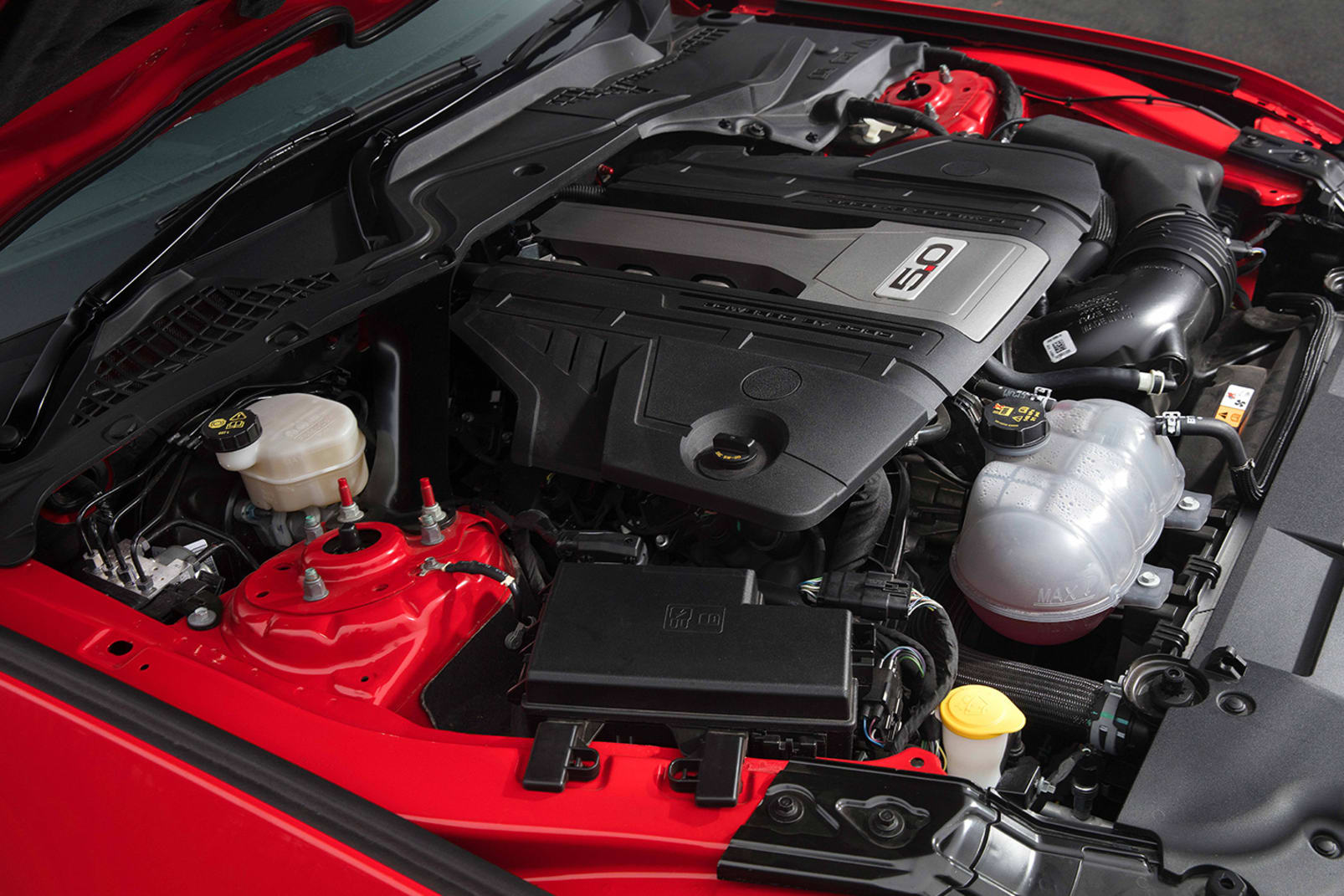
Given the current generation S550 Mustang is offered with either a 236kW/448Nm 2.3-litre turbocharged four-cylinder or the 339kW/556Nm 5.0-litre V8, we assume Ford simply intends to create hybrid versions of the two existing engines.
We stress at this point that a job advert is by no means concrete evidence of Ford hybridising the next-gen Mustang – but in 2018 the carmaker did confirm the model would be included in its goal of bringing hybrid power to all its new models, saying the next-gen will be “all about delivering V8-like performance with more low-end torque.”
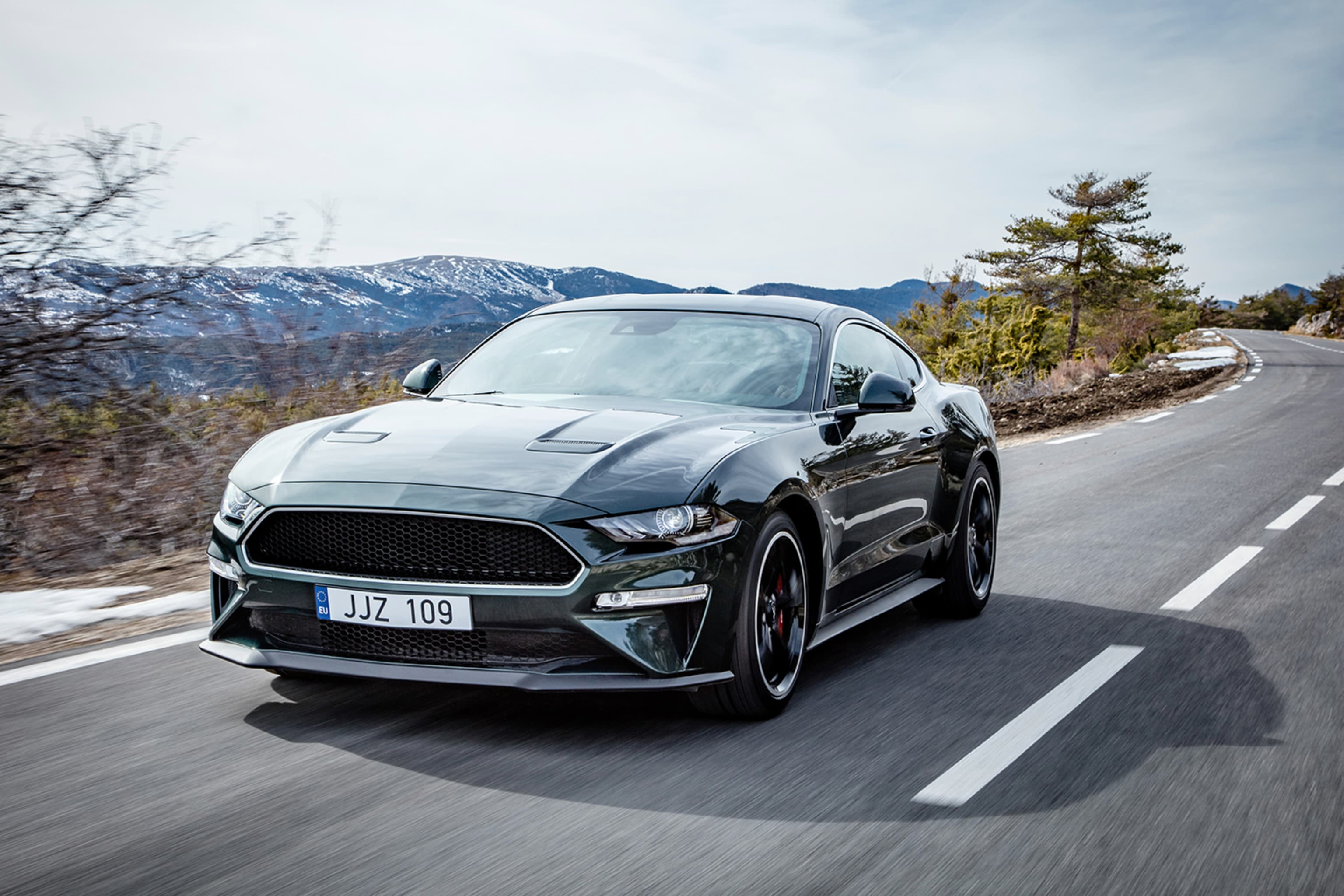
The report also suggests the next S650 Mustang will be offered with an all-wheel-drive system – which, if true, would be a first for the pony car.
Power would be sent to the rear wheels via the normal petrol engine, while power would be distributed to the two front wheels by a pair of electric motors.
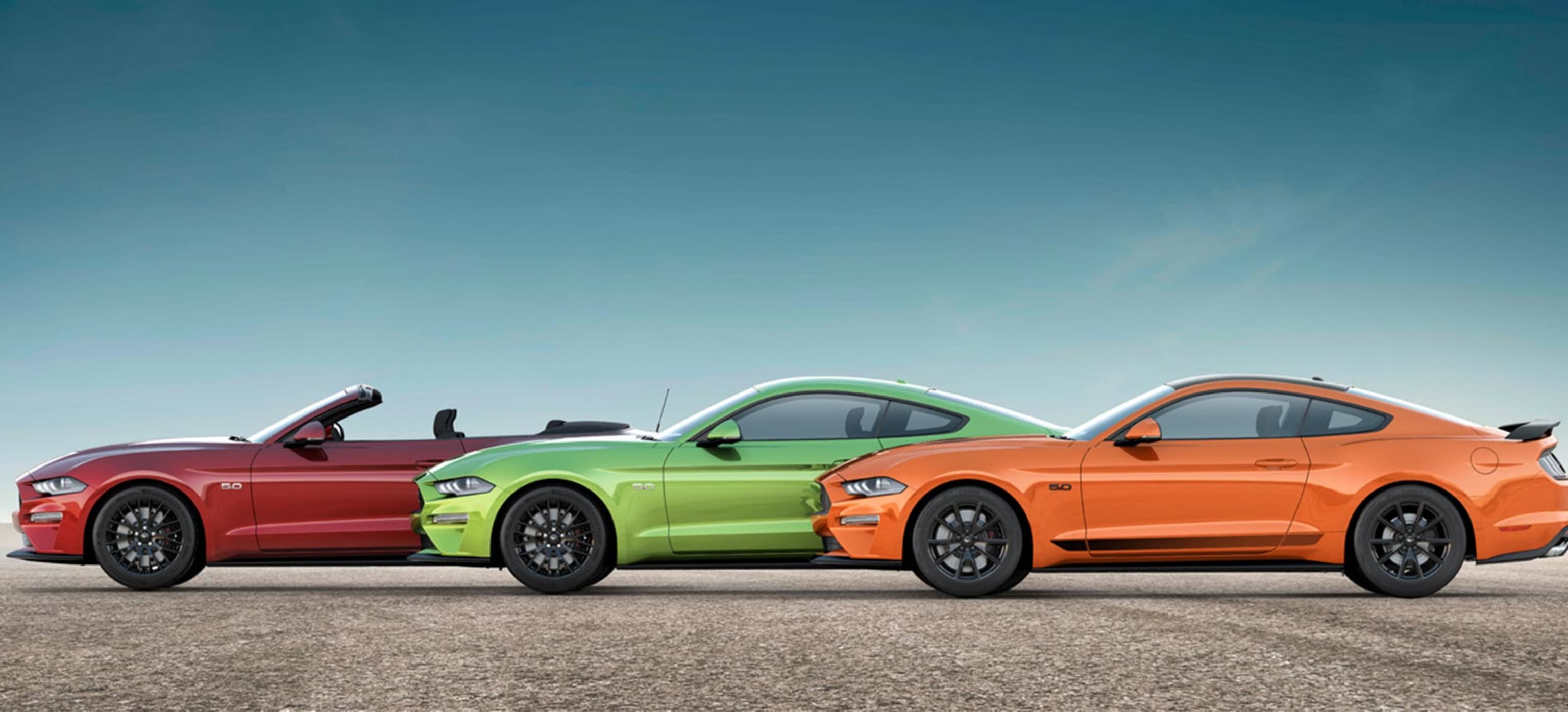
The next-gen Mustang is believed to be unveiled by 2023, with prototypes to hopefully be made publicly viewable soon.
Snapshot
- BMW set to start i4 deliveries next year
- EV-only model built on the same line as the 3 Series
- ICE vehicles will be phased out from main plant starting 2024
BMW has begun production of its i4 electric sedan, signifying the first four-door electric vehicle to come from the manufacturer’s Munich plant.
Built alongside the internal combustion engine and mild-hybrid powered 3 Series, the i4’s production required an extra €200 million (AU$308.74m) investment from BMW to develop and prepare its factory for the EV.
While its powertrain and other ancillaries are different to the existing ICE models, BMW says around 90 per cent of the i4’s cosmetic features are carried over from the current line-up, with the floor assembly and rear end accounting for the new tooling required.
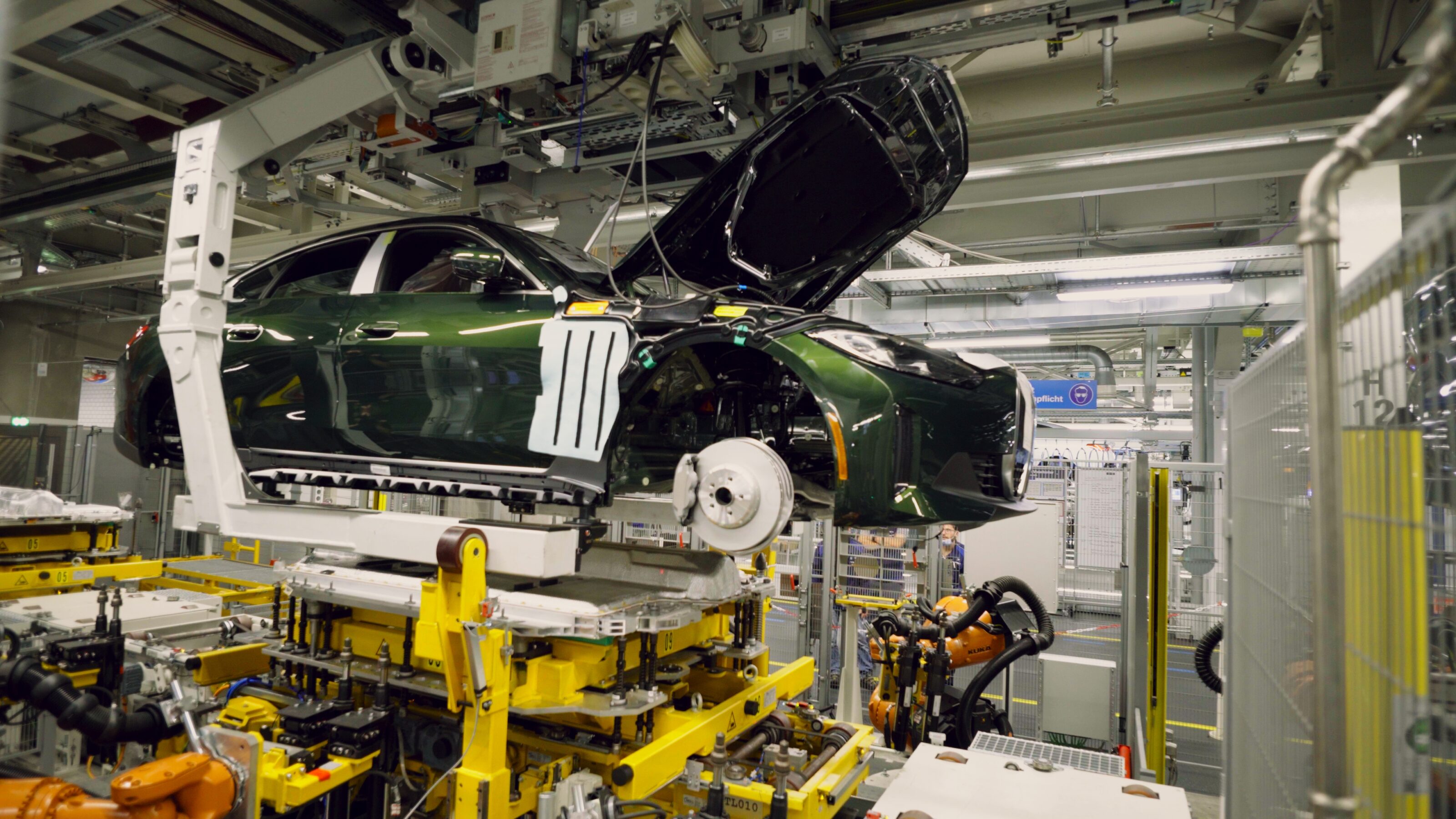
With the first units coming off the line in Munich, BMW AG Board Member for Production Milan Nedeljković said the i4 will be a catalyst for future BMW EVs.
“For the plant and team, the launch of the BMW i4 is a milestone on the road to electric mobility,” said Nedeljković.
“By 2023 more than half of all vehicles from our Munich facility will have an electrified drive. The majority will be fully electric. So Munich goes fully electric.”
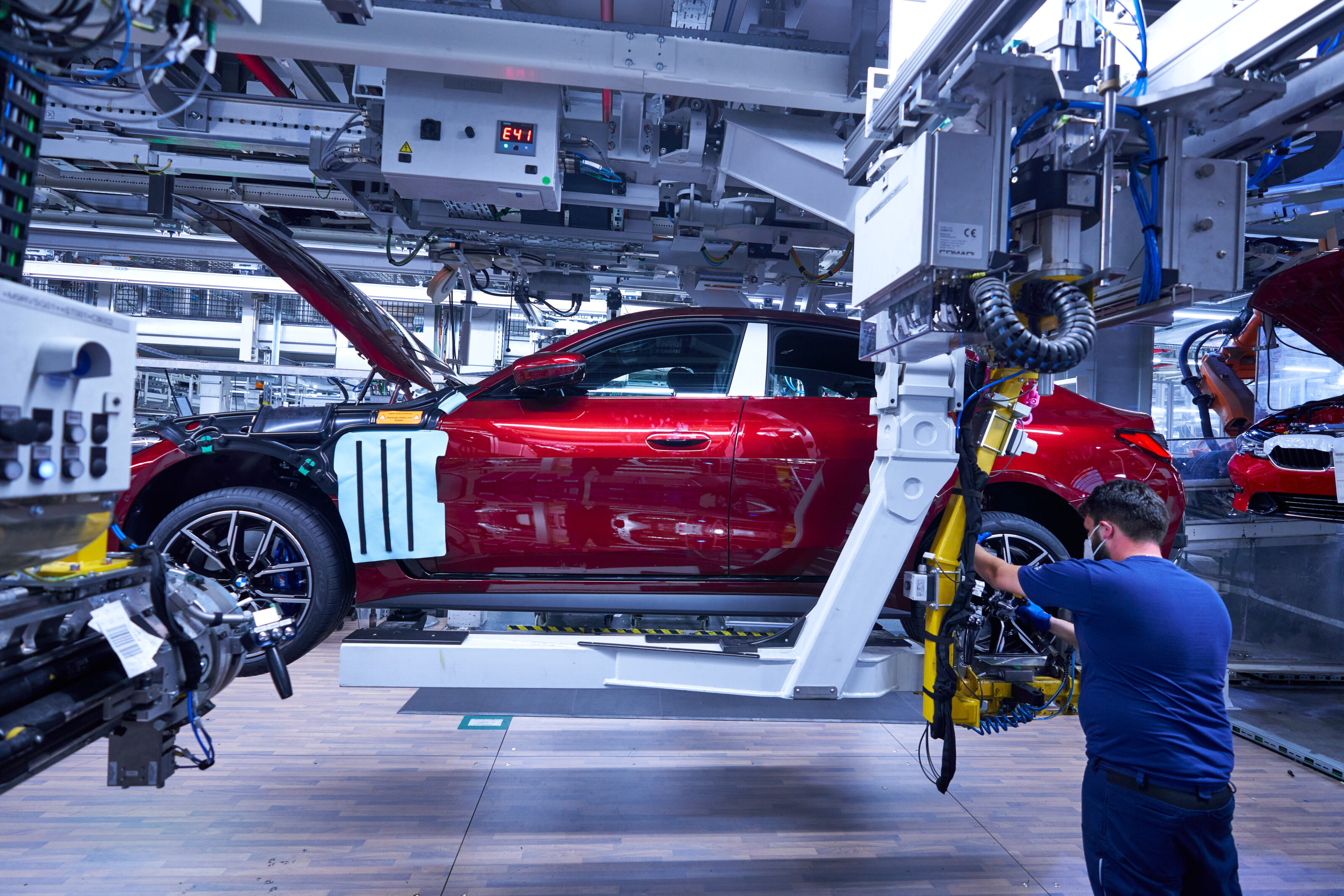
Neleljković’s admission of BMW transitioning should be no surprise as the brand has already committed to an EV future, but this is the first time it has put a timeline on when its plants will transition from ICE production to electric.
With aims to phase out ICE vehicles from the Munich plant from 2024, this will allow BMW to focus on meeting its 2030 target of 50 per cent electrified vehicles – although its biggest push for EVs is coming from the Chinese market, with at least 12 fully-electric vehicles planned to be on sale in the country by 2023.
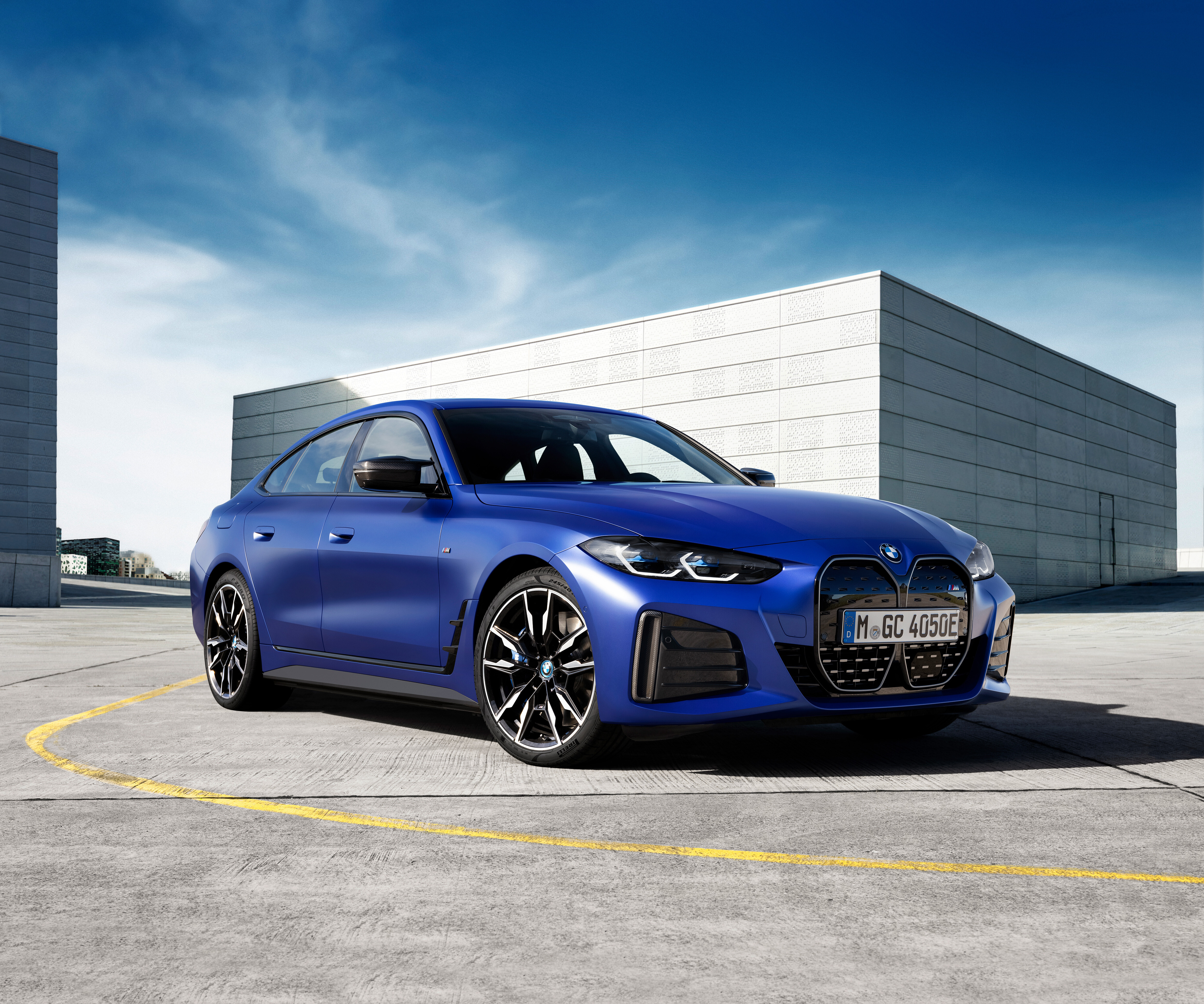
BMW also said the i4 is “an important trailblazer” for its Neue Klasse platform, set to be BMW’s first scalable electric architecture which will reduce costs by allowing its EV models to utilise a universal base.
An all-new electric sedan is set to be unveiled by BMW in 2025, potentially as a replacement to the ICE-powered 3 Series – while featuring solid-state battery technology.
The i4 is set to go on sale in Australia next year, with the entry-level eDrive40 carrying a price of $99,900 before options and on-road costs, as the range-topping M50 will retail for $134,900.
Snapshot
- CO2 related health issues will incur a large financial burden
- No commitment from Australian Government on ICE ban
- Total move to EVs would save $492 billion
The slow adoption of electric vehicles in Australia could lead to a $850 billion health bill by 2050, according to modelling.
Released by the Australian Conservation Foundation, the Deloitte-compiled report shows how Australia’s delayed and low uptake of EVs will impact our future health, with a reliance on internal combustion engine (ICE) vehicles accelerating the rate of carbon emissions.
Australia is one of the few first-world nations to not announce a set date to ban the sale of new ICE vehicles yet – meanwhile the United Kingdom targets a 2030 phasing out of fossil-fuel burners and the EU is set to do so from 2035.
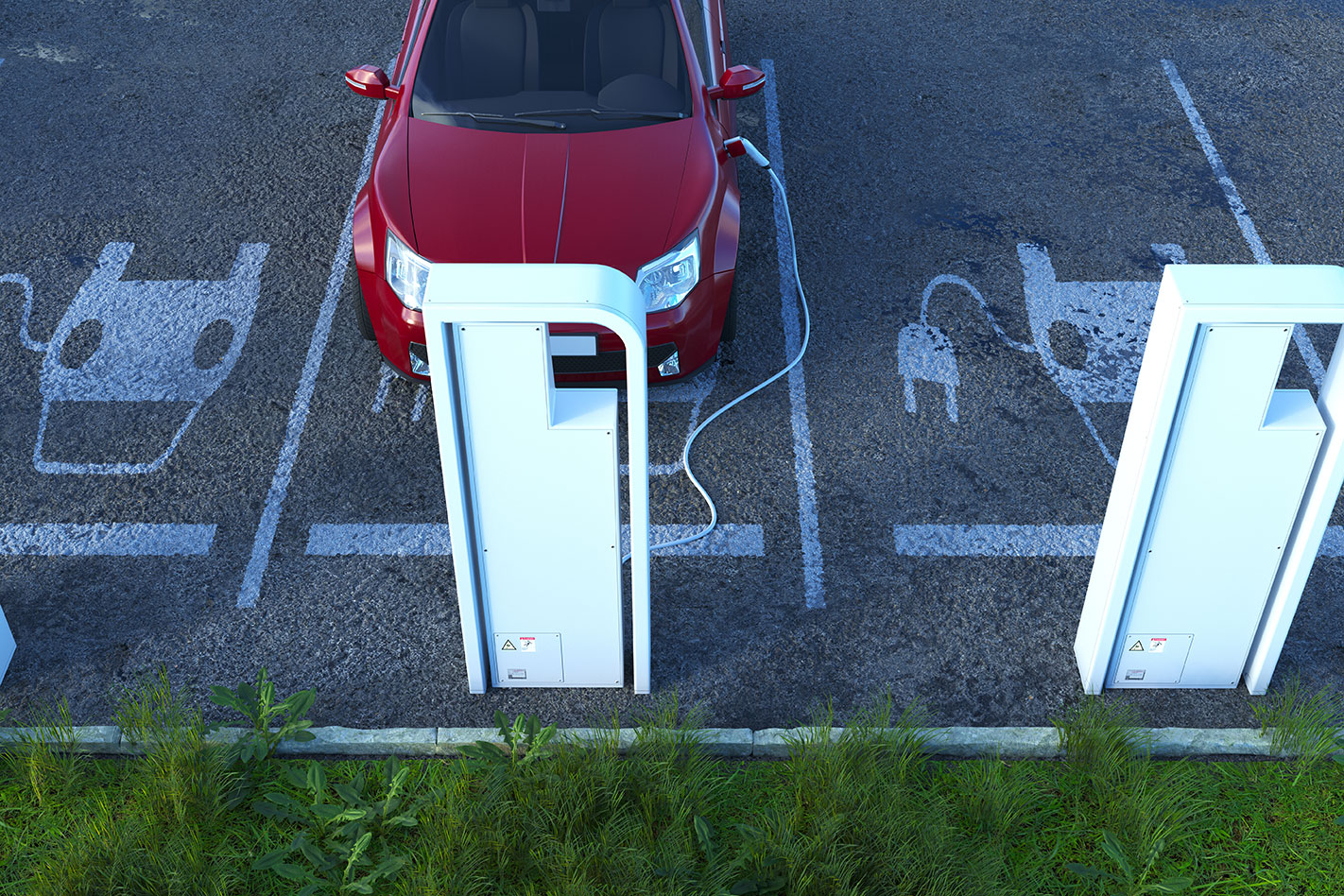
Through factoring in the financial costs of increasing carbon emissions and CO2 levels in the local environment, the report shows if EV adoption continues on its current trend, it will cost the health system $864.9 billion between 2022 and 2050 due to air, water and noise pollution.
Air pollution will be the biggest contributor, accounting for 56 per cent ($488.2bn) of the total cost, with greenhouse gas emissions second on 24 per cent ($205.4bn), followed by noise (11 per cent/$95.4bn) and water (nine per cent/$75.8bn).
Although passenger vehicles make up a significant majority of all road users, they will only contribute to 37 per cent of the problem ($319.9bn), while light commercial and heavy vehicles are attributed to 58 per cent of the costs ($504.72bn). Buses and motorcycles are the lowest of all sources, just 4.6 per cent between the pair.
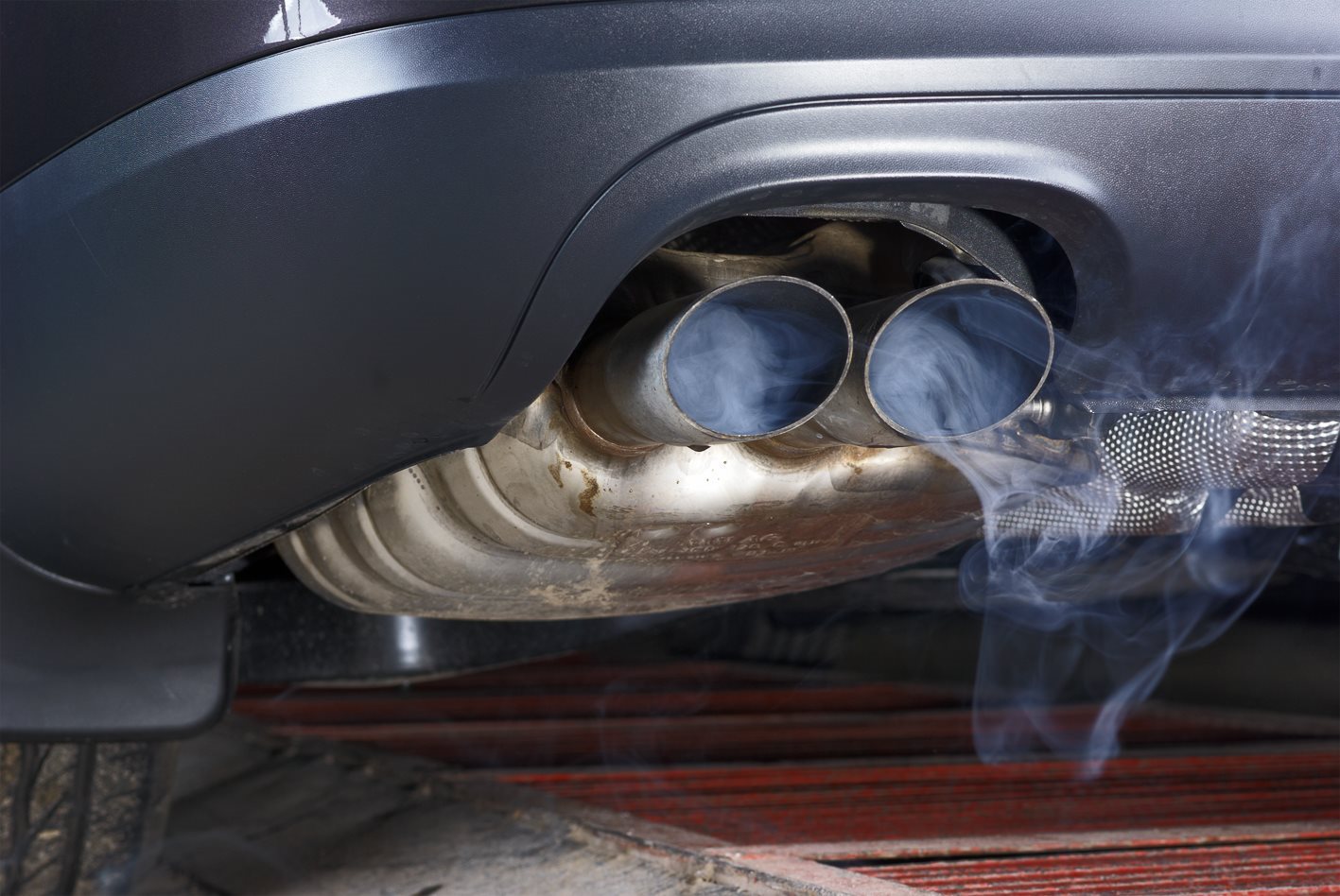
The modelling shows the current rate of uptake will lead to just under 60 per cent of all new vehicle sales in Australia to come from EVs by 2050, although this is based on both the lack of universal incentives and continued ICE production – the latter of which is unlikely to continue on a large scale.
While the report shows three scenarios on top of the base modelling, the most extreme of the trio shows a complete move towards zero emissions vehicles in the passenger, private and public transport sectors by 2035 – a seemingly unachievable goal at this point in time.
However, if this was to be actioned, we could see a $492bn reduction in the previously predicted burden on the health system, a 57 per cent drop, seemingly offsetting the costs of EV infrastructure and incentives.
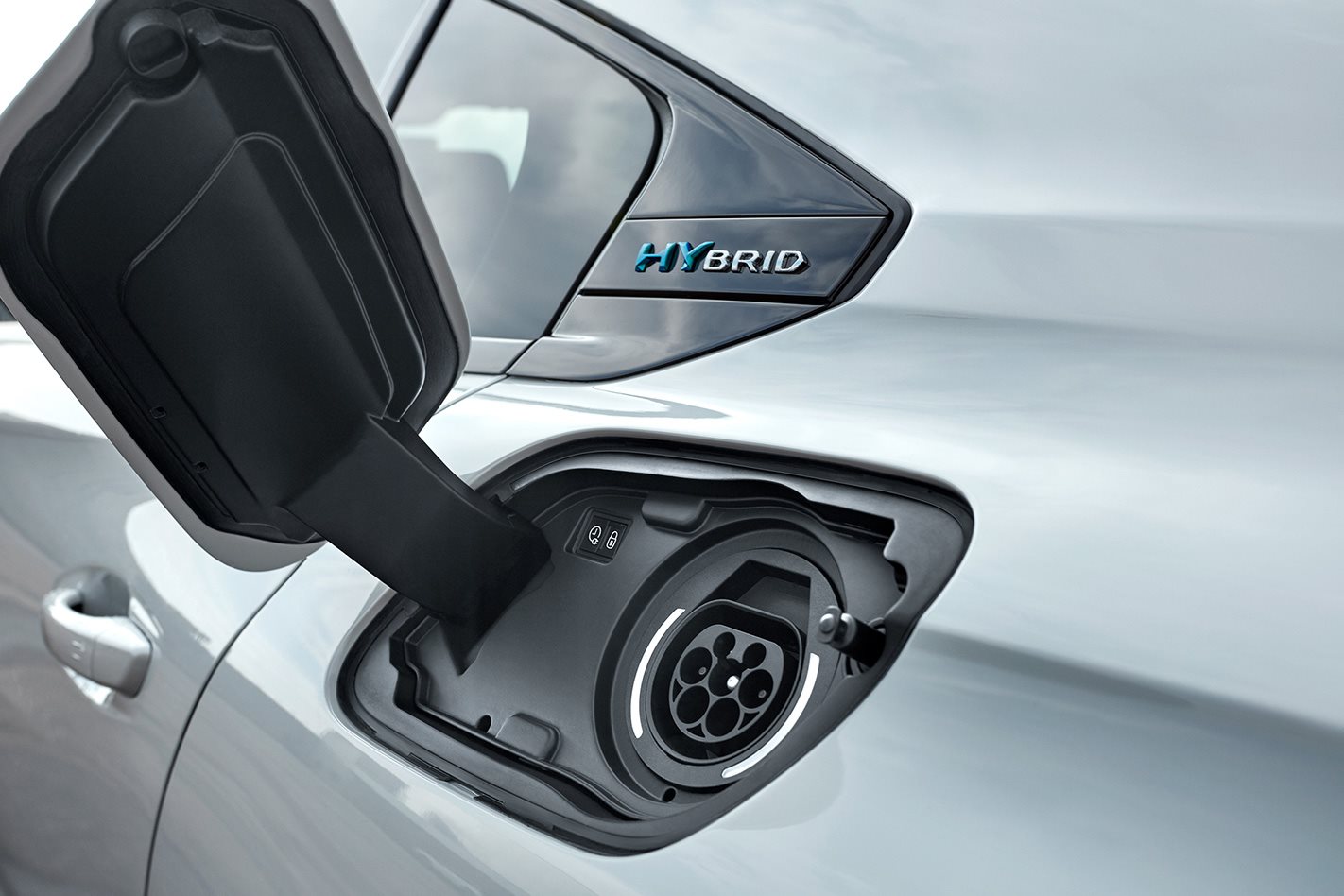
Director of innovation and strategic engagement at the Federal Chamber of Automotive Industries, Peter Griffin, told WhichCar the increasing number of EVs available locally, plus increased incentives, will push more buyers away from ICE vehicles.
“There is no doubt the increased penetration of zero and low emissions vehicles will reduce CO2 emissions and this will deliver the benefits of improved fuel quality and subsequent health and environmental benefits,” said Griffin.
“The range of EVs available in Australia continues to increase each year, while technology improvements will see the cost continue to fall.
“However, Australian customers already have a wide choice of zero and low emission vehicle technology – from EVs through to plug-in hybrid, hybrid and highly efficient internal combustion engines. All of these technologies provide customers with a vehicle that suits their specific needs, while reducing emissions.
“In the absence of clear targets from governments, FCAI members have adopted a Voluntary CO2 Emissions Standard as a pathway to reducing emissions to 2030. This code acknowledges the range of technologies that are available as we continue on the path to a fully-electric future.
“Associated issues such as an improvement in the quality of fuel in Australia, and a reduction in the age of vehicles on Australian roads, also will play a significant role in reducing emissions.”

As it stands, 3568 electric vehicles have been sold in 2021 to the end of September, making up just 0.437 per cent of all new vehicle sales in Australia (816,140 units).
Six Australian states and territories currently offer incentives for buyers to get into EVs, with the most progressive of the lot coming in the form of New South Wales’s $3000 rebate and free stamp duty, while the Victorian Government has come under fire for its road user charge which taxes EV users.
The elderly woman looks up with a scowl, unimpressed with the disturbance to her sweeping. I can’t blame her; the 4.0-litre twin-turbo V8 in this C63 AMG that’s disturbed her reverie doesn’t make a particularly friendly noise. Even at low rpm it emits a deep, guttural growl that reverberates your innards.
Her days ahead aren’t about to become any more peaceful. It’s February 2015 and early days for the international launch program of the new-generation C63. Based out of the stunning Autodromo Internacional do Algarve, better known as Portimão, in southern Portugal, the road loop winds its way through the surrounding hills, navigating numerous tiny towns unaccustomed to thundering V8s.
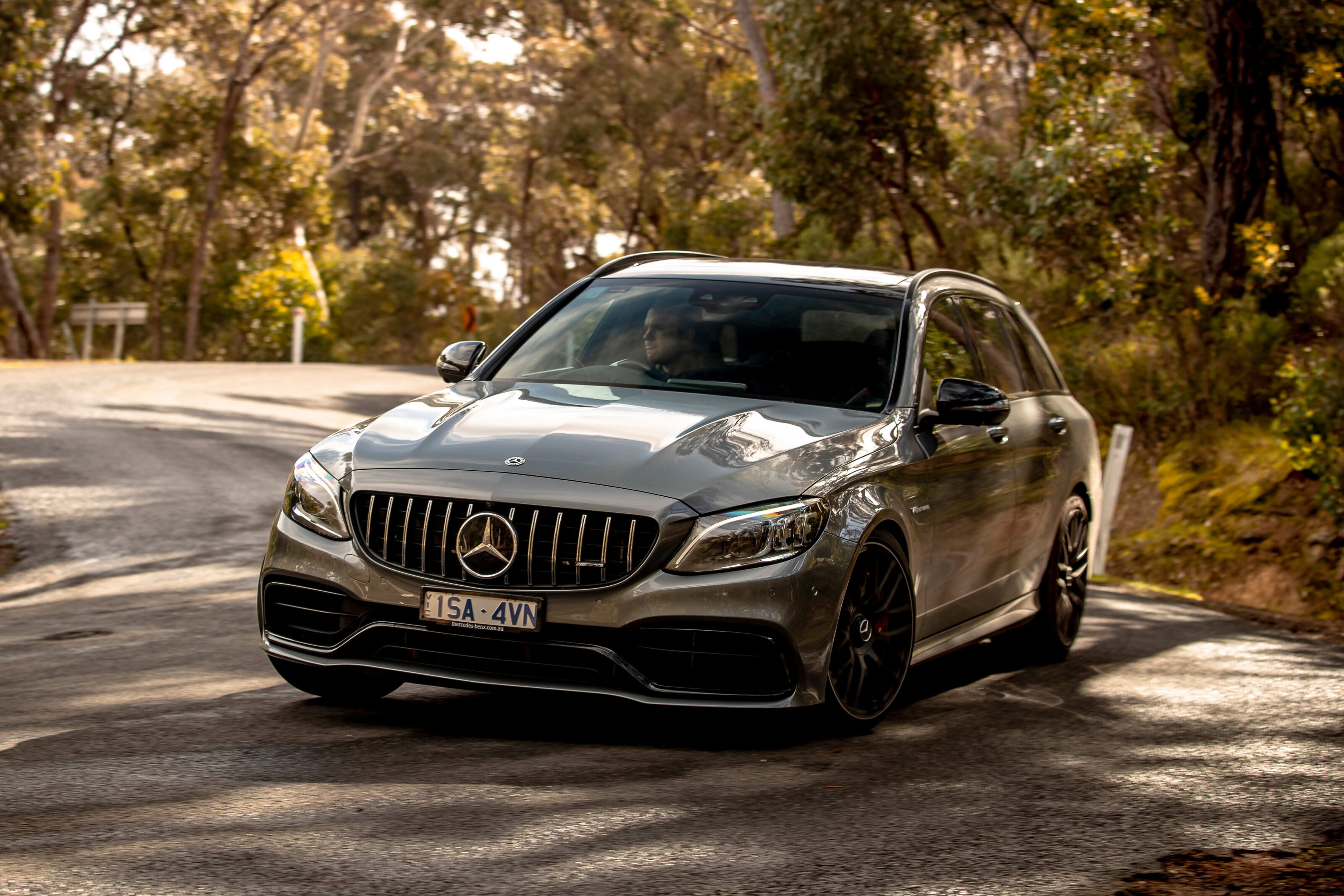
There is plenty to talk about with the all-new version of Merc’s mid-size muscle car but it’s the engine that dominates conversation, and with good reason. AMG has traditionally never found a horsepower it didn’t like and the new C63 S combines the best of both its rivals – the eight cylinders of the B8 RS4 and the twin-turbocharging of the F80 M3 – to develop a whopping 375kW and 700Nm. For reference, the Audi manages 331kW/430Nm and the BMW 317kW/550Nm.
It’s a high-tech unit, with sprayed-on, diamond-polished Nanoslide cylinder linings, piezo fuel injectors and turbos mounted inside the vee of the engine to help packaging and improve response.
Later, I ask AMG’s then-powertrain boss, Christian Enderle, what aspect of this mega motor he’s most proud of: perhaps the throttle response or the monstrous torque? Somewhat disappointingly, he replies “The fuel consumption; I think the combination of 8.6L/100km with 375kW is a world record.”
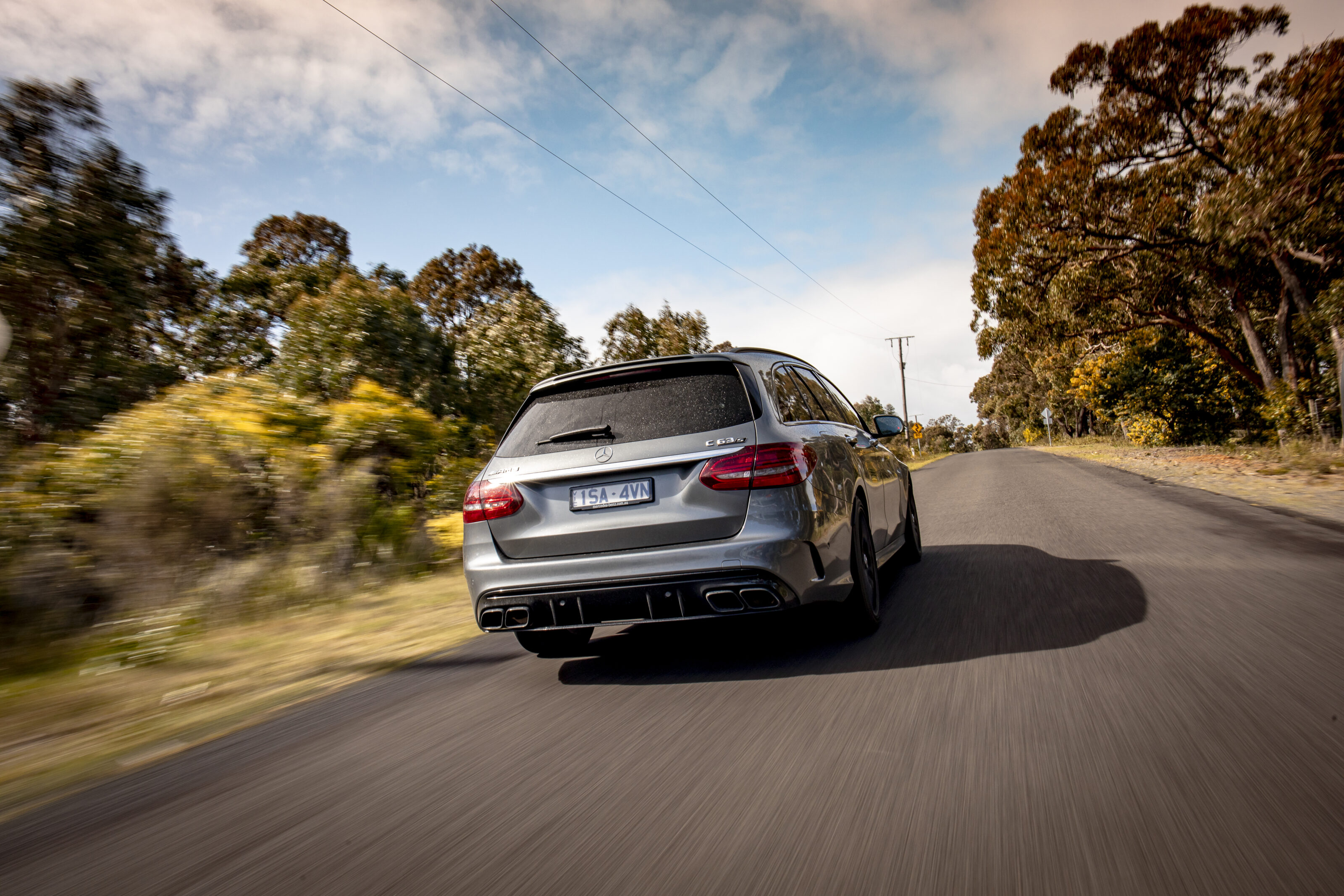
“Part of the joy of this engine is the breadth of its acoustic repertoire”
That may be so, but fast forward six or so years and the C63 S I’m currently driving certainly isn’t averaging anywhere near that. I suspect no W205 C63 S outside of a laboratory ever has. At Performance Car of the Year 2015 the C63 S – an event at which it came second, beaten only by the 991 GT3 – held the dubious honour of being the car that was furthest from its claimed fuel consumption during the test, drinking more than 20L/100km throughout. It’s a fairly typical thirst.
Despite his team’s hard work in minimising the official number, I suspect Christian is quite proud of this: it means drivers are frequently exercising both the far reaches of both the tachometer and the throttle pedal travel. You simply can’t avoid doing so as the reward is too addictive. Even in its most sensible mode the V8 sounds suitably angry, but flick the switch to Sport+ or Race and the note hardens as the exhaust flaps open.
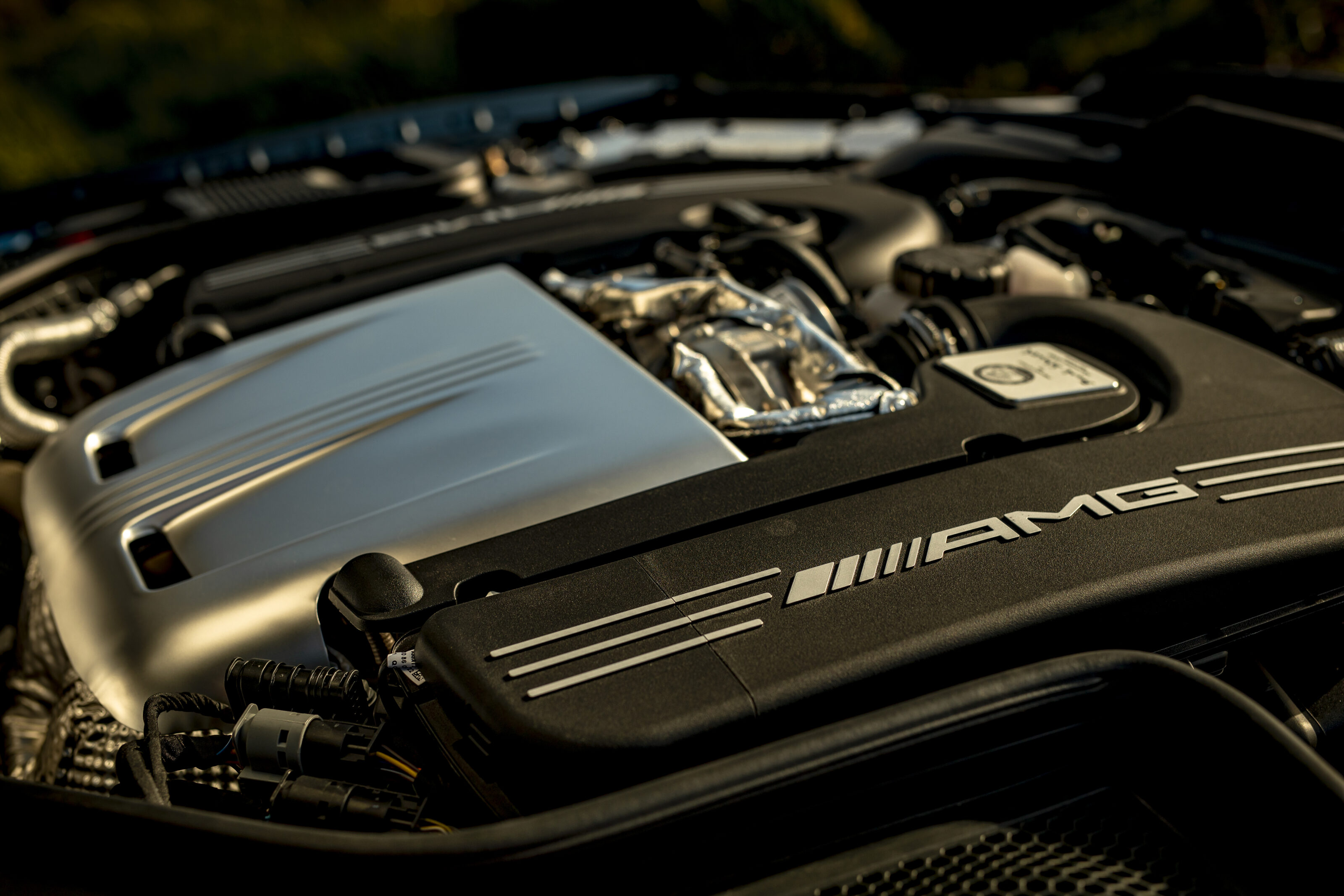
At idle it gurgles away with the rhythmic consistency of a jackhammer – dugga-dugga-dugga – but part of the joy of this engine is the breadth of its acoustic repertoire. A steadily more aggressive snarl as revs rise is accompanied by faint whines and whooshes from the turbos, crisp barks on full-throttle upshifts and vicious gunshots on the over-run, the sort of theatrics that recent noise and emissions regulations have sadly excised from newer models.
Come to a stop and another sound dominates, that of the hard-working fans furiously feeding cool air into the engine.
Moving the turbos atop the engine allowed it to fit in a much smaller space but effectively created an under bonnet oven, with nowhere for the heat to go. At the launch, Enderle admitted controlling temperatures was one of the most challenging facets of the whole operation.
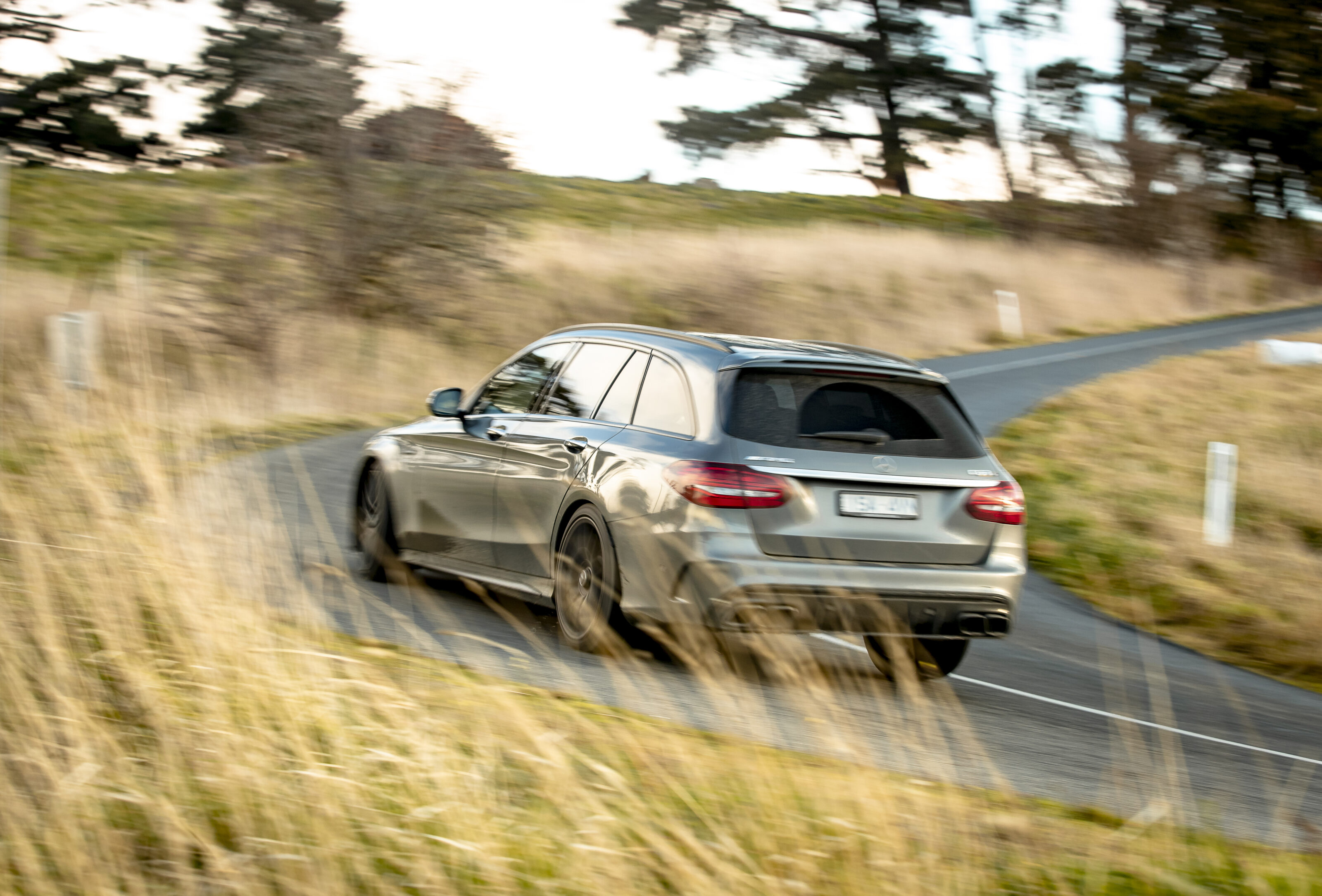
All these noises will very soon be a thing of the past. The reason we’re driving the W205 C63 S is to say farewell; not to the badge, for AMG has confirmed that the moniker will continue (it’s built up too much capital to be abandoned, especially for a smaller number), but to the eight-cylinder C-Class.
Instead, the W206 C63 will use a powered-up version of the A45’s M139 2.0-litre four-cylinder and trade its ’S’ for an ‘e’, signifying plenty of electrical boost. Total output will likely be well beyond 400kW, with all-wheel drive set to slash the 0-100km/h time to 3.5sec or less.
Regardless of the final figures, this seismic shift will put an end to the fast C-Class blueprint that has endured for 25 years: V8 engine, automatic gearbox, rear-wheel drive. The journey began with the 225kW/410Nm W202 C43 and continued through the ultra-rare (59 built) 255kW/510Nm W202 C55.
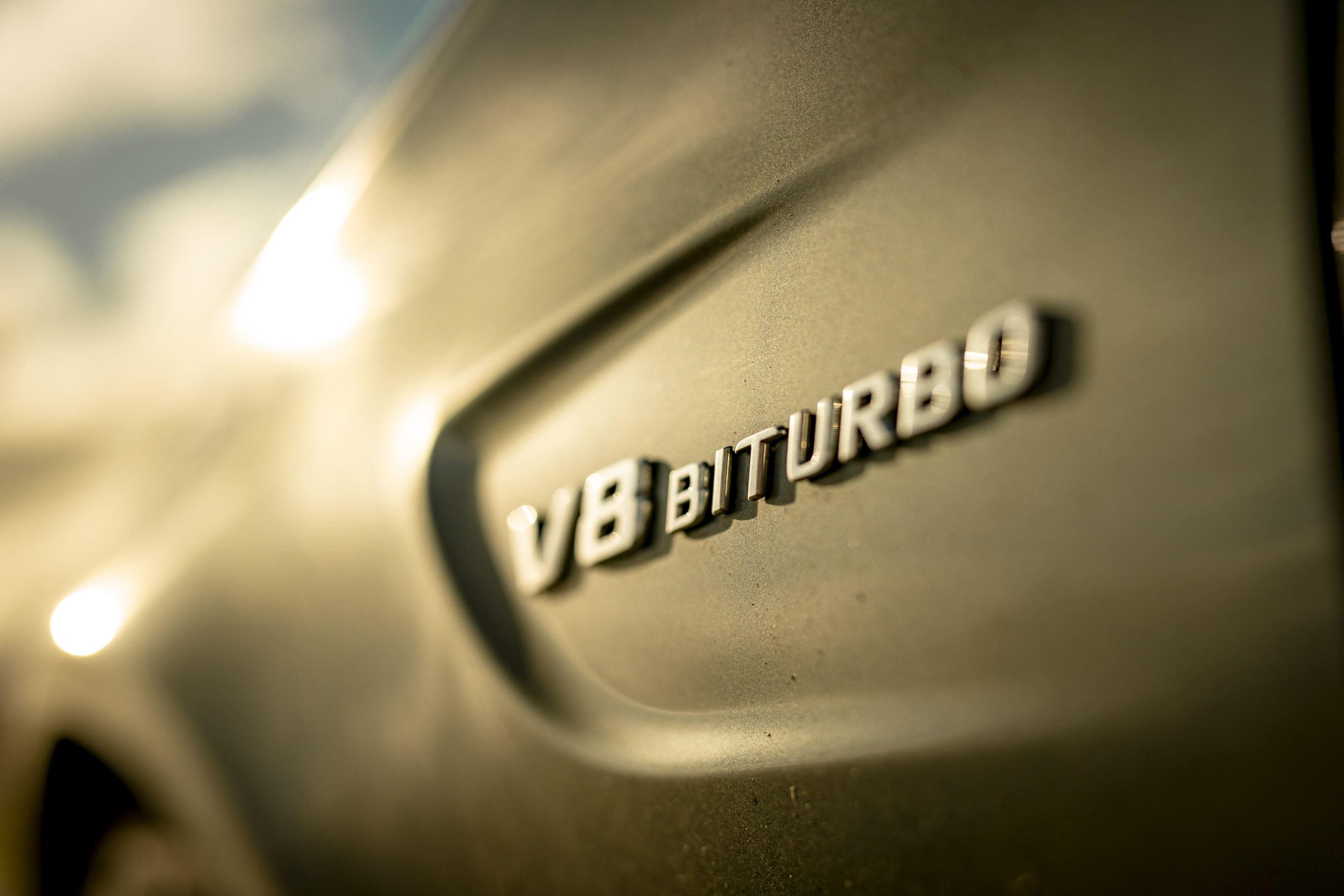
The W203 C55 improved on this with 270kW/510Nm but the W204 C63 was a quantum leap not just in terms of performance (336kW/600Nm) but also sales success. It’s not too strong a statement to say it’s the car that put AMG on the map in Australia.
It gave the W205 huge shoes to fill but it did so admirably. More grunt was only part of the picture, though. Of more importance was the new car’s ability to deploy it. Remember that at launch the W204 C63 didn’t even have a limited-slip diff, making it a single-pegger world champion, whereas the W205 scored an electronically controlled LSD from the SLS Black Series.
AMG boss Tobias Moers gave the gearbox engineers a kick up the bum, telling them not to be so conservative with shift speeds for the seven-speed wet-clutch auto, downshifts becoming twice as rapid as a result.
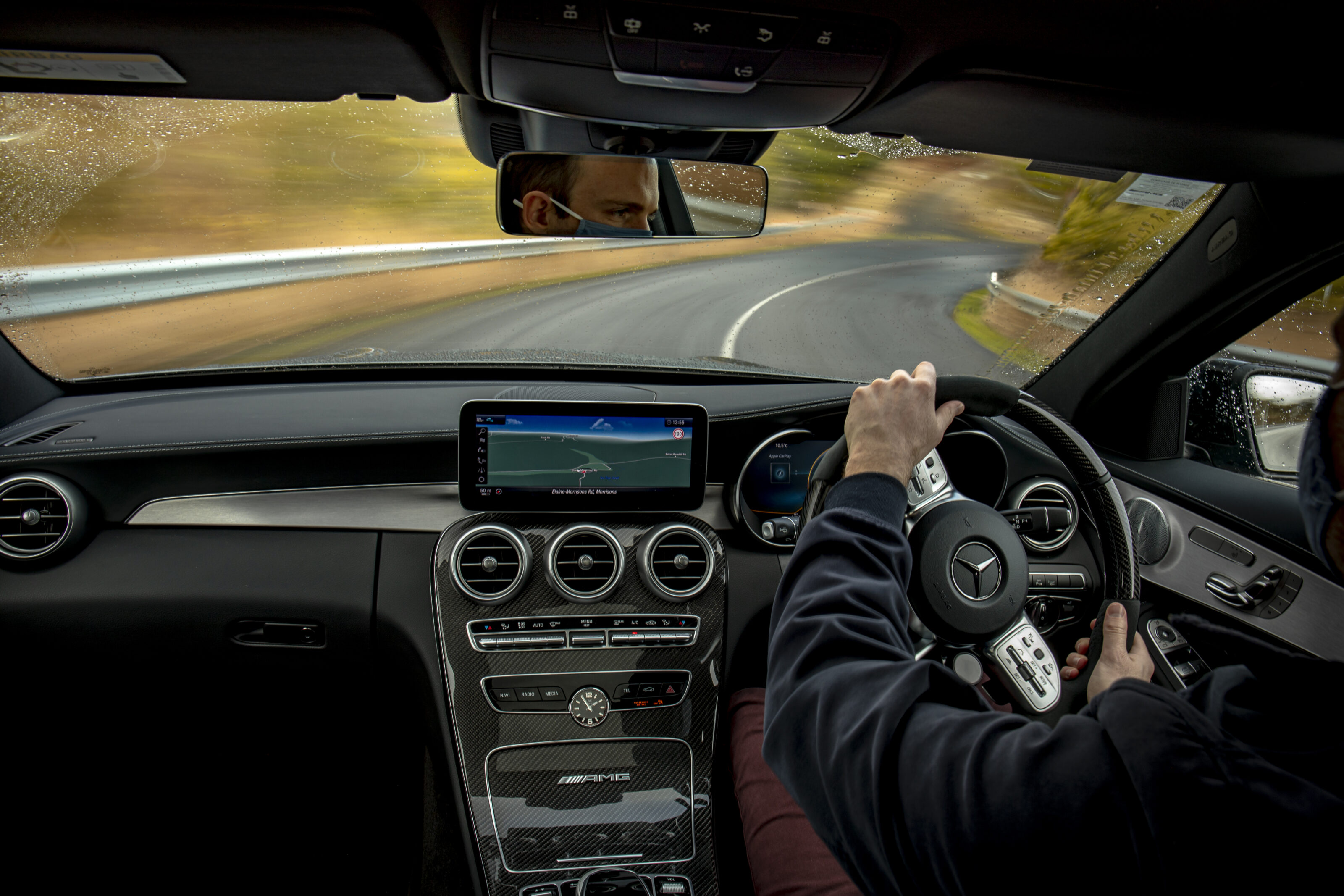
Wider tracks and tyres, bigger brakes with the option of carbon-ceramic fronts, solidly mounted rear subframe; a whole lot of work went into harnessing that monster engine.
It still required patience to drive, primarily because its rubber was still relatively narrow – 245mm front; 265mm rear – for a car of this weight and power, but it was now a genuine dynamic rival for the BMW M3. In fact, it almost went a bit too far in that direction.
Its undoubted performance allowed the forgiveness of many sins, but there was no escaping that the C63 could be a pain to drive day-to-day. The gearbox loved to clunk and jerk through low-speed manoeuvres and the ride was unrelenting; the adaptive dampers’ three stages were labelled Comfort, Sport and Sport+ but really should’ve been Stiff, Stiffer and Stiffest.
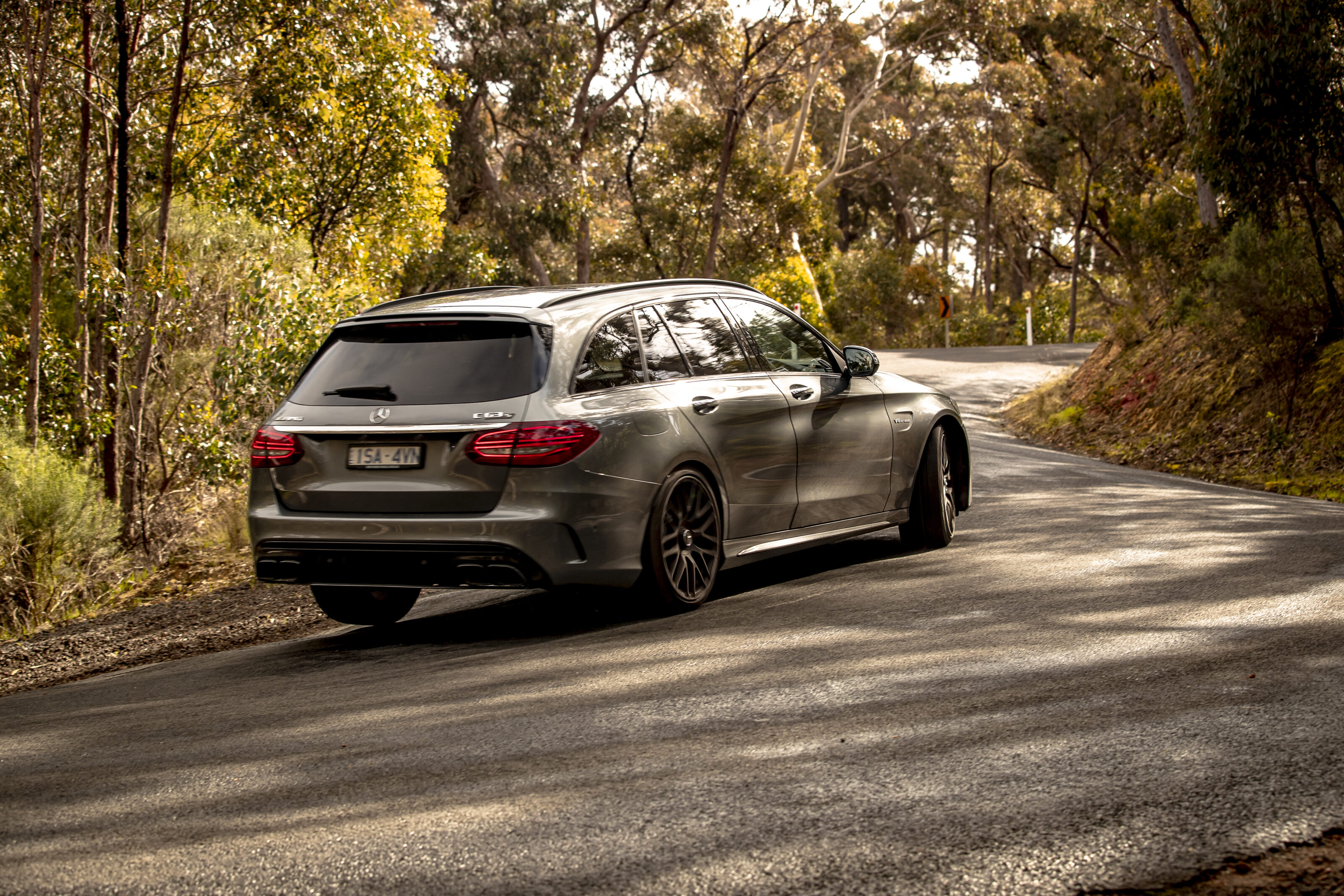
AMG clearly received plenty of customer feedback to the same effect, as the mid-life update in 2018 focused primarily on improving its daily manners. The suspension was successfully retuned to the point that Comfort was now a partially accurate descriptor, Sport was perfect for public road ‘progress’ and Sport+ need no longer be limited to flat-as-a-tack racetracks.
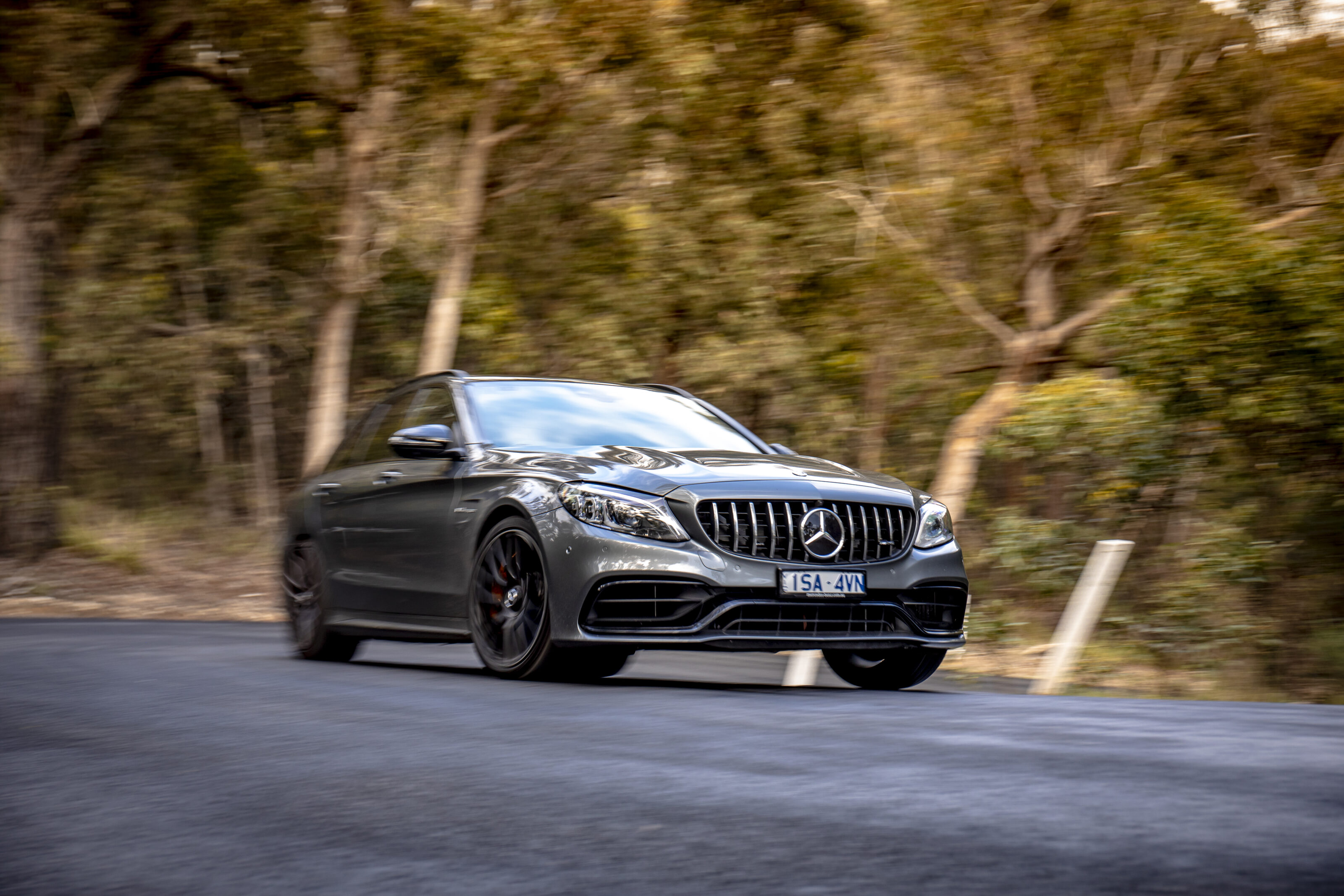
It’s not often that engines are left alone at facelift time, even if it’s just another 5kW or so, but 375kW/700Nm was understandably deemed ample. A switch from the older seven-speed to the new nine-speed MCT – which is a traditional automatic but with a wet clutch arrangement replacing the torque converter – resulted in quicker upshifts, more obedient downshifts, smoother low-speed behaviour and improved acceleration and fuel economy thanks to the closer ratios and wider overall spread.
Inside there were bigger screens and a new steering wheel with a drive mode dial on the right and buttons to toggle various mechanical parameters on the fly, which made you feel a bit like Lewis Hamilton on a qualifying lap. High technology was also employed in an attempt to further ease the rear tyres’ burden of dealing with all that torque to varying degrees of success.
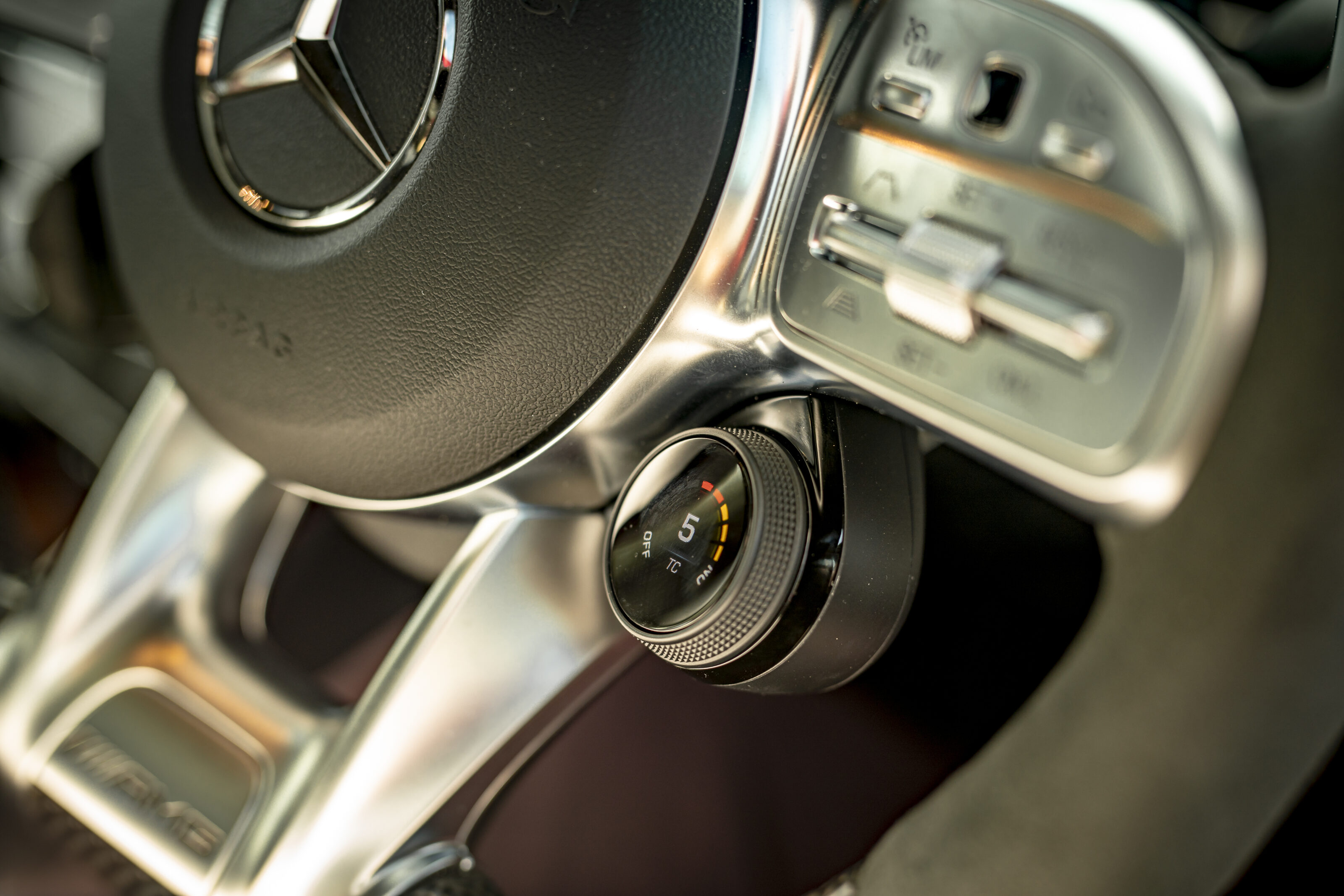
The nine-stage traction control lifted from the AMG GT R is ace. It sounds like a gimmick, and the fact that ESP has to be deactivated for it to come alive means it’s possibly of limited use in a day-to-day scenario, but the way you can perfectly tailor engine output to surface grip with a couple of clicks of the drive mode dial is remarkable.
Launch control became a lot easier, too, eradicating the need to pull both paddles to activate, though a certain subset of owners discovered to their dismay that it made stationary burnouts very difficult.
AMG Dynamics is less successful. It’s difficult to pin down what it actually is and what it actually does. As best I can discover it’s kind of an umbrella ESP system that controls how the rear diff interacts with the regular ESP.
Adjustable through four modes – Basic, Advanced, Pro and Master – in theory it knows what the car is doing before you do and subtly adjusts it accordingly to ensure control, yet in reality it seems to second guess the driver’s input and in doing so robs confidence – is the car going to respond as I expect it to? Maybe I’m not driving it properly.
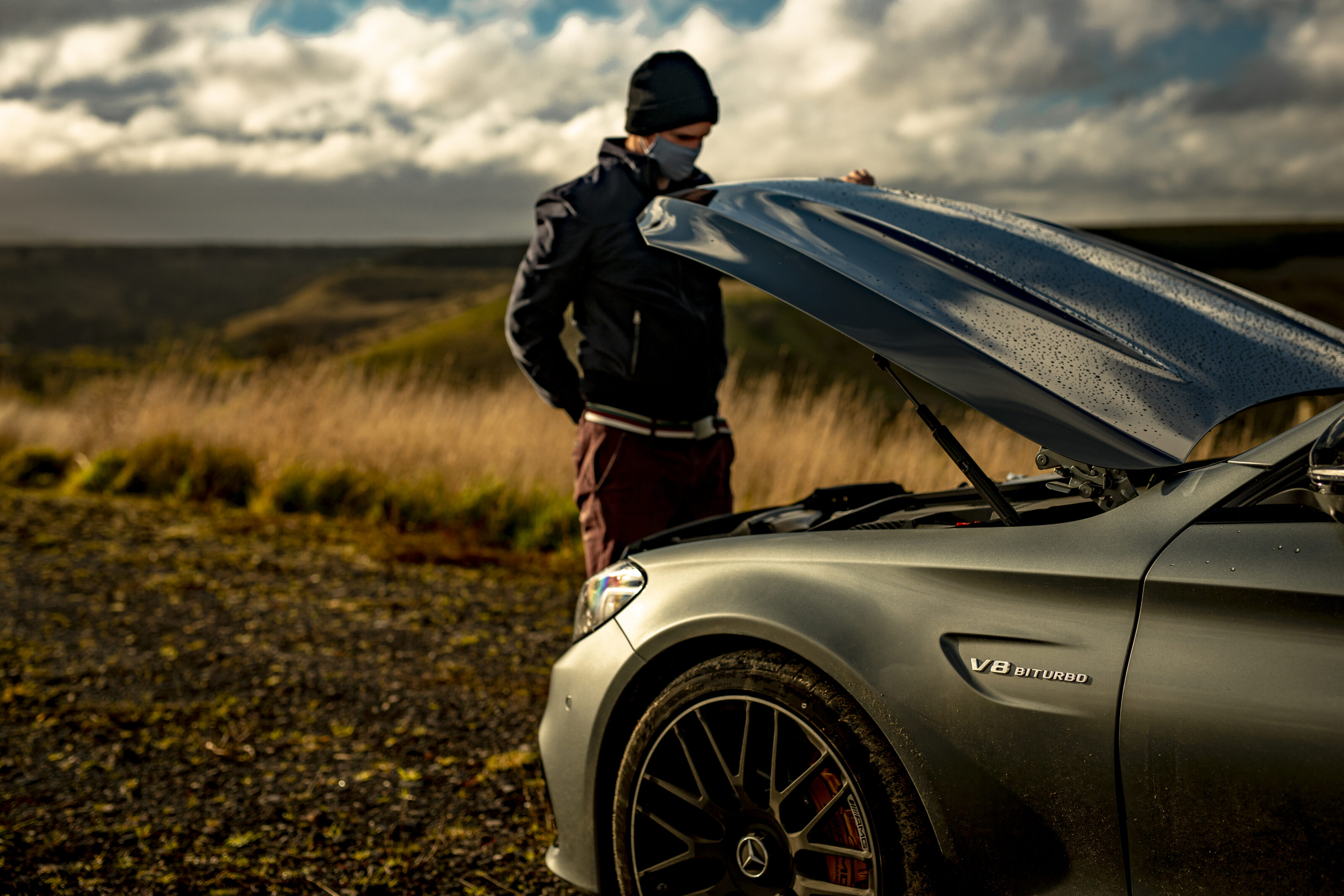
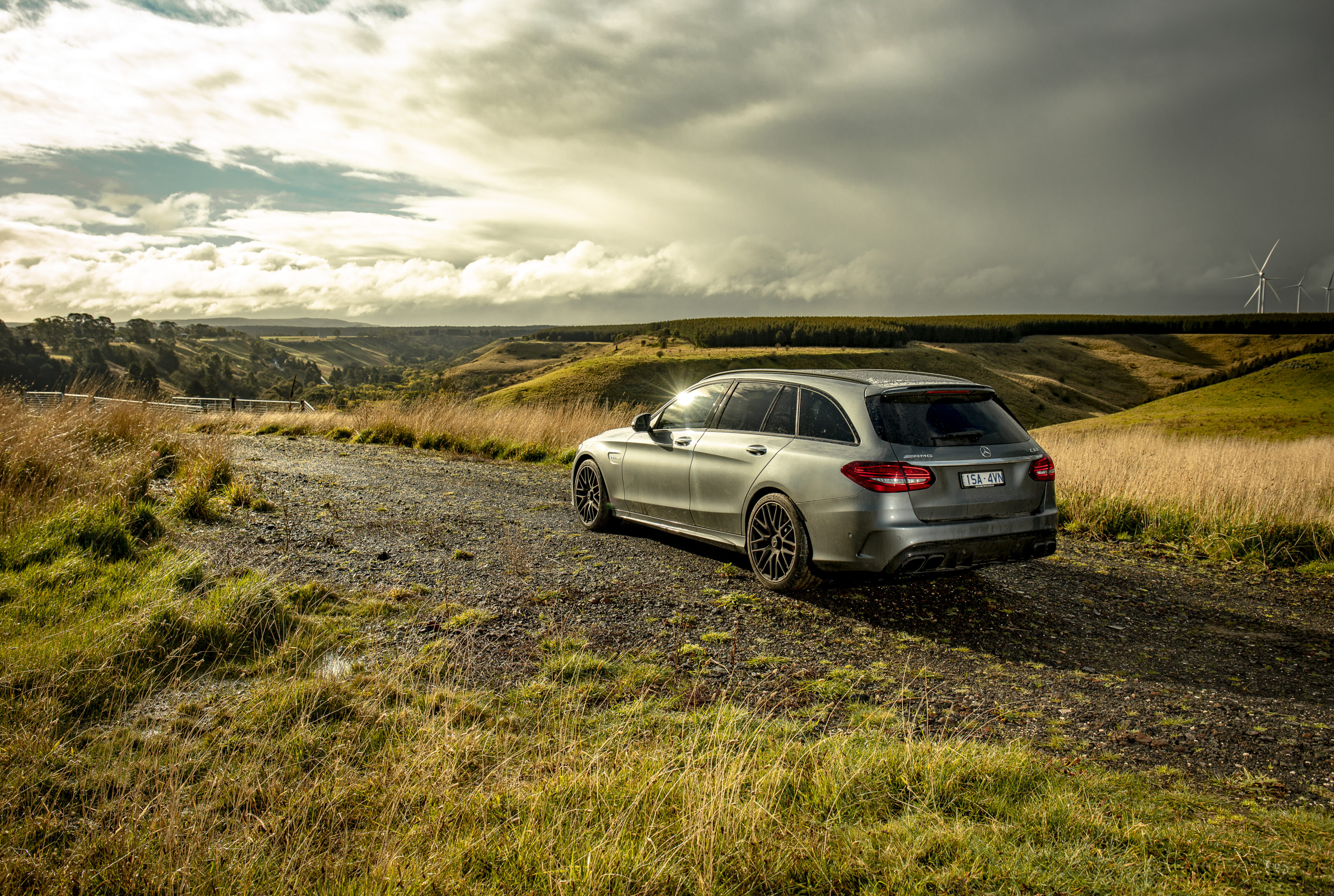
Nevertheless, at full flight a W205 C63 S is an awesome thing. The Estate is a bit heavier than the sedan at 1750kg, but it would take a back-to-back drive to notice, as it offers all the same wonderful sensations only with more dog room.
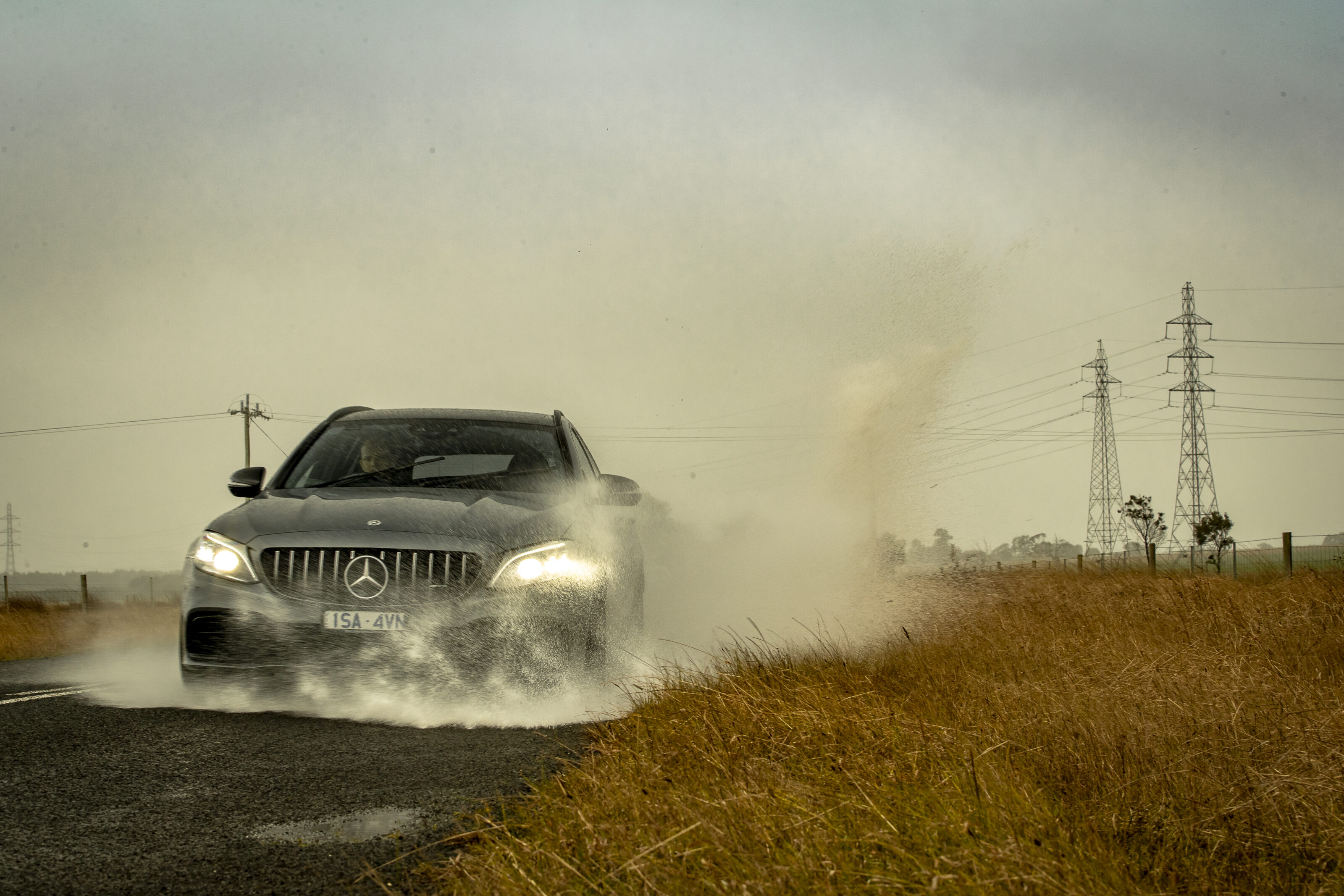
Suspension and ESP in Sport, engine in Race and gearbox in manual, it’s both ferociously fast and endlessly entertaining. Even in the wet conditions of our photoshoot on older-generation Michelin Pilot Super Sports it finds surprising traction yet can break it at will.
There’s a neat symmetry to using an Estate for this farewell feature, as the car described in the opening paragraph was a deep blue ’S’ Estate, optioned with carbon-ceramic brakes and Michelin Cup 2 tyres – it was truly fantastic.
It’s going to be a massively tough act for the W206 to follow, especially as though the badge will be virtually the same, the driving experience will differ dramatically. Standard all-wheel drive, albeit rear-biased, will eradicate wheelspin – though it’s a safe bet there will be a drift mode – and while the M139 sounds decidedly angry for a four-pot, it’ll never have the drama of a beefy V8. It’ll be a lot faster but also heavier, the lighter engine offset by the hybrid system.
And yet, I can’t wait for the C63e. In truth, the traditional V8, rear-wheel-drive format has probably gone as far as it realistically can in this size of car. Adding more power would only exacerbate the current traction difficulties, while including all-wheel drive like its E63 S big brother would set off a sinful spiral of added weight anyway.
AMG’s switch to a four-cylinder hybrid has been forced by emissions regulations, but they’ve certainly made the best of the situation. If the current A45 is a preview of the W206’s potential, then the driving experience will be different but no less entertaining and current C63 S owners won’t be able to believe the traction and cornering prowess.
What’s more, with its EV-only capability, our elderly Portuguese friend will be able to continue her sweeping in peace. She might even crack a smile.
End of the road: AMG delivered for Aussie buyers and then some
AMG’s decision to retire the V8 from the C-Class hasn’t been the work of a moment. In many ways the writing has been on the wall for a very long time.
BMW last fitted a V8 to its M3 back in 2013 and Audi’s final 4.2-litre V8 for the RS4 came out of the Neckarsulm plant in 2017. That leaves Mercedes-AMG a bit of a holdout in this market, but sticking to the knitting hasn’t done sales that much harm, at least not here in Australia where cheap fuel, a cultural fondness for V8s and nothing in the way of emissions-based taxation saw the C63 prosper in its later years.
The Estate version featured here remains quite a rare sight, however, and it doesn’t have a great deal to do with Audi or BMW.
It’s identically powered sibling, the all-wheel drive GLC63 S SUV outsells it by a ratio of nine to one. That hurts our souls.
2021 Mercedes-AMG C63 S specs
| Body | 5-door, 5-seat wagon |
|---|---|
| Drive | rear-wheel |
| Engine | 3982cc V8, DOHC, 32v, twin-turbo |
| Bore x Stroke | 83.0×92.0m |
| Compression | 10.5:1 |
| Power | 375kW @ 5500-6250rpm |
| Torque | 700Nm @ 2000-4500rpm |
| Power/Weight | 214kW/tonne |
| Transmission | 9-speed wet-clutch auto |
| Weight | 1750kg |
| 0-100km/h | 4.1sec (claimed) |
| Suspension | A-arms, coil springs, adaptive dampers, anti-roll bar (f) multi links, coil springs, adaptive dampers, anti roll bar (r) |
| L/W/H | 4772/1839/1457mm |
| Wheelbase | 2840mm |
| Tracks | 1609/1546mm (f/r) |
| Steering | electrically assisted rack-and-pinion |
| Brakes | 402mm ventilated/drilled carbon ceramic discs, 6-piston calipers (f); 360mm ventilated/drilled discs, single-piston calipers (r) |
| Wheels | 19 x 8.5-inch (f) 19 x 9.5-inch (r) |
| Tyres | 245/35 R19 (f) 265/35 R19 (r) Michelin Pilot Super Sport |
| Price | $170,876 ($184,676 as tested) |
The 2022 Honda Civic e:HEV has been spotted for the first time in Japan, ahead of the hybrid’s official unveiling.
While Honda has already shown off the Civic hatch in June, this is the first time we’ve seen the petrol-electric hybrid variant, which will go head-to-head with the Toyota Corolla Hybrid when it arrives in the coming months.
Thought yet to be confirmed by Honda, it’s expected the Civic e:HEV will be powered by a 1.5-litre four-cylinder Atkinson-cycle petrol engine mated to a pair of electric motors to produce 96kW and 253Nm – driving on battery-only power at low speed, before switching to petrol at higher speeds.
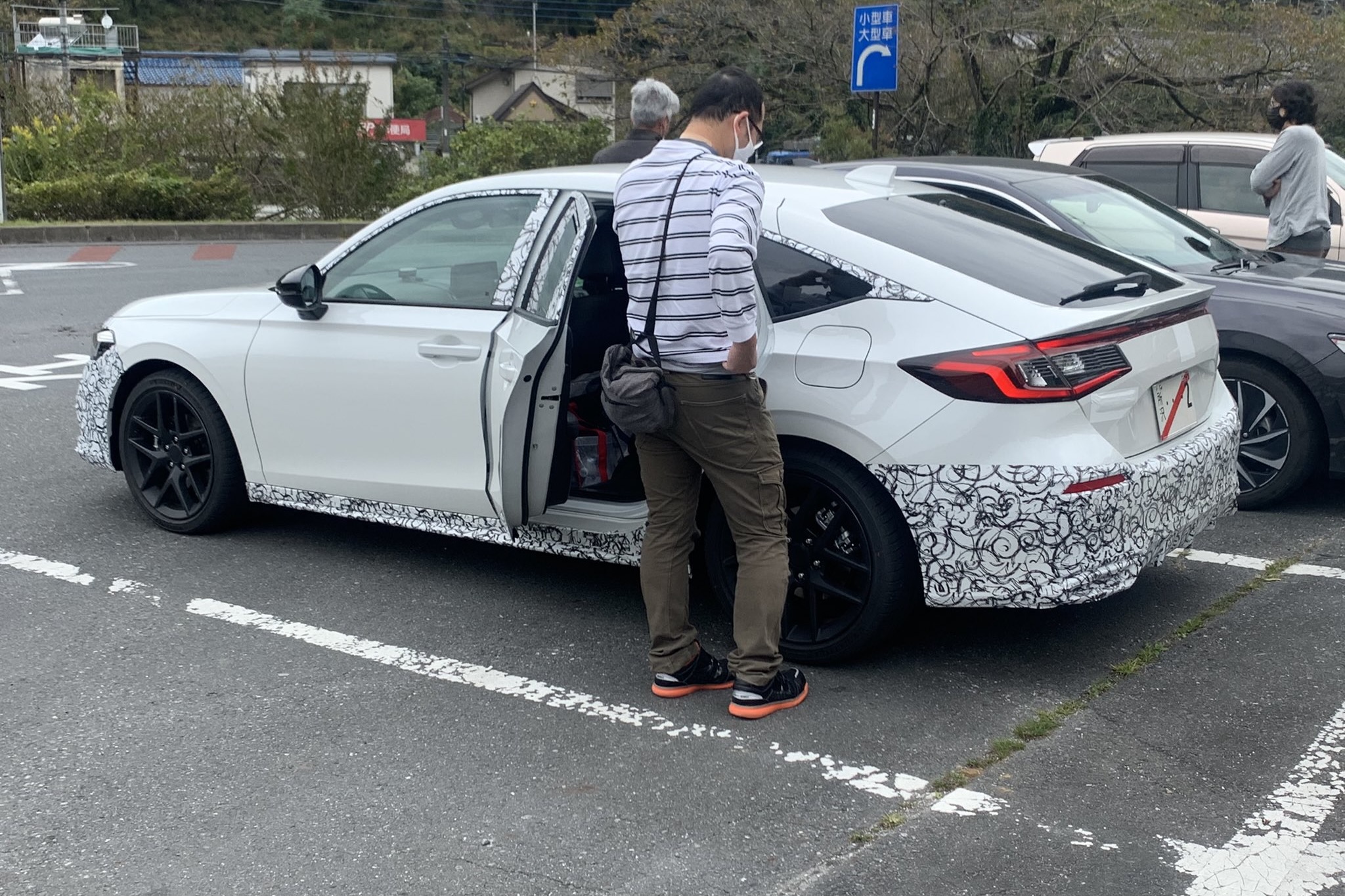
These images, posted to Twitter by @Rain_sti and published on Japanese website Creative311, show the Civic e:HEV wearing the same black 18-inch alloy wheels shown on the Civic Si sedan launched in the US last week.
The light camouflage on the front-end and around the windows suggests the hybrid will enjoy some minor exterior styling changes over the petrol model, though it’s unlikely the e:HEV will be a radical departure from the standard Civic.
Speaking to Wheels in September, Honda Australia boss Stephen Collins confirmed the electrified version would closely follow the Civic’s launch in the latter part of this year.
The 2023 BMW XM is set to be unveiled as the marque’s flagship model before the year is out, and leaked information suggests it may come with a 485kW plug-in hybrid engine.
According to a post from BMW insider ynguldyn, the German carmaker will reveal the range-topping SUV with a single plug-in hybrid powertrain to begin with, eventually expanding the range to include two additional petrol engines.
The model has also been referred to in the media as the X8, but a number of signs are hinting at this being a standalone model from the company’s high-performance M division.
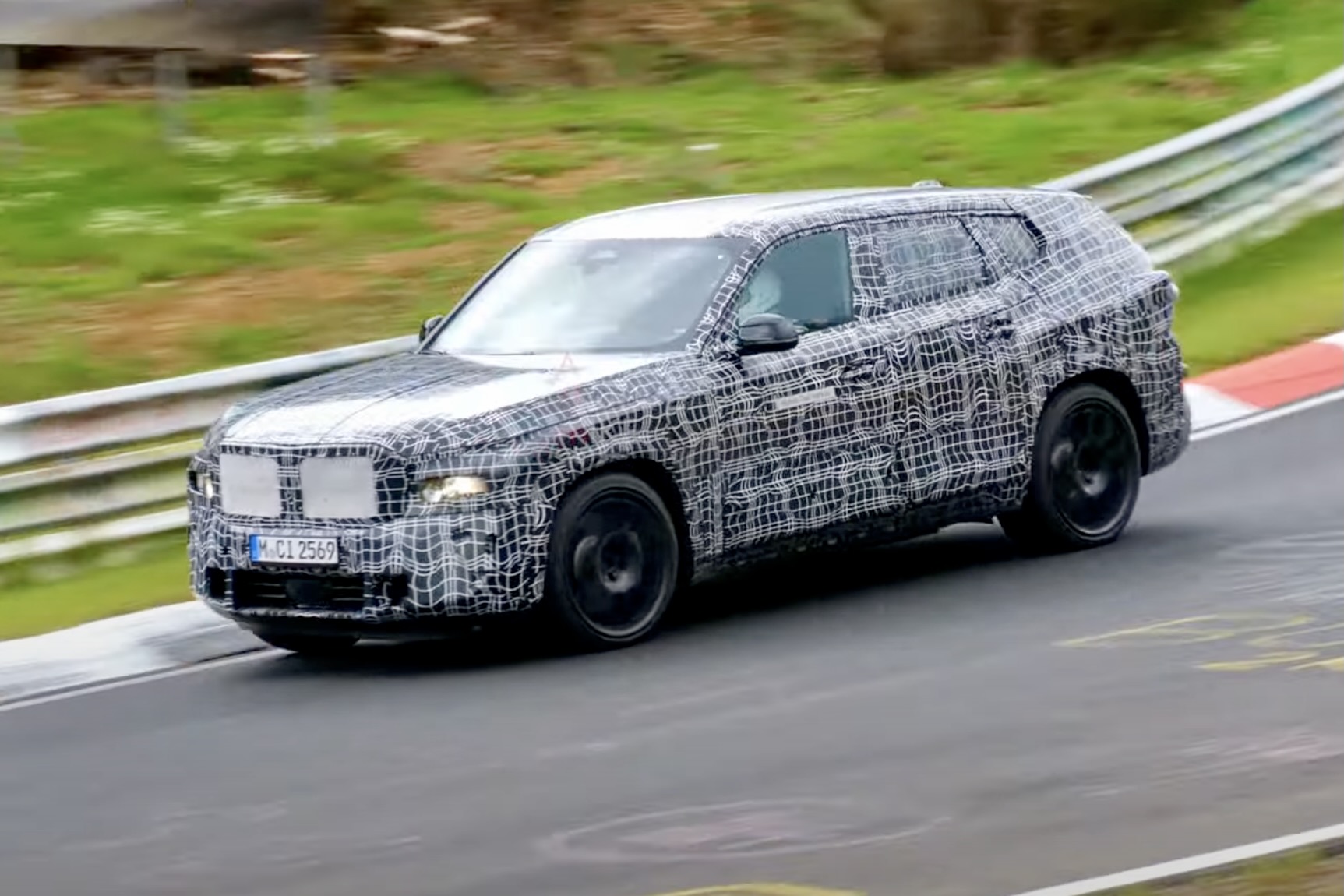
BMW filed a trademark for the XM badge earlier this year, and BMW M’s outgoing boss Markus Flasch has suggested an M model that doesn’t fit within the standard BMW range has been explored by the department.
While it’s an unusual move, there is precedent – the BMW M1 was the company’s first production vehicle to ever wear an M badge, and was only available as such.
As far back as 2018, a flagship BMW SUV was rumoured to be coming based on the Rolls-Royce Cullinan SUV – complete with V12 engine – but the informant states the large SUV will instead use the BMW’s 3.0-litre six-cylinder engine found in the M3 and M4, coupled with a plug-in hybrid powertrain to offer as much as 485kW.
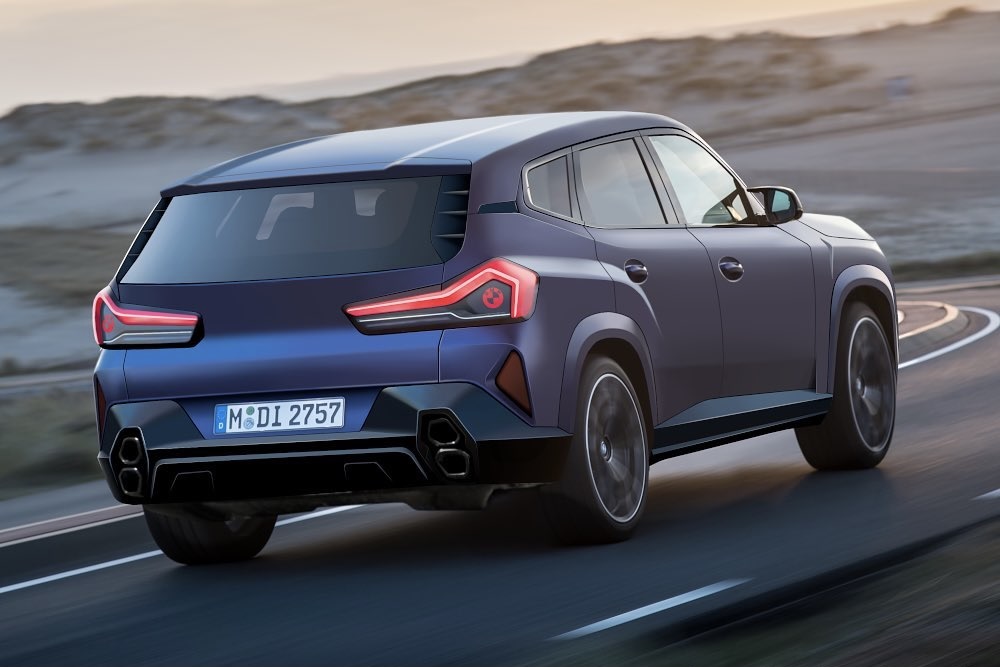
The XM is said to also come with standard M equipment such as; a limited-slip differential, dark blue sports brakes, sports seats, colour-coded seat belts, and carbon-fibre trim – with “next-level driving assist” to be added in mid-2023.
To top it off, buyers will be able to option a set of alloy wheels up to 23 inches in size.
Expect to see the 2023 BMW XM or X8 unveiled before the end of 2021, with the flagship SUV to enter production in late 2022.
Italian designer Marcello Gandini has put distance between himself and Lamborghini’s reborn Countach, hitting out at the manufacturer for initiating the project without his blessing.
Gandini worked at Bertone early on in his career and was the head designer for iconic vehicles including the Lamborghini Miura, Lancia Stratos and Bugatti EB 110, as well as the original Countach.
In August, Lamborghini revealed it would be bringing the Countach name back to life as an Aventador-based supercar, running on the underpinnings of the modern machine with the styling of the ’70s classic.
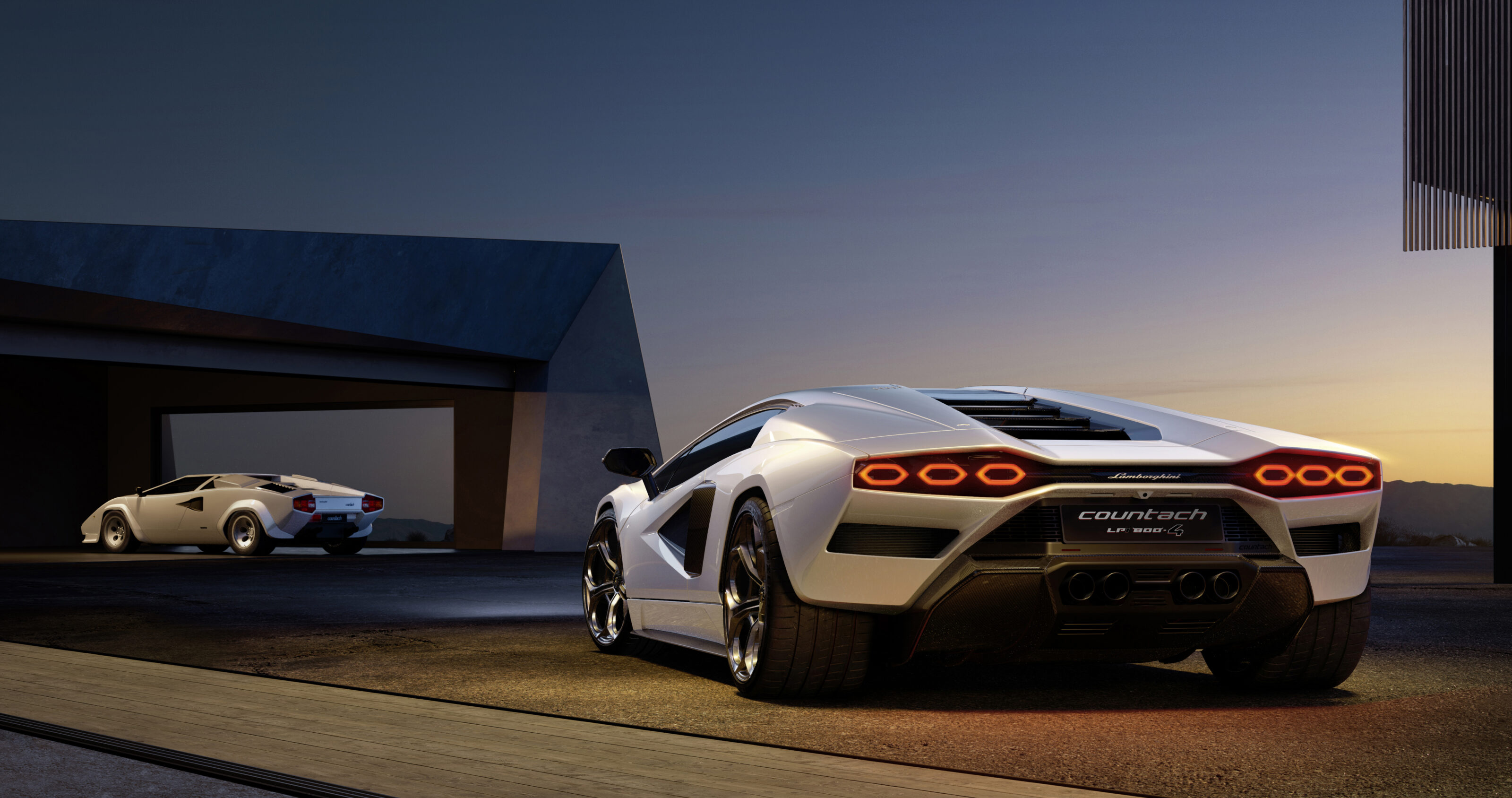
However, Gandini is seemingly unimpressed with the tribute, releasing a statement through his daughter’s PR firm.
“Marcello Gandini clarifies that he has not participated in and does not approve the project, that he didn’t give his placet,” said Gandini.
“I have built my identity as a designer, especially when working on supercars for Lamborghini, on a unique concept – each new model I would work on would be an innovation, a breaker, something completely different from the previous one.
“Courage, the ability to create a break without sticking to the success of the previous car, the confidence in not wanting to give in to a habit were the very essence of my work.
“It is clear that markets and marketing itself has changed a lot since then, but as far as I am concerned, to repeat a model from the past, represents in my opinion the negation of the found principles of my DNA.”
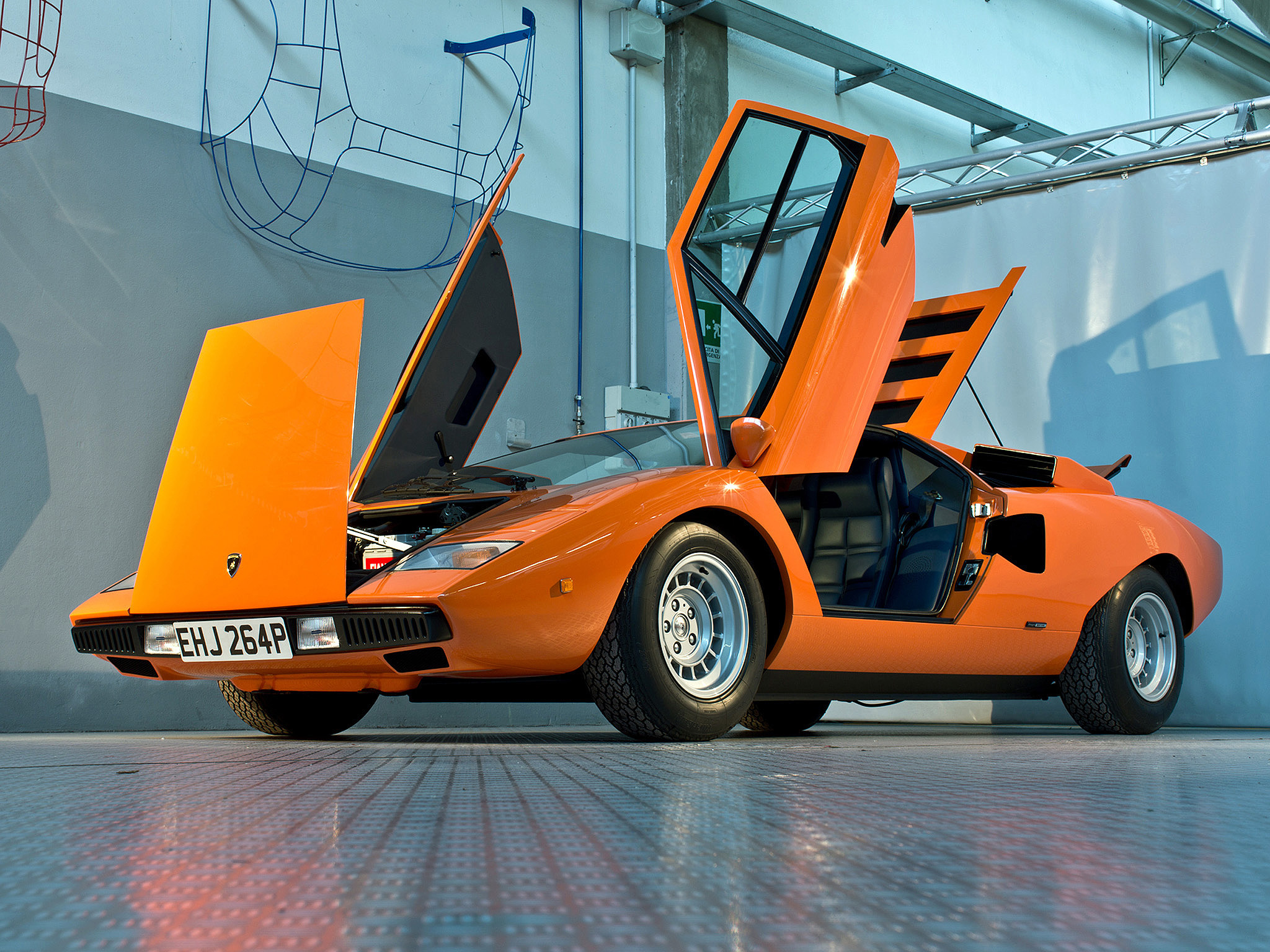
Ahead of the 50th anniversary celebrations for the Countach earlier this year, Gandini was invited by Lamborghini to be interviewed about his iconic supercar, where he was then presented with a scale model of the new Countach by Mitja Bokert, head of Lamborghini’s design department Centro Stile.
According to Gandini, Lamborghini didn’t make its intentions of bringing the Countach back to life clear to its original designer.
“Neither earlier, nor during the interview was it stated that the car was scheduled for limited series production.
“…when Mitja Borkert presented the scale model during the interview, [Gandini] did smile and acknowledge as would be customary to do so,” his statement added.
Lamborghini has not yet responded to Gandini’s criticisms, although it’s unlikely to deter the Italian company from starting production on the 112 limited run units.
Snapshot
- Total of 39,363 units affected
- Only vehicles fitted with the emergency call system impacted
- Update to the system will be implemented over the air
All Mercedes-Benz models built between 2018 to 2020 and fitted with the eCall emergency system have been placed under recall.
A total of 39,363 units are on notice due to a fault with the system, as the automatic network search of the emergency call system (eCall) communication module may be deactivated – meaning it may not be able to contact triple zero in the event of an accident.
While the potential networks affected haven’t been specified, the potential for failure within the system has forced Mercedes-Benz to recall all models fitted with it.
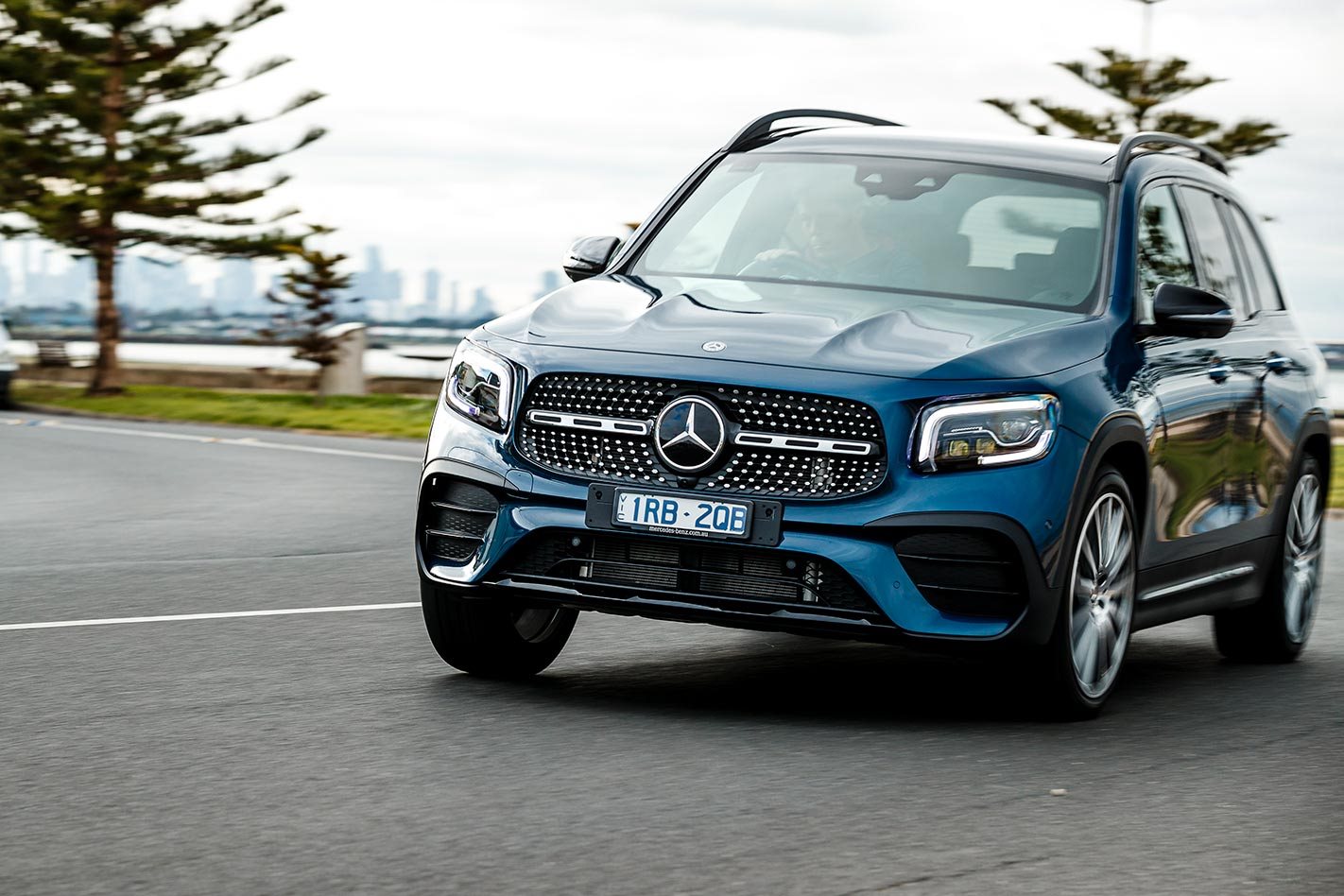
Mercedes-Benz believes the issue stems from a software problem which can be resolved via over-the-air updates, set to be rolled out to existing owners free of charge.
The recall also impacts models from sub-brands AMG and Maybach.
A list of VINs for affected vehicles can be found here with a list of models below.