
Snapshot
- Issue identified with bolts holding the rear stabiliser bracket
- Subaru will fix the problem free of charge
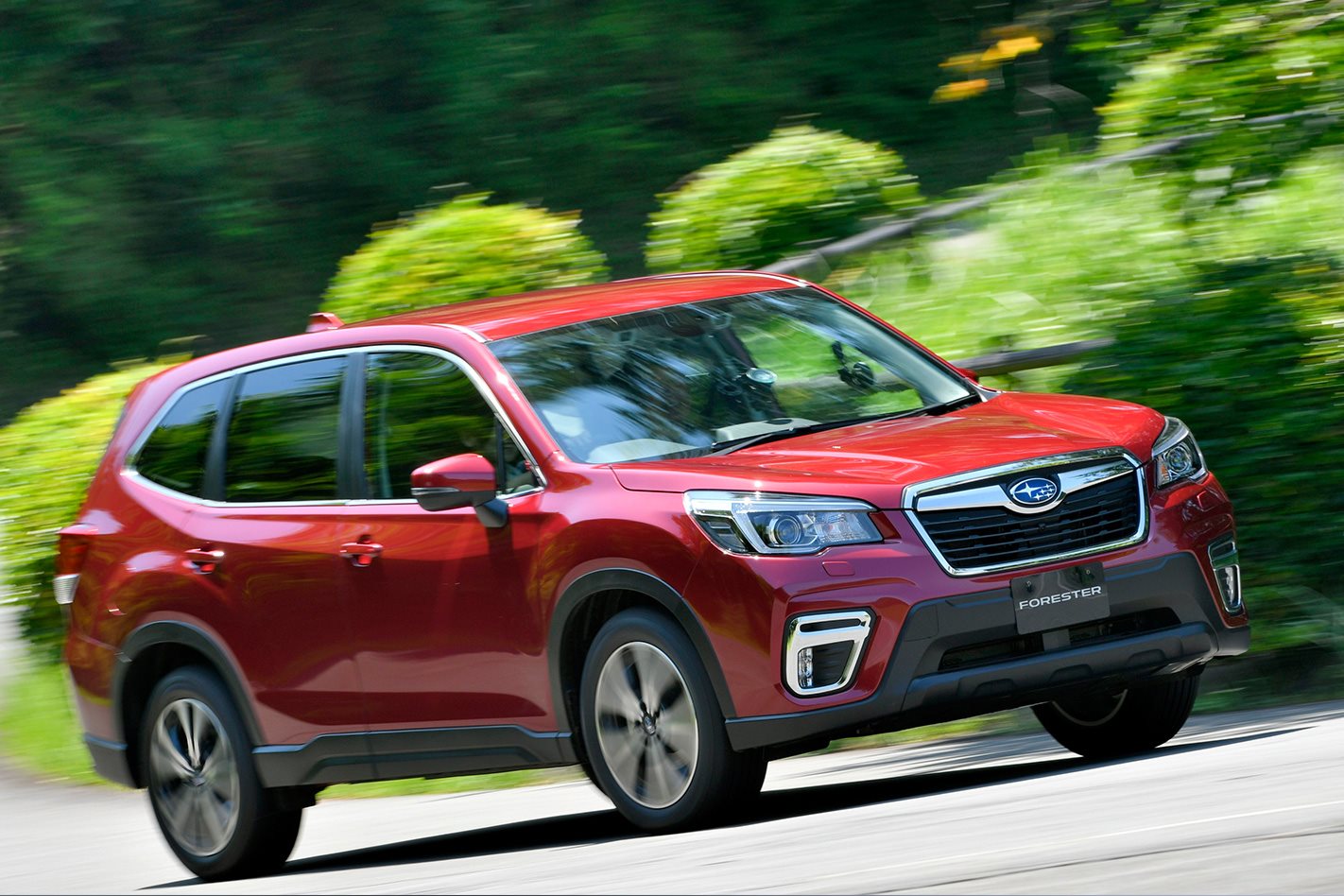
Subaru Australia has issued a recall for almost 40,000 examples of the 2018-2019 Subaru XV and 2019 Subaru Forester after a problem was identified with the rear stabiliser bracket.
According to the Japanese manufacturer, the bracket bolts may not have been done up tight enough during the manufacturing process.
This could lead to the bolts becoming looser, or it could cause them to fall out completely.
If that happens, Subaru says it could impact nearby components such as the driveshaft, sub-frame, or brake pipe, which could cause damage or failure of these components.
Subaru will contact the affected owners and organise a time for them to take their vehicle to an authorised Subaru mechanic, where the vehicle will be inspected and fixed, free of charge.
For anyone wanting more information, you can contact the Subaru Customer Relations Team on 1800 226 643.
The carmaker has also released a full list of the affected vehicles’ VINs, which can be found here.
Snapshot
- Toyota Mirai claims new 1003km hydrogen vehicle distance record
- It beat the Hyundai Nexo’s 887.6km record set in Australia just weeks earlier
- Hyundai Australia may attempt to regain the record
- The past three records have been broken in either France or Australia
Hyundai Australia has hinted it will attempt to regain its hydrogen vehicle distance record, which has just been broken by a Toyota Mirai in France.
The new record of 1003km set at the weekend comes less than a month after a Hyundai Australia team drove a Nexo FCEV 887.6km on a single tank from Melbourne to Silverton, near Broken Hill.
That drive beat the previous 778km record also set in by French aeronaut Bertrand Piccard, also at the wheel of a Nexo, on his journey across the country from Sarreguemines to Le Bourget.
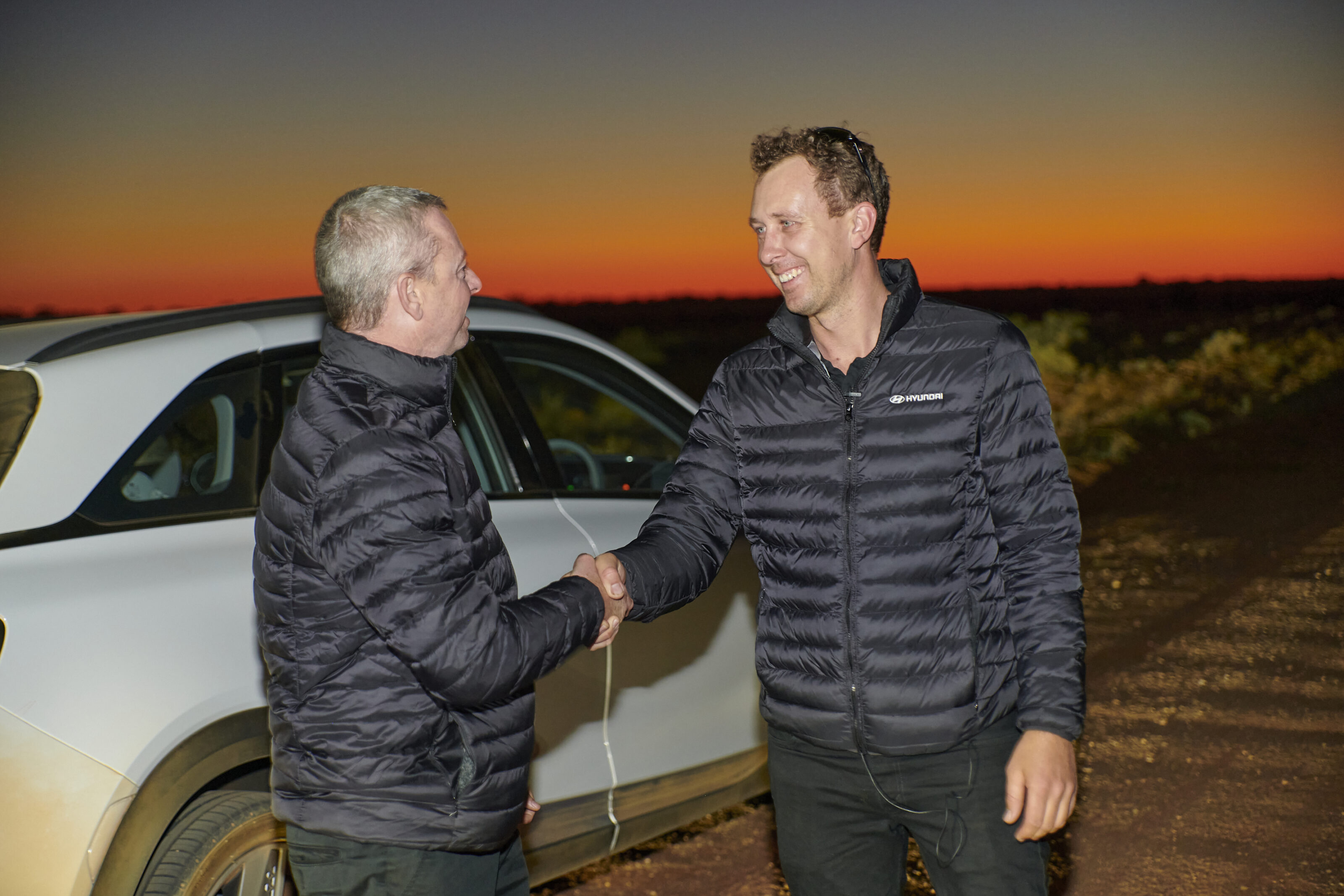
Hyundai Australia’s senior manager of future mobility, Scott Nargar, who was involved in breaking the previous record, congratulated Toyota on its achievement, adding that he looked forward to one day being involved in a new record attempt.
Nargar told WhichCar he welcomed the competition from Toyota and other hydrogen vehicle players as it drives development in new technologies and creates public awareness in hydrogen and other alternative fuel sources.
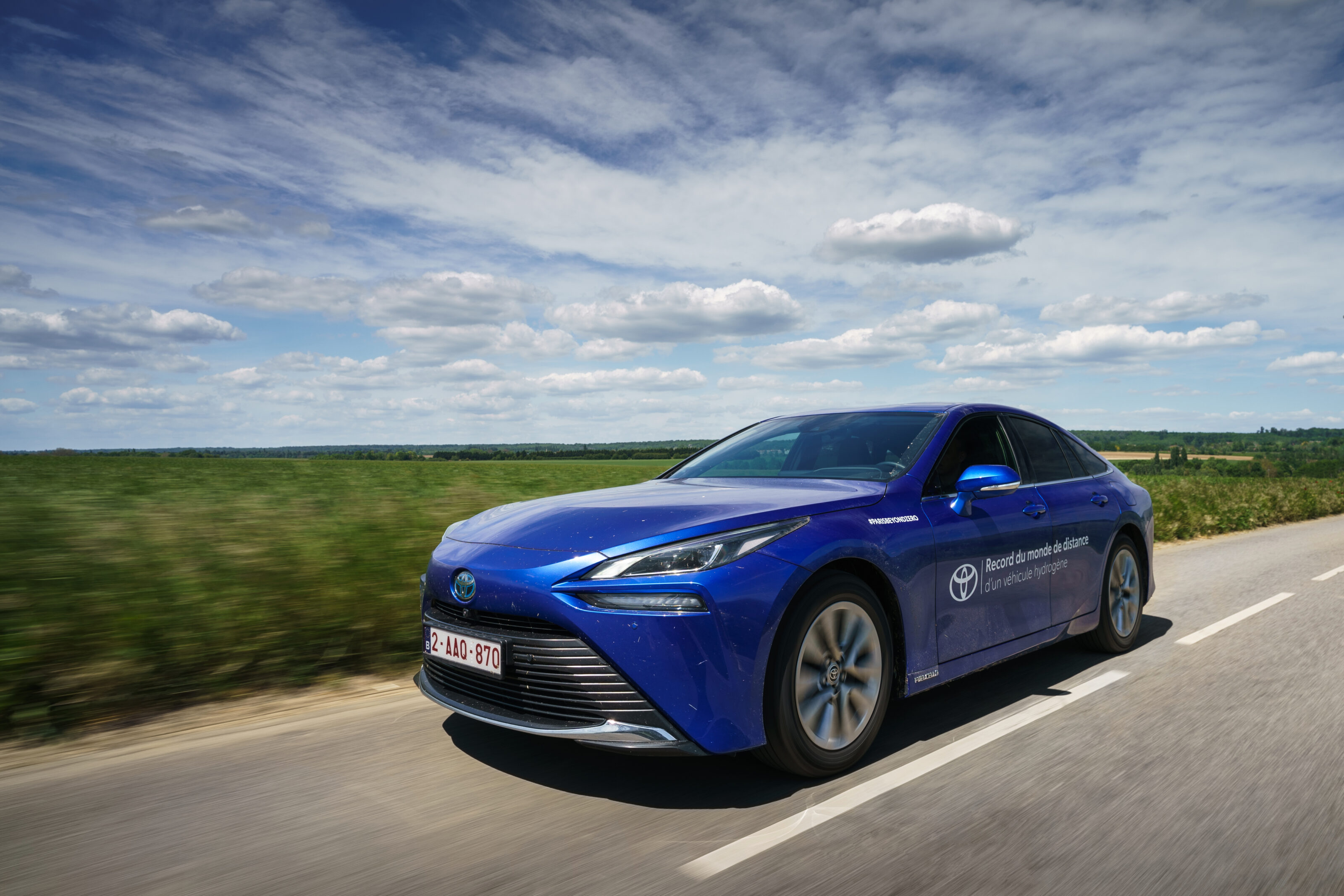
The latest successfull record attempt saw the 2021 Toyota Mirai leave a hydrogen station in Orly, near Paris, before travelling 1003kms on public roads south of the French capital and in the Loir-et-Cher and Indre-et-Loire areas.
The four drivers who took part in the record-breaking journey used ‘eco-style’ driving styles which did not require any special techniques that couldn’t be performed by everyday motorists.
The independently verified record saw an average fuel consumption of 0.55kg/100km, which is 0.15 less than the Mirai’s official combined economy if 0.7kg/100km – Mirai can store 5.6kg of hydrogen in its tanks and has an official range of 655km.
According to Toyota, the Mirai’s trip computer showed it still had 9.0km of range after completing the journey.
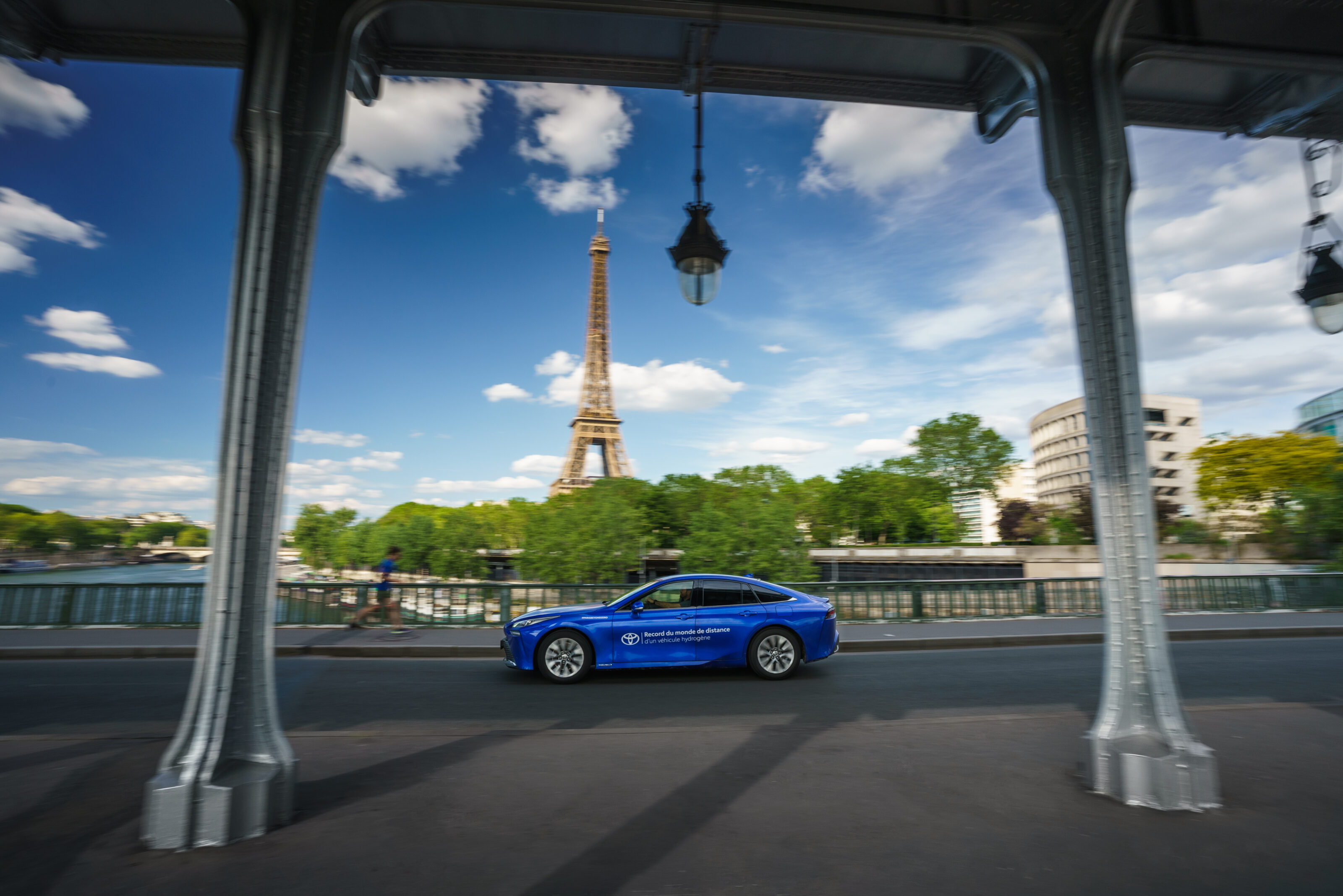
In celebration of the record, the Eiffel Tower was illuminated for the first time by green hydrogen.
Snapshot
- Kimura has previously worked for Lexus, Nissan, Volvo, and PSA Japan
Italian luxury carmaker Maserati has announced Takayuki Kimura as its new Asia Pacific region managing director.
Kimura will replace Luca Delfino, who will now head up the Maserati FuoriSerie personalisation program at the carmaker’s headquarters in Modena.
Reporting directly to Bernard Loire, Maserati’s CCO, Kimura will be responsible for all operations in the Asia Pacific, excluding the Chinese market.
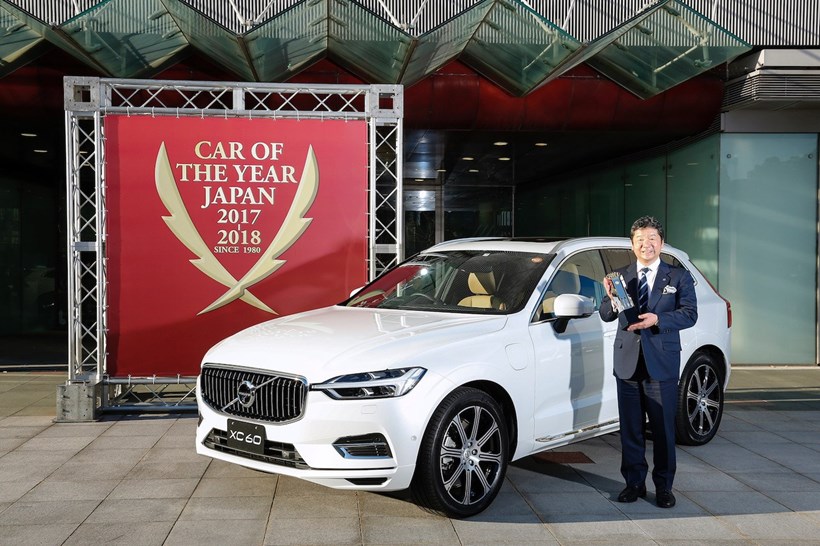
Born in Japan, Kimura has a Masters in Business Administration from the University of North Carolina, and cut his teeth working for Toyota, before moving onto other manufacturers such as Lexus, Nissan, and Volvo.
More recently, Kimura worked for Groupe PSA Japan, which is also owned by Maserati’s parent company, Stellantis.
Speaking about his new role, Kimura said it was a privilege to work for the storied Italian manufacturer.
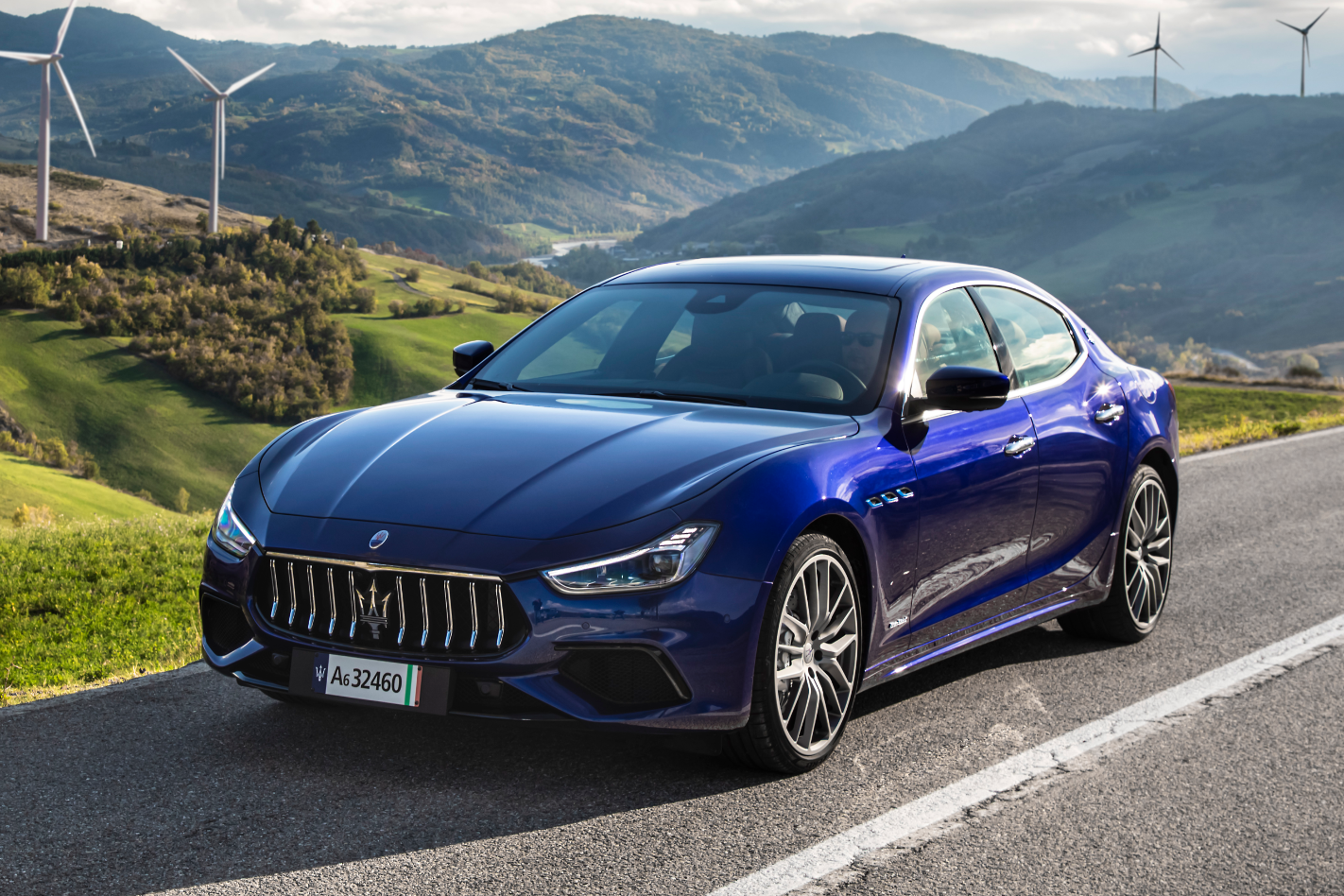
“I am honoured to work with such an iconic brand as Maserati, in this new era in its history,” he said.
Loire, who previously worked as president and CEO for Mitsubishi Motors Europe, said he was looking forward to having Kimura onboard.
“I am delighted to have Takayuki Kimura in our team and I am convinced that he will drive Maserati to success in the Asia Pacific region,” he said.
The new appointment comes at a pivotal time for Maserati, as the Modena firm tries to reinvent itself in an increasingly electric future, with the automaker stating its entire product line-up will be electrified by 2025.
Snapshot
- Deliveries of the limited edition hot hatches have begun
- Honda is celebrating the special Type R’s arrival by colouring Tony Du2019Albertou2019s Civic Type R TCR race car in Sunlight Yellow
The 2021 Honda Civic Type R Limited Edition hot hatchback has officially landed in Australia.
To celebrate the arrival of what is quite possibly the best front-wheel drive performance car ever made, the Japanese manufacturer has adorned Tony D’Alberto’s Civic Type R TCR race car in a special livery.
Gone is the regular ‘Racing Blue’ paint scheme seen on D’Alberto’s racer. In its place, Honda has coloured it ‘Sunlight Yellow’, or as it’s more commonly known in the JDM world, ‘Phoenix Yellow’.
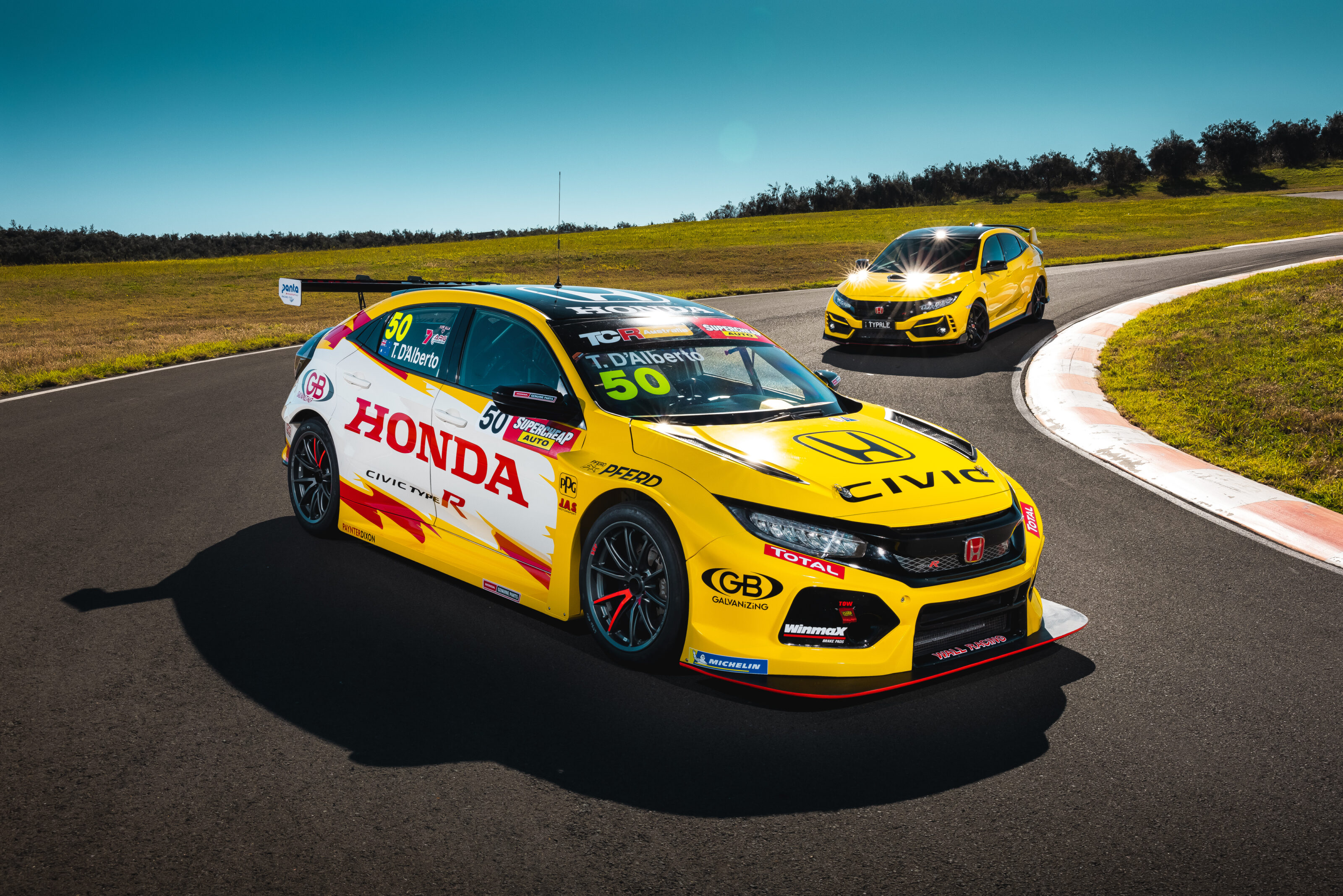
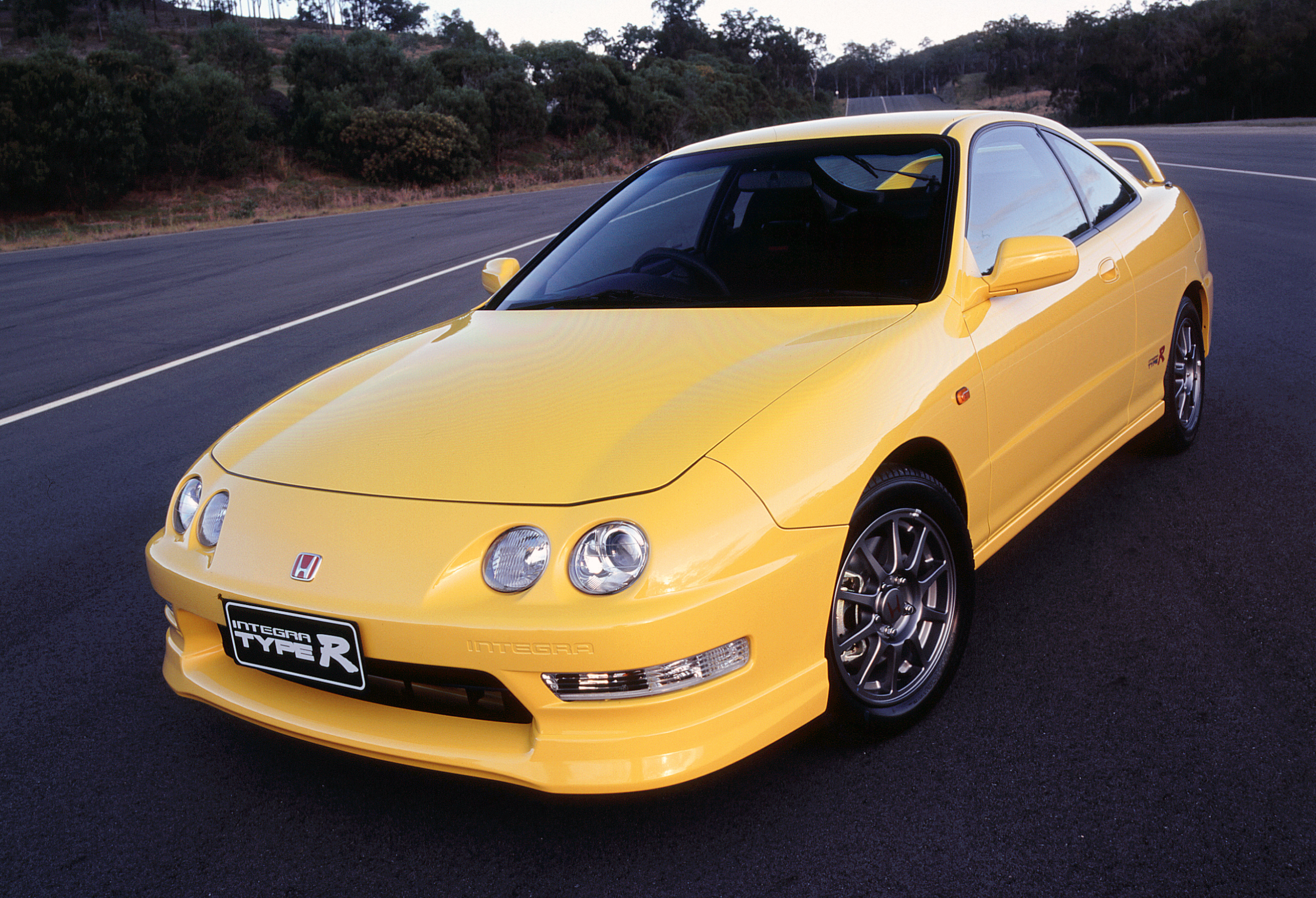
Not to be confused with BMW’s ‘Phoenix Yellow’ that covered the E46 M3 in period, Honda’s version of Phoenix Yellow was first made famous as the hero colour of the now-legendary Integra DC2 Type R.
And just like the DC2, the new Civic Type R Limited Edition is a special bit of automotive kit.
Power from the explosive K20C1 turbocharged 2.0-litre four-cylinder motor remains unchanged at a heady 228kW and 400Nm, but the Sunlight Yellow CTR has gone on a strict diet, ditching its regular wheels in favour of a bespoke set of 20-inch lightweight BBS alloy wheels wrapped in homologated Michelin Cup 2 rubber.
The Limited Edition also scraps its rear wiper, rear parcel shelf and most of its sound deadening, all in the name of appeasing the lightweighting gods.
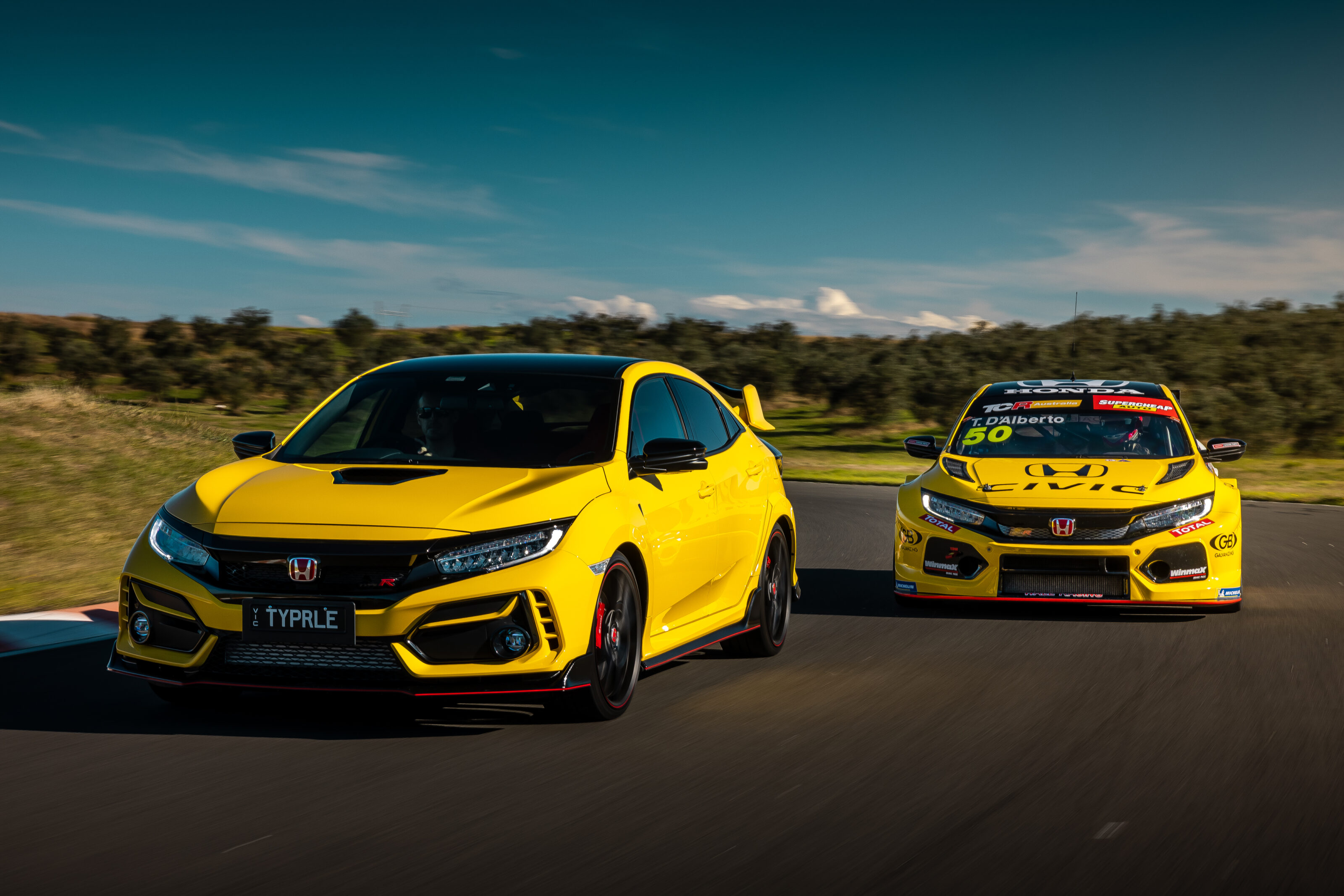
All told, the yellow hatch is 16 kilograms lighter than its more common sibling, with its kerb weight dropping from 1393 to 1376 kilograms.
Just 1020 vehicles will be built, and only 20 examples have been allotted to the Australian market.
With an RRP of $70,000 drive-away, the hottest of hot hatches is not cheap. In fact, it’s about ten grand more expensive than the regular Type R.
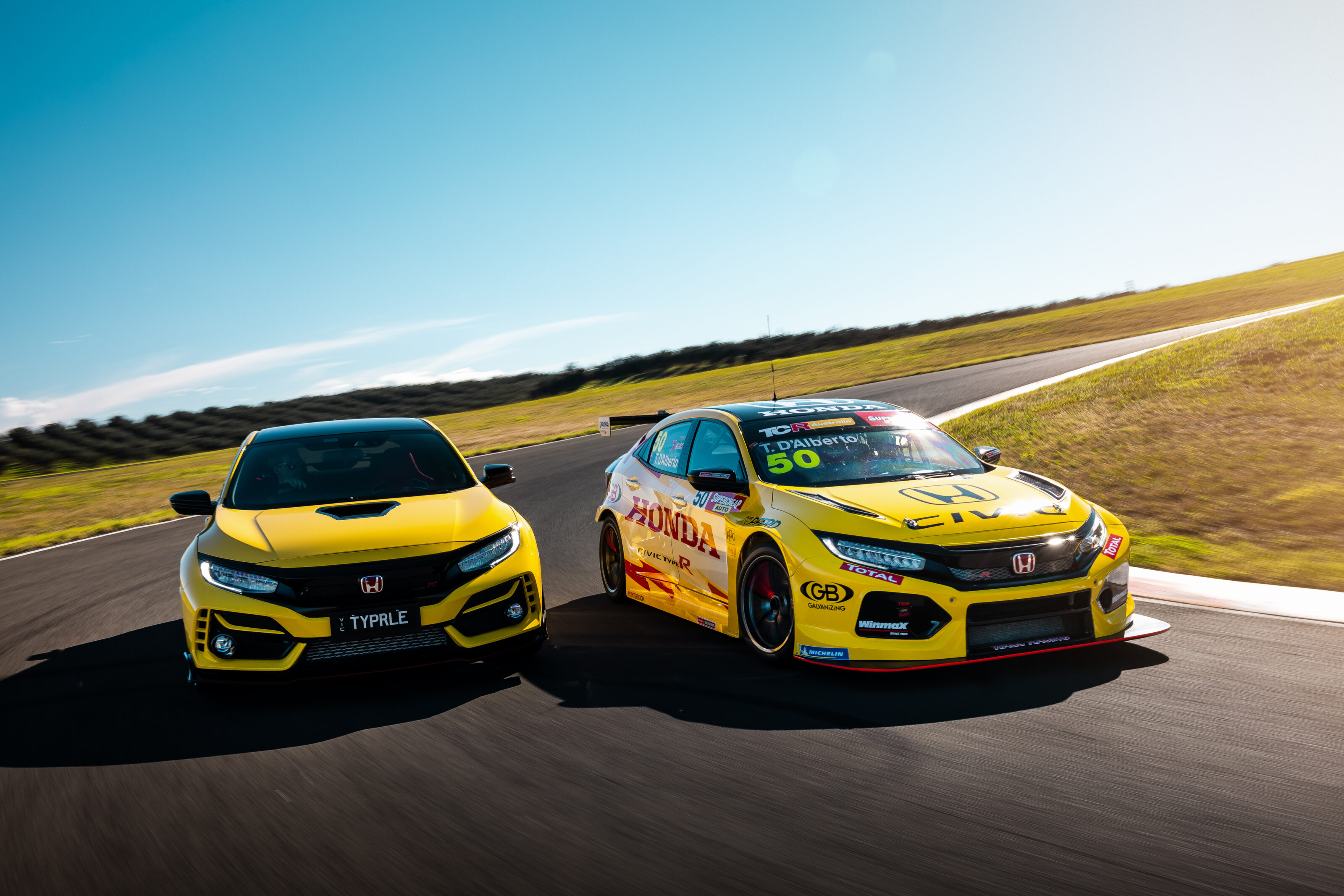
However, such was the popularity and demand for the limited CTR when it was unveiled back in 2020, Honda had to hold a raffle to figure out who the 20 lucky owners would be.
Now those lucky 20 people are starting to take delivery of their yellow Type Rs, and we reckon it’ll be less than six months before at least one turns up in the classifieds with delivery mileage and a six-figure asking price.
Snapshot
- First leaked in February, first official teaser now online
- New-generation Lexus styling previewed
- Expect a major push in hybrid and plug-in hybrid EV tech
UPDATE, June 2: Months after the revealing leaked images below first surfaced online, a reveal date has finally been confirmed for the all-new 2022 Lexus NX medium SUV.
No details have been revealed with the announcement, but we now at least know we can expect to see the new NX on June 12, at 1pm Australian Eastern Standard Time.
The news is accompanied by a single image – the first official teaser – showing a close-up view of the new NX parked in front of the iconic Mt Fuji, or ‘Fuji-san’ to the Japanese.
If nothing else, the image confirms the authenticity of the rear view previously posted to this article.
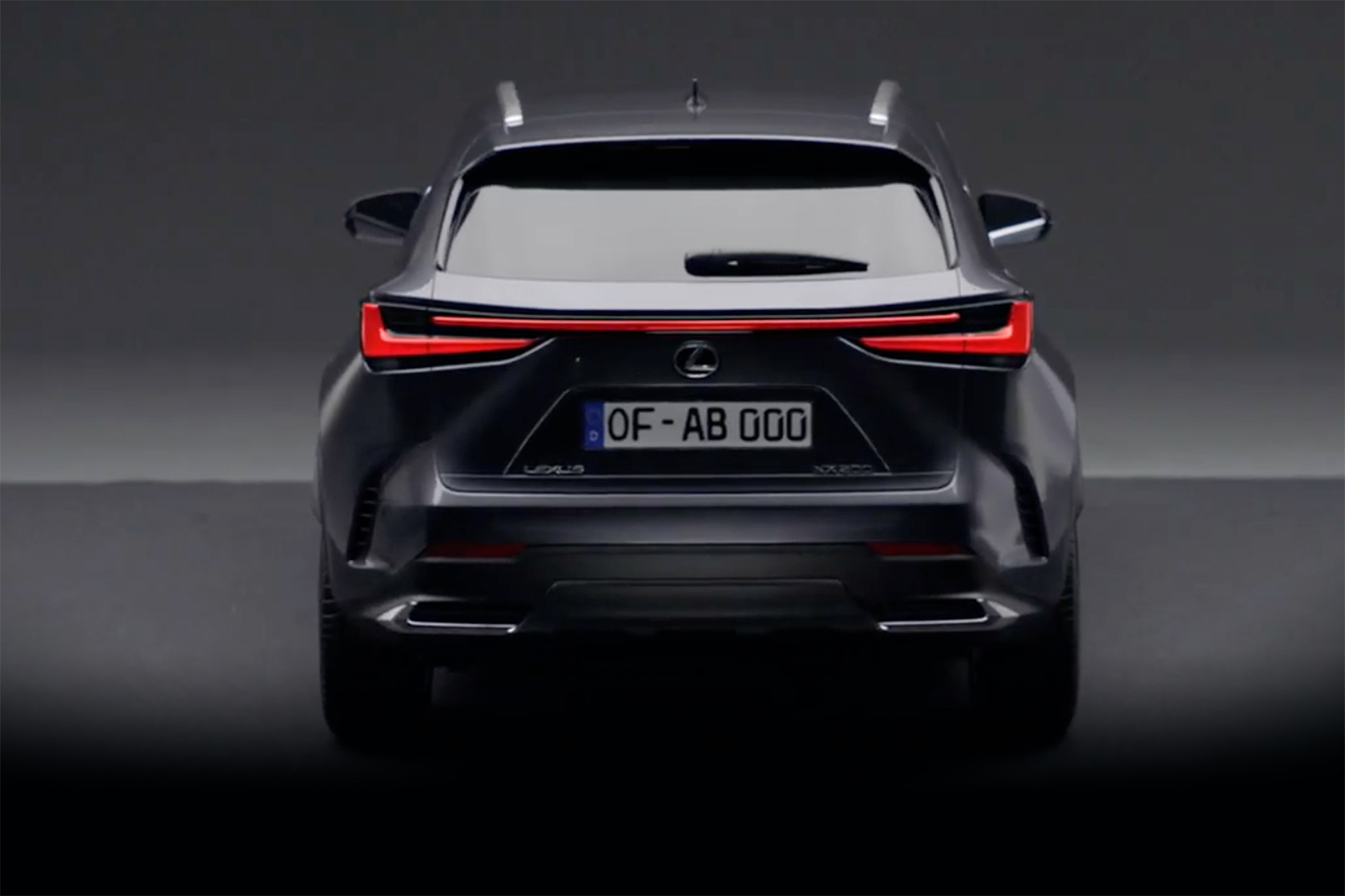
Interestingly, the teaser image shows the NX’s tailgate with a new L E X U S wordmark badging – a very ‘on trend’ style in automotive branding right now – rather than the familiar L logo shown below.
In the meantime, you can take another look at the leaked images below, and tell us in the comments if you think Lexus is on to a winner with its new-generation NX.
The story to here
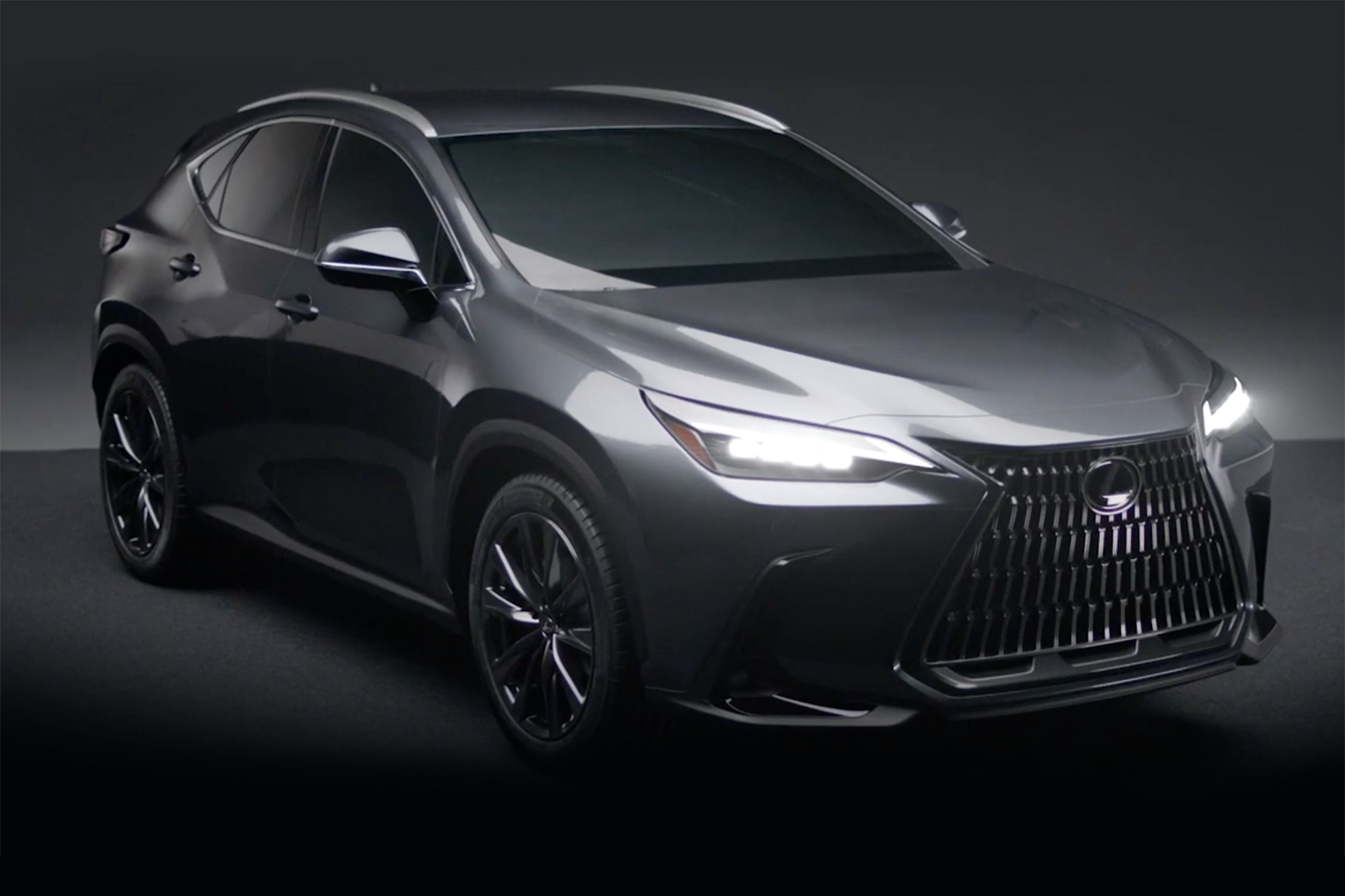
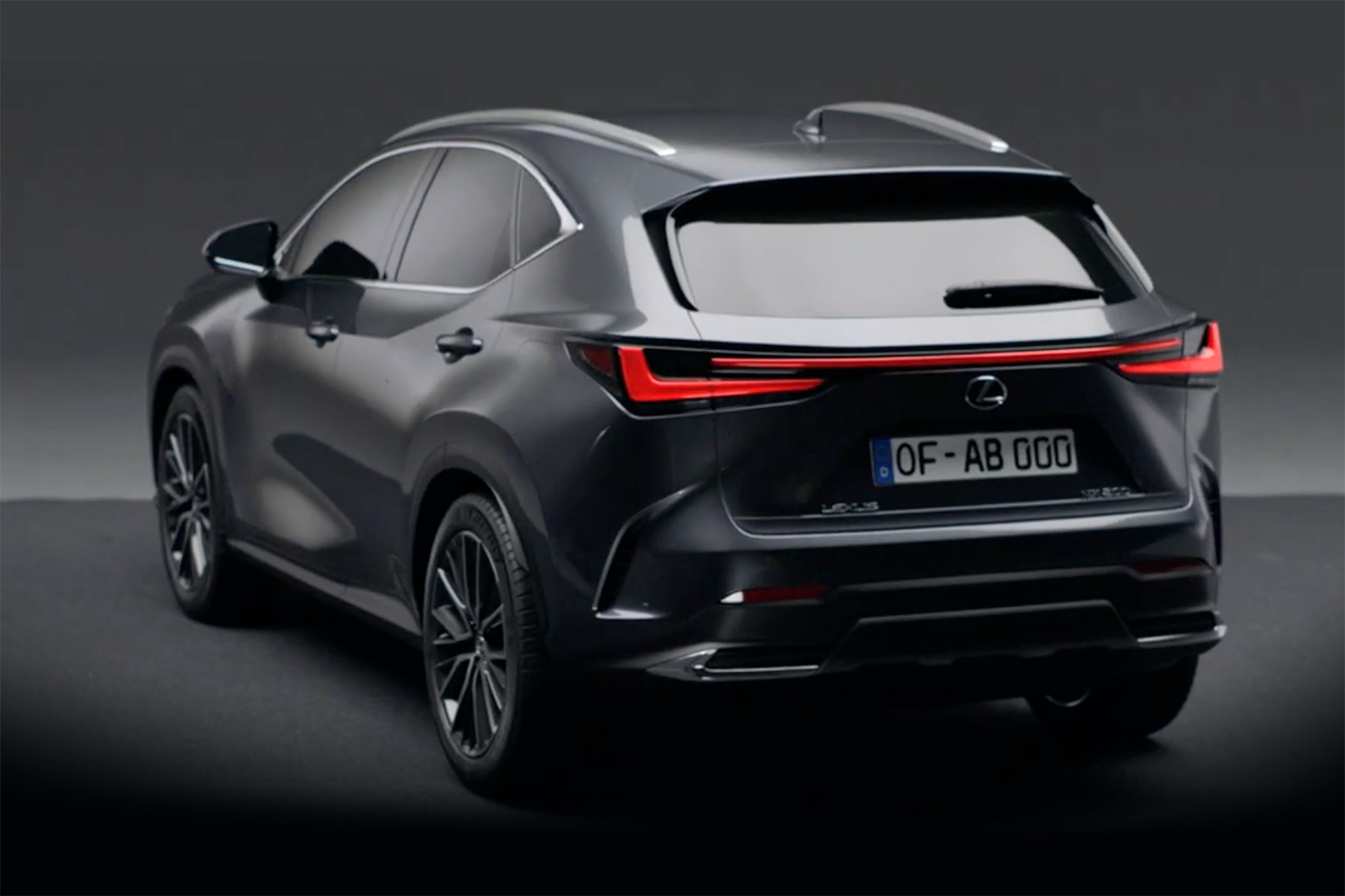
February 24: The new-generation 2022 Lexus NX SUV has surfaced online, appearing in an official video that appears to have made its way onto YouTube earlier than planned.
Leaning more to the sleek styling of the facelifted IS sedan than the complicated origami lines of the still-new UX compact SUV, the new NX is a picture of premium elegance.
Details on the new model are still to be made official, and it was only one month ago that the first spy photos appeared.
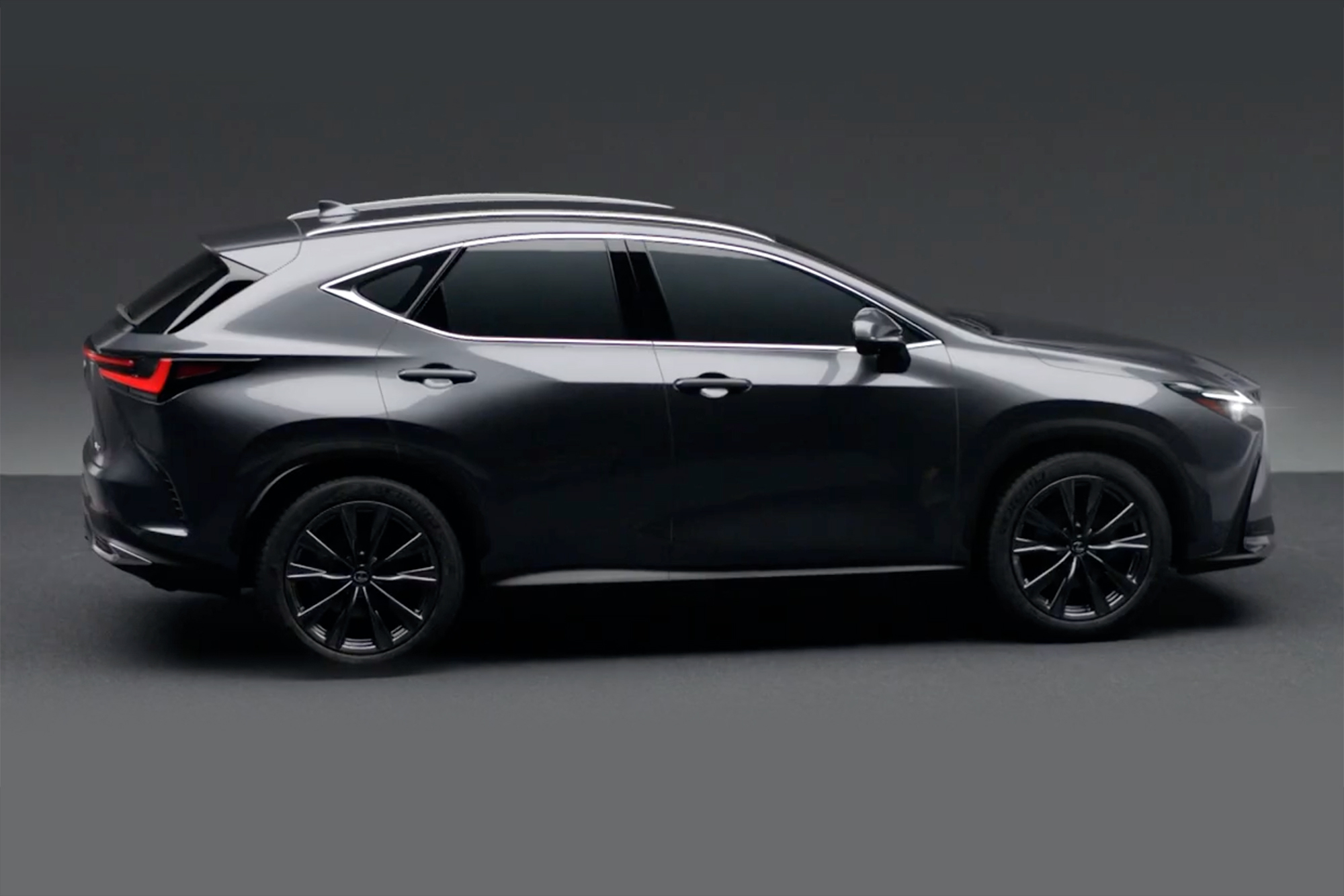
The images shown here – ‘screengrabbed’ from the now unpublished video – reveal the new midsize SUV in entry-level NX200 form, but the promotional clip makes mention of NX350h hybrid and NX450+ plug-in hybrid electric vehicle (PHEV) models.
Both badges had been hinted at by trademark filings late last year.
The NX450+ represents a first for the Lexus brand, no doubt leaning on the PHEV systems perfected by parent company Toyota with its compelling Prime models – none of which have been offered in Australia, where the brand has been content to capitalise on its long-running and successful conventional hybrid program.
The addition of a PHEV model to the NX range is enabled by its use of the same TNGA-K platform that underpins the new RAV4 and its RAV4 Prime variant, among other midsize and large models in the modern Toyota range.
On the styling front, the new NX showcases a design language that is simultaneously understated and sporting, evolving the now familiar Lexus themes such as the ‘spindle’ grille, L-shaped daytime lamps and – a more recent addition – the connected light bar along the width of the tailgate.
With flared guards and vented bumpers, the new SUV’s overall look presents as wide and planted, giving it an imposing bearing that the outgoing model hints at – but doesn’t nail quite as successfully as this new design.
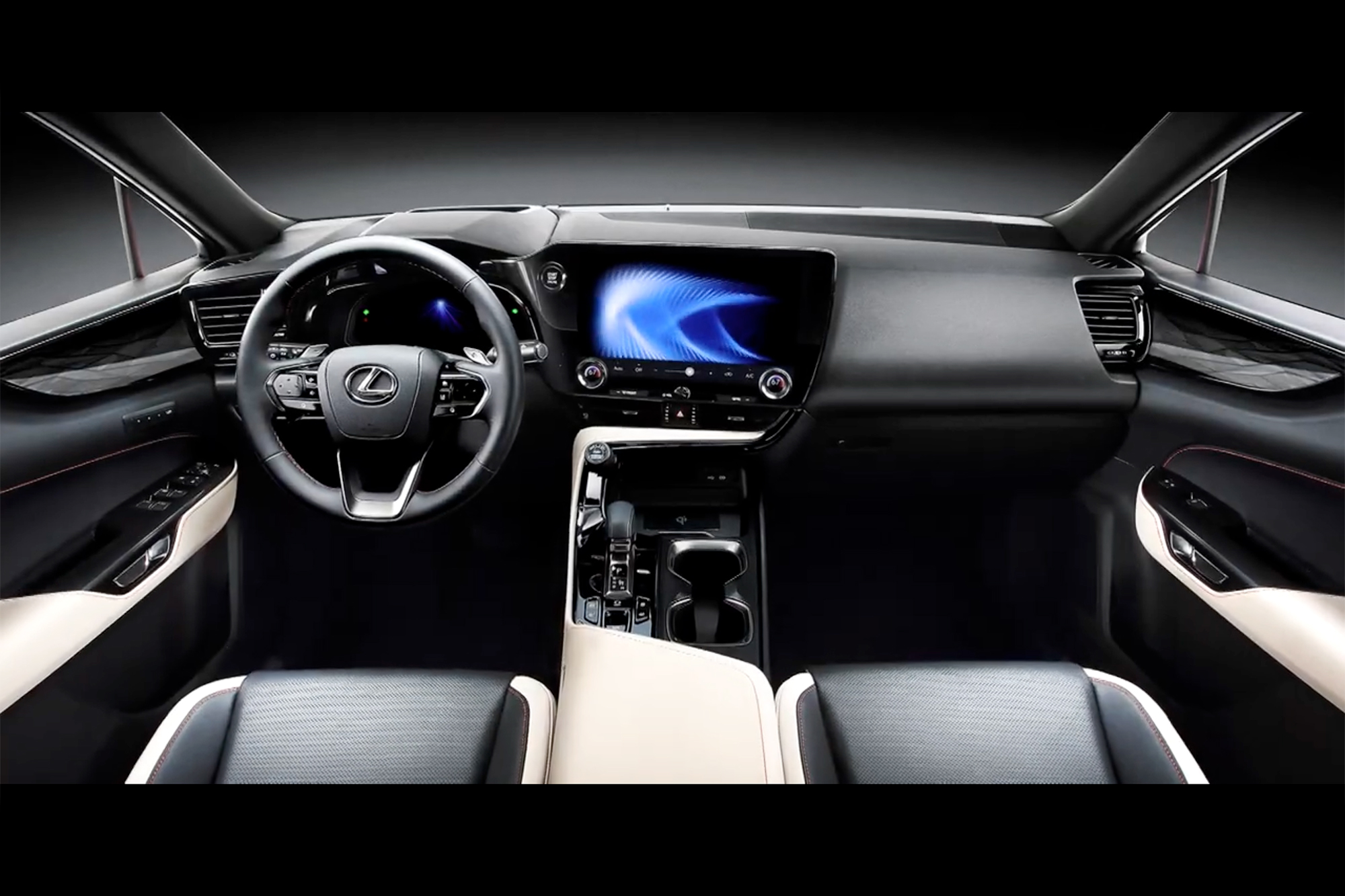
Inside, the new NX makes a more distinct leap forward, with occupants treated to an entirely new dash design.
The steering wheel, dash pad, infotainment display, gear lever, switchgear and centre console are all-new and – perhaps most importantly for those familiar with the brand – the oft-derided infotainment control pad is gone, leaving only the touchscreen and what appears to be capacitive steering wheel buttons for interfacing with the system.
Other details on the new NX are still to come, but this video’s appearance suggests we can expect an official debut to occur in the coming weeks.
MORE: Lexus NX news and reviews MORE: Everything Lexus
Snapshot
- Toyota releases app to directly rent new cars in Australia
- Rates start from under $10 an hour
- Melbourne CBD and Victorian Toyota dealers first to implement system
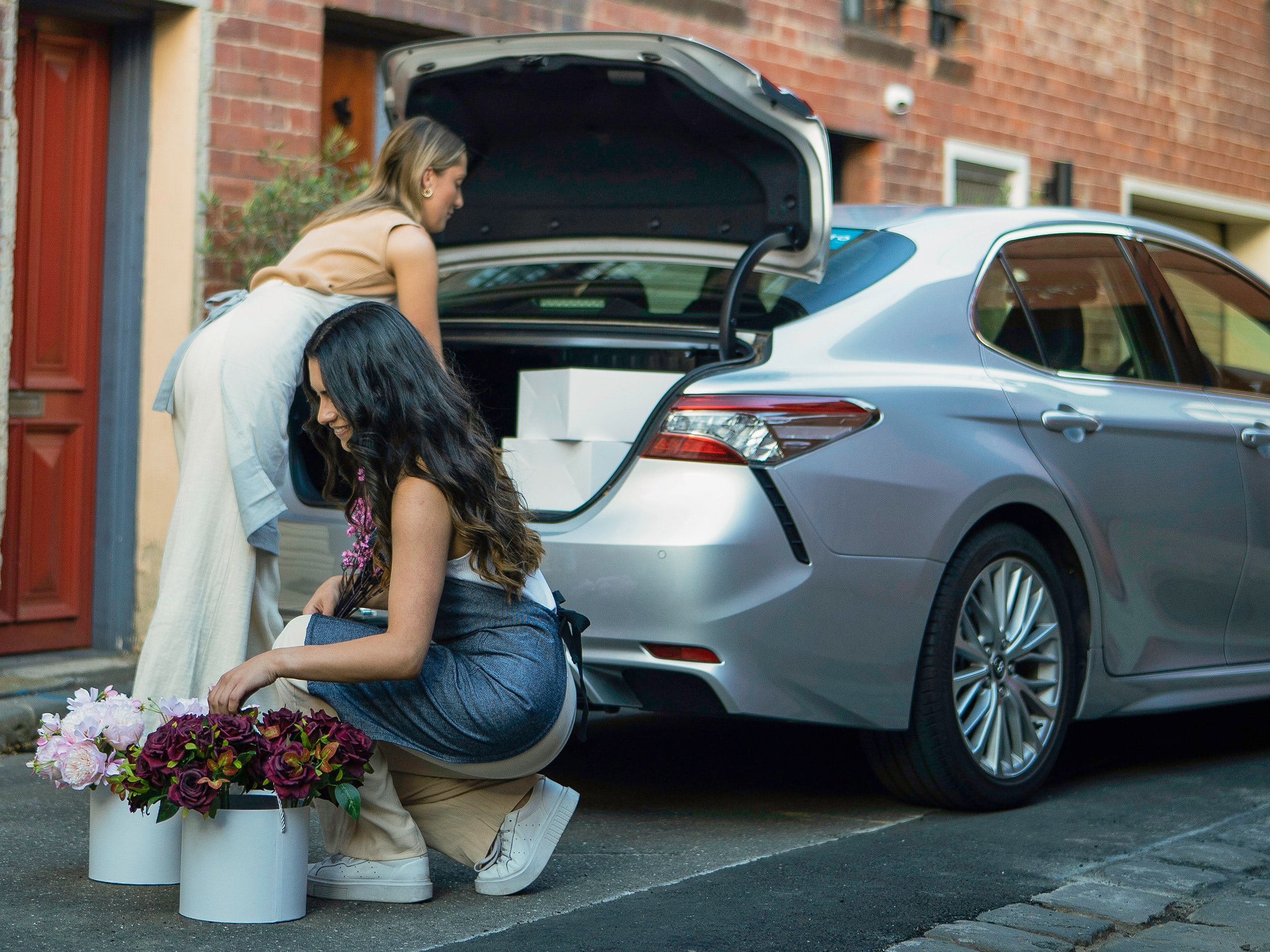
Toyota has launched an app, developed in-house, which allows people to rent its cars directly from it in Australia for the first time.
The Kinto Rent app has been in Europe since the start of 2020 but will now make its Australian debut in Melbourne’s CBD and the nearby suburb of Carlton, plus through Toyota dealers in the Victorian towns of Seymour and Kilmore.
Operating from a smartphone app, users can book and access almost every Toyota model from as little as $9.10 per hour (plus 30c per km) for the Prius c Hybrid.

Daily and weekly rates are available too, starting at $63 (plus 27c per km) for a 24-hour period or $294 (plus 18c per km) over seven days.
Vehicles like the Corolla, Camry, Kluger, HiAce and HiLux plus more are available, though LandCruisers and Supras are sadly not.
As Kinto is part of Toyota Finance Australia, all bookings include comprehensive insurance with the ability to change excess, as well as 24/7 roadside assistance.
Toyota Australia’s Vice President of Sales, Marketing and Franchise Operations, Sean Hanley, said Kinto is part of Toyota’s transition from car company towards to wider transportation provider.“Kinto is the next best thing to owning your own car because it is simple and affordable to book and drive the latest Toyota vehicles, including our popular hybrid models,” Mr Hanley said.“Kinto is part of our strategy to transition from a car company to a mobility company by providing new transport-related services to people across Australia.“This innovative brand will allow us to respond to emerging customer needs and mobility requirements which go beyond our traditional business model.“Kinto will offer services to support Toyota’s aim of being the mobility provider of choice for all types of customers.”
More information plus a breakdown of cars and costs can be found on the Kinto website.
Snapshot
- Wilks has previously worked for Audi and Volkswagen Australia
- Cupra to enter Aussie market from early 2022
- Local product line-up will include Ateca, Formentor, and Leu00f3n
Spanish performance brand Cupra has announced Ben Wilks will step into the newly created role of brand director for Cupra Australia.
Wilks, who currently serves as the general manager sales for Volkswagen Passenger Vehicles, has previously worked across several roles for Audi and Volkswagen Australia.
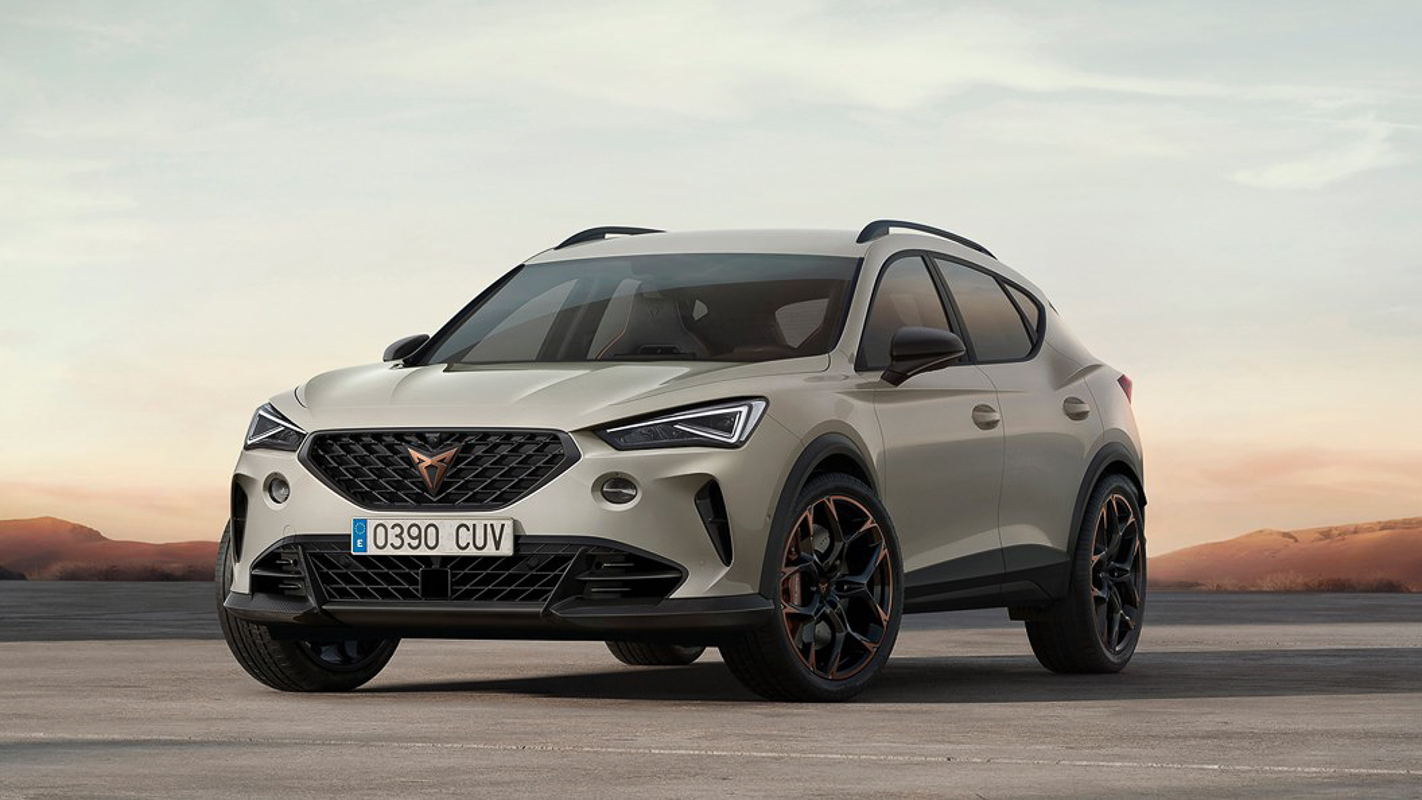
Seat’s high-performance spin-off announced it would be officially entering the local market in early 2022.
Owned and operated by Volkswagen Automotive Group, Cupra Australia will also be run by VW’s local arm.
Although Seat was sold Down Under until the late ‘90s, local driving enthusiasts have never been able to sample Cupra-badged products before.
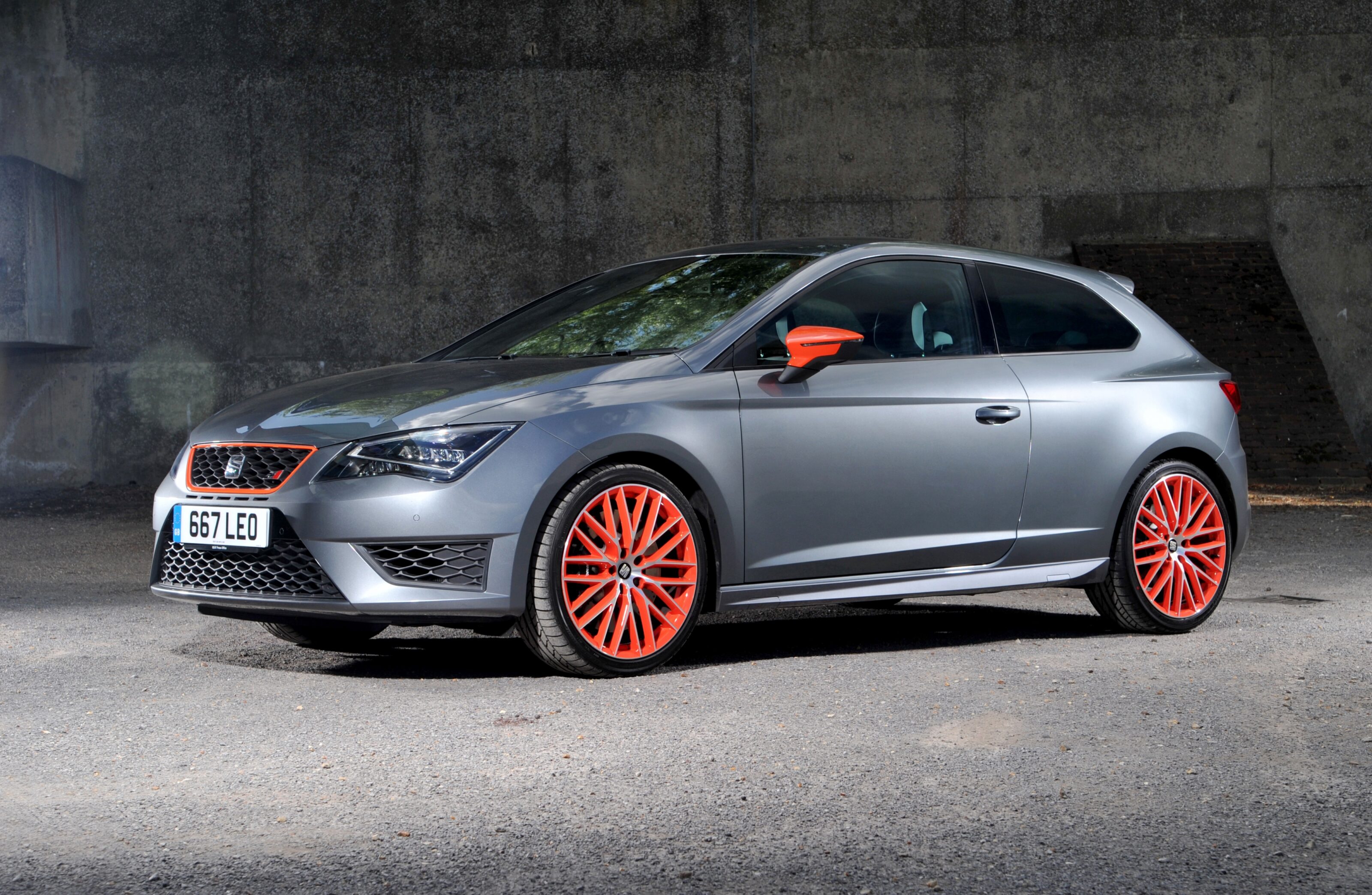
And that’s a shame, especially considering cars like the former FWD Nurburgring lap record holder, the León SC Cupra 280 “Ultimate Sub8”, were meant to be brilliant to drive on a twisty road.
Now though, Aussies will finally get to sample the Spanish marque’s spicy sports offerings.
It’s thought the first Cupras to land in Australia will be the Ateca mid-size SUV, Formentor compact SUV, and León hatchback.
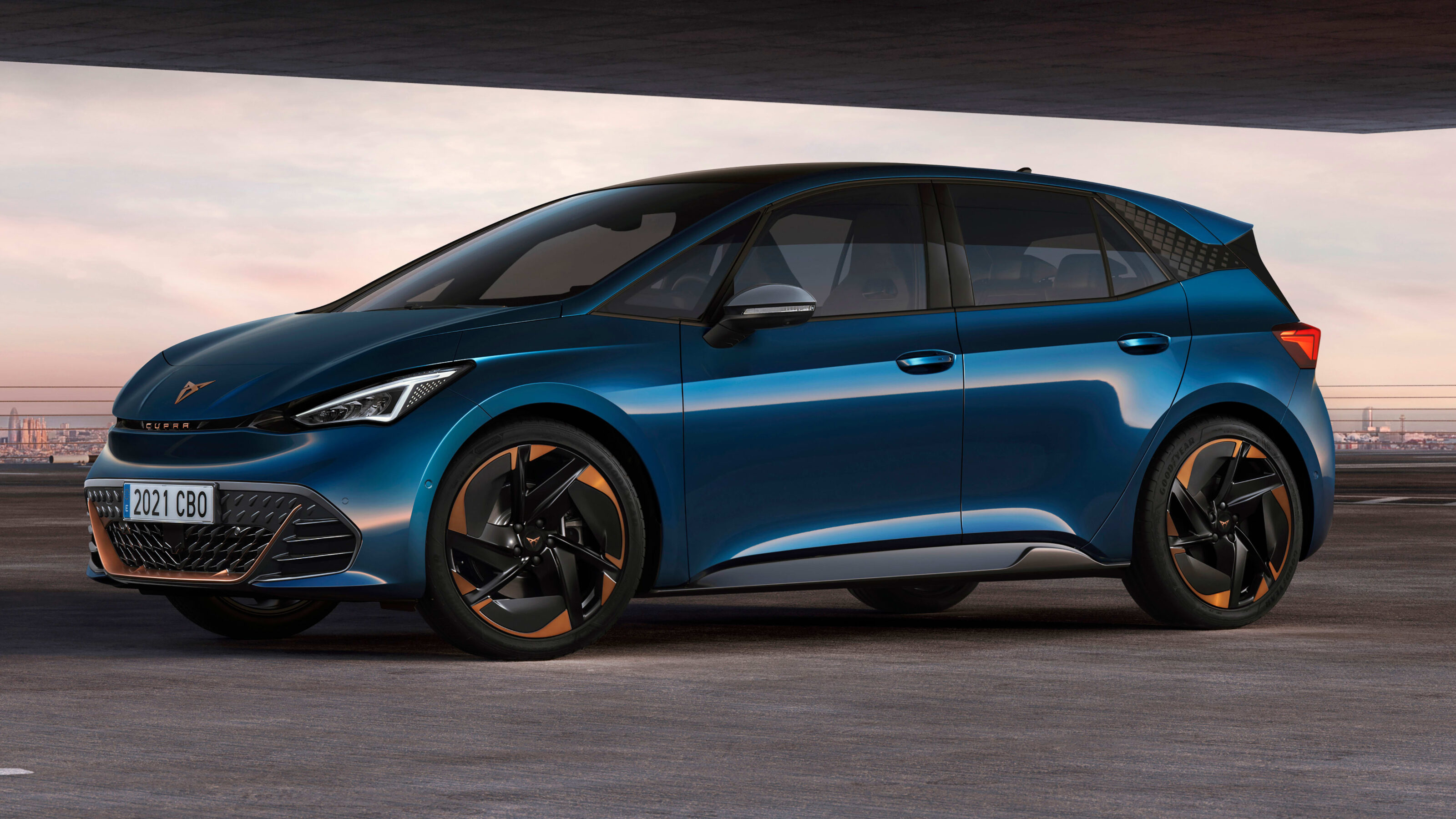
As reported by WhichCar, the Martorell firm last week unveiled its first fully electric offering – the Cupra Born.
However, a local representative from VW Australia told WhichCar although the EV is an enticing product, it’s not right for the local market at the moment while there are still no emissions targets in place.
Cupra Australia says more information about its local product line-up will be unveiled shortly. Watch this space.
Snapshot
- Tweaked G70 range gets increased safety tech as standard
- Overall $5,000 price jump over out-going model
- Four-pot turbo lands at $63,000, V6TT starts at $76,000
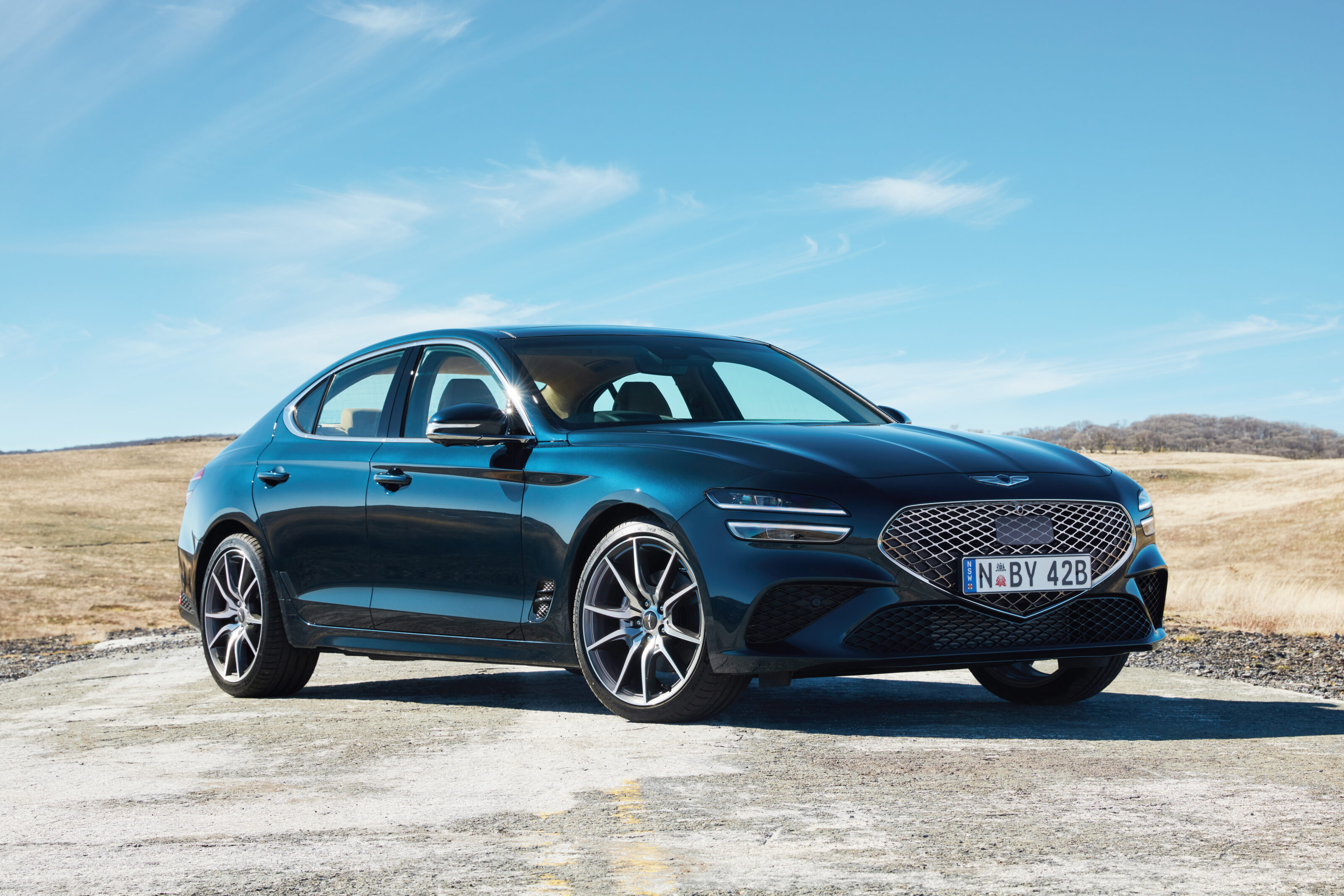
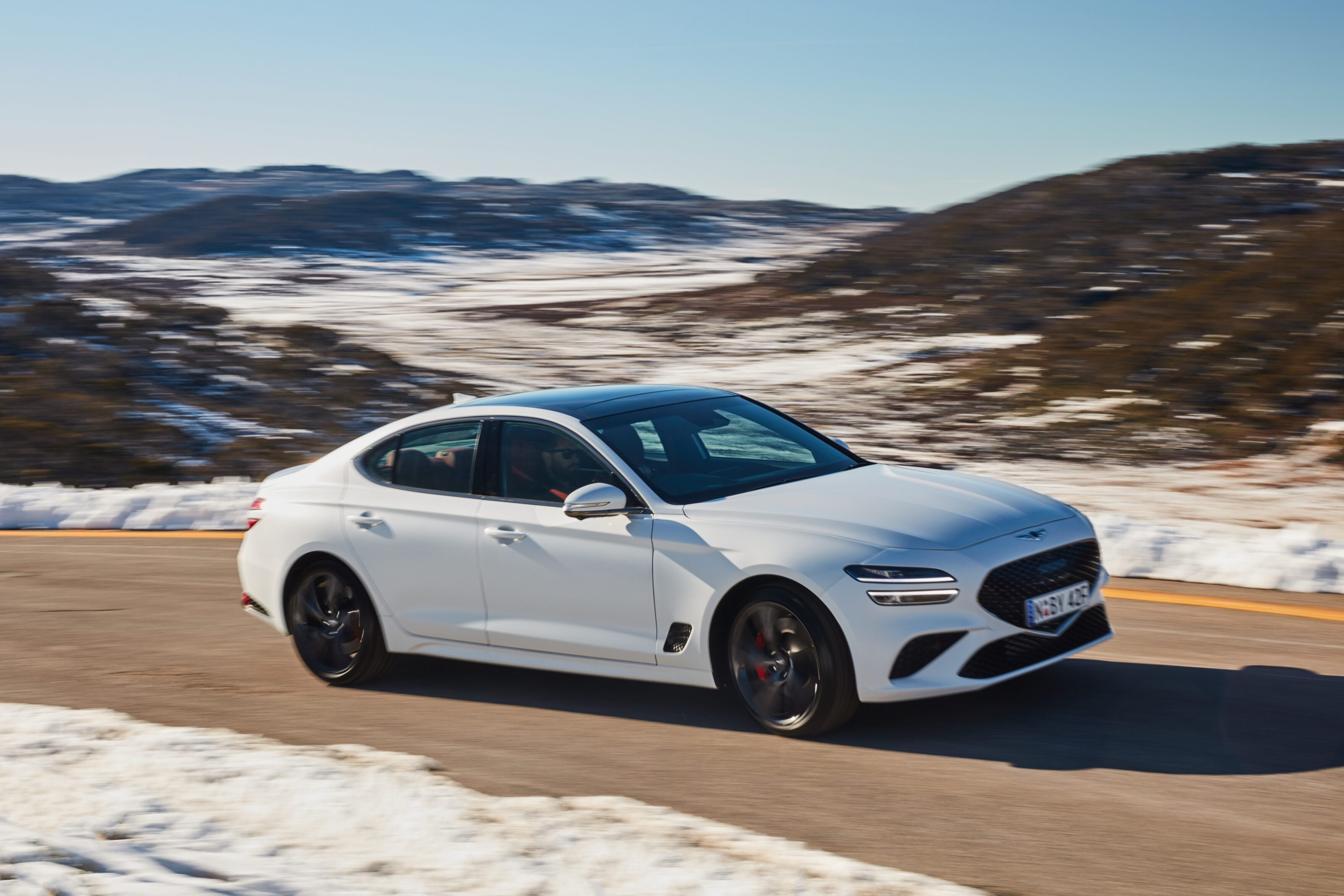
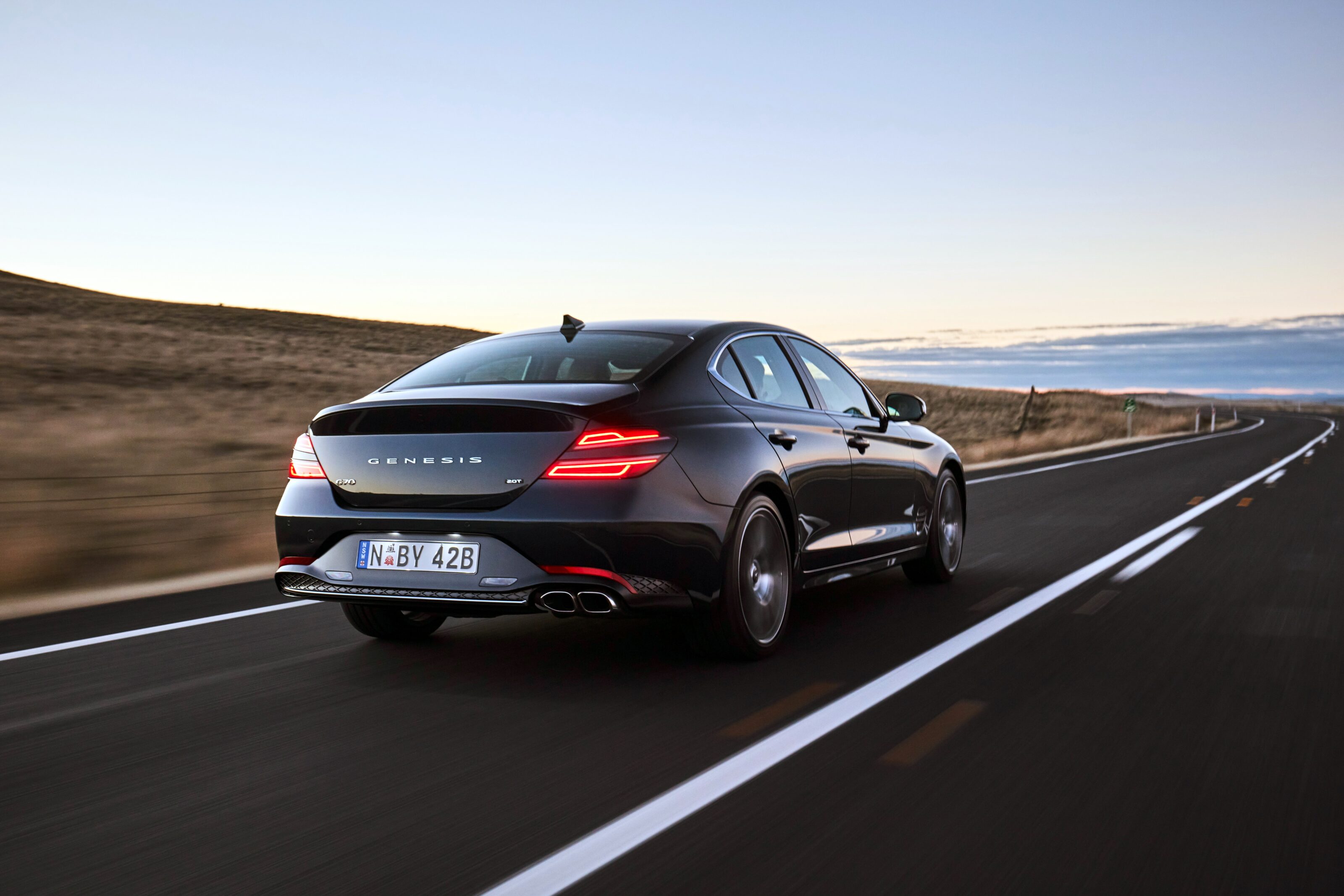
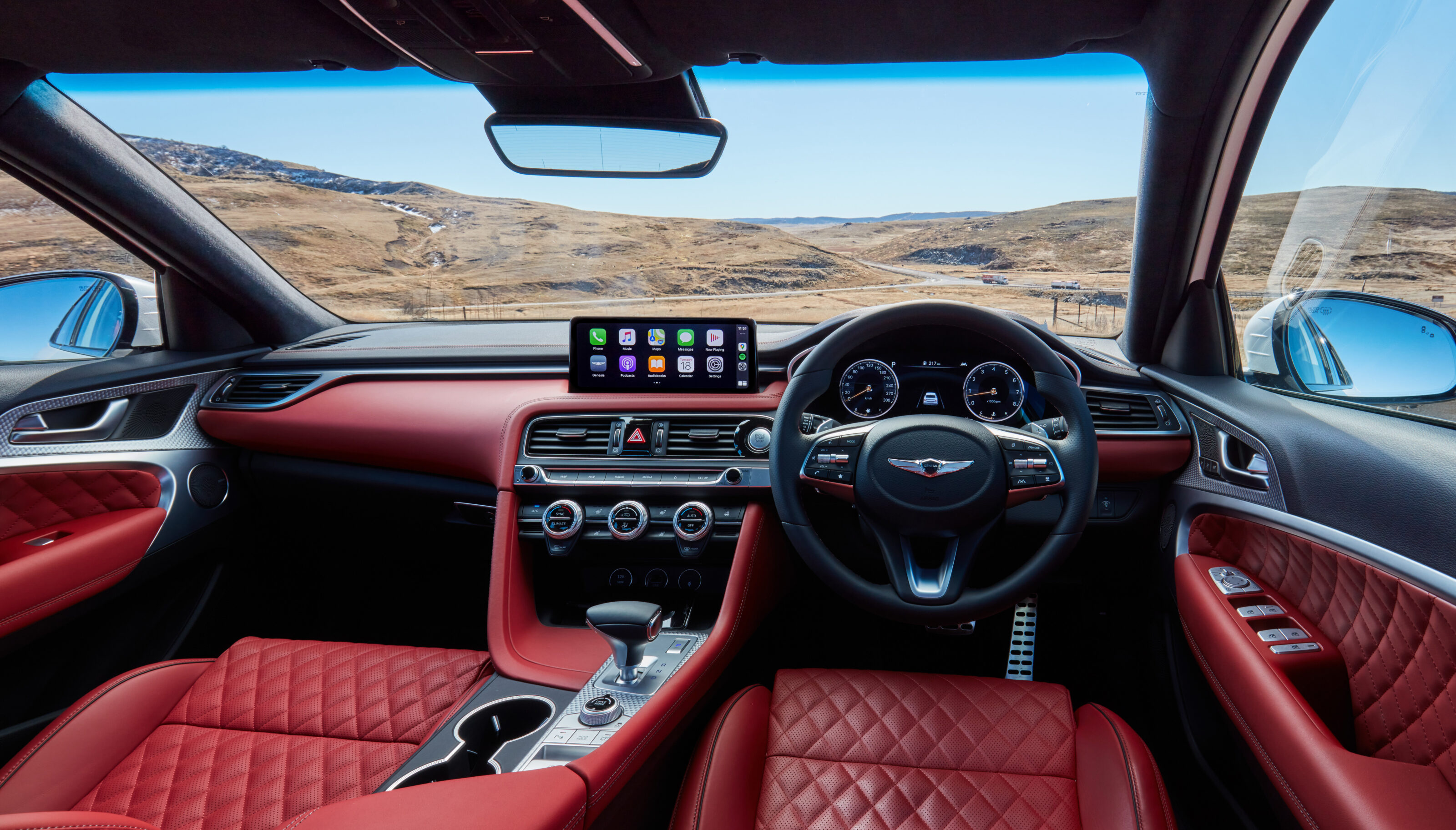
The 2021 Genesis G70 has been given a wide range of extras and upgrades in a bid to take on its rivals from the likes of BMW, Mercedes, Audi and Lexus.
The Kia Stinger’s classy cousin set out to be a compromise between sports and luxury when it came to Australia in 2019, more than packing a punch in its features compared to other cars in the segment.
For the 2021 update, the G70 has undergone a plethora of cosmetic and mechanical changes, all aimed at giving buyers more gear in standard guise before looking into option packs.
Model Range and Pricing
Prospective G70 buyers have six different ways to order their new car, with four trim levels for the base 2.0L turbo four-pot and two variations of the 3.3L twin-turbo V6 (all prices are Manufacturer’s List Price)
| G70 2.0T | $63,000 |
| G70 2.0T Sport Line | $67,000 |
| G70 2.0T Luxury | $73,000 |
| G70 2.0T Sport Line Luxury | $77,000 |
| G70 3.3T Sport | $76,000 |
| G70 3.3T Sport Luxury | $86,000 |
The only individual option outside of the packages is matte paint, available on all variants aside from the base 2.0T for an extra cost of $2,000
Features
Both 2.0T and 3.3T models have gone through a $5,000 price hike for the 2021 G70, though an increased list of equipment across the range compared to the standard kit on the old model arguably makes the price difference justifiable.
The entry-level 2.0T gets as standard:
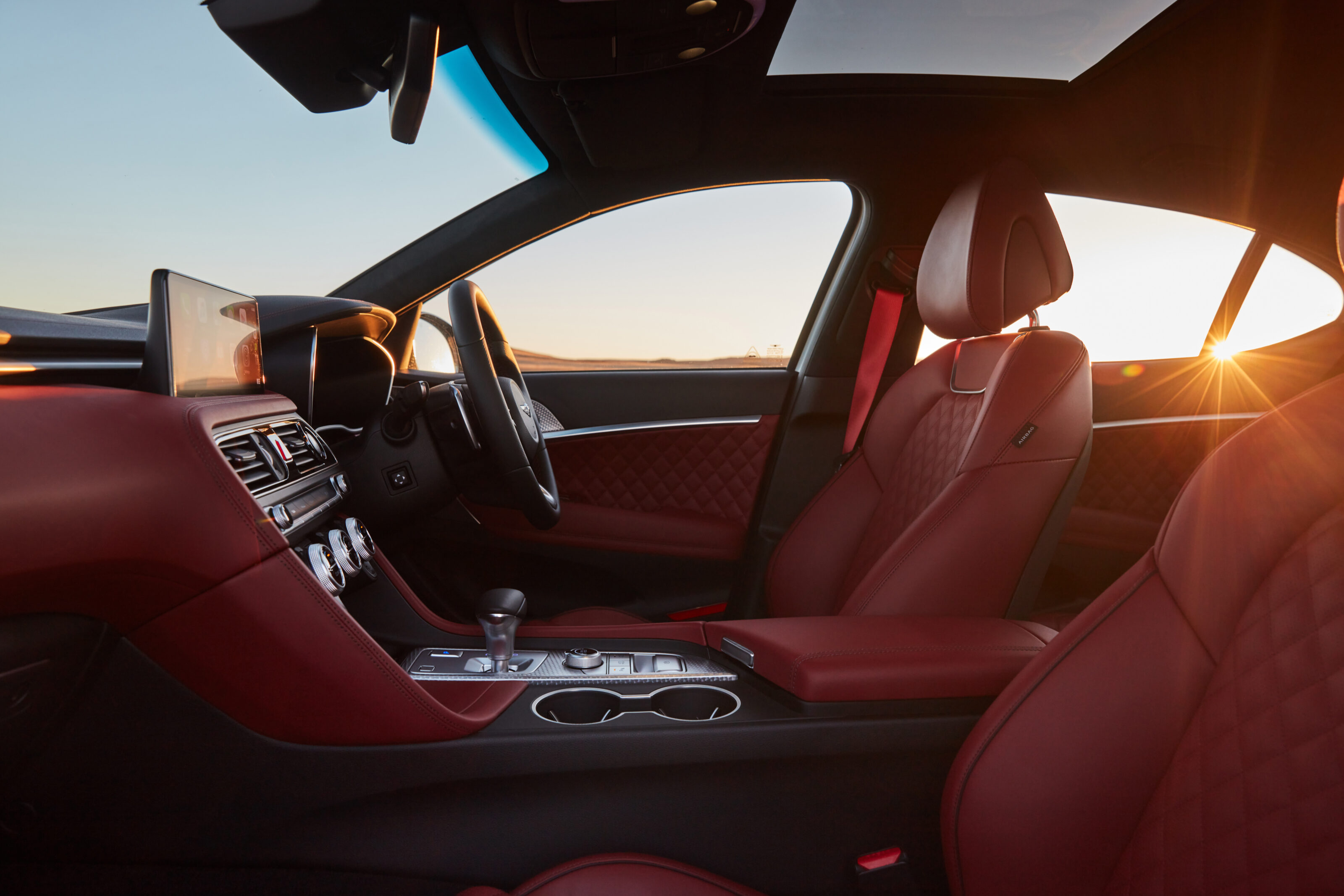
The Sport Line package for the 2.0T and 3.3T Sport (aside from the new adaptive suspension with Sport+ mode), add:
| Brembo Brake Package |
| Limited Slip Differential |
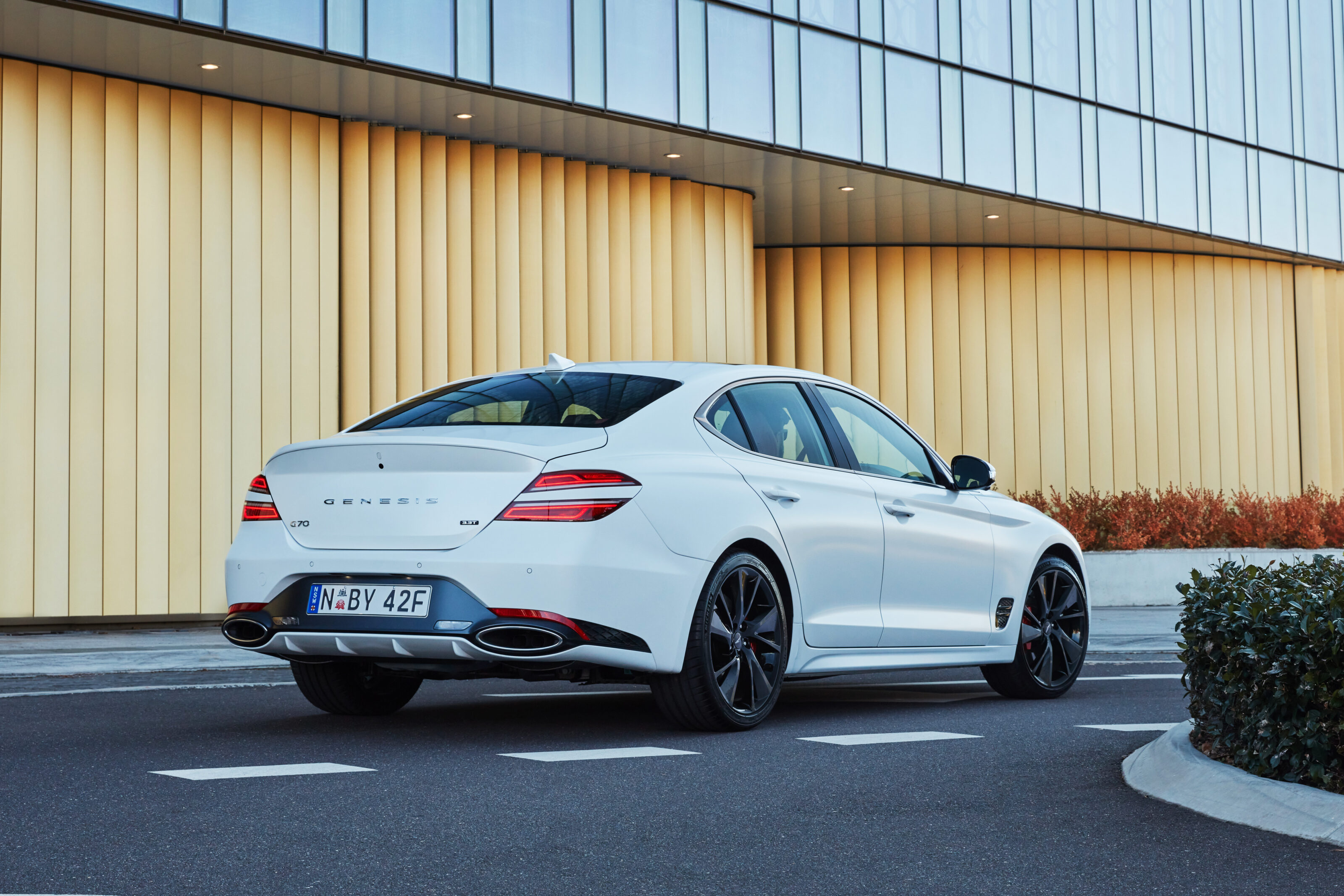
| Dark Chrome grille surround, grille inserts and window trimmings |
| Darker alloy wheels |
| Sport Line leather seats, suede headlining, alloy pedals, aluminium trim |
The Luxury Package for both the 2.0T and 3.3T is more about the interior than the exterior and adds:
Engine, transmission and fuel economy
Two engine choices are available in the revised G70, the same as the outgoing model it replaces.
The cheaper option of the two is the 2.0L turbo four-cylinder engine, producing 179kW and 353Nm
Those wanting a bit more grunt can spend an extra $13,000 to get the acclaimed V6 engine, a twin-turbo, 3.3L unit which now makes 274kW and 510Nm thanks to a new variable, dual-muffler exhaust system.
Fuel consumption remains in line with the previous iteration of the model which had the same eight-speed automatic gearbox sending power to the rear wheels, standing at 9L/100km for the 2.0T and 10.2L/100km for the 3.3T.
Dimensions
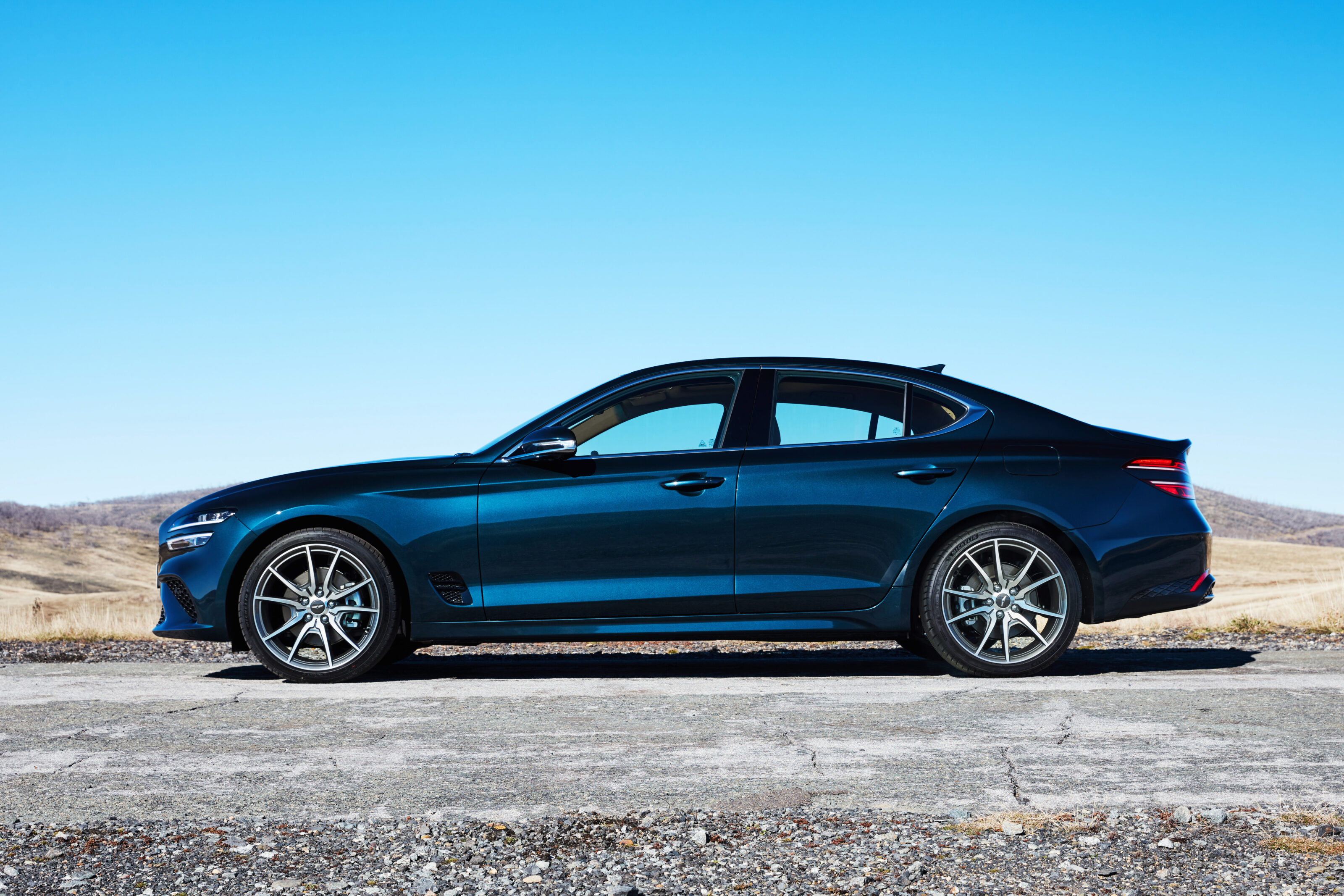
Even though the look of the G70 has changed, its overall size has not. It’s still 4685mm long, 1850mm wide and 1400mm high with a wheelbase of 2835mm.
Weight depends on engine and trim, starting with the 2.0T which varies from 1613 to 1699kg, jumping up slightly to 1719 and 1769kg for the bigger V6 engine.
Safety
A lot of the safety tech carries across from the 2019 version of the G70 to the 2021 model, including:
| 10 airbags |
| Forward Collision-Avoidance Assist for Cars/Pedestrians/Cyclists |
| Lane Keep Assist |
| Driver Attention Warnings |
| Leading Vehicle Departure Alert |
| High Beam Assist |
| Smart Cruise Control with Stop and Go function |
Genesis has integrated more of its new safety features in the G70 as standard, such as:
| Front centre and rear side airbags |
| Multi Collision Brake |
| Rear Occupant Alert |
| Front Collision Assist – Junction Turning |
| Blind-Spot Collision-Avoidance Assist – Rear |
| Safe Exit Warning |
| Blind-spot View Monitor |
| Lane Following Assist |
| Rear Cross-Traffic Collision-Avoidance Assist |
Warranty and servicing
As with the rest of the Genesis range, the G70 includes a five-year/unlimited-kilometre warranty, also receiving the Genesis-To-You concierge/courtesy vehicle service, valet service and 24/7 roadside assistance.
Also included in the purchase of a G70 is free scheduled logbook servicing in the first five years or 50,000km of ownership, covering labour and parts when services are undertaken at a Genesis dealer.
Availability
The 2021 Genesis G70 will be available in Australia now.
Snapshot
- 2022 C4 expected in Australian shores later this year
- 96kw and 114kw petrol variants expected
- No electric powered alternative for local market
The 2022 Citroen C4 is expected to land in Australia towards the end of 2021, giving locals their first chance to buy the small French SUV which debuted overseas last year.
While the local market will score the same 1.2-litre petrol engine which is used in Europe, we miss out on any electric variant with Citroen confirming to WhichCar the C4 will launch in Australia as a petrol-only model.
Sharing an engine with the Peugeot 2008, another Stellantis brand, the 1.2-litre three-cylinder turbo will put out either 96kW/230Nm or 114kW/240Nm depending on spec, combined with an eight-speed torque converter automatic gearbox to provide WLTP fuel consumption ratings of 5.4L/100km and 6.0L/100km respectively.
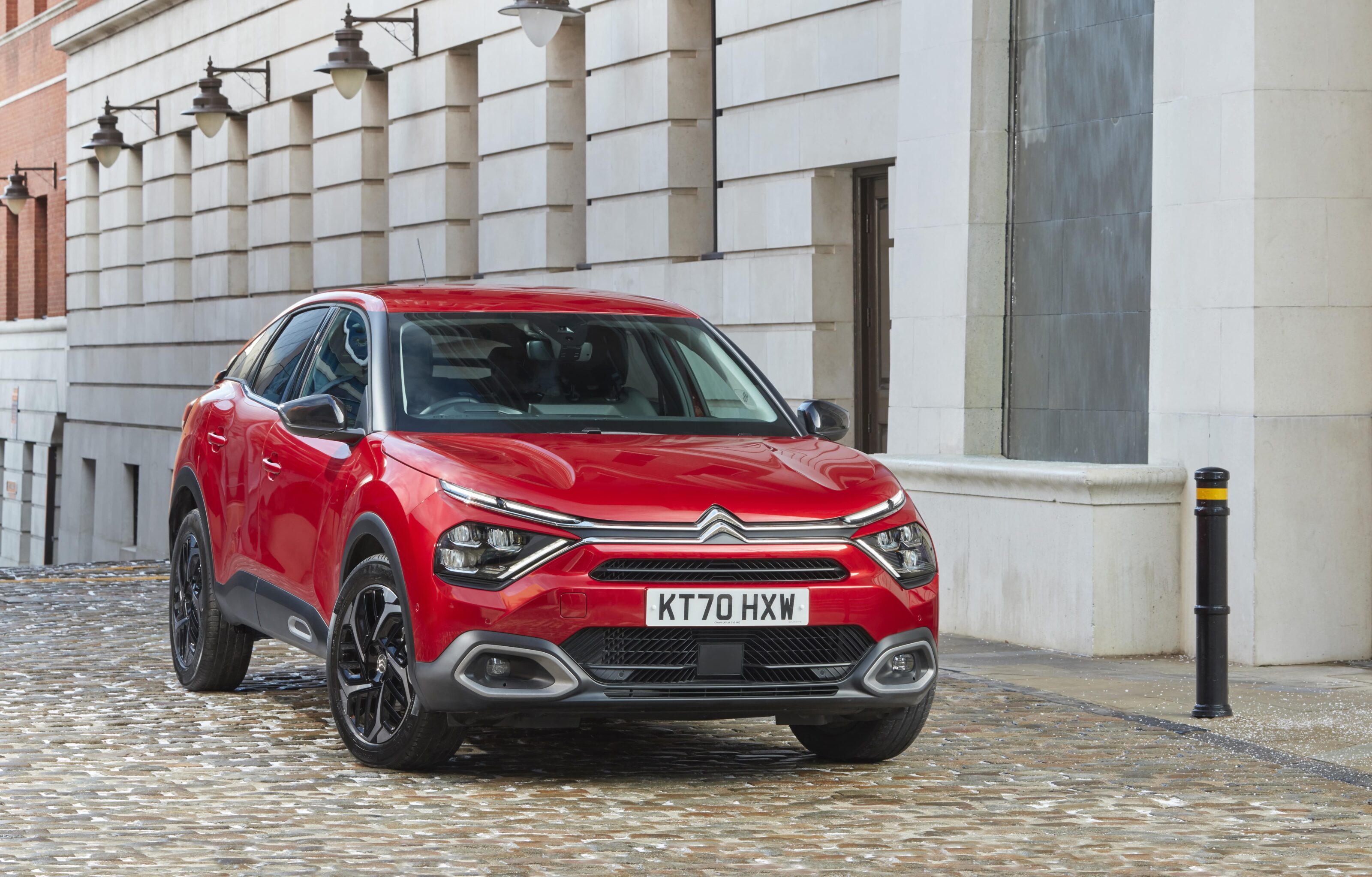
Government documents confirm the C4 will be available in the two trim levels to match the different outputs of each engine, most likely lining up with the C5’s Feel and Shine badging.
The 96kW model will have 16-inch wheels with 215/65 tyres, stepping up to 17-inch alloys on the 114kW variant, shod with 215/60 rubber.
Dimensions are identical through the C4 range, standing 4355mm long, 1800mm wide, 1525mm high with a wheelbase of 2670mm. Boot space goes from 380L with the back seats up to 1250L when folded flat.
Weight is roughly similar too, the less-powerful C4 tipping 1248kilograms on the scales while the top of the range variant is 21kg heavier, recording a figure of 1269kg thanks to the larger 17-inch wheels.
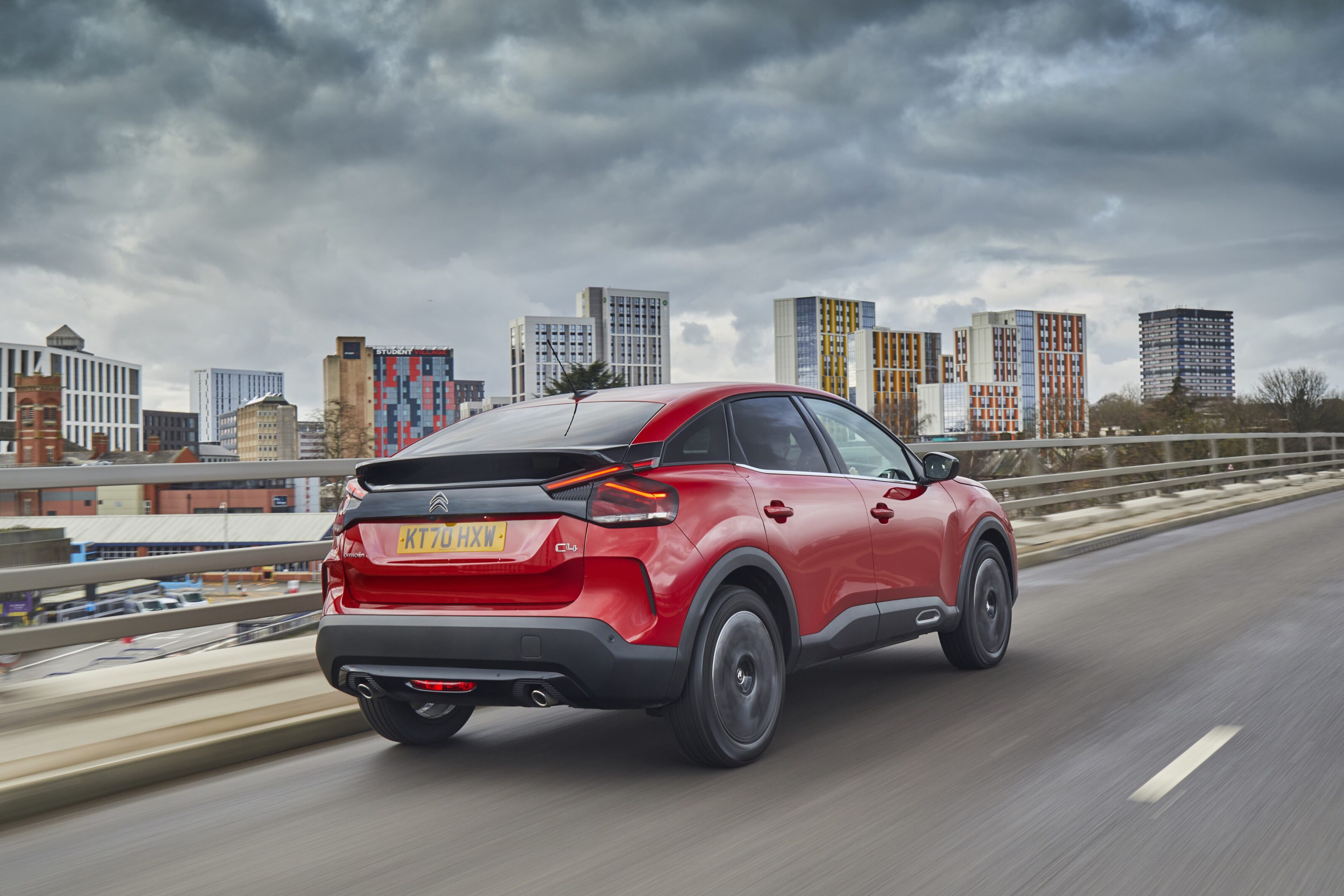
The documents also show the C4 will have front fog lights and cornering lights as optional features across both variants, though rear fog lights are standard in both trim levels.
Modern comforts inside the C4 will likely be identical to those offered on European models, with heated front seats and steering wheel topping the equipment, which includes dual-zone climate control, head-up display, 10-inch infotainment screen with Apple CarPlay/Android Auto, wireless phone charging and a digital instrument cluster.
Seven airbags are fitted inside the C4, helping it to achieve a four-star Euro NCAP rating with other safety features like adaptive cruise control, lane-follow assist and autonomous emergency braking fitted as standard.
Though pricing hasn’t been released as yet, its Peugeot 2008 cousin varies between $34,990 and $45,980 (before on-road costs) depending on engine spec, meaning the Citroen will likely sit around the same kind of range.
Snapshot
- Local launch in quarter four of 2021
- Prices start from $135,900 plus on-road costs
- Performance flagship iX M60 with 440kW due in 2022
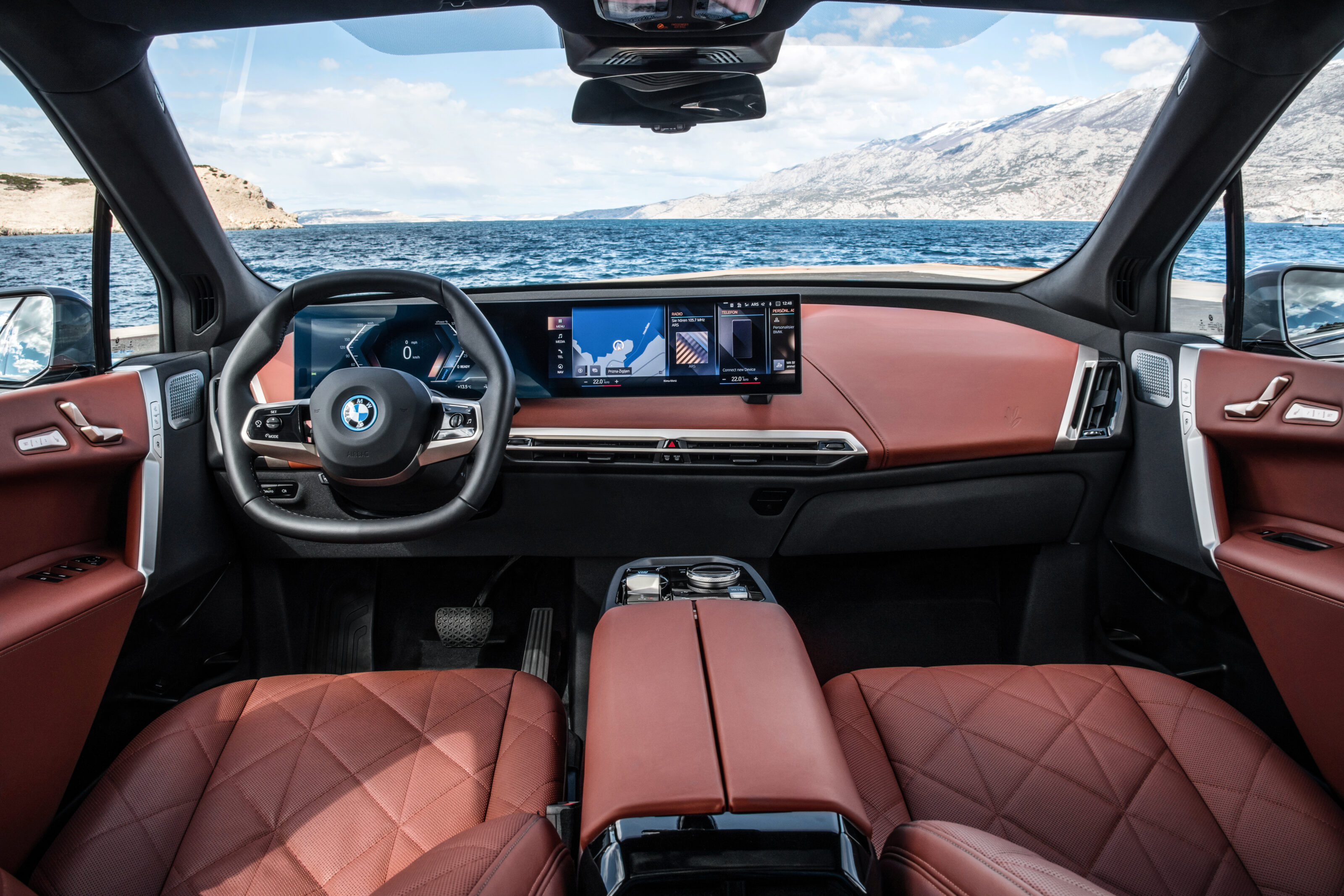
The 2022 BMW iX electric SUV has been officially unveiled, with prices starting from $135,900 plus on-road costs.
Due to land Down Under in the fourth quarter of 2021, WhichCar has confirmed both the iX xDrive40 and iX xDrive50 variants will be available for the Aussie market from launch.
BMW is also offering all iX models with a complimentary five-year/unlimited usage subscription to Chargefox’s electric charging network in Australia.
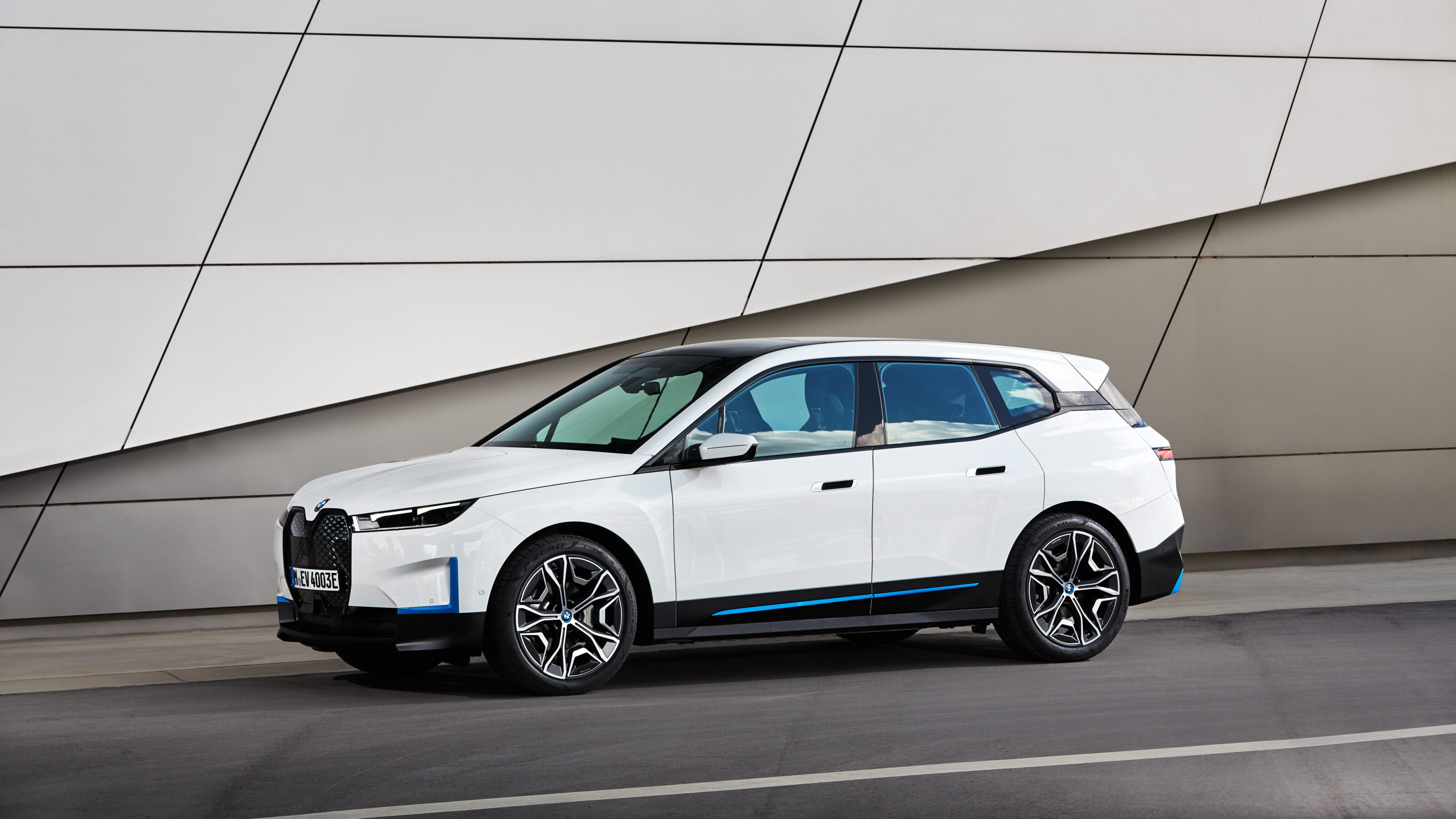
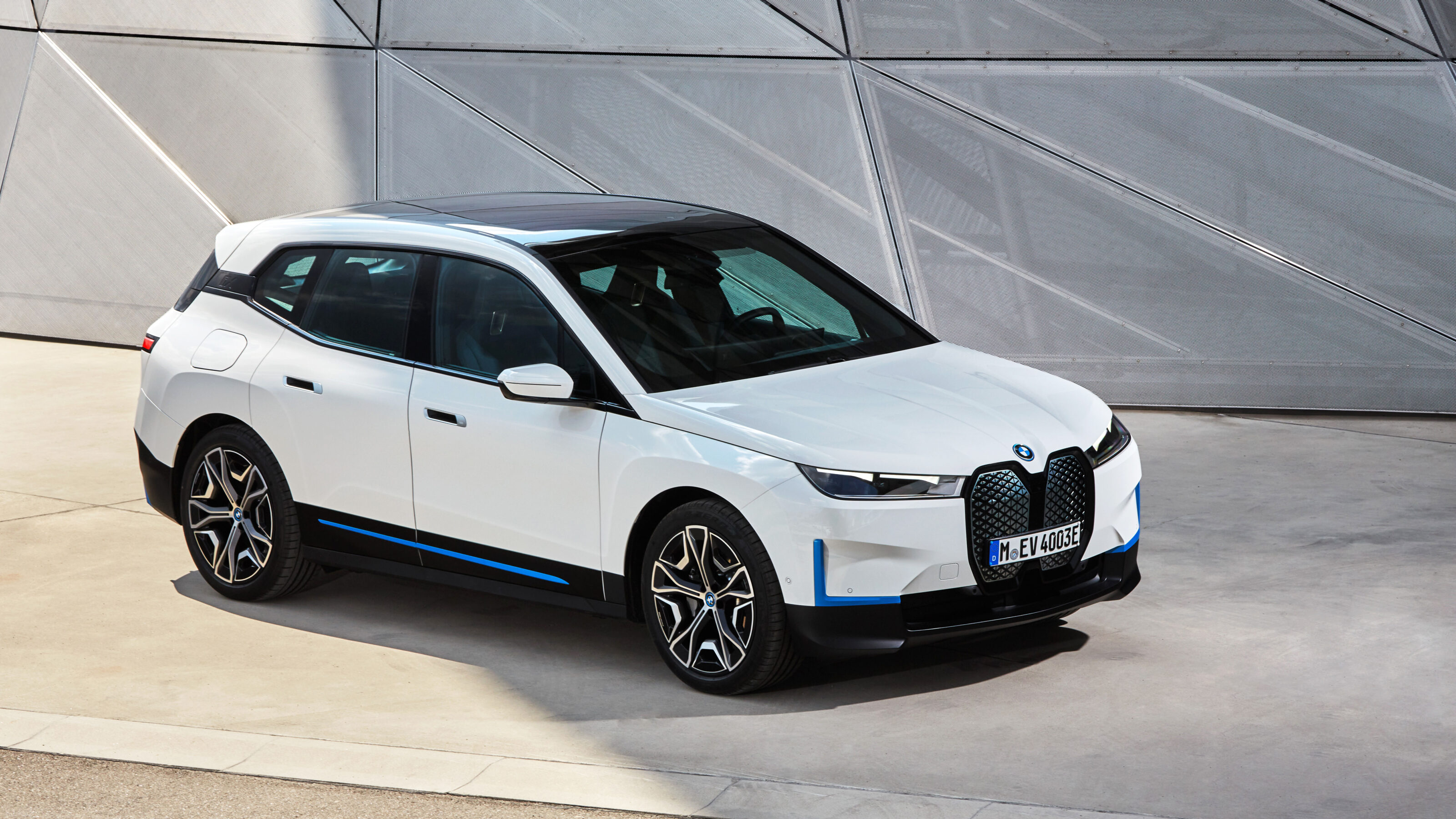
Based on BMW’s cluster architecture (CLAR), the iX will utilise an aluminium spaceframe chassis and a ‘Carbon Cage’, which will see carbon fibre-reinforced plastic (CFRP) being used in the roof, sides, and rear of the platform’s construction.
The Munich firm claims this blending of lightweight materials in the iX’s underpinnings increases rigidity and significantly reduces weight.
Unlike other electric products in BMW’s current product range, the iX’s chassis has been designed from the ground up to support battery electric powertrains.
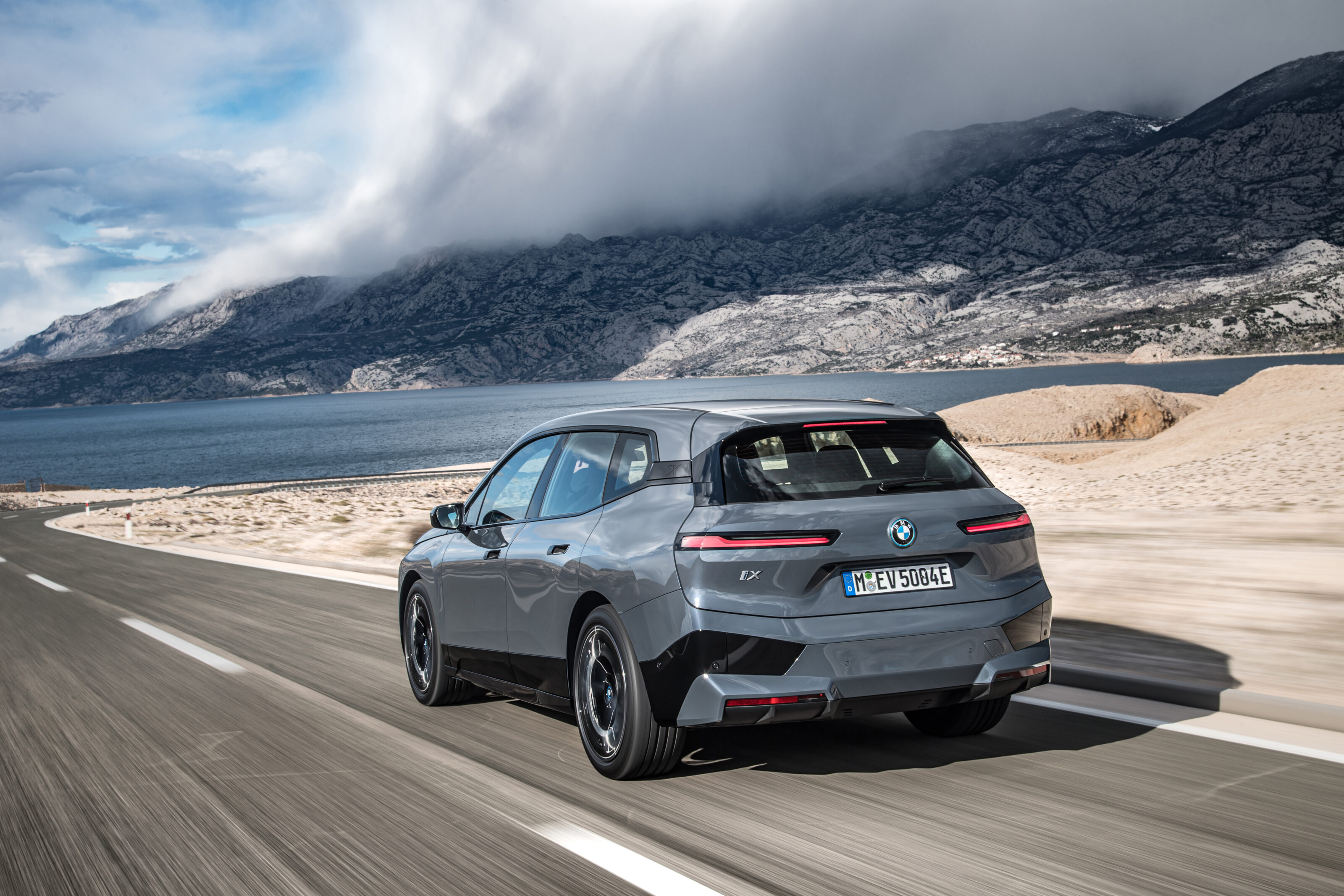
The avant-garde styling of the electric SUV’s body may look like it’s all about aesthetics, but the iX has also spent considerable time in a wind tunnel with aerodynamicists. The result is a drag coefficient of just 0.25, which is impressive for a vehicle of this type.
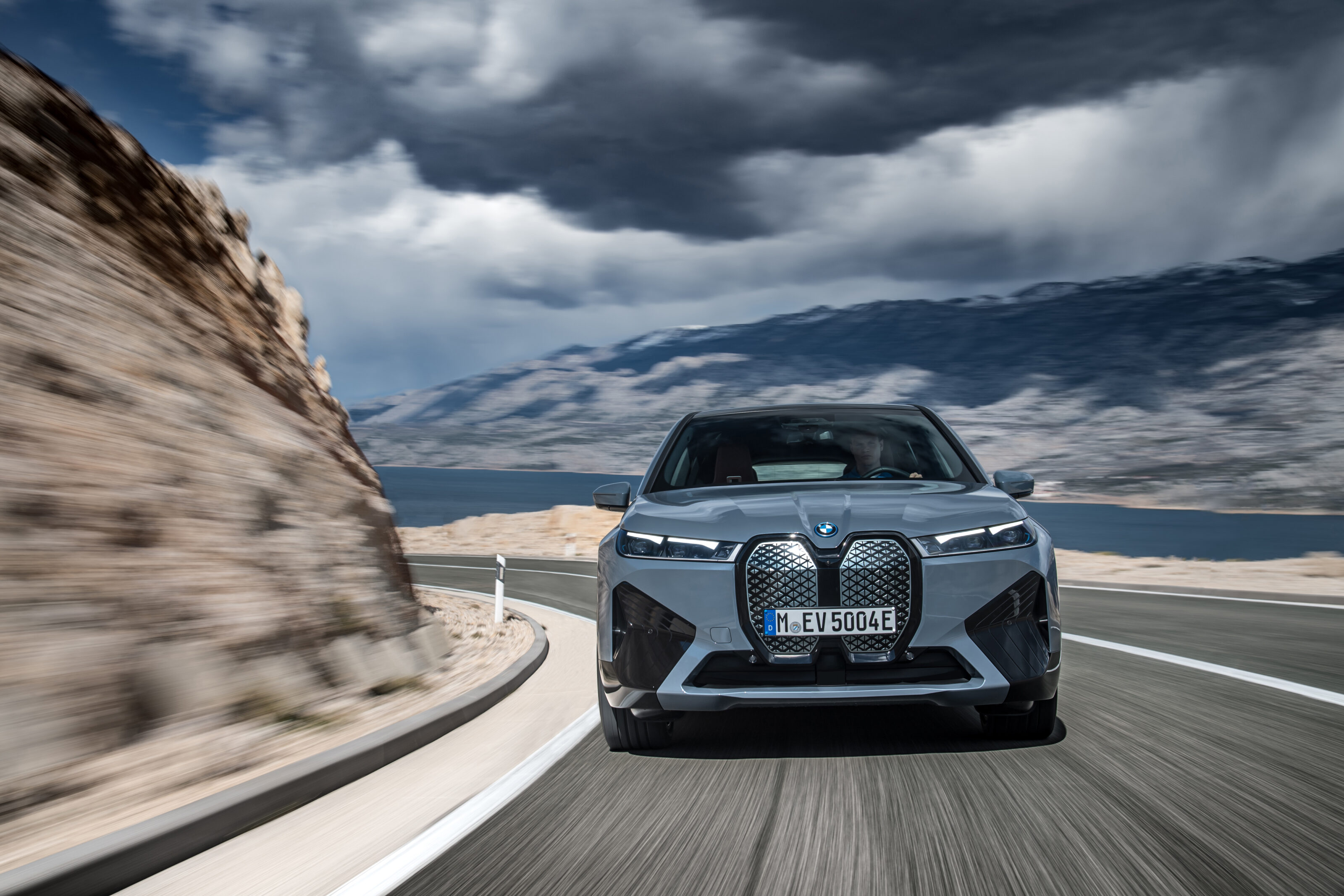
Model range and prices
When it goes on sale in Australia, the iX electric SUV will be available in three different variants (prices before on-road costs):
| BMW iX xDrive40 | $135,900 |
| BMW iX xDrive40 Sport | $141,900 |
| BMW iX xDrive50 Sport | $169,900 |
There will also be several option packages available too:
| Comfort Package (all variants) | $3,500 |
| Enhancement Package (iX xDrive40/xDrive40 Sport) | $9,500 |
| Indulgence Package (iX xDrive40 Sport/xDrive50 Sport) | $8,500 |
A flagship, performance-oriented, 440kW iX M60 variant has also been confirmed for the Australian market, with details and pricing to be confirmed later in 2021 and a local launch expected in 2022.
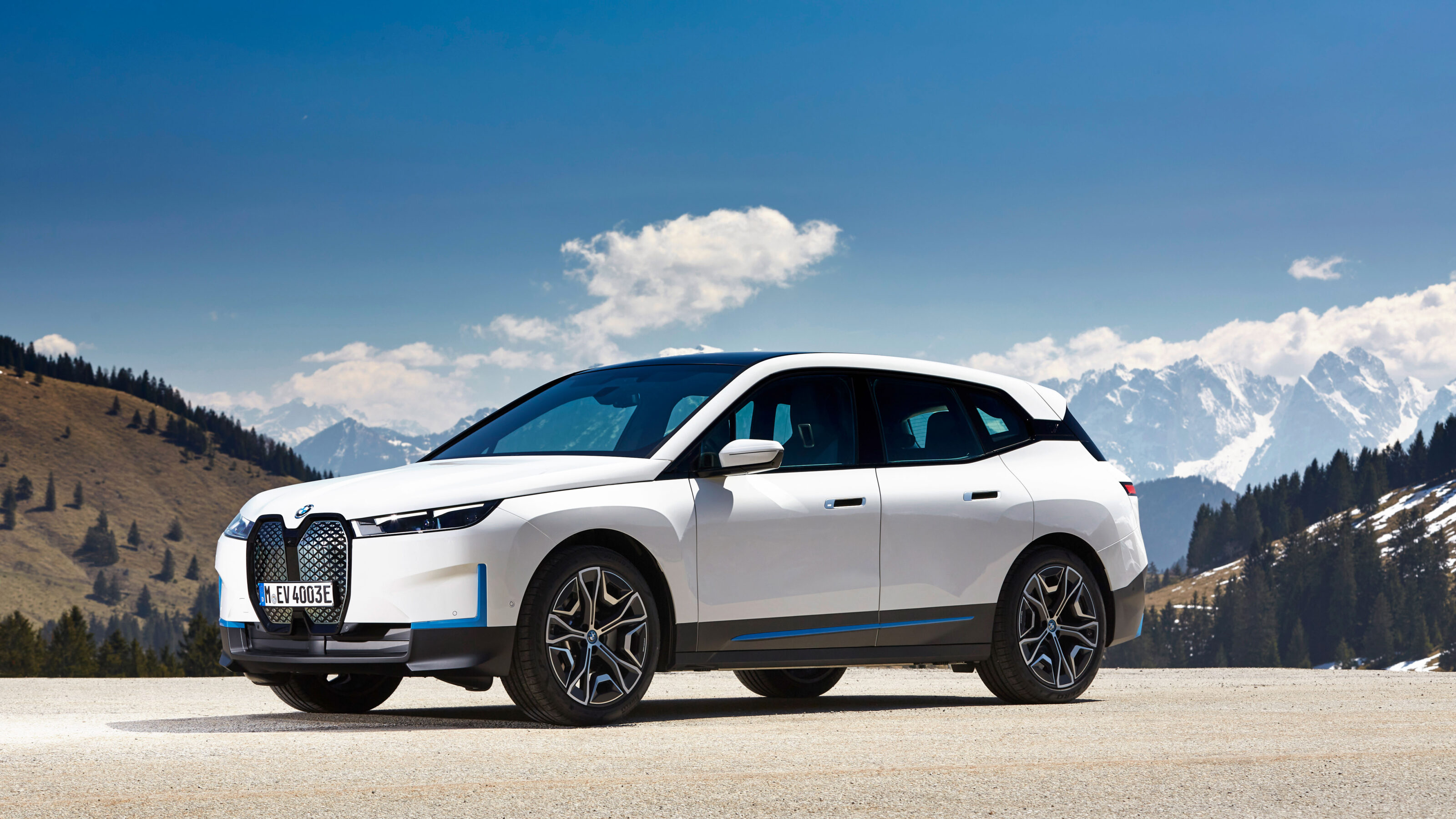
Powertrain, driving range and charging times
The iX xDrive40 and iX xDrive50 come equipped with two electric motors, which sit over the front and rear axles of the SUV.
Both variants feature the German automaker’s xDrive all-wheel drive system with intelligent control, which sends exacting amounts of torque to the front and rear axles as required.
And for the first time in a BMW product, xDrive works in conjunction with near-actuator wheel slip limitation technology, which can make lightning-quick adjustments of power delivery to maximise traction and stability.
Located in the floor of the new SUV, so as to keep its centre of gravity as low as possible, BMW has fitted the iX with its latest generation of high-voltage lithium-ion battery packs.
The packs feature ‘state-of-the-art battery cell technology’ featuring a volumetric energy density up by roughly 40 per cent compared to the batteries used in the 2020 BMW i3, which is a significant leap.
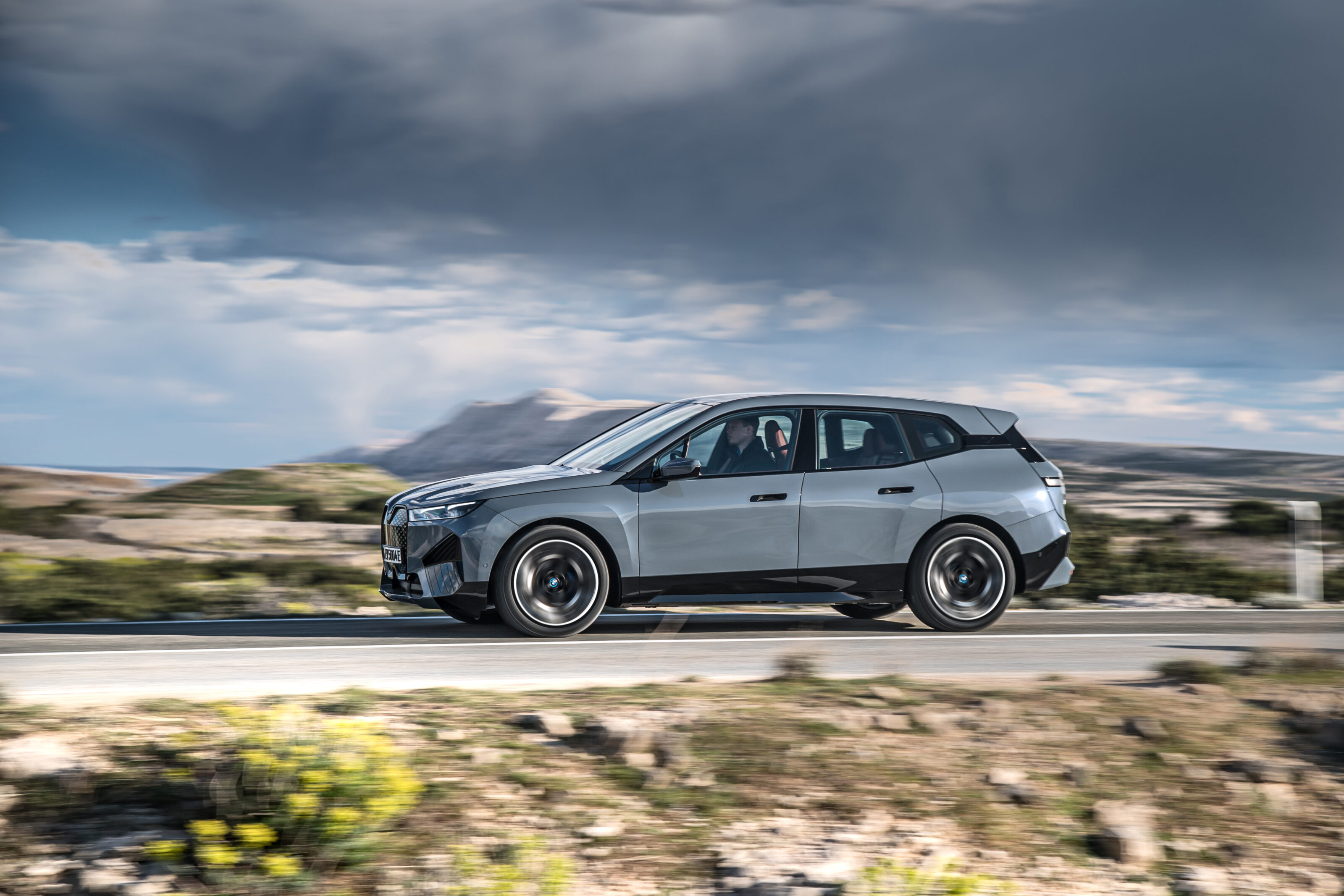
The entry level xDrive40 comes equipped with a 77kWh battery pack, with power rated at 240kW and 630Nm, which equates to a claimed 0-100km/h time of 6.1 seconds.
Driving range is a WLTP-certified 425 kilometres, and electric power consumption on the combined cycle is 22.5-19.4kWh/100 km.
The top-shelf xDrive50 gets a larger 112kWh battery pack, with 385kW and 765Nm on tap.
0-100km/h is said to be taken care of in just 4.6 seconds, and driving range is a claimed 630 kilometres, with the combined cycle electric power consumption ranging from between 23.0-19.8kWh/100km.
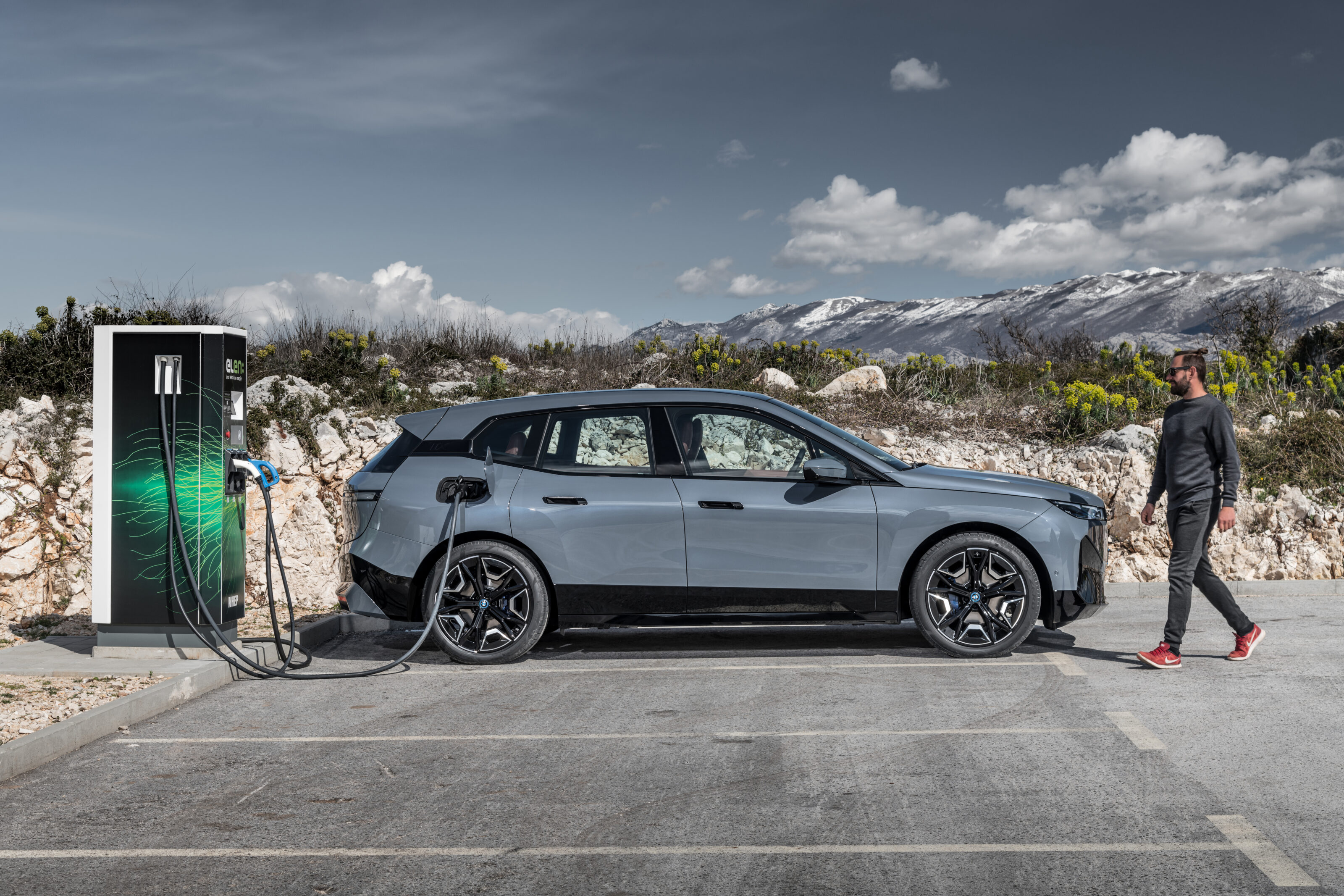
The iX has both AC and DC charging capabilities, with the xDrive40 capable of accepting a DC charging rate up to 150kW, and the xDrive50 capable of DC 200kW charging.
In the xDrive40, the battery packs’ state of charge can be increased from 10 to 80 per cent in 31 minutes, while the xDrive50 takes 35 minutes to do the same.
Both models can also add a significant amount of driving range from just 10 minutes of DC fast charging, with the 40 capable of adding 95 kilometres and the 50 capable of adding 150 kilometres.
Features
The BMW xDrive40 comes with the standard features, including:
| 21u201d Aerodynamic alloy wheels |
| iDrive BMW Operating System 8 |
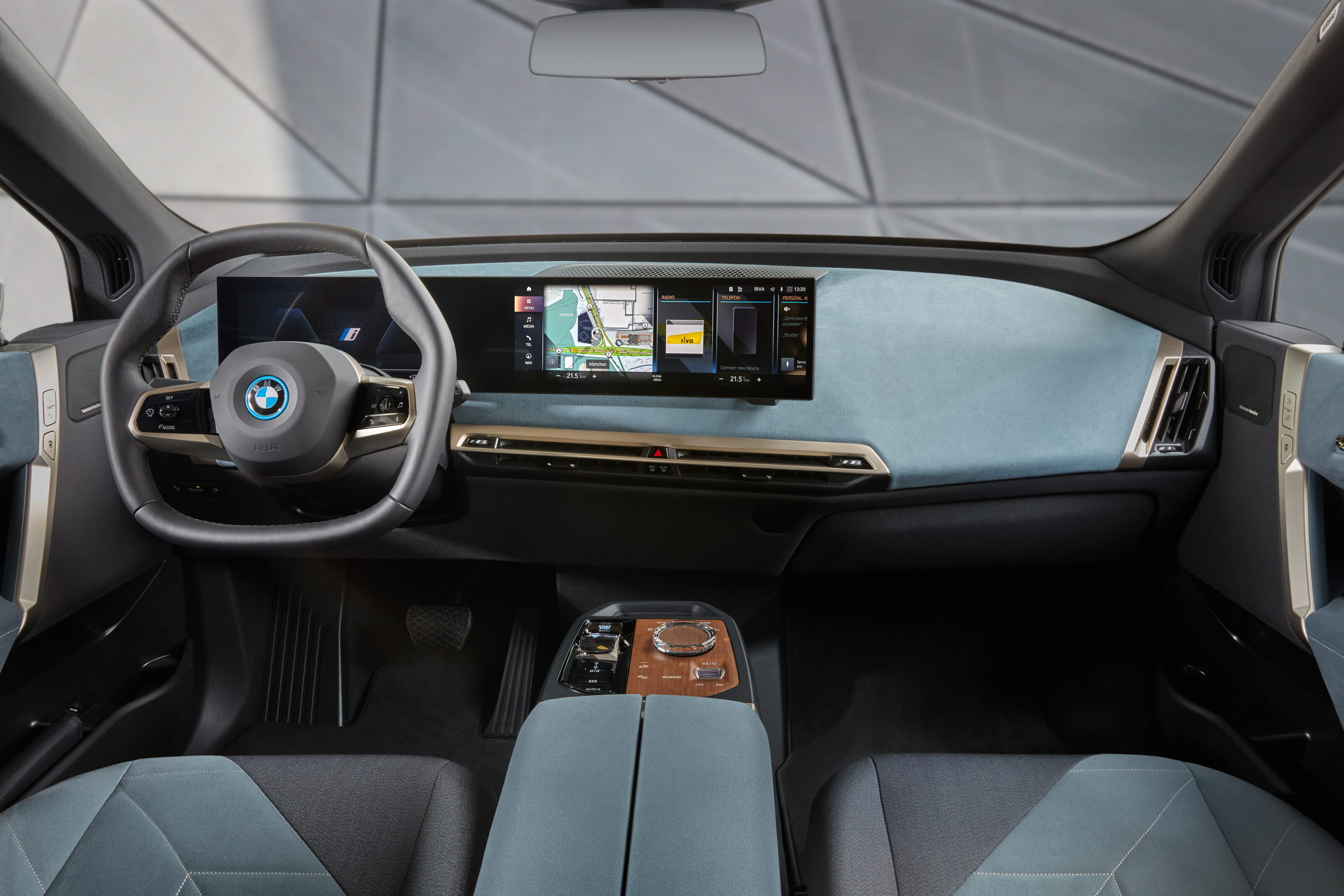
| 12.3-inch digital dash and 14.9-inch integrated curved infotainment display |
| LED headlights |
| Shadow Line exterior |
| Alarm system |
| Comfort access |
| Powered, heated, and massaging front seats |
| Four-zone climate control |
| Ambient lighting |
| Charging cable for domestic sockets |
| Charging cable for public chargers |
| BMW Iconic Sounds |
| Driving Assistant Professional |
| Parking Assistant Plus |
| Harman/Kardon Surround Sound |
| DAB+ Digital Radio |
| Wireless Charging |
| Connected Package Professional including Apple CarPlay |
| ConnectedDrive eDrive Services |
| BMW Natural Interaction |
| BMW Live Cockpit Pro, BMW Operating System 8 |
| Interior Design u2018Suiteu2019 – Olive Leaf Tanned Leather |
| Chargefox – five-year subscription |
The iX xDrive40 Sport adds:
| Sport Package |
| Side sills in Black high-gloss, front apron (with Air Curtains) in body colour |
| Bespoke 22-inch wheels |
| Dark headlights |
| Sport brakes with brake callipers finished in blue |
| Dark smoked-glass taillights |
| Exclusive paint finishes |
| Kidney grille pattern in Chrome (optional Titanium Bronze) |
| 22u201d Aerodynamic Alloy Wheels, non-runflat, including repair kit |
| Metallic paintwork |
The iX xDrive50 Sport iteration also gets:
| Panorama Glass Roof Sky Lounge |
| BMW Laserlight |
| Integral Active Steering |
| Adaptive 2-Axle Air Suspension |
| Soft-close doors |
The Comfort Package adds:
| Heated steering wheel |
| Ventilated front seats |
| Heat Comfort Package |
| Heated front and rear seats |
| Heated armrest front and rear |
| Heated centre console |
| Heated instrument panel lower section, beneath the steering wheel and glove box lid |
| Heated front and rear door panels, upper trim |
The Enhancement Package adds:
| Soft-close doors |
| Panoramic sunroof |
| BMW Laserlight headlights |
The Indulgence Package adds:
| Interior applications in clear and bold |
| Interior camera |
| Bowers and Wilkins Diamond Surround Sound |
Dimensions, kerb weight, and towing capacity
BMW has previously described the iX as having the exterior dimensions of an X5, the height of an X6, and has the wheelbase of an X7.
Both the variants are 4953mm long, 1967mm wide, 1695mm tall and have a wheelbase measuring 3000mm.
The xDrive40 has a kerb weight of 2440 kilograms, while the xDrive50 tips the scales at 2585 kilograms.
Both the 40 and 50 have a braked towing capacity of 2500 kilograms.
Safety
Due to it being a brand new product from BMW, the iX has yet to be tested by ANCAP for a safety rating. WhichCar will update this story when the rating information becomes available.
The iX electric SUV can be had with a suite of semi-autonomous and safety features including:
| Autonomous emergency braking with cyclist and pedestrian detection |
| Adaptive cruise control with stop and go functionality |
| Lane-keeping assist |
| Safe exit warning function |
| Parking Assistant including Reversing Assist Camera and Reversing Assistant |
Warranty and servicing
Like all BMWs in Australia, the iX electric SUV will come with a three-year/unlimited-kilometre warranty.
BMW is yet to confirm details about servicing.
Availability
BMW Australia has confirmed with WhichCar the 2022 BMW iX will launch locally in the fourth quarter of 2021, with customer deliveries expected at the same time.
Buyers interested in the electric SUV will be able to register their interest with BMW through the carmaker’s online shop.
