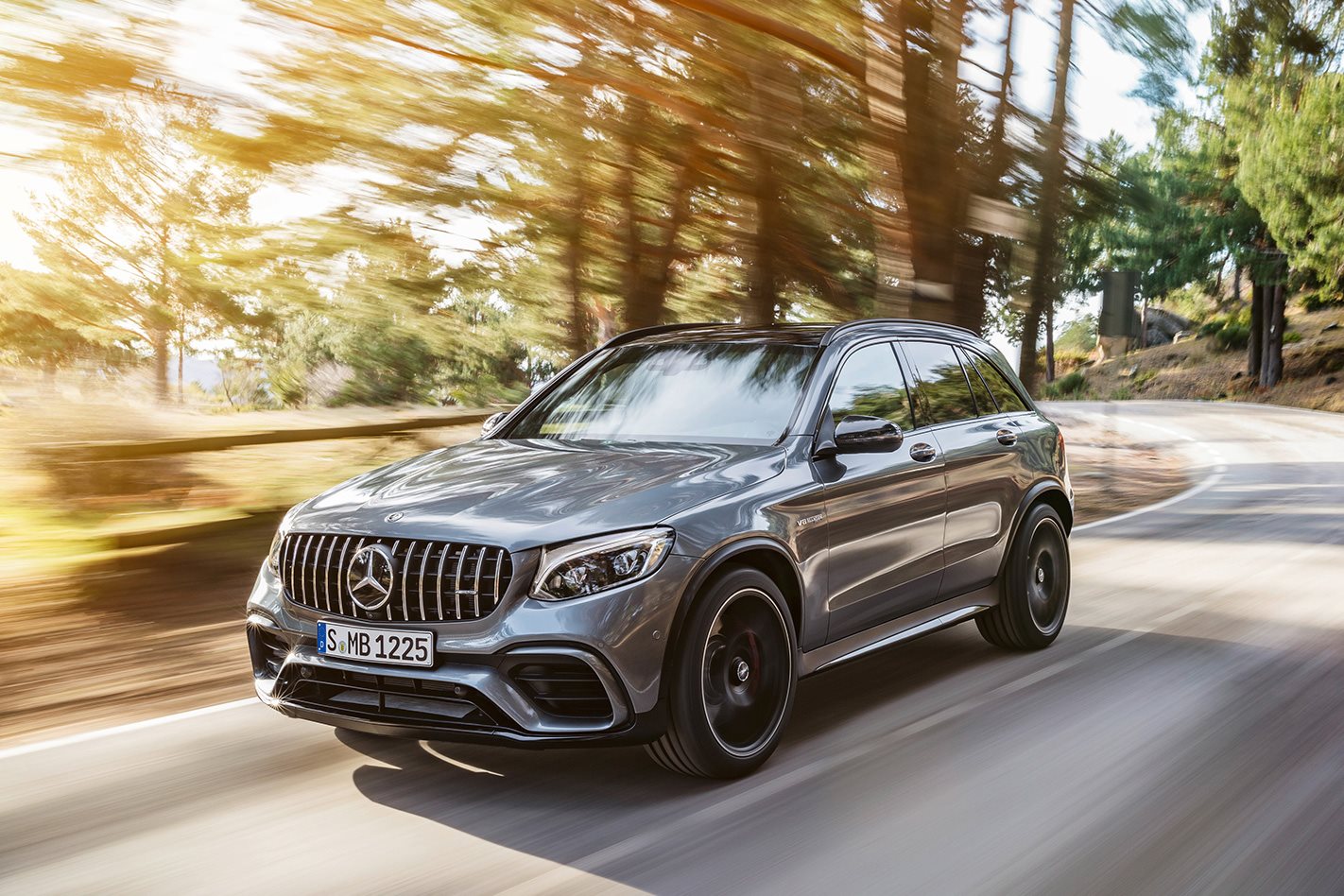
Mercedes-Benz Australia is recalling 1413 examples of its high-performance AMG GLC 63 SUV built between 2018-2020 due to a fire risk.
According to the automaker, a fault has been identified with the positive wiring that’s connected to the starter motor.
During the course of its life, the wiring can be worn down and chafed due to regular driving.
This may lead to a short circuit, which has several implications including increased fire risk, as well as the vehicle not restarting once the engine has been switched off.
Mercedes is advising customers to make an appointment with their preferred authorised dealer for a free-of-charge repair.
The carmaker has also collated a list of the affected vehicles’ VIN numbers, which can be viewed here.
Peugeot is recalling 22 examples of its 4008 model over a braking fault.
The issue, which affects just a handful of vehicles manufactured in May 2016, involves “insufficient engagement of the parking brake due to excessive internal tolerances of the rear brake calipers”.
According to Product Safety Australia, the problem could cause the cars to roll away and increase the risk of an accident as the vehicle “may not be sufficiently restrained”. A list of VINs is available here.
Owners should contact their preferred authorised Peugeot dealership to arrange a time to have the rear brake calipers replaced, free of charge.
For more information, contact the Peugeot Customer Experience Team by phoning 1800 307 607 (Monday to Friday, 8:30am – 5pm) or visit: https://www.peugeot.com.au/helpful-links/contact-us/contact-us-by-email/
To find a dealer, visit https://www.peugeot.com.au/dealers/
“ARE THERE ANY MORE SATISFYING DRIVER’S CARS FOR AROUND $100K THAN THE ALPINE A110 AND THE LOTUS ELISE? I’M SERIOUSLY INTERESTED, BUT WONDER IF THEY’D DRIVE ME NUTS IF I HAD TO DRIVE THEM ON A FAIRLY REGULAR BASIS.” -LANCE J.
Interesting dilemma, this one. The only other car that could match these two in terms of dynamic fidelity in this price bracket would be a Caterham, but that’s a whole other level of dedication. We prefer the smaller-wheeled Pure version of the A110, as given the essence of this car is its suppleness and flow, the additional sidewall width giving it a beautiful ranginess that works really well on Aussie roads.
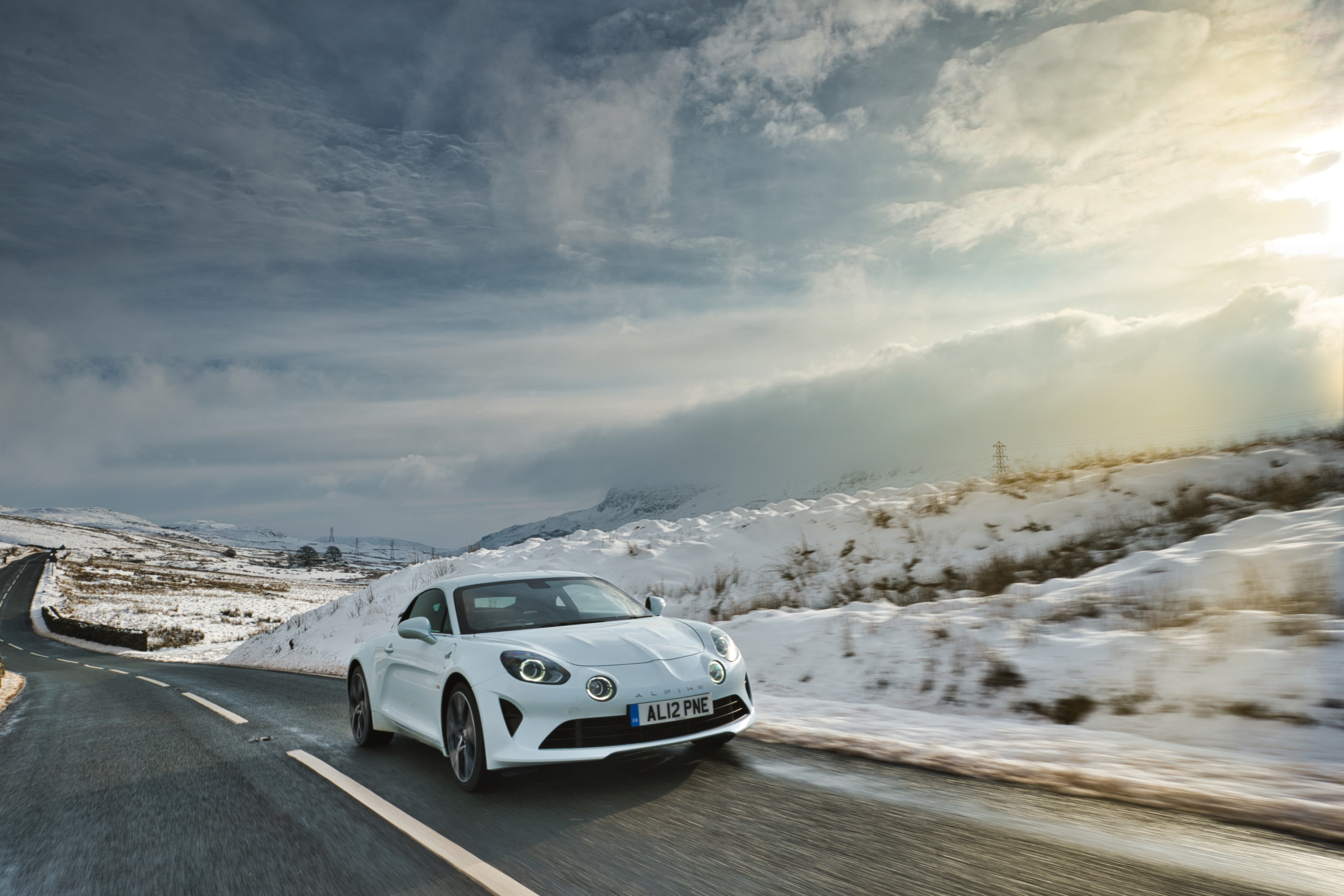
Also, the Pure’s $97K asking price bunts it right into the crosshairs of the $98K Lotus Elise Sport 240 Final Edition. The Elise is an intriguing one, and as a run-out version it benefits from a few nice touches like TFT instruments and marginally better access in and out of the car. There are also a few tempting options that might interest you. The carbon-fibre sill covers and engine cover, lithium-ion battery plus a polycarbonate rear window are popular, dropping the Sport 240’s weight from 922kg to 898kg. A GPS-based track data system can be also optioned, which saves you faffing with a data logger on track days.
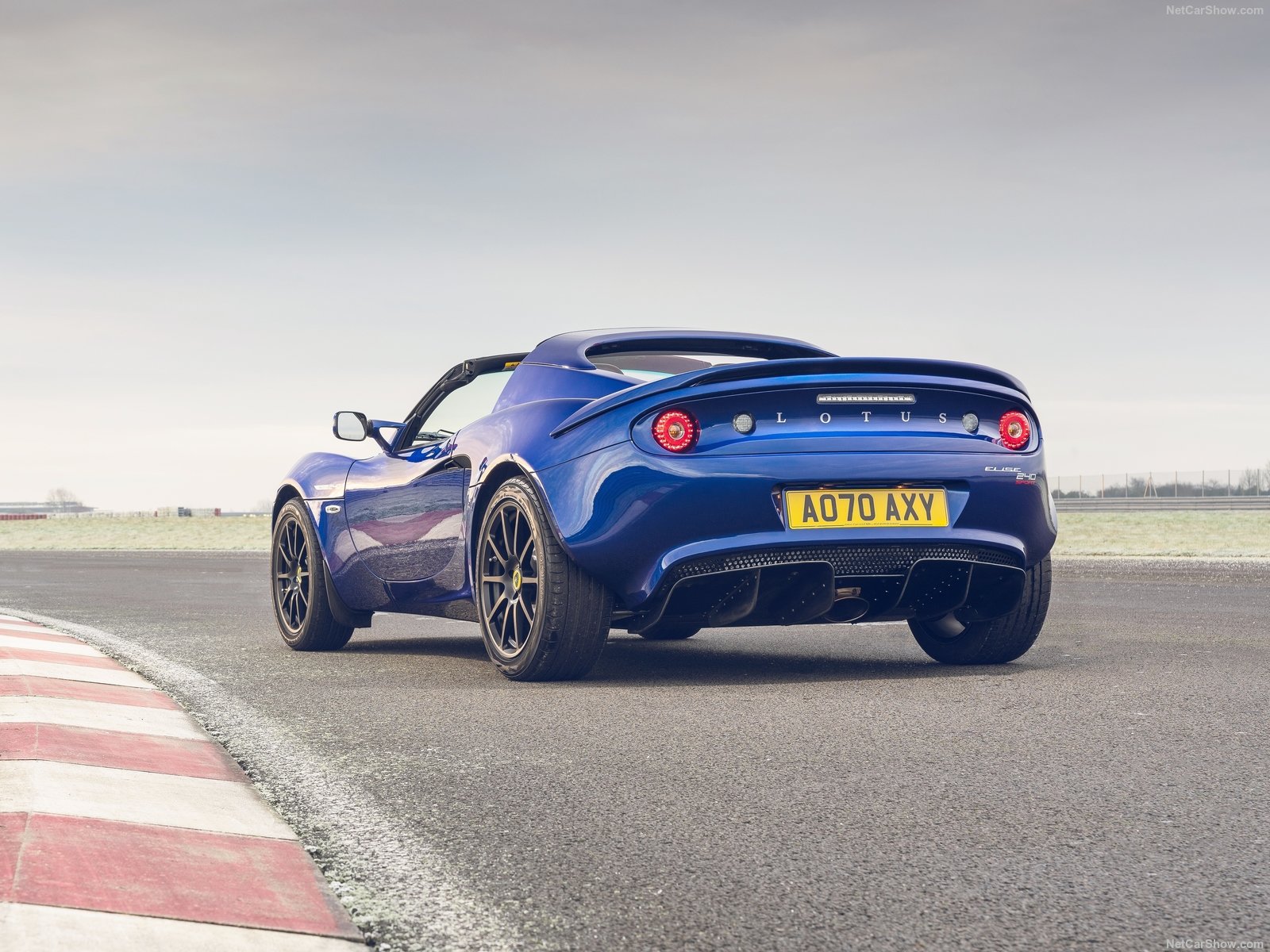
Of the two, I’d probably lean towards the auto Alpine if you plan on using it more frequently, if only because it’s a more practical proposition and offers superior refinement when you’re not at maximum attack. As a weekend car, the manual Lotus is hard to argue against, with better steering and a more charismatic power delivery.
Given that Lotus plans a new model revolution, you may well need to get in fast. The Elise is the most successful model line in Lotus’ history, and with very good reason. – AE
Porsche has just launched its first-ever in-car parking app for the Australian market.
Owners can now interact with parking garages just by using the ‘Porsche Park App’ which can be added to Apple CarPlay and accessed via the Porsche Communication Management (PCM) touchscreen.
The new app allows owners to be guided to off-street Porsche Park partners via in-car navigation.
Participating parking locations can be searched both by name and location, and owners can also save preferred parking locations.
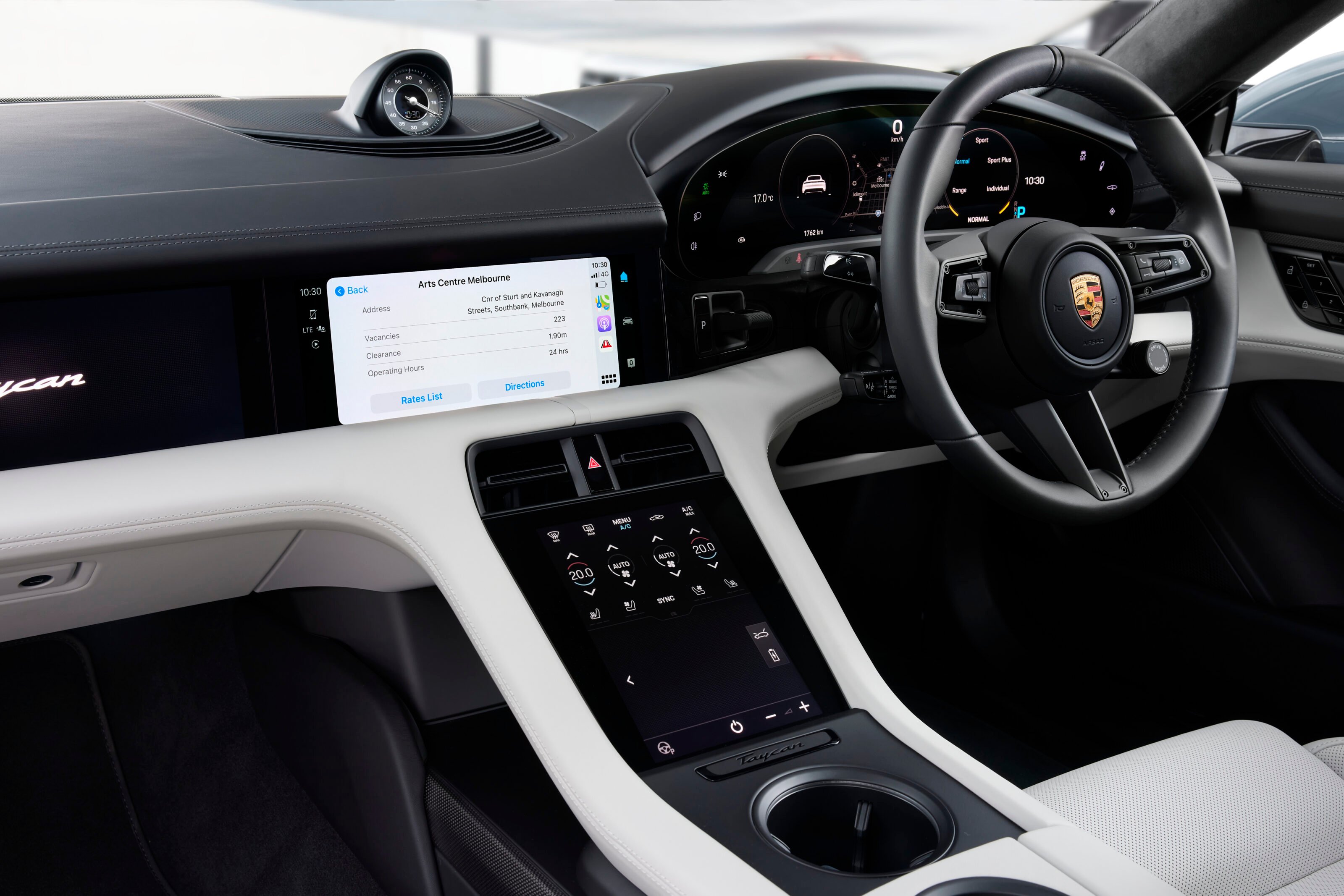
Once at the parking garage, the driver is prompted to open the parking boom gate from the car’s infotainment display, negating the need to wind down a window to push buttons or take parking tickets from a machine.
Owners can observe how long they’ve been parked and how much it will cost directly from the mobile app, and when leaving they can once again exit and pay in a contactless manner.
The software for the convenient new app has been jointly developed between the Stuttgart firm and Aussie smart parking solutions provider, UbiPark.
The app is available now and can be downloaded for free through Apple’s App Store. Owners who download the app are also eligible for discounts at participating Porsche parking garages.
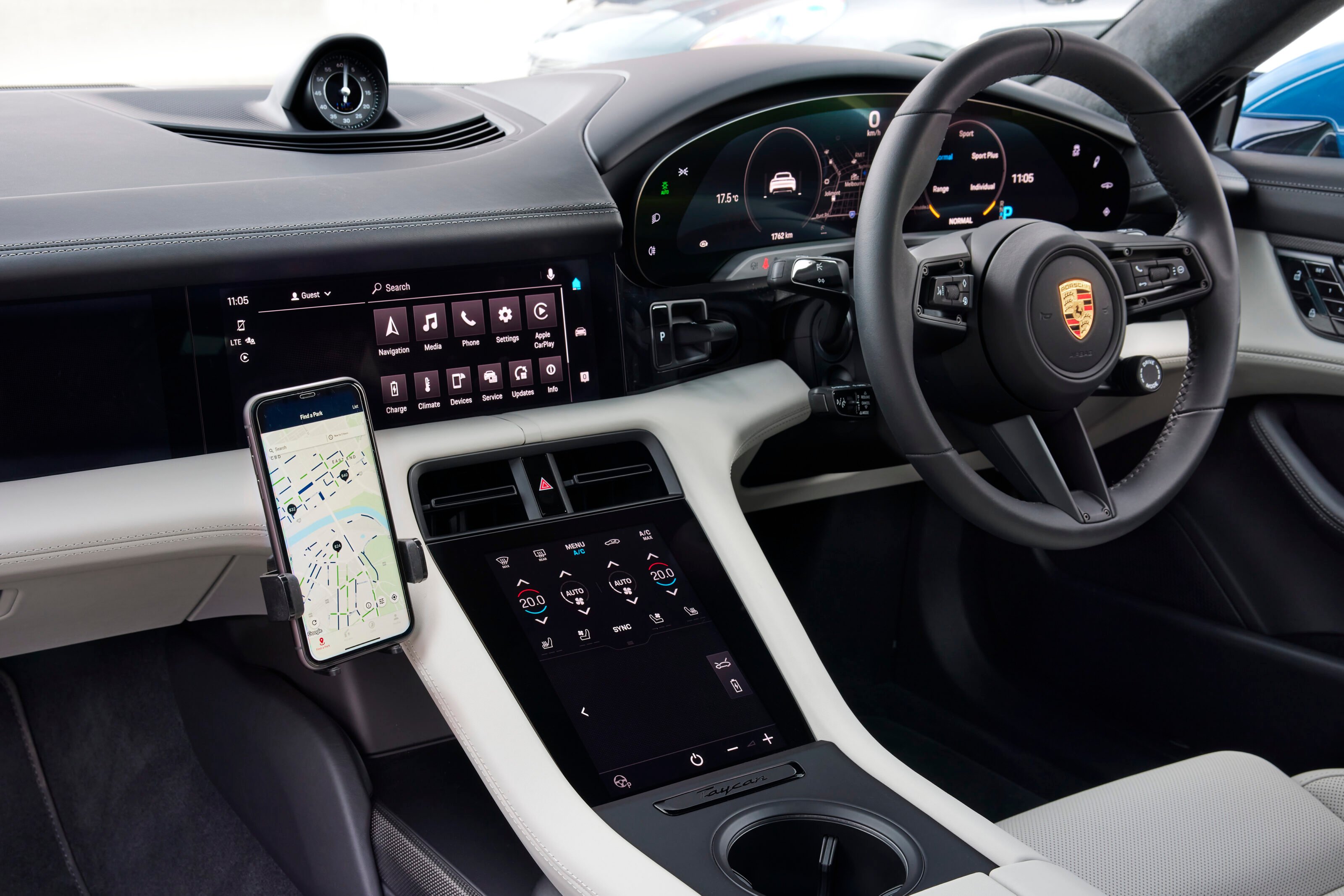
Although it is only currently available at certain parking facilities around Melbourne, such as the Rialto Tower and the Melbourne Arts Centre, Porsche says the app will be rolled out to the rest of Australia in the second half of 2021.
“Porsche owners are now able to experience a completely new way of parking,” said Sam Curtis, Managing Director and CEO of Porsche Cars Australia.
“We continue to develop technology that enhances the Porsche driving experience.”
Snapshot
- Alfa Romeo Giulia GTA starts at $268,000 for Australia
- 22kW power boost over current Giulia Quadrifoglio
- Lighter and more track capable
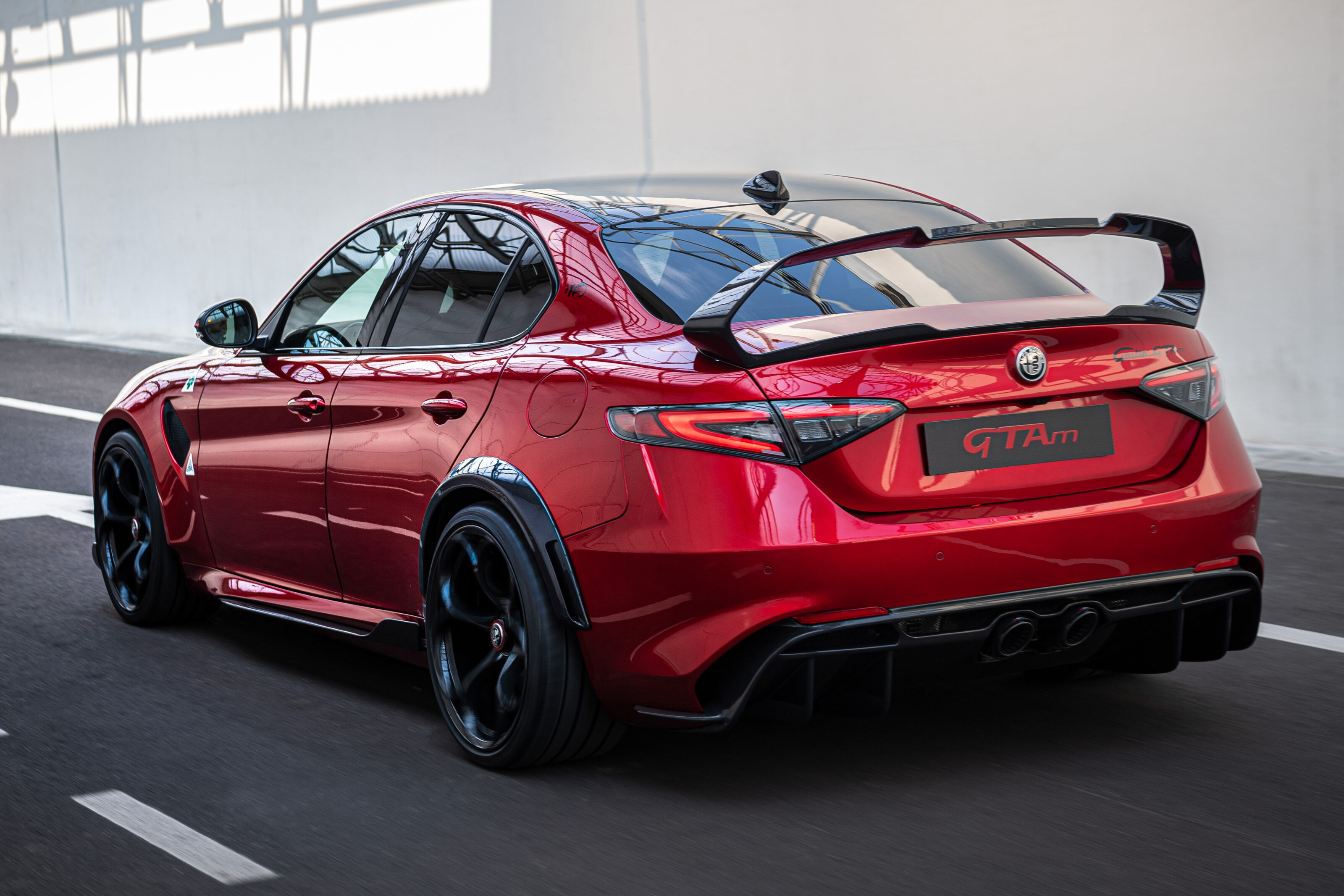
The Alfa Romeo Giulia GTA and GTAm are bound for Australia with prices beginning at $268,000 and $288,000 respectively, Motor has learned. By comparison, the regular model is priced at $138,950 before on-road costs.
The bewinged wonders are based on the existing Alfa Romeo Giulia Quadrifoglio sedan, utilising the same 2.9-litre twin-turbo V6 albeit with the wick turned up to 397kW – while torque remains unchanged at 600Nm.
That’s a 22kW advantage over the current top-spec QV, achieved thanks to increased boost, new pistons, and a central-exit exhaust courtesy of Akrapovic.
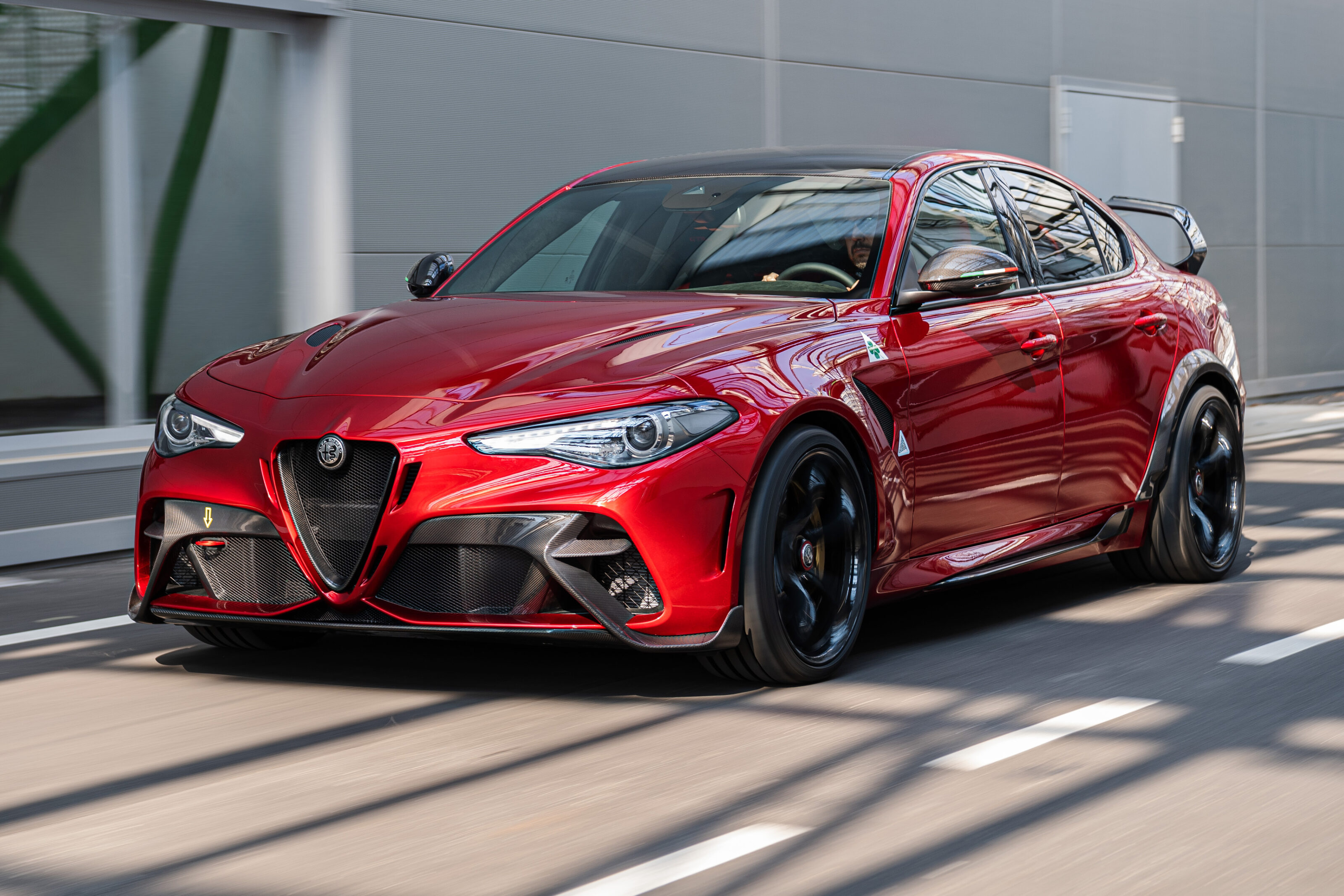
It’s also 100kg lighter than the standard Quadrifoglio, thanks to the extended use of carbon-fibre throughout the comprehensive aero package, co-developed by Sauber. Front and rear tracks have been widened by 50mm, and house carbon ceramic brakes and new 20-inch centrelock wheels.
The Giulia’s existing 8.8-inch infotainment screen, HVAC and interface carry over to the road racer; which gains Sparco sport seats up front, as well as a full suite of Alcantara and carbon-fibre pieces.
The bonkers GTAm (modificato) moves things along again, replacing the back seats with a roll/harness bar for a pure two-seat sports sedan experience.
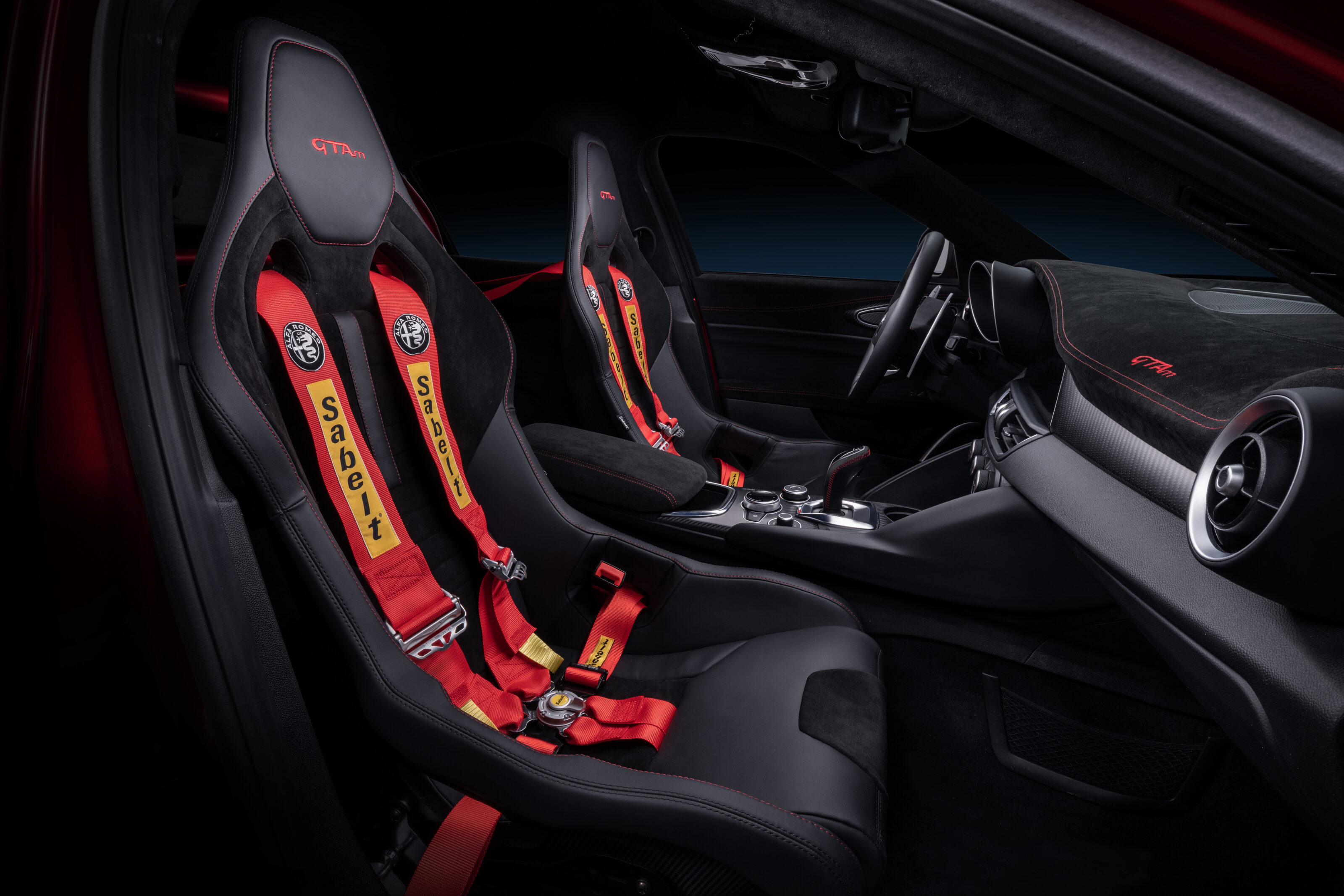
You also gain a more aggressive aero kit with manually-adjustable front splitter and rear wing, as well as fixed-back Sabelt sports seats, six-point harnesses and lightweight Lexan glass for the rear side and rear windows.
With 500 total units slated for production, industry sources have told Motor that just 18 of the red hot Alfas will call Australia home.
Details are yet to be officially confirmed by Alfa Romeo, however we will update this space as more comes to light.
Stay tuned.
Talking points
- Volkswagen Group of America being investigated by the SEC
- Authorities probing whether ‘Voltswagen’ April Fool’s Day joke may have misled investors
- Automaker under fire while still recovering from ‘Dieselgate’ scandal
Volkswagen’s American arm is being investigated by the US Securities and Exchange Commission (SEC) over whether its April Fool’s Day ‘Voltswagen’ prank misled investors.
According to Reuters, sources claim the investigation has been in the works since early April – although the SEC has refused to comment on its probe.
In late March, media reports across the globe began to report so-called leaked information that VW in the US would be changing its name to ‘Voltswagen’ later this year to emphasise its commitment to electric vehicles.
The following day, despite having just issued a statement from its American CEO perpetuating the stunt, it turned out to be an April Fools’ joke.
At that time there was speculation the German marque could find itself in trouble with US regulators for misleading investors in the country because its stock price spiked in response on the day the bogus statement was officially issued.
Even though VW later did eventually admit it was a prank, it’s that stock price hike that is said to have sparked the SEC’s investigation.
Volkswagen Group of America CEO Scott Keogh told Reuters in an interview last month that the name change was a “gag” designed to “have some humour” and “to celebrate our (VWs) profound focus on electrification.”
There is no evidence to suggest at this point that the hoax name change was linked to foul play, but it’s not the first time investors have responded in favour of automakers increasing electric vehicle production. Recent months have seen the value of shares of Tesla as well as of some EV start-ups soar.
The investigation comes at a time when the company is still trying to repair its image after the ‘Dieselgate’ scandal.
In 2015 Volkswagen admitted to using illegal software to cheat diesel emissions tests.

It is thought as many as 11 million vehicles worldwide were affected by the cheating software, and VW was slammed with more than 32 billion Euros worth of fines as a result.
Talking points
- Hydrogen race car will be based on standard Toyota Corolla hatchback
- Automaker’s in-house GAZOO Racing team is overseeing the project
- 24 hour race happening at this month’s Super Taikyu Series 24 hour race at Fuji International Speedway
Toyota is entering a purely hydrogen-powered Corolla at this month’s Super Taikyu Series 24 hour race at Fuji International Speedway.
The surprise entry has come as a shock to many, and things only get more mystifying when you read details of the Japanese automaker’s previously unknown Corolla racer.
Unlike other hydrogen-powered cars, such as the marque’s recently launched Mirai, the new Corolla isn’t a fuel cell electric vehicle (FCEV).
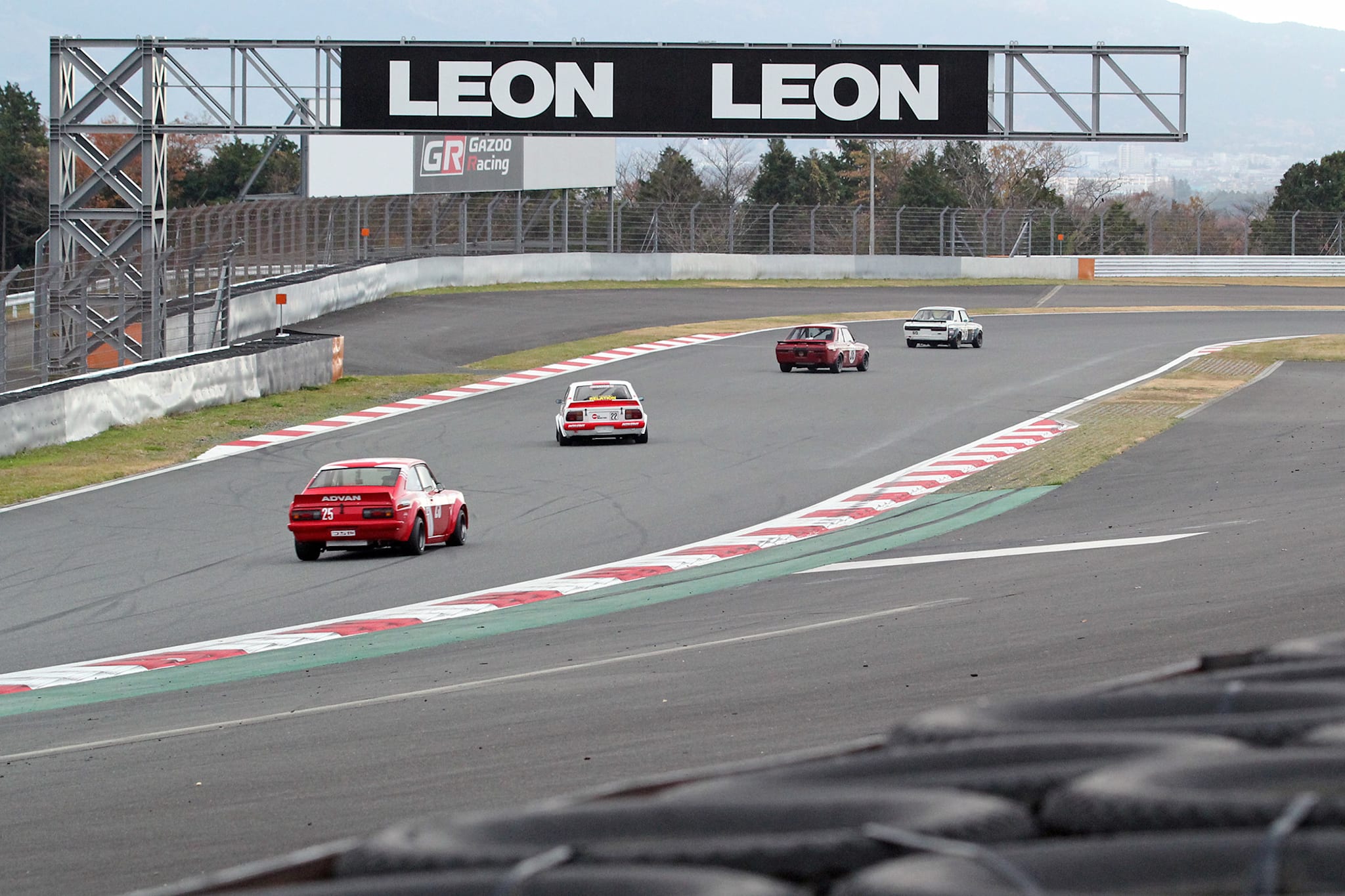
This means that instead of using electric motors that are powered by electricity generated through a chemical reaction between hydrogen and oxygen, the Corolla is driven by an internal combustion engine modified to run exclusively on hydrogen.
The eco-friendly gas is fed into the engine with no additives or petrol, and that translates to virtually no CO2 emissions.
The trick powertrain is also mated to an equally cool drivetrain, which utilises the same 4WD set-up found on the GR Yaris hot hatch.
Based on a standard Corolla hatchback, the car is also being developed by Toyota’s in-house racing outfit – GAZOO Racing.
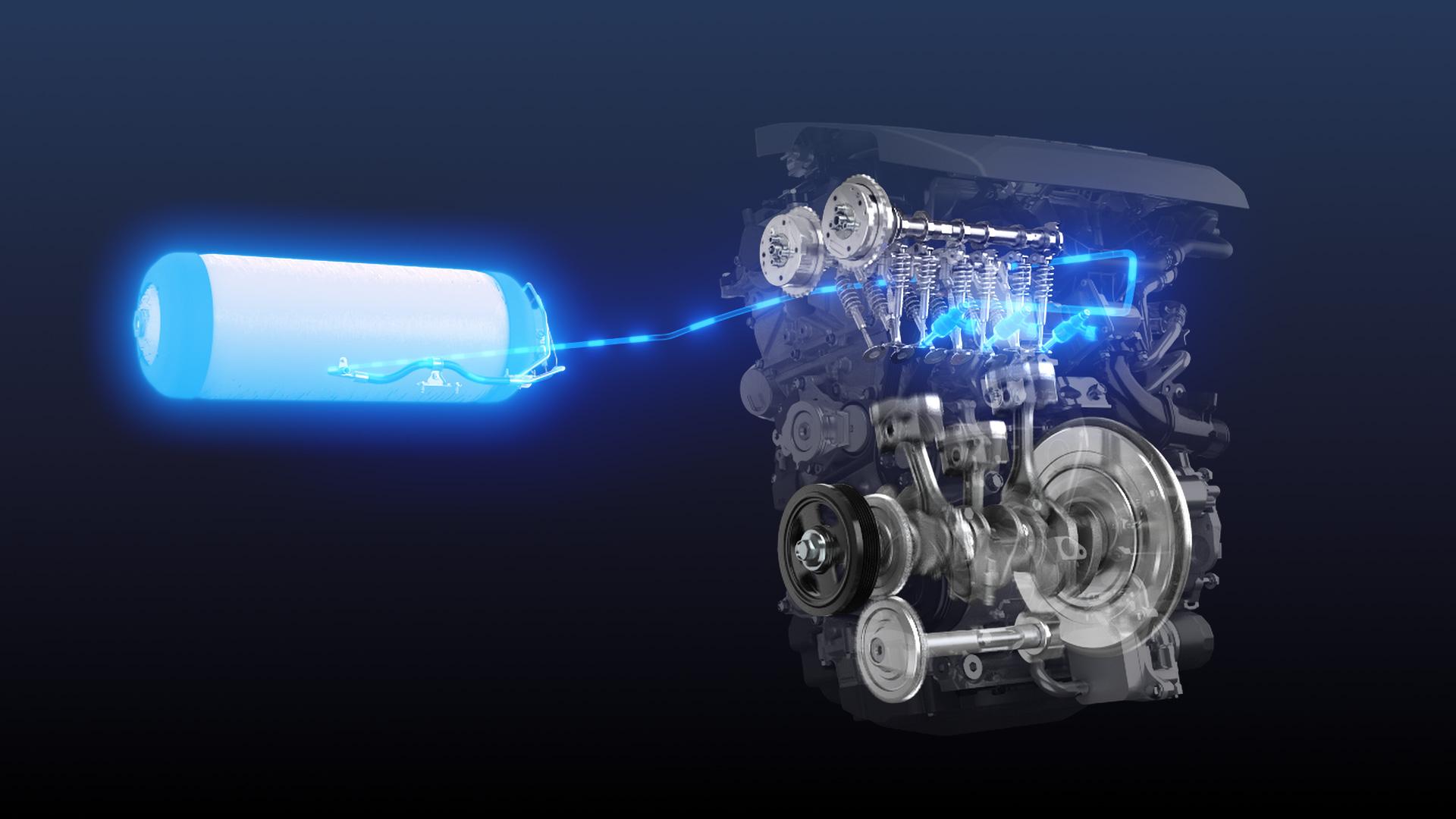
Speaking about the revelatory machine, GAZOO Racing president, Koji Sato, said there were both benefits and challenges to running a hydrogen-powered race car.
“What makes hydrogen special is that its combustion speed is eight times that of gasoline. That means a faster response. So low-speed torque almost immediately after the get-go and torque-strong response are what make hydrogen engines so good,” Sato said.
“However, hydrogen’s quick burn rate results in high pressure and high temperatures, making heat management a technical issue. So, it becomes a matter of how to find a good balance for maximum output.
“In the coming race, we will check the balance between how far to push maximum output while maintaining stable combustion.”

A video released by the Toyota Times also gives us an idea of what the high-powered hydrogen-fuelled hatchback sounds like, and even though it’s only a 33 second clip, the news is good – the Corolla sounds just like a petrol-powered racer.
Be sure to watch this space are WhichCar brings you all the latest updates on Toyota’s fascinating new race car.
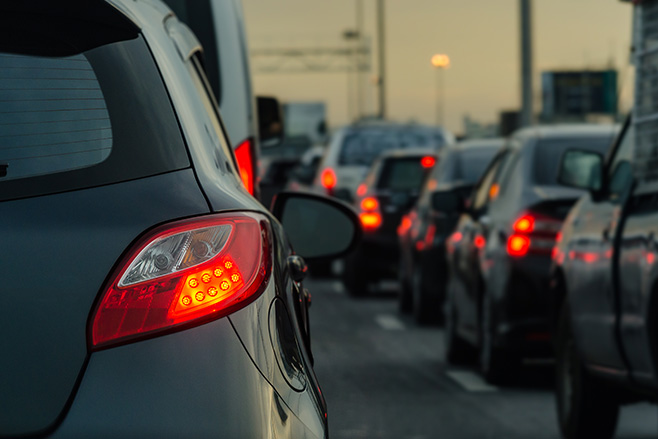
The Victorian Government has announced it is to offer 20,000 subsidies worth $3000 each to punters over the next three years, to try and dramatically increase the state’s uptake of electric vehicles.
As of Sunday, 2 May 2021, the first 4000 subsidies are available on electric and hydrogen cars – and yes, only battery- and hydrogen-fuelled electric cars, no plug-in hybrids or motorbikes – up to the value of $68,740 before on-road costs.
But how can you actually get your hands on one? Here’s the low down.
Who can get the subsidy?
Any Victorian resident can receive the subsidy once, and businesses with premises in the state can receive it twice.
What am I getting?
The $3000 discount applies to new cars up to the value of $68,740 only, before on-road costs. That includes the cost of the car and accessories (plus GST) but excludes stamp duty, compulsory third party insurance, registration and other costs.
It can’t be applied to used cars purchased or registered before 2 May.
Where do I go to get it?
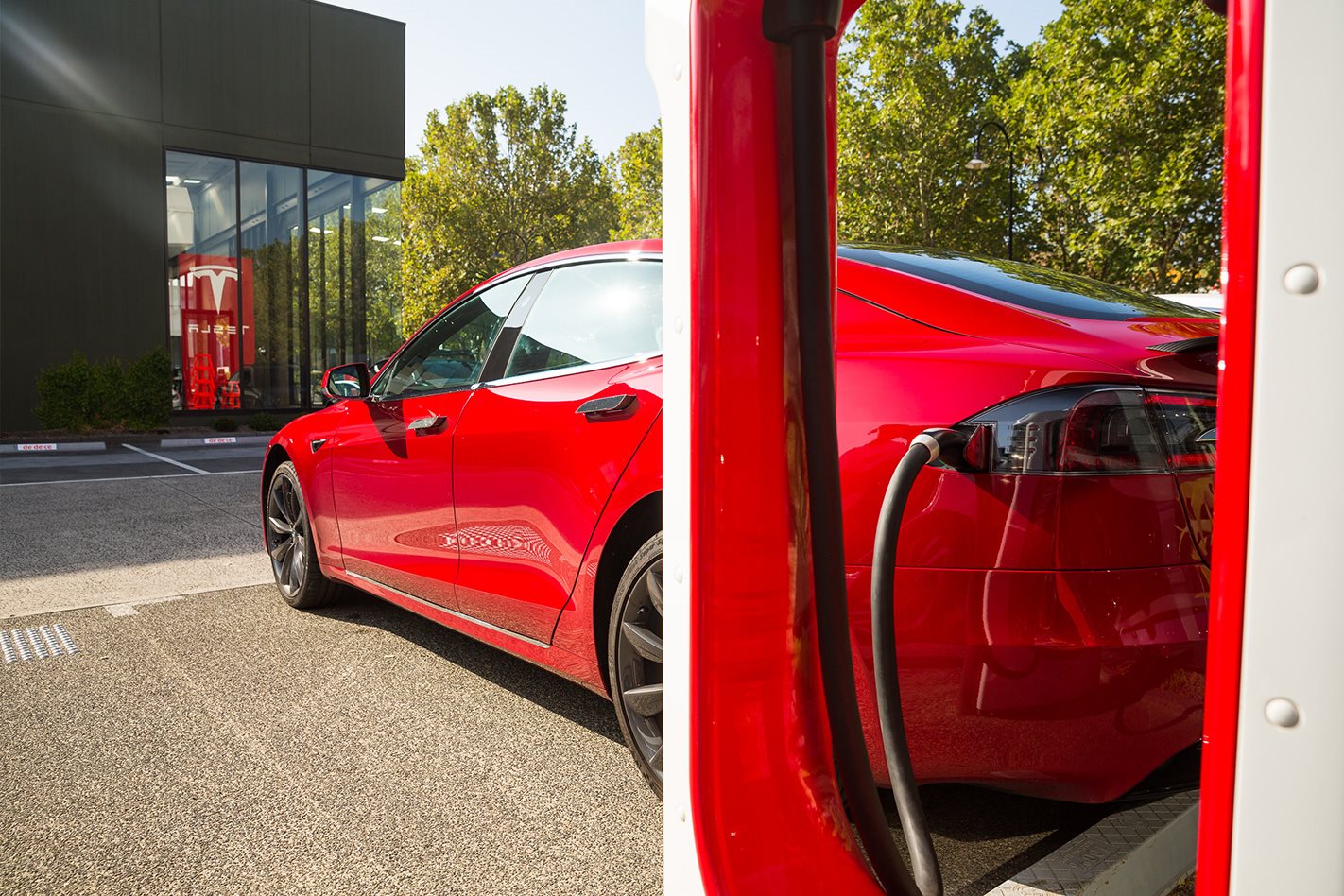
If you’re interested in buying an EV, head to your local preferred dealership (which must be in Victoria). The catch here is the cars must already be available on Australian soil.
The incentive doesn’t apply to vehicles which can be pre-ordered – that rule limits which models are available, and therefore which car manufacturers you can go to.
How do I get the subsidy?
As of 2 May 2021, you can just head to a car dealership (it’ll need to be one which actually has EVs available to buy in Australia right now for under $69,000) and choose the eligible EV of your liking.
Everything is handled through the dealer. They’ll knock $3000 off the price for you and claim the subsidy on your behalf at the point of sale/when the car is registered to your Victorian address. All you need to do is bring payment, and proof of identity and Victorian residence.
You don’t need to do anything else. The dealer will claim the subsidy from the Victorian Government when payments are available in July.
When does it start/end?
The scheme started on 2 May 2021 and runs until 30 June, 2024, unless all the available cash has been taken advantage of before then.
Why are they doing it now?
The official reason is that it’s part of the Victorian Government’s ‘Zero Emissions Vehicle Roadmap’, a $100 million plan to “fast track the transition to ZEVs before 2050”. The plan aims for half of Victorian cars/light commercial vehicles to be EVs by 2030, with $46 million in total on offer to encourage people to make the switch.
Why now? Well, there’s a lot of sour grapes over the Andrews Government’s proposed distance-based charge for EVs so it could be to try and reverse some of its unpopularity over that issue.
Why should I buy an EV?
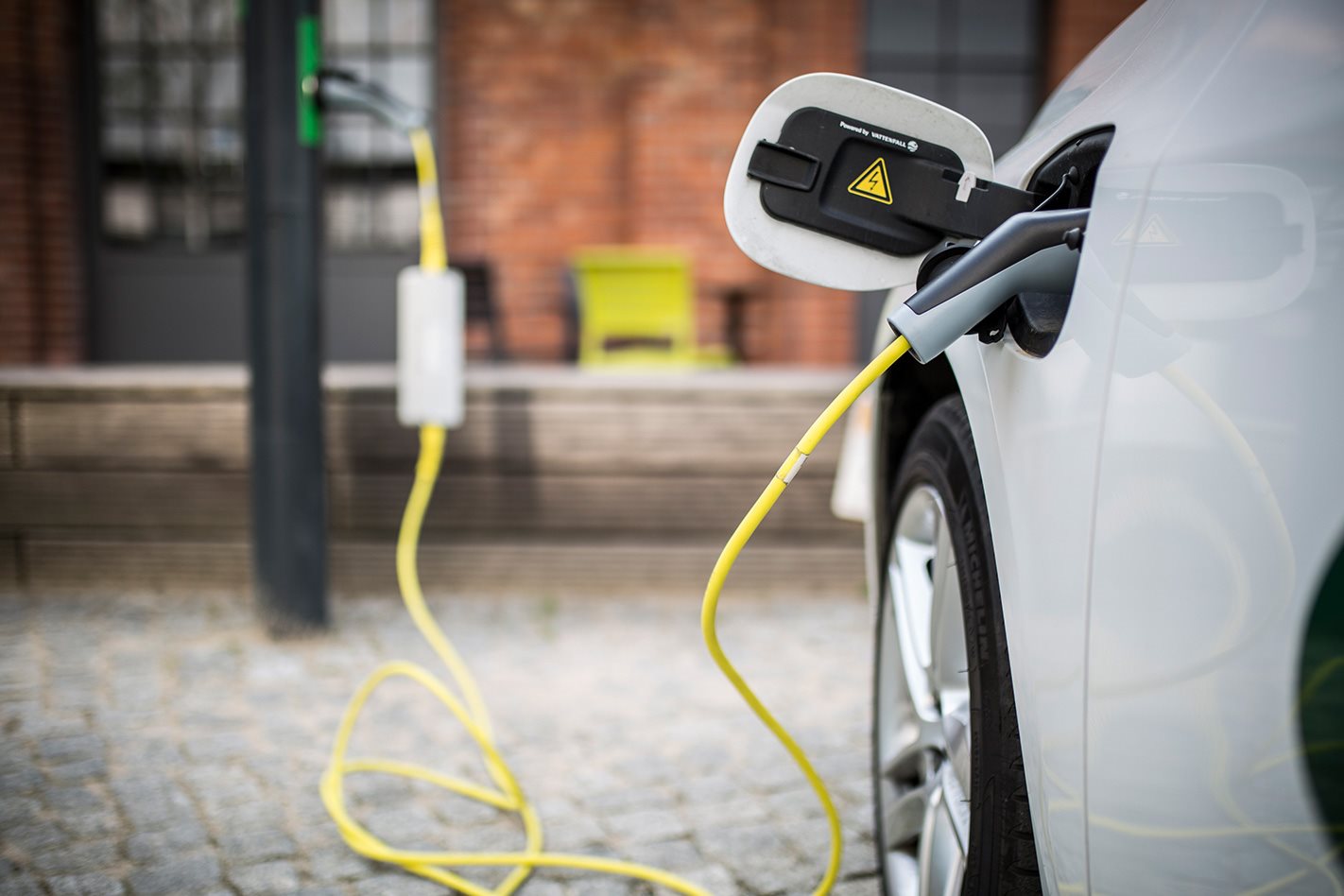
Electric vehicles are powered by an in-built battery pack, which is charged by an external power source. The vehicles have no exhaust emissions and, if charged from a renewable electricity source like solar, the carbon footprint is reduced even further.
In addition to lowering emissions, EVs can help improve air quality, leading to better health outcomes and offer other social and economic benefits. Zero emission vehicles also have the potential to provide services to our electricity grid including storage of electricity and stability.
Talking points
- Level three driving autonomy could be a reality in the UK before the end of 2021
- Safety advocates still question the new technology
- Australia unlikely to follow suit any time soon
‘Hands-free’ driving could be legal on UK roads by the end of this year, the British Government has said.
The Department for Transport said automated lane-keeping systems (ALKS) could be allowed for the first time in the UK but will be limited at first to 37mph (60km/h), before possibly rising to 70mph (112km/h) at a later date.
This kind of autonomous driving would fall into the Level Three (of five) category.
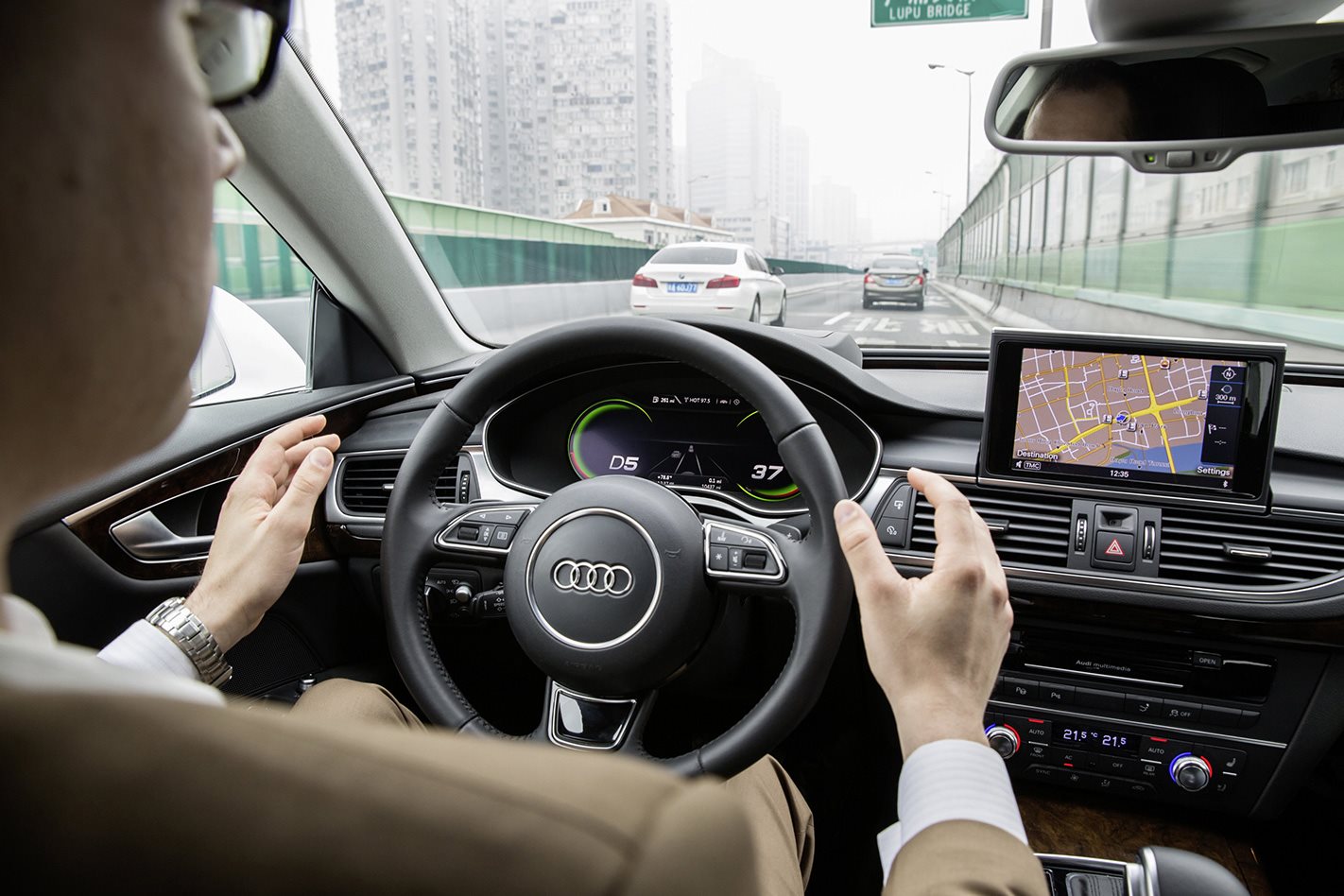
Under this level, drivers are not required to monitor the road or keep their hands on the wheel when the vehicle is driving itself.
But the driver will need to stay alert and be able to take over when requested by the system within 10 seconds. If they don’t, the vehicle will automatically put on its hazard lights to warn nearby vehicles, slow down and eventually stop.
“This is a major step for the safe use of self-driving vehicles in the UK, making future journeys greener, easier and more reliable while also helping the nation to build back better,” said Transport Minister Rachel Maclean.
“But we must ensure that this exciting new tech is deployed safely, which is why we are consulting on what the rules to enable this should look like.
“Technologies such as Automated Lane Keeping Systems will pave the way for higher levels of automation in future – and these advances will unleash Britain’s potential to be a world leader in the development and use of these technologies, creating essential jobs while ensuring our roads remain among the safest on the planet.”
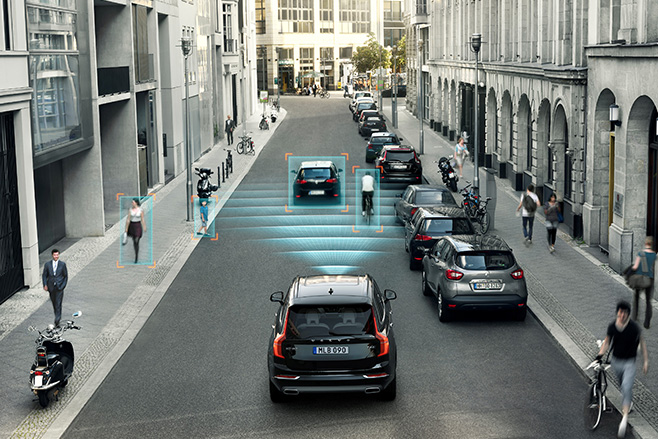
Responding to the UK Government’s announcement today, Thatcham Research, which conducts safety tests for motor insurers in the UK, is urging caution about calling ALKS ‘self-driving’ because it could mislead consumers into thinking the vehicle will completely drive itself.
“There is still a lot of work needed by both legislators and the automotive industry before any vehicle can be classed as automated and allowed safely on to the UK roads,” said Matthew Avery, Director of Research at Thatcham.
“Automated Lane Keeping Systems (ALKS) as currently proposed by the [UK] Government are not automated. They are assisted driving systems as they rely on the driver to take back control.
“Aside from the lack of technical capabilities, by calling ALKS automated our concern also is that the UK Government is contributing to the confusion and frequent misuse of assisted driving systems that have unfortunately already led to many tragic deaths.
“A widespread and effective ongoing communications campaign led by the automotive industry and supported by insurers and safety organisations is essential if we are going to address current and future misconceptions and misuse.”
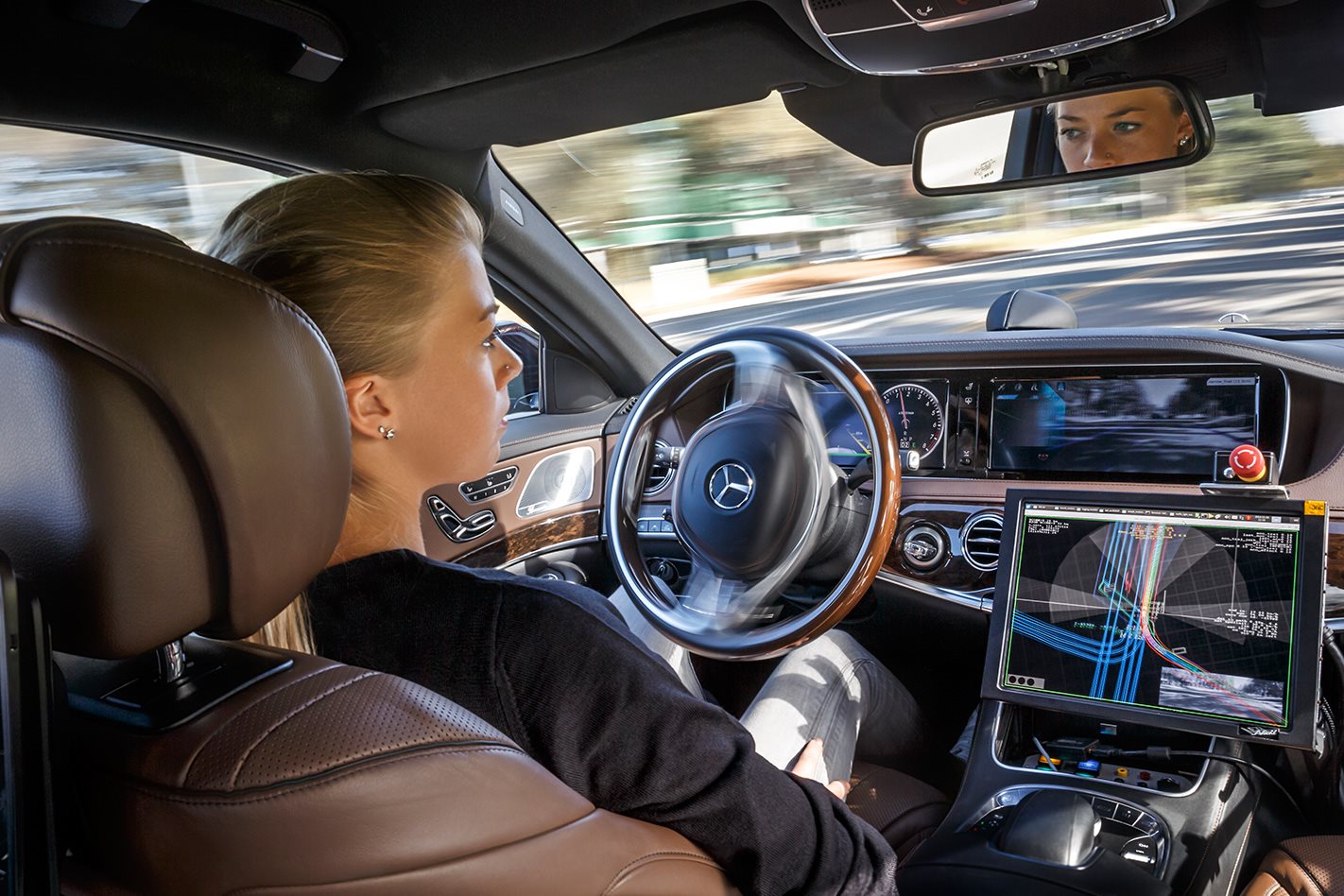
Tesla’s so-called ‘Autopilot’ uses lane technology similar to ALKS. It is considered ‘Level Two’ on the five defined levels of self-driving cars.
The next step – Level Three – would not need the driver’s attention at all times, and in theory, the driver could do other things such as check email or even watch a movie – until the car prompts them to take over again.
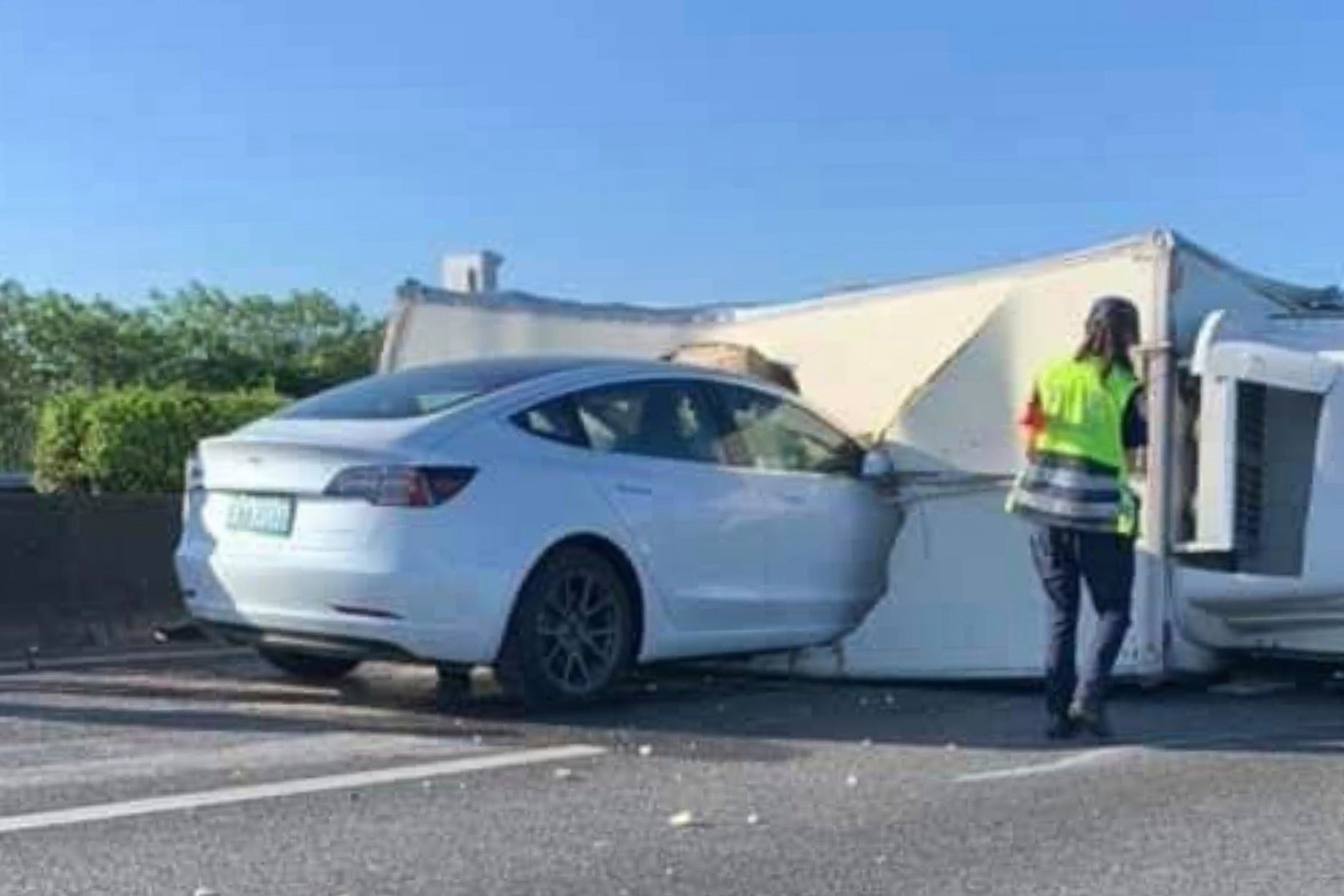
However, there have been several incidents involving this technology when drivers did not pay enough attention to the road.
Just recently, news broke from Texas that two individuals had died after their Tesla Model S, using Autopilot, had failed to stop at an intersection and slammed into a tree, bursting into flames.
And last month, WhichCar covered an incident involving a Tesla Model Y using Autopilot that had crashed into the back of a parked highway patrol car in America.
Will ‘Hands-free’ driving be coming to Australia any time soon? It’s unlikely, as self-driving vehicles are currently illegal on our shores, and there’s still not enough legislation covering the issue.
However, just like the electric vehicle industry, this could and probably will change rapidly in the next decade.
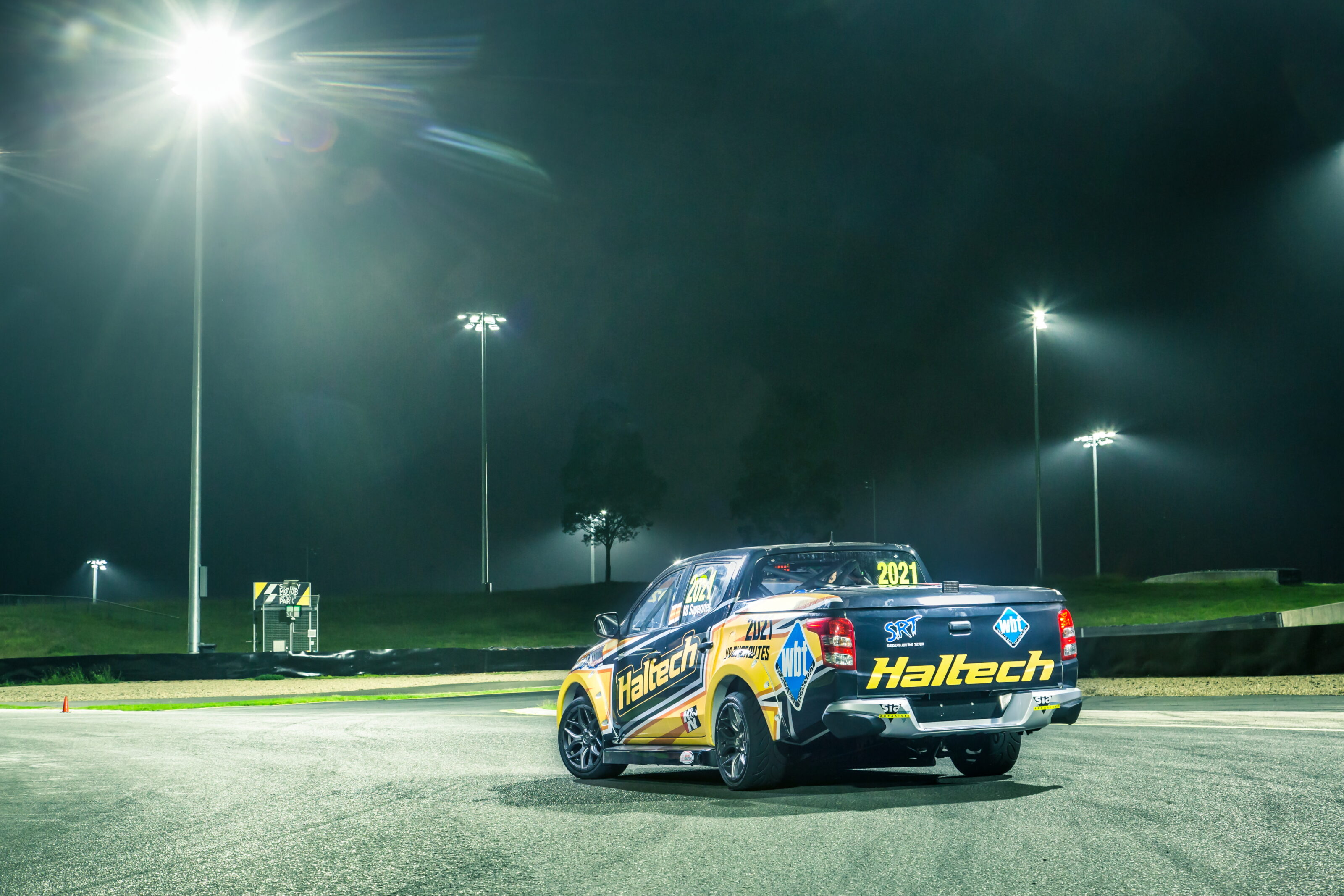
This must be the fastest Mitsubishi Triton on earth. In fact, calling it a Triton is somewhat tenuous, because apart from the body and the hollowed-out dash in the cabin, there’s little that the Mitsubishi design and engineering department would’ve signed off on – and there’s no way the Japanese maker envisaged this when the first L200 rolled off the production line in 1978. No time for that now: I’m in third-gear, too focused to look at the speedo as I grip the wheel and hold on for dear life. The track’s tipping off-camber with a tight left-hander rushing towards me, and I know, just know, that we’re going to make it. Or are we? Could this thing tip over? After all, this is a dual-cab ute that’s being shoved along by a 6.2-litre V8… is it all too much for a ladder-chassis brickie’s work truck?
This 2021 SuperUte prototype built by Sieders Racing Team is, at last, what the category and the fans have wanted. In the wake of Australian manufacturing’s end, replacing the Commodore and Falcon V8 utes that made up the category saw the series take on the new sales race winners: dual cab utes, like the Toyota Hilux, the best-selling vehicle in Australia every year since 2016. To reflect that, they were powered by their manufacturer’s turbo-diesel powertrains running additives to avoid belching out black entrails. Kicking off in 2018, crowds and competitors were lacking, and the entertainment came in the form of clumsy rollovers…
“To be honest, we’re doing what we wanted to do back in 2016 now,” said Luke Sieders, SuperUtes series co-owner and the owner of the Triton prototype we’re steering at Sydney Motorsport Park. “We all wanted to go V8 back then, but we were steered down the diesel path, and we had to go the diesel path. We’ve done that, and that didn’t work,” he says candidly.
The turbo-diesel engines are now history. For Triton, it was a 2.4-litre four-cylinder turbo-diesel. Now, the same chassis has a stonking 6.2-litre Chevrolet Performance V8 in its place. That’s right: a 298kW (400hp) crate motor, the engine of tuning legend and one that proved a fitting swansong in the last Aussie-built SS Commodores, Camaro and of course the C6 Corvette. This is the engine that will beat under the bonnet of every SuperUte regardless of the donor chassis. Yes, even a Ford will be powered by a General Motors V8!

It’s a genuine wonder why the switch to V8s wasn’t made sooner: the neatly presented LS3 sits lower in the Triton’s engine bay – even if the engine centreline hasn’t changed – and is lighter, too, being of all-alloy construction with fewer ancillaries. It’s expected to last up to three seasons of competition without a major rebuild, again reducing overall running costs compared to the diesel.
Accommodating the LS3 has also been surprisingly simple. “We’ve dropped 150kg out of the Triton since we’ve gone V8, so obviously the spring and shock rates are going to be a fair way out now,” Sieders explains. “All the utes are going to be the same, because we’ve taken 25-30kg out of the weight with the wiring from Haltech; the engine itself on most cars is 60-70kg lighter; then smaller 18-inch wheels, smaller tyres, takes out more weight again and lowers the centre of gravity for better handling, safety and reliability.”

The new powerplant matches up to the same control Tremec T6060 six-speed H-pattern manual – even using the same mounting points and oil lines – through to a Detroit nine-inch diff for rear-wheel drive goodness in place of the Mitsubishi Super-select four-wheel drive system. Once the fine-tuning’s sorted, the front coil-overs will be control units, giving every SuperUte a standardised track width with an adapter plate to suit the various makes, while there’s a control rear cradle mounted under the tray with coil springs replacing the Triton’s factory leaf springs, and again, a standard rear track. The only variation that will remain is the wheelbase across each individual model, making parity all the easier across brands – again, another win for making the switch to the Chev engine.
“Realistically, parity should be pretty darn close, and to be honest, the only parity issues we had before were with the diesel engines,” Sieders explains. “We had 2.4 versus 3.2 versus 2.8-litres. Some were good on long straights, some were good on shorty snappy stuff, there were rev range differences, and although it was really close, that was the only difference we really had.”
“It’s still high off the ground compared to anything else seen on a race track this side of Monster trucks”
Opening the door reveals a pure race-car cabin – or do we have to say race truck? There’s clean painted metal everywhere as I throw my legs over the smartly finished roll-cage. The Triton dash is there for show, as it’s literally the top half of the outer shell with the bottom scuppered. The HVAC remains, but it’s not connected.
The door trims are carbon fibre, with a small round metal ring used to pull them shut from the inside, as the door pulls are gone, too. The standard indicator and light stalks remain, as is the barrel for the key, hidden behind the OMP flat-bottomed race steering wheel with digital display showing speed/gear etc. mounted on the shiny billet column. The wheel includes push-buttons for ‘rain’, ‘reverse’ and ‘pit’.

A near-emptied dual-cab ute cabin has a lot of space, but as I struggle to squeeze into the tight Racetech driver’s seat, that illusion is gone. I’m super snug, and so are my feet – in fact, I put my feet on the wrong metal pedals as I do up my belts, missing the huge throttle to the right in the surprisingly narrow footwell – it’s barely three of my feet wide.
Above my head on the top roll bar is a huge mirror and a switch panel next to aircraft toggles: I push and hold ‘Start’. Instant satisfaction: the V8 rumble is strong yet soothing. The sound doesn’t match the visual expectation of a dual-cab ute, but in the driver’s seat, it’s already clear that this is a proper piece of race engineering, not a backyard hack. The sound is very Supercars – it’s not a deep bellow, but a gear-driven V8 rumble for the high-revving LS3. It’s certainly no four-pot diesel.
I push the quite light, yet springy clutch pedal in, grab the thin gear lever of the H-pattern gearbox and lock in first gear with a solid, permanent feeling. I slowly lift off to ride the clutch, as I’ve been warned that the throttle map is, erm, instant. It is – but I manage to meander up pit-lane without looking like a learner driver bunny-hopping along. I get to the pit exit and wham – that loud pedal and V8 roar soaks everything. It’s intoxicating.
“It’s a solid block of obedient race car behaving in unison, not a jumbling mess of ladder chassis, cab and tray”
Instantly, I think yes, this is what this should be – finally a V8 ute, a V8 dual cab racing series – it feels so great to have that sound, the vibration through your right foot spreading over your entire body and the rush of the first turn as we head over a crest. The nose barely lifts as the still 1800kg Triton hooks up, the acceleration rapid yet not mind blowing, while there’s no wheelspin or ungainly power down. Under throttle, the Triton stays straight and true, with the diff and rear suspension cradle delivering 298kW nicely to the track.
As I gather speed, I realised I’m sitting in something quite high off the ground, but as soon as the first apex comes at me, the driving engagement has me completely forgetting I’m in a dual-cab ute – well, mostly. All round vision is excellent, with large mirrors and Perspex windows, but a subtle reminder that you’re in something truck-based is the long reach to the gear shifter, despite its actually being mounted quite high on a long shaft – there’s no chance of short-throw neat shifts here, with the gear throws correspondingly long. It’s not bad, just not in race-car realm, mind you, which gives me no excuse for messing up a few changes as my left arm navigates the six-speeder.
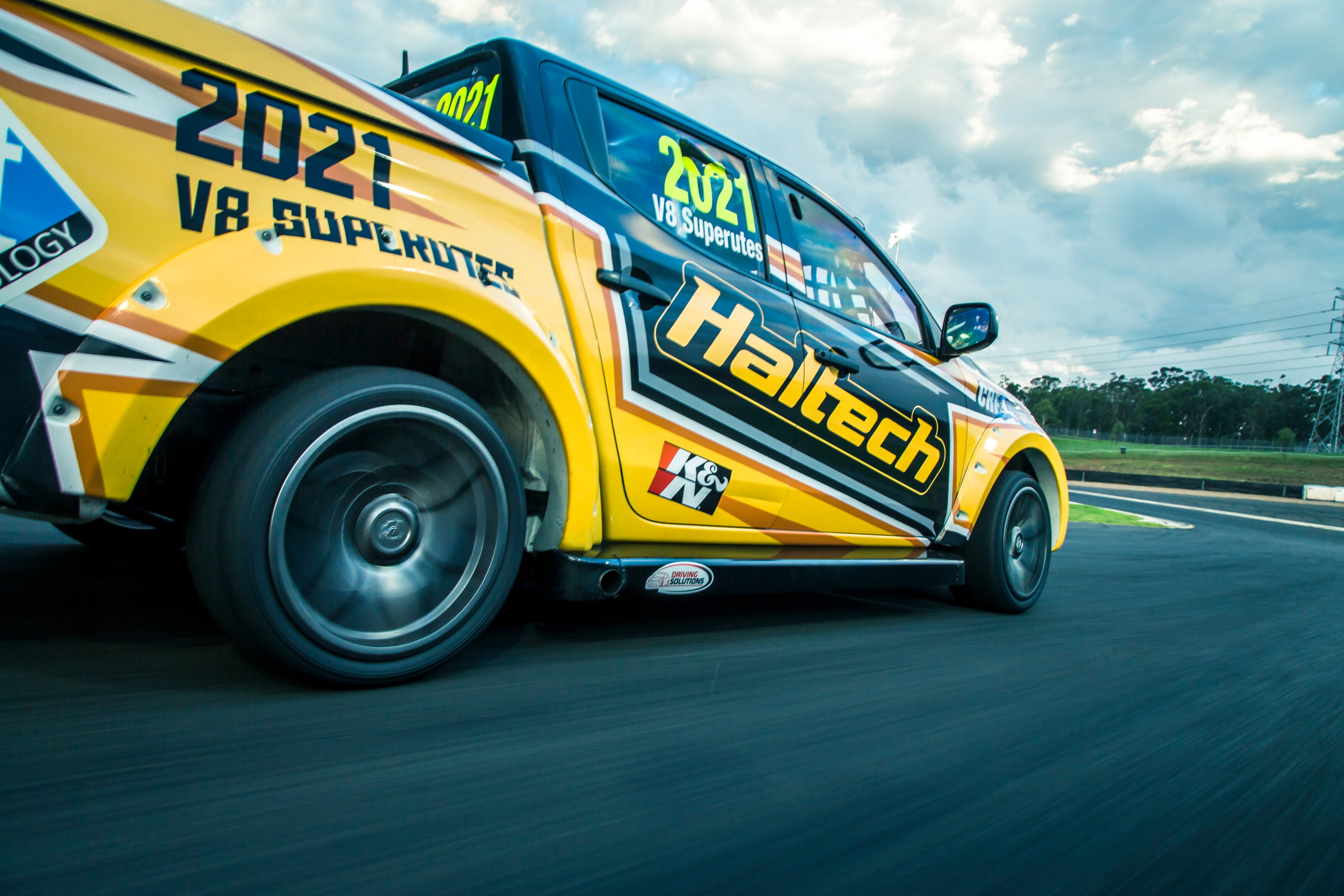
The pedals, despite the initial cramped-in feeling, are well positioned. I dab the brake, which feels like a solid metal block, with little response – thankfully the slightly quick steering is well weighted, yet light and precise enough with the relatively small wheel for me to just turn instead to wash off speed, and the nose responds and we head uphill to the next right-left-right-left complex. I wasn’t going too hard, too early, which helped, as did the shakedown just before I got behind the wheel.
“You need to really stand on the brakes – it’s a pedal box,” yells David Seiders, Luke’s brother, sitting next to me as some sort of insurance policy. I take a few more stabs and several corners before I realise Dave means stand on it, literally. The brakes are immense – they make me feel invincible, with the Triton extremely stable even under my clumsy efforts, which would have the tradie’s Triton nose-diving and lurching all over the place.
Between the pedal’s stop and go, the Triton has supreme lateral grip on the Yokohama tyres, and there’s very little body roll: you can use the throttle to play with the exit speed, powering down with confidence, and while spins and powerslides are surely a breeze, in the bone-dry track conditions as we lap the ‘Amaroo’ layout of Sydney Motorsport Park, it isn’t a handful. We’re in second and third gear the whole time, so hardly near its straight-line optimum, with the track itself probably unfairly technical, tight and twisty to flatter the Triton, but that ultimately makes it perfect to show its true dynamic colours. We’re seeing its genuine capability today.
“Despite the on-paper concept of a 298kW dual-cab seeming nonsensical, almost foolish, it works brilliantly”
The layout brings a constant workload, calling for delicate throttle inputs and perfectly timed brake applications to maximise its pace point-to-point. However, it’s almost as if the handling is somewhat the easy part, with brilliant change of direction and predictability – quite a feat in a vehicle made for a category previously famed for rollovers. It’s still high off the ground compared to anything else seen on a race track this side of Monster trucks. The ground clearance means there’s pure confidence to flatten sausage kerbs unperturbed, altering the racing line compared to more traditionally fragile racers, relegating track limits to symbolic only. The challenge is which to cut and which to avoid in the name of what’s quicker point-to-point.
In the back on my mind, despite its confident composure under heavy braking and during upshifts and downshifts, I’m waiting for a snap oversteer or wondering what it’s like to spin a high-powered tallboy. I’m more concerned with pulling the Triton up and positioning it for the next corner, because on the way up the gearchange snap never comes, the fear never realised. “There were concerns with the weight [during development], but there aren’t any,” Luke Sieders adds. “The actual corner weights of the car are in the realms of an HSV Commodore. It looks bigger, but it’s not.” He’s right. The misgivings are all in your head as a driver. It’s a solid block of obedient race car behaving in unison, not a jumbling mess of ladder chassis, cab and tray like you might expect.
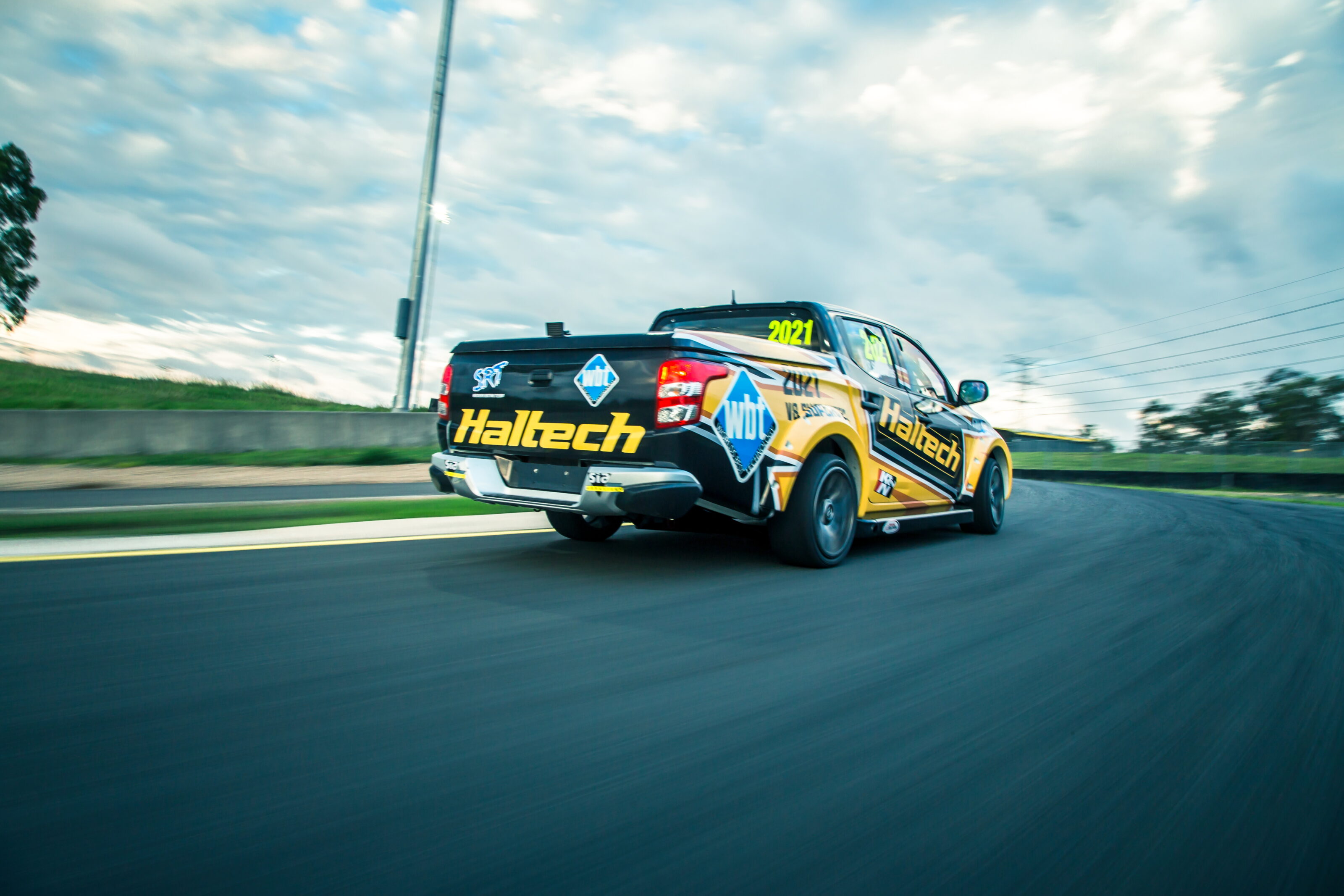
Seiders’s development work has seen the 2021 V8 SuperUte lap the full Sydney Motorsport Park layout a whopping seven seconds faster than 2020’s turbo-diesel versions, and impressively, around two seconds faster than the old Commodore/Falcon V8s.
What that means is a capable, enjoyable race car that is far removed from its genesis as a tradie’s tool. Oddly unique, arguably pure Australiana madness in concept, it’s simple to drive at a canter, but not easy to be supremely fast. It will reward racers with technique and depth, because despite the on-paper concept of a 298kW dual-cab seeming nonsensical, almost foolish, it works brilliantly. It makes you want to drive it more. The V8 also gives this machine much wanted character and charm compared to the diesel version it welcomely replaces. The Benny Hill music will no longer come out when these cars are on track – it’ll be more like AC/DC’s Thunderstuck.