
Do you like your small SUVs with an extra shot of Aeropress-sourced caffeine? Then you’re going to absolutely love the Subaru Crosstrek Boost Gear Concept.
A jumped-up version of the recently released Crosstrek (née XV), the pint-sized bruiser successfully tickles the nostalgia funnybone of Subaru’s earliest light offroader efforts, with now-legendary rigs like the Adventure Wagon and the Brumby ute forging a dirt path for current cars like the Forester and Outback.
The Crosstrek Boost Gear Concept adds to the small SUV’s already impressive dirt manners, hoisting the ride height skyward by an additional 21mm over the stock car’s 230mm via taller springs, adding higher profile Toyo Open Country A/T tyres and wider rims as a finishing touch.
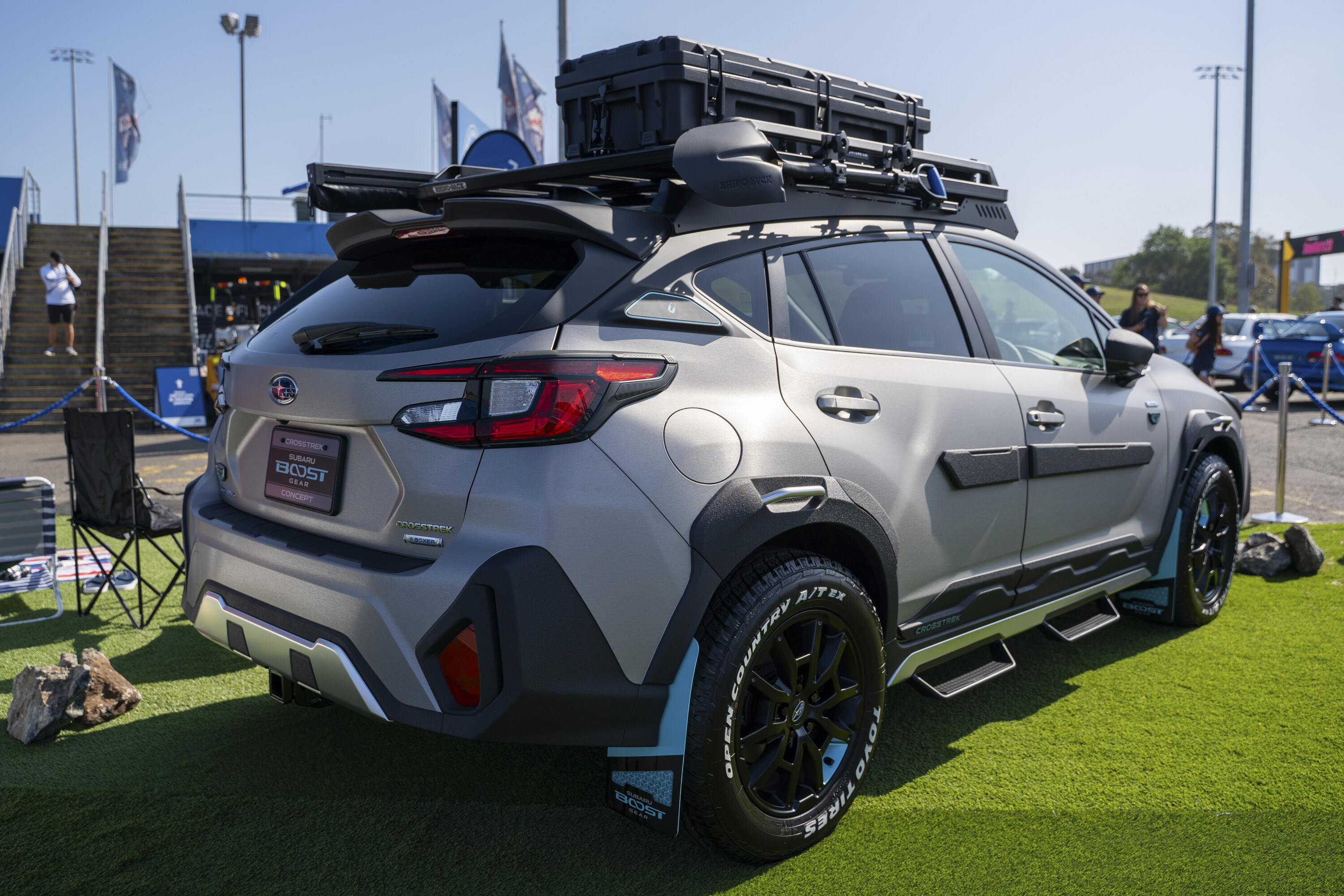
Subaru engineers have also ditched the stock 2.0-litre naturally aspirated flat-four petrol engine for the 2.5-litre version from the Impreza, and added a lower final drive ratio to complement the very capable stock X-Mode electronic terrain control set-up.
Body mouldings (which remind us of the Airbumps on the Citroen Cactus) and custom rock rails with integrated side steps mix perfectly with the comprehensive rooftop array of racks, basket, box and awning.
Of course, there’s a method to the madness of dropping a tarted-up one-off… and Subaru Australia used the recent SubiNats event in Sydney to full effect, showing the Crosstrek Boost Gear Concept off to many potential buyers.
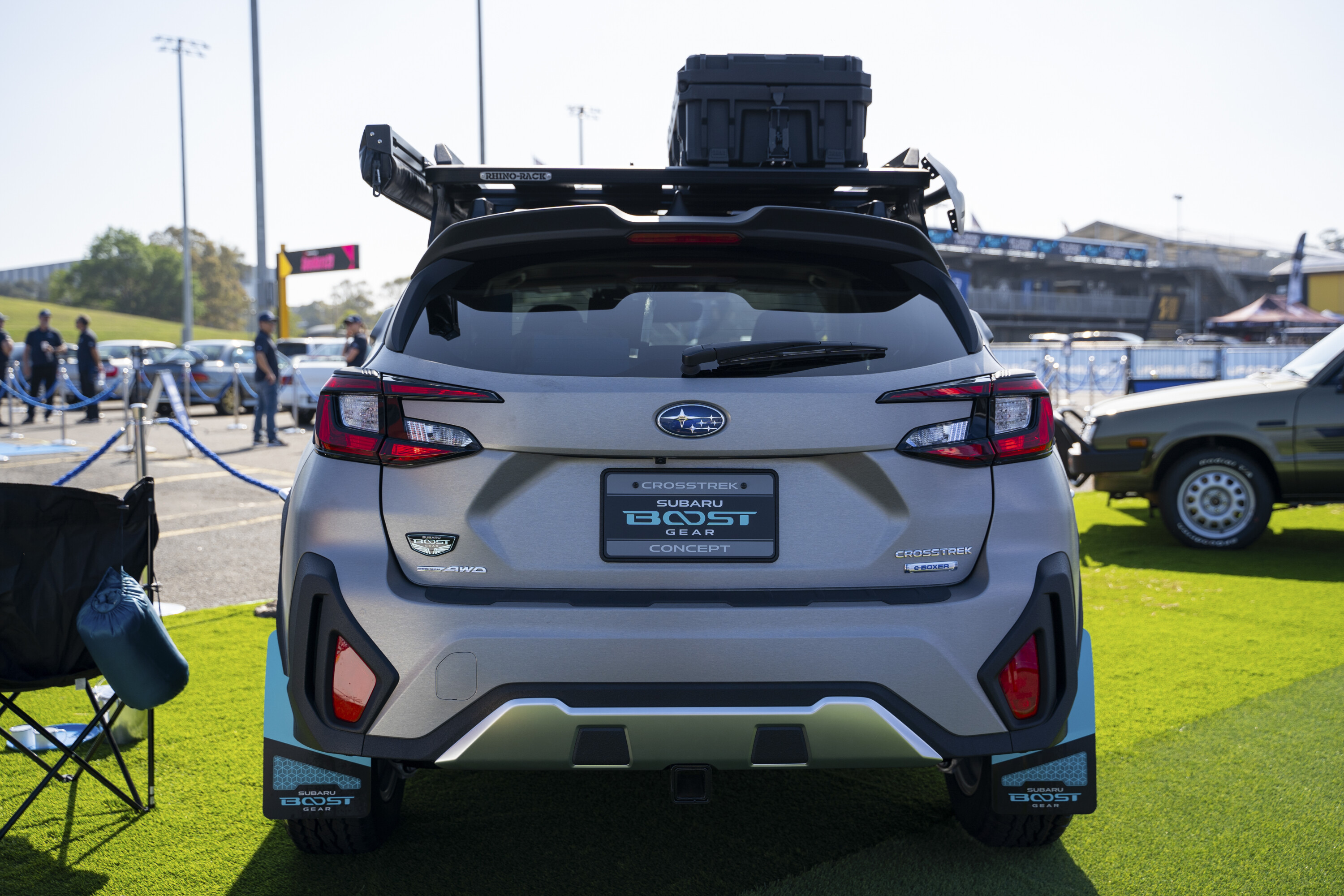
The end game is to convince the head office that Aussies want the new Wilderness variants that were launched in the US last year, and which encompass the entire Subaru SUV line.
“We are sharing the Subaru Boost Gear Crosstrek concept with our owners as we look at extending our offerings in this space,” said Subaru Australia managing director Blair Read.
Blair actually confirmed with Wheels early this year that the Subaru Outback Wilderness is “definitely coming”, adding that “timeframes are still in flux”.
“There’s a huge, huge desire for Wilderness in both [Outback and Forester] and the only reason to caution on the timeframe is that there are some factors at play,” he said. “I’m not too fussed on which one goes first, we just want to get them both here.”
Given that the Forester and Outback are next in line for updates in early 2024, a ’roided-up Crosstrek might be held up the brand’s sleeve until all three SUVs can offer a Wilderness variant.
Note: This author was engaged by an agency of Subaru Australia to work indirectly for the brand at the 2023 SubiNats event.
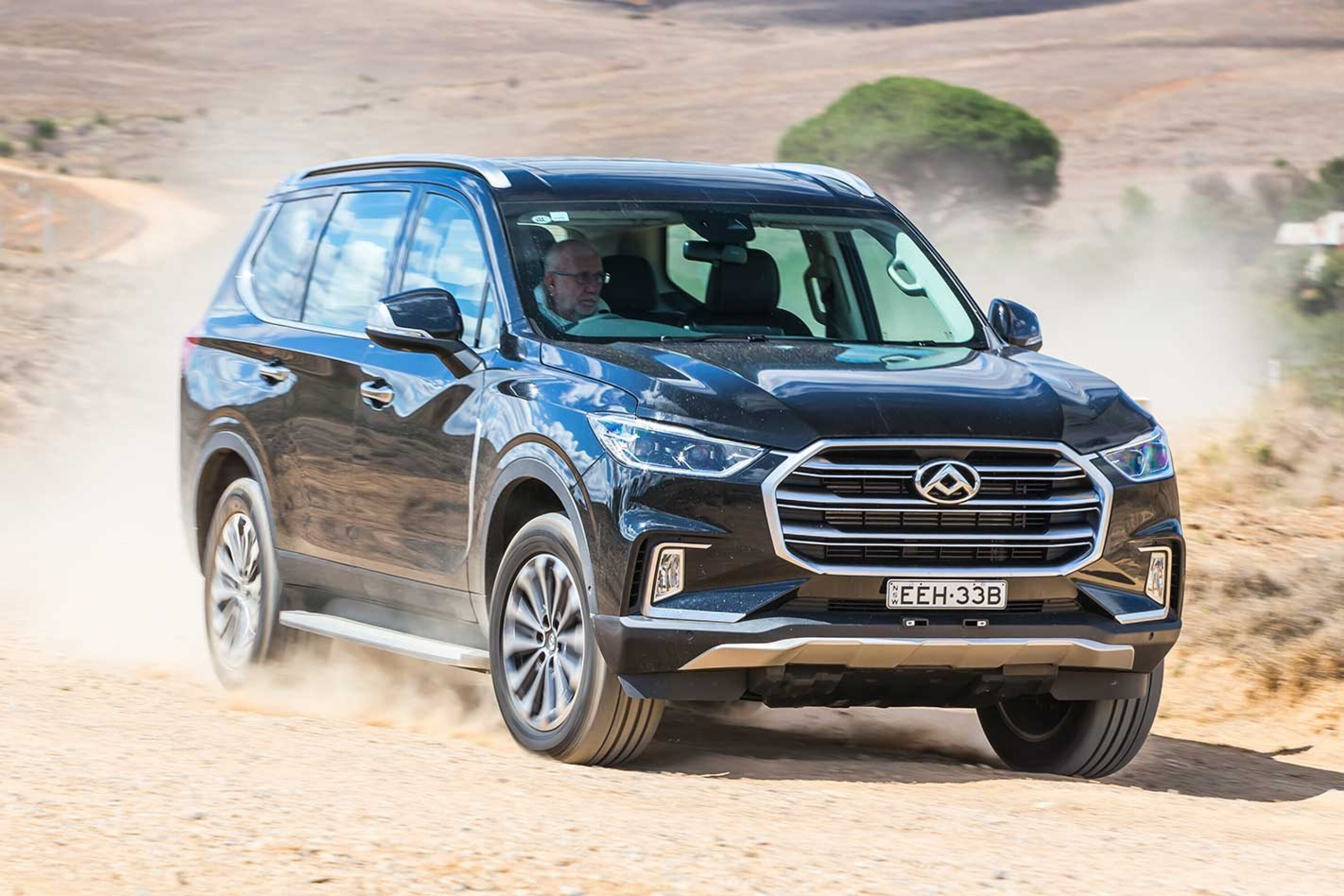
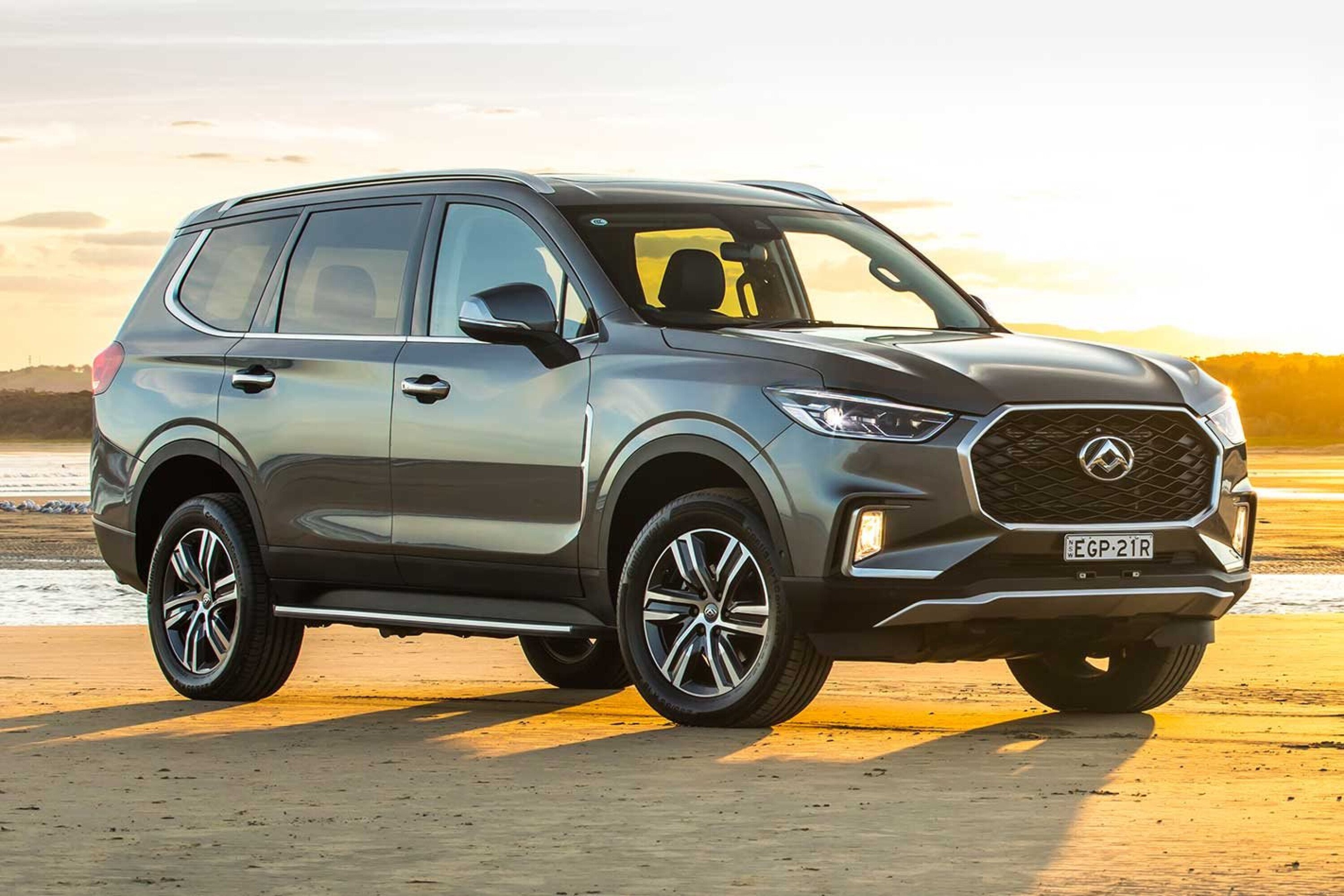
The D90 is LDV’s answer to the growing demand for seven-seat SUVs, offering a blend of space, comfort, and value.
The SUV – based on the T60 dual-cab ute – is from the British-founded, Chinese owned automaker LDV, known for their commercial and utility vehicles.
Available in two grades, Mode (petrol) and Executive (petrol or diesel), the range is quite simple compared to other key players with the choice of only one transmission and configuration for the entry level.
Pricing and features
The entry-level Mode Petrol comes in at $38,990 drive-away.
It is available in a single 2.0-litre turbo petrol producing 160kW/350Nm, paired to a 6-speed automatic transmission. The entry grade is rear wheel drive only.
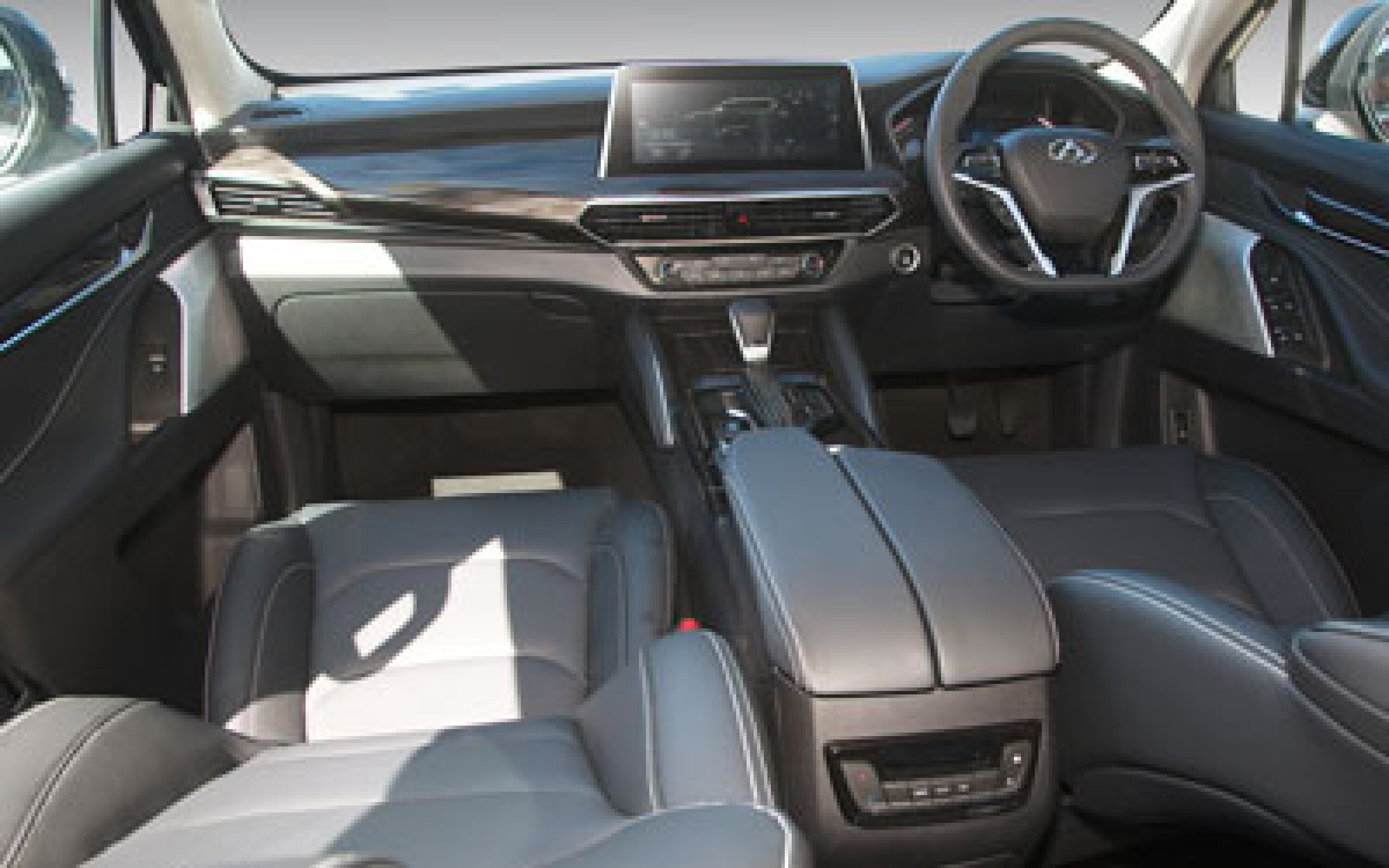
Inside, the D90 offers a roomy cabin equipped with a host of features.
The 12-inch touchscreen infotainment system, compatible with Apple CarPlay and Bluetooth connectivity ensures seamless connectivity.
The D90 includes an impressive amount of specs as standard such as 18-inch alloy wheels, adaptive cruise control, reversing camera, tyre pressure monitoring system, synthetic leather seat accents, rain sensing wipers and front and rear parking sensors.
The D90 is available in four exterior colours including a vibrant blue shade, Ocean Blue.
LDV states that the D90 has a boot capacity of 1140 litres when the rear seats are upright.
When the second row is folded down, the cargo space expands to 1800 litres. However, with all seats occupied, the storage space is 412 litres.
Safety
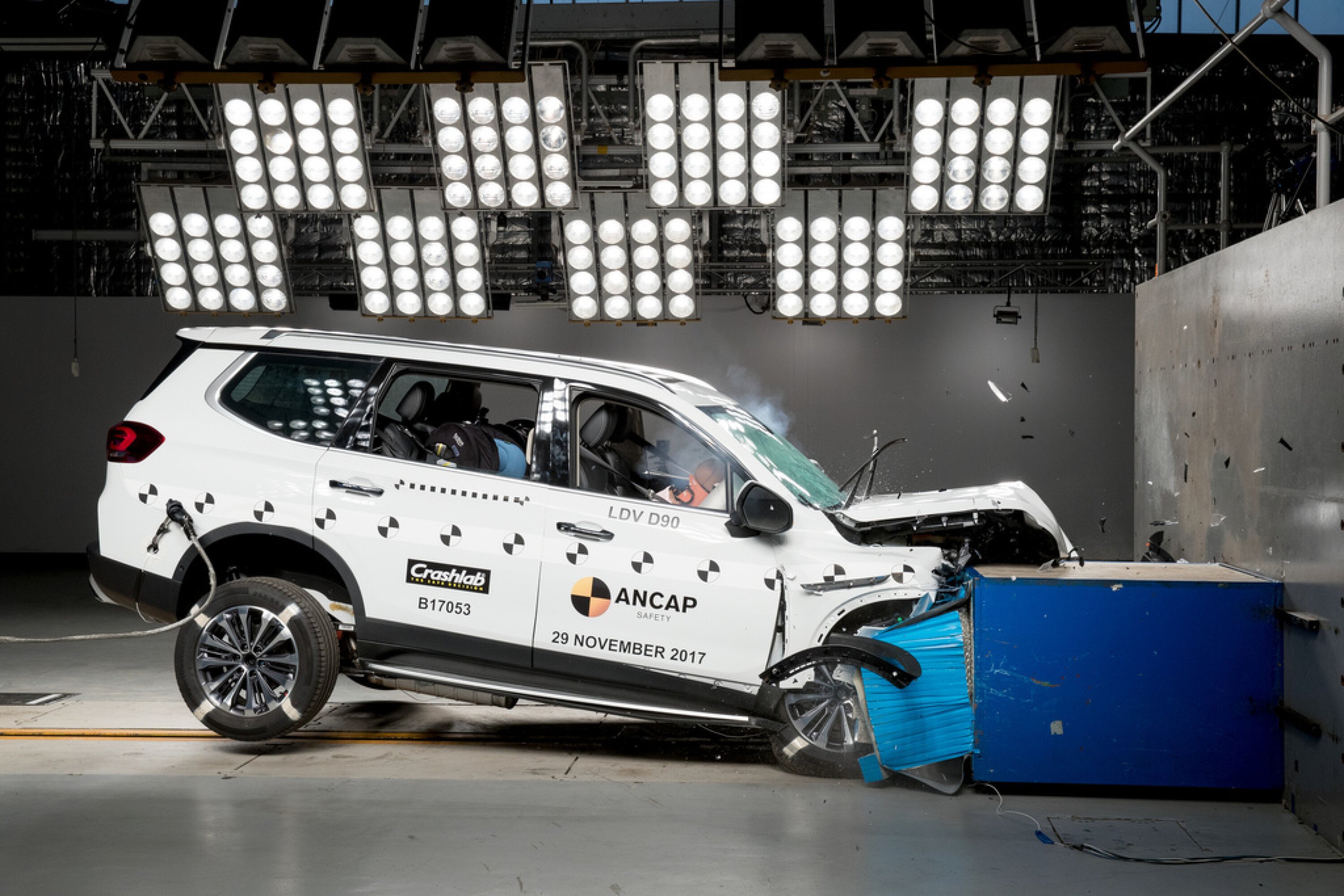
The entire D90 range holds a five star ANCAP safety rating from testing conducted in 2017.
This rating is set to expire at the end of 2023, in line with ANCAP’s six-year limit.
All are equipped with six airbags, blind spot monitors, anti-lock braking system, emergency brake assist, hill start assist and driver fatigue warning.
Key Rivals
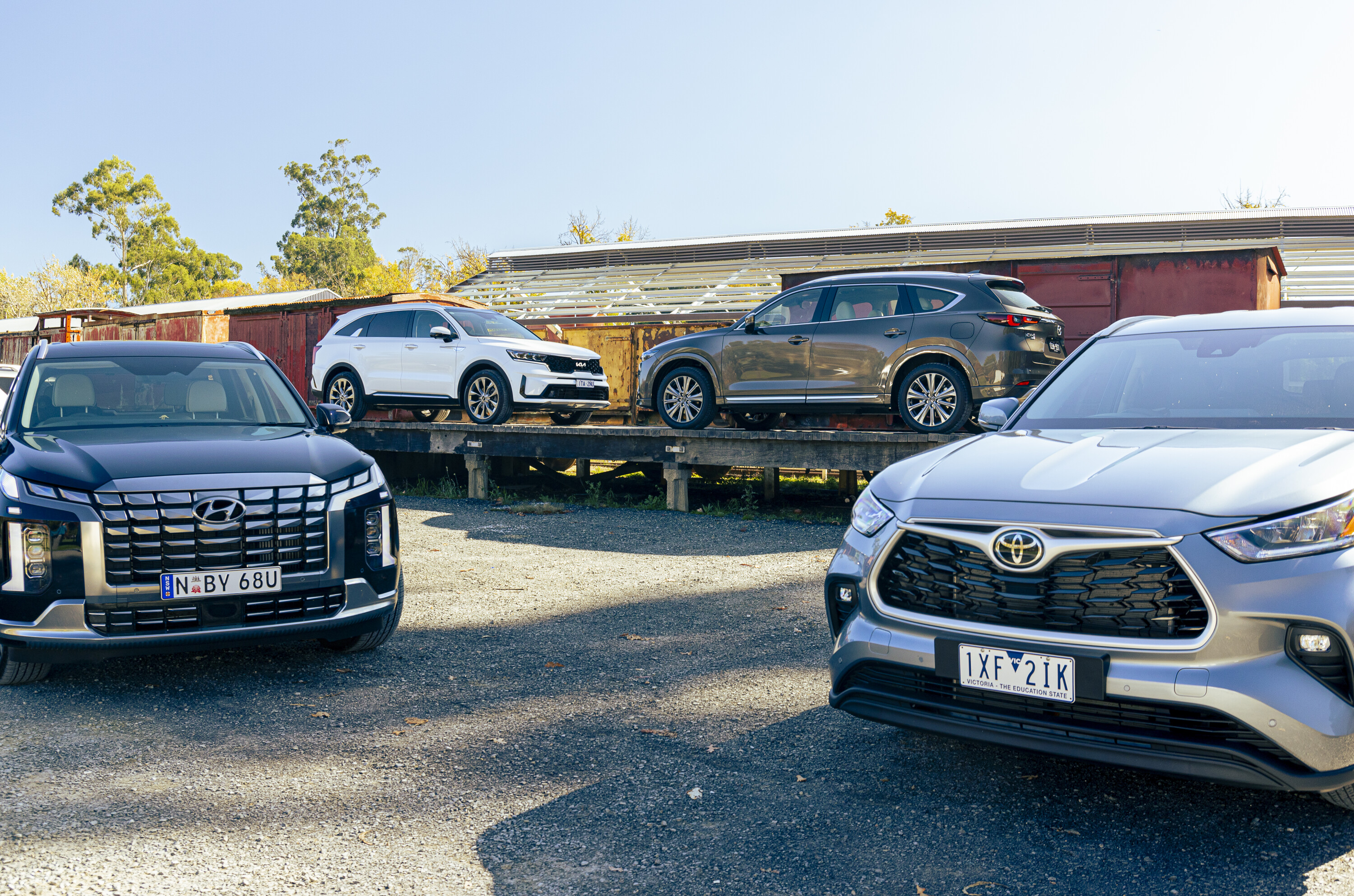
The large SUV segment is filled with strong contenders, available with seven seats:
Each of these rivals offers a unique set of features and capabilities, but all are ute-based SUVs as well, making the market diverse for potential buyers.
Should I put it on my shortlist?
The 2023 LDV D90 Mode petrol is a noteworthy option for those seeking a spacious and feature-packed SUV without the premium price tag.
While it may have areas of improvement, its overall package offers a compelling mix of design, features, and value.
If you’re in the market for a large SUV that offers a lot for your money, the D90 Petrol is worth adding to your shopping list. You can spend your saved cash on avocados or something.
There are defining moments in the timeline of every carmaker and, for Lamborghini, it’s those once-in-a-decade occasions when the V12 baton is passed from one generation to the next. It’s such a sacred moment that I’m almost inclined to observe a minute of reverential silence.
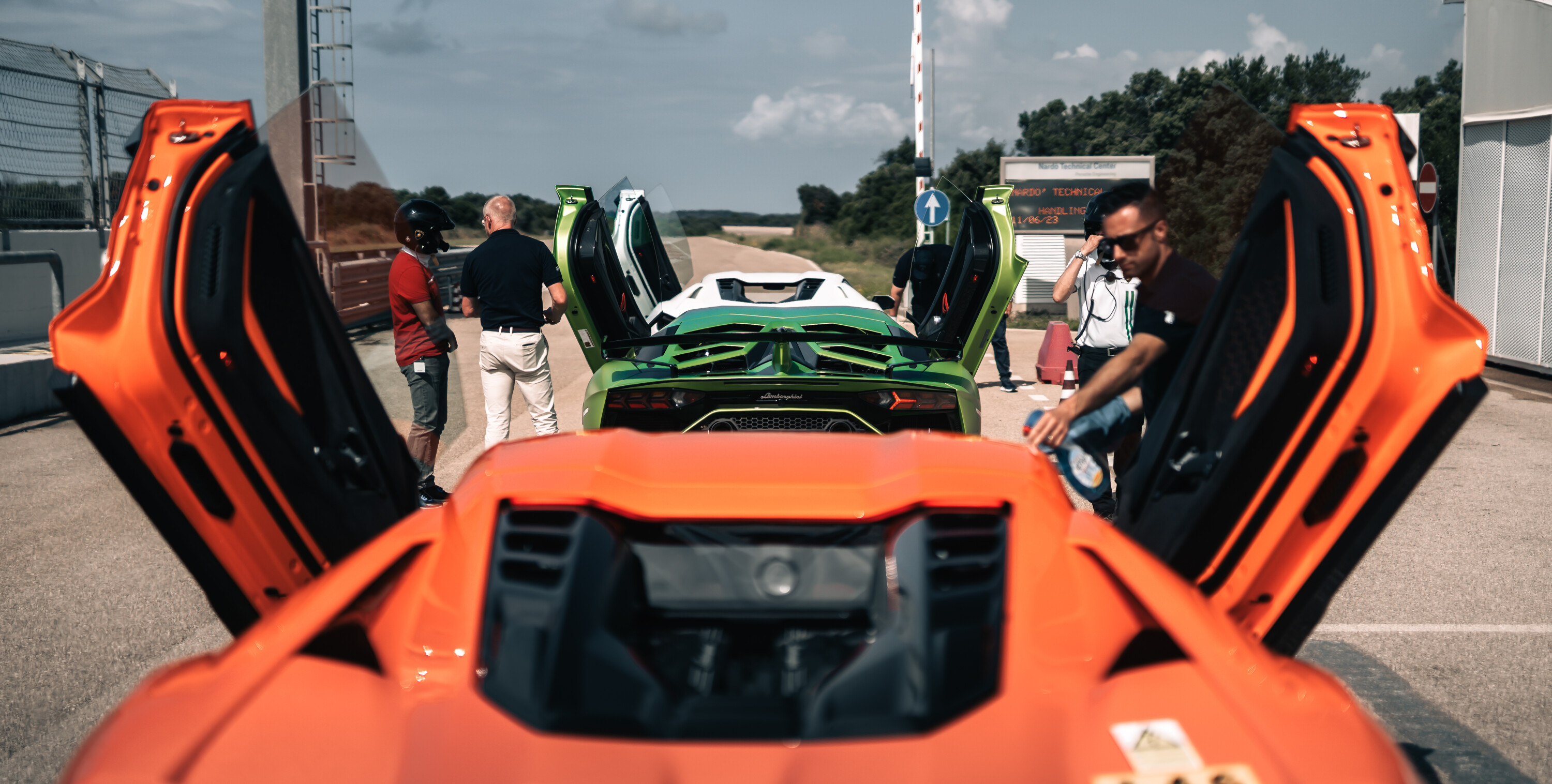
The sun is blazing at the Nardo Handling Track in the southeastern tip of Italy and hunkered down a few metres from me are the wheeled embodiments of Lamborghini’s past and future. Closest to me is a luminescent green Aventador SVJ, the fastest and angriest iteration of the brutish V12 supercar that has spearheaded the Raging Bull’s line-up since 2011.
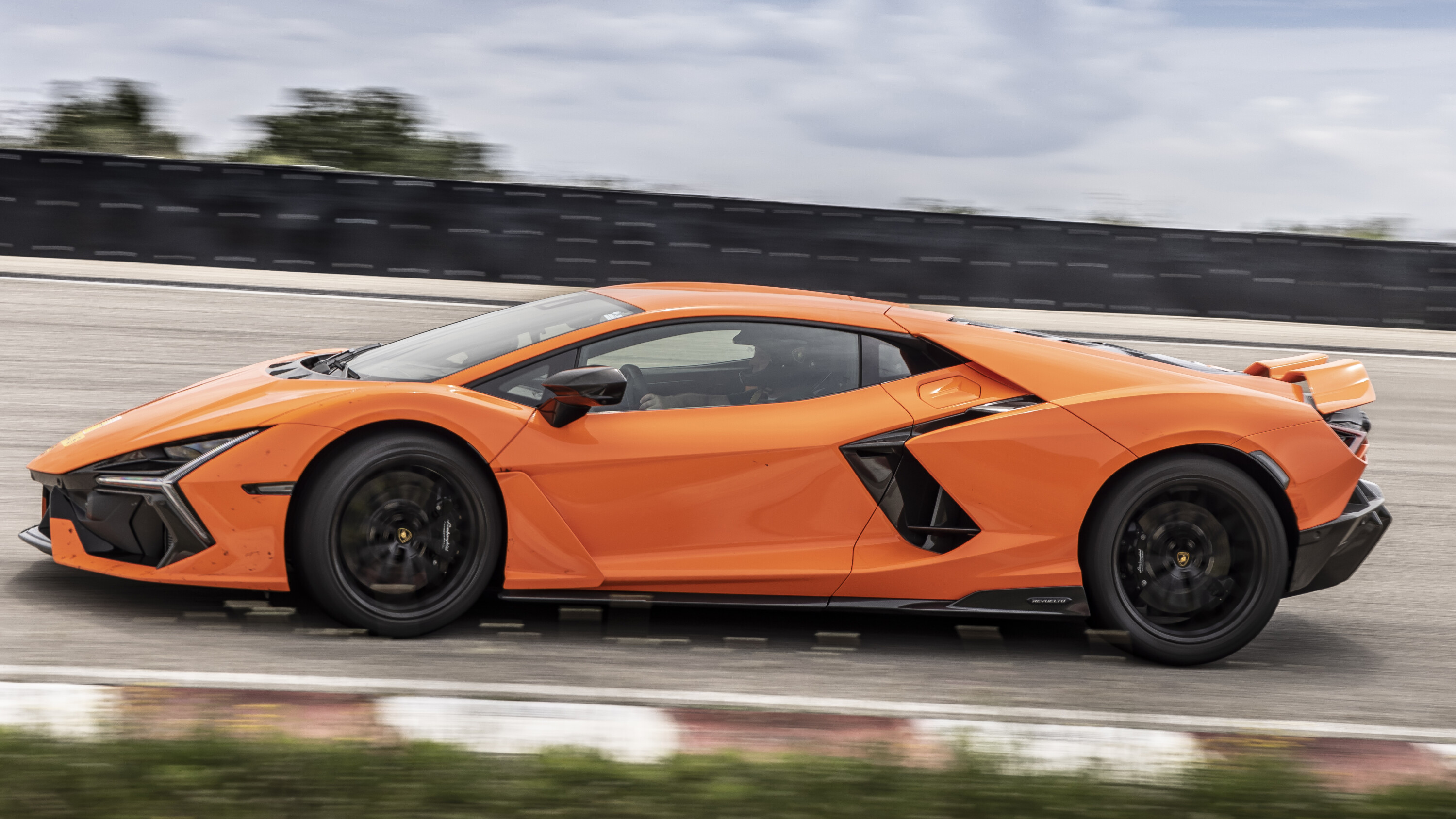
Somewhat symbolically, parked directly ahead of it is a day-glow orange Revuelto, the long-awaited V12 successor to the Aventador.
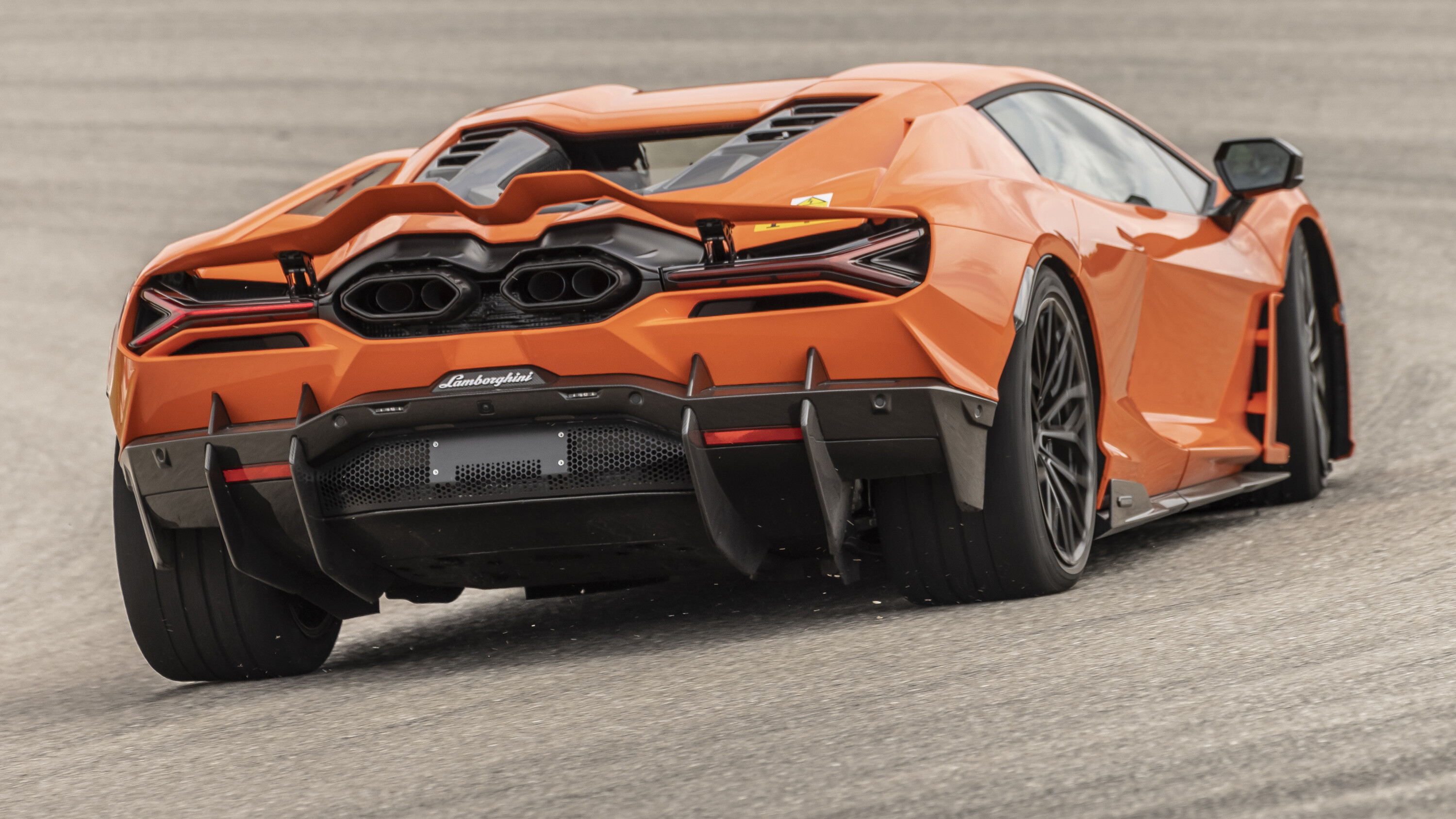
Given that a dozen years have elapsed since its rambunctious predecessor was unleashed, the Revuelto needed to make a significant leap in every domain, and it does, debuting more cutting-edge tech than any previous Lambo.
Lamborghini hasn’t played it safe in creating the Revuelto; it’s the company’s first plug-in hybrid model, debuts a brand-new carbon fibre chassis and eight-speed dual-clutch transmission, as well as an all-new HMI system. It’s also built on a state-of-the-art production line that’s been created specifically for the latest flagship model.
The Revuelto’s raw numbers are gobsmacking. Propulsion comes via a naturally aspirated V12 engine, in itself cause for celebration, but even more so because it pushes out Everest-dwarfing outputs of 607kW and 725Nm and revs to 9500rpm (courtesy of new pistons, cylinder heads and a higher compression ratio).
Supplementing the V12 is a trio of electric motors to eke out combined outputs of 746kW and maximum torque approaching 1500Nm.
Top speed is quoted at 350km/h-plus, while the 0-100km/h split is demolished in 2.5sec. On paper, that may not seem like much of an improvement over the Aventador, but this is one of those instances where numbers really don’t convey the whole picture.
Significantly, the pair of axial flux e-motors at the front axle deliver what’s claimed to be the most sophisticated form of torque vectoring in any road car to date – individually doling out micro-perfect doses of torque to each of the front wheels to enable faster, more drama-free cornering.
Now for the sobering part: The Revuelto will be the most expensive series production Lamborghini ever – by some margin – when it arrives on our shores in early 2024. The ex-factory price tag starts at €422,340 plus duties and taxes, so expect Australian pricing to start in Aventador SVJ territory at more than $900K (and that’s before on-road costs and customisation).
Despite the Revuelto’s cardiac-arresting price, Lamborghini has already secured an order bank stretching more than two years for the tech-laden debutant.
An operatic V12 motor has always been the talismanic element in any Lamborghini flagship, and that’s no less the case in the Revuelto – it’s a mighty powerplant.
The 6.5-litre unit has been spun around 180 degrees as the new eight-speed dual-clutch transmission sits transversely behind it, and packaged in unison with the gearbox is a 110kW e-motor that supplements the V12 in sending drive to the rear wheels.
What used to be the transmission tunnel is now occupied by the hybrid powertrain’s 3.8kWh battery pack. Why the tiny battery pack? Simple: its job is not to significantly reduce CO2 emissions or provide a meaningful electric-only range.
The battery pack’s function is to provide the trio of electric motors with short, sharp bursts of energy. It’s quickly recharged on the go, so there’s almost never a situation where it’s fully depleted. We established this firsthand.
Driving the Revuelto’s front axle is a pair of axial flux electric motors that crank out 350Nm each and a combined power output of 220kW. They provide true torque vectoring to help get the car turned in on corner entry, keep it balanced in mid-corner and launch away from the exit. As with latter versions of the Aventador, four-wheel-steer is retained as a standard feature, further boosting agility.
Pretty much every component that went into the Aventador has been binned and the foundation of the Revuelto is its brand-new full carbon fibre monocoque chassis, front crash structure and bodywork; the only exceptions being the aluminium doors.
Lamborghini CTO Rouven Mohr says the carbon ‘monofuselage’, which uses a mix of forged and prepreg carbon fibre, reduces weight by 10 per cent and increases stiffness by 25 per cent compared to the already rigid Aventador.
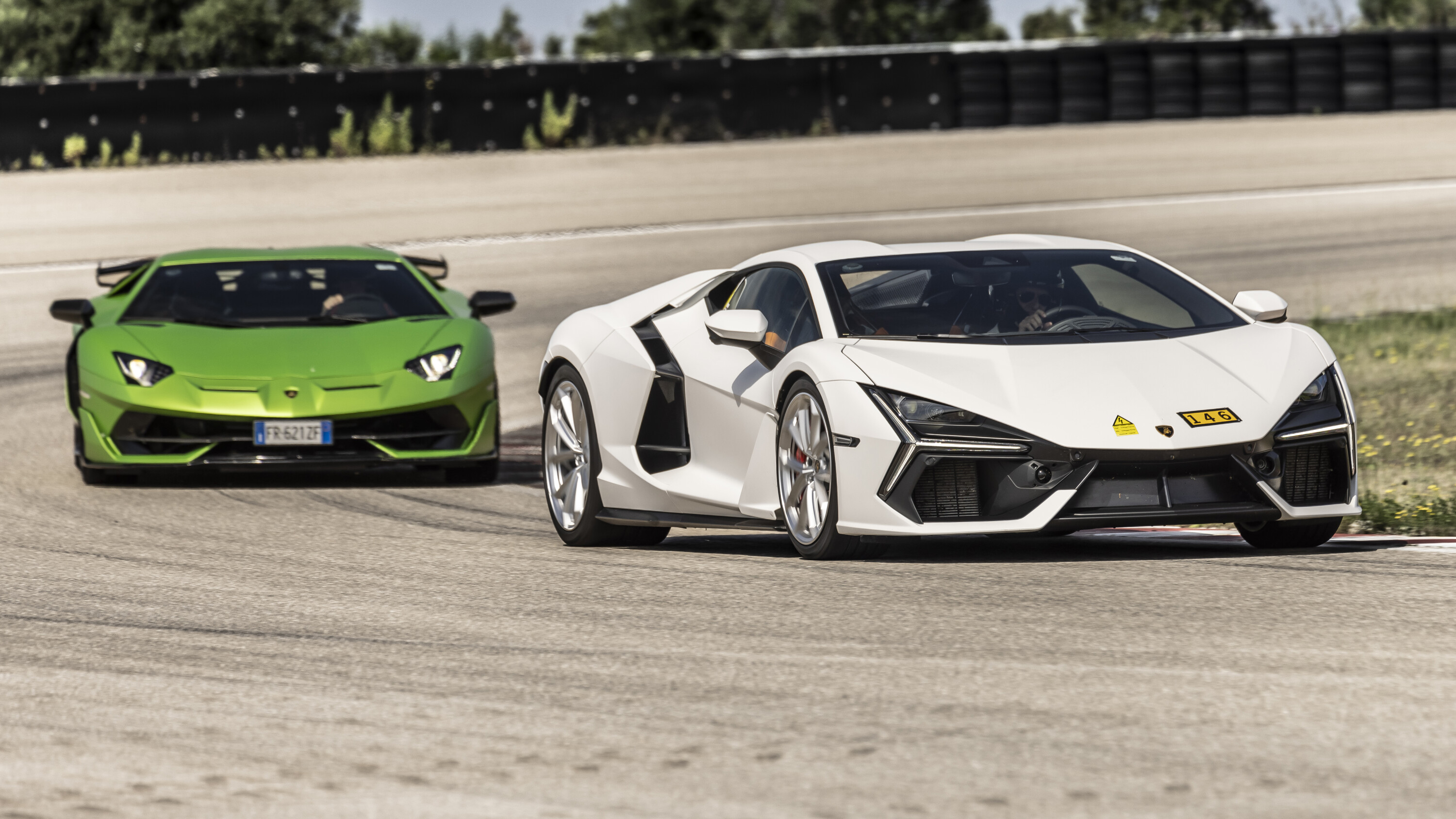
Also consigned to the dustbin is the Aventador’s racecar-mimicking pushrod suspension, which makes way for double wishbones front and rear, supplemented by the latest Magneride adaptive dampers.
In addition to enabling more efficient packaging and a reduction in weight, Mohr says the new suspension setup also makes for much better “vertical control” (ride quality, in other words).
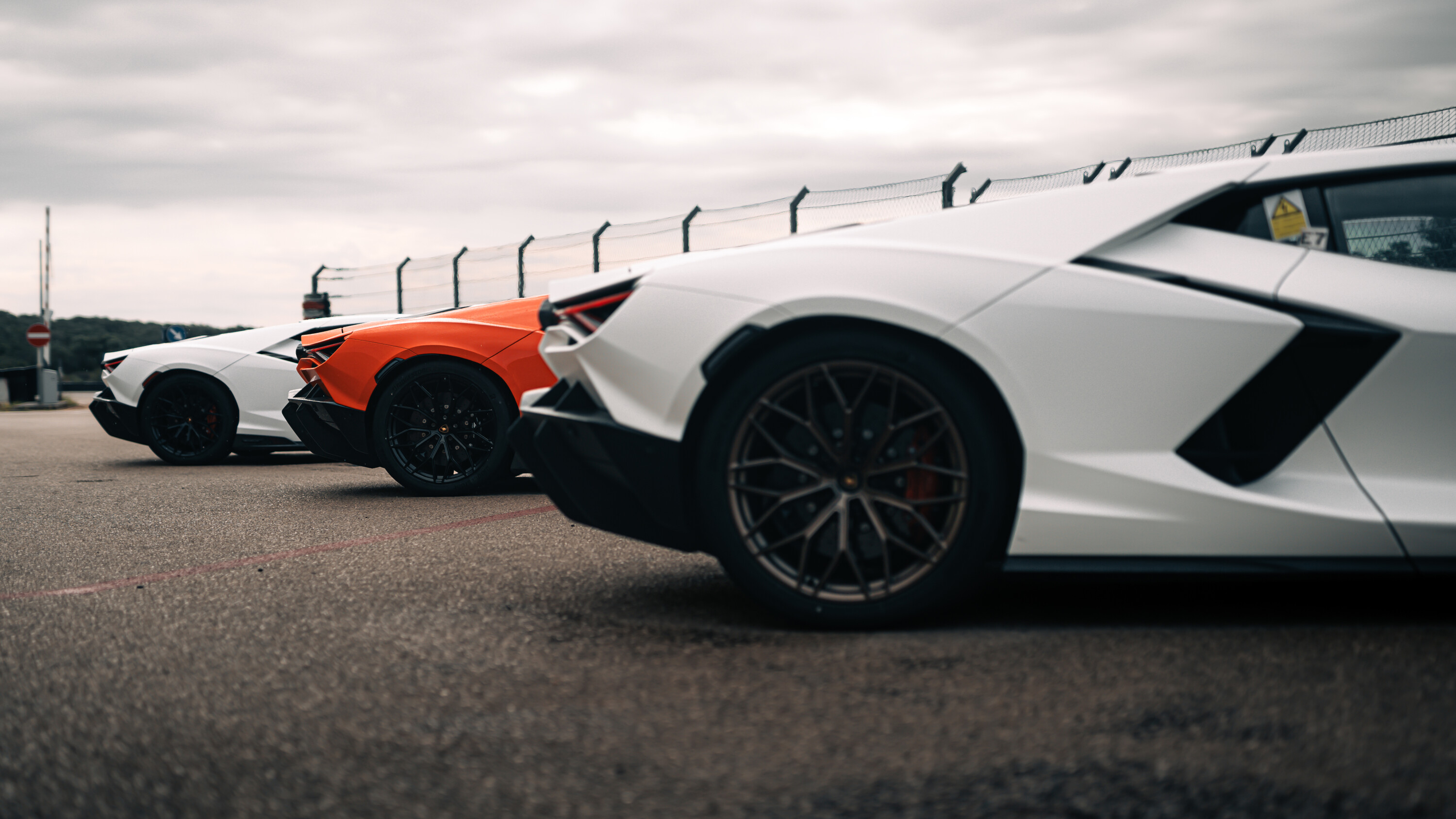
With the Aventador and Revuelto parked line astern, it’s easy to glean the latter’s dimensional stretch. This is partly to accommodate the hybrid powertrain and partly to liberate much-needed cabin space (more on this later). Measuring 4947mm from end to end and 2033mm across the bows, this Lambo has a sizable footprint on the tarmac.
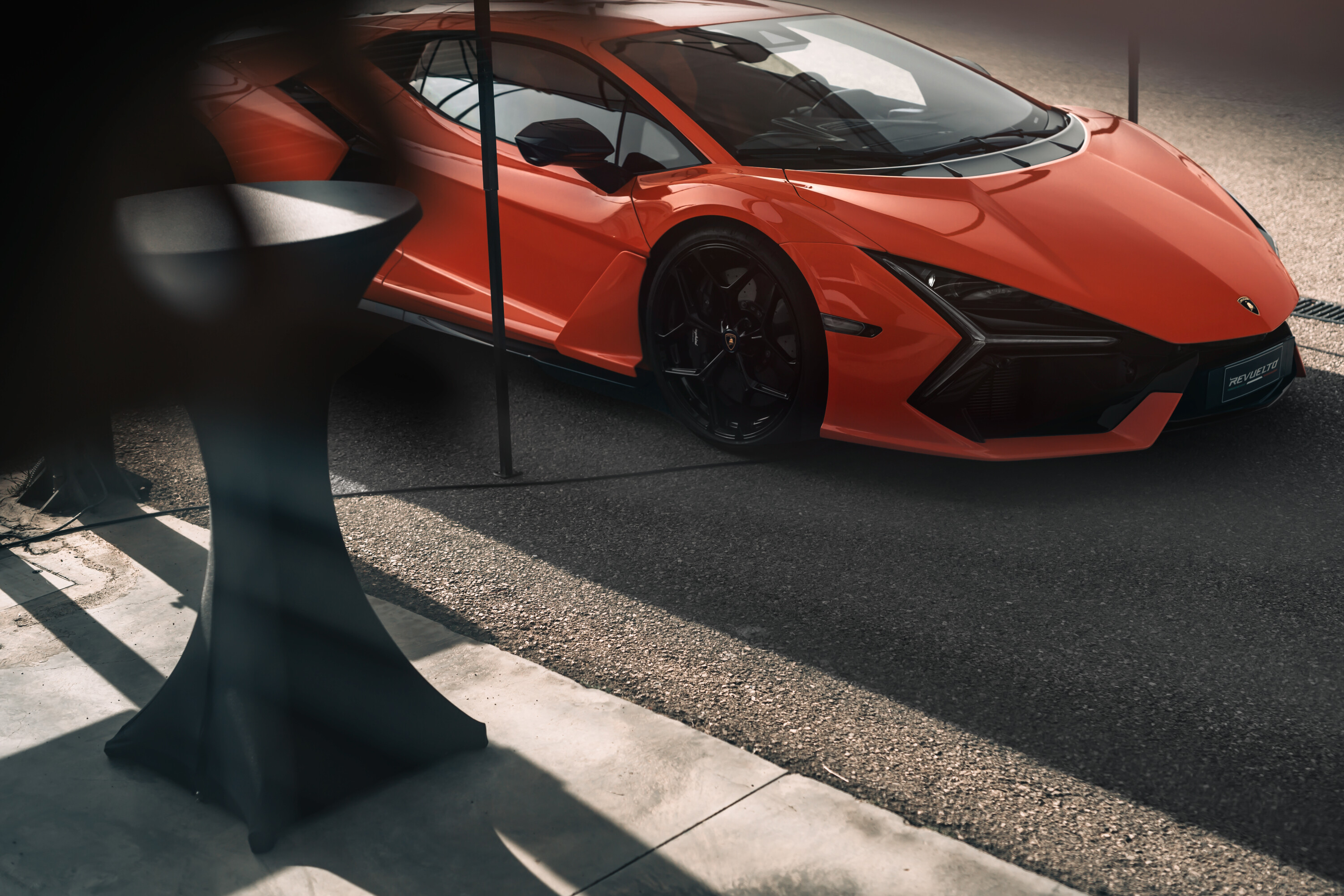
It’s no lightweight either, tipping the scales at 1772kg – and this is dry weight, so expect a figure of 1900kg-plus with a full tank of fuel and all fluids on board.
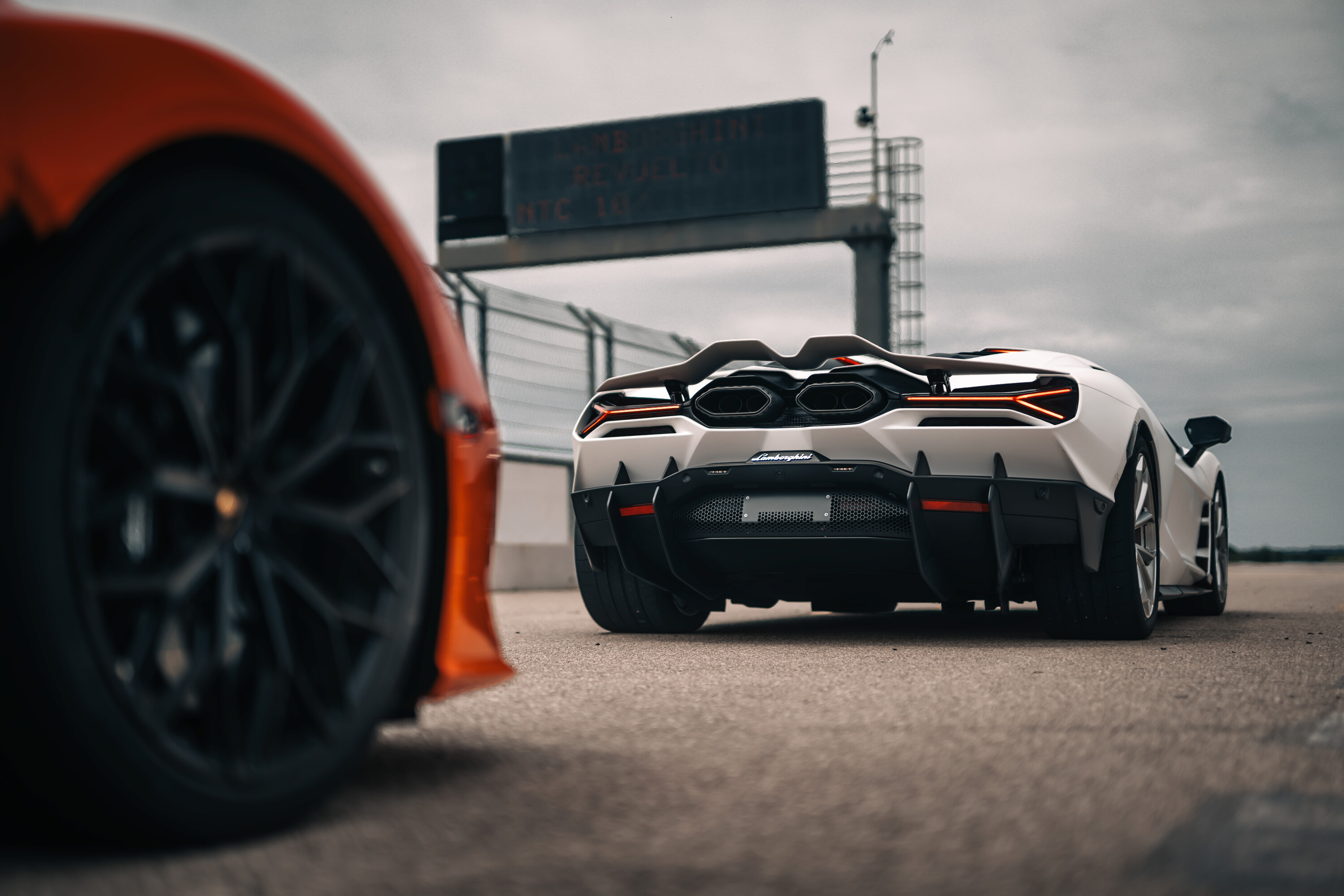
Much work has gone into the Revuelto’s aero package, which includes an active rear wing with three positions. It’s one of the contributors to 30 per cent more downforce than the Aventador and 60 per cent greater aero efficiency, says Mohr.
The standard wheel package brings 20-inch rims at the front and 21s at the rear, but most buyers are likely to specify the optional bigger rims (21s at the front and 22s at the rear). Bridgestone Potenza Sport rubber is standard issue, but only on the smaller rims.
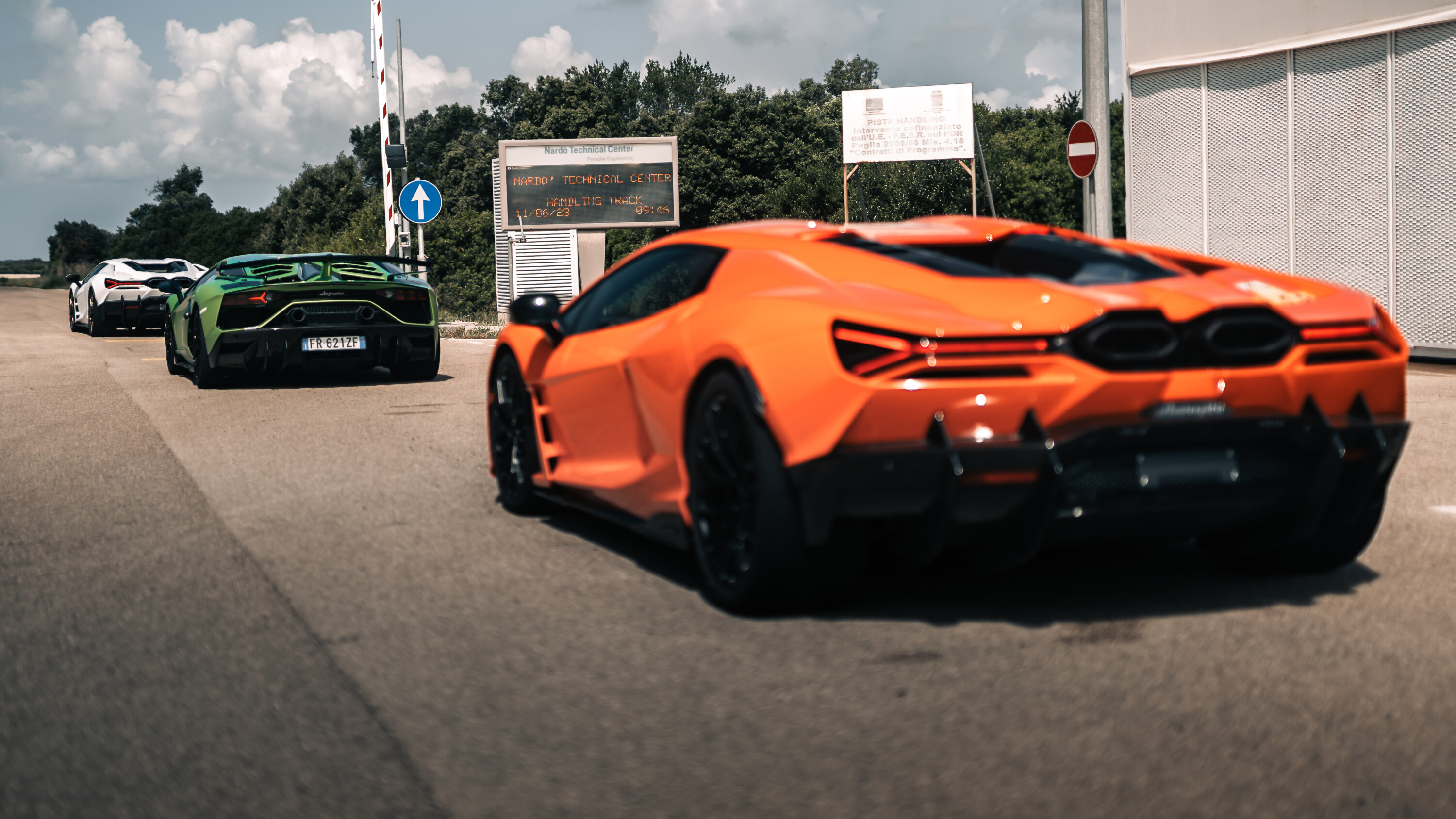
Enough of the nitty-gritty. Let’s cut to the chase, which in today’s case will take place around the dipping, diving 6.22km Nardo Handling Track. This circuit has been dubbed the “mini-Nurburgring” with good reason as its combination of fast corners and blind crests means you need commitment – and track knowledge – to go quickly around here.
Handily, Lamborghini’s events team has brought along the Aventador SVJ alluded to earlier to provide a frame of reference and get in a sighter lap or two before leaping into the cockpit of the Revuelto. Raw and uncompromising, the Aventador SVJ pummels all your senses – and that’s not necessarily a bad thing.
There are those who expect nothing less of an apex supercar. But this also means the Aventador is not something you’d ever consider using for the daily schlep to the office and back.
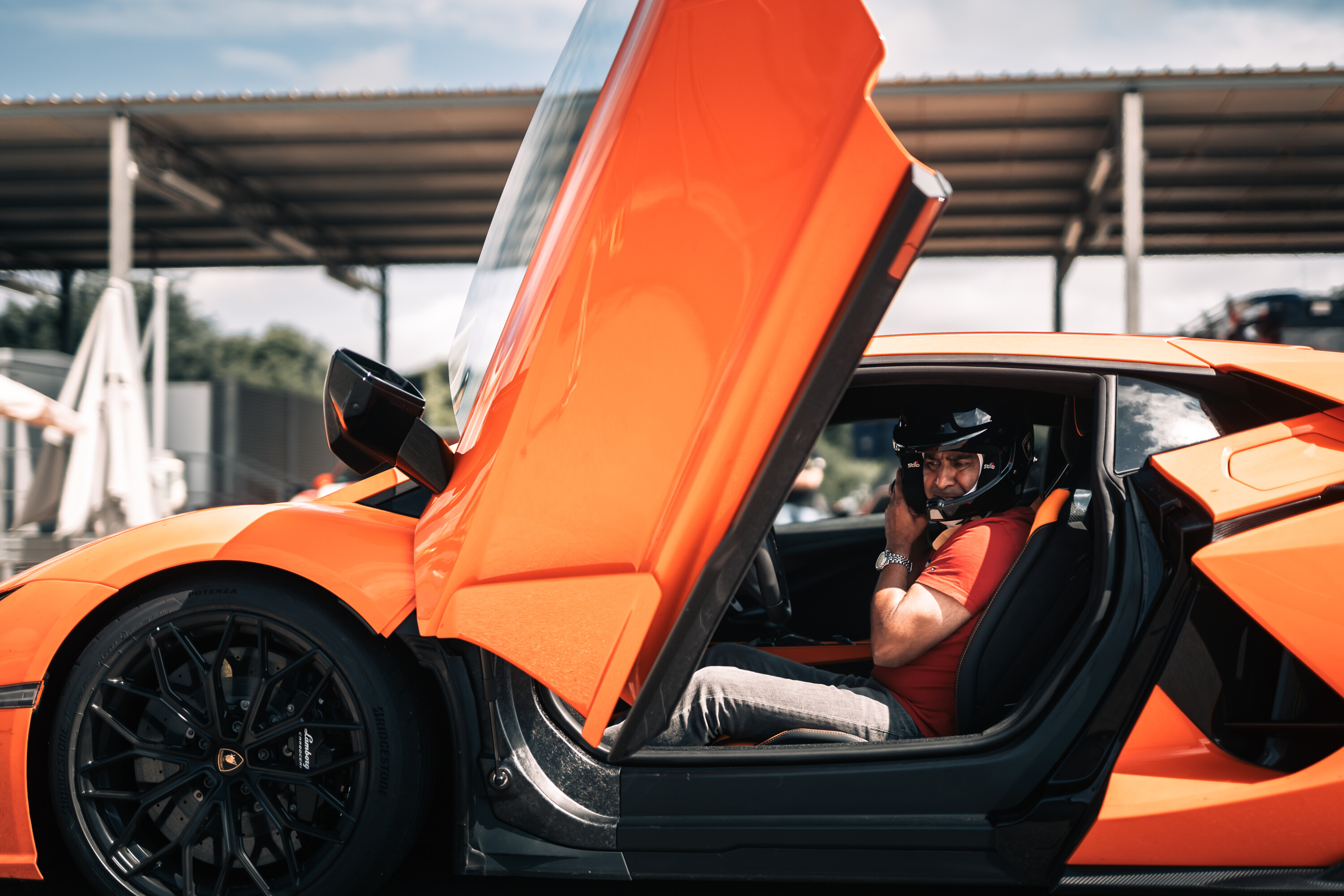
Sliding under the vertically opening scissor door of the Revuelto shortly after a brief on-track stint in the SVJ, the contrast is immediately evident. Cabin space is almost cavernous by comparison with the Aventador, and even the act of sliding in and out requires less strenuous gymnastics.
The V12 also fires up with far less drama, which may come as a disappointment for poseurs who enjoyed the attention-grabbing bark of the Aventador’s pyrotechnic start-up. As before, there are Strada, Sport and Corsa drive modes, but new for the Revuelto is a ‘Citta’ EV-only mode that enables the car to enter zero-emission zones.
However, you only get about 10km of pure-electric range, so pandering to tree huggers is clearly not the key focus for this car.
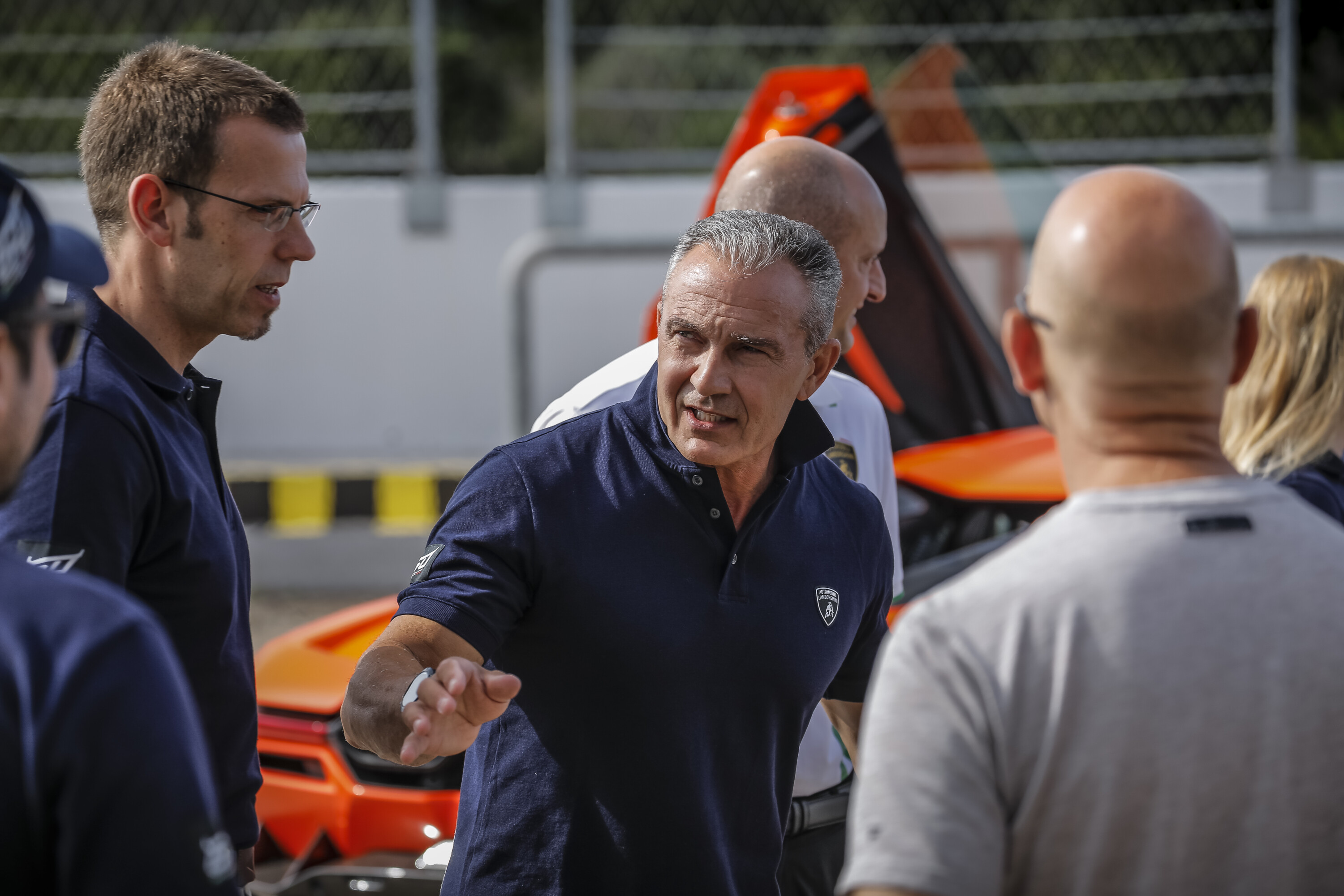
Given we’re on a racetrack today, the obvious choice is to slot the drive mode selector into Corsa before trickling out onto the circuit behind the pace car, steered by Lamborghini Squadra Corse chief instructor Filippo Zadotti.
Gassing up the V12 once we’re onto the front straight, my eardrums aren’t battered to anywhere near the same degree as in the Aventador SVJ. There’s still plenty of decibels – and they’re all good – but the Revuelto’s soundtrack is noticeably more restrained and civilised than the SVJ’s.
The hybrid powertrain is so smooth and seamless that, from behind the wheel, it’s impossible to discern that three electric motors are also contributing to the prodigious forward thrust. What’s more, the V12 spins up to 9500rpm with such ridiculous ease that you need to keep an eye on the tacho to avoid bouncing off the rev limiter.
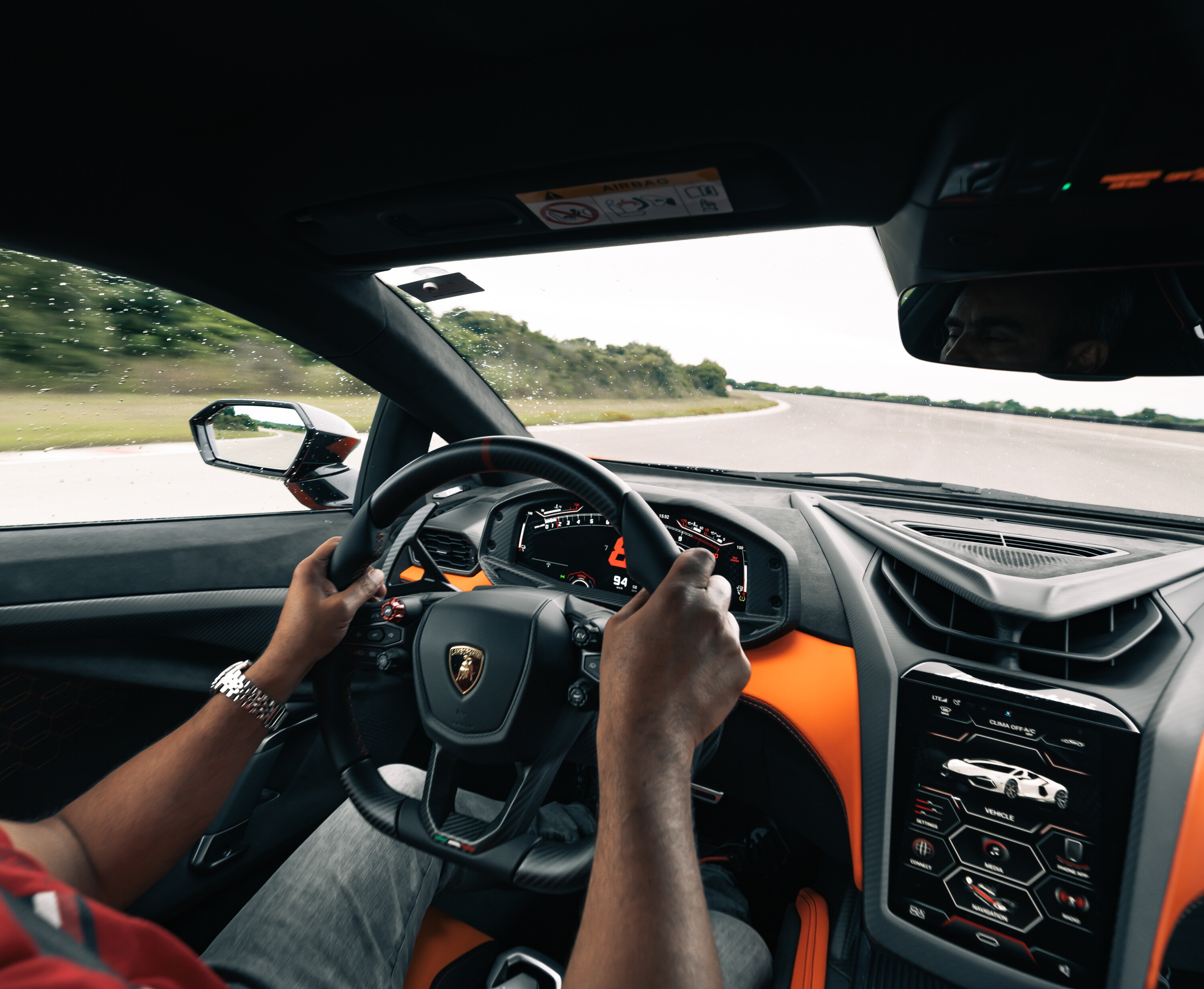
Adding to the Revuelto’s suave demeanour is the silky smooth eight-speed dual-clutch transmission, which is in a different universe to the spine-jarring ISR sequential gearbox that served the Aventador for its entire lifecycle. Super fast and intuitive, the dual-clutch ’box responds virtually instantly to tugs on the elongated carbon fibre paddles.
Did I mention the Revuelto is mind-bogglingly fast? The Lambo effortlessly clocks up 300km/h-plus down Nardo’s front straight, and every other non-bendy section of the track is also pulverised by the V12 hybrid powertrain.
Stopping power is just as superlative. Where the Aventador SVJ squirrels around under heavy braking, the Revuelto stays beautifully composed when you stand on the anchors. Some hybrid cars skimp on the braking package as decelerative energy is funnelled into recharging the battery pack.
That’s not the case here as mighty carbon-ceramic discs (410x38mm at the front and 390x32mm at the rear) are clamped upon by 10-piston calipers at the front and four pistons at the rear. Adding to confidence levels is a brake pedal that has shorter travel and more weight and bite than the spongy pedal in the Aventador SVJ.
As counter-intuitive as it may sound, the 746kW Revuelto is far easier to handle than the significantly less potent SVJ, and less demanding to punt hard than even the V10-powered Huracan STO and Tecnica.
That said, the Revuelto piles on speed so rapidly that you still need to stay focused on a track that’s replete with blind crests, corners that disappear out of sight, and even a yump that gets the car airborne at 225km/h.
Where the Aventador requires a skilful pilot to tap into the last 20 per cent of its dynamic envelope, the Revuelto’s inherent balance and superbly calibrated chassis control software enable even those less experienced in track driving to enjoy a large chunk of its repertoire.
For now, we can’t offer an emphatic assessment of ride quality, but the Nardo Handling Track has its fair share of bumps, dips and crests and the seat of my pants tells me the Revuelto is far more supple than the bone-jarring Aventador.
To put the Revuelto’s pace in perspective, Lamborghini CTO Rouven Mohr says it’s about 2.5sec a lap quicker than the Aventador SVJ on the same tyres around the Nardo Handling Track.
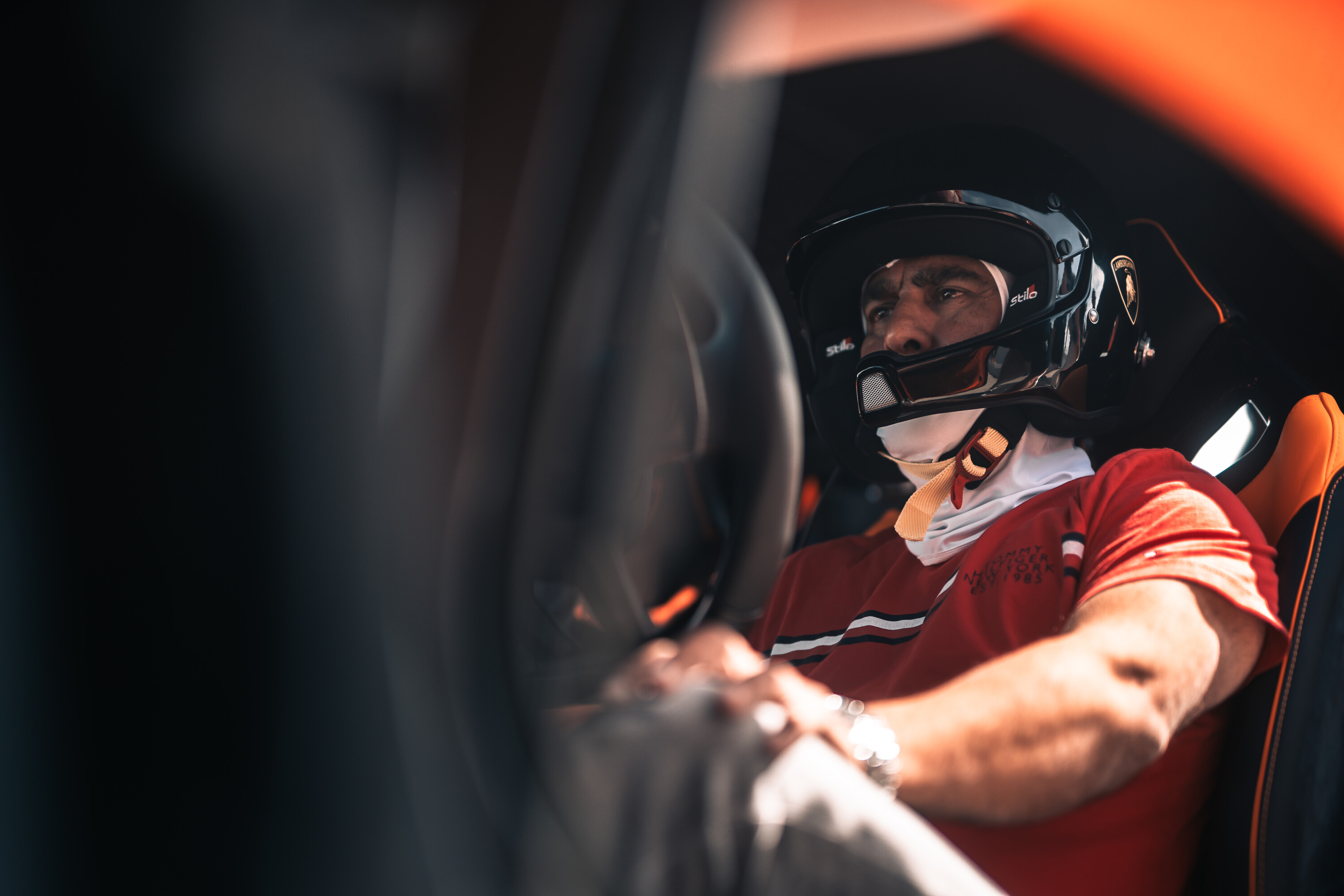
Raw pace is one thing, but the reality is that the majority of owners will spend most of their time in the car pootling around in traffic or in highway cruise mode. There’s good news here, too, as the enlarged cabin means even occupants who are 1.9m-plus tall will be able to sit in comfort and not have their noggins rubbing against the roof lining.
The new monofuselage chassis also provides 84mm more legroom, as well as leaving space behind the seats for some soft luggage or a small golf bag. In addition, there’s a storage compartment under the front bonnet that can accommodate two aircraft cabin bags.
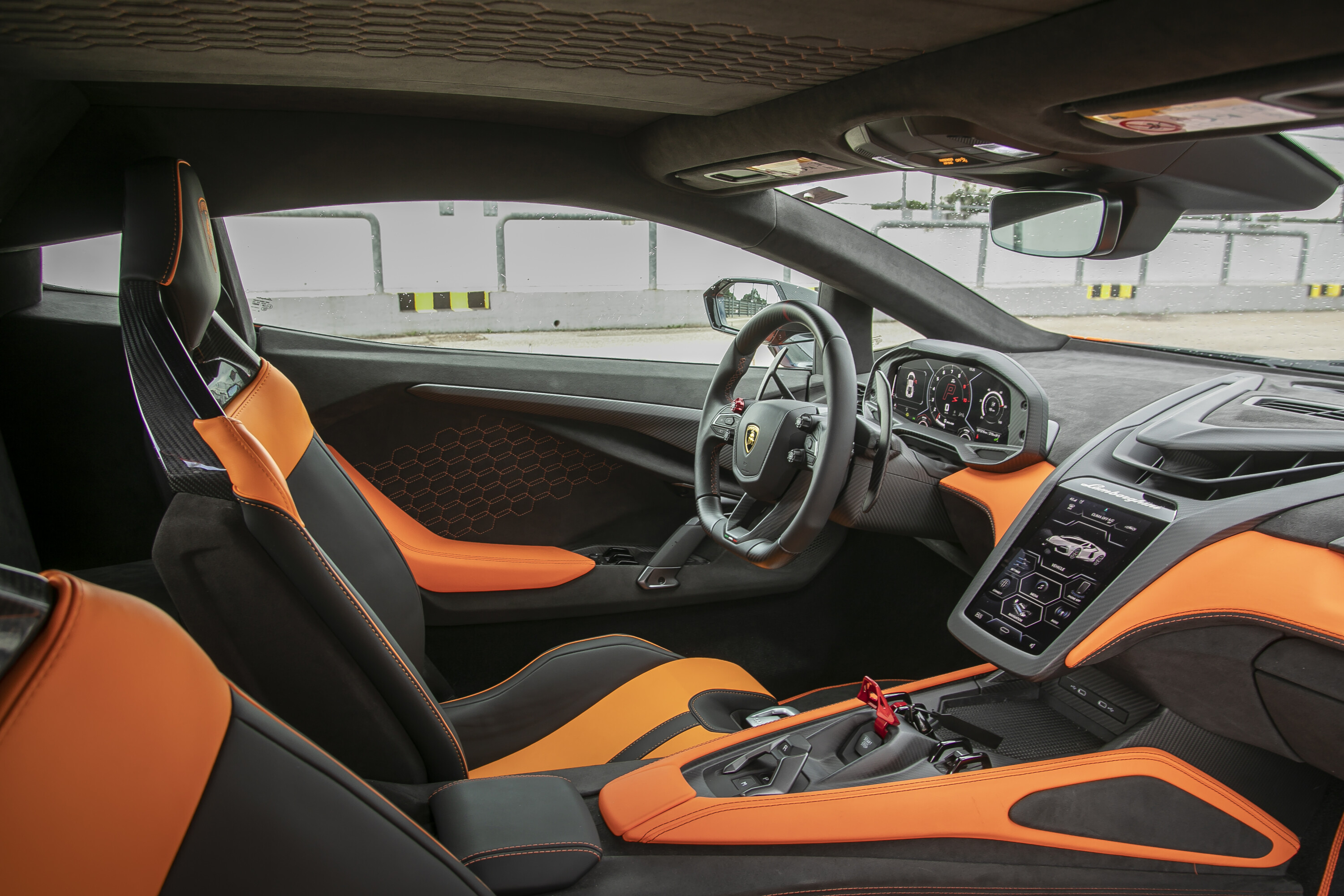
Annoyingly in the Aventador, there was no place to keep your phone, keys and various other bits and bobs. That’s been addressed in the Revuelto as there are storage cubbyholes in the centre console, as well as a cup holder on the passenger-side dashboard.
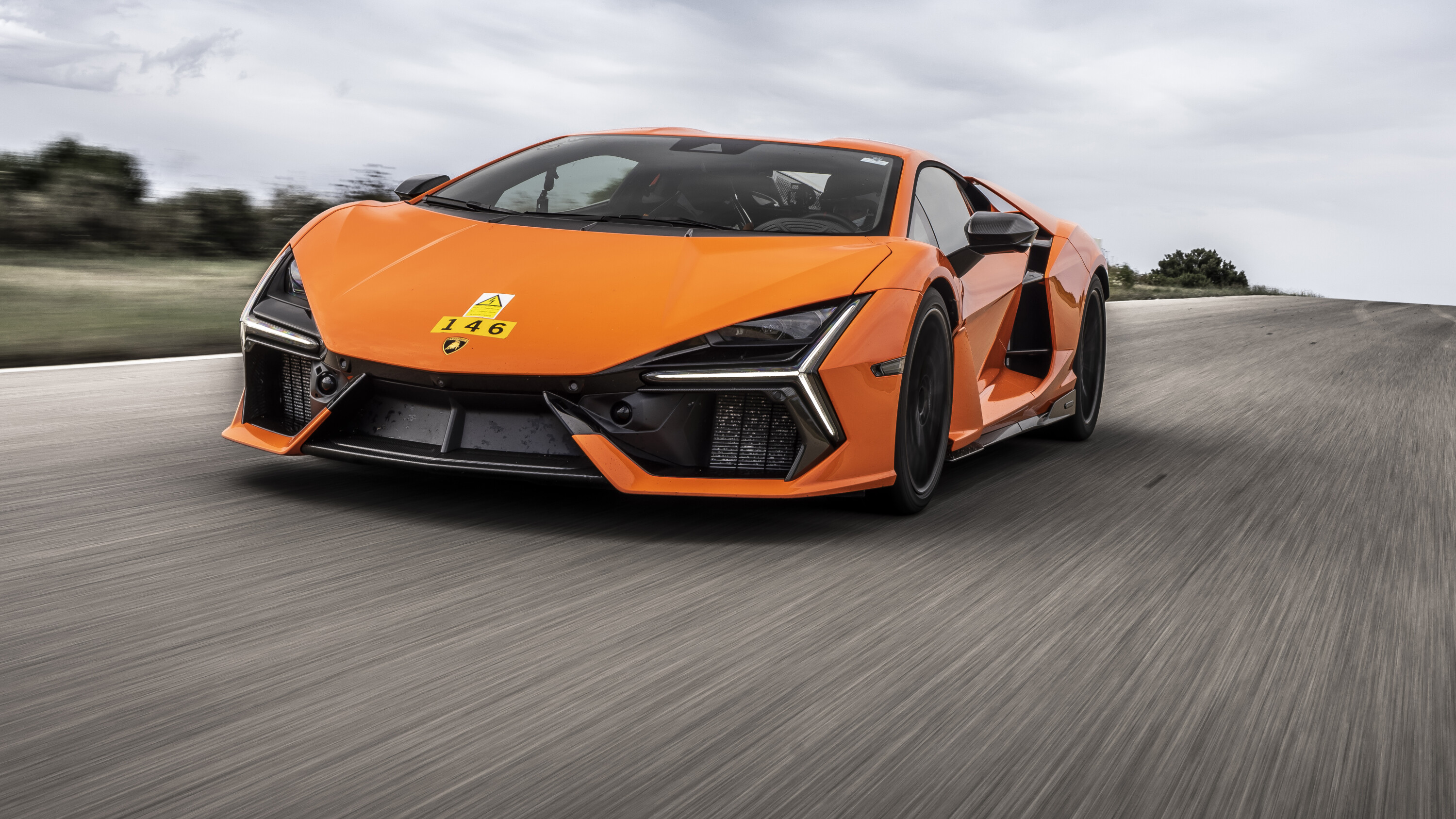
Another much-needed improvement is the brand-new HMI setup, which features a 12.3-inch digitised instrument cluster, 8.4-inch vertical infotainment screen and a 9.1-inch co-pilot display panel with a digital speedo readout to terrify your passenger.
Our test vehicle was equipped with the so-called “comfort” seats, but two-piece sports seats (unlike the fixed-back sports pews in the Aventador SVJ) will also be on the menu. Upholstery options include not just fine leathers, but also the newly introduced Corsa-Tex fabric in Dinamica microfibre, which is made of recycled polyester.
It’s also possible for customers to specify a balanced mix of leather and Corsa-Tex, or favour one material according to their preference.
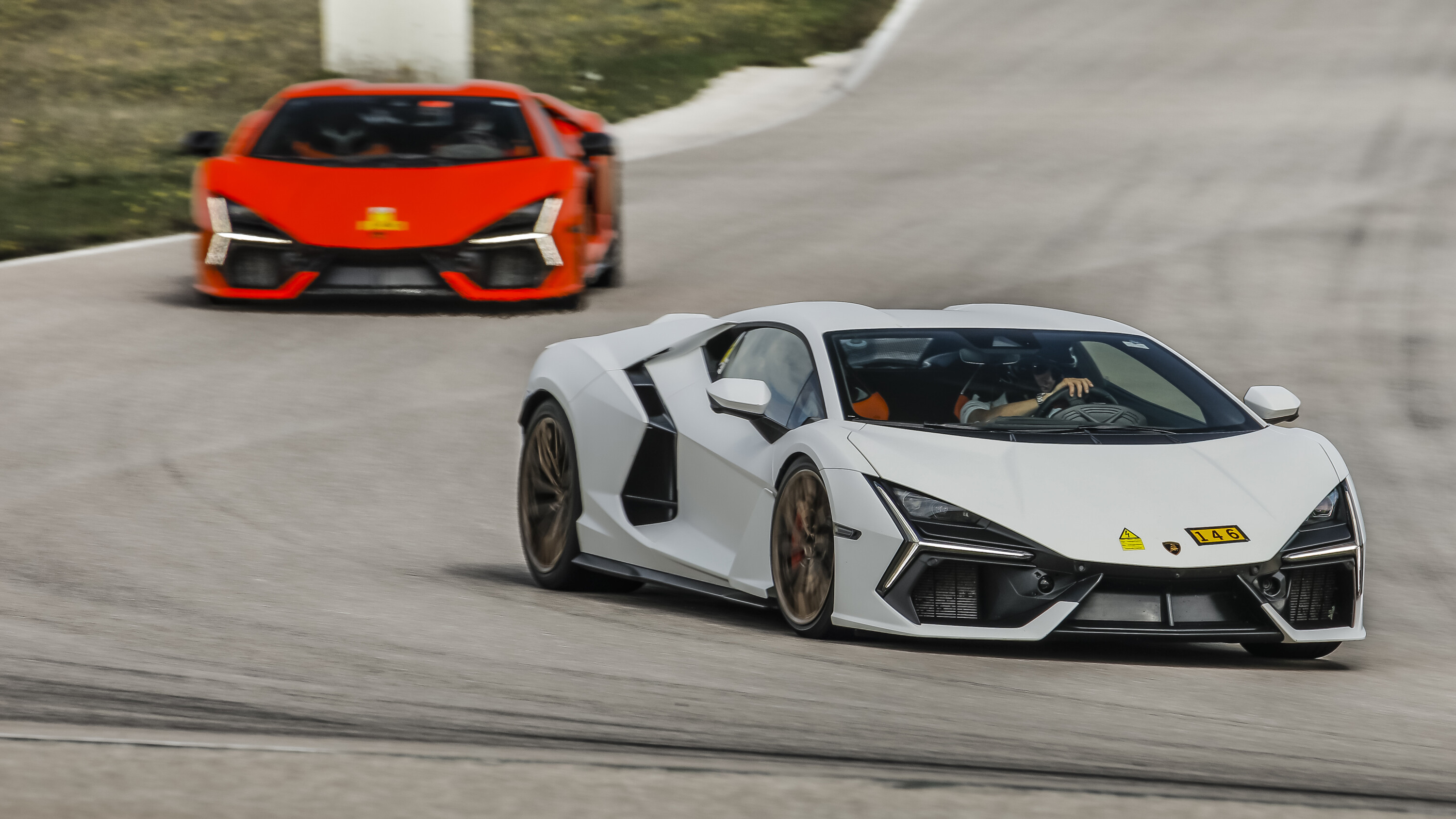
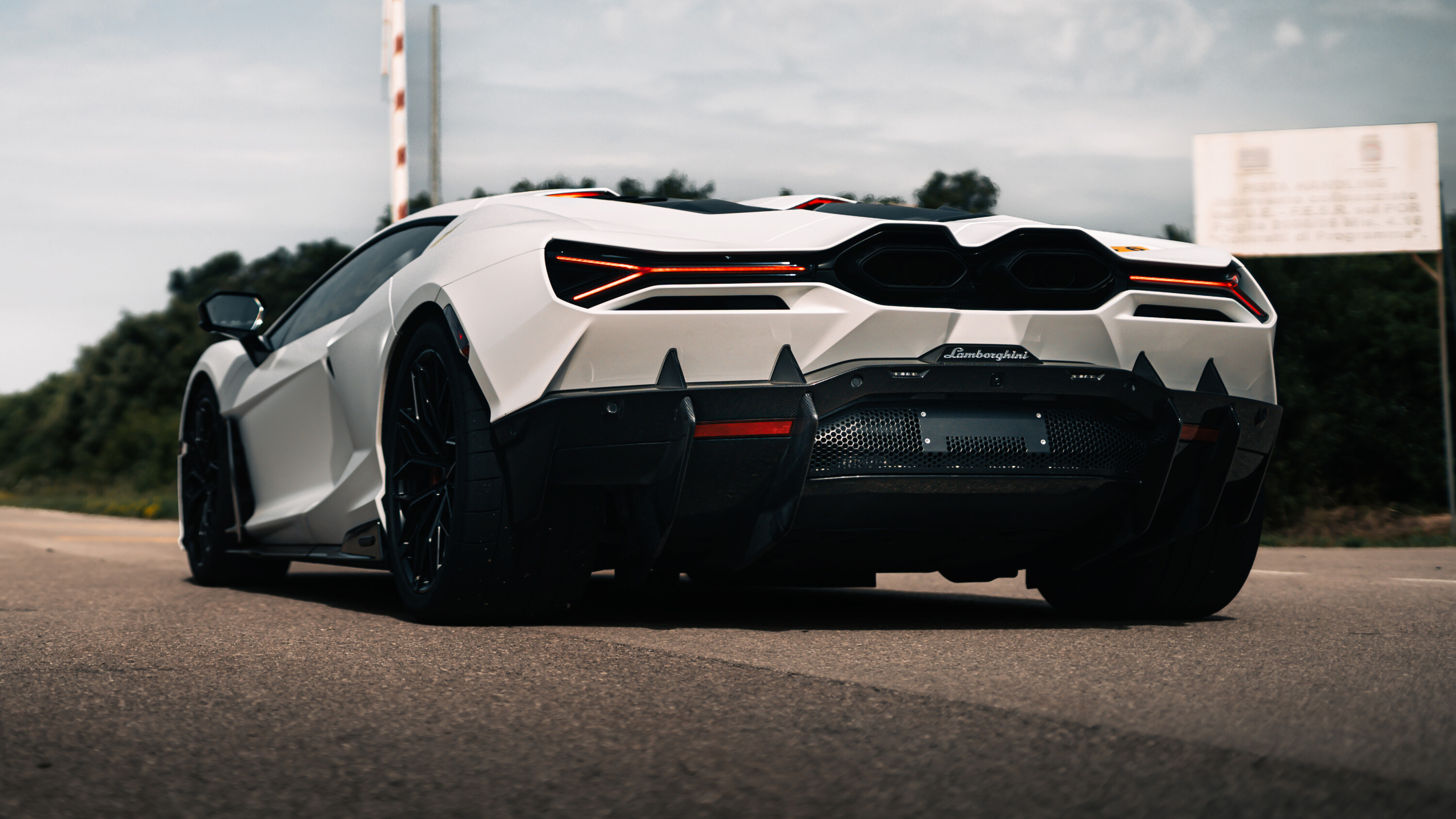
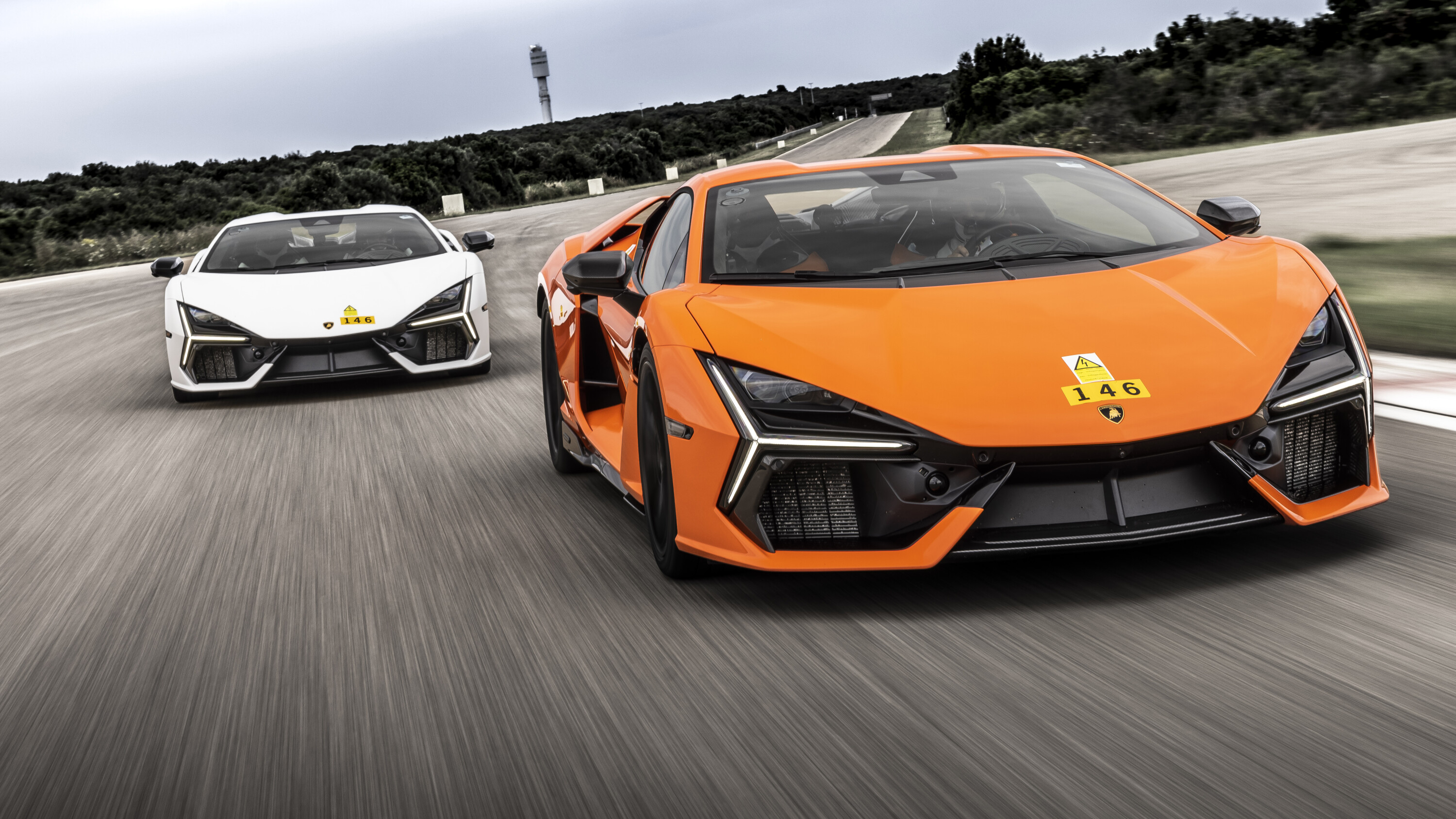
Stylistically, the Revuelto carries over the visual drama of its predecessors. Ultra-low, wide-shouldered and laced with scoops, bulges and sharp edges, you’re guaranteed to prompt rubbernecking wherever you go in the V12 Lambo.
Personally, I love the car’s rear three-quarter view, but I’m not sold on the frontal styling. Feel free to reach your own conclusions about its aesthetics…
So, the verdict: has Lamborghini nailed its crucial new halo car? There’s not a whole lot to fault in the Revuelto. Apart from being electrifyingly rapid, it titillates all the senses in a way that few others in its genre can – the magic of a Pavarotti-silencing V12 that revs to 9500rpm is not something that’s replicated elsewhere.
The fact that the comfortable and relatively spacious Revuelto is vastly more daily driveable and dynamically accessible than the Aventador only adds to its appeal. That said, there might be those who lament it’s lost the raw, unruly charm of its predecessor.
My take? I think Lamborghini has got the balance right with the Revuelto, and it would be no surprise if it tops the Aventador’s sales tally (11,465 units) over the course of its lifecycle.
| 2024 Lamborghini Revuelto specifications | |
|---|---|
| Engine | 6.5-litre V12 and three electric motors |
| Power (V12 only) | 607kW @ 9250rpm |
| Torque (V12 only) | 725Nm @ 6750rpm |
| Hybrid system | 3.8kWh lithium-ion battery, rear eMotor and front e-axle |
| Power (Rear eMotor) | 110kW @ 10,000rpm |
| Power (Front e-axle) | 220kW @ 3500rpm |
| Total power (combined systems) | 746kW |
| Transmission | 8-speed dual-clutch auto |
| Length | 4947mm |
| Width | 2033mm |
| Height | 1160mm |
| Wheelbase | 2779mm |
| Dry weight | 1772kg |
| Weight distribution | 44:56 (front/rear) |
| 0-100km/h | 2.5sec |
| Top speed | 350km/h+ |
| On sale | 2024 |
| Price | $900K+ (estimate) |
Snapshot
- Skoda ups Karoq prices owing to increased safety features
- Rear cross-traffic alert and blind-spot monitoring now standard
Joining the remainder of Skoda’s range, the popular Karoq medium SUV picks up lane-keep assist, blind-spot monitoring and rear cross-traffic alert.
Reflecting the added technology, the Karoq’s price has climbed by $2500 (since its August 2022 release, or $1500 since its last price bump) and now wears a $45,490 national drive-away price, while the all-wheel drive SportLine starts at $52,490.
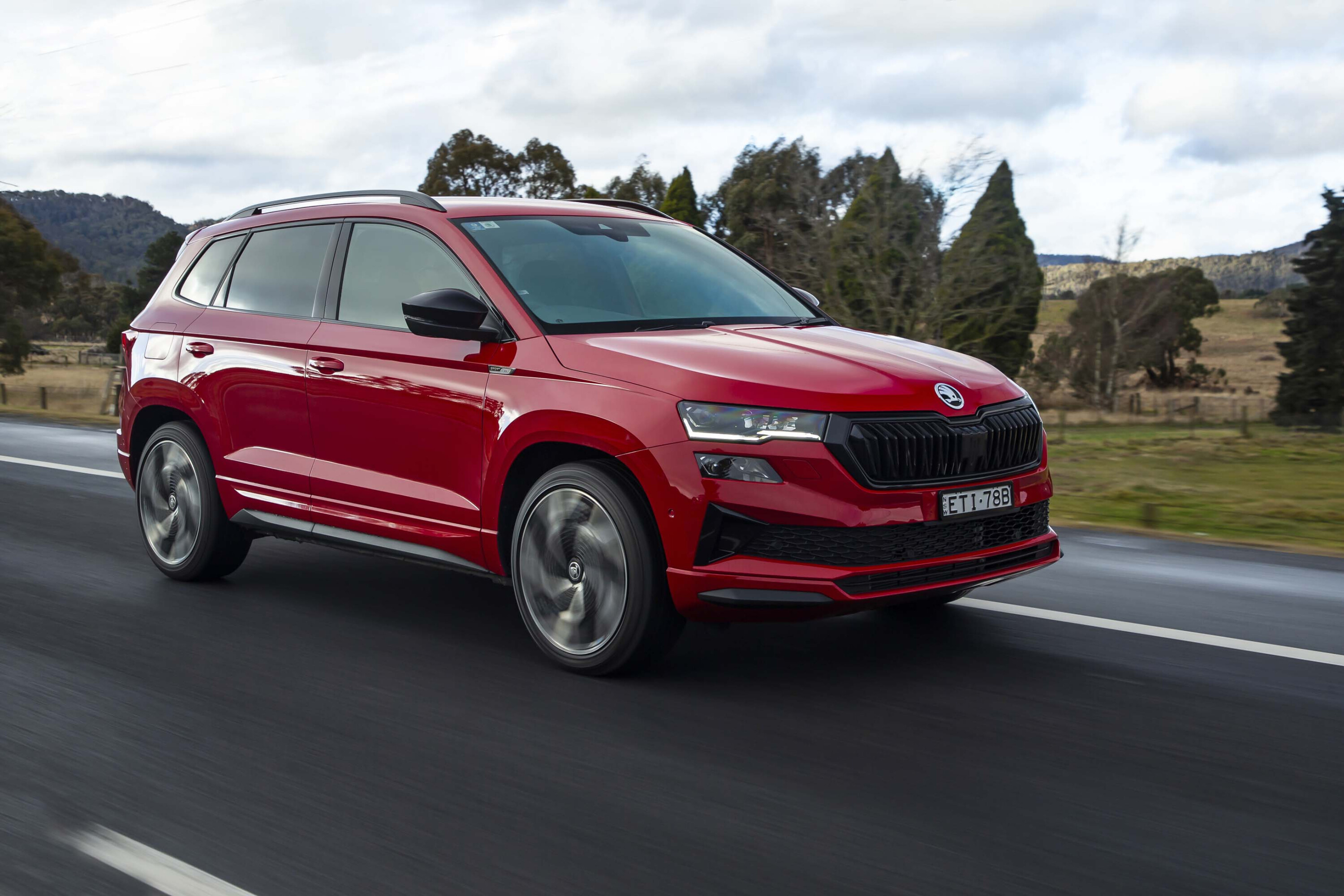
As before, Skoda offers various option packs, with the Style’s Tech pack and SportLine’s Premium Pack both adding $5700 to the price – a $200 reduction. Buyers can also choose a Leather package on its own for $4700.
There are no changes to the Karoq’s powertrains, meaning the 110kW/250Nm front driver continues as the entry-level with a 140kW/320Nm 2.0-litre turbo-petrol four-cylinder paired with all-wheel drive on SportLine variants.
| Skoda Karoq 2024 pricing | ||
|---|---|---|
| Variant | Price (drive-away) | Change (since August ’22) |
| Style 110TSI | $42,490 | Up $2500 |
| SportLine 140TSI | $52,490 | Up $2500 |
| Tech pack (Style) | $5700 | Down $200 |
| Premium Pack (SportLine) | $5700 | Down $200 |
| Leather Pack (SportLine) | $4700 | New |
To see full specifications see our original story, below.
UPDATE, August 2022: Karoq review
The refreshed 2023 Skoda Karoq is now on sale in Australia, and we’ve driven it. Get our full review and video at the link below.
The story to here
Snapshot
- Pricing starts from $42,990 drive-away
- Comes with $4000 more worth of standard equipment
- Two grades on offer: Style and Sportline
The updated 2022 Skoda Karoq is set to go on sale in Australia priced from $42,990, with deliveries due to commence in the last week of July.
The upgraded medium SUV now offers an additional $4000 worth of standard equipment, including fresh styling, advanced technologies and smart convenience features.
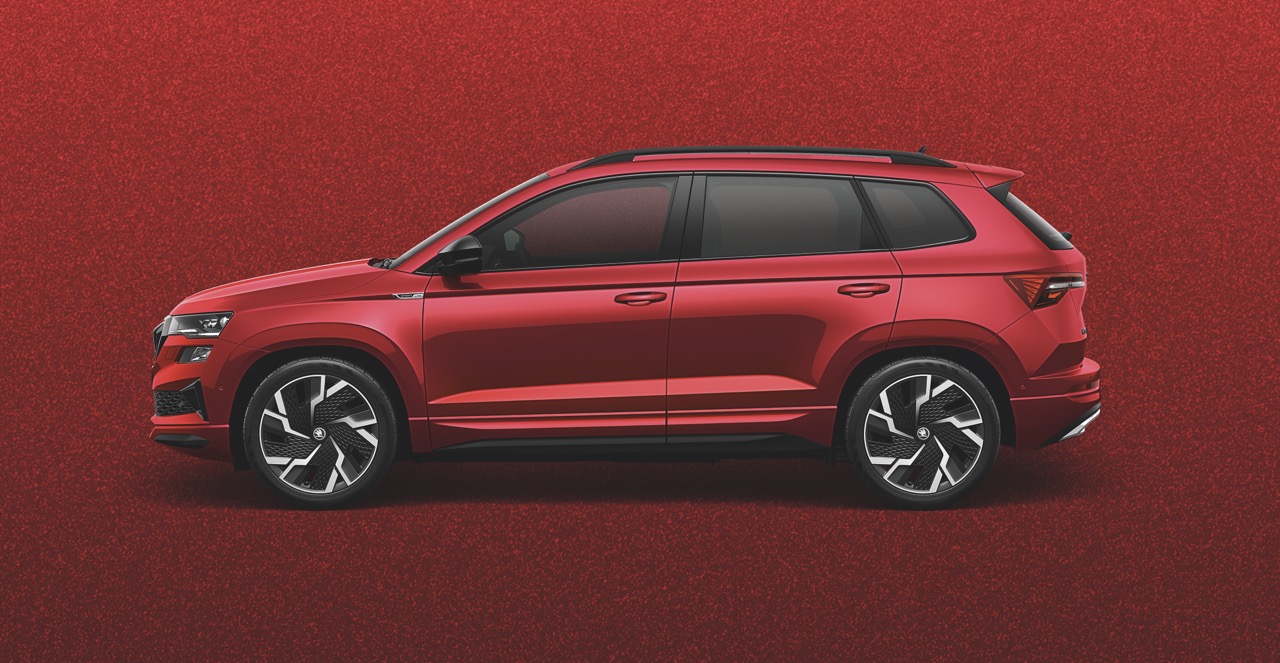
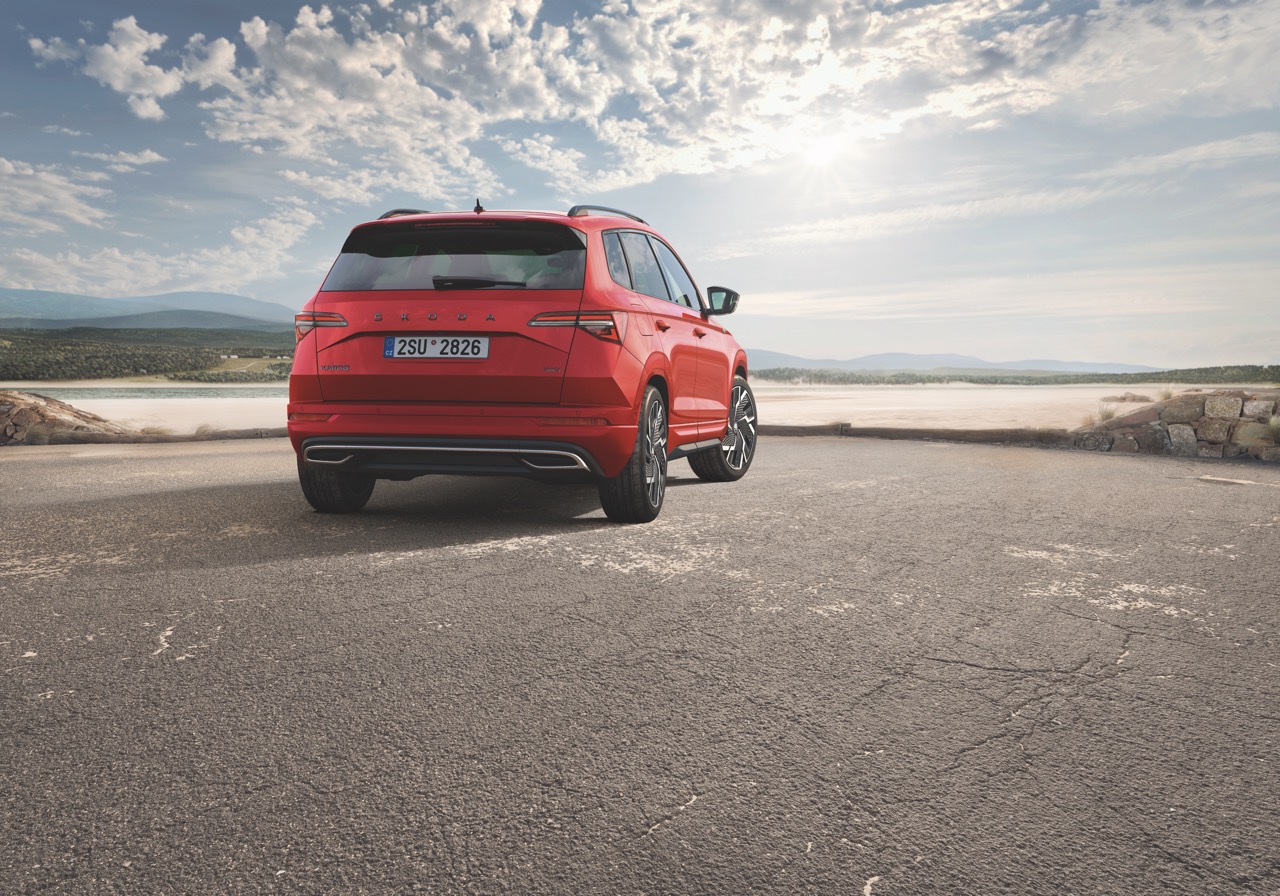
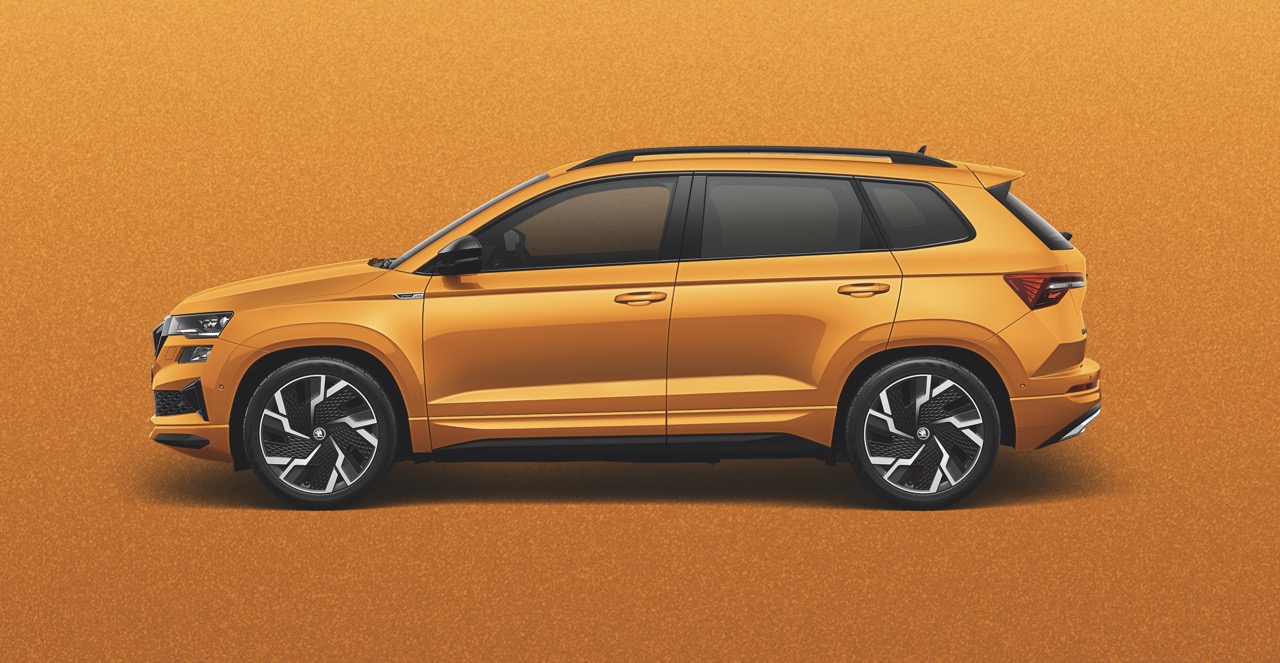
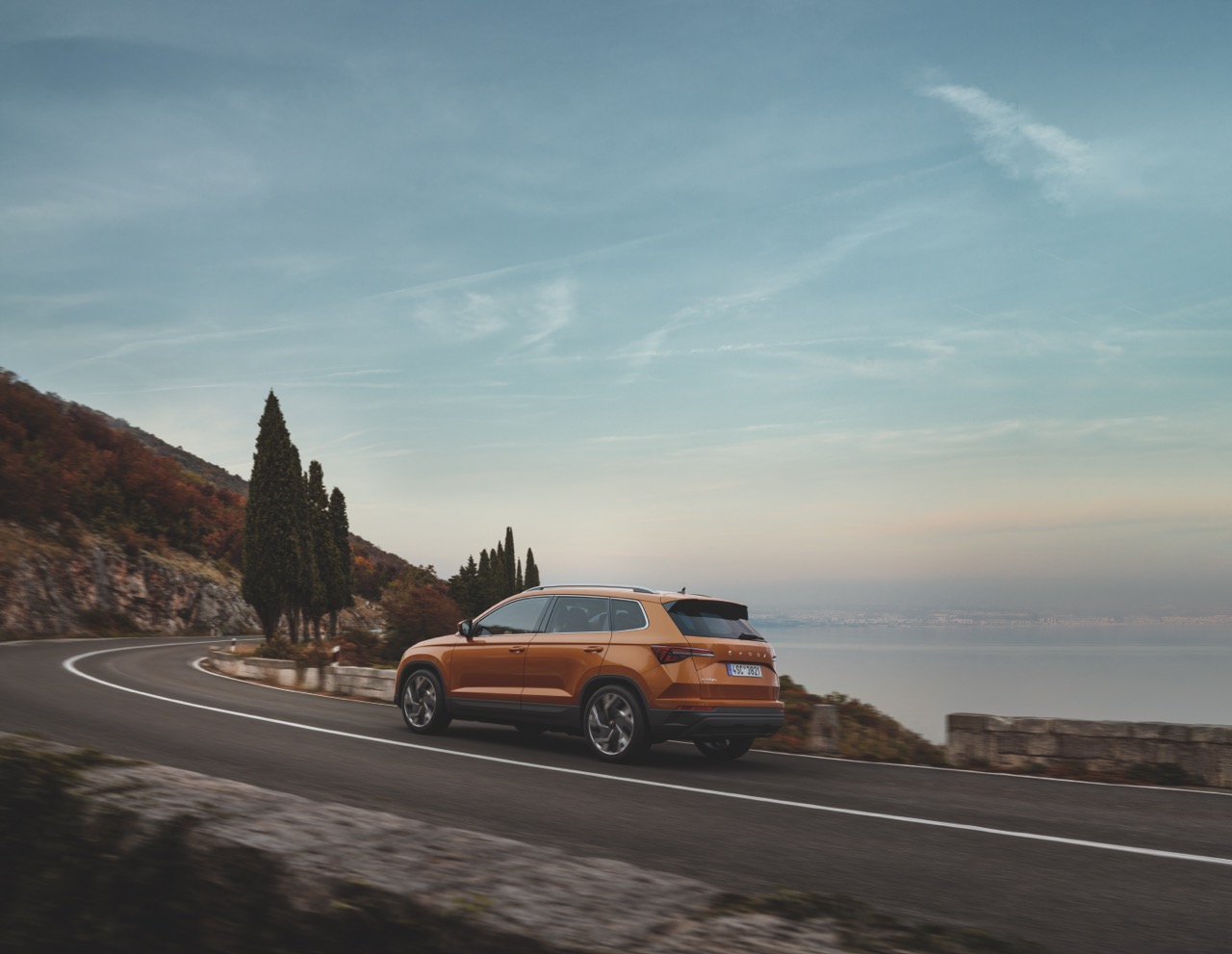
Skoda has redesigned the Karoq’s front end for MY22, making subtle changes to the LED headlights, grille, and bumper, while the rear gains slimmer tail-lights and a spoiler.
Along with revised alloy wheel designs and a new undertray, the Karoq has benefitted from a nine per cent improvement to its aerodynamics, reducing its drag coefficient to 0.30 – or roughly the same as a Ferrari LaFerrari.
Skoda’s national sales and planning manager, Kieran Merrigan, said the Karoq continues to offer customers “a best-of-all-worlds approach to medium SUV buying”.
“With design highlights like VarioFlex in the Karoq Style, Skoda can offer the practical smarts of a larger vehicle in a size that offers greater urban agility and lower weight for enhanced efficiency.
“Or, for those wanting the most emotional and engaging driving experience, no European medium SUV can touch the Karoq Sportline 4×4 for sporty fun and technology for under $50,000 drive-away.”
2022 Skoda Karoq Australian pricing
All prices are drive-away.
| Variant | Price |
|---|---|
| Style | $42,990 |
| Sportline | $49,990 |
Features
Style
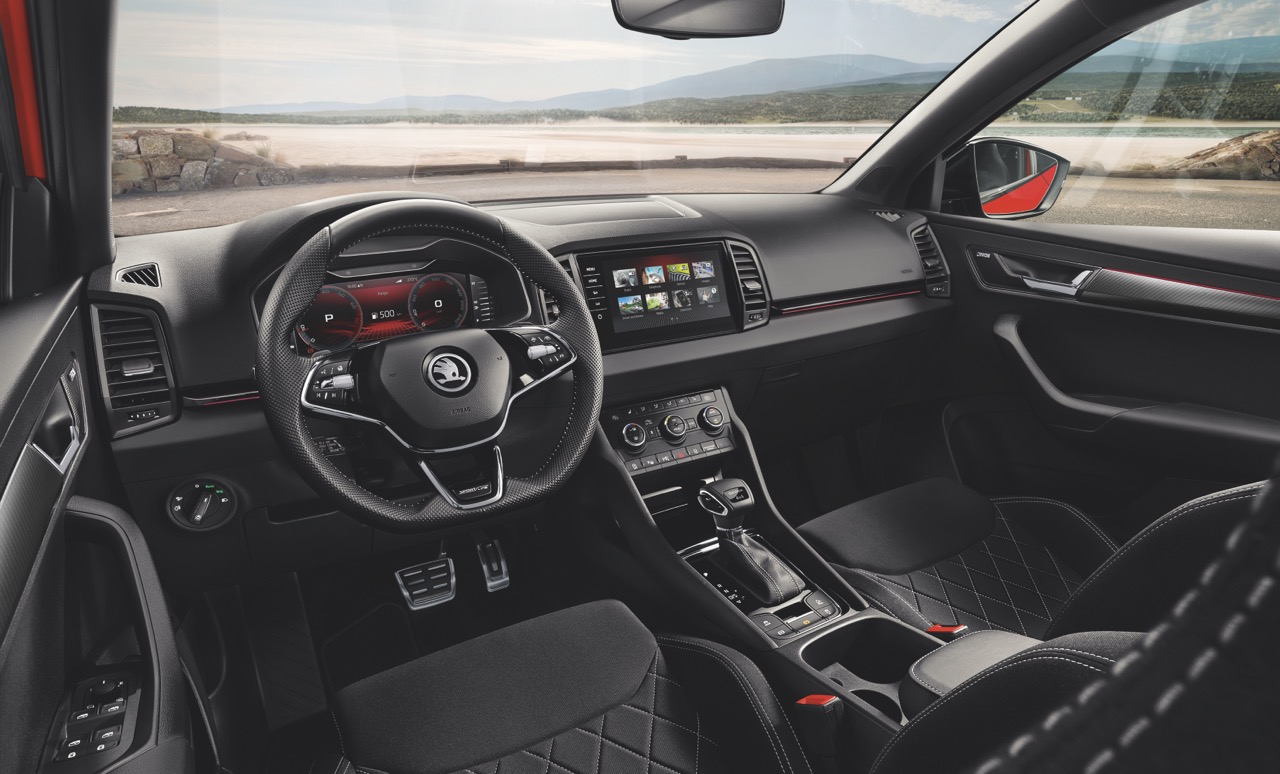
As standard, the base-spec Karoq gets:
| VarioFlex rear seat |
| 18-inch Miran alloy wheels, black |
| LED headlights |
| Fog lights |
| Full LED tail-lights with dynamic indicators |
| Electrically adjustable, power fold and heated side mirrors |
| Rear spoiler with silver roof rails |
| Virtual pedal u2013 hands-free opening and closing tailgate |
| Advanced Keyless Entry including Smart Start (KESSY) |
| Door welcome lights with Skoda logo |
| Light assist |
| Rain sensing wipers |
| Privacy glass |
| Footwell lighting front and rear |
| Reading lights in front and rear |
| Three-spoke multifunction leather sports steering wheel |
| Height-adjustable driver and passenger seat |
| Virtual Cockpit |
| 8-inch centre touch display |
| Digital radio |
| Eight speakers |
| Wireless phone charging |
| USB type-C |
| Dual-zone u2018Climatronicu2019 climate control |
| Luggage nets |
| Adaptive cruise control |
| Front and rear parking sensors |
| Manoeuvre braking assist |
| Front assist with city emergency brake |
| Multi-collision brake |
| Seven airbags |
| Tyre pressure monitoring system |
| Fatigue detection |
| Rear view camera. |
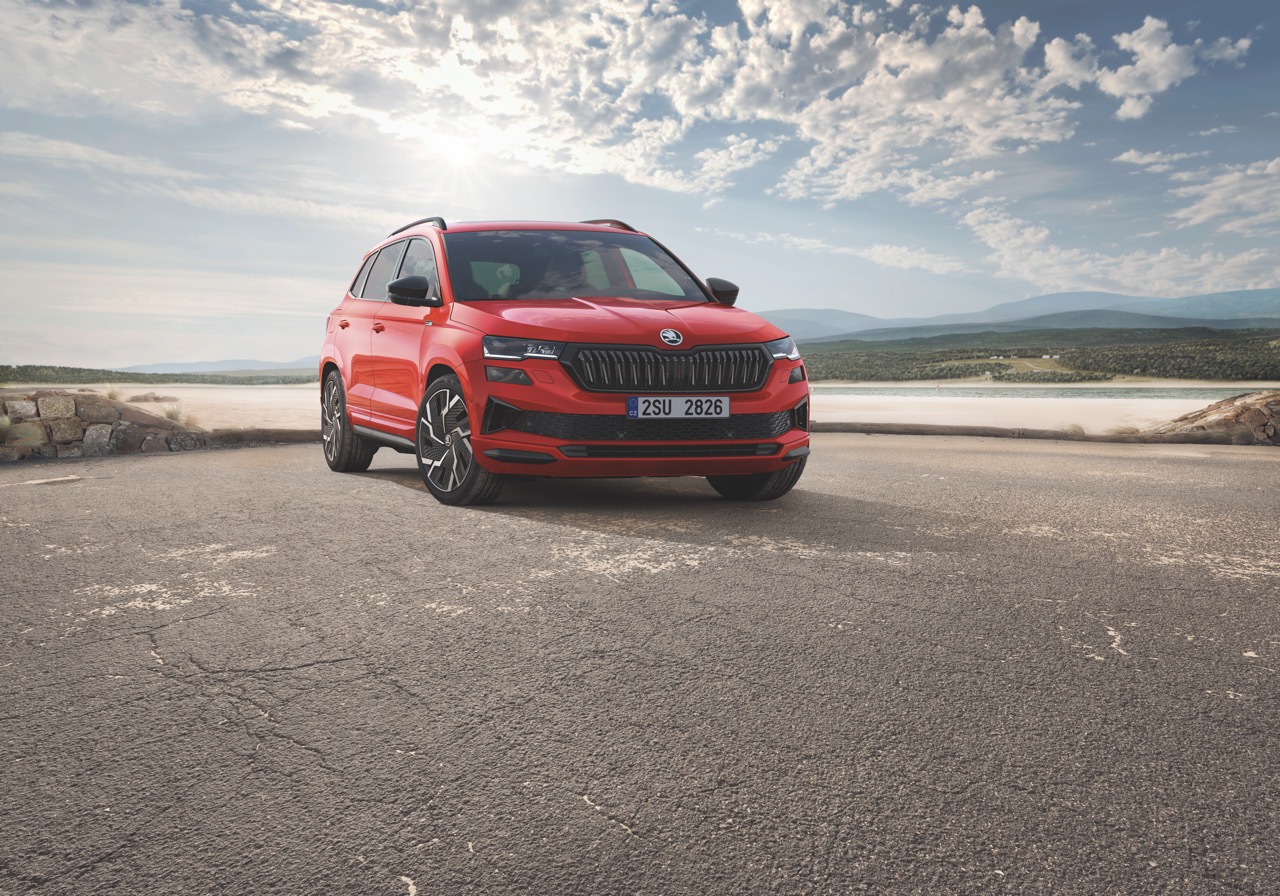
There are two option packs available for the Style variant, plus a panoramic sunroof and side steps as other costed extras:
| Option | Price |
|---|---|
| Tech Pack, includes: | $5900 |
| 9.2-inch satellite navigation with gesture control | |
| Full matrix LED headlights with adaptive high-beam | |
| Automatic parking assist | |
| Lane assist | |
| Surround area view camera | |
| Traffic jam assist | |
| Rear traffic alert | |
| Emergency assist | |
| Ambient lighting. | |
| Premium Pack, includes: | $10,900 |
| Leather appointed seat upholstery (black or ivory) | |
| Electric front seats with memory | |
| Front and rear-outboard heated seats | |
| Heat insulating windshield | |
| Heated steering wheel with DSG paddles and headlight washes. | |
| Panoramic sunroof | $1900 |
| Side steps | $1200 |
Sportline
Above the Style, the Sportline grade gains:
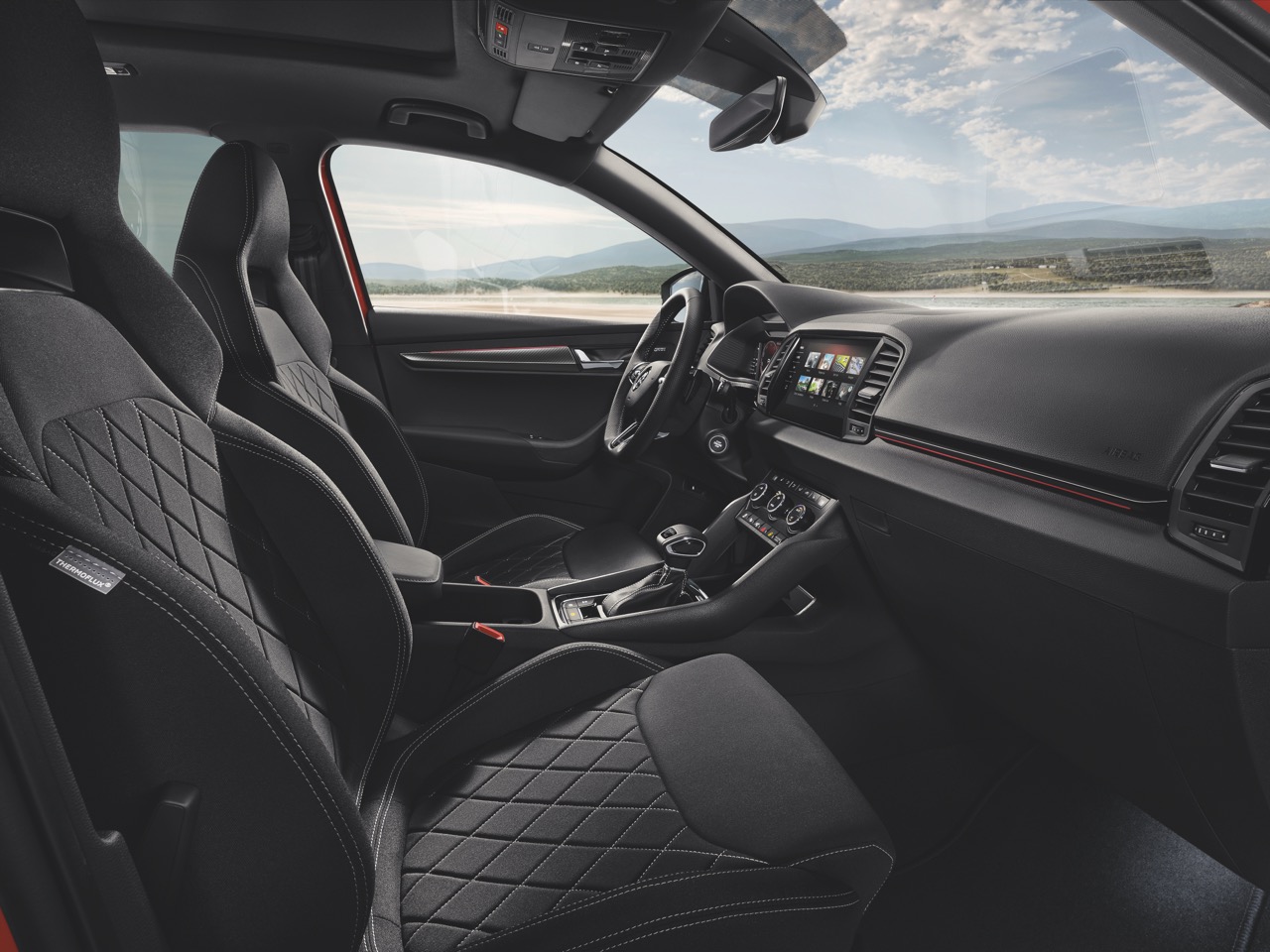
| Sports seats (replacing VarioFlex) with silver stitching |
| 19-inch Sagitarius alloy wheels, anthracite |
| Full Matrix LED headlights with adaptive front lighting system and adaptive high beam |
| Fog lights with corner function |
| Black shine radiator grille frame, door mirrors, roof rails and window frames |
| Black integrated rear diffuser with chrome-plated inserts |
| Black interior roof and pillar trim |
| Piano black decorative dashboard trim and carbon door trim |
| Stainless steel pedals |
| Three-spoke multi-function leather sports steering wheel with DSG paddles. |
There are three option packs available for the Sportline variant, plus the panoramic sunroof and side steps as well:
| Option | Price |
|---|---|
| Travel Pack, includes: | $2600 |
| 9.2-inch satellite navigation with gesture control | |
| Front and rear-outboard heated seats | |
| Heat insulating windshield | |
| Headlight washers | |
| Heated steering wheel. | |
| Tech Pack, includes: | $3500 |
| Adaptive chassis control | |
| Park assist | |
| Lane assist | |
| Area view camera | |
| Traffic jam assist | |
| Rear traffic alert and emergency assist. | |
| Premium Pack, includes: | $5900 |
| Travel Pack features plus Tech Pack features. | |
| Panoramic sunroof | $1900 |
| Side steps | $1200 |
Engine, drivetrain and fuel economy
The 2022 Skoda Karoq will continue to be offered with a choice of two engines.
Buyers can opt for either the 1.4-litre turbo-petrol four-cylinder engine, producing 110kW and 250Nm, coupled with an eight-speed automatic in the Style 110TSI, or a 2.0-litre turbo-petrol four, which sends 140kW and 320Nm to all four wheels through a seven-speed dual-clutch automatic transmission – propelling it from 0-100km/h in 7.3 seconds in the Sportline 140TSI variant.
Both Karoqs have a rated combined-cycle fuel efficiency of less than 7L/100km – 6.6L/100km in the Style and 6.9L/100km in the Sportline.
Safety
On the safety front, the updated Skoda gets travel assist, which incorporates up to eight features, including semi-autonomous radar cruise control with lane-keep assist and traffic sign recognition.
Also available is park assist, blind-spot monitoring, rear cross-traffic alert, and 360-degree parking cameras.
Side assist however has been deleted for MY22 due to semiconductor-related issues, set to return later this year for MY23.
Warranty and servicing
All new Skodas come with a five year/unlimited kilometre warranty.
Servicing options include the ‘prepaid’ service packs or ‘pay as you go’ subscription plans.
The transferable seven-year service package costs $2400, which includes the first three services for free, plus roadside assistance for the entire seven-year duration.
Existing customers can also purchase a ‘used car’ package, or ‘top up’ an existing three or five-year service plan to the full seven years.
Karoq customers can alternatively select a deal to match their mileage needs too. This includes ‘Value’, ‘Essential’ and ‘Complete’ plans – with roadside assistance and a service loan car. An owner travelling 15,000km per year will pay from $39.50 per month.
Snapshot
- Skoda puts RCTA and BSM back on the menu as standard items
- Various price changes applied to models across the range
Skoda has made blind-spot monitoring and rear cross-traffic alert standard features across its passenger car and SUV range as the Czech manufacturer leaves semiconductor shortages behind.
Model changes apply to Kamiq, Scala, Octavia, Karoq, and Kodiaq with price increases reflecting the added equipment on most models.
Jump ahead to the model that interests you.
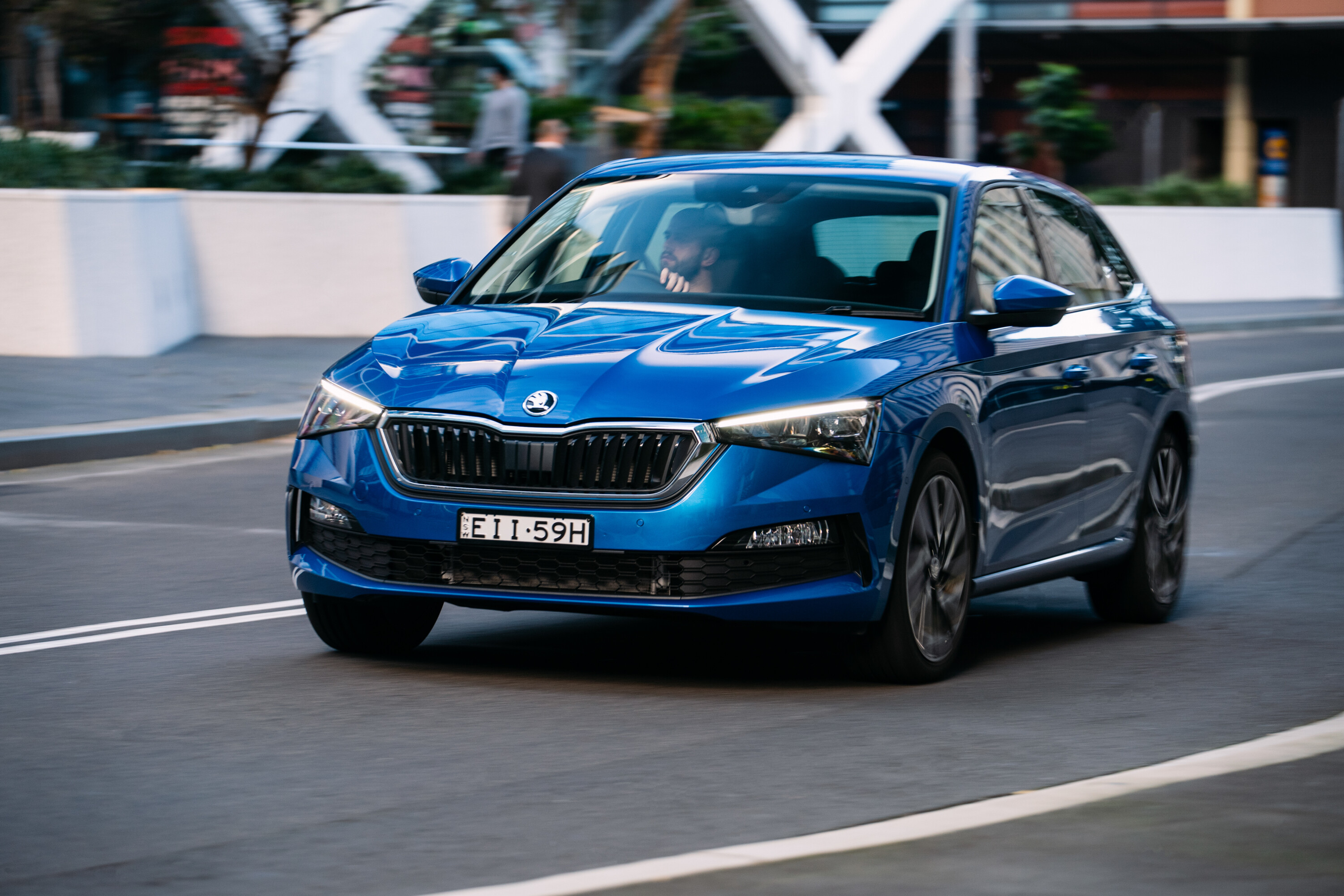
2024 Skoda Scala
A facelift is imminent, but Skoda has added rear cross-traffic alert and blind-spot monitoring to its small car in the interim.
Skoda’s raised the price of the entry-level Ambition 85TSI by a reasonable $500 for the privilege, now $33,990 drive-away.
Above that, the more luxurious Signature with its gruntier 110kW/250Nm four-cylinder, power tailgate, and leather/suedecloth upholstery now costs $42,490 drive-away.
| Skoda Scala 2024 pricing | ||
|---|---|---|
| Variant | Price (drive-away) | Change |
| Ambition 85TSI | $33,990 | Up $500 |
| Signature 110TSI | $42,490 | Up $1000 |
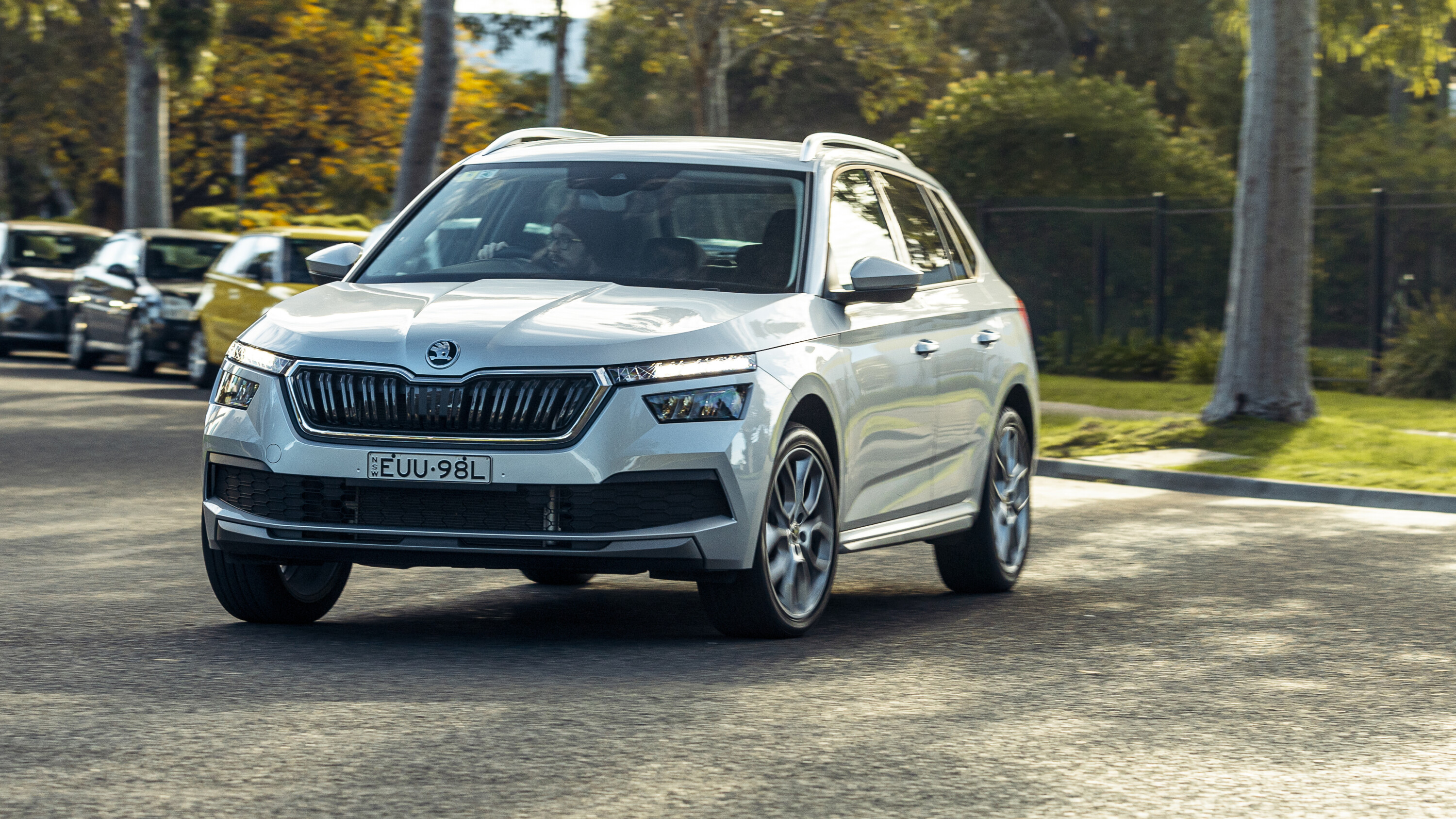
2024 Skoda Kamiq
Twinned with the Scala in its update timing, the more popular Kamiq small SUV also gets treated to some extra kit. Skoda also promises us that a new variant is on the way – perhaps a price-leader Ambition trim.
Despite getting $1250 worth of blind-spot monitoring and rear cross-traffic assist, the power tailgate-equipped Kamiq Style 85TSI remains at $37,990 drive-away.
The more powerful Monte Carlo and Signature variants with their 110kW/250Nm four-cylinder cylinders climb to $43,490 and $44,990 respectively – up $1000 and $1500.
| Skoda Kamiq 2024 pricing | ||
|---|---|---|
| Variant | Price (drive-away) | Change |
| Style 85TSI | $37,990 | No change |
| Monte Carlo 110TSI | $42,490 | Up $1000 |
| Signature 110TSI | $43,990 | Up $1500 |
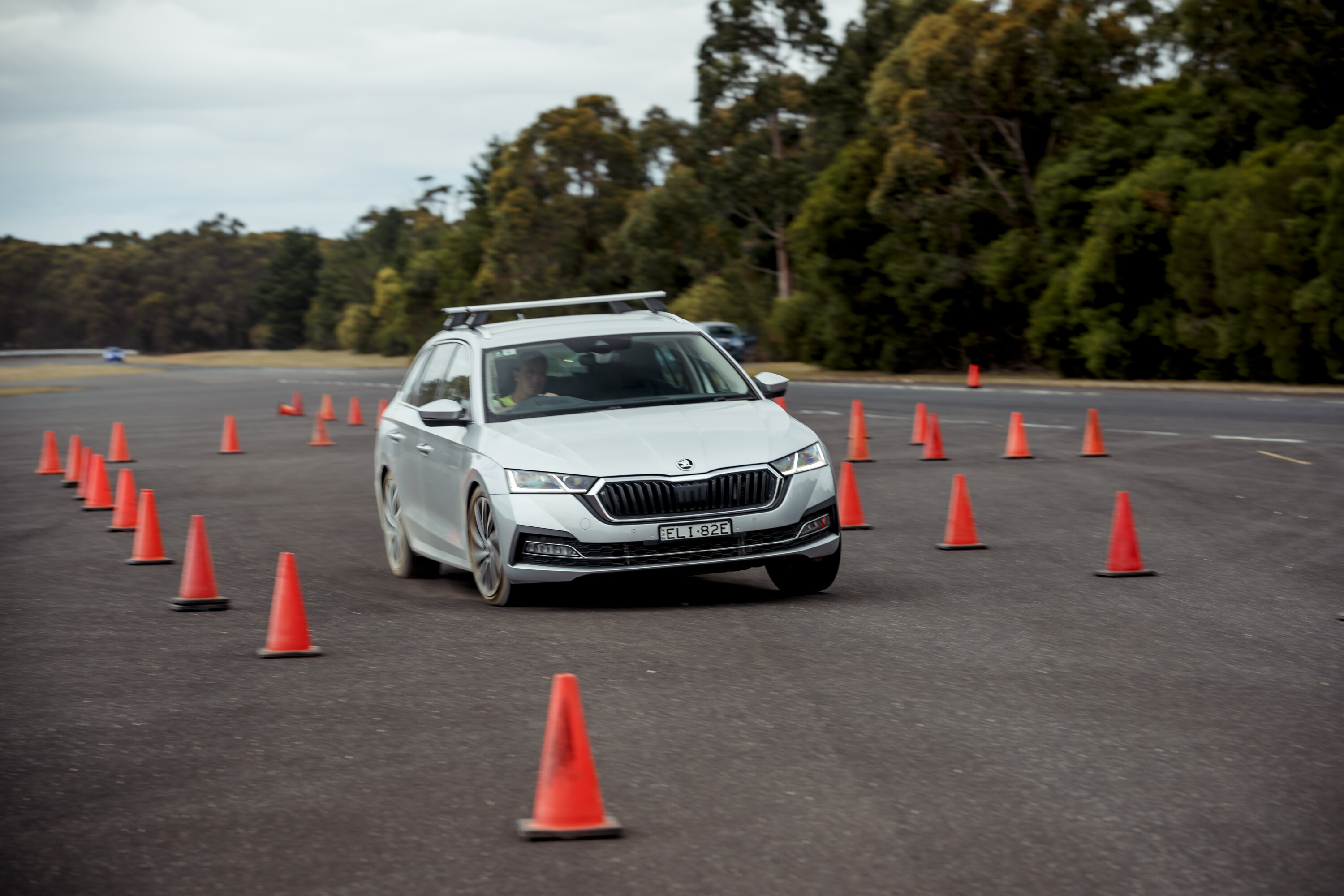
2024 Skoda Octavia
Along with rear cross-traffic alert and blind-spot monitoring, the Octavia style picks up power child locks, auto-dimming exterior mirrors and park assist for $42,490 drive-away – a $1500 increase – or $43,990 in wagon guise.
The mid-spec 140TSI Limited has been dropped, so the only other model is the sporty RS, commanding an additional $1000 at $56,990 drive-away in liftback form and $58,490 as a wagon.
Skoda has combined the Style’s Tech and Luxury packs into a single bundle for $5200, a $2000 discount from before reflecting the loss of heads-up display and adaptive dampers. The RS’s Premium pack gets an additional Canton sound system for $6600.
| Skoda Octavia 2024 pricing | ||
|---|---|---|
| Variant | Price (drive-away) | Change |
| Style 110TSI | $42,490 | Up $1500 |
| Style 110TSI wagon | $43,990 | Up $1500 |
| RS 180TSI | $56,990 | Up $1000 |
| RS 180TSI wagon | $58,490 | Up $1000 |
| Tech and Luxury pack (Style) | $5200 | New |
| Premium pack (RS) | $6600 | Up $1200 |
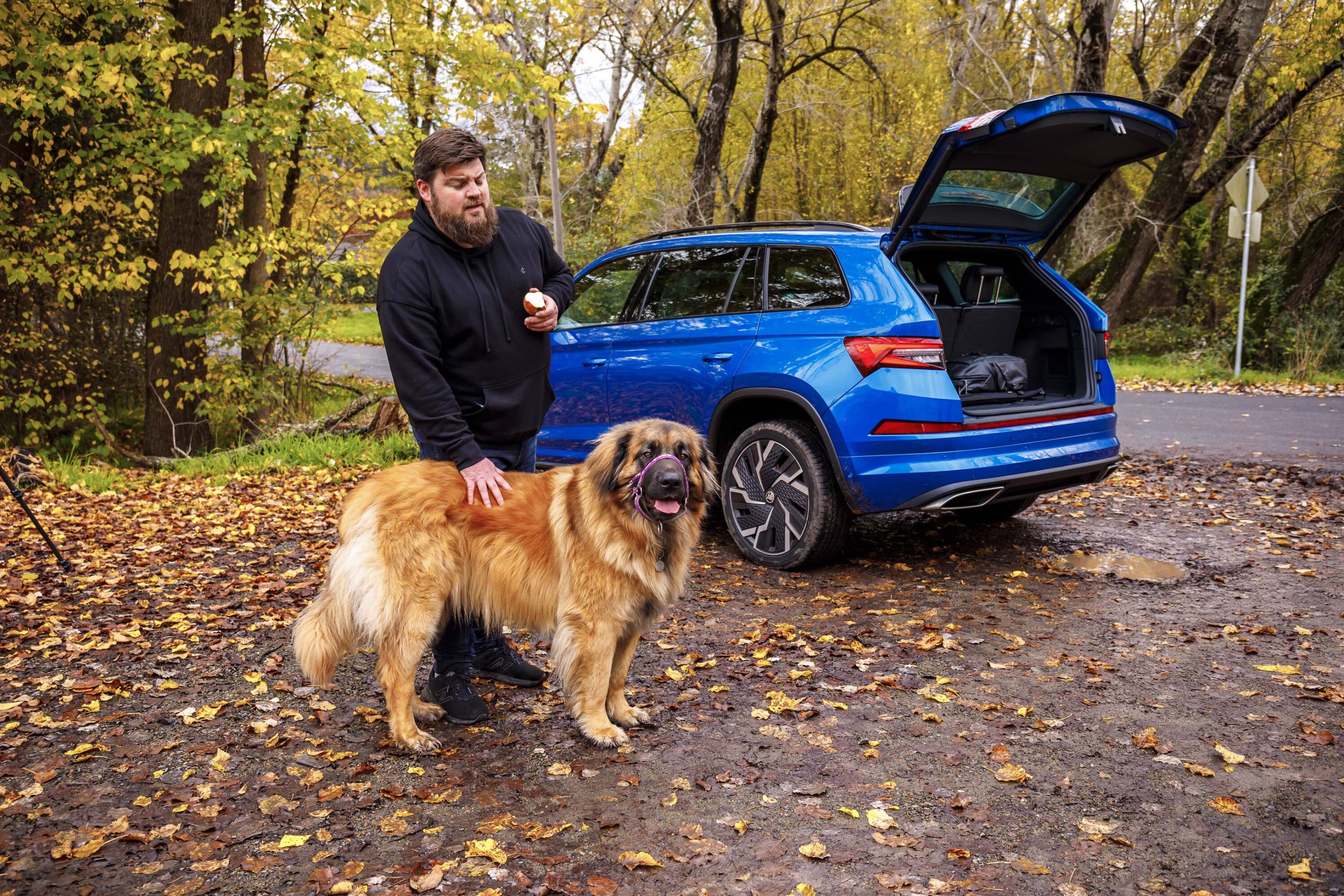
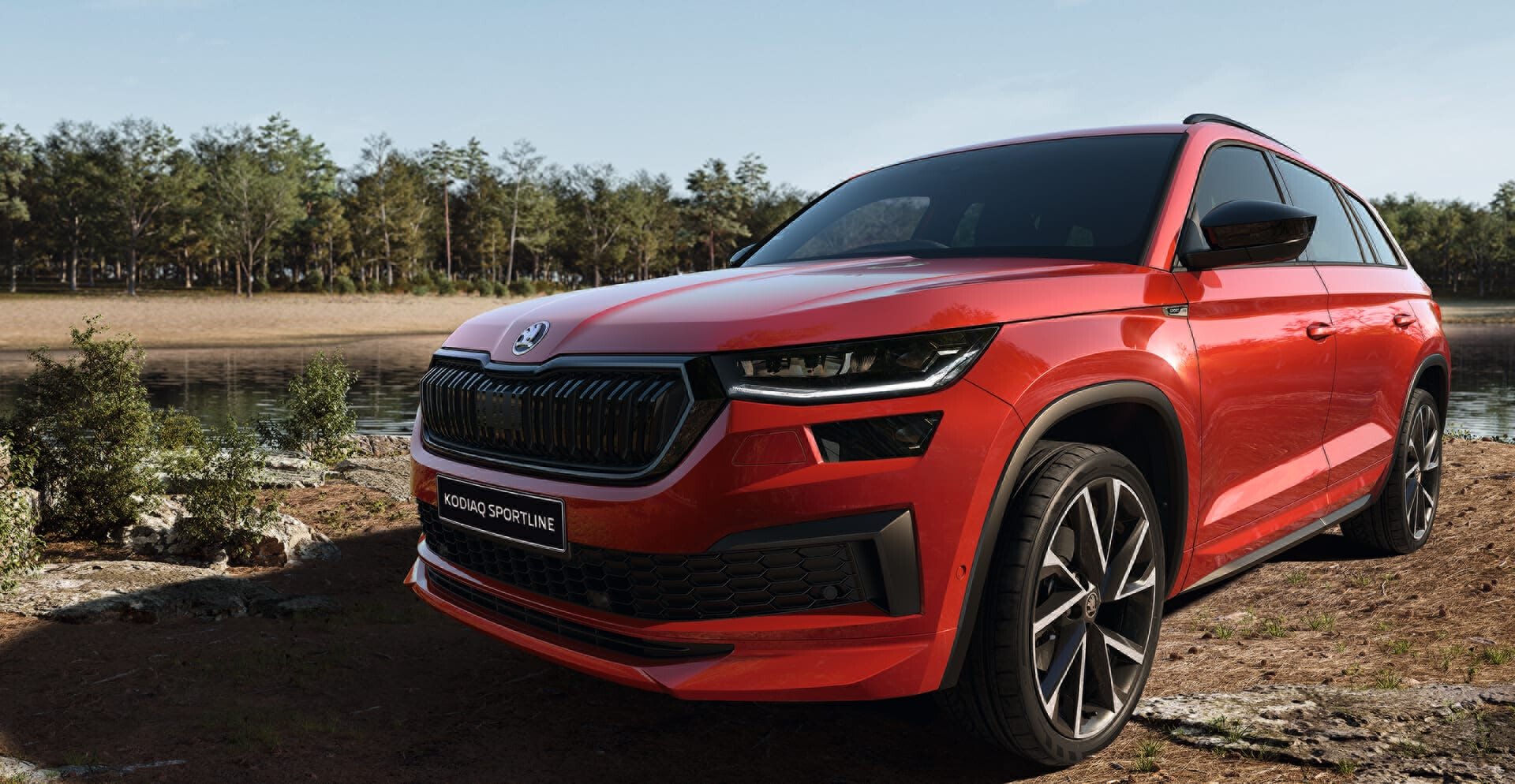
Skoda has announced 2024 model year changes to its range, with the seven-seat Kodiaq benefitting from rear cross-traffic alert and blind-spot monitoring, auto-dimming exterior mirrors and power child locks as standard.
The prices are up to $56,490 for the entry-level Style and $61,490 for the Kodiaq Sportline representing $1500 increases for the added safety technology that was previously a $1250 option (though excluding the power child locks and mirrors).
Skoda’s flagship Kodiaq RS (now $76,890 drive-away) gets all the above features with a 12-speaker Canton premium sound system thrown in – it’s $1900 dearer than before.
The Tech packs for Kodiaq Style ($3000) and SportLine ($2900) have climbed in price by $800 reflecting the addition of the Canton sound system to the bundle.
The tweaked Kodiaq is available to order from Skoda dealers now. Come 2024, an all-new model rolling on the same platform as the Skoda Supber will arrive with a fresh take on interior design.
For full specifications, see the original article below.
| Skoda Kodiaq 2024 pricing | ||
|---|---|---|
| Variant | Price (drive-away) | Change |
| Style 132TSI | $56,490 | Up $1500 |
| SportLine 132TSI | $61,490 | Up $1500 |
| RS 180TSI | $76,890 | Up $1900 |
| Tech pack (Style) | $3000 | Up $800 |
| Tech pack (SportLine) | $2900 | Up $800 |
Our original story, below, continues unchanged
March 2022: Facelifted Skoda Kodiaq launches in Australia
Snapshot
- Updated SUV set to land in the coming weeks
- Petrol engines only, producing 132kW to 180kW
- Prices start from $52,990 drive-away
Skoda has announced the Kodiaq RS is also now available to order, with the sporty model dropping its previous diesel engine for a 2.0-litre turbocharged four-cylinder petrol unit.
As well as being 58 kilograms lighter, the new turbo-petrol engine sends 180kW and 370Nm to all four wheels through an automatic seven-speed dual-clutch transmission, allowing for a claimed 0-100km/h time of 6.6 seconds.
The story to here
December 7: Skoda has announced the facelifted 2022 Kodiaq will arrive in Australia in the coming weeks in 132TSI form, with the flagship RS variant set to touch down later in the first quarter of 2022.
The brand has also confirmed drive-away pricing for its refreshed large SUV. This article has been updated to reflect the new information.
August 5: The updated seven-seat 2022 Skoda Kodiaq is set to arrive in Australia later this year, priced from $48,540 before on-road costs.
It can be ordered in three variants – Style, SportLine and the hero Kodiaq RS – with no diesels on offer.
The absence of a diesel engine is nothing new in the case of the entry-level and mid-range cars, with the 140TDI diesel option dropped in 2019. But it’s an important detail for RS buyers, given the outgoing model had used a 176kW/500Nm 2.0-litre twin-turbo diesel.
The renewed 2022 Kodiaq RS has gone petrol only in Australia, introducing a familiar engine to the SUV’s line-up.
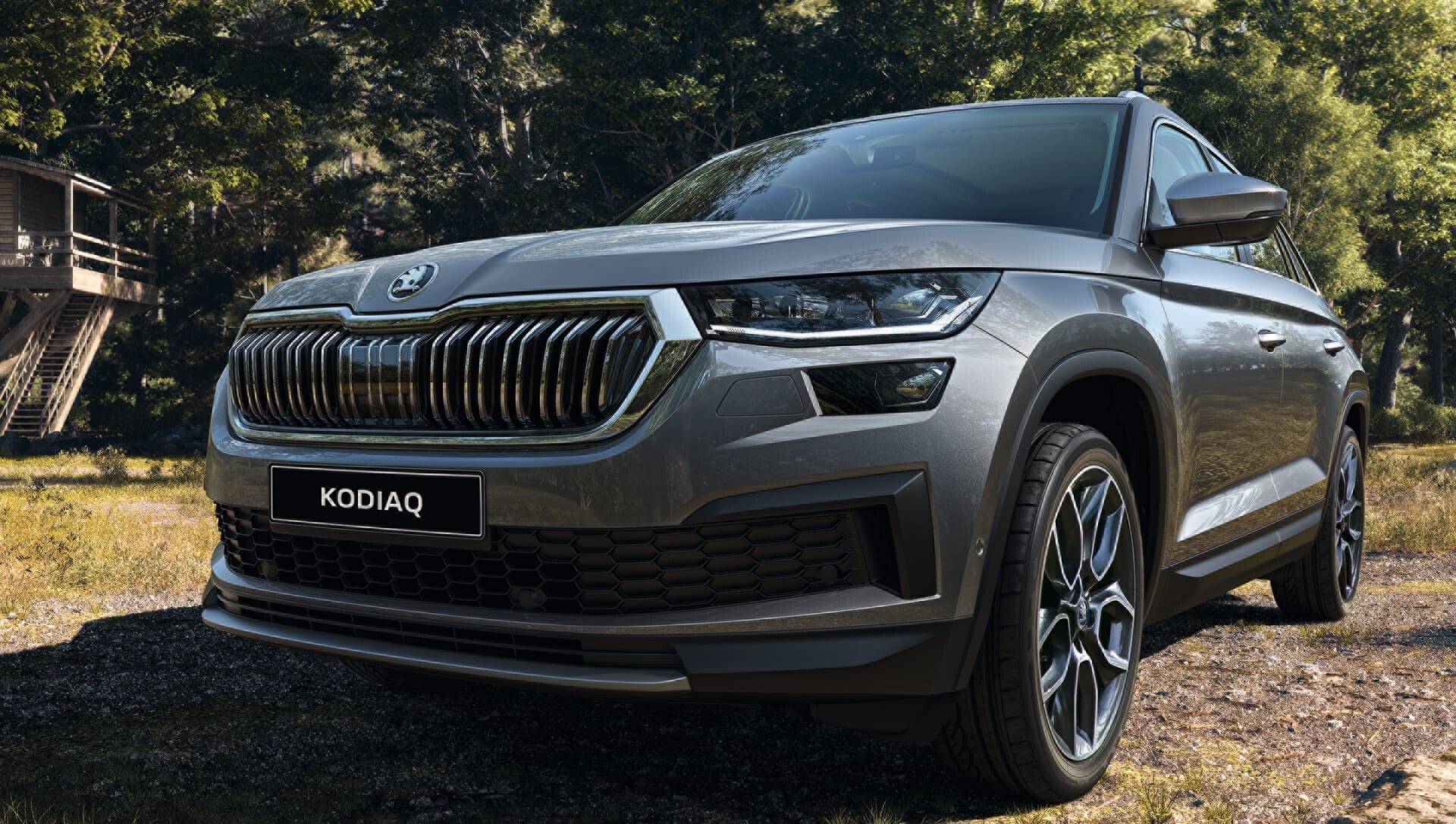
2022 Skoda Kodiaq Australian pricing
Recommended retail prices have increased slightly for the 2022 Kodiaq Style and Sportline, each being bumped up by $2150 and $3050 respectively, while the RS has come down slightly – coming in $1450 cheaper than the outgoing diesel-powered model.
Additionally, the Czech brand has also announced national drive-away pricing for the facelifted Kodiaq, all listed below, with the entry-level Style available from just over $50,000, and the flagship RS topping out the range just a tad under $75,000.
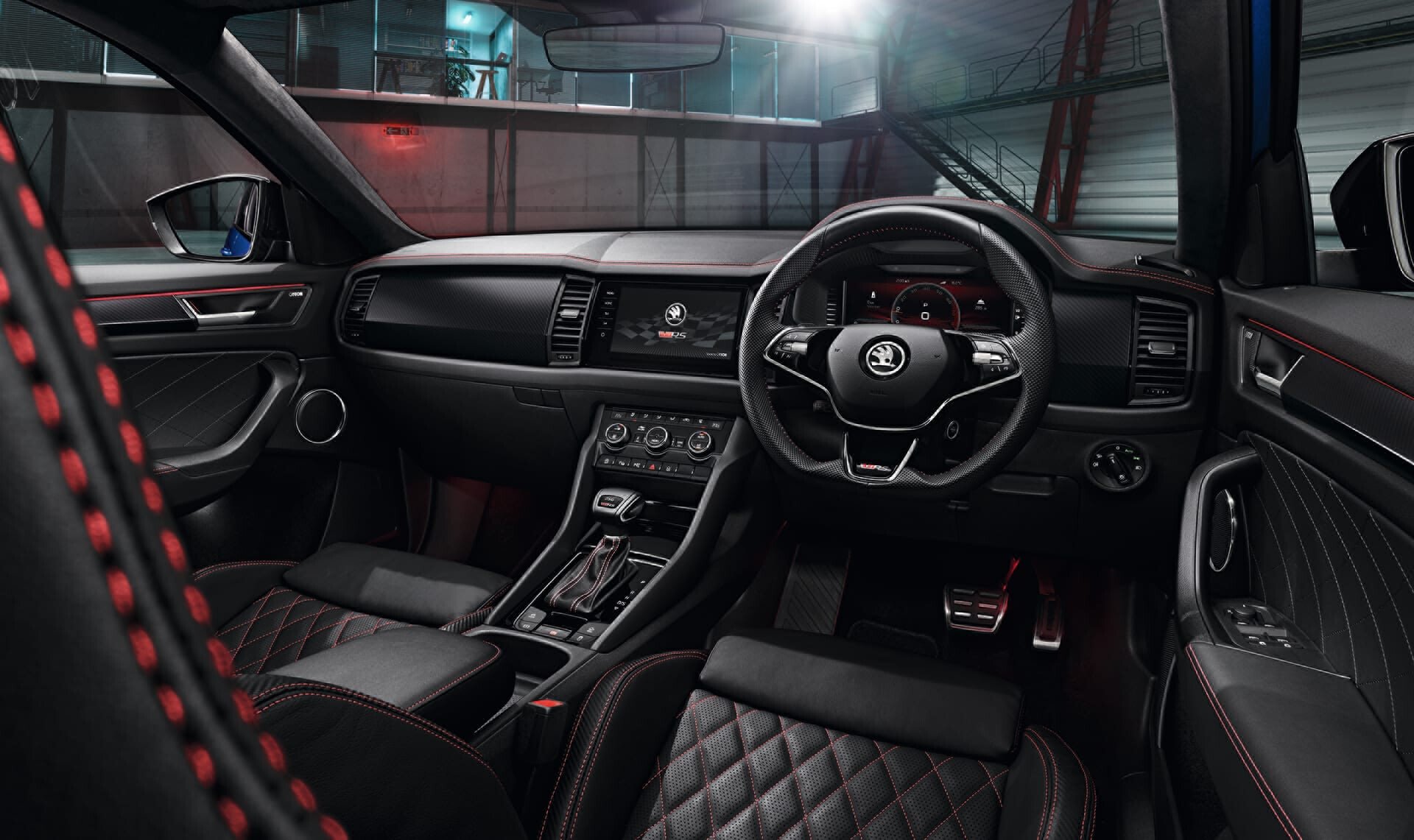
Features
Out of the three versions available in Australia, the Style will serve as the entry-level variant upon which the others are based, featuring as standard:
Style
| Full-LED headlights |
| LED tail-lights |
| Dynamic rear LED indicators |
| Gloss black spoiler |
| 19-inch Crater wheels |
| Leather-appointed seats |
| Three-spoke leather steering wheel |
| Aluminium effect trim |
| Nine airbags |
| Front assist with predictive pedestrian protection and city emergency brake |
| Adaptive cruise control with stop and go |
| Electric tailgate |
| Rear view camera |
| 9.2-inch Columbus infotainment system |
| 10.25-inch virtual cockpit |
| Wireless Apple CarPlay and Android Auto |
| USB-C port for infotainment, plus one in the rear-view mirror for dash-cams. |
SportLine
Stepping up from the Style is the SportLine, featuring the same powertrain but adding as standard:
| 20-inch Vega anthracite wheels |
| Full matrix LED headlights |
| Adaptive high beam |
| Black trim |
| Alcantara sports seats |
| Grey interior stitching |
| Ambient LED lighting |
| Auto-dimming exterior mirrors |
| Electronically adjustable driver’s seat with memory function |
| Driving mode selection |
| Progressive steering. |
Kodiaq RS
Finally, the range-topping RS adds:
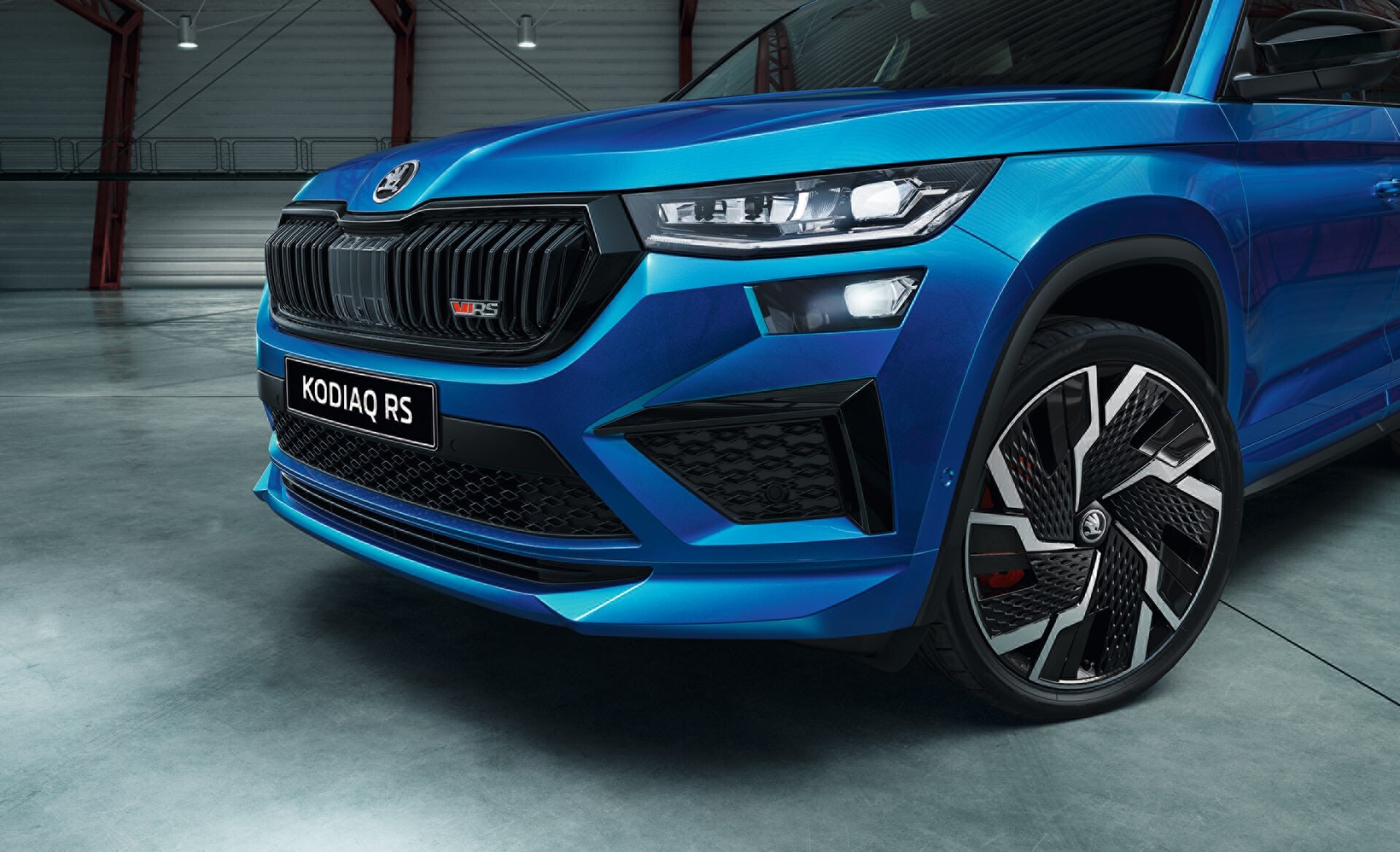
| Hexagonal grille |
| vRS-specific front bumper |
| 20-inch Sagittarius wheels with optional aerodynamic covers |
| Red interior stitching |
| Blind spot detection |
| Park assist |
| Traffic jam assist |
| Lane-keep assist |
| Emergency assist |
| Rear-cross traffic alert |
| Front and rear heated seats |
| Front ventilated electrically adjustable seats |
| Three-zone climate control |
| 12-speaker 625W Canton sound system |
| Hands-free electric tailgate |
| 360-degree camera |
| Panoramic sunroof. |
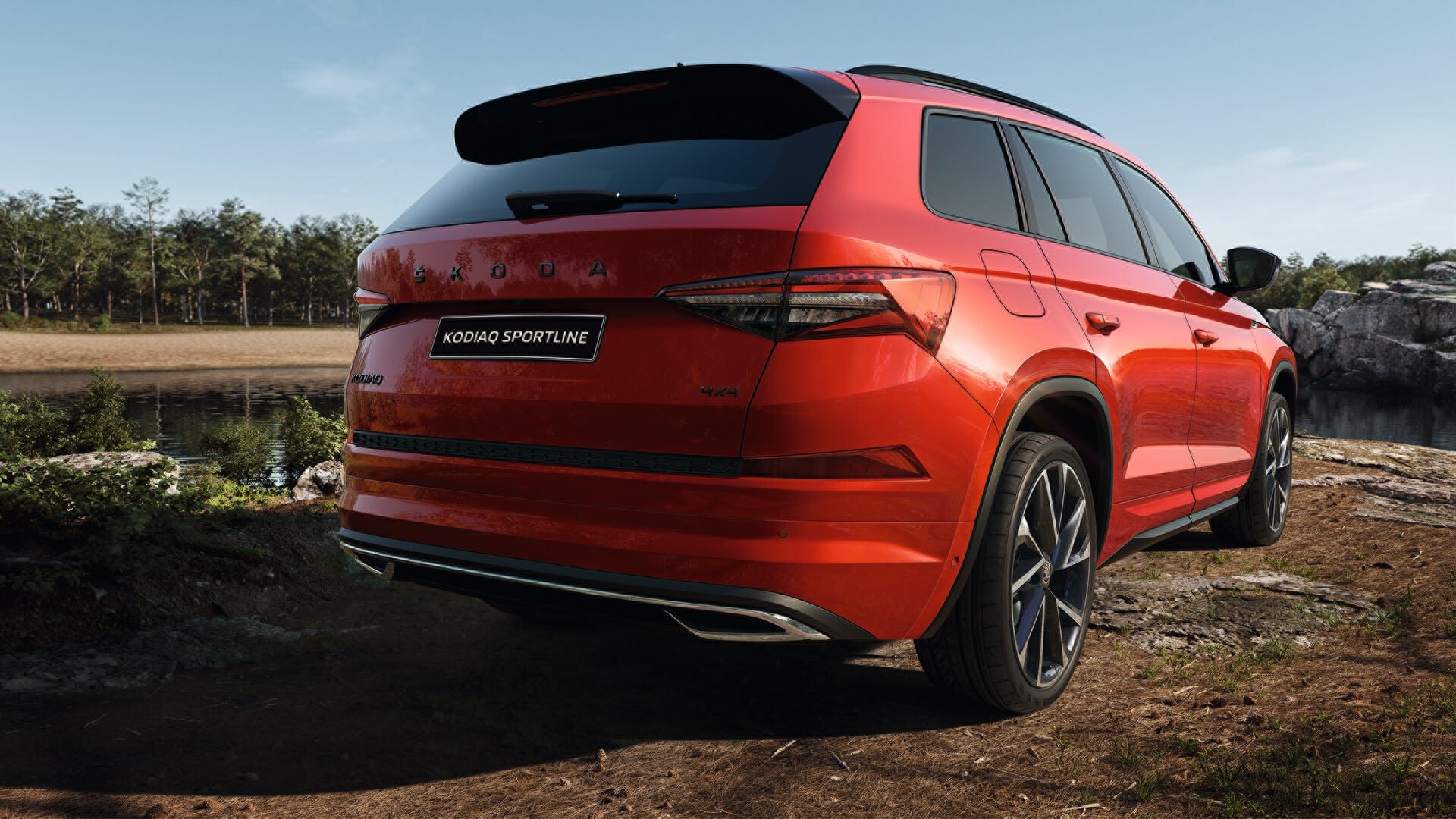
Optional extras
The Style and Sportline are available with a range of optional extras:
| 19-inch Cursa alloy wheels u2013 $300 (N/A on RS) |
| Panoramic sunroof u2013 $1900 (std. on RS) |
| Towbar with trailer assist (factory fitted) u2013 $2200 |
| Towbar (dealer fitted) u2013 $2300 |
| Leather seats with ventilation (SportLine only) u2013 $1900 |
| Side steps u2013 $1400. |
Buyers can choose metallic and pearl effect paint for an extra $770, while velvet red is available as a colour option on the Sportline and RS for a premium of $1100.
Beyond this, two packages are also on offer for the Style and Sportline, each providing equipment not otherwise available.
Tech Pack – $3000 (Style), $2900 (Sportline)
| Adaptive chassis control with driving mode selection |
| Premium Canton sound system (12 speakers, digital equaliser) |
| Automatic parking assist |
| Virtual pedal for hands-free electric tailgate opening and closing |
| Off-road mode driving assistant for difficult conditions |
| Sleep package. |
Luxury Pack – $6500 (Style), $3700 (Sportline)
| Full matrix LED headlights with dynamic headlight range control and cornering light (standard on Sportline) |
| Electrically adjustable front seats with memory function (standard on Sportline) |
| Side assist with blind-spot detection |
| Lane assist |
| Heated front and rear seats |
| 360-degree camera system |
| Electrically adjustable passenger seat |
| Perforated leather appointed seat upholstery (black or ivory) (standard on Sportline) |
| Ventilated front seats (standard on Sportline) |
| Traffic jam assist |
| Emergency assist |
| Rear traffic alert |
| Three-zone climate control |
| Automatically foldable door mirrors with auto dimming, memory function and LED environmental lights (standard on Sportline) |
| Three-spoke multifunction heated sports steering wheel with DSG paddles (standard on Sportline). |
Engine, drivetrain and fuel economy
All Australian-delivered Skoda Kodiaqs will come with all-wheel drive and a seven-speed dual-clutch automatic gearbox, missing out on the six-speed manual and front wheel drive versions available in Europe.
Also in contrast to European models, Australia loses out on the two diesel engines – with the RS now only powered by a petrol engine.
The Style and Sportline’s engines are retained from the current Kodiaq – a turbocharged four-cylinder, 2.0-litre petrol unit developing 132kW and 320Nm.
In the RS is the higher-performance turbo four-pot which comes in the Octavia RS and VW Golf GTI, making 180kW/370Nm to propel the Kodiaq from 0-100km/h in 6.2 seconds.
A little more power, a lot less torque – but a quicker claimed 0-100km/h time, beating the previous model’s 6.9-seconds.
The new petrol engine in the RS is 60 kilogram lighter than the outgoing diesel, while the DSG gearbox has stripped another 5.2kg off – bumping the top speed up to 230km/h.
No local fuel economy figures for the 2022 Kodiaq have been released, however the outgoing model is listed at 7.6L/100km in 132TSI guise, while the RS has a claimed figure of 8.7L/100km in Europe.

Dimensions
Exterior dimensions remain unchanged from the outgoing Kodiaq, with the SUV measuring at 4697 millimetres in length, 1882mm in width, 1685mm tall and with a wheelbase of 2791mm.
Boot space for the 2022 update of the seven-seater hasn’t been confirmed, but in the existing model, space is listed at 2005 litres with all rear seats laid flat, 560 litres with just the third row down and 270 litres with both rear rows in their upright positions.
Warranty and servicing
As with all Skodas sold in Australia, the 2022 Kodiaq will be sold with a standard five-year/unlimited-kilometre warranty, as well as 12 months’ roadside assistance.
A temporary seven-year warranty is available on new Skoda models sold until December 31, 2021.
While service pack pricing hasn’t been released for the new Kodiaq, it is likely to follow its predecessor’s three-year/45,000km or five-year/75,000km options, priced at $900 and $1700 respectively.
Snapshot
- 2024 Audi A1, A3, A4, A5, A6, A7, Q2, Q3 & Q5 updates confirmed
- Adaptive cruise control now standard across Audi’s line-up
- Pricing still to be confirmed
Audi Australia has confirmed adaptive cruise control and other active safety features will become standard range-wide.
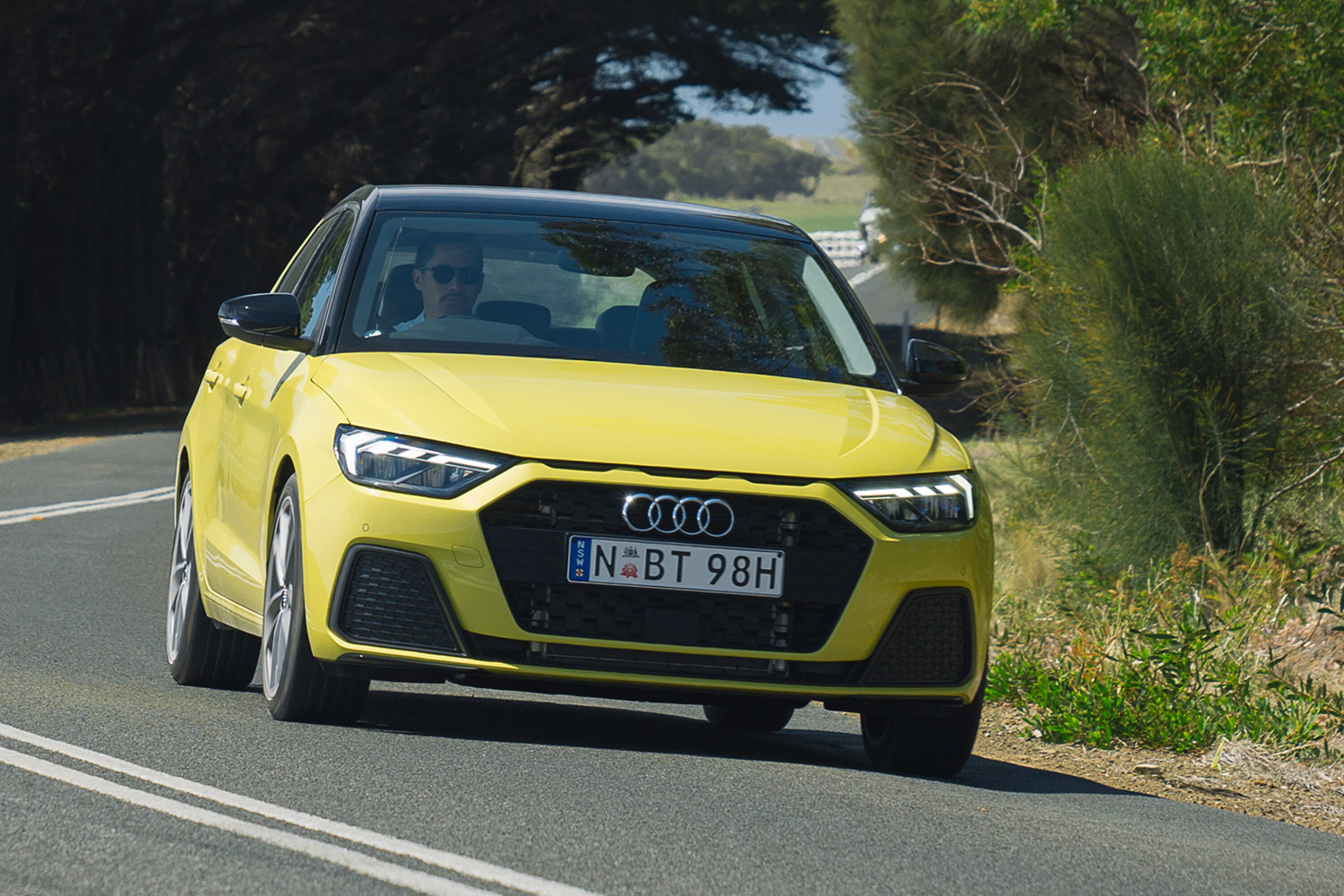
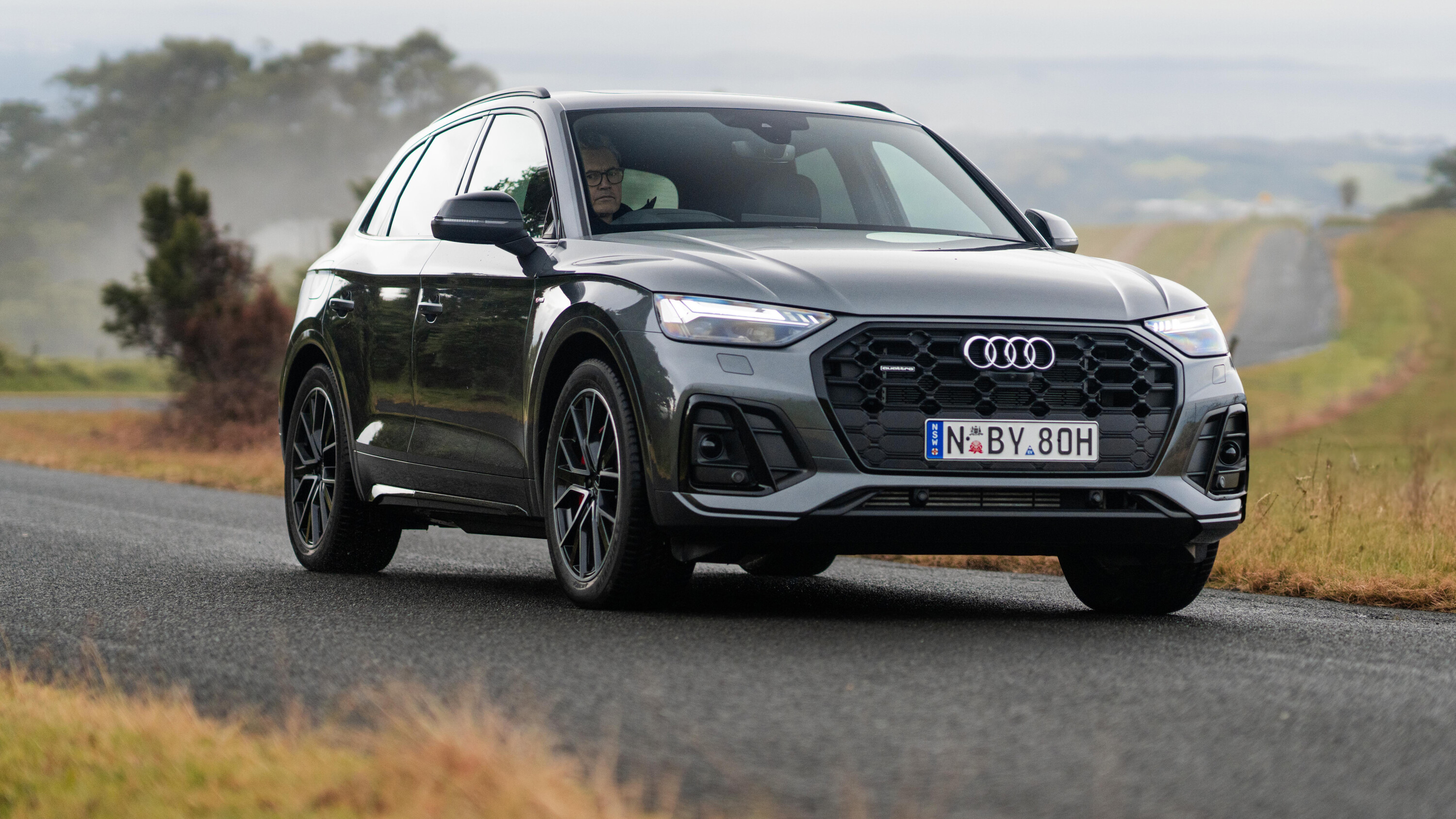
From model year 2024, the Audi A1, A3, A4, Q2, Q3 and Q5 will receive adaptive cruise control as standard, with the technology previously restricted to select option packages for certain variants.
Traffic jam assist, lane-keep assist, and Audi’s ‘pre-sense’ system to activate the hazard lights, tighten the front seatbelts and close the windows when a possible collision is detected are also standard.
Audi has also confirmed “several new paint colours and minor design changes across the range”.
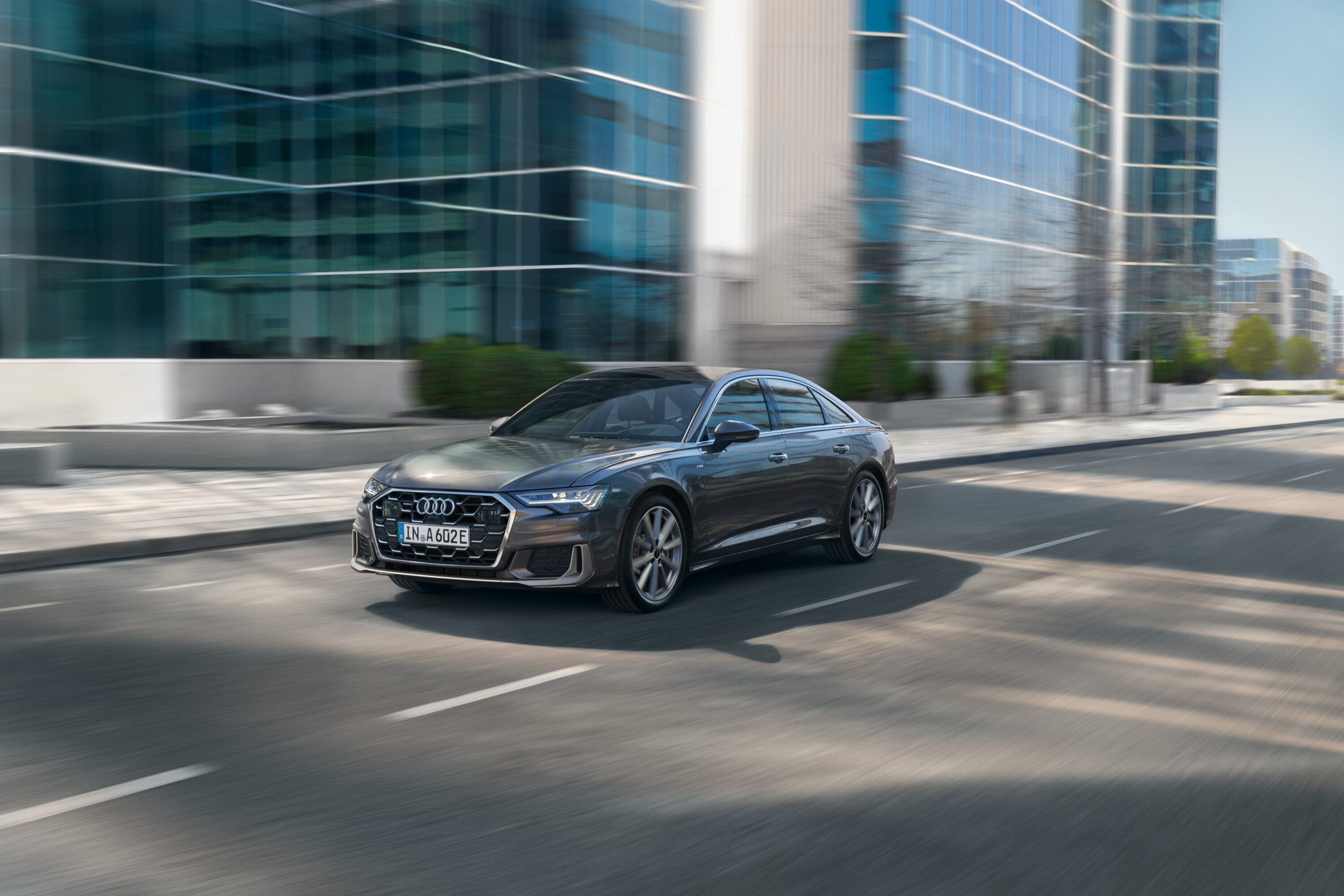
The Audi A6 and A7 will receive the minor facelift introduced in Europe earlier this year.
Pricing for the 2024 Audi range will be detailed soon, with the brand confirming a “slight shift in prices”.
“These equipment changes will be seen on incoming MY24 vehicles in a phased approach; due to start arriving from September and in the months following, dependant on specific model variants and their expected arrival dates,” said Audi Australia.
2024 Audi A1 changes
2024 Audi A3 changes
| A3 | |
|---|---|
| Adaptive cruise assist with active lane assist | Audi pre sense basic (initiates safety measures early on in critical situations such as tensioning of the front seat belts) |
| Audi pre sense front | Rear USB type C ports with charging function. |
| S3 |
|---|
| Rear USB type C ports with charging function |
| Audi pre sense basic (initiates safety measures early on in critical situations such as tensioning of the front seat belts) |
2024 Audi A4 changes
2024 Audi A5 changes
2024 Audi A6 changes
2024 Audi A7 changes
2024 Audi Q2 changes
2024 Audi Q3 changes
2024 Audi Q5 changes
Snapshot
- GM could return to Australia with the Cadillac brand
- Cadillac will make select EV models in right-hand drive, according to reports
- Cadillac Lyriq, Optiq and Escalade IQ are tipped to form the three-strong line-up
General Motors is poised to make a spectacular return to Aussie roads with the Cadillac brand, if fresh reports out of America are to be believed.
Rumours that Cadillac is planning to build its cars in right-hand drive have been building for some time, with several electric models apparently earmarked for Australia and other key markets like the UK and New Zealand.
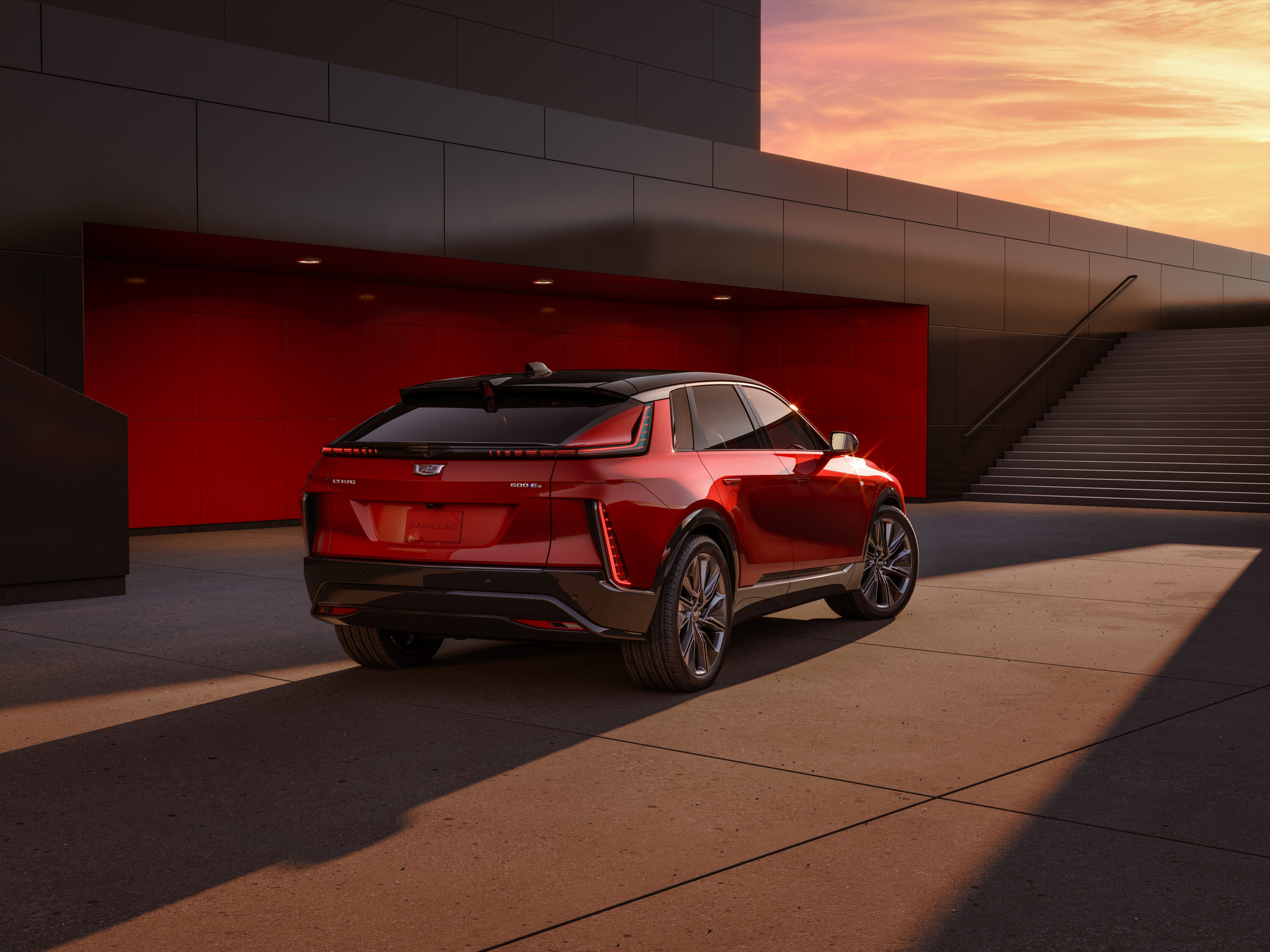
According to GM Authority, company insiders have confirmed the project is focused on EVs and will not include any petrol-powered models, which crushes hopes that performance sedans like the CT5 Blackwing might be coming our way. Bummer.
Instead, it seems the all-electric Lyriq SUV is the most likely candidate to come Down Under.
GM filed a trademark application for the Lyriq name in Australia in December 2022 and a right-hand-drive Lyriq prototype was spotted testing earlier this year.

And in July this year, GM also filed Aussie trademarks for the Optiq and Escalade IQ SUVs, suggesting Cadillac will launch with a three-strong line-up of electric SUVs should the new venture be confirmed.
Adding further fuel to the speculation is the fact that a senior GM exec is currently visiting Australia.
GM’s senior vice president and president of GM International, Shilpan Amin, visited the Chevrolet Silverado assembly line in Melbourne yesterday. Amin joined other high level GM execs to watch the new MY24 Silverado come off the assembly line at the Premoso facility in Dandenong.
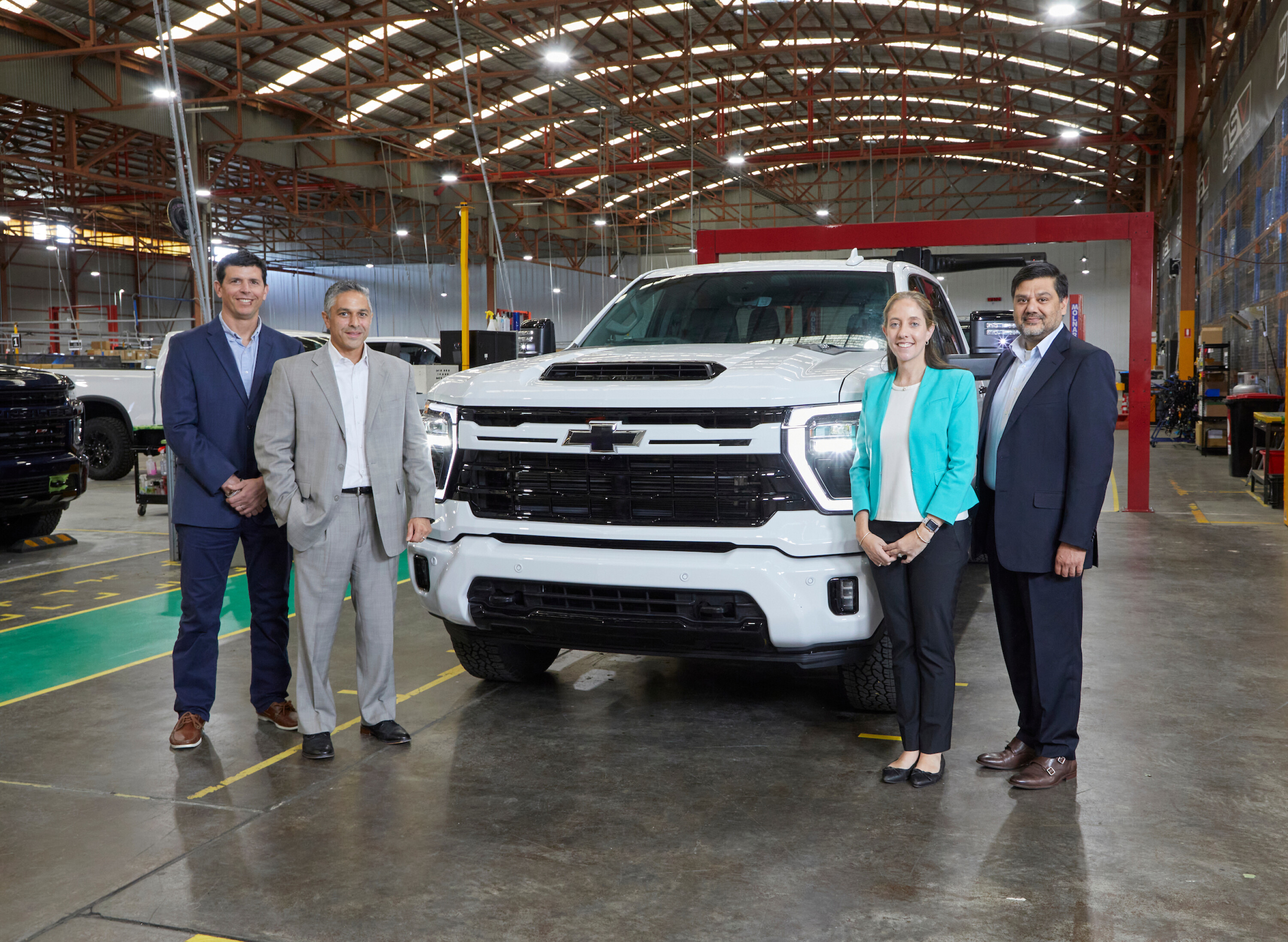
Unlike the Silverado, however, which is converted here by GM’s local partner, it’s understood Cadillac’s EV models will be made in right-hand drive from the factory.
This isn’t the first time Cadillac has been rumoured to launch in Australia. The brand last officially sold vehicles here in 1969 but in 2007 it came perilously close to returning with the second-generation CTS.

That program was officially announced and even had several dealers ready to sell the CTS, alongside Hummer and Saab models, before the plug was pulled at the last moment due to the Global Financial Crisis.
Wheels Media contacted GM for comment and received the following statement about Cadillac’s potential Aussie launch:
“GM participates in select right-hand-drive markets around the world. We have previously said that the modular Ultium platform and EV architecture offer greater flexibility in vehicle configurations. We do not have any product announcements to share at this time but stay tuned.”
Queen of Funk, Chaka Khan, is a bit of an idol of mine. Not only is the American singer responsible for some of the most iconic funk tracks of the 1970s, 1980s and 1990s, Khan has led an extraordinarily productive life.
Professional accolades include 10 Grammy awards, 13 studio albums, inductions into both the Soul Music and Rock and Roll music halls of fame, three gold singles, three gold albums and one that reached platinum.
She’s also had a colourful personal life including struggles with drug and alcohol use, two failed marriages and raising two children, one of whom was tried for murder. And yet, despite an incredible life of highs and lows, Khan definitely doesn’t look or act as if she’s been on the planet for seven decades.
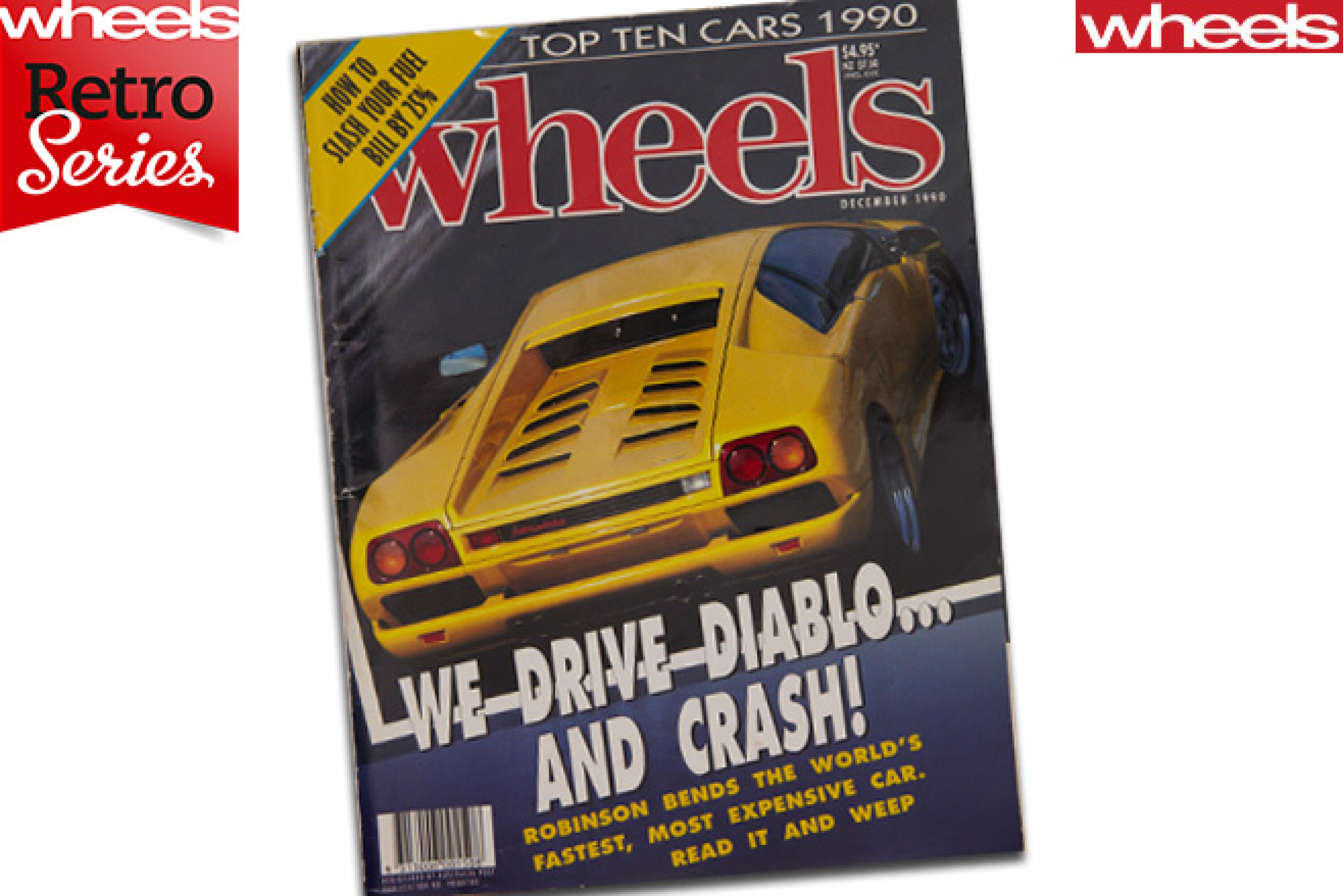
This is exactly how I feel about Wheels magazine.
In its 70 years, this mag has been through a lot. It’s endured a global financial crisis, recession, the end of local car manufacturing and even a deadly viral pandemic. Seventeen editors have steered its pages through good times and bad including the longest serving Peter Robinson.
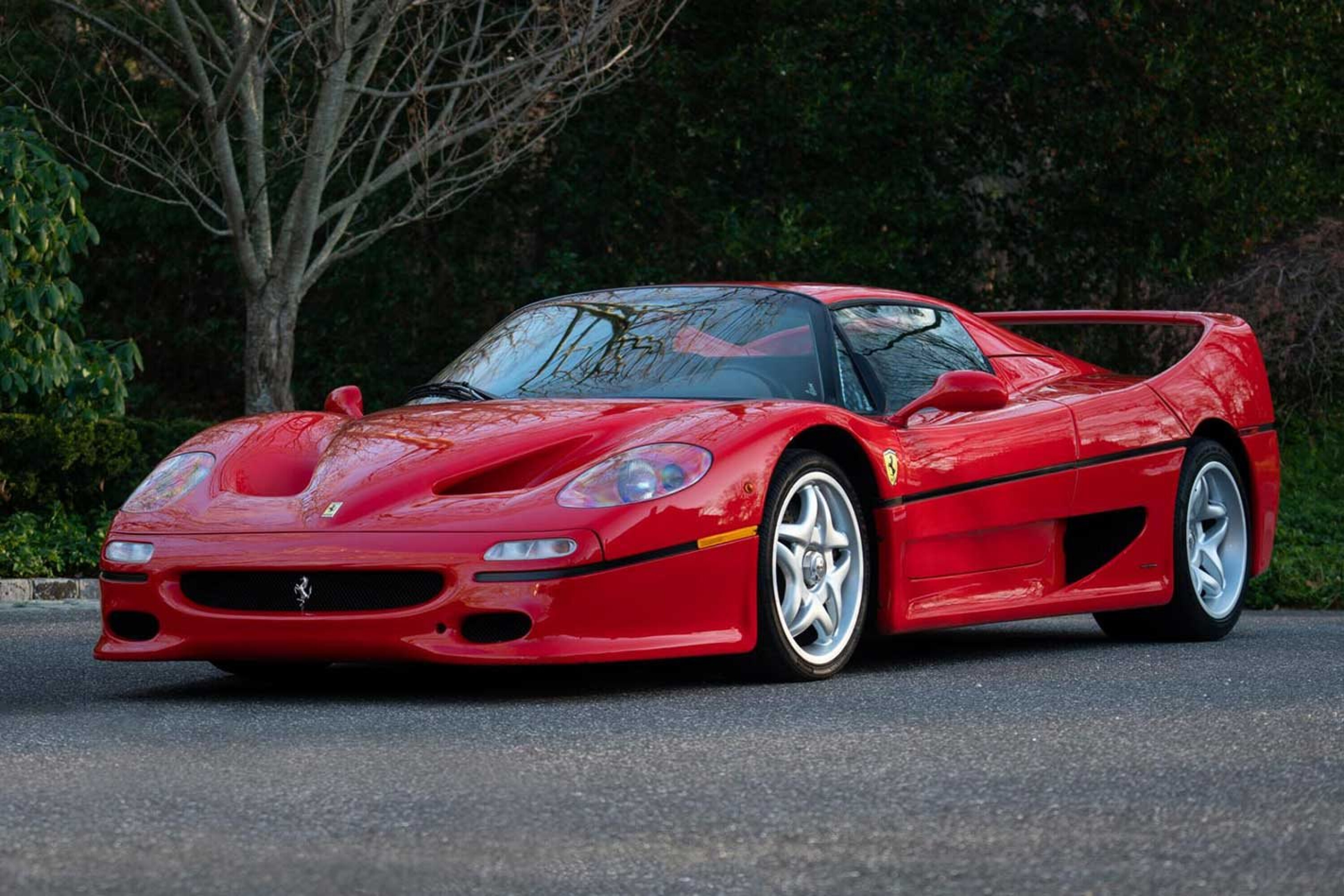
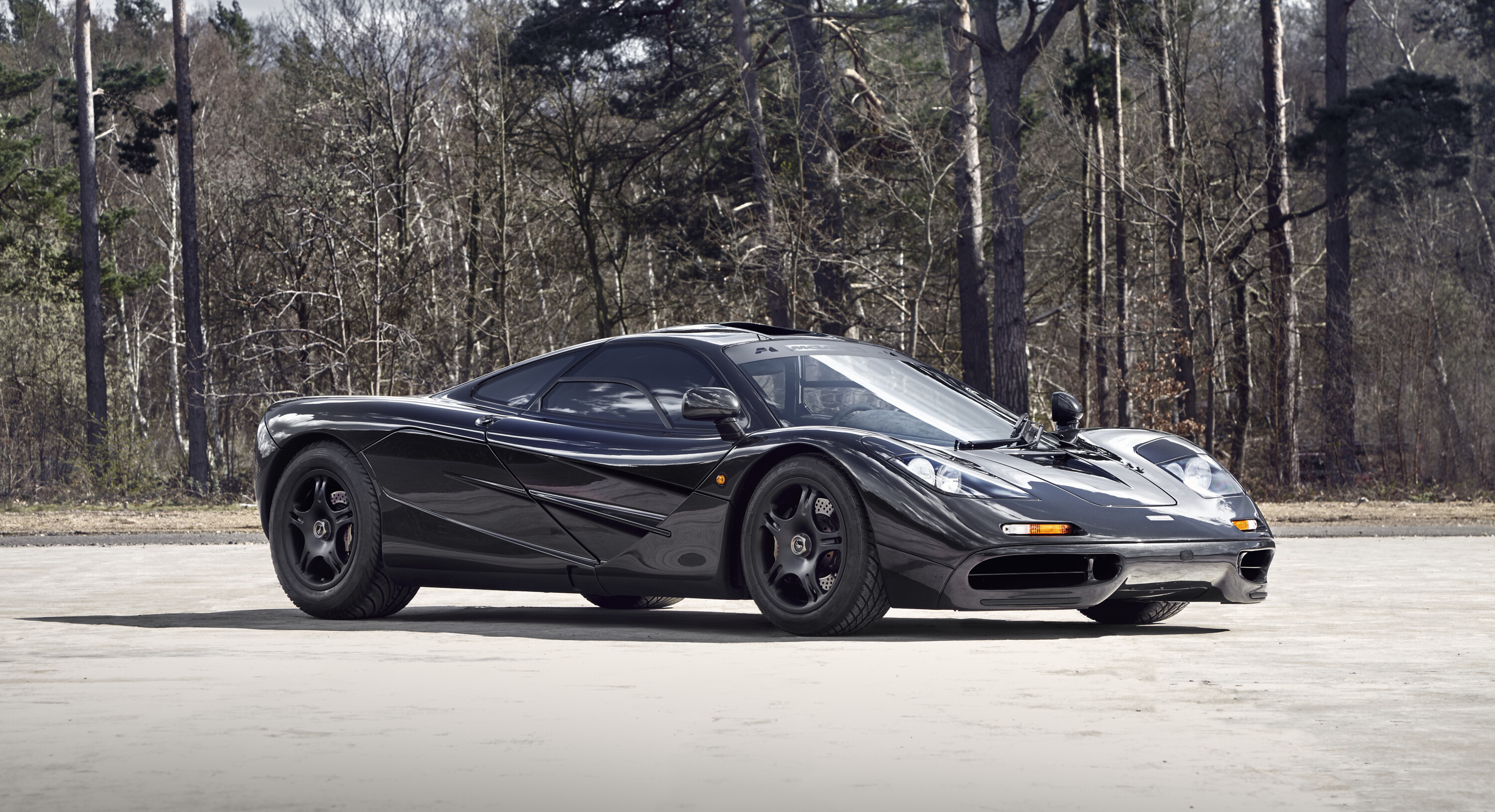
His legendary status is well deserved, and images of Robbo oppo’ed to the lock stops in a Ferrari F50 or gliding several inches above the asphalt in a McLaren F1 are legend to longstanding readers, but he also brought his fair share of grey hairs to the masthead.
If any of the mainstream media had the misfortune to crash a supercar today its fair to say a serious amount of resources would be poured into making sure the incident never saw the light of day. Not Wheels, though.
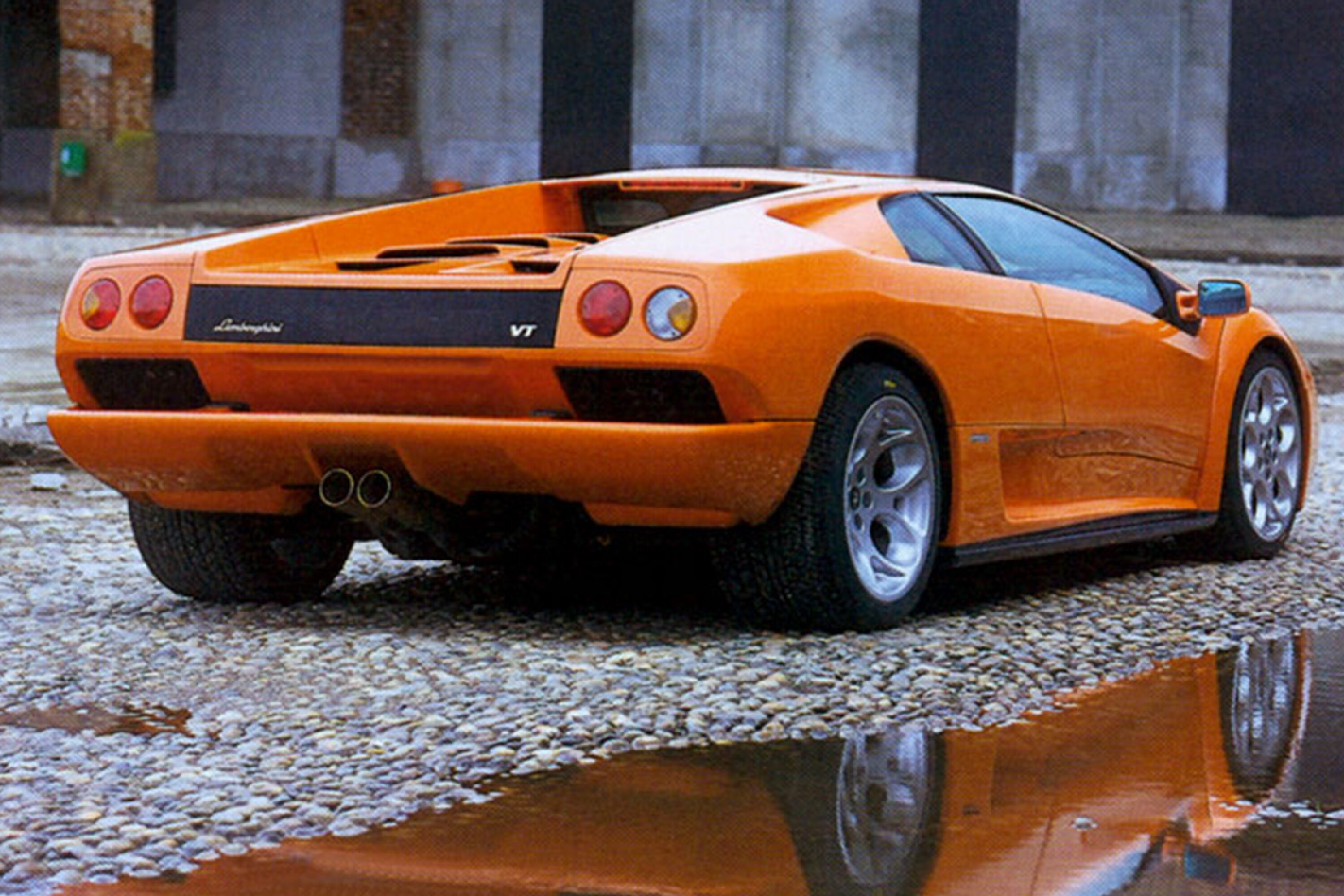
Rather than sweeping the smashed pieces of Lamborghini Diablo under the carpet, Robbo’s agonising tale from Italy went to print and it’s still a brilliant read to this day.
The annual Car to the Year event must also take as much responsibility for controversy, not just from the winners which often polarise the nation, but for the notable occasions Wheels declared no winner at all. Oh, and the time a large SUV ended up on its roof.
In even my relatively short time as part of the Wheels family, I have simply too many wonderful stories to tell but most would probably be unprintable.
Infamy is a deliberately recurring theme for the title and Wheels once again delivered a controversial message when in 2013 British journalist Ben Oliver drove from Melbourne to Sydney 20km/h above the maximum speed limit; a brave piece of journalism that’s often suggested for a repeat.
In even my relatively short time as part of the Wheels family, I have simply too many wonderful stories to tell but most would probably be unprintable.
Among the many happy times perhaps one of the best (printable) would have to be the evenings at the Oakleigh offices when the entire upper storey would descend into fierce war and a hail of Nerf-gun darts to blow off a bit of steam when print deadlines passed.
But like Chaka Khan’s unfaltering energy and mighty voice, Wheels has defied the years.
Yes, there have been times in its history when the page count waxed and waned, editors have come and gone, and the mag has even changed shape a few times too.
But the content that lies within has always been written with passion and from a position of impartiality – how many motoring publications can claim the same in a media landscape saturated with influencers and ‘experts’ today?
Of course, existing in an increasingly digital era as a print publication is not without its challenges, but with a thriving online presence along with one of the few tactile portals into the automotive media world, Wheels has never looked better. Happy birthday, Wheels. I hope I’m faring as well at 70.
Not yet a subscriber?
You can subscribe to Wheels magazine from only $59 and we’ll send you a copy of the current issue straight away.
Subscriber benefits
- Huge savings on the regular cover price
- Free delivery to your doorstep
- Free digital access
- Browse the entire Wheels archive back to 1953
- Exclusive benefits and discounts
On the two-hour flight from Munich to Lamezia Terme in Calabria, I’m having trouble sorting out the 2023 Porsche 911 S/T numbers buzzing around my head.
Porsche is charging a whopping $660,500 before on-road costs for the S/T, which on paper doesn’t seem worth $240K more than the almost identikit GT3 with Touring package.
Though it musters a feisty 386kW, the newcomer won’t even accelerate faster from 0-100km/h than a Carrera S at less than half the price. Both cars do the job in an identical 3.7sec. In terms of top speed, the S eclipses the S/T with 308km/h vs. 300 – come again?
At 13.8L/100km, the new flagship model is furthermore significantly thirstier than its 331kW sibling which averages 10.5L/100km. So what is this, a clever marketing ploy or one more Porsche myth in the making?
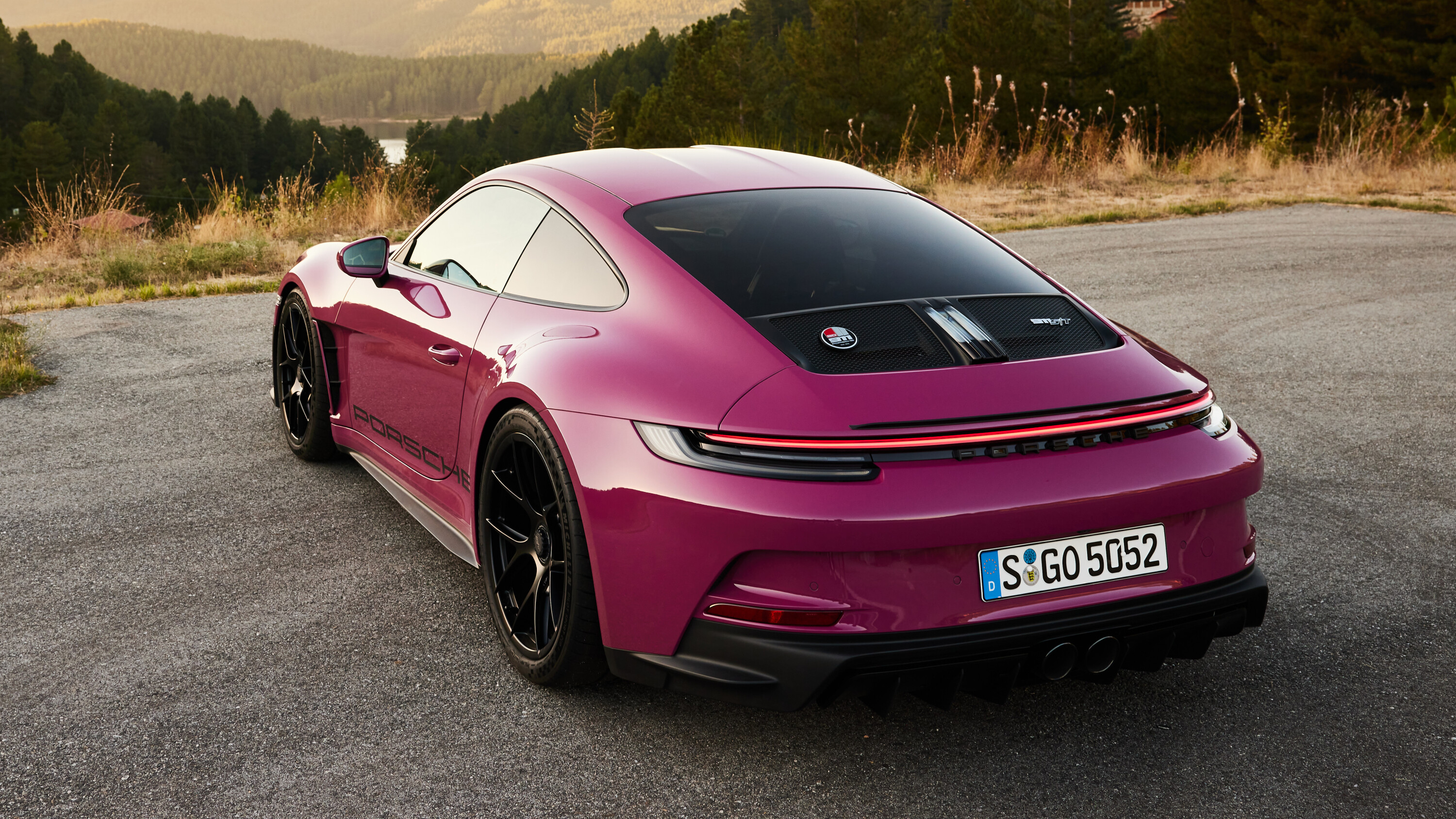
A jubilee medal here, a logo badge there, a Gurney flap on the rear spoiler. You need to look long and hard to tell the new S/T apart from a GT3 Touring. Inside, the differences are equally subtle.
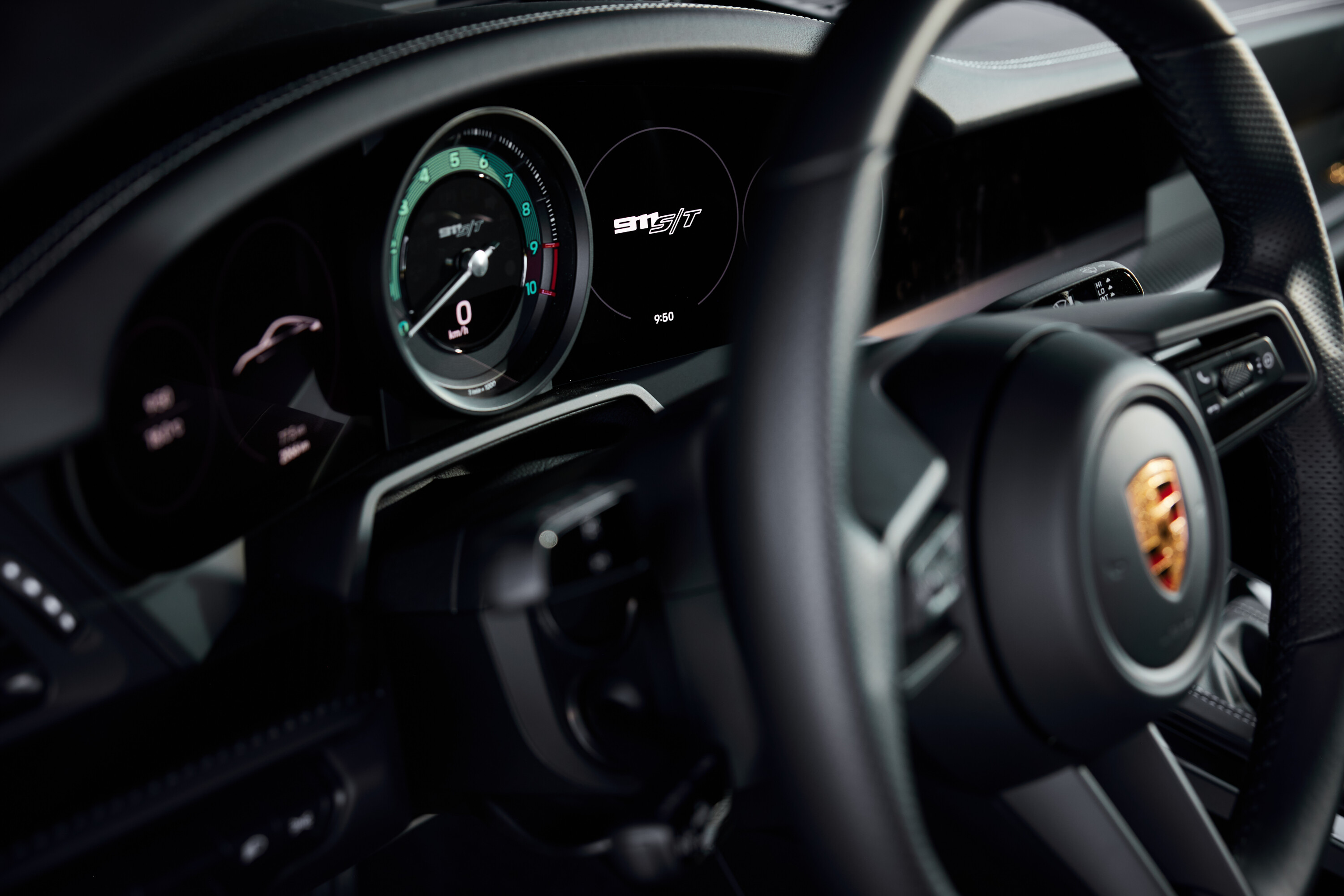
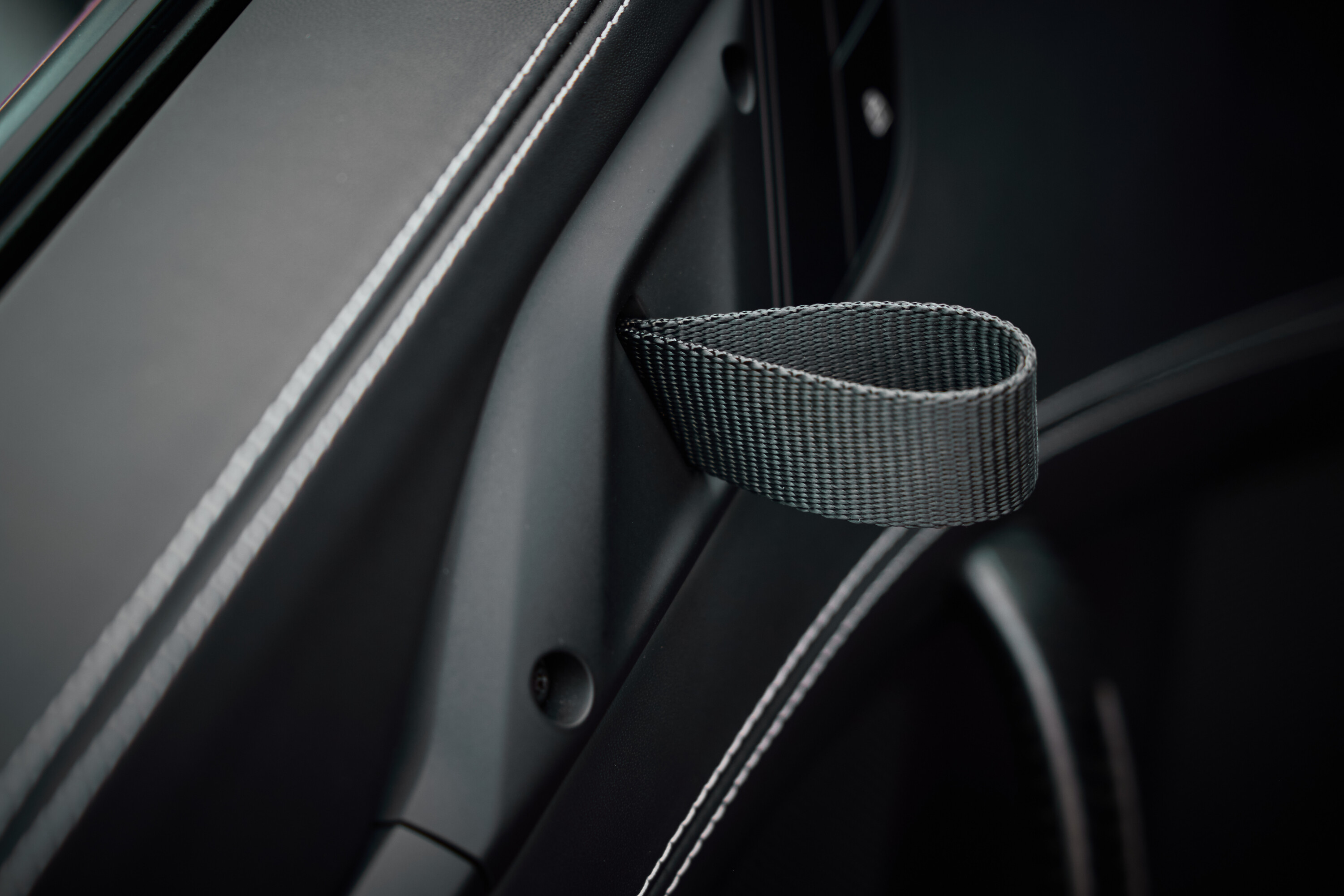
The green-and-white on black speedo, rev counter and Sport Chrono dials are reminiscent of the original 911. The snug seat is the familiar CFRP bucket approved by the Swabian Domina Guild, but the black-and-white pinstripe trim is new, and it reappears on the featherweight carbon-fibre door which shuts with a positively non-metallic clunk.
If you must, Porsche will fit the pricey Heritage Design package featuring cognac leather trim and dubious golden accents along with a special paint job and ivory wheels. Hmm.
The glorious engine starts at the first turn of the integrated ignition key, and although the trademark 24-valver is the undisputed core element of the car’s 60-year-old DNA, it suddenly sounds, feels and is quite different.
At idle speed, a fresh noise joins the familiar rasp, vroom and clatter. What sounds like a bagful of steel antlers in a tumble dryer are in fact the initial high-mech flight exercises of the new single-mass flywheel. Reducing the rotating masses by a substantial 10.5kg, it connects to a re-engineered clutch which is also lighter in weight but heavy to operate.
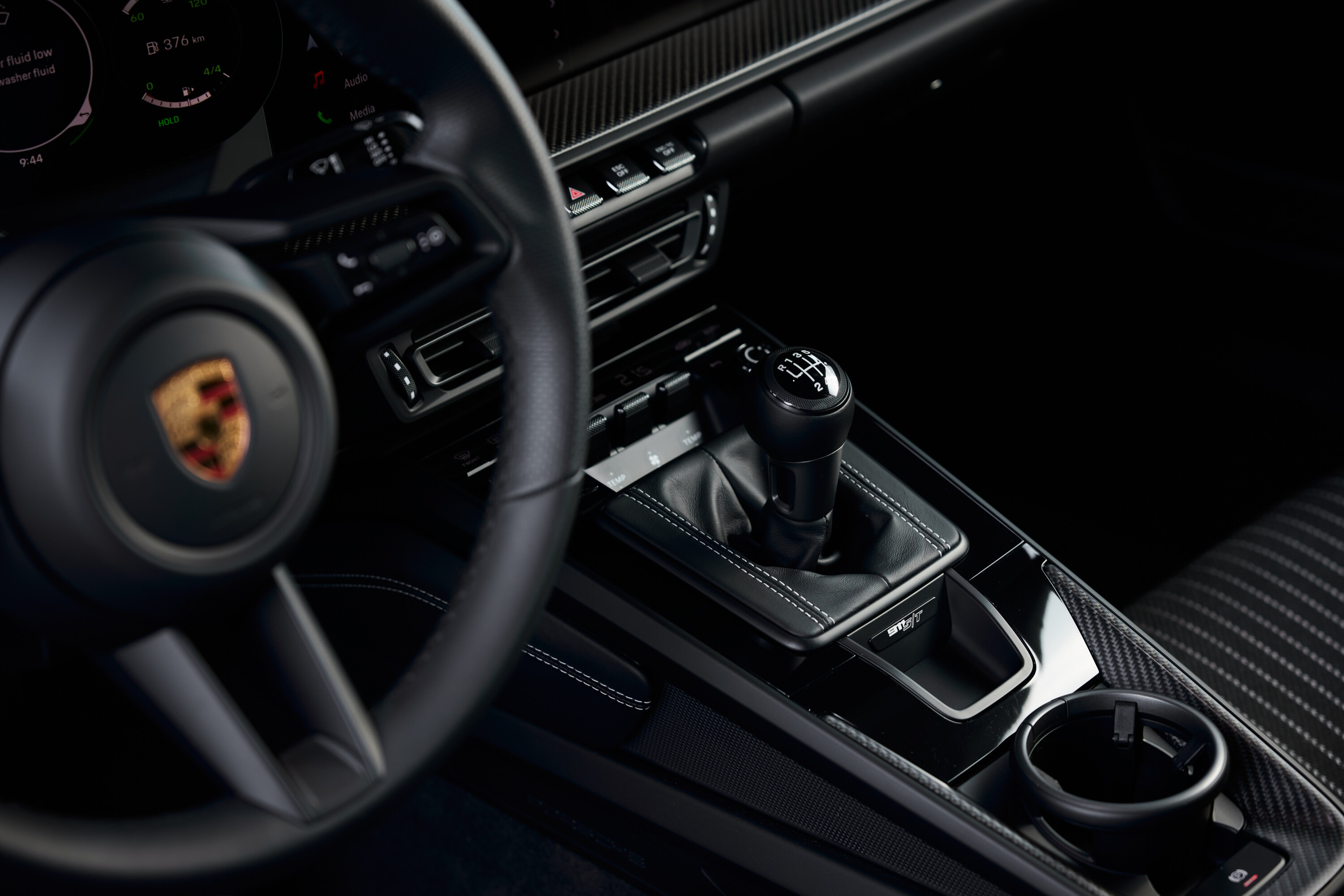
Make that very heavy. Even the six-speed gearbox feels a little meatier than what we have on record, but the stubby lever, the short throws and the crisp gate make the right palm duly gleam with joy.
Off we go. 178km does not seem to be a long enough distance for a Big Drive in such an important car. One could cover this stretch in 45 minutes on an empty Autobahn, in an hour and a half using the byways of rural France, or in two hours max on a Friday afternoon from Bologna to Milano Marittima during Ferragosto.
But 3:13hrs for a complex 178km grid of narrow country roads with zero traffic, no radar traps and not a single Carabinieri in sight?
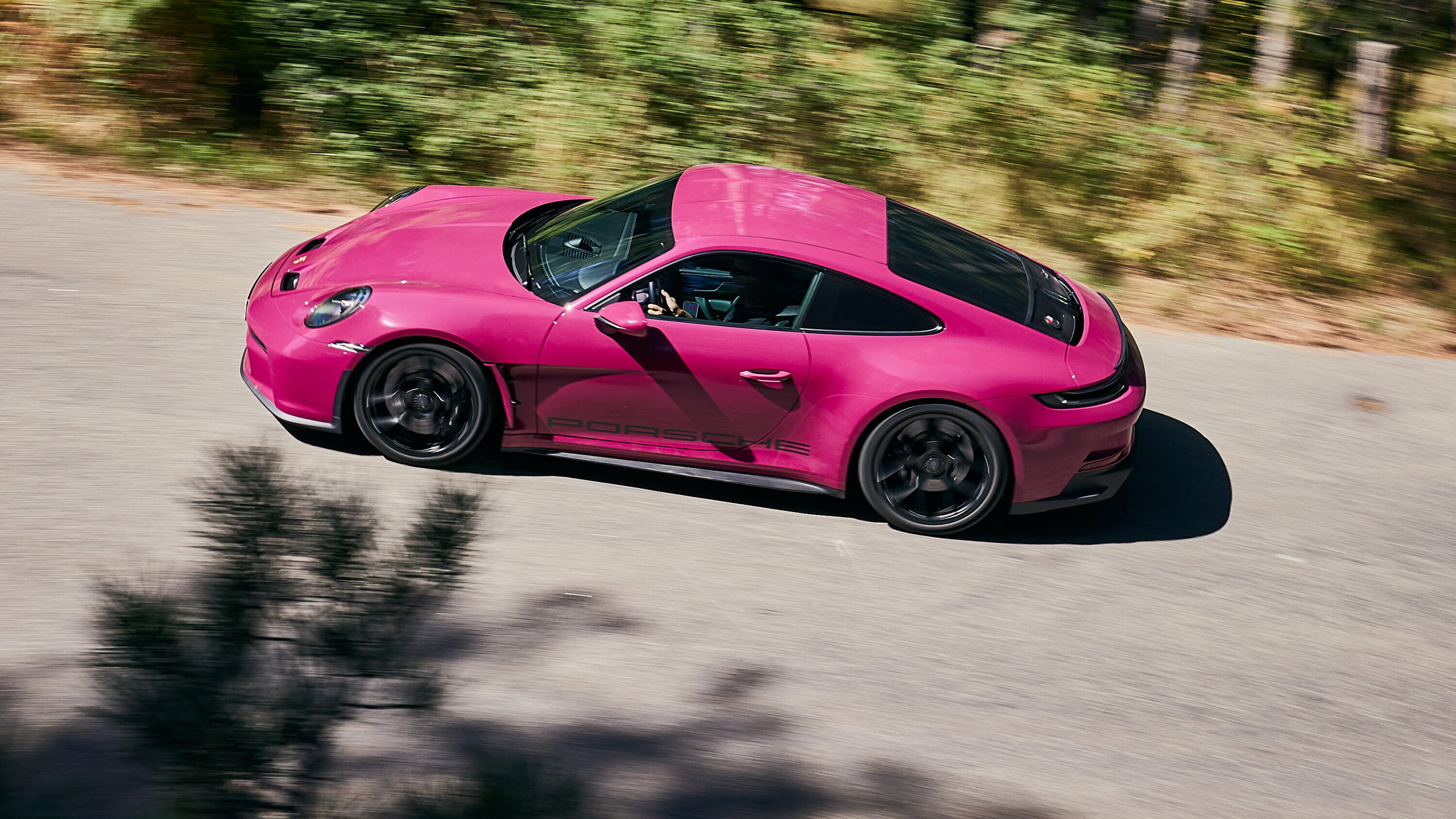
Walter Röhrl, multiple world rally champion, Porsche brand ambassador and actively involved in the development of the S/T has the explanation: “The route, which is part of our official testing programme, reminds me of the most special stages of the San Remo Rally. It demonstrates the car’s breadth of ability to the full.” Hear, hear.
Even when tackled at eight-tenths, the terrain is tricky. Our test car has no front axle lift, so chin rash is a constant risk. Those vulnerable satin black wheels (21-inch rear, 20-inch front) also deserve extra attention.
But the number one job for the driver is to fade out all those potentially painful new acoustic intrusions; the clutch clatter, the clonks from the gearbox, the chafing diff, the rev-dependent transmission whine, the brakes that switch from chirp to drone to hiss depending on speed and temperature.
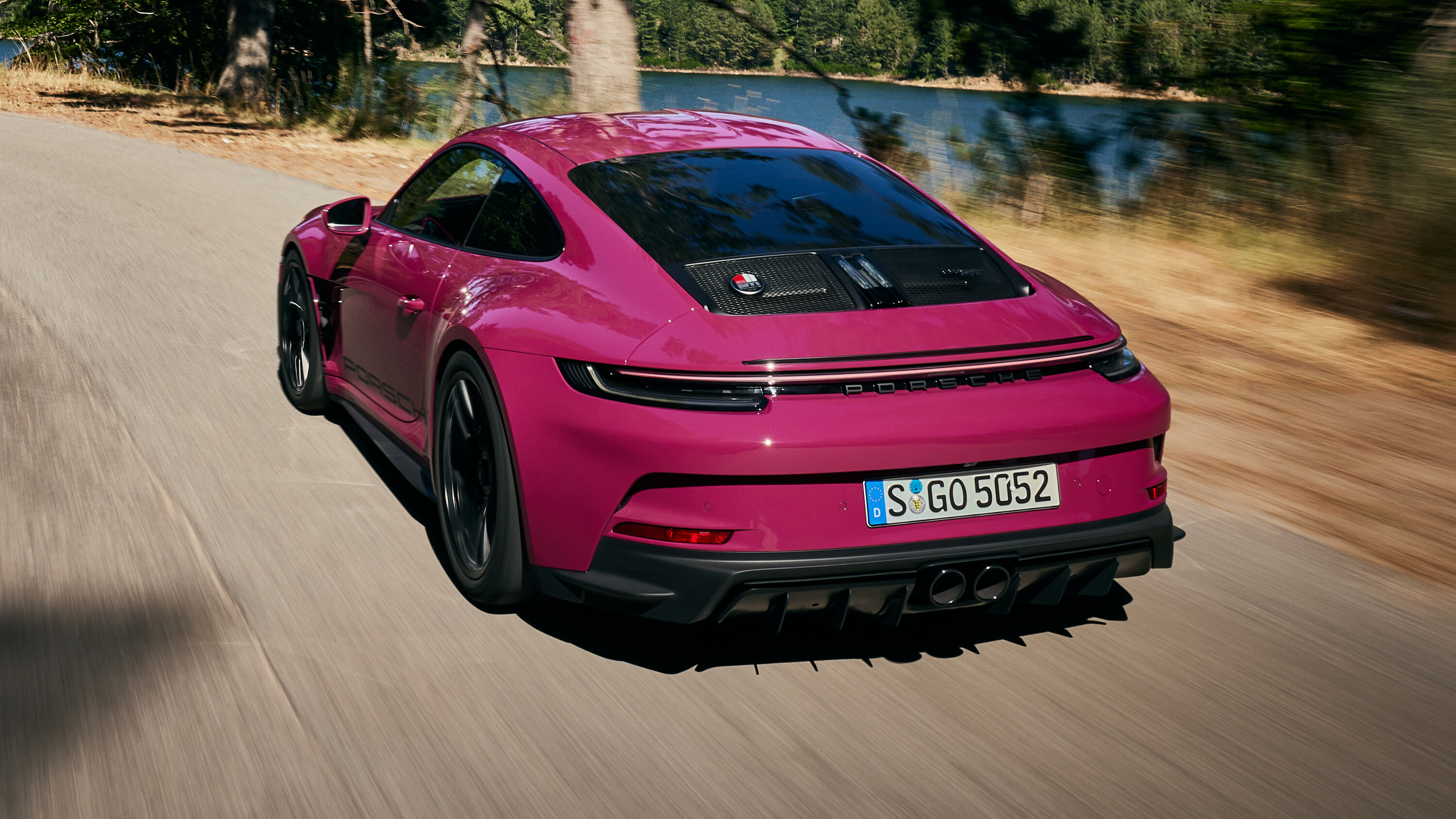
There is no doubt about it: the 911 S/T is a live animal, restless by nature, over-eager on demand, scintillating when pushed.
Which may take a little longer than foreseen because the clutch is a delicate beast – overcook it, and it will smell and may slip. But we would never trade the iconic manual six-speeder for the slicker and quicker PDK ‘box. No contest, surely.
What exactly is it that makes an S/T? The next leg of our drive looks sufficiently laid back to ponder this question. It’s less than ten clicks long but almost four cars wide, nicely surfaced and bristling with different radii and gradients.
Here, the S/T feels very much like a GT3 – except they threw out the rear-wheel steering to save 6.5kg.
On paper this is a noble gesture but positively counter-productive on the final leg of the journey: the poorly kept Salerno-Reggio autostrada where amping up the speed makes it feel uncomfortably razor-edge again.
Through the twisties up in the hills, however, the missing 2.5 degrees of rear steering angle was never an issue. By definition obsessed with weight saving, the Porsche GT department led by Andreas Preuninger managed to trim down the S/T to a zero-body-fat 1380kg, saving 38kg saving over the GT3 Touring.
Means to this end include thinner carpets (2kg), a smaller battery (3kg) and bespoke mag wheels (10.6kg). In sympathy, I only ate half the pasta that night and didn’t touch the tiramisu.
Less weight means less mass and momentum, which in turn means potentially more agility and speed. But there are more edges to the dynamic sword, like accessibility, balance and confidence. To comply, the stripped uber-911 fuses compliance and precision, responsiveness and mechanical grip to a remarkable new whole.
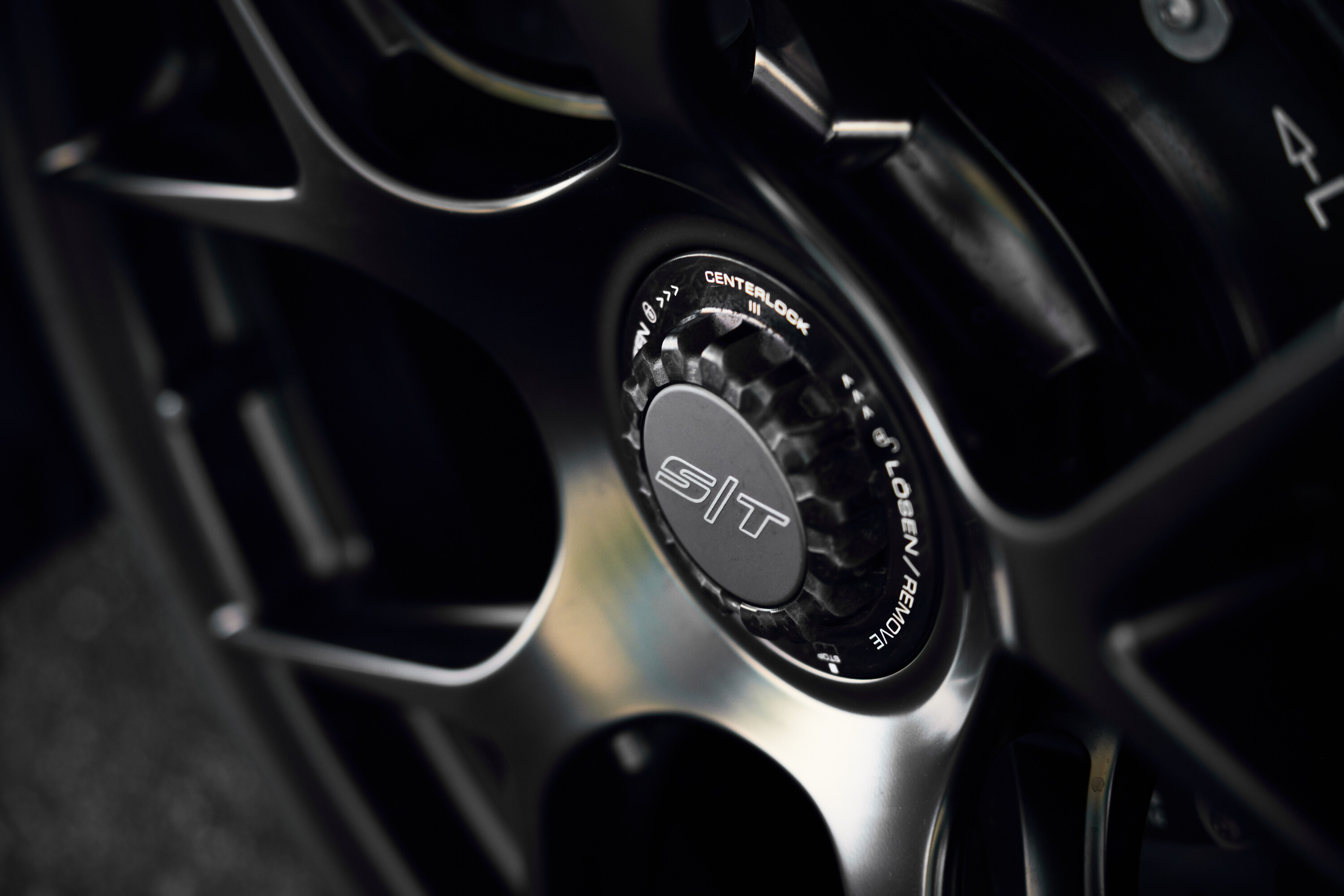
It’s all in the mix which was merely tweaked over the GT3, not altered. The recalibrated PASM and PSM software helps to reduce body movements and improve grip. The transmission ratios are now eight per cent shorter, which partly explains the two-tenths an S/T gains over the GT3 in the 0-100km/h acceleration run.
The locking ratio of the diff was modified for a creamier, more controllable exit out of tight corners. The steering ratio has changed from 14:1 to a slightly less aggressive 15:1. The rear spoiler extends at 120km/h rather than 80km/h and at a less radical angle.
Last but not least there is the engine which truly excels in its 4000-8000rpm performance zone. Think of it as an unplugged version of the GT3 RS unit. That’s unplugged as in boasting slightly modified camshafts and throttle valves.
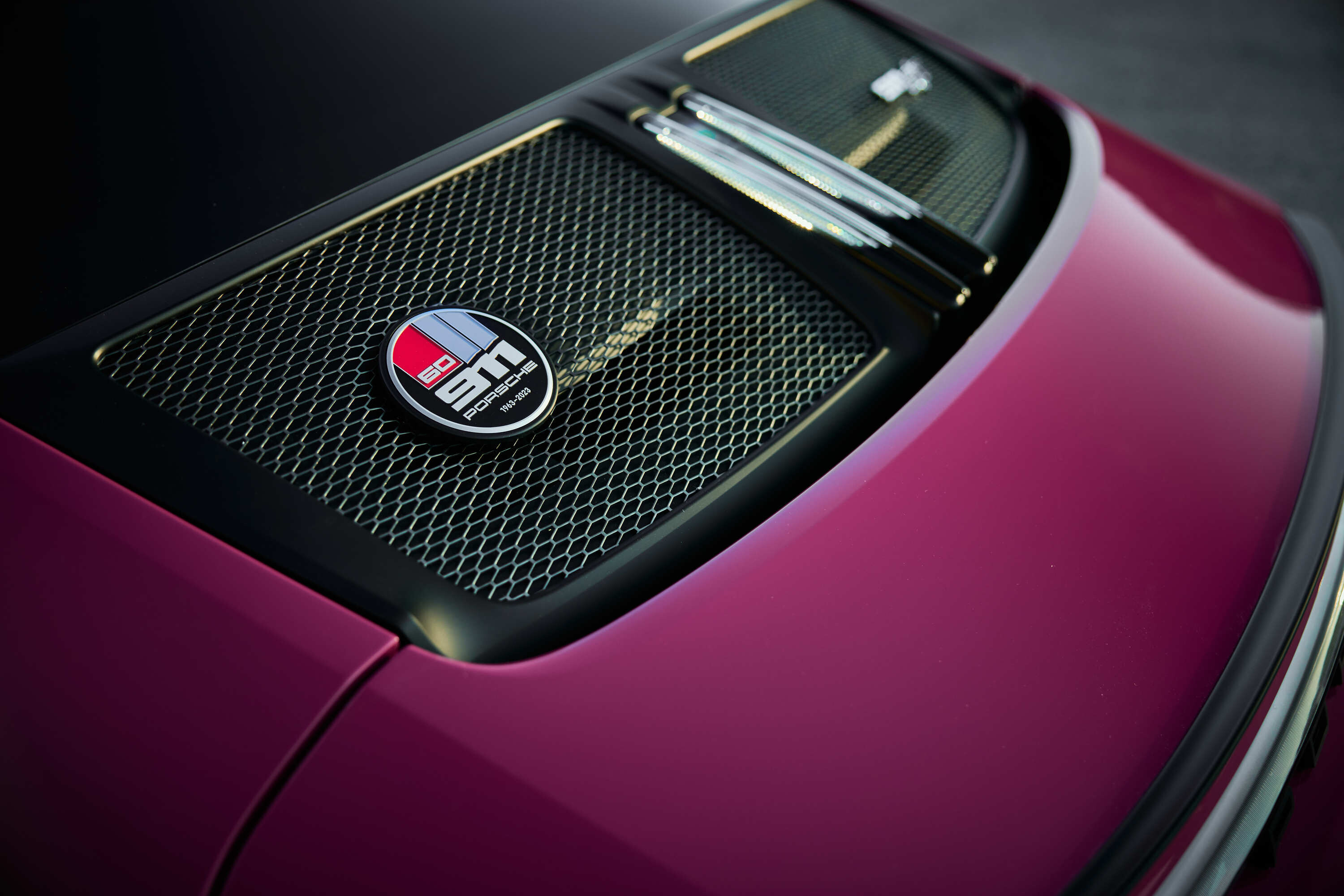
Add to this the effect of the lightweight clutch (0.074kg/m2 instead of 0.207kg/m2 pressure) and the smaller diameter (184mm instead of 240mm) flywheel, and you can perhaps imagine the explosive forward thrust generated by this naturally aspirated 4.0-litre flat-six Superkraftwerk which will happily rev to 9000rpm again and again.
The maximum torque of 465Nm is available at a lofty 6300rpm. At the end of the day, this awesome powerplant felt and sounded more like the final air-cooled boxer than the hardest-core six-cylinder turbo, but perhaps that’s just me talking nonsense over dinner after the third glass of chilled Lambrusco.
Over two hours into this memorable Thursday morning and I’m hooked for good. Why? Because this car is a drug. Having eventually agreed on a rhythm to build on, we’re in an interactive, catalytic, galactic flow, the Porsche and its red-faced part-time keeper.
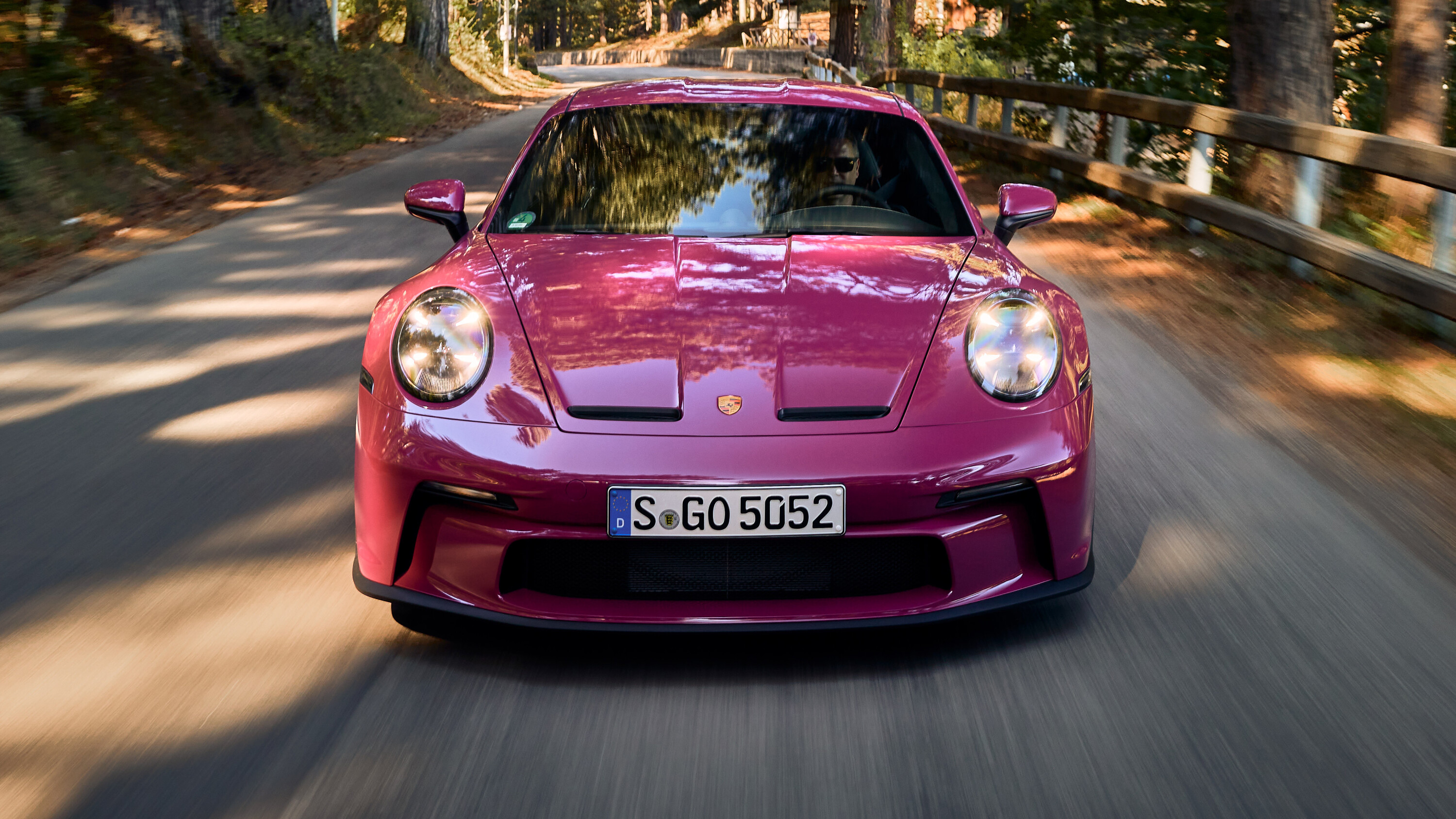
The pace is already there, thank you very much, now the speed must follow. And it will, because we have barely scratched the surface yet. But then the route suddenly forks to the right, and the roads that follow look rough enough to scare off a Dakar, let alone our S/T.
Potential damage lurks left, right, centre and, most of all, underneath, but somehow this 911 is lithe and surefooted and acrobatic enough to escape the Valle della Morte unscathed.
The shorter gear ratios are a big help in this difficult terrain, the double-wishbone front suspension adds a whipped cream topping of extra suppleness, the recalibrated dampers respond less aggressively to the vagaries of the terrain, the steering feels a tad more casual around the straight-ahead position.
Sounds like a walk in the park, but this is a shrapnel-sharp, ferociously fast and 101 per cent involving driving experience.
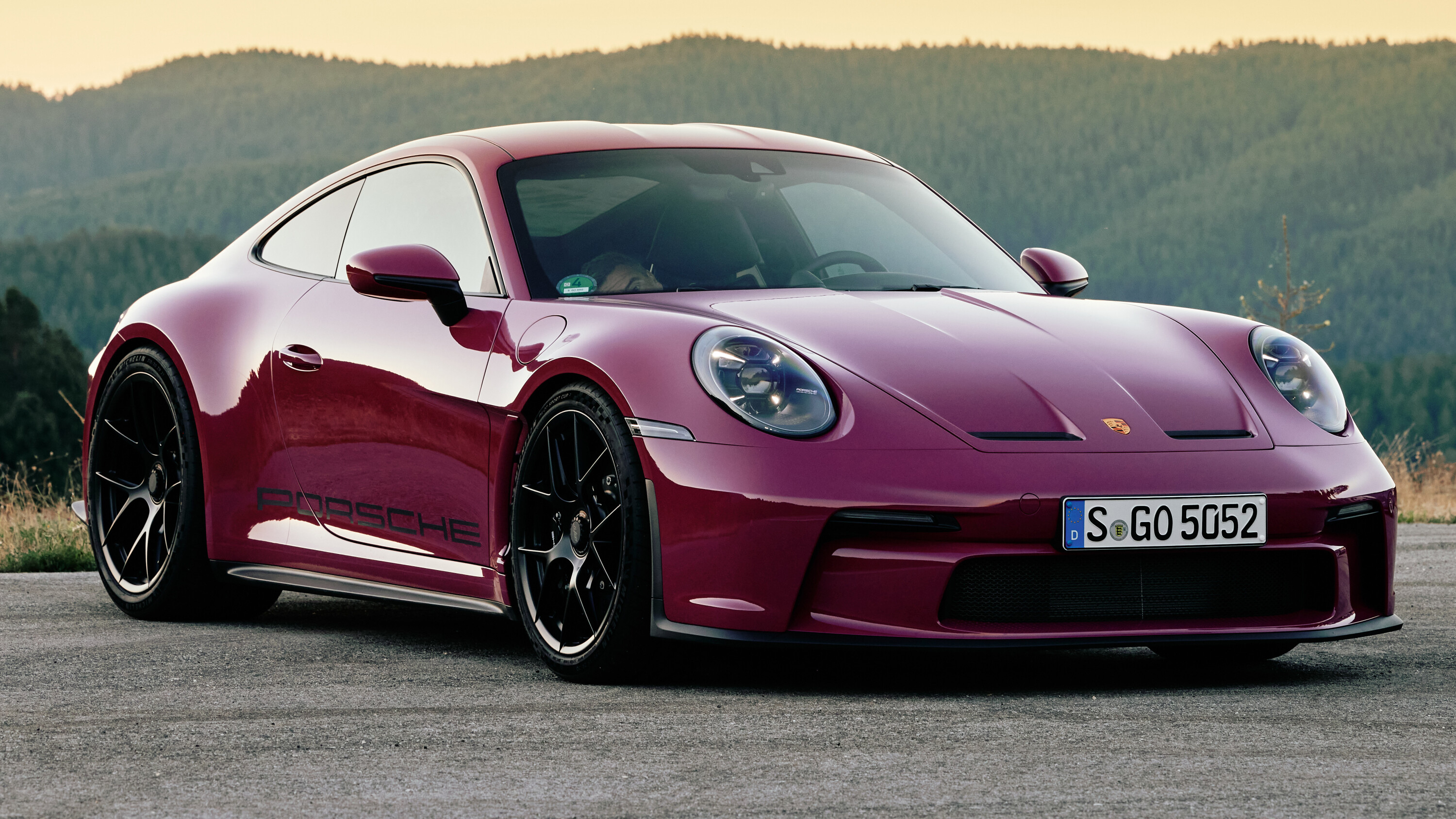
We both gave it all and then some, but even 3:13 hours were not enough on the devil’s own playground to fully fathom the true potential of the 911 S/T.
At the end of our tour de force close to, at and once or twice even over the limit, three almost surreal strengths stuck to the mind like burrs to an Arran jumper: the eerily insane turn-in speed and the dotted superglue line that followed, the wealth and quality of information that keeps arriving at your palms in millisecond intervals, and the absolutely exquisite throttle, steering and chassis interaction.
If there are 50 shades of grey, the S/T easily delivers 911 shades of dynamic dare, depth and diversity. I shall envy each and every one of the 1963 lucky owners until the day I die, and that’s a promise. Amen.
