Features

Gallery 1
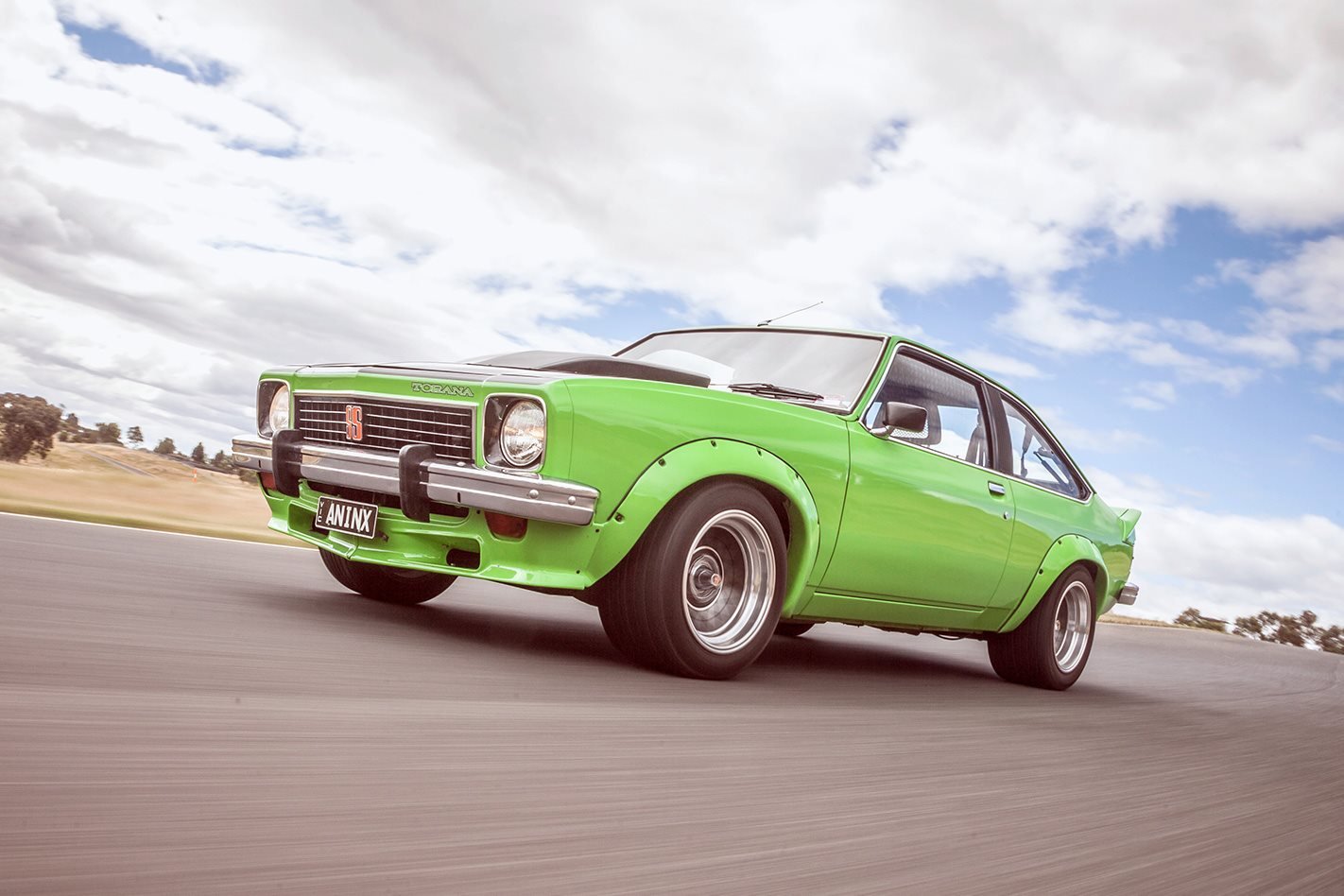
Few names carry as much weight in Australian motoring history as Torana. Produced from 1967, the Torana was one of our country’s most celebrated performance cars. Whether it was the XU-1s taking the fight to larger V8s at Bathurst or the awesome A9X, the Torana was, like the Commodore, far more than just another Holden.
Today, more than half a century after the first Torana arrived, the name remains one of the most revered among enthusiasts. Which begs the question: what if Holden had survived and decided to bring it back? Enter the fictional 2026 Holden Torana range. We used AI to design a Torana range for 2026, including its design, model range, drivetrain availability and even pricing for the Australian market.
3
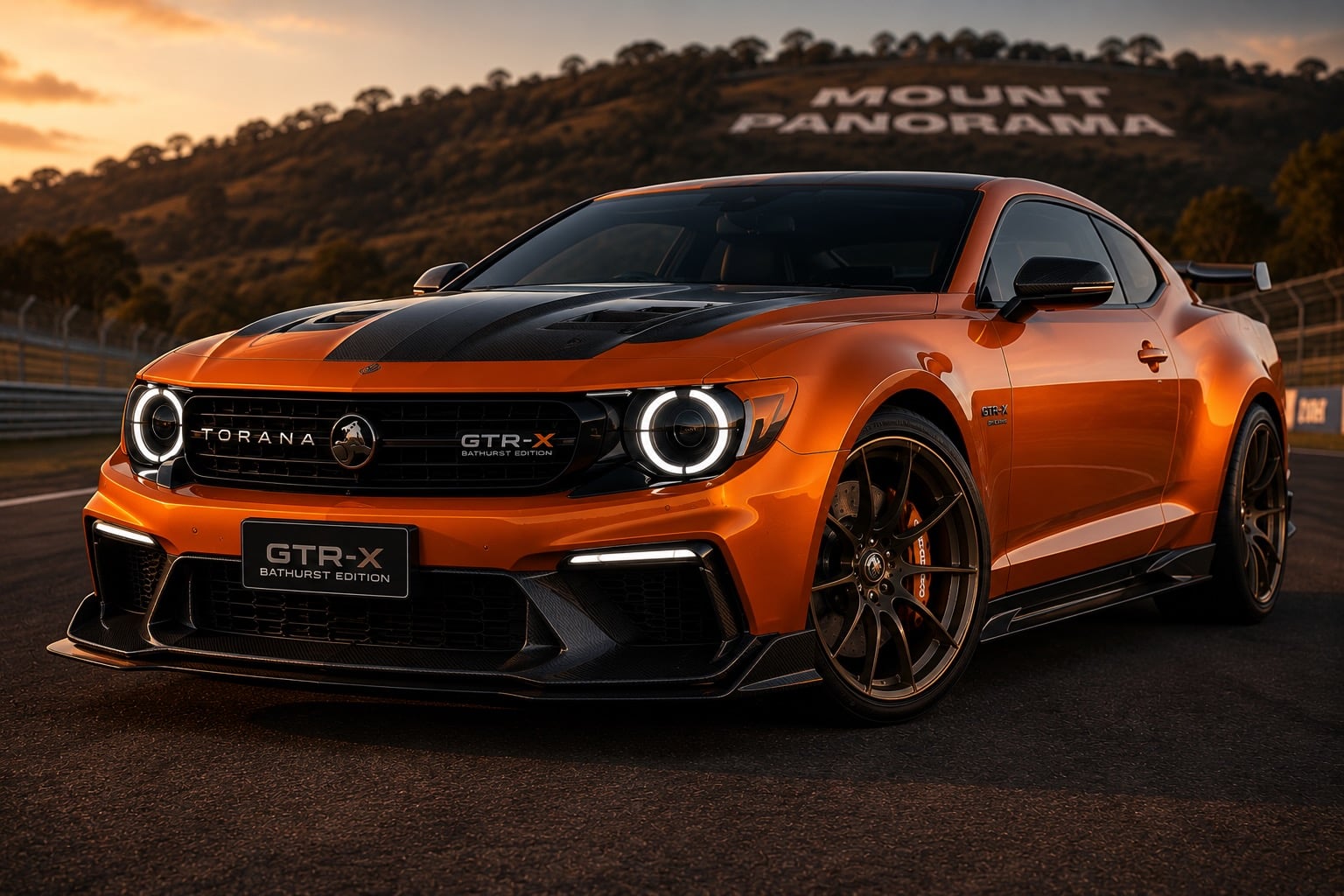
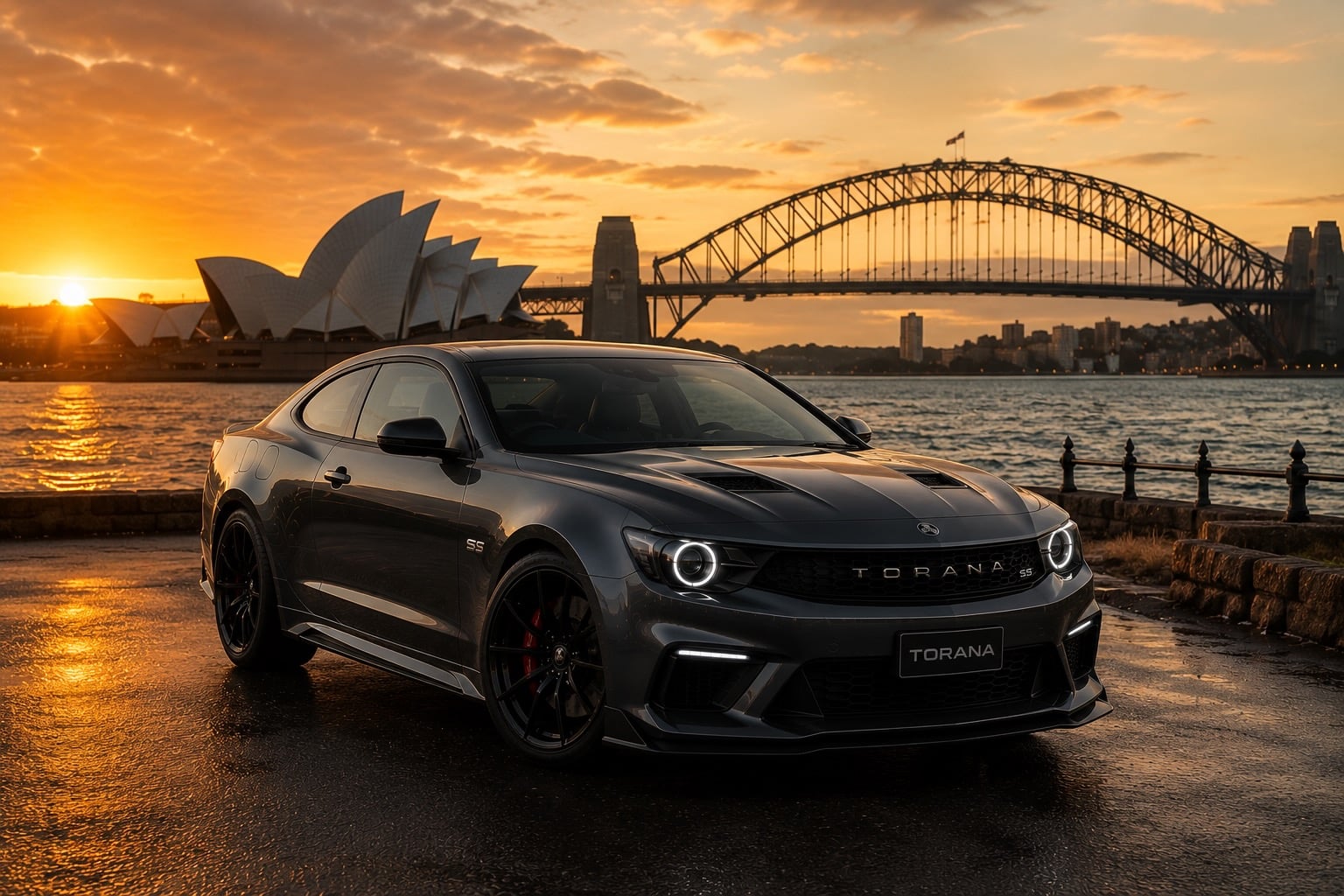
The design that AI rendered combines design cues from the original models with modern touches. Rather than directly copying the shape of the original LC, LJ or LX Torana models, the 2026 version uses the same low bonnet, wide stance and muscular rear haunches and applies it to a larger and more modern shape.
At the front, the the circular LED headlight signature is instantly recognisable. Framed within a broad grille carrying ‘TORANA’ script, the headlights instantly recall the Toranas of the 1970s. Large cooling ducts, a deep front splitter and sculpted bonnet vents signal the performance potential underneath.
4
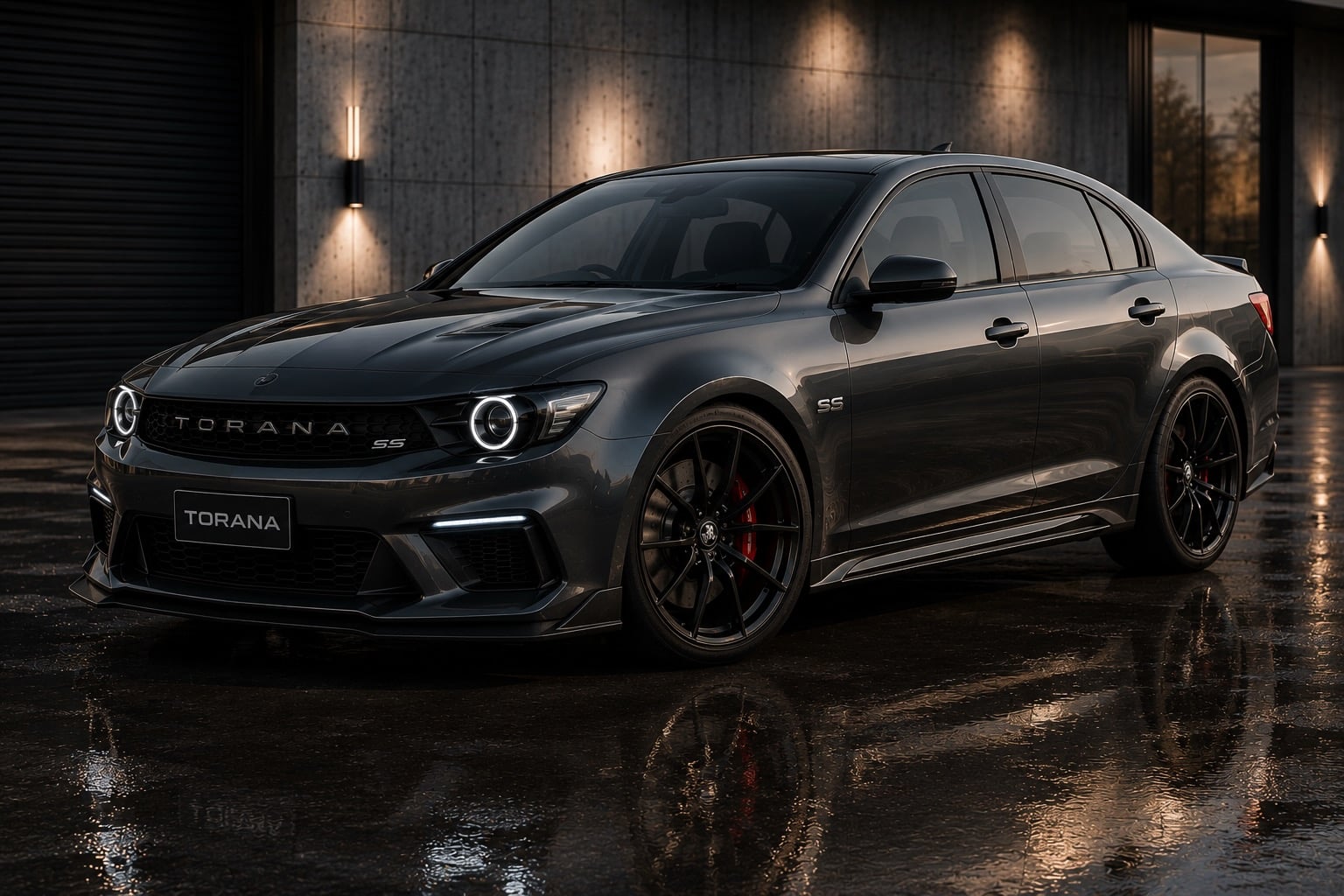
From the side, the 2026 model uses classic rear-wheel-drive proportions with a long bonnet, set-back cabin and broad shoulders. The coupe features a sweeping fastback roofline, while the sedan and – most shockingly for Torana fans – wagon introduce additional practicality without sacrificing stance.
According to AI, the rear design is “equally dramatic.” There’s full-width LED lighting stretching across the tailgate, while pronounced rear guards, quad exhaust outlets and an aggressive diffuser give more clues to its performance.
3
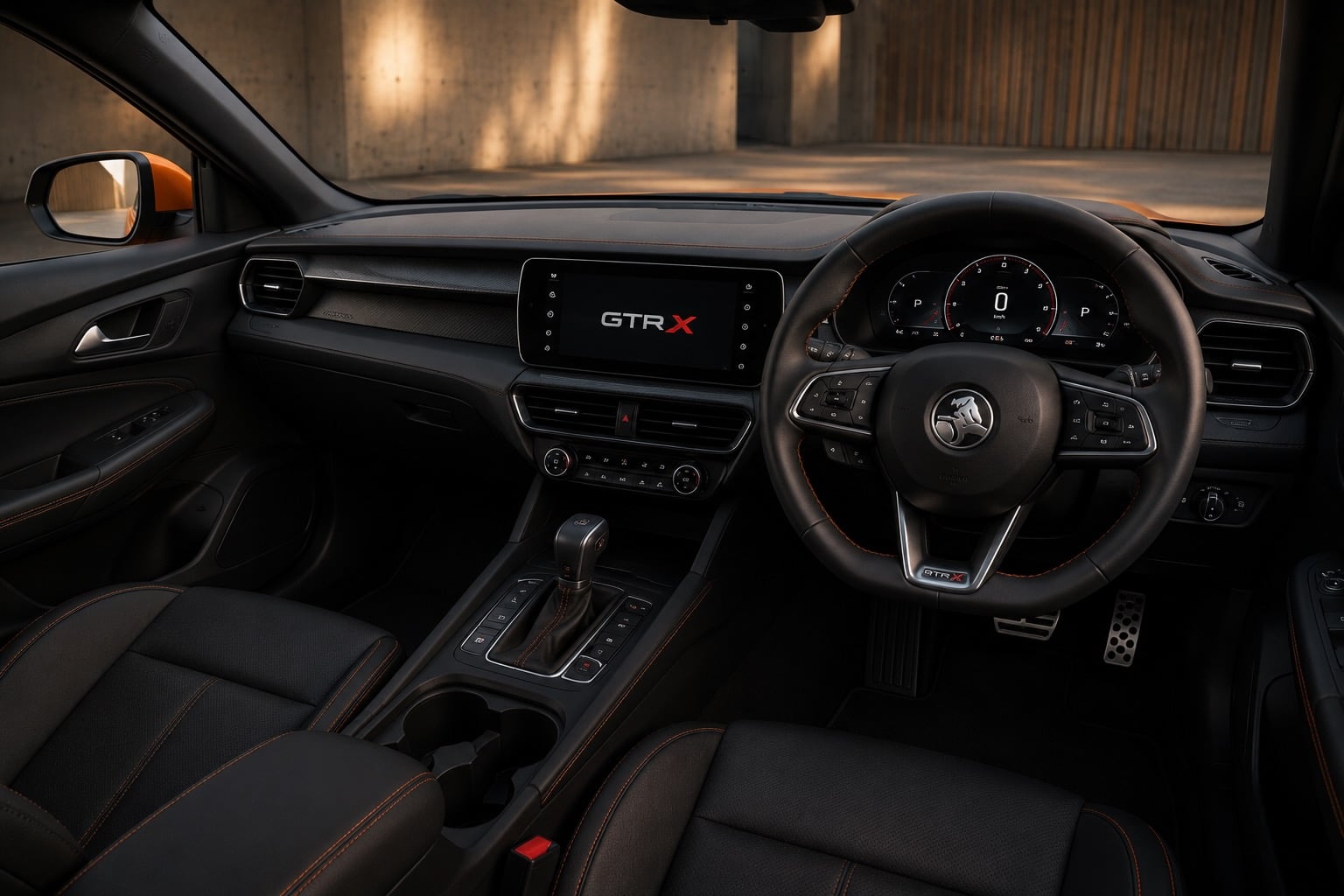
Inside the 2026 Holden Torana, AI says that the cabin “blends Australian nostalgia with modern technology.” Its twin digital displays provide modern functionality, but the graphics intentionally reference the circular instrumentation of classic Torana models. Physical climate controls remain for ease of use, while premium materials, contrast stitching and Holden lion embossing throughout the cabin create unique character.
One idea from AI that we particularly like is that when you select Track Mode, the digital cluster transforms into a modern interpretation of the famous A9X dashboard with a big central tachometer, shift lights across the top, a lap timer and tyre temperature information.
The Torana’s rear seat “offers genuine usability rather than serving as an afterthought.” In the sedan and wagon forms, adults can comfortably fit in the second row, while the wagon also introduces additional legroom and a panoramic glass roof that floods the cabin with natural light. AI designed the wagon’s boot to hold “around 600 litres of space”, expanding to around 1800 litres with the rear seats folded.
5
As for the model line-up, AI envisaged the LS as the entry-level car, the SS-H and GTR-X in the middle and a GTR-X Bathurst Edition as a limited edition at the top. The LS is priced from $45,990 plus on-road costs in sedan form (wagon: $48,990 +ORC, coupe: $49,990 +ORC) and uses a 220kW/400Nm turbocharged 2.0-litre four-cylinder petrol engine mated to an eight-speed automatic transmission.
Above the LS sits the SS-H, which uses a twin-turbocharged 3.0-litre V6 engine combined with a plug-in hybrid system making outputs of around 350kW/650Nm, but crucially for NVES compliance, would give an electric driving range of around 80km. Pricing for the SS-H starts at $59,990 +ORC for the sedan, $62,990 +ORC for the wagon and $63,990 +ORC for the coupe.
The GTR-X then uses a supercharged 6.2-litre V8 engine, with either six-speed manual or 10-speed automatic transmission availability. Making outputs of around 550kW and 800Nm, the GTR-X uses the pushrod architecture beloved by Holden enthusiasts but incorporates modern technology including direct injection and cylinder deactivation. A limited-slip differential would be standard equipment, as would sticky Michelin tyres, and pricing would start above $80,000 +ORC.
Finally, at the top of the Torana tree is the GTR-X Bathurst Edition, which would be priced comfortably north of $100,000 but capable of world-beating performance. It ups the GTR-X’s outputs to around 600kW and 950Nm and a six-speed manual is the only available transmission choice. Weight is reduced through the use of a carbon-fibre bonnet, carbon roof, lightweight forged wheels and thinner glass, and ‘Panorama Orange’ is the only available colour.
For many Australians, the Holden Torana represented performance, ingenuity and motorsport success, which is why it’s one of the nation’s most celebrated cars. Reimagining it as a modern coupe, sedan and wagon serves as a reminder of what our local manufacturers were capable of achieving in creating world-beating cars. Alas, we’ll likely never see something like that again, but it’s great to have some fun and imagine what our favourite cars from the past would look like today.
Follow WhichCar/Wheels on Google
Click the button below to make WhichCar by Wheels a preferred source for your news.

We recommend
-
 News
NewsCalls to expand proposed EV road user charge to all vehicles
NSW is looking to implement a road user charge for EVs, but the failure of a similar scheme in Victoria has led to calls for a broad overhaul of how roads are funded.
-
 Features
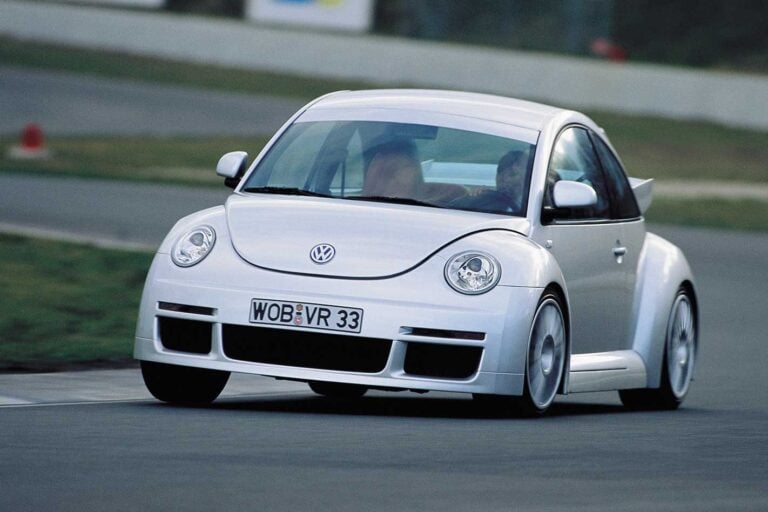
10 high-performance versions of cars with humble beginnings
You may think of most of the cars on this list as mundane appliances, but that didn’t stop some extreme versions from being spun from their humble underpinnings.
-
 Features
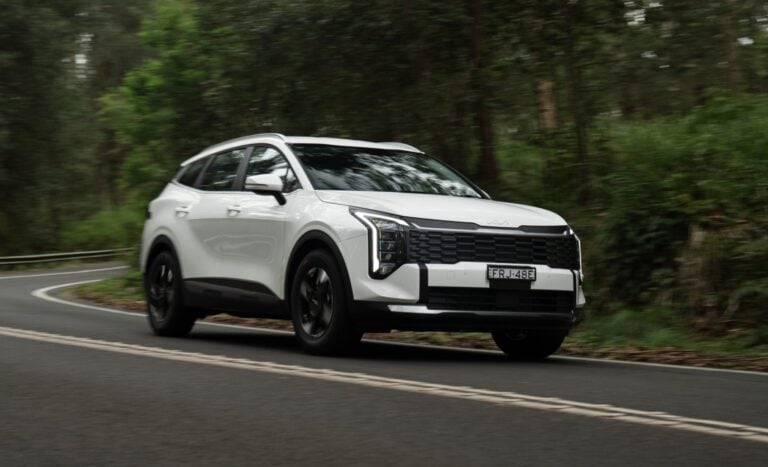
Most fuel efficient petrol/diesel medium SUV models on the market: Top 10
Are you searching for a new medium SUV, but don't want any form of electrification? Here are the 10 most fuel efficient models you can currently buy.