
Features


Gallery 1
The turn of the millennium Holden was riding the crest of a wave.
It was number one in the sales race by a country mile, a good 25 per cent ahead of second-placed Toyota, and the latest Commodore was not only thumping its main local opposition but being shipped to the Middle East as a Chevrolet Lumina and Brazil as a Chevrolet Omega.
It seemed like everything Holden touched was turning to gold and this corporate confidence translated into an incredible run of concept cars unveiled in the late-1990s and early-Noughties. There was, of course, the beautiful Coupe Concept that led to the reintroduction of the Monaro, followed by the Utester, Sandman and HSV HRT Maloo utes, and the wild Porsche-baiting HRT 427 Coupe. Not everything made production – we’re still sour the 427 didn’t make the cut – but the company was a hive of creative energy and it seemed nothing was off the table.
1
One of the more unusual concepts was the SSX, a hatchback VY Commodore SS that hid the all-wheel drive system from the forthcoming Adventra cross-over. Appearing at the 2002 Sydney Motor Show, it was powered by the 235kW/465Nm Gen III V8 and, according to then-Holden Chairman Peter Hanenberger, “It heralds a family of low-ride height, inspirational all-wheel drive niche vehicles.”
This isn’t the only quote from around this time that stretched the truth somewhat, but Holden Special Vehicles’ Marketing Director, John Elsworth, dropped a clue to the press when he suggested that he wouldn’t be surprised if HSV was to use, even debut, the drivetrain combination. Elsworth, of course, knew very well what was being cooked up at headquarters.
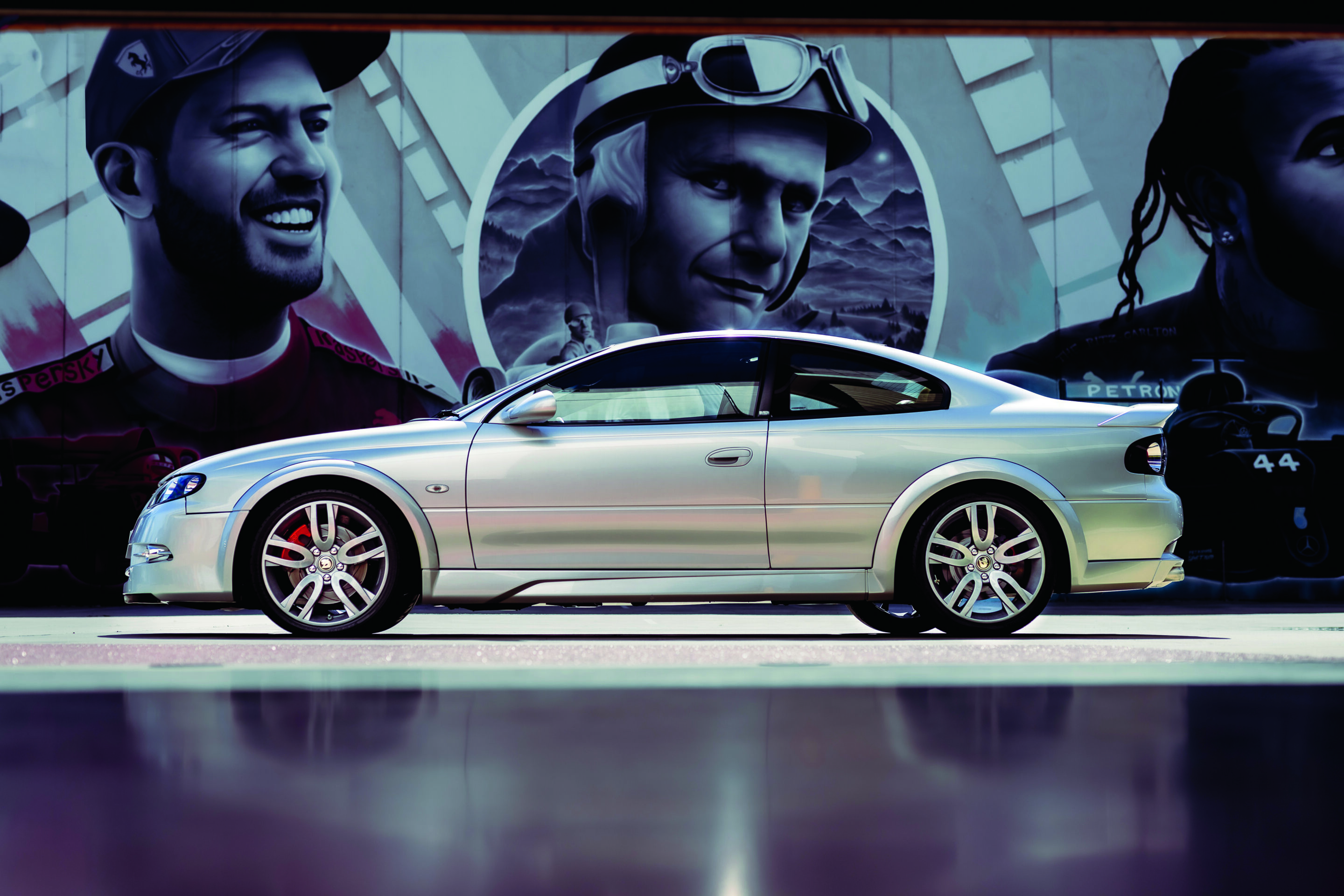
History now tells us that Holden never created a true high-performance all-wheel drive, limiting itself to the Adventra wagon and Cross8 dual-cab ute. This left the door open for HSV to create the Coupe 4 – the Quattro from Clayton.
1
Let’s be upfront; the Coupe 4 was not a commercial success. At the time, HSV Managing Director John Crennan asserted that: “There’s no doubt in my mind that in five years’ time, the role of all-wheel drive in our range will be profound. It will be a very significant part of our business.”
This quote aged about as well as milk in the desert, for after its dalliance with the Coupe 4 and its high-riding relatives, the Avalanche wagon and XUV ute, HSV wouldn’t create another vehicle with four driven wheels until the Colorado SportsCat in 2017, which ironically became its most popular ever model.
However, contemporary commercial success isn’t a prerequisite for modern classic status. Quite the opposite, in fact, as a lack of popularity when new results in a scarcity that often only enhances a car’s collectability. HSV needed to build 200 Coupe 4s to break even on the project, with the plan to build 100 in 2004 and the remainder in 2005; the final tally was 134 cars (28 Series III and 106 VZ) with 20 of those sent across to New Zealand.
HSV might argue that the Australian performance car market at the time lacked the sophistication to appreciate the Coupe 4’s talents that lay deeper than the spec sheet. Buyers cared about numbers and the bigger the outputs and smaller the acceleration figures the better. A big part of the reason for Holden’s success in this era was its cars had more grunt, plain and simple.
2
Less charitable commentators might attribute the Coupe 4’s lack of popularity to the fact that at $89,950 plus on-road costs (almost $160,000 in today’s money!) it was HSV’s second-most expensive model – behind only the 300kW GTS – its least powerful, at 270kW/475Nm, and at 0-100km/h in 6.1sec, quicker only than its heavier, high-riding Avalanche stablemate.
Wheels’ best effort was 6.5sec, only a fraction ahead of the 6.6sec HSV claimed for wet gravel, and it’s unclear where HSV’s test drivers found the extra four-tenths when the Coupe 4 launch technique was to spool up as many revs as possible against the brake then keep the accelerator pinned to the floor.
But HSV may have had a point, too. When Wheels’ sister publication MOTOR conducted an Australian muscle car mega test in 2005, the Coupe 4 was easily the slowest of the V8s in a straight line, yet around Eastern Creek it was third quickest, despite not being designed for the racetrack in the slightest.
Wheels’ initial drive wasted no time in delivering its verdict, author Nathan Ponchard proclaiming the Coupe 4 to be “bloody excellent” in the second paragraph, while over at MOTOR the car’s manners and bandwidth won over an initially skeptical Jesse Taylor: “I admit to being a bit cynical about the Coupe 4. For one, I didn’t understand the appeal of a car that’s slowest in the range, but second-most expensive. I also feared HSV was looking too far outside the square and away from what it does best. Over 1200 traction-packed kays later, its breadth of ability has peeled away my cynicism.”
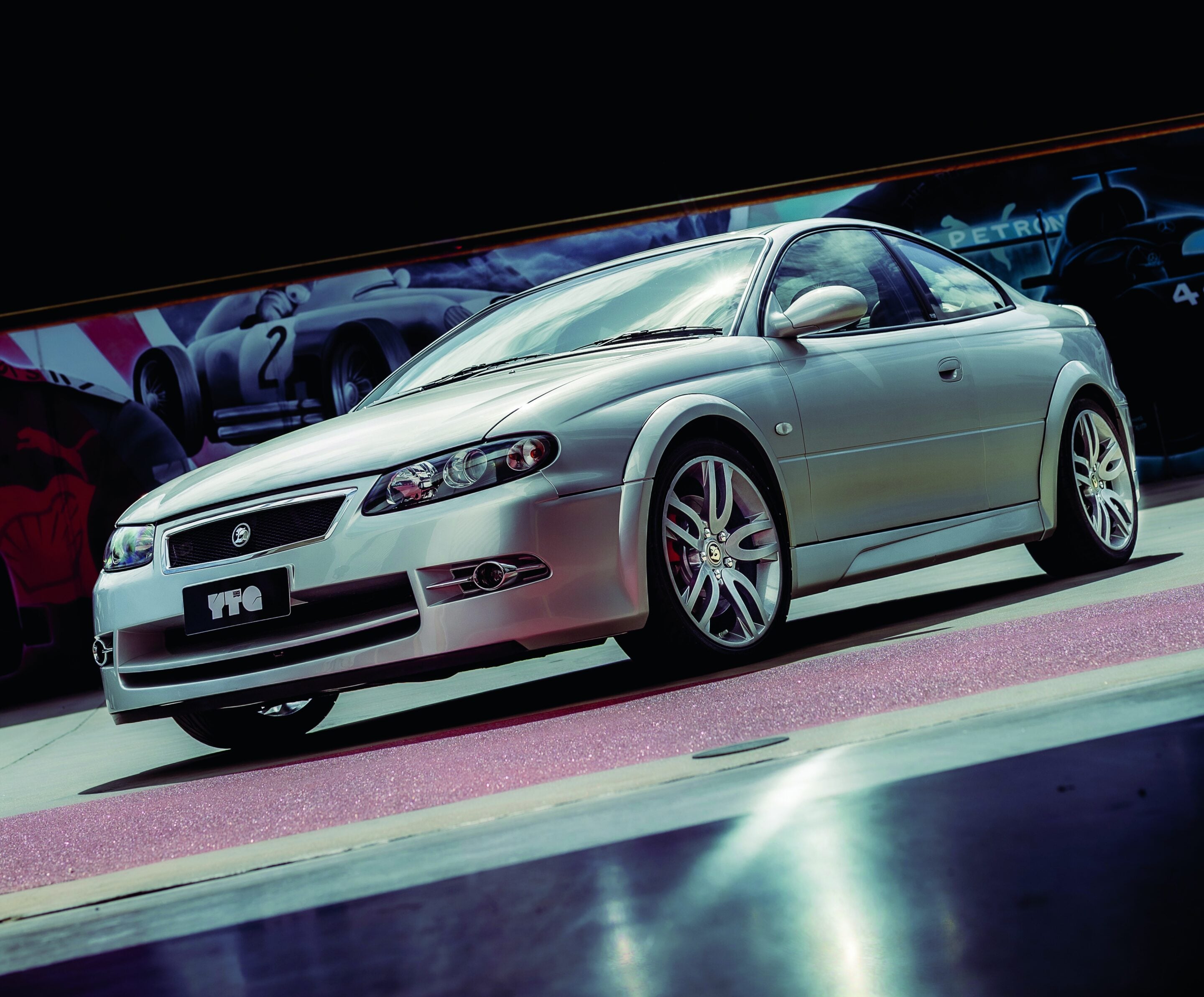
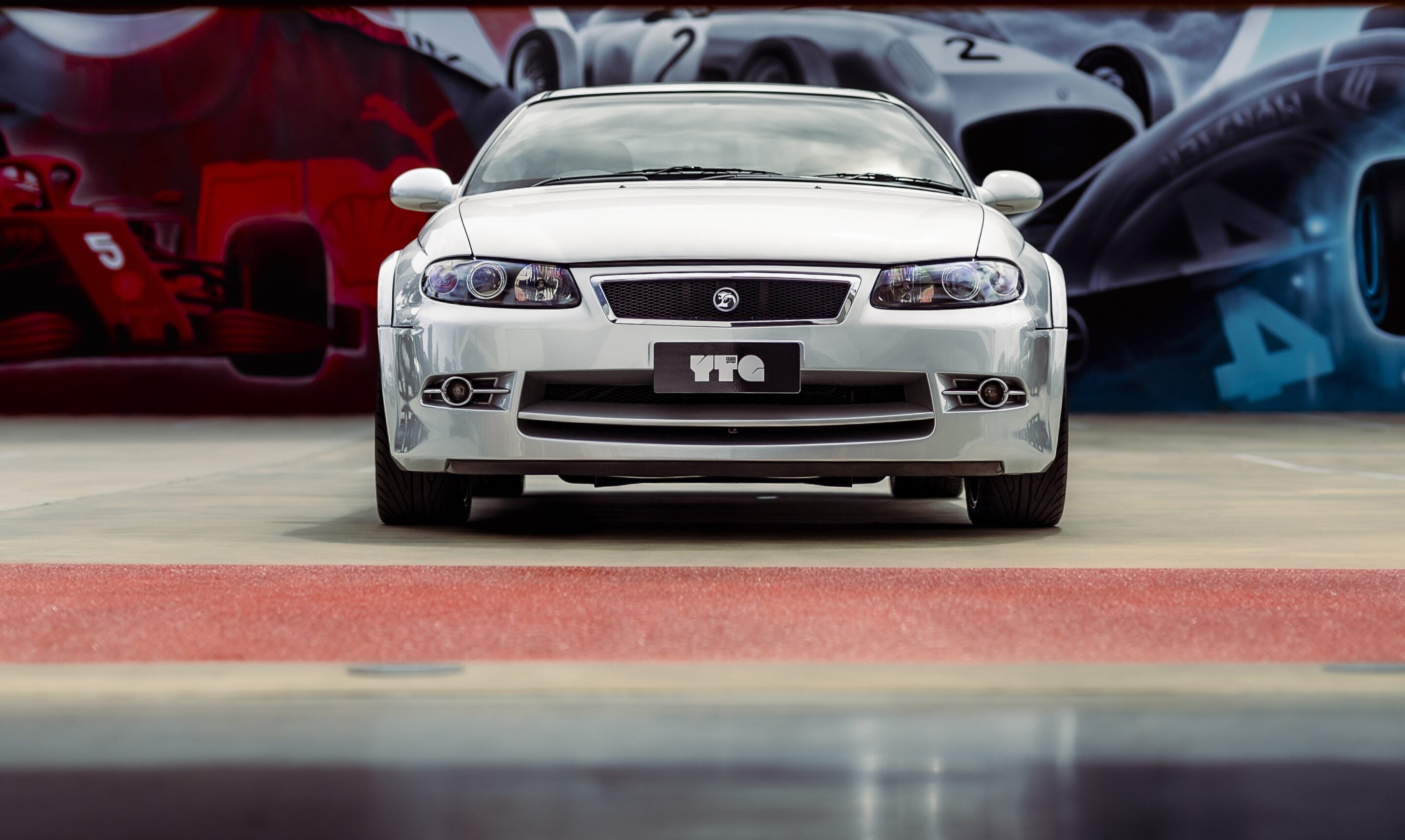
But perhaps the Coupe 4’s greatest achievement, certainly in terms of its contribution to the HSV brand, was how it was built. Installing the all-wheel drive system widened the front and rear tracks by 60mm apiece, pushing the wheels out beyond the standard guards and requiring the wheelarch flares that were somewhat controversial in period, many commentators feeling they were at odds with the car’s more premium aspirations.
1
Until Coupe 4, every single HSV model went down the production line in Elizabeth as a standard Commodore before being sent to Clayton for its transformation. As such, modifications were limited to parts that could be easily changed, such as wheels, lights, grilles, side skirts, spoilers and the like.
Adding the Coupe 4’s flares after the fact at Clayton was a no-go as drilling holes in the finished bodyshell would be to invite all manner of potential rust issues and associated warranty claims. The solution was for HSV to install its own production line featuring a multi-million-dollar robot purchased specifically for the program.
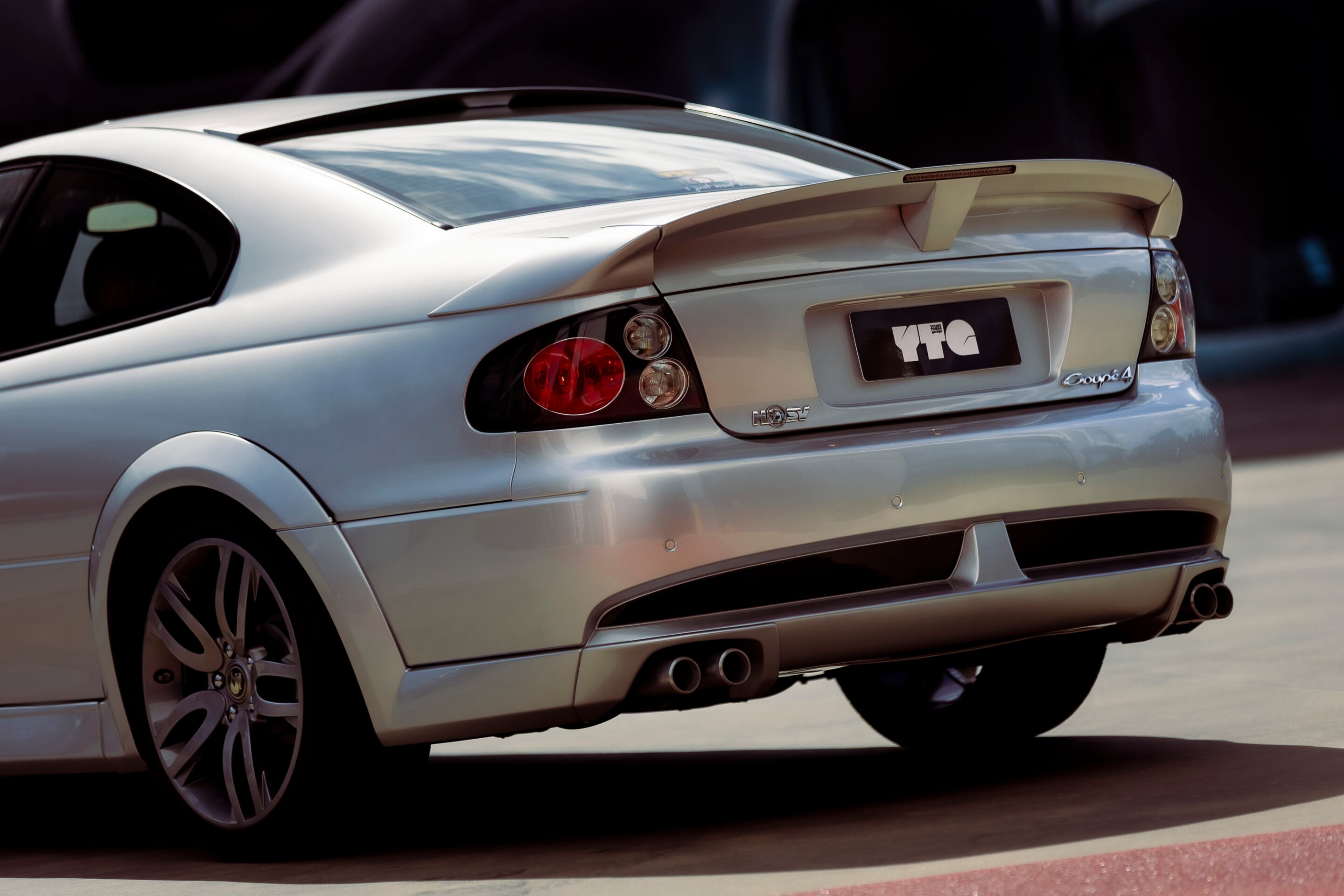
Each Coupe 4 was initially built up as a left-hand drive Pontiac GTO shell due to HSV’s desire for it to have quad exhausts. Due to US crash regulations, Monaros that headed Stateside had their fuel tanks relocated behind the front seats. This led to a sizeable reduction in boot space from 520 to 370 litres but it did clear room for the right-hand side exhaust pipes.
Once the body-in-white was completed, it left the main production line to undergo the ministrations of HSV’s fancy new robot. Here it was converted to right-hand drive thanks to the installation of the Aussie-spec cockpit module, which included the firewall, while the mounting points and crossmembers required for the all-wheel drive system were also attached.
Following this, the bodyshell was placed on a rotisserie where a plasma cutter trimmed the guards and installed the mounting points for the flares before the guards were rolled for added strength. From here it was back on to the main production line where the usual corrosion protection and paint were applied. Et voila, a suitably widened but fully warrantable bodyshell.
2
The all-wheel drive system was essentially a straight lift from the Adventra, albeit with a flexible coupling rather than a CV joint to the rear diff thanks to the Coupe 4’s lower ride height, though it also improved refinement. Drive was fixed at a rear-biased 38:62 split with open centre and front differentials, with wheelspin managed by the traction control which could brake individual wheels to transfer torque as required.
Installing all-wheel drive had plenty of flow-on effects. The most obvious was an increase in weight; the Coupe 4’s extra 120kg over a GTO not just down to the Quad-Trac system, but elements like the 4mm-thick steel engine subframe. This weight was distributed 55:45 (front:rear), but its location resulted in a lower centre of mass, which combined with the wider tracks provided greater cornering stability and largely explains both the Coupe 4’s impressive Eastern Creek performance and its ability to lap the Lang Lang Ride and Handling course quicker than the 300kW GTS – corner speed and traction.
A substantial suspension rethink was required by HSV’s engineering team as the dynamic demands were completely at odds with the rest of the range. Intended to sit alongside the Senator and Grange on the sports-luxury side rather than the racier Clubsport, GTO and GTS, ride comfort was a priority and by all accounts the engineers nailed the brief.
1
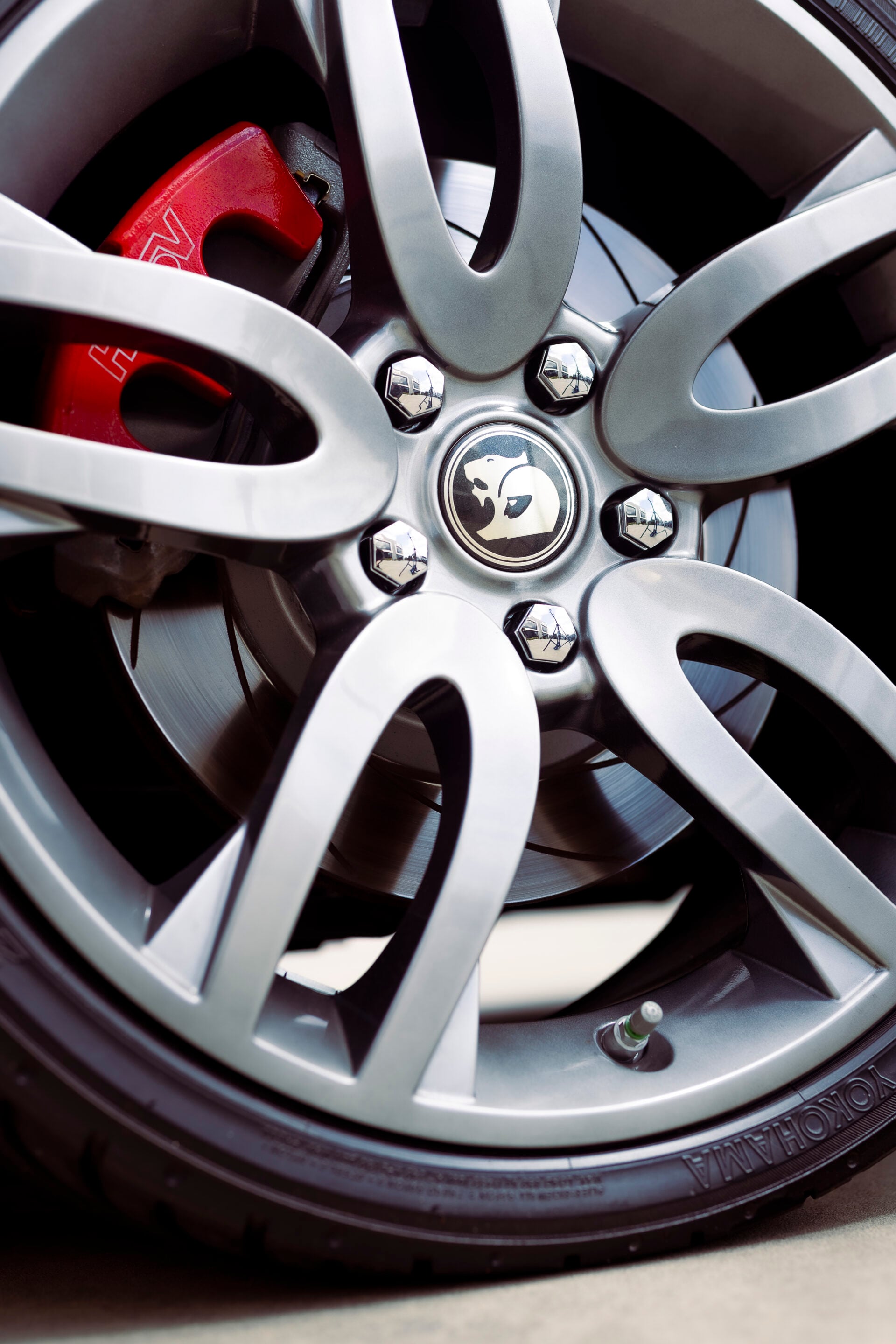
The GTS donated its linear-ratio steering and the front ball joints and knuckles were reversed to lower the roll centre, which required new lower control arms, but those knuckles then didn’t allow enough clearance for HSV’s premium brake package. Whereas the GTS wore 362mm front discs with six-piston calipers, the Coupe 4 made do with 336mm discs and two-piston calipers supported by 315mm discs and single-piston calipers at the rear. Combined with the extra heft, they could quickly wilt under heavy use.
They also meant that the Coupe 4-specific wheels had to be fitted at Elizabeth as the transport steelies wouldn’t fit over the brakes. At 19 inches in diameter but with staggered widths of 8.0 inches (front) and 9.0 inches (rear) – another first for HSV – they wore Pirelli rubber measuring 245/35 and 255/35 front and rear respectively. This change came very late in the piece, as when the initial press drives took place the car still wore 19 x 8.0 wheels and 245/35 tyres all ’round.
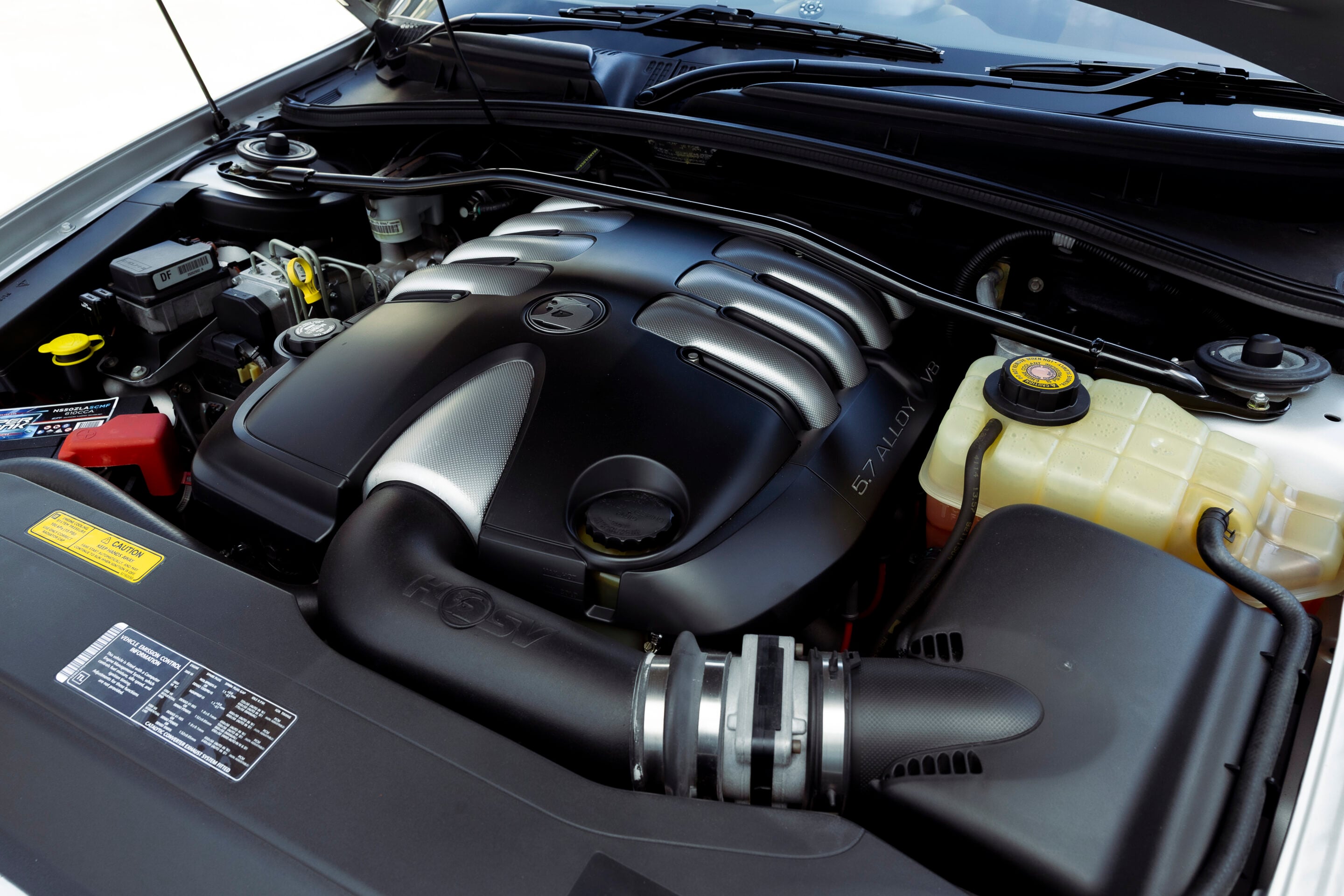
And then there was the engine. HSV did itself no favours by launching the Coupe 4 alongside the upgraded VY II rear-drive range, which featured a new 285kW/510Nm tune for the 5.7-litre V8 across the board, even in the base $60,200 Clubsport. In that context, having less power in the $90K Coupe 4 was a tough sell for the marketing team, especially when the four-speed automatic was the only gearbox able to be mated to the all-wheel drive system.
Crennan’s predecessor, Chris Payne, who was HSV general manager when the Coupe 4 was announced, was aggressively defensive at the suggestion of any shortfall: “Two weeks ago you could’ve driven a 260kW Clubsport and come away extremely impressed. I fail to see how offering 10 more kiloWatts, being quicker, and having a fistful of dynamic benefits can be
perceived as a disadvantage.”
The culprit was once again those pesky front driveshafts, which didn’t allow enough clearance for the VY II’s 44mm headers, instead restricting the Coupe 4 to the 41mm headers of the original VY. In that context, extracting another 10kW was quite impressive, especially when you consider that the engine made 279kW under the DIN standard (which Ford used), but the fact remained you were making excuses before a wheel had even turned.
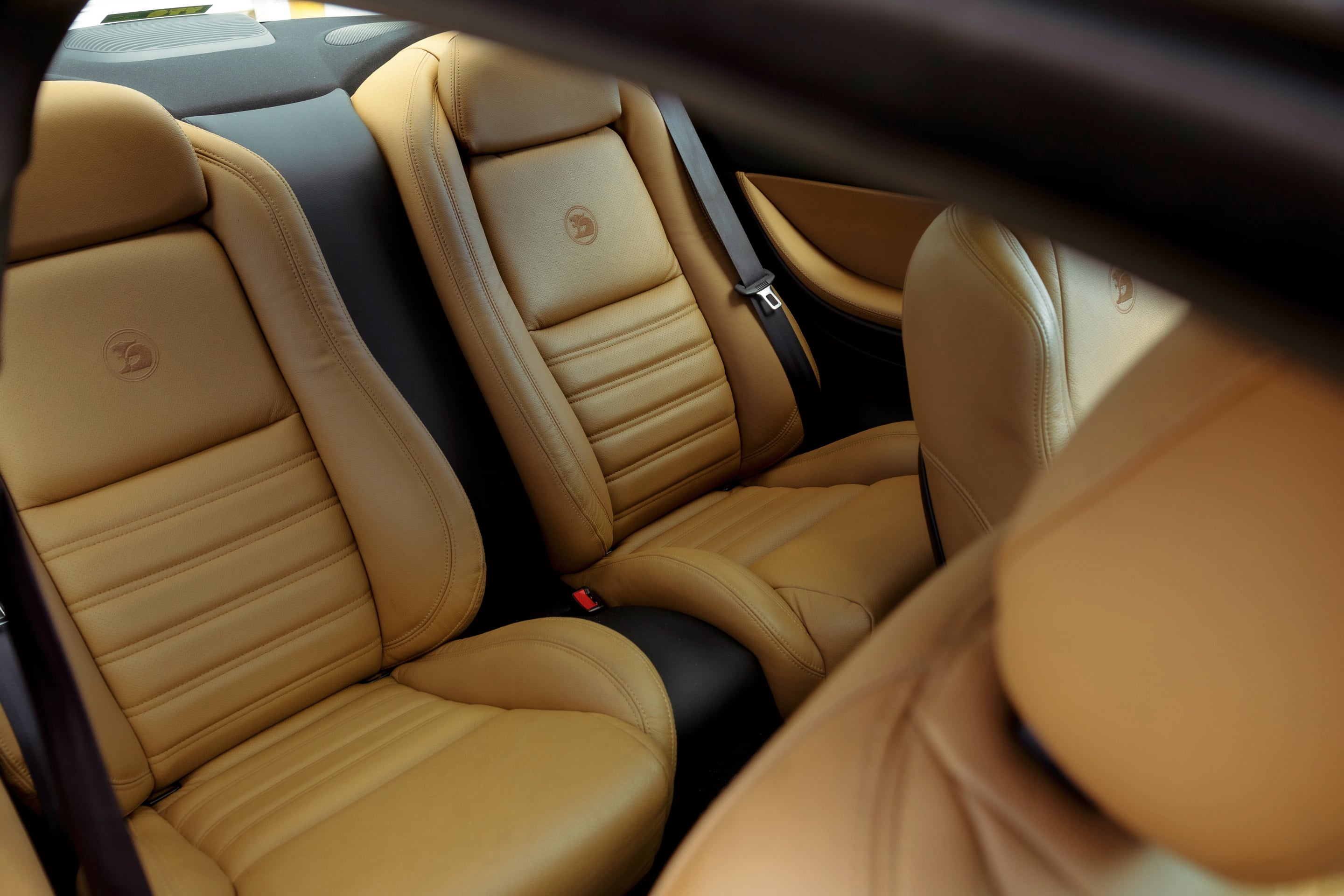
In order to position the Coupe 4 as a more premium product, HSV used the sharper headlights from the Pontiac GTO as well as a unique grille with a chrome surround. Only three colours were available – Sting Red, Phantom Black and Quicksilver – with a black-on-black or the rarer ochre-on-black interior.
1
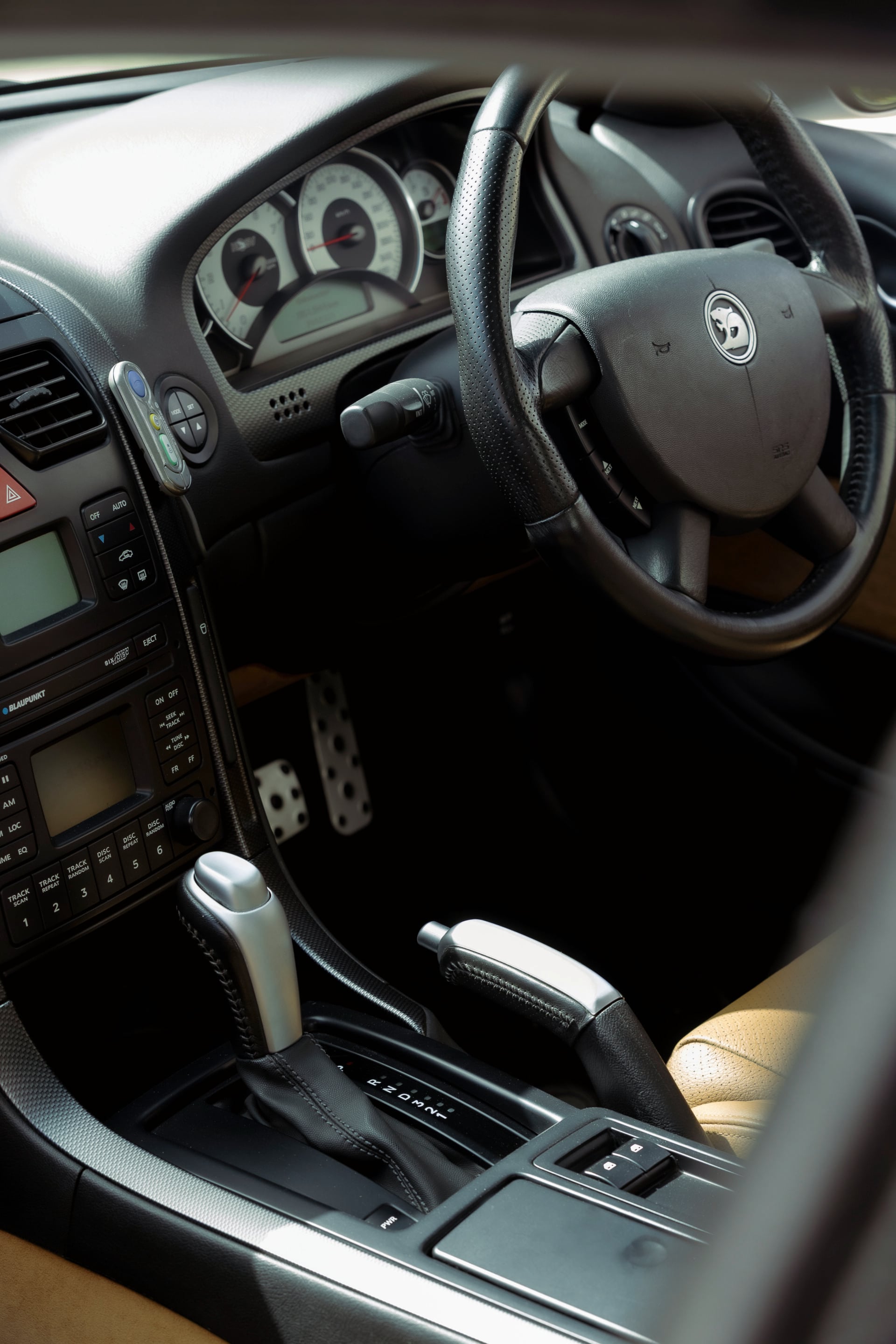
It was also loaded with kit, including Xenon High Intensity Discharge (HID) headlights, remote central locking, rear park assist, electric mirrors, embedded security system and immobilizer with data dot vehicle identification, eight-way electrically adjustable front seats (driver’s with three-position memory), concealed mobile phone storage compartment and a Blaupunkt stereo with in-dash six-disc CD changer.
As a new car the Coupe 4 struggled. In the rainy counties of England or the snowy states of the US it might have worked, but in Australia you could buy a rear-drive GTO Coupe for less money and have a car that was quicker, more powerful, more involving and with a bigger boot. Kudos to HSV for trying to broaden its scope, but the end result was more of a curiosity.
Of course, that’s exactly why the Coupe 4 now appears here. Two decades on its performance shortfall over its stablemates is irrelevant, as no one is buying a 20-year-old Australian muscle car for cutting edge performance. Its grand touring credentials, however, are more relevant than ever, making this the perfect car for a weekend cruise in comfort. Most importantly, it’s interesting and intriguing with a unique story to tell and the build numbers mean sightings are few and far between. All-wheel drive might not have taken off at HSV, but it gives the Coupe 4 an appropriately strong grip on modern classic status.
The Other One
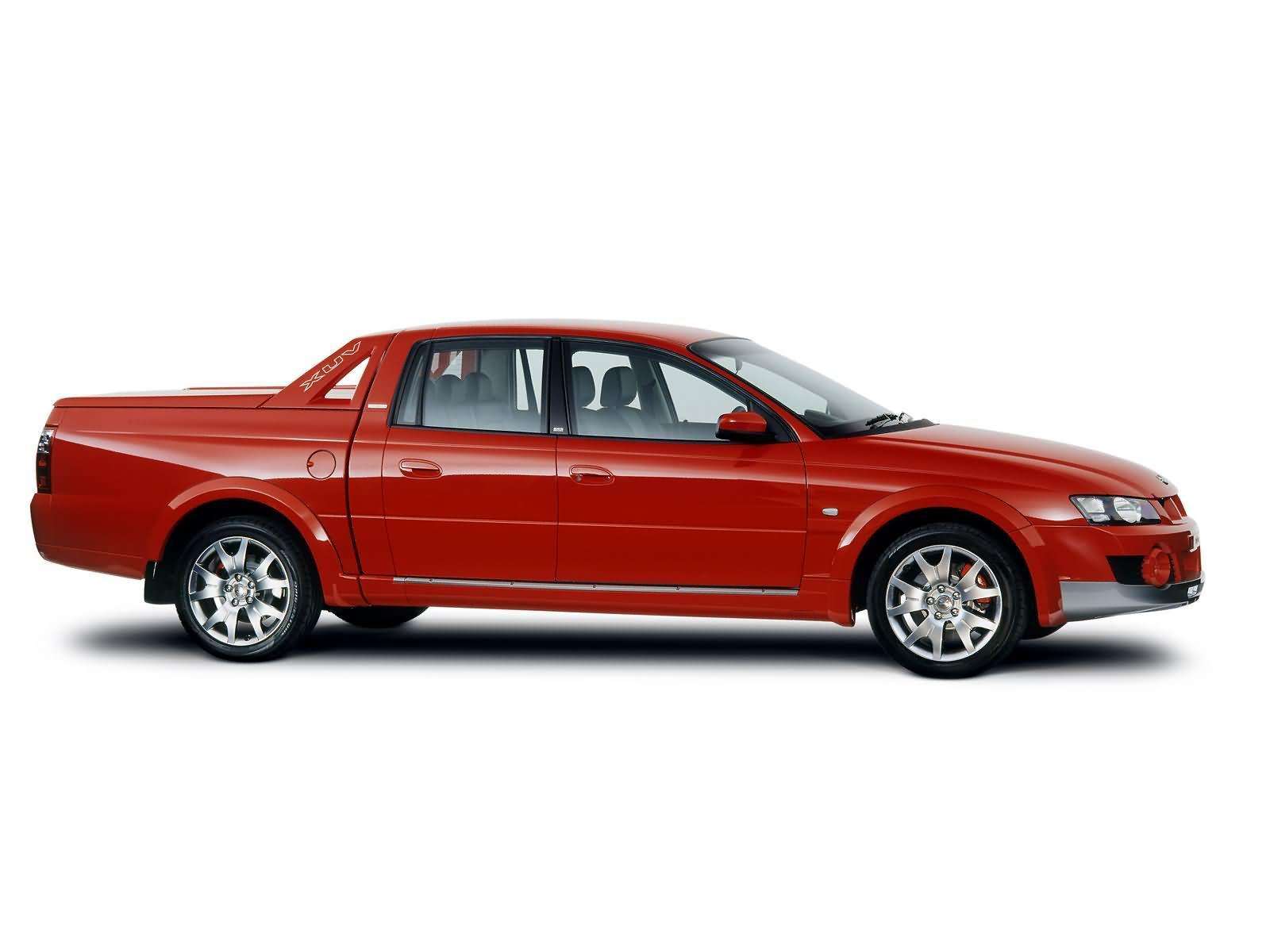
HSV’s other all-wheel drive experiment, the Avalanche (below), fared a little better, with 333 units supposedly built, though this incorporates both the wagon and the XUV dual-cab ute. At more than two tonnes, the Avalanche was even slower than the Coupe 4, though at $73,990 it was also much cheaper and could easily fit the family. While it wasn’t a huge hit, it was quicker and more powerful than the Porsche Cayenne S that landed at around the same time, so there’s that.
2
Specs
| Engine | 5666cc V8, OHV, 16v |
|---|---|
| Transmission | 4-speed auto |
| Power | 270kW @ 5700rpm |
| Torque | 475Nm @ 4000rpm |
| 0-100km/h | 6.1sec (claimed) |
| Weight | 1830kg |
| PWR | 148kW/tonne |
| L/W/H/WB | 4789/1840/1397/2788mm |
| Tyre | 245/35 R19 (f); 255/35 R19 (r) Pirelli P-Zero |
| Price | $89,950 (2004); $99,990 (today) |
1
The article originally appeared in the 2025 Yearbook issue of Wheels. Subscribe here and gain access to 12 issues for $109 plus online access to every Wheels issue since 1953.
Follow WhichCar/Wheels on Google
Click the button below to make WhichCar by Wheels a preferred source for your news.

We recommend
-
 Features
Modern Classic: Tickford TS50, the legendary HSV rival that never quite got into top gear
Tickford’s 5.6-litre big bangers couldn’t resurrect the AU Falcon’s reputation back in the day, but time has smiled on these hand-crafted specials.
-
 Features
The forgotten Aussie-built heroes
12 cars you may never have known were built right here in Australia
