
Features


Gallery 1
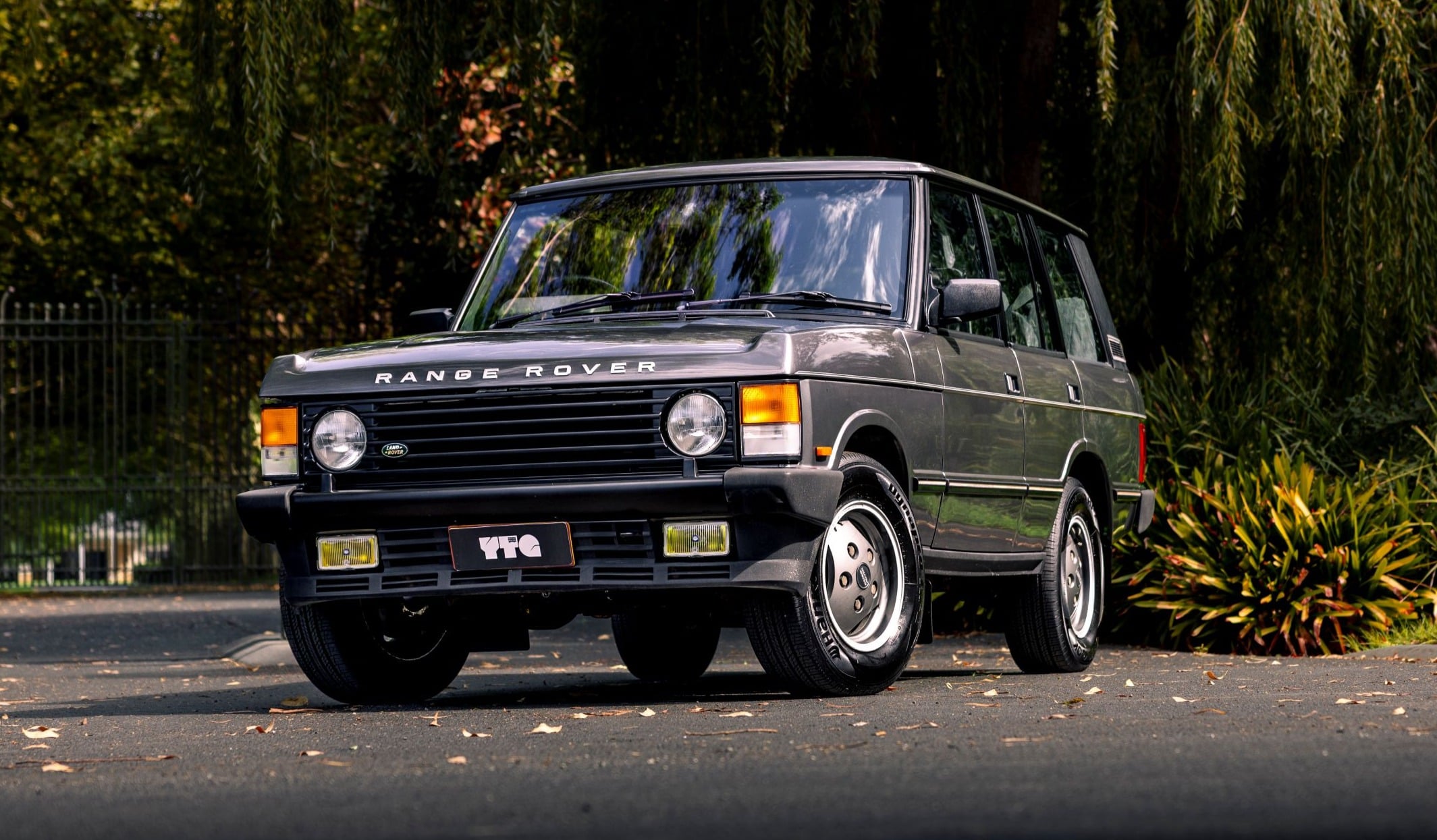
Forget the revisionist history. When the original Range Rover launched in 1970, it wasn’t a luxury vehicle. Not even close.
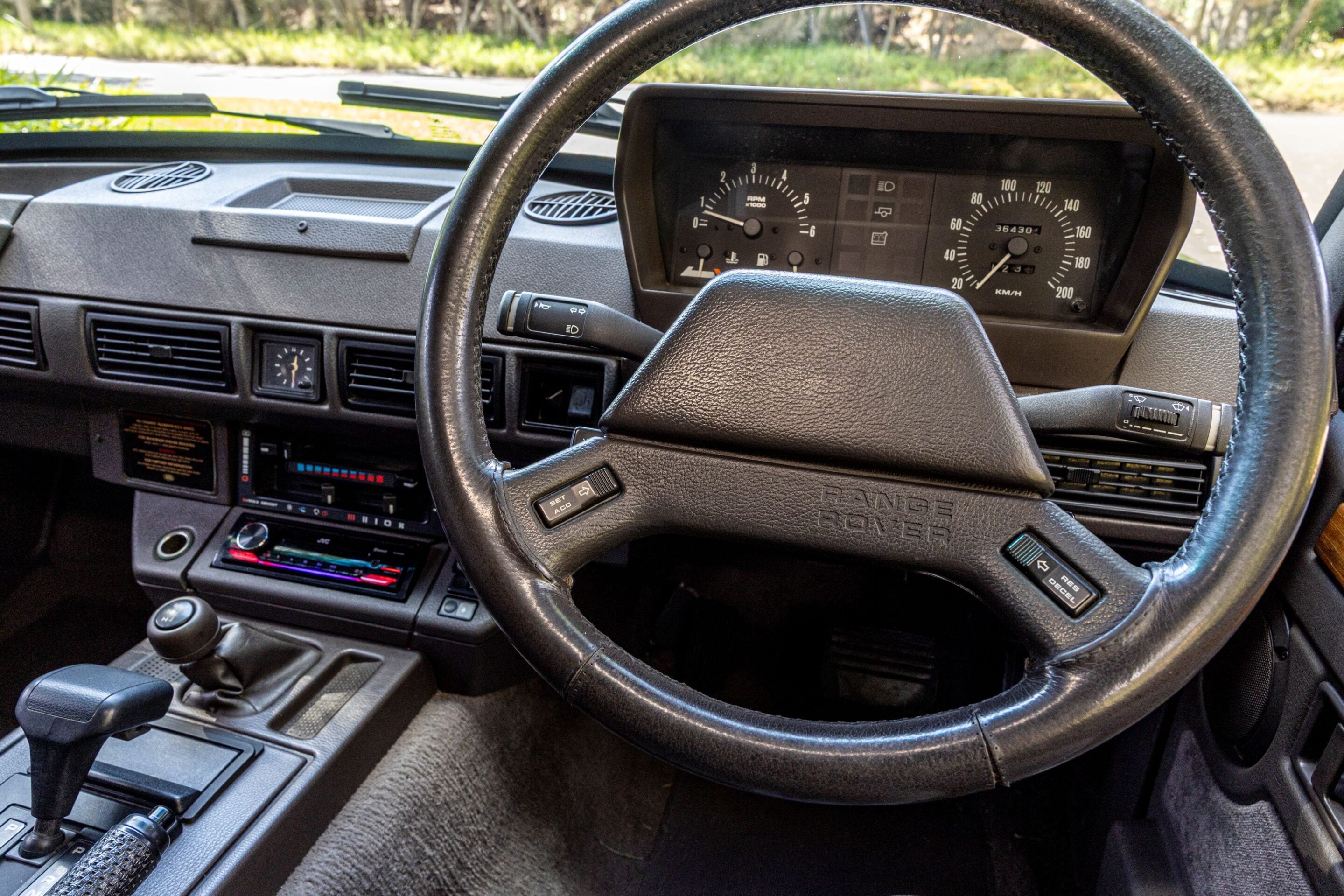
Vinyl seats, hard plastics, rubber floor mats, ladder-frame chassis, unassisted steering, live axles, and manual window winders aren’t the hallmarks of a luxury vehicle. Oh, and it only had two doors. And a manual transmission.
But what it did have was lusty V8 power, permanent all-wheel drive with a lockable centre-diff and coil spring suspension all round. That afforded the Range Rover a level of comfort on the road (as well as off) that broadened its appeal beyond British farm folk and serious four-wheel drive enthusiasts. And that was by design.
The brainchild of long-time Land Rover engineer Spencer ‘Spen’ King, who with a prescience decades ahead of his time, recognised that more and more people were looking for a vehicle that blended rugged abilities with on-road comfort and modern design.
2
King, along with Gordon Bashford, and with some finessing of its final design by Rover cars designer David Bache, brought the humble four-wheel drive farm hack into a new era. Suddenly, in the words of Land Rover, the world had “a new kind of vehicle – one capable of going anywhere yet fitting in everywhere”.
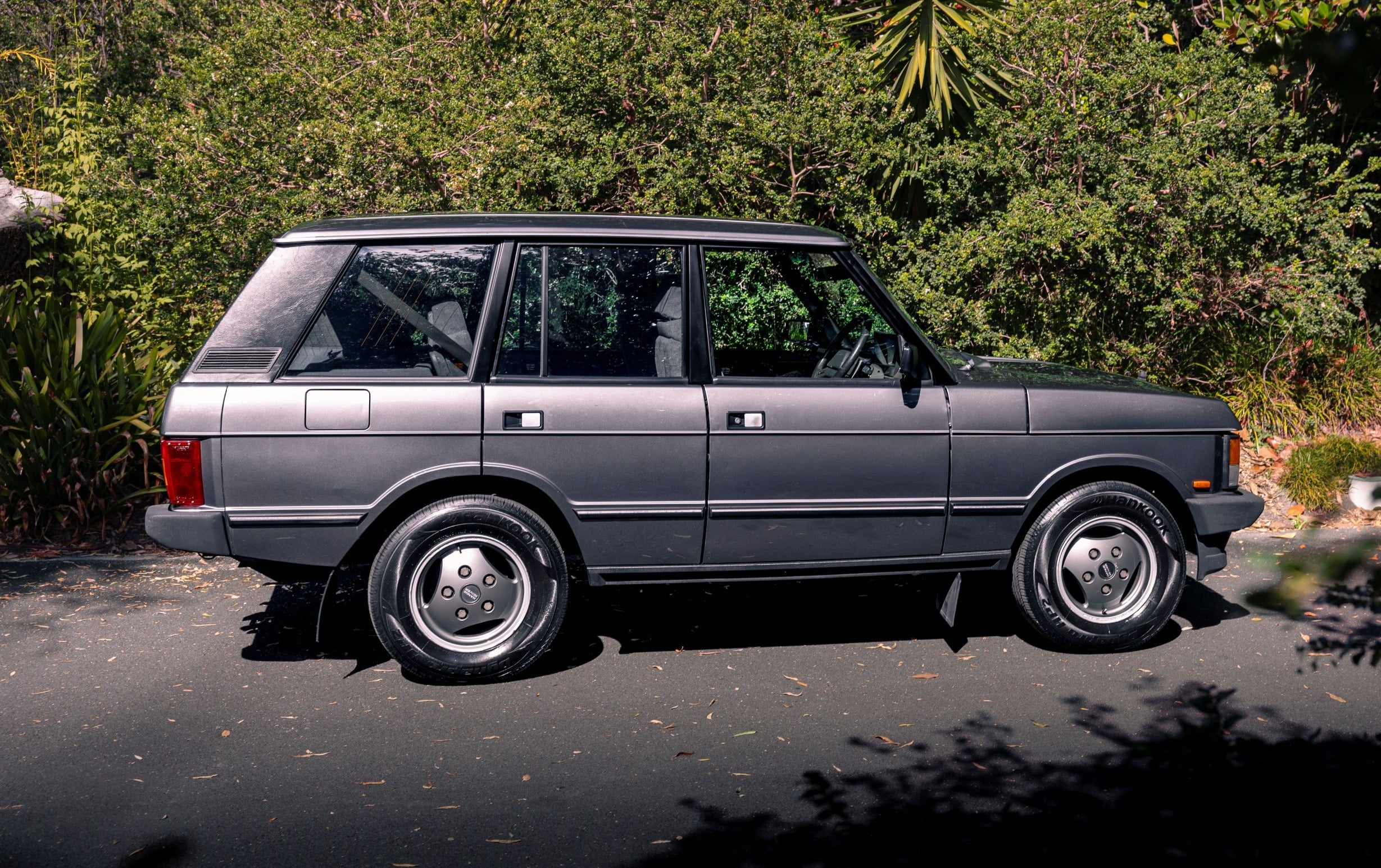
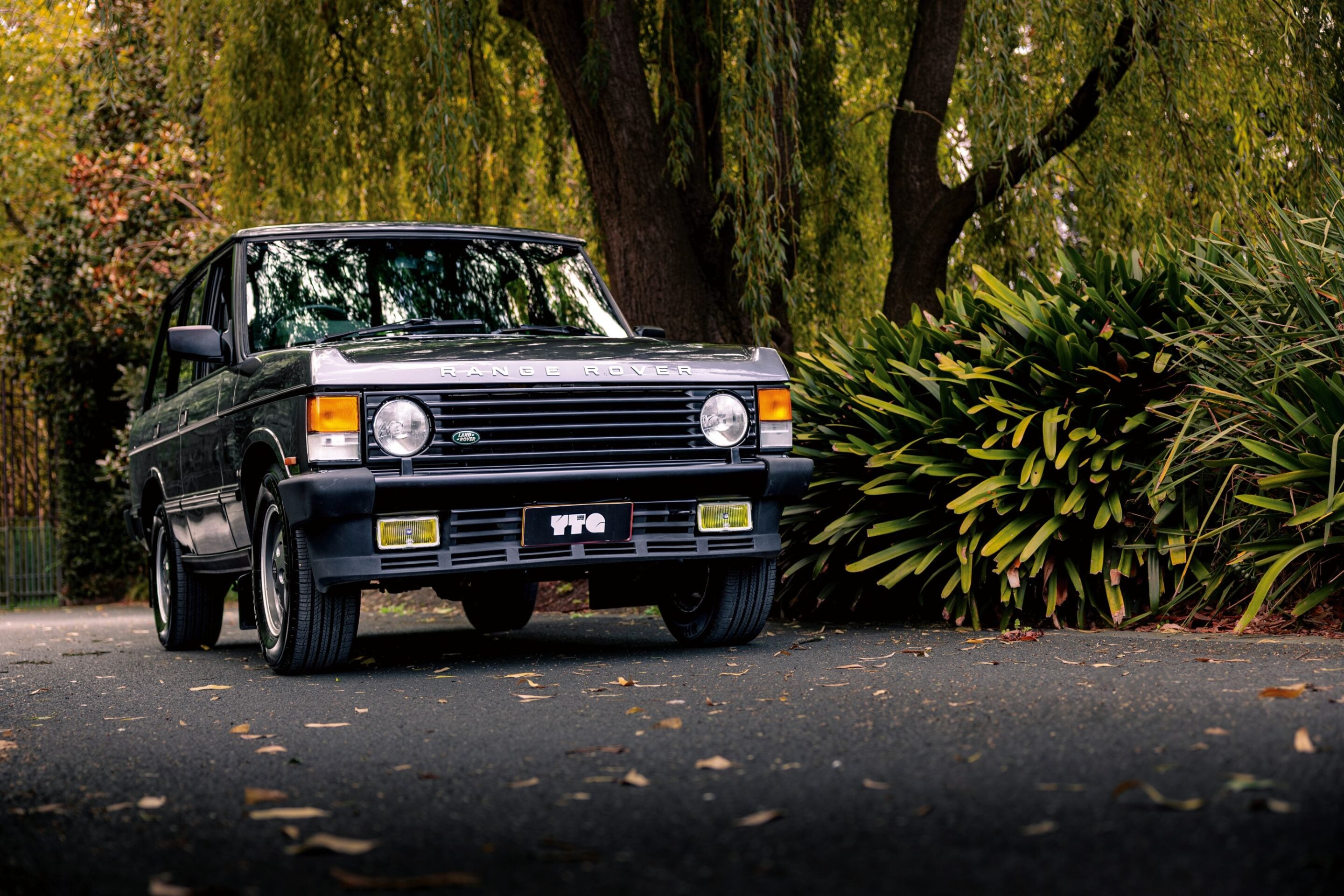
Certainly, its functional form brought the 4WD into the modern age. No longer resembling an ex-military cast-off, as so many of its forebears did, the Range Rover brought a newfound modernity to the segment. Boxy yes, but there was something unmistakably futuristic about its design. A clamshell bonnet, split tailgate, low beltline and expansive glasshouse were not only practical, but lent the Range Rover a clean and contemporary profile.
Recognition of King’s design came early, and from an unlikely source – the Louvre Museum in Paris showcasing the Range Rover as part of its Idea and Form exhibition, feted as an “exemplary” piece of Industrial design.
Too large to fit inside the Louvre, a one-quarter scale model graced the Louvre’s halls while a full-size Range Rover was parked proudly in the Museum’s forecourt. It was the first ever vehicle exhibited at one of the world’s most prestigious museums.
1
But more than just a showcase for modern design, the Range Rover was also a smash hit for the job it was intended. Banishing the “image of rough-and-ready transport for the farmer and his sheep” to the back paddock, the Range Rover made good use of its ex-Buick 3.5-litre light-alloy block V8, its 101kW and 251Nm mated to a four-speed manual transmission making light work of whatever challenges it faced.
As Wheels noted in our first drive in the May 1972 issue, “The engine is exceptionally smooth and quiet, giving tremendous low-down torque and yet revving quite happily. It will pull strongly from as low as 10mph in top and take-off from standstill in second as though it didn’t have a lower gear.”
But its reason for being was always going to be its off-road capabilities. And here its credentials were without compromise. Built on a ladder-frame chassis, the Range Rover featured live axles front and rear but did away with the leaf springs of Land Rovers of old. In their place, long-travel coil springs brought two-fold benefits – improved axle articulation for better off-road performance; and comfortable and composed manners on the road.
Its four-speed, dual-range transfer case mated to its permanent all-wheel drive system and lockable centre-diff effectively gave the Range Rover eight forward and two reverse gears, ensuring its off-road chops lived up to its Land Rover Series heritage.
4
Launched in June 1970 with the clever and catchy slogan of ‘A Car for All Reasons’, buyers were soon clamouring for this most utilitarian of vehicles that blended off-road ruggedness with high-street appeal. Demand outstripped supply, something only enhanced with the Range Rover’s gruelling exploits on the world stage.
In 1971, a Range Rover became the first vehicle in history to drive the full length of the Americas – a 29,000km journey from Anchorage in Alaska in the north, to Tierra del Fuego at the southern tip of Argentina. To complete the expedition, its crew had to navigate the 400km-long Darién Gap, a gruelling roadless stretch of jungle bridging the border between Panama and Colombia that took 99 days to complete, over half of the six-month long journey. Progress at times slowed to as little as one to two kilometres per day. Legend status assured.
Further expeditions only enhanced its reputation. In 1974, a Range Rover completed the 12,000km crossing of the Sahara Desert from west to east in just 100 days while in 1977, a modified Range Rover won its class in the longest-ever speed-based rally, the 30,000km London-Sydney Marathon. Then in 1979, a Range Rover driven by Frenchman Alain Génestier won the car category in the inaugural Paris-Dakar.
But while its off-road adventures highlighted its capabilities, the Range Rover had increasingly become the chariot of choice for the well-to-do.
4
Land Rover knew it was onto something and in late 1980 tasked renowned British coachbuilders, Wood & Pickett, to create a one-off upmarket prototype to get a sense of buyers’ appetites for a more luxurious model.
The finished prototype was then lent to Vogue magazine where it formed the backdrop to one of the magazine’s fashion shoots. What happened next, changed the nameplate forever.
The magazines’ readers were enamoured of the light-blue metallic Range Rover, replete with air-conditioning, plush carpeting, a picnic hamper and a raft of other luxury appointments not seen in regular production models. Demand escalated and in 1981, Land Rover released the first ever Range Rover In Vogue, a limited edition of 1000 vehicles that redefined the nameplate.
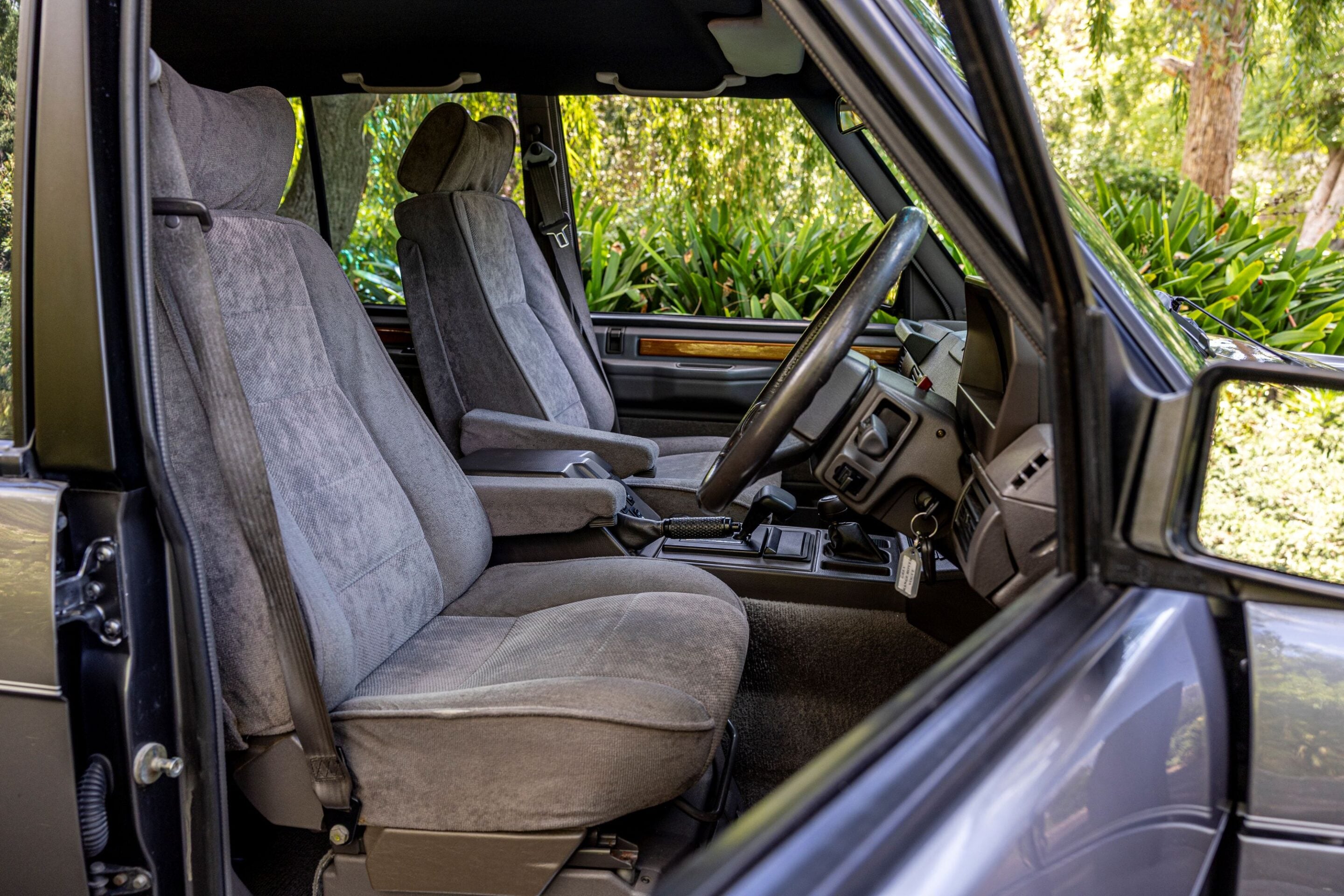
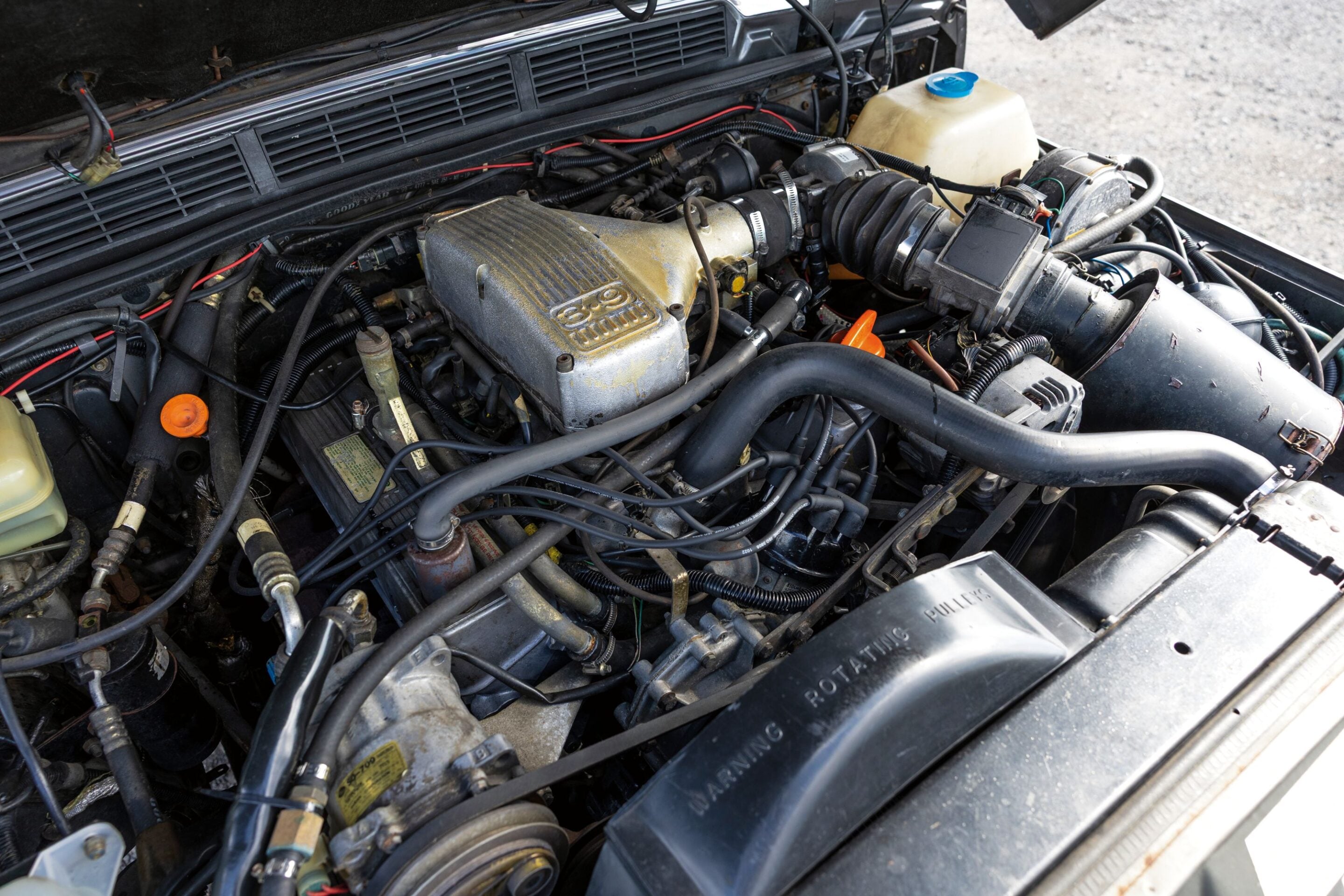
All were finished in what became known as Vogue Blue metallic paint and fitted with luxury appointments that would not look out of place on the streets of Mayfair – polished wood trim, a fully carpeted load area with its signature picnic hamper, a central storage bin between the front seats, air-conditioning, black centre caps for the wheels, twin coachlines in two-tone grey, map pockets, and stainless steel tailgate capping.
1
They were snapped up by hungry buyers, prompting Land Rover to release another batch the next year, this time finished in Nevada Gold or Sierra Silver. These too rolled out of showrooms faster than a galloping horse at Royal Ascot and in 1983, Land Rover released the final batch of its special In Vogue edition, 325 vehicles finished in Derwent Blue.
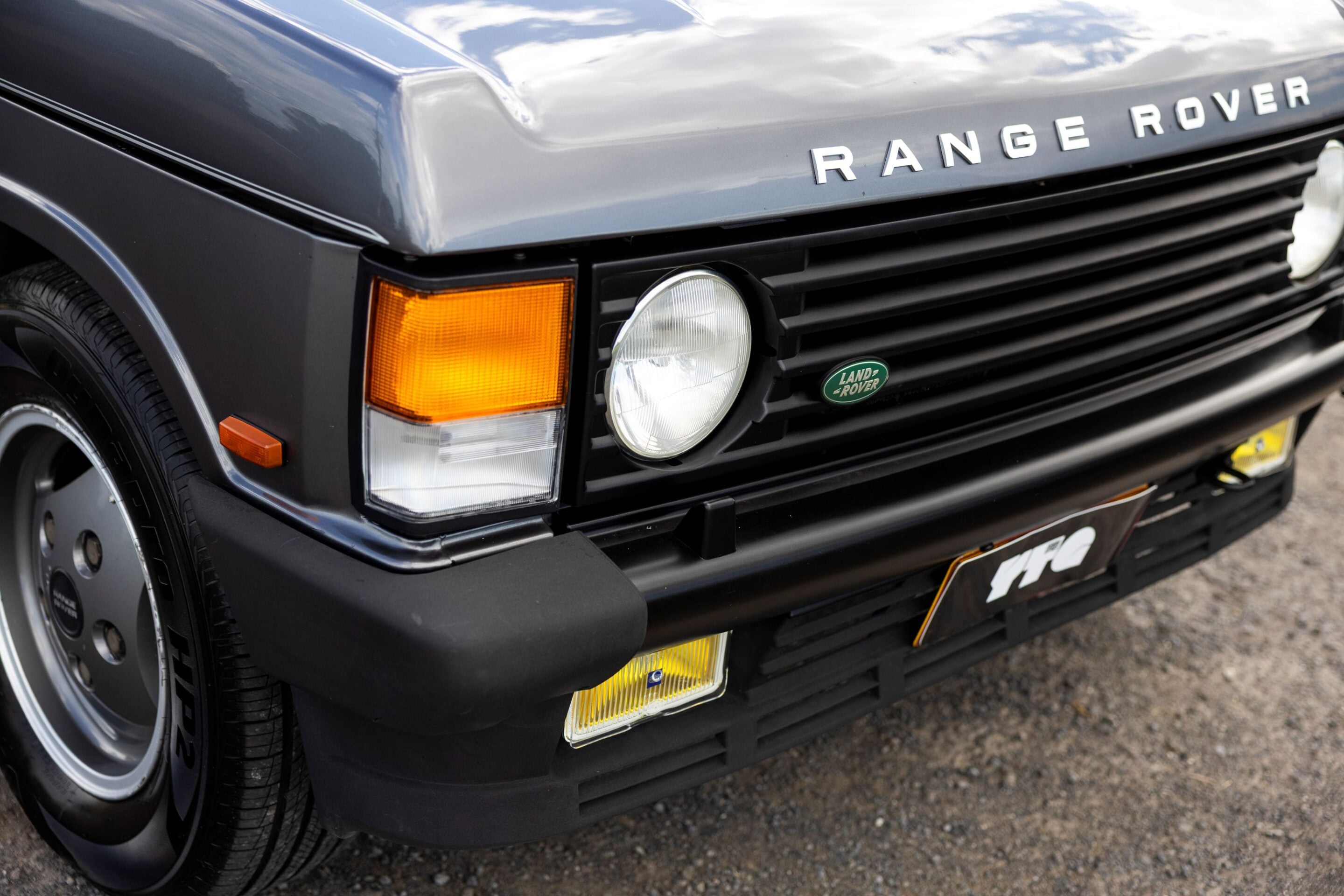
In 1984, the Range Rover Vogue (the ‘In’ was dropped) became a permanent addition to the line-up, the newly-annointed flagship completing the nameplate’s transition from utilitarian workhorse and capable off-roader to luxury four-wheel drive, the undisputed progenitor of a new category of vehicle.
The era of the luxury SUV had arrived.
Range Rover Vogue – Specs
| Engine | 3947cc V8 |
|---|---|
| Transmission | Four-speed automatic, 4WD |
| Power | 134kW @ 4750rpm |
| Torque | 304Nm @ 2600rpm |
| Wheels | 16-inch alloy |
| Dimensions (l/w/h/wb) | 4445/1818/1792/2540mm |
| Weight | 1964kg (kerb) |
| 0-100km/h | 11.2 seconds |
| Top speed | 172km/h |
| Price (new) | $76,760 |
Car thanks to Young Timers Garage
2
This story first appeared in the June 2026 issue of Wheels magazine, now on sale. Subscribe here and gain access to 12 issues for $109 plus online access to every Wheels issue since 1953.
Follow WhichCar/Wheels on Google
Click the button below to make WhichCar by Wheels a preferred source for your news.

We recommend
-
 Features
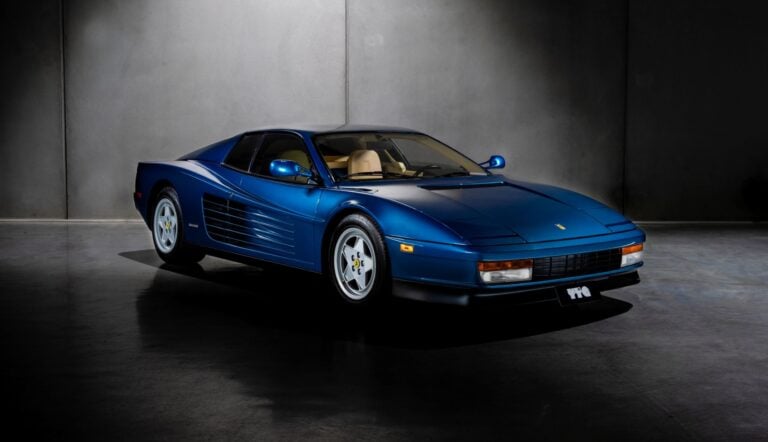
Modern Classic: Ferrari Testarossa, from Maranello to Miami Vice
Its rakish design might have been polarising, but the Ferrari Testarossa dragged the Italian supercar maker into the modern age.
-
 Features
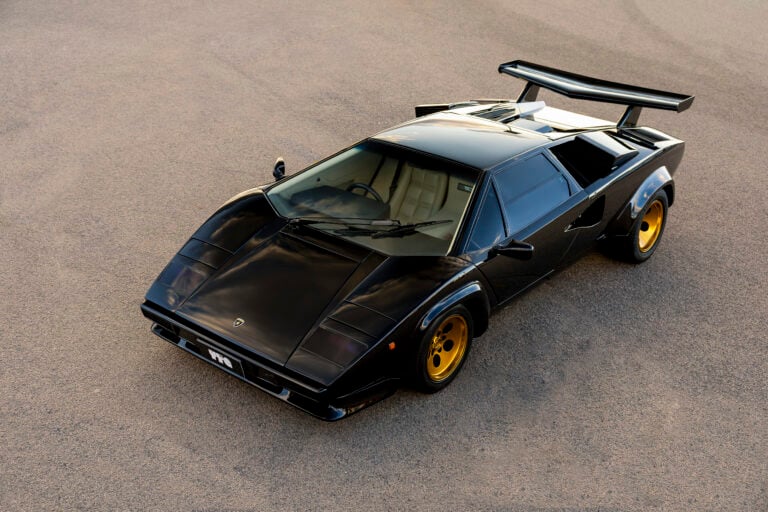
Modern Classic: Lamborghini Countach, a masterpiece of style
Born in the ’70s, and a supercar icon of the ’80s which lived into the ’90s, the Countach weaved its own magnificent myths.
-
 Features
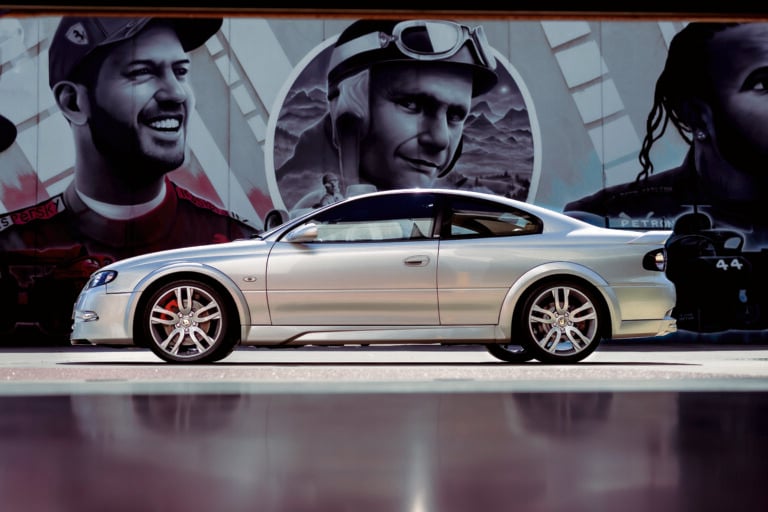
Modern Classic: HSV Coupe 4
HSV’s rare all-wheel-drive Coupe 4 was bold, complex and ahead of its time – and while it flopped commercially, it remains an example of a braver time in Australian motoring history.
