News
Gallery 1
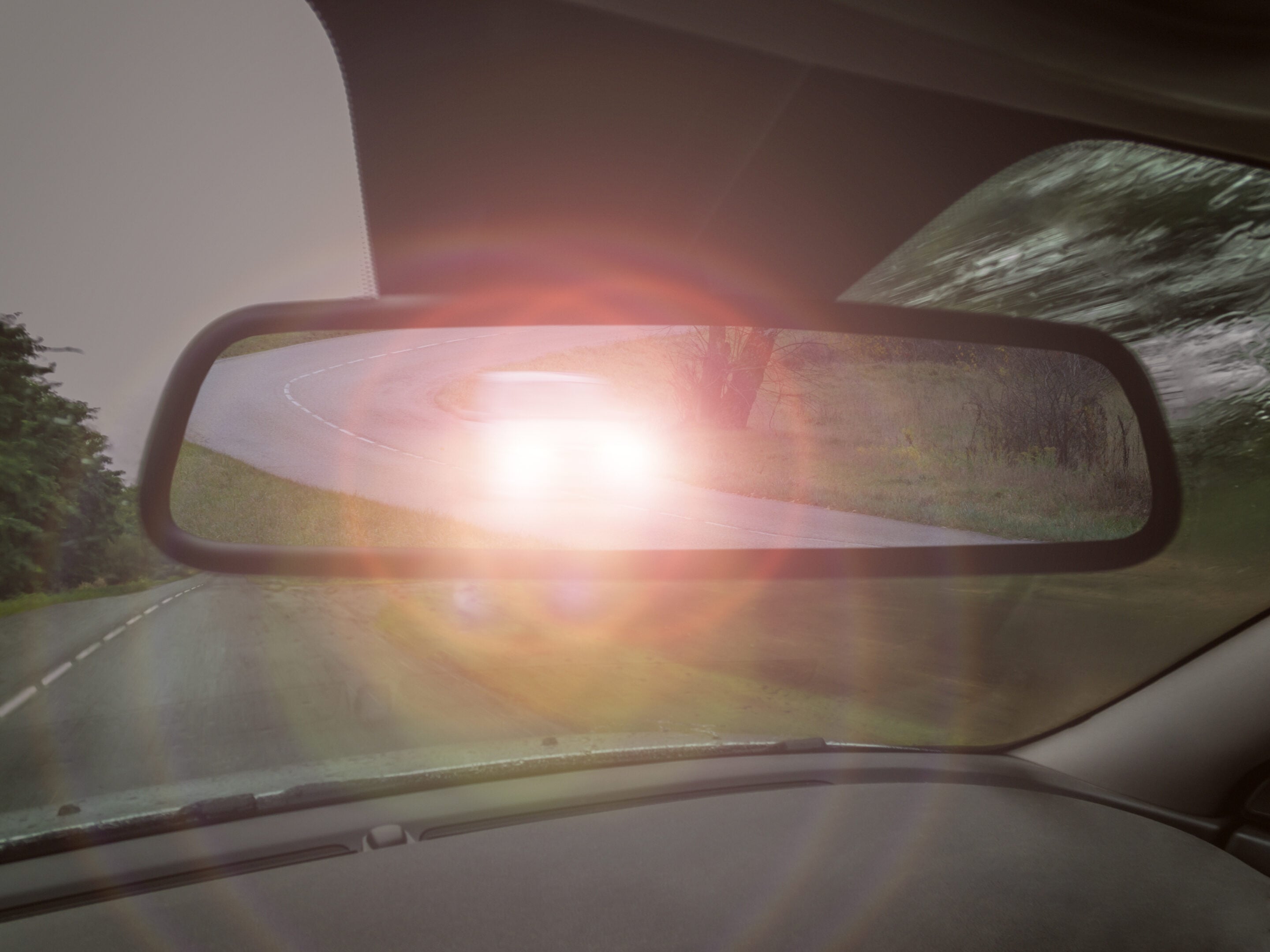
Governments could soon face pressure to tighten vehicle lighting standards as new research reveals growing public frustration with dangerously bright headlights – a problem increasingly echoed by Australian motorists.
A study commissioned by the UK Department for Transport found that 97 per cent of drivers are “regularly or sometimes” distracted by glare from oncoming vehicles, while 96 per cent believe many headlights are simply too bright. The research, led by the Transport Research Laboratory (TRL), combined driver surveys with in-car light measurements to understand how glare affects visibility and reaction times.
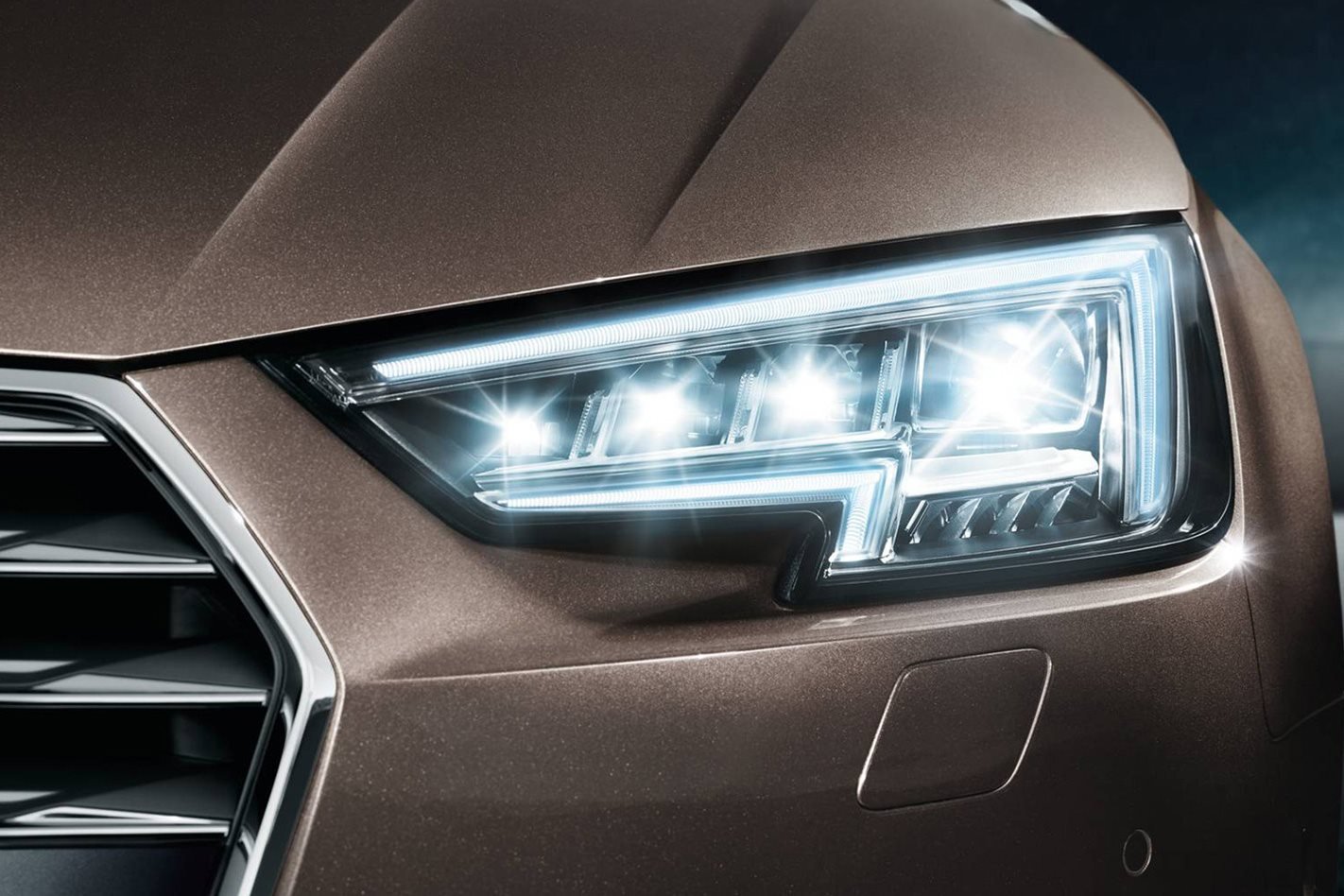
Investigators found that factors such as road angle, vehicle ride height, and headlight type – particularly high-intensity LEDs – significantly increase the dazzle effect at night. More than half of respondents said they had cut back or stopped driving at night due to headlight glare.
The findings are expected to shape a new UK Road Safety Strategy, which could include tougher lighting regulations and public awareness campaigns. A government spokesperson said the results confirm that glare is “a frustrating and genuine issue for many drivers,” adding that future vehicle-based studies will help inform international lighting standards.
While the research focused on British roads, the issue is striking a chord with Australian drivers. According to a recent news.com.au poll, a large majority of respondents said headlight glare has become a growing hazard on Australian roads, particularly with the spread of modern LED and xenon lighting. Many claimed they had to avert their eyes or slow down when facing oncoming traffic at night – a potential risk on rural highways and unlit suburban streets.
Experts warn that the problem is not merely perception. Dr Shaun Helman of the TRL said the study offered “compelling evidence” that glare can be objectively measured and linked to real-world conditions. “By combining scientific data with driver experience, we’ve moved beyond anecdotal complaints to measurable proof of the problem,” he said.
In Australia, motoring and safety groups have voiced similar concerns. The Australian Automobile Association has urged state governments to review lighting standards and step up enforcement against illegally modified headlights, which can dazzle other motorists if not properly aligned.
In the UK, authorities are already targeting illegal retrofitted LED and xenon bulbs. The Driver and Vehicle Standards Agency (DVSA) has ramped up efforts to intercept unlawful products, warning that offenders could face fines of up to A$2000.
Road-safety campaigners acknowledge that brighter headlights improve visibility for drivers, but say regulators must strike a balance between illumination and safety. “Some modern headlights are simply too powerful for real-world use,” said RAC policy officer Rod Dennis, who welcomed the new findings. “We need lighting that helps drivers see – not blinds the ones coming the other way.”
For now, both UK and Australian authorities appear aligned on one thing: the road ahead must be better lit – but not at the expense of safety.
Follow WhichCar/Wheels on Google
Click the button below to make WhichCar by Wheels a preferred source for your news.

We recommend
-
 News
NewsWhich Aussie state's drivers are on the phone most while driving?
Phone use behind the wheel remains one of Australia’s most dangerous driving habits. But which state is the worst for it? The answer may surprise you.
-
 News
NewsOne in five Aussie motorists turning driver safety systems off
The 2025 AAMI Crash Index has discovered ADAS systems in contemporary cars are too annoying for one in five drivers.