News
Gallery 1
An engine-building company owned in part by Geely and Renault has called for hybrid powertrains to be standardised.
The CEO of Horse Powertrain, a company spun off from the Renault Group and later joined by Geely but headquartered in the UK, has called for car brands to abandon individually developed hybrid systems and move to a standardised format.
“Does it make sense for OEMs to continue investing individually in things that are becoming standardised? I’d argue it doesn’t.” Horse Powertrain CEO, Matias Gianni, told attendees at the Future of the Car Summit in London.
“If you collaborate, you gain scale, you gain continuous innovation, and you can redirect all that capital into what truly differentiates your product: the user interface, automation, the things consumers actually care about.”
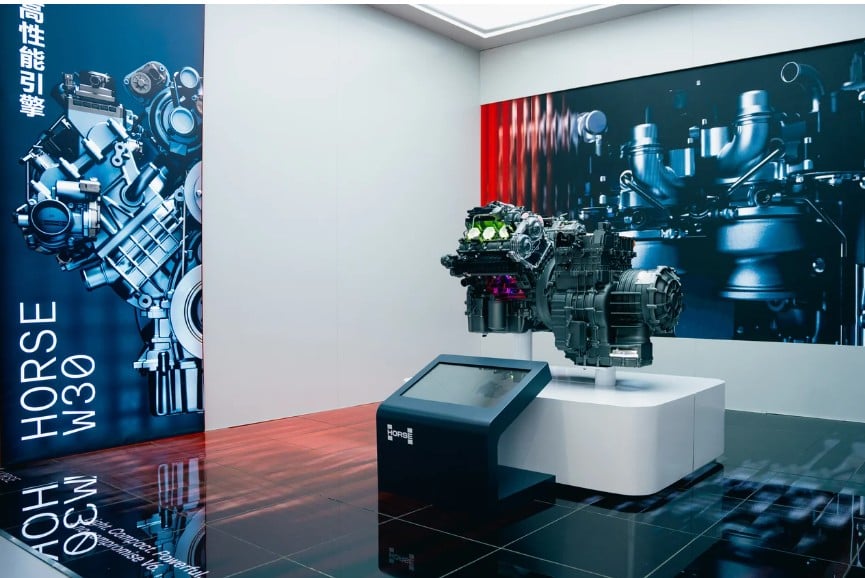
Horse Powertrain (product example displayed at 2026 Beijing Auto Show, main) was originally started as an engineering arm designed to specialise in combustion and hybrid engines at a time when electric vehicle propulsion systems were fast becoming a resource-intensive part of automaker budgets.
The eventual aim for the company was to sell powertrain systems to companies outside of the Geely and Renault groups, and become an engine supplier to smaller companies that may not have the engineering resources to develop their own combustion engines.
1
Gianni sees the standardisation of hybrid engines as a way for automakers to streamline operations and cut costs without sacrificing innovation or technology.
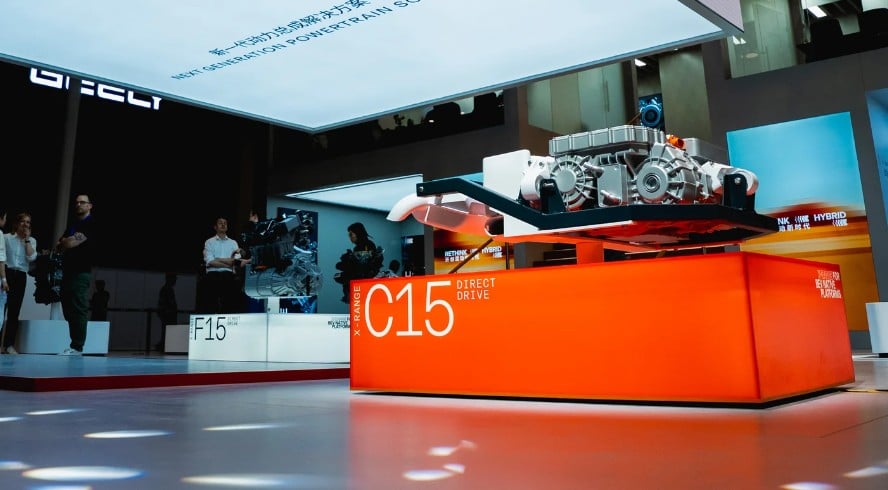
The idea has some merit, with more and more brands releasing engines with similar size and specifications, particularly in the Chinese market, where 1.5-litre plug-in hybrid and range-extender systems are increasingly common regardless of the brand, aligning with taxation rates that increase based on engine capacity.
Gianni emphasised the ability for car makers to cut costs through the use of a standard system, while remaining competitive. The move to a standardised powertrain system could also see supply costs monopolised and innovation stifled without a traditional competitive environment.
“OEMs historically have been used to doing everything themselves. That time is over.” Gianni warned. “If they’re going to make money again and bring competitive technology to market, they will have to collaborate.“
Follow WhichCar/Wheels on Google
Click the button below to make WhichCar by Wheels a preferred source for your news.

We recommend
-
 Best Small SUVs
Best Small SUVs 2026: Hybrid
Hybrid small SUVs are drawing more attention from Australian new car buyers through a combination of improved efficiency, lower running costs and greater flexibility for everyday driving.
-
 Features
Our favourite hybrid medium SUVs to help you save money at the bowser
Despite high fuel prices, mid-size SUVs remain the most popular car segment in Australia. Here are our favourite hybrid models that will save you money.
-
 Features
Hybrid vehicles: WhichCar's explainer on how they work
Australians are increasingly looking to hybrid cars to save money by using less fuel. But you're forgiven if you find some of the hybrid terminology confusing. Here's a quick primer...