News

Gallery 1
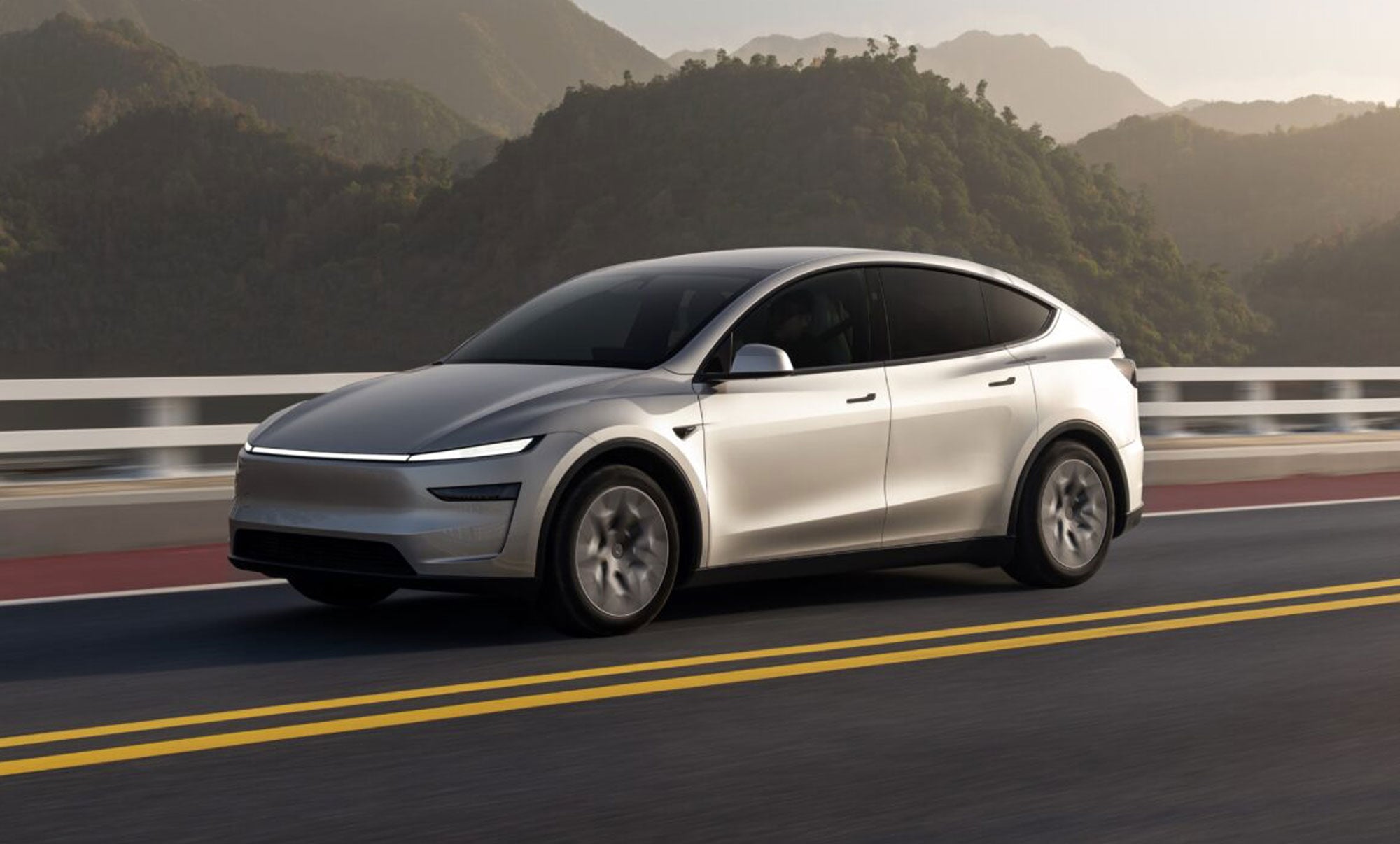
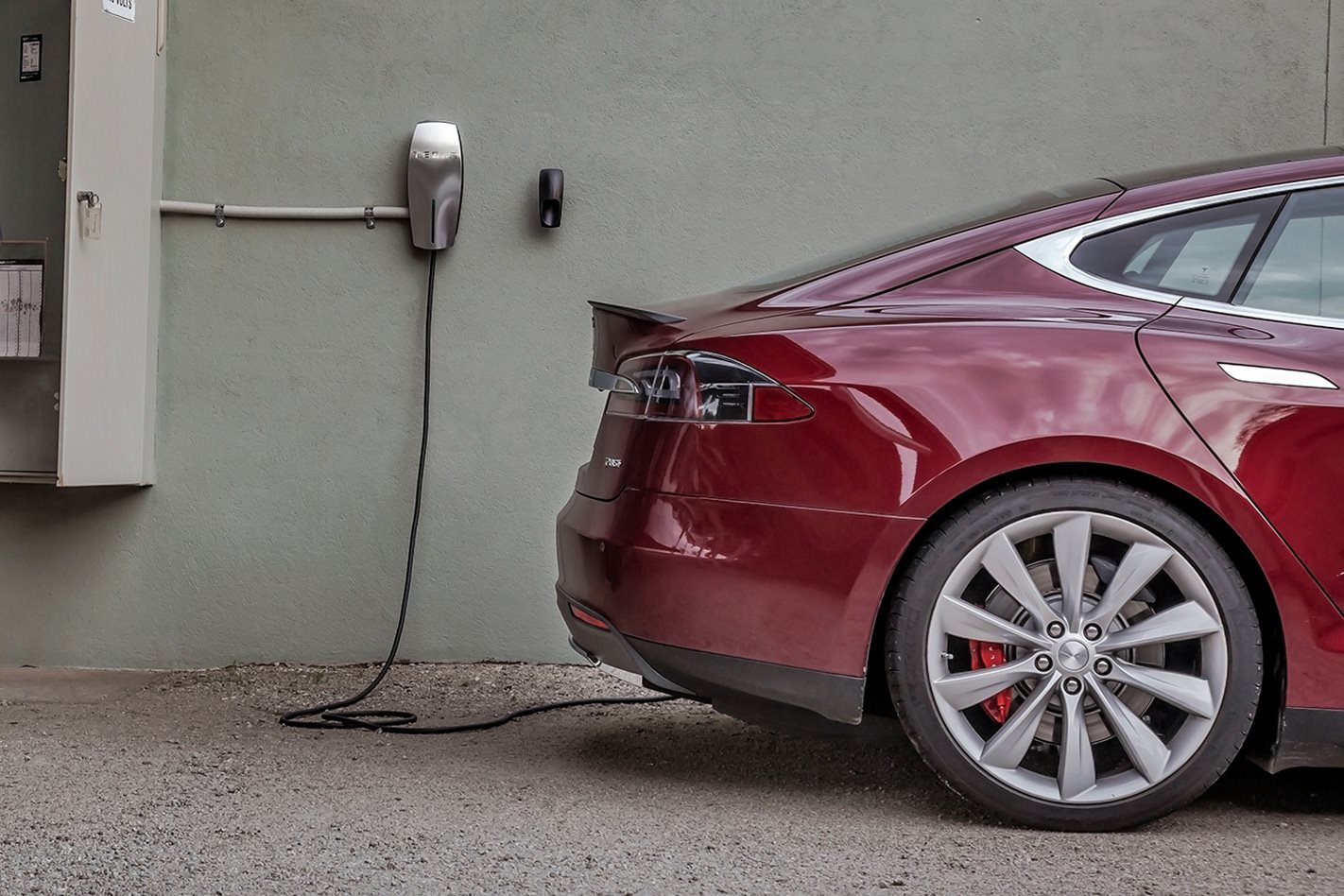
EV batteries repeatedly powered up by fast charging last much longer than first thought, discovered testing of a Tesla Model Y taxi that had covered nearly 180,000km, almost of all of it by way of fast charging.
The Model Y had reportedly only taken on 36kWh from an AC charger over its life, the rest of its charge delivered by fast charging.
Typical research and advice has indicated that owners are better served powering their vehicle at home via a slower charger than using repeated fast charging to ensure the long-term health of their battery. And while this particular Tesla Model Y could be an outlier, its battery health is interesting.
1
In the report by Inside EVs, YouTuber Richard Symons, who runs a used EV retailer in the UK, came across the Model Y and the first thing he wanted answered was how well the battery had withstood repeated fast charging over its life.
According to the data taken from the Y’s diagnostics port, the Model Y had used only 36kWh of energy from home charging, while the residual 32,684kWh had come from either DC fast charging, or the car’s regenerative braking system.
Symons reported that after looking at “several battery health tests from different providers”, the pre-facelift Y had an impressive 92 per cent state of health. In theory, then, even with 180,000km on board and the majority of that covered by fast charging, the Y could still deliver 92 per cent of its claimed driving range when new.
While other reports on Teslas and other electric vehicles have indicated a much more significant rate of degradation, it’s worth noting the Y features a lithium iron phosphate (LFP) battery pack. While nickel manganese cobalt (NMC) packs are able to store energy to a higher density than LFP packs, they are recommended to be charged up to 80 per cent to protect their longevity.
As EVs become more common in higher mileage applications, data on battery packs, their health and how they degrade will become more widespread, but it’s true that not all battery packs are equal, regardless of how they are treated. More modern research indicates that, while all batteries degrade, that degradation takes place earlier in the battery’s life and then tapers off as the battery ages.
And, while the research still seems to point to repeated DC fast charging damaging a battery pack more than slower, at-home charging, the degradation might not be as serious as first thought.
A research report by Recurrent Auto even suggests that modern batteries may outlive the cars they are fitted to. While that suggestion may prove to be fanciful, the report also suggests that larger, more energy dense battery packs can afford to lose more capacity and still remain useful, but as has been the case with not just EVs, but new technology, time will tell.
Follow WhichCar/Wheels on Google
Click the button below to make WhichCar by Wheels a preferred source for your news.


We recommend
-
 News
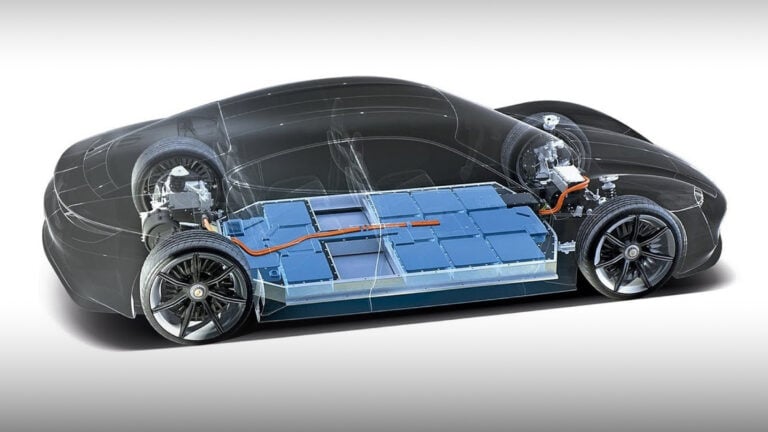
NewsHow long is the life of an electric vehicle battery? New study delivers surprising results...
Analysis of 8,000 used EVs in the UK eases concerns about long-term degradation.
-
 Features
The best electric vehicles still to come in 2026
2026 has been a banger of a year for new electric vehicle releases, but here are 10 more that we think you should be excited about.
-
 News
NewsFully charge your EV in 11 minutes: New battery tech says goodbye lithium, hello sodium
Yet another battery breakthrough has been achieved, with claims that new sodium-ion battery chemistry is capable of fully charging in just 11 minutes.