Reviews
Gallery 1
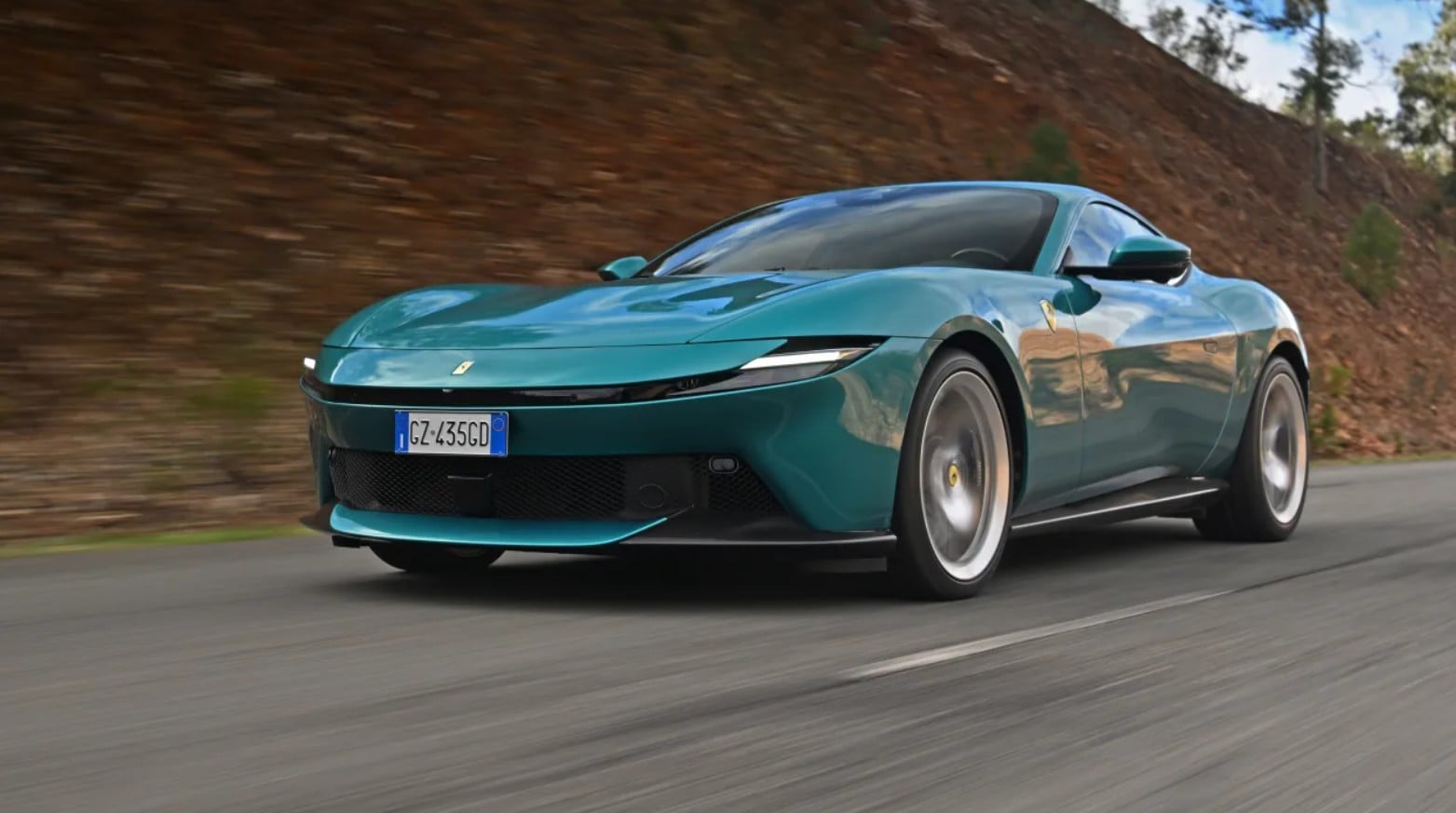
The Ferrari Amalfi may sit at the base of the Italian brand’s model hierarchy, but describing it as a “baby Ferrari” badly undersells what it delivers. This is a serious grand tourer with ferocious pace, cutting-edge technology and a level of usability that broadens its appeal beyond weekend blasts. Entry-level or not, the Amalfi still demands a price north of $380,000 before on-road costs – and it earns much of that asking figure.
Replacing the Roma in Ferrari’s global line-up, the Amalfi represents more than a light refresh. It introduces meaningful design, mechanical and ergonomic changes that justify a new name and a clearer identity. Ferrari positions it as a high-performance sports car that can be driven every day, and crucially, it feels engineered with that brief front of mind.
2
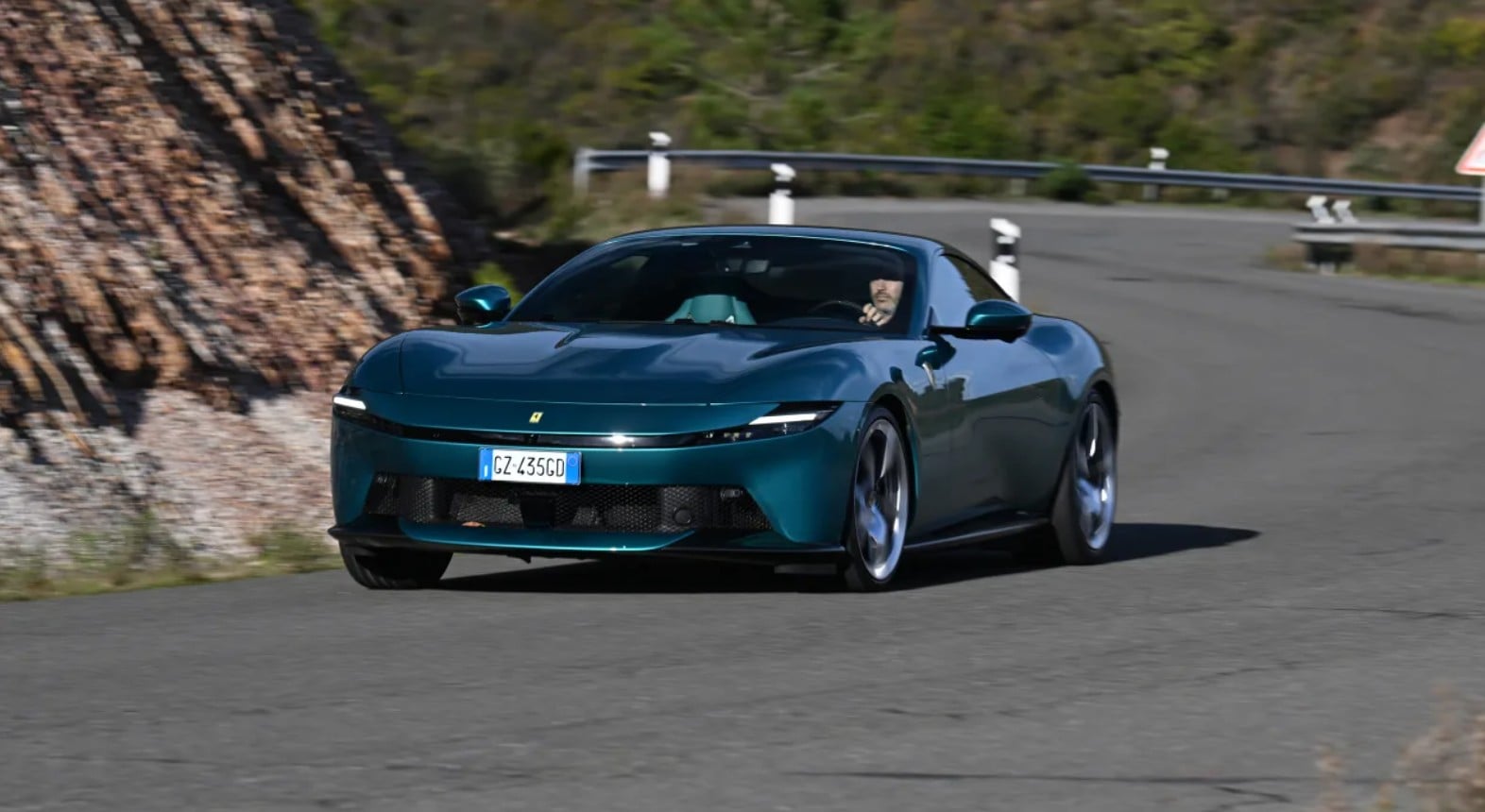
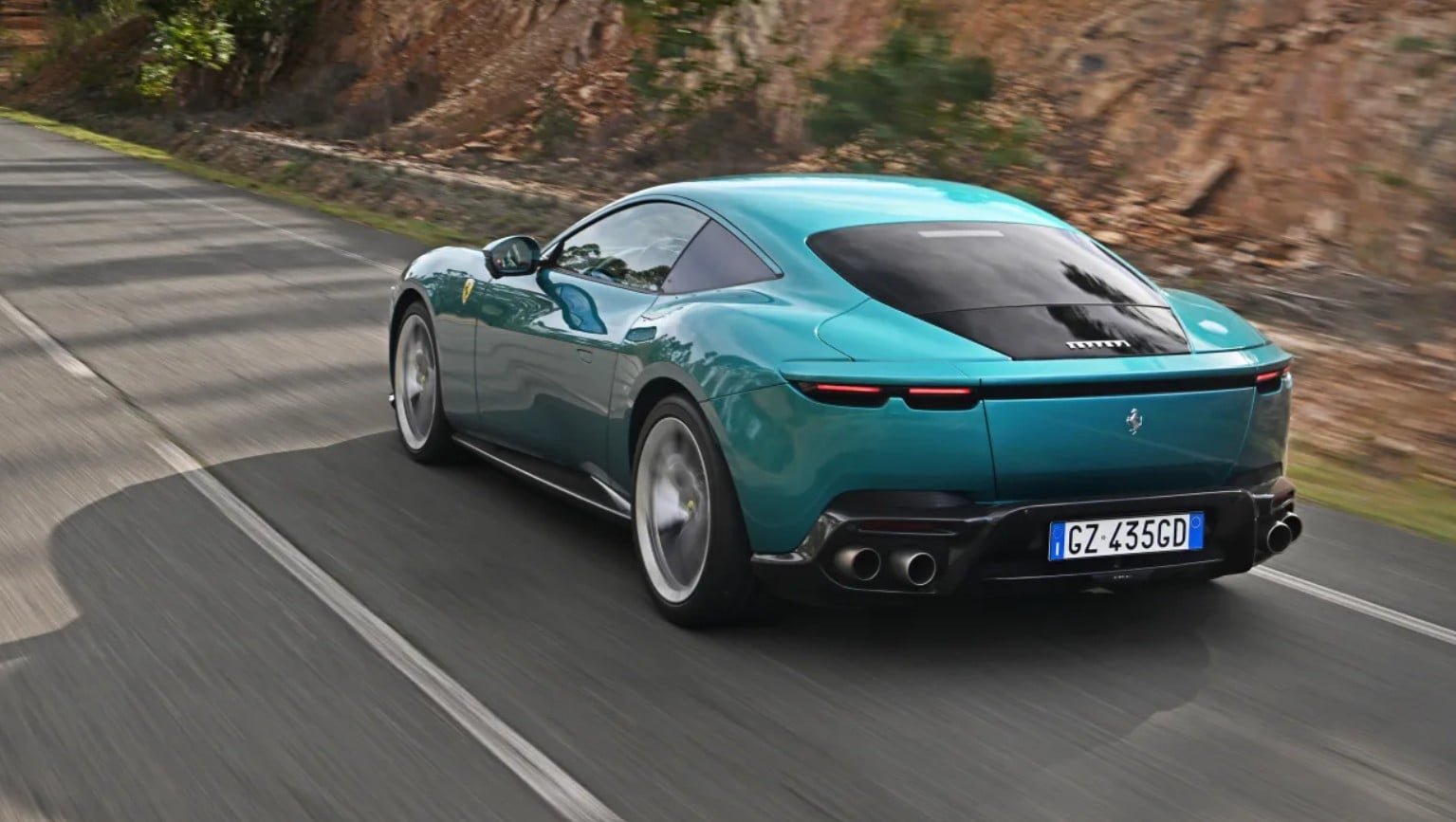
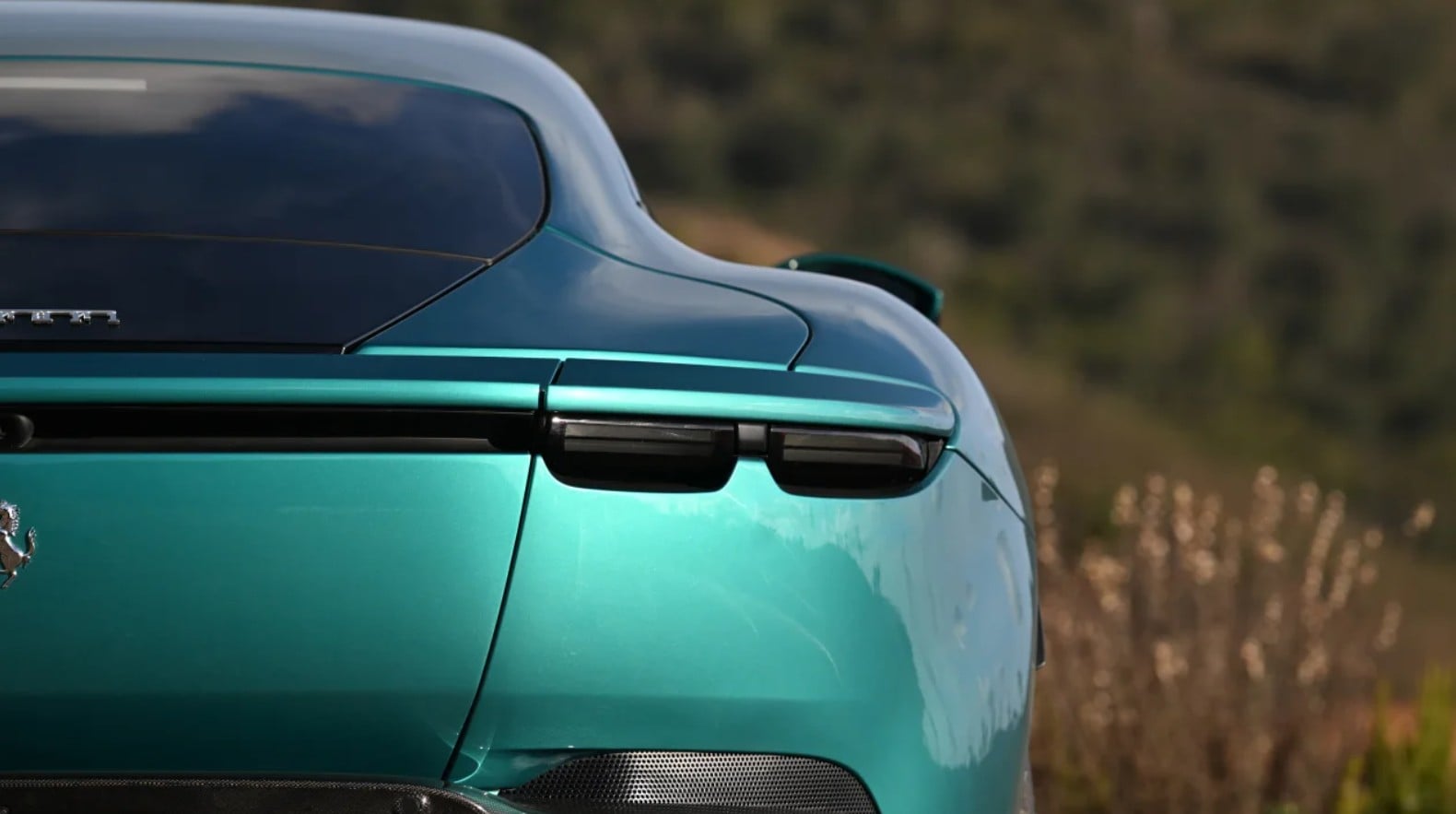
Visually, the Amalfi adopts a cleaner, more modern look. The front end is pared back with slim headlights linked by a subtle black strip stretching across the nose, while the rear design has been tidied for a more cohesive appearance. It’s understated by Ferrari standards, but still unmistakably exotic.
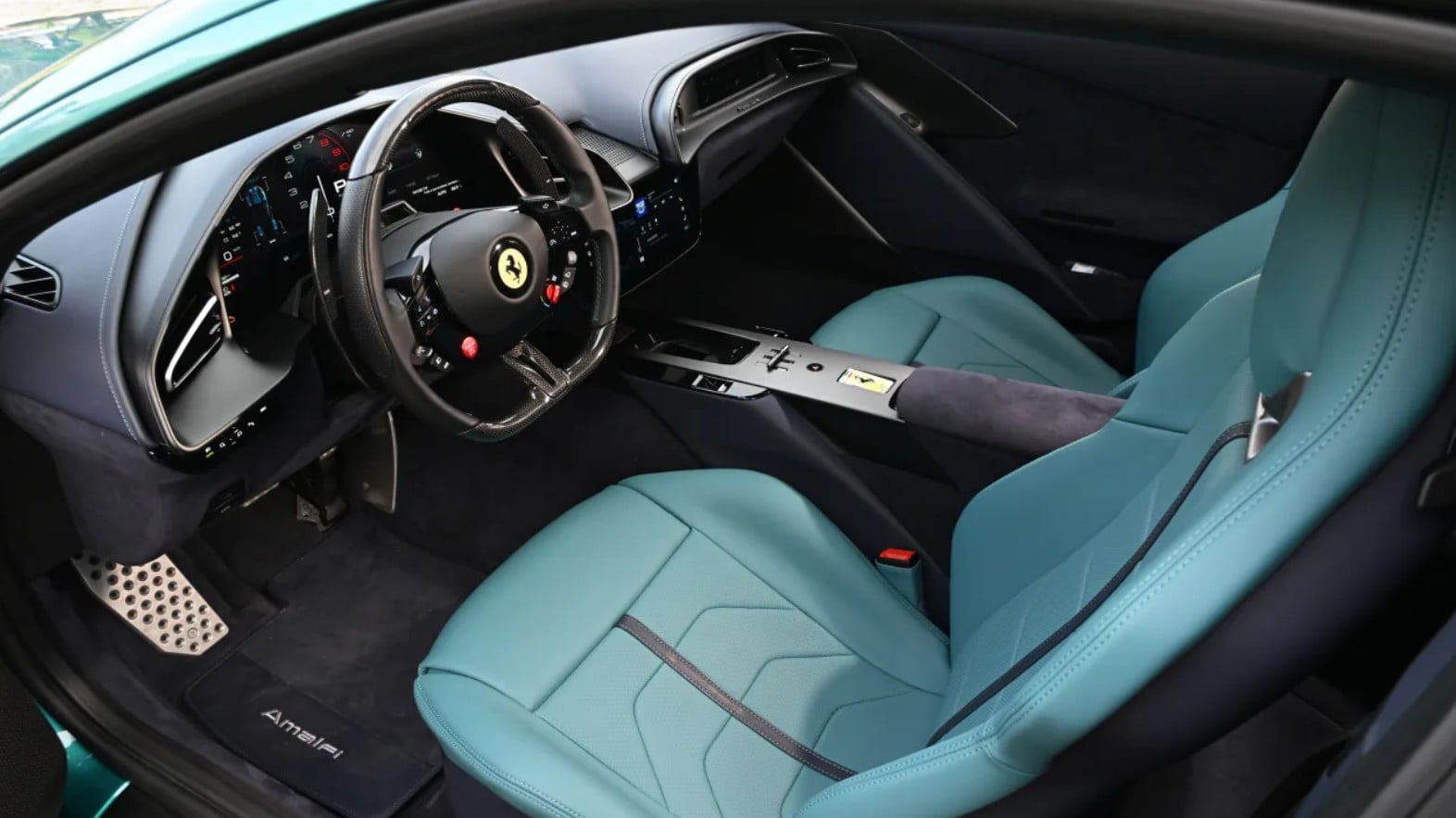
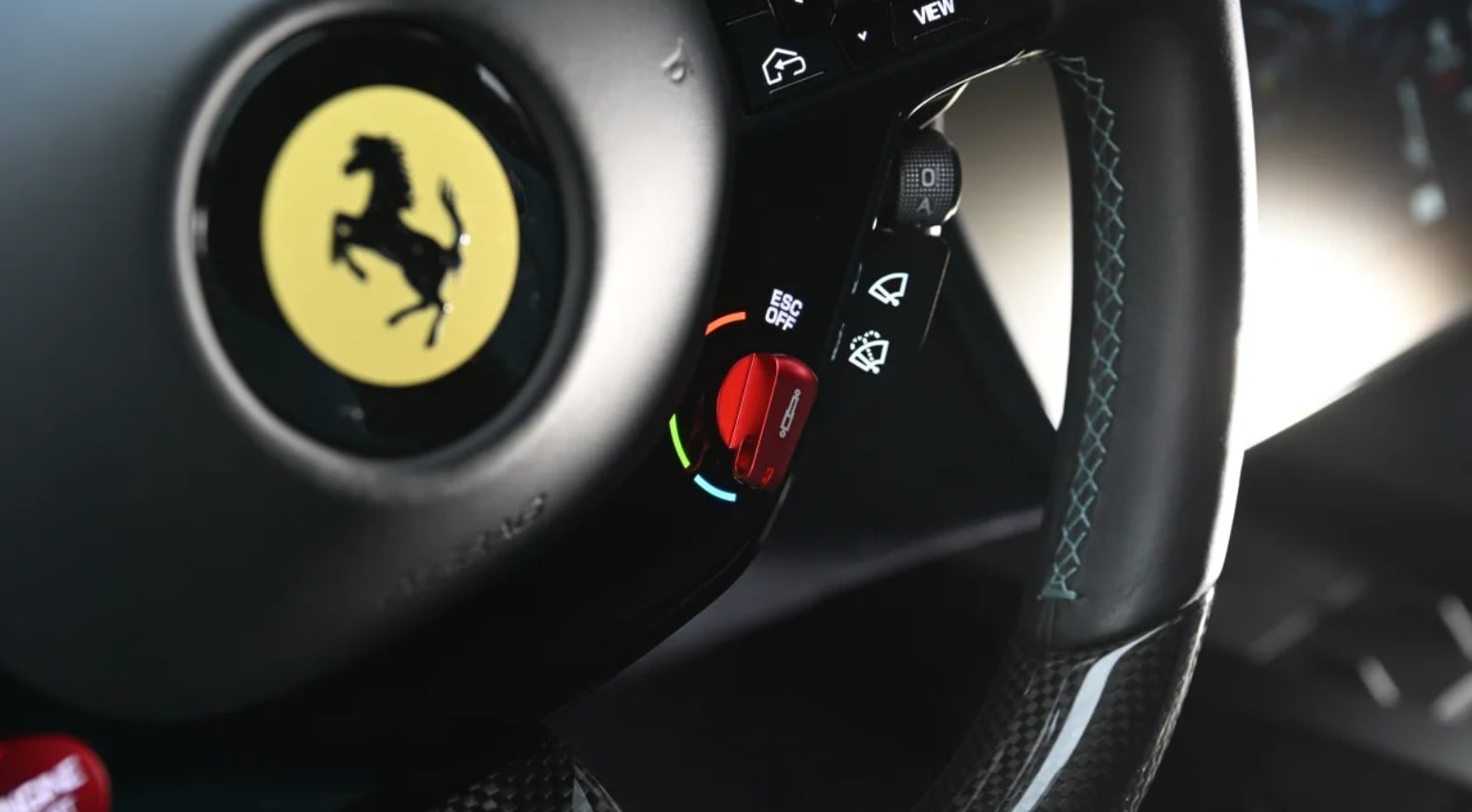
The most obvious improvements are found inside. Ferrari has ditched the awkward portrait-style touchscreen of the Roma in favour of a wider, landscape-oriented display that’s better integrated into the dash. Apple CarPlay and Android Auto are now standard, and usability has taken a big step forward. Just as importantly, Ferrari has responded to criticism of its touch-heavy steering wheel by reintroducing proper physical buttons, along with a prominent red starter button. The result is a far more intuitive and tactile driving environment. Existing Ferrari owners can even retrofit the new wheel, albeit at considerable expense.
2
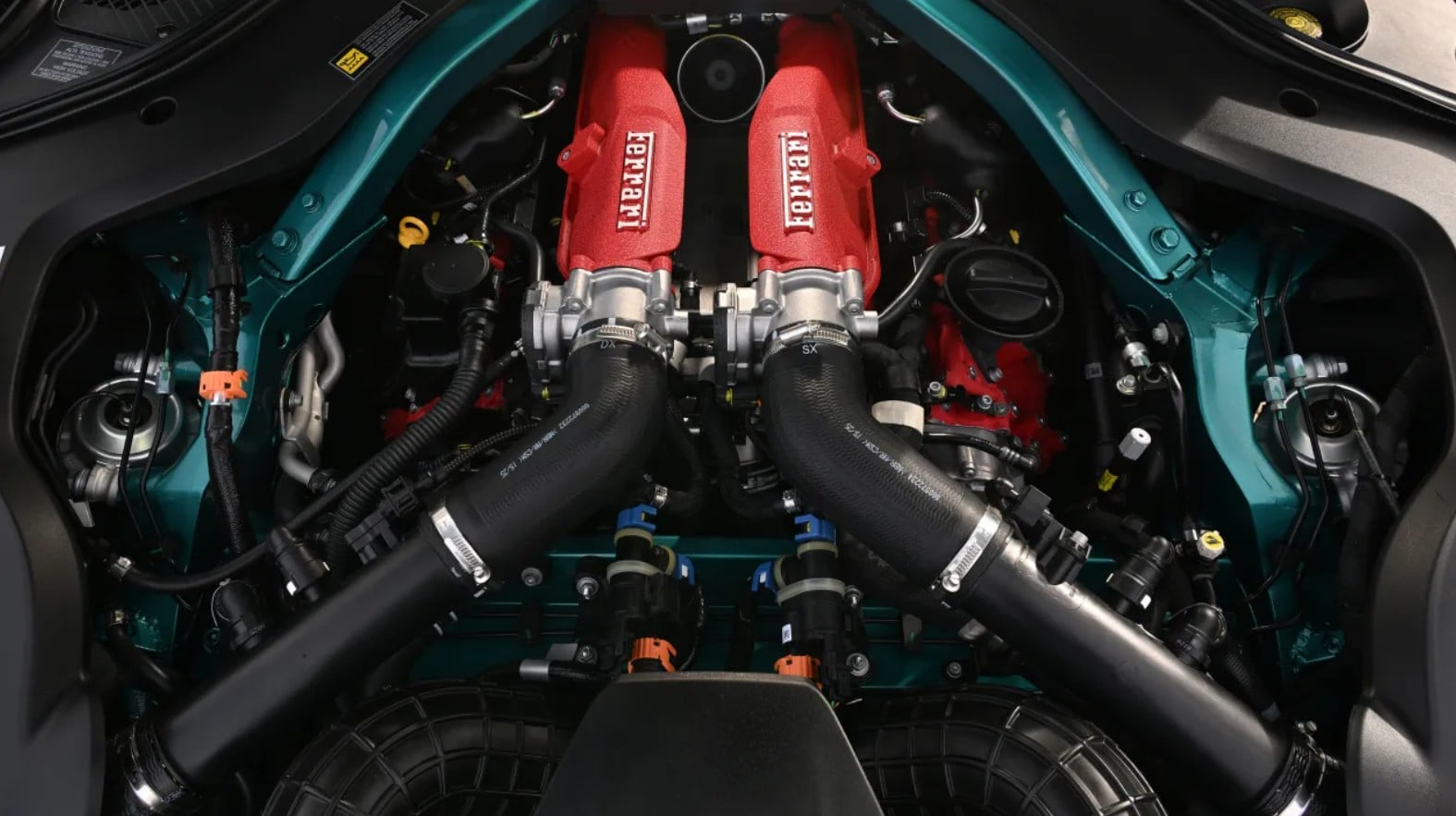
Power still comes from Ferrari’s familiar 3.9-litre twin-turbocharged V8 mounted behind the front axle. For the Amalfi, it’s been revised to produce around 471kW – up from roughly 456kW – along with a hefty 760Nm of torque. Drive is sent exclusively to the rear wheels through an eight-speed dual-clutch transmission. Hardware upgrades include a new ECU, lighter camshafts and a reworked engine block, all contributing to sharper responses and stronger performance.
Ferrari claims the Amalfi is capable of pushing close to 320km/h, while the 0–100km/h sprint is dispatched in just 3.3 seconds. These figures place it firmly in supercar territory, regardless of its “entry” positioning.
Aerodynamics have also been refined, with a discreet, active rear spoiler that automatically adjusts its angle to suit driving conditions. At high speeds, it can generate up to 110kg of downforce at around 250km/h, improving stability without compromising the car’s clean design. The Amalfi also benefits from Ferrari’s latest electronic differential, updated Side Slip Control (SSC 6.1) and a new brake-by-wire system.
3
On the road, the Amalfi strikes a compelling balance between approachability and excitement. Compared with rivals like the Aston Martin Vantage or Porsche 911 Turbo S, it feels less intimidating and more progressive at the limit. There’s huge performance on tap, but it’s delivered in a way that builds driver confidence rather than demanding constant vigilance.
The familiar Manettino dial allows the driver to cycle through Wet, Comfort, Sport, Race and ESC-off modes, each progressively loosening the car’s electronic safety net. With the Side Slip Control system working in the background, the Amalfi can be coaxed into playful oversteer without feeling unpredictable or spiky.
The V8 soundtrack is ever-present but refined. Ferrari says a new electronically controlled exhaust bypass valve adapts the sound to driving conditions, and while it may not be as thunderous as some rivals, the metallic edge and rising intensity give the Amalfi plenty of character. It’s engaging without being antisocial.
1
Performance feels anything but diluted. The engine is flexible enough to rely on mid-range torque, allowing most driving to be handled in higher gears, while the transmission shifts quickly and cleanly via fixed carbon-fibre paddles. The sensation of downshifting into a corner, hearing the engine flare and feeling the chassis settle, is a reminder of what makes high-performance combustion cars so special.
Steering is electrically assisted but impressively direct, offering more feedback than many modern sports cars. The new brake-by-wire system may raise eyebrows, but once acclimatised, it delivers excellent modulation and precision, particularly when driving hard. Initial low-speed sensitivity fades as pace increases, revealing strong stopping power and fine control.
Ride quality is another highlight. Even without selecting Ferrari’s ‘Bumpy Road’ setting, the Amalfi remains composed over rough surfaces, coping admirably with challenging tarmac. Road noise, however, is more noticeable at highway speeds, largely due to the massive 285-section rear tyres. It’s a reminder that this is still a sports car first, GT second.
3
Inside, the Amalfi feels like a genuine step forward from the Roma. Material quality is high, ergonomics are improved and the updated infotainment system is far more user-friendly. The seats remain on the firmer side, but provide excellent support during enthusiastic driving. A large central rev counter and clear digital displays ensure key information is always front and centre.
Practicality remains limited, as expected. The rear seats are suitable only for small children or extra storage, while the 273-litre boot is sufficient for a weekend away, comfortably accommodating luggage and camera gear.
Ultimately, the Ferrari Amalfi proves that “entry-level” is a relative term. It blends immense performance with everyday usability, modern technology and a more intuitive driving experience than its predecessor. It may be the most accessible Ferrari in the range, but there’s nothing modest about what it offers – except, perhaps, by Maranello’s own lofty standards.
4
Follow WhichCar/Wheels on Google
Click the button below to make WhichCar by Wheels a preferred source for your news.

We recommend
-
 Reviews
Ferrari 12Cilindri Spider review
We get under the skin of Maranello's GT flagship to discover whether all is quite as it seems
-
 News
NewsNew car calendar 2026: All the new cars coming to Australia
Here’s the WhichCar by Wheels guide to all the new cars that will launch in Australia in 2026. Check back in regularly for updates...