News
Gallery 1
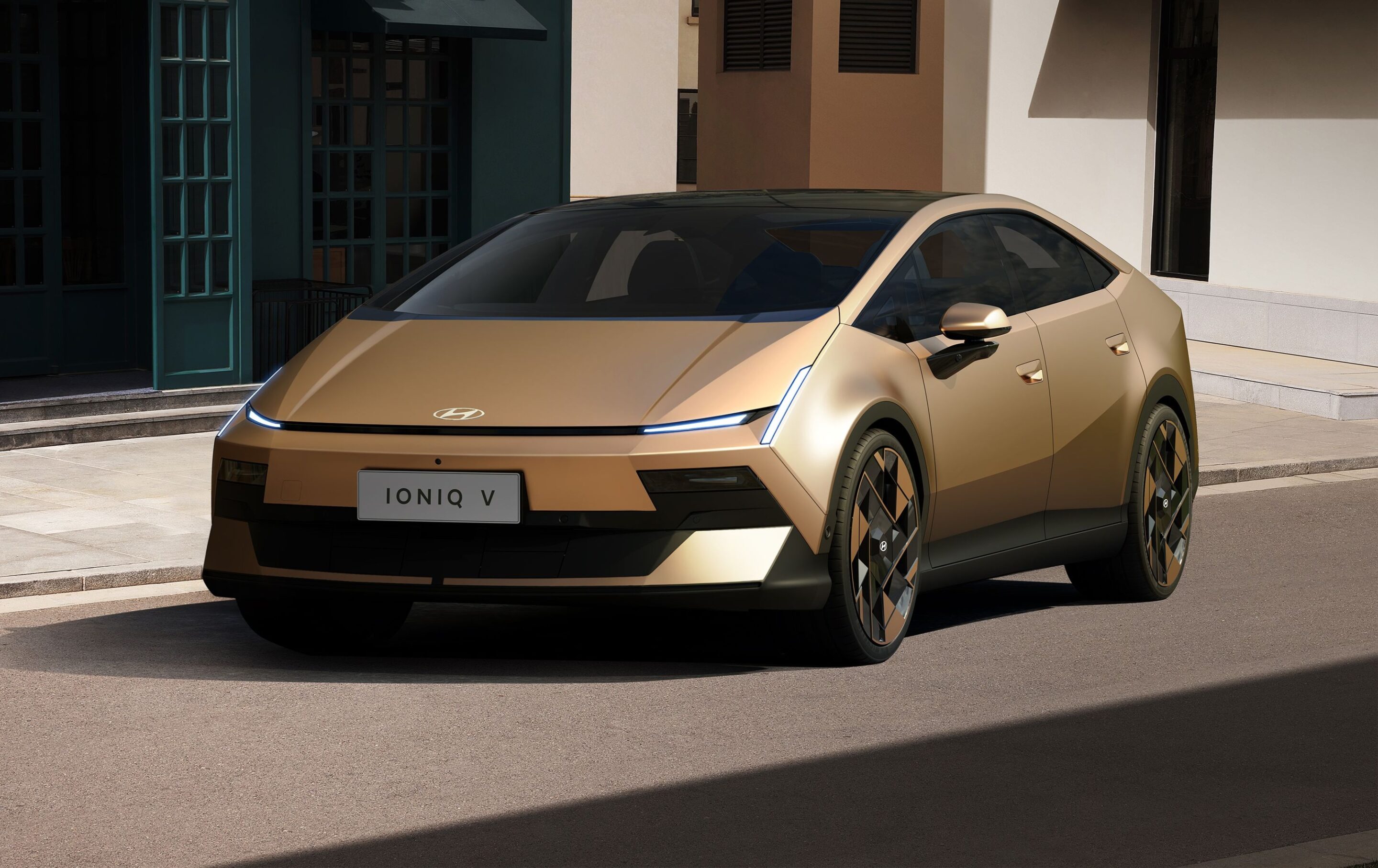
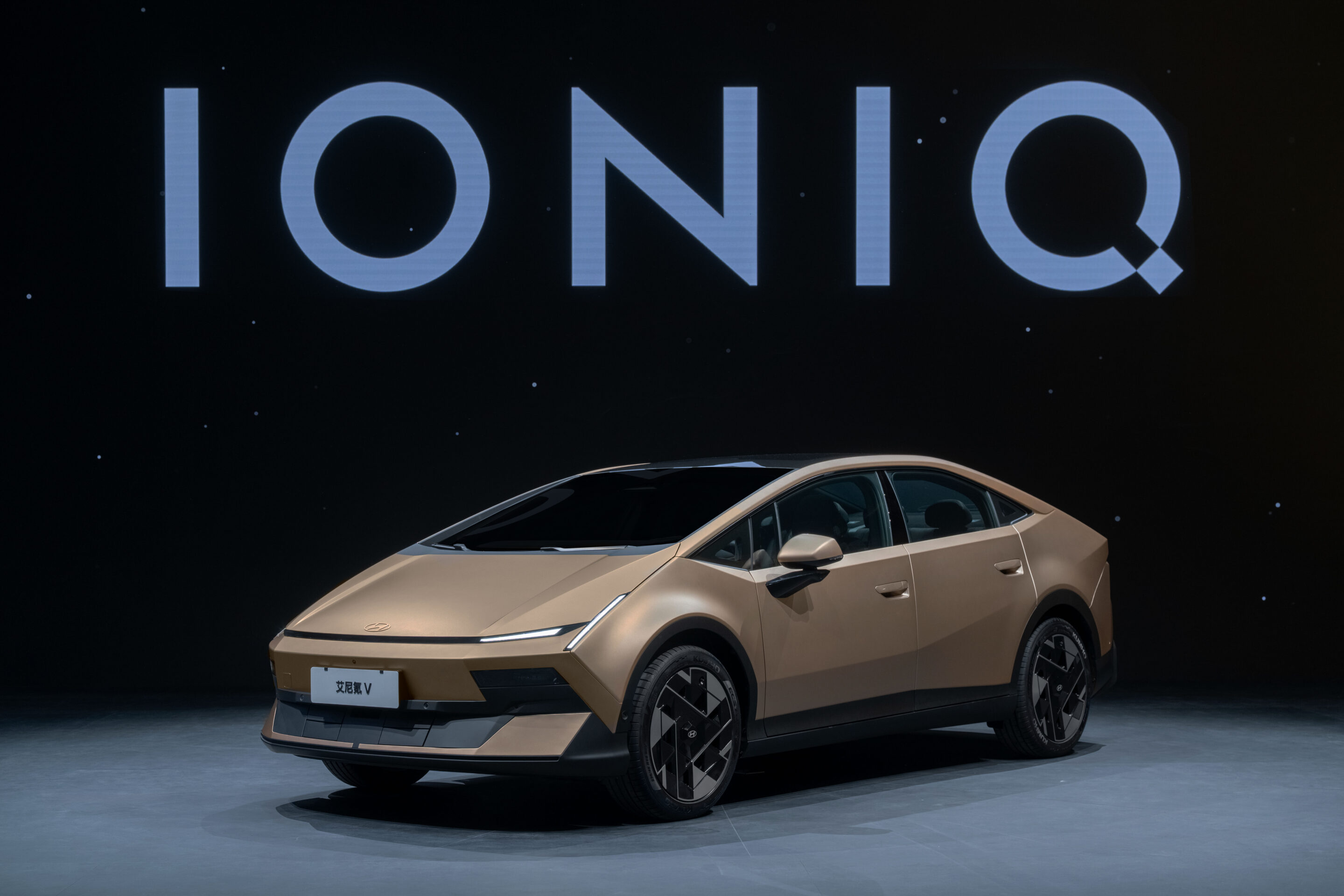
Hyundai has unveiled the new IONIQ V at the 2026 Beijing Auto Show, marking a key step in the company’s effort to rebuild its presence in China’s fast-moving electric vehicle market.
The IONIQ V is the first dedicated model in Hyundai’s IONIQ electric line-up developed specifically for Chinese buyers, reflecting a broader shift toward localised product planning. The model is positioned as a mid-to-large electric SUV aimed at combining practicality with a more technology-focused driving experience.
The launch forms part of a wider strategy that will see Beijing Hyundai introduce 20 new models in China over the next five years. The plan includes a mix of battery-electric and extended-range electric vehicles, with the company targeting annual sales of 500,000 units as it looks to regain ground in the region.
1
In terms of size, the IONIQ V sits in the mid-size SUV category, measuring just under five metres in length with a long wheelbase designed to maximise interior space. Hyundai has prioritised cabin room and comfort, areas that have become key selling points in China’s EV market, particularly among family buyers.
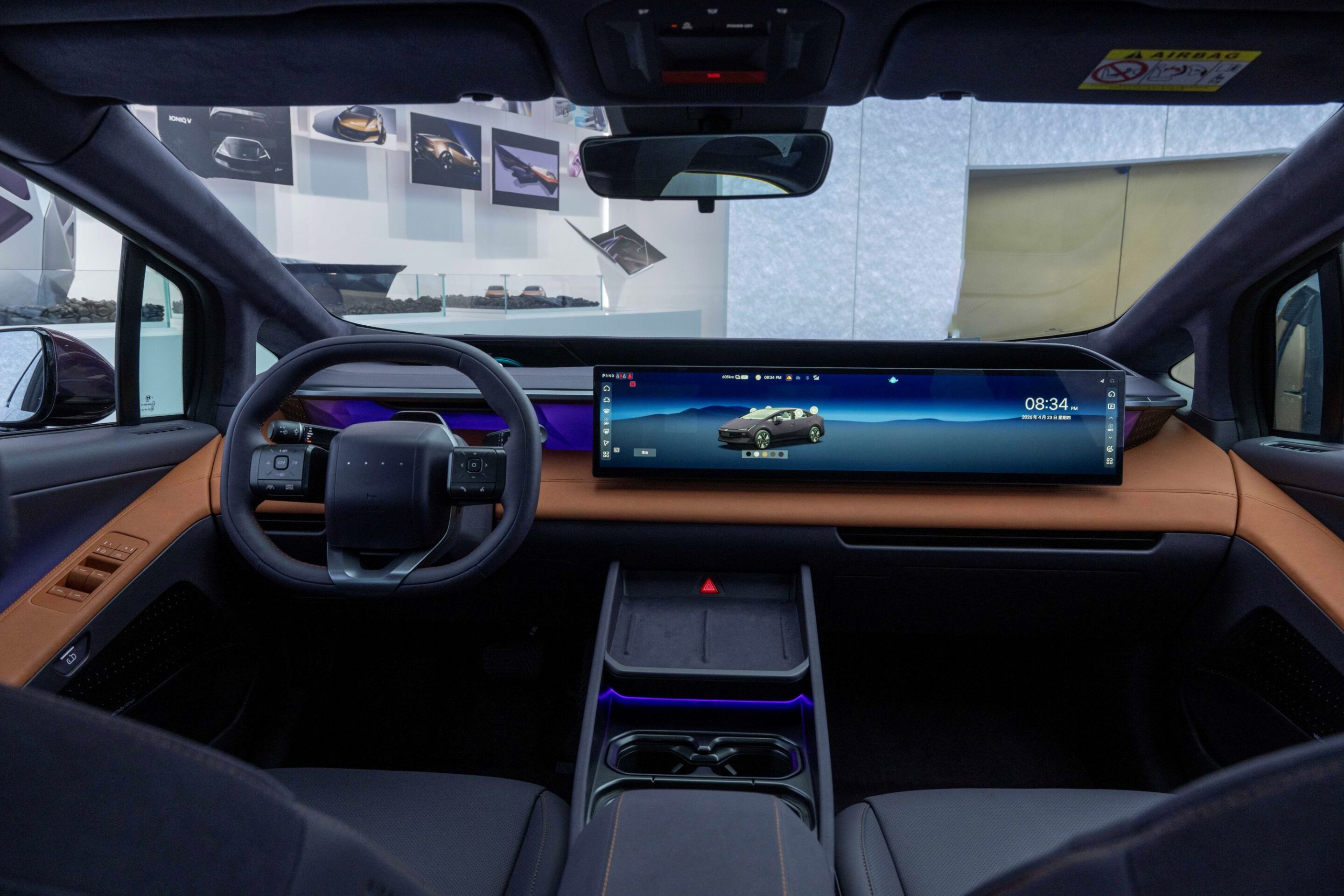
The interior is centred around a large 27-inch display that integrates driving and infotainment functions, alongside a head-up display projecting key information onto the windscreen. This reflects a broader trend across the industry, where digital interfaces and connectivity are increasingly central to vehicle design.
Range is another focus. The IONIQ V is expected to deliver more than 600 kilometres of driving range under China’s CLTC testing standard, placing it in line with many domestic rivals.
Externally, the SUV adopts a clean, streamlined design, with features such as flush surfaces and slim lighting elements aimed at improving aerodynamic efficiency.
3
The introduction of the IONIQ V highlights Hyundai’s attempt to reposition itself in a market now dominated by local manufacturers and rapid innovation cycles. China has become a global centre for EV development, and international brands are increasingly relying on local engineering and production to remain competitive.
With more models to follow, the IONIQ V is considered the starting point of Hyundai’s next phase in China – one that will be shaped by electrification, localisation and the need to compete directly with established domestic players.
Follow WhichCar/Wheels on Google
Click the button below to make WhichCar by Wheels a preferred source for your news.

We recommend
-
 News
NewsHyundai Ioniq 3: Funky electric hatchback confirmed for Australia in 2027
Replacing the i30 hatchback will be the new Hyundai Ioniq 3, which will launch in Australia in early 2027 offering up to 496km of driving range.
-
 News
NewsHyundai IONIQ 6 N named 2026 World Performance Car
Electric sedan takes top performance honour at 2026 World Car Awards.
-
 News
NewsHyundai reveals ‘Earth’ and ‘Venus’ concepts as next step for IONIQ?
Minimalist design, bold new lighting signatures and next-gen EV tech hint at the future of Hyundai’s IONIQ line-up.