News

Gallery 1
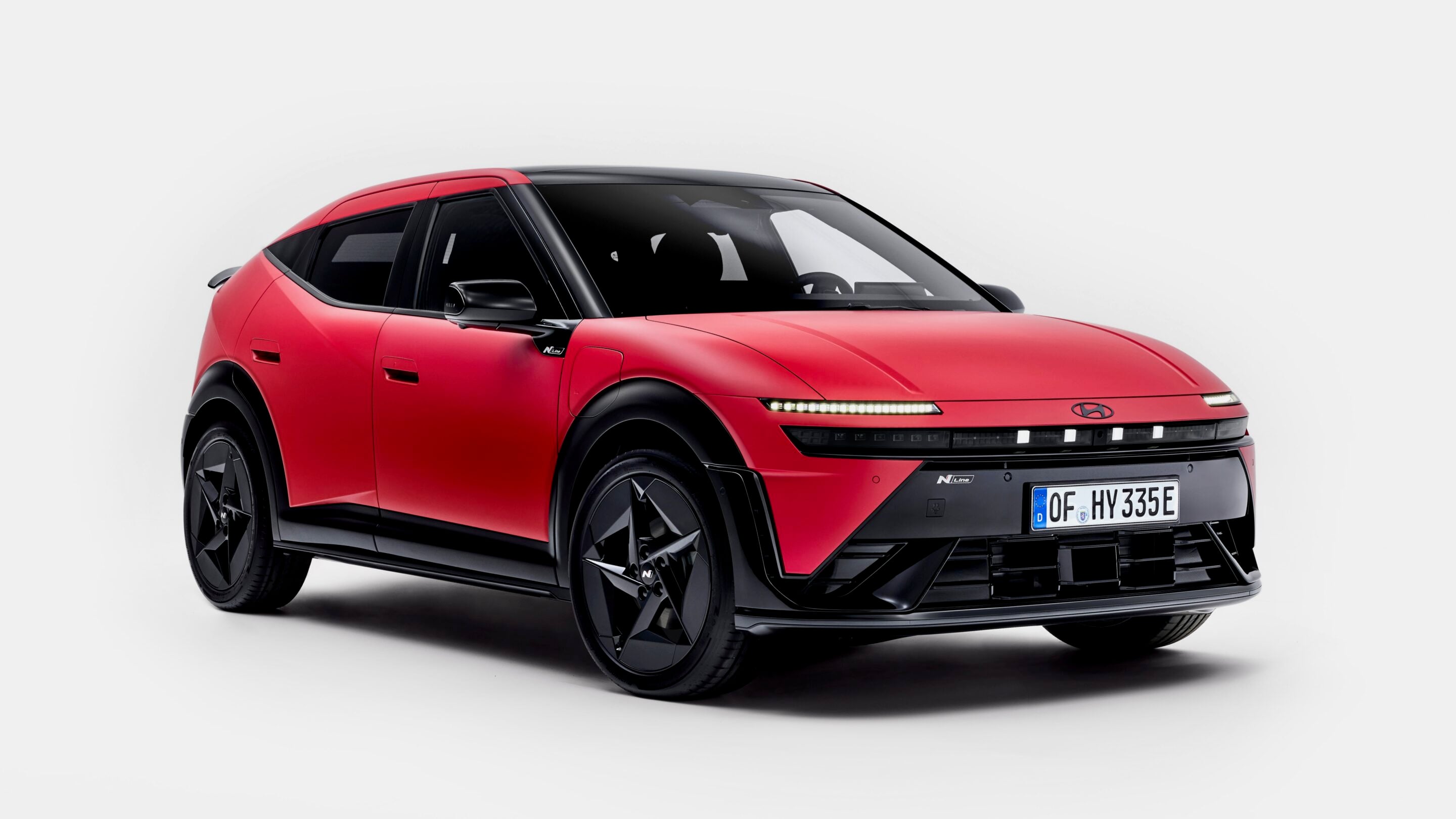
Hyundai has revealed its new Ioniq 3 electric hatchback and confirmed it for an Australian release in early 2027. Launched as the brand’s entry level electric car in markets like Europe, the Ioniq 3 will replace the long-serving i30 hatchback in Australia and compete with many new electric hatchbacks such as the BYD Dolphin, GAC Aion UT and MG 4.
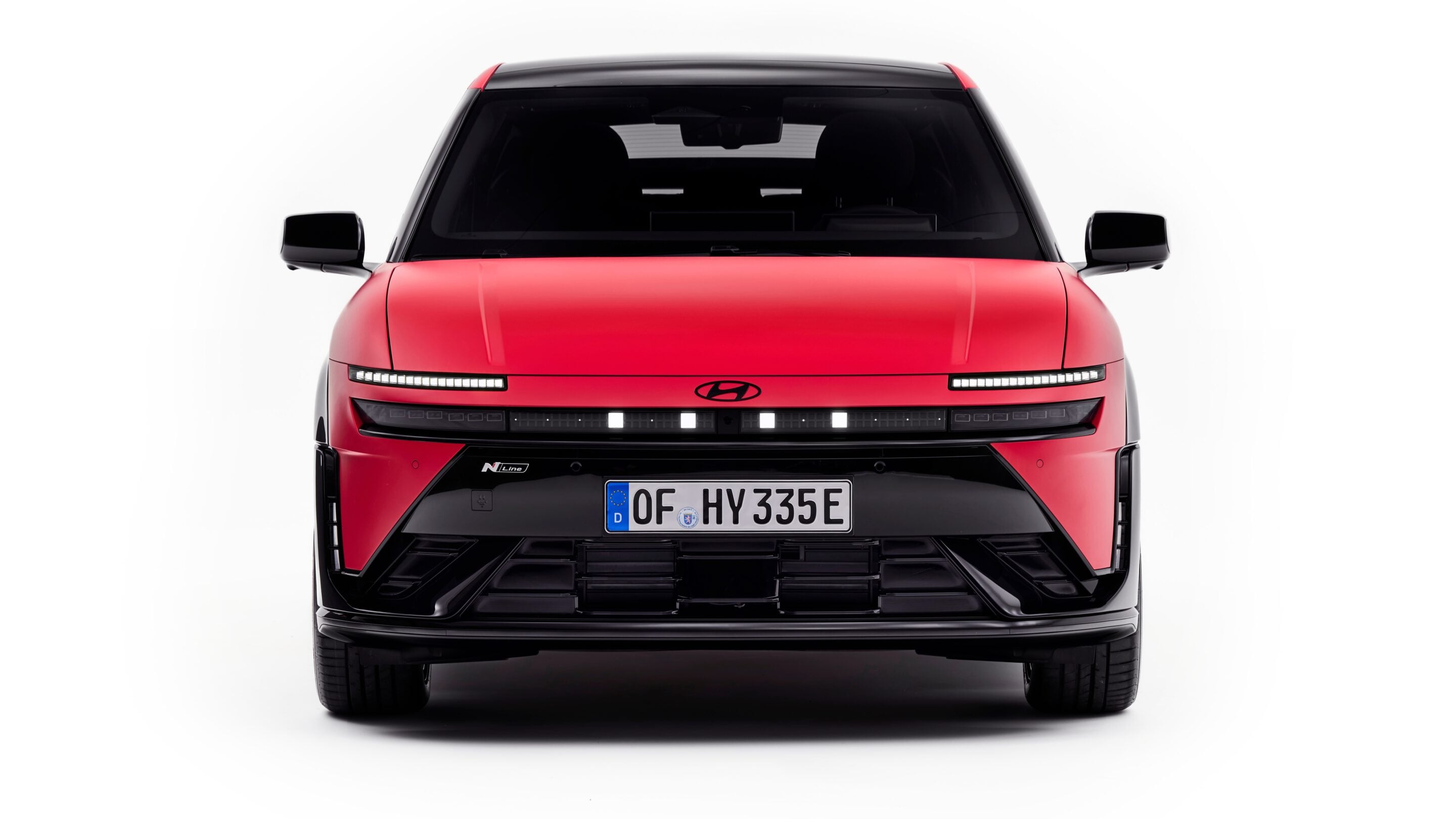
Debuting a new ‘Art of Steel’ design language, the Hyundai Ioniq 3 follows the cool Concept Three from 2025 with its wedge-like design, sharp creases, pixel lighting elements and even four central dots referencing the letter H in Morse code.
Globally, 11 colour options, multiple interior schemes and wheels ranging from 16- to 19-inches in size will be available.
5
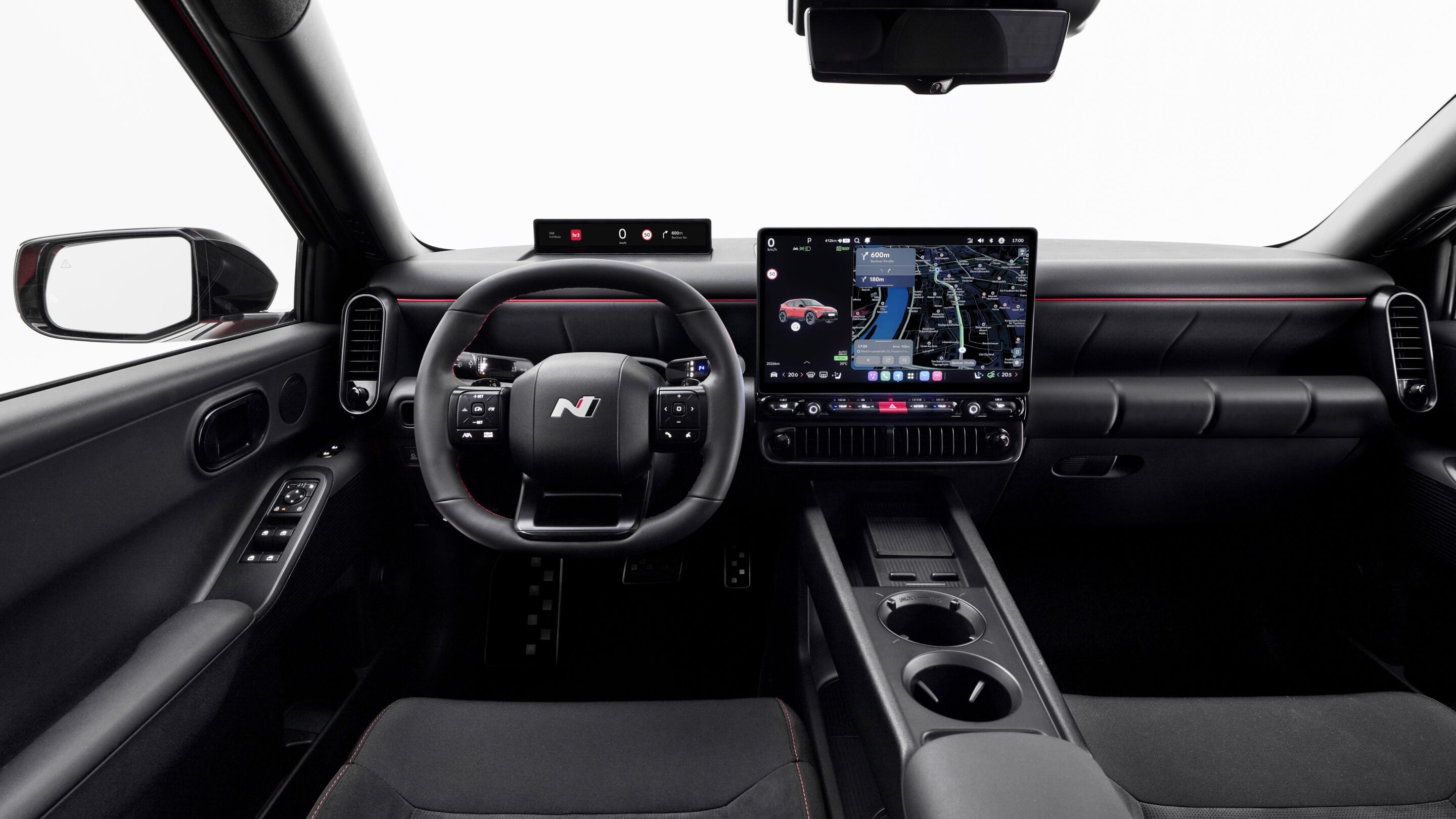
Inside, the Ioniq 3 is the first production Hyundai product to debut its new ‘Pleos’ infotainment system, which uses Android Automotive software on either 12.9-inch or 14.6-inch displays. There are also physical buttons for controlling various features and from the photos released of an N Line model, high quality finishes like the suede seat material and a big central tunnel with configurable cupholders. Other available features include dual-zone automatic climate control, ambient lighting and Bose audio.
Based on the same ‘E-GMP’ 400V platform as cars like the Kia EV3, the Ioniq 3 measures 4155mm long, 1800mm wide, 1505mm tall and rides on a 2680mm-long wheelbase – that makes it 185mm shorter in length, 5mm wider, 60mm taller and 30mm longer between the wheels than the i30 hatchback. The Ioniq 3’s 441-litre boot is large for the segment, and includes a 119-litre ‘Megabox’ lower storage area too.
6
Under the body are either 42kWh LFP or larger 61kWh NMC battery options, with the former rated at 344km and the latter 496km on the WLTP cycle. Both batteries can DC fast charge from 10 to 80 per cent in under 30 minutes, and while AC charging is limited to 11kW, higher-rated 22kW charging will be available optionally depending on market. Vehicle-to-load (V2L) functionality will be standard.
As for performance, either a 99kW or a 108kW front-mounted electric motor will be available, with both producing 250Nm of torque. The 0-100km/h benchmark sprint time is completed in under 10 seconds for both available drivetrains. The top speed is 170km/h for both variants.
The Hyundai Ioniq 3 will launch in Australia in early 2027, with local pricing and specifications to be confirmed closer to launch.
Follow WhichCar/Wheels on Google
Click the button below to make WhichCar by Wheels a preferred source for your news.


We recommend
-
 Reviews
2026 Hyundai Ioniq 6 N pushes performance EV formula further
Sharper dynamics, improved refinement and clever tech elevate Hyundai’s second N-badged electric car, blending serious pace with everyday usability.
-
 News
NewsGenesis GV60 electric medium SUV pricing cut significantly with mid-life update
A much lower entry price, upgraded equipment levels and updated styling are the key updates to the Genesis GV60, which is due in June.
-
 Comparisons
Toyota GR86 GTS v Hyundai i30 N Premium: Affordable, sporty driving from two classics of the genre
It’s a question now five decades in the making. Traditional sports car or practical hot hatch? This month Wheels looks for the redline in two of the best to find the answer.