News

Gallery 1
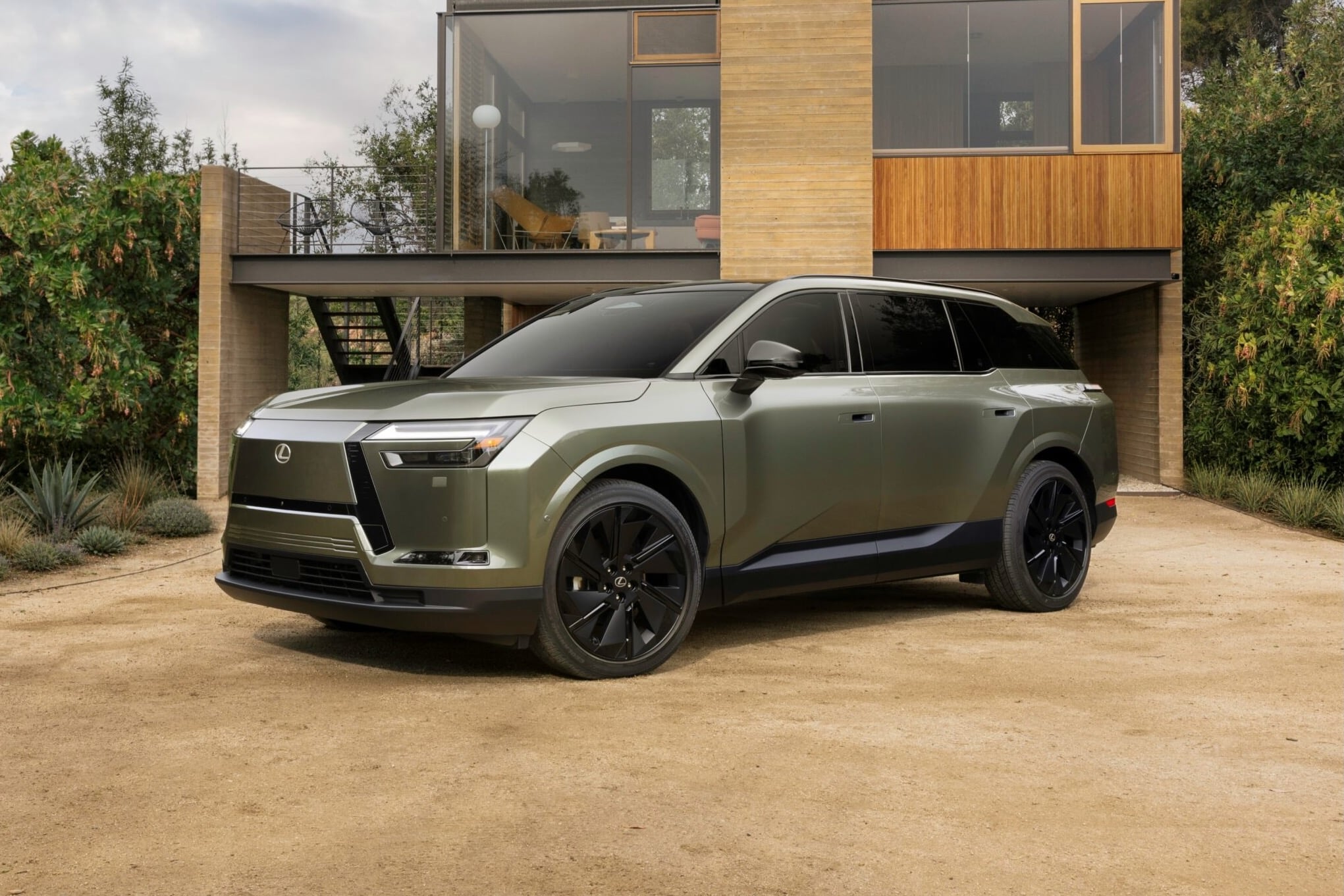
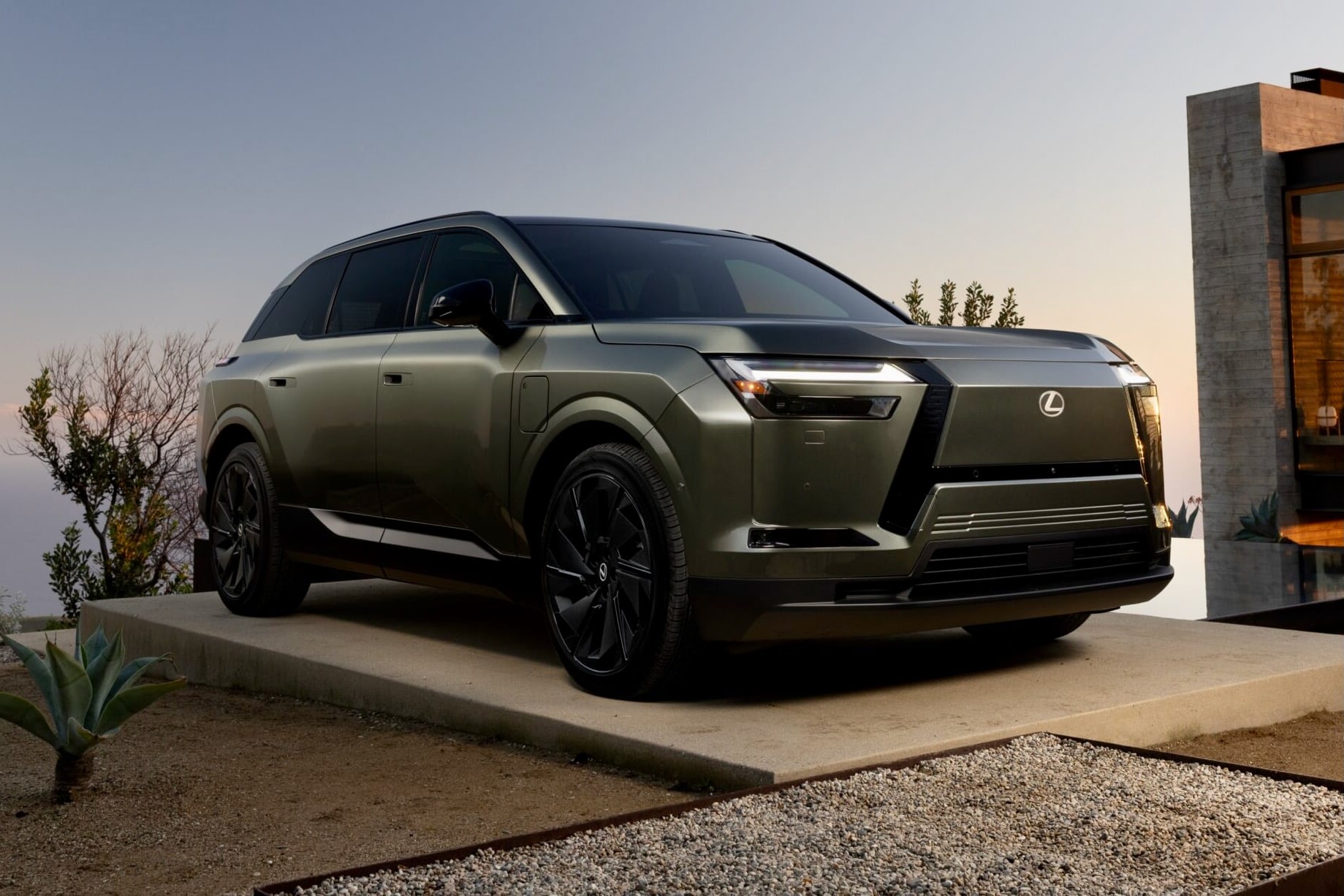
Lexus has revealed its latest – and largest to date – electric vehicle in the form of the TZ large SUV. Based on the new electric Toyota Highlander BEV revealed earlier this year, the Lexus TZ will slot above the existing Lexus RZ in the line-up.
Unlike the Highlander and its Subaru Getaway twin, the TZ will be produced in Japan and considering that Lexus Australia teased it on its official YouTube channel, it could be headed Down Under to compete with rivals like the Hyundai Ioniq 9 and Cadillac Vistiq.
Sized similarly to the existing Lexus LX large SUV at 5100mm long, 1990mm wide, 1705mm tall and sitting on a 3050mm long wheelbase, the TZ sports an additional 300mm of length in between the wheels compared with its sibling.
3
In most markets, the TZ will use a 95.82kWh lithium ion battery for up to 530km of WLTP range, though a smaller 76.96kWh battery will also be offered in some markets. According to Lexus, the TZ can be charged from 10 to 80 per cent in as little as 35 minutes using a 150kW fast charger.
Using a dual-motor all-wheel drive system, the TZ makes 300kW of power and hits 100km/h in just 5.4 seconds, according to Lexus. Optional four-wheel steering will apparently enhance the TZ’s driving experience and add extra nimbleness, while synthetic engine noises like in a Hyundai Ioniq 5 N replicating the V10 in a Lexus LFA will also be available for those wanting more noise.
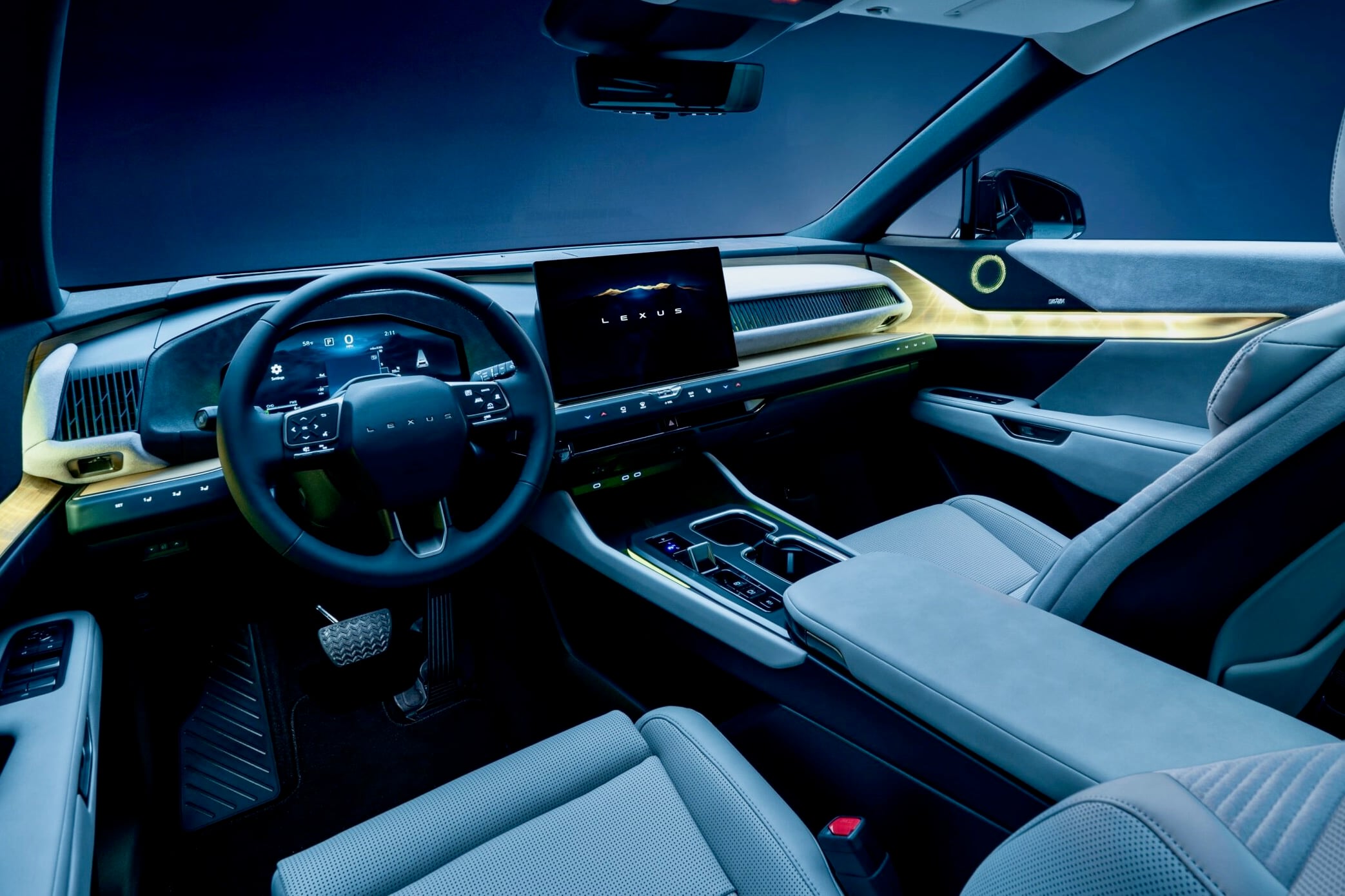
Inside the TZ is a touchscreen-heavy dashboard layout that’s similar to the new-generation ES sedan that’s about to launch locally. Centred around a lounge concept, the TZ’s interior uses cool materials like forged bamboo, which “reflects Lexus’ commitment to sustainable craftsmanship and traditional techniques”, according to the brand.
3
Other available features in the Lexus TZ include suede upholsteries, a panoramic glass roof, 20-to-22-inch alloy wheels, a 21-speaker Mark Levinson sound system, soft-closing doors, power-folding second- and third-row seats and even powered ottomans.
The Lexus TZ will go on sale in North America before the end of 2026, with Australian availability yet to be confirmed.
Follow WhichCar/Wheels on Google
Click the button below to make WhichCar by Wheels a preferred source for your news.

We recommend
-
 News
NewsBYD’s desert Flash Charging demonstration hints at Australian suitability
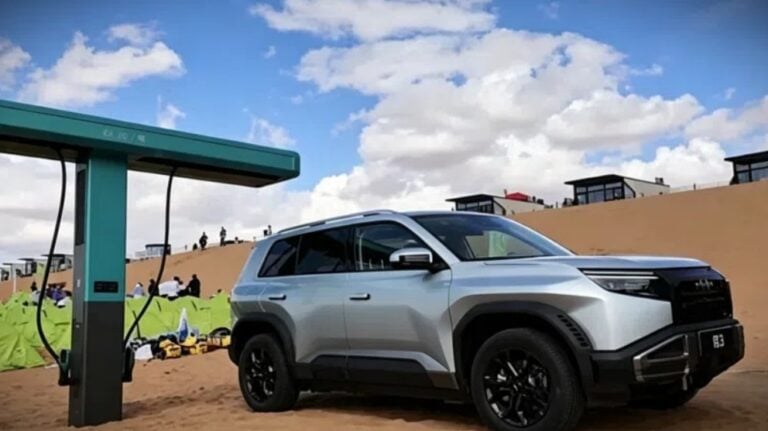
BYD offered a ‘real world’ demonstration of its 1500kW charging tech in a remote part of the Mongolian desert, suggesting the super-fast charging tech could be a natural fit for Australia.
-
 News
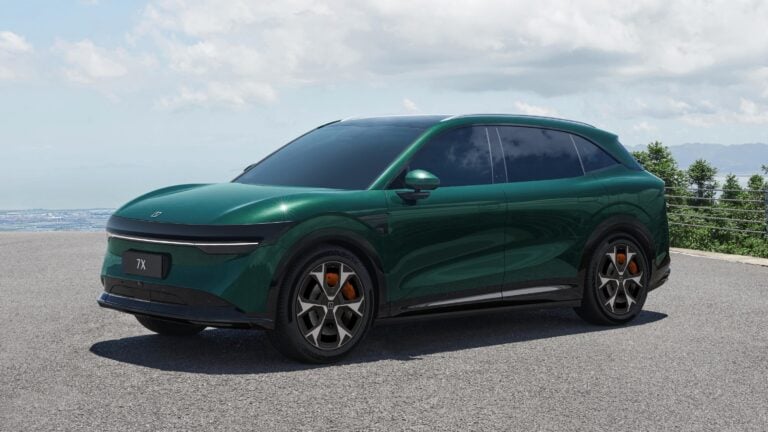
NewsZeekr sees 7X become best-selling luxury medium SUV in latest sales results
Zeekr has achieved a milestone in Australia with its 7X electric medium SUV selling 973 units sold in April 2026, outselling rivals such as the Tesla Model Y for the first time.
-
 News
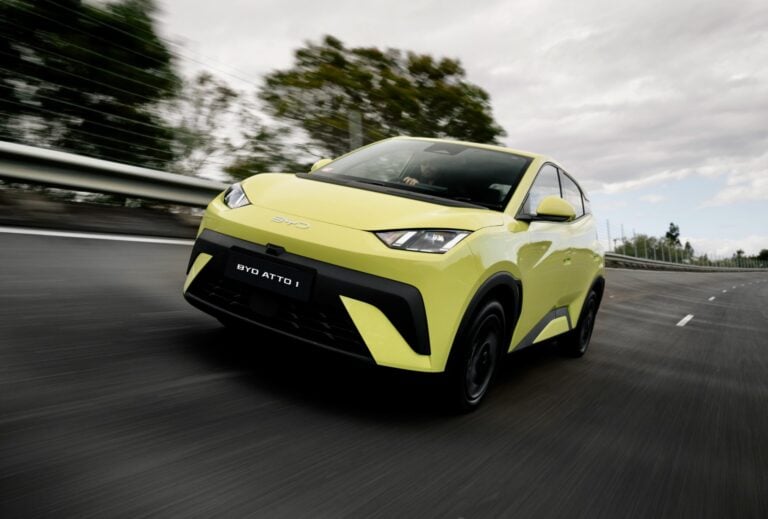
NewsVFACTS April 2026: EVs hit record 16.4 per cent market share in new car sales charts
Strong supply, fuel prices and government incentives drive surge as Chinese brands including BYD gain ground in Australia.