
News
Gallery 1
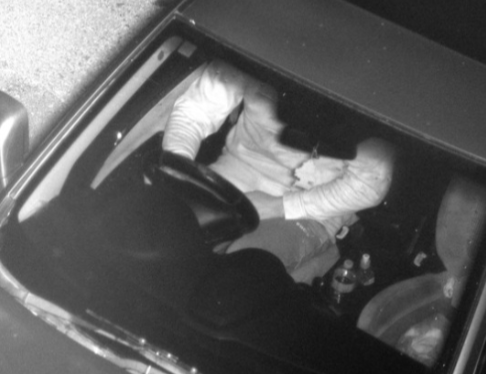
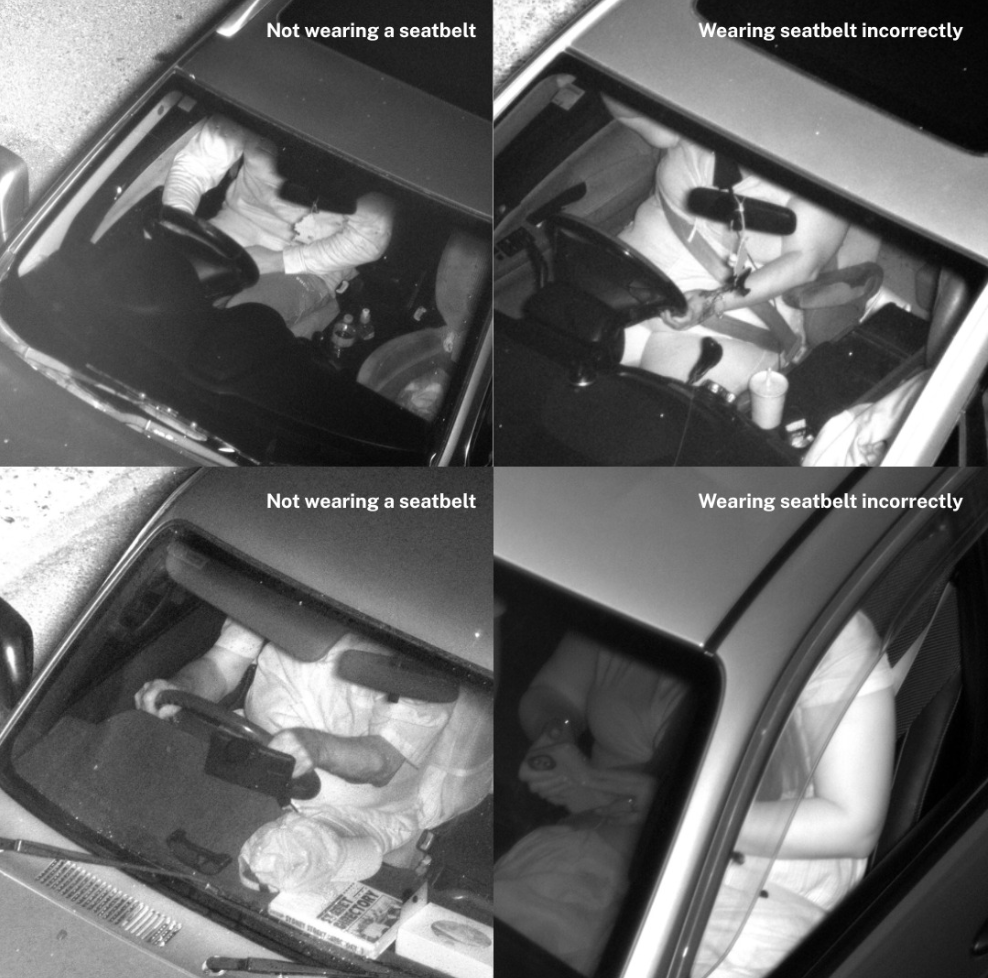
More than half of motorists in Western Australia who challenged AI-issued seatbelt fines have successfully had their penalties overturned, raising fresh concerns about the accuracy and fairness of automated enforcement systems.
According to reporting by The West Australian, 60 per cent of drivers who sought a review of their infringements saw them withdrawn, with more than $1 million in fines wiped as a result. The figures relate to penalties issued between October 8 and April 17, a period in which authorities handed out 53,890 infringements – averaging close to 300 per day and generating more than $29 million in revenue.
Of those fined, 3,381 motorists requested reviews, and 2,043 notices were ultimately cancelled. Officials said some of these cases involved multiple fines being issued within a short period, meaning drivers had little or no opportunity to correct their behaviour before further penalties were applied.
1
A spokesperson for the WA Department of Transport and Major Infrastructure told The West Australian that every infringement image is assessed by an official before a fine is issued, and again if a review is requested, with each case considered on its individual merits.
Despite this, the high rate of successful appeals has intensified scrutiny of the system, particularly as enforcement ramps up. The controversy escalated earlier this year when it emerged the cameras were issuing more than $1 million in fines per week, prompting a formal review by the Road Safety Commission.
A large proportion of the infringements relate to passengers – especially children – incorrectly wearing seatbelts. Some drivers have argued they cannot safely intervene while driving, yet still face penalties.
Critics say the system effectively places the burden on motorists to prove their innocence. Advocacy groups claim many drivers only succeed after taking the extra step to challenge the fine, either through formal review or in court.
That view is echoed more broadly across Australia, where legal experts are increasingly encouraging motorists to contest AI-issued infringements if they believe an error has been made. WhichCar by Wheels recently highlighted the growing concern around automated enforcement, with lawyers warning that camera-based systems are not infallible and can misinterpret images or context.
Astor Legal‘s Avinash Singh warned the technology is far from foolproof, and that the systems frequently misinterpret common items as mobile phones.
“AI cameras are notoriously unreliable at detecting mobile phone use in particular,” Singh said. “The technology often mistakes other objects for phones. We’ve seen cases where wallets, glasses cases and even battery packs have been incorrectly flagged.”
While authorities maintain that AI cameras are improving road safety and ensuring compliance, the volume of overturned penalties suggests the technology – and how it is applied – remains a work in progress.
Follow WhichCar/Wheels on Google
Click the button below to make WhichCar by Wheels a preferred source for your news.


We recommend
-
 News
NewsAI traffic cameras lead to surge in road fines across Australia
Automated enforcement technology is lifting fine revenue nationwide, with most offences now detected by cameras rather than police.
-
 News
NewsIncredible $13million in fines issued after first month of AI road-safety cameras
More than 31,000 motorists penalised as technology exposes dangerous driving previously going unnoticed.
-
 News
NewsMajor concern revealed after AI cameras see 114,000 drivers fined
Audit finds gaps in oversight of phone and seatbelt detection systems as government pledges stronger protections.
