News
Gallery 1
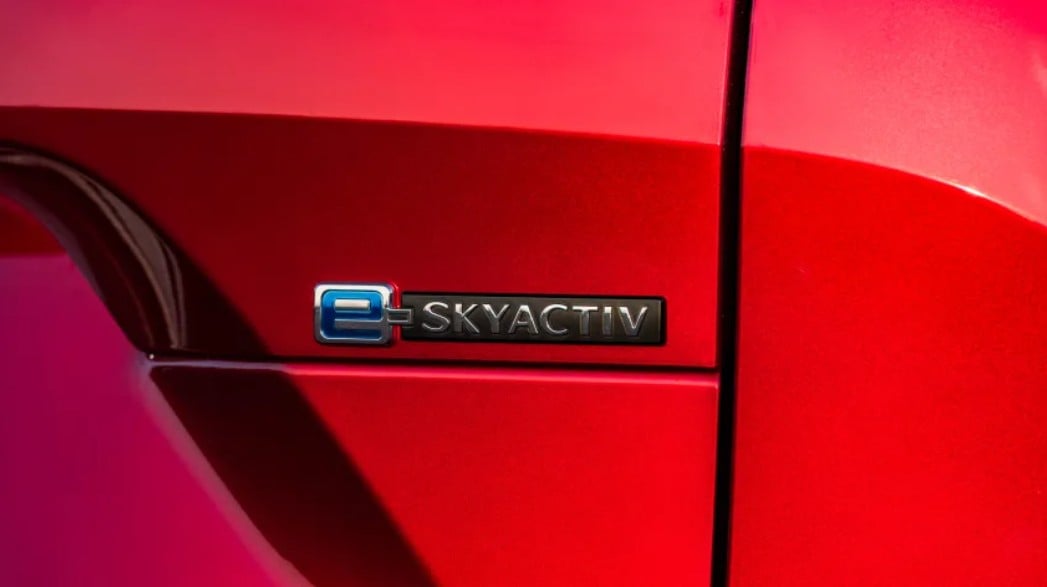
Mazda has once again delayed the arrival of its first electric vehicle built on the brand’s all-new, in-house scalable EV architecture, with the long-awaited model now not expected to launch until at least 2028. According to reporting from AutoExpress, the new timeline pushes the project further back than originally planned, though Mazda insists the delay is deliberate rather than reactive.
The Japanese manufacturer is nevertheless pressing ahead with its electric push in the near term. The Mazda 6e sedan (below) and CX-6e mid-size SUV are both due to launch this year in key global markets, positioning them as rivals to vehicles such as the Tesla Model 3 and Model Y. However, both models are based on Changan’s EPA1 platform rather than Mazda-developed underpinnings, highlighting the brand’s reliance on partnerships during its EV transition.

1
Mazda first announced plans for its own dedicated EV platform – officially called the Mazda EV-scalable architecture – back in 2021. At the time, it said multiple models would be launched on the architecture between 2025 and 2030. That schedule was later revised to a 2027 debut, before being pushed back again to 2028, according to internal material seen by AutoExpress.
Deputy General Manager of R&D at Mazda Europe, Christian Schultze, said the rapidly evolving nature of EV technology has been a major factor behind the delays. “EV technology is not something stable,” he explained. “While you’re developing, things are changing and advancing.”
Schultze also pointed to resource and expertise constraints, particularly for a smaller independent manufacturer like Mazda that isn’t backed by a large automotive group. Using partner platforms in the short term, he said, gives Mazda “relief and the ability to do it right” when it comes to developing its own architecture.
While the Changan-based platform limits Mazda’s freedom in terms of vehicle size and layout, the company believes it delivers the right products for the current market. Mazda also noted that moving too quickly with EV platforms can backfire, citing examples of architectures from other manufacturers that proved too heavy, expensive or short-lived.

1
Mazda says its new scalable EV platform will eventually support a wide range of vehicle sizes, similar in philosophy to Volvo’s SPA architectures or Volkswagen Group’s MEB. The first model is expected to be an electric SUV, though not directly comparable in size to the CX-6e to avoid internal overlap.
Despite the delays, Mazda insists future EVs will remain true to the brand’s character, with product planners emphasising continuity for loyal customers while gradually expanding to new buyers.
Follow WhichCar/Wheels on Google
Click the button below to make WhichCar by Wheels a preferred source for your news.

We recommend
-
 Features
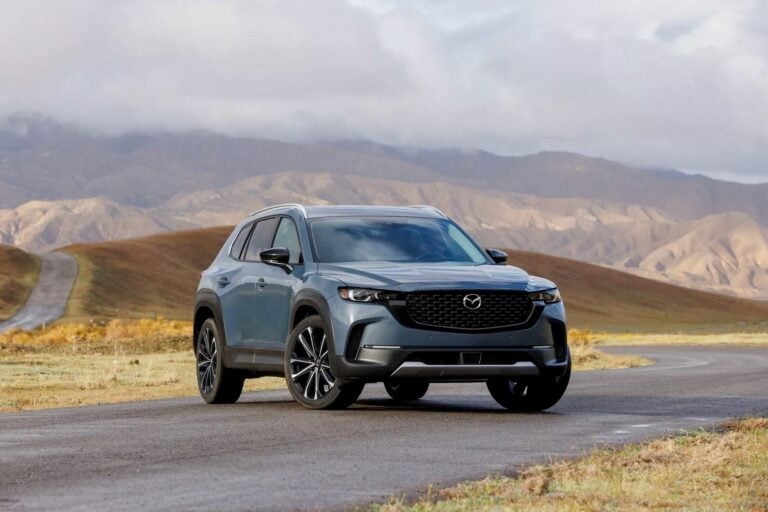
Cars we wish were sold in Australia: Mazda CX-50
The Mazda CX-5 is a massively popular car in Australia, but did you know that there's a similar car sold overseas, one that we think would sell even better here?
-
 Comparisons
Popular hatchbacks comparo: Hyundai i30, Mazda3 and Toyota Corolla face off
What’s the best hatchback you can buy on a $40k budget? It’s a simple question. The answer? That’s not quite so straightforward.