News

Gallery 1
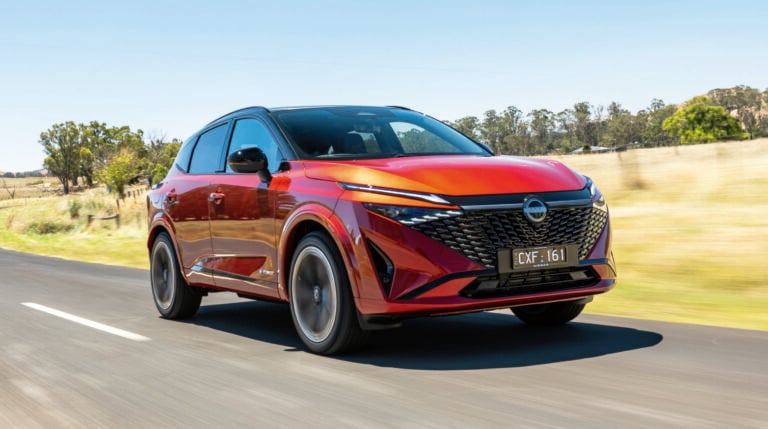
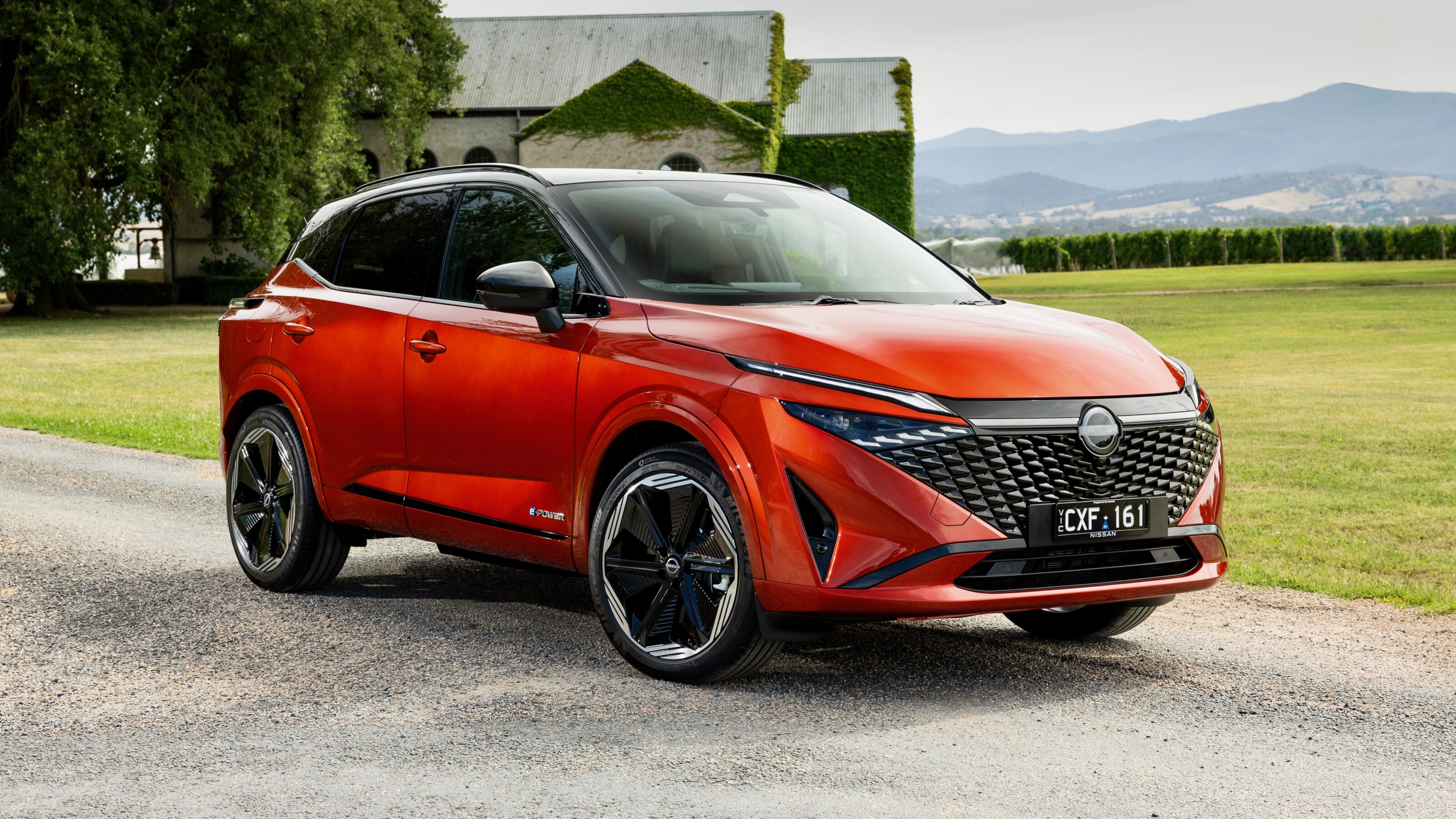
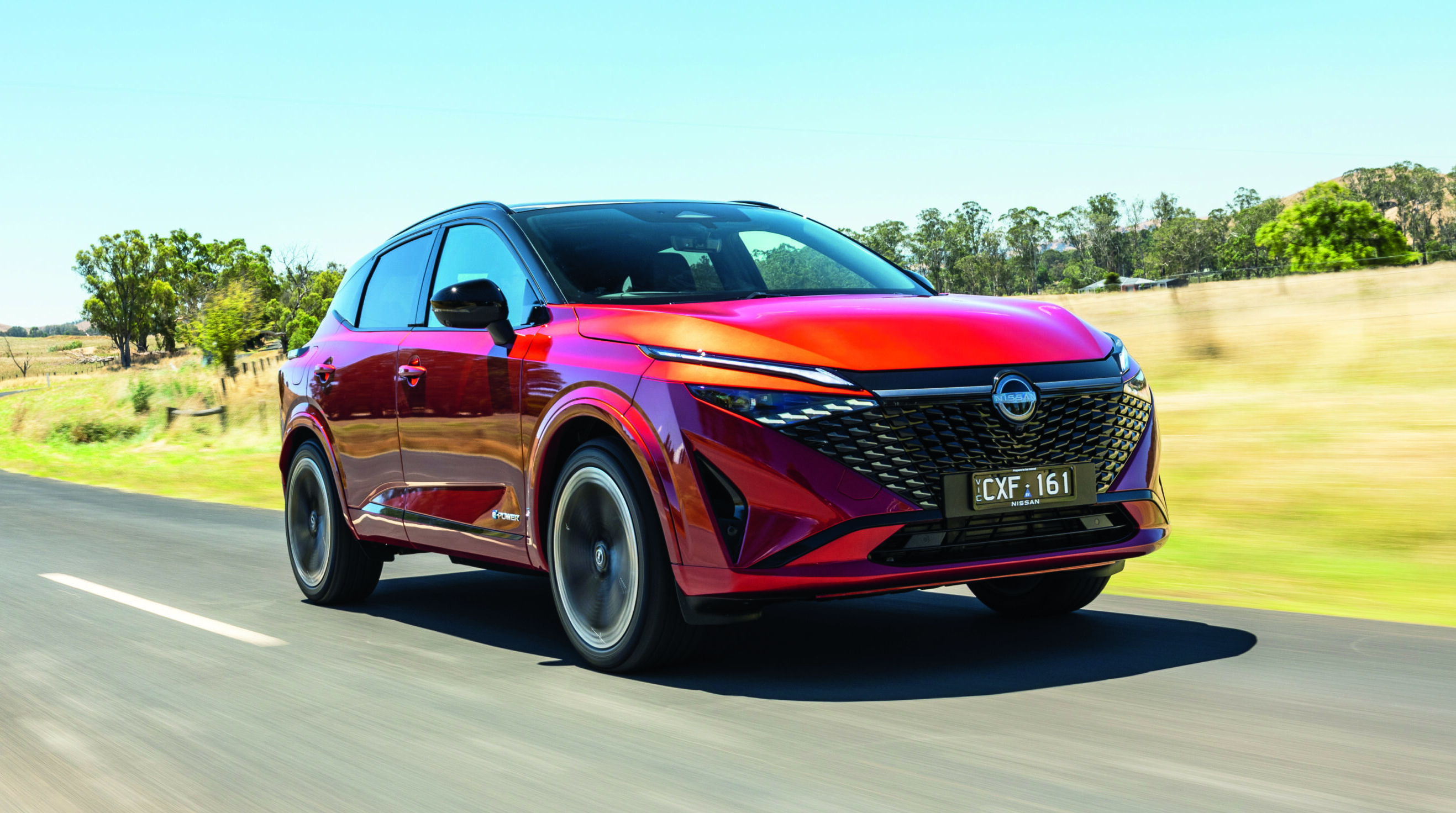
Struggling Japanese automaker Nissan is pinning its hopes on its innovative hybrid technology known as ‘e-Power’ to steer the company back to financial stability.
After reporting a staggering $4.5 billion loss for the fiscal year ending March, the carmaker is accelerating efforts to revamp its product line-up and streamline operations.
Unlike traditional hybrids like the Toyota Prius, Nissan’s e-Power system uses a petrol engine solely to charge an electric battery. The wheels are powered exclusively by the electric motor, providing a smoother, quieter drive without the need for external charging – eliminating one of the main barriers to electric vehicle (EV) adoption.
“Nissan has a proud history of pioneering technologies that set us apart,” said Chief Technology Officer Eiichi Akashi during a media event at the company’s Grandrive testing facility outside Tokyo. He emphasized that e-Power’s convenience and performance are key to attracting new customers.
Already available in models like the Qashqai and X-Trail here and in Europe and the Note in Japan, e-Power will debut in the U.S. market in the upcoming Rogue SUV. The technology presents a promising middle ground for consumers hesitant about fully electric vehicles, offering electric driving without the charging infrastructure concerns.
As part of a sweeping recovery plan, Nissan is cutting 15 per cent of its global workforce – around 20,000 jobs – and downsizing its manufacturing footprint from 17 plants to 10. The turnaround strategy, spearheaded by new CEO Ivan Espinosa, also includes bolstering strategic partnerships and cost-cutting.
While pricing for the upcoming e-Power models has not been disclosed, Nissan hopes they will become best-sellers, especially in the challenging North American market, which has been complicated by trade tensions and tariff policies under former U.S. President Donald Trump.
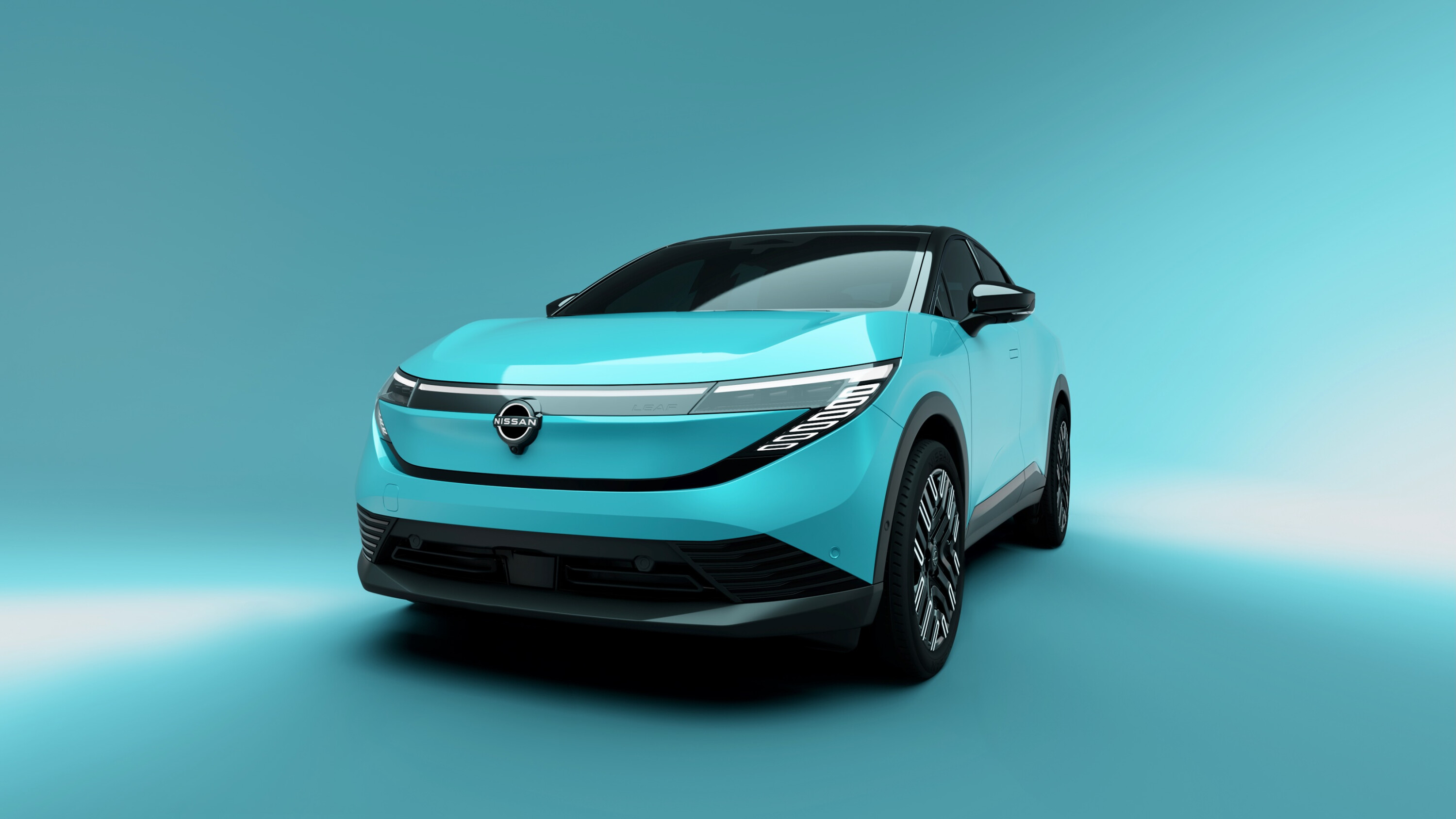
The company, once a leader in EVs with its pioneering Leaf model, is also developing next-generation electric vehicles and solid-state battery technology to remain competitive. However, analysts warn that Nissan faces a cash crunch, with speculation swirling over potential asset sales or even facility repurposing.
Talks of a merger with Honda collapsed earlier this year, leaving Nissan’s future uncertain – but the success of e-Power could be the spark it needs to regain momentum.
Follow WhichCar/Wheels on Google
Click the button below to make WhichCar by Wheels a preferred source for your news.