News
Gallery 1
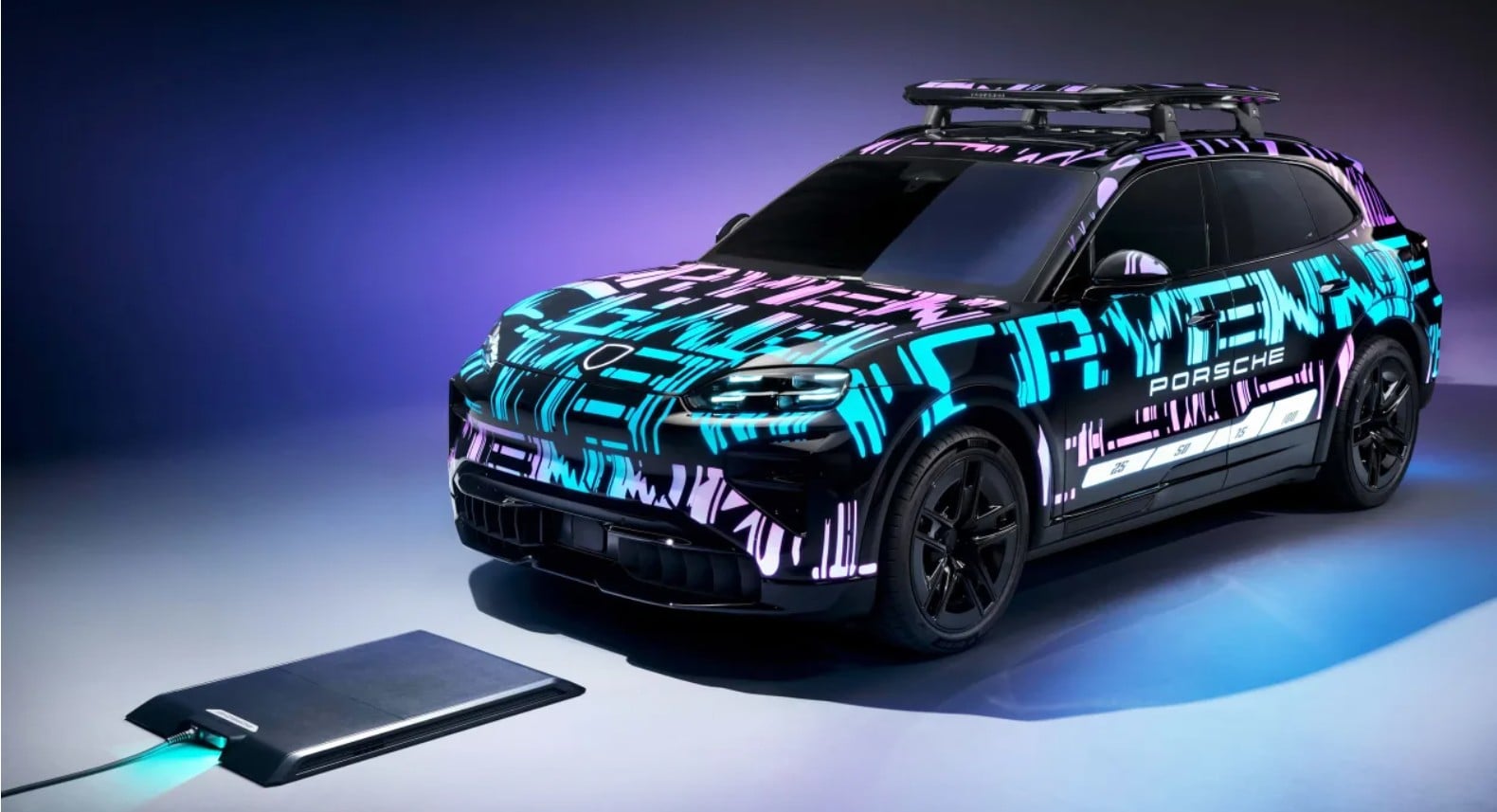
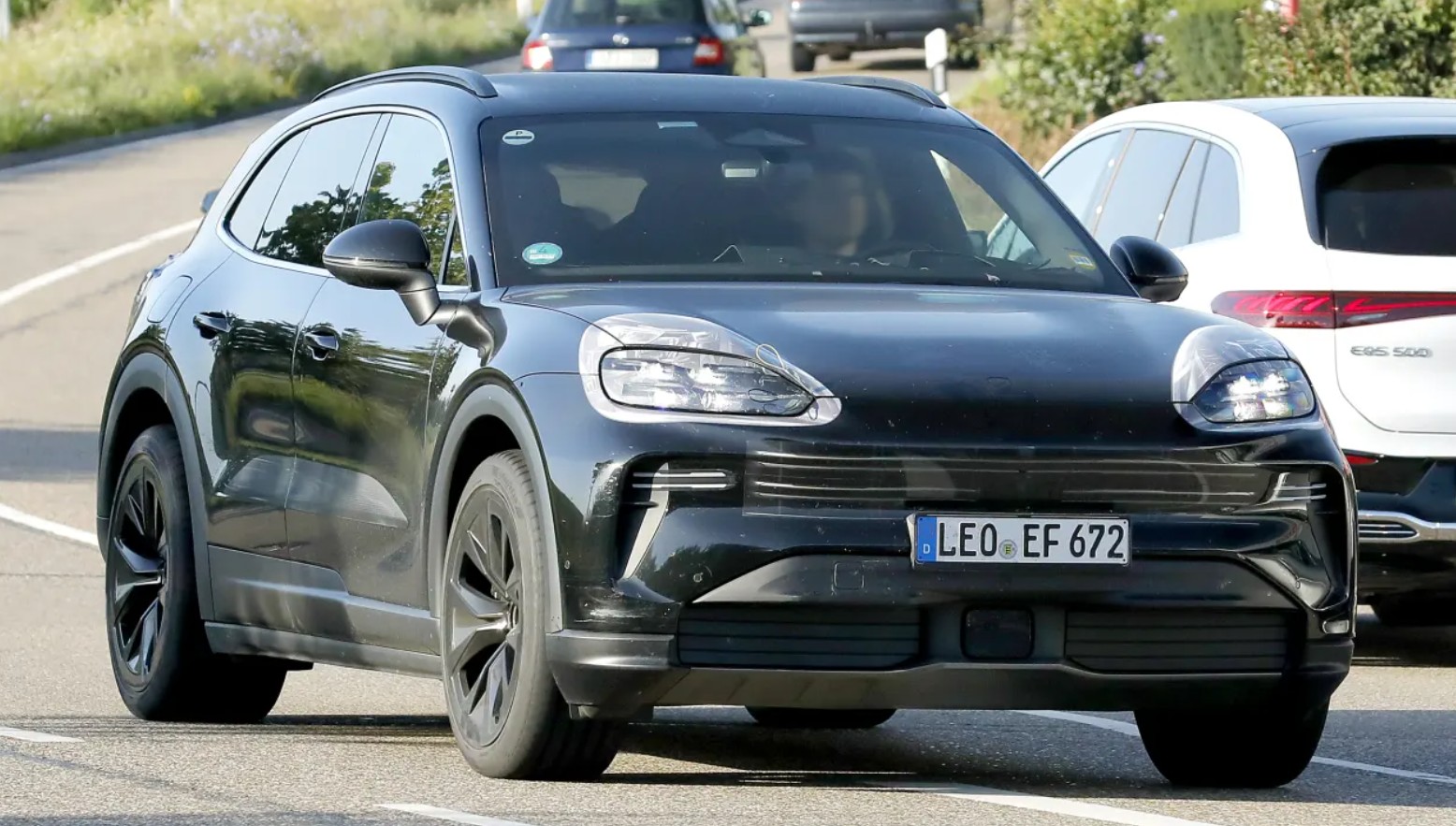
Porsche will use this year’s Munich Motor Show to unveil its first all-electric Cayenne, and while much attention will focus on its size, styling and performance, it is the charging technology that sets it apart.
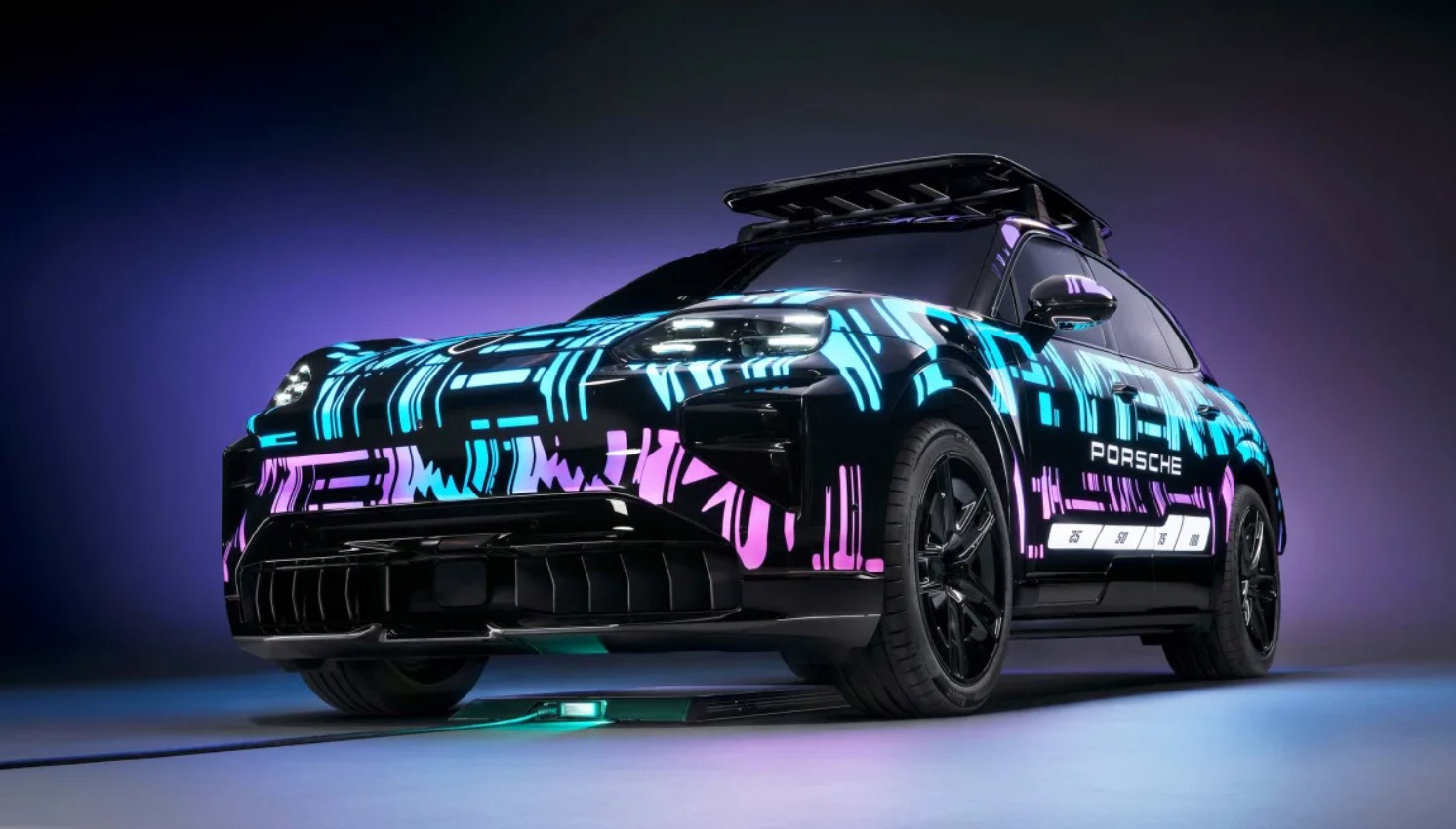
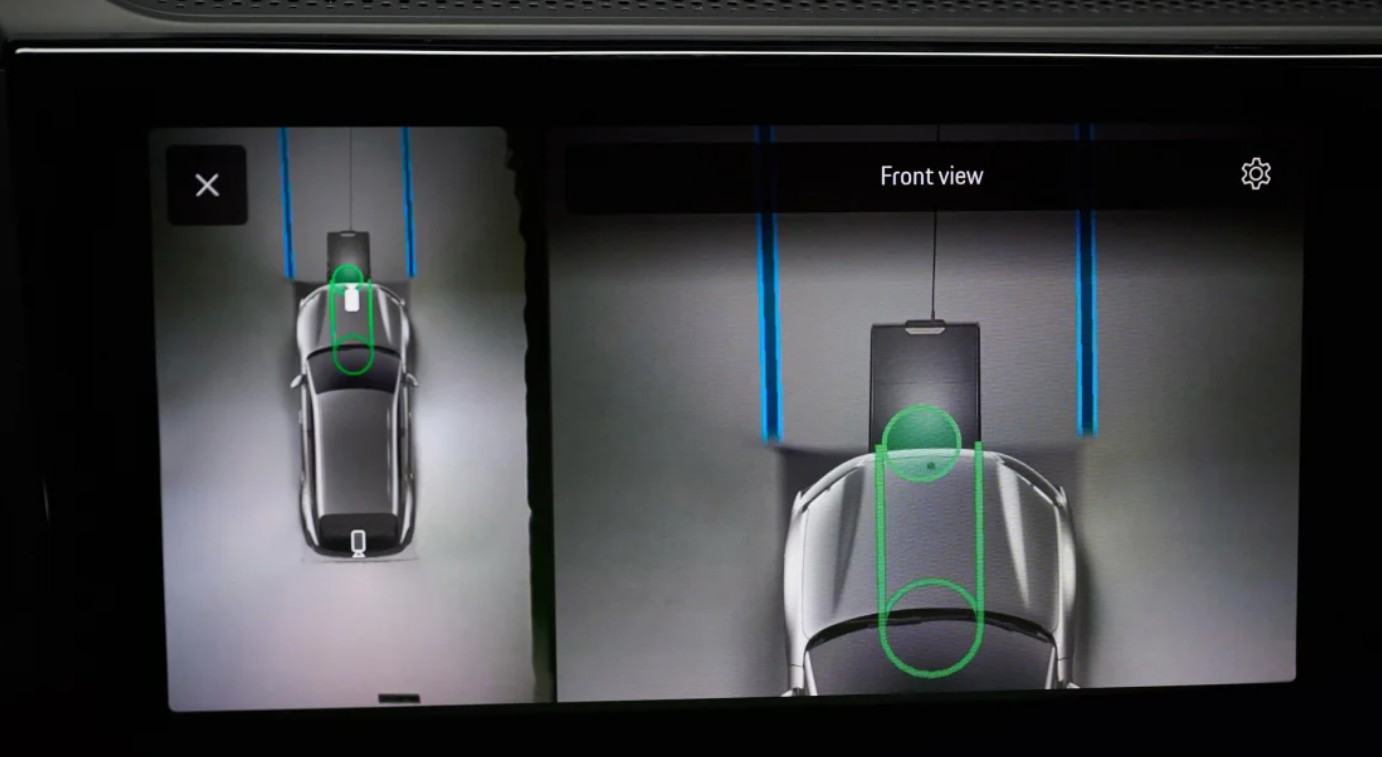
The Cayenne EV will be the first production car equipped to wirelessly recharge its high-voltage battery using an inductive floor pad. Unlike the everyday smartphone pads found in many cars, this system transfers power directly to the vehicle’s main traction battery.
The charging plate, designed for home use, measures 117cm by 78cm and stands six centimetres high. Owners connect the unit to mains power and simply park the Cayenne EV over the pad, ensuring it aligns between the wheels.
To maintain efficiency – Porsche says it can reach up to 90 per cent – the SUV is able to lower itself closer to the plate, minimising the gap between hardware and vehicle. The kit, weighing about 50kg, includes safety systems that halt charging if a foreign object or living creature is detected on the surface.
3
The wireless setup delivers 11kW of charging power, suitable for overnight replenishment of the Cayenne’s large battery. For faster turnaround, the vehicle is also compatible with 400kW rapid charging, allowing a 10 to 80 per cent top-up in around 15 minutes.
While inductive charging has been trialled by other brands, including Tesla and Volvo, Porsche will be the first to put it on sale, citing research that shows roughly three-quarters of owners charge at home. Hardware to enable wireless charging will be available through Porsche Centres.
The electric Cayenne will sit alongside petrol-powered models rather than replace them, expanding the brand’s SUV line-up. Coupe and SUV body styles will be offered, with base “4” models and high-output “Turbo” versions at launch.
1
The EV shares Porsche’s 800-volt PPE platform with the Macan Electric but introduces updates such as Active Ride Control, rear-wheel steering and enhanced air suspension. Power outputs are expected to start around 400bhp, with Turbo models approaching 800–900bhp (596kW-671kW) to match rivals from Mercedes-AMG, Audi and BMW.
Design changes include integrated high-mounted headlights, a re-sculpted light bar at the rear and frameless windows. Inside, the cabin will move to a largely digital interface with multiple displays and increased passenger space thanks to a flat floor.
Pricing has not yet been confirmed, but with the Macan Electric starting near £70,000 (A$144,227) in Europe, the Cayenne EV is expected to exceed the £100,000 (A$206,100) mark when sales begin.
1
Follow WhichCar/Wheels on Google
Click the button below to make WhichCar by Wheels a preferred source for your news.