Reviews
Gallery 1
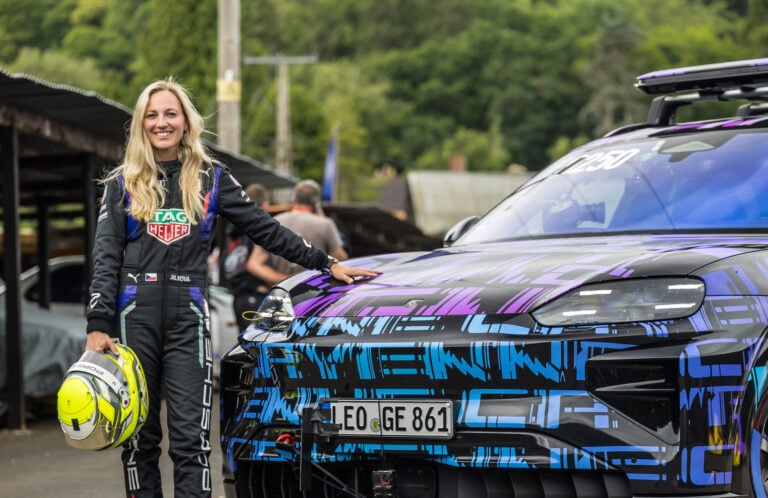
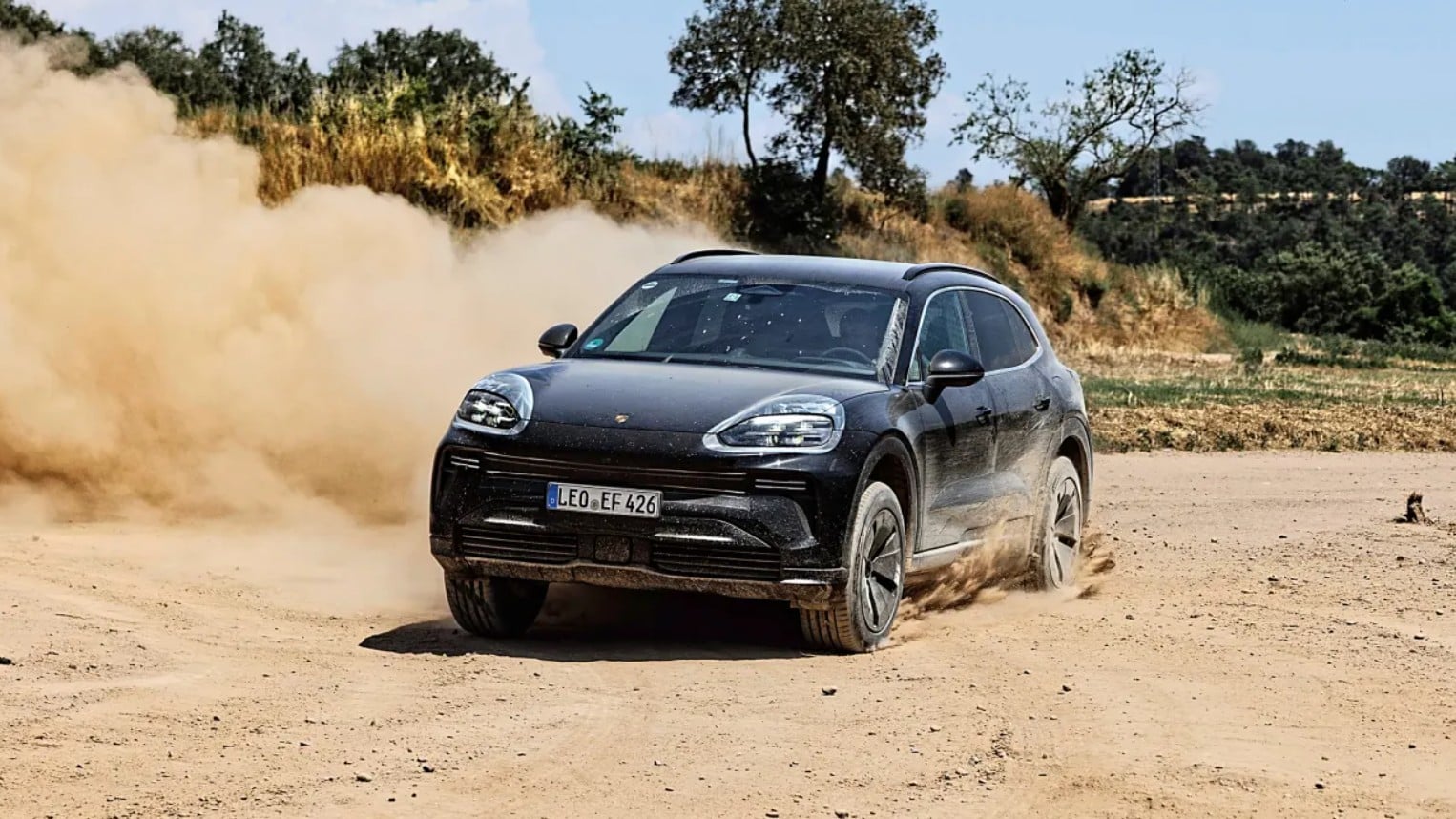
The Porsche Cayenne Electric is set to be one of the most advanced electric SUVs yet, but its timing could prove tricky. The premium EV market continues to wrestle with volatile residual values, and even a flagship version boasting around 746 kW of power and a 3500 kg towing capacity may find it difficult to carry Porsche through a challenging transition.
Following the Taycan’s strong debut, Porsche seemed perfectly positioned to dominate premium electromobility. But slowing EV demand in China and the U.S. has forced the brand to both maintain momentum with petrol-powered models and accelerate its electrification strategy.
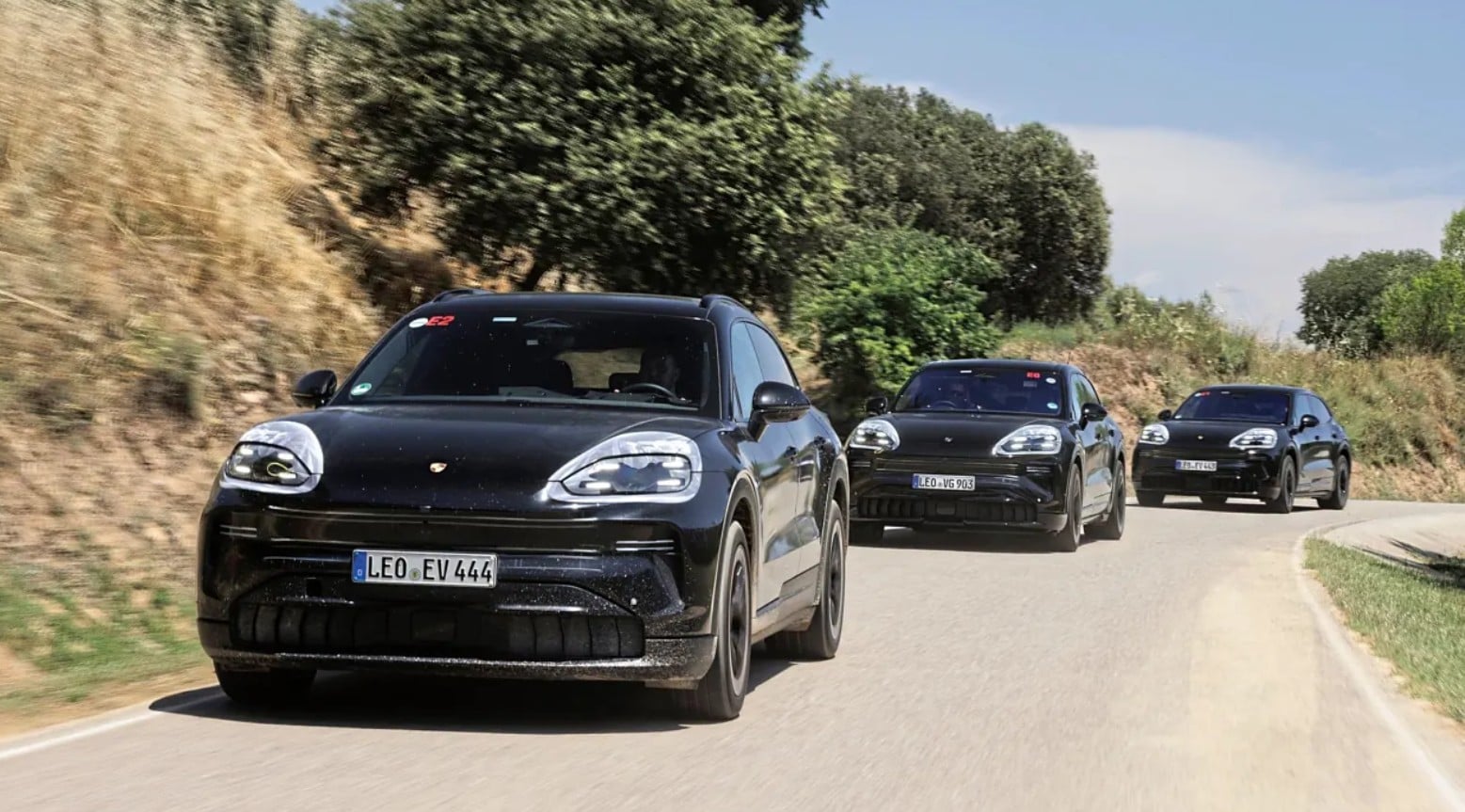
The fourth-generation Cayenne is central to this push, and even in prototype form, it demonstrates Porsche’s intent to remain at the forefront of performance and technology.
1
Rather than simply scaling up the Macan Electric, the Cayenne Electric evolves the PPE platform co-developed with Audi. The team has repackaged its 113 kWh battery and introduced new oil-cooled electric motors, delivering greater efficiency and durability. Charging performance is exceptional, with up to 400 kW DC capacity, adding around 300 km in 10 minutes, and a 10–80 per cent recharge in just 15 minutes. Regenerative braking peaks at 600 kW, rivaling the energy recovery seen in Formula E race cars.
All Cayenne Electric variants will feature dual motors and all-wheel drive. The entry model produces around 298 kW, while the Cayenne S is expected to sit between 447 kW and 522 kW. The range-topping Turbo pushes close to 746 kW, launching the nearly three-tonne SUV to 100 km/h in under three seconds, and reaching 200 km/h in under ten. Top speed remains electronically limited to 250 km/h.
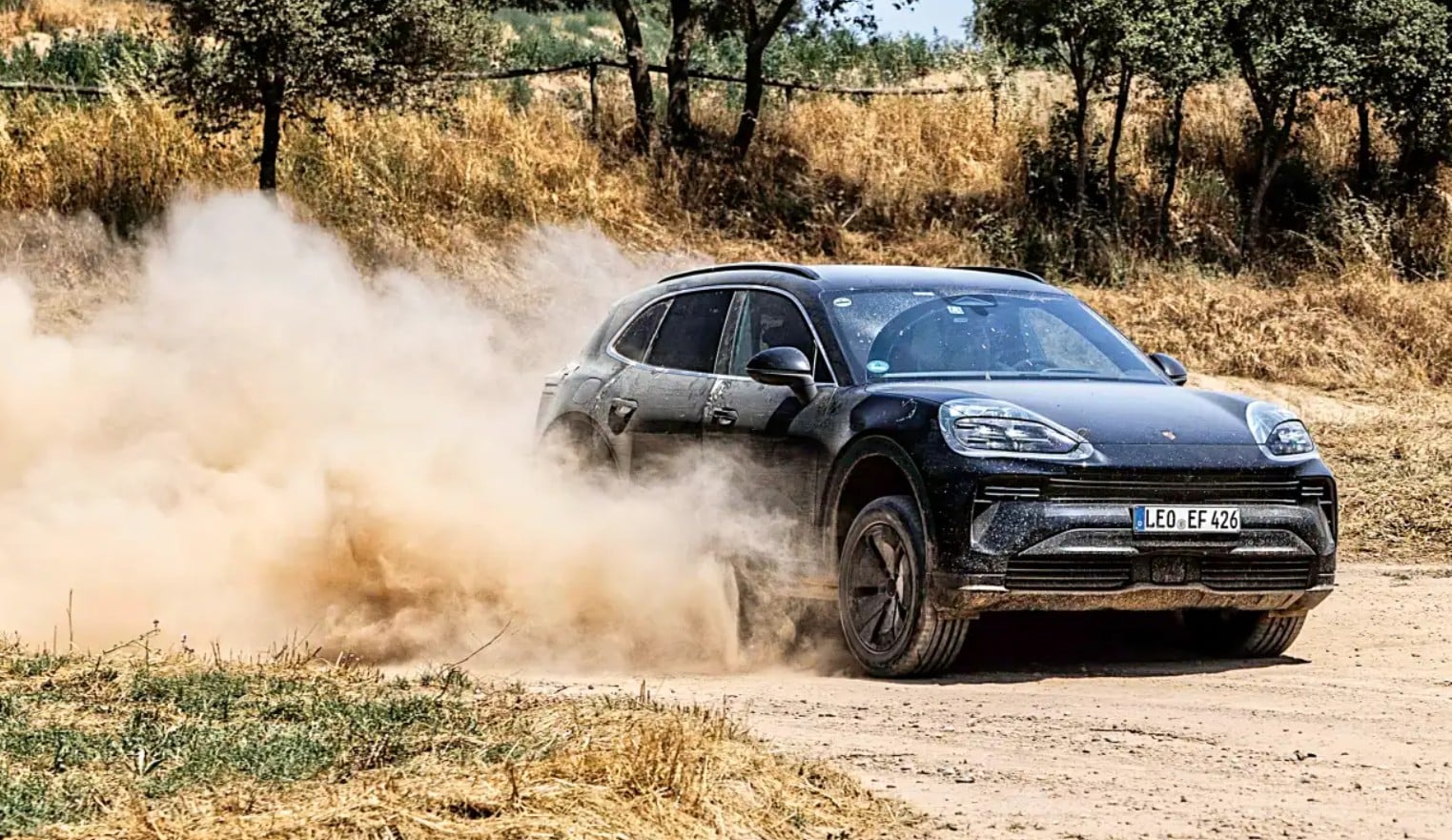
As always, Porsche is determined to make the Cayenne feel like a sports car despite its size. Standard air suspension with adaptive dampers is joined by optional Active Ride Control, which uses hydraulic actuators to cancel body roll and sharpen handling. All-wheel steering (up to five degrees of rear axle movement) further enhances agility.
2
The Cayenne Electric also retains its practical side, boasting the ability to tow 3,500 kg and offering more space than its petrol counterpart. The stretched wheelbase provides better rear legroom and increases boot space by 99 litres, with an additional 90 litres under the bonnet.
The interior is a step beyond the conservative Macan EV, with Porsche hinting at a bold new centre console design. Luxuries include electrically operated doors, reflecting a push toward higher-end refinement.
European pricing is expected to start from around A$175,000, with the Turbo likely to exceed A$310,000, placing it against rivals from BMW, Audi, Mercedes, Bentley, and Aston Martin. A coupé-style variant is due in 2026.
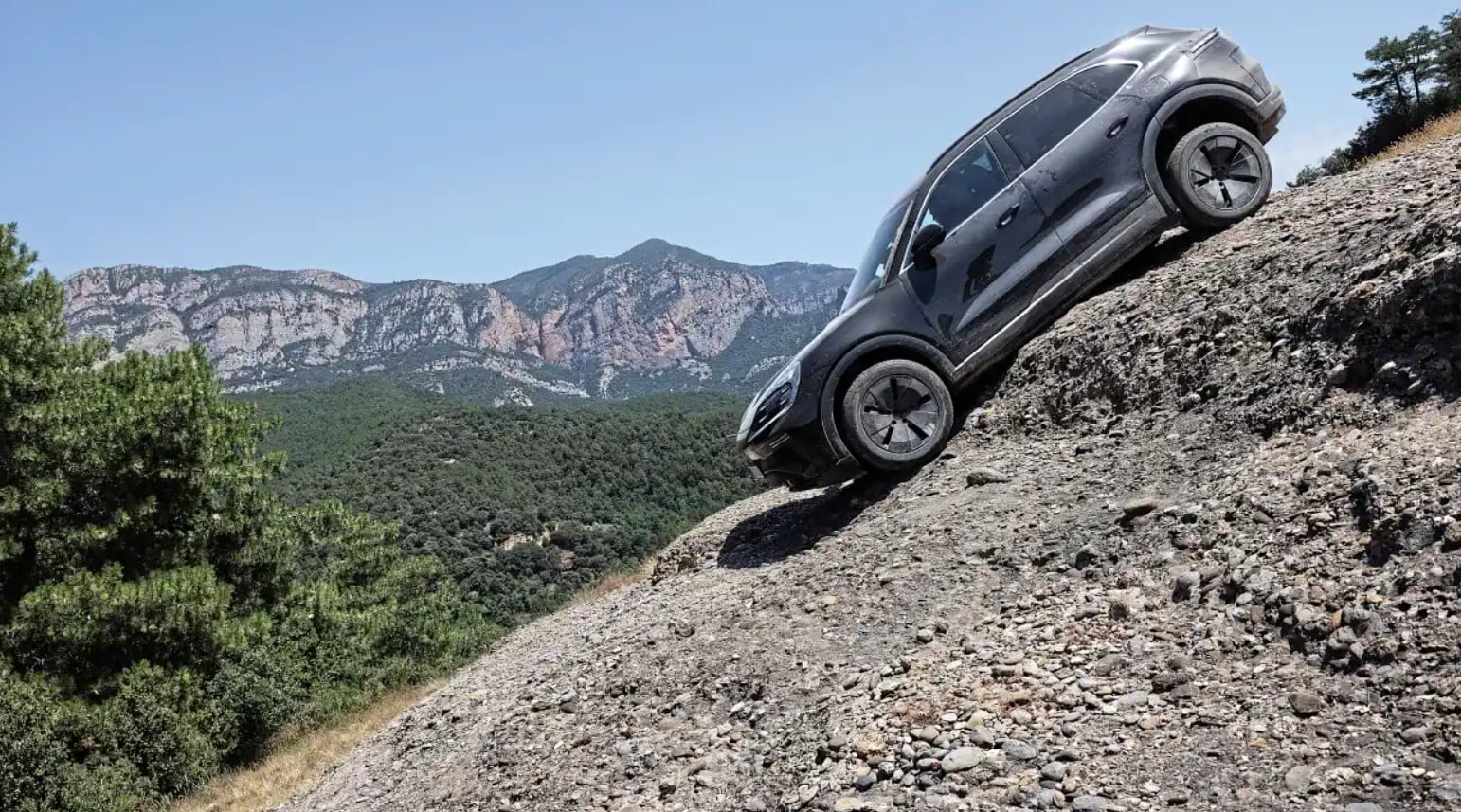
1
The Cayenne Electric will launch in Europe from Q2 2026, with global rollout following. Importantly, Australian availability has yet to be confirmed.
Interestingly, Porsche will not phase out the petrol-powered Cayenne just yet, instead granting it another update in the next two years. While the Cayenne Electric signals the company’s electric future, Porsche is hedging its bets with internal combustion for now.
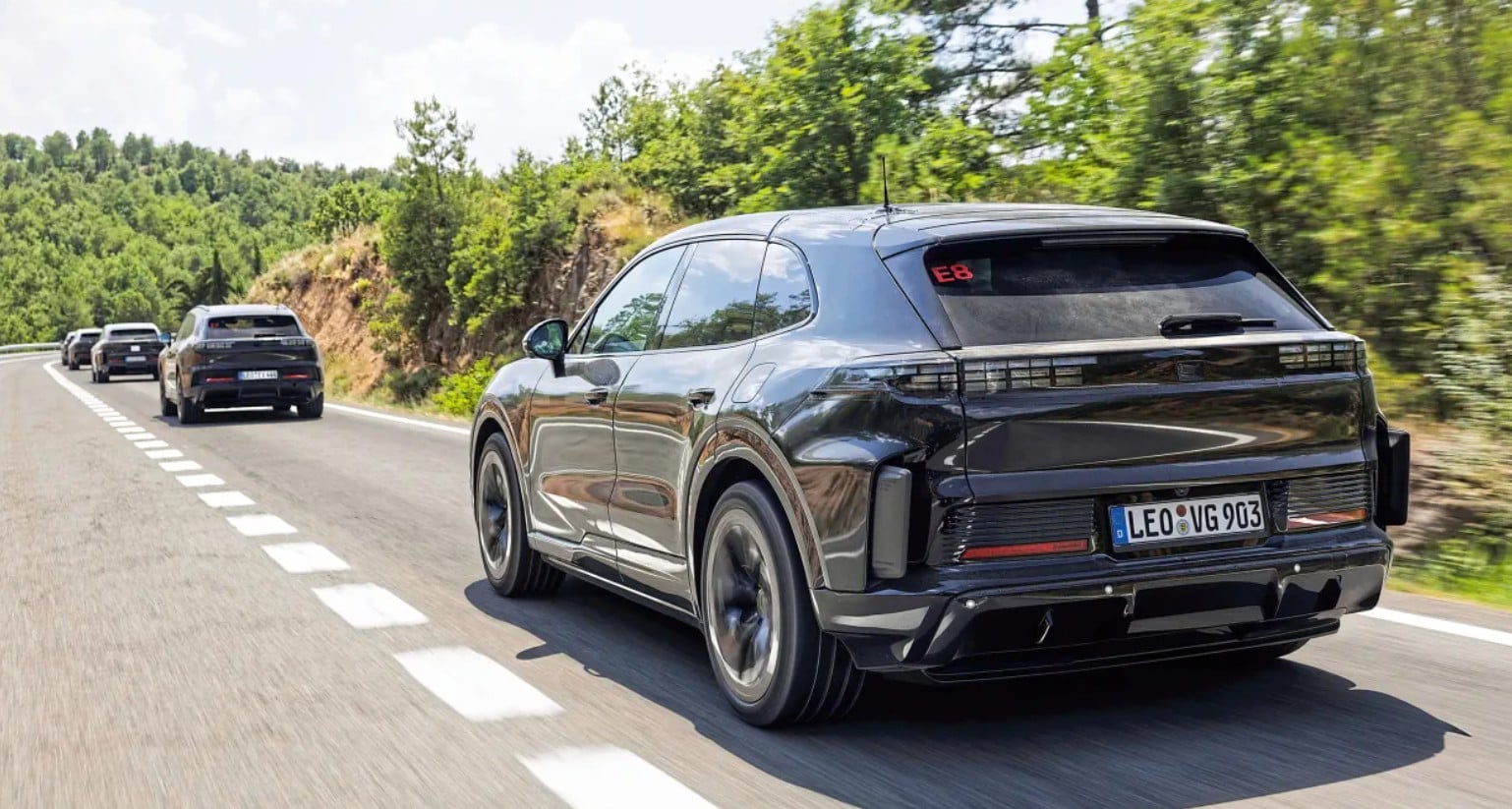
1
Follow WhichCar/Wheels on Google
Click the button below to make WhichCar by Wheels a preferred source for your news.