News

Gallery 1
You might wonder what Stellantis demanding clarity from the UK government has to do with new-car sales in Australia, but there’s little doubt a lack of clarity from government on targets, certainly in relation to emissions and elector vehicles sales, will create havoc for manufacturers.
Demand for electric vehicles has fallen or at the very least plateaued in many major markets around the world – and that means manufacturers are being forced to develop and manufacture vehicles that the buying public doesn’t want. As we’ve seen with staggering losses over the last 12 months, that journey isn’t one to profitability.
Now, a report by Autocar in the UK has revealed that the boss of Stellantis in the UK has ‘demanded the government begin its planned review into EV targets now, as current legislation means the firm doesn’t know what type of vehicles it can sell past 2030’.
1
“At this point in the UK, you don’t know what technology we can use yet from 2030, let alone whether you’re able to make any money in the UK market,” Eurig Druce – Group Managing Director Stellantis UK – told the SMMT’s Electrified conference.
It’s a frank and concerning revelation from Stellantis, a company that owns multiple brands, sold in markets all around the world. The UK government has relaxed its zero-emission vehicle (ZEV) mandate – as previously reported by WhichCar by Wheels, to permit the sale of hybrids into the 2030s, but retaining an 80 per cent EV target for 2030 would mean that the majority of vehicles on sale would have to be electric.
It’s not just Stellantis that has concerns either, with Autocar reporting that JLR, Ford and Volvo all told the conference that there report – slated to be released in 2027 at the earliest – will come too late.
“We are coming up towards a fundamental crossroads in this pathway where we need to make some very quick decisions, and review being published next year is too late,” Druce said. “The review needs to happen now is order for us to make the right decisions on investments. We’re not deciding on investments for 2027 now, we’re not deciding on investments for 2028, 2029 or 2030 now, our decisions on investments are post-2030 and quite a few years in advance of that.”
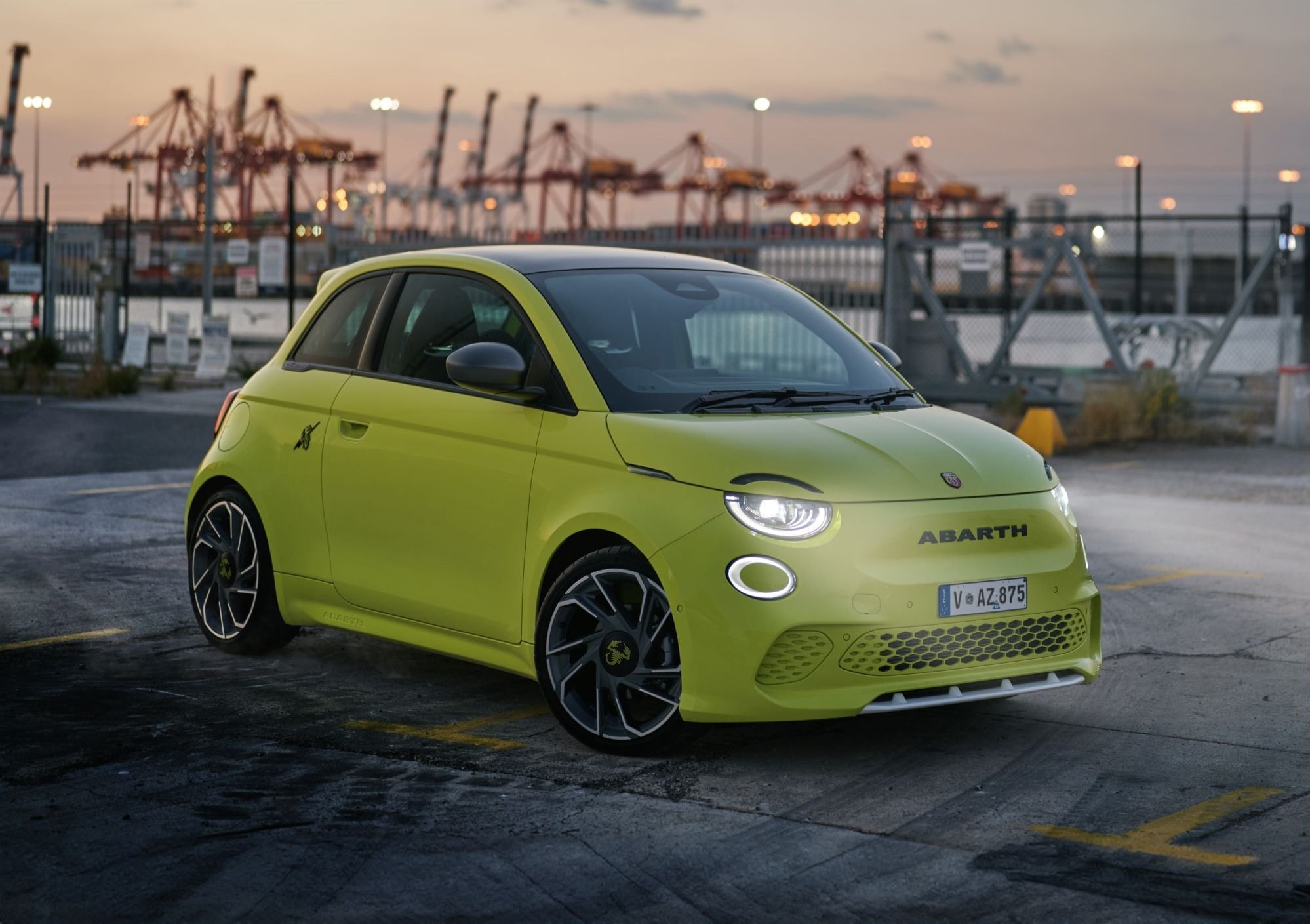
1
The revelation is a concern for Australia, where emissions targets and the associated fines for not meeting them will almost certainly result in more expensive cars for Australian consumers and, longer term, reduced availability if manufacturers take the same approach that Stellantis is threatening to take in the UK.
“We are a business, and businesses want to invest, of course, but you decide where to invest
where you can make a return,” Druce said. “And if you cannot make the return in that country, then
the ability of the company to invest and create growth – that the government is looking for in the UK – is absent.”
Follow WhichCar/Wheels on Google
Click the button below to make WhichCar by Wheels a preferred source for your news.

We recommend
-
 Features
Driven to extinction: Rear-drivers become first victim of the NVES
The New Vehicle Efficiency Standard (NVES) introduced this year is causing some car-makers to discontinue certain models for Australia.
-
 News
NewsFederal Government to name and shame car makers failing to meet CO2 targets
The federal government is set to reveal 'interim emissions' results under the new stringent NVES targets.