News
Gallery 1
The electric future may be locked in, but Volvo has no intention of abandoning buyers who aren’t ready to go fully battery-powered just yet. Speaking with Auto Express, Volvo’s recently reinstated CEO Håkan Samuelsson confirmed the brand will continue building hybrid vehicles “for as long as customers keep asking for them”.
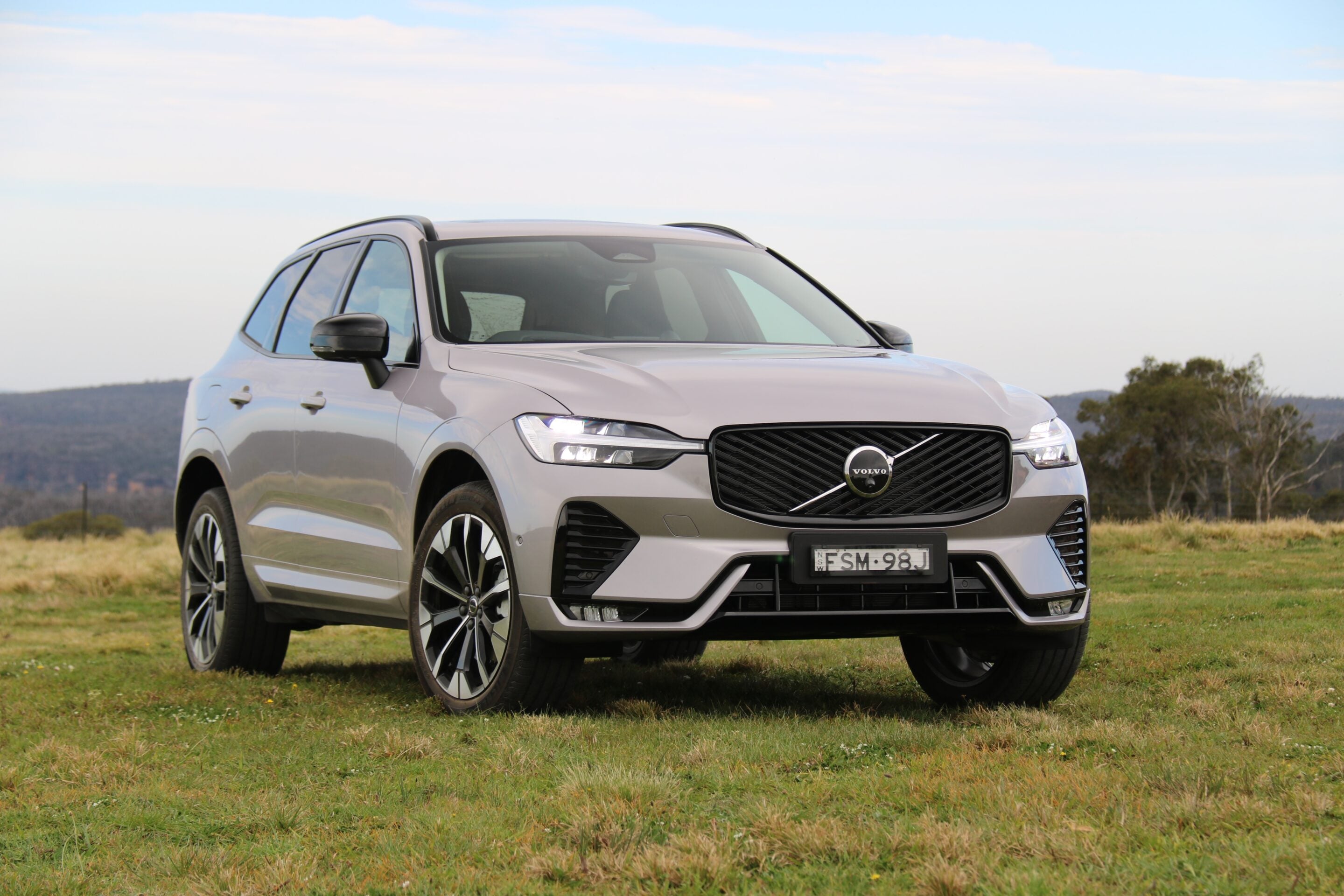
Crucially, this isn’t about keeping older technology on life support. Volvo’s existing internal combustion engine (ICE) SUVs are set for significant updates, drawing heavily on the design language and technology already seen in the brand’s latest all-electric models.
That includes the hugely popular XC60 and flagship XC90, both of which are expected to receive far more comprehensive revamps than the relatively minor updates introduced last year. Volvo has already confirmed it will work more closely with parent company Geely on future hybrid systems, though it’s not yet clear whether the XC60 and XC90 will remain on Volvo’s in-house SPA architecture or migrate to a shared Geely platform.
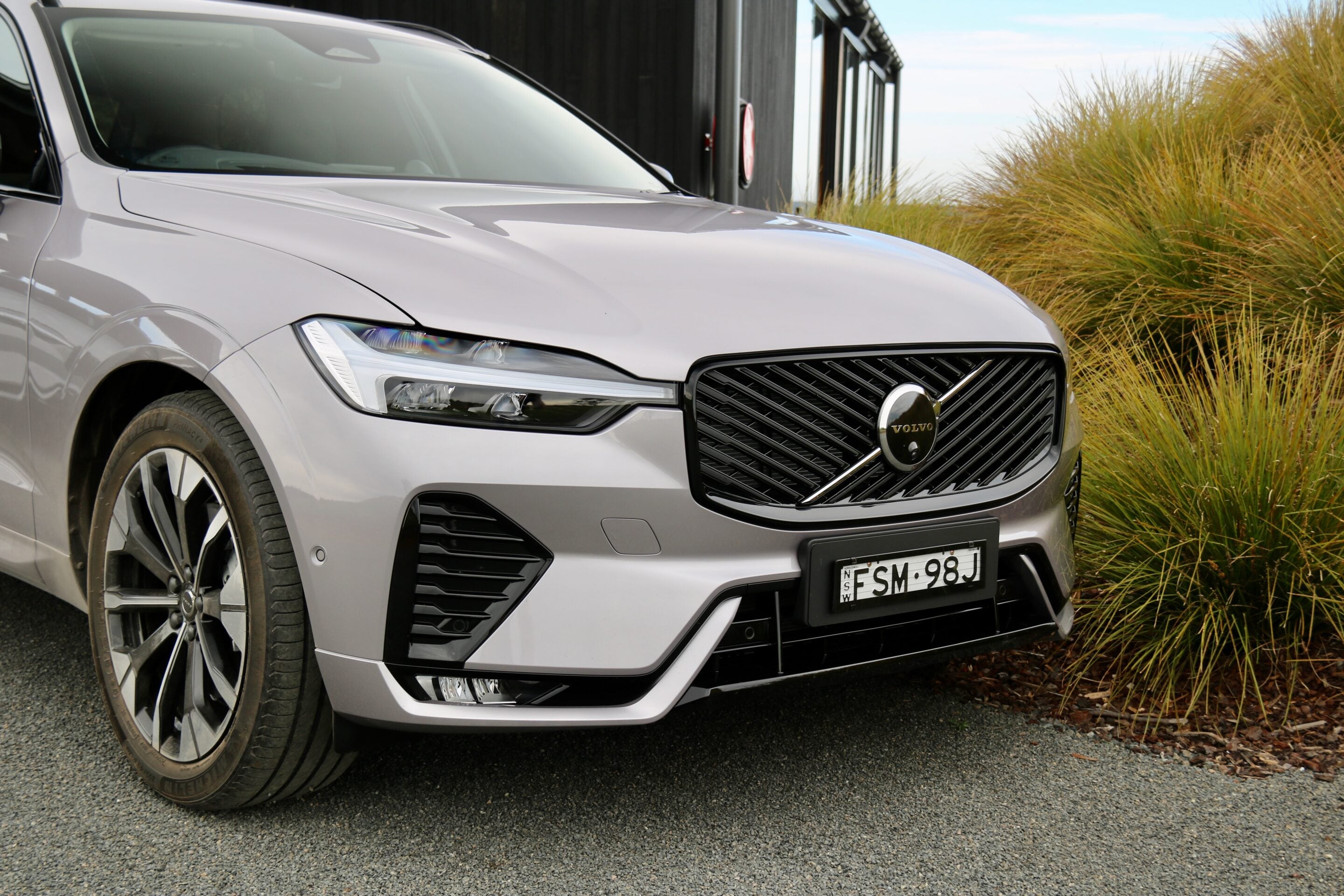
1
What is confirmed is the introduction of a new ‘Gen 2’ plug-in hybrid system. Drawing on experience from both Volvo and Geely, this next-generation setup is expected to feature larger batteries, allowing the electric motor to do more of the driving and reducing reliance on the petrol engine.
While Samuelsson stopped short of calling the new system a full range-extender, he told Auto Express it’s heading in that direction. Using the China-only XC70 as a preview, Volvo expects electric-only driving ranges to stretch to roughly 160–240km, supported by more powerful electric motors.
As part of this shift, Volvo may also rethink its familiar turbocharged 2.0-litre four-cylinder engine. More efficient solutions are on the table, including Miller-cycle combustion, smaller turbochargers and reduced engine capacity. In setups where the engine primarily charges the battery rather than driving the wheels, it can operate in a much narrower and more efficient window.
The XC40 also remains firmly in Volvo’s hybrid plans. Already built on a shared SEA platform, the next-generation model is likely to continue using group architecture, although packaging constraints may limit it to a more traditional plug-in hybrid layout.
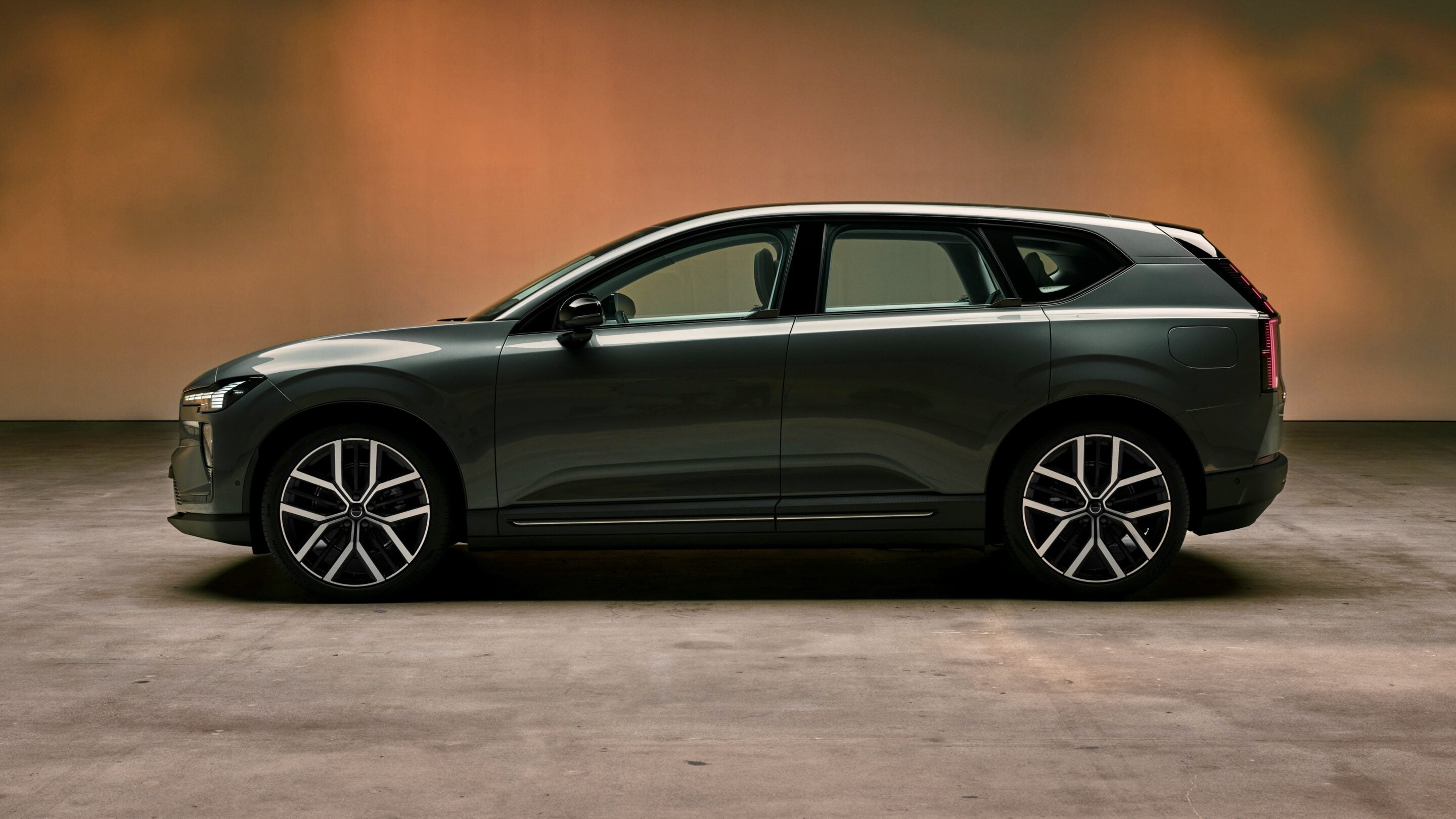
1
Despite deeper collaboration with Geely, Volvo insists its global models will retain their Swedish DNA. All non-China-market vehicles will continue to be engineered in Sweden, ensuring they still feel unmistakably like Volvos.
As for timing, with the new EX60 (above) about to enter production, the XC40 is expected to be first in line for a hybrid refresh. Larger updates for the XC60 and XC90 are still likely two to three years away.
Follow WhichCar/Wheels on Google
Click the button below to make WhichCar by Wheels a preferred source for your news.

We recommend
-
 Reviews
Volvo EX30 Cross Country review: Light off-roading now in electric form
For lovers of Volvo seeking a better off-roader, the Volvo EX30 Cross Country small electric SUV may just be the ticket.
-
 Reviews
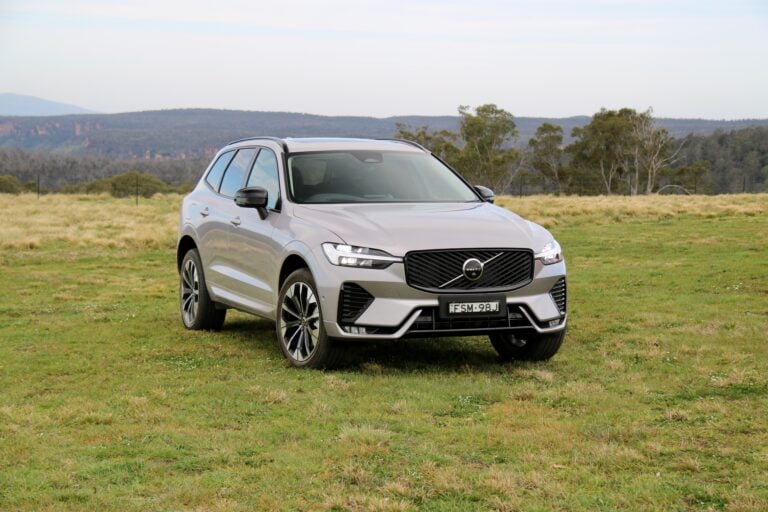
Volvo XC60 review: An oldie but still a goodie
The most popular Volvo product of all time has received light styling changes, new in-car tech and trim changes. Is the Volvo XC60 still a great mid-size SUV?