Reviews
Gallery 1
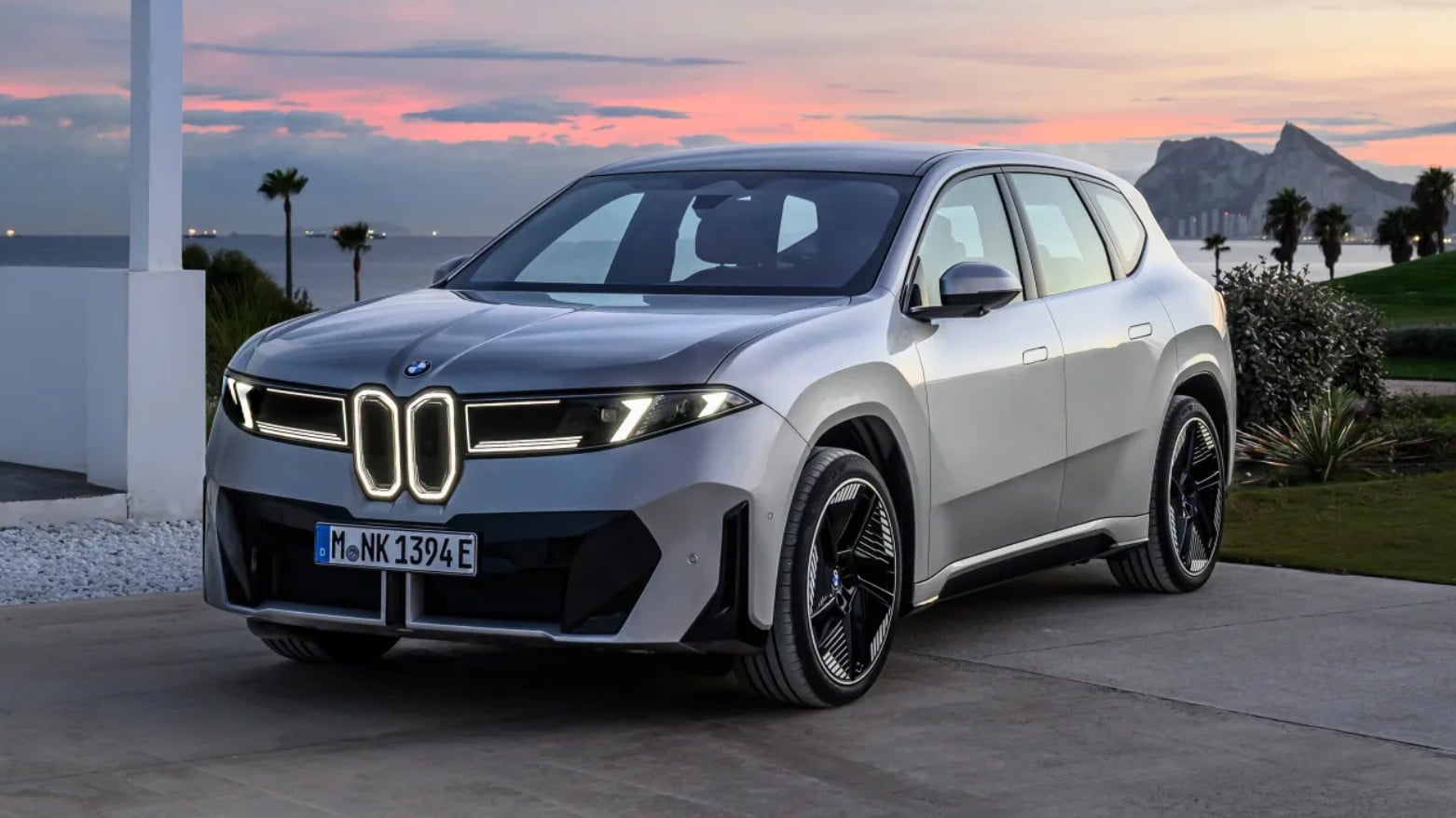
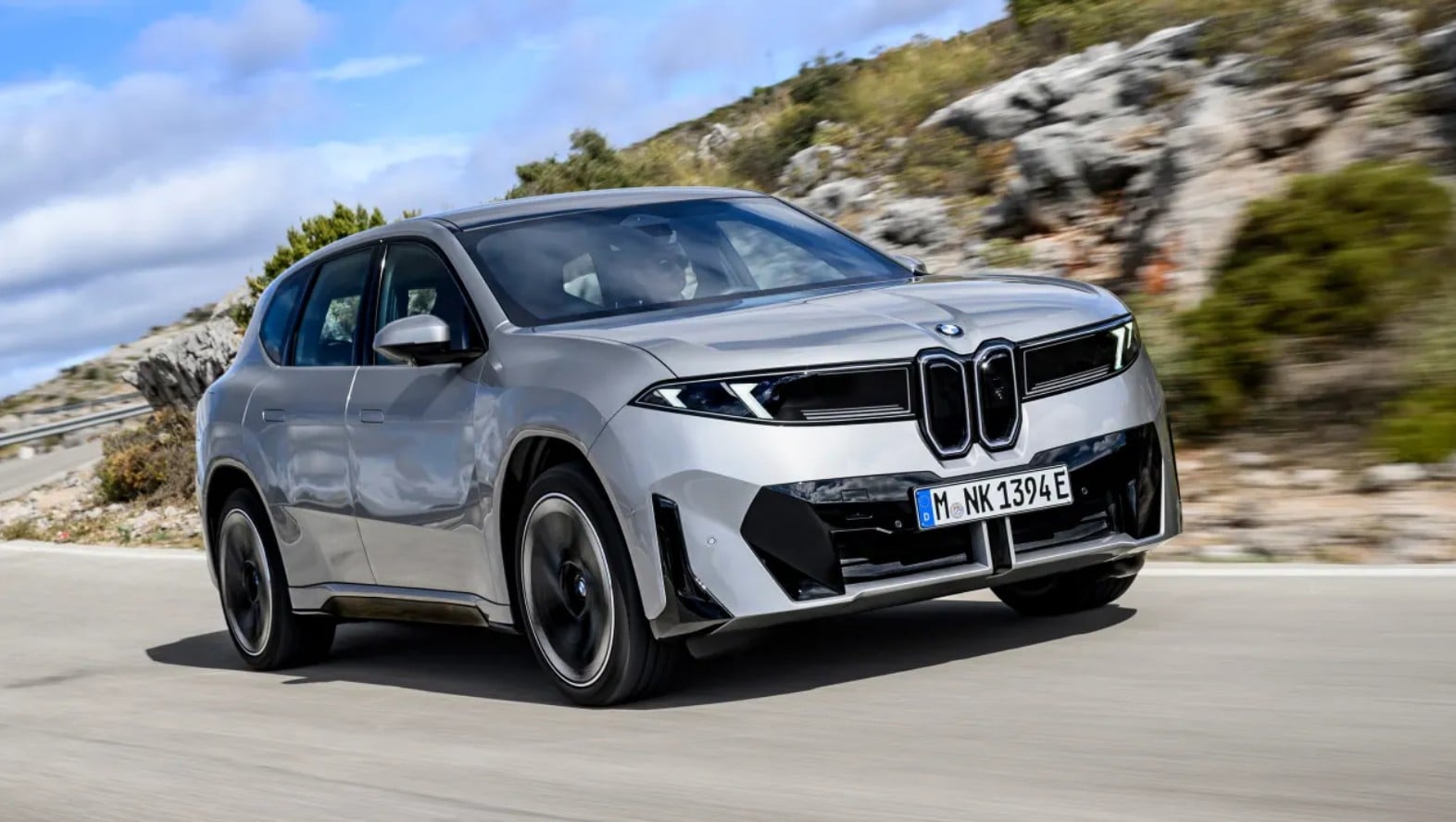
BMW is calling it its most significant model launch in two decades, and while that kind of hype can feel like marketing theatre, the new iX3 does a lot to justify the noise. This is the first production car from BMW’s “Neue Klasse” era – a clean-sheet rethink of how the brand designs, builds and programs vehicles – and it arrives as a premium, family-ready electric SUV that’s fast, clever and surprisingly attainable for what it offers.
If you’ve followed BMW lately you’ve heard “Neue Klasse” everywhere. In plain English, it’s the company’s next generation of models that aren’t evolved from existing platforms but engineered from scratch around EV hardware and software. The iX3 is the first cab off that rank, and BMW is effectively betting that what it introduces here will shape the brand’s direction for the next decade.
Positioning-wise, the iX3 is an all-electric mid-size luxury SUV that will live alongside petrol and hybrid X3s, rather than replacing them outright. In Australia it’ll square up to cars like the Audi Q6 e-tron, Porsche Macan Electric and Mercedes-Benz GLC with EQ Technology, all aiming at buyers who want premium feel without the size (or price) of a full-size SUV.
3
At launch there’s a single body style and a single powertrain: the iX3 50 xDrive. BMW has already confirmed the range will broaden, with cheaper single-motor versions and smaller battery options to come, plus a proper high-performance M variant at the top. A sleeker iX4-style coupe SUV is also expected to follow within a year or so.
The headline hardware is a new 112kWh battery (108.9kWh usable) feeding a dual-motor all-wheel-drive setup. This high-spec combo should sit at the top of the iX3 family, leaving space underneath for more accessible trims once production ramps up. Overseas pricing translates to roughly A$115,000 for the base Sport, rising to about A$120,000 for M Sport and A$123,000 for M Sport Pro before options, putting it in the thick of the premium EV fight rather than in some stratospheric halo zone.
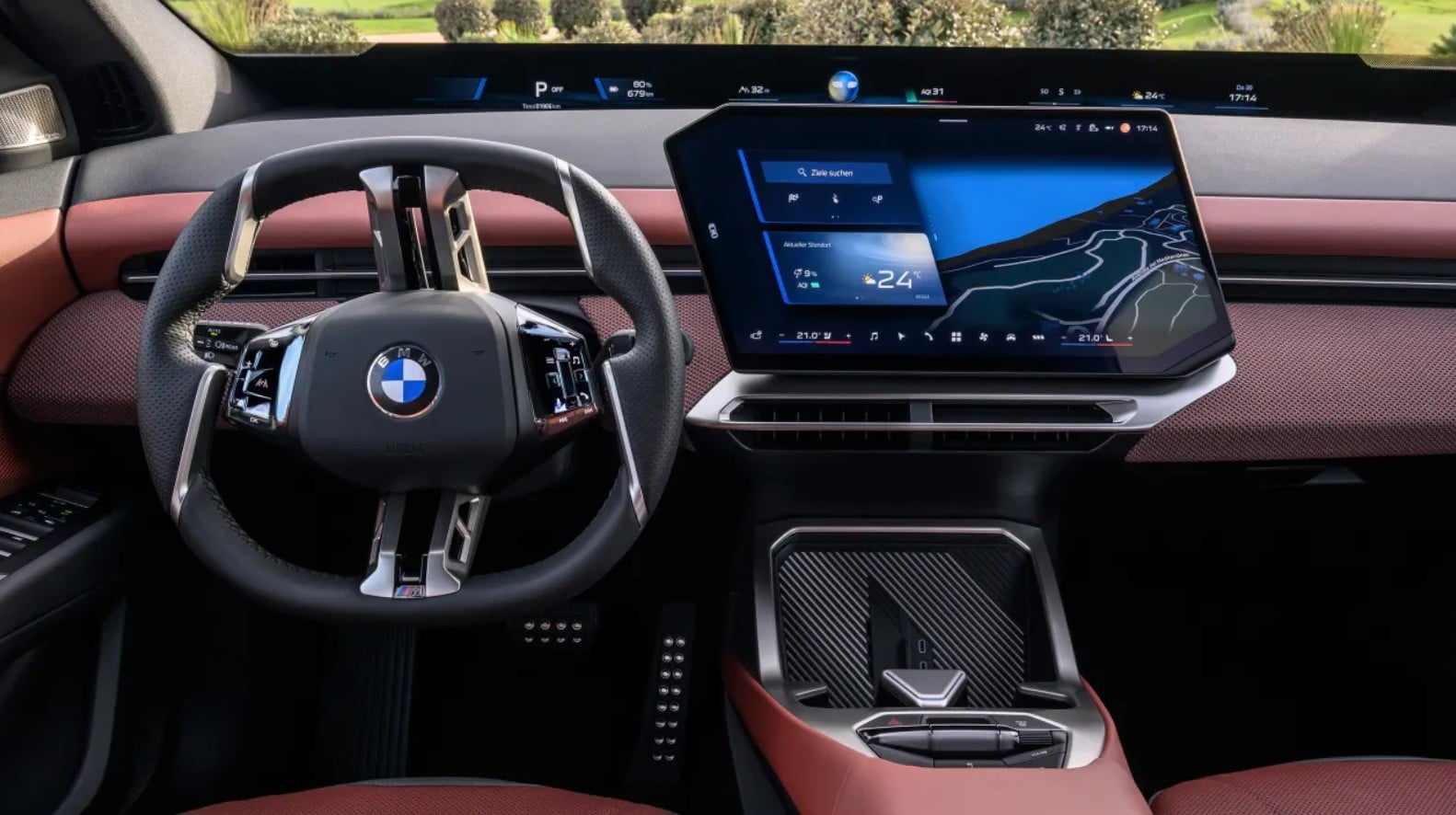
Even the base Sport is generously equipped. Standard kit includes BMW’s new Panoramic i-Drive display (a next-gen OS and screen concept), heated seats, LED headlights, 20-inch alloys, keyless entry, powered tailgate, dual-zone climate control and adaptive cruise. Expect common extras – such as metallic paint or upgraded upholstery – to add a few thousand dollars to the drive-away figure, but the core tech story doesn’t require ticking boxes.
2
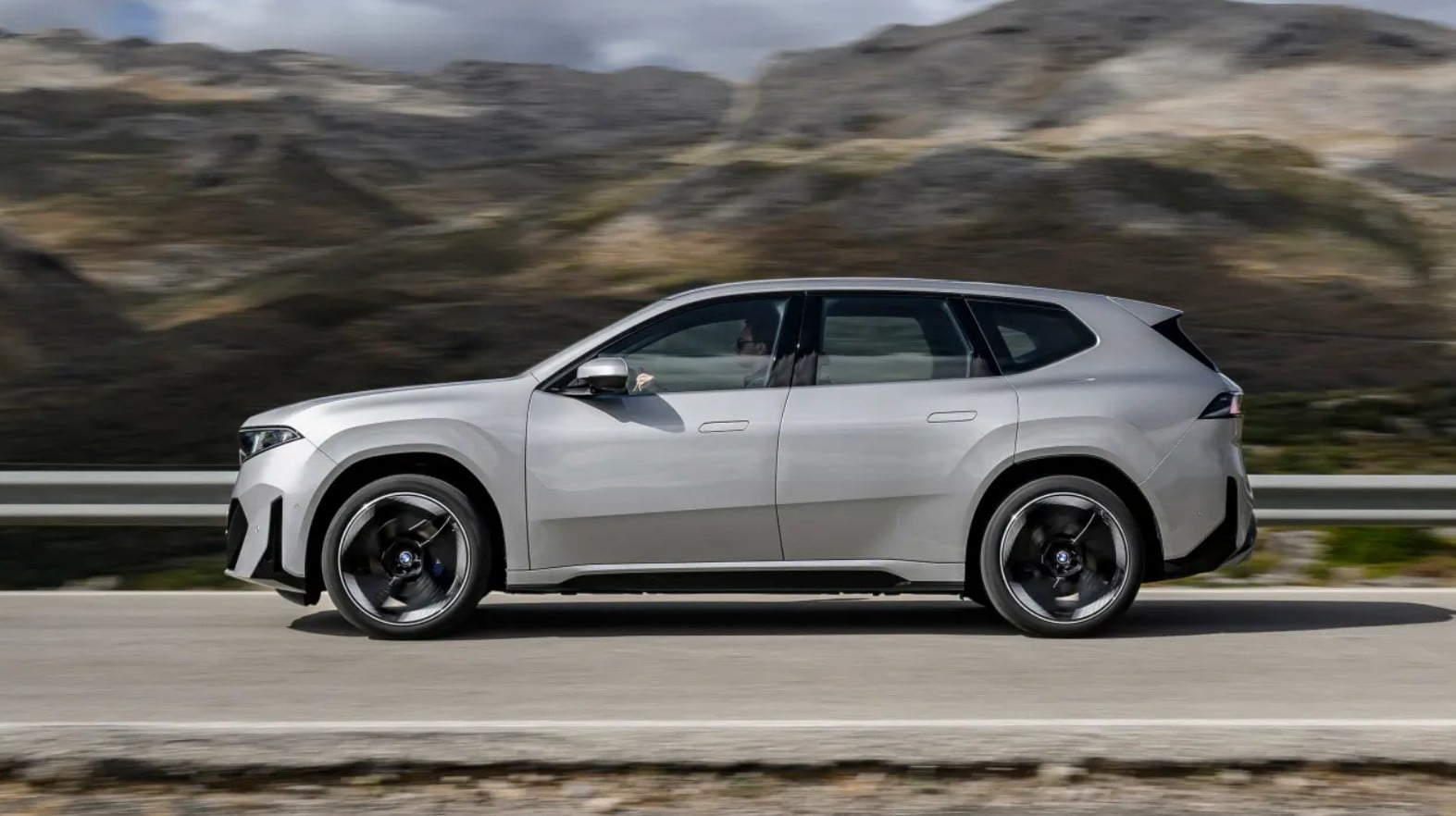
Neue Klasse’s first big leap is under the skin. The battery uses cylindrical cells for improved cooling and energy density, and the pack’s upper surface doubles as the cabin floor to save weight and packaging space. The motors aren’t equal either: BMW keeps its rear-drive DNA alive with a stronger rear unit that handles most of the work, while the front motor only engages when needed, then decouples to reduce drag.
Just as crucial is the software layer. BMW has collapsed what used to be multiple computers into a single central control system called “Heart of Joy.” It manages power delivery, stability, braking, driver aids and infotainment as one coordinated whole – the company’s version of a “software-defined vehicle.” The most obvious benefit shows up in braking feel. The regenerative system is strong enough to bring the iX3 to a smooth, complete stop without that awkward last-second handover to friction brakes. BMW calls it “soft stop,” and in practice it makes urban driving feel more natural than in many EVs.
3
Performance is properly serious for a family hauler. The 50 xDrive delivers about 340kW and 650Nm, enough for a quoted 0–100km/h time of 4.9 seconds. More importantly, it uses that output in a way that feels controlled rather than cartoonish. The rear bias gives it a tidy, balanced shove out of corners, and the traction never turns messy. There are selectable sound profiles – including a calm “Silent” mode and a sharper Sport setting – but the real theatre is the instant torque.
Visibility and day-to-day usability are also a standout. The seating position offers a broad adjustment range, the glass area is generous, and the Panoramic i-Drive bar sits low enough on the windscreen that it doesn’t block sightlines. Parking is made easy by high-resolution 360-degree cameras and an automated park assistant that can finish manoeuvres with you inside or outside the car.
On the road, BMW’s chassis tuning shows through. The steering is quick and accurate off-centre, with weight building naturally as you turn. Ride quality is firm in a premium-European way, but the damping keeps it composed over sharp hits. Push harder on a poor-surface back road and the iX3 stays calm, masking its battery mass impressively. It isn’t as overtly sporty as a Macan Electric, but it’s more supple and relaxed – and it feels more precise than the Audi Q6 e-tron in early impressions.
2
Long-distance comfort is strong too. Refinement is near-silent at highway speeds, though the iX3’s single-glazed windows mean some tyre and wind hiss can creep in on rough Aussie bitumen. Where it really jumps ahead is its Level 2+ driver assistance. Unlike systems that constantly nag for steering-wheel input, BMW allows hands-off cruising in mapped conditions, and even lane changes can be initiated with a mirror glance when prompted.
Range and charging are likely to be the biggest drawcards for Australian buyers. BMW is talking up a maximum range of around 800km on the WLTP cycle. Even allowing for real-world penalties — heat, speed, load, coarse-chip surfaces – a practical figure in the 650km zone is plausible, which is outstanding for the class. That top number is with the most efficient wheel/tyre setup; larger 21–22-inch wheels will trim it, but not dramatically.
Charging capability is equally bold: BMW claims a peak 400kW DC fast-charge rate, and compatibility with both 400V and 800V infrastructure. Right now, 350kW+ chargers are still relatively rare on Australian highways, but rollout is accelerating – and the iX3 is future-proofed for the network that’s coming, not just the one we have today.
2
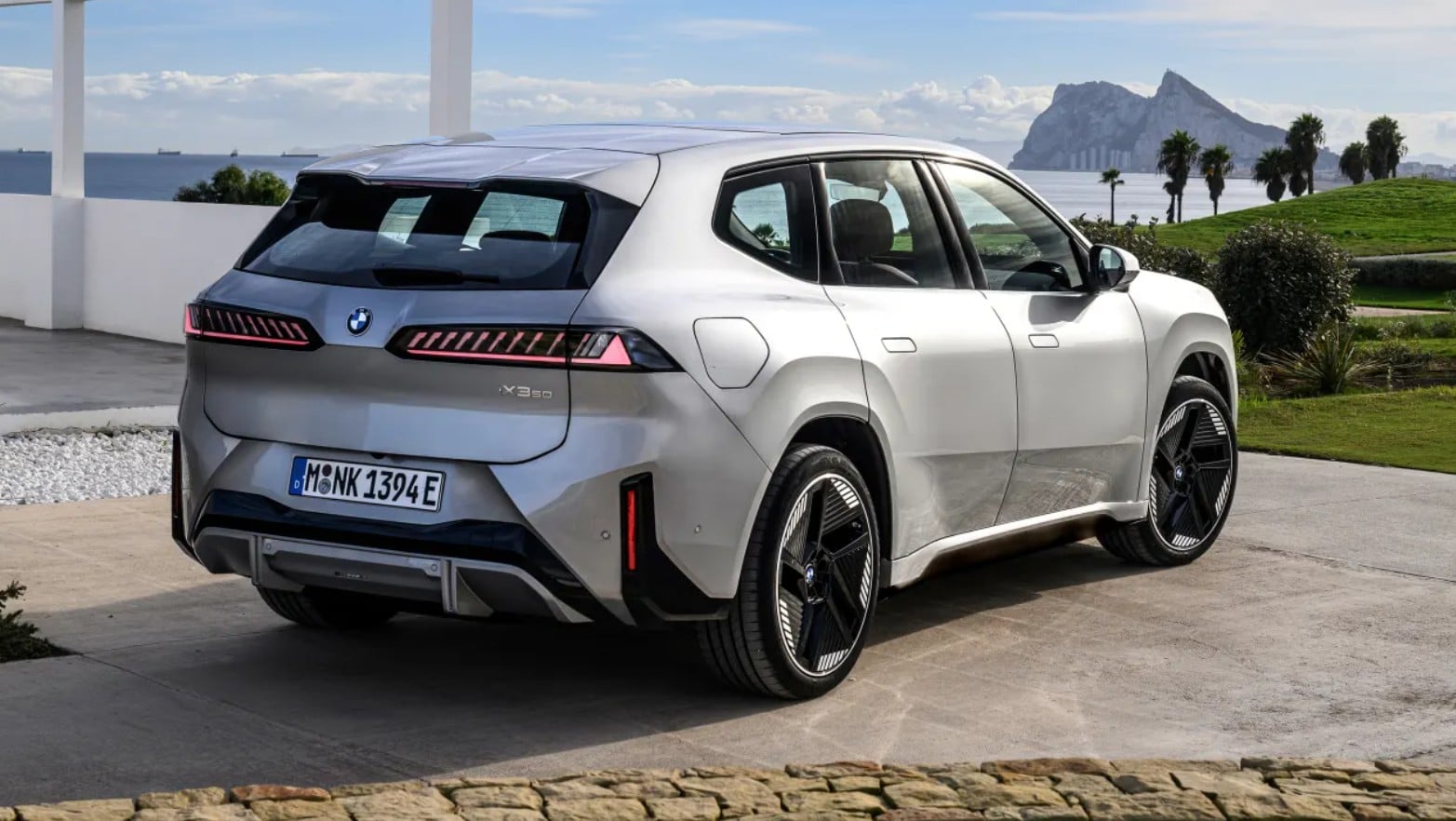
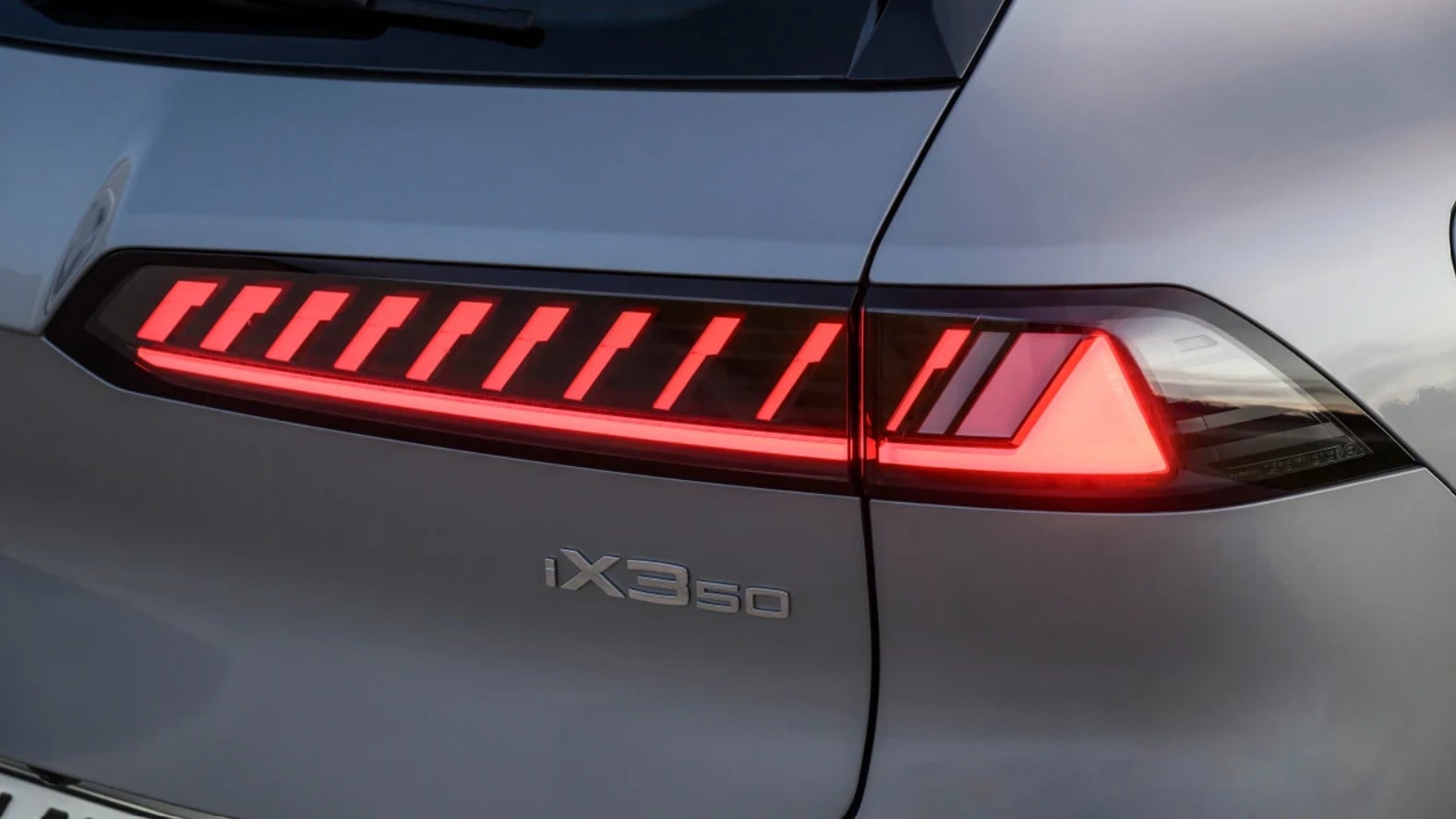
Design-wise, the iX3 marks a sharp new chapter. The front end uses a black “mask” panel integrating headlights and sensors, with small upright kidney grilles at the centre and gloss sections flanking them. The surfacing is cleaner and more minimal than today’s BMWs, with flush door handles and tight shut-lines giving it a crisp, modern look in person.
Inside, BMW has effectively rebooted its cabin philosophy. The Panoramic i-Drive replaces traditional gauges with a wide, projected-style display running along the windscreen’s base. Speed, range and battery data sit in the driver’s field of view, while the central and passenger areas can be customised for navigation, media or efficiency widgets. A large 17.8-inch touchscreen handles most controls, with a small set of physical buttons remaining on the console for essentials.
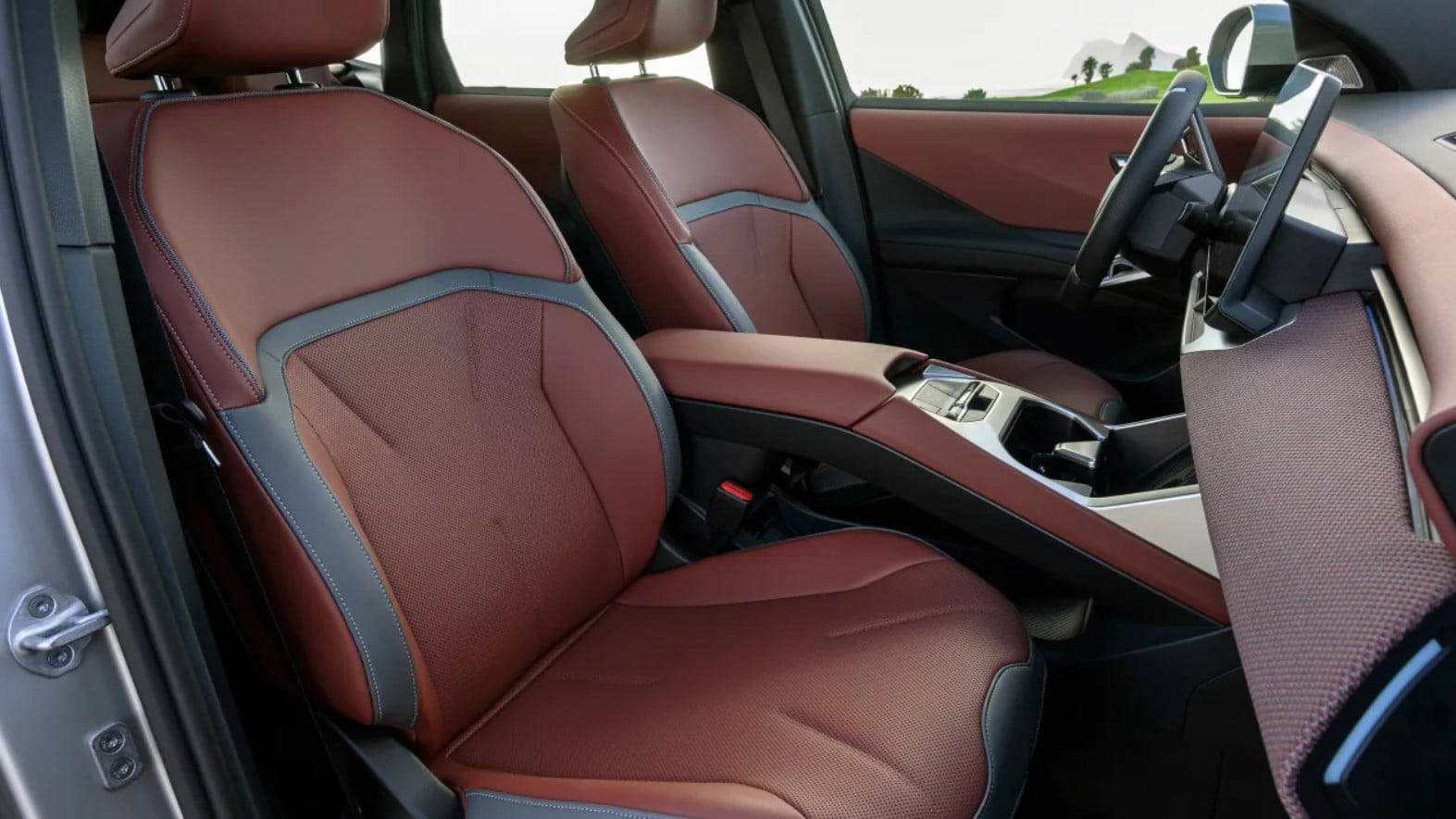
Material quality feels contemporary rather than old-school plush: leather-like trims, solid plastics, tasteful fabric accents and no fake stitching. M Sport grades add a sportier mix of Alcantara-style inserts. Build quality at first touch is excellent – doors close with a reassuring weight, and the cabin feels tightly assembled.
2
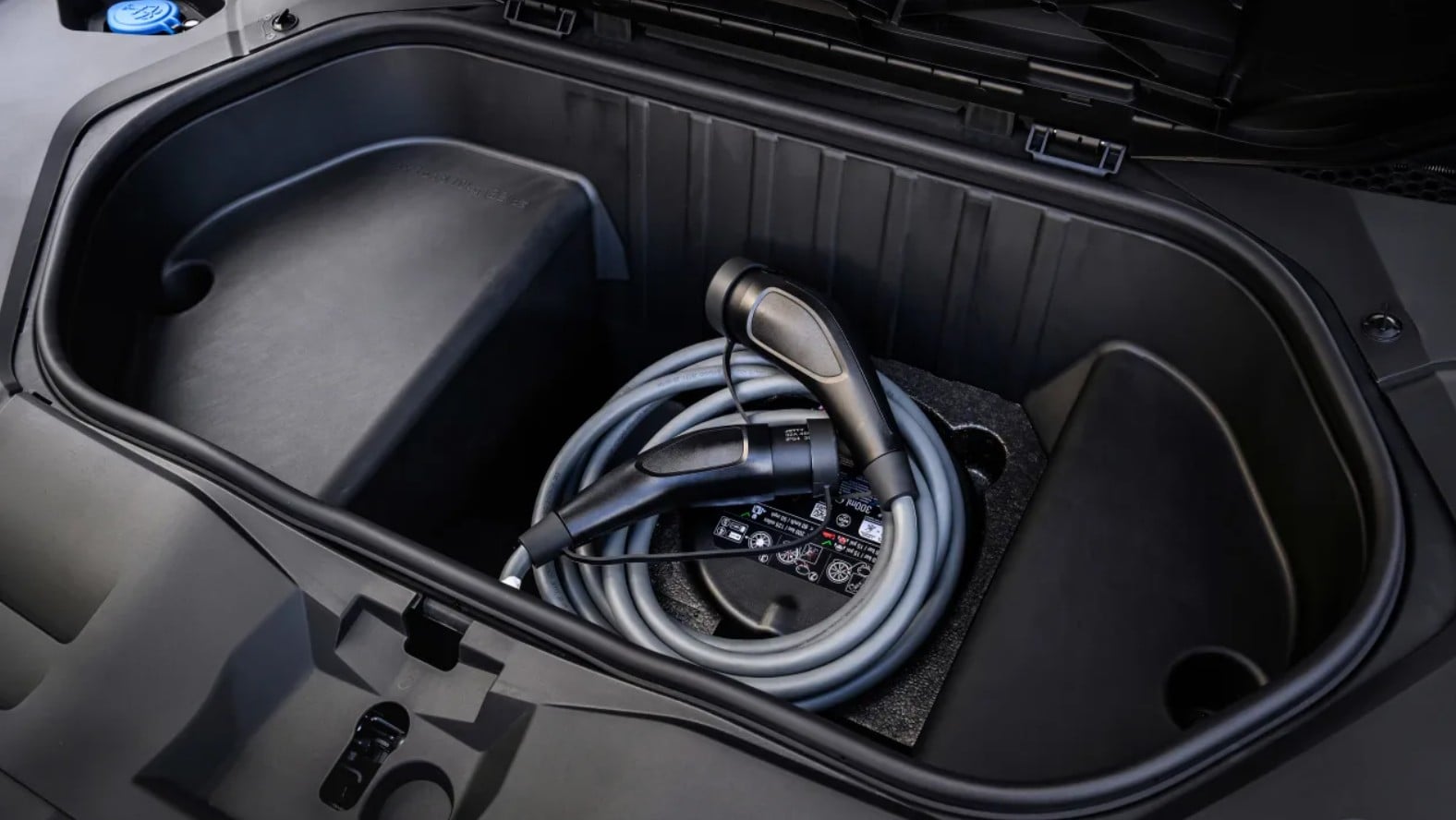
Space is right where Australian families want it. The 520-litre boot matches key competitors, backed by under-floor storage and a small front boot for charging cables. The second row is roomy with a flat floor and well-set seat height to avoid that knees-up EV posture. The only niggle is limited small-item storage compared with some rivals.
As for reliability and safety, official local ratings will come later, but BMW’s recent EV track record suggests a five-star outcome is likely. The bigger question is how smoothly this brand-new software architecture settles in real ownership – though if the driving and interface polish is anything to go by, the foundation looks strong.
Put simply, the iX3 doesn’t feel like a cautious step into the future. It feels like BMW drawing a line and starting again – with range, charging, software and dynamics that finally make the “Neue Klasse” headline sound less like a slogan and more like a strategy.
1
Follow WhichCar/Wheels on Google
Click the button below to make WhichCar by Wheels a preferred source for your news.

We recommend
-
 News
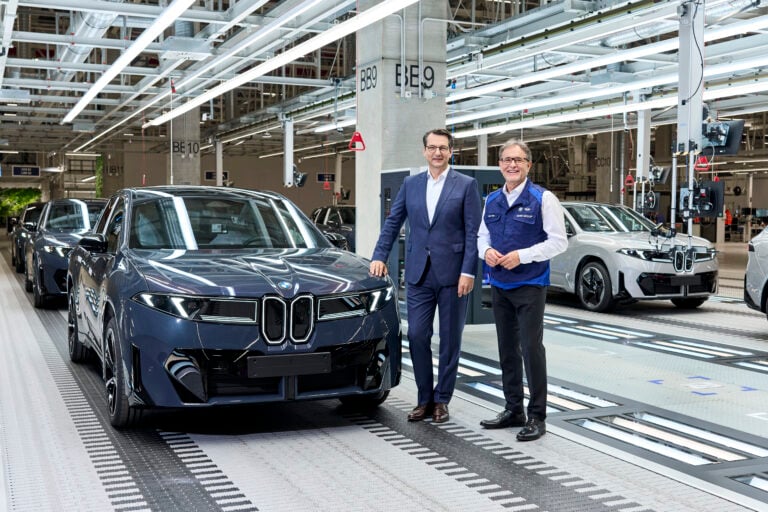
NewsBMW enters final countdown for Neue Klasse production with iX3 lead model
Debrecen plant in Hungary prepares for first all-electric SUV, showcasing BMW’s new iFACTORY concept with fossil-free operations, AI-driven production, and Gen6 battery technology.
-
 Reviews
BMW M240i review: An all-round sports coupe star
The BMW M240i is one of the only small coupes left on the market, so if you're after one, should it be the one you choose?