Reviews


Gallery 1
WHAT IS IT?
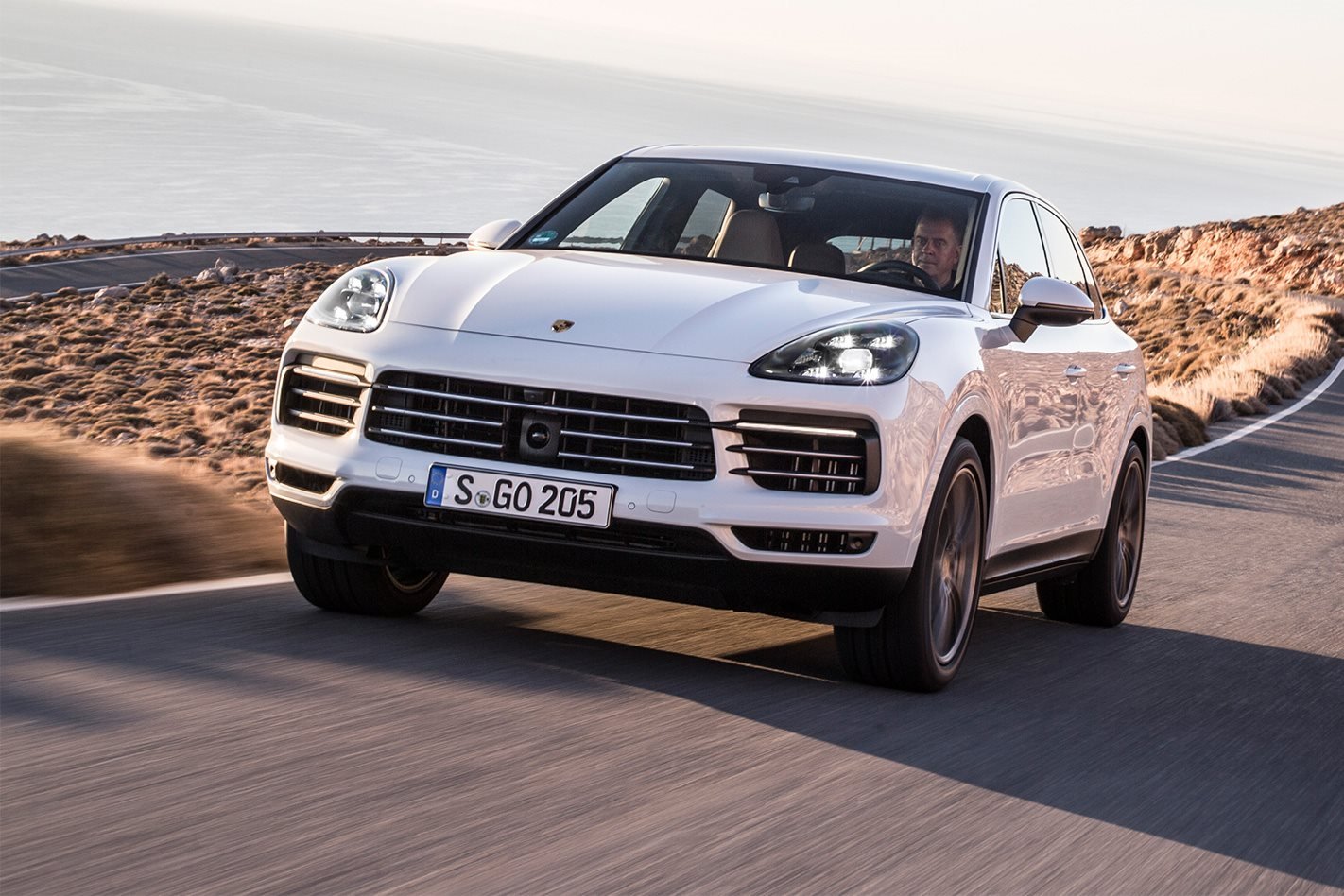
The third generation of Porsche’s large SUV and the latest iteration of the vehicle that debuted high-riders for the brand. Since the second-gen version the Cayenne has lost weight despite swelling in length and width, offers a bigger boot, increased performance and arguably wears the prettiest styling to date.
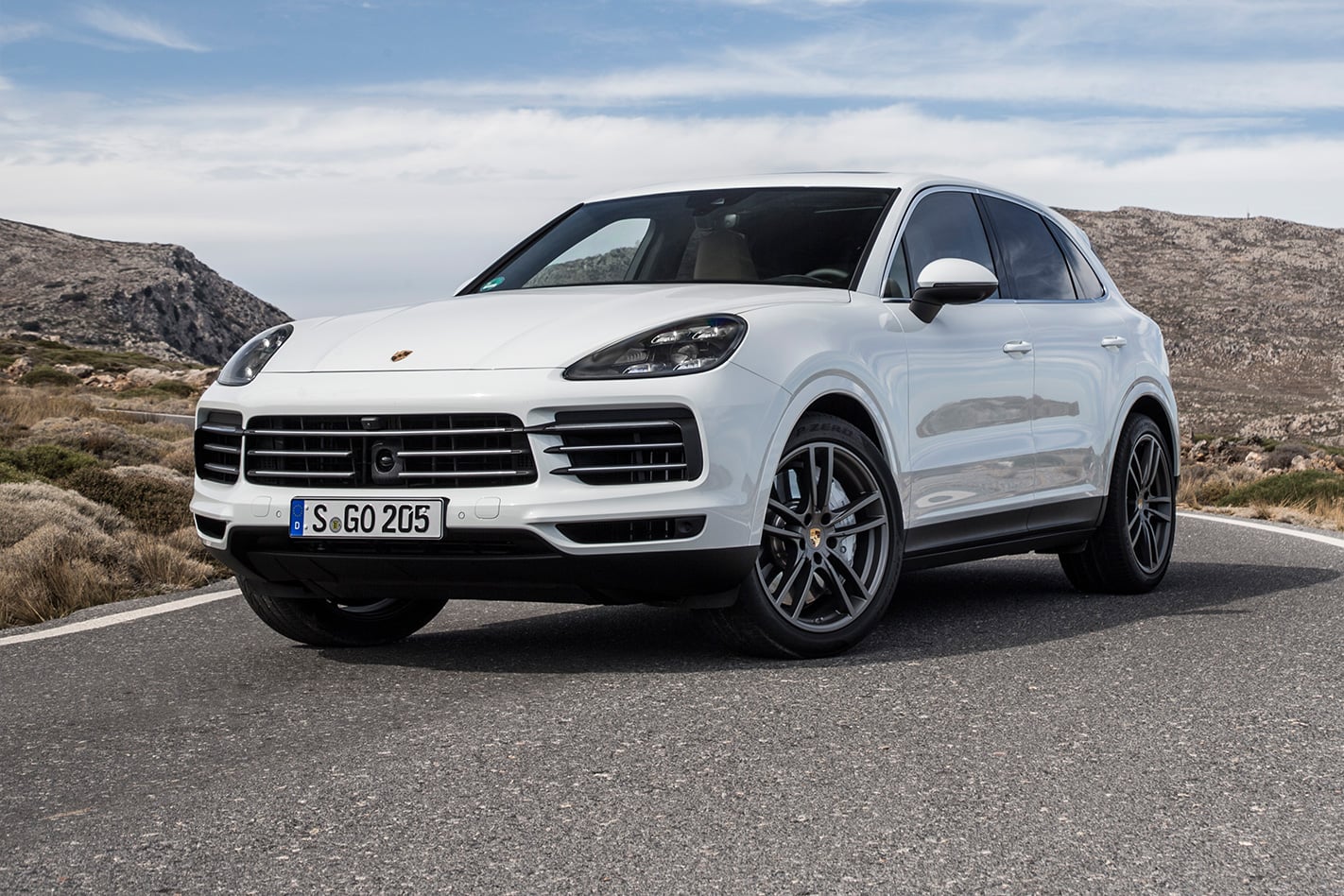
Porsche may have forged its reputation and brand recognition through decades of slick sportscars, but its current cash cow in Australia’s unique market is an SUV. The new Porsche Cayenne might not have quite the appeal or price to knock its Macan little sister off its perch but it certainly does have the potential to add a hefty chunk of volume if Porsche has got the recipe right once again.
With more choice than ever in the luxury and performance large SUV market, the Porsche can’t afford to rest on its laurels and must bring a significant new offering to remain relevant in a fiercely competitive segment.
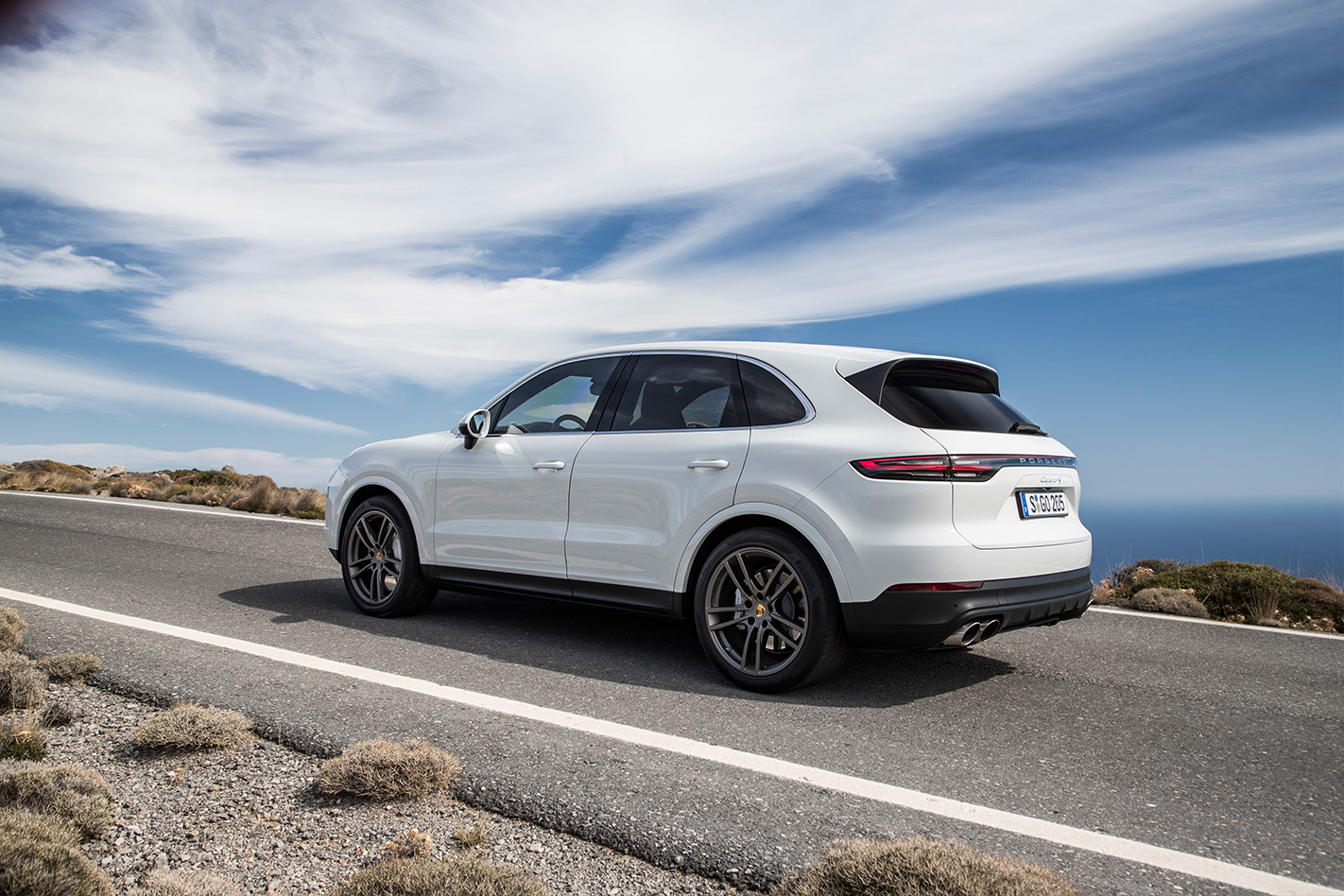
There is no hiding the fact that the new Cayenne S is still two tonnes of metal despite an impressive weight-loss program, but Porsche has not tried to engineer the third-gen version to conceal its heft.
Instead, the recipe of traditional chassis tuning, prodigious power delivery and a dose of some clever innovations has imparted an honest mechanical feel to the big SUVs manner on and off road that embraces its size – and it works.
Australian customers will likely be asked to put their hand in their pocket for the most exciting features such as active roof spoiler, rear steering, air suspension and roll stabilisation, but if they do, the pricier result is among the most enjoyable large SUVs to pilot while only minimally compromising on practicality.
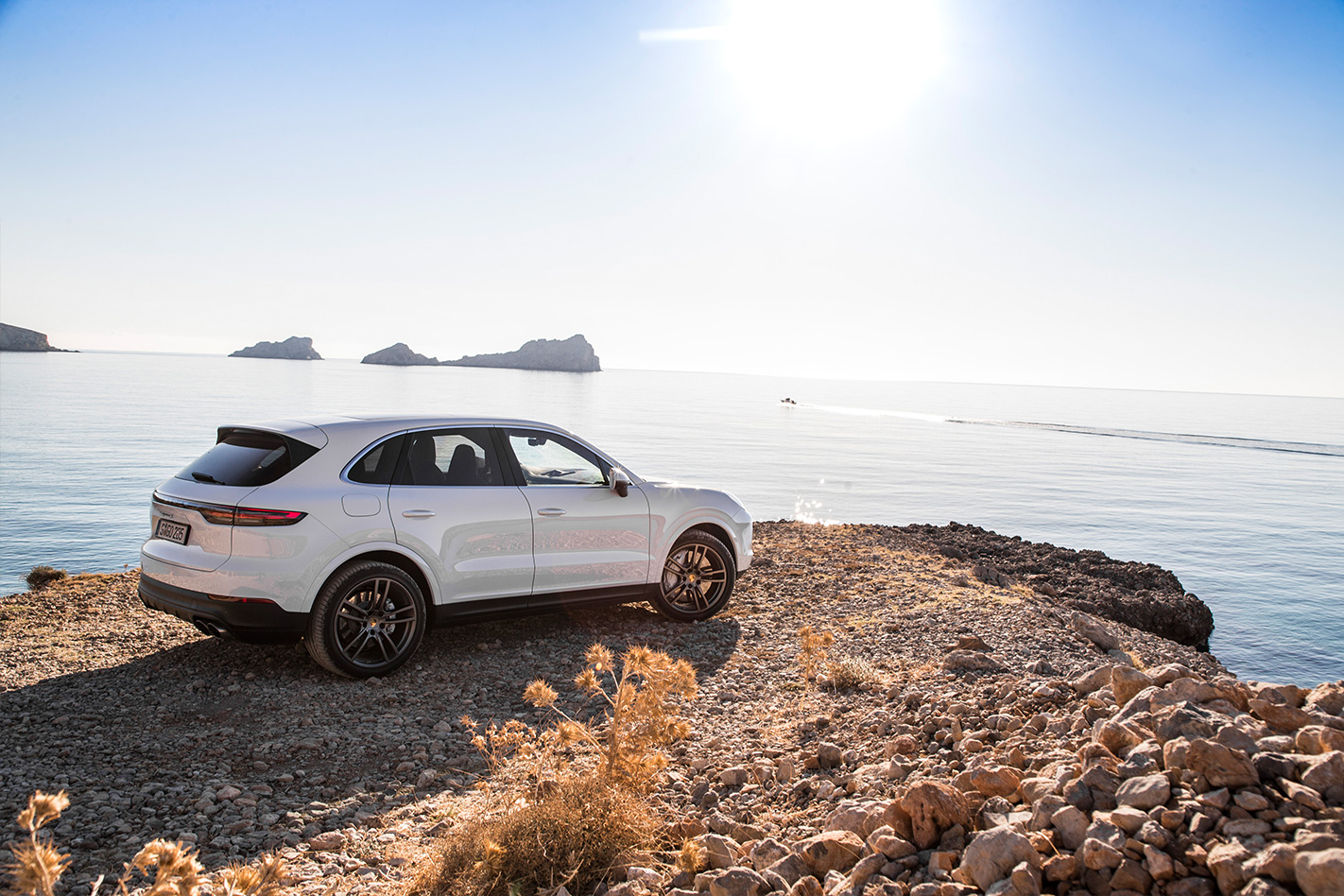
MINUS: No third row seating; nav gremlin; most exciting features are optional
THE WHEELS REVIEW
I CAN still remember wincing when Porsche announced the most un-Porsche like addition to its Stuttgart stable – the Cayenne. How could a lumbering all-wheel drive possibly uphold the Porsche mantra, I cursed. But that was 15 years ago and, in the meantime, the large SUV has categorically silenced its naysayers.
The gen-one Cayenne might have looked like a kid’s 911 pedal car scaled up for adults to play with, but it was one of the first to flirt with the idea that two tonnes of off-road-capable metal can be fast and fun to drive. Its replacement stepped up dynamics and performance another rung, and wrapped the compelling package up in a shell that someone other than its mother could love.
But it’s nearly 2018 and while many sports and luxury car manufacturers initially resisted the allure of a burgeoning soft-roader market, virtually all have now given in, creating more competition for the Cayenne than it has ever had to face.
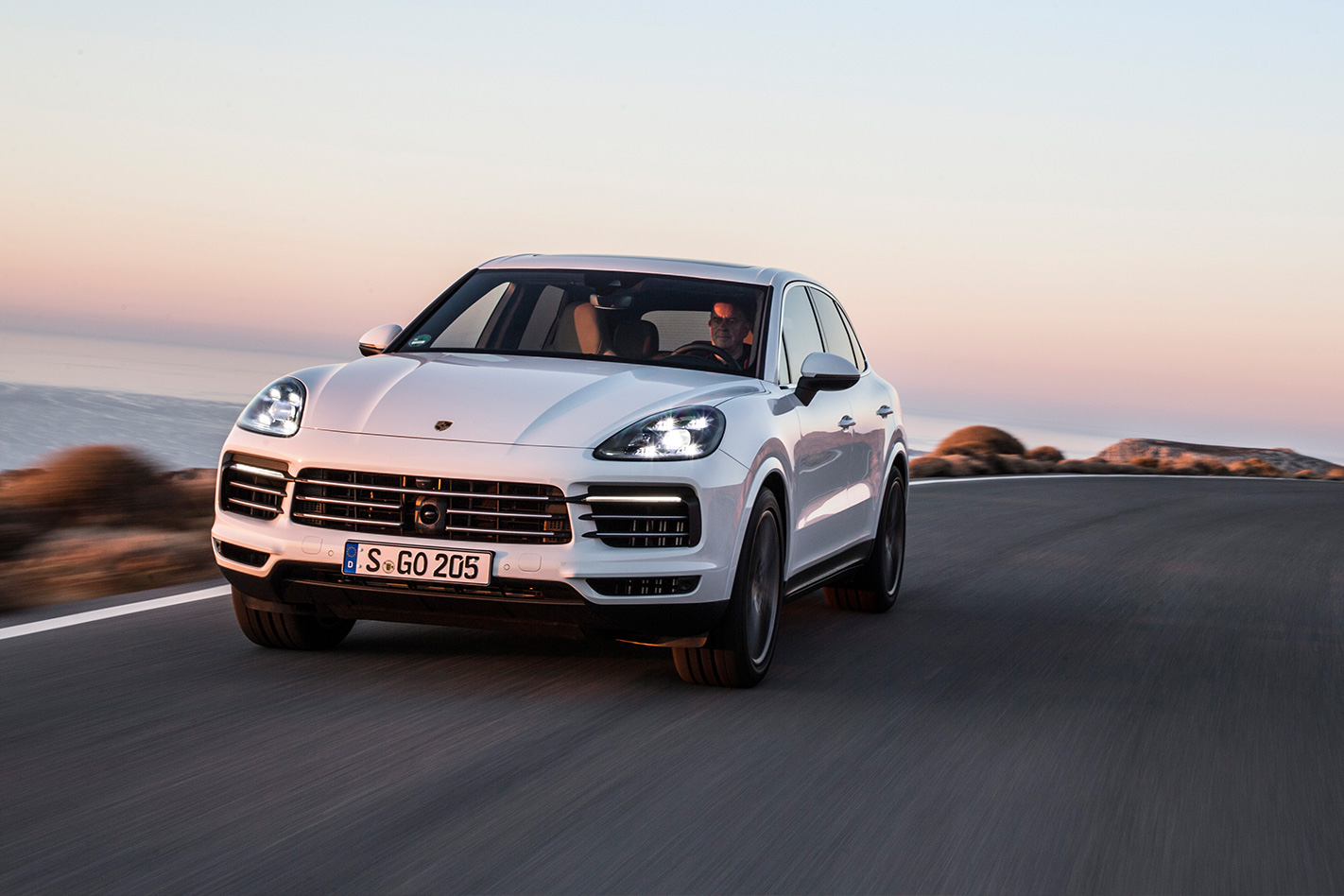
The early signs are good then, and a first blast behind the wheel across the stunning island of Crete didn’t disappoint. Unlike the weathered Greek scenery that is punctuated with unfinished, often dilapidated buildings and beaten, abandoned cars, Porsche’s new Cayenne range appears polished, refined and complete.
While a 404kW Turbo flagship and base 250kW Cayenne will bookend the initial range when it arrives in early 2018, I grabbed the keys to the 324kW Cayenne S and was greeted by a waxy-leather-upholstered front row of seats that offer an excellent driving position and a second row that feels almost as supportive.
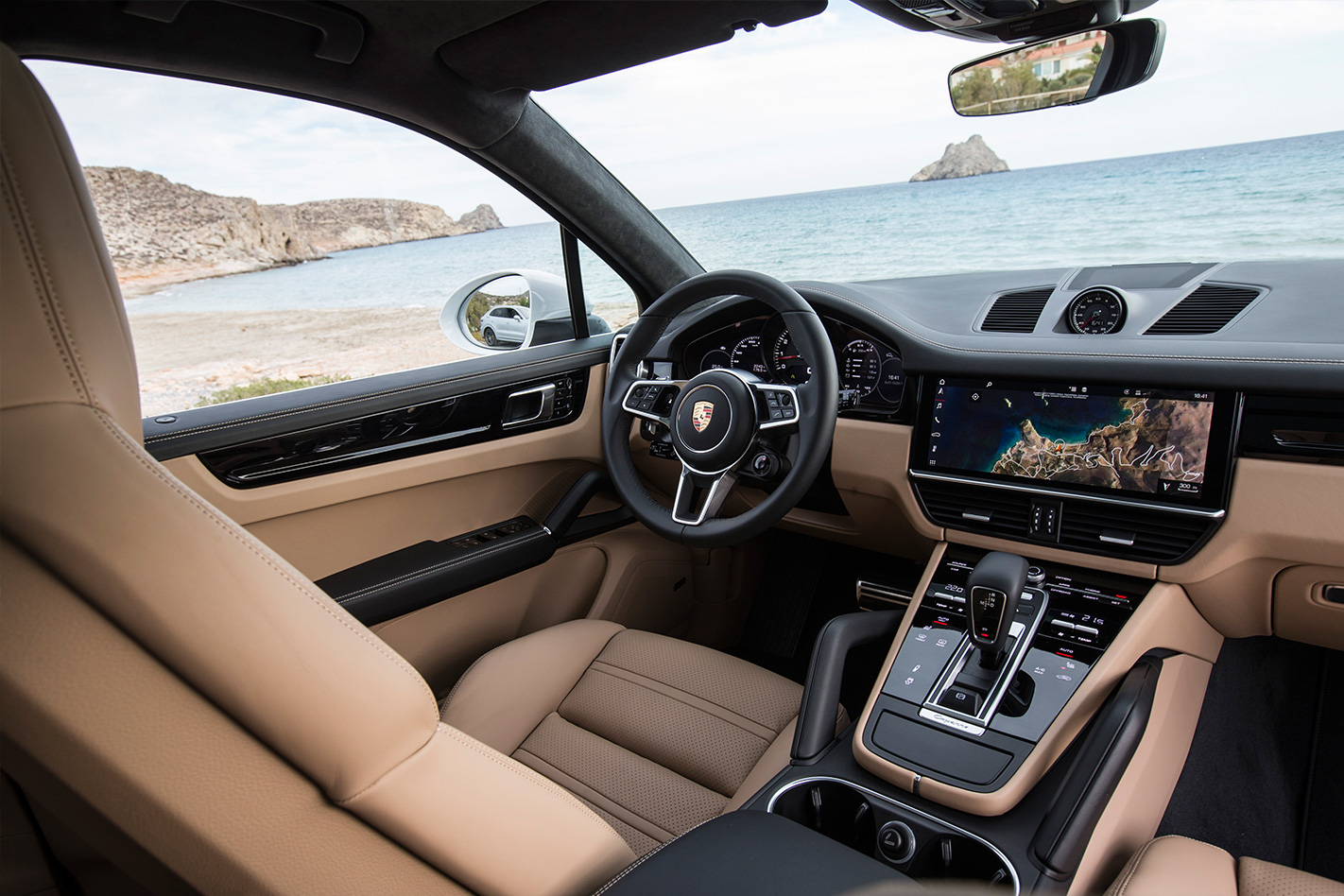
The Cayenne S is a wholly cosseting place to cover kilometres, with an eerily silent and smooth ride even over the somewhat agricultural local roads. The interior’s been tidied, the most obvious beneficiary being the simplified fascia design. Where the previous version’s dash was littered with a multitude of switches and, even worse, blanks for lower-spec cars, the new Cayenne uses solid-state panels with haptic switches and a massive 12.3-inch screen.
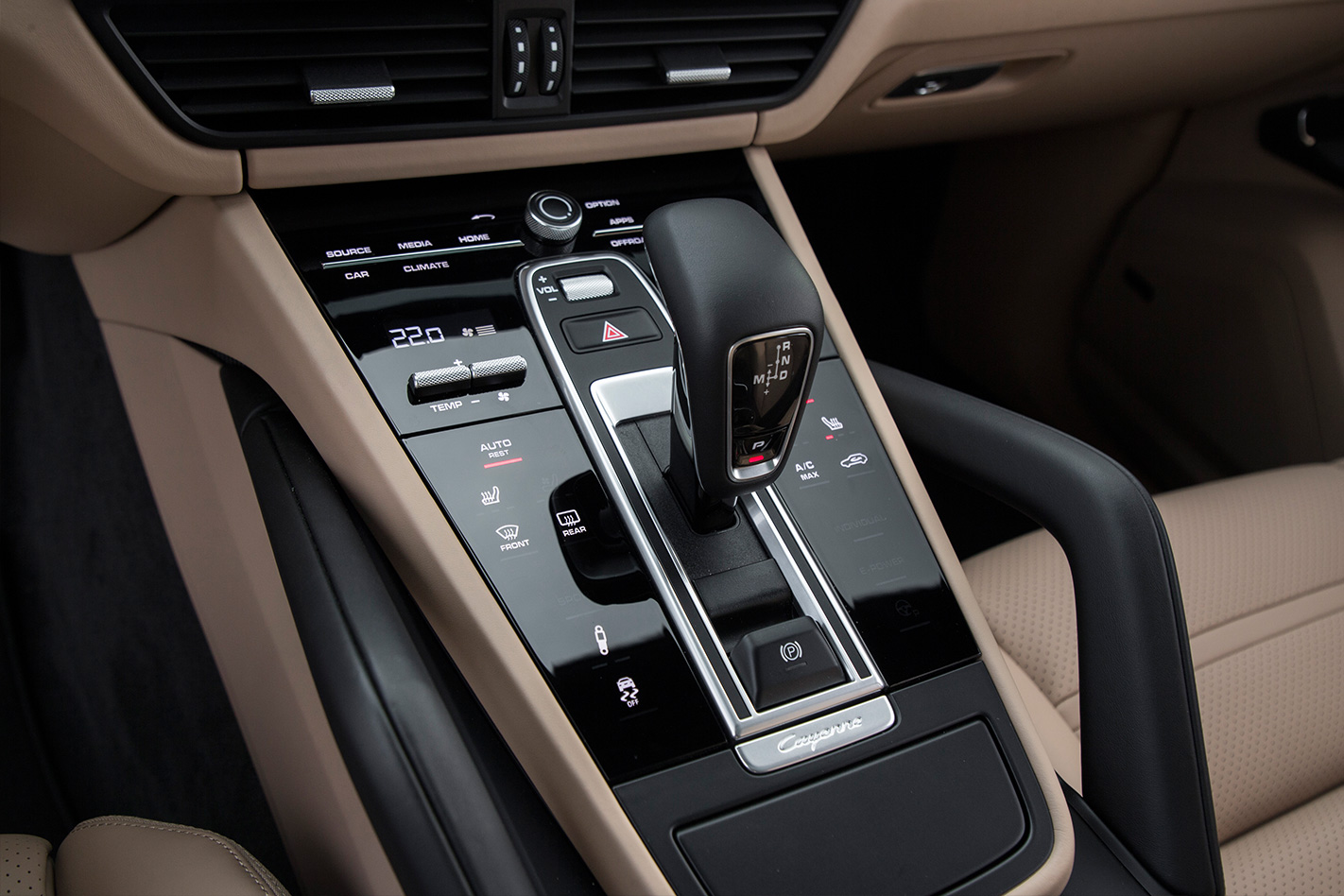
But staring at a touchscreen is to waste the spectacular Crete road vista, which dives and twists from chilly mountain towns that could have been lifted from a remote Afghan village and provides a solid workout for the Porsche’s dynamics.
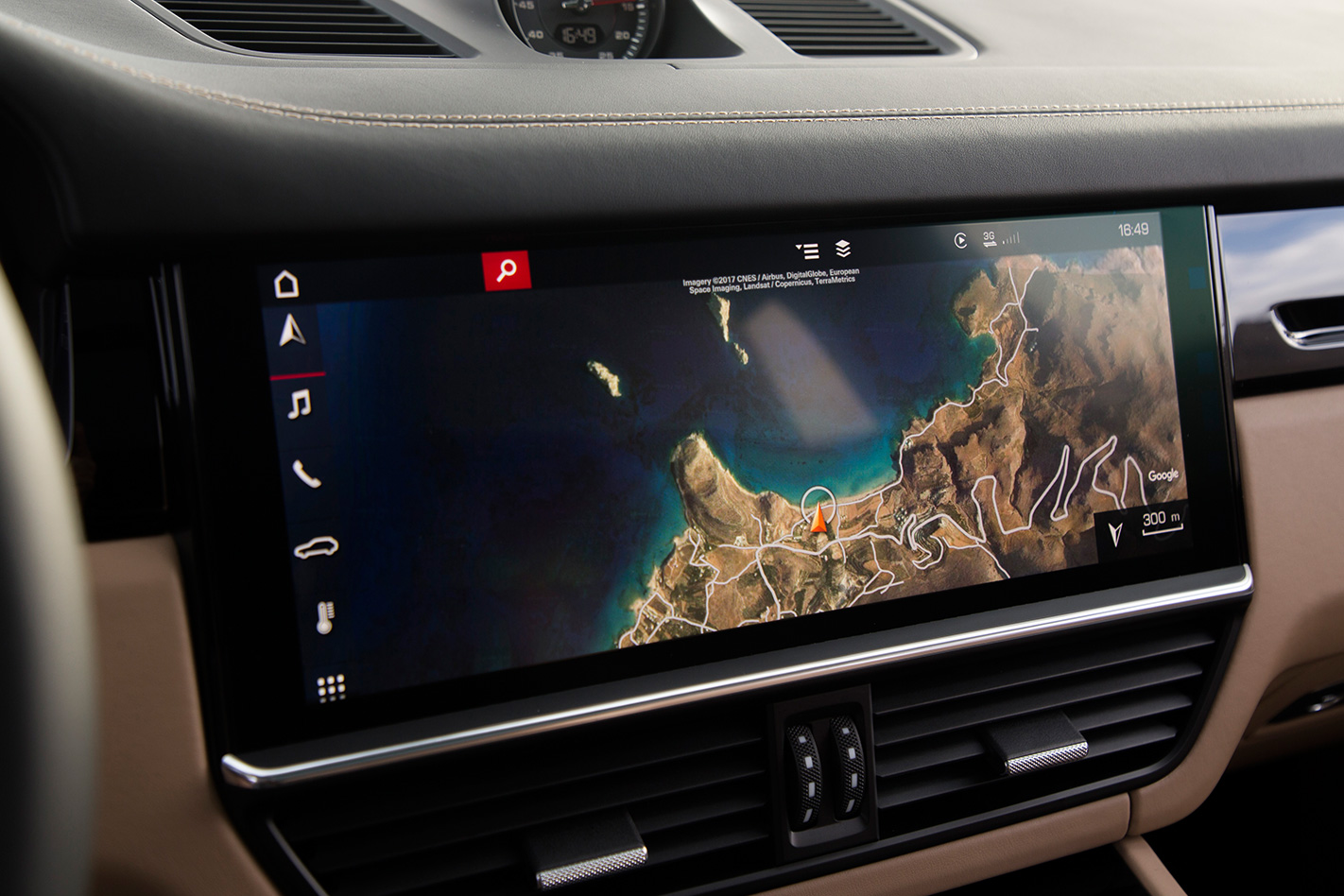
With the drive mode switch left in normal mode, the Cayenne favours a safer driving manner, leaning into understeer on slippery tight turns and a more placid map for throttle response and gear changes. But with the dial spun round to Sport or Sport Plus, the variable four-wheel drive system favours the rear axle. Rear axle steering is also offered (as an option) for the first time on a Cayenne as are mixed-width tyres, the rubber on this car being 20mm wider at the rear than the front.
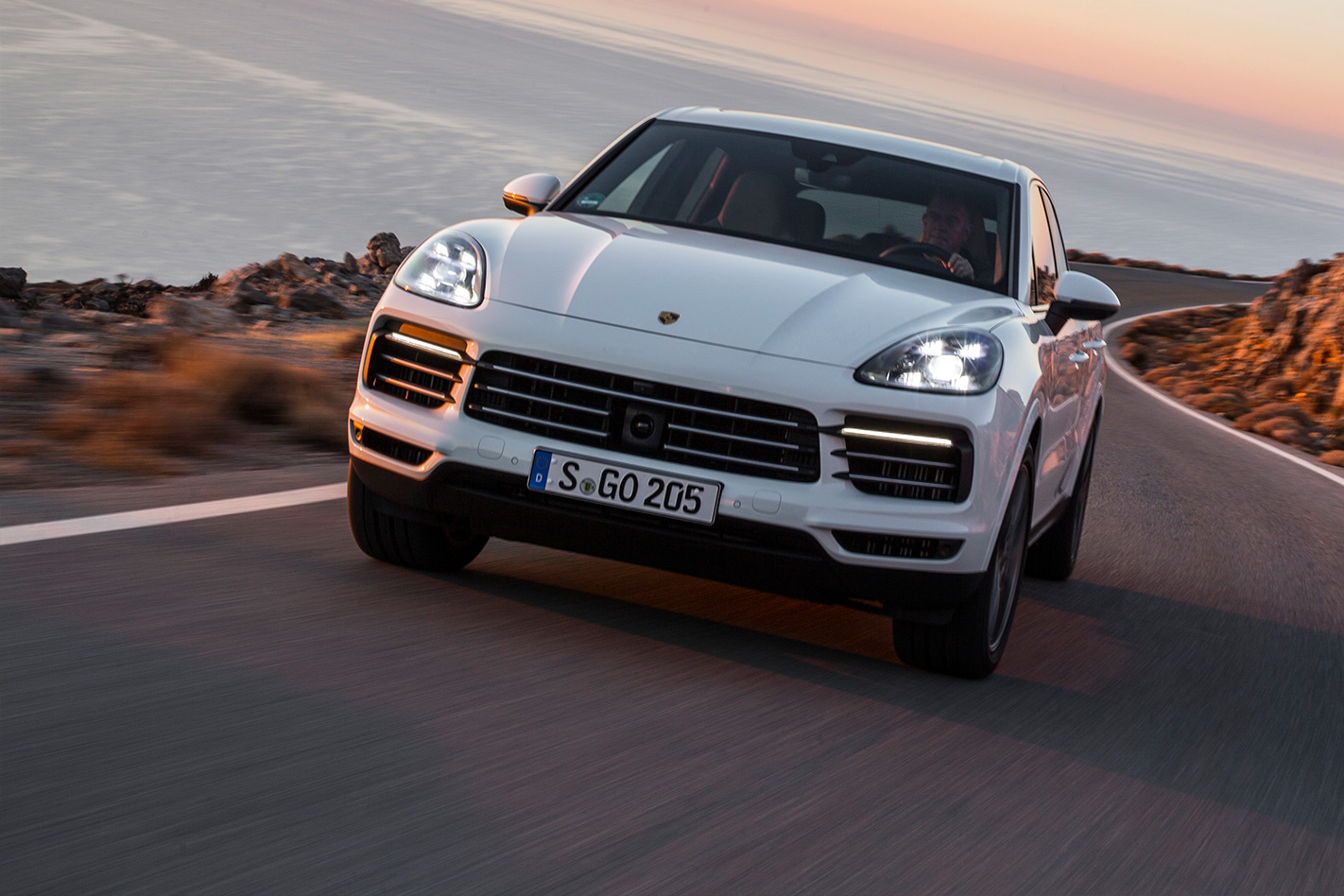
It’s possible to actually feel the clever transmission moving torque around under the Cayenne as the accelerator position is altered in longer, faster corners. A fluid, direct steering set-up also imparts confidence that the Cayenne will keep its bulk out of the autumn thistles.
Tractable power and torque complete the dynamic Cayenne S package with a 2.9-litre twin-turbo V6 providing the punch. Peak grunt of 550Nm is in at 1800rpm for eager pace off the mark, but the slick bent-six pulls hard all the way to a maximum power output of 324kW at 6600rpm. The engine’s closely related to that found in the latest Audi RS4, so even a midrange Cayenne purchase nets you a serious powerplant.
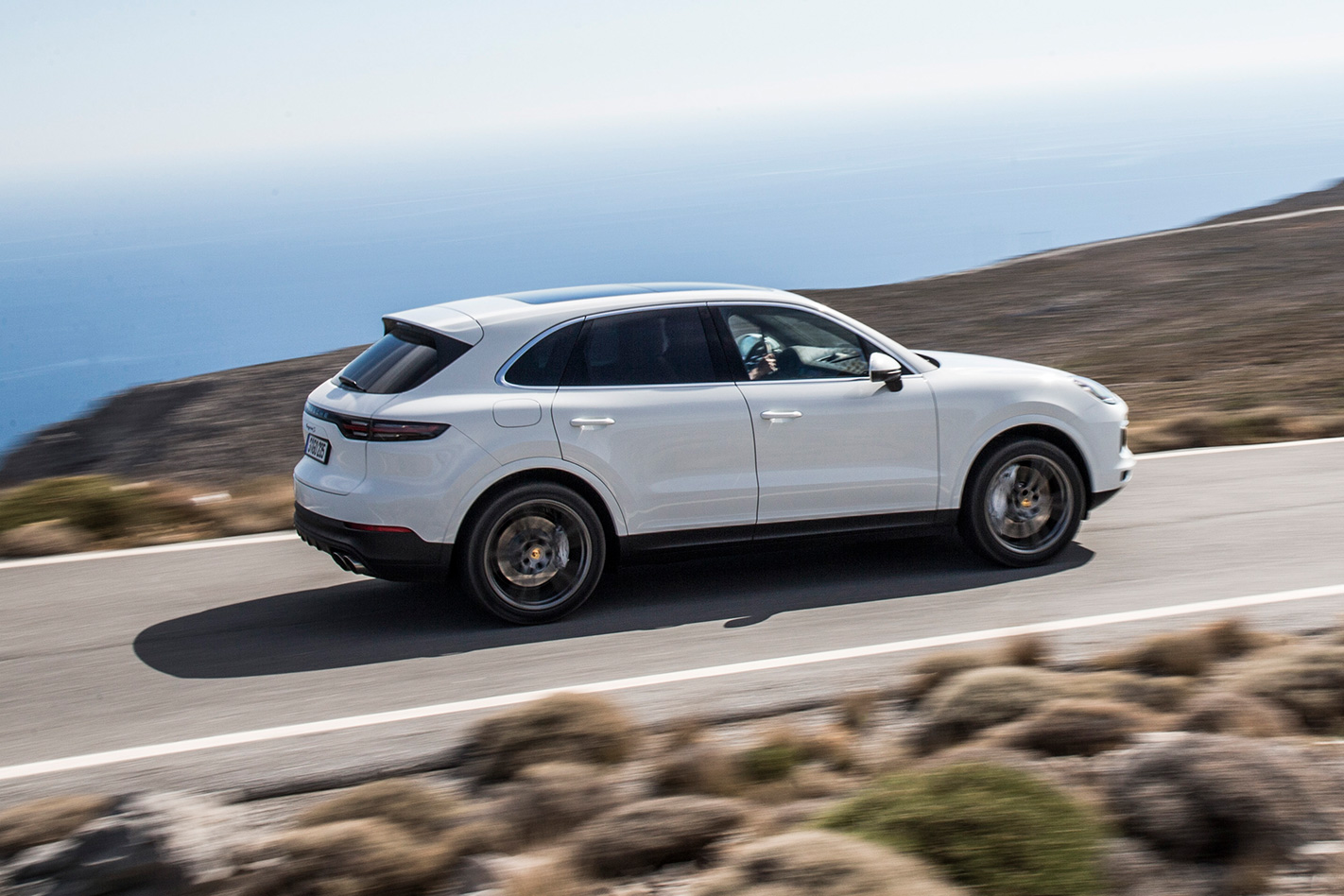
Acceleration is strong (4.9 seconds to 100km/h, claims Porsche) and would leave Cayenne S customers wanting little compared with the Turbo’s V8 might, particularly as the V6 brings its own satisfying low-rev soundtrack and high-end holler.
Slowing down doesn’t bother the Porsche either, thanks to its new optional mirror-finish tungsten-coated disc package that initially feels a little like cold carbon ceramic brakes but builds with firm pedal feel and progressive clamping right up to ABS intervention.
While the notion of any large SUV wearing a pedigree sportscar producer’s badge will probably never sit entirely comfortably with some, the Porsche Cayenne S is now three generations into convincing sceptics that heavy doesn’t have to equal slow, ample practicality doesn’t amount to dull, and big can be beautiful.
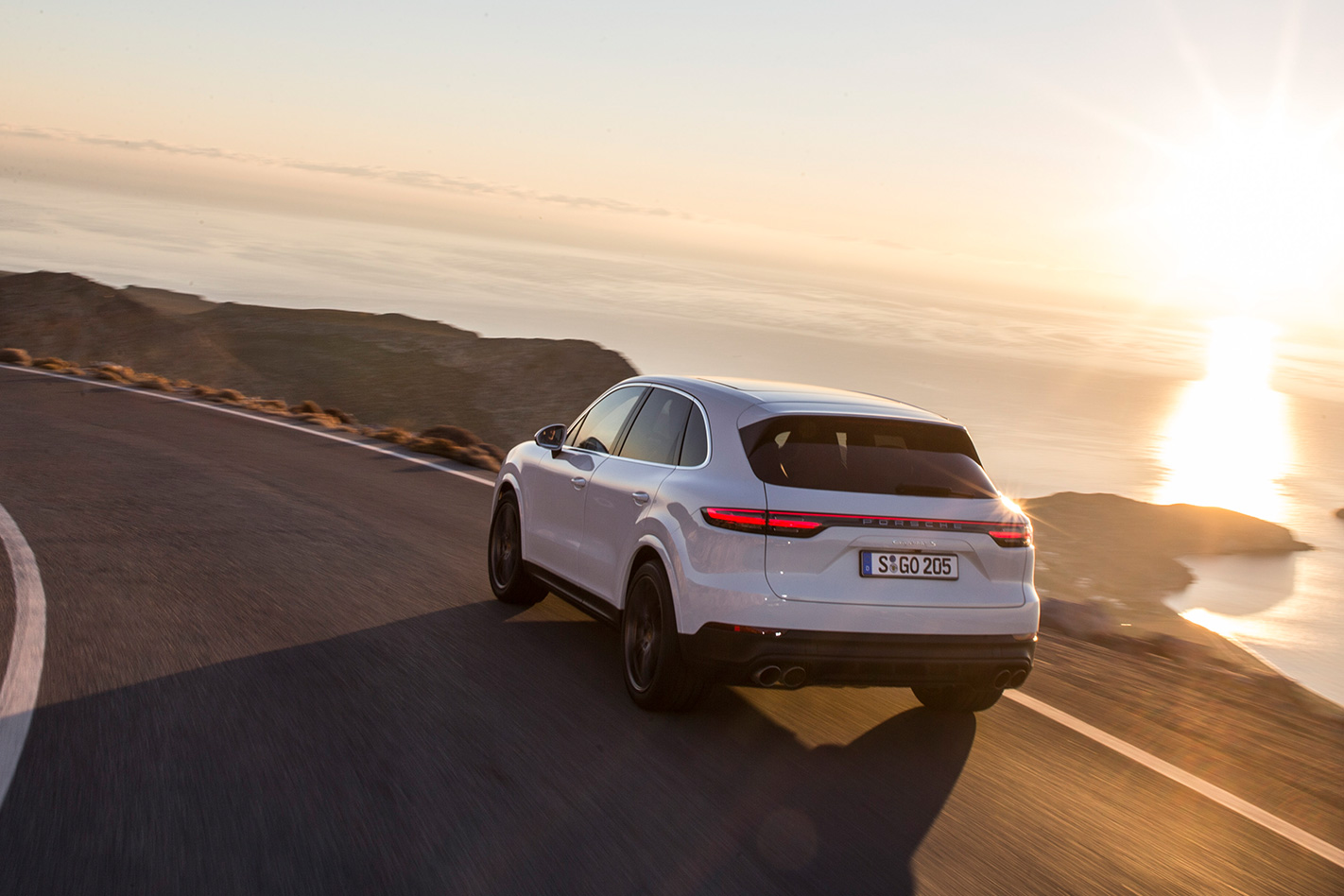
Model: Porsche Cayenne S
Engine: 2894cc V6, dohc, 32v twin-turbo
Max Power: 324kW @5700-6600 rpm
Max Torque: 550Nm @1800-5500 rpm
Transmission: eight-speed Tiptronic automatic
Weight: 2020kg
0-100k/h: 5.2s (4.9s with Sport Chrono)
Fuel economy: 9.2L/100km
Price: $155,000 estimated
On sale: Early 2018
Follow WhichCar/Wheels on Google
Click the button below to make WhichCar by Wheels a preferred source for your news.