
Reviews

Gallery 1
8.4
/10
Score
Score breakdown
8.0
Safety, value and features
9.0
Comfort and space
9.0
Engine and gearbox
8.0
Ride and handling
8.0
Technology
Things we like
- Small SUVs don't offer more utility than the HR-V
- Efficient and peppy 1.5-litre hybrid drivetrain
- Excellent aftersales program
Not so much
- No spare wheel in any model
- Limited colour selection
- Short 10,000km service intervals
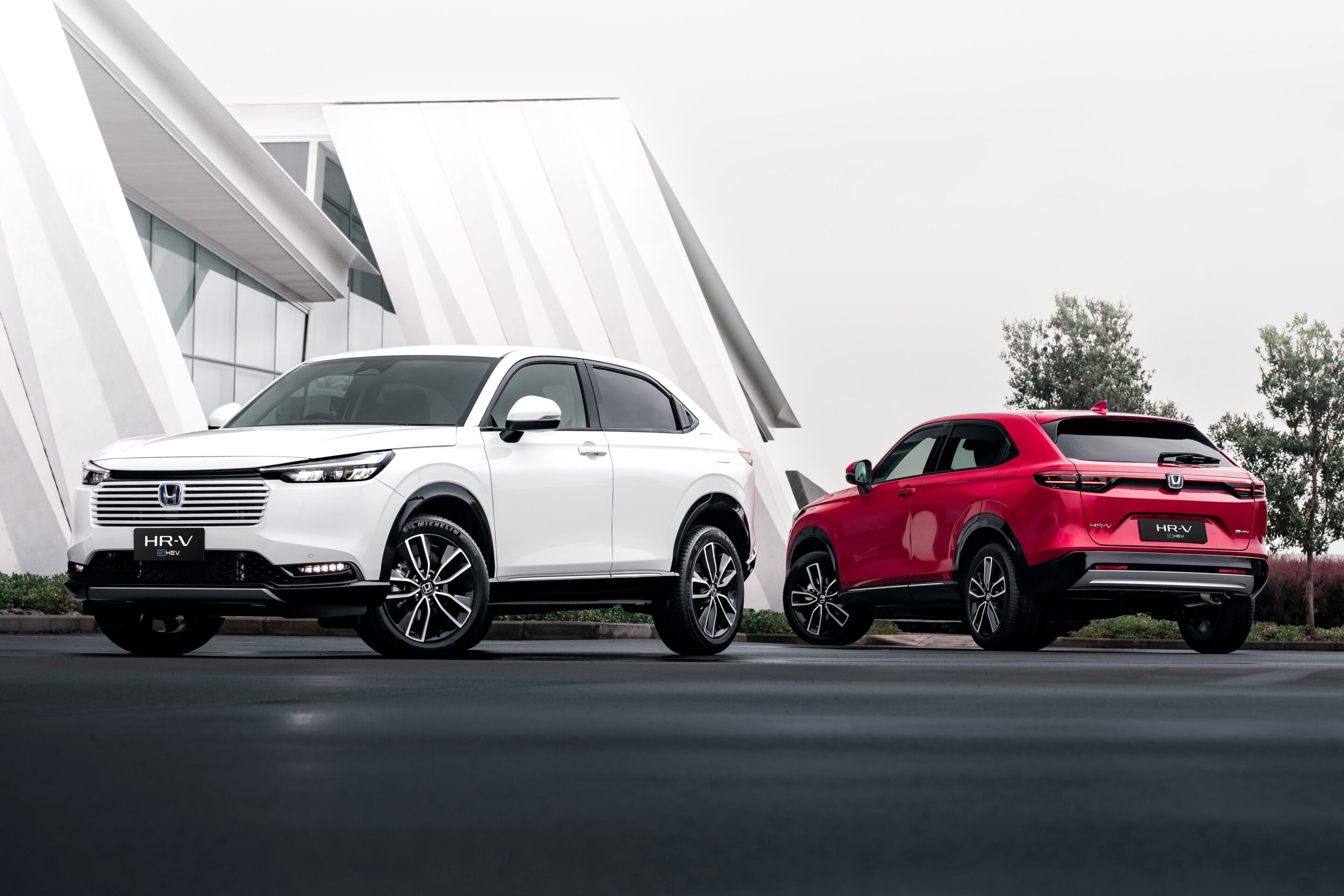
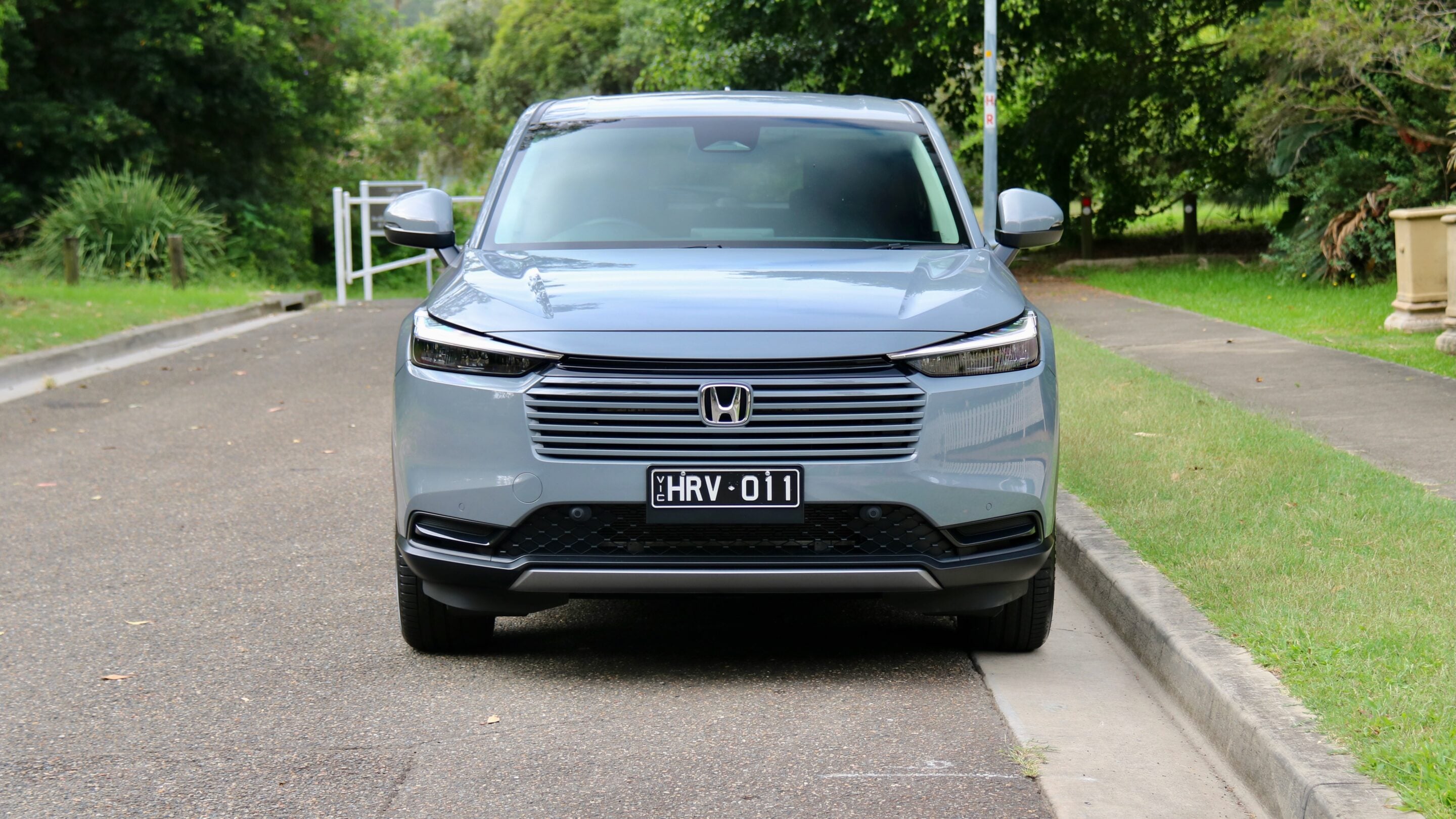
Short for “[H]igh-riding [R]evolutionary [V]ehicle”, the Honda HR-V was actually one of the first small SUVs on the Australian market when it debuted in 1999. That HR-V was arguably ahead of its time as SUVs were tiny in comparison with today, but the spirit of the original carries over to the third-generation model you see here. Small SUV competition is much stronger in 2026, so should the HR-V be on your test drive list?
How much does the HR-V cost to buy?
Australians are offered three models in the HR-V range, with the entry-level petrol Vi X kicking things off at $32,900 driveaway. Above that sits the mid-spec e:HEV X ($39,900 driveaway) and the top-spec e:HEV L ($42,900 driveaway), with all three variants well equipped.
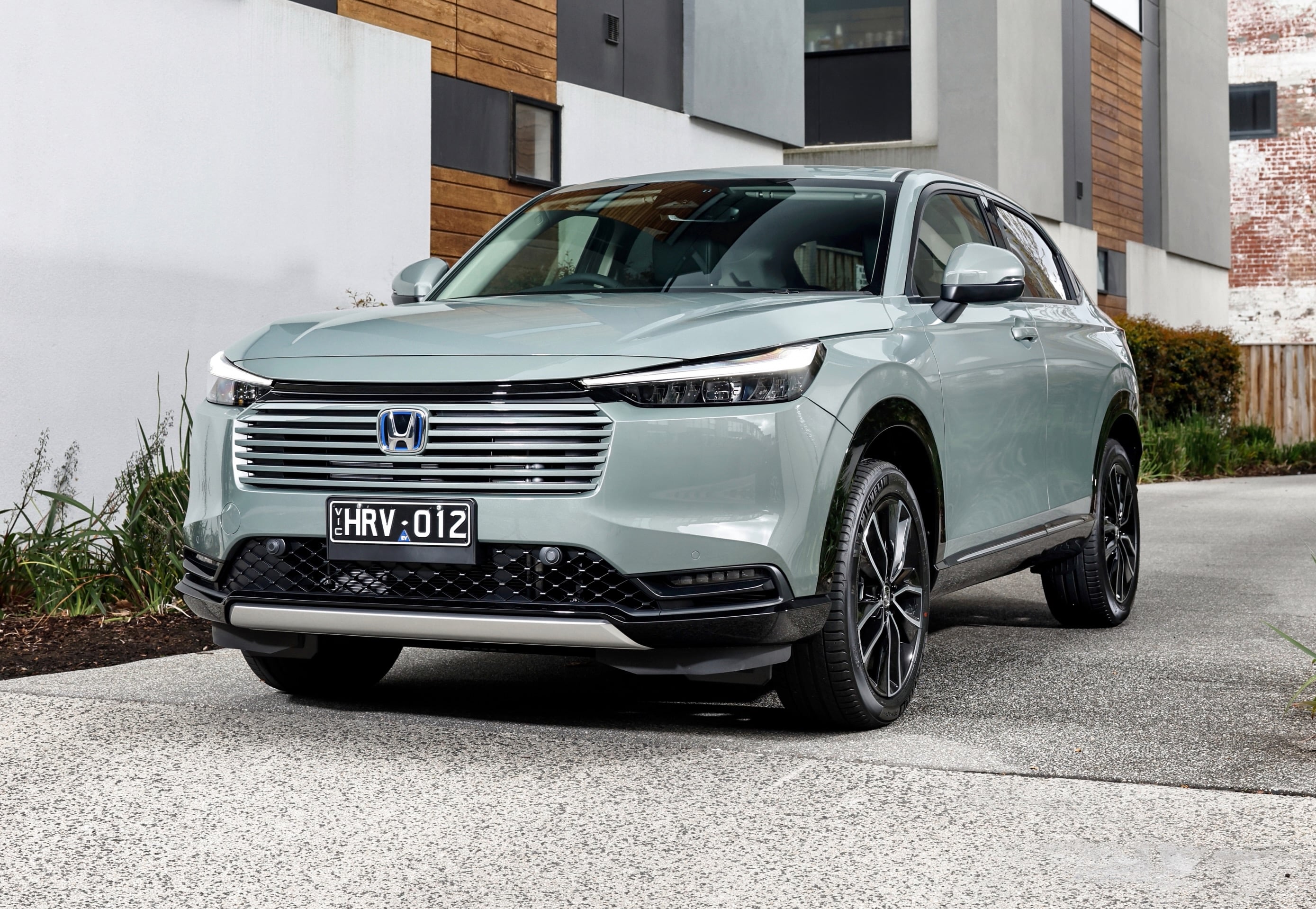
Kit on the Vi X includes 18-inch alloy wheels, automatic LED exterior lighting, keyless entry with push button start, a 9.0-inch touchscreen, live services, sat-nav, wired Android Auto and wireless/wired Apple CarPlay and the Honda Sensing suite of active safety features such as autonomous emergency braking, adaptive cruise control, traffic jam assist and auto high beam.
4
The hybrid HR-Vs are far better equipped than the petrol model, easily justifying the extra outlay in our opinion. Important safety features like blind-spot monitoring and rear cross-traffic alert are added, as are features like adaptive high beam, part synthetic leather/cloth trim and heated front seats in the e:HEV X, and the upper-spec e:HEV L further adding dual-zone climate control with rear vents, an electric tailgate and automatic rain-sensing wipers.
While it may look expensive to some, we think the HR-V is good value for money in the small SUV range thanks to its nationwide driveaway pricing under the Honda Price Promise.
However, it would be nice to see features such as a panoramic sunroof, roof rails, premium audio and a 360-degree camera from overseas HR-V models added to the Australian model to increase its value further. Same for the dealer-fit wireless charger: It should be standard equipment, as in some other markets.
How practical is the HR-V?
If you’re searching for a practical small SUV, the HR-V should be at the top of your list because it’s one of the best in the segment. That’s thanks to Honda’s Magic Seats, which previously featured in cars like the previous-generation HR-V and the Jazz that used to be sold in Australia.
What makes them so great? Well, in addition to folding completely flat – itself a rarity in the new car industry – the rear seat base also folds up against the backrest so that taller items can be transported in the rear footwell. It’s brilliant and something that really sets the HR-V apart from the competition. Behind the rear seats lies a reasonable 304 litres of space, helped further by a deep extra section, though folding the rear seats transforms that to a huge 1274 litres, which is larger than most of the competition.
4
The rear seat is equally practical and two six-foot adults will be more than comfortable thanks to best-in-class headroom and legroom. Amenities include map pockets and door pockets, as well as a central armrest with cup holders. Choose the e:HEV L and rear air vents and two USB-C charging ports are added – we think they should be standard across the range, but at least they’re available unlike many rivals. Notably, the Australian-spec HR-V is a four-seater, if that matters to you.
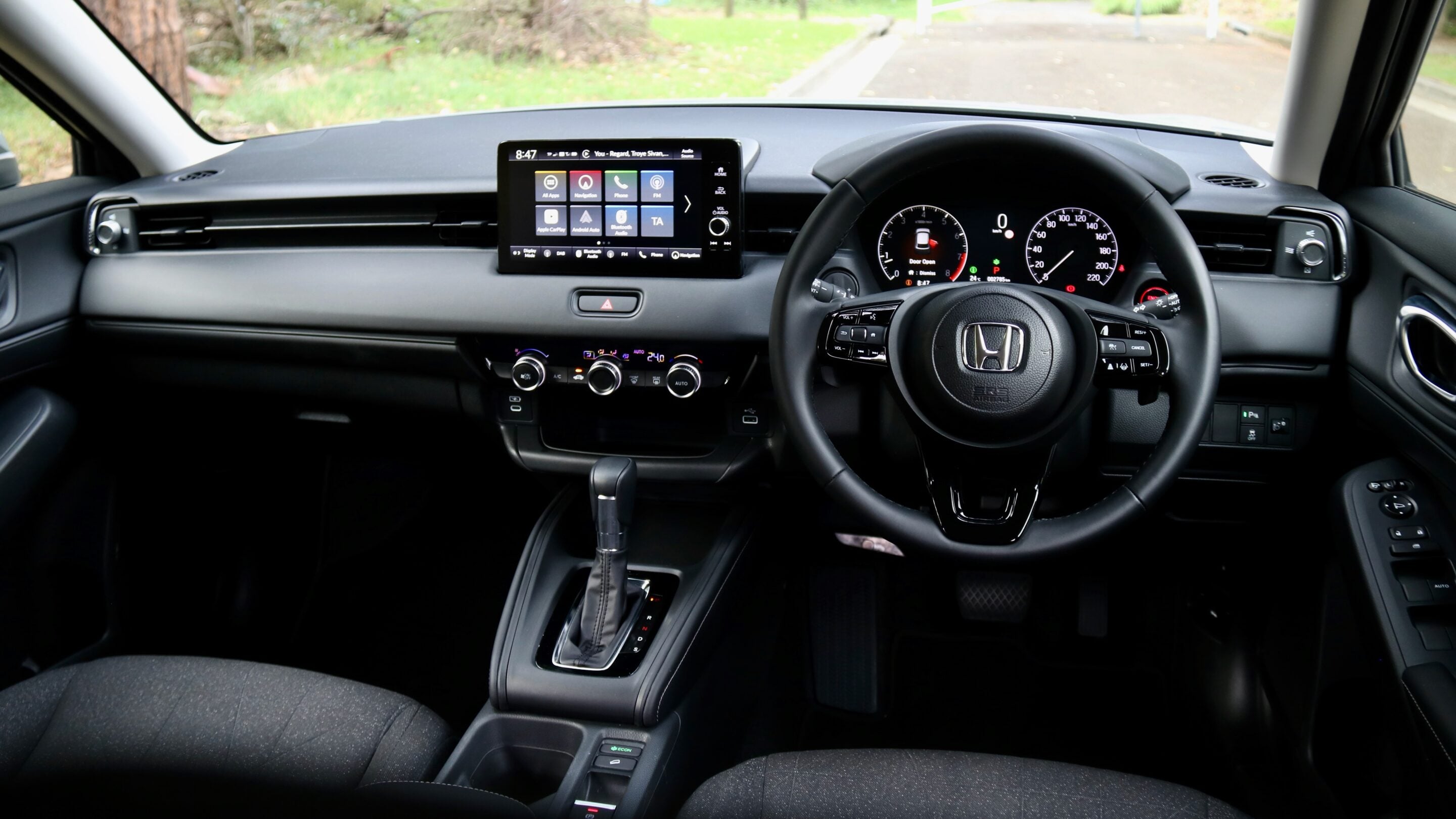
The front cabin is also quite practical with plenty of storage spaces for life’s trinkets, like sectioned door pockets, two trays underneath the centre console, big cup holders and a big box underneath the central armrest.
Practicality is more than just storage space too, and thankfully in today’s market, the HR-V provides masses of physical buttons to control its features. For example, the climate control buttons – which, by the way, cleverly light up blue if turning the temperature down and red if turning it up – are very easy to use and not buried in the 9.0-inch touchscreen. The touchscreen is the same with its physical shortcut buttons on the side and simple menu structure.
Finally, material quality in the HR-V is reasonable, with a mix of hard and soft touch materials. As you’d expect for a Honda, it feels well built and built to last. The leather used on the steering wheel and gearknob is soft and high quality, and we quite like the warm and tasteful synthetic leather and fabric seat upholstery materials on the hybrid variants too.
How fuel efficient is the HR-V?
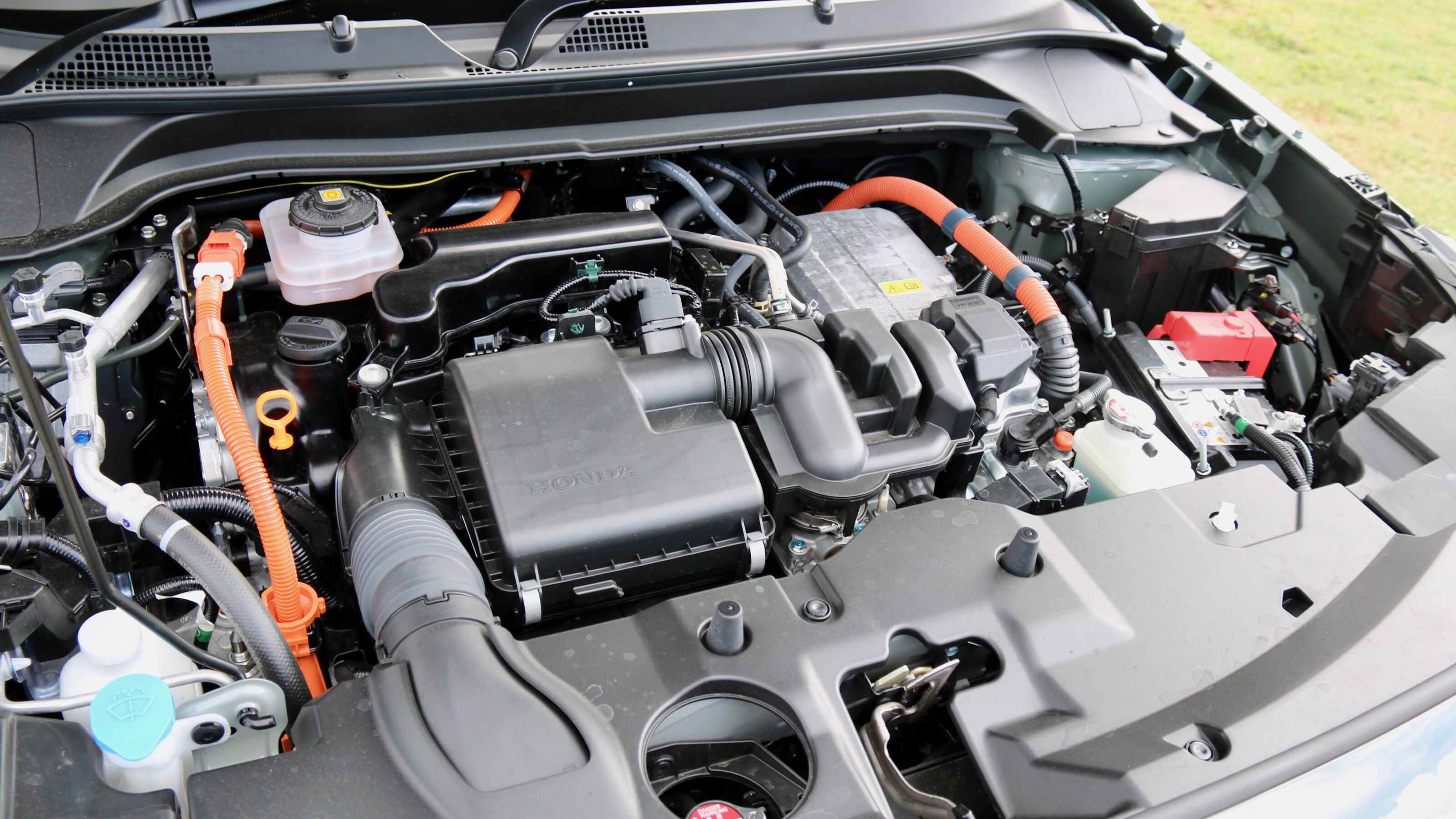
Rated at just 4.3L/100km on the combined cycle, the HR-V hybrid is very fuel efficient indeed. It uses a 1.5-litre four-cylinder petrol engine combined with an electric motor and small battery to also provide propulsion and keep the petrol engine switched off for as much as possible. Combined peak outputs are a healthy 96kW of power and 253Nm of torque, while it emits just 98g/km of CO2.
In the real world, the HR-V hybrid has a bit of pep in its step reaching 100km/h from a standstill in around 10 seconds, which is quick for a small SUV. It’s also easy to achieve the 4.3L/100km claimed efficiency and in purely urban driving, it’ll happily use even less than that. Add highway use into the mix – where hybrids traditionally use more fuel – it’s still efficient and will sit at around 5L/100km.
4
Also available in the HR-V range is a naturally aspirated 1.5-litre petrol engine, which makes 89kW of power and 145Nm of torque. It’s a fine entry-level engine and is totally fine in purely urban driving, though higher speeds show that it’s not the punchiest or quietest engine. Its claimed fuel consumption is higher at 6.2L/100km as well, and 7.7L/100km in urban driving, making it potentially much thirstier than the hybrid. In our opinion, the hybrid is the HR-V drivetrain to choose as it’s punchier, more refined and more fuel efficient.
What is the HR-V like to drive?
There’s a lot to like with the HR-V’s driving experience, thanks to a compliant ride quality, good steering weighting and general easiness to drive. Thanks to large windows and mirrors, its visibility is plentiful, while seat comfort is good though lumbar adjustment would be nice to have. Though the 18-inch wheels across the range can be a bit firm over larger bumps, it’s otherwise quite comfortable.
The HR-V’s hybrid system is also really impressive from behind the wheel. Rare for a hybrid are its stepped ratios so that it feels more natural sounding like a regular geared transmission when accelerating. It’s also very refined, and the switch between the petrol engine and electric motor providing propulsion is quite seamless. Honda’s excellent engineering is alive and well here.
What warranty covers the HR-V?
Honda covers the HR-V with a five-year/unlimited km warranty with five years of roadside assistance, plus an eight-year battery warranty for hybrid variants. That looks a bit short compared with some rivals, but if owners service their cars at a Honda dealer during that time, they can unlock an extra 12 months of both warranty and roadside assistance up to an impressive eight years in total.
5
The HR-V’s service intervals are once-yearly/every 10,000km (whichever comes first), which is a bit short against the 15,000km average of the industry. But the first five years of servicing costs just $995, or $199 per service, which is well below the average cost in the industry.
Should I buy a Honda HR-V?
There’s no question that there are cheaper small SUVs than the Honda HR-V, as well as better equipped and faster ones as well. But many are not as good all-rounders as the HR-V, which manages to tick a lot of different boxes. For starters, it’s easily one of the most practical in this segment (again, the Magic Seats with their unparalleled usability) and counts on the most spacious rear seat in the segment.
The HR-V is also great to drive, very fuel efficient with the hybrid drivetrain, well equipped and covered by a great aftersales package with cheap servicing and up to eight years of warranty if serviced through a Honda dealership. Overall, the Honda HR-V is a great small SUV option that’s not cheap, but genuine value for money.
HR-V specifications:
| Price | $32,900 driveaway (Vi X), $39,900 driveaway (e:HEV X), $42,900 driveaway (e:HEV L) |
|---|---|
| Engine | 1498cc naturally aspirated four-cylinder, petrol or hybrid |
| Max power | 89kW (petrol); 96kW (hybrid) |
| Max torque | 145Nm (petrol); 253Nm (hybrid) |
| Transmission | CVT automatic (petrol), e-CVT automatic (hybrid) |
| Combined claimed fuel consumption | 4.3L/100km (hybrid); 6.2L/100km (petrol) |
| Dimensions (L/W/H/WB) | 4345/1790/1590/2610mm |
| Boot space | 304 litres (rear seats up) – 1274 litres (rear seats folded) |
| Kerb weight | 1267kg (Vi X), 1378kg (e:HEV X), 1382kg (e:HEV L) |
| On sale | Now |
HR-V Vi X standard features:
- 18-inch alloy wheels (with a tyre repair kit)
- Dusk- and rain-activated LED exterior lighting
- Keyless entry with push button start and automatic walkaway locking
- Rear privacy glass
- Electric-folding mirrors
- Single-zone automatic climate control
- Cloth upholstery
- Leather-wrapped steering wheel and shift knob
- 7.0-inch digital driver’s display
- 9.0-inch touchscreen with Honda Connect live services
- Satellite navigation
- Wired and wireless Apple CarPlay and wired Android Auto
- AM/FM/DAB+ digital radio
- Bluetooth calling and audio streaming
- Four-speaker sound system
- 2x USB ports (1x USB-A and 1x USB-C)
- Eco, normal and sport driving modes
- 6x airbags
- Autonomous emergency braking with pedestrian, cyclist and motorcyclist detection
- Adaptive cruise control with traffic jam assist
- Lane keeping assistance with lane departure warning
- Auto high beam
- Tyre pressure monitoring
- Front and rear parking sensors
- Reversing camera
- Security alarm
HR-V e:HEV X model adds to Vi X:
- Acoustic windscreen
- LED front fog lights
- Upgraded LED headlights with auto-levelling, corner lights, adaptive high beam and scrolling indicators
- Heated front seats
- Part-synthetic leather upholstery
- Two extra speakers (six in total)
- Adjustable speed limiter
- Blind-spot monitoring with rear cross-traffic alert
- Paddle shifters for regenerative brake level adjustment
HR-V e:HEV L model adds to X:
- Auto-folding mirrors with heating and automatic passenger-side kerb view when reversing
- Auto-dimming rear interior mirror
- Rain-sensing automatic wipers
- Dual-zone automatic climate control with rear air vents
- 2x rear USB-C charging ports
- Hands-free electric tailgate with walkaway closing
- Heated steering wheel
- 4x auto up/down windows with key fob operation
8.4
/10
Score
Score breakdown
8.0
Safety, value and features
9.0
Comfort and space
9.0
Engine and gearbox
8.0
Ride and handling
8.0
Technology
Things we like
- Small SUVs don't offer more utility than the HR-V
- Efficient and peppy 1.5-litre hybrid drivetrain
- Excellent aftersales program
Not so much
- No spare wheel in any model
- Limited colour selection
- Short 10,000km service intervals
Follow WhichCar/Wheels on Google
Click the button below to make WhichCar by Wheels a preferred source for your news.

We recommend
-
 Reviews
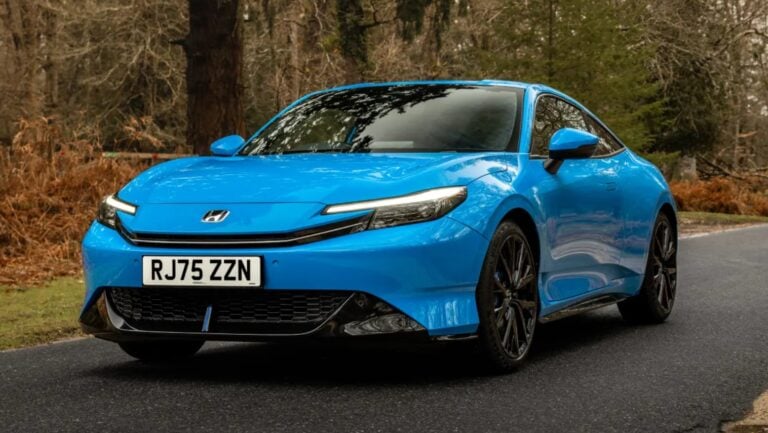
2026 Honda Prelude: Early review of the hybrid coupe as it returns after two decades
Reborn two-door pairs Civic-based hybrid power with Type R hardware, but prioritises comfort and efficiency over outright pace.
-
 News
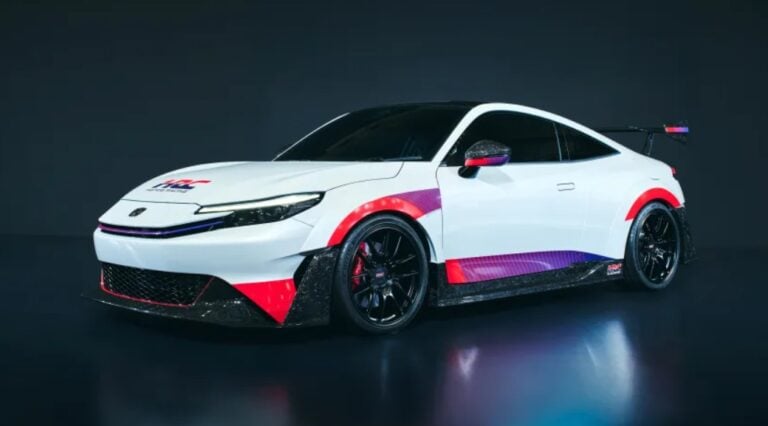
NewsHonda hints at high-performance Prelude future with HRC concept debut
Track-inspired Prelude HRC concept fuels speculation of a new Type R-style coupe.
-
 News
NewsSony and Honda unveil second Afeela EV as autonomous driving ambitions ramp up
New Afeela Prototype 2026 crossover previews AI-led, self-driving future ahead of 2028 production launch.
