
UOTY


Gallery 1
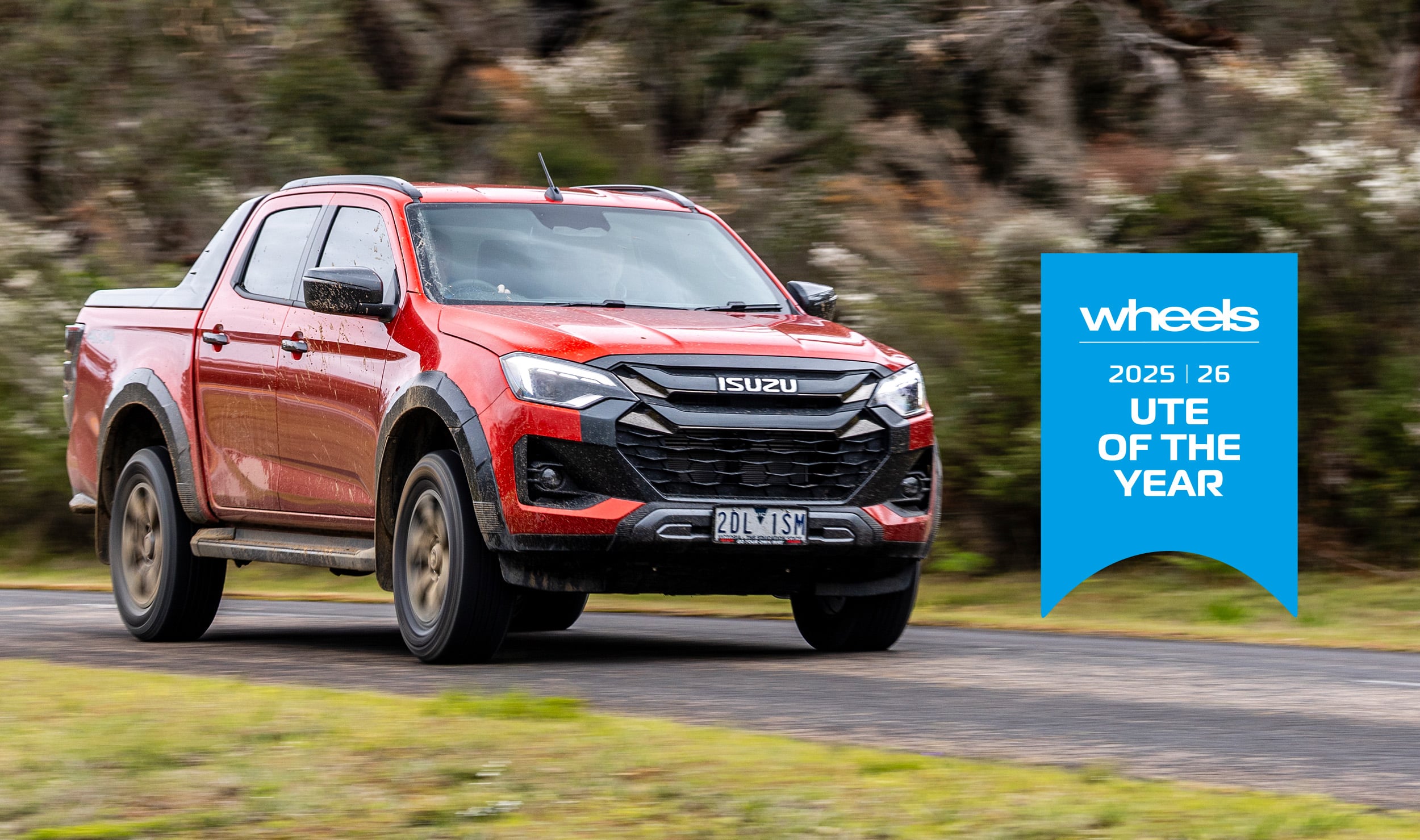
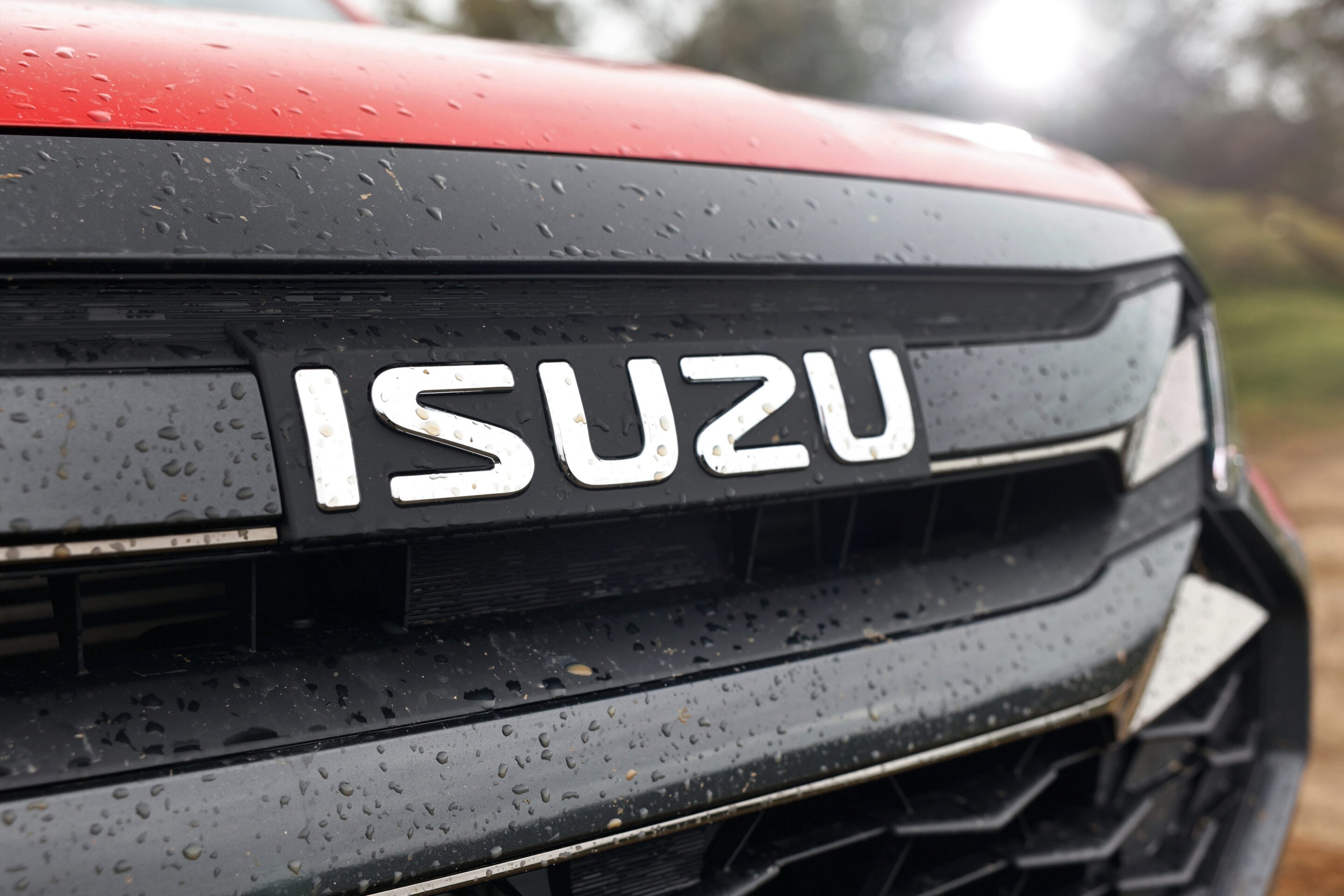
If you’re looking for confirmation of just how popular dual cabs and large SUVs are in this market, Isuzu is the perfect example. Able to excel with a simple, two-model range, the brand trades on robust build quality, reliability, and value for money for buyers looking for either a large SUV (M-UX) or dual-cab (D-Max).
It’s hard to argue with the strong points of the D-Max we’re testing at Wheels UOTY. The 3.0-litre turbo diesel sits up near the head of the class, thanks to its ability to work effectively whether you drive around town, tow long distances, or head further off-road. Leave the confines of the city and the D-Max is clearly one of the preferred vehicles for those with a caravan in tow.
On test here we’ve got the range-topping X-Terrain model, starting from $73,000 before on-road costs. If you’re shopping for an Isuzu, though, keep in mind the brand will often run limited drive-away pricing across the range, so it’s worth doing your research to check if that’s in play. A six-year/150,000km warranty, and sharp servicing costs across the first five years, ensure the value equation is looked after with the D-Max, one of the more affordable to own post purchase.
2
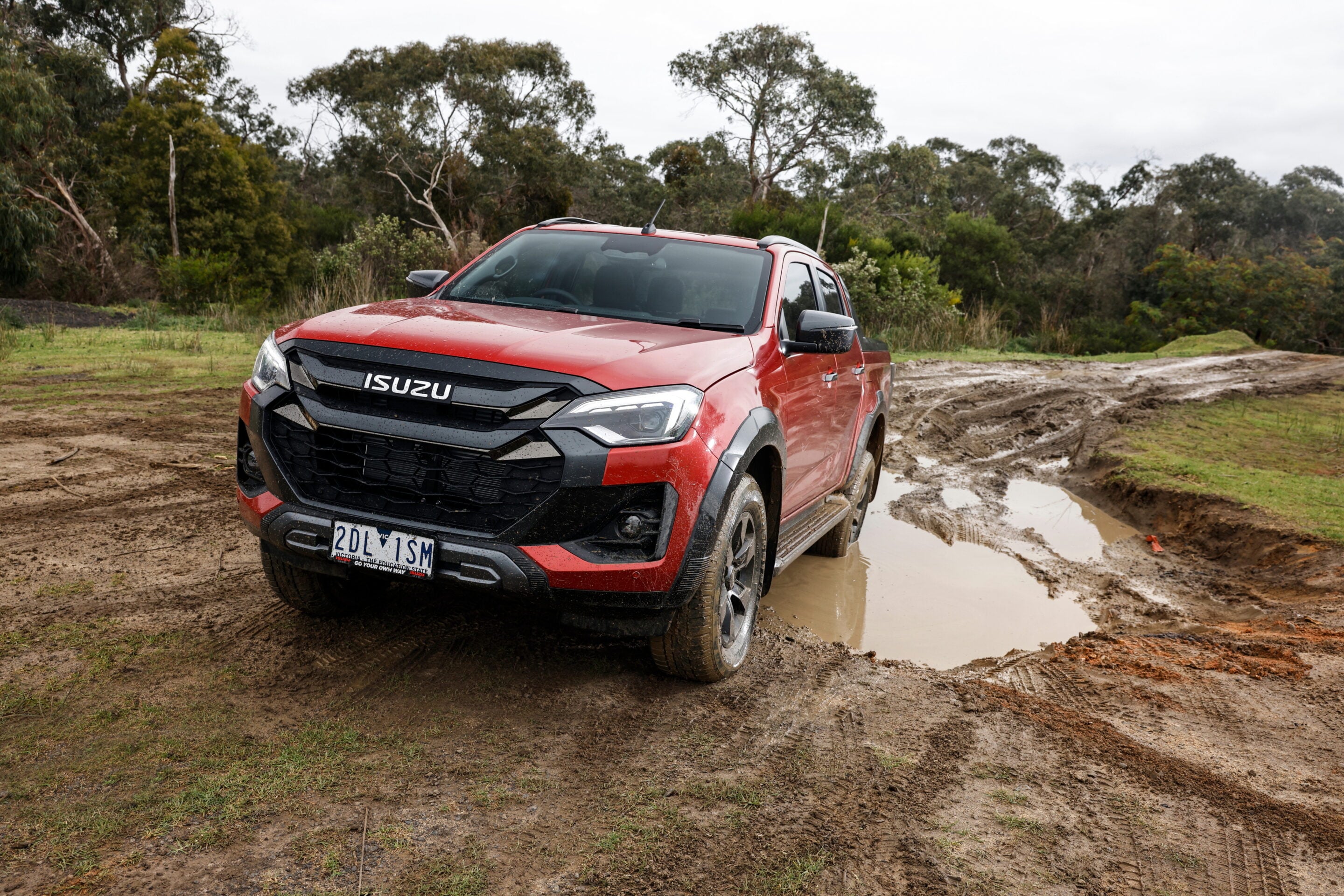
Isuzu’s 3.0-litre engine is a masterclass in understated ability. Refined through years of service under the bonnet of all types of commercial vehicles in Japan and around the world, it’s an engine that, while not big on power, feels understressed all the time. It’s why those who own a D-Max swear by them, and often just replace one with another when its time to upgrade. It’s also why it maintains a rep for reliability.
In 2026, 140kW and 450Nm aren’t heady figures by any means, but they don’t need to be either, such is the effortless way the D-Max gets to work. The ADR fuel claim is 7.8L/100km and if you drive as most of us do around town, you’ll use 8.8-9.0L/100km, less on the open road when cruising. The six-speed automatic is smooth and eschews the ‘more is more’ philosophy of some to deliver crisp shifting at any speed on any road.
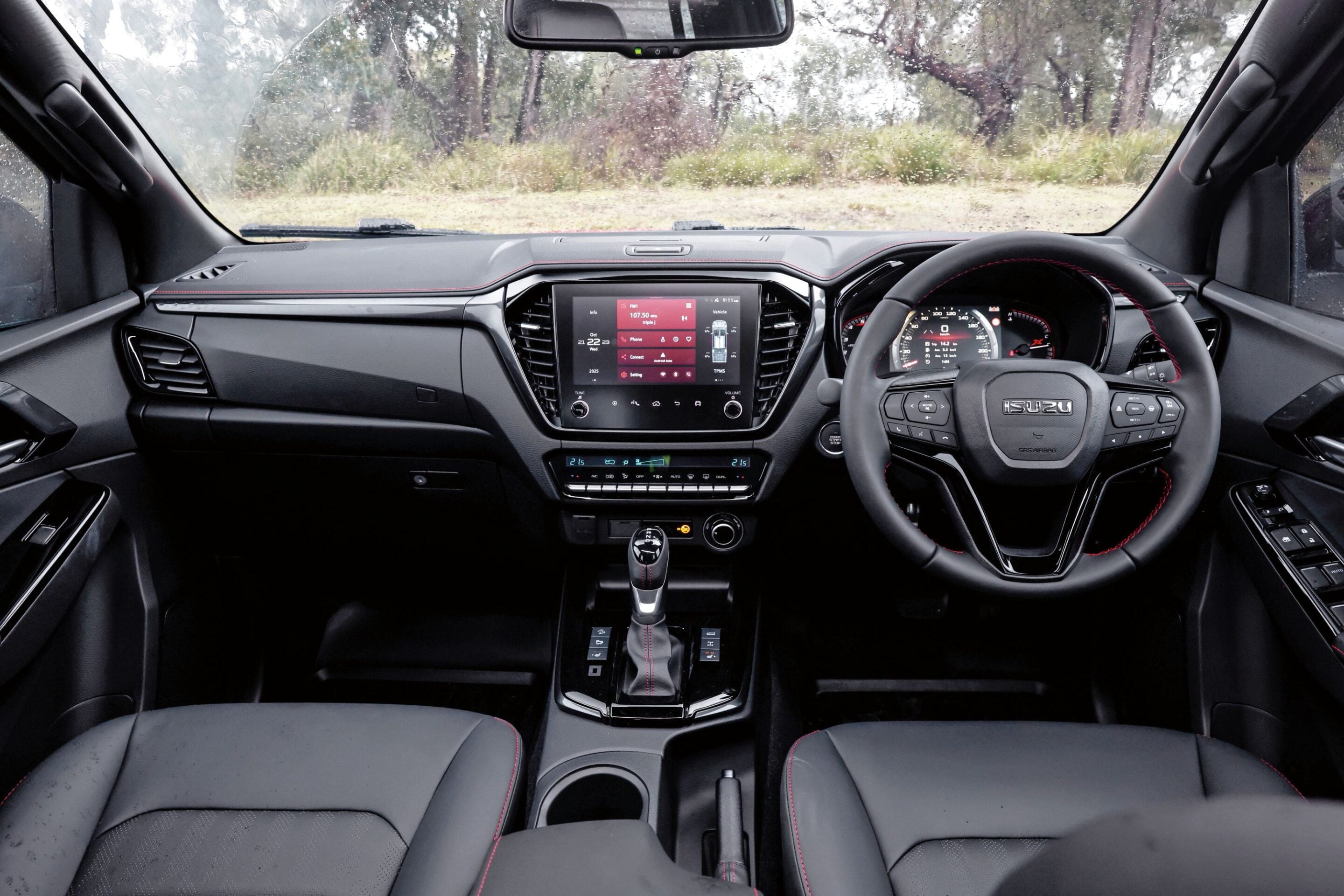
Isuzu’s cabin is starting to feel its age, especially when lined up alongside much newer competition. The screens, switchgear and technology feel like they have come from half-a-generation ago. What remains a positive though, is how well everything works. From the smartphone connection to the one-touch button to turn off some of the more annoying driver aids, the Isuzu suite of technology works well and is easy to decipher.
4
As dual cabs have crept up in size, cabin space has likewise shifted, and the D-Max doesn’t feel as big as the biggest on offer, especially in the second row. It’s a factor worth noting if you have tall teenagers in the family, or transport adults back there regularly. It’s not uncomfortable, just not as spacious as the best in class.
What’s interesting in this company, especially compared to those with hybrid drivetrains, is how old-school and agricultural a dual-cab like the D-Max can feel. The engine isn’t particularly refined, and as such, there’s an engine note and vibration from under the bonnet, that isn’t present in the newer, more refined offerings in a segment that continues to shift.
However, Morley and I both agreed there’s something reassuring and comforting about the ‘Grandpa’s axe’ nature of the D-Max, even more so when you’re out in remote parts of the country. But today’s modern buyer expects more, especially those who live in urban areas.
“Slightly softer suspension than its stablemate, the Mazda BT-50, isn’t enough to save what is otherwise a capable, but dated result,” Morley said. “The levels of noise and vibration are from another age, and while the rough-and-tough crowd mightn’t mind, we do.”
2
That last point is an interesting one, too, given you can roll around town in silence with a plug-in hybrid dual-cab, or in a significantly more refined manner with petrol power. Is diesel the last vestige of the way we used to drive? Perhaps, but for those with long-distance touring in mind, it’s still the best way to go, and it’s another reason why the Isuzu remains so popular.
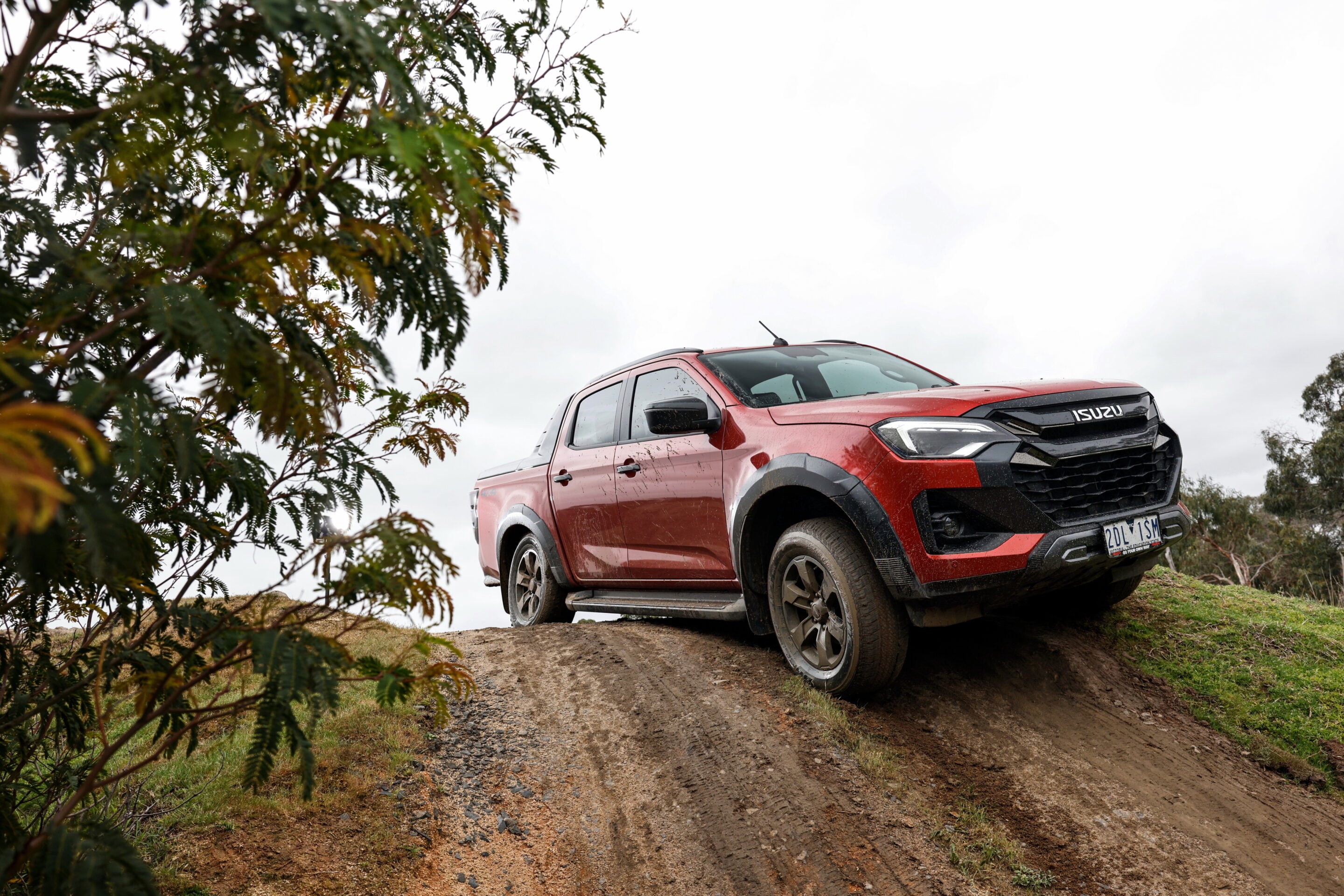
Like nearly every dual-cab on the market, the D-Max isn’t at its best with an empty tray, and you’ll notice the firm ride on rough surfaces if it is unladen. It’s not harsh, but it does jiggle and skip over the worst surfaces in a much more noticeable way than a more composed SUV might.
As traditional as the D-Max is, it’s actually a good thing to drive in traffic and around town. The steering is light with the right amount of assistance, especially at low speed, the brake pedal feel and manoeuvrability are where we would expect them to be, and it’s not so big that it feels too large for the city. It exudes a sense of toughness.
In this company, then, with a focus on the way the average person uses a dual-cab, the D-Max can’t keep pace with the more refined, tech-focused offerings now available. But if you’re intent on long-distance touring, off-roading or towing, only the Toyota HiLux puts itself forward to take the fight to the D-Max.
2
Specs
| Price | $66,990 (MSRP) / $68,490 (DA) |
|---|---|
| Body | Dual-cab, five-seat ute |
| Price | $73,000 (MSRP) |
| Body | Dual-cab, five-seat ute |
| Drive | Dual-range 4×4 |
| Drivetrain | 3.0-litre four-cylinder turbo diesel |
| Power | 140kW @ 3600rpm |
| Torque | 450Nm @ 1600-2600rpm |
| Transmission | 6-speed automatic |
| Consumption | 7.8L/100km |
| Kerb weight | 2170kg |
| 0-100km/h | NA |
| L/W/H/W-B | 5310/1880/1810/3125mm |
| Payload | 930kg |
| Warranty | 6yr/150,000 km |
| Safety rating | 5 star ANCAP (2022) |
2025-26 Wheels Ute of the Year
Follow WhichCar/Wheels on Google
Click the button below to make WhichCar by Wheels a preferred source for your news.

We recommend
-
 UOTY
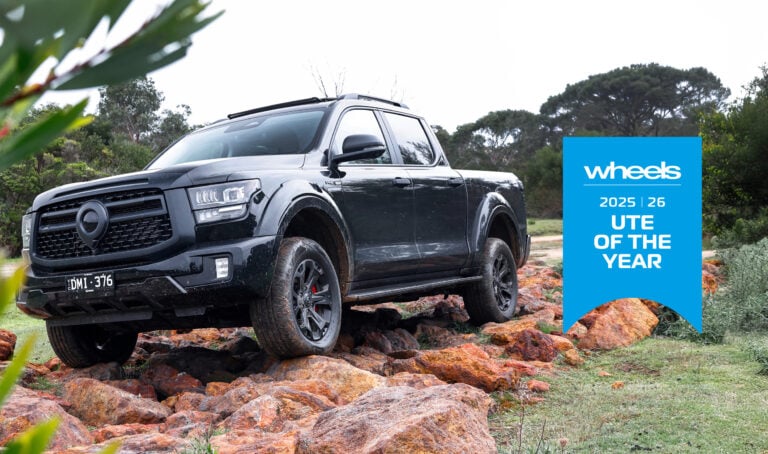
UOTY2025-26 Wheels Ute of the Year, 2nd: GWM Cannon Alpha PHEV
The GWM Cannon Alpha PHEV is disrupting the dual-cab universe with larger overall dimensions and its fuel-sipping plug-in hybrid drivetrain.
-
 UOTY
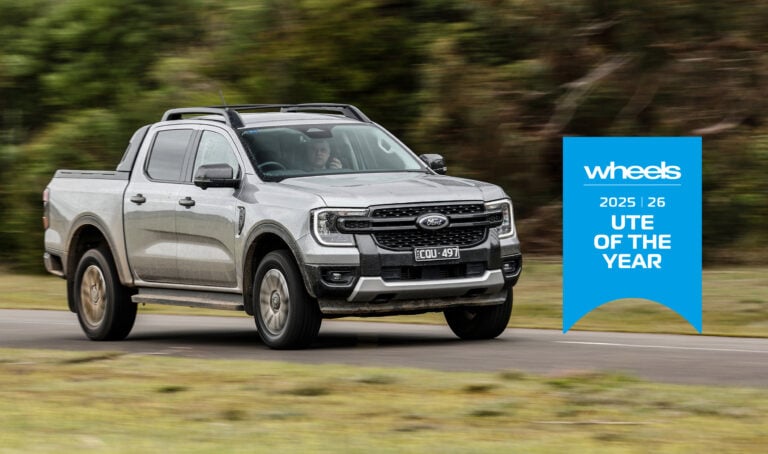
UOTY2025-26 Wheels Ute of the Year, 3rd: Ford Ranger V6 Sport
The Ford Ranger redefined the segment when the latest-gen launched in 2022, establishing itself as the best-selling vehicle of any kind over the last two years.
