
Mahindra has announced buyers can save up to $10,000 on its XUV700 seven-seat medium SUV in its largest retail offer yet. However, they’ll need to be relatively quick, as the deal only lasts until October 31.
The huge offer reduces the driveaway price of the entry-level AX7 to $29,990, which makes it the cheapest vehicle of its kind in Australia. The flagship AX7L gets a $9000 discount that takes its driveaway price down to $33,990.
Mahindra says the special pricing reflects its “ongoing commitment to Australia and the company’s broader push to deliver vehicles genuinely suited to Australian conditions, driving habits and household budgets, without compromise on comfort, safety or features”.
Both the AX7 and AX7L variants of the XUV700 range are equipped with a long list of standard features, including autonomous emergency braking, adaptive cruise control, lane keep assist and traffic sign recognition.
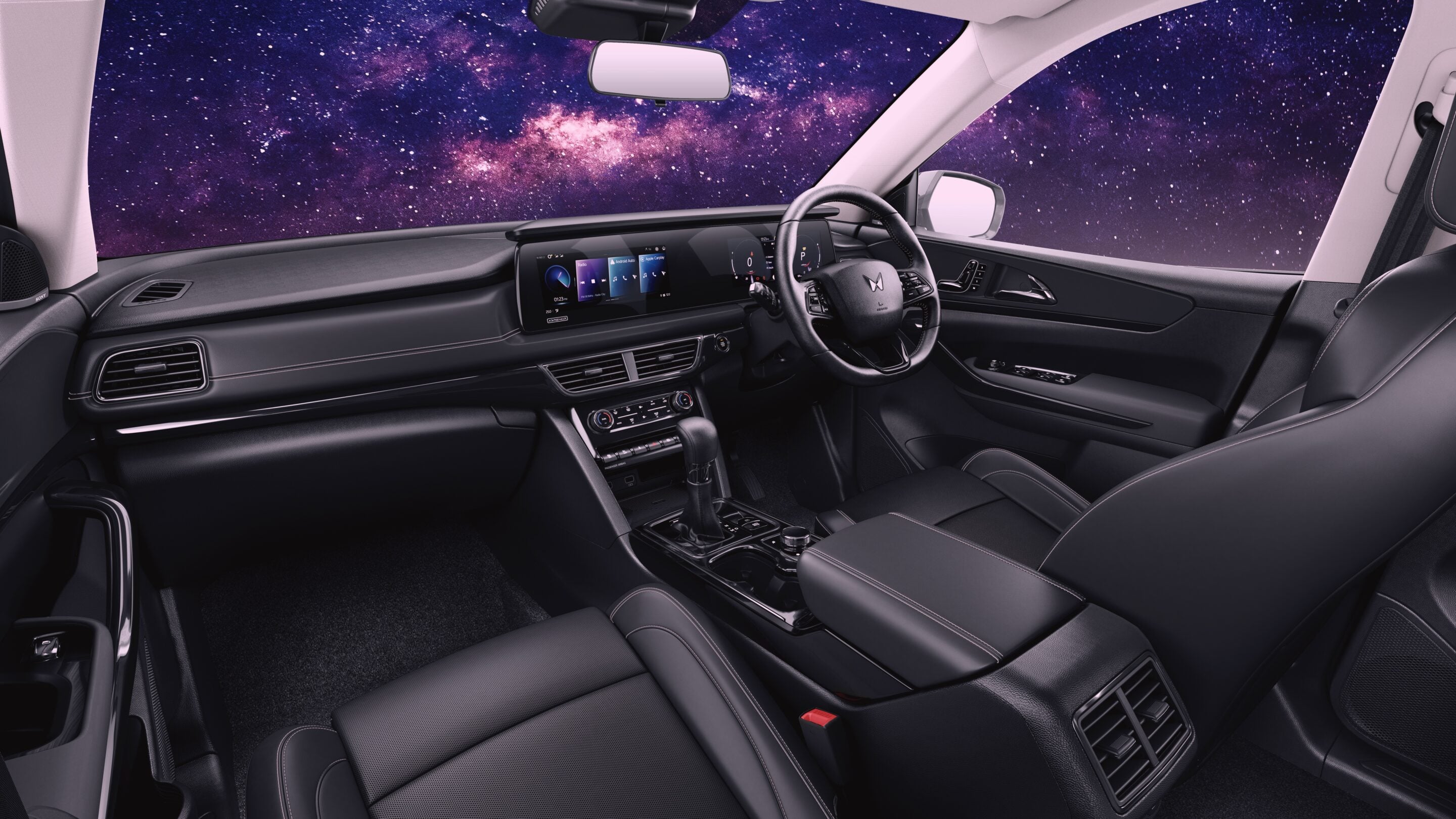
Other standard features include a panoramic sunroof, 18-inch alloy wheels and dual 10.25-inch displays with wireless Apple CarPlay and Android Auto, while the AX7L adds a 360-degree camera, blind-spot monitoring, a driver’s knee airbag, ventilated front seats and 12-speaker audio.
Mahindra has also announced a discount of up to $1500 on its XUV3XO small SUV, which is now priced from $22,490 driveaway. That offer also runs until October 31.
Mahindra special pricing (driveaway):
- XUV3XO AX5L: $22,490 (-$1500)
- XUV3XO AX7L: $25,490 (-$1500)
- XUV3XO Black Anniversary Edition: $27,485 (-$1000)
- XUV700 AX7: $29,990 (-$10,000)
- XUV700 AX7L: $33,990 (-$9000)
Jaecoo Australia has announced the updated MY27 version of its J7 medium SUV, available from later this month. Although it’s still offered with a 1.6-litre turbo-petrol engine in Ridge AWD spec, the rest of the J7 range is now equipped with Jaecoo’s new-generation ‘SHS-P’ plug-in hybrid system making more power in its newly-optional all-wheel drive form.
Pricing for the MY27 J7 range starts at $39,990 driveaway for either the petrol Ridge or plug-in hybrid Track, which is $2000 higher than the MY26 J7 range due to the discontinuation of the front-wheel drive petrol models.
Nevertheless, some models in the range are now up to $3000 cheaper, such as the Ridge AWD ($39,990 driveaway – was $42,990 driveaway) and both 2WD plug-in hybrid models are priced $4000 lower than before.
Key to the updated Jaecoo J7 is Jaecoo’s next-generation SHS-P plug-in hybrid system, which combines a 1.5-litre turbo-petrol engine with either one (2WD) or two (AWD) e-motors and an 18.4kWh battery that can be DC fast charged at up to 40kW for a claimed 30-80 per cent top up in 20 minutes.
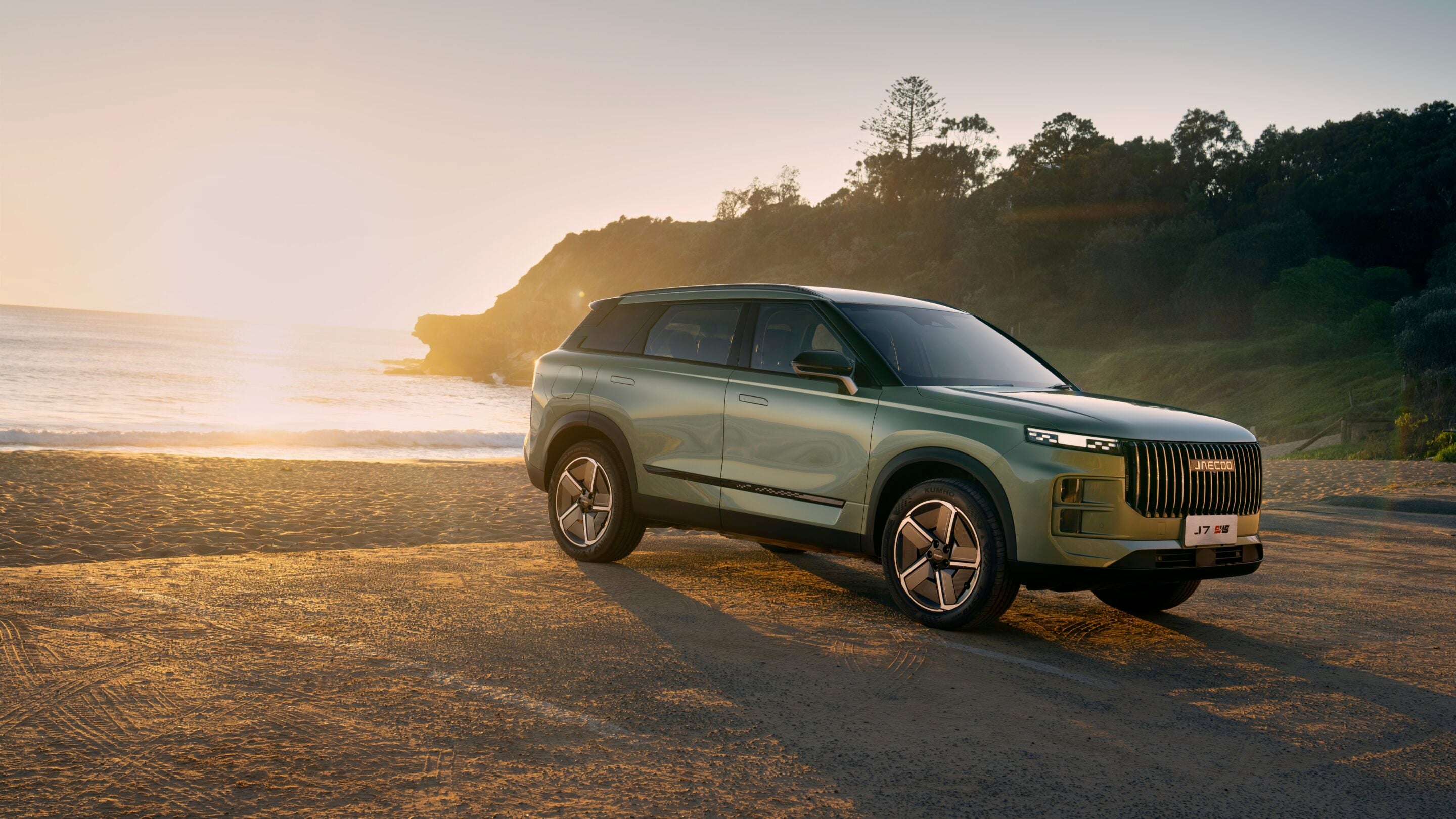
Combined, the front-drive J7 SHS-P now makes 205kW/365Nm outputs and the all-wheel drive model 260kW/490Nm, and it can travel up to 80km (AWD) or 100km (2WD) on a charge. The total range, including petrol propulsion, of the J7 SHS-P is a claimed 1200km.
The J7 Ridge AWD’s 137kW/275Nm 1.6-litre turbo-petrol engine, seven-speed dual-clutch transmission and all-wheel drive system are unchanged.
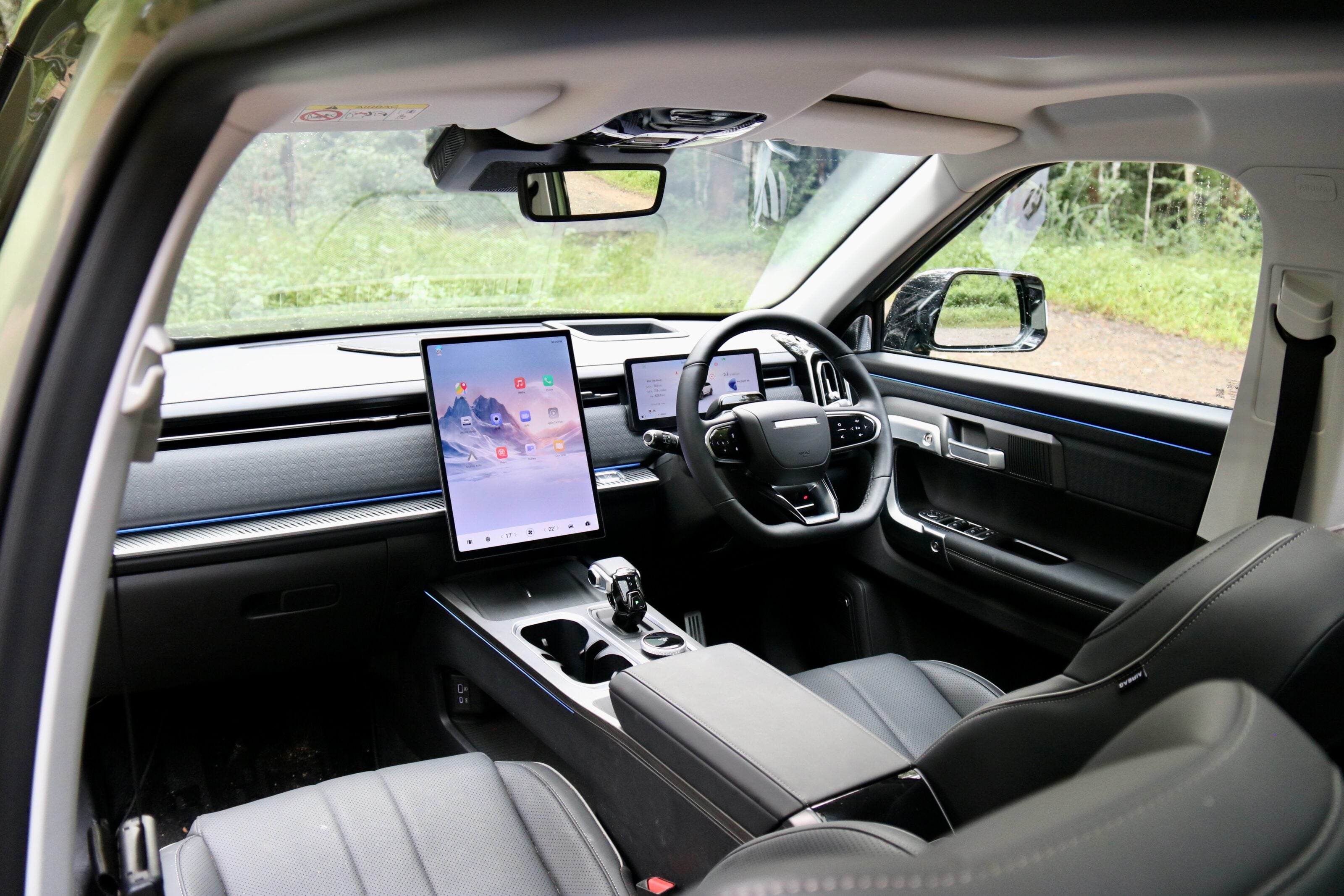
As before, the Jaecoo J7 range will be offered in entry-level Track (PHEV only), mid-spec Ridge (petrol only) and top-spec Summit (PHEV only) models. Features on the Track include 19-inch ‘aero’ alloy wheels, a synthetic leather steering wheel, power-retracting door handles, dual-zone automatic climate control, a 10.25-inch digital driver’s display, a 13.2-inch touchscreen with inbuilt sat-nav, wireless Apple CarPlay and Android Auto, six speakers, eight airbags and a comprehensive suite of active safety features.
The Ridge AWD adds a full-size spare wheel, synthetic leather upholstery, electric front seat adjustment, heated and ventilated front seats, eight-speaker Sony audio, a larger 14.8-inch touchscreen, a head-up display, an inbuilt dashcam, power tailgate and panoramic sunroof.
Above the Ridge AWD, the PHEV-only Summit adds a heated steering wheel, a 360-degree camera and the second e-motor on the rear axle.
As before, the Jaecoo J7 is covered by an eight-year/unlimited km warranty for both the car and EV battery, as well as eight years of roadside assistance and eight years of capped price servicing.
MY27 Jaecoo J7 pricing (driveaway):
| Track SHS-P plug-in hybrid 2WD | $39,990 |
|---|---|
| Ridge petrol AWD | $39,990 |
| Summit SHS-P plug-in hybrid 2WD | $44,990 |
| Summit SHS-P plug-in hybrid AWD | $47,990 (new) |
The updated Jaecoo J7 Ridge and Summit models will enter local dealerships later this month, with the Track SHS-P following closely in October.
“The aesthetics of a product can never hope to make up for poor-quality technology.”
You may well think that these words were spoken by an electronics engineer, but you’d be wrong. They were spoken by a car designer. Not just any car designer, but hall-of-famer Bruno Sacco – the head of Mercedes Styling Department who oversaw virtually every Mercedes-Benz shape over the last quarter of the 20th Century.
If you know your Mercedes history, you’ll know that this covered classics like the W201 190, the W126 S-Class, and the W124 E-Class. It also included the car that we feature here, the R129-generation Mercedes-Benz SL. Sacco had no comprehension of form following function. Even in an era of technological upheaval, he knew that “there is no primacy of technology over design or design over technology”.
The R129 had some big boots to fill. Its predecessor, the much-loved R107, was in production from 1971 through to 1989, but the explosive growth in computing power of the late Eighties opened the door to a new kind of luxury roadster. What’s not so well appreciated is that the R129 SL went into design lock as early as 1984.
![White Mercedes-Benz convertible parked in a dim indoor garage with a brick wall behind it and other cars nearby, viewed from a low angle to the front-left side.] ,](https://media.whichcar.com.au/uploads/2026/08/EDewar-240304-Mercedes-R129-SL500-0018-Edit-2880x1920.jpg)
The development program actually began in the mid-Seventies. At the start of the 1980s, however, work accelerated, and the first wind-tunnel results were achieved for the body in November 1981, a car with the recognisable Bruno Sacco cleanliness of line. On 17 October 1984, the roadster received approval for its shape, and on 10 December 1985, Mercedes-Benz rubber stamped a date for release: August 1988.
It was to sit on a modified version of the W124 E-Class sedan chassis with 284mm lopped out of its wheelbase. The reason for the freeze on launching the car was that Stuttgart sensibly prioritised the parallel development of the W124 and the W201 190-series sedans – models that would make up the lion’s share of the company’s volume.
What Mercedes-Benz wasn’t to know was that in delaying the launch of the R129, it would ultimately unveil the car just when the Eighties era of excess was being choked by a global recession, which was to last from 1990 to 1993 – a recession which then-Treasurer Paul Keating infamously described as “the recession that Australia had to have” and one which would create the asset price bubble collapse or ‘Lost Decade’ in Japan.
Indeed, Mercedes was bullish about the SL’s prospects when the silks came off at the 1989 Geneva Auto Salon. That was prompted by an avalanche of pre-orders. Even those who thought they’d got in quickly found themselves looking at the tail end of a four-year waiting list, despite Mercedes-Benz claiming it could pump 20,000 SLs a year out of its Bremen plant. As a statement of technical intent, the R129 was a masterstroke.
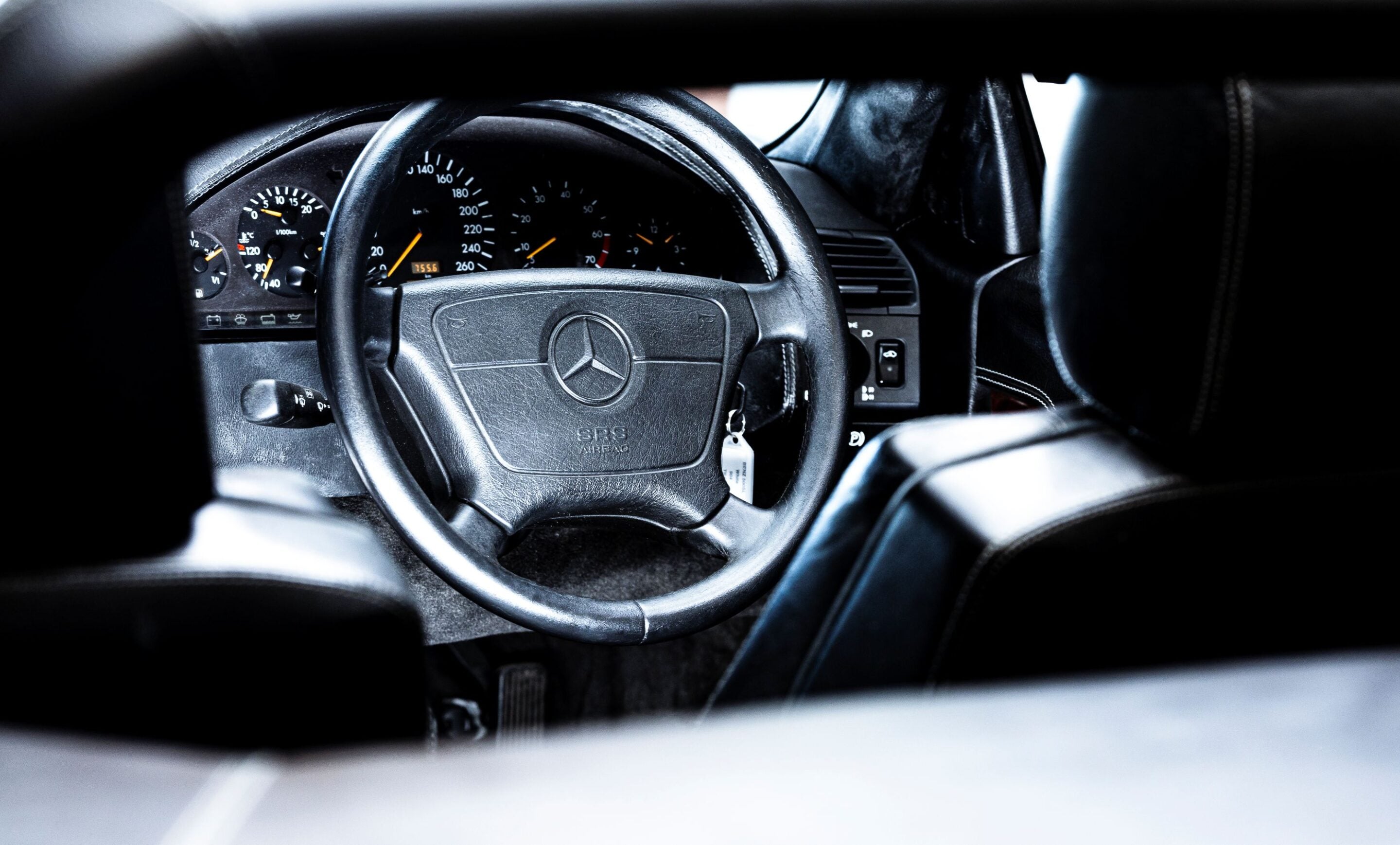
To give you some idea of how Mercedes didn’t quite know when to stop with the gizmos, consider this. A W124 300E sedan weighed 1340kg. By contrast, a 300SL tipped the scales at 1650kg, notwithstanding that missing 284mm of wheelbase. Put simply, Mercedes had spent five years since the exterior design freeze throwing the kitchen sink at this vehicle.
The big-ticket items such as the electrically folding hood, the seat-mounted belts and the pop-up rollover bar, I assume you know about already. Where Mercedes-Benz’s obsession really showed was in the details.
Take the interior mirror, for example. Click the electric mirror switch right or left and it would electrically adjust the door mirrors. So far, so normal. Knock it into the centre position and you could then adjust the interior mirror, a feature the R129 shared with the tank-like W140 S-Class. The logic was that while reaching for the interior mirror to adjust it manually, your eyes are never in the position they would be when driving. That was the claim, in any case.
I suspect Mercedes-Benz did it just because it could – because imbuing a Mercedes vehicle with a recognisably over-engineered identity was one of Sacco’s pet obsessions. Just look at the roof mechanism, which required 17 proximity switches, 15 pressure cylinders, 11 solenoid valves and a hydraulic pump.
At launch, journalists got to drive the base 140kW 300SL and 170kW 300SL-24, both available with a four-speed auto or a five-speed manual, and the auto-only 240kW 500SL flagship. The six-pot couldn’t crack nine seconds to 100km/h – not helped by lazy ratios in both the manual and the auto ’boxes. The 24-valve engine was usefully quicker, but it still had to shift 1770kg of car up the road, and the 100km/h sprint of 6.4 seconds pushed many buyers to look at nothing other than the V8 range-topper.
The 32-valve M119 quad-cam V8 in the 500SL is a decent engine, tough and characterful. What it never managed to do, however, was transform the R129 into a reasonable facsimile of a sports car, despite the car fronting up with 19 more kilowatts than a Ferrari 348. Despite an aluminium head and oil pan, the engine weighed around 250kg, and turn-in is markedly less crisp than the six-cylinder cars.
The 500SL could be optioned (at a cost of around $4000) with an adaptive damping system. This featured four discrete damper settings . The car would default to its softest setting and then rely on a suite of sensors to firm the suspension up in milliseconds when required. It also adjusted ride height, lowering the body by 15mm above 120km/h to aid stability, and the body could also be raised by 30mm below 80km/h.
The 500SL carried a massive price tag of $254,985 in Australia, and we were earmarked for just 150 per year. Our first local drive came in June 1990 and Angus Mackenzie, while wowed by the tech, wondered whether the result was somewhat less than the sum of the parts.
“It’s taken two days and 1000km to finally come to terms with the 500SL,” he wrote. “Yes, it’s good. Very, very good. But in a bid to build one of the safest, most sure-footed sports cars in the business, Benz has all but dialled out driver appeal. Microchips and megabytes conspire to ensure you do exactly what the car wants you to do, and no more.”
In order to ease the description of the R129’s model history, think of it in three separate phases. Despite a production life that was nowhere near as long as its predecessor, the R129 nevertheless received two facelifts and considerably more engines than the R107.
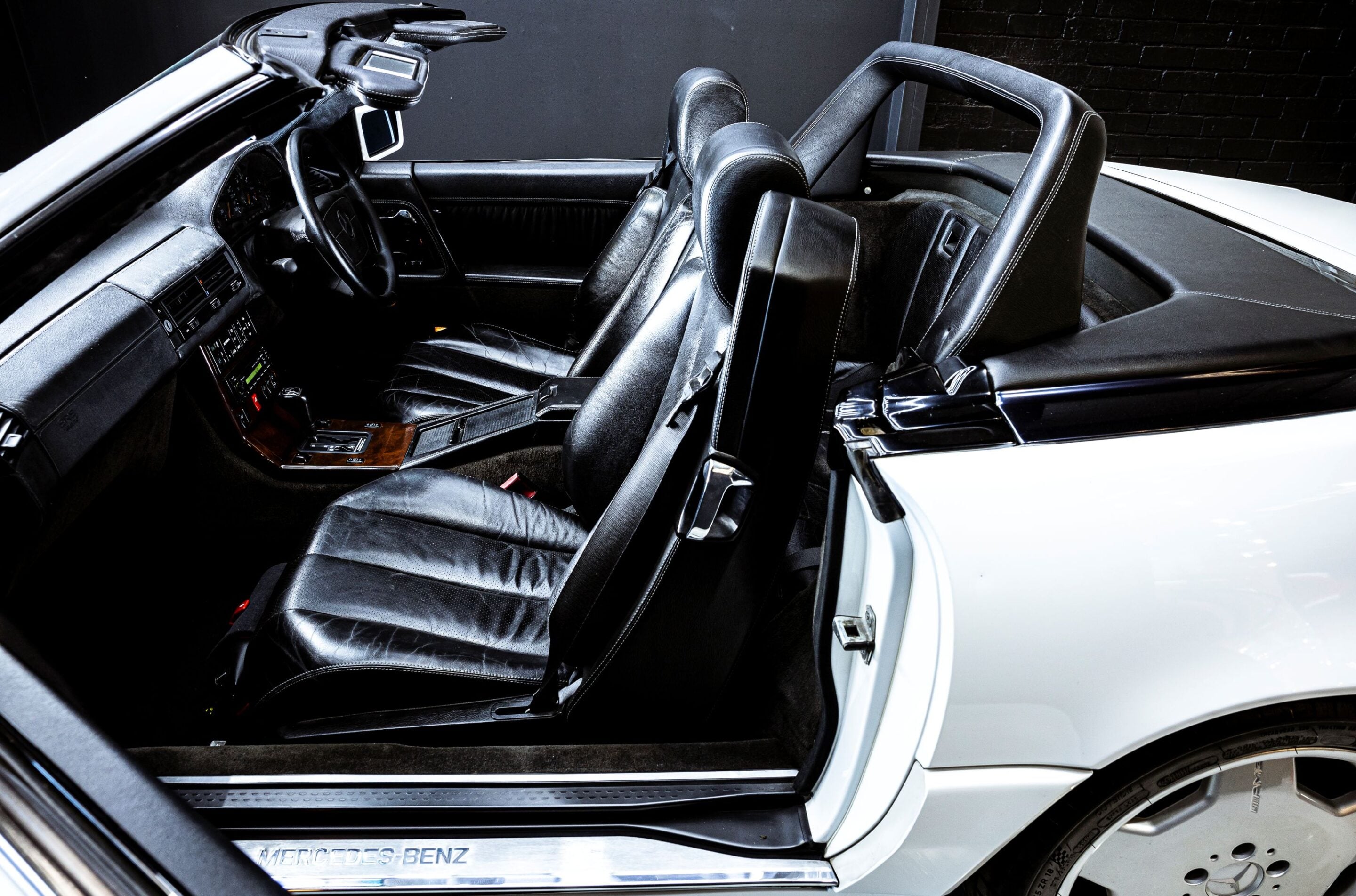
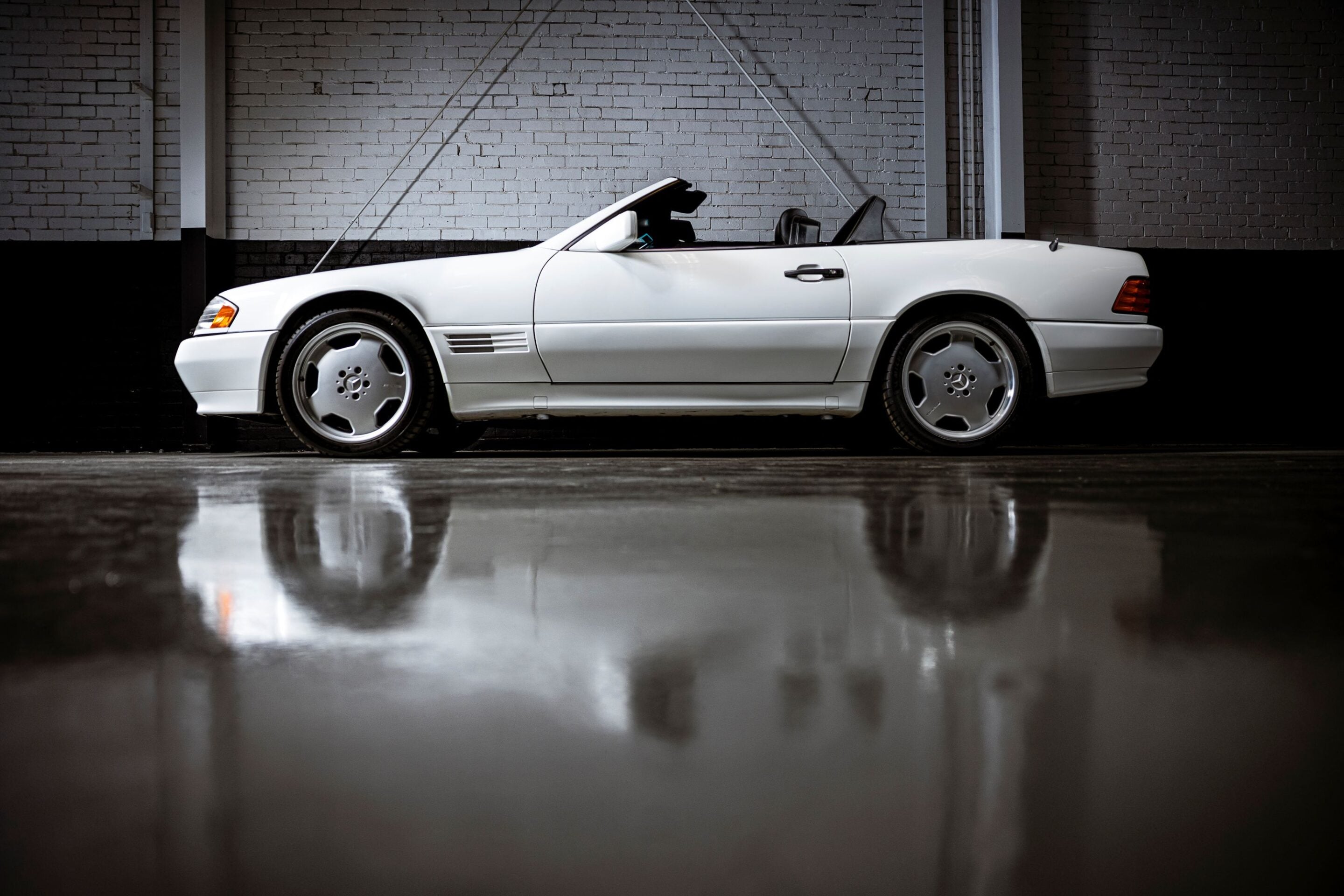
The first styling revision came in 1995 which saw the bold two-tone panel finish altered to a more restrained satin body shade. The vents behind the front wheels were also changed, going from three slats to two more elongated apertures. As was the vogue in the 1990s, amber indicator lenses were seen as horribly dated and switched out for clear units.
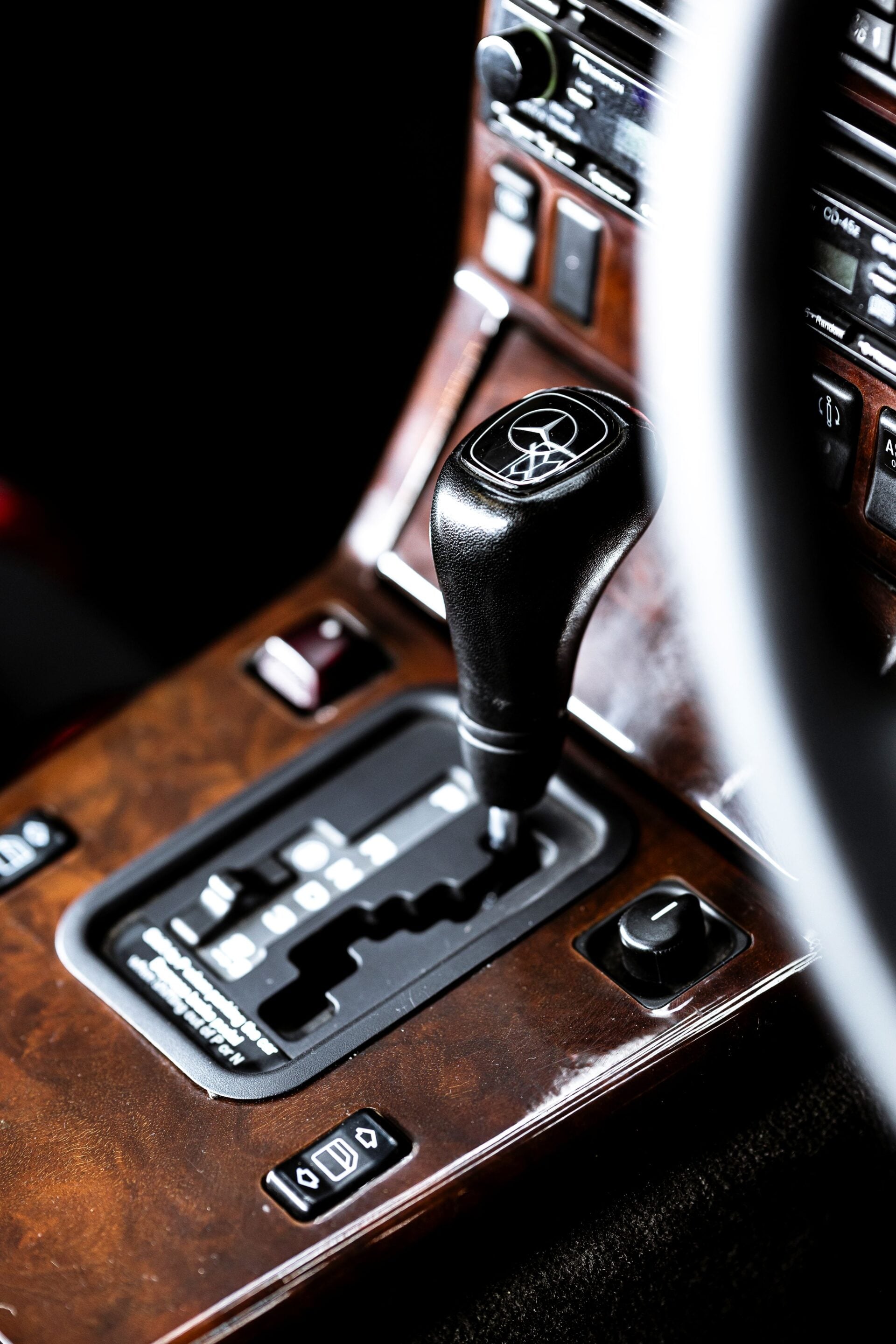
Aside from the excess use of wood finishes inside the early cars, Bruno Sacco himself likes the industrial purity of these early models, although as the R129 went through life, it became mechanically more sophisticated, which buyers seem to prefer. The SL enjoyed its final revision in 1998 which featured a redesign of the front and rear bumpers, and side skirts. At the same time, the straight sixes were replaced by two new and more compact V6 engines.
Another thing to bear in mind is that the R129 came in for a nomenclature change somewhat early in its lifespan. In 1993, Mercedes-Benz not only introduced the new multi-valve M104 straight-six engine to replace the old single-cam M103 unit, but it also tinkered with the name. Whereas before the engine descriptor was followed by the SL indicator, from that point on the reverse was the case, so what was a 500SL became an SL500.
Rewind to 1987 and Mercedes found itself at the blunt end of an arms race. BMW had rather stolen a march on Stuttgart when it introduced the 220kW M70 V12 into its 1987 sedan flagship, the E32 750iL. Three years thereafter, it was slotted into the lovely E31 850i. Mercedes’ response was emphatic. The 6.0-litre 290kW M120 engine arrived in July 1992, mated to an unburstable four-speed automatic transmission. AMG subsequently took up the reins with the V12 (see breakout) to quite devastating effect. Only 38 V12s were ever officially imported to Australia, making them well worth looking out for. Prices are commensurately hefty.
By now, the mental clockwork may well be ticking, with questions arising as to whether the first generation of anything this technically complex is entirely trustworthy. One look at the prices of used R129s would appear to confirm this suspicion. For such a feted design, the asking prices aren’t unreasonable. Genuinely decent examples of the SL500 can be found for $50-$60K – and sometimes less – with those figures being roughly half of what a similar vintage Porsche 993 Carrera Cabriolet would run you.
So what goes wrong? There’s one bogey issue that you will hear almost any time you start talking about R129s and it’s the infamous biodegradable engine wiring. And yes, it is a thing. Mercedes-Benz used a particular sort of wiring insulation in SLs built between 1991 and 1997 and, to put it bluntly, it doesn’t do particularly well in hot climates, with the wiring becoming brittle, cracking and leading to those sort of intermittent faults that can drive you absolutely berserk. You know them; the ones that manifest at home and then fail to materialise as soon as you get the car in front of an expert. In the worst-case scenarios, a new loom will be required, and though that sounds drastic, it’s not as huge a job that it might at first seem and will save you trouble down the road.
If you’re looking at an SL500, the affected cars are those that used LH-Jetronic injection, introduced in 1993. These engines are more reliable, they idle better and also typically see a 25 percent improvement in fuel economy, so many owners see that as a reasonable exchange of qualities. Welcome to the dastardly bargains you need to make with yourself when it comes to R129 ownership.
The powered hood is another item that doesn’t always play ball and diagnosing electricals and hydraulics can make for a complicated fix. All R129s came with a hard top, in a choice of tin top or optional panoramic glass. The latter is a particularly prized item. Don’t worry too much about weight distribution and just enjoy the more airy feel inside the car. With the metal hard top in place, it feels quite cocooned inside an R129 SL. The roof is a pretty heavy thing to remove, and it’s certainly a two-man job to heave it off and settle it into its cradle. Some owners have improvised a garage-based winch system to perform the task one-handed.
Rust is another issue to keep an eye out for. The rear end can be especially susceptible, with a whole host of nastiness hidden by the rear subframe assembly. Brake lines and control arms are a particular victim.
Transmissions are, by and large, beefy – especially if it’s the four-speed auto ‘box. The 722.5 five-speed transmission (effectively a hydraulic four-speed with an electrically-operated overdrive fifth gear) was an option for the six-cylinder engines, but was replaced in ‘96 by the 722.6 five-speeder. The 722s aren’t quite as bulletproof as the implacable four-ratio ’boxes but they certainly get more from the smaller-capacity engines in terms of response.
The SL600 was fitted as standard with ADS (Adaptive Damping System) suspension. This featured Citroen-style hydraulic spheres, filled in this case with nitrogen and fluid on either side of a diaphragm, such that damping characteristics can be controlled by the ECU. It works beautifully when it works, but spheres and valve bodies do fail, and the fix isn’t cheap.
When looking at at R129, buy cars that display as closely as possible to original specifications. Cosmetically tidy cars can become money pits if they haven’t been regularly serviced and maintained. Check for periods when the car was laid up, as the R129 is one of those vehicles that certainly benefits from regular use. As much as anything, buy on condition. You’ll get a feel from the vendor if they know their stuff or, alternatively, if they’re the sort of buyer who has tried to run a car they can’t afford on a shoestring.
Be realistic with what your annual maintenance budget is likely to be and there’s no reason to be scared of the R129 SL. A good one still feels charismatic, it looks great, the V8 and 12-cylinder cars still feel quick and, for the right cars, prices are on the up. Our picks would be the V8s of any era or, if you just want the SL look and don’t care too much about pace, a later six-pot. Buy carefully and you could end up with a modern classic that’ll pay for itself many times over. For a car that Sacco described as his “most perfect”, it doesn’t get much better than that.
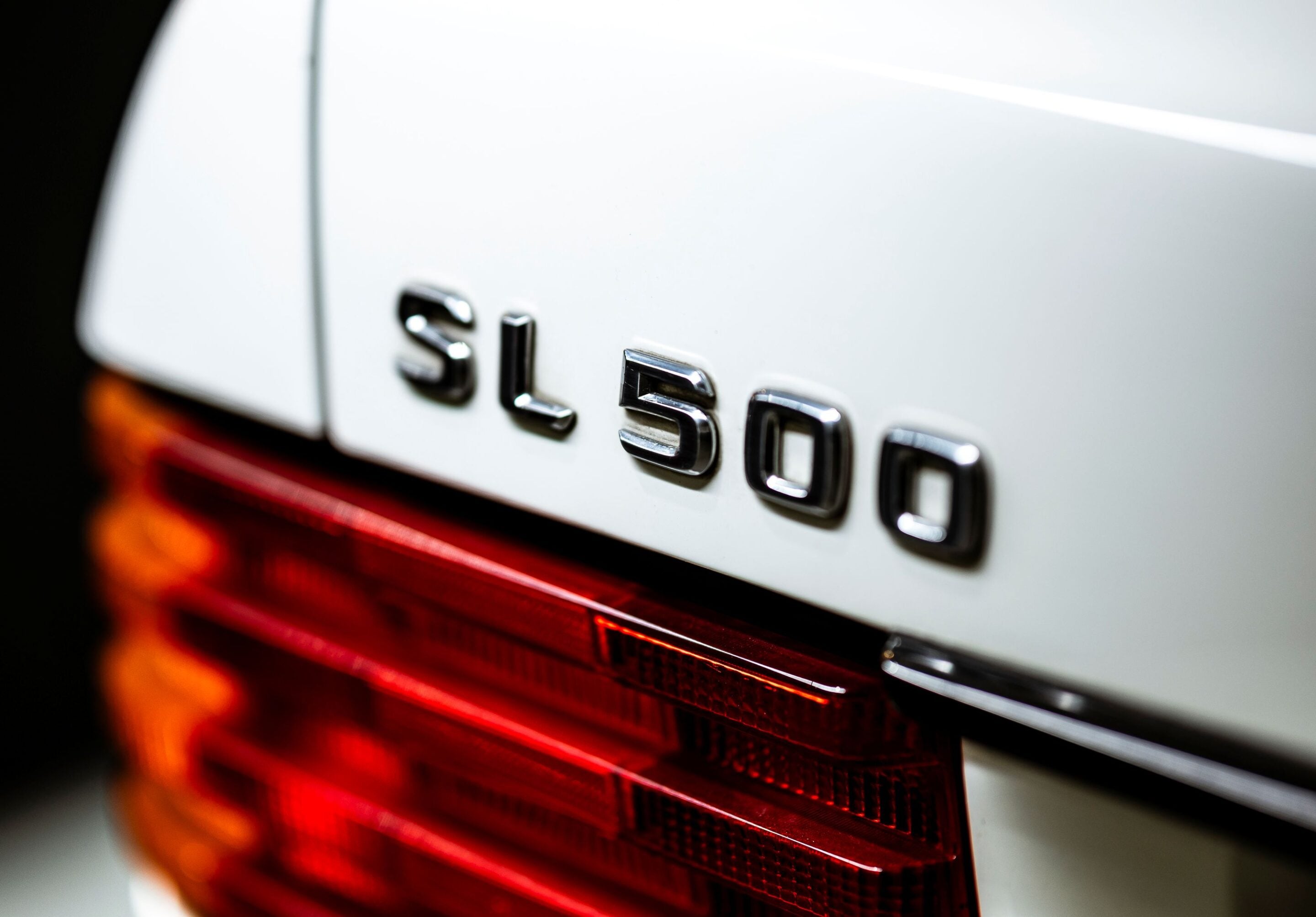
Specs
| Model | Mercedes-Benz SL 500 |
|---|---|
| Engine | 4973cc V8 (900), dohc, 32v |
| Max power | 240kW @ 5500rpm |
| Max torque | 450Nm @ 4000rpm |
| Transmission | 4-speed automatic |
| Weight | 1770kg |
| 0-100km/h | 6.4sec |
| Price (now) | from AUD $40,000 |
This story first appeared in the March 2024 issue of Wheels magazine, now on sale. Subscribe here and gain access to 12 issues for $109 plus online access to every Wheels issue since 1953.
Geely Auto Australia has announced pricing and specifications for its updated Starray medium SUV range, which will be available from later this month. A larger battery option for longer electric-only driving was added locally in May and now the range is headlined by a new all-wheel drive model, which is a first for Geely down under.
The new all-wheel drive model combines the Starray Inspire’s existing drivetrain, a 1.5-litre turbocharged plug-in hybrid, with an extra e-motor on the rear axle. It adds an additional 80kW of power and 150Nm of torque for total outputs of 220kW/412Nm. The additional grunt makes the new Inspire AWD the quickest Starray EM-i yet, with a claimed 0-100km/h sprint time of just 6.3 seconds, down from 8.2 seconds for the front-drive Inspire.
Other changes to the Starray EM-i include a new five-link multi-link rear suspension set up (up from the four-link of other Starray models), as well as two new driving modes: snow and off-road. Combined fuel consumption for the Inspire AWD is rated at 1.7L/100km, or just 0.1L/100km more than the FWD model.
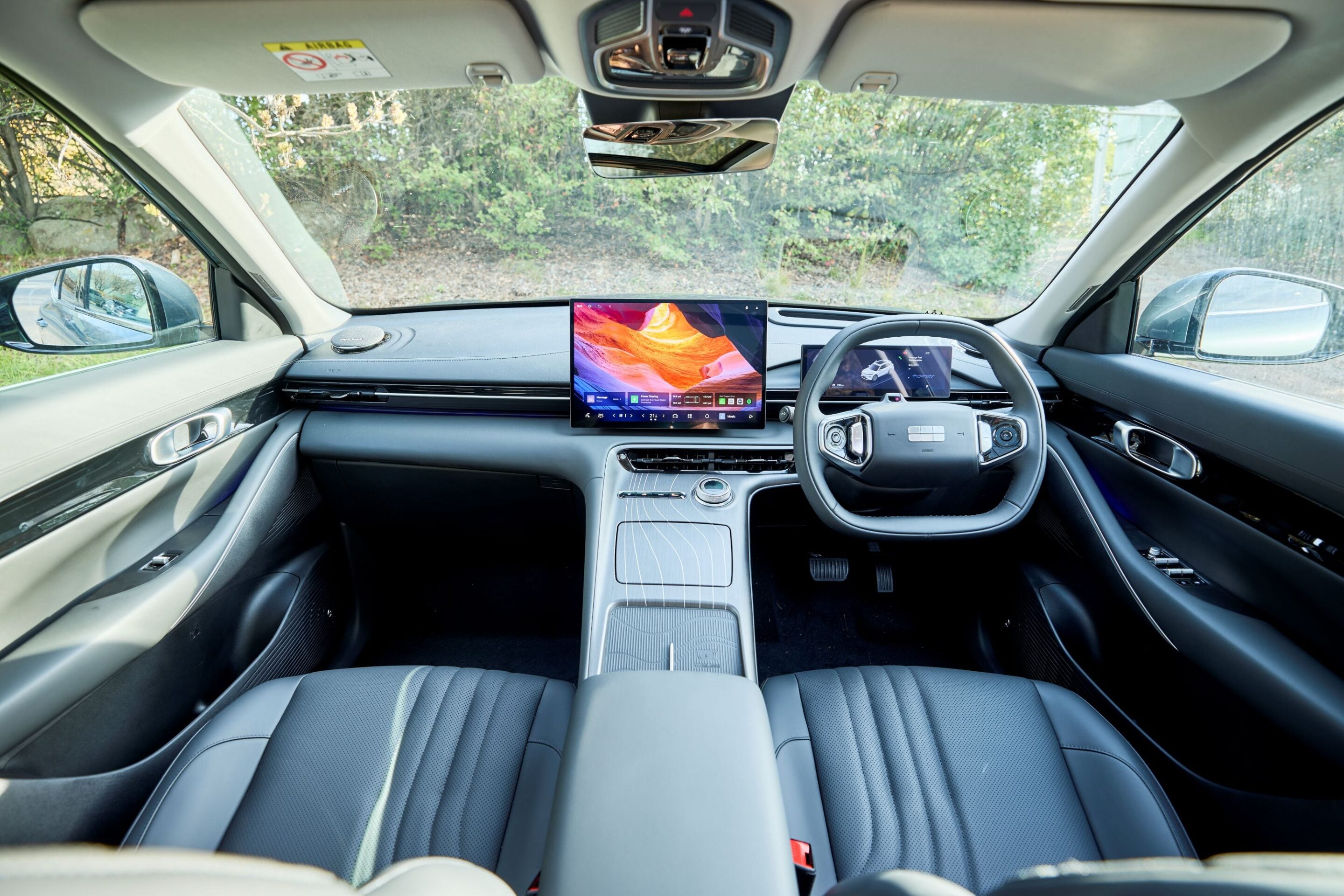
The Geely Starray EM-i Inspire AWD still uses the same 29.8kWh battery, giving it a WLTP-rated electric range of 130km, or just 6km less than the FWD car. The AWD’s fuel tank, however, is nine litres larger at 60L, giving it a total combined range of 1065km (WLTP), which is an increase from 996km in the FWD car.
The Starray EM-i Inspire AWD is otherwise unchanged compared to the FWD car, and offers a long list of standard features, including 19-inch alloy wheels, LED exterior lighting, synthetic leather upholstery, a 15.4-inch touchscreen with wireless Apple CarPlay, a 16-speaker Flyme sound system and a long list of active safety features.
2026 Geely Starray EM-i pricing (excluding on-road costs):
- Complete 2WD: $37,490
- Inspire 2WD: $41,490
- Inspire AWD: $44,990 (new)
The Geely Starray EM-i Inspire AWD will enter local Geely showrooms from later this month.
If you’re an automotive enthusiast, there are a number of bucket list items you simply must tick off in your lifetime. Things like driving a Porsche 911, completing a lap of the Nürburgring and attending a F1 racefor example. For me, though, Monterey Car Week has always been number one.
For seven days every August, this sleepy pocket of coastal California becomes the centre of the automotive universe, where priceless classics casually share the road with the latest hypercars and something extraordinary hides around every corner. I’m extremely lucky to be able to say that 2026 was not my first Car Week, but this year’s was bigger and more ridiculous than I could’ve ever imagined.
For me, Monterey Car Week of 2026 starts at a Mercedes-Benz dealership on the outskirts of Los Angeles. I’m travelling with my mate Steven Ewing and Mercedes-Benz USA, which gets some toys from its Classic Center in Long Beach to drive up the coast every year. This time I’m in a 2008 CLK 63 Black Series, and the procession also includes a 300 SL Roadster and 190E Evolution II, as well as a number of new Mercedes-Benz, Mercedes-AMG and Mercedes-Maybach products.
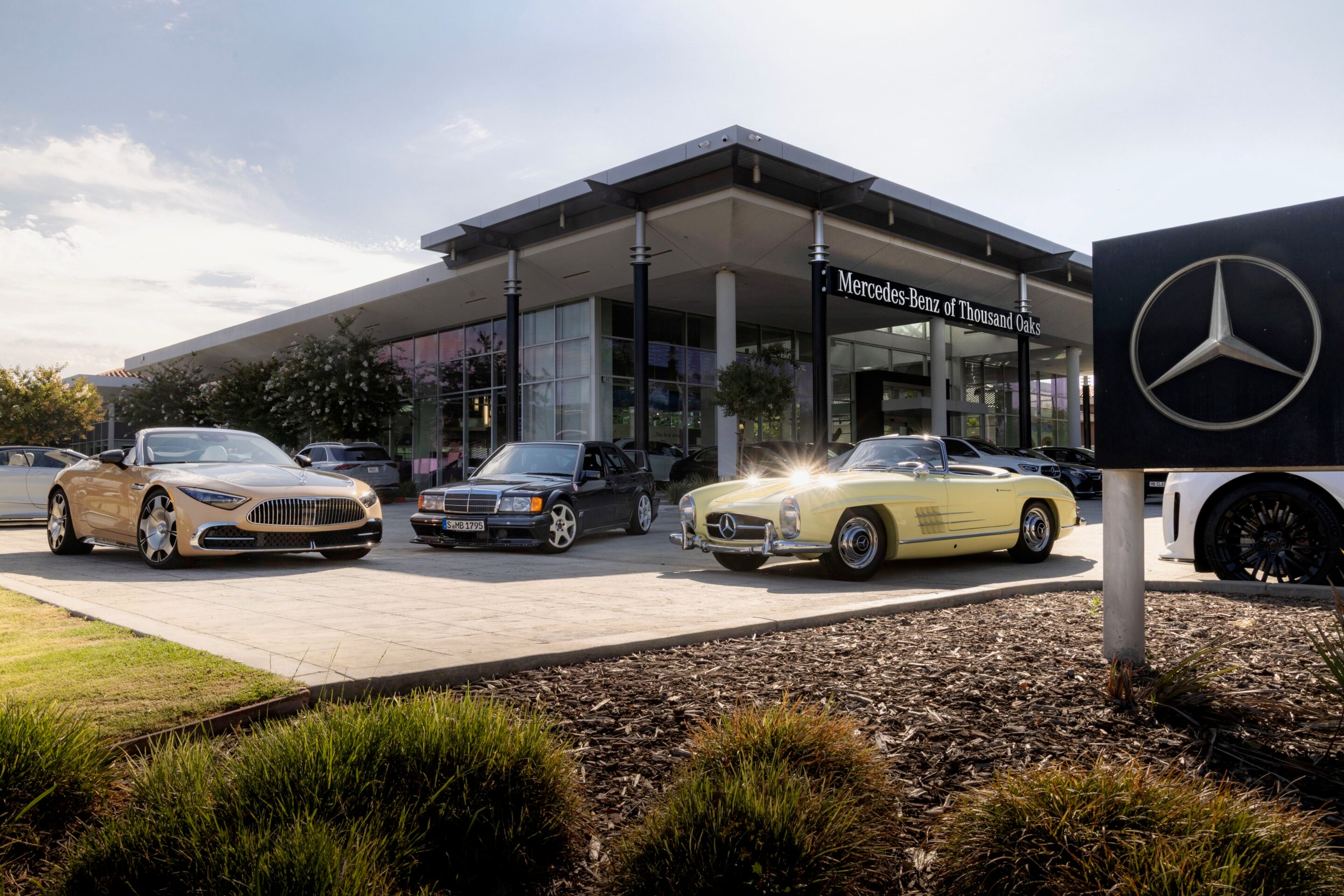
The energy starts buzzing on the media’s drive from the dealership up the coast towards Monterey on the 101 freeway. It goes up a notch whenever we spot various exotica along the way, like various Corvette models, several Lamborghinis and even a Mercedes-AMG G 63 6×6. The sense that anything from priceless hypercars to something unique like a rally-spec Peugeot 205 could come out of nowhere is what makes Car Week so special, and you feel it constantly – even when you’re six hours away.
The next day my group with Mercedes-Benz travels down California’s iconic Highway 1 towards Big Sur. The same cars that journeyed to Monterey from Los Angeles are with us, plus a new AMG GT 4-Door Coupe, a prototype of the new SUV version of that car, an AMG G 63 and even a 1938 320 Streamlined Saloon. We don’t quite get to Big Sur because fires have closed the road, but we still head over the Bixby Bridge and get to take the group shot of all the Mercedes products at the legendary lookout.
One of the headline acts at Monterey Car Week is The Quail, A Motorsports Gathering, which is essentially the motor show part of the week. The death of many global auto shows has left enthusiasts heartbroken, but the Quail still gives us a chance to see the new metal get unveiled. It’s not your average motor show; instead of Ford and Toyota, think Bugatti and Koenigsegg. Each manufacturer reportedly pays a minimum of $1 million just to have a presence.
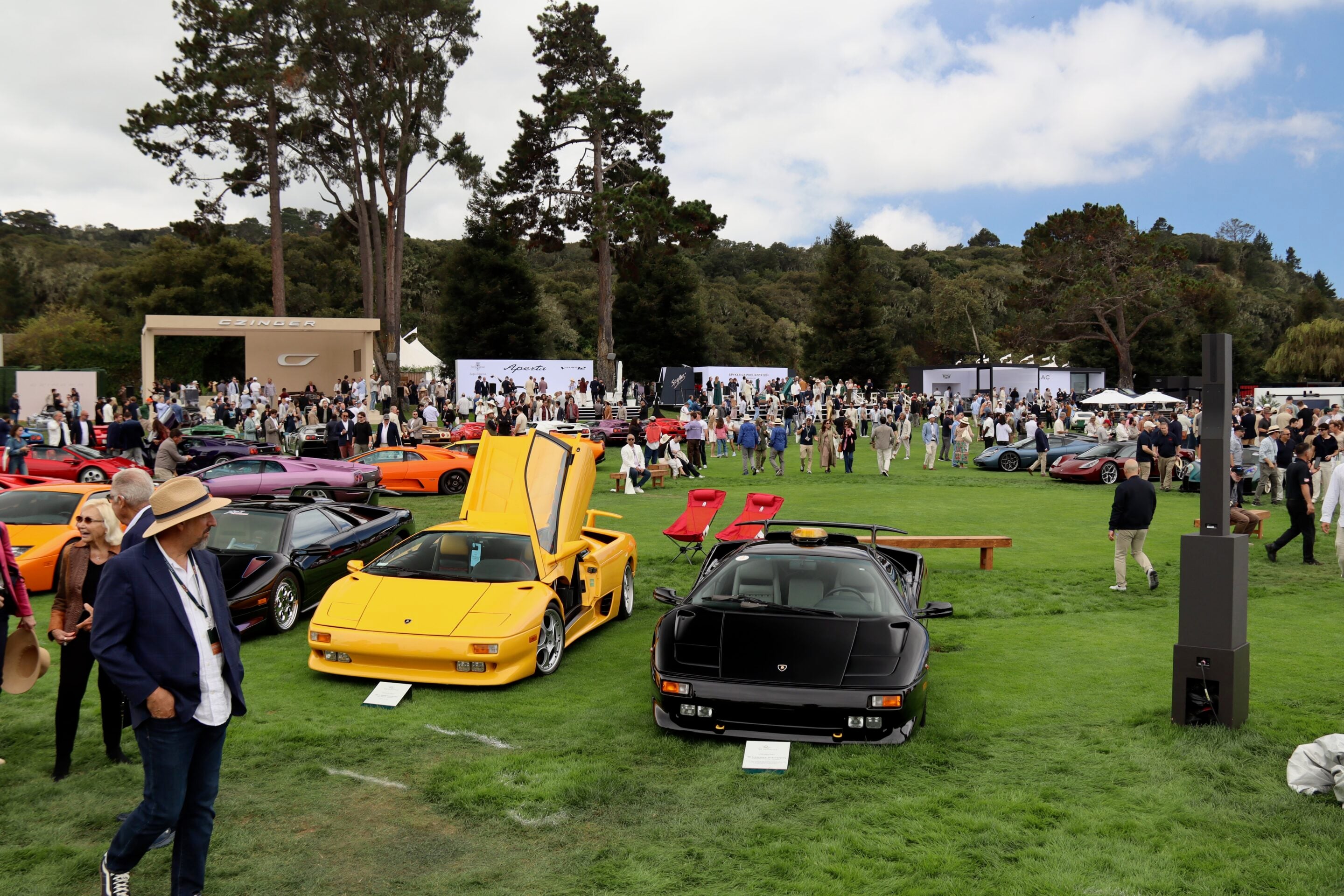
The Quail takes place at the Quail Lodge and Golf Club, which is inland from Monterey and gets quite hot, as my insane sunburn from 2022’s Car Week proved. If you’re a car person, it’s a definite must-see as it’s not just new metal, but older models as well. For example, there were 14 of the world’s Ferrari F40s on the lawn with their owners sitting among them enjoying a champagne (or three).
Global debuts featured at this year’s Quail included the Aston Martin Valen, Gordon Murray Special Vehicles S1, Lamborghini Revuelto SV, Bugatti Destrier and Spyker C8 Preliator XXV. That sentence alone refers to about $30 million worth of car. It was great to see the Toyota GR GT and Audi Nuvolari in person, too. If you ever attend, always remember: check the car park! This year were a number of Paganis, Koenigseggs, Bugattis, limited-edition Aston Martins, Ferraris, Lamborghinis, Rolls-Royces… you get the picture.
The Sunday of every car week features the Pebble Beach Concours d’Elegance, which had its 75th year in 2026. The Quail is full of new metal, but Pebble Beach is all about the classics, and they’re in seemingly endless supply. Hundreds of literally priceless works of automotive art line the Pebble Beach Links’ lawns and there was a huge variety this year, from 1990s Japanese race cars like the Mazda 787B to 1900s American speedsters.
Classic cars are hardly my specialty, but it’s incredible to see the craftsmanship on offer, especially on models approaching or over 100 years old. The Best in Show Winner was a stunning 1935 Duesenberg SSJ, which is one of two ever built, and the show itself surpassed US$50 million in lifetime donations to charitable non-profit organisations in Monterey.
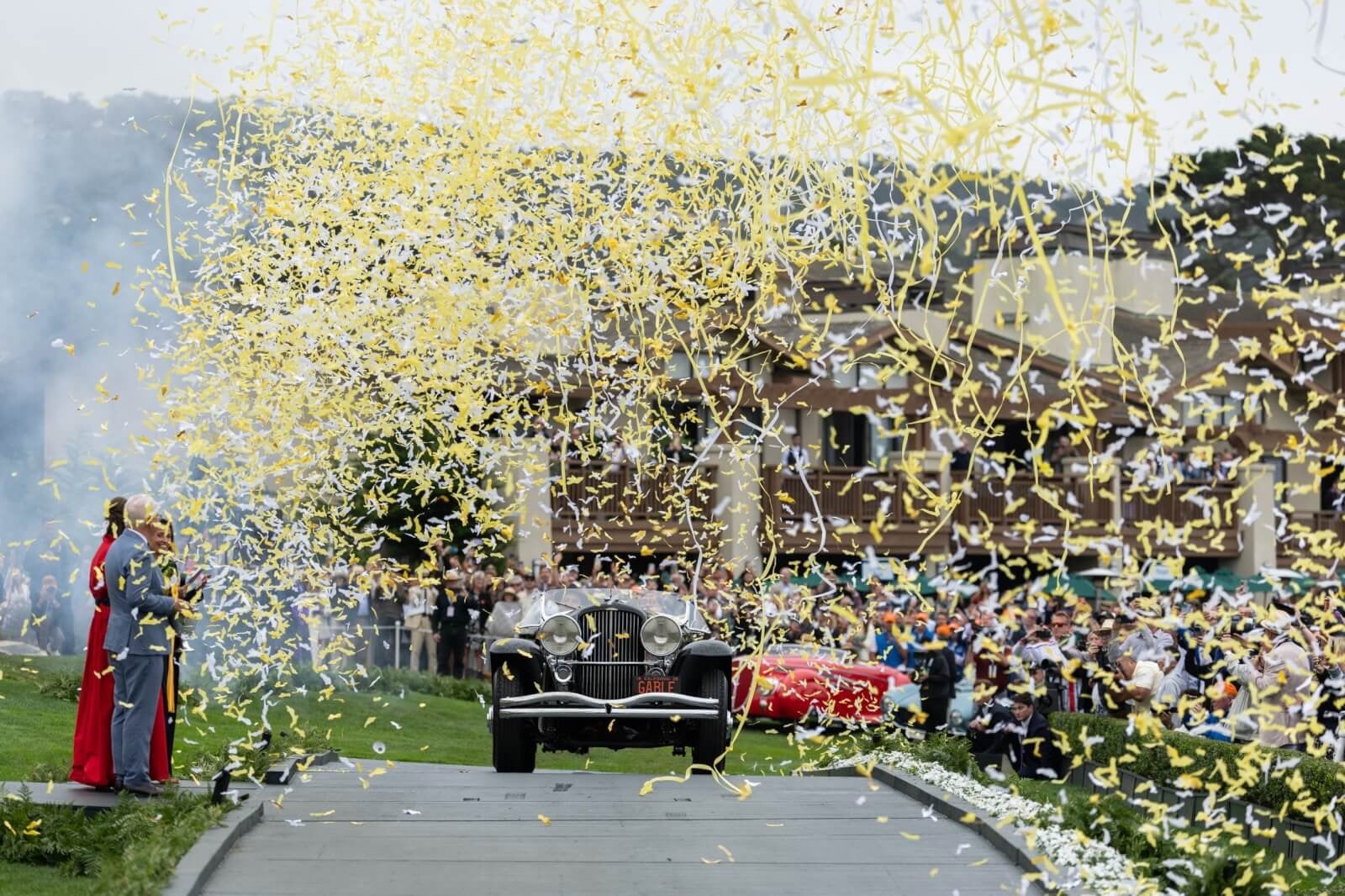
When Monterey Car Week finishes the following morning, you can feel a big collective sigh. The priceless hypercars are leaving, as are the broccoli-haired influencers who have littered the streets for the past week. It’s also our turn to get outta there as we’ve got a road trip to Portland Oregon in a Maybach S 680 V12 to get on with (more on that soon).
It’s difficult to sum up my experience at Monterey Car Week as anything but unforgettable. Yep, it’s intense and there are many events to attend – is it possible to have too much champagne? – but it’s an utterly wonderful experience. There’s plenty to like but the absolute best thing about it is the level of automotive passion from everybody around you.
No matter what it is or where it comes from or how fast it can travel, we all love the car, and Monterey is an amazing celebration of that. If you ever get the opportunity to attend, I beg you to do so. After all, with the way the global car industry is heading, who knows how much longer you’ll be able to?
Thank you to Steven Ewing and Mercedes-Benz USA for having me along for the trip!
Motorists in NSW can get a discount of up to $100 on their vehicle registration starting today as the state government follows Victoria’s lead in giving them some cost-of-living relief. The discount runs until August 31 next year, with motorcyclists getting $80 lopped off the cost of their rego.
The discount will be applied automatically when owners are notified that their registration needs to be renewed or when a new vehicle is registered for the first time. It also applies to unregistered vehicles that get re-registered.
The move is a one-off that applies to privately registered light motor vehicles and privately registered motorcycles. Owners who register for six months instead of 12 will get a proportionate saving of $50 for light motor vehicles and $40 for motorbikes.
However, the price cut will not apply to vehicles registered for business, private trailers and caravans, plant vehicles, heavy vehicles, conditionally registered vehicles like historic cars and vehicles that are currently receiving a separate concession or rebate on their rego.
“This registration discount is on top of more than $320 million in toll cap relief paid to drivers who are getting quick help with their home budget,” NSW Minister for Customer Service and Digital Government Jihad Dib said when the measure was announced in the state budget earlier this year.
Victoria announced a similar move in May with a one-off 20 per cent rebate on registrations, again as part of a broader cost-of-living package.
It was expected to save drivers an average of up to $186 on rego during the 2025-26 period. Eligible owners with two registered vehicles could potentially save up to $372 under the scheme.
Eligible vehicle types included passenger cars, four-wheel drives, station wagons, motorcycles, utes, vans and light trucks. According to Service Victoria, the rebate applied to eligible vehicles registered between July 1, 2025 and June 30, 2026.
Hyundai’s Boulder SUV has been revealed in a new patent filing image that offers big clues about how the hardcore 4WD could look in production form. First unveiled as a concept car in April, the body-on-frame model should eventually take on competitors like the Toyota LandCruiser and Land Rover Defender.
The shot comes from a filing that was made to India’s Intellectual Property Office in May, and it shows a detailed rendering of the exterior of the vehicle. In terms of styling, it’s quite close to the concept with very boxy looks that echo the recently unveiled 2027 Tucson SUV.
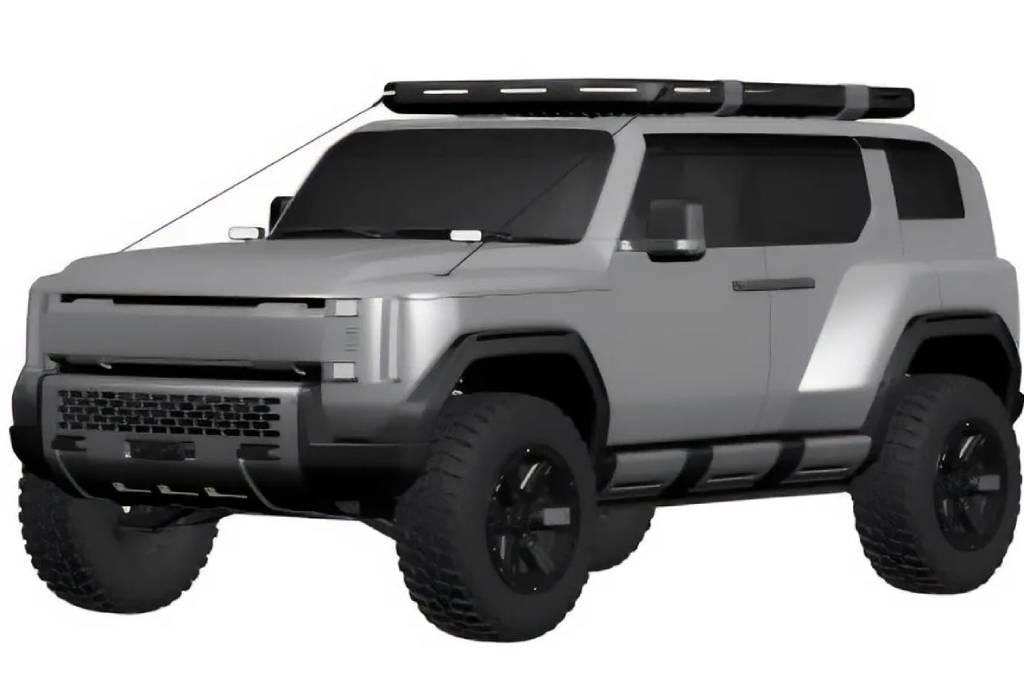
Unlike the concept, however, the rendering shows the Boulder with a roof rack that has straps running down to the bonnet. It also features heavy slabbed sides with boxy wheel arches and a dramatic treatment for the headlights.
As you’d expect from a no-nonsense off-roader, the Boulder gets meaty tyres and elevated suspension. The grille is set low but the light bar on the roof rack in the concept version appears to have been dropped.
The overall feeling you get from the render is that Hyundai hasn’t really diluted the rugged looks of the concept as it heads towards production. The company’s new Art of Steel design language is shining through again, as it did with the upcoming Tucson.
Hyundai’s body-on-frame line-up plans haven’t been fully announced but a pickup using the body-on-frame platform will be built by 2030, with the SUV to follow. That means there’s a good chance the front end of the pickup will look similar to what’s been revealed in the freshly surfaced render. The luxury Genesis brand could also use the platform in an off-road model.
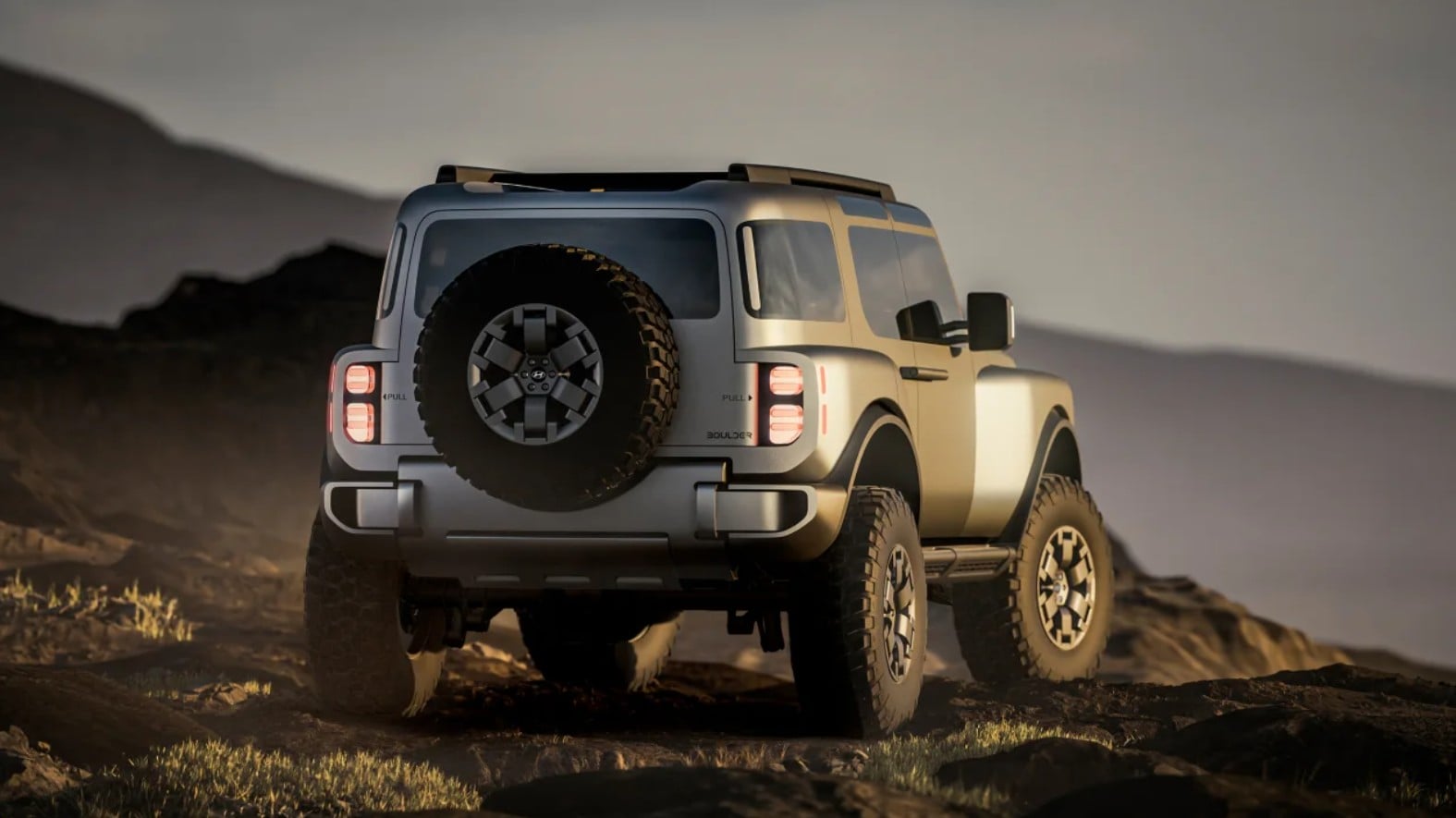
While the new image doesn’t hold any clues about the inside of the Boulder, the concept’s interior featured a minimalist approach. It dropped a traditional instrument cluster in favour of a series of small digital displays placed centrally on the dashboard, with physical controls for functions like differential locks, low-range gearing and four-wheel drive settings in another sign of its serious off-road intent.
There’s been no word on confirmation for markets like Australia, but the huge popularity of off-roaders and utes down under means the Boulder and the pickup should be a good chance of making it into our showrooms.
The Ford Ranger has been topping the sales charts in Australia, but it’s a very different story in the US, where the model could be cut from the Blue Oval’s showroom offerings and replaced by a pickup version of the Bronco.
Ford “currently does not have plans” to build the next generation of Rangers at its factory in Wayne, Michigan, according to a report in Automotive News. Instead, the American giant is predicted to produce petrol and hybrid versions of a new pickup at its Tennessee plant.
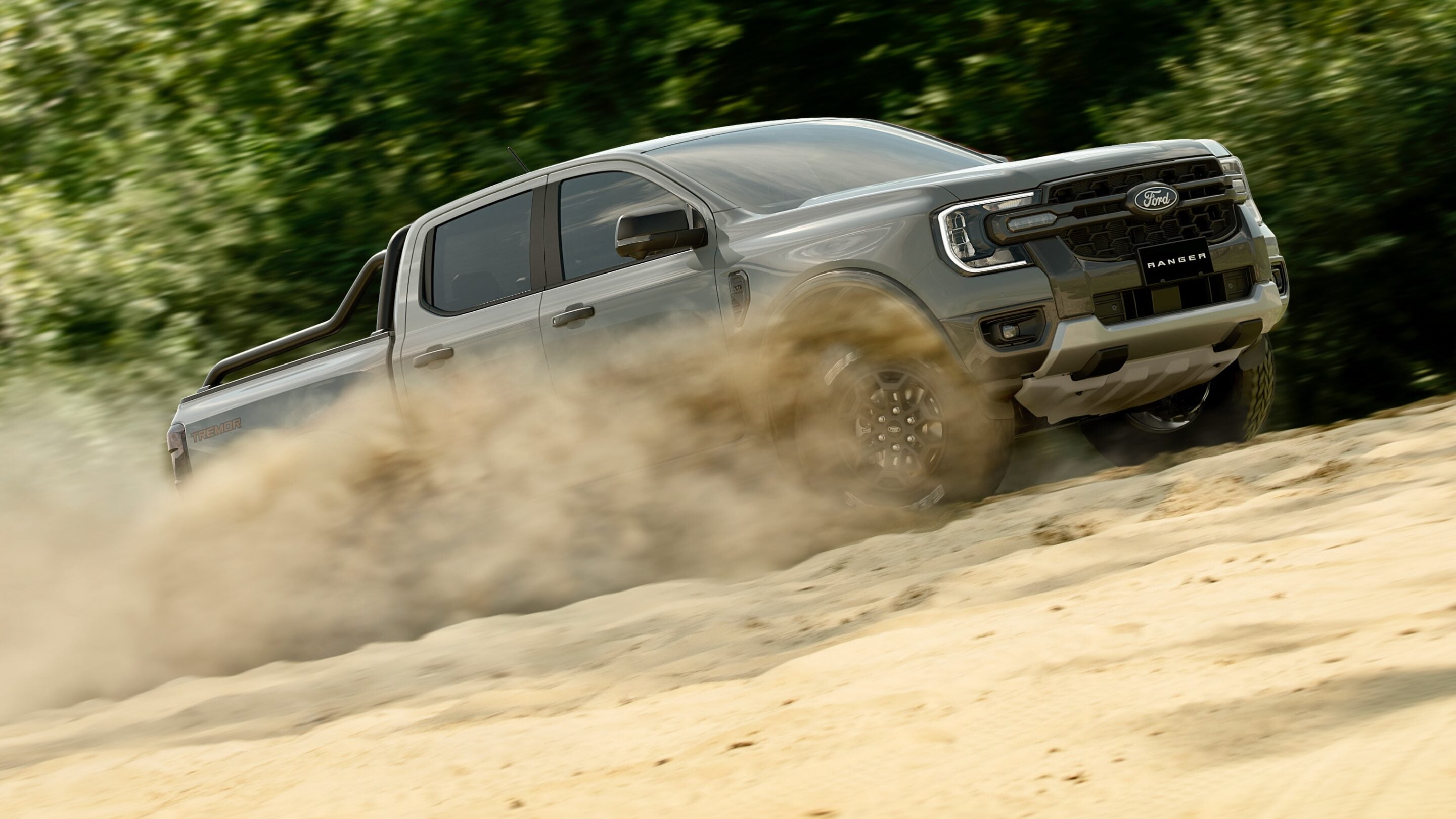
That pickup would be “similar in size to the Ranger” but won’t necessarily sport the Ranger badge. The Michigan factory would instead produce a pickup based on the Bronco, with that vehicle to launch by 2030.
Since coming to Australia in 2022, the current-generation Ranger has blown its rivals out of the water thanks to its class-leading equipment levels, power and huge model line-up. It now faces stiff competition from models like BYD’s Shark but continues to sell in huge numbers.
However, the Ranger has struggled in the USA, selling 70,960 last year, far behind the Toyota Tacoma’s mark of 274,638 sales. It also lags behind the Chevrolet Colorado and the Nissan Frontier is hot on its heels. The Bronco, on the other hand, had sales of 146,007.
On August 21, WhichCar by Wheels reported that Ford is planning to leverage the goodwill around its most recognisable models by grouping vehicles into sub-brands. The Bronco has been tipped to be one of the focal points of the move as it gets a pickup version that mirrors Jeep’s Wrangler-based Gladiator.
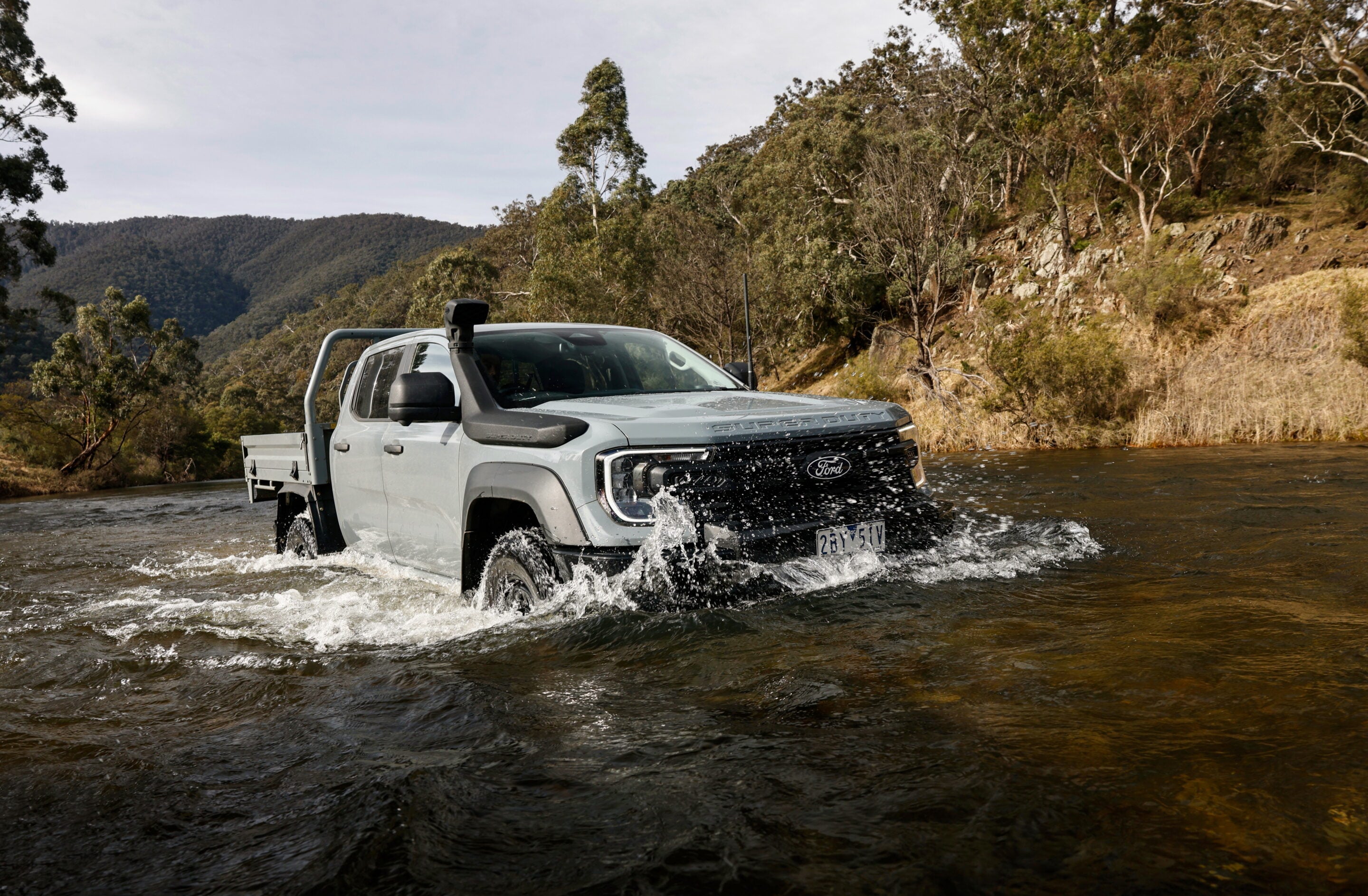
The Bronco three- and five-door off-roader is already available in North America, as is the more road-biased Bronco Sport medium SUV. Overseas markets will get access to the Chinese-made Bronco New Energy extended-range plug-in hybrid, while Europe will receive a Spanish-built multi-energy compact Bronco SUV within the next two years.
A Bronco ute would see Ford’s product plans come full circle, with the ladder-frame chassis underpinning the Bronco originally developed as an offshoot of the T6 chassis used under the previous-generation Ford Ranger.
Nissan’s Australian Qashqai range has been struck by several changes that won’t impress prospective customers. A price rise has hit every grade of the marque’s small SUV in addition to the flagship N-Design model being withdrawn from the lineup down under – and on top of that, some specifications have been scaled back.
All the remaining model grades – the ST-L, Ti and Ti-L e-Power – have been hit with a $210 price rise that widens the gap to Nissan’s competitors. They’ll also be losing some features due to the specs shake-up.
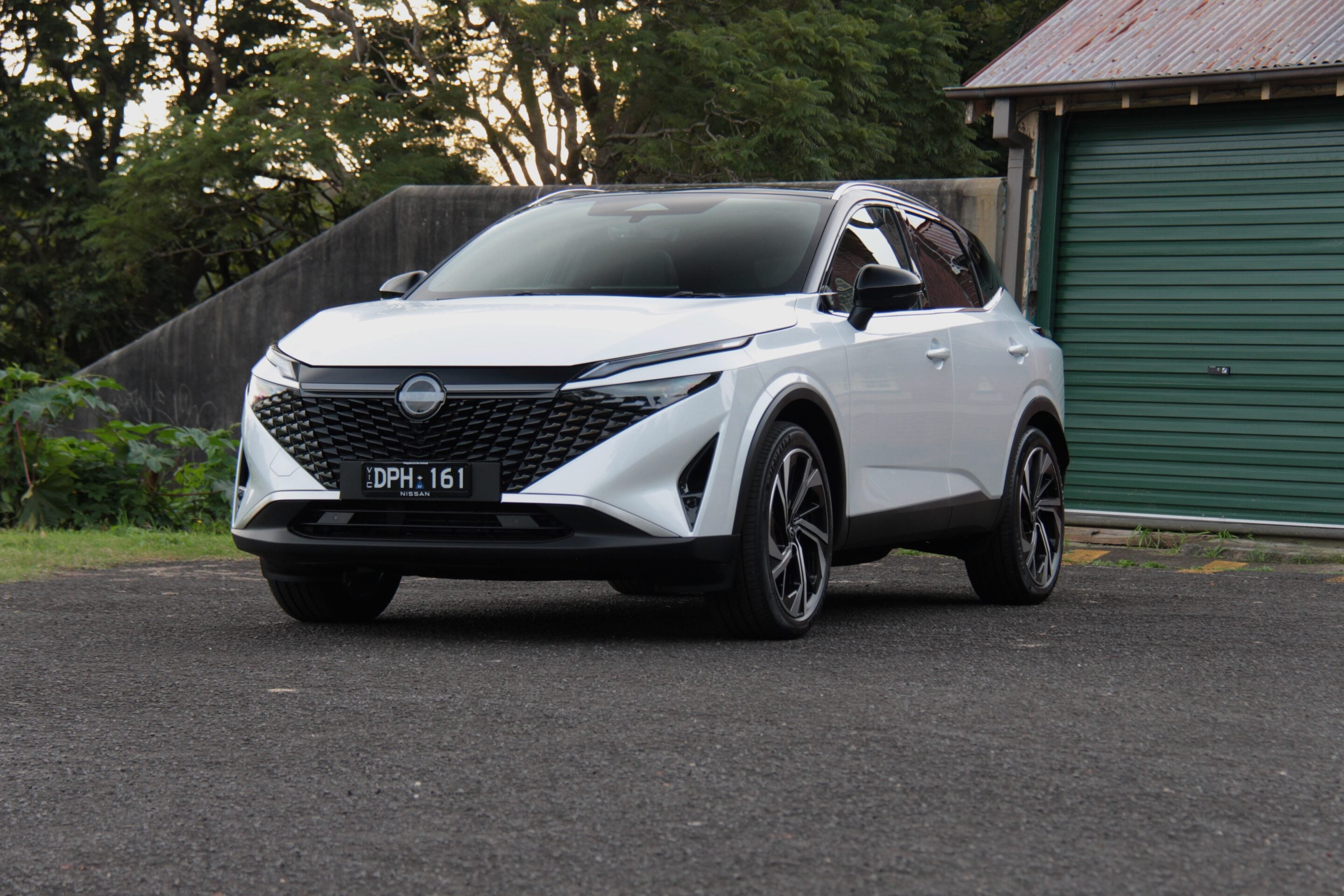
The entry-level ST-L will now set you back $45,850 before on-roads, leaving it at a noticeable disadvantage to two of its competitors, Toyota’s Corolla Cross ($37,440) and the Hyundai Kona Hybrid ($36,950). While the ST-L will now get a 12.3-inch digital instrument cluster and new-look dashboard trim, it loses its power lumbar support for the driver’s seat and the wireless phone charger. The adjustability of the front passenger seat is reduced as well.
The spec changes mean the Ti and Ti-L will no longer have adaptive headlights and front sequential indicator lights, and the leather on the steering wheels is being downgraded to a leather-like synthetic material.
Part of the N-Design’s DNA remains in the form of the 20-inch alloy wheels, which are now coming to the Ti-L, but that is offset by the loss of the Platinum exterior paint option and black roof headlining. The Ti is also losing its dynamic rear indicators.
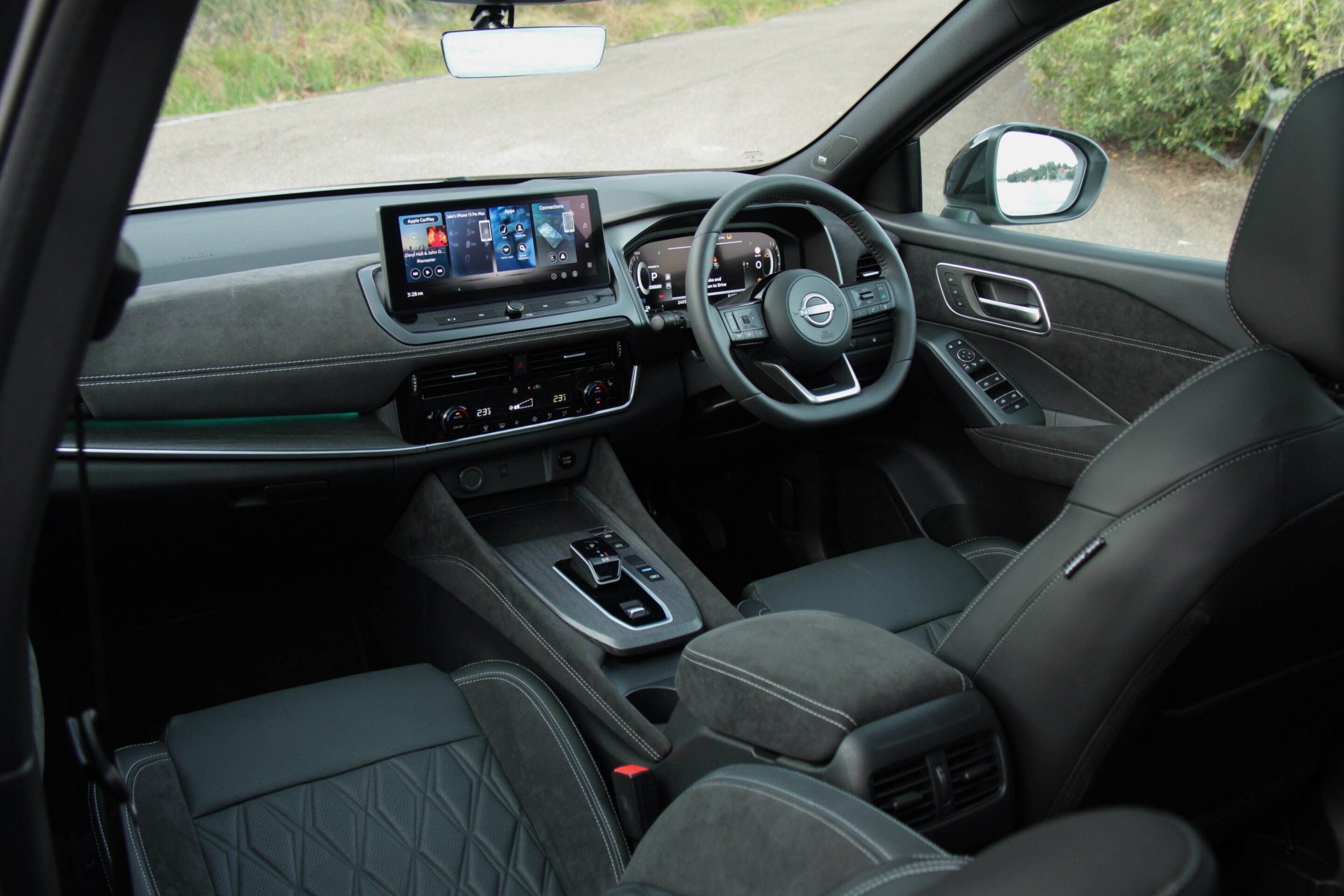
The Qashqai range went hybrid-only down under earlier this year and there’s no change to that powertrain. It features a 1.5-litre three-cylinder petrol engine that generates electricity for the 140kW, 311Nm electric motor. Improvements to the e-Power system have given it a rating of just 4.1L/100km, which beats the Corolla Cross and is just a fraction above the Kona Hybrid, which doesn’t have as much grunt.
New of the pricing and specs changes comes with the Qashqai needing a major lift in sales, which crashed from January to July – a drop of almost 75 per cent compared to the same period last year.
When Acura took the covers off its beautiful and tech-heavy Nexera Vision concept at Monterey Car Week earlier this month, you wouldn’t have been blamed if you saw it as another pipe dream with no chance of making its way to a showroom. But according to one of the most powerful figures at Honda, you might well be wrong.
The coupe stunned with its smooth but muscular design, which featured head and tail-lights that glow through the bodywork and completely disappear when they’re not in use. Dramatic butterfly doors, Acura’s first centre-lock wheels and a retractable rear spoiler add to the design language that’s intended to filter down to other, far more mainstream products.
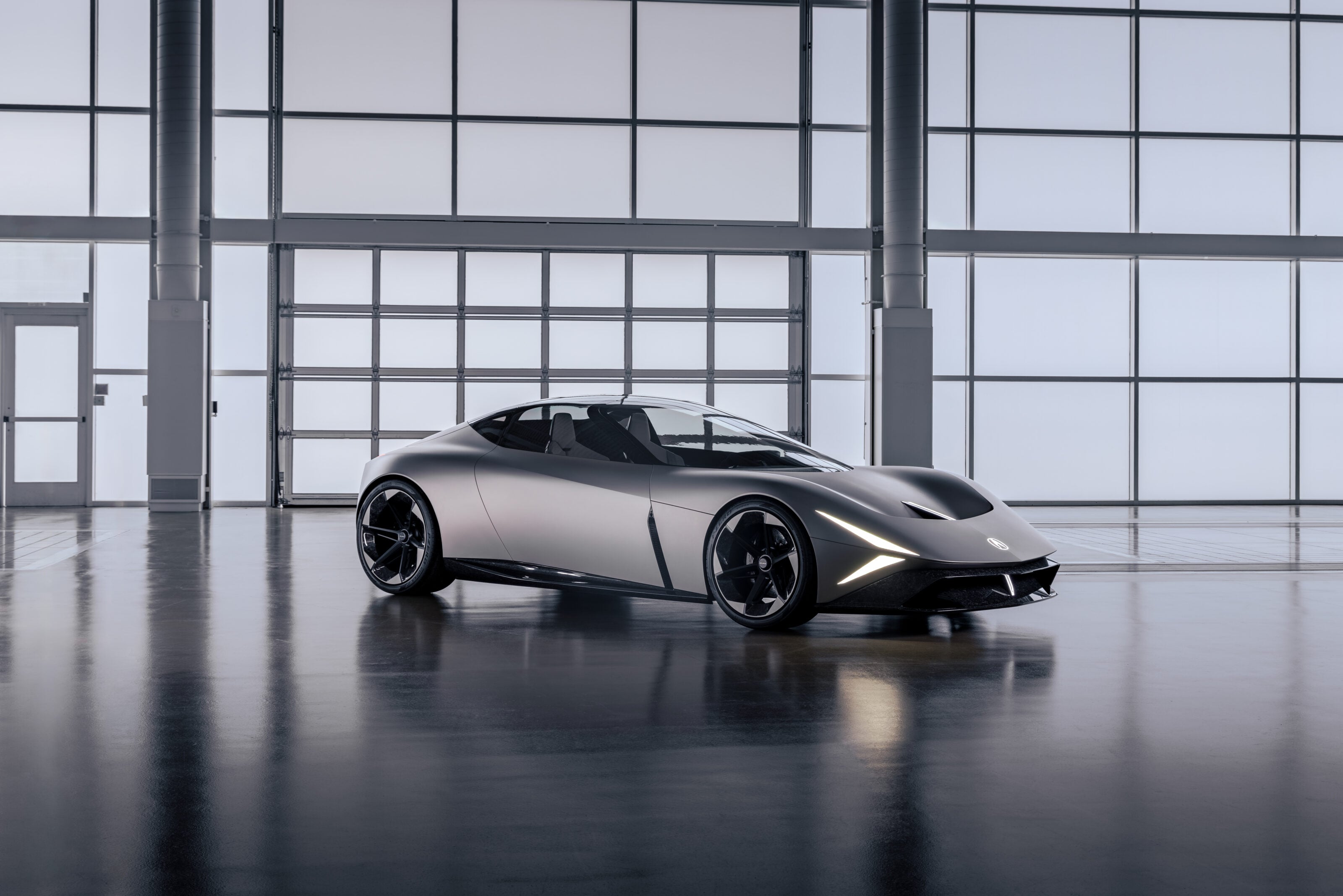
But judging by remarks from two powerful figures within Honda, the Nexera Vision is a chance of making it into production. Acura creative director Yasutake Tsuchida was asked if he wants to create a sports car based on the concept and replied with a simple “yes”, according to Motor Trend.
Honda’s American CEO Eiji Fujimura backed that up, saying, “I would like to do this car. I would like to do it with an engine, personally, but we will do what the customer wants, if that’s engine or hybrid or EV.”
Judging by the sharply sloped front of the Nexera and its very compact dimensions, which appear to leave little room for an internal combustion engine, electrification would be the way to go if a production version stays true to the eye-catching design of the concept. The Vision unveiled for Monterey also didn’t feature a visible exhaust pipe, and Car and Driver saw it move slowly under electric power.
Clad in Matte Titanium paint, the Nexera sports dramatic butterfly doors, with the angle of the sloping windscreen melding straight into the line of the front end. In addition to that retractable rear spoiler, the Nexera gets a large rear diffuser, plus vents behind the front wheels and a forged carbon aero-channel fascia up front. Forged carbon has also been used on the rocker panels, inner door structures and rear diffuser.
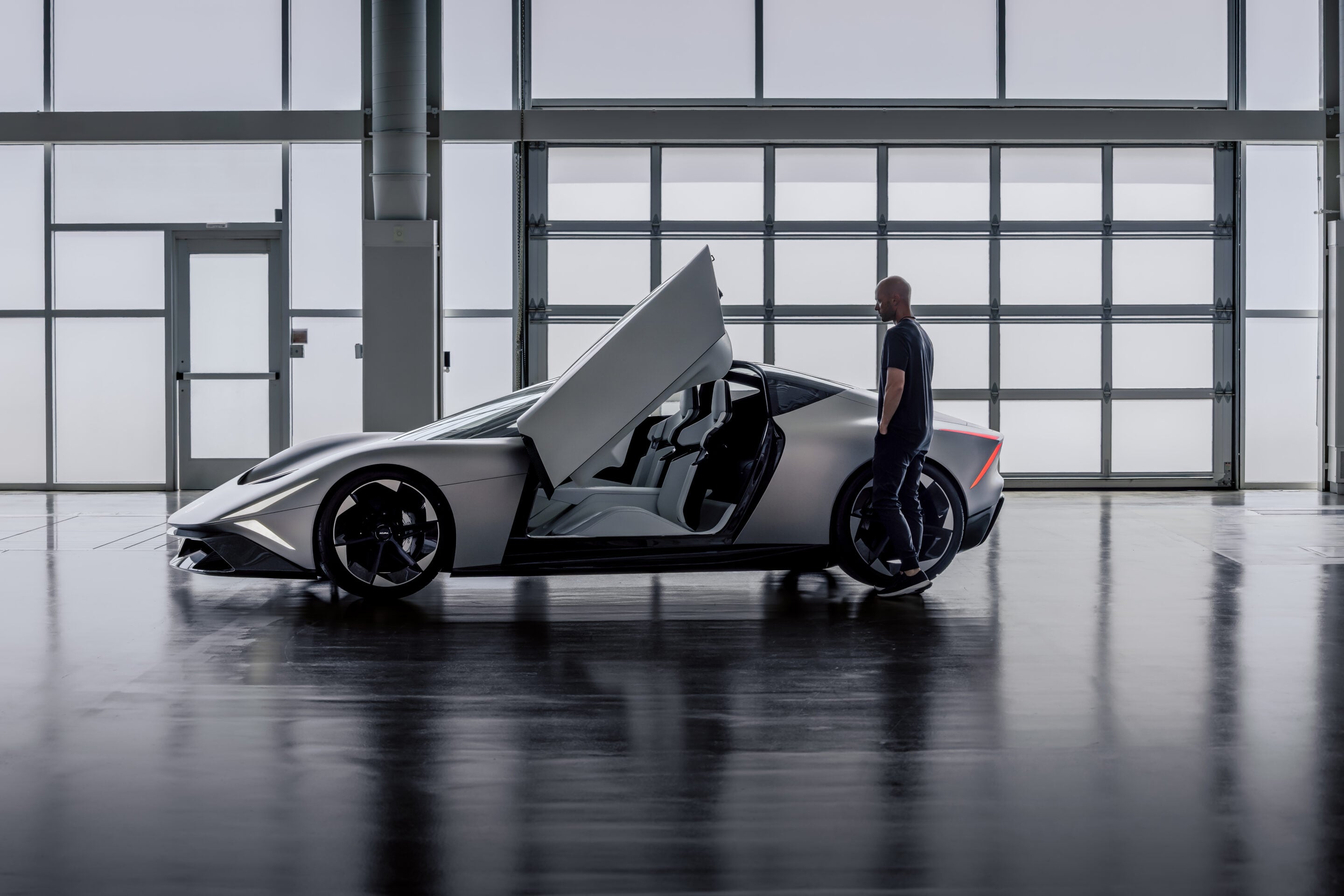
The news on the Nexera comes hot on the heels of Honda announcing a five-year plan that includes a massive brand refresh which could see most of its models replaced or renewed. The vice president of automobile sales for Honda America, Lance Woelfer, said: “We’ve got the capability of making significant changes without what we would call a platform change.”
That indicates Honda’s plan could use existing vehicle architectures that will be modernised to suit newer applications with a focus on electrified powertrains. The first wave of revised models will be new-generation versions of the Accord and CR-V, both of which could switch to all-hybrid power.
