News

Gallery 1
Hyundai and Kia are taking a major leap forward in infotainment technology with the integration of new Google-based features into their embedded navigation systems, improving the connected experience for drivers.
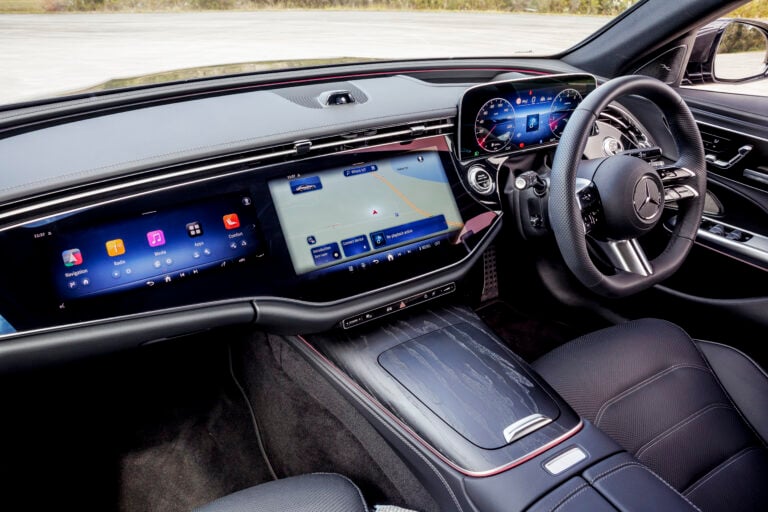
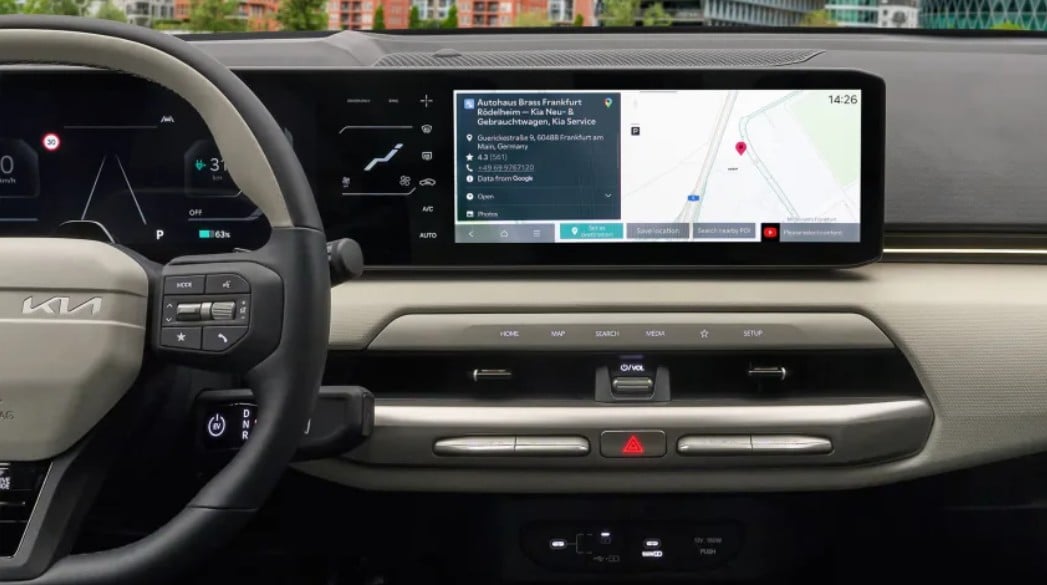
Central to this update is the introduction of Google Places, a powerful tool that enhances the built-in navigation experience with real-time, online information about nearby locations. Drivers can now access comprehensive data on businesses, landmarks, and points of interest directly from the car’s native sat-nav – including user ratings, photos, contact details, and operating hours – all continuously updated via the internet.
This marks a significant shift in the way embedded infotainment systems function, helping to narrow the gap between traditional manufacturer navigation platforms and the more dynamic capabilities typically found in smartphone-based apps like Google Maps on Apple CarPlay or Android Auto.
The new system also features improved search functionality, including enhanced auto-complete and predictive search suggestions, along with upgraded text-to-speech support, allowing for more natural and accurate voice guidance.
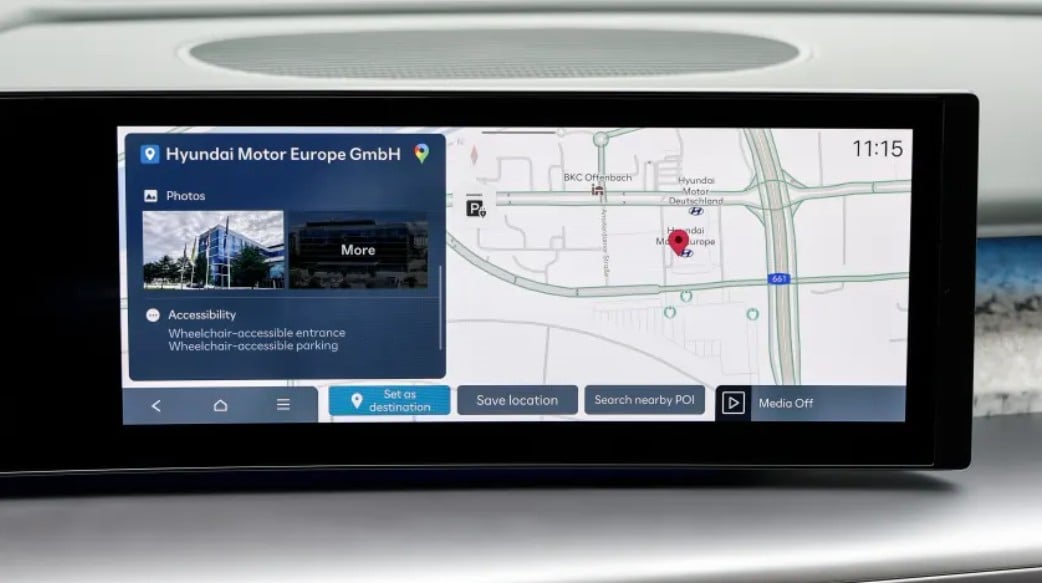
The rollout begins with Hyundai and Kia vehicles equipped with the ccNC infotainment platform, which includes models such as the Hyundai Kona, IONIQ 5 and 5N, IONIQ 9, Santa Fe, and Tucson. Kia’s upcoming EV4 will debut with the system, with more vehicles receiving access via over-the-air software updates.
Looking ahead, Hyundai has confirmed it will deepen its collaboration with Google for its next-generation infotainment architecture. While full details have yet to be revealed, insiders suggest a shift toward a more integrated, Google-based operating system – similar to Polestar’s Android Automotive – is likely on the horizon.
Despite this digital evolution, Hyundai says it has no plans to remove physical cabin controls entirely, promising a balanced interface between touchscreen innovation and tactile functionality.
The move underscores Hyundai and Kia’s ongoing commitment to improving digital connectivity and user experience across their rapidly evolving line-ups.
Follow WhichCar/Wheels on Google
Click the button below to make WhichCar by Wheels a preferred source for your news.