News
Gallery 1
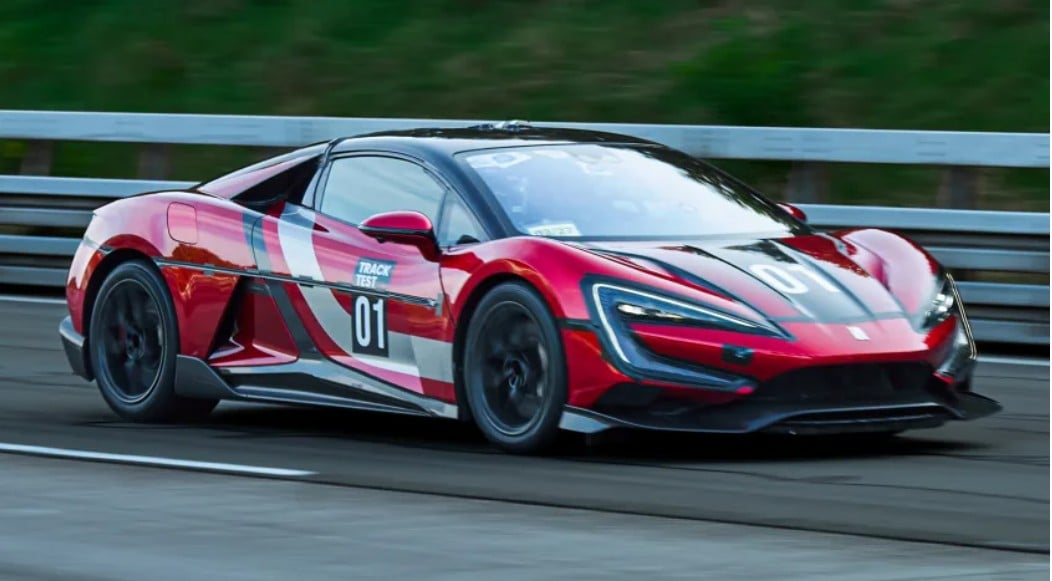
Electric cars are no longer just about efficiency – BYD has demonstrated they can compete with, and potentially surpass, the world’s most exclusive hypercars. Its Yangwang U9 Track Edition has achieved a blistering 470 km/h on a German proving ground, with racing driver Marc Basseng behind the wheel. If validated in an official top-speed run, it would mark the fastest speed ever recorded by an electric vehicle, putting storied brands like Bugatti and Koenigsegg firmly in BYD’s crosshairs.
The U9 comes from BYD’s luxury performance division Yangwang, which has already generated headlines with its bold design and immense power figures. The Track Edition turns things up further with recalibrated aerodynamics and even greater output from its four-motor system.
At the heart of the car are four 555 kW motors, producing a combined maximum output of 2198 kW. These are powered by an advanced 1200-volt architecture, giving the U9 both extreme performance and unprecedented electrical efficiency. Thermal management has been a central focus; BYD employs cutting-edge battery cooling and has collaborated with Giti Tyres to create bespoke semi-slick rubber engineered to withstand high-speed stress. For maximum velocity, the car ditches the standard model’s massive rear wing, cutting drag significantly.
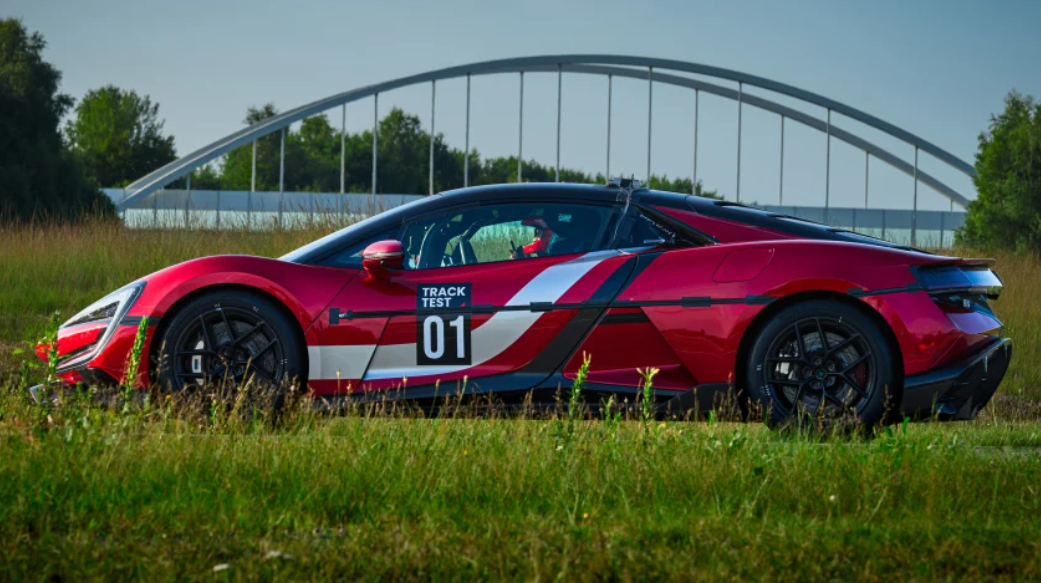
BYD’s DiSus-X active chassis system also replaces conventional anti-roll bars with hydraulics that independently control each wheel. The result is remarkable body stability, even at extreme speed, keeping the tyres planted and responsive. It’s a system reminiscent of Porsche’s Active Body Control, yet adapted for the demands of an all-electric supercar.
While BYD hasn’t disclosed the precise kerb weight, the company quotes a power-to-weight ratio of 882 kW per tonne, suggesting the Track Edition tips the scales at around 2640 kg. That makes it heavy by supercar standards, but its power compensates decisively.
Despite the remarkable achievement, the 470 km/h run does not yet qualify as an official world record. Certification requires runs in opposite directions on the same track and compliance with production car regulations. The prototype used still wore temporary black tape around body panels, reinforcing its pre-production status.
Even so, the achievement underlines how far Chinese EV technology has advanced.
Follow WhichCar/Wheels on Google
Click the button below to make WhichCar by Wheels a preferred source for your news.