News
Gallery 1
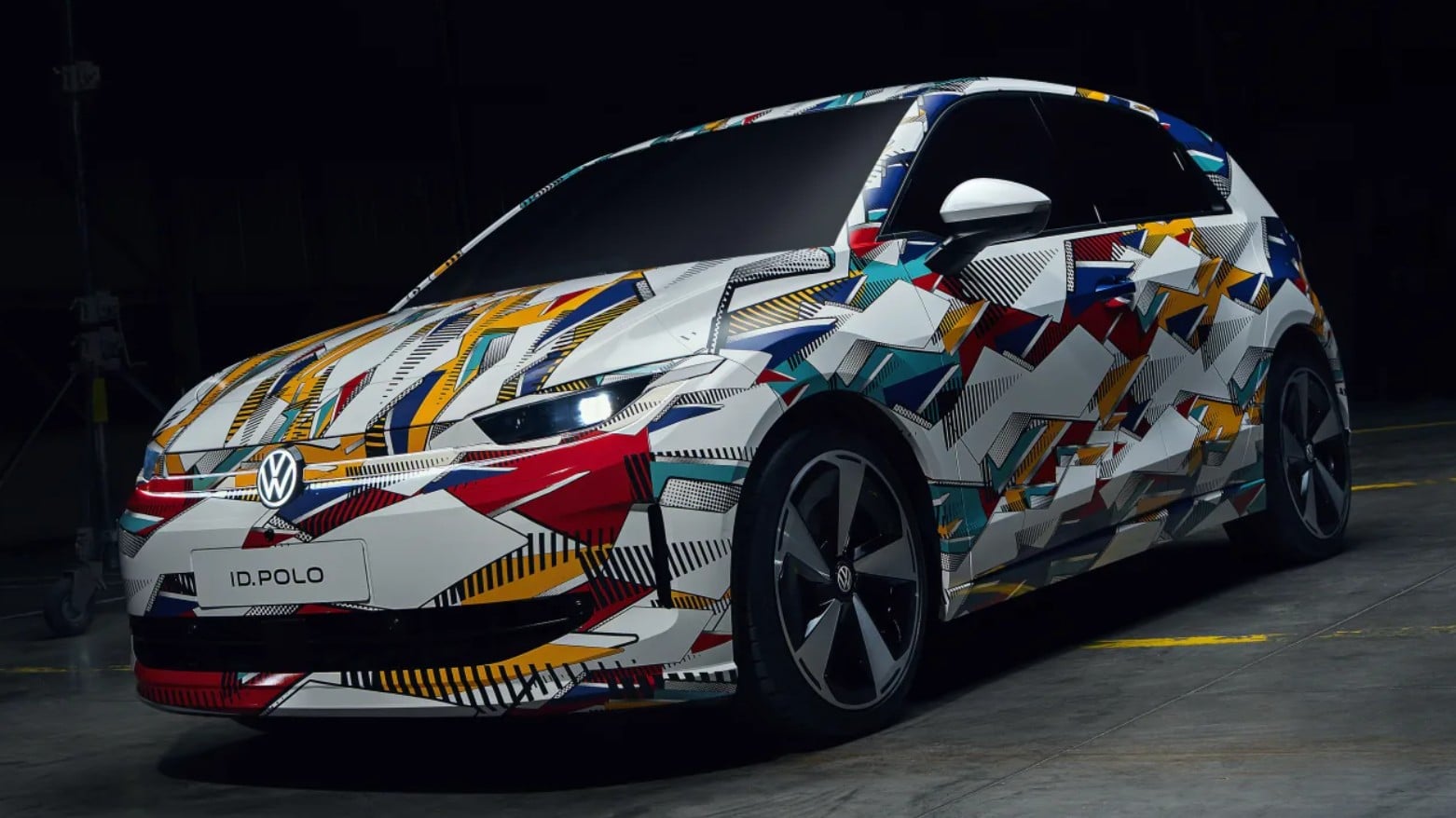
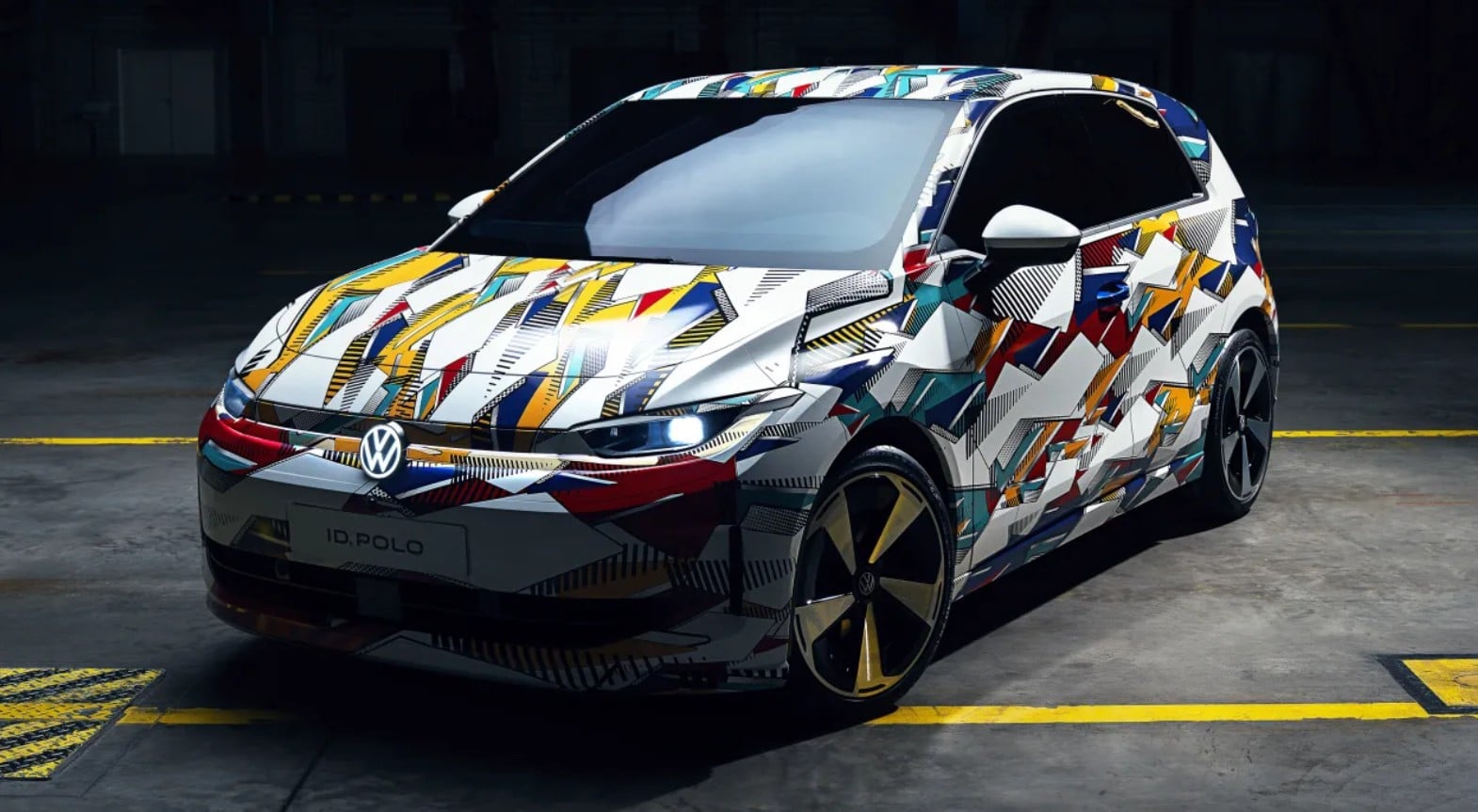
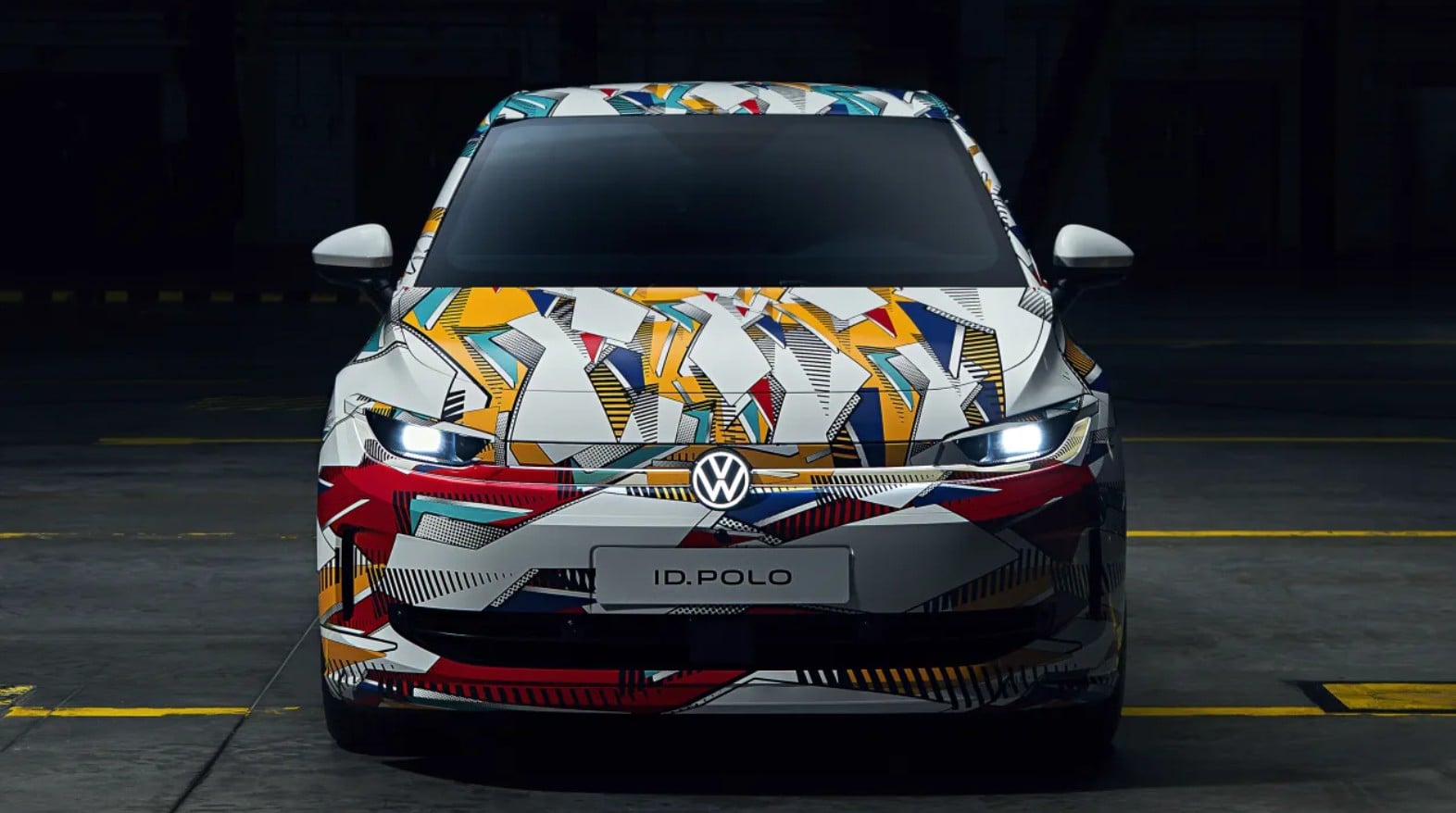
Volkswagen has confirmed its forthcoming all-electric supermini will carry the ID. Polo name, reviving one of its best-known badges for the EV era. The news comes ahead of the car’s public reveal at the Munich Motor Show, where lightly camouflaged prototypes will be displayed.
During development the car was known as the ID.2all concept, and the production model was at one point tipped to be called the ID.2. But VW executives decided the Polo badge was too significant to drop, with the ID. Polo joining the forthcoming ID. Golf and future ID. GTI editions in carrying familiar branding into electrification.
The ID. Polo will launch with a starting price near €25,000 (about A$41,000), roughly the same as the entry petrol Polo in Europe. It sits on the new MEB Entry platform, designed for small, cost-effective EVs, and will be built at VW Group facilities in Spain alongside the Cupra Raval and upcoming Skoda small SUV.
2
VW has also confirmed that an even cheaper EV, the ID.1, is due in 2027 with a projected price under €20,000 (around A$33,000). A compact SUV spin-off of the ID. Polo, called ID. Cross, is also scheduled for unveiling in 2025.
The ID. Polo will be offered with two battery packs, 38kWh and 56kWh, with WLTP range expected to be around 450km for the larger version. A single front-mounted motor will produce around 165kW, good for a 0–100km/h time of about seven seconds. Fast-charging at up to 125kW will enable a 10 to 80 per cent top-up in roughly 20 minutes.
A performance-focused ID. Polo GTI has also been confirmed, launching in 2026. Previewed by the ID. GTI concept, it will compete with the likes of the MINI JCW Electric and Alpine A290.
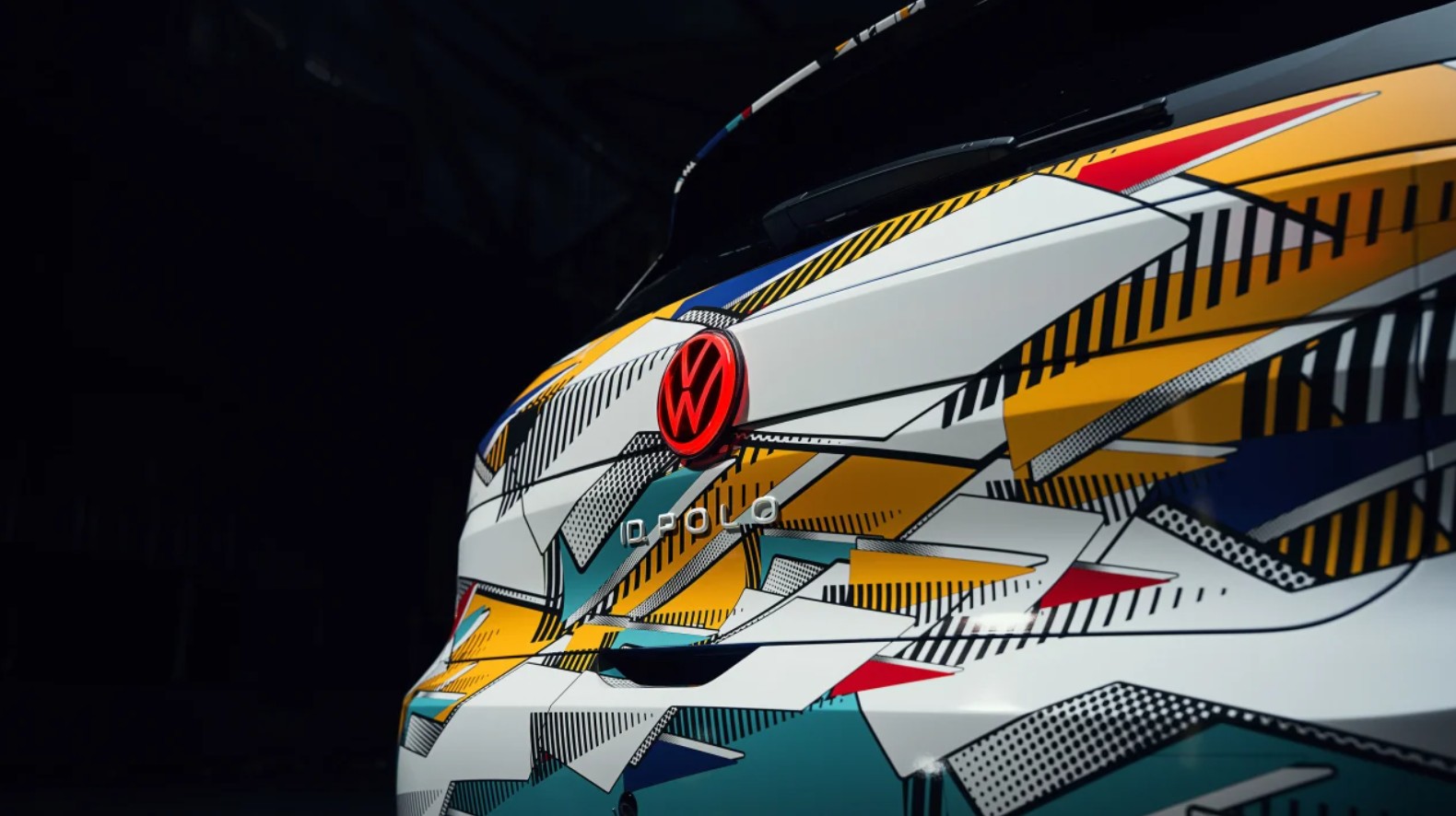
The new EV takes cues from the 2023 ID.2all concept with a clean, conventional profile and hidden rear door handles. It is about 4,050mm long with a 2,600mm wheelbase, slightly shorter overall than today’s Polo but with more cabin space thanks to the electric platform.
Inside, VW is moving away from touch-sensitive sliders. The dash is expected to feature a 10.9-inch digital driver’s screen and a 12.9-inch central infotainment display, with physical rotary controls for volume and climate. Boot capacity is quoted at 440 litres, expanding to 1,330 litres with the rear seats folded.
3
When it arrives in 2026, the ID. Polo will face competition from a new generation of small EVs including the Renault 5, Citroën e-C3, Fiat Grande Panda and next-gen Peugeot e-208.
By combining a well-known nameplate with an affordable price point and updated architecture, Volkswagen hopes the ID. Polo will play a central role in maintaining its dominance in the European small-car market as electrification accelerates.
1
Follow WhichCar/Wheels on Google
Click the button below to make WhichCar by Wheels a preferred source for your news.

We recommend
-
 News
NewsVolkswagen reveals all-new second-generation T-Roc SUV
Compact SUV grows in size, gains hybrid power for the first time, and debuts advanced tech inside and out.
-
 News
NewsVolkswagen Golf GTI Edition 50 celebrates big milestone for the iconic hot hatch
Volkswagen unveils hot new Edition 50 of the Golf GTI to celebrate its 50th anniversary... as it becomes the fastest ever production VW around the Nurburgring.