News
Gallery 1
New South Wales’ regional roads minister has sharply rejected a federal proposal to lower speed limits on rural and regional roads, intensifying a national debate over how best to curb Australia’s rising road toll.
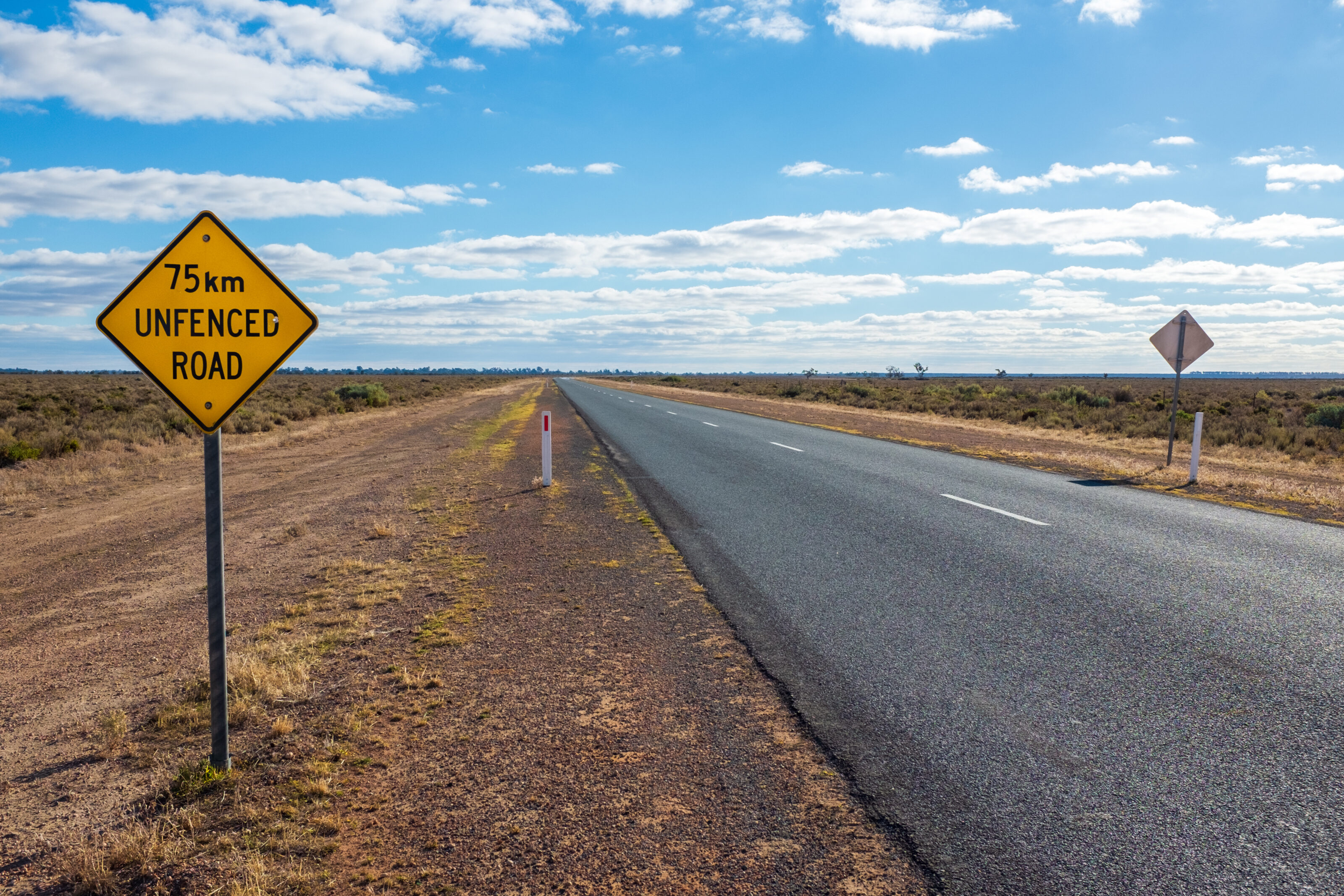
Jenny Aitchison, NSW Minister for Regional Transport and Roads, told state parliament this week that the state “does not support blanket speed zone reviews across NSW,” distancing the Minns Government from a key recommendation in the Commonwealth’s Regulatory Impact Analysis, which proposes reducing the default 100km/h limit on unsigned country roads to between 70km/h and 90km/h.
The proposal, released as part of the National Road Safety Action Plan, argues that Australia’s open-road defaults are among the world’s highest and often unsafe given deteriorating infrastructure. The federal Department of Infrastructure and Transport noted that most of the nation’s rural fatalities occur on roads where “conditions can vary widely, are frequently poor, and do not always support driving safely at 100 km/h.” Public submissions closed on November 10.
Aitchison was unequivocal that NSW would not adopt the recommended changes, reported Yahoo News. On social media she reiterated: “The NSW Government will not be implementing blanket speed zone reductions across regional NSW.” Her comments come as communities prepare to honour the 313 people killed on the state’s roads so far this year — a figure up 20 per cent on 2023.
Rural groups have also pushed back. NSW Farmers president Xavier Martin said lowering limits would not address the core issue: failing regional infrastructure. “Band-aid solutions won’t fix the problem of crumbling roads and bridges,” he told The Land. “It’s not the speed limits that are the problem… it’s the fact that our roads aren’t as safe as they used to be.”
But safety experts and advocacy groups maintain reducing default speeds is essential. International comparisons show many countries have dropped rural defaults to 90 km/h or lower. Sweden’s unsigned rural roads, for example, sit at 70 km/h. The WA Centre for Road Safety Research’s director, Teresa Senserric, has previously argued that high Australian defaults leave a dangerously small margin for error.
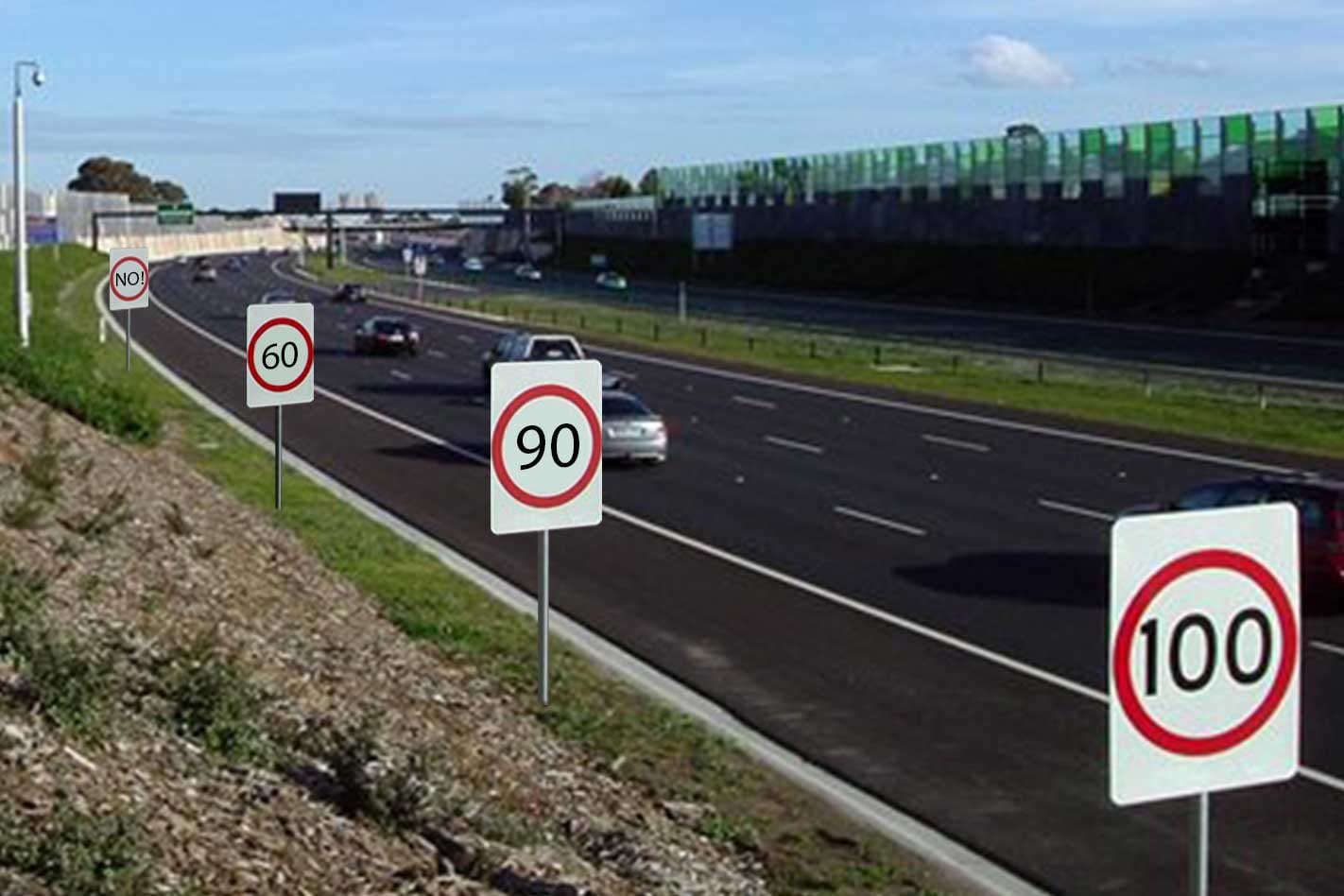
Safer Australian Roads and Highways president Peter Frazer says lowering limits would save lives. “When we have dangerous roads, absolutely we should be talking about speed reduction so we can get people home safe,” he said.
With 860,000 kilometres of unsealed roads nationwide and road deaths rising 10 per cent between 2020 and 2024, the federal government argues the status quo is untenable. Whether states agree remains the next battleground in Australia’s road-safety debate.
Follow WhichCar/Wheels on Google
Click the button below to make WhichCar by Wheels a preferred source for your news.


We recommend
-
 News
NewsOne in five Aussie motorists turning driver safety systems off
The 2025 AAMI Crash Index has discovered ADAS systems in contemporary cars are too annoying for one in five drivers.
-
 News
NewsGlow-in-the-dark road lines could become common on Australian roads after trial
The six-month trial on the NSW south coast significantly improved road safety during night hours.