
News

Gallery 1
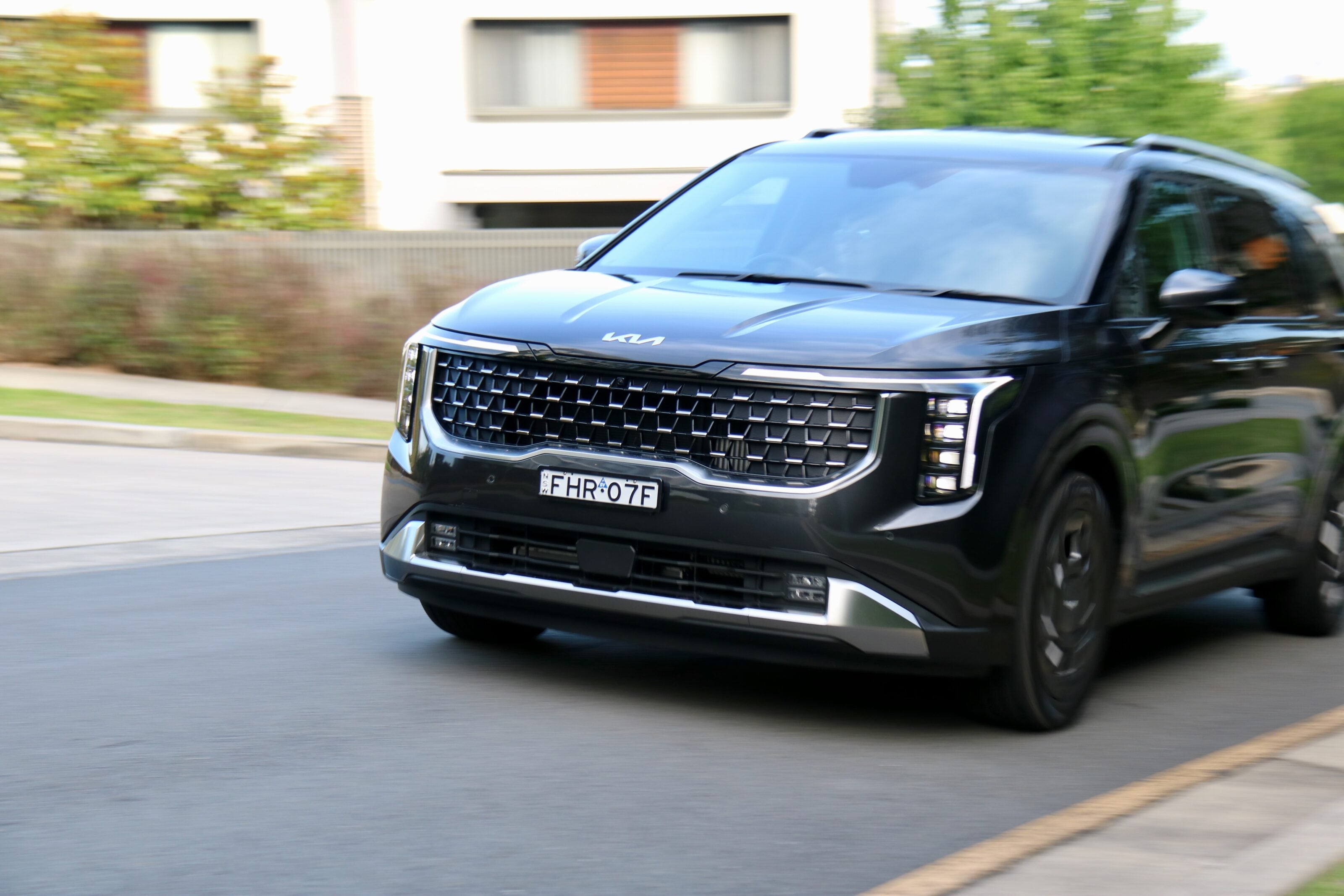
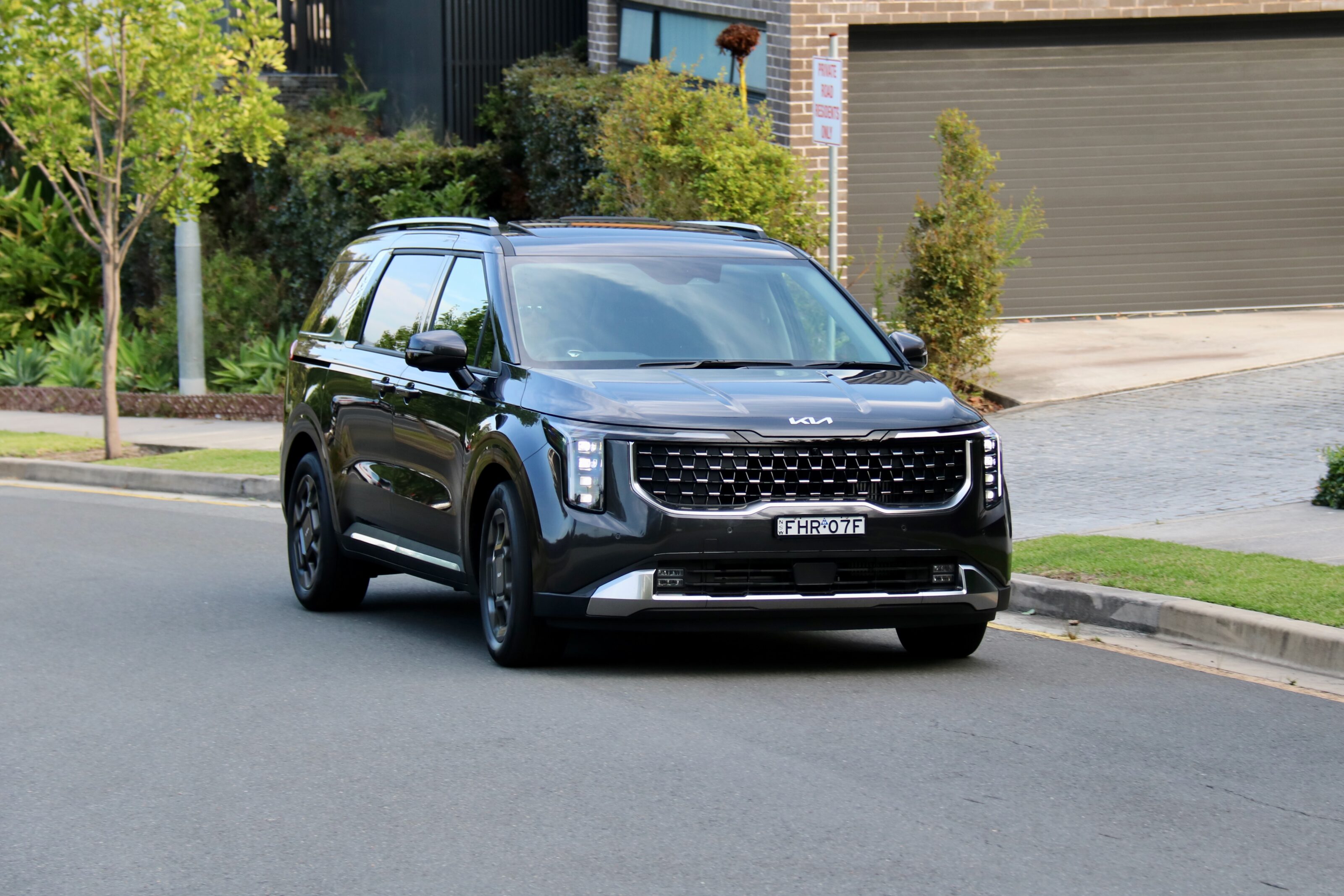
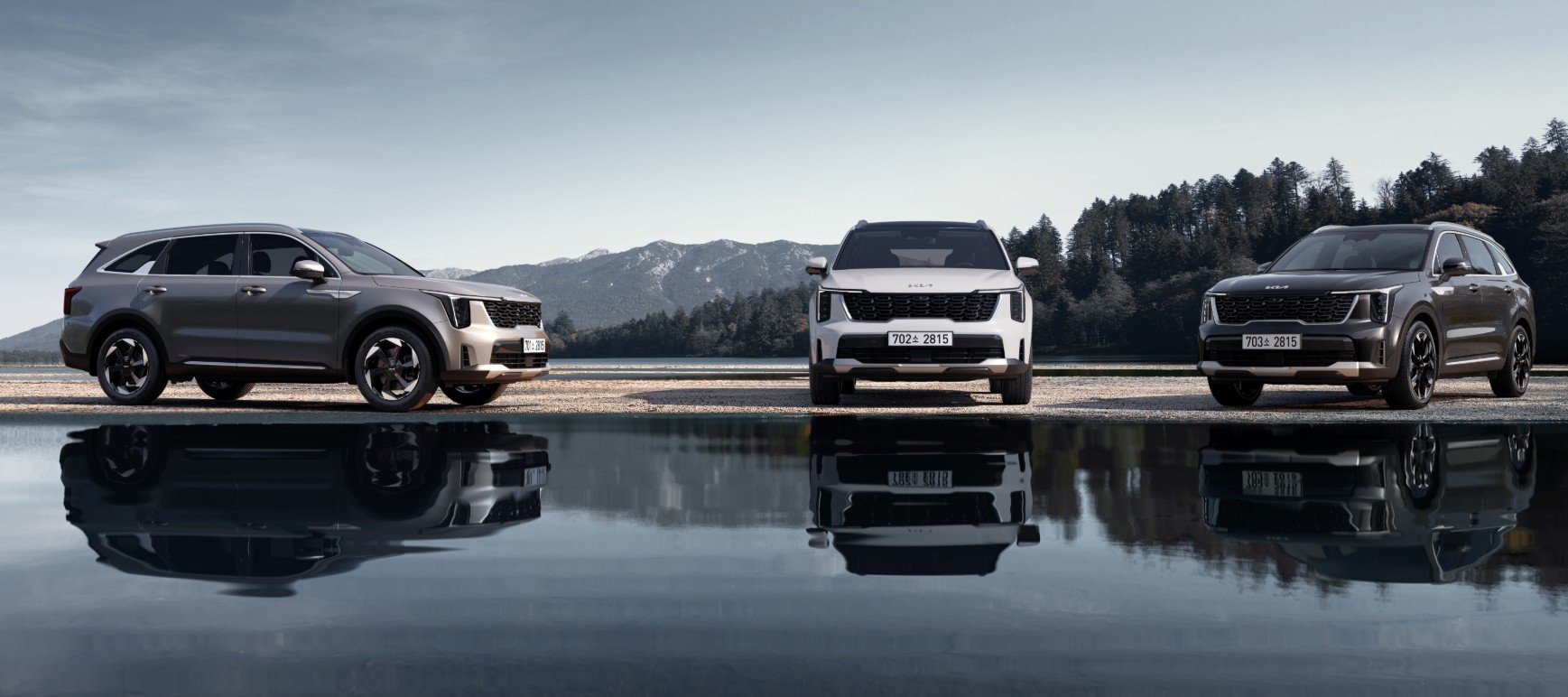
Korean carmaker Kia has axed V6 variants of its Sorento large SUV and Carnival people mover, citing Australia’s newly-enforced New Vehicle Efficiency Standard as, partially, the reason behind the range cull.
Kia’s Australian website states petrol [only] variants of Sorento and Carnival are being run out and “are now limited to dealer stock”.
Wheels reached out to Kia Australia where a spokesperson confirmed that “these variants will end sale in early 2026. Yes, this is due in part to NVES. Regarding existing stock, we anticipate V6 stock will be depleted within Q1 2026.”
1
The move comes amid an expanding line-up of more efficient and lower-emitting hybrid variants across both ranges. Additionally, Sorento welcomed a plug-in hybrid variant to its local line-up in 2025.
The 3.5-litre V6 was the highest emitting engine in Kia’s Australian line-up, with claimed CO2 emissions of 222 grams per kilometre for the Sorento and 220g/km for Carnival. That’s far in excess of the 2.2-litre diesel option, which remains available across both ranges, rated at a claimed 170g/km for Carnival and 158g/km for Sorento.
The 1.6-litre petrol-hybrid engine, unsurprisingly, improves CO2 emissions even further with the Carnival claimed at 132g/km and Sorento at 158g/km. The Sorento PHEV claims an emissions rating of just 36g/km.
Under Australia’s NVES, which came into full effect on July 1, 2025, the CO2 emissions of Type 1 vehicles such as the Sorento and Carnival are measured against a government-mandated target of 117g/km.
1
However, while the stricter emissions rules are in now in force, and can potentially lead to penalties and fines levied at the manufacturer, car makers can offset the higher emissions of those vehicles that exceed the target (such as Sorento and Carnival) with sales of lower-emitting vehicles (such as PHEV and full battery-electric). Reducing the number of higher-emitting models (such as V6 Sorento and Carnival) in their line-ups, strengthens the ability of car makers to meet the government-enforced targets.
The Federal government is set to name and shame those manufacturers that have – and have not – met its newly-enforced emissions targets after the first reporting period, called the ‘interim emissions value’, ran from July 1 to December 31, 2025. The results will be released to the public in February.
Follow WhichCar/Wheels on Google
Click the button below to make WhichCar by Wheels a preferred source for your news.

We recommend
-
 Reviews
2026 Kia K4 hatchback review: A fresh start in a dwindling segment
A new hatchback bodystyle has been added to the K4 range, with which it replaced the Cerato. Is it the K4 to fend off small SUVs?
-
 News
NewsFederal Government to name and shame car makers failing to meet CO2 targets
The federal government is set to reveal 'interim emissions' results under the new stringent NVES targets.
-
 News
NewsAustralia's NVES begins, imposing strict new emissions standards on car-makers
Australia's New Vehicle Efficiency Standard (NVES) scheme comes into effect on July 1, imposing stricter emissions standards on vehicles sold in Australia.
