News
Gallery 1
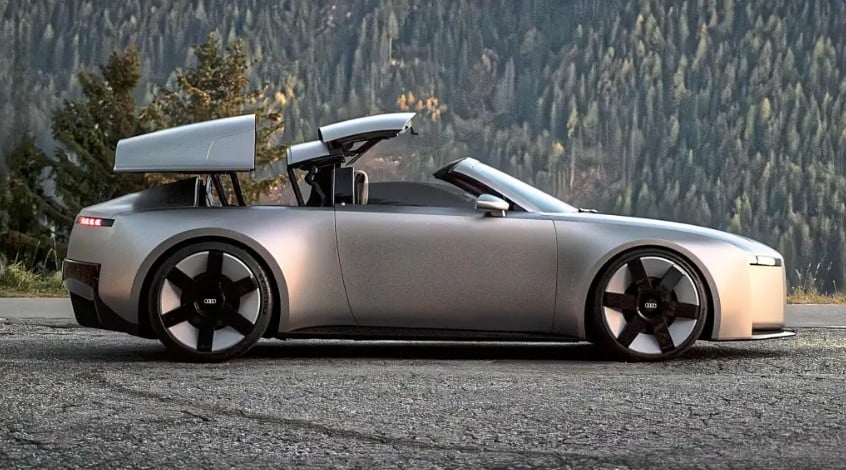
Audi may be almost two years away from launching a new sports car, but the Concept C suggests the brand is preparing a decisive shift in direction. An open-top electric two-seater is a brave move for a company that has leaned heavily into safe, familiar designs in recent years, with Audi appearing serious about seeing the idea through to production by 2027.
For long-time Audi fans, the Concept C taps into powerful nostalgia. More than two decades after the original Audi TT redefined the brand’s image, this new concept promises a similar moment of reinvention. The TT’s mix of radical design, engaging dynamics and relative affordability made it a landmark car in the late 1990s. Since then, Audi’s line-up has become broader and more successful, but also more conservative, with the TT discontinued in 2023 and the halo R8 fading away at the same time.
1
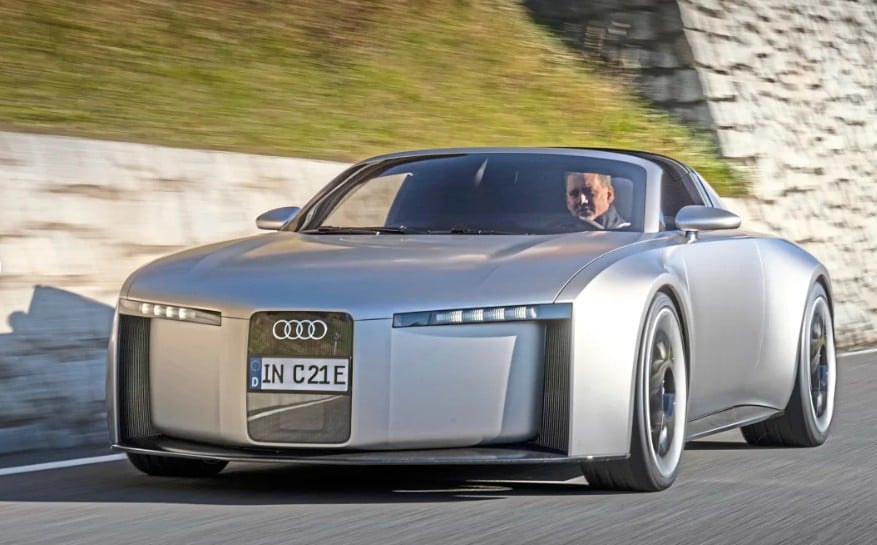
Audi CEO Gernot Döllner is determined to change that trajectory. Rather than serving as a direct replacement for either the TT or R8, the Concept C is positioned as a spiritual successor to both. It’s a compact two-seat sports car with a folding hard-top, designed to deliver a similarly awakening experience for the electric era.
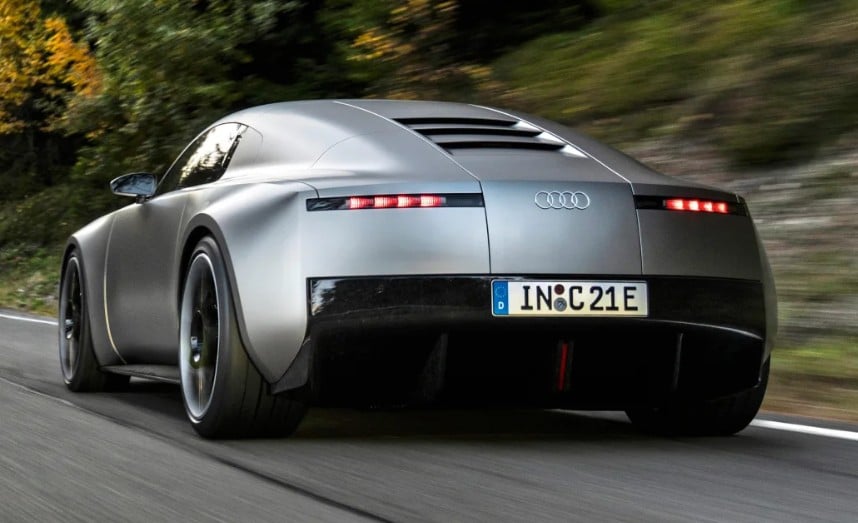
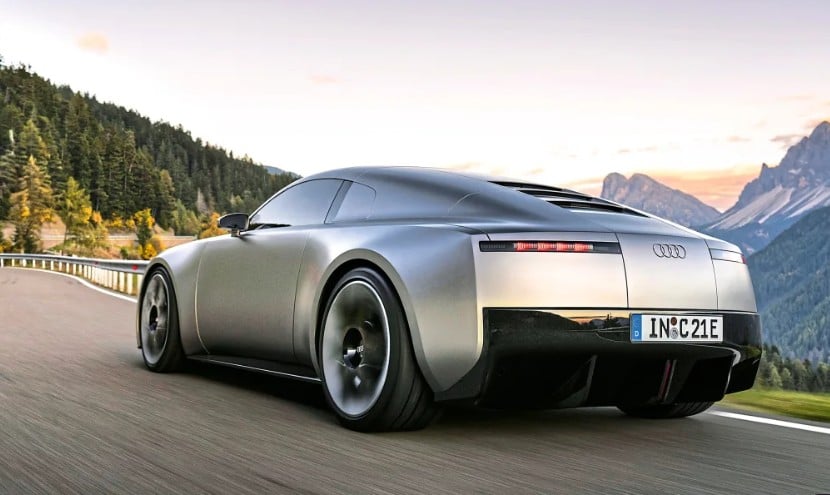
Visually, the Concept C introduces a new design language under recently appointed design chief Massimo Frascella. Clean, uncluttered surfaces echo the purity of the original TT, while softer, more organic shapes give the car a modern edge. Subtle references to pre-war “Silver Arrow” racers add historical depth, most notably through the slim, upright front badge known as the new “Vertical Frame”, set to replace Audi’s long-running Single Frame grille across future models.
Inside, the shift is even more dramatic. Physical controls are kept to a minimum but feel deliberate and tactile, while screens retreat into the dashboard when not needed. A single press opens the roof, reinforcing the idea that driving enjoyment, not digital distraction, is the priority.
1
Crucially, this concept isn’t just a static showpiece. The electric powertrain delivers instant torque that easily eclipses even the old TT RS, and while official figures remain under wraps, outputs of around 370kW wouldn’t be unexpected given Audi’s recent EV benchmarks. Despite its electric hardware, the Concept C tips the scales at a relatively modest 1,700kg, helped by a battery mounted behind the seats rather than under the floor, centralising mass like a mid-engined sports car.
Rear-wheel drive replaces Audi’s traditional quattro layout, sharpening agility and steering feel. The silence of electric propulsion may divide opinion, but the sense of balance, immediacy and driver connection suggests Audi has rediscovered something it once did better than almost anyone.
If the production version lives up to this promise, Audi’s electric future could be far more exciting than expected.
1
Follow WhichCar/Wheels on Google
Click the button below to make WhichCar by Wheels a preferred source for your news.


We recommend
-
 News
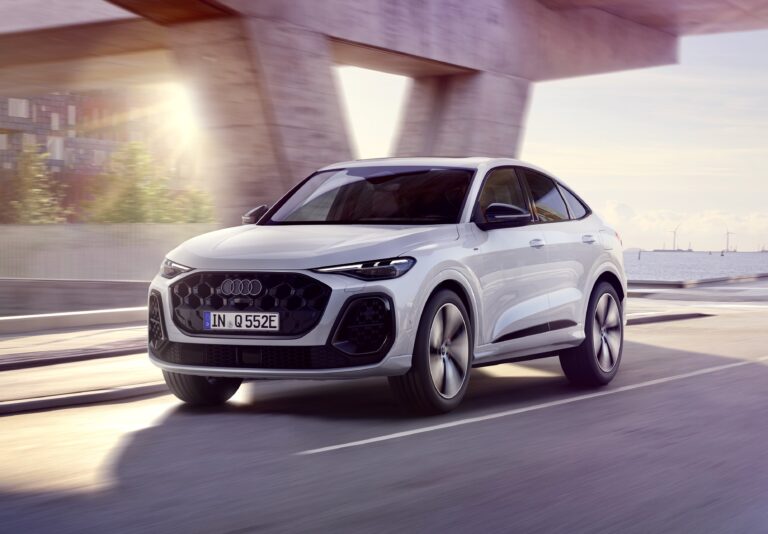
NewsAudi Q5: 200kW petrol and 270kW plug-in hybrid added to range
New variants have been added to the Audi Q5 range, including a 270kW plug-in hybrid that can achieve up to 82km of electric driving on a charge.
-
 News
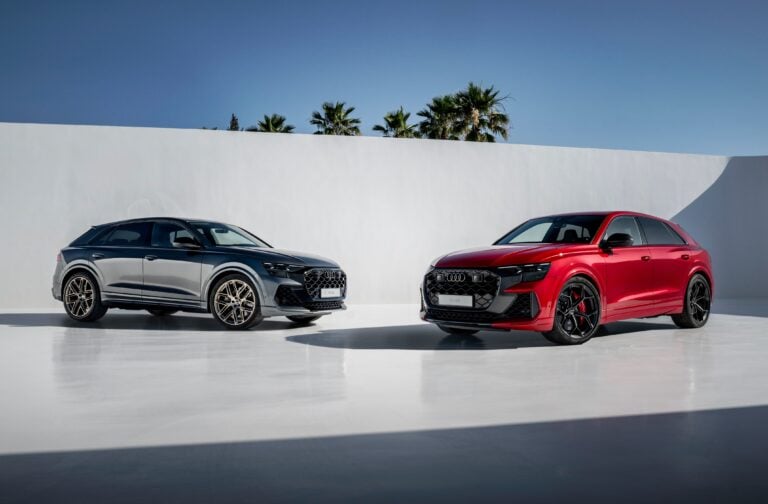
NewsAudi Australia adds new variants to A3, Q7 and Q8
New variants have joined the A3 small car, Q7 seven-seat large SUV and Q8 five-seat large SUV ranges in the Australian Audi lineup.
-
 News
NewsNew car calendar 2026: All the new cars coming to Australia
Here’s the WhichCar by Wheels guide to all the new cars that will launch in Australia in 2026. Check back in regularly for updates...