News
Gallery 1
The Albanese Government has released the first performance results under Australia’s New Vehicle Efficiency Standard (NVES), revealing that while overall fleet emissions are falling, a significant number of car brands failed to meet their CO₂ targets.
Data published by the NVES Regulator shows that around two-thirds of regulated vehicle suppliers beat their 2025 emissions targets. However, industry analysis indicates nearly 20 brands missed their benchmarks in the scheme’s first reporting period, raising concerns about how some manufacturers will respond as targets tighten.
The report shows a net surplus of 15.9 million NVES units, effectively creating a tradable credit market for brands that outperform the standard. Those exceeding their targets can sell surplus units to manufacturers that fall short, a mechanism designed to smooth the transition to lower-emission fleets.
1
Average emissions for new light passenger vehicles were 21 per cent below the NVES target for the period, suggesting strong early uptake of lower-emission models. Around 12 per cent of vehicles covered by the scheme were battery electric, with the remaining 88 per cent made up of internal combustion and hybrid vehicles.
Industry groups have noted that while the overall surplus appears healthy, the gap between high-performing brands and those lagging behind is significant. Some manufacturers heavily reliant on larger utes and SUVs face greater compliance challenges, particularly as future NVES targets become more stringent.
The Federal Chamber of Automotive Industries (FCAI) said the results mark an important first step in the transition to a more efficient national fleet, but emphasised the need for careful monitoring as the market adjusts. Commentary from industry observers has also highlighted concerns about the potential financial impact on brands that fail to close the gap, particularly once penalties begin to apply in coming years.
Infrastructure Minister Catherine King said the results show cleaner vehicles and consumer choice can coexist, with vehicle prices remaining competitive in real terms.
1
The regulator’s own publication shows that the first NVES performance period, covering vehicles entered onto the Register of Approved Vehicles between 1 July and 31 December 2025, included 59 regulated entities submitting a total of 620,947 covered vehicles. Of those suppliers, 40 beat their emissions targets and generated a combined 17.2 million NVES units, indicating many manufacturers supplied cleaner fleets than required. After accounting for total liabilities from the remaining 19 suppliers, the overall position remained positive, with a net surplus of 15.9 million units available to balance future compliance.
Almost three-quarters (71 per cent) of vehicles covered by the standard were classified as Type 1 light passenger vehicles, while the remaining 29 per cent were Type 2 vehicles, which include light commercial and off-road passenger vehicles. This split reflects the continued strength of passenger cars and SUVs in the Australian market, even as low-emission alternatives grow. The report also showed that 12 per cent of the 2025 fleet was zero-emissions vehicles supplied by 40 different entities, further underlining the early uptake of electric models under the NVES.
On average, the new-vehicle fleet outperformed both target and headline emissions limits across categories. For Type 1 vehicles the average CO₂ figure was significantly lower than the target, while Type 2 vehicles also recorded average emissions below their respective limits, suggesting that many light commercial suppliers are beginning to improve efficiency alongside passenger car progress.
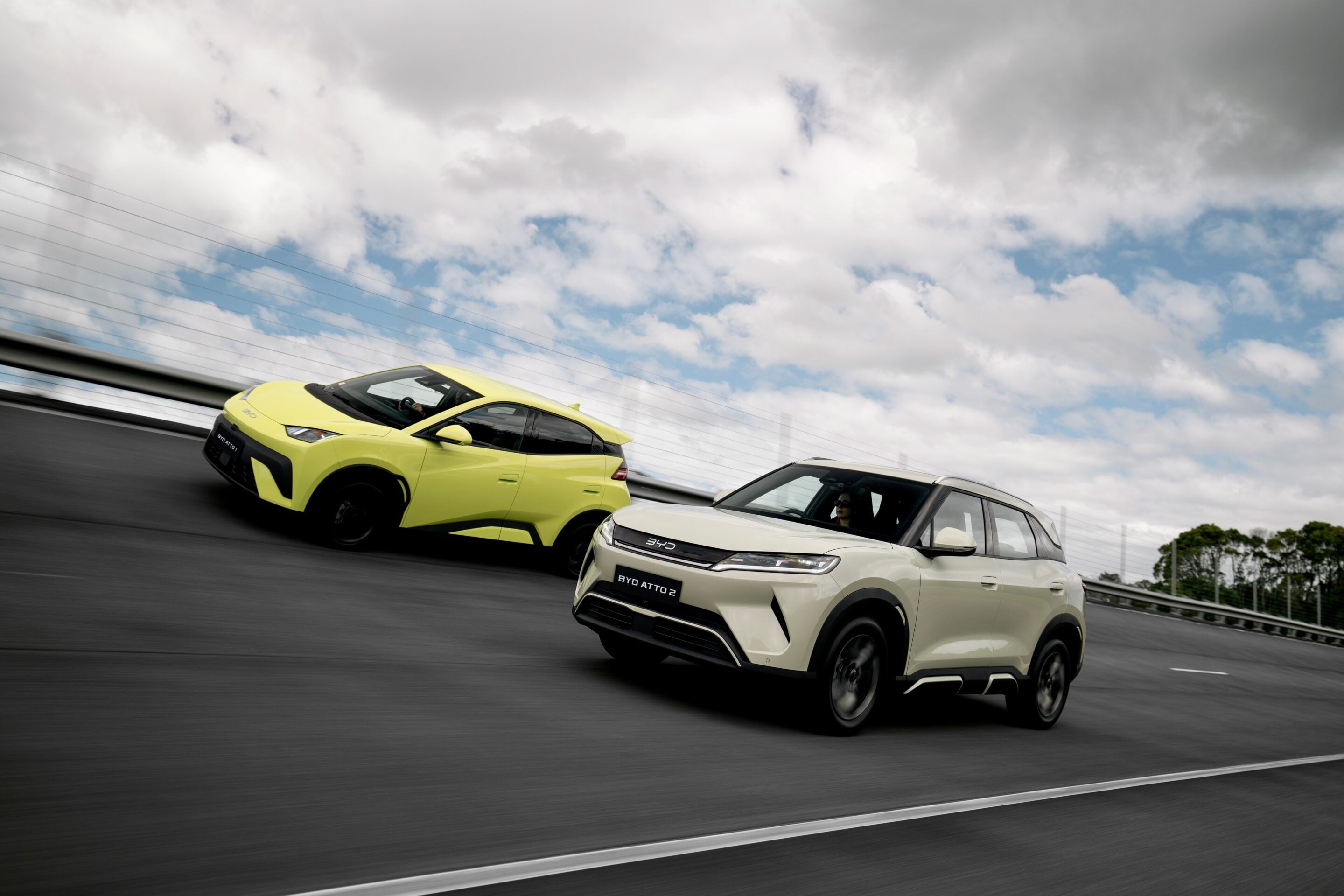
Among the strongest performers was BYD, which generated the largest surplus of NVES units across two reporting entities. BYD Auto Co. Ltd recorded an interim emissions value (IEV) of -4.23 million, while BYD Auto Industry Company Limited posted -2.05 million, reflecting the brand’s heavy reliance on battery-electric vehicles in Australia.
1
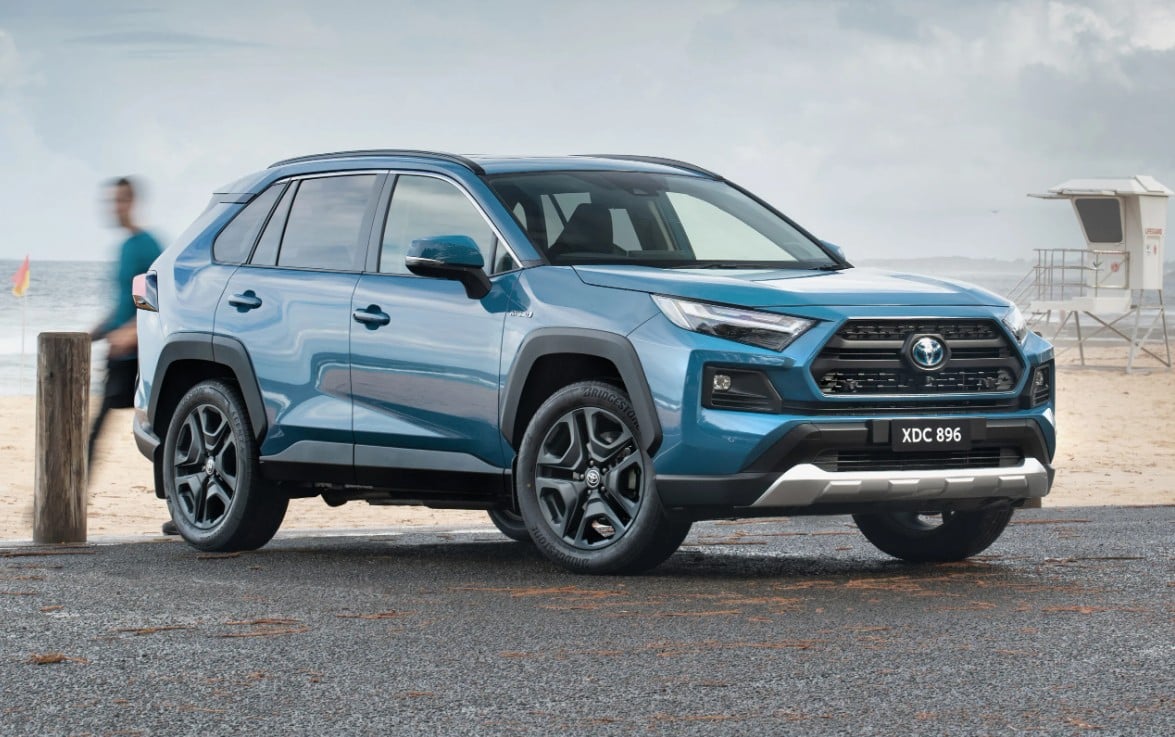
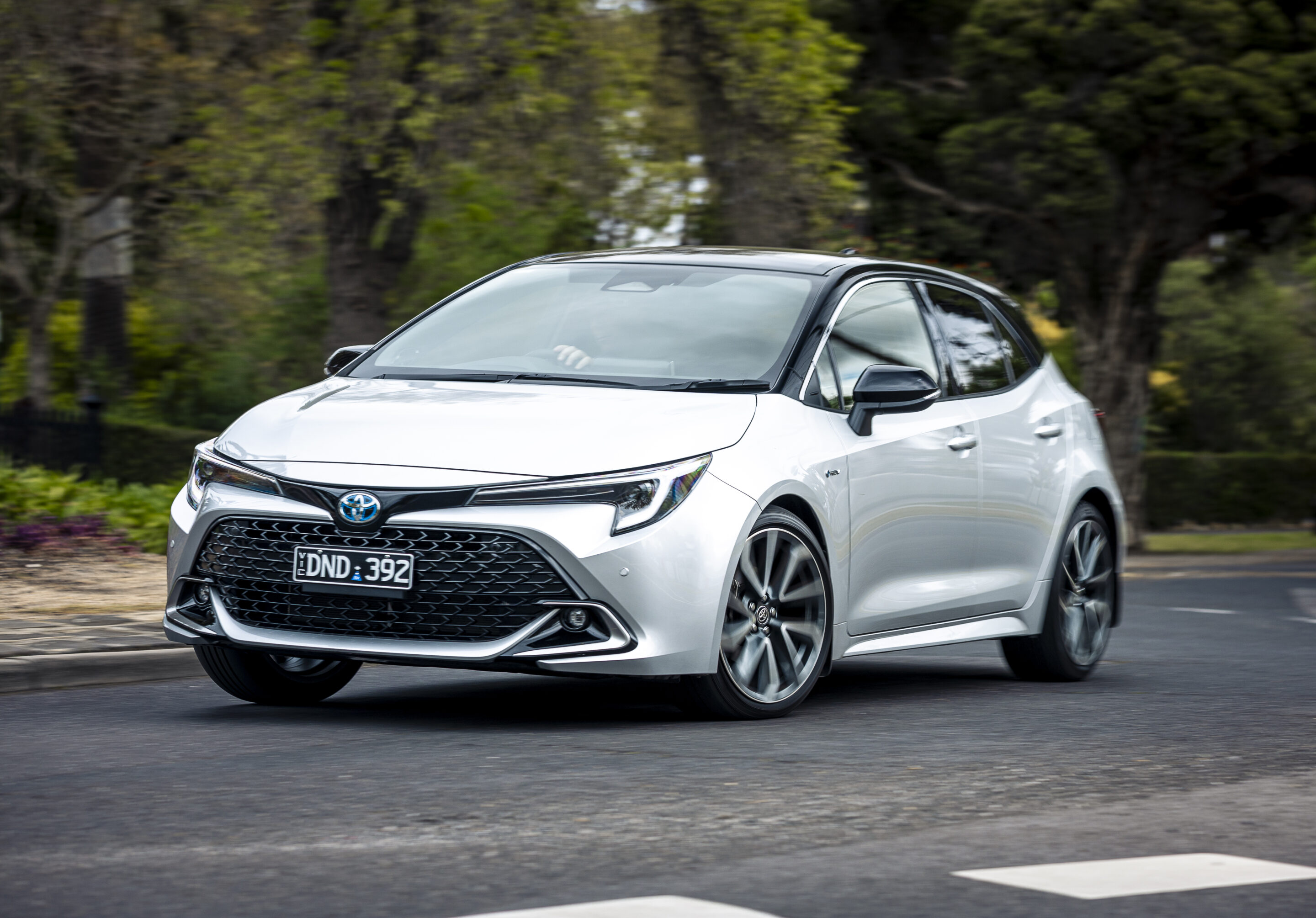
Toyota, the country’s largest-selling brand, also beat its target comfortably, generating 2.89 million units across more than 115,000 vehicles — the biggest total volume in the report. Tesla followed with a surplus of 2.21 million units, while Kia (-729,698), Volkswagen AG (-510,249), and BMW Australia (-340,081) also produced significant positive balances.
Chinese brands performed strongly overall, with Chery (-438,633), Great Wall Motor (-405,198) and Geely (-620,233) all generating substantial credits. Mercedes-Benz Australia (-133,730) and Mitsubishi Motors Australia (-82,072) also finished the period in surplus.
However, several mainstream brands accrued liabilities. Mazda Motor Corporation recorded the largest deficit, with an IEV of +508,517, meaning it will need to offset that position through future improvements or by purchasing credits. Nissan Australia (+215,261) and Subaru (+139,635) also finished above their targets. Hyundai Motor Company posted a liability of +84,563, while General Motors Australia and New Zealand (+65,855) and Honda (+26,069) were also in deficit.
Among luxury marques, Porsche (+33,448) and Aston Martin (+13,877) accrued liabilities, while Ferrari (+15,785) and Maserati (+4,496) also exceeded their targets. In contrast, Audi (-21,780) and Bentley (-1,875) generated modest surpluses.
The NVES, which began in July 2025, is designed to encourage manufacturers to supply more fuel-efficient and low-emission vehicles to Australia as part of broader 2030 and 2035 emissions reduction targets. Further reporting periods will determine whether the early surplus is sustained as standards tighten.
Follow WhichCar/Wheels on Google
Click the button below to make WhichCar by Wheels a preferred source for your news.

We recommend
-
 News
NewsAustralia's NVES begins, imposing strict new emissions standards on car-makers
Australia's New Vehicle Efficiency Standard (NVES) scheme comes into effect on July 1, imposing stricter emissions standards on vehicles sold in Australia.
-
 News
NewsFederal Government to name and shame car makers failing to meet CO2 targets
The federal government is set to reveal 'interim emissions' results under the new stringent NVES targets.