News

Gallery 1
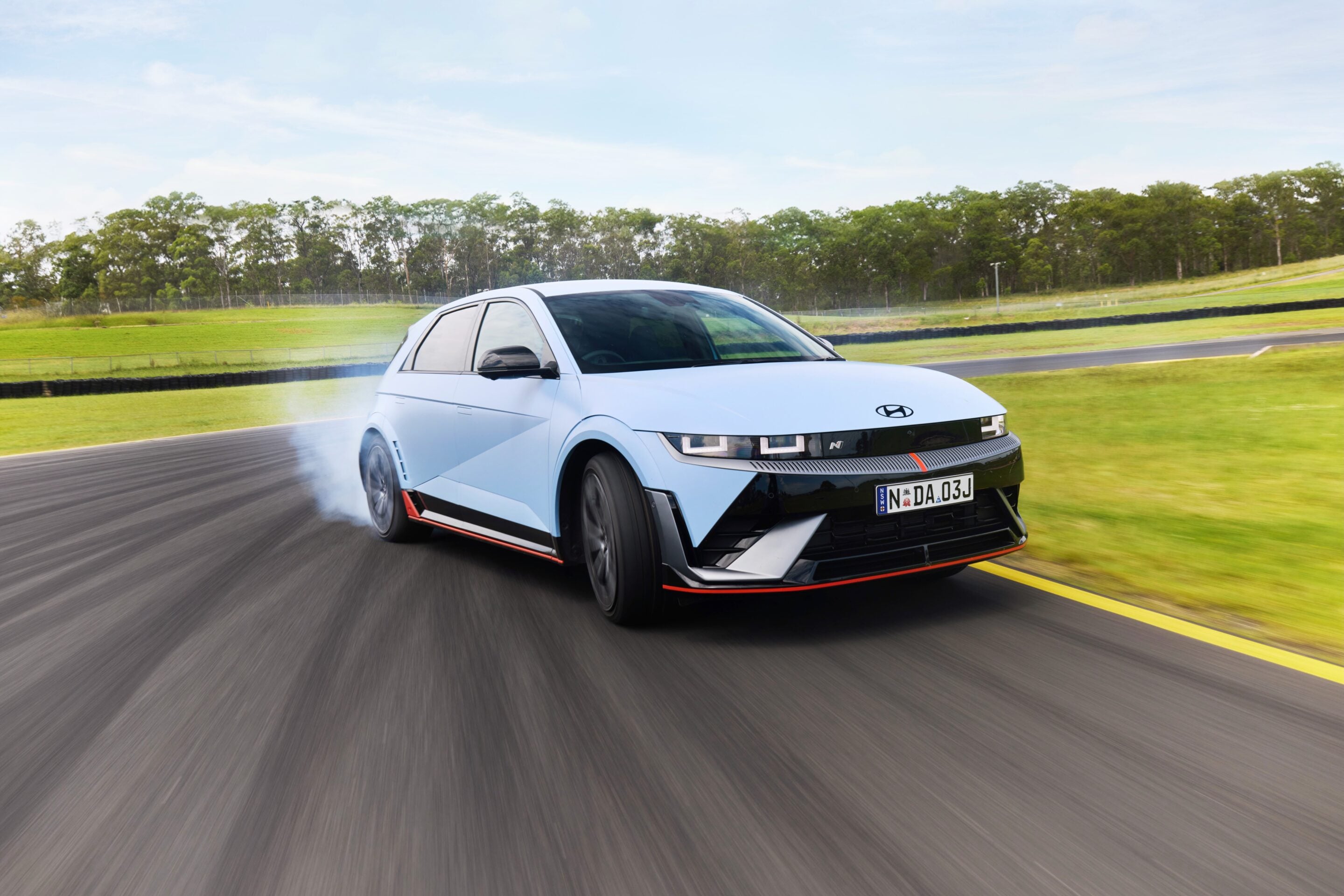
Following the recent revelation that Hyundai would pay more than 4 million dollars in NVES fines, the boss of Hyundai Australia remains adamant the company is in a strong position to use the cleaner car scheme to its advantage.
As reported by WhichCar by Wheels, Hyundai posted a liability of +84,563, which translates to more than 4.2 million dollars based on $50/g/km/car, or scaled up to more than 8.4 million dollars at $100/g/km/car if the deadline to pay the fines is missed.
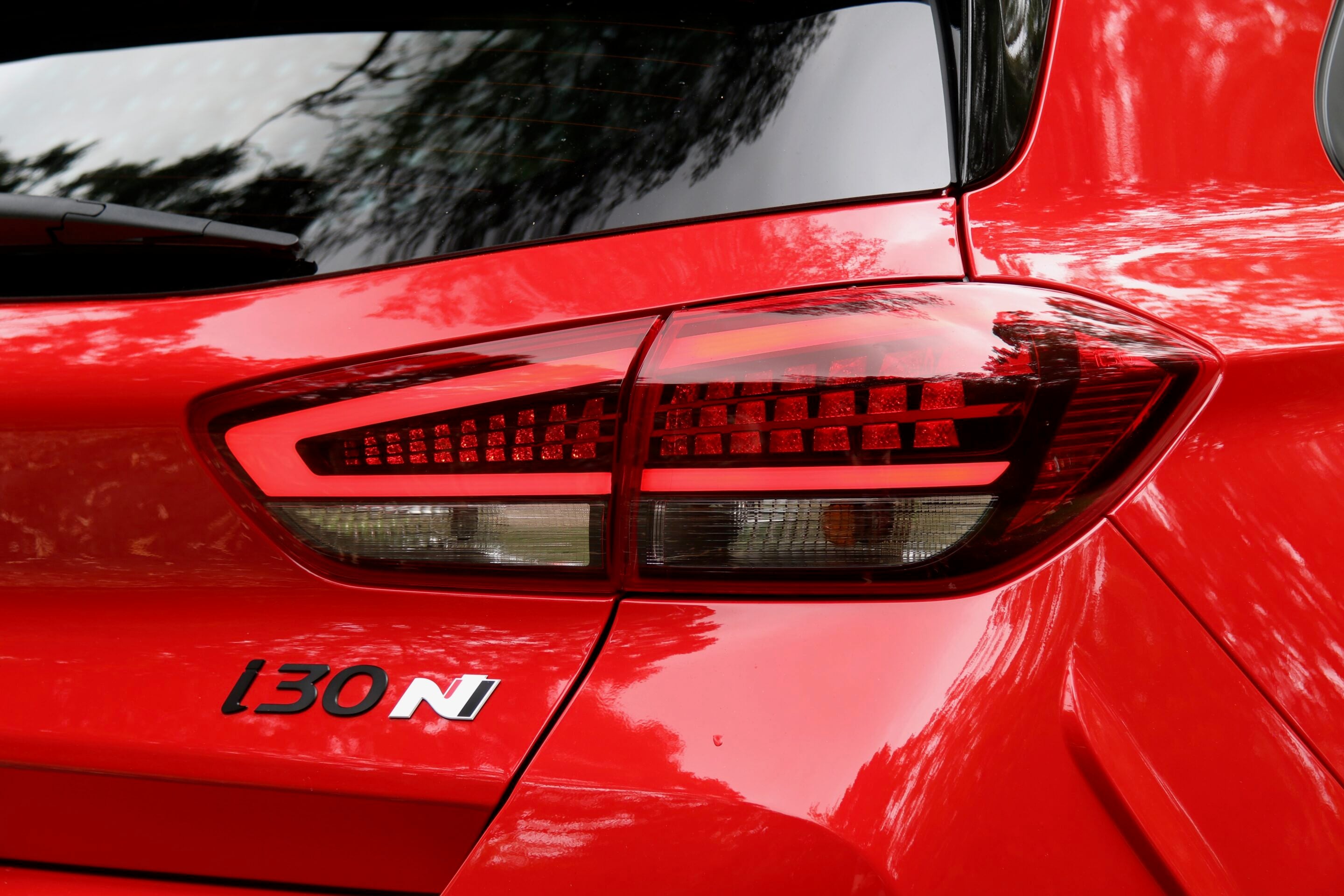
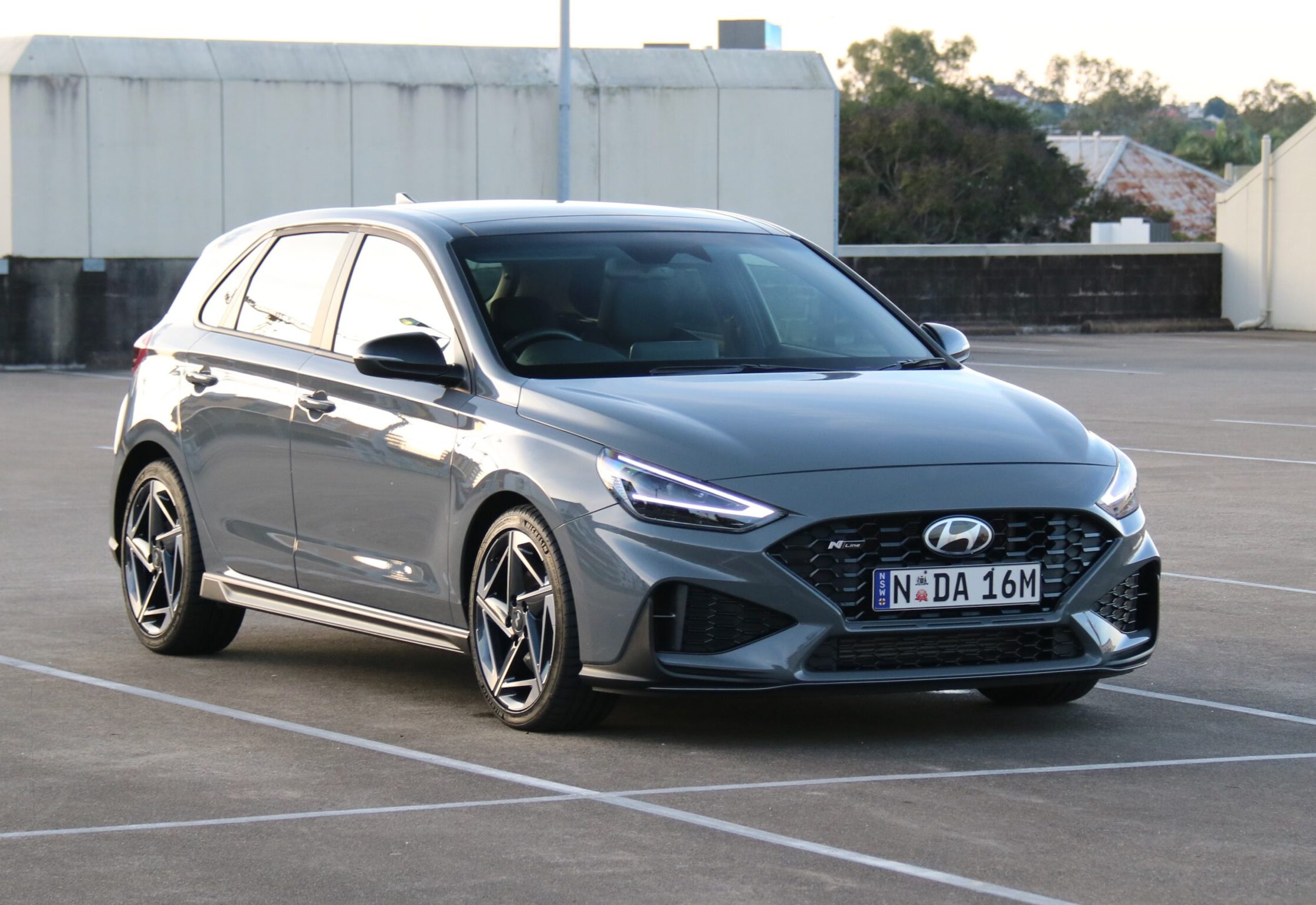
“If you just looked at N from an NVES point of view, it worked out to be approximately a 5.1 million dollar penalty,” Gavin Donaldson, Chief Operating Officer of Hyundai Australia told WhichCar by Wheels. “But, we have a brand within a brand that is one of the most important aspects of our Hyundai subculture. We’ve got a great following, a fantastic community.”
1
And, for Donaldson, the recognition, support and pride that has built within the N community and its owners is more than worth the offset of the impending NVES fines that come with it.
“If we took that aspect of the fines out, we’d actually be in credit, but I could spend that money on marketing, or from a sponsorship point of view, but the N brand is so important to us that I think yes, that’s reusable, it’s worth it, 100 percent,” Donaldson said.
Pressed on how Hyundai deals with NVES and the associated fines for not meeting targets, Donaldson is adamant that the brand is in a strong position, and welcomes the government’s approach to reducing emissions. A key part of Hyundai’s strategy moving forward is maximising EV sales, something the brand has been transparent about that it hasn’t done as well as it could up to this point in Australia.
“We haven’t been able to maximise our EV sales,” Donaldson said. “It’s not a huge volume yet, but it’s not the volume we should have;, and that’s the reality, but we have strong mix across internal combustion, hybrid and EV, we can play in all three segments. So, I say to our dealers, our destiny is in our own hands, and that’s the best thing about this.”
1
It would appear that with a portfolio that includes traditional petrol, diesel, hybrid, full-electric and even hydrogen propulsion, Hyundai is well-positioned to take advantage of NVES expectations, a situation some manufactures can’t take advantage of.
“We obviously have to fully understand what the rules of engagement are, but our destiny is in our own hands,” Donaldson said.
“So if we sell some more EVs, and sell fewer internal combustion vehicles, then sell a few more hybrids, we’re obviously in a good spot from that perspective. Then, if we sell a lot more EVs, I’ll be ordering more N models to come into the country, so we and our sister brand Kia are in a really, really positive spot to continue to take advantage of NVES if we do it properly.”
Follow WhichCar/Wheels on Google
Click the button below to make WhichCar by Wheels a preferred source for your news.

We recommend
-
 Reviews
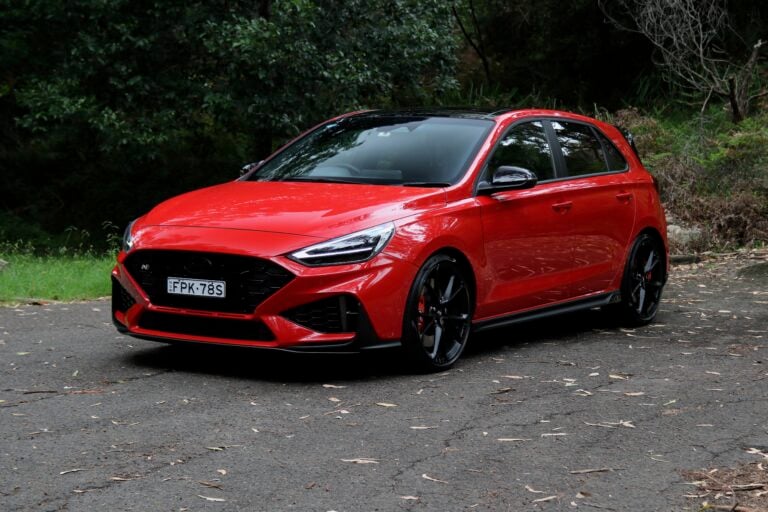
Hyundai i30 N review: Still a masterclass of the hot hatch form
The Hyundai i30 N is hardly the newest kid on the block in the hot hatch world, but is it still one of the best in 2026?
-
 Features
The cheapest hybrid SUVs in Australia – ranked
Searching for a cheap hybrid SUV? WhichCar by Wheels has the definite top 10 list for under $40,000.
-
 News
NewsHyundai confirms ELEXIO electric SUV for Australia with Q1 2026 launch
New mid-size EV slots between KONA Electric and IONIQ 5, offering 546km range and a $59,990 drive-away price.