News

Gallery 1
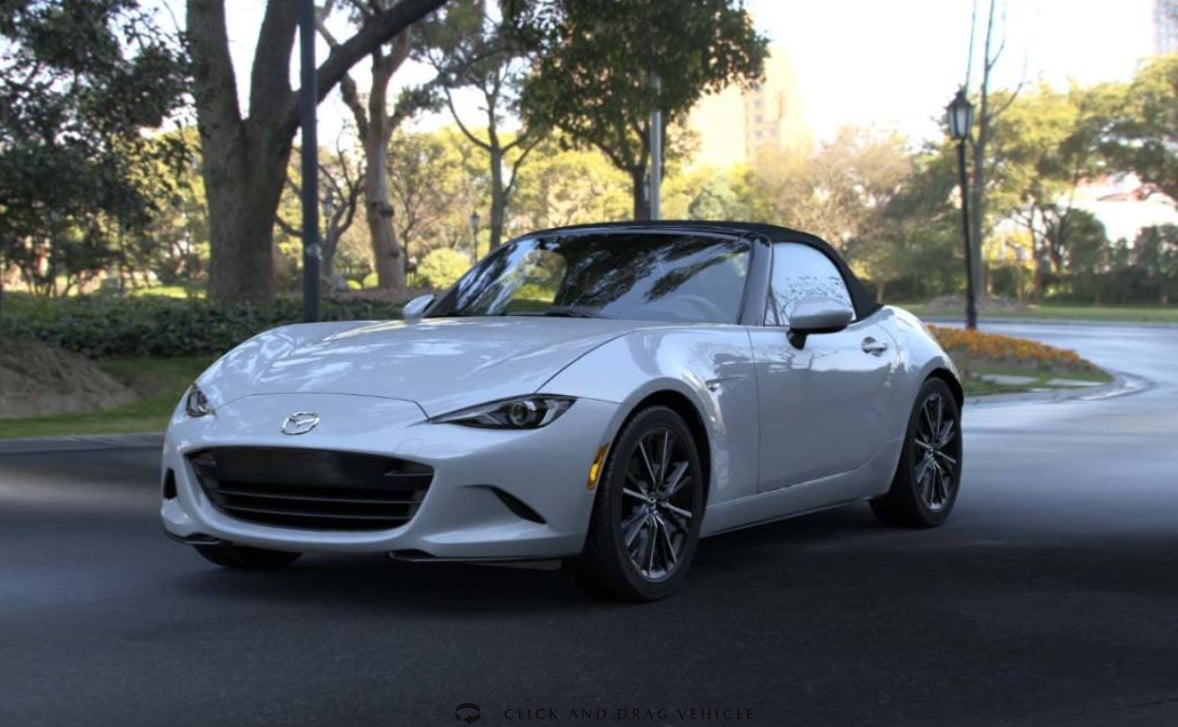
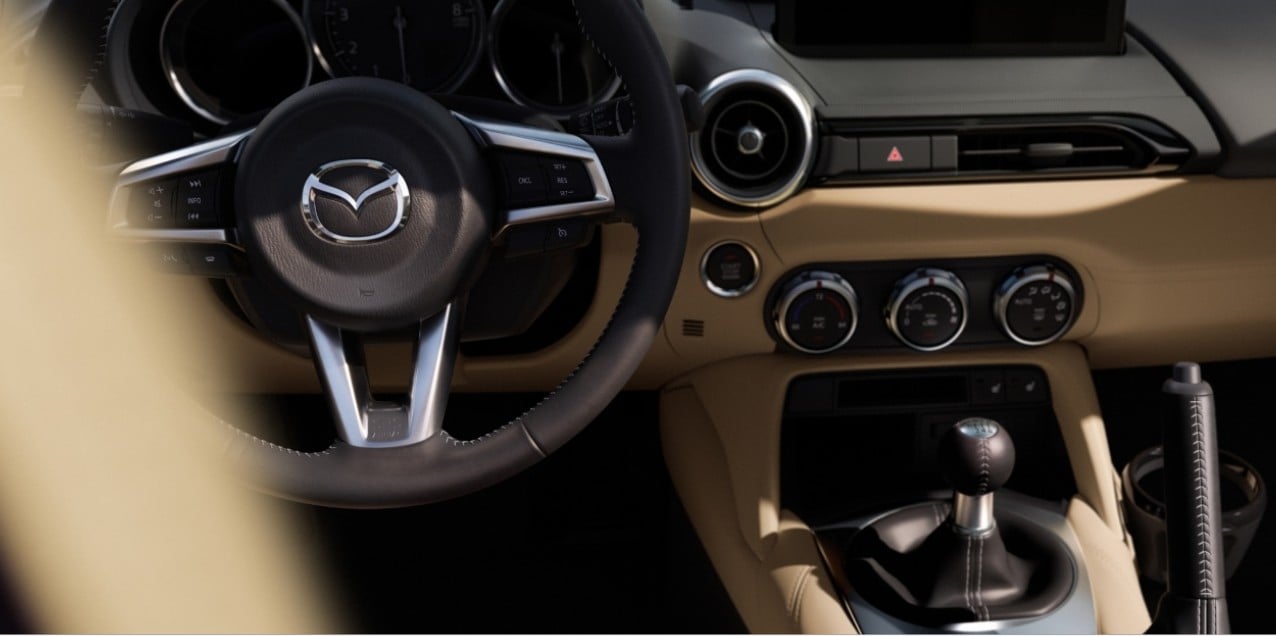
Two Mazda executives have told Dutch publication AutoRAI that the new MX-5 won’t arrive for a few years yet, and that the Japanese manufacturer is still working on the powertrain details for the globally popular two-seater.
According to the report by AutoRAI, and reported by Motor1, Mazda ideally wants to retain an internal combustion powertrain of some sort, and potentially even power the engine with synthetic fuels. However, as we have reported with synthetic fuel generally, it remains costly to produce, and the production infrastructure isn’t yet ready to support its use on a large scale.
As such, Mazda may have to look to a hybrid powertrain as an alternative. Even Porsche, which started producing synthetic fuel in small quantities back in 2022, hasn’t made much of the concept in the last 12 to 24 months, such are challenges associated with making it cost effective.
1
Mazda told WhichCar by Wheels at the Tokyo Motor Show last year, that alternative fuels – synthetic being one example – were very much on the table as a way to offer product that isn’t just electric. MX-5 – given it’s inherent lightness and sports car tactility – would be an obvious beneficiary of a powertrain that isn’t electric.
One of the main issues associated with electric vehicles is weight, with the heavy battery pack especially creating concern among MX-5 fans around the world as it what it would do to what is currently one of the lightest new cars on the market. That low weight is key to the appeal of the Mazda MX-5.
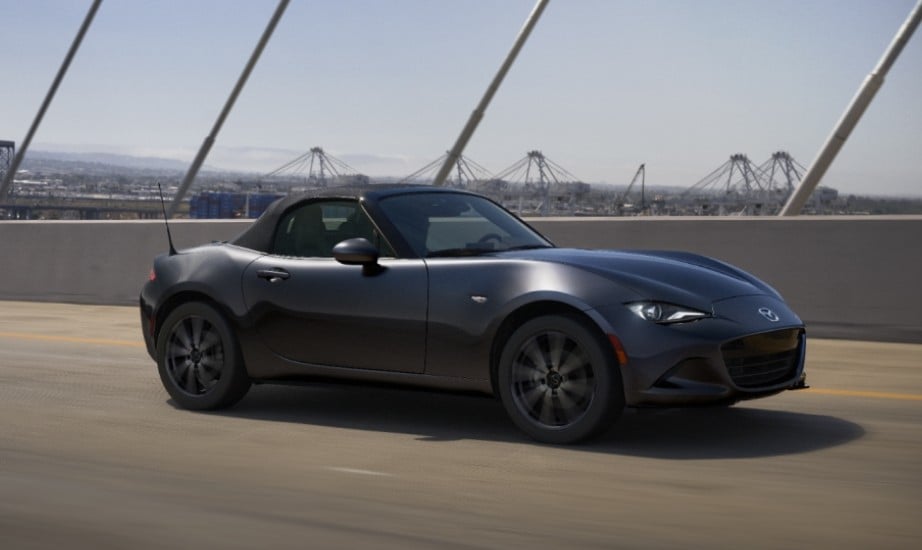
The MX-5 currently on sale – internally coded ND – and the fourth generation of the popular sports car is already a decade old, with a platform that is starting to feel as old as it is. It would appear, though, that the fifth generation is still some time away. Motor 1 reported the Mazda executives as telling AutoRAI that given the challenges of meeting and staying compliant with tightening emissions regulations, fairly significant changes are likely to be unavoidable.
1
Mazda’s head of design in Europe, Jo Stenuit, told AutoRAI that, “a lot of the way is because Mazda is still trying to figure out what to do with the powertrain, but he believes it will likely include some from of electrification”.
Even hybrids though, despite being lighter than a full-EV, create a counter problem for a vehicle that is hyped because of how light and sharp it is. The battery pack, the electric infrastructure, the electric motor and the charging component all add weight – something that is crucial to minimise in a svelte sports car like the MX-5.
“The MX-5 stands above all for fun, light weight, and affordability,” Stenuit told AutoRAI. “If any of those there aspects are missing, it’s not an MX-5.” Crucially, a ‘mild-hybrid’ system, which is effectively a 48-volt electrical system and not really a ‘hybrid’ system as the market has come to expect, is at the lower end of the list for Mazda.
While synthetic fuel would appear to be the easiest way for Mazda to meet emissions regulations, while retaining the spiritual heart of the MX-5, it looks like the Japanese manufacture will have to inject some form of electrification for the next generation of its now-legendary roadster.
Follow WhichCar/Wheels on Google
Click the button below to make WhichCar by Wheels a preferred source for your news.

We recommend
-
 Reviews
2025 Mazda MX-5 review
Tiny tweaks yield big results for updated MX-5 which continues to be an oasis of driving purity
-
 Reviews
2026 Mazda 6e review: Wheels’ verdict on Mazda’s bold new electric sedan
Mazda goes back to the future, with the return of a popular model - but this time with electric power and RWD. The Mazda 6 is back, baby, but it’s not the 6 you remember.
-
News
Mazda 6e electric sedan opens for Australian pre-orders
Rear-wheel-drive EV claims up to 560km range, two grades and fast-charging capability