News

Gallery 1
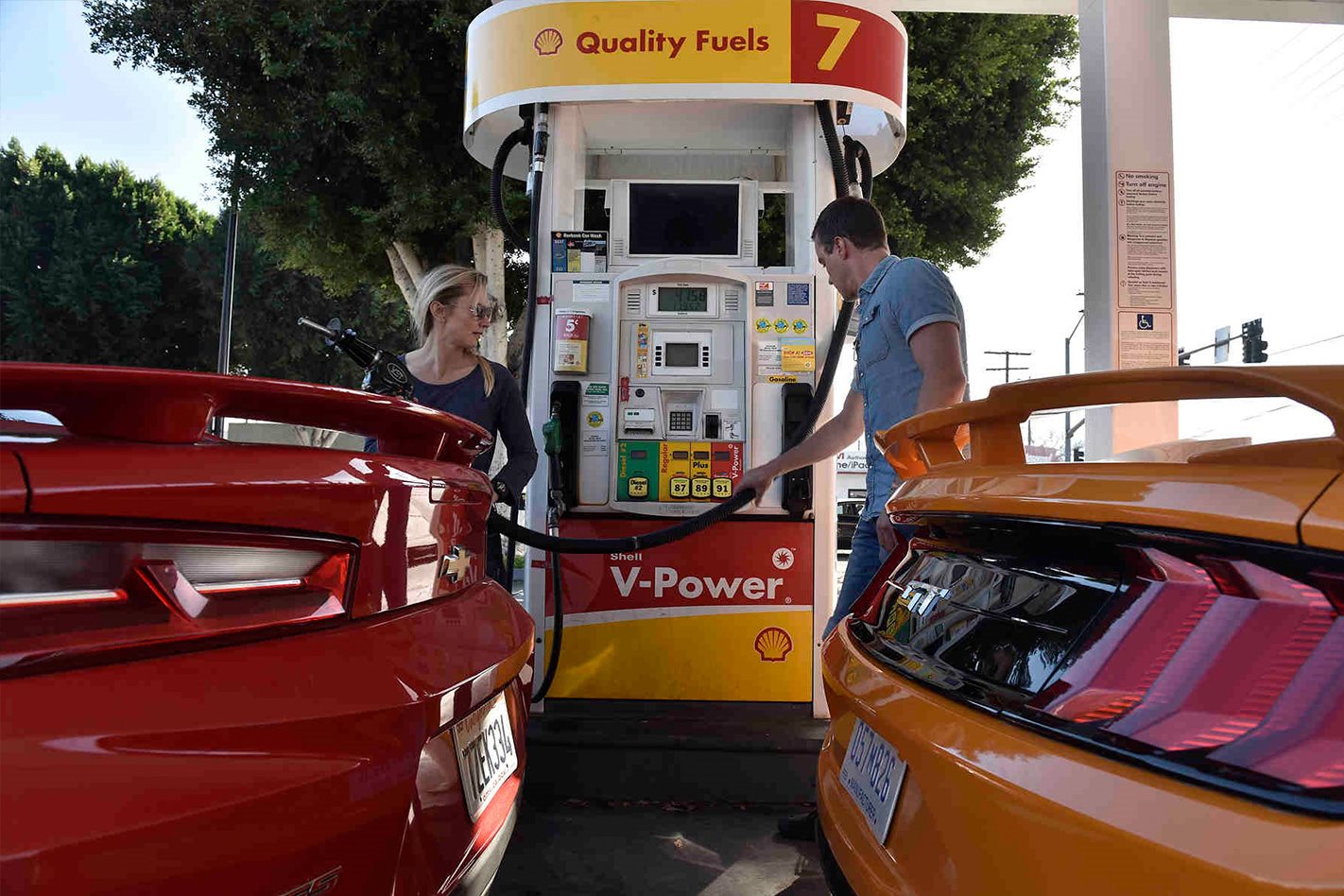
New research from financial comparison website Money has revealed that nearly one in four Australians (24 per cent) admit they’re ‘stockpiling’ fuel or buying more than usual, as uncertainty around fuel prices and potential shortages intensifies thanks to the latest Middle East conflict.
The results from Money‘s nationally representative survey of 1000 Australians also found that three per cent have faced purchase limits when trying to buy larger quantities of fuel, while the majority
(76 per cent) also haven’t increased their fuel purchases since the conflict began.
Fuel prices have surged since the conflict began on February 28, with unleaded up 34 per cent and
diesel jumping 55 per cent, according to NSW FuelCheck data as of today, March 23. Regional areas have seen the highest price increases.
3
Money’s Finance Expert, Sean Callery, says that both surging fuel prices and supply fears are fuelling a wave of reactive behaviour at the pump. “Panic buying at the bowser is a knee-jerk reaction to uncertainty over fuel supply and skyrocketing prices as the conflict in the Middle East continues with no clear timeline for when conditions will stabilise,” he says.
“With petrol prices pushing towards $3 per litre in some areas, it’s a real financial pressure point for households and some Aussies are turning to stockpiling petrol or filling up more often in an attempt to get ahead of further price increases.
“But what many don’t realise is that panic buying can actually exacerbate the problem, because when demand spikes suddenly, it puts additional pressure on already tight supply and can push fuel prices even higher.”
The research also found that younger Australians are leading the petrol buying frenzy nationwide.
Nearly two in five Gen Z (39 per cent) admit they’re stockpiling petrol or buying larger quantities
when they fill up, followed by Millennials (30 per cent), Gen X (18 per cent) and Baby Boomers (10 per cent).
“Younger Australians tend to feel price hikes on essentials like petrol more immediately, as their budgets often have less room to absorb sudden cost increases. They’re also more likely to see and react to price movements or supply concerns in real time on social media, further amplifying panic buying behaviour,” says Sean.
State differences were also clear, with New South Wales motorists the biggest panic buyers (25 per cent), ahead of Victoria (22 per cent) and Western Australia (21 per cent). Lower levels of panic buying were recorded in Queensland (17 per cent) and South Australia (15 per cent).
Find out more about the latest Money survey by clicking here.
Follow WhichCar/Wheels on Google
Click the button below to make WhichCar by Wheels a preferred source for your news.

We recommend
-
 Features
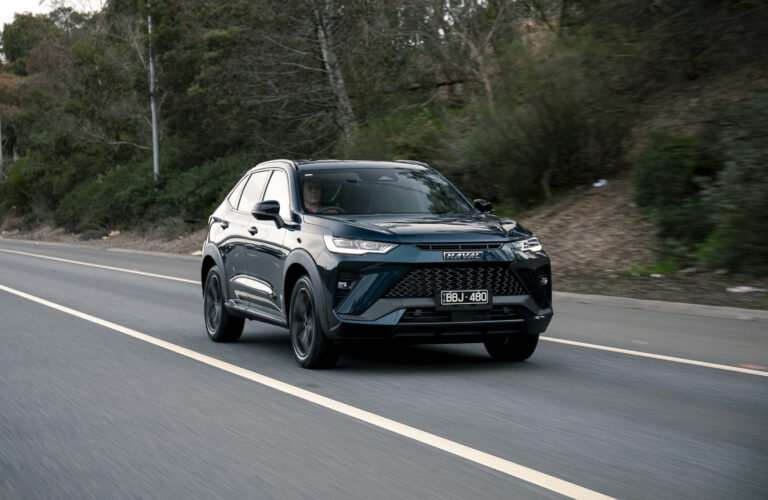
Which plug-in hybrids offer the longest electric driving range?
A plug-in hybrid can offer the best of both worlds for some, so which ones offer the longest electric driving range? The answer may surprise you.
-
 Features
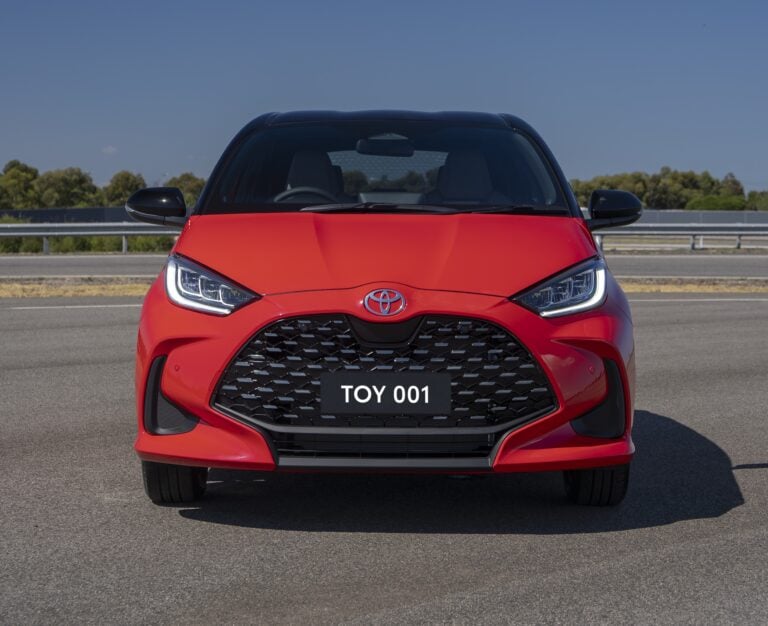
What are the most fuel efficient vehicles on the market without a plug?
Dramatically cutting your fuel use is possible without buying a vehicle that plugs into a wall. Here are the most fuel efficient vehicles in each segment.
-
 Advice
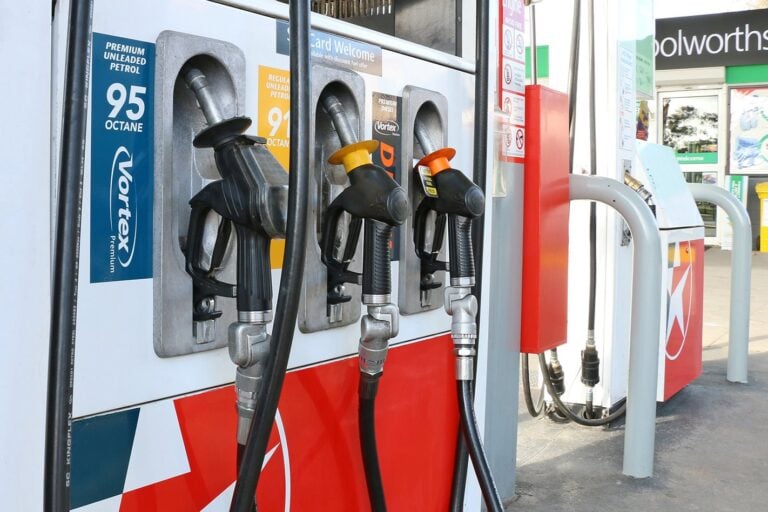
The best ways to save fuel as prices rise and supply tightens
As fuel prices reach record highs around the country thanks to the Iran conflict, there are plenty of ways to try and reduce fuel usage that don't involve buying a new car.