
Opinion


Gallery 1
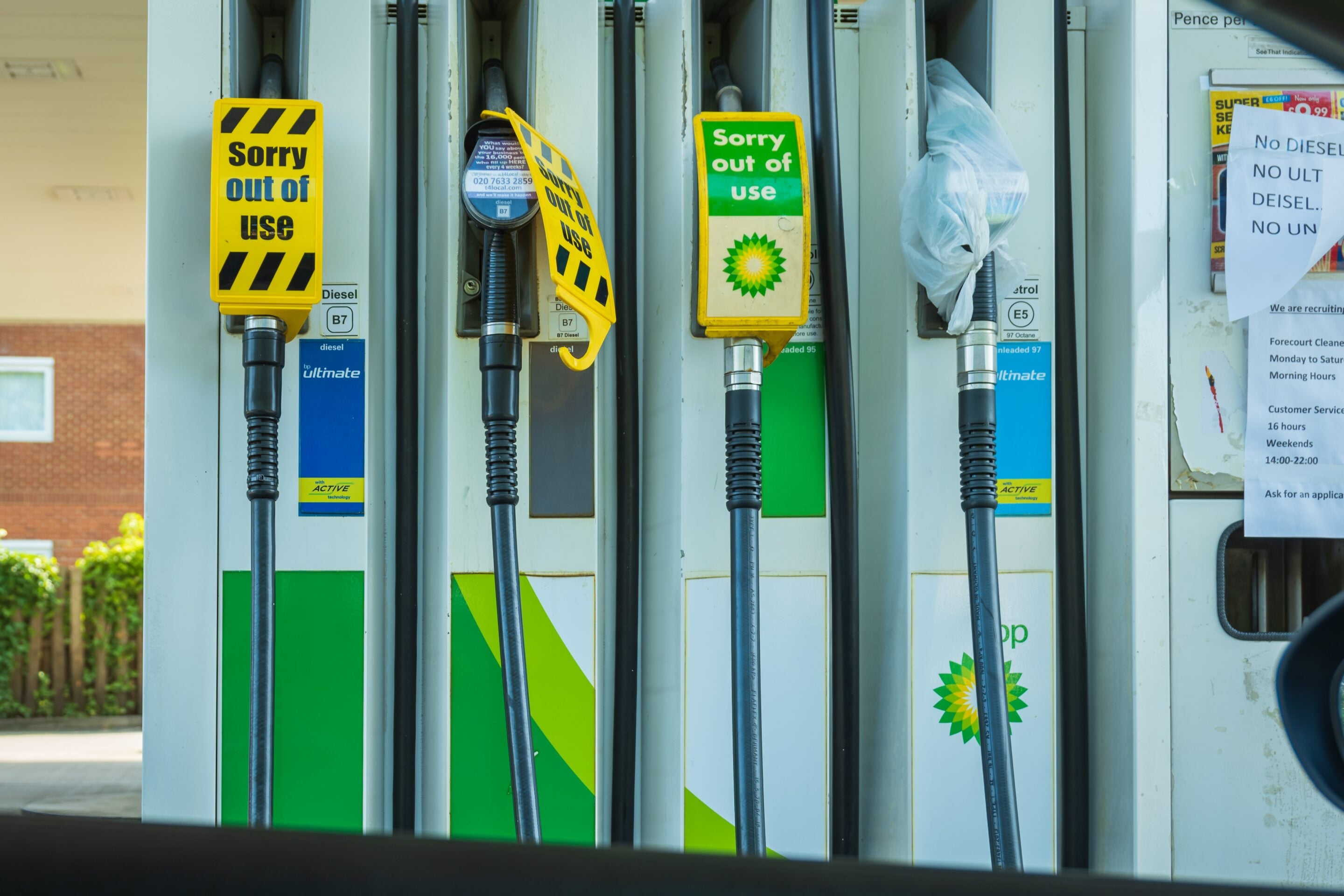
The current conflict in the Middle East has raised an issue most Australians probably aren’t aware of, and one that could have been avoided. That is, we no longer come even close to being self-sufficient in regard to fuel production. And that’s before you get to the completely inadequate 30-something days worth of supply we currently have in storage.
Who is responsible and why, is irrelevant at this point. Both sides of politics would have to accept blame for this current shortage of supply. One thing is certain though, Australians should be demanding that this situation is never allowed to happen again – regardless of the government currently in power.
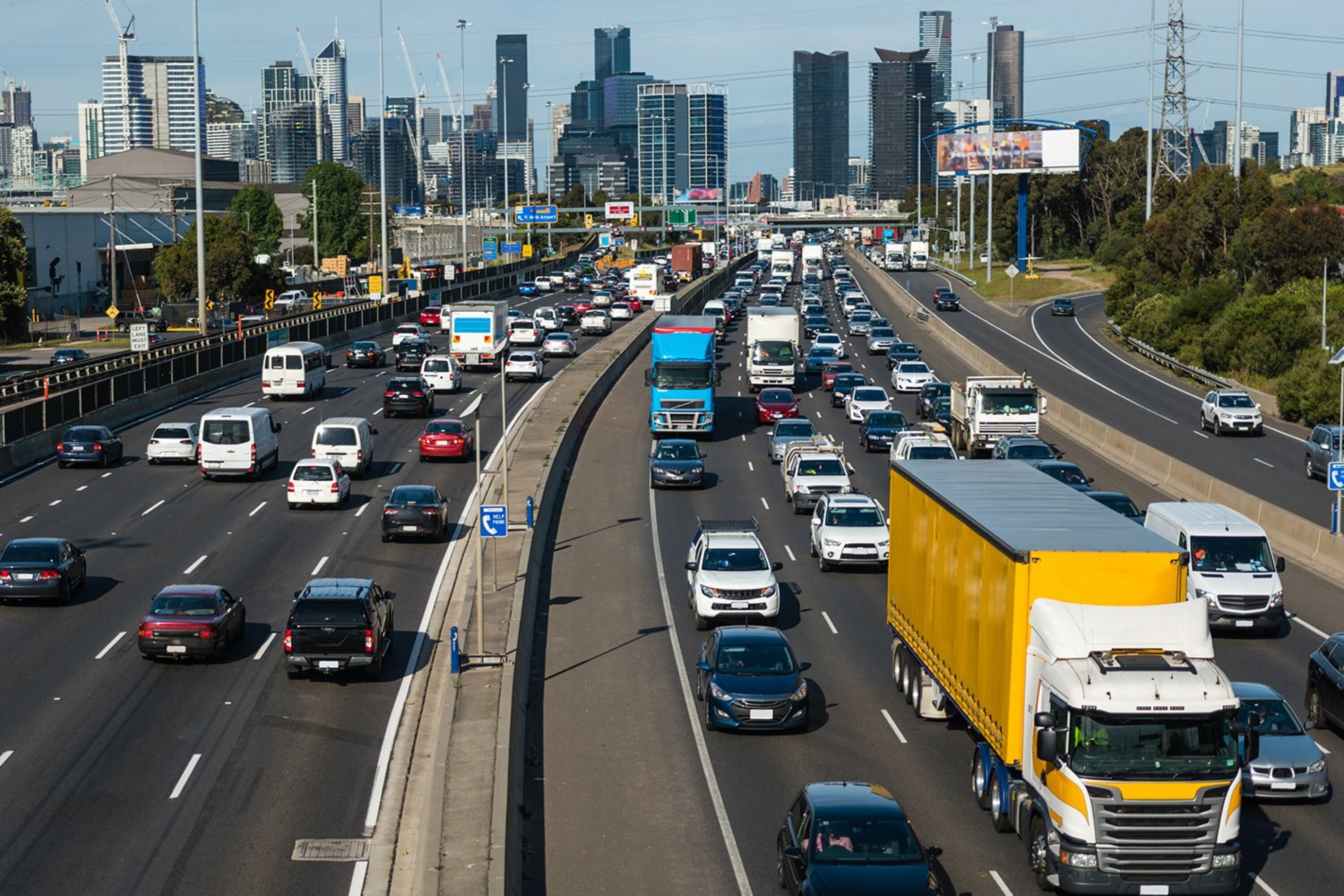
Let’s deal with the second point first, then, and recognise how manifestly inadequate it is for a remote nation like ours to have little more than a month’s fuel requirements in reserve at any given time. This geographically larger, remote nation – and the transport around it – relies heavily on refined fuel, primarily diesel. Without diesel, being able to drive our car to work, school or on holiday, will be the least of our concerns. Grocery and medical supplies, basic goods and services will all be directly impacted if transport either grinds to a halt or slows right down.
On one hand, those of us who need our cars to get to work or take the kids to school obviously need to put fuel in them, but diesel, and the transport that relies upon it, is the backbone of this country. And, being able to move goods around the country is key to the daily running of the place. Therefore, having somewhere between 32 and 36 days worth of fuel in storage at any given time, is completely inadequate.
1
At the time that our ability to produce our own fuel was cut by 80 per cent, Australians were guaranteed that there would be a minimum of 90 days in reserve. There never was and there never has been, and Australians should demand answers as to why. Politicians will wrap the response up in political spin, but we’ve never had that much in supply and we should be demanding a change in that as a minimum.
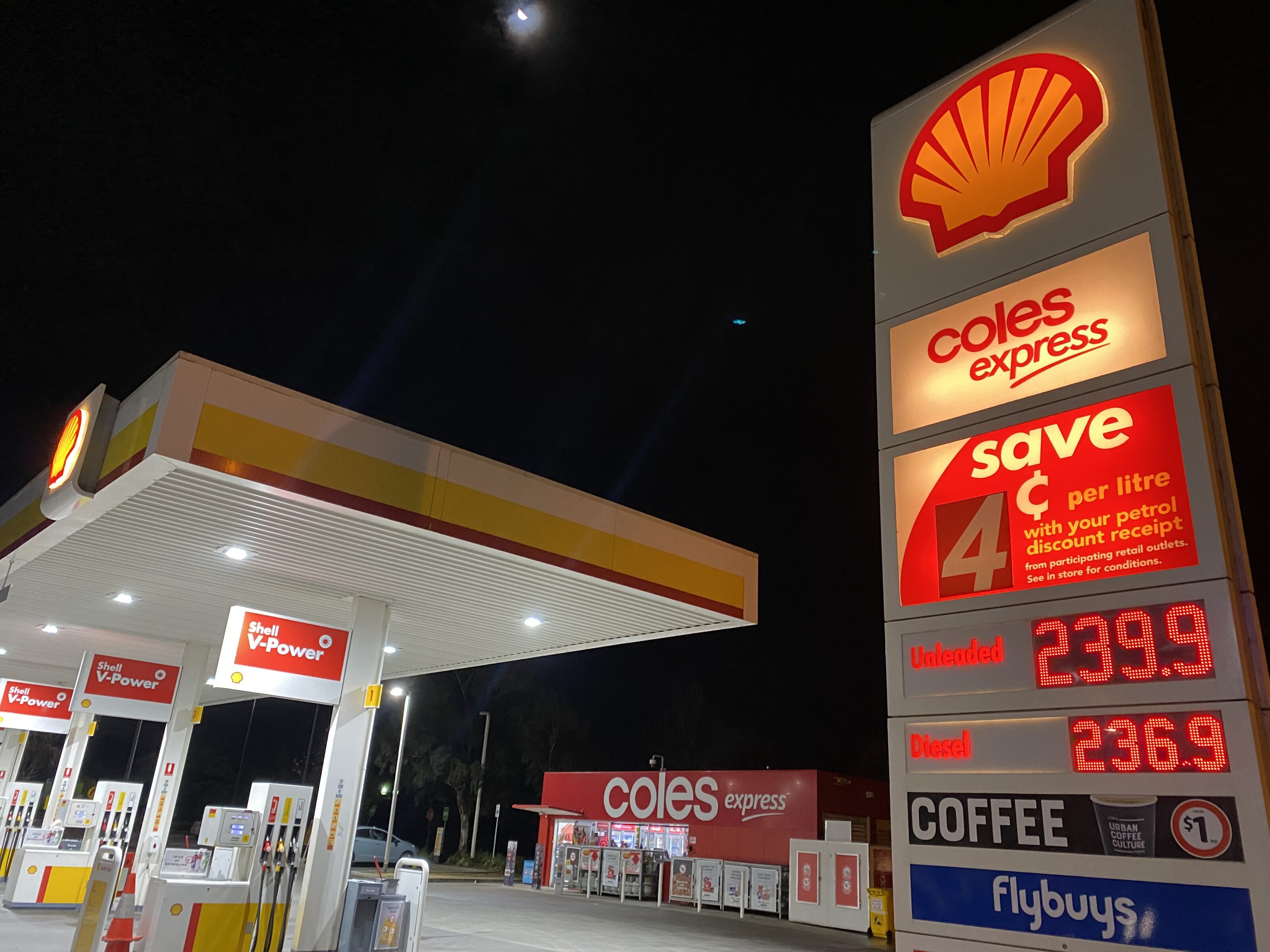
Back to refining fuel, then, and the subject of actually manufacturing something in Australia – a concept that has been trashed by successive governments in the last few decades – means we now produce only around 20 per cent of our own fuel. If you go back to the year 2000, Australia had eight refineries. Australia’s appetite to make things is as low as its ever been, and its time for governments to stop wasting our time with explanations as to why things can’t be done, and start coming up with ways they can be done.
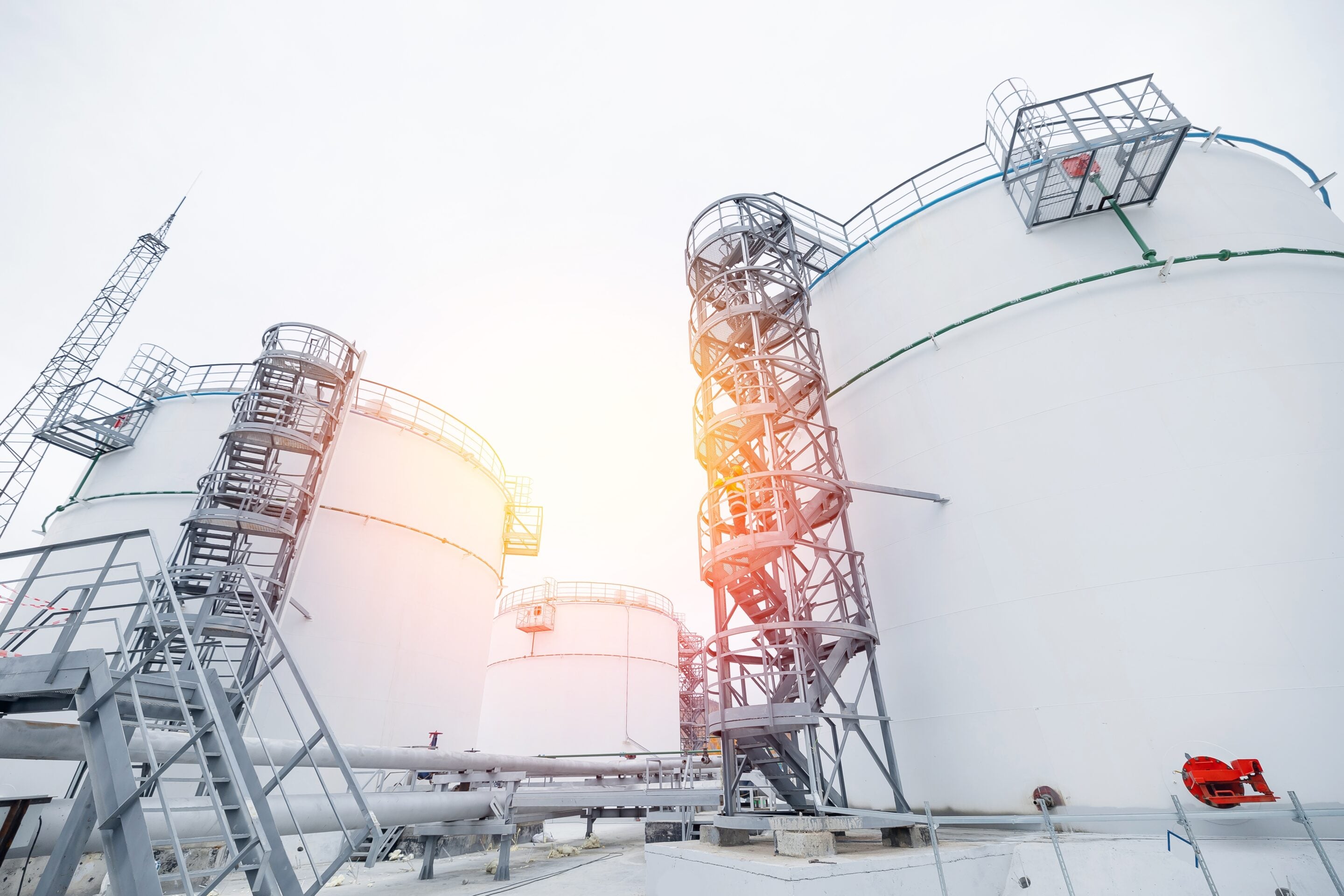
One by one, those refineries were deemed ‘economically unviable’ and shut down. Ultimately, six of them were closed, leaving Australia with only two operating refineries, able to produce around 20 per cent of our fuel requirements. The two remaining are Ampol’s Lytton refinery near Brisbane, and Viva Energy’s refinery in Geelong. Successive governments have been warned multiple times, most recently by the Chief of the Australian Navy, as to the vulnerability we would face if sea lanes were disrupted.
1
And yes, that’s exactly what’s happened in the Strait of Hormuz. The former deputy chief of the Royal Australian Air Force, John Blackburn, told ABC’s 7.30 programme in December 2025, that Australia was increasingly vulnerable.
“In Australia, as of July this year (2025), we had 24 days of diesel stocks,” Mr Blackburn told the ABC. He went on to say that Australia was at the time the only member of the International Energy Agency not currently meeting its obligation for net import coverage of oil.
1
Australia had a dress rehearsal for how this could play out during the COVID-19 lockdowns, and their subsequent impact on the global shipping industry. Fortunately, during that time at least, most people weren’t traveling too far, because we’d been told not to. It seems, in government at least, memories are short.
What’s taken place in the last month is not an exercise of acknowledging those who made accurate predictions or look smart after the fact. Nor is it an opportunity to waste time arguing about who did what, when. It’s an opportunity to make sure steps are taken – material steps – to ensure it never happens again.
Follow WhichCar/Wheels on Google
Click the button below to make WhichCar by Wheels a preferred source for your news.

We recommend
-
 Features
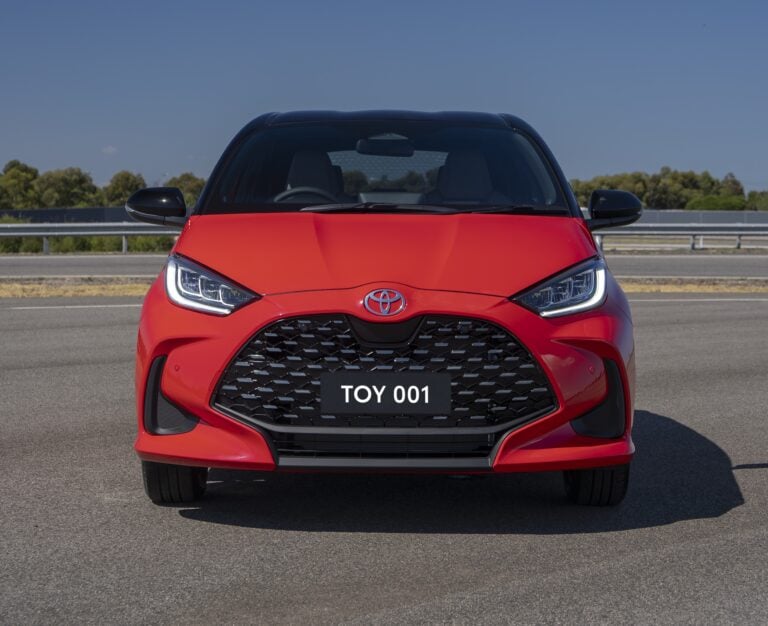
What are the most fuel efficient vehicles on the market without a plug?
Dramatically cutting your fuel use is possible without buying a vehicle that plugs into a wall. Here are the most fuel efficient vehicles in each segment.
-
 Features
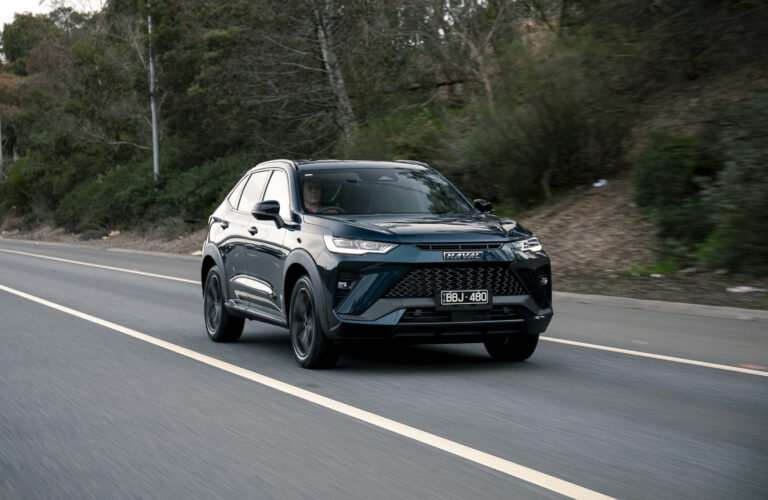
Which plug-in hybrids offer the longest electric driving range?
A plug-in hybrid can offer the best of both worlds for some, so which ones offer the longest electric driving range? The answer may surprise you.
-
 Features
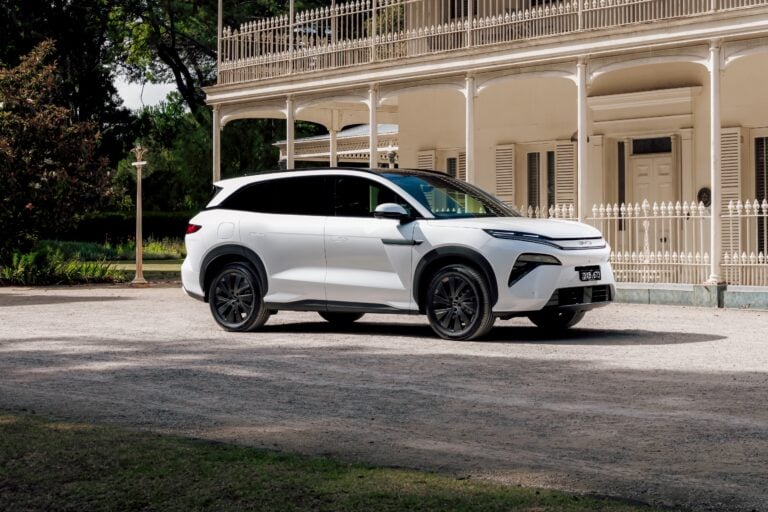
Hybrid vehicles can reduce fuel use during record high prices – so which are the best options?
The latest conflict in the Middle East has seen fuel prices spike and the possibility of further rises to come, so what are the best hybrid vehicles to lessen your spend on filling your car?
