Best Small SUVs

Gallery 1
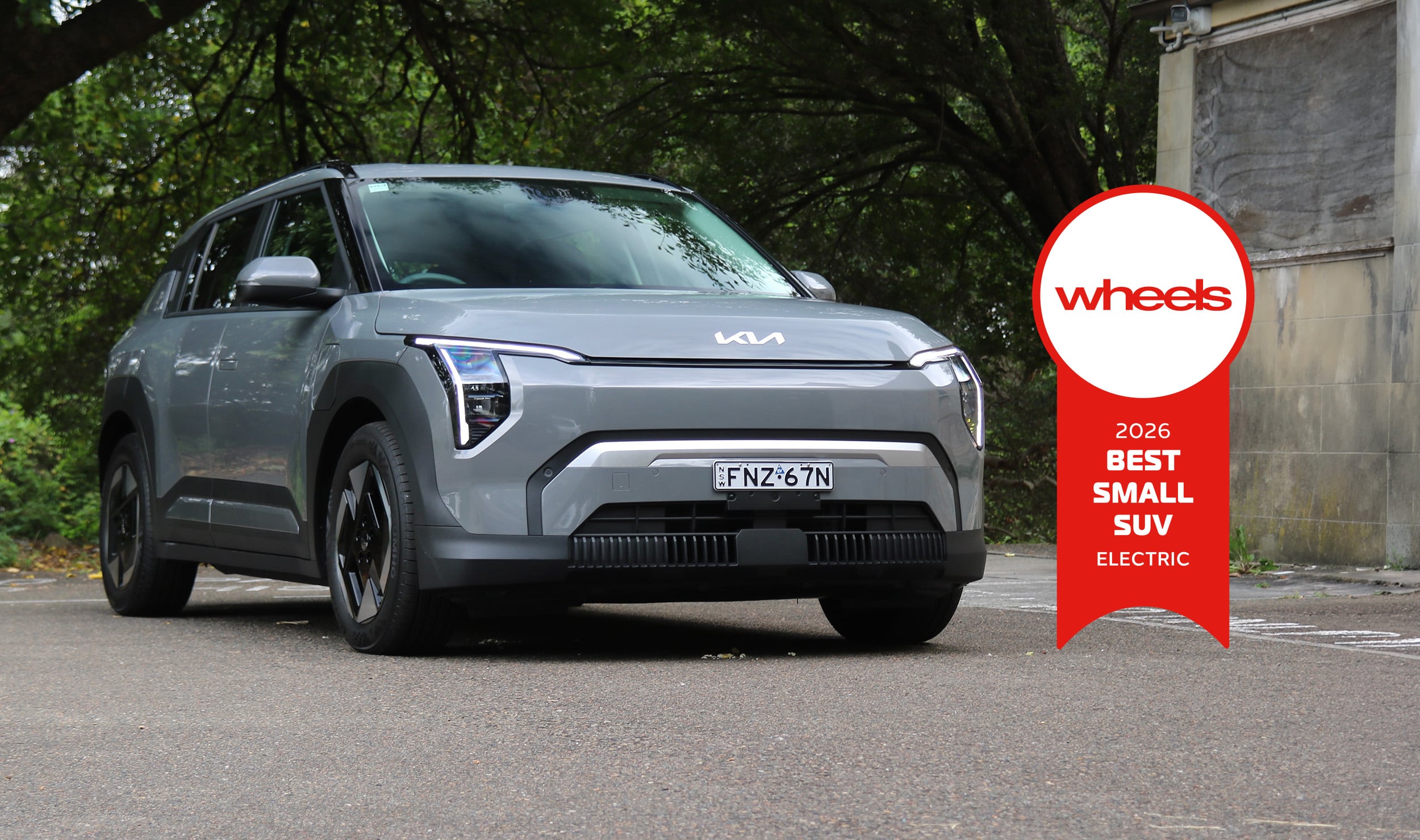
Electric small SUVs have moved from niche alternatives to mainstream family transport, combining longer driving ranges, faster charging and increasingly polished road manners. In 2026, the category spans affordable city-focused EVs through to premium compact crossovers, giving buyers more choice than ever before. The result is one of the most competitive segments on the market, where efficiency, technology and everyday practicality all matter equally.
Contenders
- Kia EV3
- BYD Atto 2
- Jaecoo J5 EV
- Renault Megane E-Tech
- Skoda Elroq
- Volvo EX30
- MGS5 EV
- BMW iX1
- Hyundai Kona Electric
- Mercedes-Benz EQB
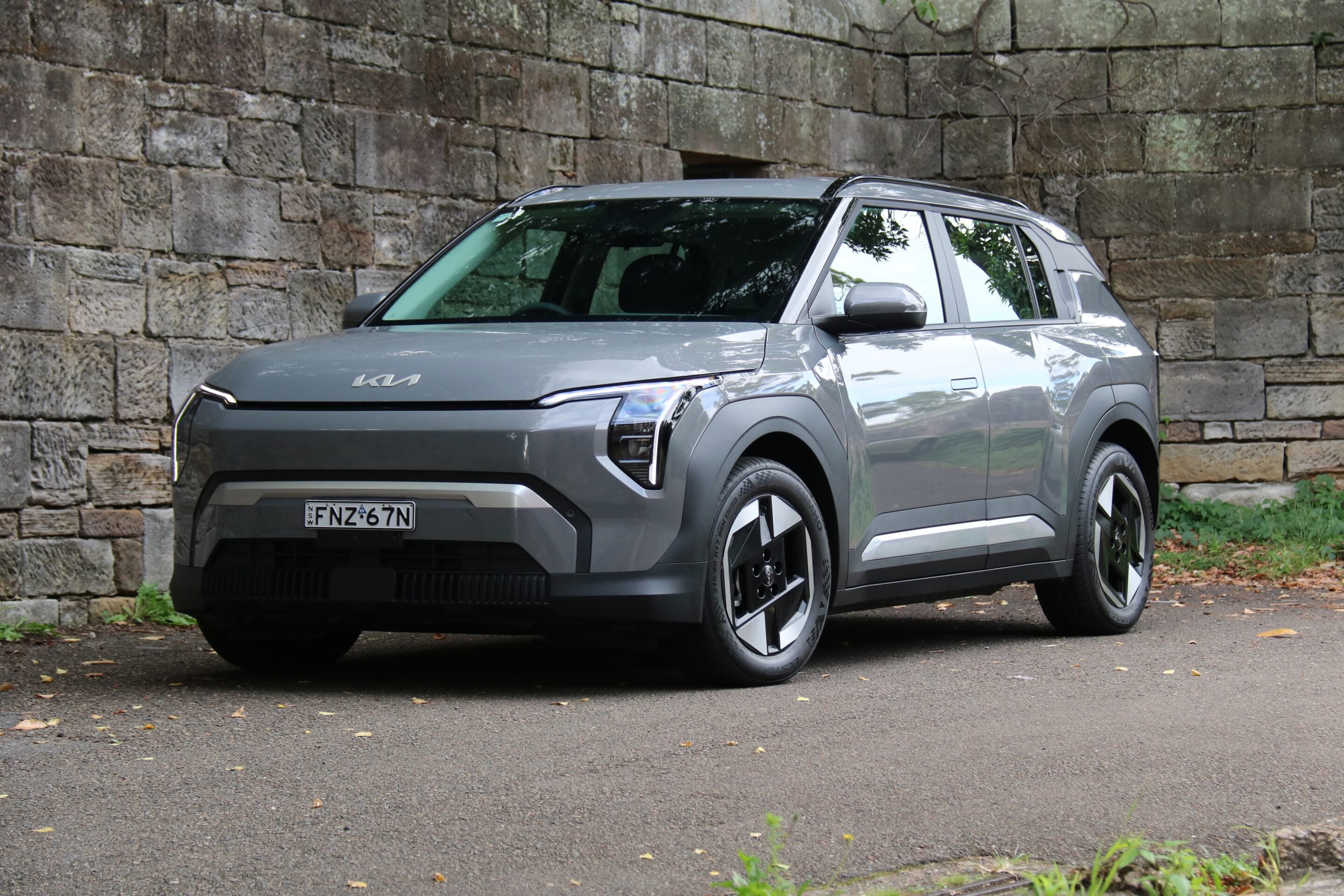
Winner: Kia EV3
9
Price: From $46,990 driveaway
Drivetrain: Single-motor electric, 58.3kWh or 81.4kWh batteries
Outputs: 150kW/283Nm
Range (WLTP): 436km (Standard Range) – 604km (Long Range)
Warranty: Seven-year/unlimited km
Five-year service cost: $1308 ($261 per year)
| Driving | |
| Interior | |
| Practicality | |
| Overall value | |
Strengths
- Locally tuned ride and handling is excellent
- Funky, practical and good quality cabin
- Healthy range and charging
Weaknesses
- Could be cheaper to buy
- A lot of equipment is limited to expensive upper-spec models
- Annoying exterior door handles
Wheels thinks the EV3 – the smallest and cheapest electric vehicle that Kia currently sells in Australia – is the best electric option in this category in 2026. That decision is made based on its excellent practicality, a rewarding driving experience and a very solid list of standard features. Pricing starts at $46,990 driveaway, which is more expensive than something like the BYD Atto 2, but it does offer more range than the BYD thanks to its 58.3kWh battery. If you want more range, a larger battery is also available at additional cost.
Standard equipment on the entry-level Air includes 16-inch alloy wheels, dual-zone automatic climate control with rear vents, dual 12.3-inch screens, wireless Apple CarPlay and Android Auto, a wireless phone charger, keyless entry with push button start, a synthetic leather steering wheel, cloth upholstery and a long list of safety features like a central airbag, autonomous emergency braking, adaptive cruise control, adaptive lane guidance and blind-spot monitoring with rear cross-traffic alert.
Annoyingly, buyers wanting more features must spend a lot more money – the mid-spec Earth asks more than $60,000 including on-road costs, but it’s the cheapest way to get features like an electric driver seat adjustment, heated and ventilated front seats and synthetic leather trim. The $70k GT-Line further adds a sunroof, larger wheels, Harman Kardon audio, electric front passenger seat adjustment and a head-up display. Disappointingly, no EV3 offers a 360-degree camera in Australia.
The EV3’s cabin uses its brand’s latest design theme inside, which may be too minimalist for some. A 12.3-inch touchscreen is located in the centre of the dashboard, which is well featured and quick to use, while the 5.0-inch touch panel next to it controls the climate, though it can be obscured by the steering wheel. Thankfully, there are a reasonable selection of hard buttons throughout the cabin, including a second set of climate buttons. The rear seat of the EV3 will easily accommodate two adults, while the 460-litre boot is a great size too.
All EV3 models in Australia use a front-mounted 150kW/283Nm electric motor, which provides more than ample performance. Charging speeds are also reasonable, at up to 100kW in the Standard Range and 130kW in the Long Range models, with a 10-80 per cent charge taking around half an hour at that speed. The EV3’s driving experience stands out in this segment, giving the driver a planted feeling, excellent suspension tuning, steering with actual weighting, and a darty and reasonably fun chassis.
The Kia EV3 is a great electric small SUV that deserves attention. Sure, it’s more expensive to buy and some Chinese rivals may shade it on equipment levels, but it wins back value points with its excellent driving dynamics, spacious cabin, large boot, healthy charging speeds for the segment and good efficiency and range as well.
BYD Atto 2
8
Price: From $31,990 plus on-road costs
Drivetrain: Single-motor electric, 51.1kWh battery
Outputs: 130kW/290Nm
Range (WLTP): 345km
Warranty: Six-year/150,000km
Five-year service cost: $1430 ($286 per year)
| Driving | |
| Interior | |
| Practicality | |
| Overall value | |
Strengths
- Great value for money
- Well equipped in both available models
- Comfortable and spacious cabin
Weaknesses
- Ride and handling nothing special
- Could offer more driving range
- Overzealous active safety features
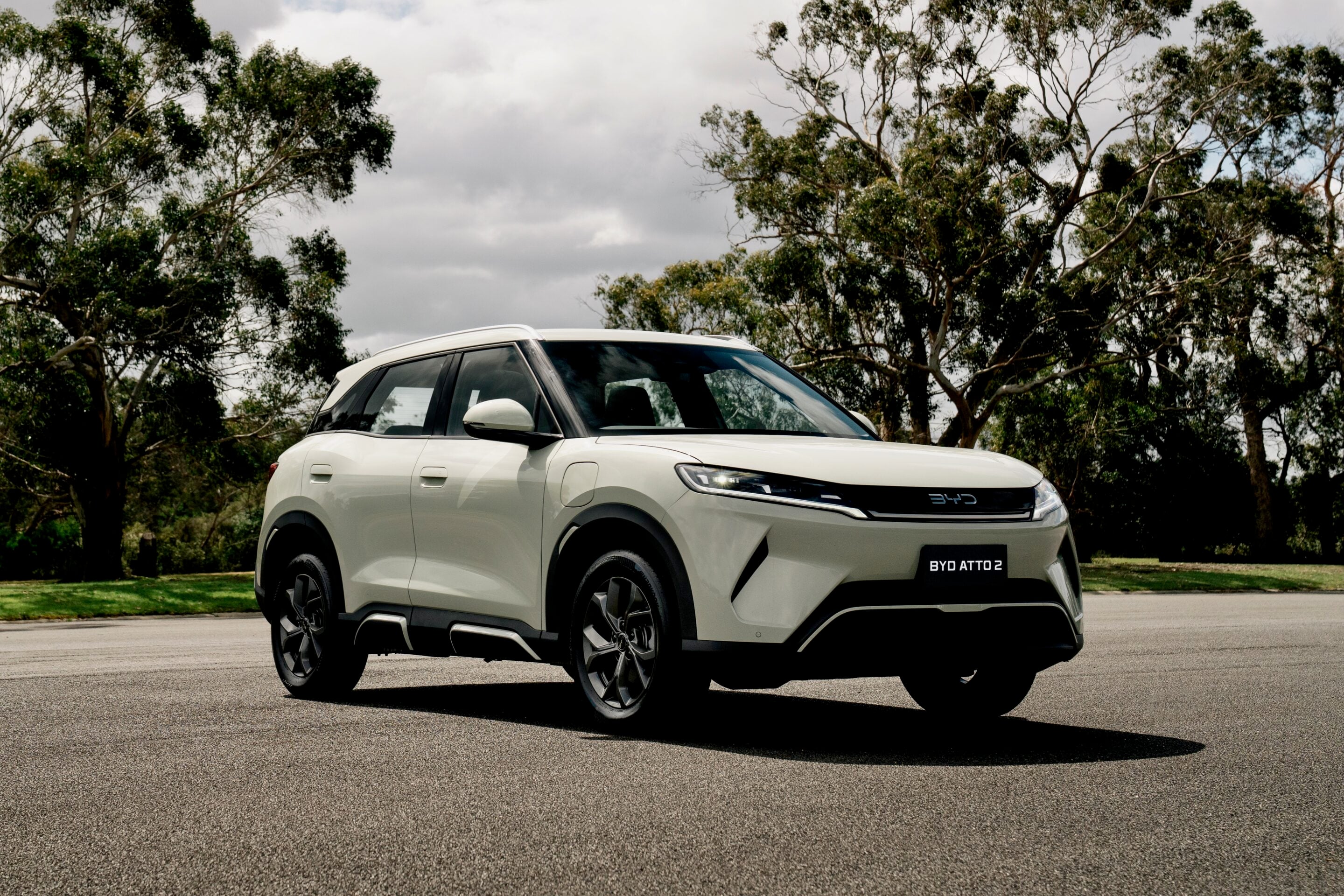
BYD surprised in late 2025 by offering not only Australia’s cheapest EV – the $23,990 +ORC Atto 1 – but also Australia’s cheapest electric SUV: The $31,990 +ORC Atto 2. That low starting price won’t only get you a lot of car, but it’s also quite well equipped in entry-level Dynamic form, with features including 16-inch alloy wheels, automatic exterior lighting and wipers, synthetic leather upholstery, automatic climate control with rear air vents, a 10.1-inch touchscreen with wireless smartphone connectivity and over-the-air updates, a heat pump and a long list of safety kit.
Above the Dynamic sits the $35,990 +ORC Premium, and that adds a lot more features: larger 17-inch wheels, roof rails, a panoramic sunroof, auto-folding mirrors, electric front seat adjustment with heating and ventilation, a larger 12.8-inch touchscreen and a wireless phone charger. At around $40,000 including on-road costs, the Atto 2 Premium is very well equipped, and both models are excellent value.
The cabin of the Atto 2 is its strongest attribute as not only is it spacious, but it’s also good quality, comfortable and relatively easy to use. The entry-level Dynamic features a 10.1-inch touchscreen, which is well featured and accessible, though its small icons make interacting with it more difficult than necessary. Storage is impressive up front, as is seat comfort, and both the rear seat and boot are larger than you’d expect.
On the road, the Atto 2 isn’t as impressive as a Kia EV3, but it is still more than comfortable enough for city use. A 130kW/290Nm front electric motor provides propulsion, which is more than enough grunt for even highway use, and the 51.3kWh battery gives a WLTP-rated range of 345km, which is more than enough for those doing primarily city driving. A peak charge speed of 82kW allows for a claimed 10-80 per cent charge time of 39 minutes, which could be quicker.
The BYD Atto 2 shines as Australia’s cheapest electric small SUV thanks to its low opening price, long list of standard features, comfortable and practical cabin, and reasonably long six-year/150,000km warranty. It could be better to drive and its charge speed is slow compared to some rivals, but if you’re wanting a cheap, practical small SUV that happens to be electric, it provides excellent value for money.
Jaecoo J5 EV
8
Price: From $36,990 driveaway
Drivetrains: Single-motor electric, 58.9kWh battery
Outputs: 155kW/288Nm
Electric range (WLTP): 402km
Warranty: Eight-year/unlimited km
Five-year service cost: $915 ($183 per year)
| Driving | |
| Interior | |
| Practicality | |
| Overall value | |
Strengths
- Loaded with features
- Spacious interior
- Good cabin quality
Weaknesses
- Not a dynamic superstar
- Could be more efficient
- Almost every feature controlled through the touchscreen
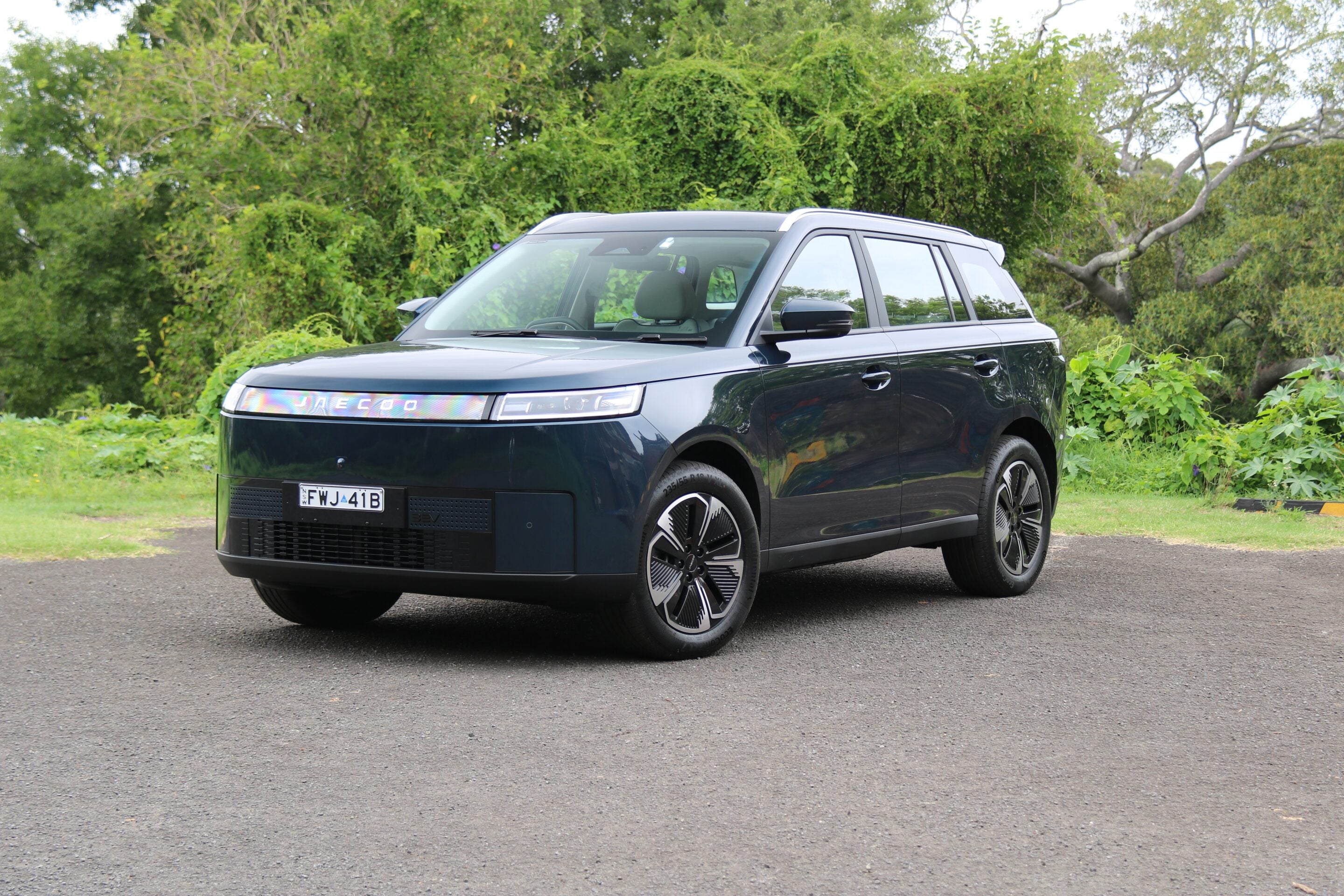
Jaecoo’s smallest offering, the J5 small SUV, launched locally in electric form in late 2025 to much fanfare. It’s well priced at $36,990 driveway, surprisingly practical inside, very well equipped and uses a 58.9kWh battery for a healthy 402km of claimed WLTP range. Considering its Range Rover-like styling, it’s not difficult to see why Jaecoo’s initial 3000 unit allocation is already sold out.
Only the upper-spec Summit model is available in Australia for now and it’s very well equipped, including features like a panoramic glass roof, electric tailgate, dual-zone automatic climate control, synthetic leather upholstery, electric front seats with heating and ventilation, and a rear central armrest with cupholders are added. A loaded electric small SUV for under $40k on the road? Not bad at all, especially considering that it’s covered by one of the longest warranties on the new car market.
It must be said that the J5’s driving experience could be improved. We’ve not driven the yet-to-be-launched petrol car but the EV’s soft suspension and light steering make the driver feel disconnected from the car. However, it’s still comfortable enough for everyday life and while the active safety systems could use a bit more refinement, they have come a long way since Chery – Jaecoo’s parent brand – re-launched locally.
The EV provides ample grunt at 155kW, and its 58.9kWh battery provides a reasonable 402km of WLTP range. For replenishing that range, the J5 EV can be recharged at up to 130kW for a 30 to 80 per cent charge in a claimed 28 minutes.
The cabin of the J5 is good quality for the money, quite practical and comfortable too. We wish that the huge 13.2-inch touchscreen featured more shortcut buttons to aid usage, but the system is quick to use and screen quality is impressive. The rear seat can handle two taller adults easily, while the 384-litre boot is large for its size as well. For now, the Jaecoo J5 will need to overcome a lack of name recognition among Australian buyers but we think it has potential to sell well given its value proposition, spacious interior, equipment levels and long warranty.
Renault Megane E-Tech
6
Price: From $49,990 driveaway
Drivetrain: Single-motor electric, FWD, 60kWh battery
Outputs: 160kW/300Nm
Range (WLTP): 454km
Warranty: Five-year/100,000km
Five-year service cost: $1625 ($325 per year)
| Driving | |
| Interior | |
| Practicality | |
| Overall value | |
Strengths
- Funky design inside and out
- Newly-lowered pricing increases value
- Good cabin quality
Weaknesses
- No higher spec model in Australia
- No connected services locally
- Only one battery size available
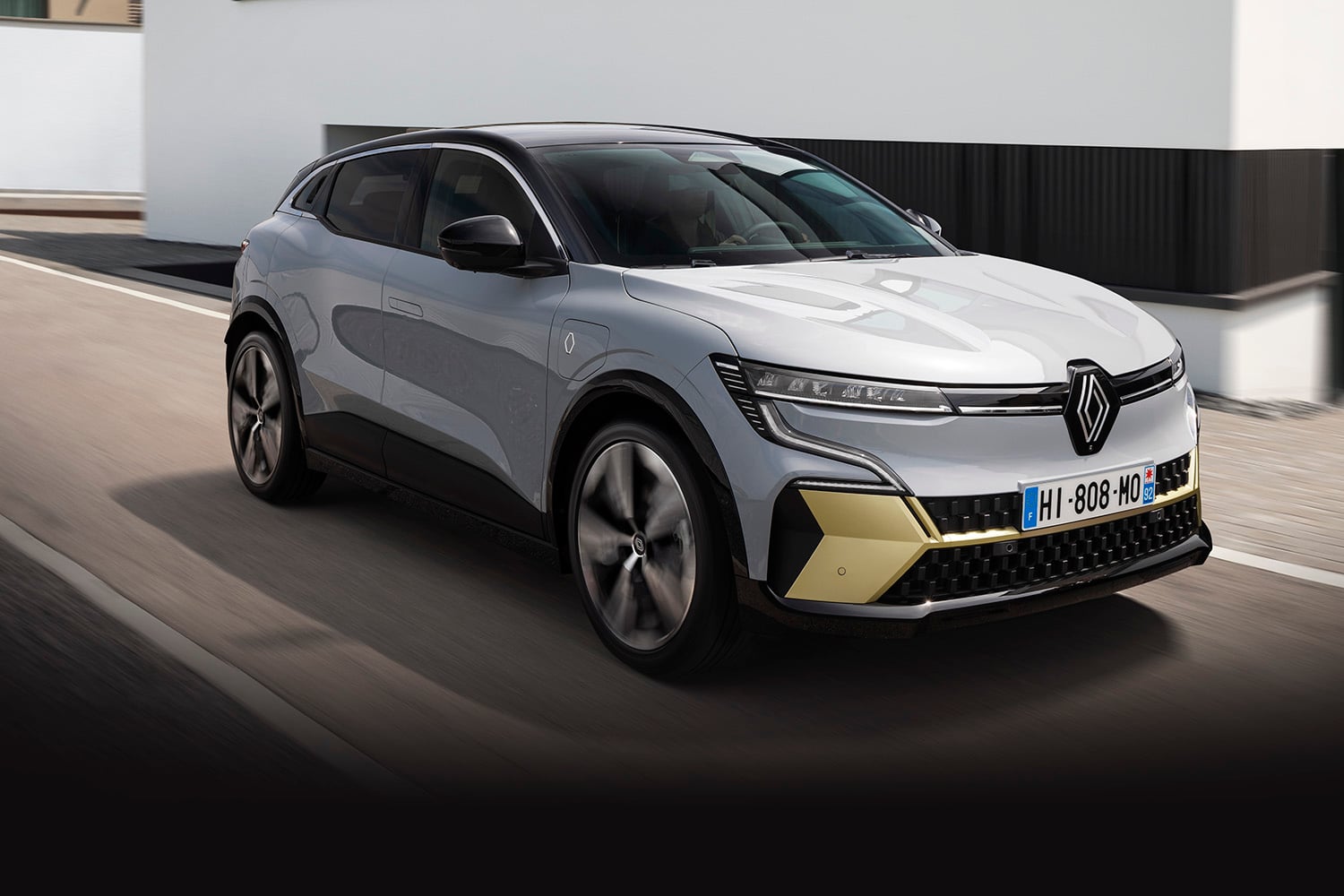
For some, Renault is not a company that they’d expect a strong electric small SUV to come from, but the Megane E-Tech is one such product. It wasn’t the brand’s first electric vehicle to launch locally – that honour went to the Kangoo van and Zoe hatchback – but it was its first serious attempt at mainstream electric vehicles in Australia. It’s since launched the larger Scenic E-Tech as well, and both vehicles are well worth consideration.
Just one model of Megane E-Tech is currently offered locally, which is called the Techno and it’s currently available for $49,990 driveaway, placing it at the same price point as the Skoda Elroq 60 and only $4000 more expensive than the less plush/shorter range Hyundai Kona Electric. Standard features include huge 20-inch alloy wheels, LED exterior lighting, fabric and synthetic leather upholstery, heated front seats and steering wheel, a 9.0-inch infotainment system and a full active safety suite.
The sole Megane E-Tech model uses a 60kWh NMC battery for a claimed 454km of WLTP range, which is reasonable, and it can be recharged at up to 130kW for a claimed 15-80 per cent charge in as little as 35 minutes. A 160kW/300Nm motor drives the Megane E-Tech, providing more than ample performance. It drives well, with a nimble chassis and sweet steering.
Inside the Megane E-Tech is a funky and high quality cabin. Highlights include recycled cloth and synthetic leather upholstery that immediately looks warmer and more characterful than the masses of fake leather trim used in many other EVs, as well as a 9.0-inch touchscreen that features wireless smartphone mirroring, though – oddly enough, like the Elroq – Australia doesn’t receive the inbuilt sat-nav or live services that European models get, which could be annoying for some. The rear seat is large though, and the 440-litre boot is a good size too.
The Renault Megane E-Tech offers a solid option for an electric small SUV. It looks great, it’s well finished inside, drives well, is reasonably practical and did we mention its cool styling? It’s cheap to service as well, though annoyingly, there’s only model available in Australia for now and it misses out on some features available in Europe, like live services and sat-nav. But at under $50,000 driveaway, the Megane E-Tech is well worth consideration.
Skoda Elroq
4
Price: From $49,990 driveaway
Drivetrain: Single-motor electric, RWD, 49kWh or 82kWh batteries
Outputs: 150kW/310Nm or 210kW/545Nm
Range (WLTP): 395km – 529km
Warranty: Seven-year/unlimited km
10-year service cost: $1950 ($195 per year)
| Driving | |
| Interior | |
| Practicality | |
| Overall value | |
Strengths
- Good value for money
- Rear-wheel drive dynamics
- Surprisingly practical
Weaknesses
- Base 60s range mightn’t be enough for some
- Big step up in price to get more range
- No connected services locally
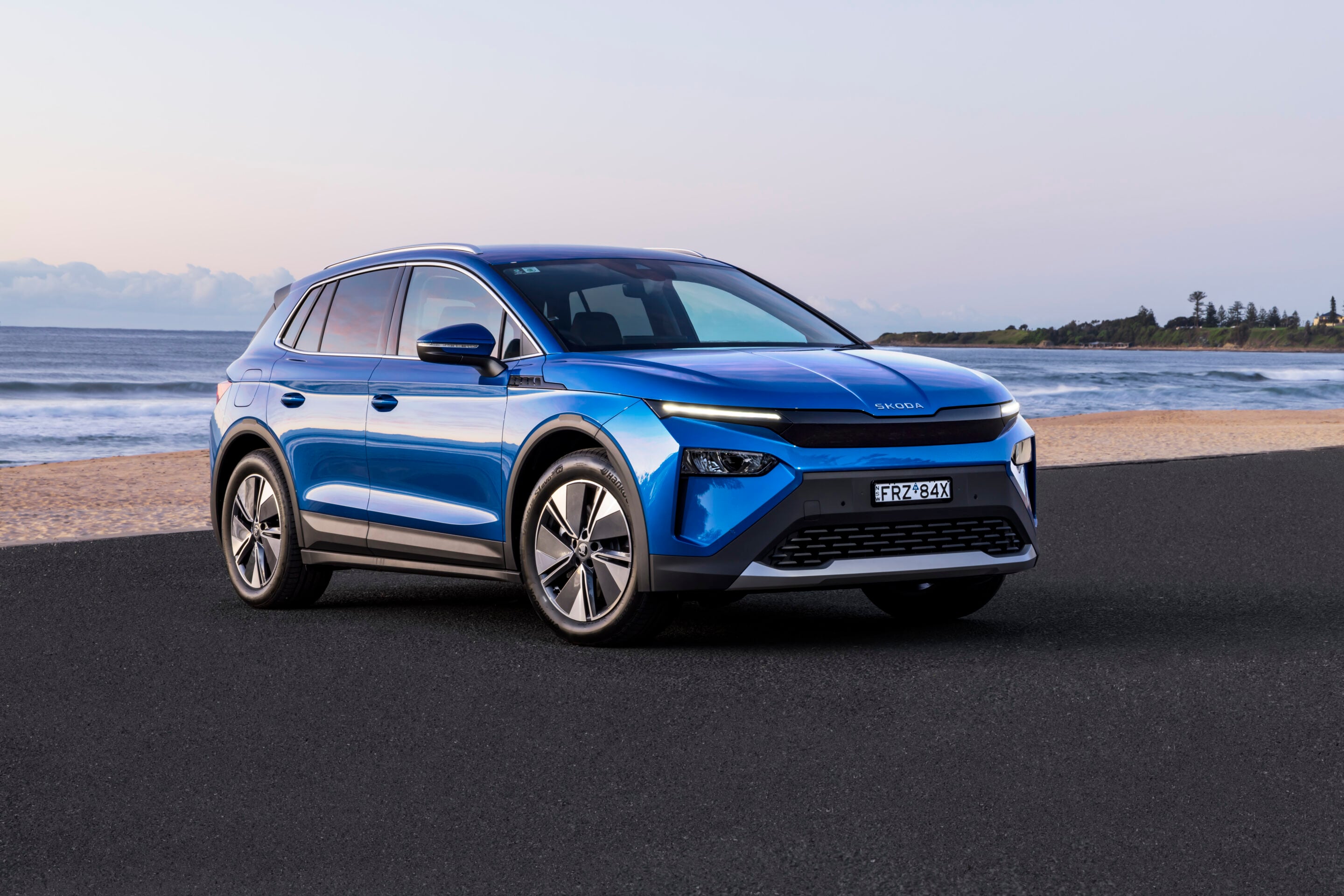
From having no electric vehicles in Australia just a few years ago, the brand now offers two with another two waiting in the wings, and the smallest at the moment is the new Elroq. It launched locally in 2025 priced from $59,990 driveaway for the 85, which offers up to 529km of range, but the brand has recently added a new entry-level Elroq 60 with a smaller battery for a claimed 395km of range.
Standard equipment in even the 60 is lengthy, including 19-inch alloy wheels, LED exterior lighting, dual-zone climate control with rear air vents, a 13-inch touchscreen, heated front seats, a heated leather steering wheel and a full suite of active safety features. Buyers of the 60 also have the optional $6000 Signature Package, which adds electric front seats, an electric tailgate with hands-free opening, a head-up display rear side airbags, a 360-degree camera, Matrix adaptive high beam and Canton audio. We’d definitely tick that box.
Both Elroq models use a single rear-mounted electric motor, which makes 150kW/310Nm outputs in the 60 and a surprisingly keen 210kW/545Nm in the 85. Like the larger Enyaq, which uses the same chassis, the Elroq is the first rear-wheel drive Skoda since 1990. That gives it a fun feeling from behind the wheel, and its ride quality is well tuned too. As you’d expect for a European car, refinement is excellent, with not much road noise even at highway speeds.
Inside the Elroq is not the mass of synthetic leather upholstery we’re used to from many new cars. Instead, it uses a mix of warm and high quality cloth trims, including on the centre console and dashboard. A large 13-inch touchscreen is standard equipment, offering features like wireless smartphone mirroring, though not sat-nav or live services in Australia. Rear seat space is not huge, but two adults will fit fine. The Elroq’s 470-litre boot is a good side too, with plenty of clever features, and opens up to a large 1580 litres with the rear seats folded.
Overall, the Skoda Elroq may be new to the market but it’s a small electric SUV well worth consideration. It presents good value for money priced from $49,990 driveaway, though that model’s 395km of range may not be enough for some buyers and those wanting more must spend $10,000 more. But even that model is reasonable value, given Skoda’s seven-year warranty is the longest for a European maker in Australia and a 10-year service pack costs just $1950.
Volvo EX30
6
Price: From $49,990 plus on-road costs
Drivetrain: Single or dual-motor electric, RWD or AWD, 69kWh battery
Outputs: 200kW/343Nm – 315kW/543Nm
Range (NEDC): 417km – 462km
Warranty: Five-year/unlimited km
Five-year service cost: Included
| Driving | |
| Interior | |
| Practicality | |
| Overall value | |
Strengths
- Fun to drive, powerful even in base model
- Handsome styling, cool cabin materials
- Newly-lowered pricing makes it much better value
Weaknesses
- Interior is too minimalist
- Almost everything controlled through the touchscreen
- Dual-motor now only on Cross Country variant
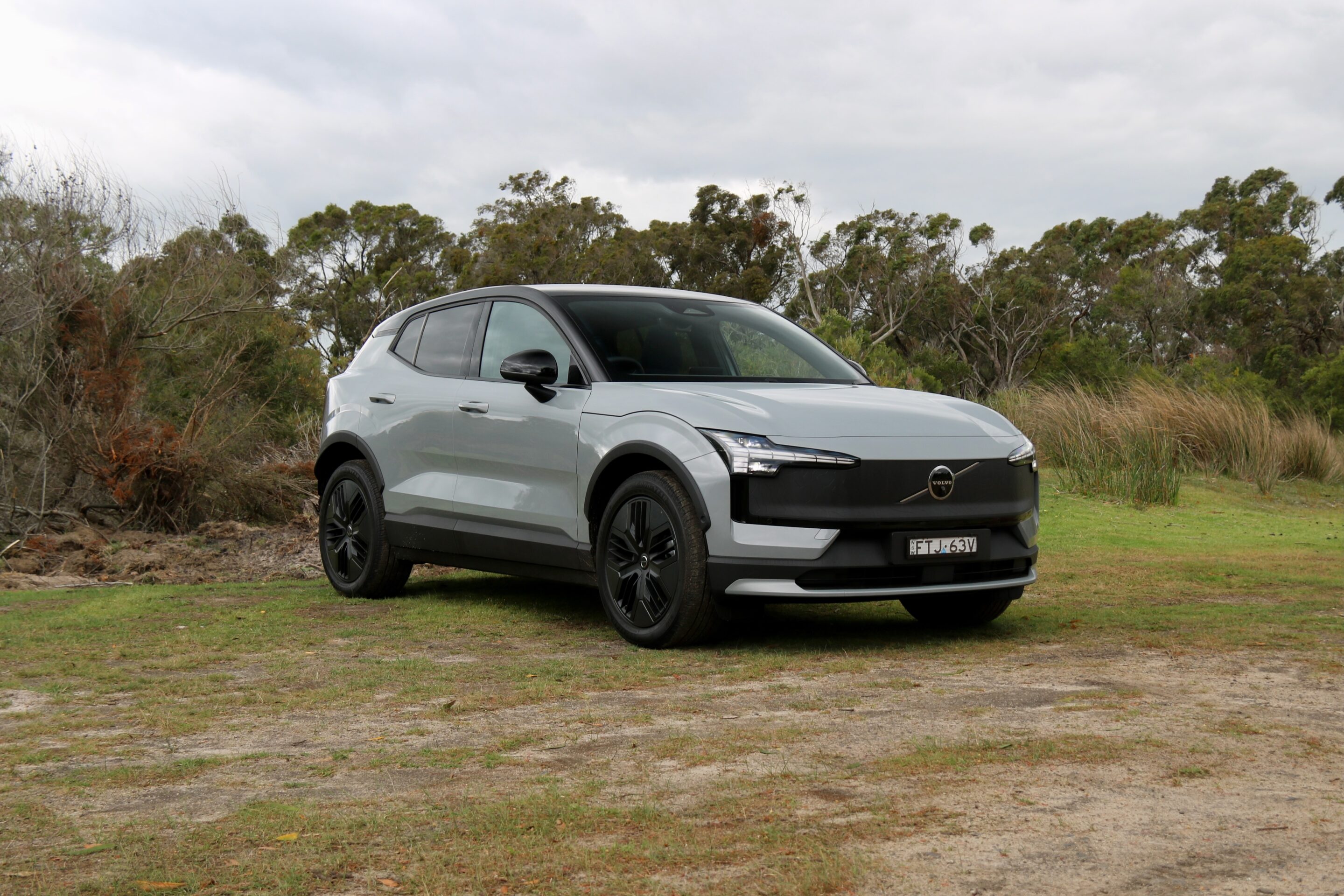
Launched locally in 2024, the Volvo EX30 is the brand’s smallest product and rides on a new Geely-derived platform. Pricing starts at $49,990 plus on-road costs, which is $10,000 lower than the pre-updated model, making it much better value than before. Peak charging speed is a healthy 175kW for a 10-80 per cent charge in 28 minutes, while the 69kWh battery allows for a claimed NEDC driving range of up to 462km for the single motor variant (417km for the dual motor Cross Country).
Inside the EX30 is definitely not huge, but it may be more practical than you might initially think considering its tiny footprint. Two six-foot adults will just about fit in the rear seat with just enough legroom and headroom for taller folk, though the 318-litre boot is not huge (it opens up to 1000 litres with the rear seats folded). Quality is solid with lots of sustainable materials that look and feel high quality used throughout the cabin, and there’s plenty of cabin storage space in the front seat, including a cool opening centre console in the front cabin and large door bins.
Centre of the cabin is a 12.3-inch touchscreen that controls almost every function of the car with very little in the way of buttons – there isn’t even a driver’s display to show the car’s speed, like in a Tesla. The touchscreen itself is quick to use and the display is bright, but it could be easier to use – functions such as the headlights and mirrors are buried within and often take two or three presses to activate, taking eyes off the road.
You’ll want to keep your eyes on the road because the EX30 is quite quick, even in the base model with its 200kW of power and quick 5.3-second 0-100km/h sprint time – the top-spec dual-motor makes 315kW of power and makes the Cross Country variant even quicker. The driving experience of the EX30 is quite fun, with direct, nicely-weighted steering and enjoyable handling, though some might find its ride quality to be a bit firm in everyday use.
The EX30’s aftersales package is good with a five-year service plan included in the price and two-year service intervals, making the EX30 pretty painless from an ownership point of view. The Volvo EX30 is a strong entrant into the electric small SUV segment – that is, if you don’t need the largest or most practical entrant. It’s really fun to drive, offers reasonable range, is well equipped and, thanks to a recent price cut, pretty good value for money.
MGS5 EV
9
Price: From $40,990 driveaway
Drivetrain: Single-motor electric, RWD, 49kWh or 62kWh batteries
Outputs: 125kW/250Nm
Range (WLTP): 340km – 425km
Warranty: Seven-year/unlimited km (service-activated up to 10 years/250,000km)
Five-year service cost: $1967 ($393 per year)
| Driving | |
| Interior | |
| Practicality | |
| Overall value | |
Strengths
- Great value for money
- Well equipped with a lot of standard features
- Pleasant driving experience
Weaknesses
- More powerful models not available locally
- Range could be better
- Top-spec Essence hides too many features
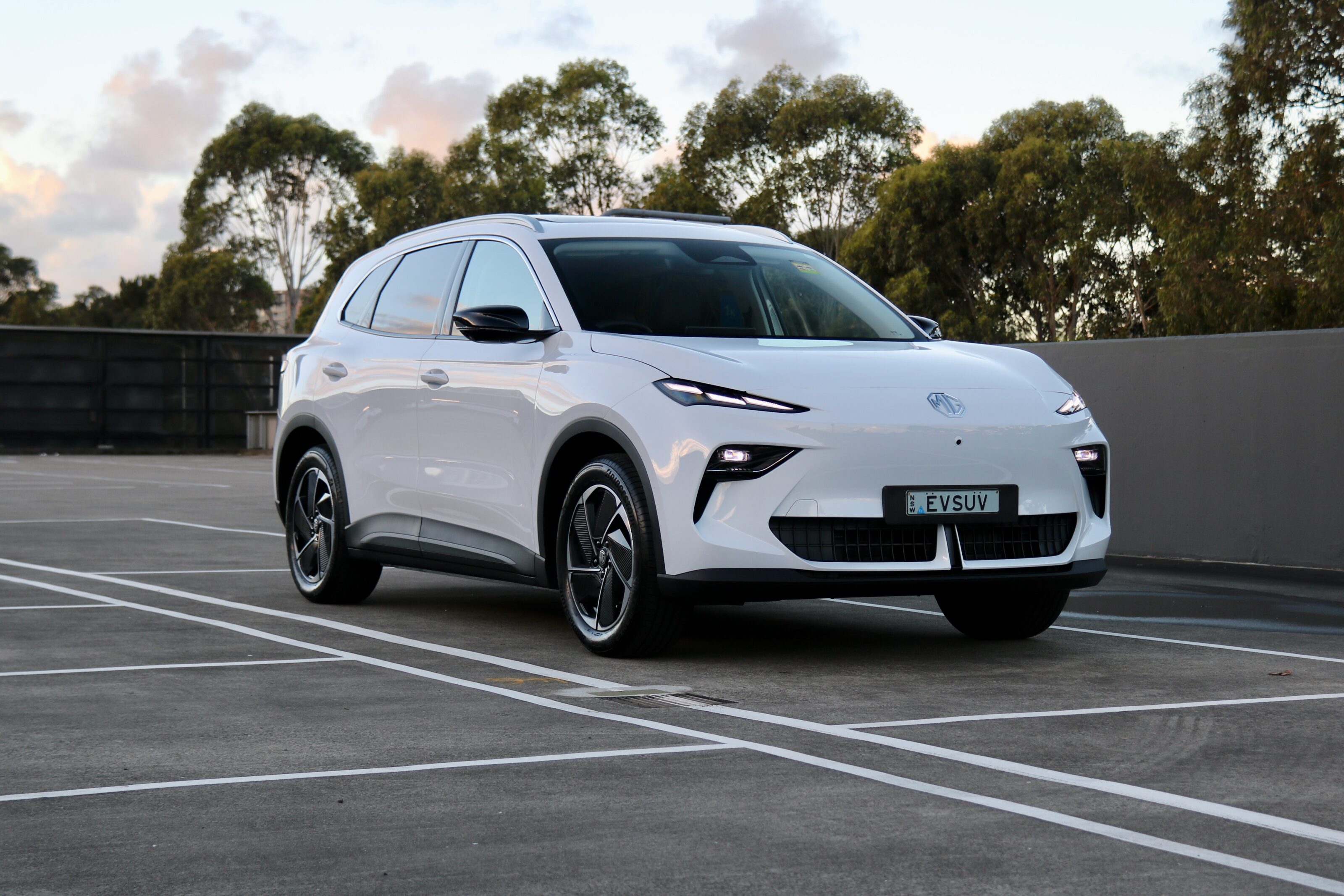
Based on the same excellent platform as the MG4 hatchback – not the new MG4 Urban – the MGS5 EV was launched in Australia in 2025. Building on the strengths of the MG4, including its great chassis, keen pricing and good practicality with a more practical body and a new dashboard layout with higher quality materials, the MGS5 EV is a compelling option for an electric small SUV.
Pricing starts at just $40,990 driveaway for the entry-level Excite 49, which features a 49kWh LFP battery for a claimed 340km of range (WLTP) and a 125kW/250Nm rear-mounted motor. Sitting above that are a larger 62kWh battery and the higher-spec Essence model (which also offers both battery sizes), with the top-spec Essence 62 priced from $45,990 driveway – or, the same price point that the entry-level Hyundai Kona Electric is currently being offered at on special.
As we’ve come to expect from the MG brand, the MGS5 EV is great value for money and even for a base model, the Excite is well equipped. Standard features include 17-inch alloy wheels, automatic LED exterior lighting, cloth seat upholstery, single-zone automatic climate control with rear air vents, a large 12.8-inch touchscreen with live services and wireless phone mirroring, as well as the MG Pilot suite of active safety features.
The upper-spec Essence then adds larger 18-inch wheels, automatic wipers, synthetic leather upholstery, heated front seats, an electric tailgate, a panoramic sunroof, online services and a heated steering wheel. Charging speeds are healthy, with the smaller battery capable of 120kW and the larger 139kW for a 10-80 per cent charge time of as little as 19 minutes for the smaller unit. On the road, the S5 EV impresses with a keen chassis and excellent ride quality.
The S5 EV’s cabin is good quality and spacious, and the 12.8-inch touchscreen is easy to use and – unlike many new cars – features buttons located below to help with usability. Two six-footers will be more than comfortable in the rear seat, and the 453-litre boot is a reasonable size, opening up to 1441 litres with the rear seats folded.
The MGS5 EV is a pretty good option if you’re after a value-packed electric small SUV. Prices start at just $40,990 driveaway for the entry-level Excite 49, which provides a reasonable range of up to 325km (WLTP), but if you’re wanting more, the larger battery can give up to 430km of range. We wish that the more powerful motors offered overseas were sold in Australia, but 125kW is enough to motivate the S5’s keen chassis.
BMW iX1
1
Price: From $77,500 plus on-road costs
Drivetrain: Dual-motor electric, AWD, 66.5kWh battery
Outputs: 230kW/494Nm
Range (WLTP): 400km
Warranty: Five-year/unlimited km
Six-year service cost: $2250 ($375 per year)
| Driving | |
| Interior | |
| Practicality | |
| Overall value | |
Strengths
- Takes X1’s goodness and adds an electric powertrain
- Roomy cabin with high quality materials
- Good to drive, comfortable
Weaknesses
- Everything controlled through the touchscreen
- DC charging speed nothing special
- Little in the way of customisation
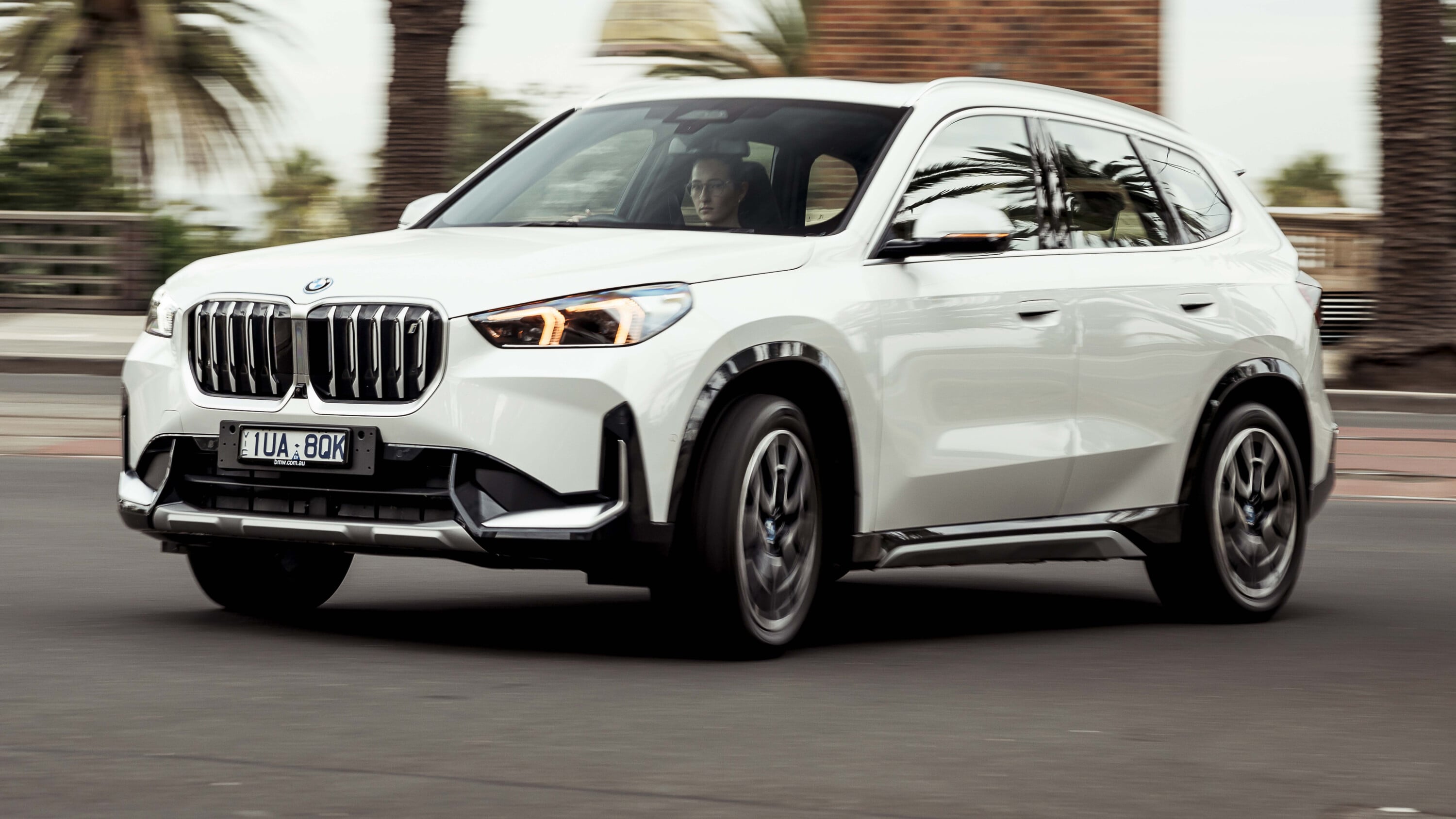
BMW’s smallest SUV is now in its third generation, and this one is the first to offer a fully electric powertrain. In addition to that, the X1/iX1 impresses with its high quality cabin, long list of equipment and excellent practicality. While the petrol X1 range starts at $66,700 plus on-road costs for 2026, the electric iX1 is priced from $77,900 +ORC, or comfortably underneath the fringe benefits tax (FBT) exemption.
Now offered in just xDrive30 spec with keen 230kW/494Nm outputs – a less powerful 150kW eDrive20 variant also used to be sold locally – the iX1 features a 66.5kWh battery for a claimed 400km of range (WLTP). Its DC charging capability is reasonable as it’s capable of charging at up to 130kW for a claimed 10-80 per cent charge in under 30 minutes. That’s not as fast as some rivals like the Volvo EX30, but it does best the Mercedes-Benz EQB.
As the xDrive part of its name suggests, the iX1 is all-wheel drive and it’s quite brisk, hitting 100km/h in just 5.6 seconds. On the road, the X1 presents a well-tuned ride quality and feels solid at speed.
Inside, the iX1 features excellent quality materials and plenty of technology, including the latest version of BMW’s iDrive operating system. Unlike larger BMW models, the centre display is only a touchscreen, which can be a bit frustrating at speed as the screen’s menu structure can be a bit confusing and the icons are small. But the system is fully featured and quick, plus the screen quality is excellent.
The X1 is larger and more practical than you’d expect for a product that fits into the small SUV segment. The front cabin features big door bins, a funky centre console bridge and a huge back seat that two tall adults would be quite comfortable sitting in. The boot measures a large-for-the-segment 490 litres – that’s 50L less than the X1 but still a good size, and a large 1495 litres of space is unlocked by folding the rear seats.
Overall, the BMW iX1 is a strong contender for the best electric small SUV. It’s not cheap to buy, but it’s a well-rounded product thanks to its great practicality, good range and performance stats, long list of standard equipment and well-tuned safety features. That BMW Australia just made it cheaper is the strawberry on top.
Hyundai Kona Electric
4
Price: From $54,000 plus on-road costs
Drivetrain: Single-motor electric, FWD, 48.6kWh or 64.8kWh batteries
Outputs: 99kW/255Nm or 150kW/395Nm
Range (WLTP): 370km-505km
Warranty: Five-year/unlimited km
Five-year service cost: $1488 ($297 per year)
| Driving | |
| Interior | |
| Practicality | |
| Overall value | |
Strengths
- Big upgrade on previous Kona Electric
- Well equipped across the range
- Current specials make it much better value
Weaknesses
- Expensive without special pricing
- Cabin quality nothing special
- Could be more powerful
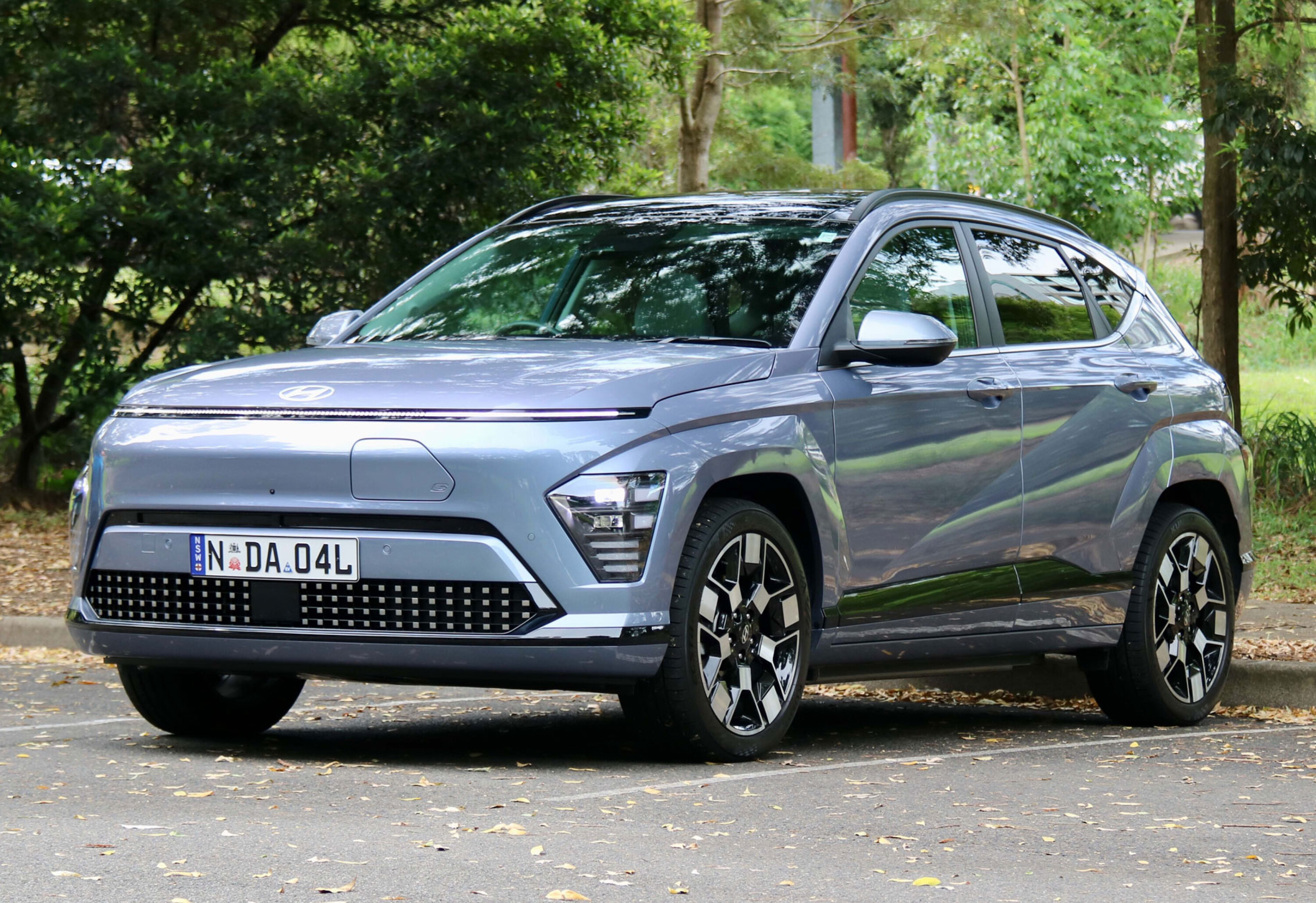
The second-best selling small SUV in Australia so far in 2026 is the Hyundai Kona, which is one of the better all-rounders in the segment. One of its best attributes is that it offers a wide range of powertrains, with petrol, hybrid and electric variants on offer. While the previous generation model was small inside, the new model is larger and more practical, far better equipped across the range and thanks to this growth in size, better value for money.
Pricing for the Kona Electric range kicks off from $54,000 plus on-road costs, which isn’t cheap, though Hyundai has the base model on special for just $45,990 driveaway, $50,990 driveaway for the mid-spec Extended Range and $60,990 driveaway for the top-spec Premium. At those prices, the Kona Electric is much better value for money. Regardless of model, the Kona drives well with a great ride quality and improved refinement, especially with road noise.
Where the Kona has seen the biggest improvement is in its interior design as it’s now more up-to-date than the previous generation, which felt dated in comparison to newer Hyundai models. The Kona’s cabin could be better quality, but there’s no denying the awesome practicality and pleasing ergonomics throughout. It’s far more modern than before, and the 12.3-inch touchscreen that’s standard across the range is easy to use, well featured and its screen quality is sharp .
The rear seat of the new Kona is larger than the old one and two adults will fit perfectly fine this time around, while amenities include air vents and charging ports across the range. The boot is also larger now at 407 litres seats up and 1,241L with them folded, while there are some clever tricks like a dual-level boot floor to help practicality further. Very impressively, all models feature a spare wheel – it should be a given, but thanks to their batteries, spare wheels rarely fit in EVs.
The new Hyundai Kona Electric is a worthy competitor in the electric small SUV segment thanks to its all-round ability: it’s much more practical this time around, good to drive, more practical and is capable of travelling a reasonable distance on a full charge, especially the models with the larger battery. Counting against it are expensive pricing without specials, cabin quality that could be better and that its more expensive siblings can charge faster. But overall, the Kona Electric is a worthy option for a small electric SUV.
Mercedes-Benz EQB
3
Price: From $90,000 plus on-road costs
Drivetrain: Single-motor electric, FWD, 70kWh battery
Outputs: 140kW/385Nm
Range (WLTP): 463km
Warranty: Five-year/unlimited km
Five-year service cost: $2650 ($530 per year)
| Driving | |
| Interior | |
| Practicality | |
| Overall value | |
Strengths
- One of the only seven-seat EVs available
- Roomy and practical cabin
- Nice to drive, refined
Weaknesses
- Not cheap to buy or service
- New generation model already revealed
- Small third row of seating
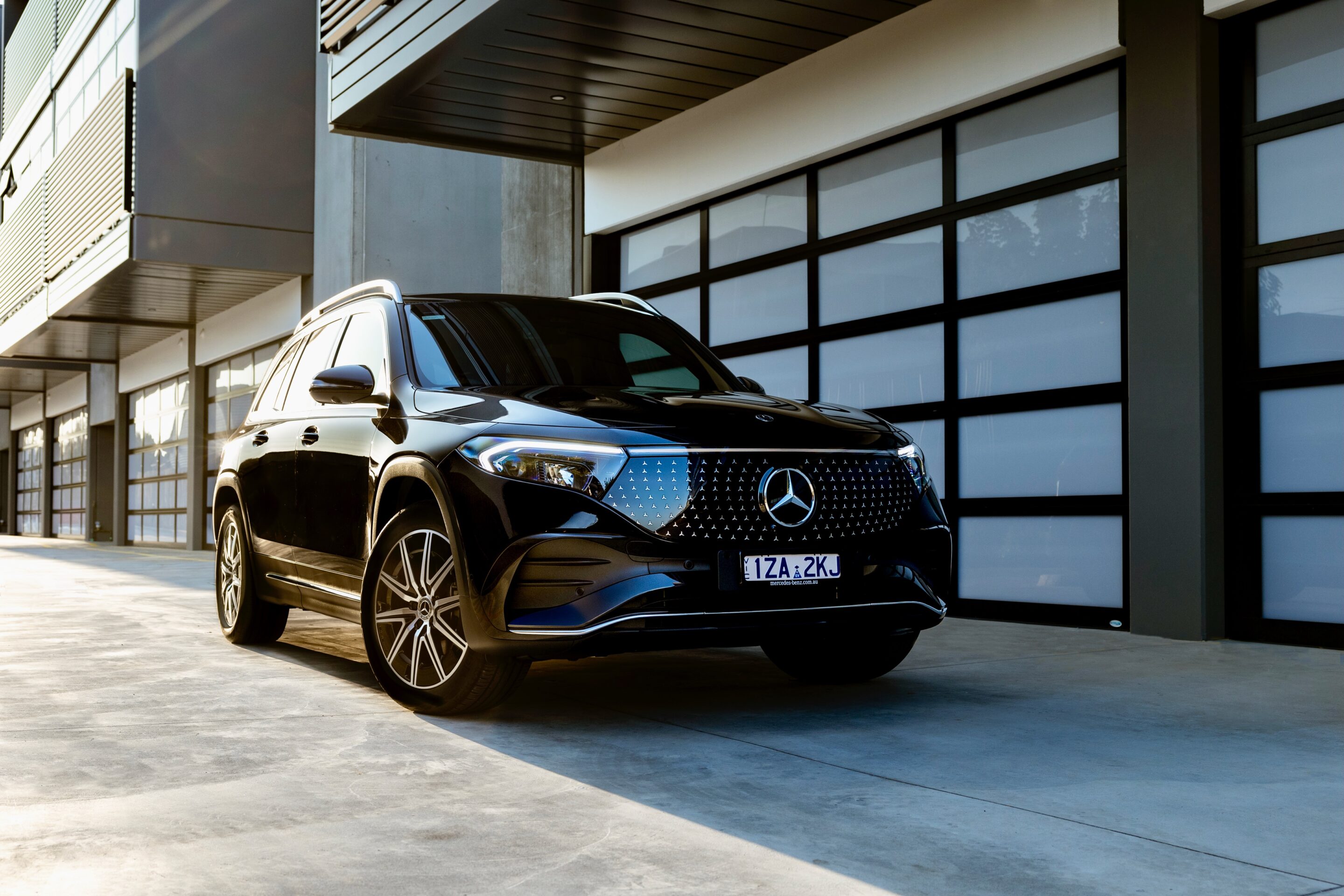
The next-generation model was recently revealed, but there’s still plenty of appeal to the current shape Mercedes-Benz EQB. Available in only 250+ specification, the EQB is priced from $90,000 plus on-road costs in Australia and comes very well equipped, with equipment including 20-inch alloy wheels, two 10.25-inch displays with the brand’s ‘MBUX’ infotainment system, augmented reality satellite navigation, dual-zone automatic climate control with rear air vents, synthetic leather upholstery and a long list of active safety features.
The 250+ badge in the EQB’s name refers to a front-driven single motor making reasonable 140kW/385Nm outputs tied to a 70kWh battery for a claimed 463km of range (WLTP). Peak DC charging speed is 102kW, which lags behind the best competitors, but the claimed 10-80 per cent charge is a reasonable 35 minutes.
On the road, the EQB impresses with a refined and enjoyable driving experience, just as you’d expect from the Mercedes-Benz brand. It’s not the last word in sportiness, but it is very comfortable and refined, with very little road noise despite the large 20-inch wheels. The 140kW motor gives the EQB reasonable performance, with the 0-100km/h sprint completed in under 9.0 seconds, while the 385Nm of torque makes it feel quite torquey.
Inside the EQB is a modern cabin with funky ambient lighting, bright screens and high quality materials throughout. Uniquely in the segment too, the EQB features seven seats – though the third row is definitely best described as ‘kids-only’, as legroom in particular is tight. However, fold the third row of seating down and you get a healthy 495-litre boot, which is much larger than the 340L boot in the smaller Mercedes-Benz EQA.
While there’s a new model on the horizon, the current generation Mercedes-Benz EQB still presents solid buying in the electric small SUV segment, if you can afford it. It uniquely offers seven seats despite an exterior that still fits in the small part of the segment, its interior is befitting of the Mercedes-Benz badge with high quality materials and luxurious features, it drives well with a refined and comfortable feeling from behind the wheel and although some rivals charge faster, its 463km WLTP range is certainly more than enough for many.
Best Small SUVs in Australia
Looking to get into a brand-new small SUV? Our stories below will guide you to the model that best suits your needs:
Follow WhichCar/Wheels on Google
Click the button below to make WhichCar by Wheels a preferred source for your news.